

Product Detail
Zawiya by Mastorat: The Deep Red Pishwas Built for Bridal Legacy
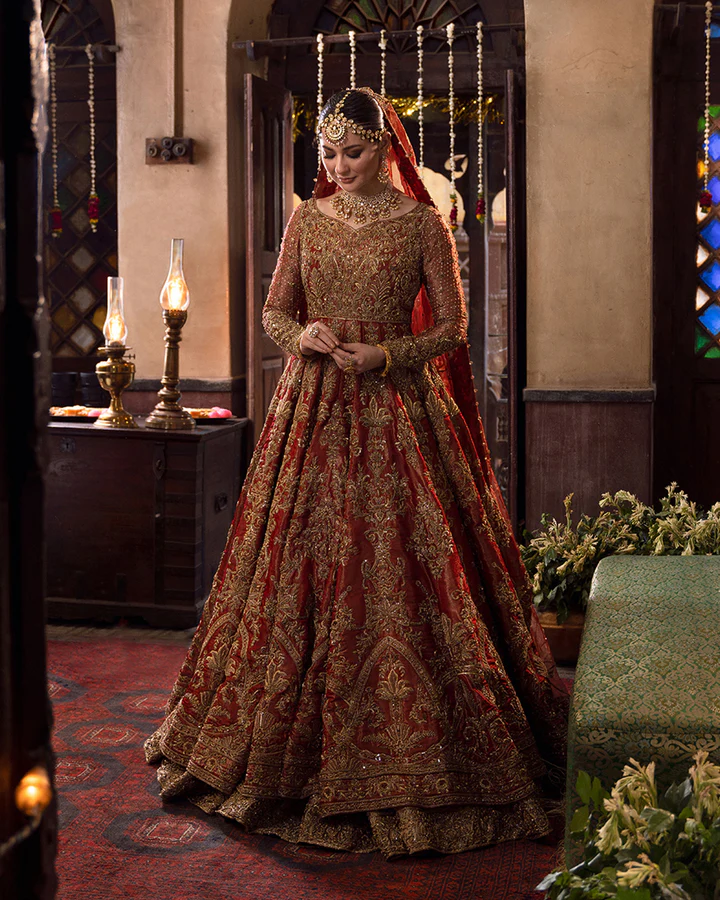
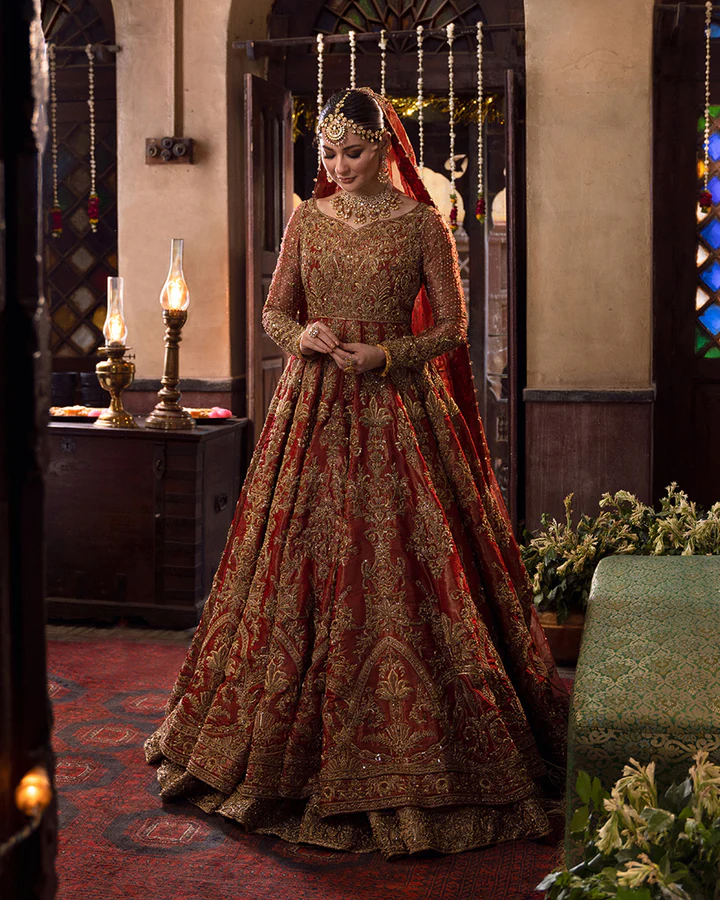
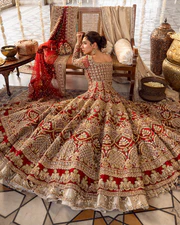
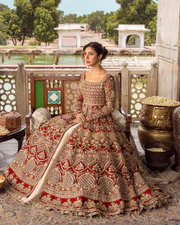
There is a particular shade of red that has carried South Asian brides down the aisle for generations — deep, grounding, and unapologetically rich. Zawiya, Mastorat’s newest bridal offering, is built entirely around this color, transformed into a pishwas ensemble that feels less like a wedding outfit and more like a piece of living tradition.
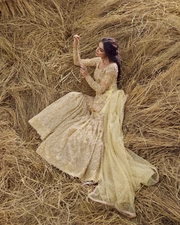
Where many bridal pieces lean toward trend, Zawiya leans toward timelessness. It is a deep red tissue pishwas bridal set, designed for the bride who wants her wedding day to feel rooted — connected to the brides who came before her, while still feeling entirely her own.
The Composition
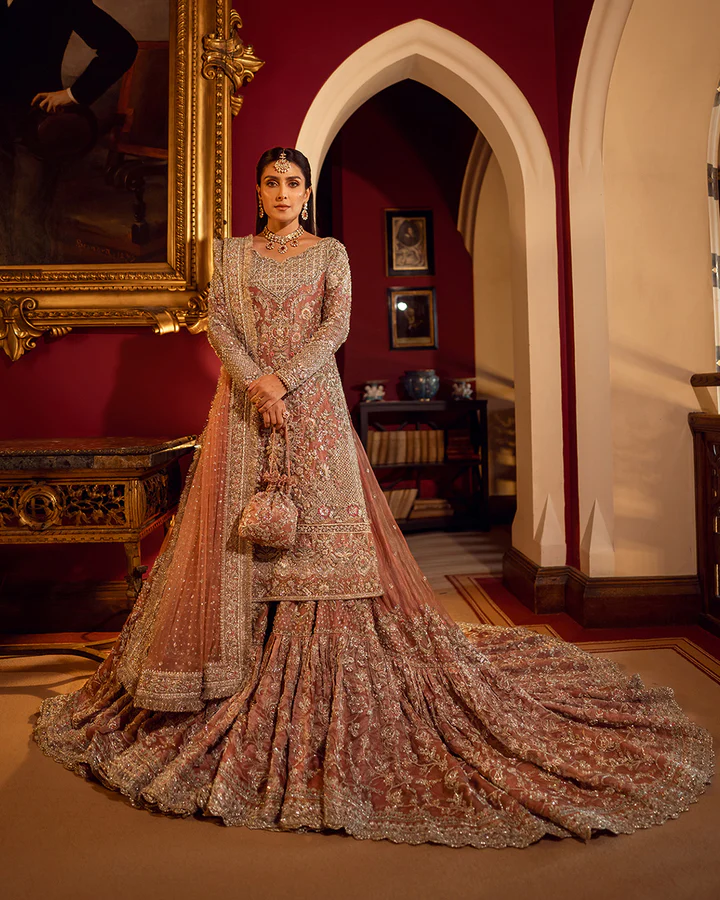
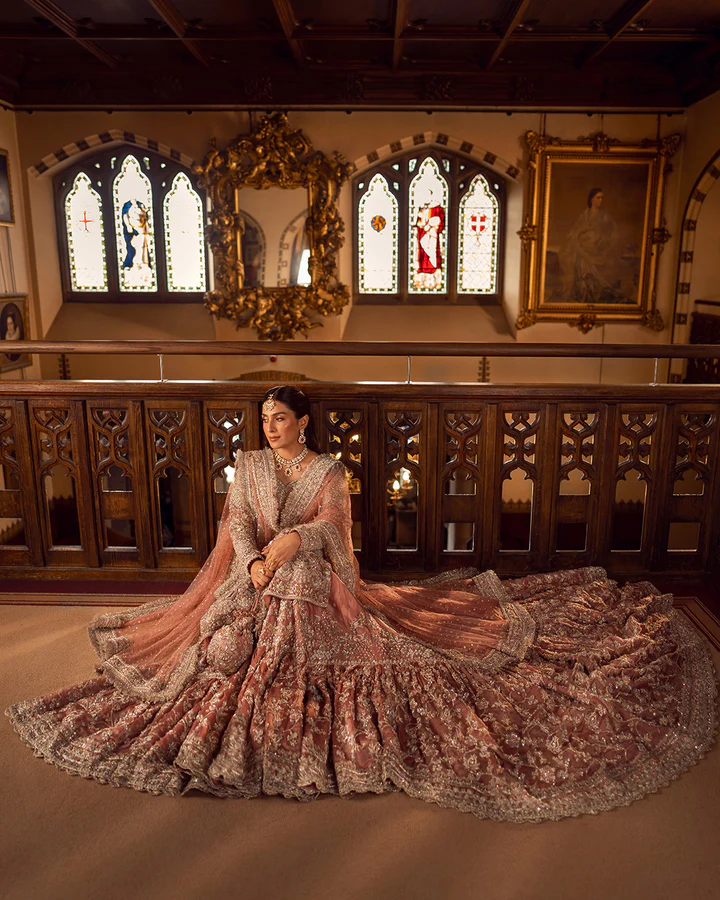
Zawiya is a complete four-piece bridal ensemble, with every element hand-embellished to maintain a cohesive, head-to-toe richness:
- A hand-embellished tissue pishwas, fully worked on both the front and back. The pishwas silhouette — a flowing, floor-length frock traditionally paired with a lehnga underneath — has long been associated with regal South Asian bridal dressing, and Zawiya’s front-and-back embroidery ensures the garment commands attention whether the bride is walking toward her guests or being admired from behind as she moves through the celebration.
- Hand-embellished tissue sleeves, continuing the embroidery story down the arms so that no part of the ensemble feels like an afterthought. The sleeves are treated with the same density and care as the body of the pishwas, maintaining visual harmony across the entire garment.
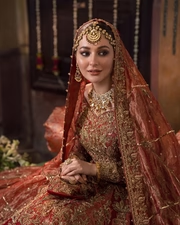
- A hand-embellished tissue dupatta, sheer yet structured enough to hold its embroidered weight, designed to drape beautifully over the shoulders or head during key bridal moments.
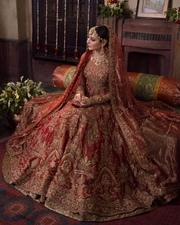
- A hand-embellished tissue lehnga, worn beneath the pishwas, adding volume, movement, and an additional layer of embroidered detail that catches the light as the bride walks.
Choosing tissue fabric throughout all four pieces was deliberate. Tissue has a natural, subtle sheen that makes embroidery appear almost lit from within — a quality especially suited to deep, saturated colors like the red used in Zawiya, where the fabric’s gentle luminosity prevents the richness of the color from feeling heavy or flat.
The Embroidery: Lotus Blooms, Bouquets, and Vases
Zawiya’s embroidery tells a deliberate visual story. Rather than scattering generic florals across the fabric, Mastorat’s artisans have hand-worked three distinct motifs — lotus blooms, floral bouquets, and vases — composed together to suggest an entire garden captured in thread.
The lotus bloom is a motif rich with symbolism across South Asian art and tradition, often representing purity, rebirth, and grace rising above difficulty — fitting imagery for a bride stepping into a new chapter of her life. Each lotus is hand-embroidered with attention to its layered petals, giving the motif genuine dimension rather than a flat, printed appearance.
The floral bouquets scattered throughout the pishwas and lehnga add a softer, more organic counterpoint to the structured lotus motifs, mimicking the natural irregularity of real flowers gathered by hand.
The vase motifs are perhaps the most distinctive element of Zawiya’s design language. Vases holding florals are a classical motif in South Asian textile art, historically symbolizing abundance, hospitality, and the home — themes deeply connected to marriage and the building of a new household. By incorporating vases alongside loose bouquets and lotus blooms, the embroidery on Zawiya feels composed rather than random, as though each cluster of embroidery was placed with the same intentionality a florist brings to arranging real blooms.
Handcrafted, Not Manufactured
As with every Mastorat creation, Zawiya is handcrafted with meticulous care, a process that demands genuine diligence and love from the artisans involved. Achieving this level of embroidered density and motif precision across four full garments — pishwas, sleeves, dupatta, and lehnga — requires laborious hours of dedicated handwork. This is not embroidery applied quickly or mechanically; it is built motif by motif, thread by thread, by artisans whose skill has often been passed down across generations.
This is also why Zawiya carries a production timeline of 3 to 4 months. Genuine handwork at this scale cannot be rushed without compromising the integrity of the final piece, and Mastorat asks its clients for the same patience that its artisans dedicate to the craft. Brides are strongly encouraged to place their orders well ahead of their wedding date, allowing the full embroidery process the time it rightfully needs.
The Power of Deep Red
Deep red remains one of the most enduring choices in South Asian bridal wear, traditionally worn for the main wedding ceremony itself. Unlike the brighter, more playful tones often reserved for mehndi or pre-wedding functions, deep red carries a sense of occasion and permanence — it is the color most associated with the central, defining moment of the wedding. Paired with tissue fabric’s subtle shimmer and dense, hand-applied embroidery, Zawiya’s red feels less like a single shade and more like a statement of arrival.
A Note on Color
As is natural with rich, dark, hand-dyed tones and heavily hand-embroidered fabric, actual colors may slightly vary from the image shown. This variation is an expected characteristic of fine handcrafted bridal wear and reflects the individuality of each piece rather than a flaw.
For the Mastorat Bride
Zawiya is for the bride who wants her wedding day to feel anchored in something larger than a single celebration — a piece that nods to tradition while standing entirely on its own as a work of craftsmanship. It is an ensemble meant to be photographed, passed down, and remembered.
Reviews
There are no reviews yet.