
Sale!


Original price was: ₨15,000.00.₨13,000.00Current price is: ₨13,000.00.
Sale!


Original price was: ₨11,500.00.₨9,500.00Current price is: ₨9,500.00.
Sale!
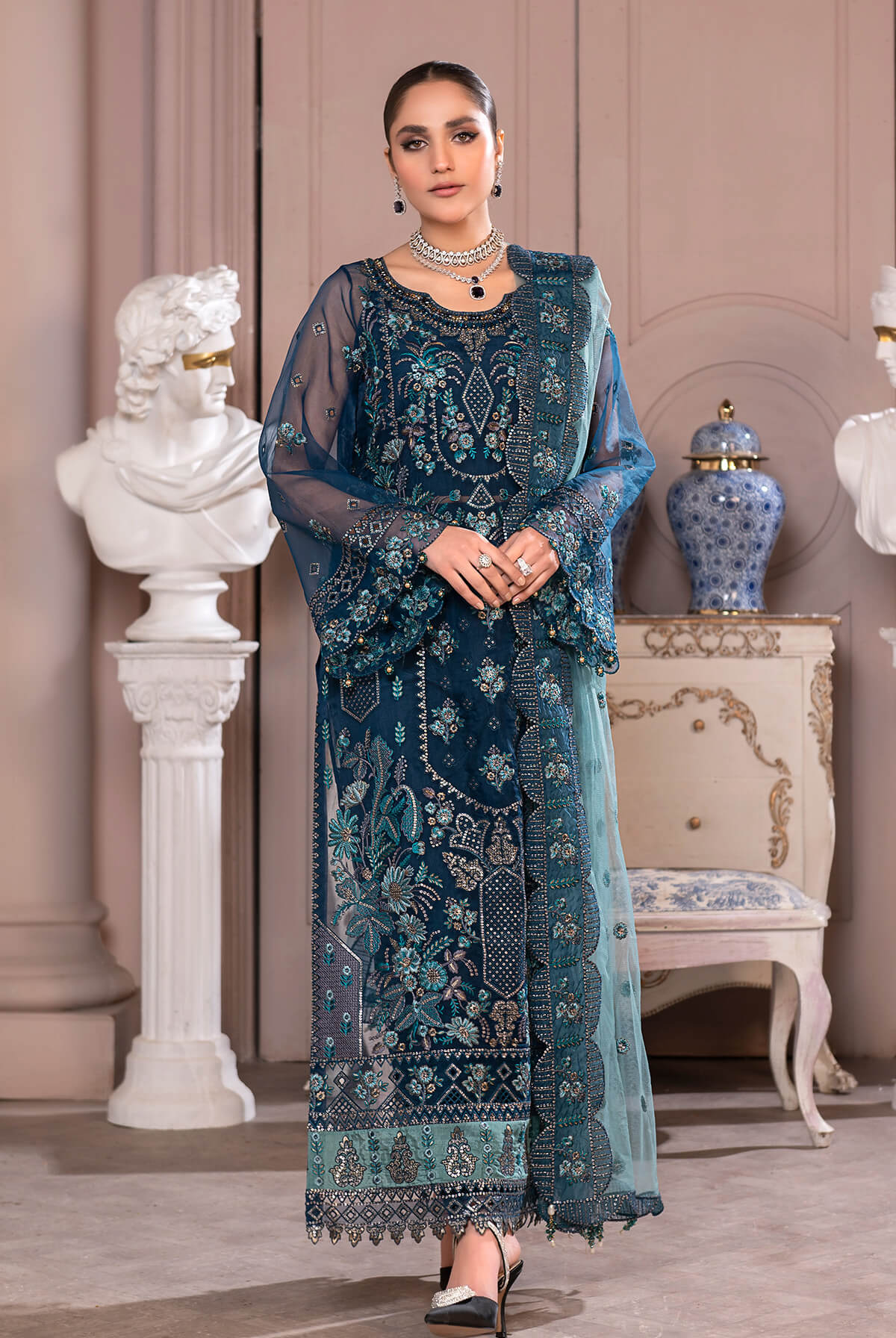

Original price was: ₨14,000.00.₨9,500.00Current price is: ₨9,500.00.
Sale!


Original price was: ₨16,000.00.₨14,000.00Current price is: ₨14,000.00.
Sale!


Original price was: ₨20,000.00.₨14,500.00Current price is: ₨14,500.00.
Sale!


Original price was: ₨19,000.00.₨14,000.00Current price is: ₨14,000.00.
Sale!


Original price was: ₨16,500.00.₨15,000.00Current price is: ₨15,000.00.
Sale!


Original price was: ₨18,500.00.₨15,500.00Current price is: ₨15,500.00.
Sale!


Original price was: ₨15,000.00.₨11,500.00Current price is: ₨11,500.00.
Sale!

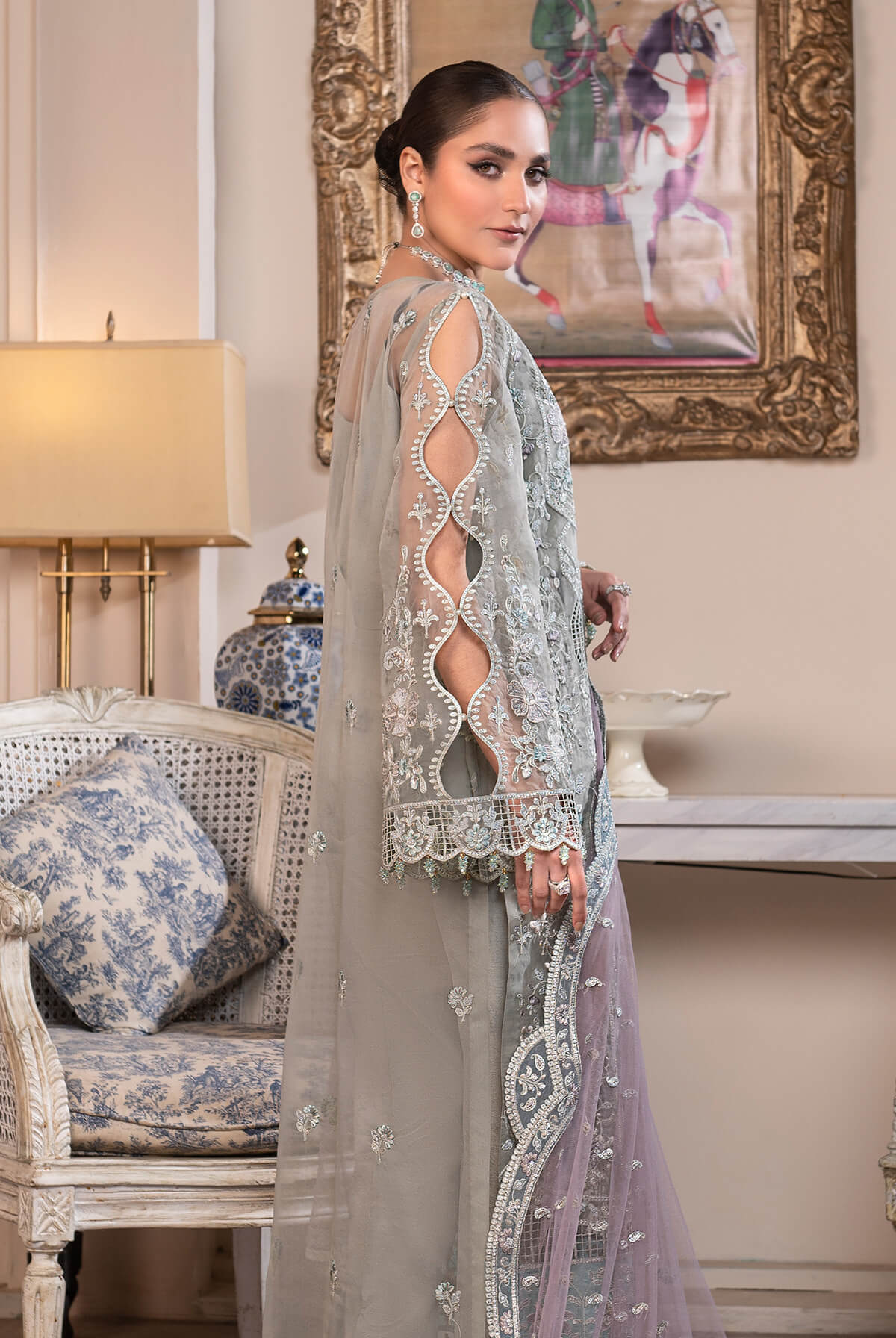
Original price was: ₨14,000.00.₨11,500.00Current price is: ₨11,500.00.
Sale!


Original price was: ₨13,500.00.₨8,700.00Current price is: ₨8,700.00.
Pakistani Dress Wholesale Supplier Croatia | Mastorat
Pakistani fashion is known for its elegant embroidery, distinctive patterns, versatile fabrics, and blend of traditional craftsmanship with modern design. From everyday outfits to sophisticated formal dresses, Pakistani clothing offers retailers a diverse range of products for customers who appreciate cultural fashion. As international shopping becomes more accessible, boutiques and online retailers in Croatia have opportunities to introduce these collections to a wider audience.
For businesses planning to expand their clothing collections, finding a reliable Pakistani Dress Wholesale Supplier Croatia is an important step. A suitable supplier can help retailers source different clothing categories, compare available designs, plan seasonal purchases, and maintain a consistent product offering. Mastorat provides a platform for businesses interested in Pakistani clothing and wholesale fashion, with collections suited to different retail needs.
Croatia's fashion market includes independent boutiques, online clothing stores, established retailers, and businesses serving customers with diverse cultural interests. Pakistani dresses can complement these businesses by adding embroidered outfits, lightweight summer clothing, traditional formalwear, and contemporary styles to their existing collections.
However, successful wholesale sourcing involves more than selecting attractive products. Retailers should also consider fabric quality, sizing, order quantities, pricing, delivery arrangements, and customer preferences. Understanding these factors makes it easier to select products that suit a business's budget and target market.
This guide explains the main Pakistani clothing categories available for wholesale sourcing, the advantages of working with a specialist supplier, and the practical steps Croatian retailers can take when building a clothing collection with Mastorat.
Why Pakistani Clothing Is Worth Considering for Croatian Retailers
Pakistani clothing combines traditional design elements with a wide variety of fabrics, colours, cuts, and decorative details. This versatility allows retailers to offer products for everyday use, celebrations, formal gatherings, and special occasions. For boutiques in Croatia, adding Pakistani fashion can create opportunities to serve customers looking for distinctive clothing beyond conventional European styles. Embroidered suits, elegant long shirts, coordinated trousers, and decorative dupattas can provide variety for shoppers who appreciate detailed workmanship and versatile styling. Retailers should begin by understanding their own customers. Some may prefer understated outfits with minimal embroidery, while others may look for colourful prints, elaborate formal dresses, or premium occasionwear. A carefully selected collection can address these different preferences without making inventory management unnecessarily complicated. Working with a specialist such as Mastorat can help businesses explore Pakistani clothing categories in one place. Retailers can compare available collections and determine which products align with their store's positioning, customer expectations, and purchasing budget. Businesses can also review Pakistani Dress Wholesale options when planning bulk purchases. Comparing clothing categories before ordering helps retailers identify suitable products and avoid purchasing large quantities of styles that may not match their customers' needs.Understanding the Different Types of Pakistani Dresses
A successful wholesale collection usually includes a thoughtful combination of casual clothing, formal outfits, and products for special occasions. Each category serves a different purpose, so retailers should select items according to their audience and available retail space.Lawn Suits for Everyday and Summer Wear
Lawn suits are popular for their lightweight feel, breathable construction, and suitability for warmer weather. They commonly feature printed fabrics, embroidered details, coordinated trousers, and matching dupattas. For Croatian retailers, lightweight clothing can be particularly relevant during the warmer months. Customers may appreciate comfortable outfits for casual gatherings, holidays, family visits, and everyday activities. When evaluating lawn collections, retailers should review the fabric composition, print quality, colour consistency, stitching, and included components. It is also useful to establish whether an outfit is sold as a complete set or whether individual pieces need to be purchased separately. Businesses looking to build a broader inventory can explore Pakistani Dress Wholesale collections to compare casual and seasonal clothing options.Chiffon Dresses and Formal Partywear
Chiffon outfits offer a different look from everyday lawn clothing. Their flowing appearance and suitability for decorative embroidery make them a useful category for formal gatherings, celebrations, and evening events. Retailers may consider embroidered shirts, coordinated trousers, embellished dupattas, and other formal combinations. Colour choices can range from soft pastels and neutral shades to deeper tones suited to evening occasions. Before placing an order, businesses should examine product photographs, fabric descriptions, embroidery placement, lining details, and available sizes. These checks help retailers communicate product information accurately to customers. Mastorat's range can be explored alongside Pakistani Designer Dresses when selecting formal clothing for a boutique or online store. The aim should be to develop a balanced selection rather than stocking too many similar designs.Bridal Clothing and Luxury Occasionwear
Bridal fashion is a specialised category that generally requires more careful product selection than everyday clothing. Pakistani bridal outfits can feature elaborate embroidery, decorative embellishments, luxurious-looking fabrics, and coordinated accessories. For retailers in Croatia, bridal and occasionwear may appeal to customers preparing for weddings, engagement celebrations, cultural events, or other important occasions. However, these products often involve higher purchasing costs and longer customer decision-making periods. Retailers should consider the expected demand before committing to expensive inventory. Some businesses may prefer to display a small selection of sample designs, while others may choose to source particular styles after discussing requirements with customers. Businesses researching premium collections can also review Pakistani Designer Suits to understand the range of designs available for formal retail.Ready-to-Wear Pakistani Clothing
Ready-to-wear clothing offers convenience because garments are already stitched and prepared for use. This category may appeal to customers who want traditional styles without arranging separate tailoring. Retailers should pay close attention to size charts, garment measurements, stitching quality, fabric details, and the fit described by the supplier. Accurate product information is especially important for online stores, where customers cannot examine the clothing before ordering. Ready-to-wear outfits can be combined with unstitched products to give customers more choice. Businesses can explore Pakistani Dress in Wholesale options when planning a collection that includes different garment formats.Unstitched Fabrics and Custom-Tailoring Options
Unstitched clothing allows customers to decide how a garment will be cut, fitted, and finished. It can appeal to shoppers who prefer personalised tailoring or want to adjust the design according to individual requirements. Retailers considering this category should verify what each package includes. Fabric length, accompanying materials, embroidery panels, and other components can vary between products. Businesses can explore Pakistani Dress Material Wholesale for fabric-focused sourcing and compare the options that best suit their customers. Offering both stitched and unstitched clothing can help retailers serve customers with different preferences. The right balance depends on the business model, local tailoring availability, and the level of customer support the retailer can provide.How Mastorat Can Support Wholesale Clothing Businesses
Selecting a supplier is an important part of developing a sustainable retail operation. Businesses should assess product selection, communication, pricing, order requirements, and delivery arrangements before establishing a long-term purchasing relationship. Mastorat provides access to Pakistani clothing collections for businesses interested in wholesale fashion. Retailers can explore the available products and identify categories that fit their commercial requirements.A Diverse Product Selection
A varied catalogue makes it easier for businesses to compare styles and develop a collection for different occasions. Instead of focusing exclusively on one type of dress, retailers may combine casual suits, formal outfits, embroidered designs, and unstitched fabrics. Product diversity can also help businesses test customer preferences. For example, a retailer might begin with a small selection of printed suits and formal outfits before expanding into additional categories based on customer enquiries and sales performance. Retailers interested in fabric-led collections can also examine Pakistani Dress Material Wholesale when comparing sourcing possibilities.Evaluating Fabric and Workmanship
Fabric quality has a direct influence on the customer experience. Buyers should examine the fabric description, stitching, embroidery, finishing, and overall presentation before committing to substantial orders. Where possible, retailers should request product samples or obtain detailed product specifications. They should also confirm whether the colours and designs shown in product photographs accurately represent the available stock. A clear inspection process helps businesses establish consistent product expectations. It also makes it easier to answer customer questions about care instructions, garment construction, and suitability for different occasions.Wholesale Pricing and Budget Planning
Wholesale sourcing can help retailers manage the cost of building their inventory. However, the lowest purchase price is not always the best commercial option. Businesses must consider the overall cost of obtaining, storing, marketing, and selling each product. A practical budget should include the product price, international freight, applicable import duties, taxes, payment charges, packaging, and any additional handling expenses. These costs should be considered before setting retail prices. Retailers should request clear quotations and confirm the minimum order quantity, payment terms, and any volume-based discounts available for their chosen products. By comparing the full cost of different options, businesses can make purchasing decisions that support sustainable margins rather than relying on assumptions about profitability.Support for Different Business Sizes
A small independent boutique has different purchasing needs from a large clothing retailer. New businesses may want to test a limited selection, while established stores may require broader product ranges and more regular replenishment. Before ordering, buyers should confirm whether the supplier can accommodate their required quantities and whether different products can be combined within one order. Retailers should also clarify the process for handling unavailable items, product substitutions, damaged goods, and other order-related issues. Clear expectations can reduce misunderstandings and make supplier relationships easier to manage.Understanding the Pakistani Clothing Market in Croatia
Croatia's clothing retail environment includes physical shops, independent fashion businesses, online sellers, and retailers serving customers with different styles and budgets. Pakistani clothing can provide an additional category for businesses interested in cultural fashion, embroidered garments, and distinctive occasionwear. Nevertheless, retailers should avoid assuming that every product will appeal to every customer. Local demand needs to be assessed through customer conversations, online enquiries, competitor research, and small-scale product testing.Identifying Your Target Customers
The first step is to identify who is most likely to purchase the products. A boutique serving customers who enjoy formal fashion may need a different collection from an online shop focused on affordable everyday clothing. Potential customer groups could include people interested in South Asian fashion, shoppers seeking distinctive occasionwear, customers attending cultural celebrations, and buyers looking for embroidered outfits. These groups should be treated as possible audiences rather than guaranteed sources of demand. Retailers can learn more by monitoring enquiries, collecting customer feedback, and reviewing which products attract the most attention.Choosing Suitable Price Points
Different customers have different spending limits. A retailer should therefore establish a clear price range before selecting products. Affordable everyday suits may appeal to customers seeking practical clothing, while formal and bridal designs may attract shoppers willing to spend more for detailed workmanship or specialised styling. A balanced catalogue can include products at several price points, provided each category matches the business's intended positioning. Retailers should calculate prices using actual landed costs and account for operating expenses.Understanding Seasonal Preferences
Seasonal planning can help retailers organise their purchasing schedules. Lightweight clothing may be suitable for warmer months, while formal dresses and special-occasion collections can be promoted around relevant celebrations and customer events. Retailers should also consider the time required for international shipping and customs processing. Ordering too late can leave businesses with stock arriving after the intended sales period. A seasonal calendar, combined with realistic delivery estimates, can help businesses avoid unnecessary pressure and improve inventory planning.A Practical Wholesale Ordering Process
A clear ordering process helps retailers make informed decisions and keep purchasing activities organised.Step 1: Review the Available Catalogue
Begin by reviewing the supplier's available products. Group items into categories such as casual wear, formal clothing, bridal designs, and unstitched fabrics. Record the styles, sizes, colours, product descriptions, and prices that appear suitable for your business. This comparison makes it easier to identify gaps in the collection. For businesses that prefer catalogue-based browsing, Pakistani Catalogue Dress Wholesale is a relevant internal resource to explore.Step 2: Establish Your Purchasing Requirements
Before contacting a supplier or placing an order, determine the available budget and the quantity required for each category. Consider how much storage space is available, how quickly the business expects to sell the products, and whether the clothing will be sold online, in a physical shop, or through both channels. New retailers may benefit from a more cautious purchasing approach. Testing a smaller assortment can provide useful information before larger commitments are made.Step 3: Confirm Product Details
Review fabric information, garment measurements, available colours, stitching details, and package contents. Ask for clarification wherever the product description is incomplete. For stitched garments, verify the size chart and measurements. For unstitched clothing, confirm the included fabric and decorative components. These checks are particularly important when ordering internationally because returning or exchanging unsuitable items may involve additional expense.Step 4: Review the Complete Order Cost
Request a quotation that explains the product price, minimum order quantity, shipping charges, payment conditions, and expected dispatch arrangements. For delivery to Croatia, retailers should also investigate applicable import requirements, taxes, customs procedures, and any documentation needed for commercial shipments. A clear calculation of the landed cost helps businesses establish realistic selling prices and compare suppliers fairly.Step 5: Confirm Delivery Arrangements
Before making payment, establish how the order will be packed, dispatched, and tracked where tracking is available. Confirm the estimated delivery period and understand how delays or shipping problems will be communicated. International delivery times can vary according to the shipping method, customs processing, and other logistical factors. Retailers should therefore avoid promising customers an exact arrival date until they have reliable confirmation.Step 6: Inspect the Shipment
Once the shipment arrives, check the quantity, product styles, sizes, colours, and condition of the garments against the order documentation. Record any discrepancies and contact the supplier promptly if a problem is identified. Keeping photographs, invoices, and order records can make communication more straightforward. A consistent receiving process also helps businesses update inventory records and prepare products for sale.International Shipping and Supply Chain Considerations
International sourcing gives Croatian retailers access to products that may not be readily available through nearby suppliers. However, cross-border purchasing requires attention to shipping, documentation, customs, and delivery planning. Retailers should confirm the shipping methods offered for their order and request an estimate based on the shipment's size, weight, destination, and delivery requirements. Secure packaging is important because garments should arrive in a condition suitable for inspection and retail preparation. Businesses should ask how clothing is packed and whether special packaging arrangements are available for delicate or heavily embellished products.Customs and Import Requirements
Commercial imports into Croatia may be subject to customs procedures, duties, value-added tax, and documentation requirements depending on the shipment and applicable rules. Before placing an order, businesses should confirm the requirements relevant to their products and commercial circumstances. They may consult official Croatian or European Union customs information or seek advice from a qualified customs professional. Retailers should also clarify which party is responsible for shipping-related paperwork and which charges are included in the quotation. This helps prevent unexpected expenses after dispatch.Planning Around Delivery Times
Inventory planning should account for the entire supply process, not only the supplier's preparation time. International transit, customs clearance, and local delivery can all affect when products become available for sale. Businesses should maintain a reasonable buffer when ordering for seasonal promotions or special events. They can also track inventory levels and reorder popular products before stock becomes critically low. A well-organised supply process helps retailers serve customers more consistently while reducing the likelihood of stock shortages.Expanding Beyond Croatia Through International Sourcing
Businesses that develop a successful Pakistani clothing collection in Croatia may eventually consider serving customers in additional markets. International sourcing can support this growth, but each new market requires its own research and planning. Mastorat's broader international content includes resources such as Pakistani Dress Wholesale in Dubai, Pakistani Dress Wholesale in USA, and Pakistani Dress Wholesale in Pakistan. These pages can help readers explore related sourcing topics across different regions. Retailers researching neighbouring European markets may also find the following pages relevant:- Pakistani Dress Wholesale Supplier Austria
- Pakistani Dress Wholesale Supplier Germany
- Pakistani Dress Wholesale Supplier Albania
- Pakistani Dress Wholesale Supplier Belgium
- Pakistani Dress Wholesale Supplier Netherlands