 Wholesale
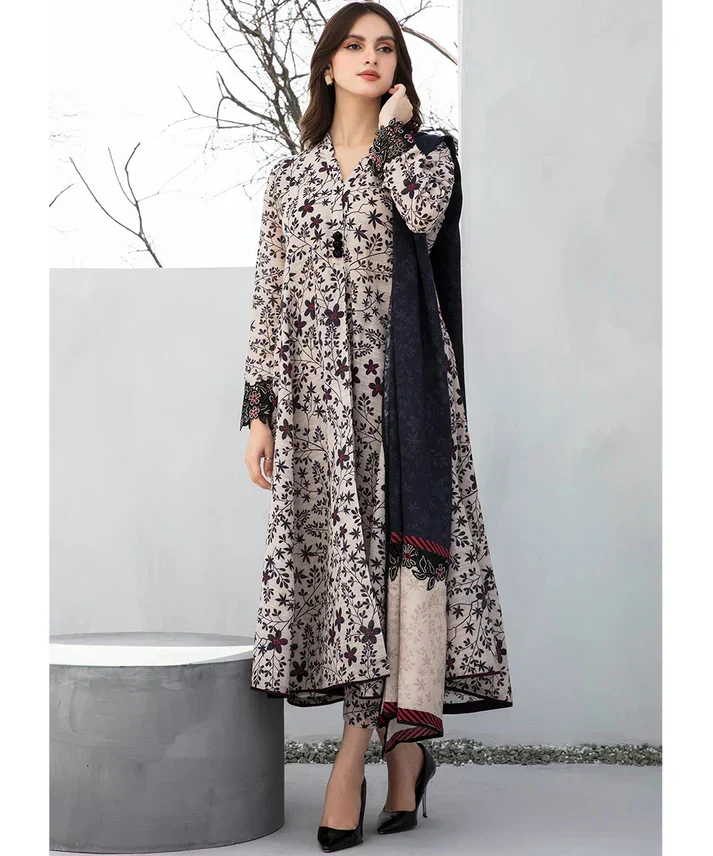
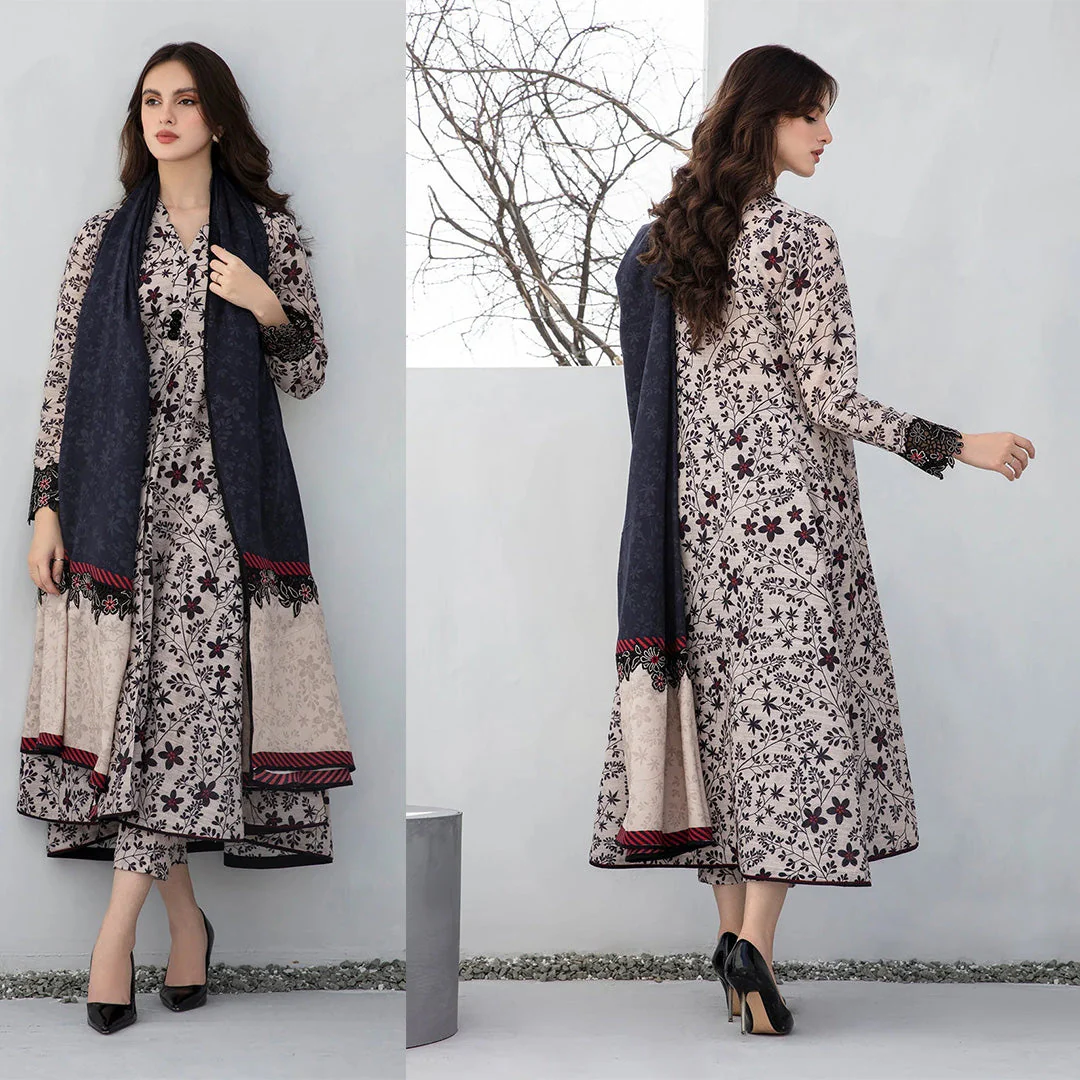
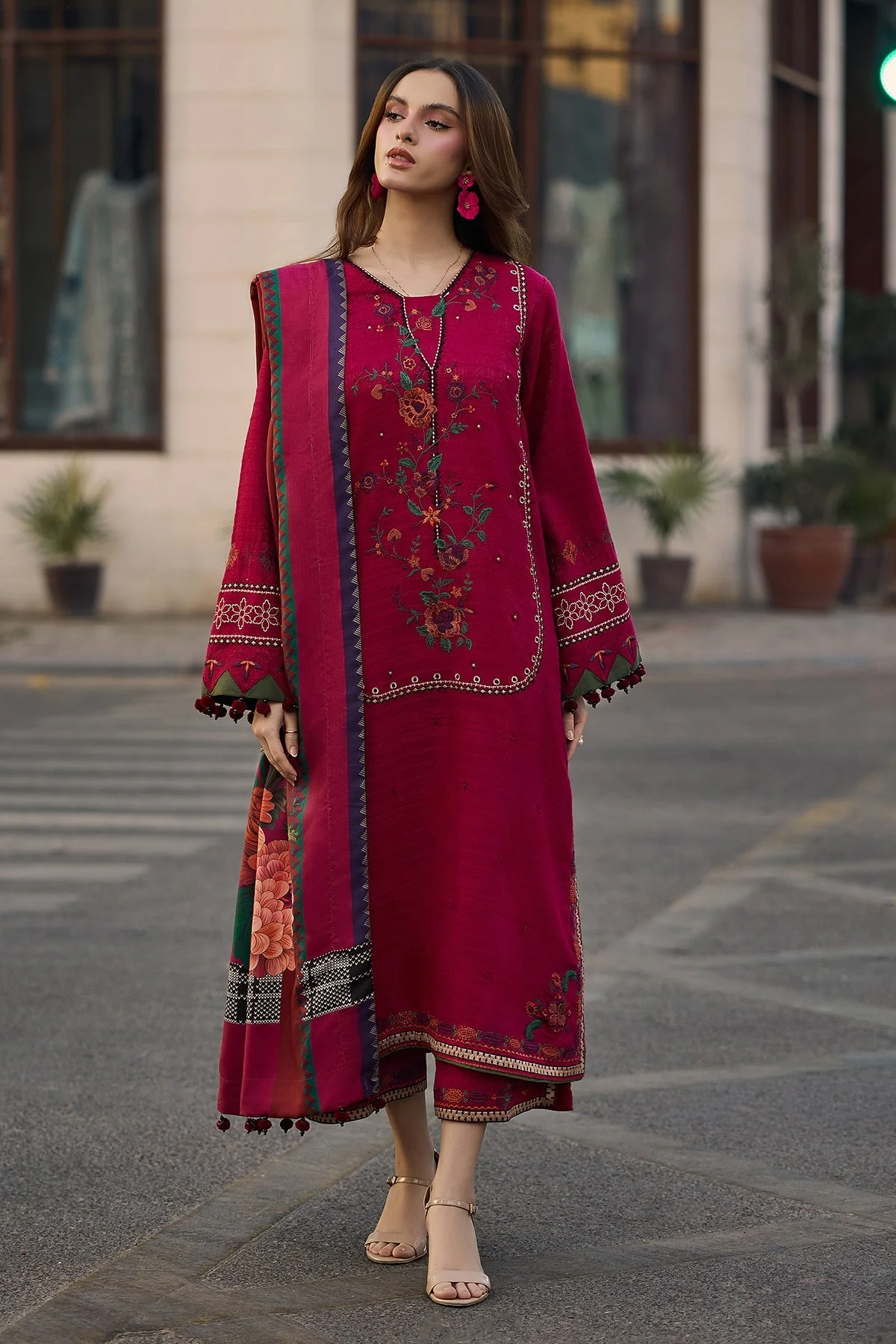
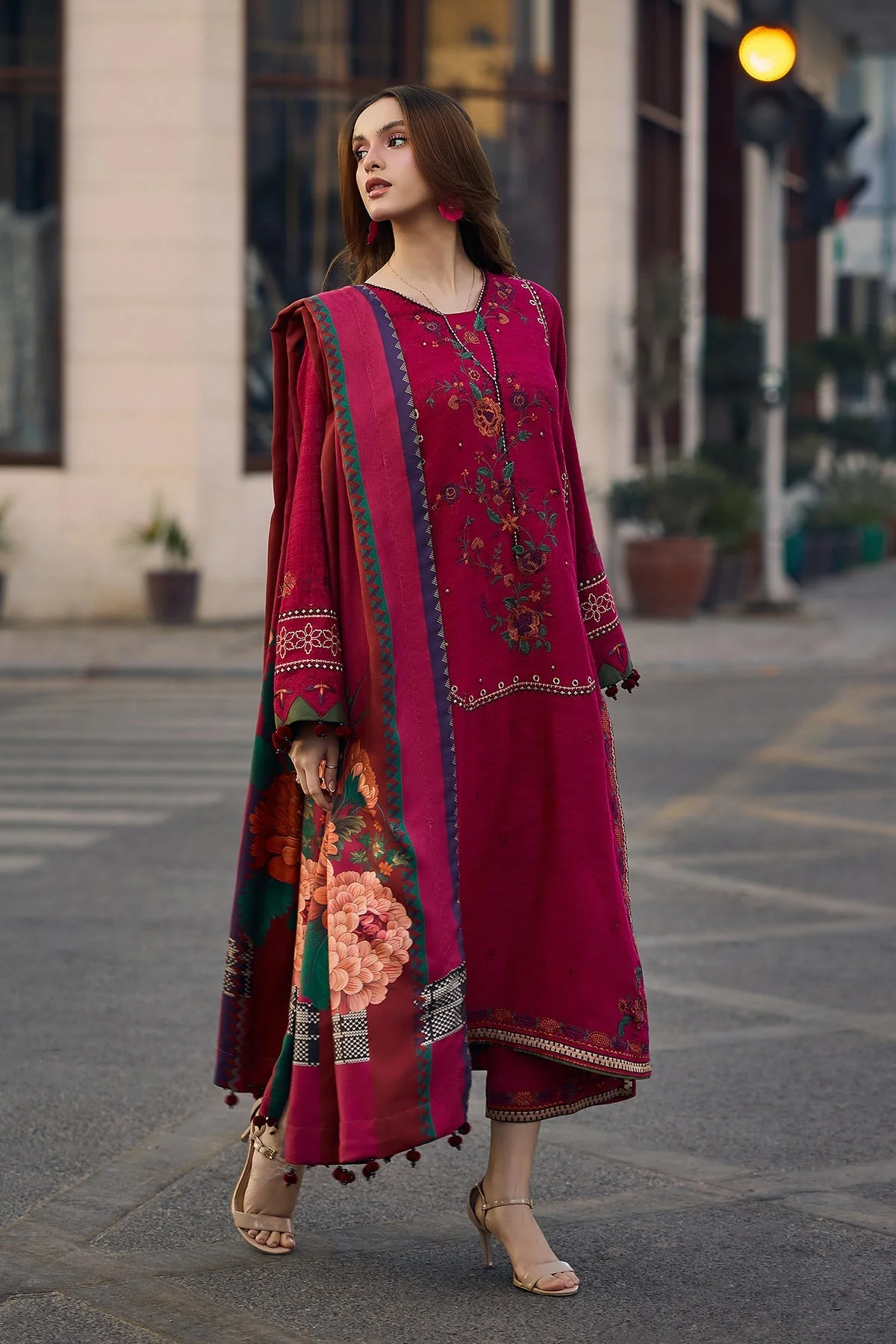
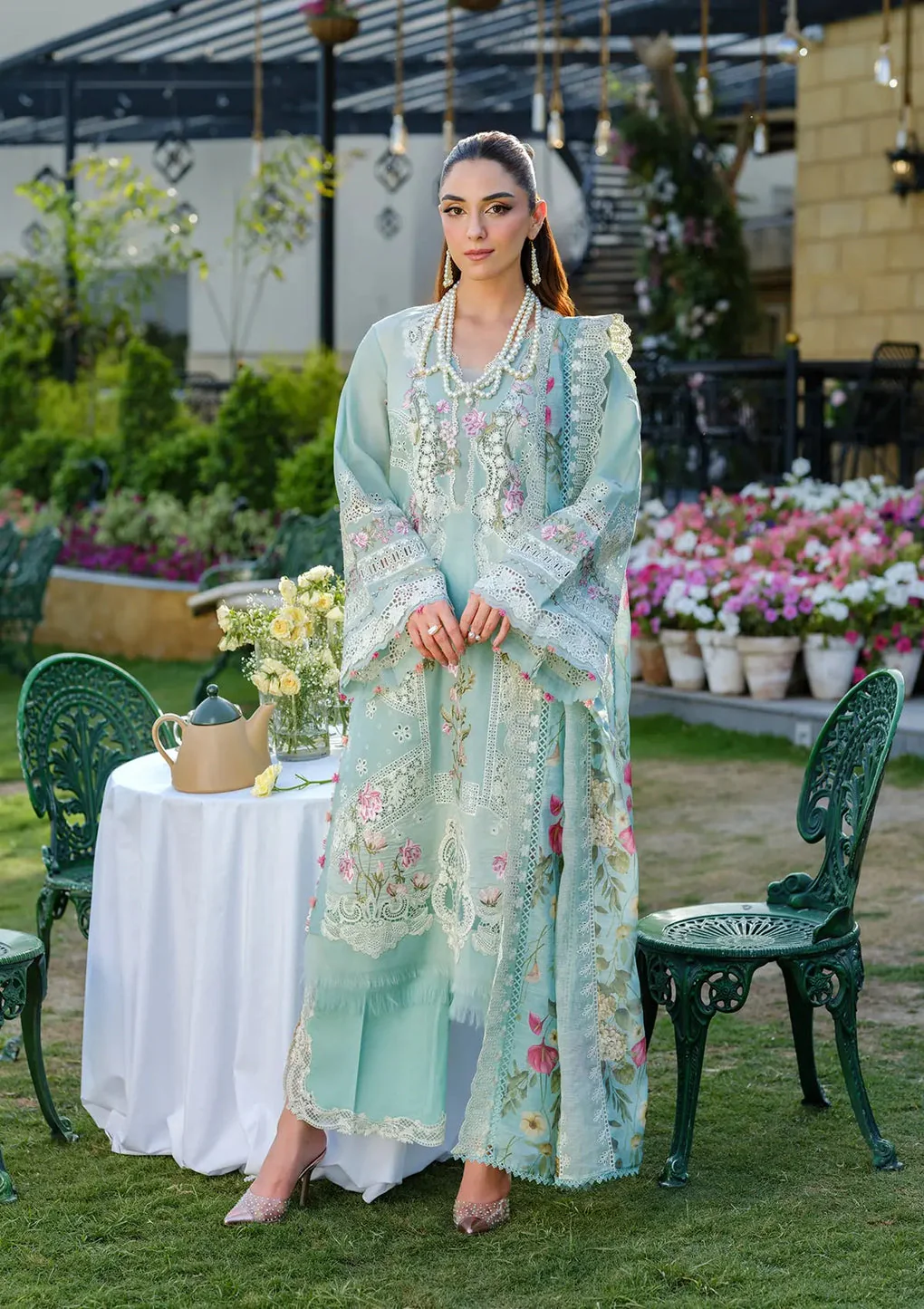
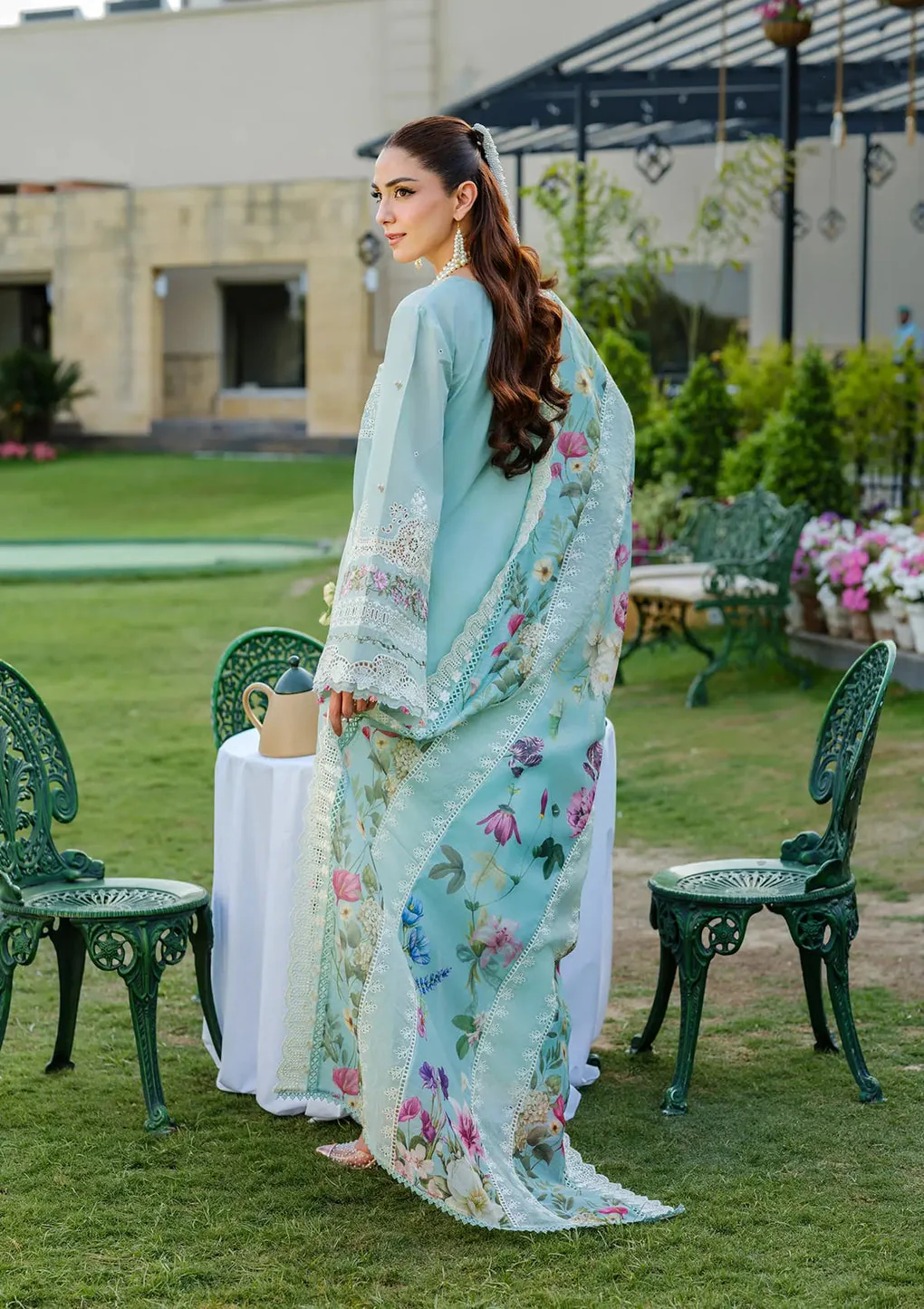
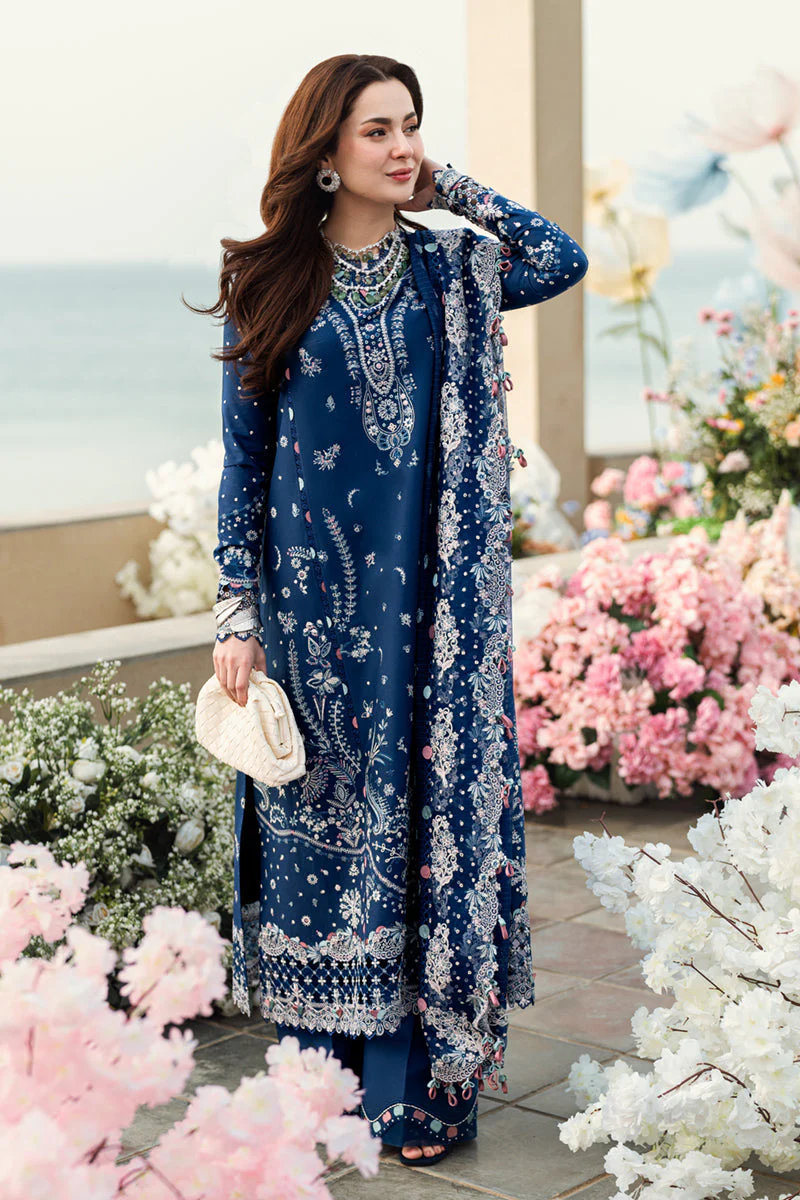
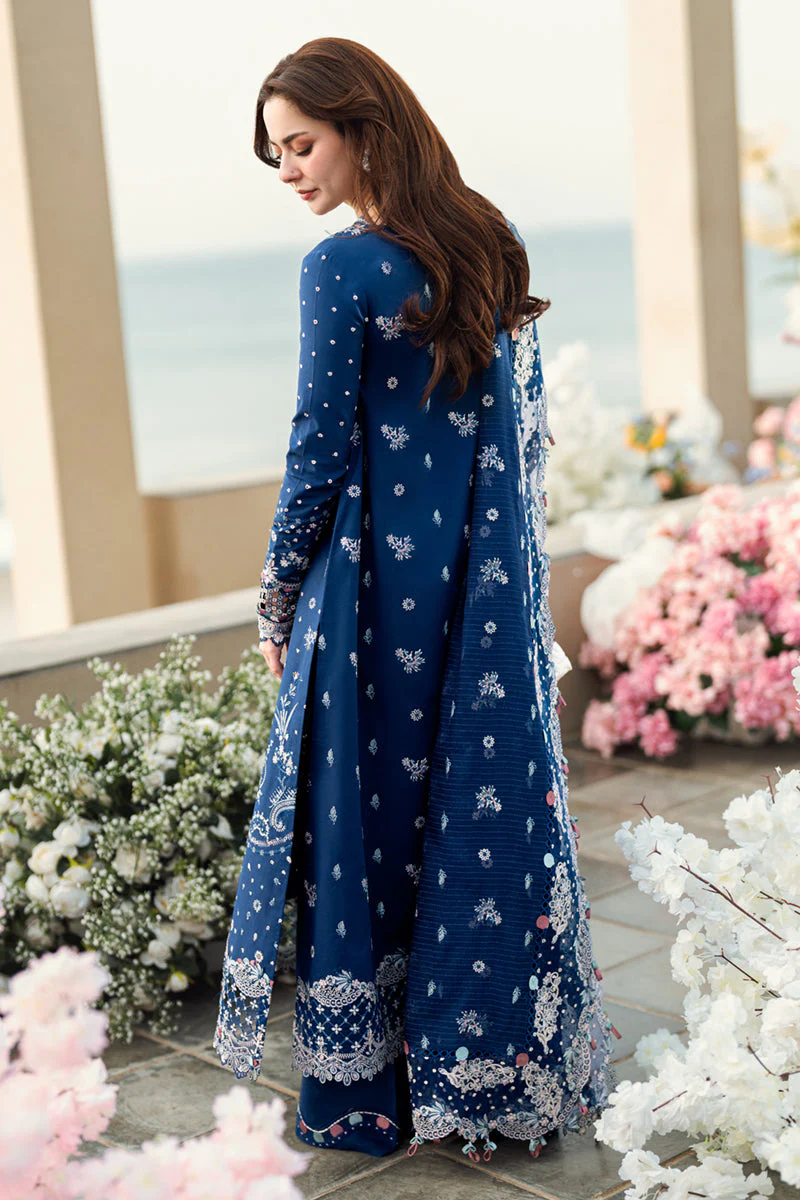
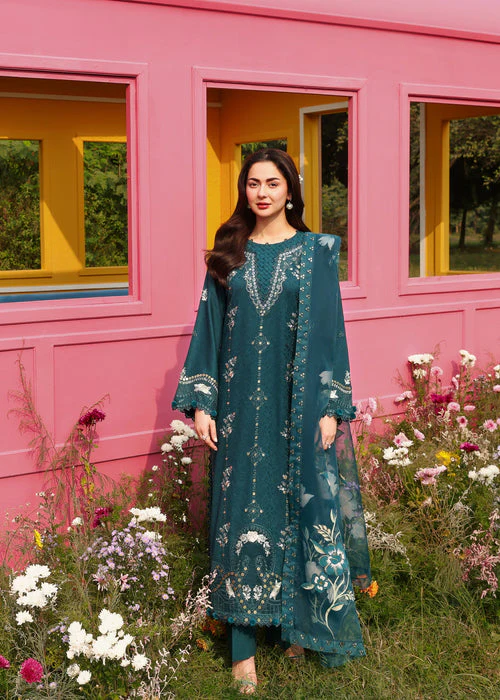
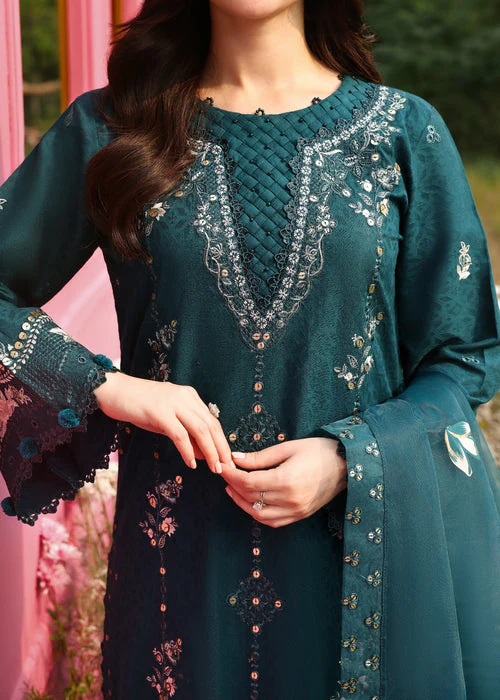
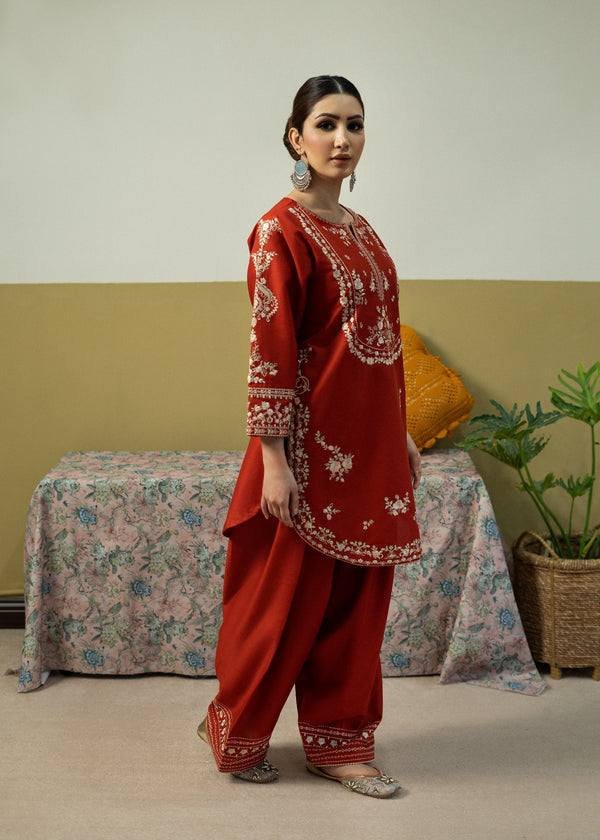
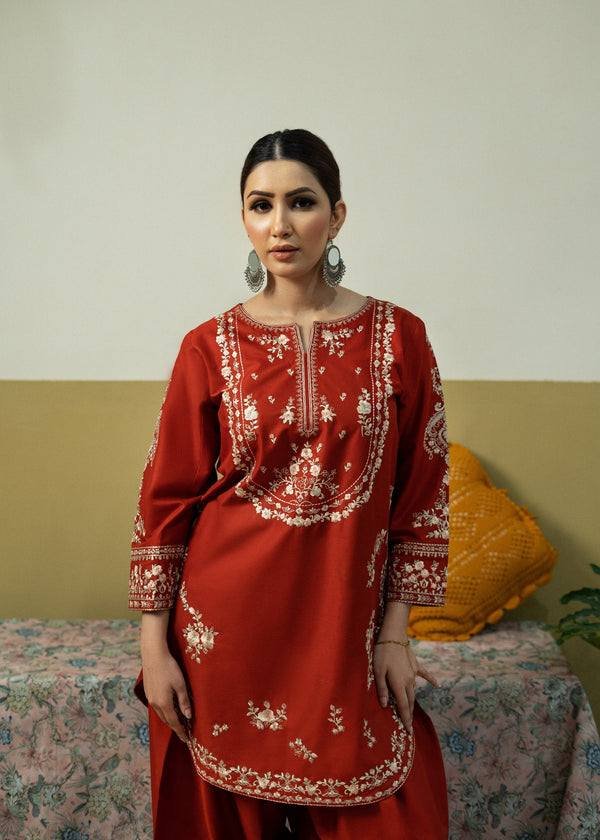
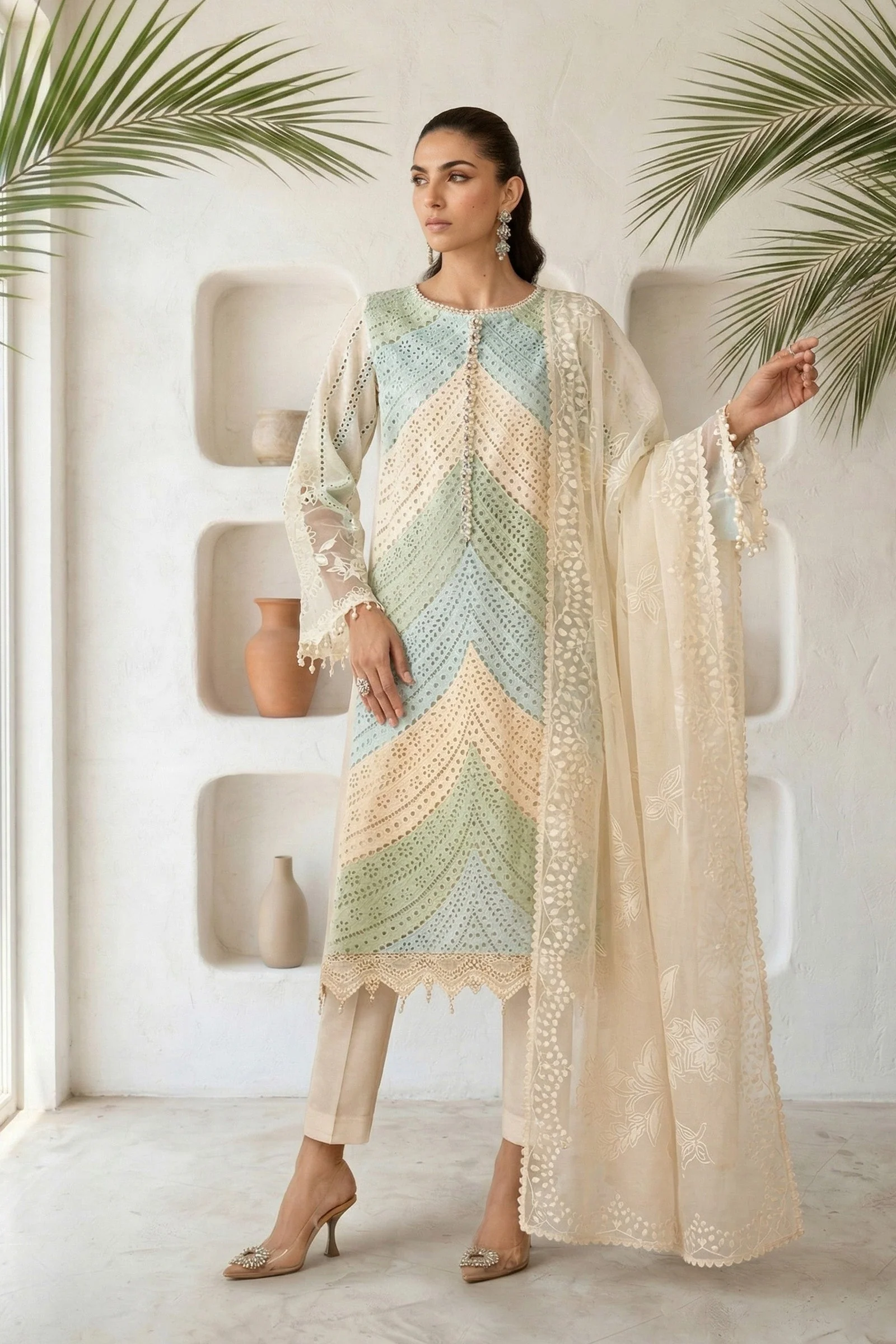
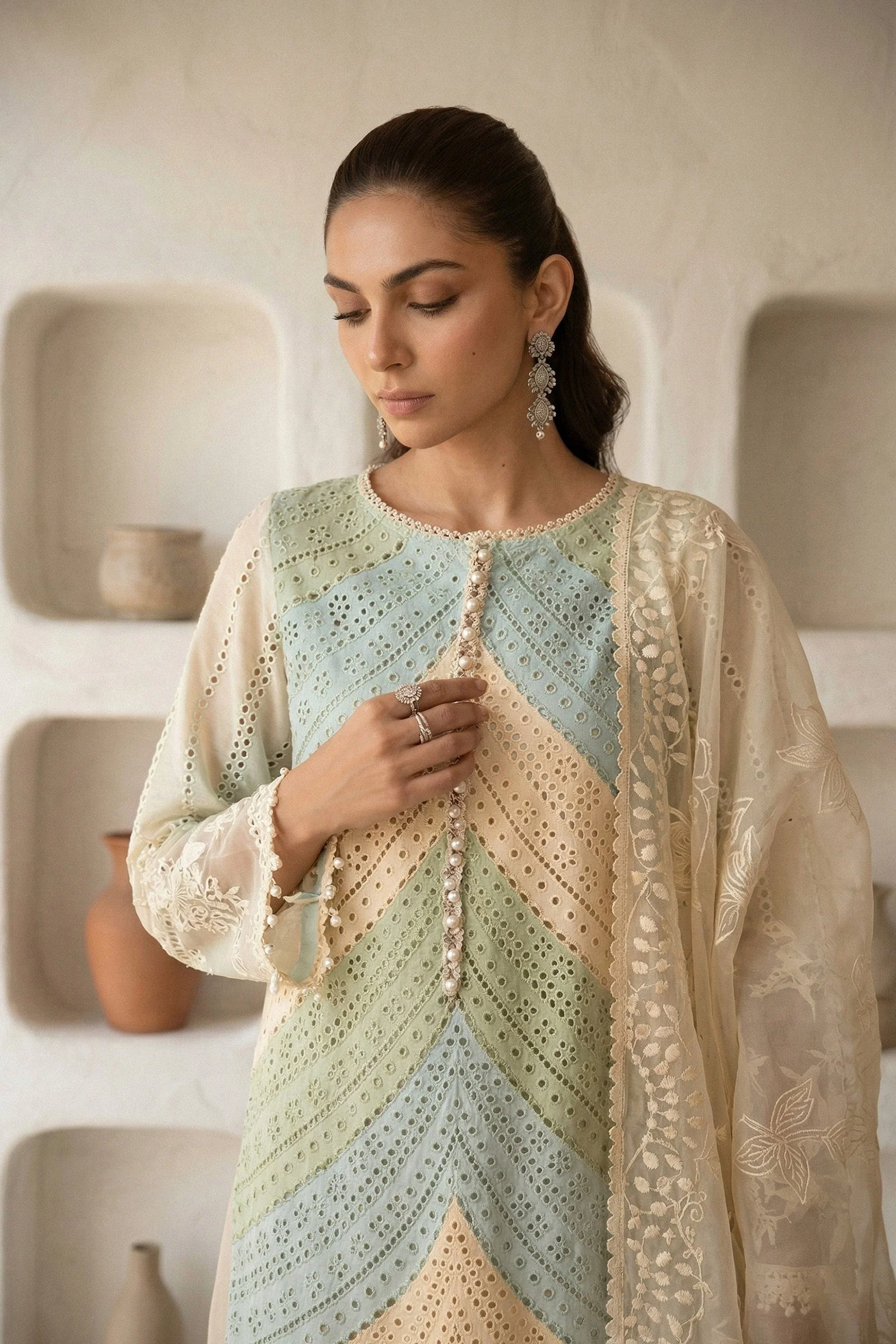
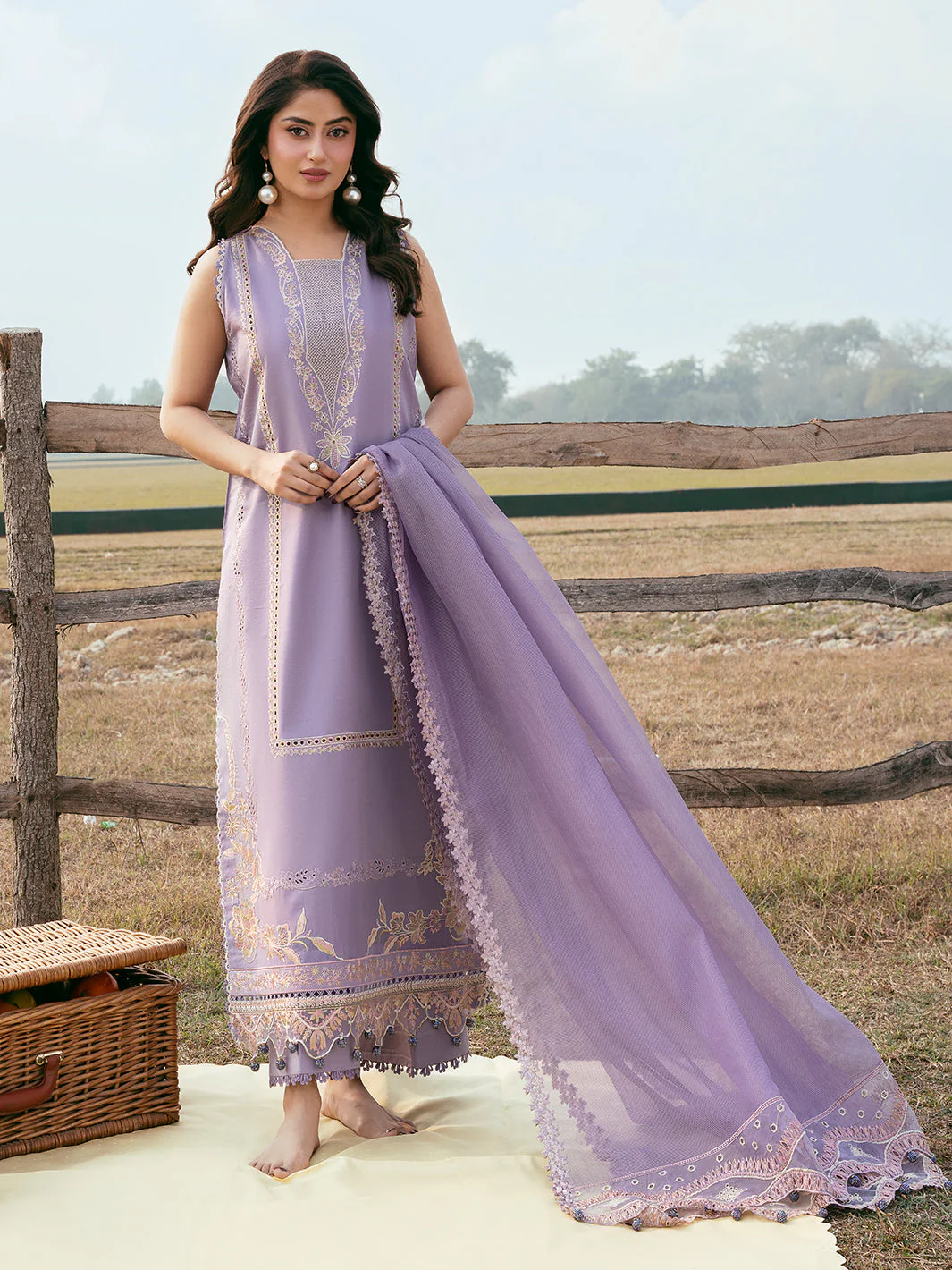
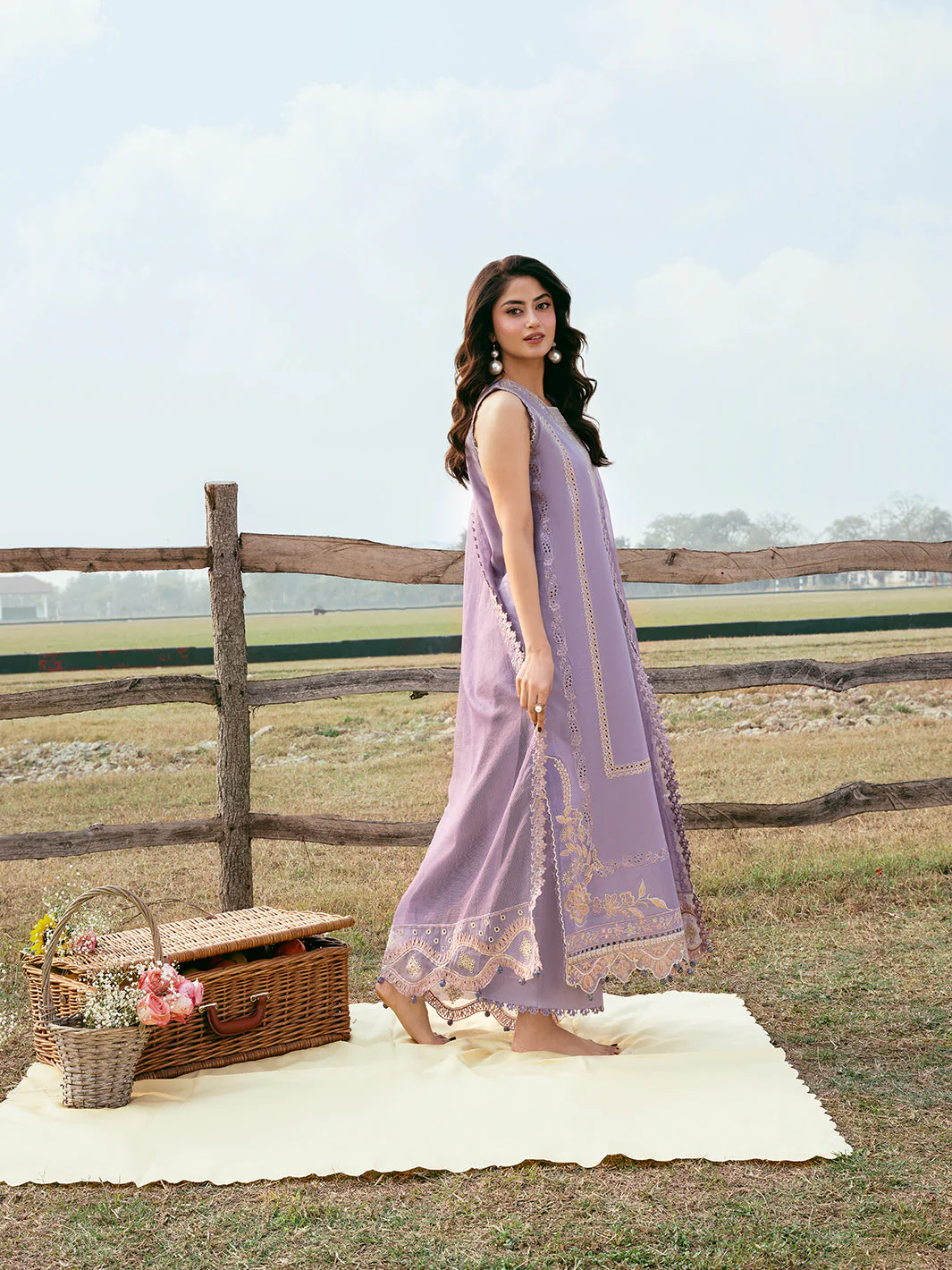
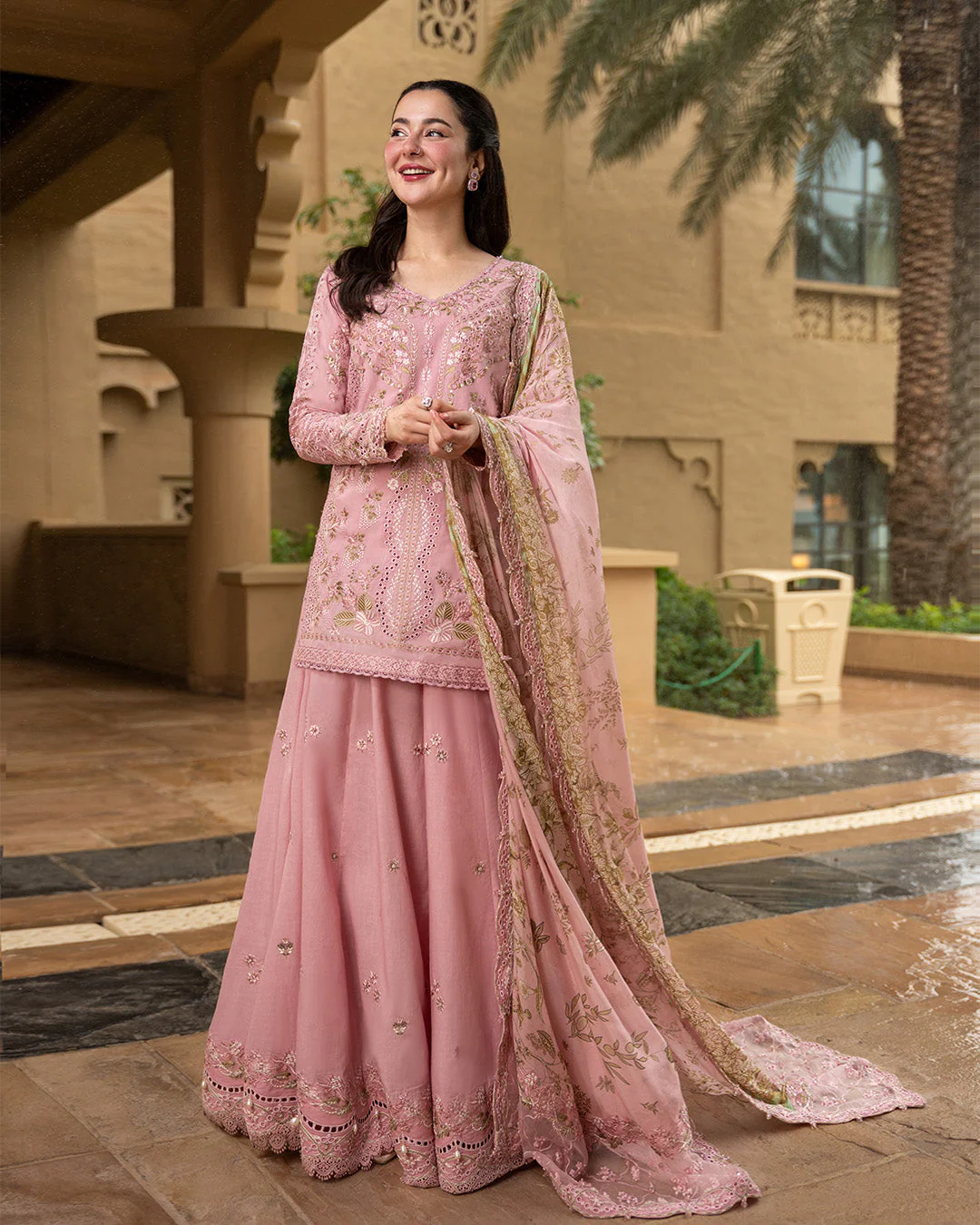
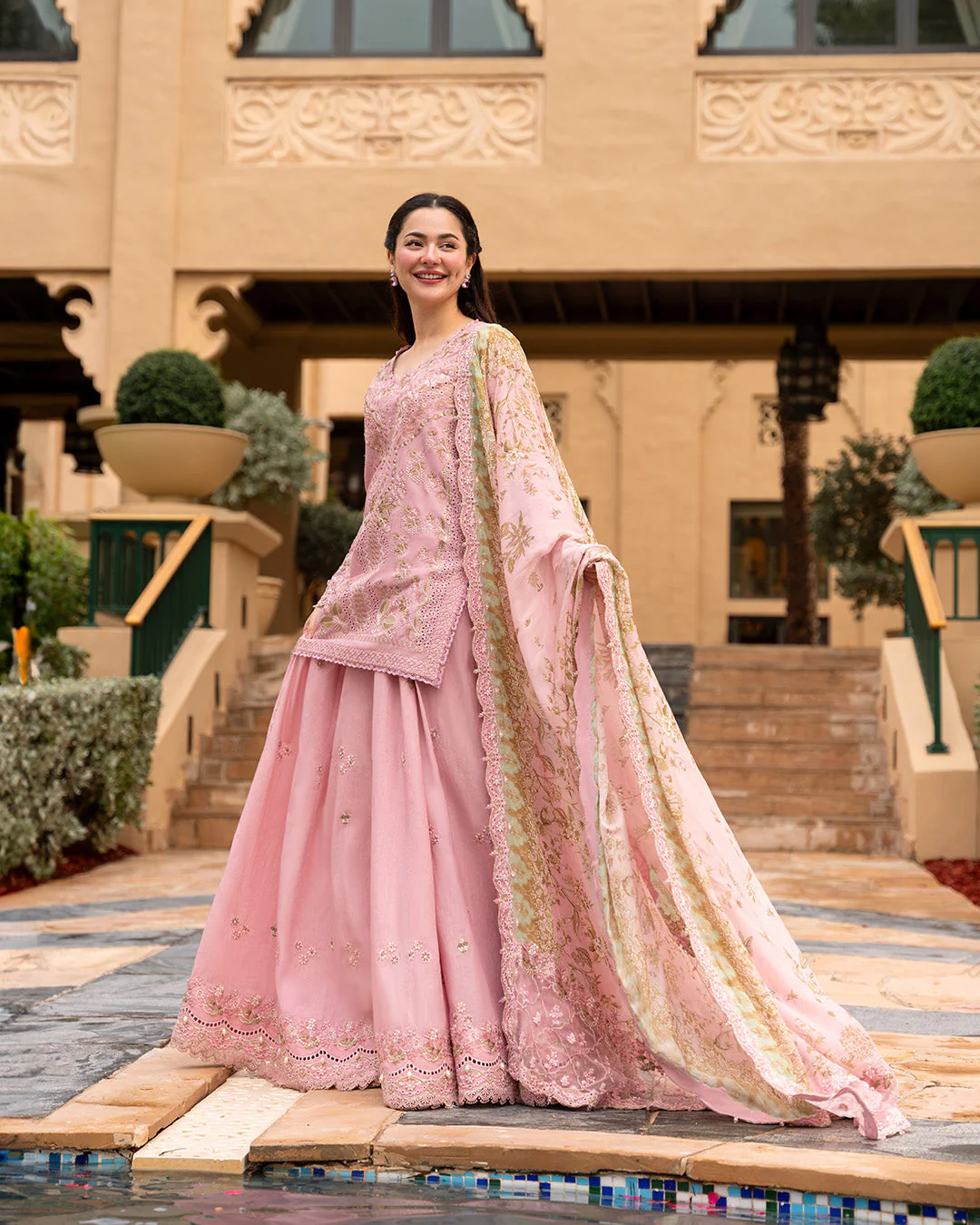
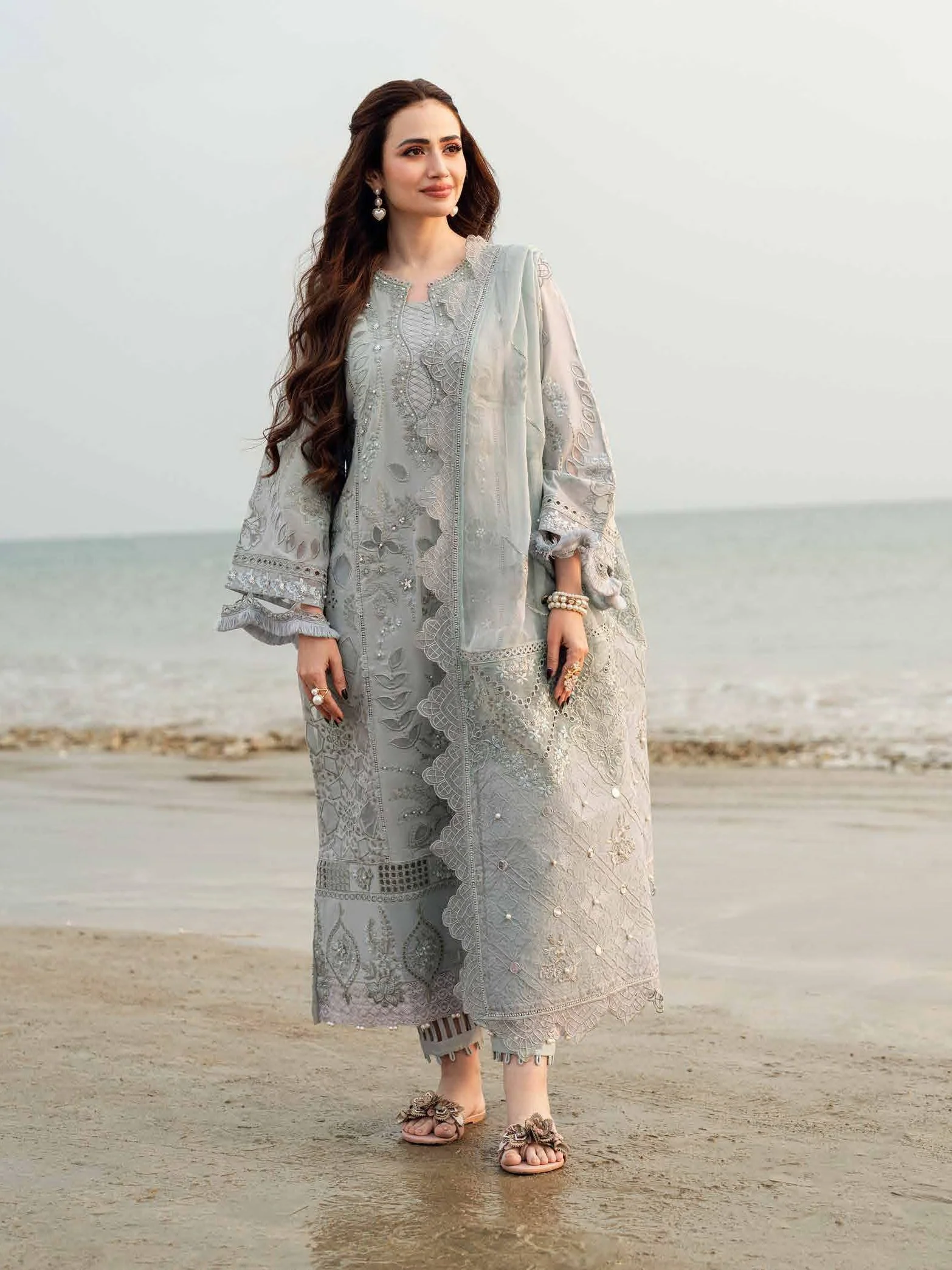
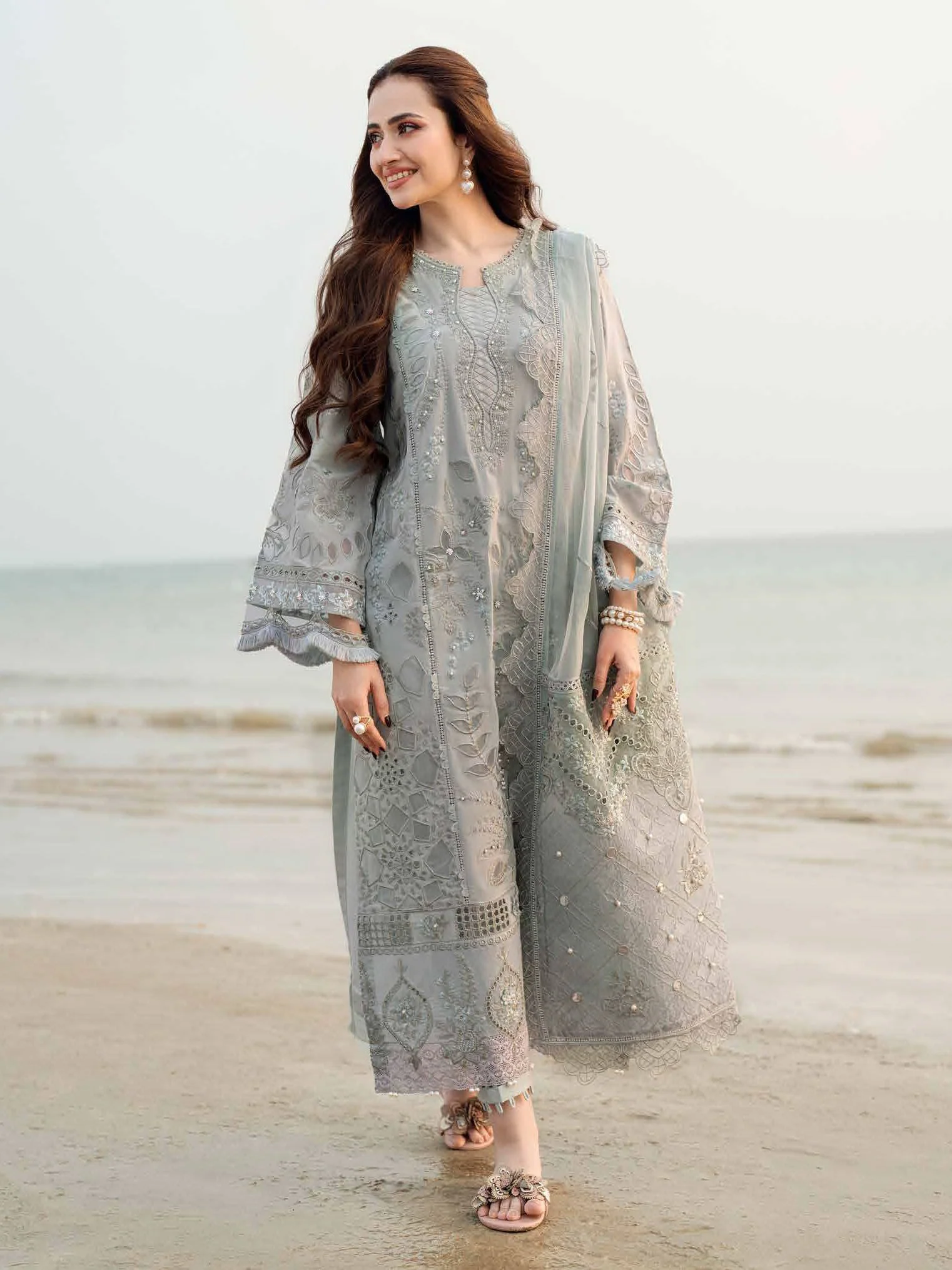
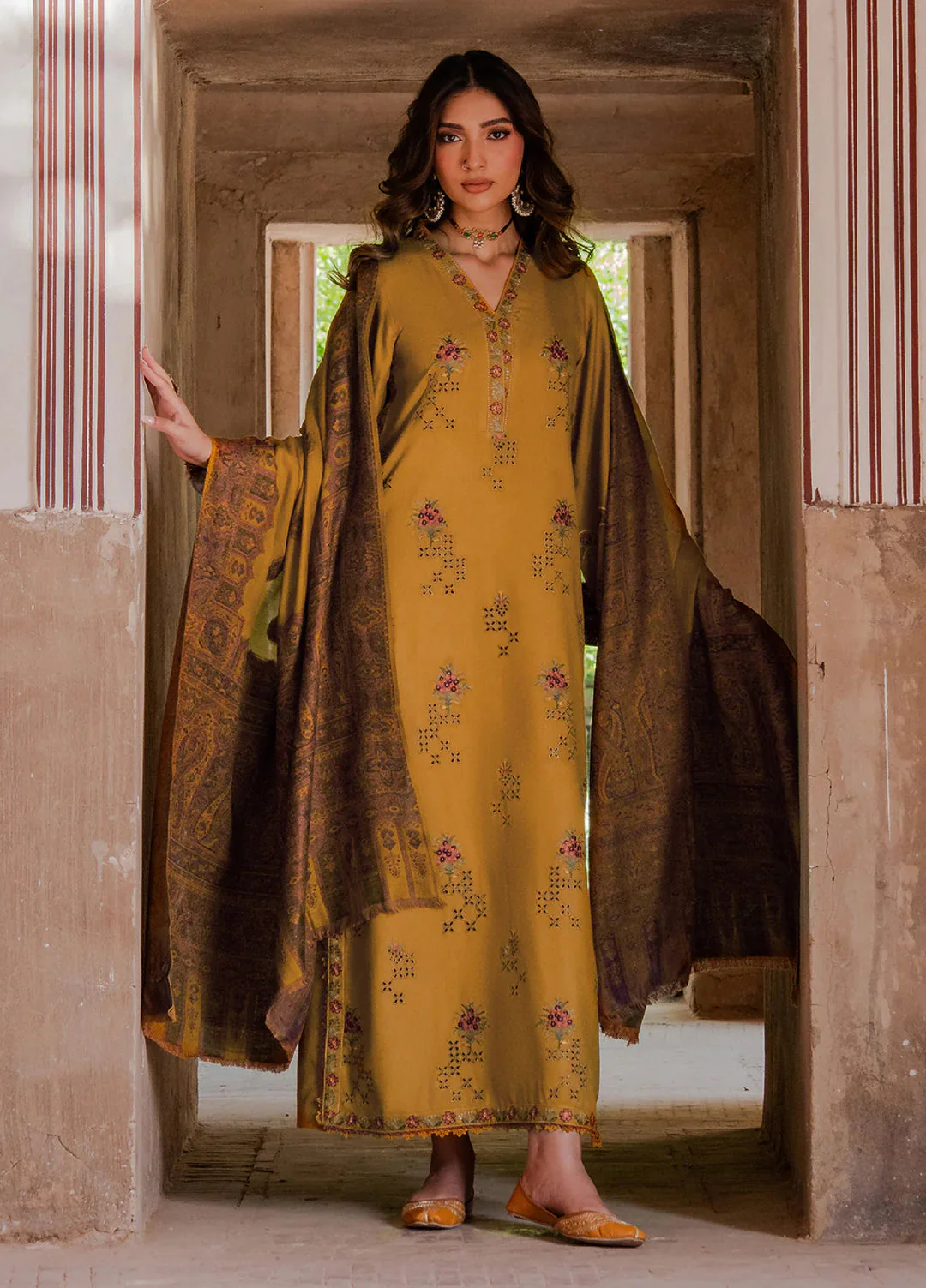
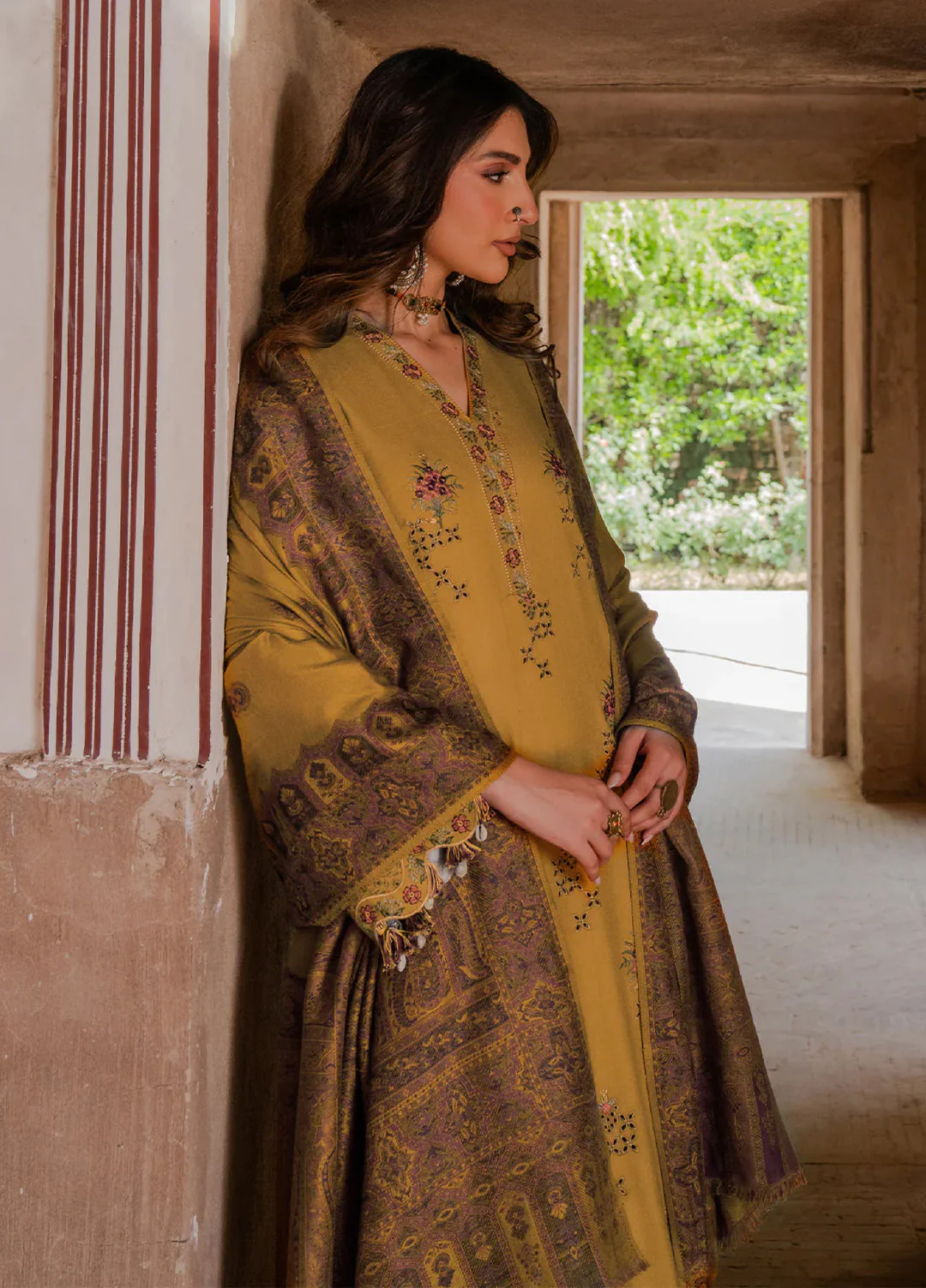
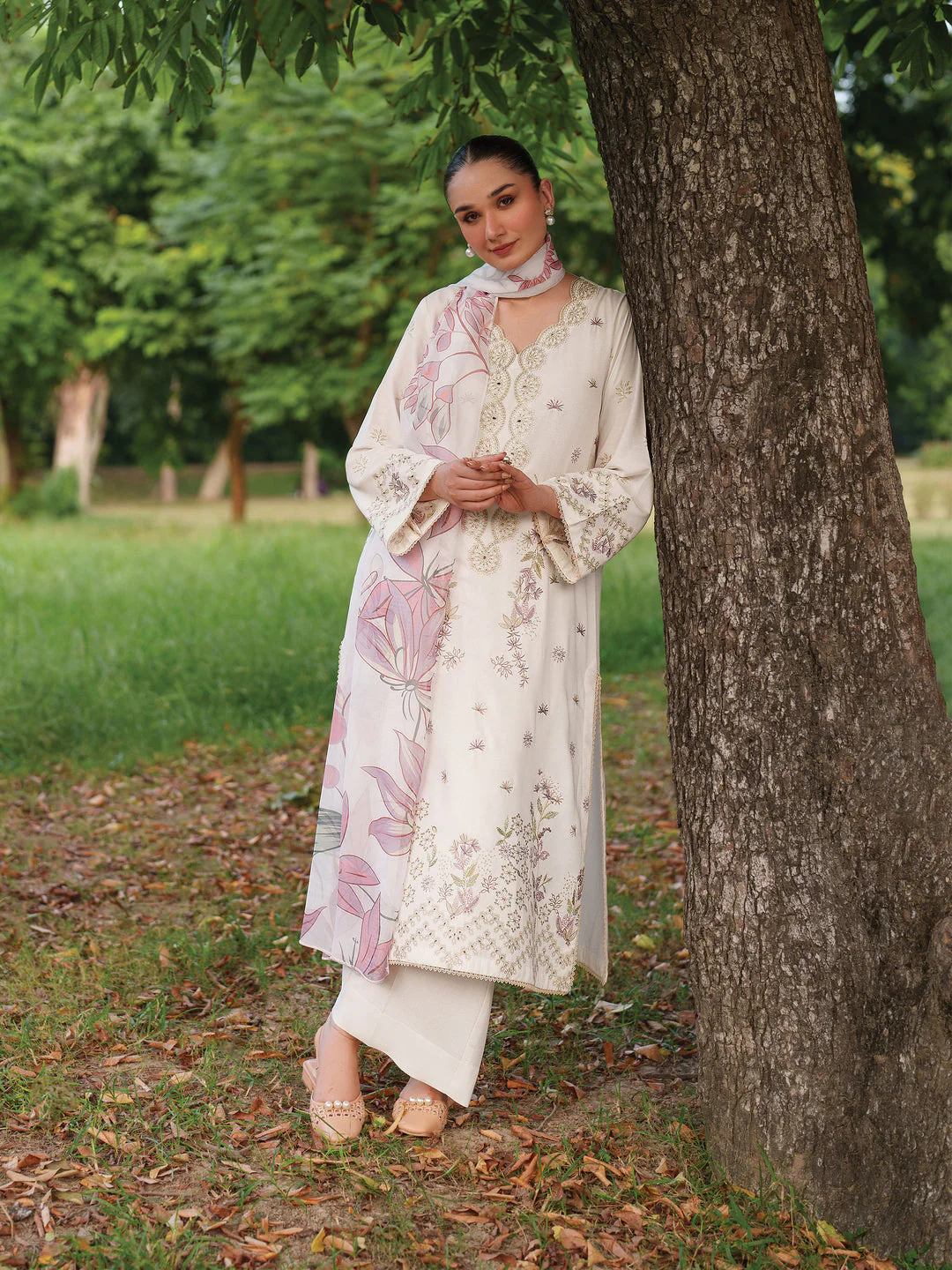
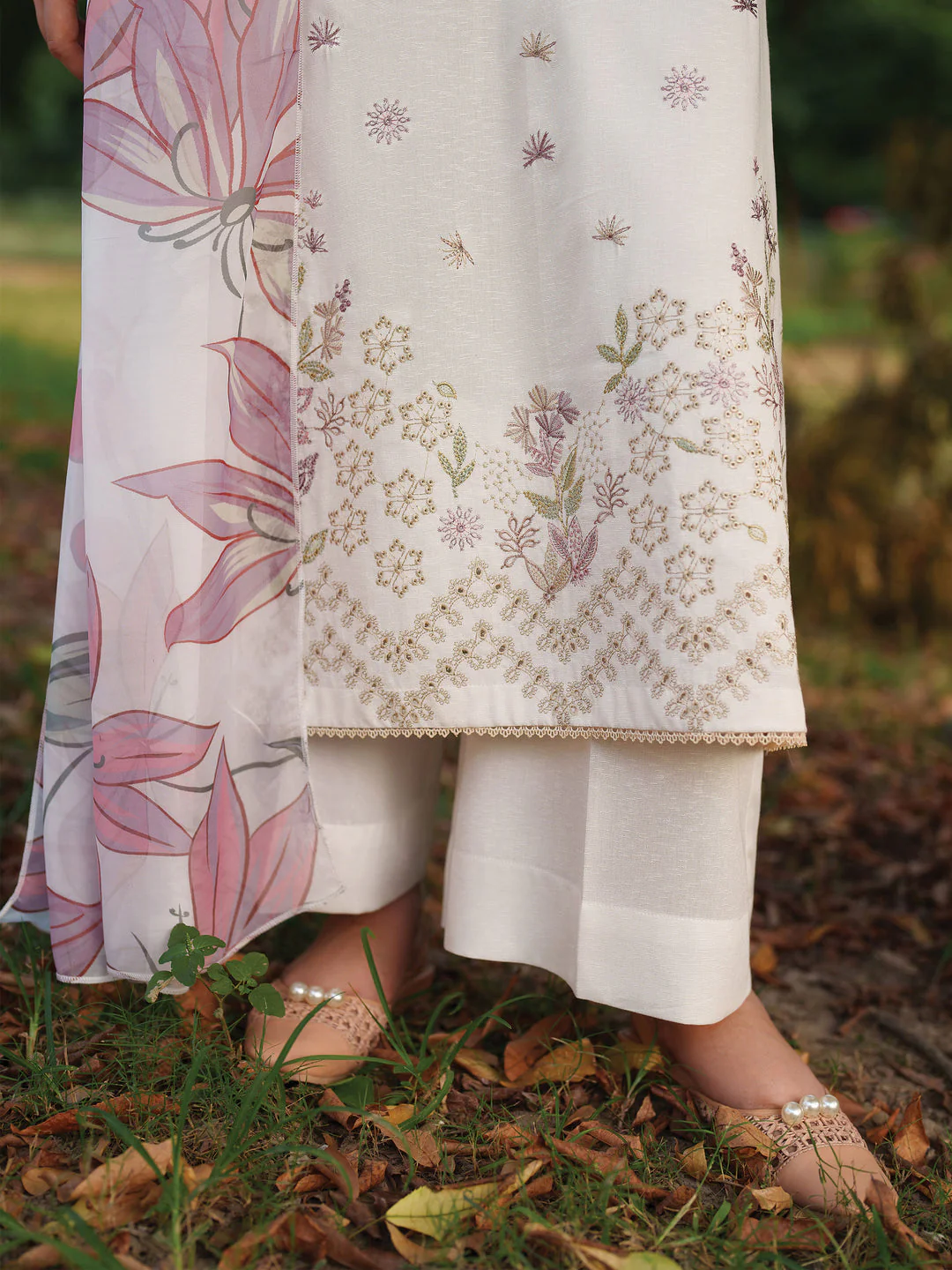
3 Piece Lawn Suit Wholesale Pakistan

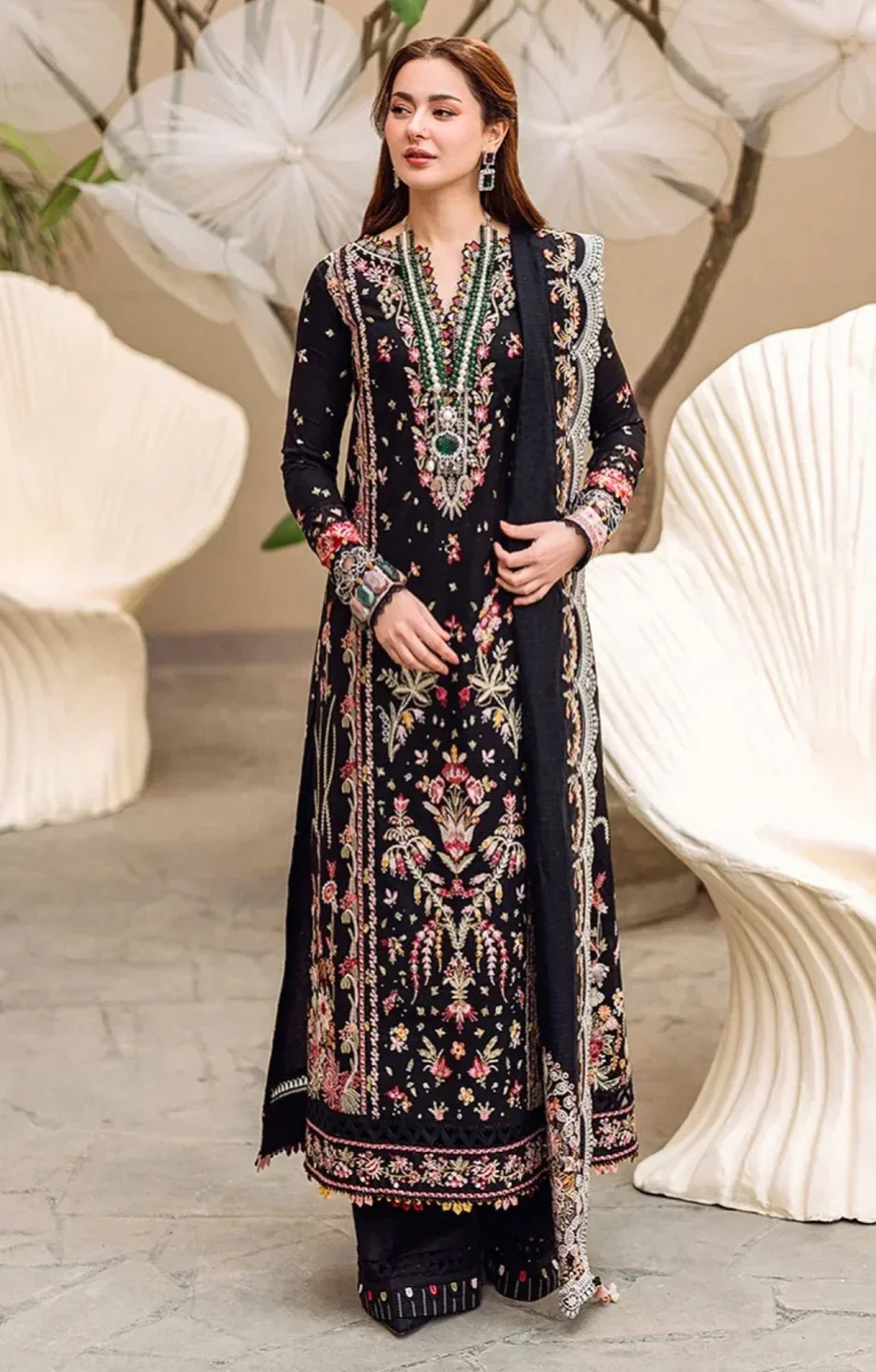
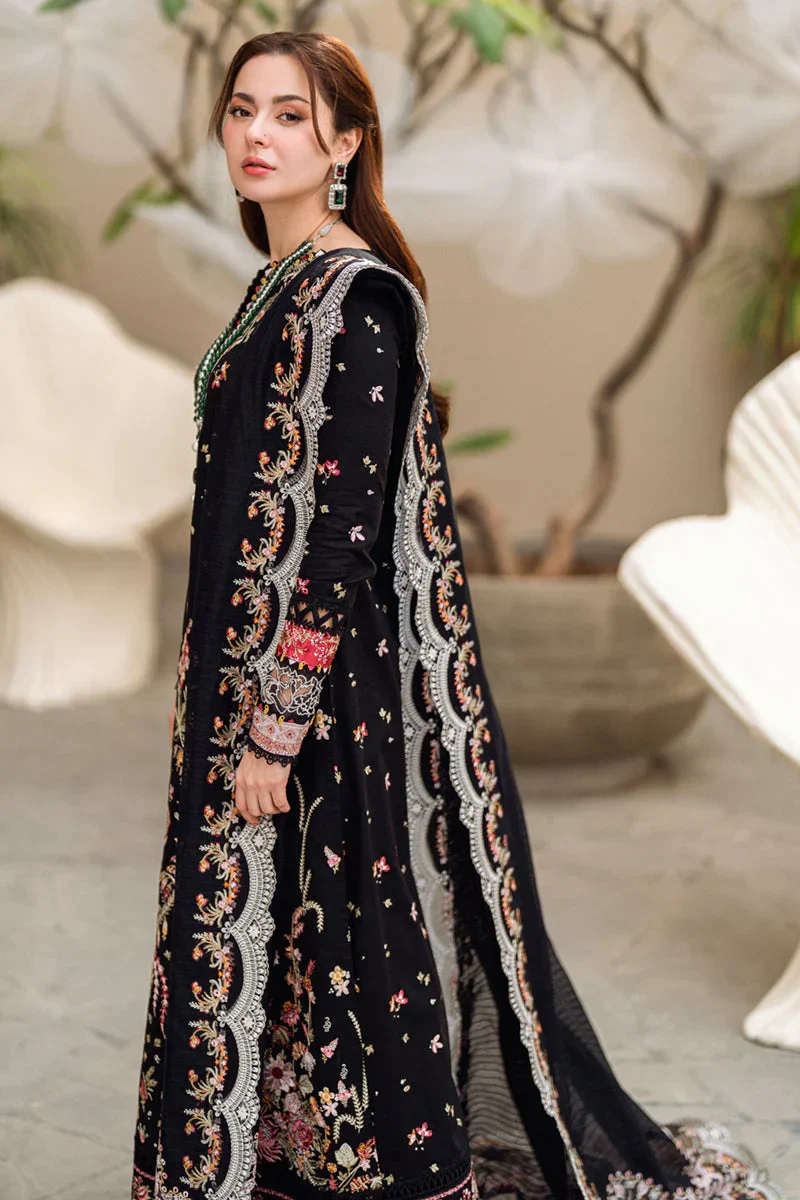
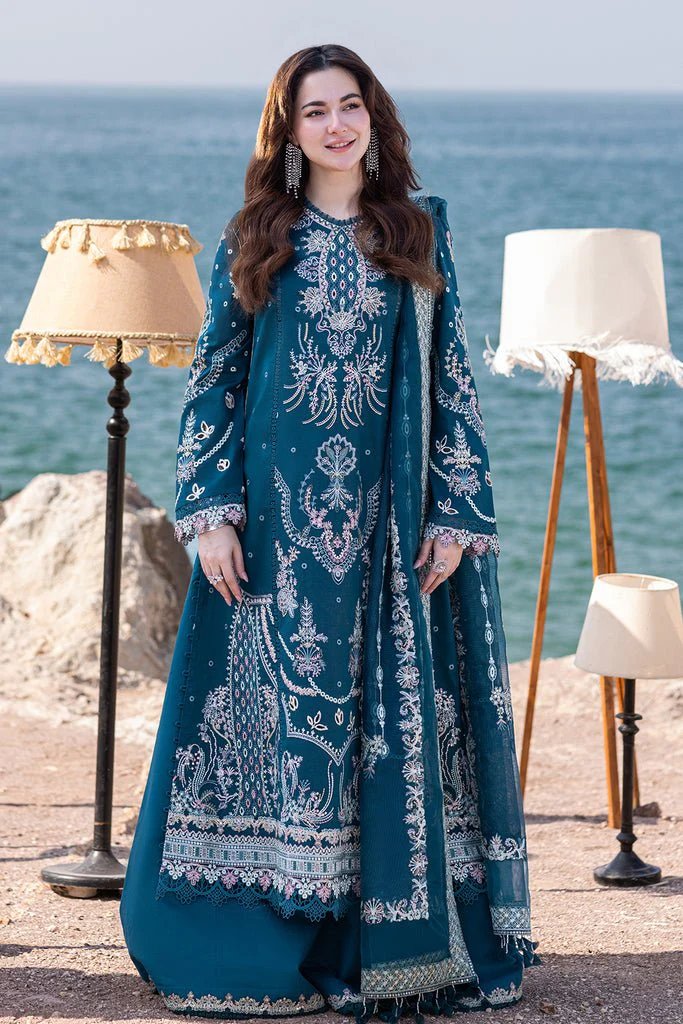
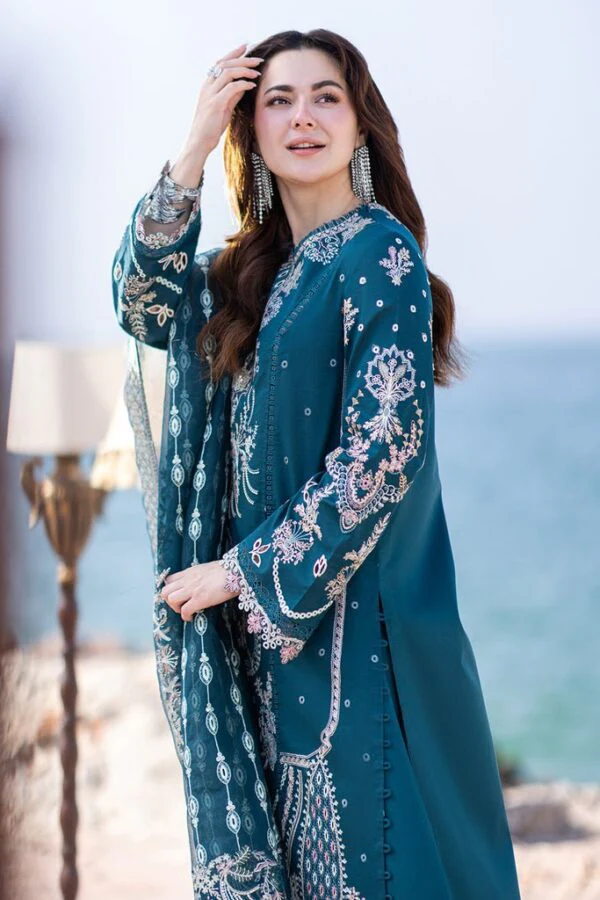
83 wholesale designs · low MOQ · new arrivals every week · worldwide delivery. Prices are shared on request so you always get current wholesale rates for your country.
Wholesale
 Wholesale
 Wholesale
 Wholesale
 Wholesale
 Wholesale
 Wholesale
 Wholesale
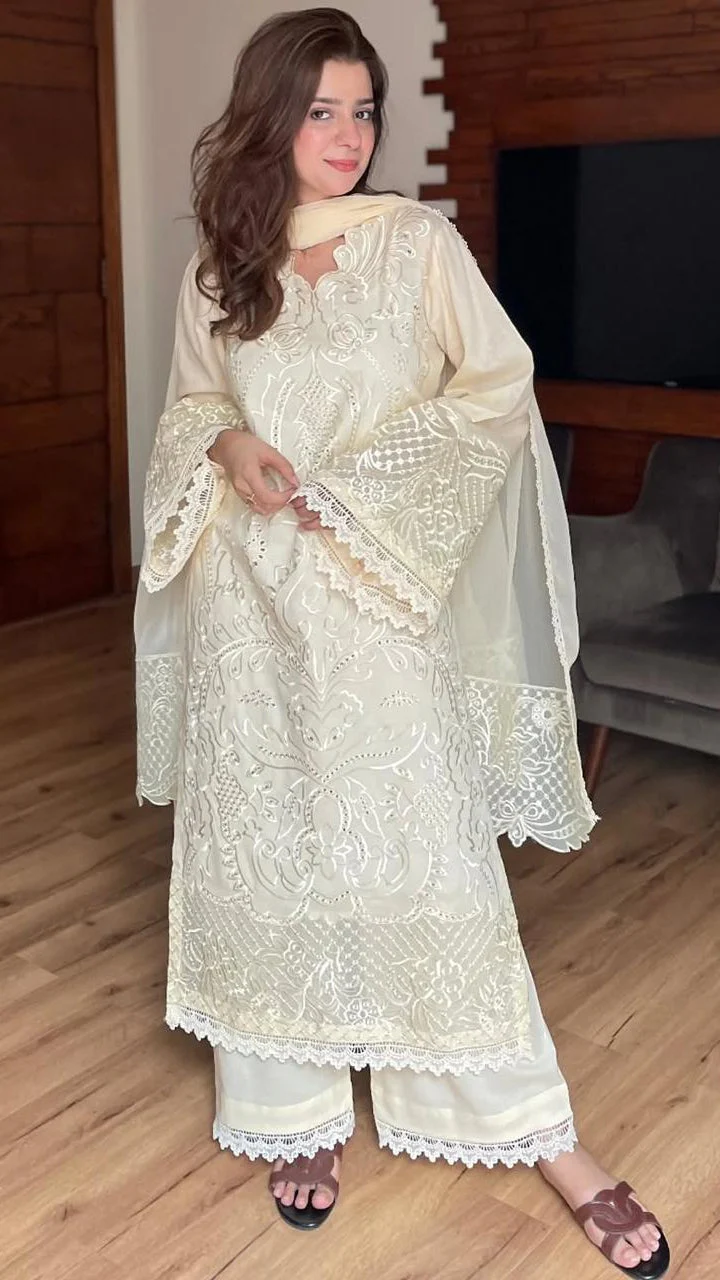
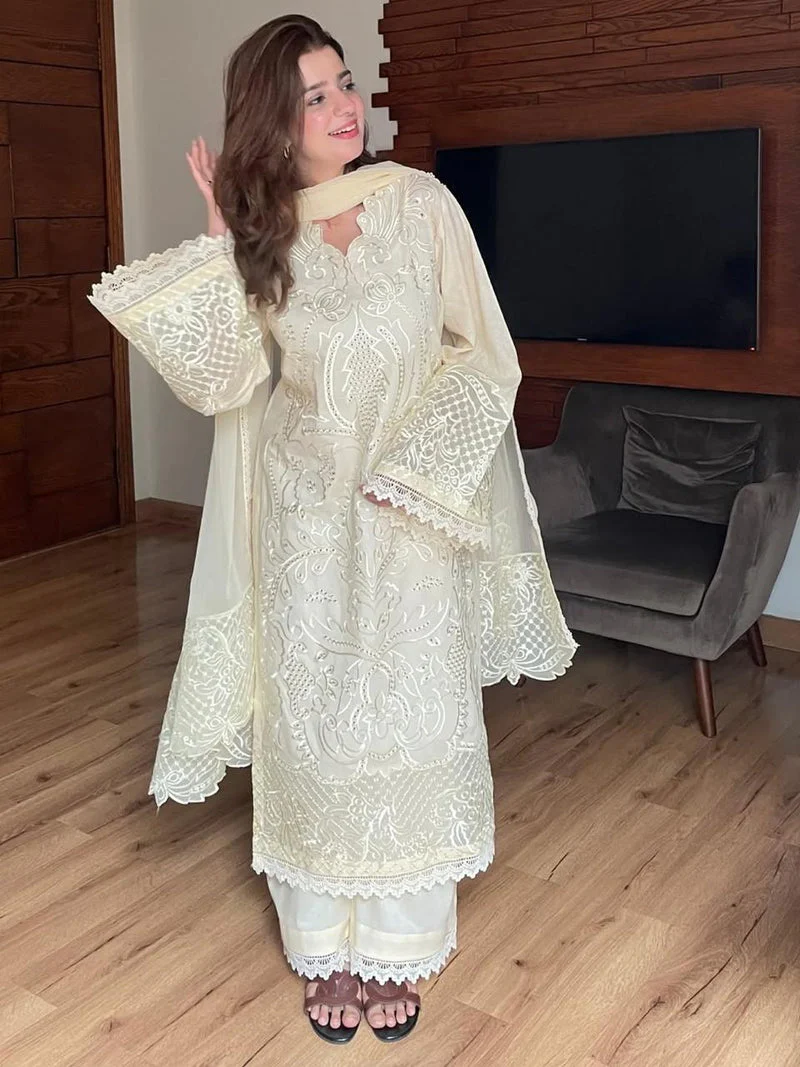 Wholesale
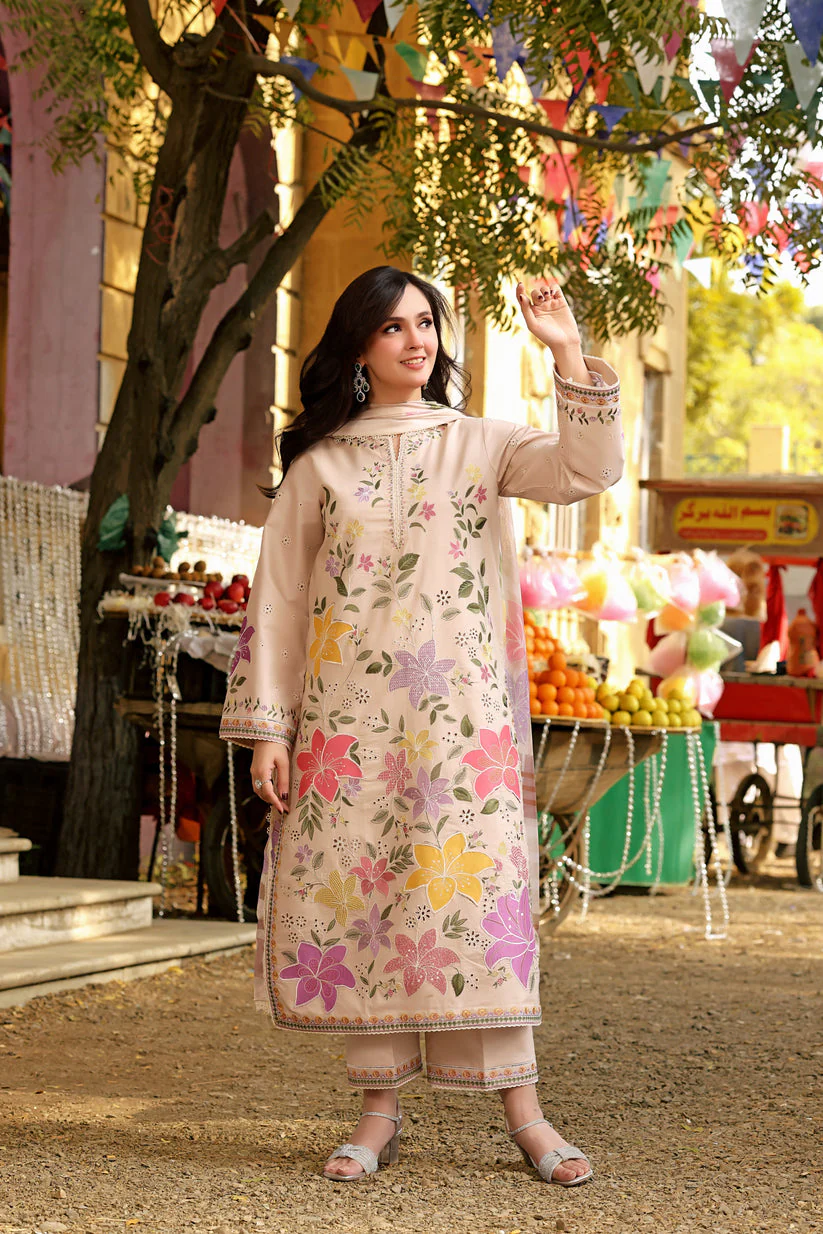
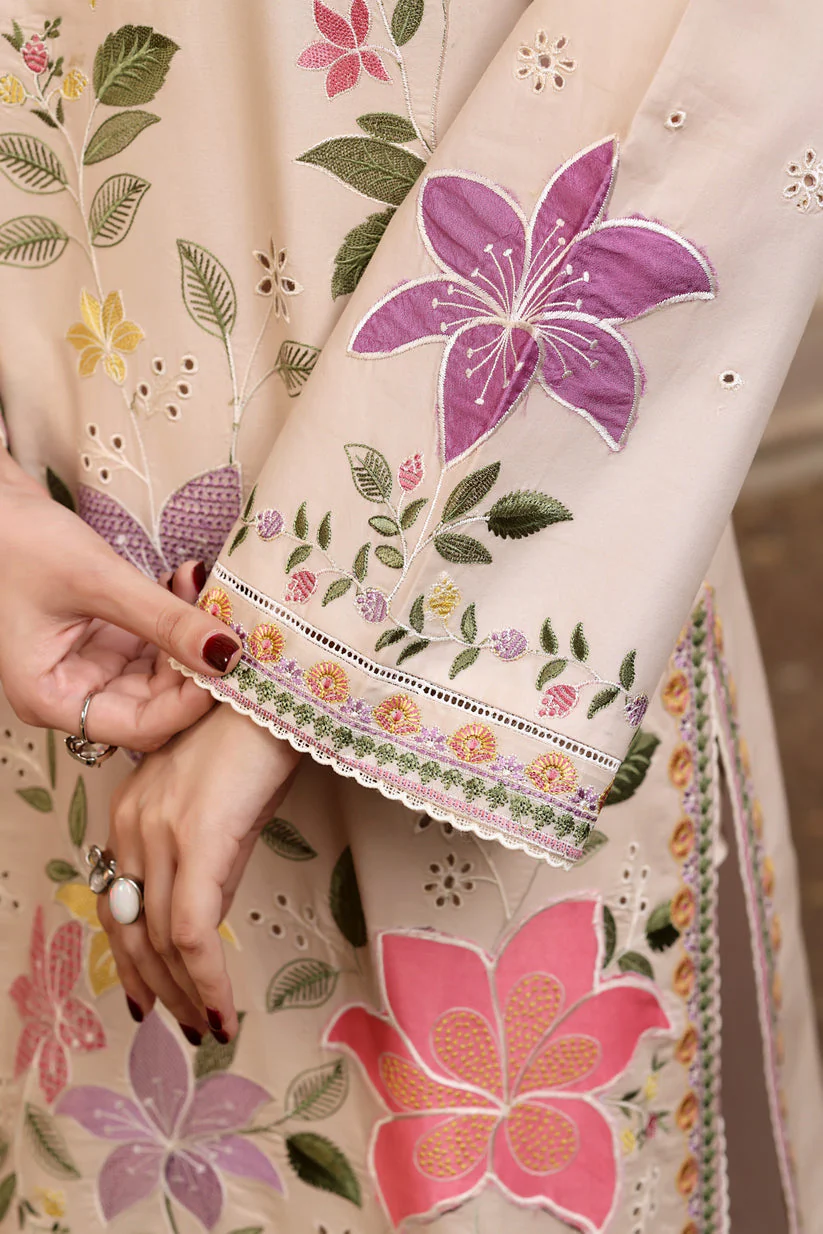 Wholesale
 Wholesale
 Wholesale
 Wholesale
 Wholesale
 Wholesale
 Wholesale
 Wholesale
 Wholesale
 Wholesale
 Wholesale
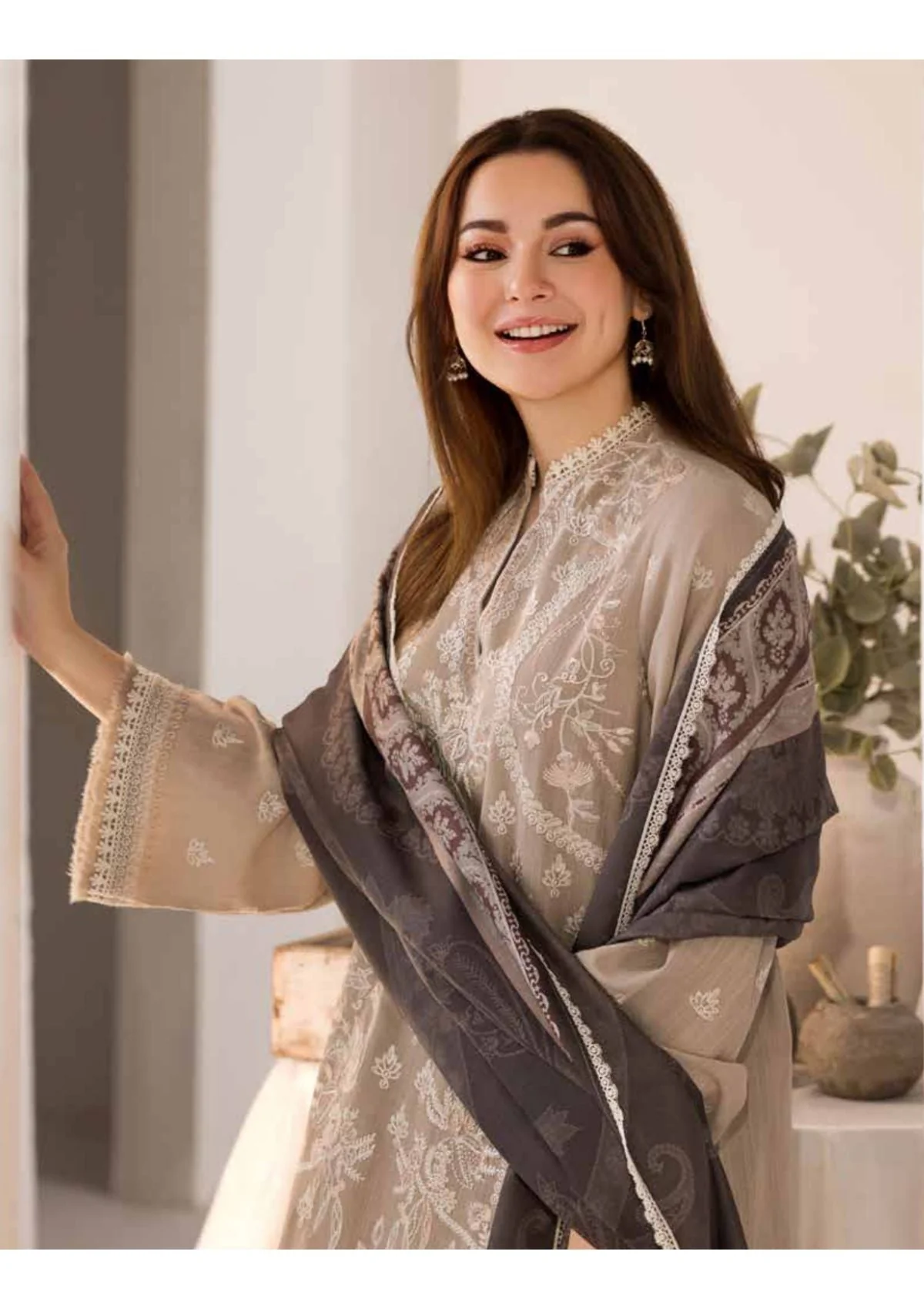
 Wholesale
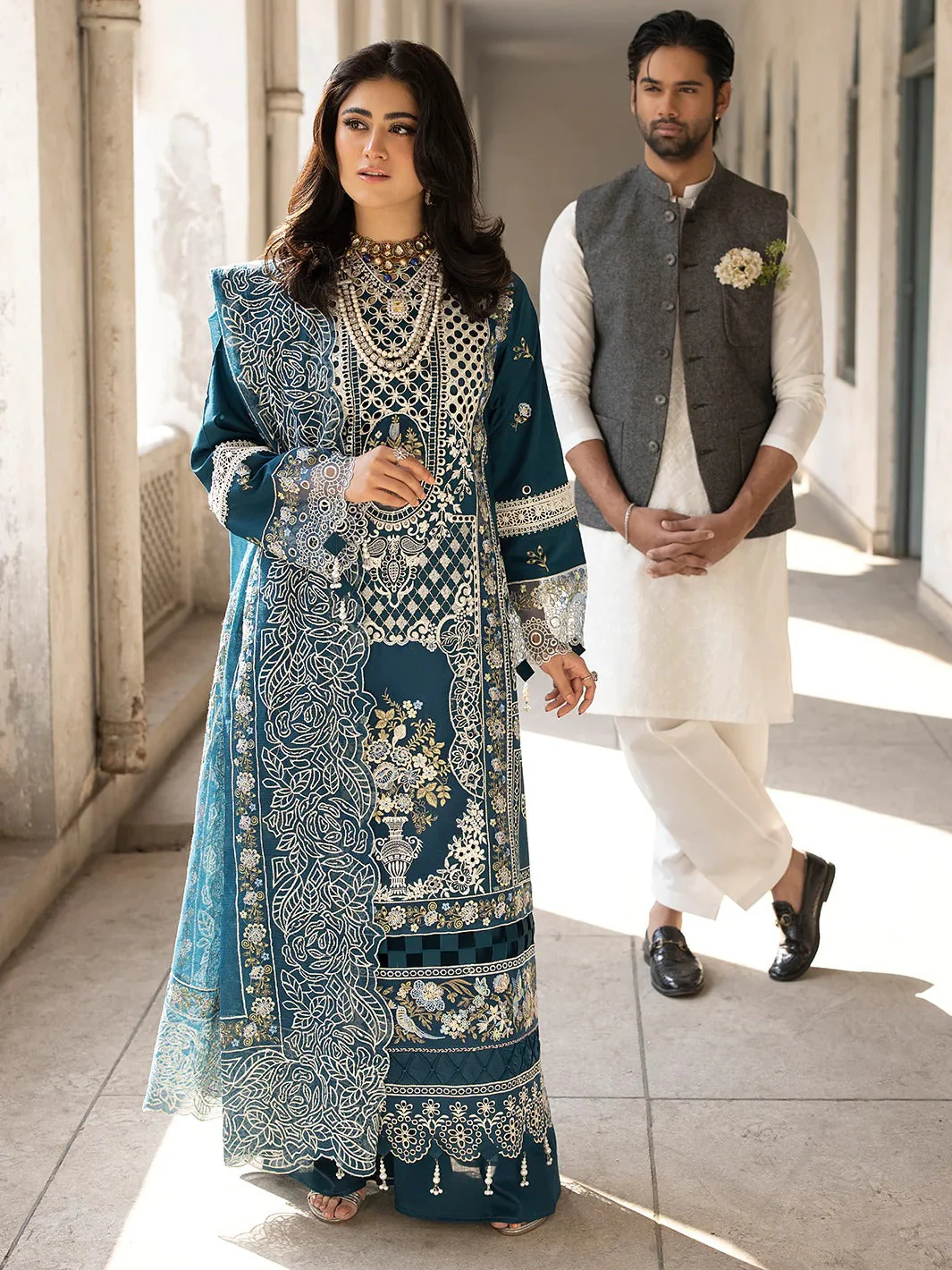
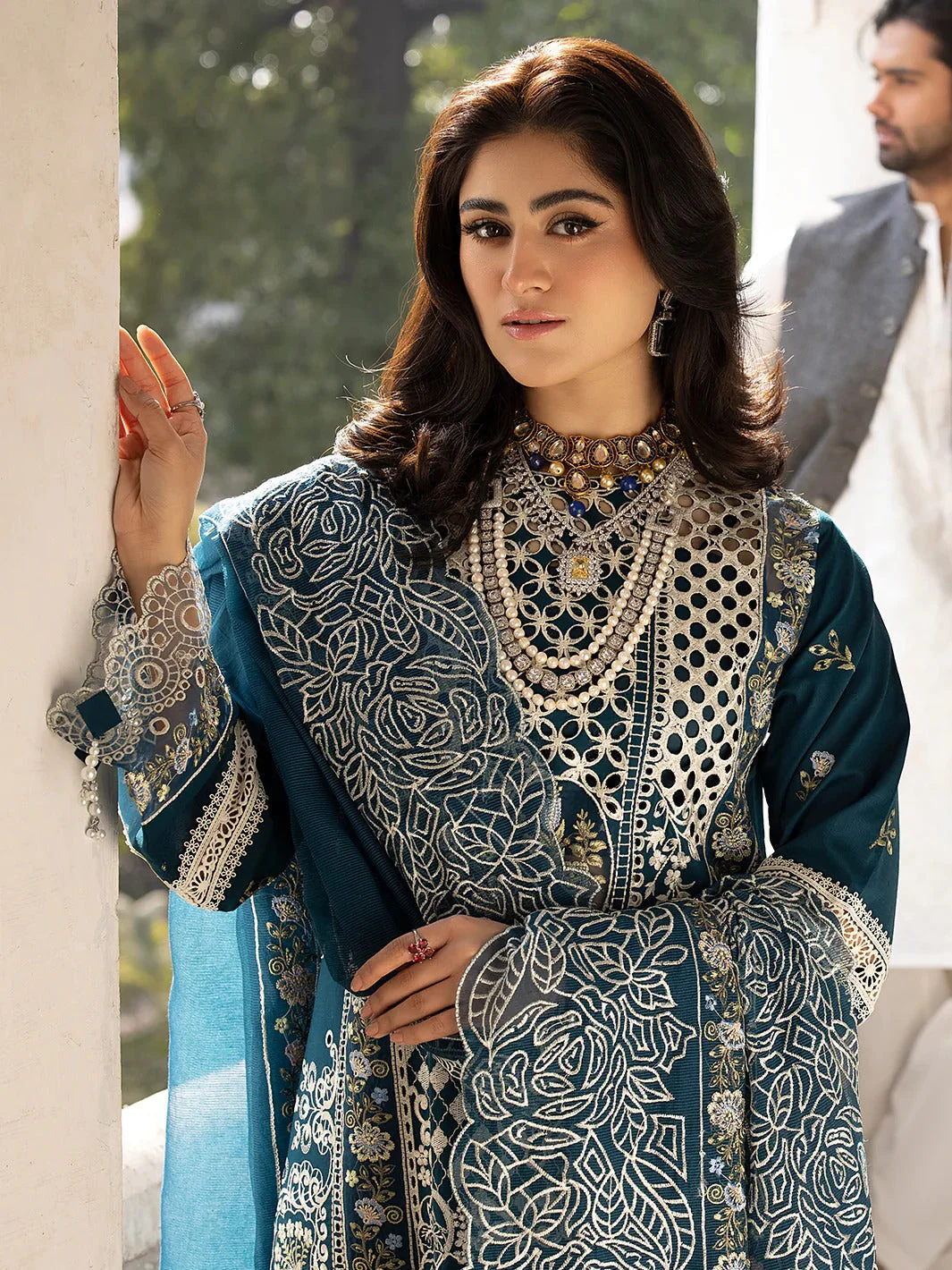 Wholesale
 Wholesale
 Wholesale
 Wholesale
 Wholesale
 Wholesale
 Wholesale
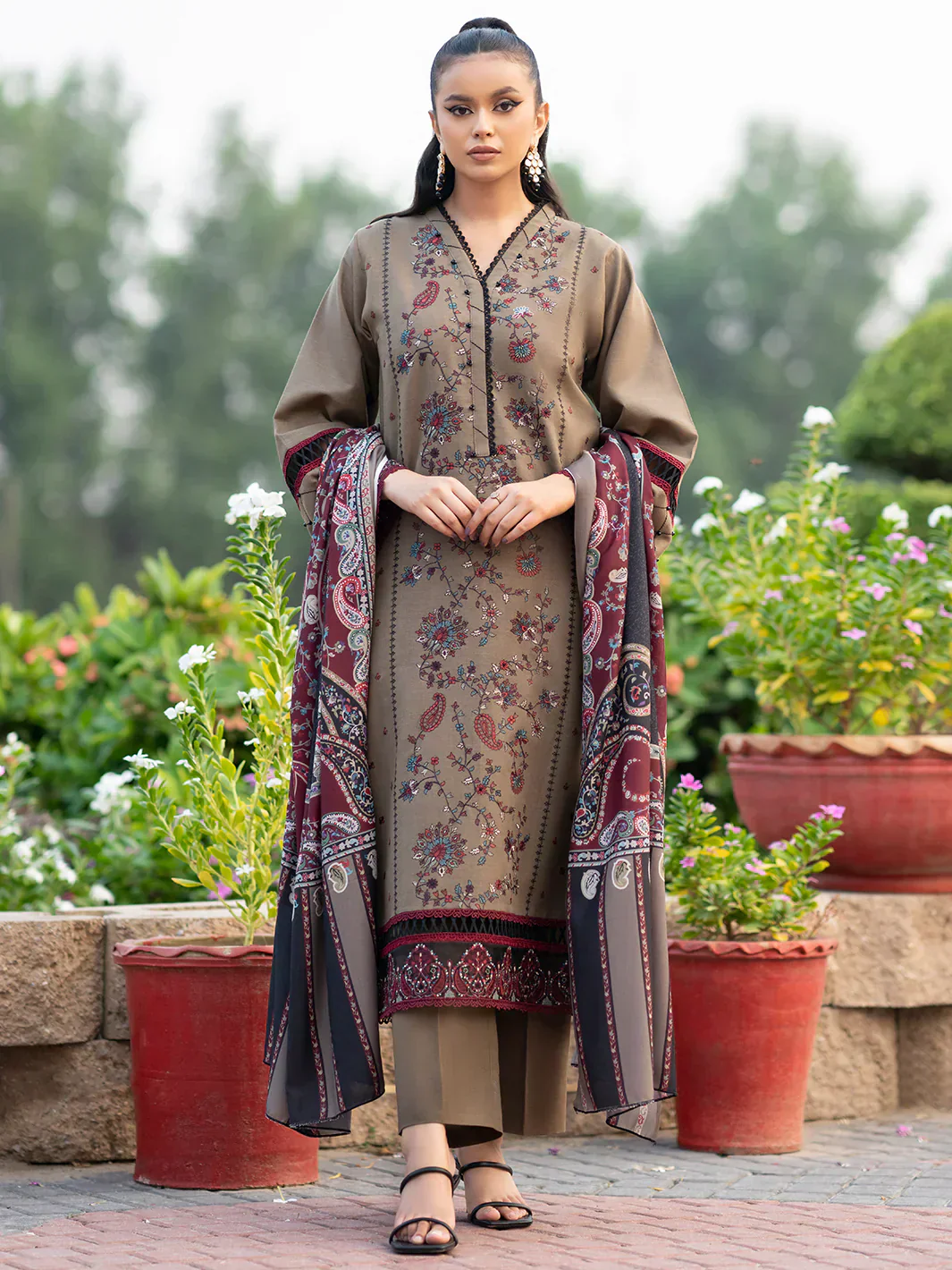
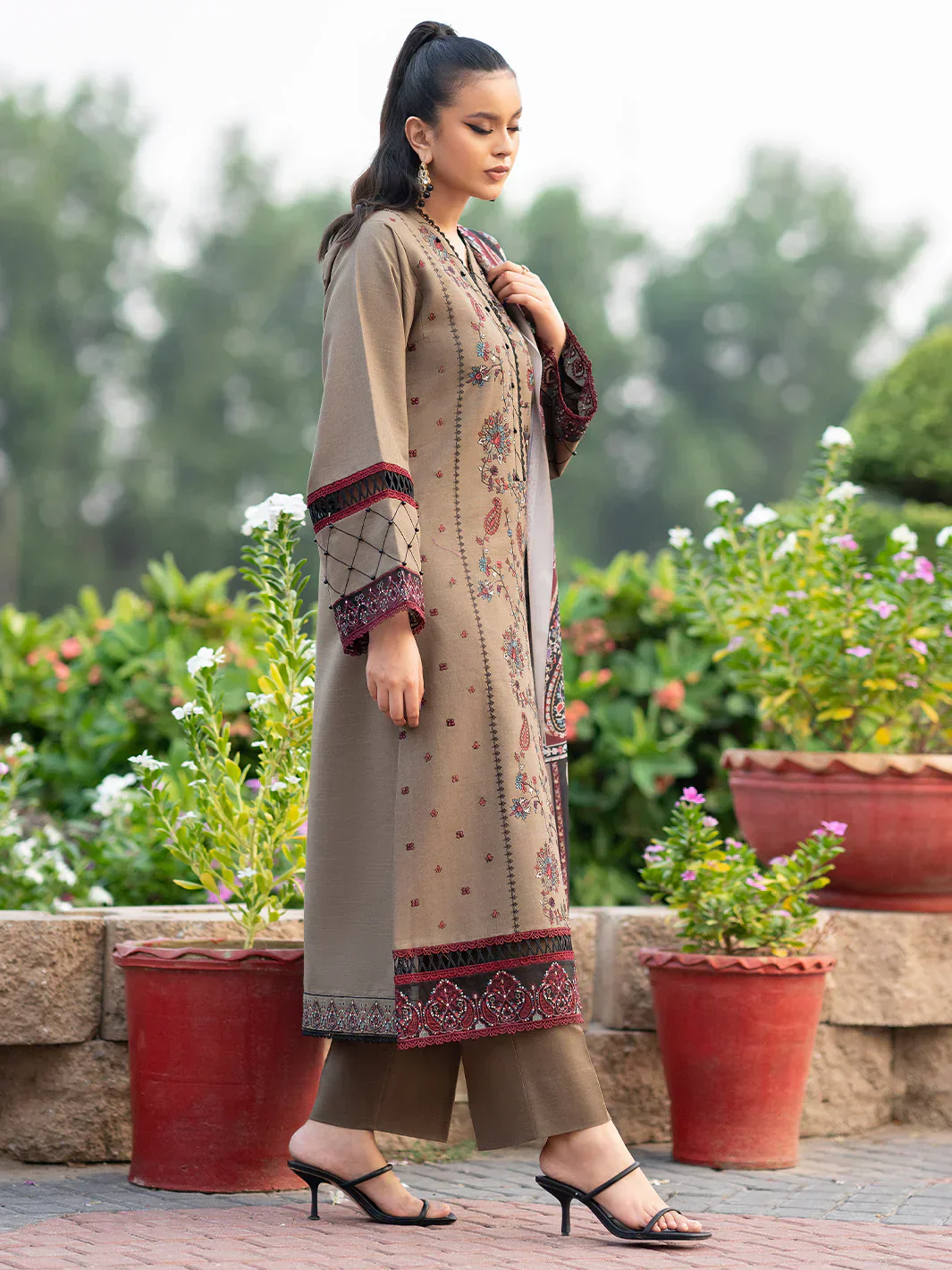 Wholesale
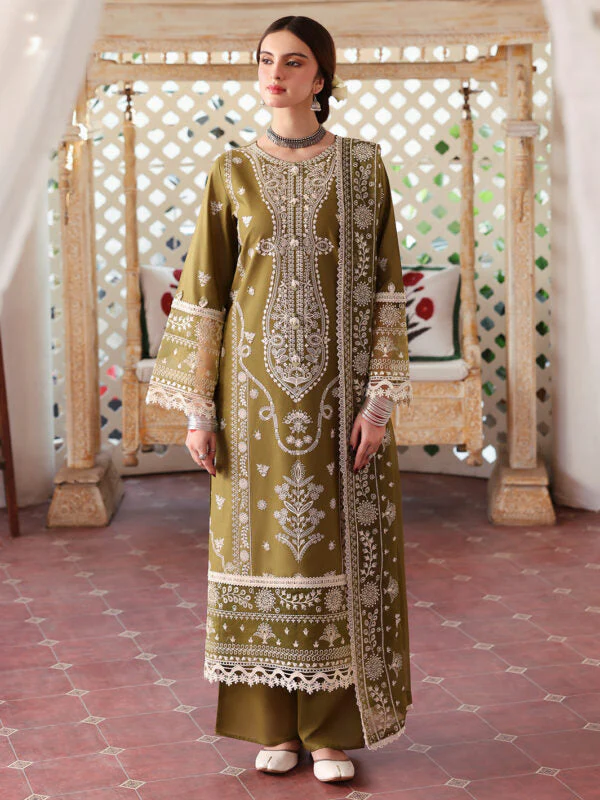
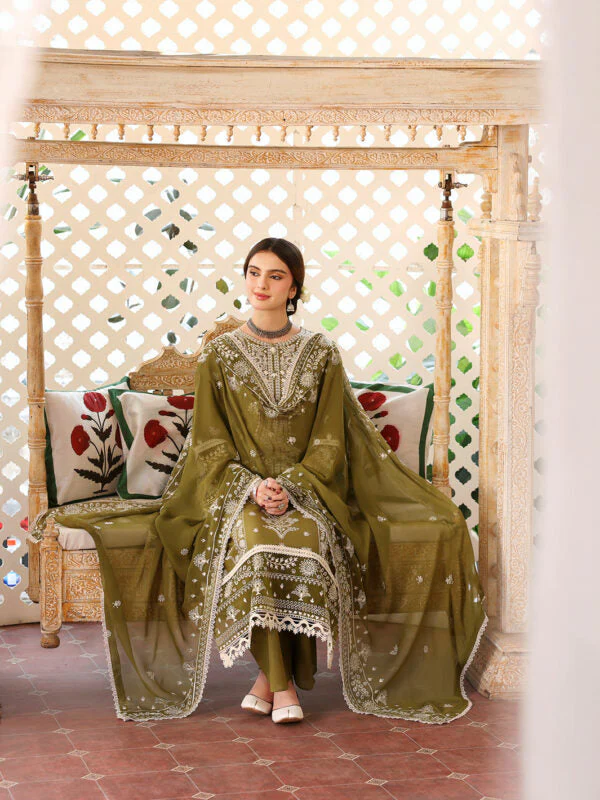 Wholesale
Start small, test your market, reorder what sells.
Fresh arrivals every week to keep your rails new.
Woven labels, tags and branded packaging.
Express courier to the UK, USA, Canada, Australia & UAE.
About this collection
The fashion industry in Guinea offers exciting opportunities for retailers, boutique owners, clothing distributors, and entrepreneurs looking to introduce new styles to their customers. As consumer preferences continue to evolve, businesses are exploring international clothing markets to find attractive designs, dependable fabric quality, and competitive wholesale prices. Pakistani fashion is an interesting option because it combines traditional craftsmanship with contemporary styling, making it suitable for a wide range of retail collections. For businesses interested in expanding their clothing inventory, choosing the right Pakistani Dress Wholesale Supplier Guinea can be an important step towards building a sustainable wholesale and retail operation. A dependable sourcing partner helps retailers explore different clothing categories, compare available designs, understand ordering requirements, and plan their inventory more effectively. Mastorat provides access to Pakistani clothing collections for international wholesale buyers. Its range of traditional and contemporary outfits gives retailers an opportunity to explore different styles for everyday fashion, seasonal collections, celebrations, and formal occasions. Whether you operate an established boutique in Conakry, manage an online clothing store, or are planning a new fashion business in another part of Guinea, understanding the wholesale sourcing process can help you make better purchasing decisions. This guide explains the benefits of Pakistani clothing, important factors to consider when selecting a supplier, available product categories, wholesale purchasing considerations, and ways to develop a competitive fashion business in Guinea. Fashion businesses succeed when their collections reflect customer preferences while offering something distinctive. In Guinea, retailers serve customers with different lifestyles, budgets, and clothing requirements. Some shoppers prefer comfortable everyday outfits, while others look for elegant clothing for family gatherings, celebrations, and special events. Pakistani fashion offers several categories that can help retailers create a varied collection. Its clothing range includes embroidered suits, printed fabrics, formal dresses, traditional outfits, and contemporary ready-to-wear designs. One reason retailers explore Pakistani clothing is its combination of fabric variety and decorative detailing. Depending on the collection, buyers can find outfits featuring embroidery, printed patterns, traditional motifs, and carefully selected colour combinations. These features allow shop owners to introduce clothing that looks different from standard everyday collections. Another advantage is the availability of different fabric types. Lightweight cotton and lawn are suitable options for warm weather, while chiffon and silk provide alternatives for formal occasions. Linen and khaddar can also be considered when customers need clothing suitable for cooler conditions. For retailers interested in exploring international collections, the Pakistani Dress Wholesale Supplier Guinea page provides a starting point for understanding the available sourcing options. However, before placing an order, businesses should consider their customer demographics, preferred designs, expected selling prices, and seasonal purchasing requirements. Finding a suitable wholesale supplier involves more than comparing the prices of different outfits. Retailers need to understand product quality, collection variety, communication standards, order conditions, and delivery arrangements. Mastorat offers Pakistani clothing collections for businesses interested in sourcing traditional and contemporary fashion. Its wholesale-focused approach gives retailers an opportunity to explore different product categories through a single sourcing platform. There are several factors that make a supplier worth considering. A variety of clothing collections A diverse product range makes it easier for retailers to serve customers with different fashion preferences. Instead of concentrating entirely on one type of outfit, businesses can explore casual, semi-formal, and formal clothing. Access to Pakistani designs Pakistani clothing is recognised for its embroidery techniques, traditional silhouettes, decorative details, and fabric combinations. These elements can help retailers introduce distinctive products into their stores. Options for different business models Boutique owners, online sellers, distributors, and independent retailers may have different purchasing requirements. A suitable supplier should provide clear information about available products and ordering conditions. International sourcing opportunities Businesses outside Pakistan can explore Pakistani clothing collections without relying exclusively on local distributors. Before ordering, buyers should confirm shipping arrangements, payment methods, customs requirements, and delivery estimates. Retailers who want to explore ready-made collections can also visit Pakistani catalogue dress wholesale. Using catalogues to compare designs can simplify product selection and help businesses prepare their purchasing lists. A successful clothing store needs a collection that offers customers enough variety without making inventory management unnecessarily complicated. Pakistani fashion includes several product categories that retailers can introduce according to their target audience and available budget. Lawn is one of the familiar fabric choices in Pakistani summer collections. It is lightweight and suitable for comfortable everyday outfits. Retailers can consider lawn suits for customers looking for casual clothing, everyday wear, and simple printed designs. Popular options may include: For Guinea retailers, lightweight fabrics can be an interesting category to explore because clothing suitable for warm weather may appeal to customers throughout much of the year. When selecting lawn products, buyers should examine fabric composition, colour quality, printing, and finishing. Chiffon is frequently used in Pakistani formal collections because of its lightweight appearance and elegant drape. These outfits may feature embroidered shirts, decorative borders, detailed sleeves, and coordinated dupattas. Retailers can introduce chiffon collections for customers looking for clothing suitable for celebrations, formal gatherings, and special events. The category may include: Businesses should compare the quality of embroidery, fabric transparency, stitching, and overall finishing before purchasing larger quantities. Cotton and linen are practical choices for clothing businesses that want to offer comfortable everyday outfits. Cotton collections can include printed suits, embroidered shirts, and simple traditional designs. Linen provides another option for customers who prefer structured fabrics and understated styling. These categories can help retailers maintain a balanced inventory rather than depending entirely on formal or heavily decorated outfits. Silk-based outfits can provide a premium addition to a boutique collection. Depending on the design, these dresses may feature embroidered panels, decorative sleeves, detailed necklines, and coordinated accessories. Retailers can introduce these products for customers who want more distinctive clothing for important occasions. To explore premium Pakistani fashion, visit Pakistani designer dresses. You can also review Pakistani designer suits to understand the different styles available in designer-inspired collections. Pricing plays an important role in every clothing business. Retailers need to purchase products at a cost that allows them to cover operational expenses while maintaining competitive selling prices. Wholesale purchasing can provide cost advantages when compared with buying individual pieces through multiple retail channels. However, the actual profitability of an order depends on several factors. These include: Retailers should calculate the complete landed cost before deciding how much to charge customers. For example, a clothing business purchasing a collection from Pakistan should not calculate its retail price using the product cost alone. Transportation, customs procedures, payment charges, and local operating expenses may also influence the final selling price. A practical approach is to compare different collections and select products that match the purchasing power of the target audience. Businesses can explore general sourcing options through Pakistani dress wholesale. For buyers who prefer browsing collections and discussing orders through digital channels, Pakistani dress wholesale online is another useful resource. Not every clothing collection will perform equally well in every market. Retailers should understand their customers before investing in a large quantity of products. For example, a boutique serving customers who prefer everyday clothing may need more printed cotton and lawn outfits. A store specialising in celebrations may benefit from a wider selection of embroidered and formal dresses. A useful way to organise purchasing decisions is to divide the inventory into different categories. Everyday clothing Include comfortable fabrics, simple designs, and affordable outfits that customers can wear regularly. Semi-formal clothing Consider embroidered suits, coordinated dupattas, and outfits with decorative details. Formal clothing Introduce premium fabrics, elaborate embroidery, and distinctive designs for special occasions. Seasonal clothing Adjust the fabric selection according to weather conditions and changing customer preferences. This approach makes it easier to manage stock and identify which categories generate the most interest. Retailers can also compare different product styles through Pakistani designer clothes online. Guinea has a diverse retail environment, with businesses operating through traditional markets, independent clothing shops, boutiques, and online selling channels. Conakry is an important commercial centre where clothing retailers can serve a broad customer base. Businesses in other areas may operate on a smaller scale, depending on local demand and available distribution networks. For fashion entrepreneurs, understanding these differences is essential. Rather than purchasing a large quantity of similar outfits immediately, retailers should begin by researching the products their customers actually want. Some useful areas to investigate include: Customer purchasing preferences Understand whether your target audience prefers casual clothing, traditional outfits, contemporary designs, or formal collections. Preferred colours and patterns Observe which colours, prints, and embroidery styles attract attention in local shops and online marketplaces. Retail price expectations Compare similar products in the local market to determine which price ranges are realistic. Seasonal requirements Consider the time of year, local weather conditions, and important social occasions when planning purchases. Competition Review the collections offered by other retailers and identify opportunities to introduce different fabrics, designs, or price categories. These steps can help businesses make informed decisions rather than relying entirely on assumptions about customer demand. International purchasing becomes easier when retailers understand each stage of the ordering process. Before contacting a supplier, prepare a basic purchasing plan that includes the product categories, preferred designs, estimated quantities, and expected budget. The following steps provide a useful framework. Start by reviewing the available clothing categories. Compare fabrics, colours, embroidery, product descriptions, and design variations. A product catalogue can make this process easier because it allows you to shortlist items before discussing an order. Create a list of the products you are interested in purchasing. Instead of selecting everything that looks attractive, focus on products that suit your intended customer base. Before making payment, ask about minimum order quantities, available sizes, product availability, payment conditions, and any applicable wholesale discounts. These details should be confirmed directly with the supplier. International orders require proper planning. Confirm the delivery method, estimated shipping time, packaging arrangements, tracking availability, and responsibility for customs charges. Once the product specifications, costs, and delivery arrangements are clear, proceed according to the supplier's confirmed ordering instructions. For additional sourcing insights, retailers can explore Pakistani dress wholesale in Dubai. This regional page also provides another perspective on international Pakistani clothing distribution. Shipping is one of the most important considerations when purchasing clothing from another country. Retailers should understand the complete delivery process before placing an order. This helps prevent unexpected costs and makes inventory planning more manageable. When discussing international shipping with a supplier, consider the following points. Packaging standards Clothing should be packed appropriately to reduce the possibility of damage, moisture exposure, or unnecessary creasing during transportation. Shipping method Air freight and other international delivery options may differ in cost, delivery time, and suitability for particular order sizes. Customs documentation International shipments generally require appropriate commercial and shipping documents. Buyers should confirm the documentation requirements applicable to imports into Guinea. Import duties and taxes Customs charges may affect the final cost of an order. Retailers should check applicable local regulations before confirming their purchasing budget. Delivery estimates Ask for a realistic delivery estimate rather than relying on assumptions. Allow additional time for customs clearance and other possible delays. Shipment tracking Where available, tracking information can help buyers monitor the movement of their orders. Mastorat can be considered as a starting point for exploring Pakistani clothing collections. However, buyers should confirm current shipping availability, delivery arrangements, and costs directly before placing an international order. Retailers interested in comparing international sourcing markets can also review Pakistani dress wholesale in USA. Boutique businesses need collections that reflect their identity and attract the customers they want to serve. Pakistani fashion can provide an additional product category for retailers who want to introduce embroidered outfits, colourful prints, traditional silhouettes, and contemporary designs. A boutique can organise its collection around different customer requirements. For example, one section may feature casual outfits, another may contain semi-formal dresses, and a separate display can showcase premium clothing. This makes the shopping experience easier for customers and helps retailers present their products professionally. Boutique owners should also consider how clothing is displayed. Good lighting, clear product photographs, organised racks, and accurate product descriptions can make a noticeable difference in how customers evaluate a collection. Retailers looking for broader wholesale sourcing information can explore Pakistani clothes wholesale suppliers. The goal should be to create a collection that feels organised, distinctive, and appropriate for the intended audience. Digital selling has created new opportunities for clothing businesses. Retailers no longer need to depend entirely on a physical shop to reach customers. An online clothing business can operate through an independent website, social media platforms, or local e-commerce channels. Pakistani dresses can be suitable products for online retail because customers can compare their colours, prints, embroidery, and overall appearance through photographs. However, successful online selling requires more than uploading product images. Photographs should show the clothing from different angles. Include close-up images of embroidery, fabric texture, sleeves, necklines, and other important details. Mention the fabric, available sizes, colour variations, stitching status, and other relevant product information. Customers should understand the selling price and any additional delivery charges before placing an order. Prompt communication helps customers understand product details and makes the purchasing process more convenient. Remove unavailable products and update listings when new designs arrive. Retailers can also use social media to introduce new arrivals, share styling ideas, and communicate seasonal offers. For businesses exploring additional digital product collections, Pakistani designer clothes online offers another relevant category to review. One important decision for clothing retailers is whether to focus on stitched or unstitched products. Both categories offer different advantages and attract different types of customers. Unstitched suits provide fabric pieces that customers can have tailored according to their preferred measurements and styling requirements. These collections may include shirt fabric, trousers, and dupattas. Retailers who serve customers interested in personalised clothing can consider unstitched collections. Ready-to-wear outfits are already stitched and generally require less preparation before customers can wear them. They can appeal to shoppers who prefer convenience and do not want to arrange separate tailoring. Retailers should check the available sizes, measurement charts, stitching quality, and finishing before ordering ready-made clothing. The decision depends on customer preferences and the business model. A boutique may stock both categories to serve different shoppers. An online seller might initially concentrate on the category that is easier to describe, photograph, store, and deliver. For businesses exploring fabric-based products, Pakistani dress material wholesale provides another useful sourcing category. Product quality directly influences customer satisfaction and repeat business. A retailer may attract customers with an attractive design, but poor fabric or finishing can affect the overall shopping experience. Before confirming a large purchase, buyers should evaluate the following areas. Fabric composition Understand whether the material is cotton, lawn, chiffon, silk, linen, or another fabric. Check the product description carefully. Embroidery quality Look for consistent stitching, neat decorative work, and properly finished edges. Colour consistency Ask whether the colours shown in product photographs accurately represent the available products. Lighting and screen settings can affect how colours appear. Stitching standards For ready-to-wear garments, examine seam finishing, sleeve construction, neckline stitching, and overall garment structure. Sizing information Confirm measurements and size availability to reduce the possibility of customer complaints. Product presentation Check whether the delivered clothing matches the product specifications and catalogue descriptions. If sample purchasing is available, it can be a useful way to evaluate quality before making a larger investment. Inventory management is an important part of operating a profitable clothing business. Buying too many products can tie up working capital, while ordering too little may lead to missed sales opportunities. Retailers should develop an inventory strategy that reflects their actual sales performance. Begin by recording each product category, purchase quantity, selling price, and remaining stock. After a few weeks, review the information to identify which designs attract the most attention. For example, a retailer may discover that simple printed outfits sell more consistently than heavily embroidered formal dresses. Another business may experience stronger demand for premium collections. These observations can guide future purchasing decisions. Useful inventory management practices include: Retailers can also maintain a list of preferred products so that they can discuss future availability with their supplier. Minimum order quantity, commonly known as MOQ, refers to the smallest quantity a supplier accepts for a particular purchase. Different suppliers may have different requirements depending on the product, collection, and manufacturing arrangements. This is an important point for new businesses because a large minimum order may require more capital than they initially planned to invest. Before purchasing, ask the supplier: Having clear answers helps retailers choose an order size that matches their budget and business capacity. New entrepreneurs should avoid committing to more stock than they can reasonably sell. Seasonal planning can help clothing retailers introduce suitable products throughout the year. Although local weather and customer preferences should guide purchasing decisions, Pakistani clothing offers several fabric options that businesses can explore. Lightweight cotton, lawn, and breathable fabric options can be considered for everyday clothing. Printed outfits and simple embroidery may be suitable for customers looking for comfortable designs. Depending on local demand, linen and khaddar collections can offer alternatives for customers who prefer slightly heavier fabrics. Special occasions can create opportunities for retailers to introduce more decorative outfits. Embroidered dresses, formal suits, silk-based clothing, and coordinated sets may appeal to customers shopping for celebrations. Some traditional outfits and simple designs remain relevant beyond particular seasons. Maintaining a balanced selection helps retailers avoid depending entirely on short-term fashion trends. Businesses interested in broader international fashion patterns can review Pakistani dress wholesale in Mumbai. Once a clothing business develops a regular customer base, introducing additional product categories may help increase sales opportunities. However, expansion should be planned carefully. Rather than introducing too many unrelated products at once, retailers can gradually expand their collections according to customer feedback. For example, a store initially focused on casual suits may later introduce embroidered formal outfits, premium fabrics, or additional unstitched collections. A carefully selected product range can help a business serve customers with different budgets and fashion preferences. For retailers who want to explore broader wholesale opportunities, Pakistani dress wholesale market provides another relevant resource. Starting a clothing business can seem complicated, particularly for entrepreneurs who have limited experience with international suppliers. A practical way to begin is to create a small business plan before purchasing inventory. The plan should include the following: Target customers Decide whether you want to serve boutique shoppers, online customers, wholesale buyers, or a combination of these groups. Initial investment Set a realistic purchasing budget and reserve additional funds for shipping, customs, packaging, and other operating expenses. Product selection Choose a manageable range of designs rather than purchasing every available category. Selling channels Determine whether you will sell through a physical shop, social media, a website, or local marketplaces. Pricing strategy Calculate the full product cost and set prices that are appropriate for your customers and business expenses. Marketing activities Prepare product photographs, promotional material, and descriptions that explain the features of your collection. A gradual approach allows new entrepreneurs to understand customer behaviour before expanding their investment. Those looking for additional information about entry-level sourcing can explore Pakistani dress in wholesale. International sourcing gives retailers the opportunity to compare product availability, prices, and distribution arrangements across different regions. Although Guinea has its own market conditions, reviewing other international markets can provide useful ideas about product selection and business development. For example, retailers can explore Pakistani dress wholesale in Bangladesh to learn more about regional clothing categories. Businesses researching African markets may also find these resources useful: For businesses interested in other international markets, Mastorat also provides regional resources such as: These pages can help retailers explore different regional sourcing topics and understand the broader reach of Pakistani fashion. Clear communication is essential when purchasing products internationally. Retailers should not assume that every collection has the same prices, minimum quantities, delivery arrangements, or customisation possibilities. Before confirming an order, discuss the following details with the supplier: It is also useful to keep written records of important order details. This reduces misunderstandings and gives both parties a clear reference throughout the purchasing process. Direct communication can also help businesses understand whether a supplier can accommodate their future requirements. Some retailers prefer to offer products that are different from the collections available in competing stores. Depending on supplier capabilities, customisation may provide an opportunity to develop a more distinctive clothing range. Potential requirements may include different colour combinations, selected fabric options, customised measurements, or specific stitching preferences. However, not every supplier provides all customisation services, and some requests may require larger production quantities. Retailers should confirm the following before requesting customised products: For businesses that want to work with fabric-based collections, Pakistani dress material wholesale in India can provide another point of reference. A successful clothing business needs more than attractive products. It also needs a recognisable identity that customers can associate with quality, service, and a consistent shopping experience. Retailers in Guinea can develop their brand by focusing on a few important areas. Consistent product selection Choose clothing that reflects your store's intended style and target audience. Professional presentation Organise products neatly and use clear photography for online and offline promotions. Accurate information Describe fabric types, measurements, colours, and product features honestly. Customer service Respond to questions, explain purchasing conditions, and handle customer concerns professionally. Regular collection updates Introduce new designs according to actual customer demand rather than changing the entire inventory unnecessarily. A clear retail identity makes it easier for customers to understand what your business offers. Digital marketing can help clothing businesses reach potential customers beyond their immediate neighbourhood. Retailers can use social media platforms, search engines, and online marketplaces to promote their collections. A practical digital marketing strategy may include: Publish photographs of new arrivals and provide clear descriptions of the available clothing. Create short videos showing fabric details, embroidery, outfit combinations, and product features. With customer permission, share genuine feedback to help new shoppers understand the shopping experience. If you operate an online store, organise products into categories such as casual suits, formal wear, unstitched dresses, and designer collections. Use descriptive page titles, helpful product descriptions, relevant category names, and internal links to make your website easier to navigate. Plan occasional offers around seasonal collections, new arrivals, and special retail events. The main objective should be to provide useful information and make it easy for customers to understand the products before purchasing. A reliable wholesale relationship can make inventory management and future purchasing more organised. When retailers work consistently with a supplier, they become more familiar with product specifications, ordering procedures, and communication requirements. However, long-term partnerships should develop through clear expectations and satisfactory transactions. Retailers should evaluate suppliers based on: It is important to review each order rather than assuming that every future purchase will automatically meet the same expectations. Businesses can also explore other regional supplier resources, including Pakistani clothes wholesalers Manchester and Pakistani clothes wholesalers Bradford. Restocking should be based on sales information, available capital, and customer demand. A retailer who understands which products sell consistently can make better purchasing decisions than someone who simply orders the newest designs. Start by reviewing your sales records. Identify the clothing categories that generate regular enquiries and purchases. Then compare those categories with the products remaining in stock. For example, if printed everyday outfits sell consistently, you may decide to allocate more of your next purchasing budget to that category. If premium formal outfits sell less frequently, you can maintain a smaller selection and introduce new designs gradually. Other useful restocking practices include: Retailers can explore Pakistani dress wholesale in Dhaka for another perspective on regional clothing distribution. Mastorat gives international buyers an opportunity to explore Pakistani clothing collections across several categories. For retailers in Guinea, this can provide a starting point for discovering different fabrics, traditional designs, and contemporary outfit styles. Rather than limiting a store to a narrow selection, businesses can explore collections that serve different customer requirements. The platform's wholesale-oriented clothing categories are relevant to: The most suitable products will depend on each business's budget, customer preferences, and inventory strategy. Retailers should review product information and confirm the current terms of sale, minimum quantities, shipping availability, and payment conditions directly with Mastorat before committing to an order. Growing a clothing business requires patience, careful purchasing, and a clear understanding of the local market. International fashion sourcing can create new opportunities, but retailers need to balance product variety with practical business considerations. Start by understanding your customers. Research the designs and fabrics they prefer, compare available products, and determine the prices they are comfortable paying. Next, prepare a realistic purchasing budget that includes more than the wholesale product cost. Shipping, customs charges, local transportation, and other operating expenses should all be considered. When selecting products, focus on quality and suitability rather than quantity alone. A smaller collection of well-selected outfits can be more useful than a large inventory that does not match customer demand. Mastorat offers a starting point for retailers exploring Pakistani clothing collections, including casual, formal, embroidered, and designer-inspired styles. For businesses comparing sourcing opportunities, Pakistani dress wholesale supplier Guinea is a relevant resource for exploring the available clothing categories. With careful planning, suitable products, and consistent customer service, retailers can gradually develop a clothing business that responds to the needs of their market. Retailers can explore Pakistani clothing suppliers and wholesale platforms that offer different fabric types, designs, and product categories. Mastorat provides access to Pakistani fashion collections, including casual outfits, embroidered suits, and formal clothing. Before selecting a supplier, compare product quality, pricing, minimum quantities, payment conditions, and international delivery arrangements. Request clear product information so that you understand exactly what is included in your order. Several Pakistani clothing categories may be worth exploring, depending on local customer preferences. These include printed lawn suits, cotton outfits, embroidered dresses, chiffon collections, silk-based formal wear, and ready-to-wear clothing. Retailers should consider their target audience and local purchasing power before selecting products. Lightweight fabrics may be useful for everyday collections, while embroidered and formal outfits can provide additional options for special occasions. Yes, Pakistani clothing can provide an additional category for boutiques interested in traditional and contemporary fashion. Its range includes different fabrics, prints, embroidery styles, and garment designs. This allows boutique owners to develop collections for customers with different preferences. The key is selecting products that suit the store's identity and customer requirements rather than purchasing designs without researching demand. Start by comparing the prices of similar products across different collections and suppliers. Consider fabric quality, embroidery, stitching, included accessories, order quantities, and shipping charges. The cheapest product is not always the best purchasing decision. Retailers should calculate the complete landed cost and consider whether the product can be sold at a reasonable retail price. International shipping arrangements should be confirmed directly with Mastorat before placing an order. Ask about available shipping methods, delivery estimates, packaging, tracking, documentation, and any additional charges. You should also check Guinea's applicable import procedures and customs requirements to understand the full cost of bringing clothing into the country. This depends on the supplier's minimum order requirements and the selected collection. Some products may have different minimum quantities depending on their availability and production arrangements. New entrepreneurs should ask about mixed-design orders, sample availability, and minimum quantities before purchasing. Starting with an order that matches your budget can help you evaluate customer demand more effectively. Unstitched dresses generally consist of fabric pieces that customers can have tailored according to their preferred measurements. Stitched or ready-to-wear outfits are already made and can be worn after any necessary alterations. Both categories can be suitable for retail businesses. The best choice depends on whether your customers prefer personalised tailoring or ready-made convenience. Cotton and lawn are common options for everyday Pakistani clothing. They are available in different prints, colours, and decorative styles. Linen may also be considered for retailers looking to offer additional fabric choices. The final selection should depend on the local climate, customer preferences, and the quality of the available products. You can promote clothing through social media, an e-commerce website, and suitable online marketplaces. Start with clear photographs and accurate descriptions. Include fabric information, available sizes, colours, prices, and delivery details. Regularly update your product listings and respond to customer enquiries. Good presentation and transparent information can help build customer confidence. Ask for detailed product photographs, fabric specifications, stitching information, and size measurements. If samples are available, consider ordering them before purchasing a larger quantity. Pay attention to fabric consistency, embroidery, stitching, colour presentation, and finishing. Clear communication about product specifications can reduce misunderstandings. Designer and designer-inspired collections can be an interesting option for boutiques targeting customers who prefer detailed embroidery, distinctive styling, and formal outfits. However, retailers should consider their target customers and expected selling prices before investing in premium inventory. A balanced collection containing both everyday and formal products can help serve a wider audience. There is no fixed restocking schedule for every business. The right frequency depends on sales volume, remaining inventory, supplier availability, and seasonal demand. Retailers should review their sales records regularly and reorder popular products before they become unavailable. Avoid purchasing large quantities of slow-moving designs simply to maintain a full store. Customisation depends on the supplier's production capabilities and individual order conditions. Some suppliers may accommodate specific fabric, colour, stitching, or design requirements, while others may offer only existing catalogue collections. Ask about minimum quantities, production costs, samples, and delivery timelines before requesting customised clothing. Before transferring money, confirm the supplier's business details, product specifications, complete order value, payment conditions, shipping arrangements, and applicable return policies. Request written confirmation of important purchasing details and use a payment method that provides an appropriate transaction record. These precautions can help international buyers make more informed purchasing decisions. The clothing retail market in Guinea offers opportunities for businesses that understand their customers and select their products carefully. Pakistani fashion can add variety through its traditional embroidery, comfortable fabrics, printed designs, and formal clothing collections. For retailers, the most important step is finding a sourcing partner whose products, pricing, communication, and delivery arrangements match their business requirements. Mastorat provides a platform for exploring Pakistani clothing collections and comparing different styles for retail and wholesale purposes. Whether you are opening a boutique, expanding an existing clothing store, or developing an online fashion business, begin with a clear purchasing strategy. Evaluate product quality, calculate your complete costs, and choose designs that reflect customer demand. A thoughtful approach to wholesale sourcing can help you build a more organised inventory, establish customer confidence, and create opportunities for long-term business growth.
Understanding the Growing Interest in Pakistani Fashion in Guinea
Why Choose Mastorat for Wholesale Pakistani Clothing?
Exploring Different Pakistani Clothing Categories
Lawn Suits for Everyday Clothing
Chiffon Dresses for Formal Occasions
Cotton and Linen Collections
Silk and Premium Formal Wear
How Wholesale Pricing Can Support Retail Profitability
Selecting the Right Collection for Your Customers
Understanding Guinea's Clothing Retail Market
Ordering Process for International Wholesale Buyers
Step 1: Explore Available Collections
Step 2: Prepare Your Product Selection
Step 3: Confirm Wholesale Requirements
Step 4: Review Shipping Arrangements
Step 5: Confirm Your Order
International Shipping to Guinea
Opportunities for Boutique Owners in Guinea
Building an Online Pakistani Clothing Store
Use Clear Product Photography
Write Accurate Descriptions
Display Prices Clearly
Respond to Customer Questions
Update Your Inventory
Buying Unstitched and Ready-to-Wear Pakistani Dresses
Unstitched Clothing
Ready-to-Wear Clothing
Which Category Should Retailers Choose?
Quality Checks Before Purchasing in Bulk
How to Manage Wholesale Inventory Effectively
Understanding Minimum Order Quantities
Seasonal Fashion Planning for Guinea Retailers
Warm-Weather Collections
Cooler-Weather Collections
Festival and Celebration Collections
Year-Round Collections
Expanding Your Business Through Product Variety
Supporting New Fashion Entrepreneurs in Guinea
Comparing International Wholesale Markets
The Importance of Direct Supplier Communication
Customisation and Private Collection Requirements
Creating a Strong Retail Identity
Reaching More Customers Through Digital Marketing
Social Media Product Updates
Short Fashion Videos
Customer Reviews
Website Product Pages
Search Engine Optimisation
Promotional Campaigns
Why Long-Term Supplier Relationships Matter
Restocking Strategies for Growing Clothing Businesses
How Mastorat Can Support Your Clothing Sourcing Journey
Building a Sustainable Pakistani Fashion Business in Guinea
FAQs – Pakistani Clothing Wholesale in Guinea
1. Where can clothing retailers in Guinea source Pakistani dresses wholesale?
2. What types of Pakistani dresses are suitable for the Guinea market?
3. Is Pakistani clothing suitable for boutique businesses in Guinea?
4. How can I compare wholesale prices before ordering?
5. Does Mastorat provide international shipping to Guinea?
6. Can new entrepreneurs start with smaller wholesale orders?
7. What is the difference between stitched and unstitched Pakistani dresses?
8. Which fabrics should retailers consider for everyday clothing?
9. How can I sell Pakistani dresses online in Guinea?
10. How can I check the quality of Pakistani dresses before bulk purchasing?
11. Are designer Pakistani dresses suitable for premium clothing stores?
12. How frequently should a clothing retailer restock?
13. Can wholesale clothing suppliers provide customised designs?
14. What should I check before making an international clothing payment?
Final Thoughts
How wholesale works
Tap “Get price” on any design, or send us your list on WhatsApp.
Wholesale prices, MOQ and shipping for your country, usually within a few hours.
Every piece is inspected, and you get photos of your packed order.
DHL, FedEx, Skynet or cargo. Typically 5–7 working days by courier.
“Today I have received 5 boxes like 276 suits. All the dresses are so beautiful and the quality is 100% good…”
“Mastorat is a game-changer in the world of unstitched suits! The quality of fabric is top-notch…”
“Best place to buy wholesale cloth UK”
Free wholesale quote
Tell us which designs you like and roughly how many pieces. We will reply with wholesale prices, MOQ and delivery options for your country.
Wholesale · Free quote