
Sale!


Original price was: ₨16,000.00.₨15,000.00Current price is: ₨15,000.00.
Sale!
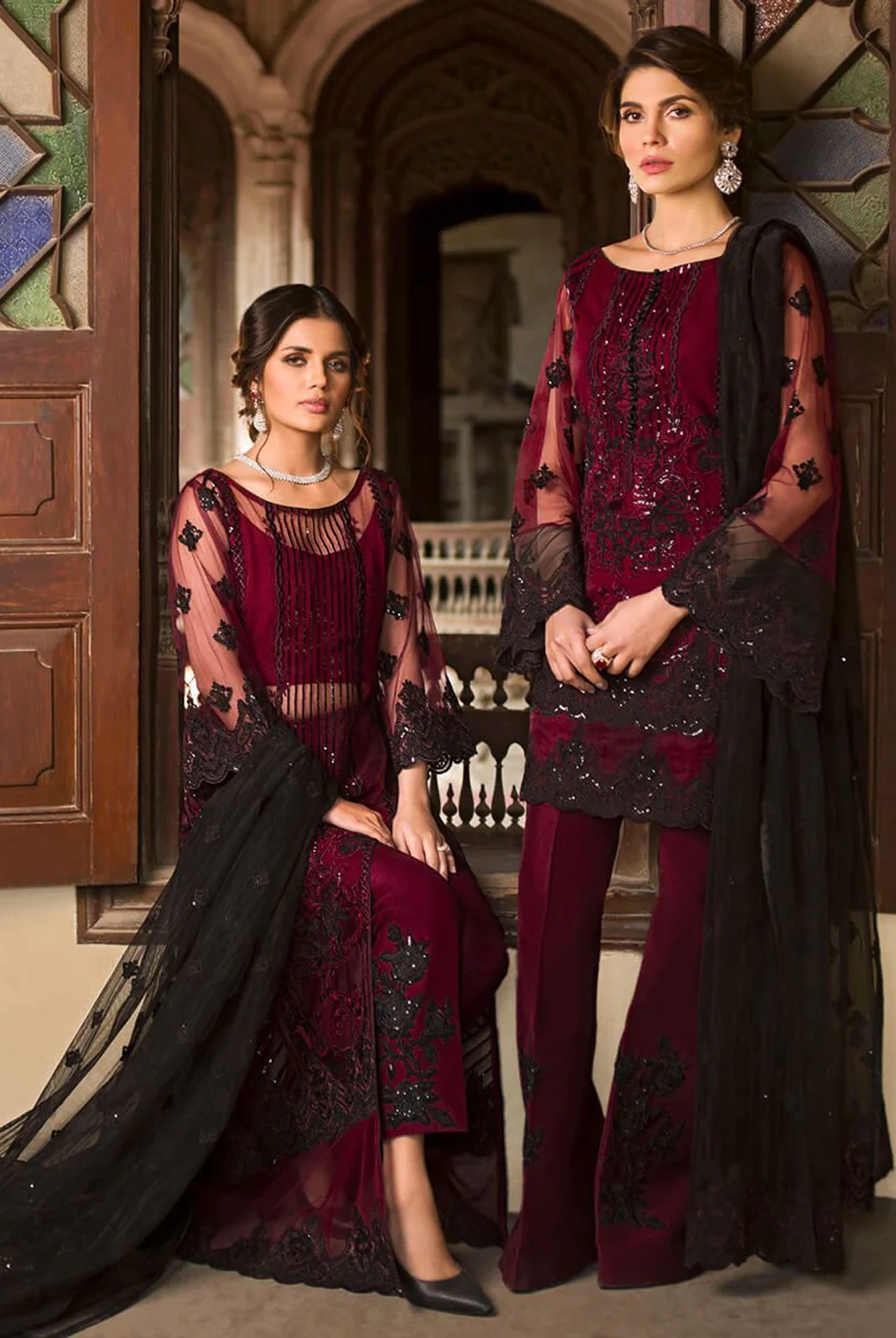

Original price was: ₨17,500.00.₨13,500.00Current price is: ₨13,500.00.
Sale!


Original price was: ₨16,000.00.₨13,000.00Current price is: ₨13,000.00.
Sale!


Original price was: ₨18,500.00.₨14,000.00Current price is: ₨14,000.00.
Sale!

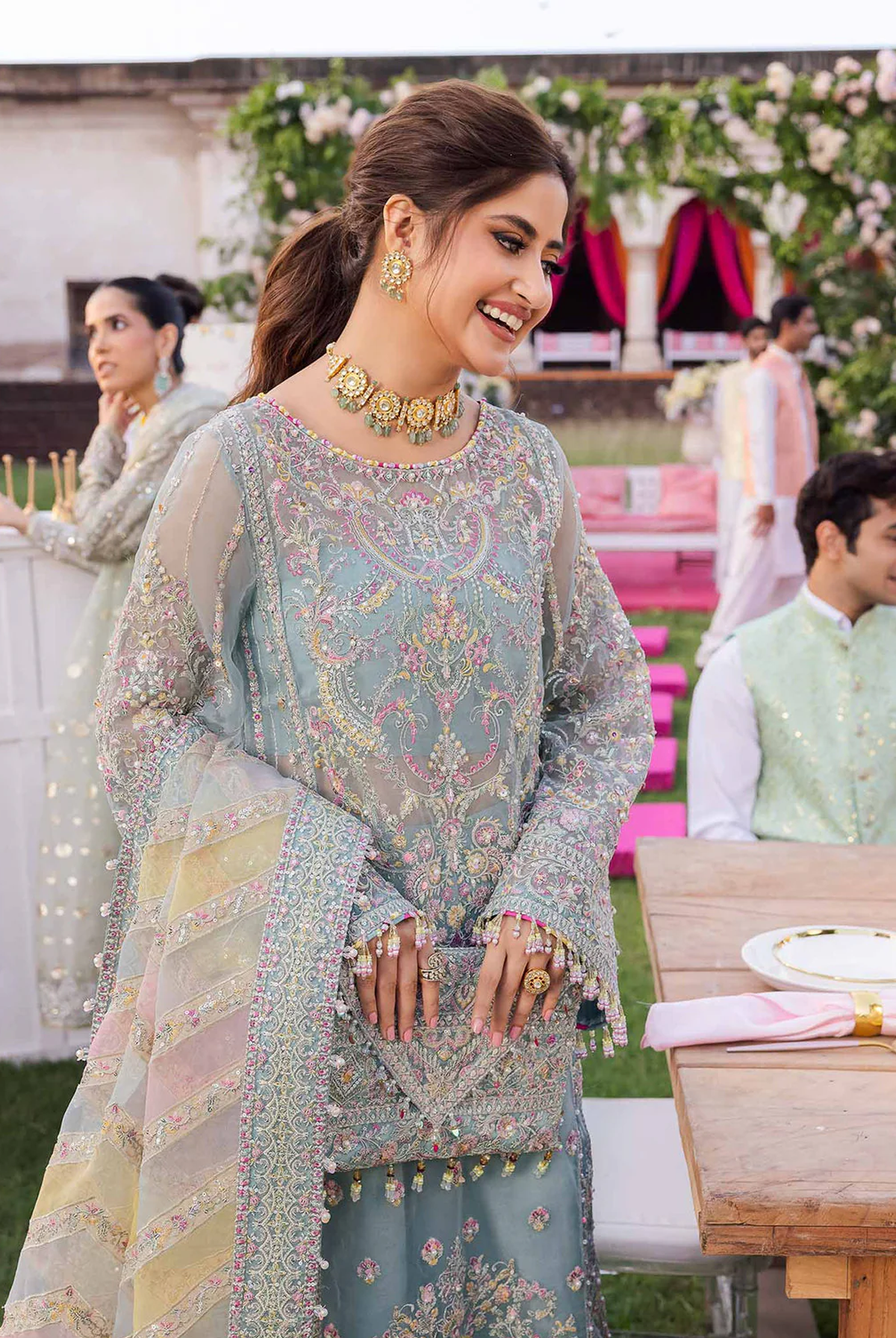
Original price was: ₨14,000.00.₨12,000.00Current price is: ₨12,000.00.
Sale!
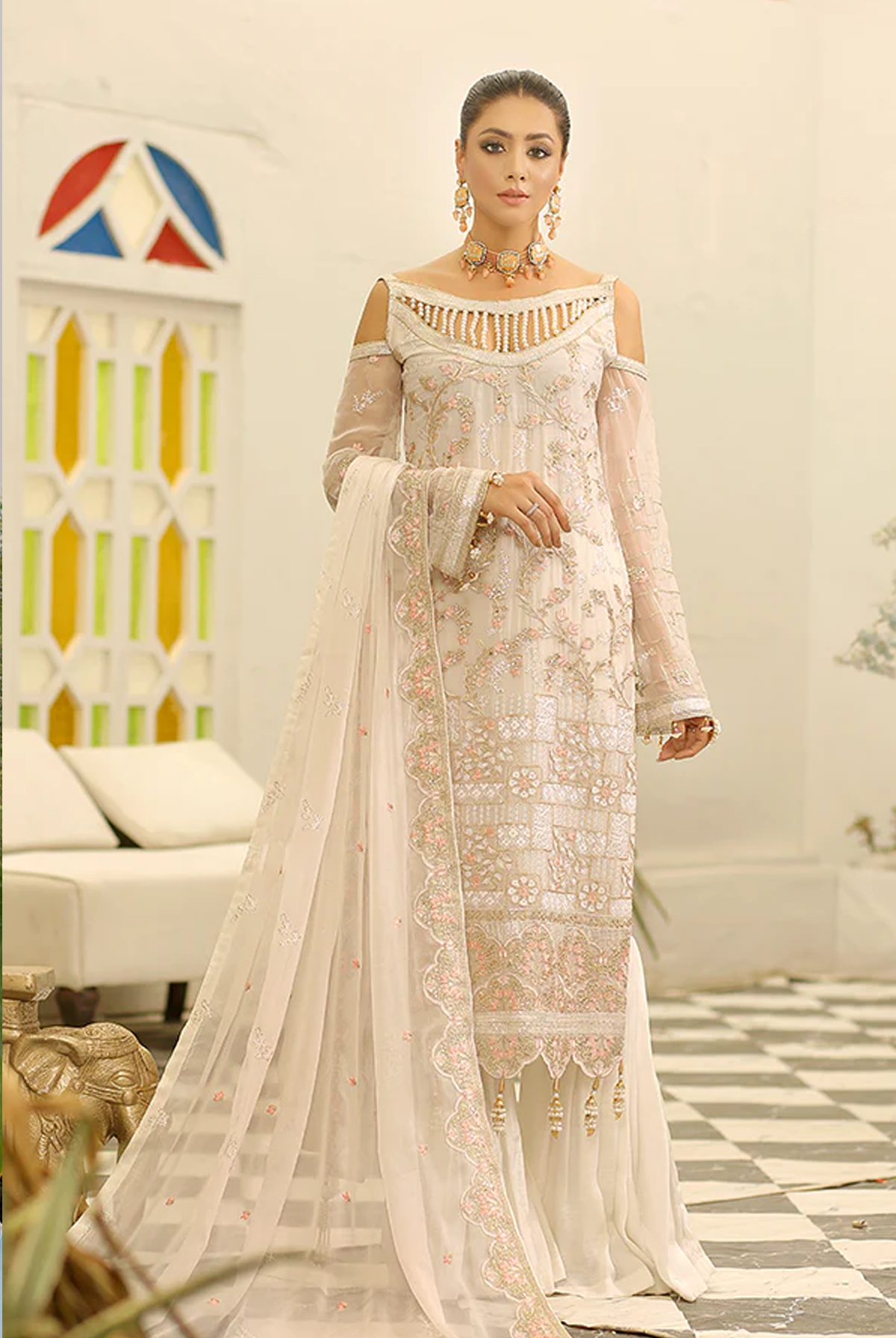

Original price was: ₨15,000.00.₨13,500.00Current price is: ₨13,500.00.
Sale!


Original price was: ₨16,000.00.₨12,500.00Current price is: ₨12,500.00.
Sale!


Original price was: ₨11,500.00.₨9,500.00Current price is: ₨9,500.00.
Sale!
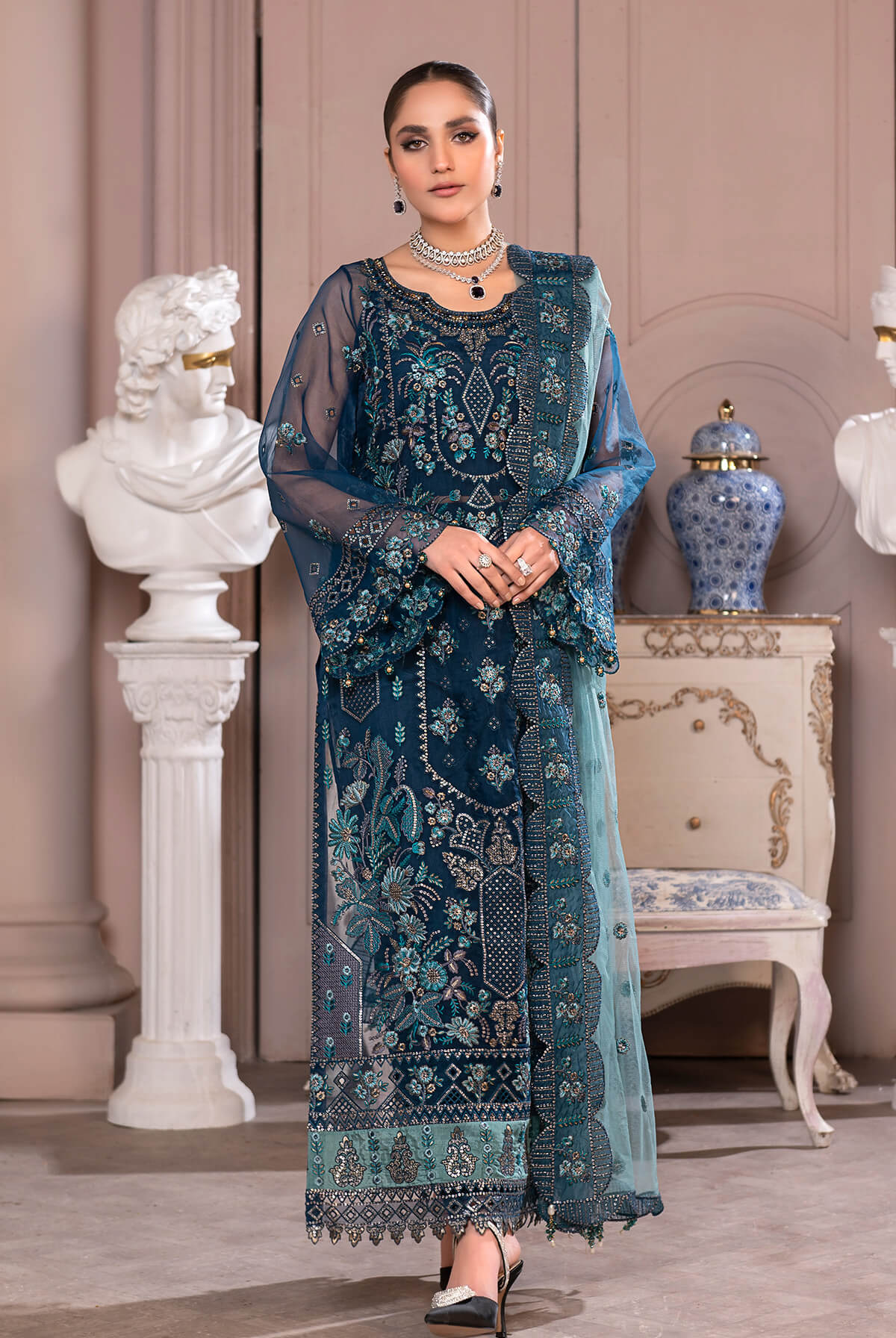

Original price was: ₨14,000.00.₨9,500.00Current price is: ₨9,500.00.
Sale!


Original price was: ₨20,000.00.₨14,500.00Current price is: ₨14,500.00.
Sale!


Original price was: ₨19,000.00.₨14,000.00Current price is: ₨14,000.00.
Sale!


Original price was: ₨18,500.00.₨14,500.00Current price is: ₨14,500.00.
Sale!


Original price was: ₨14,500.00.₨12,500.00Current price is: ₨12,500.00.
Sale!


Original price was: ₨17,500.00.₨16,000.00Current price is: ₨16,000.00.
Sale!

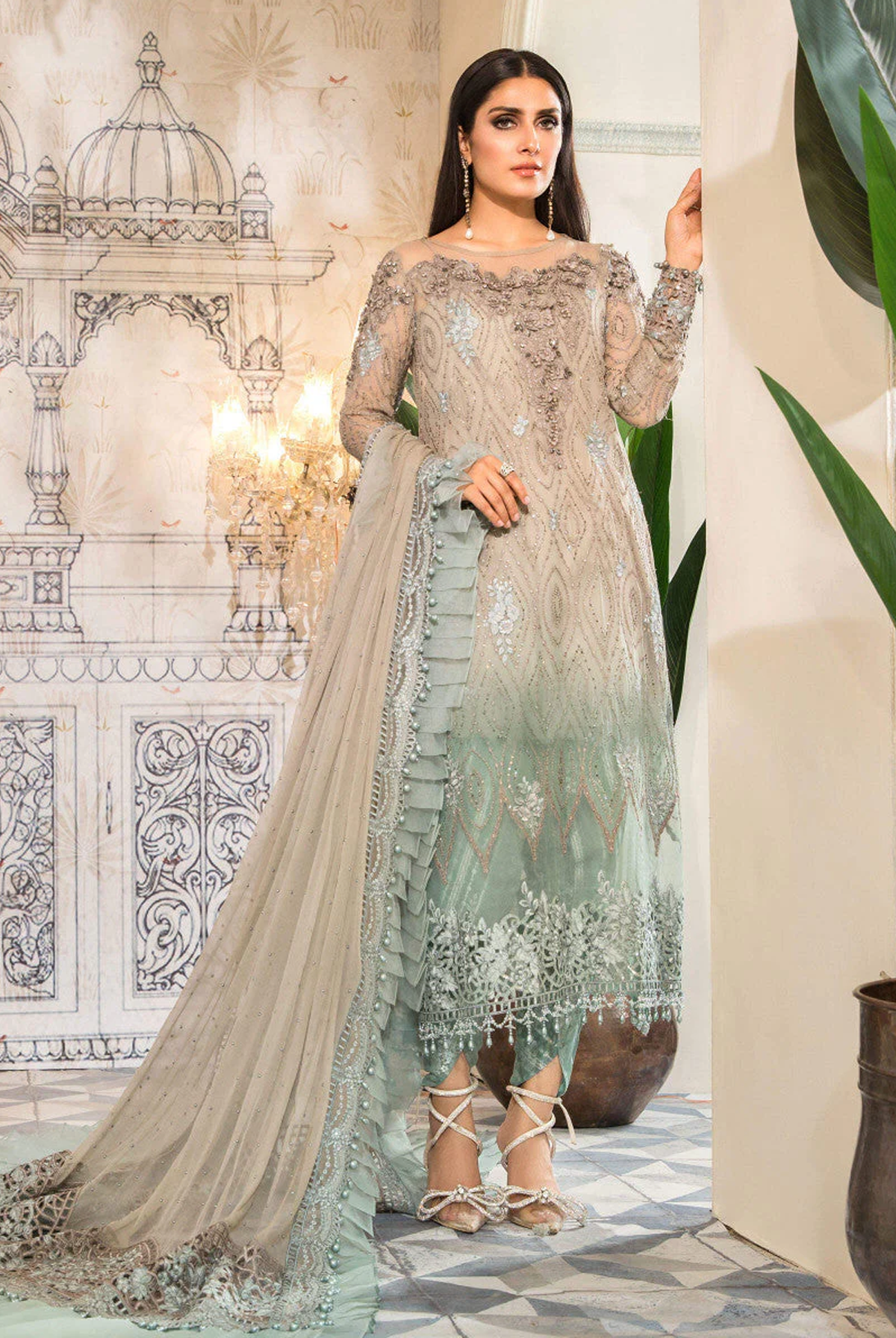
Original price was: ₨16,500.00.₨15,500.00Current price is: ₨15,500.00.
Sale!

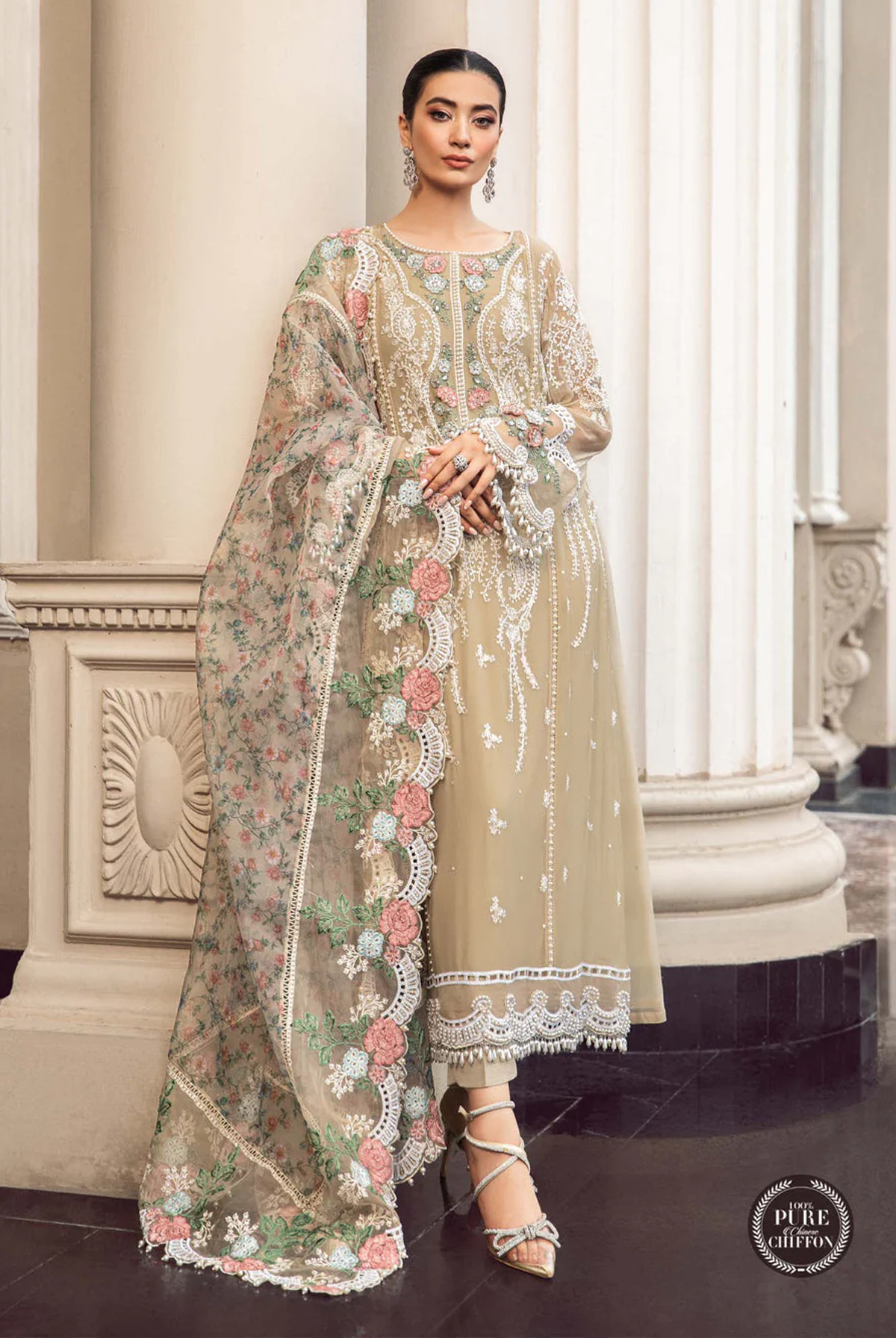
Original price was: ₨15,000.00.₨14,000.00Current price is: ₨14,000.00.
Sale!


Original price was: ₨16,500.00.₨15,000.00Current price is: ₨15,000.00.
Sale!


Original price was: ₨12,500.00.₨9,500.00Current price is: ₨9,500.00.
Pakistani Dress Wholesale Supplier Faeroe Islands | Mastorat
The international fashion industry offers growing opportunities for retailers who want to introduce distinctive clothing collections to their local markets. Pakistani fashion has earned recognition for its detailed embroidery, versatile silhouettes, traditional craftsmanship, and variety of fabrics. From lightweight everyday outfits to sophisticated formal dresses, these collections offer retailers multiple ways to serve customers with different preferences and budgets.
For boutique owners and online sellers in the Faeroe Islands, sourcing clothing from international manufacturers can provide access to styles that may not be readily available through local distributors. Working with a Pakistani Dress Wholesale Supplier Faeroe Islands can help businesses explore traditional South Asian clothing, compare product categories, and develop a carefully selected inventory for their target audience.
Mastorat focuses on Pakistani clothing and wholesale fashion sourcing, helping buyers explore different categories of traditional and contemporary apparel. Retailers can investigate its collections, review available product information, and identify clothing suitable for their business requirements. Before placing an order, buyers should confirm current product availability, minimum quantities, shipping arrangements, payment terms, and any applicable import requirements.
This guide explains the Pakistani clothing wholesale market, the collections retailers can consider, the importance of supplier evaluation, and practical steps for developing a sustainable fashion business in the Faeroe Islands.
Understanding the Pakistani Clothing Wholesale Market
Pakistan has an established textile and garment industry supported by fabric production, embroidery, tailoring, and apparel manufacturing. These capabilities allow suppliers to offer clothing for everyday wear, celebrations, formal occasions, and traditional events. Wholesale purchasing differs from ordinary retail shopping because businesses generally select products according to customer demand, available investment, and expected selling prices. Rather than purchasing individual outfits for personal use, retailers evaluate collections, compare suppliers, and plan their inventory around a specific market. Pakistani clothing is available in several categories, including unstitched fabric, ready-to-wear suits, embroidered outfits, formal dresses, and occasion wear. Each category serves a different purpose. Casual clothing may attract customers looking for comfortable everyday options, while embellished collections can appeal to shoppers preparing for weddings, parties, and cultural celebrations. Retailers beginning their sourcing research can explore Pakistani Dress Wholesale in Pakistan to understand the broader wholesale market and the types of products available through Pakistani suppliers. International demand also creates opportunities for businesses serving customers outside South Asia. Retailers can investigate the market through resources such as Pakistani Dress Wholesale in USA and Pakistani Clothes Wholesale Suppliers UK. These regional pages provide additional starting points for researching clothing categories, sourcing options, and the wider international market. Buyers should still verify each supplier's current services and determine whether its delivery arrangements cover their particular destination.How Mastorat Supports Wholesale Clothing Research
Finding suitable products is one of the first challenges faced by a fashion retailer. Businesses need to understand what is available, how different collections are presented, and whether the products fit their customers' expectations. Mastorat provides an online starting point for exploring Pakistani clothing categories. Retailers can review the available collections and use product information to shortlist outfits for further consideration. The most useful sourcing process begins with a clear business plan. A boutique specializing in formal clothing will require a different inventory from an online shop focused on affordable everyday outfits. Identifying this distinction before contacting a supplier can make purchasing decisions more efficient. When assessing a collection, retailers should consider:- Product variety: Whether the supplier offers casual, formal, embroidered, and occasion-specific outfits.
- Fabric information: Whether materials, lining, embellishments, and care instructions are clearly described.
- Sizing and stitching: Whether garments are ready-made, unstitched, or available through customized arrangements.
- Product photography: Whether images provide a useful representation of the clothing, colors, and design details.
- Commercial terms: Whether prices, minimum order quantities, payment conditions, and return policies are available.
- Delivery arrangements: Whether shipping to the Faeroe Islands can be confirmed before payment.
Fashion Retail Opportunities in the Faeroe Islands
The Faeroe Islands have a distinctive retail environment shaped by their geography, climate, population distribution, and connections with international markets. For a clothing business, these conditions make careful inventory planning particularly important. A retailer does not necessarily need a large physical shop to test a specialist clothing category. Depending on local demand, a business may begin with an online store, a small boutique, appointment-based sales, or occasional collections introduced around special events. Pakistani clothing can provide an additional choice for customers interested in South Asian fashion, embroidered garments, modest styles, and distinctive occasion wear. Potential buyers may include people with cultural connections to South Asia, customers attending multicultural celebrations, and shoppers who appreciate detailed textile craftsmanship. However, the size of the potential market should not be assumed. Retailers should research local interest before committing to substantial inventory. Customer surveys, small product launches, social media engagement, and preorders can help establish which designs and price ranges are worth testing. Businesses should also consider the practical implications of operating on an island. International delivery costs, customs procedures, returns, and replenishment times can influence the final retail price. A product that appears affordable at the supplier level may become less competitive once transportation and other expenses are included. For this reason, wholesale sourcing should combine product selection with a realistic understanding of the destination market.Choosing Clothing Collections for Different Customers
A successful wholesale order usually contains products selected for a clear purpose. Buying too many unrelated styles can make stock management difficult, particularly for a new retailer working with a limited budget. Pakistani fashion offers several categories that can be evaluated separately.Casual and Everyday Clothing
Casual Pakistani clothing often includes lawn suits, cotton outfits, simple embroidered garments, and versatile everyday designs. These products may appeal to customers who prefer comfortable clothing suitable for regular use. Fabric weight, breathability, maintenance, and ease of styling are important considerations. Retailers should also examine the seasonal suitability of each collection for the climate in which their customers live. Rather than stocking every available design, a boutique can begin with a limited selection of colors, cuts, and sizes. Sales information can then guide future purchases.Formal and Semi-Formal Outfits
Formal clothing includes embroidered suits, coordinated ensembles, and designs intended for dinners, family gatherings, celebrations, and other special occasions. Customers may place greater importance on finishing, decorative details, fabric quality, and the overall appearance of these garments. Product descriptions should therefore provide clear information about the materials and construction. Retailers comparing formal collections can explore Pakistani Designer Dresses and Pakistani Designer Suits. These categories can help businesses identify the types of designs they want to investigate before confirming prices, availability, and wholesale conditions.Bridal and Celebration Wear
Bridal clothing represents a specialized segment of Pakistani fashion. Such garments may include intricate embroidery, decorative embellishments, elaborate silhouettes, and luxurious-looking fabrics. Because bridal outfits can involve higher prices and more specific customer requirements, retailers should approach this category carefully. Size availability, stitching quality, delivery deadlines, customization options, and the handling of delicate embellishments deserve particular attention. A boutique may choose to display a small selection of occasion wear while arranging individual orders according to customer preferences. This approach can reduce the need to hold a large range of expensive garments in stock.Contemporary Designer Collections
Contemporary Pakistani fashion combines traditional techniques with changing silhouettes, color palettes, and styling preferences. Some collections feature restrained embroidery and clean lines, while others emphasize ornate detailing and statement designs. Retailers interested in a more fashion-led assortment can review Pakistani Designer Clothes Online. Before purchasing, buyers should establish whether the products are authentic, what branding arrangements apply, and whether the supplier has the necessary authorization to distribute any branded items. Clear documentation helps businesses make informed decisions and protect customer trust.Building a Reliable International Supply Relationship
International sourcing involves more than selecting attractive garments. Retailers also need a supplier who communicates clearly, provides accurate product information, and explains the commercial terms before an order is placed. The first step is to prepare a list of questions. Buyers should ask about current stock, manufacturing arrangements, fabric specifications, available sizes, order quantities, and the expected dispatch schedule. It is also helpful to request a detailed quotation. A quotation should identify the selected products, quantities, unit prices, any additional charges, and the conditions under which the order will be fulfilled. When possible, requesting samples before a substantial purchase can help a retailer evaluate the fabric, stitching, embroidery, color, and overall finishing. If samples are unavailable, buyers should request sufficiently detailed product photographs and written specifications, while recognizing that these cannot fully replace a physical inspection. Retailers can broaden their supplier research through Pakistani Clothes Wholesale Suppliers UK and other regional resources. The purpose of this research is to compare sourcing options rather than assume that every listed business provides identical services. Each supplier should be evaluated according to its actual products, terms, communication, and ability to deliver to the intended destination.Exploring European and Nordic Distribution Options
Businesses serving the Faeroe Islands may also investigate distribution routes and suppliers operating elsewhere in Europe. The right arrangement depends on the product, the order size, the delivery destination, and the commercial terms offered. Some retailers prefer purchasing directly from a manufacturer in Pakistan. Direct sourcing can provide access to a wider range of products, but the buyer may need to coordinate international freight, documentation, customs clearance, and any applicable import charges. Other businesses may prefer a supplier or distributor that already maintains stock in a European market. This arrangement may simplify certain aspects of fulfillment, although prices and available designs may differ from those offered directly by manufacturers. Retailers researching regional sourcing can review:- Pakistani Clothes Wholesalers Bradford
- Pakistani Clothes Wholesalers Manchester
- Pakistani Clothes Wholesale Suppliers UK
Understanding the International Clothing Supply Chain
The clothing supply chain generally includes product development, fabric sourcing, garment production, quality inspection, packing, transportation, and final delivery. Each stage can affect the retailer's experience. Fabric shortages may change production schedules, while customized orders can require additional time. Incorrect sizing, damaged packaging, or incomplete documentation can create problems after dispatch. Understanding these stages helps retailers ask better questions and plan purchases more accurately.Manufacturing and Product Preparation
Manufacturers may produce clothing according to established designs or prepare garments against specific customer requirements. Ready-made products can be convenient for businesses that want to replenish stock quickly, while customized orders may suit retailers developing a distinctive collection. Before approving a customized order, the buyer should confirm the design specifications, measurements, fabric, embellishments, and agreed delivery schedule in writing.Quality Inspection
Quality checks should cover the characteristics that matter most to the selected garment. These can include seam construction, stitching consistency, embroidery placement, color accuracy, sizing, and the condition of decorative elements. Retailers should agree on the inspection process before production or dispatch. For large orders, they may wish to discuss how defects will be documented and what remedies are available under the supplier's terms.Packaging and Transportation
Garments should be packed in a way that protects them from moisture, dust, crushing, and avoidable damage during transit. Delicate formal and bridal clothing may require additional protection. International shipments also need suitable documentation. Depending on the shipment and applicable regulations, this may include commercial invoices, packing lists, customs information, and other required paperwork. Retailers should confirm who is responsible for arranging freight, handling customs formalities, paying import charges, and addressing delivery problems.Using Online Catalogs to Make Better Purchasing Decisions
Digital catalogs have made it easier for retailers to review clothing collections without visiting a physical wholesale market. Buyers can compare styles, examine product descriptions, and prepare shortlists before discussing an order. A structured catalog can be particularly useful for businesses in remote locations because it reduces the need for preliminary travel. It also allows retailers to review products at their own pace and compare different categories before committing funds. Businesses can explore Pakistani Catalogue Dress Wholesale as part of their research. When reviewing a catalog, retailers should record the product name or reference, fabric, color, size range, stitching status, price, and quantity available. Keeping these details together makes it easier to request an accurate quotation. Product images should be treated as a guide rather than a guarantee of exact appearance. Lighting, screen settings, photography, and differences between production batches can affect how colors and details appear. For higher-value purchases, buyers should clarify whether the photographs represent the exact items being supplied or are illustrative images of a broader collection. Catalog-based purchasing is most effective when it is supported by clear communication and written confirmation of the final order.Sourcing Pakistani Dresses Through International Markets
Different countries offer different sourcing opportunities. Some have established South Asian clothing retailers, while others may have distributors, specialist importers, or smaller businesses serving a specific customer group. Exploring international markets can help retailers understand how Pakistani clothing is presented, which categories are available, and how suppliers describe their collections. Relevant resources include:- Pakistani Dress Wholesale in Dubai
- Pakistani Dress Wholesale in India
- Pakistani Dress Wholesale in Bangladesh
Opportunities Across Asia, the Middle East, and Africa
Pakistani clothing is relevant to a wide range of international retail markets. Demand varies according to local fashion preferences, cultural traditions, purchasing power, and the availability of competing products. Retailers can study different regional approaches by reviewing Pakistani Dress Wholesale in Nigeria, Pakistani Dress Wholesale in Qatar, and Pakistani Dress Wholesale in Singapore. These markets differ considerably from one another, so their product preferences and business models should not be assumed to apply directly to an island market in the North Atlantic. Nevertheless, international comparisons can help retailers identify broader product categories, consider alternative distribution arrangements, and understand how specialist clothing collections can be presented to different customer groups. For a business in the Faeroe Islands, the most useful lessons will come from combining this wider research with local customer feedback and realistic financial planning.Exploring Wholesale Opportunities in European Markets
Europe contains diverse clothing markets, from large metropolitan retail centers to smaller specialist boutiques. Businesses can investigate different suppliers and distribution models according to their target audience and operating requirements. Retailers researching the broader European market may find the following pages useful:- Pakistani Dress Wholesale Supplier Germany
- Pakistani Dress Wholesale Supplier France
- Pakistani Dress Wholesale Supplier Italy
- Pakistani Dress Wholesale Supplier Spain
- Pakistani Dress Wholesale Supplier Netherlands
Evaluating Minimum Order Quantities and Pricing
Minimum order quantities can influence how a retailer begins a wholesale clothing business. Some suppliers may require a minimum number of garments, while others may set different thresholds for individual collections or customized production. The appropriate order size depends on the retailer's budget, storage capacity, expected demand, and ability to sell the products within a reasonable period. New businesses may benefit from testing a focused assortment rather than purchasing a large collection immediately. A small initial order can provide useful information about customer preferences, product quality, and the effectiveness of the chosen price range. Before placing an order, retailers should ask whether the supplier allows mixed designs, different sizes, or a combination of product categories within the same shipment. These arrangements can vary and should not be assumed. Pricing should also be evaluated beyond the quoted garment cost. The total expense may include:- Product purchase prices
- Packaging and handling
- International freight
- Insurance, where applicable
- Customs duties and import taxes
- Currency conversion and payment charges
- Local delivery and storage
International Shipping and Import Considerations
Shipping clothing from Pakistan to the Faeroe Islands requires planning. Delivery time depends on the transport method, dispatch location, courier or freight provider, shipment size, customs processing, and other operational factors. Retailers should request an estimated delivery schedule for their actual order rather than relying on a general timeframe. Any estimate should clarify when the delivery period begins and whether it includes production, dispatch, customs clearance, and final delivery. Before paying, buyers should confirm the shipping destination, delivery method, tracking arrangements, and responsibility for import formalities. The Faeroe Islands have their own customs and import arrangements, so retailers should check the rules applicable to their specific shipment. Depending on the circumstances, clothing imports may require documentation, payment of applicable charges, and compliance with relevant product or labeling requirements. Businesses should also consider how they will handle delayed shipments, missing items, damaged garments, and returns. International returns can be expensive, making it especially important to establish a written procedure before an order is placed. Retailers can use regional sourcing resources such as Pakistani Dress Wholesale in Dubai to explore other supply channels, but each proposed shipping arrangement should be verified separately. Careful planning helps businesses set more realistic delivery expectations and avoid unexpected expenses.Exploring Dress Materials and Unstitched Fabric
Ready-made clothing is only one part of the Pakistani fashion market. Unstitched fabric and dress materials provide another option for retailers whose customers prefer customized tailoring. This category can include fabric intended for casual suits, formal outfits, embroidered ensembles, and occasion wear. Some customers may prefer choosing their own silhouette, sleeve design, neckline, or overall fit rather than purchasing a finished garment. Retailers interested in these products can explore Pakistani Dress Material Wholesale, Pakistani Dress Material Wholesale in India, and Pakistani Dress Wholesale Supplier Pakistan. When assessing fabric collections, buyers should check the material composition, width, length, embroidery details, color options, and any included accessories. They should also confirm whether the price applies to a complete dress material set or to individual components. Fabric quality can be difficult to assess from photographs alone. Where possible, samples provide a better way to evaluate texture, weight, transparency, and finishing. For a retailer serving the Faeroe Islands, unstitched fabric may be worth considering if local tailoring services are available and customers show interest in personalized outfits. The business case should be based on actual demand rather than assumptions about which category will sell best.Developing a Practical Boutique Business Strategy
Starting a clothing boutique requires a combination of product knowledge, financial planning, customer research, and reliable sourcing. The first step is to define the intended audience. A retailer may focus on everyday Pakistani clothing, premium formal wear, bridal outfits, modest fashion, or a carefully selected combination of categories. The next step is to research potential customers. Informal surveys, social media polls, conversations with interested shoppers, and small product launches can help establish which styles, sizes, and prices are most appealing. Once the target market is clearer, retailers can create a starter assortment. This should contain enough variety to test demand without committing too much money to products that may sell slowly. A basic purchasing plan should include the following elements:- Define the product range. Choose a small number of categories that match the intended customer base.
- Compare suppliers. Review available products, commercial terms, communication, and delivery options.
- Calculate landed costs. Include transportation, import charges, payment fees, and local expenses.
- Set a pricing strategy. Account for operating costs while keeping prices appropriate for the target audience.
- Prepare product information. Provide clear sizing, fabric, care, and availability details.
- Track sales and feedback. Use customer responses to guide future stock decisions.
- Review performance regularly. Reorder successful products and reconsider items that consistently underperform.