 Wholesale
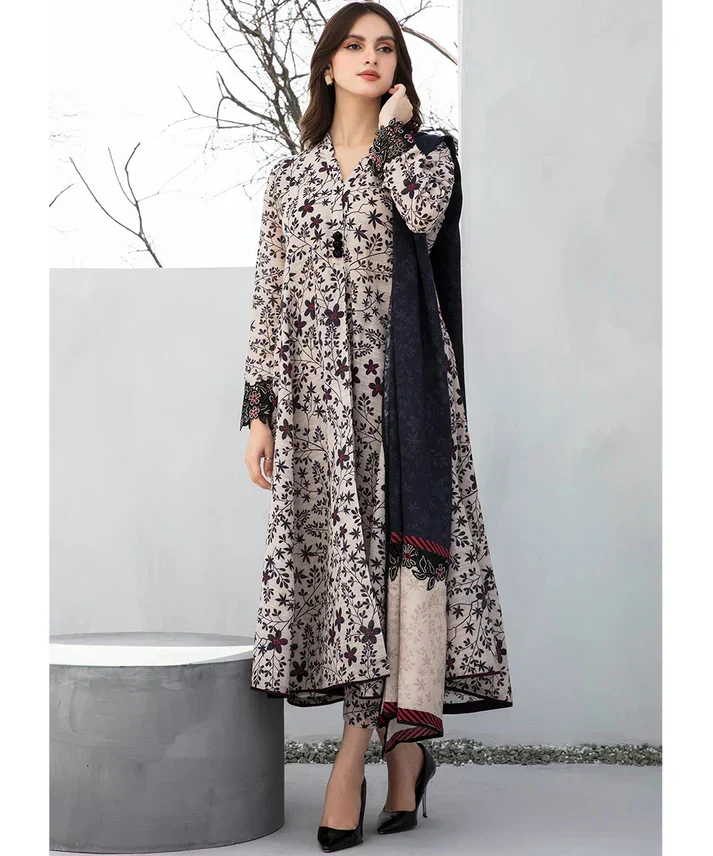
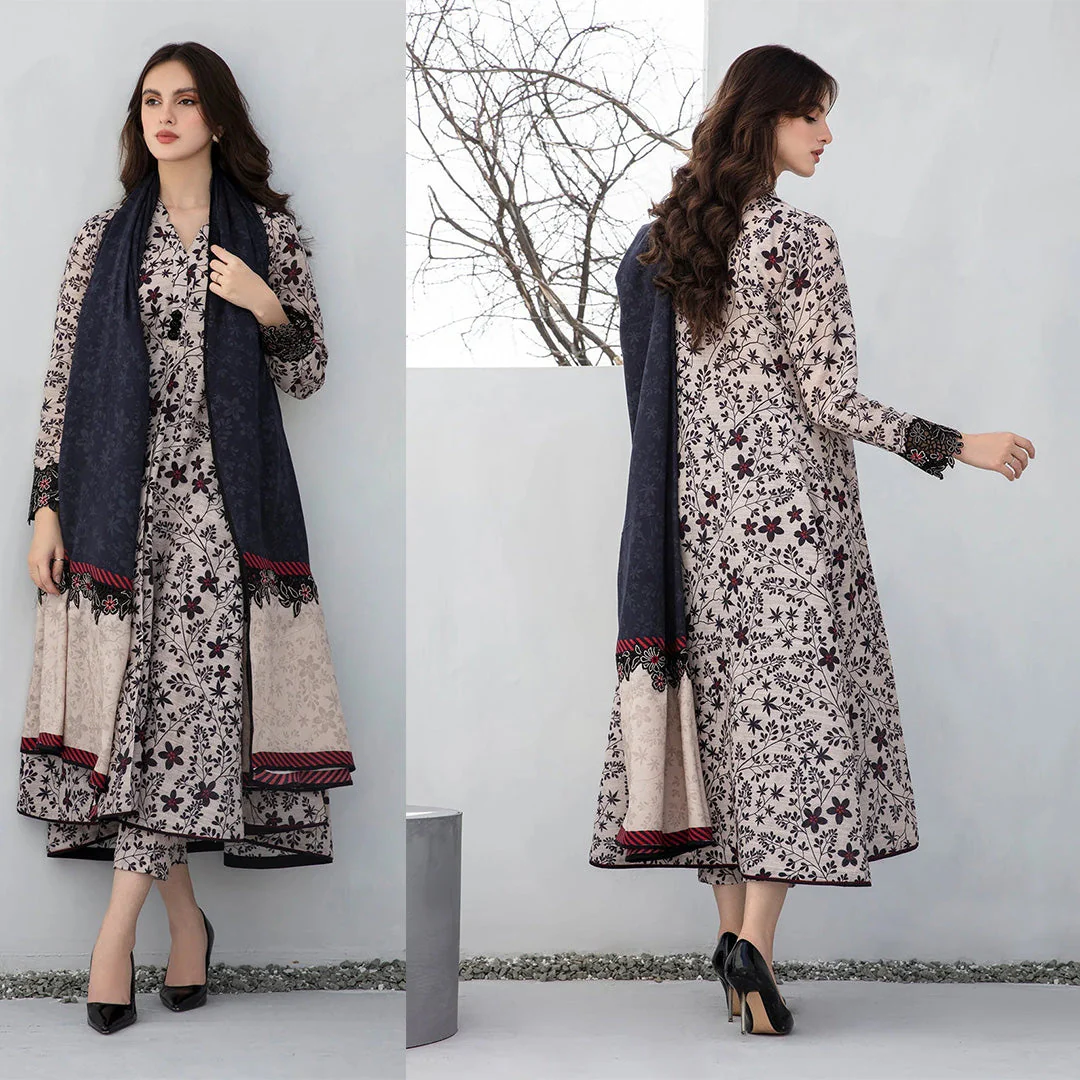
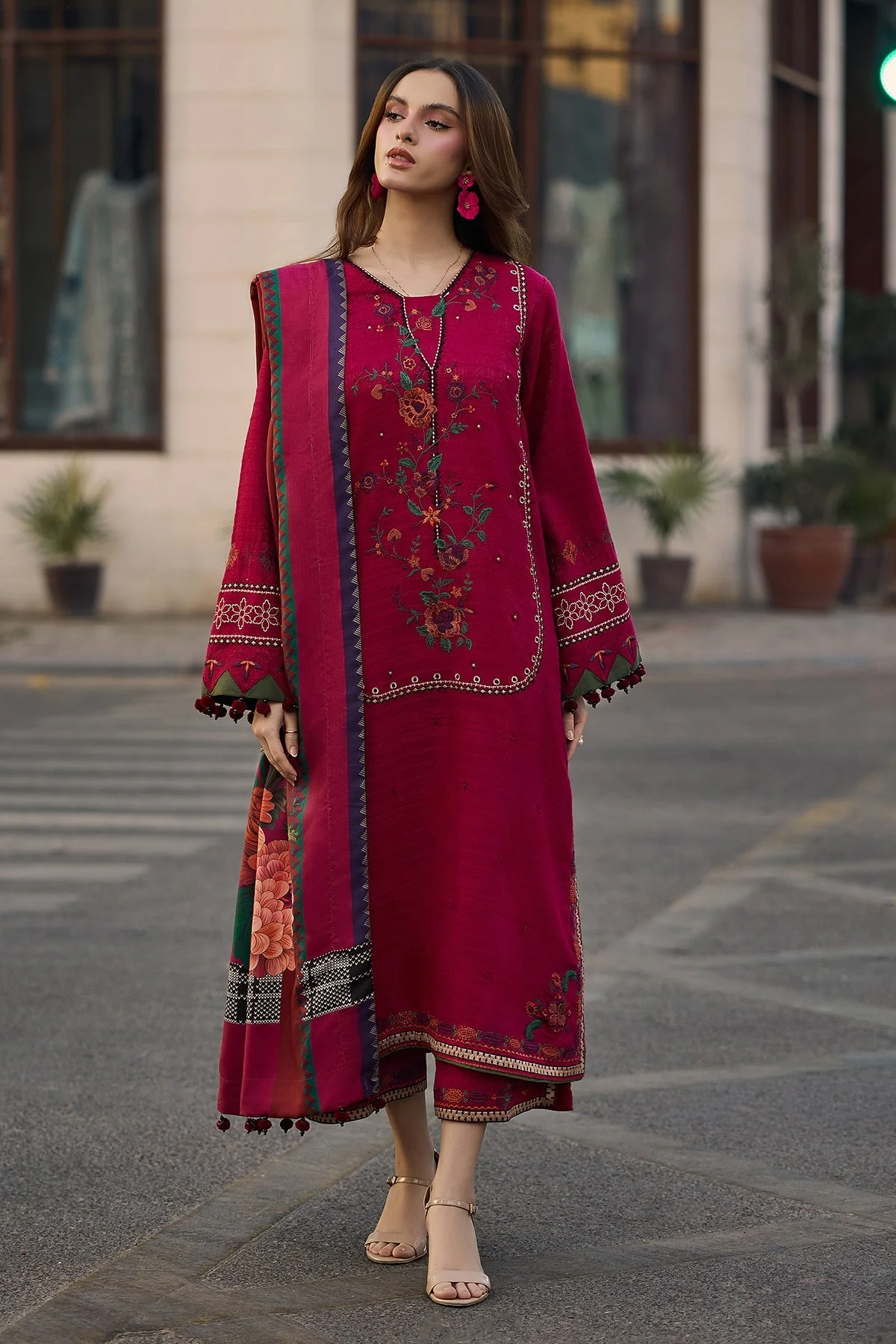
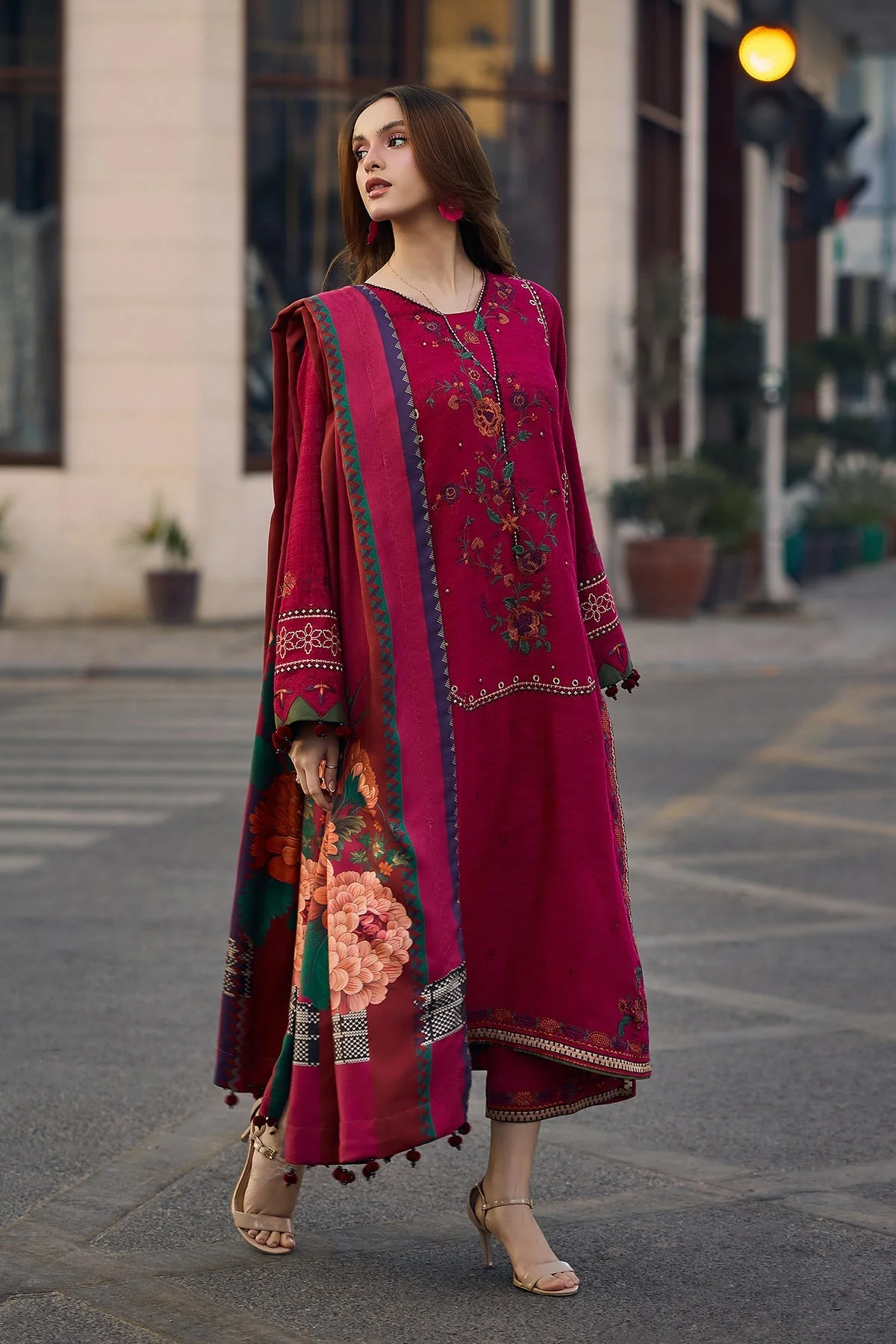
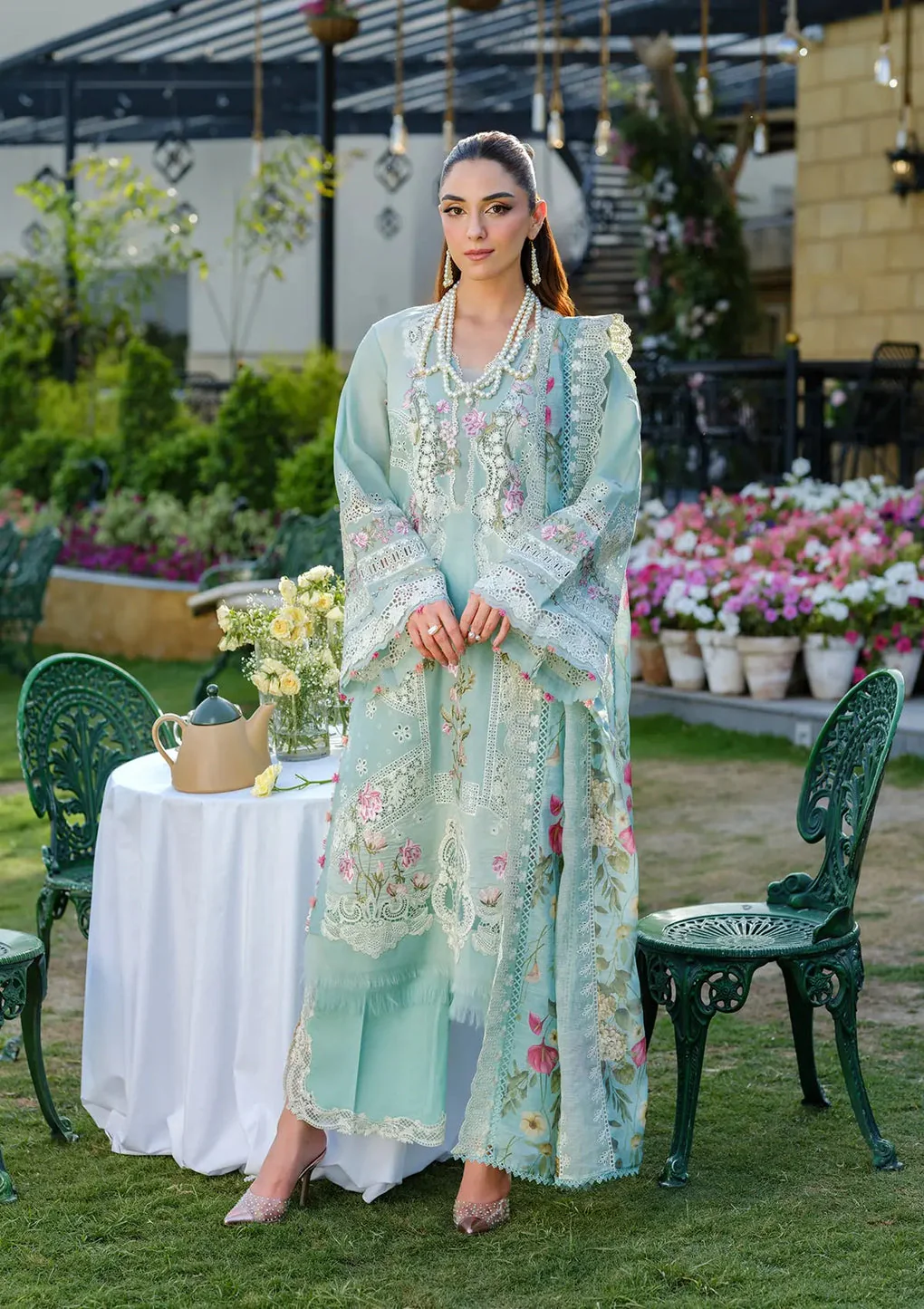
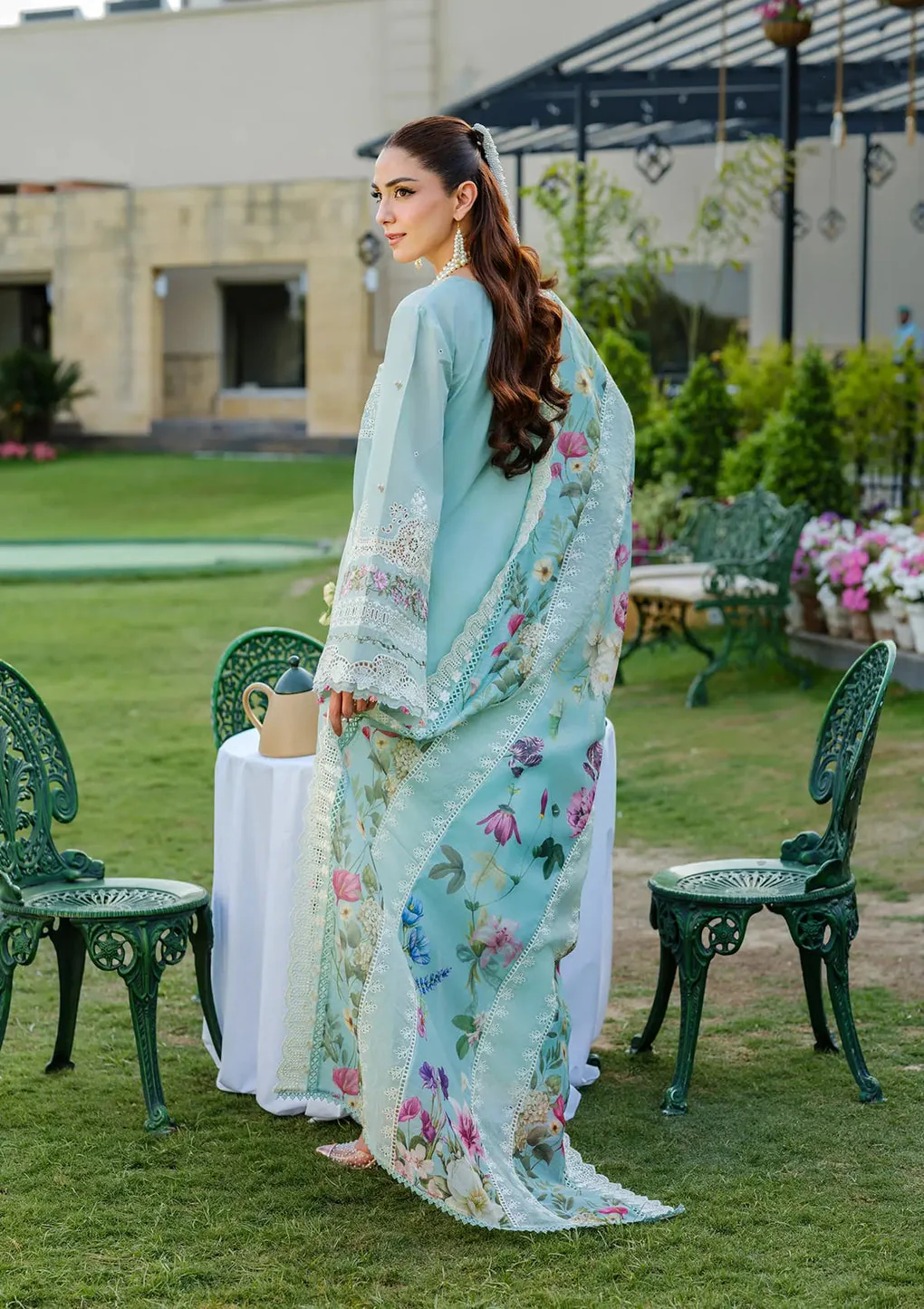
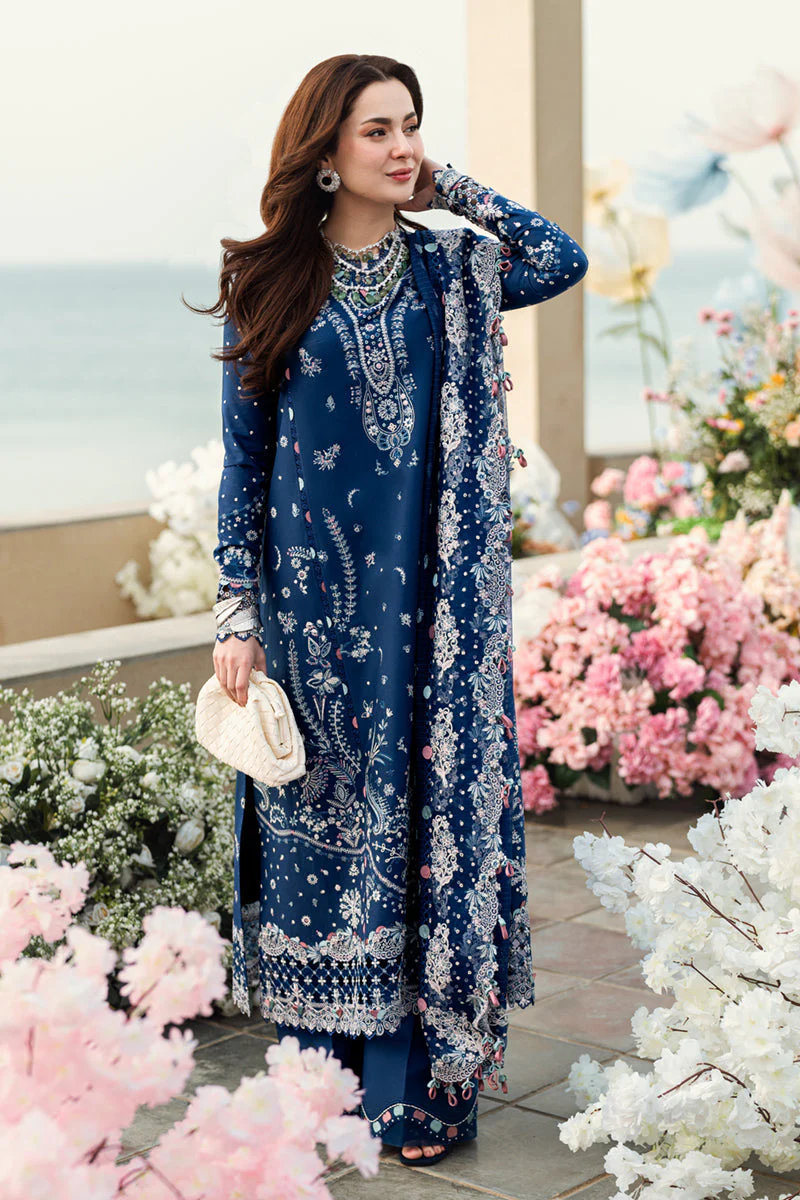
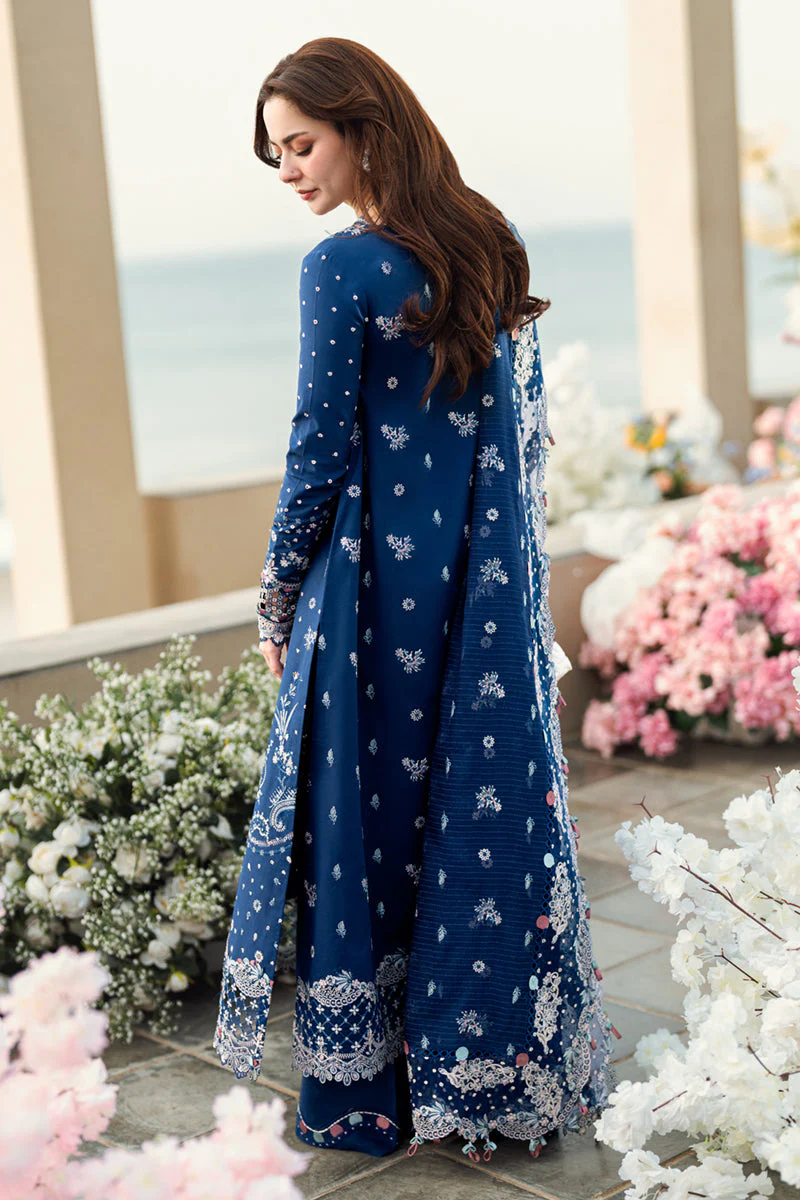
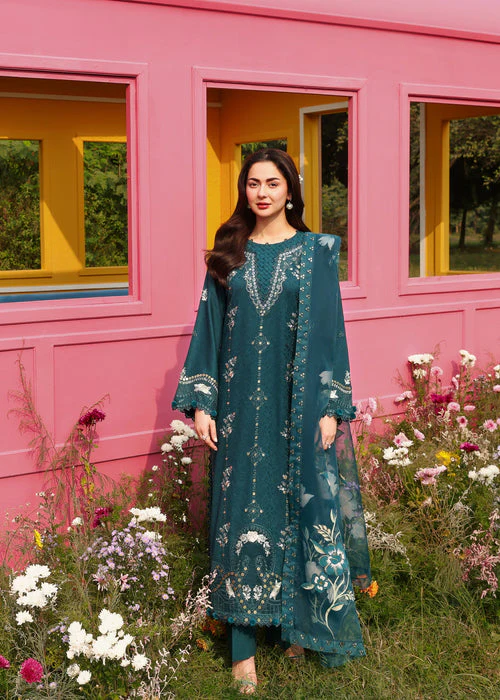
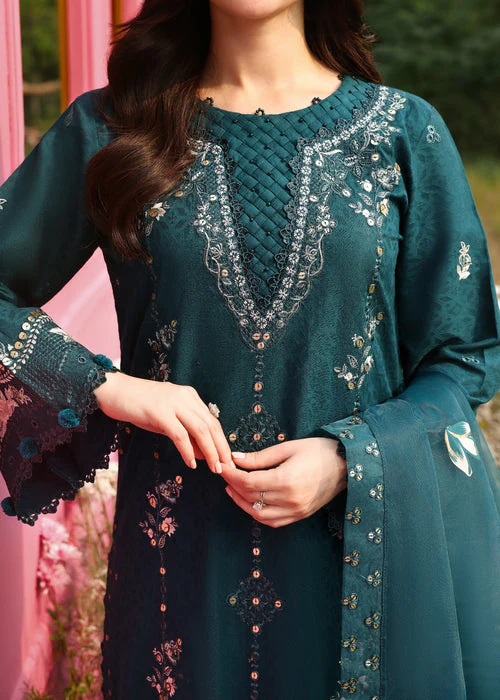
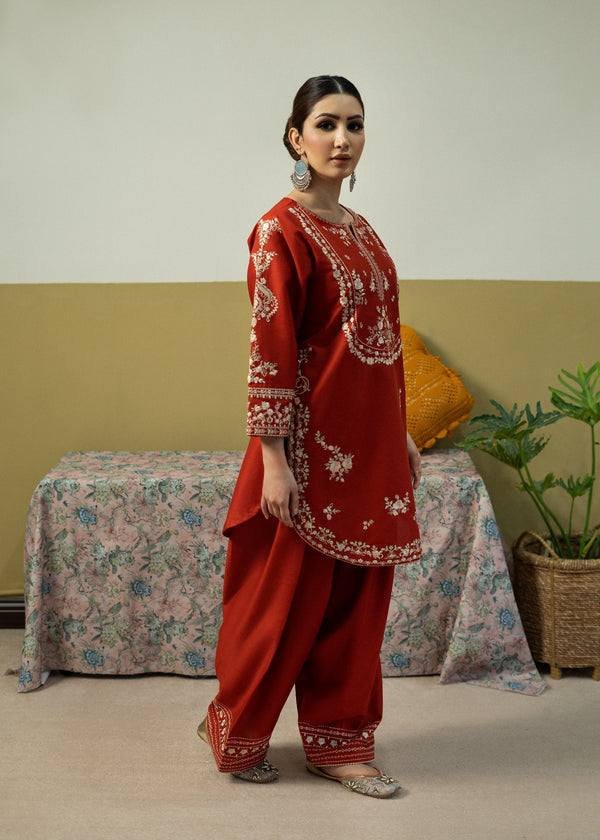
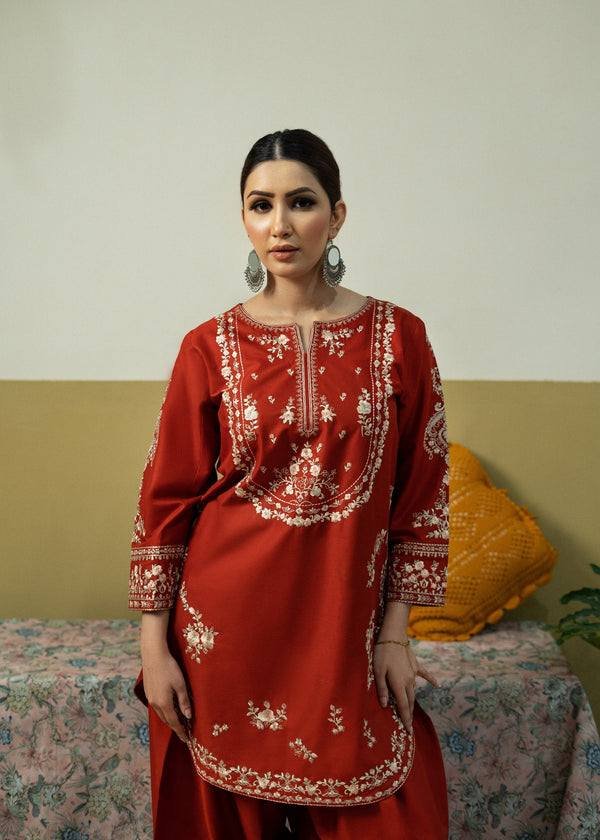
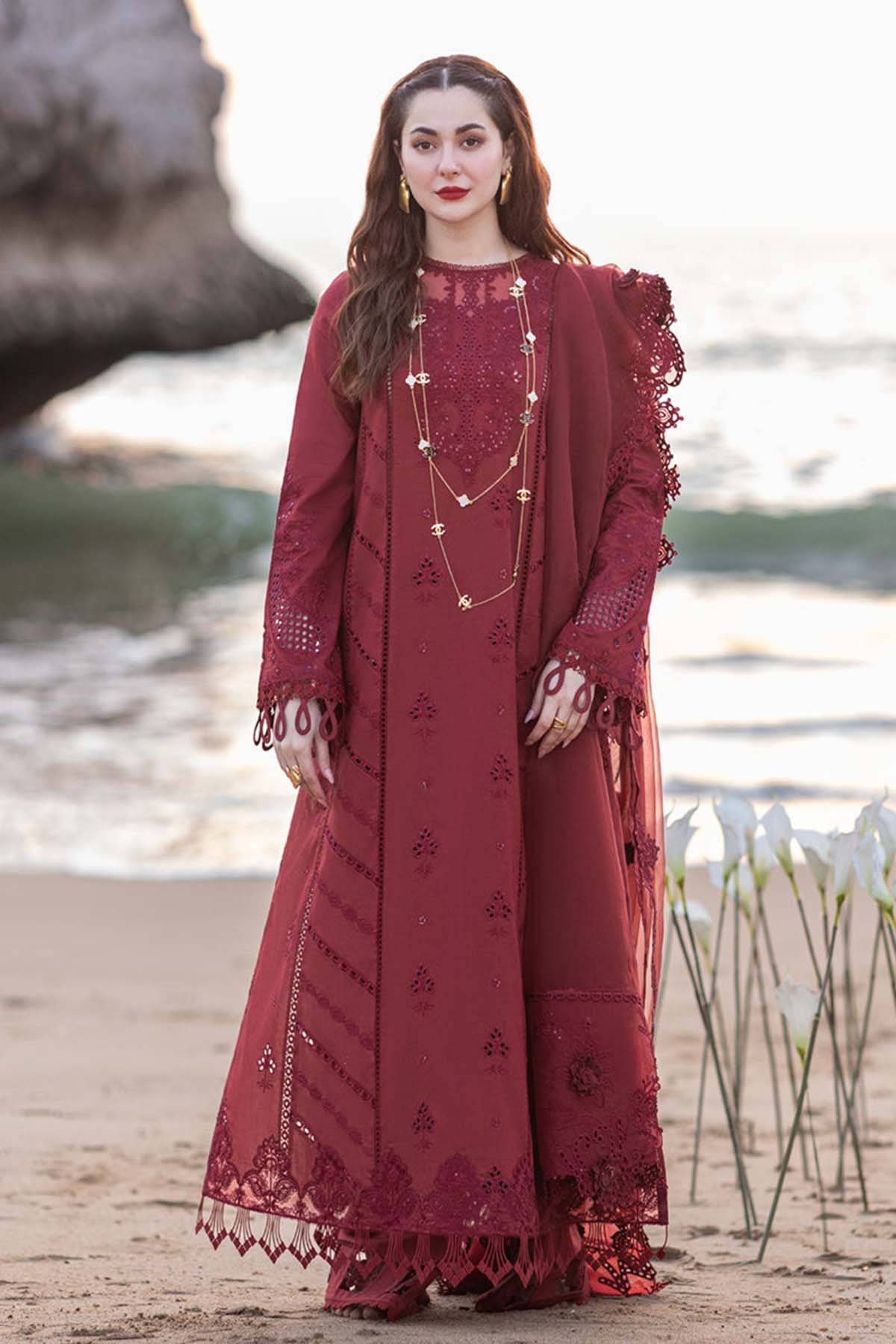
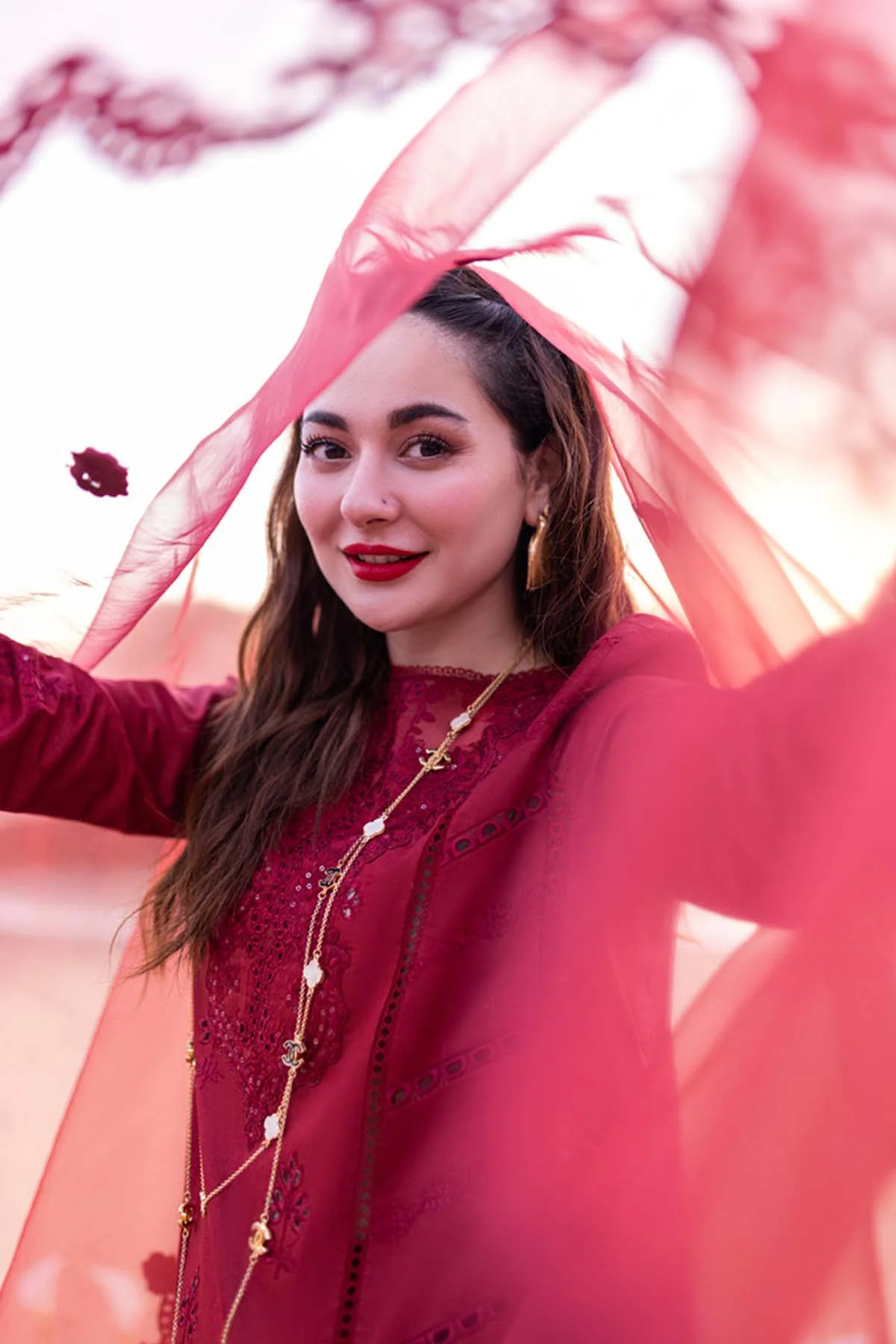
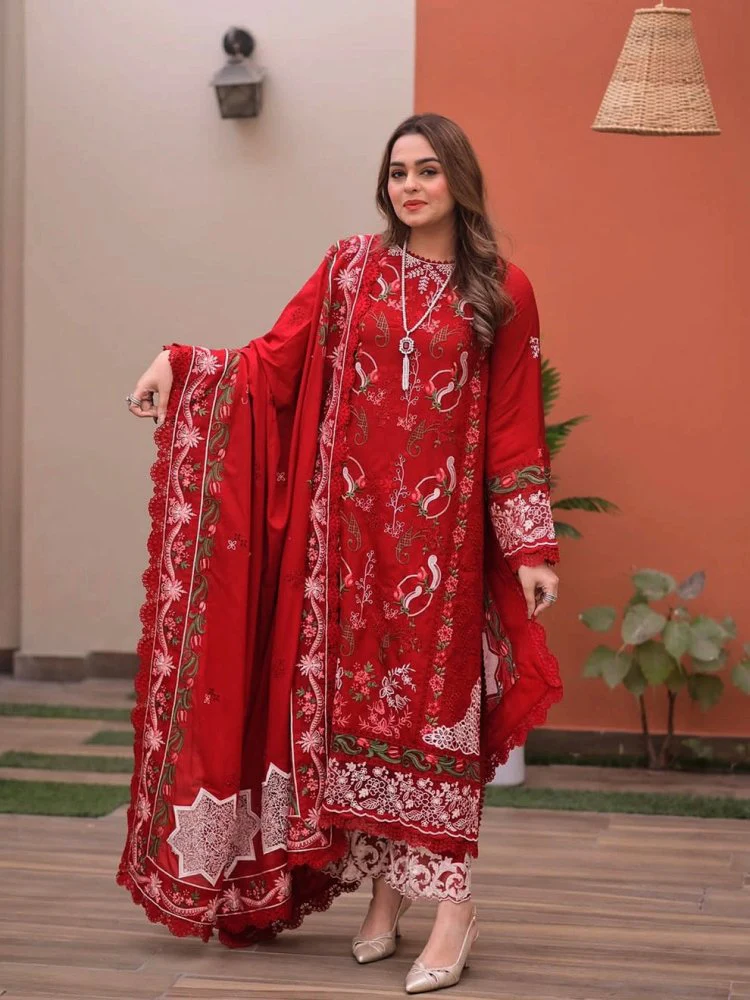
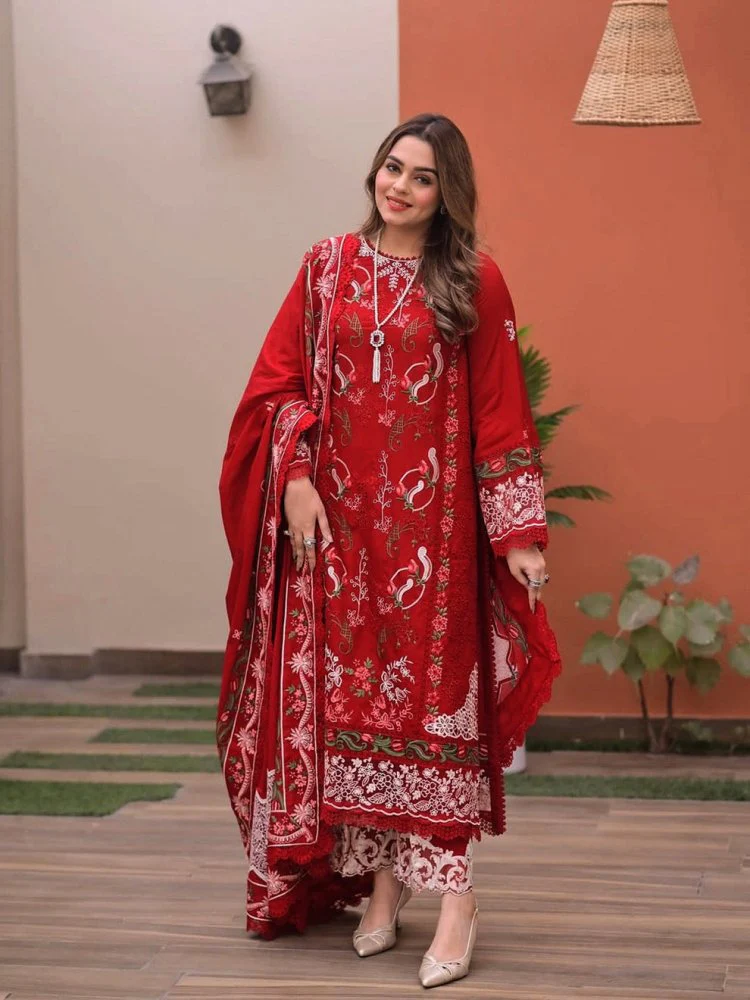
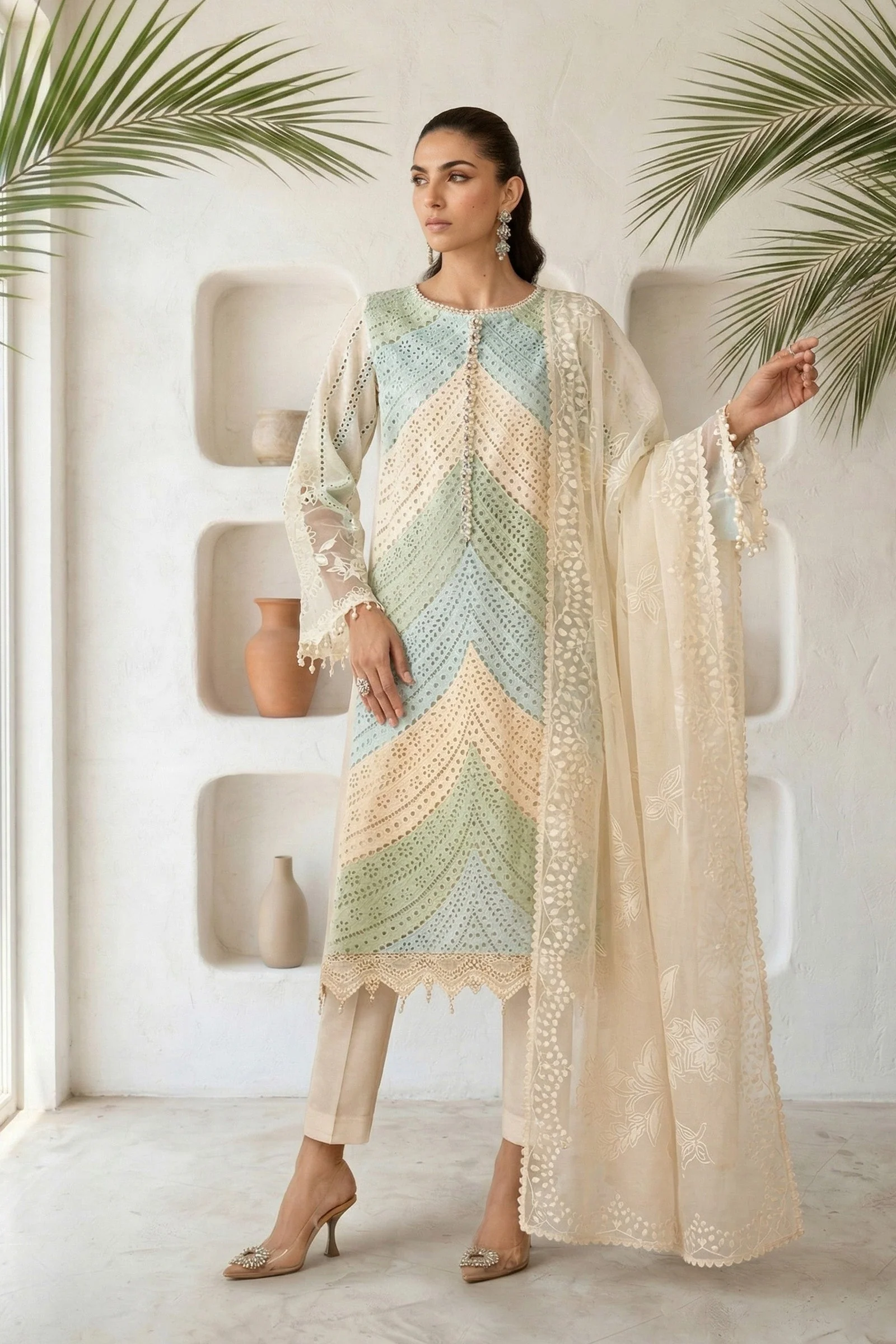
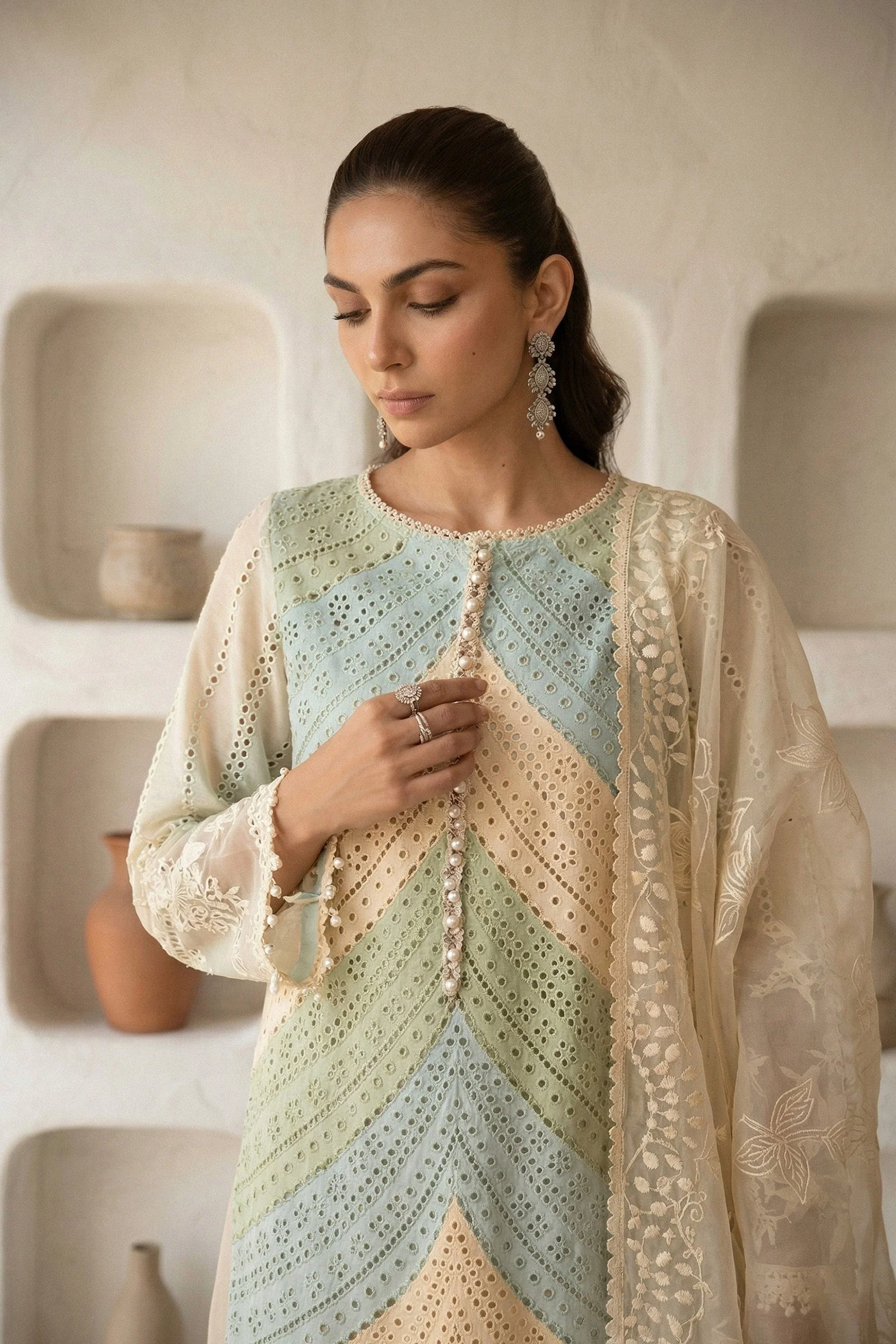
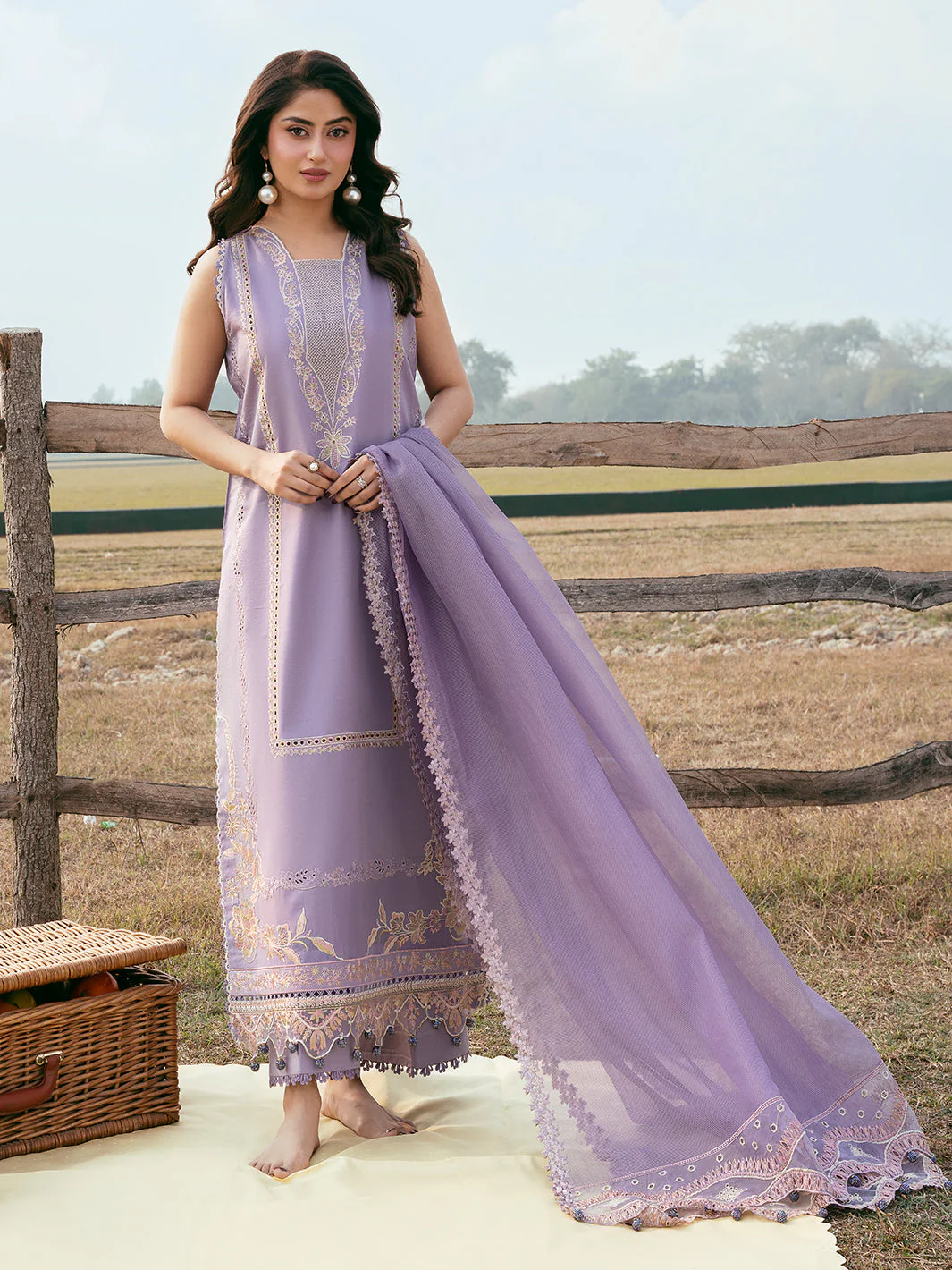
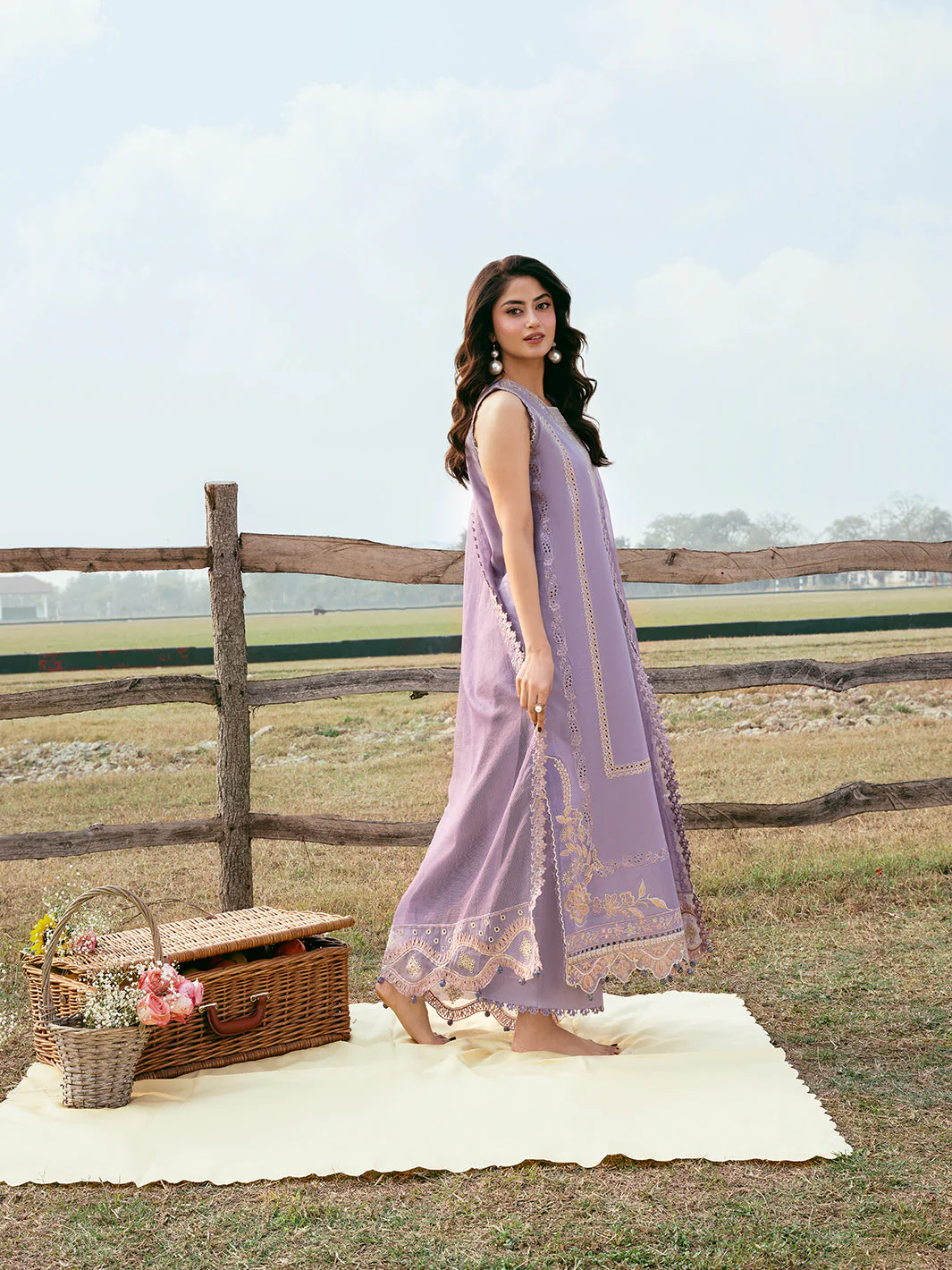
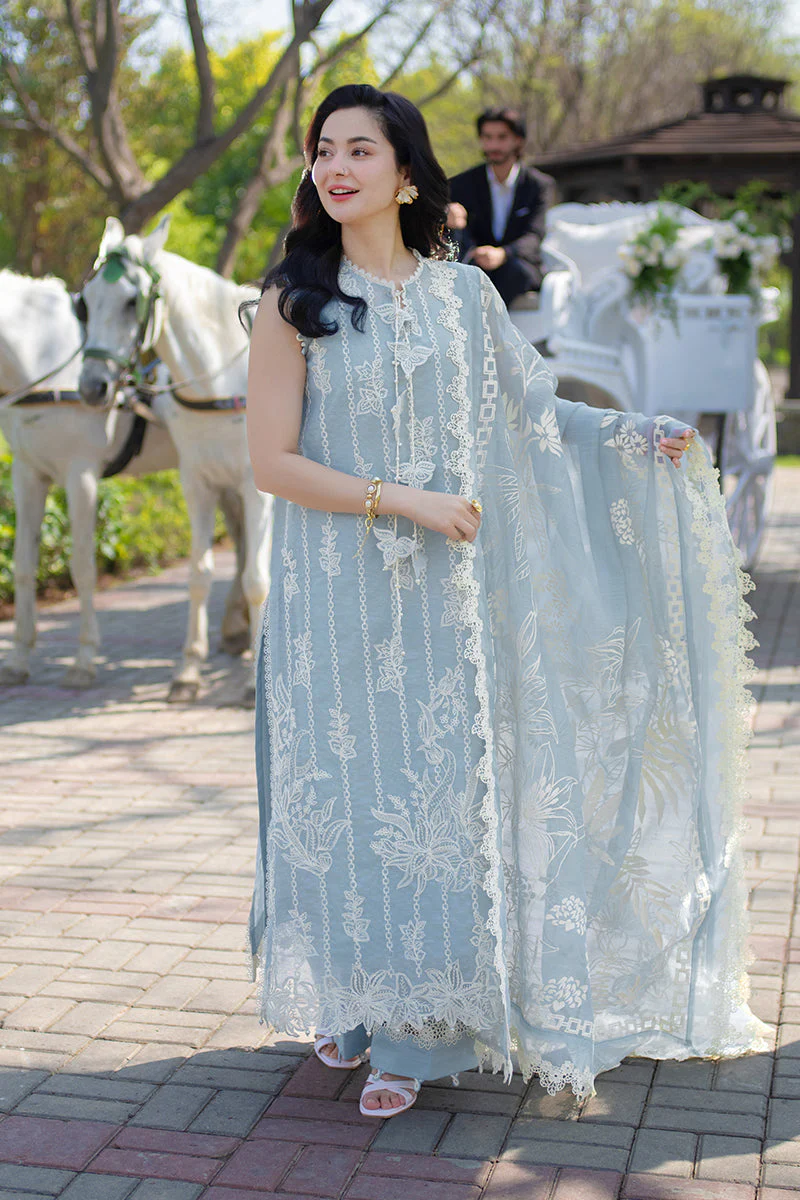
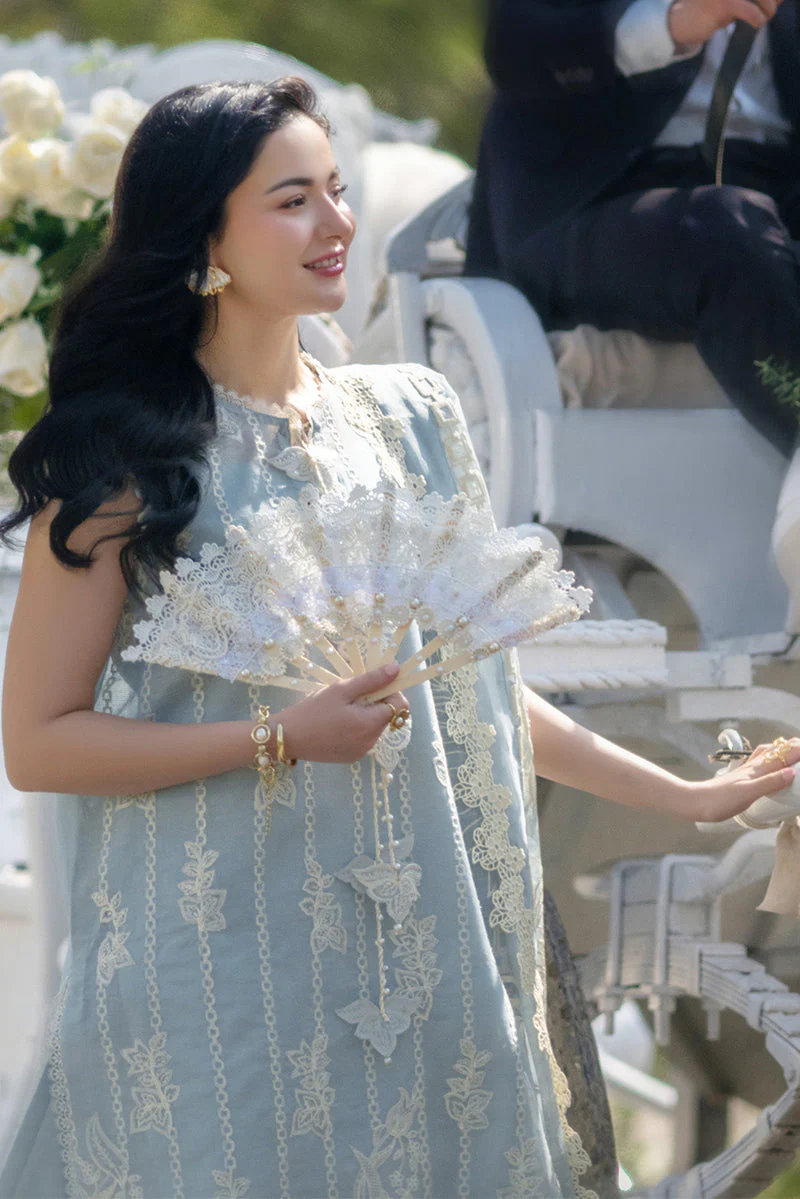
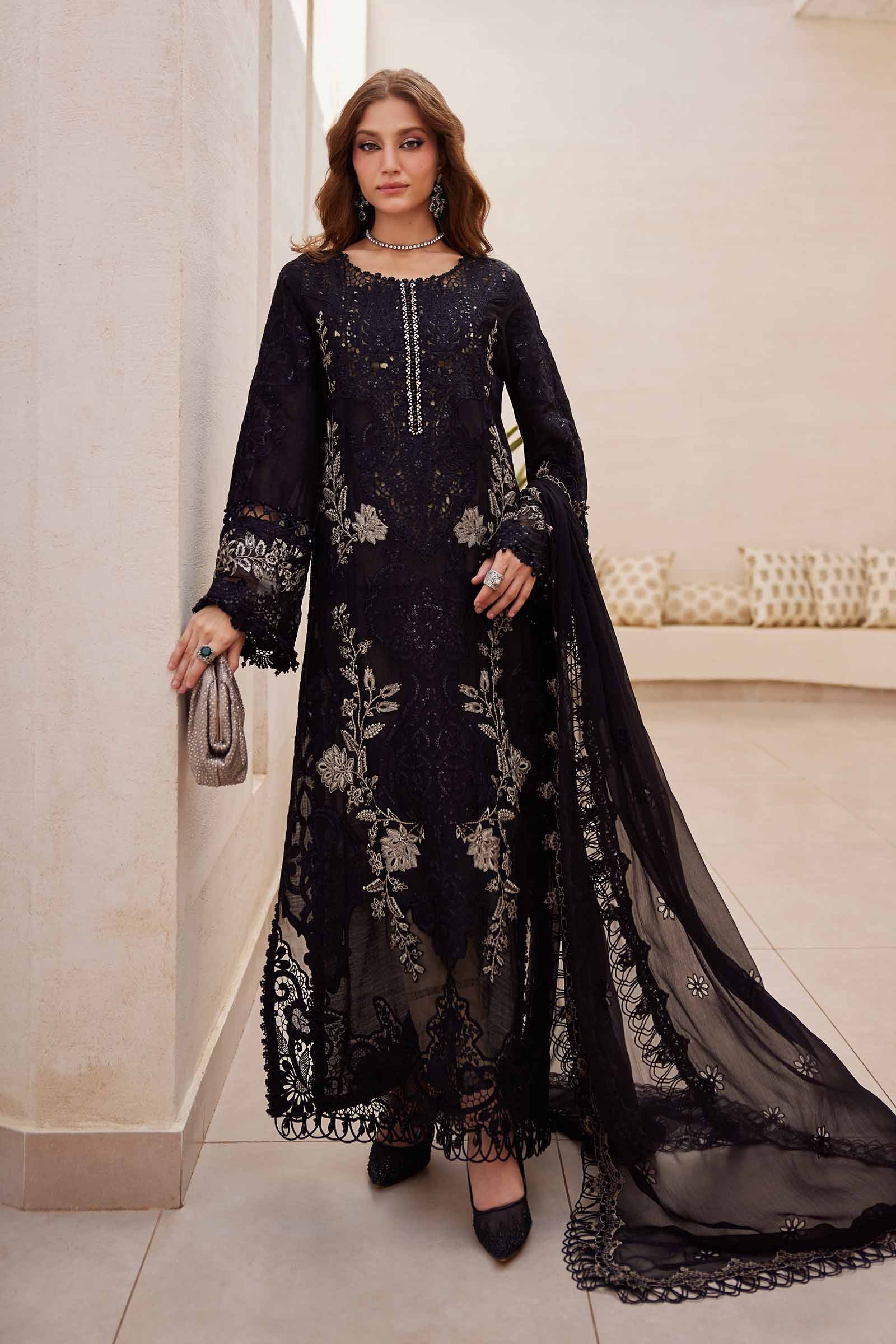
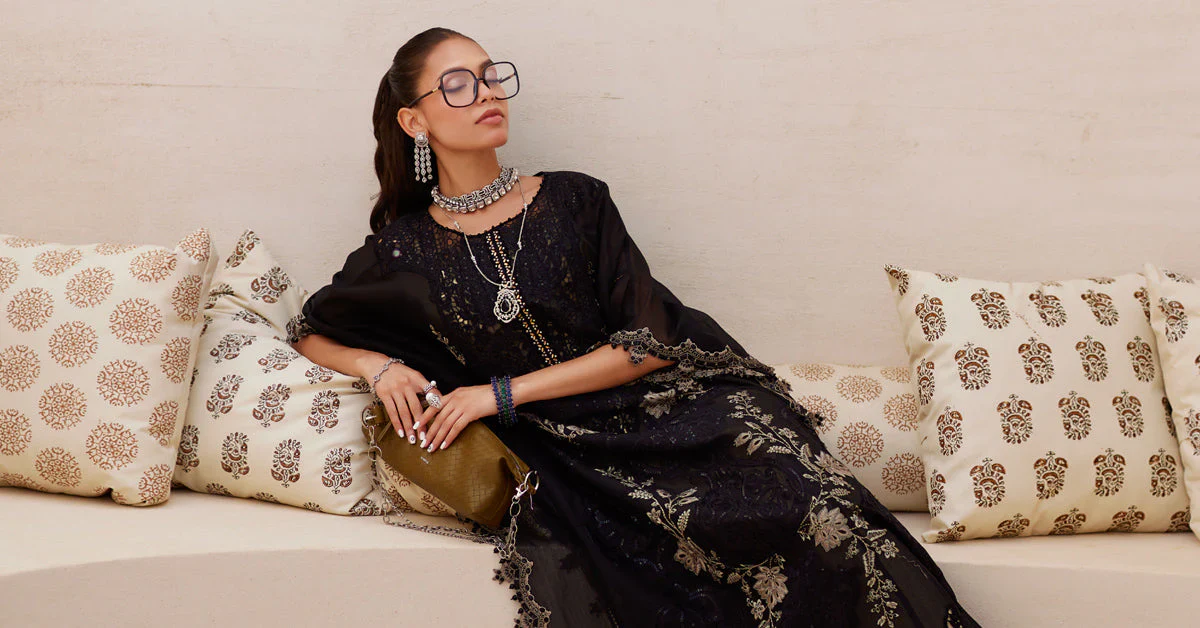
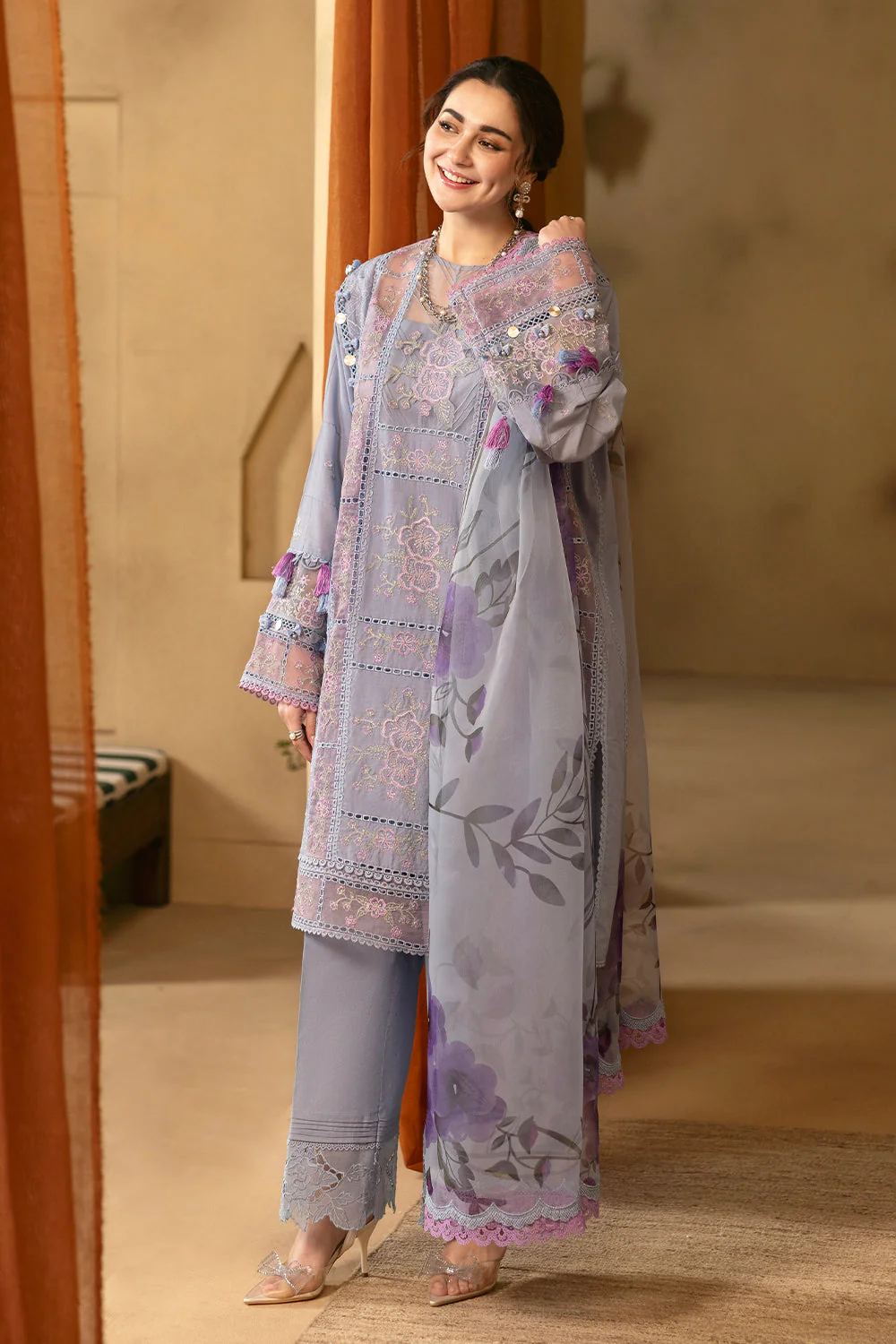
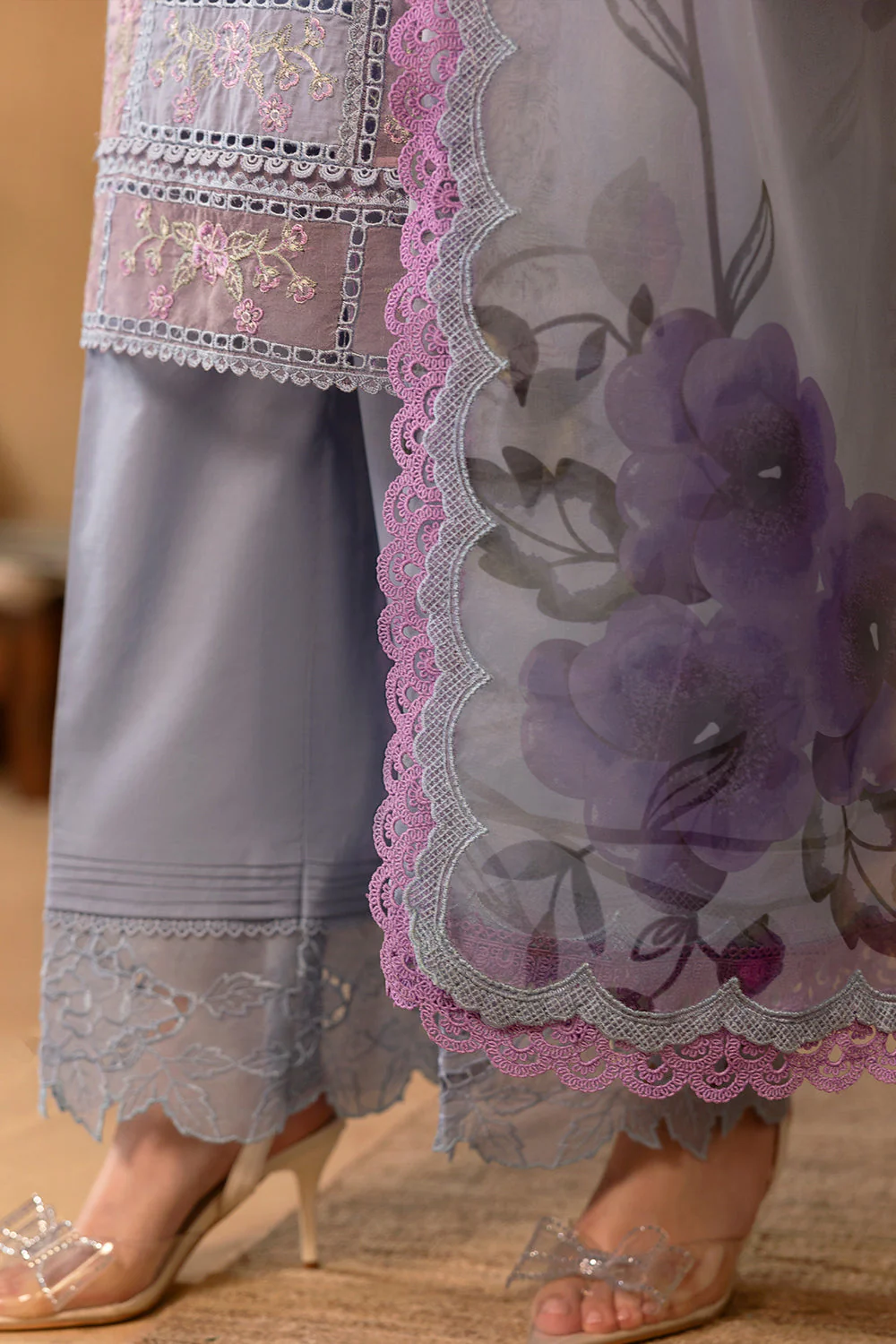
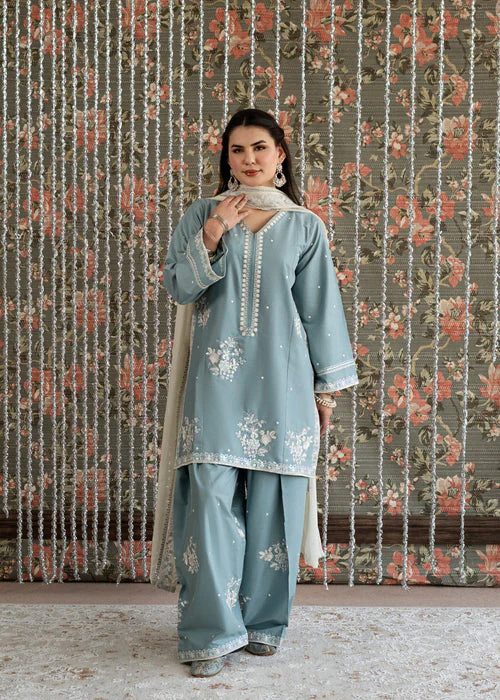
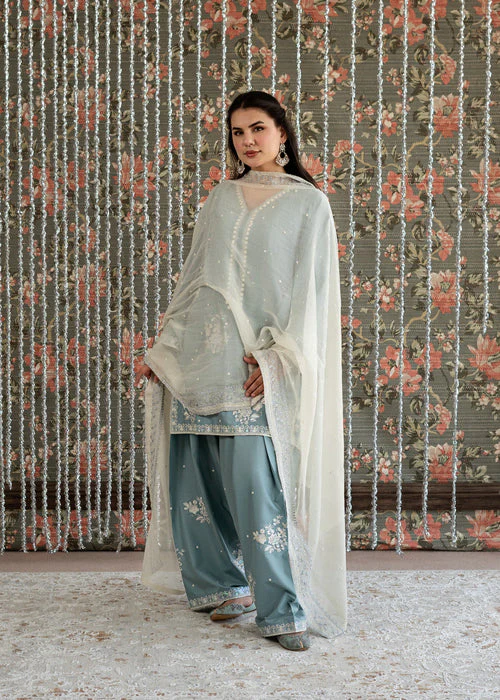
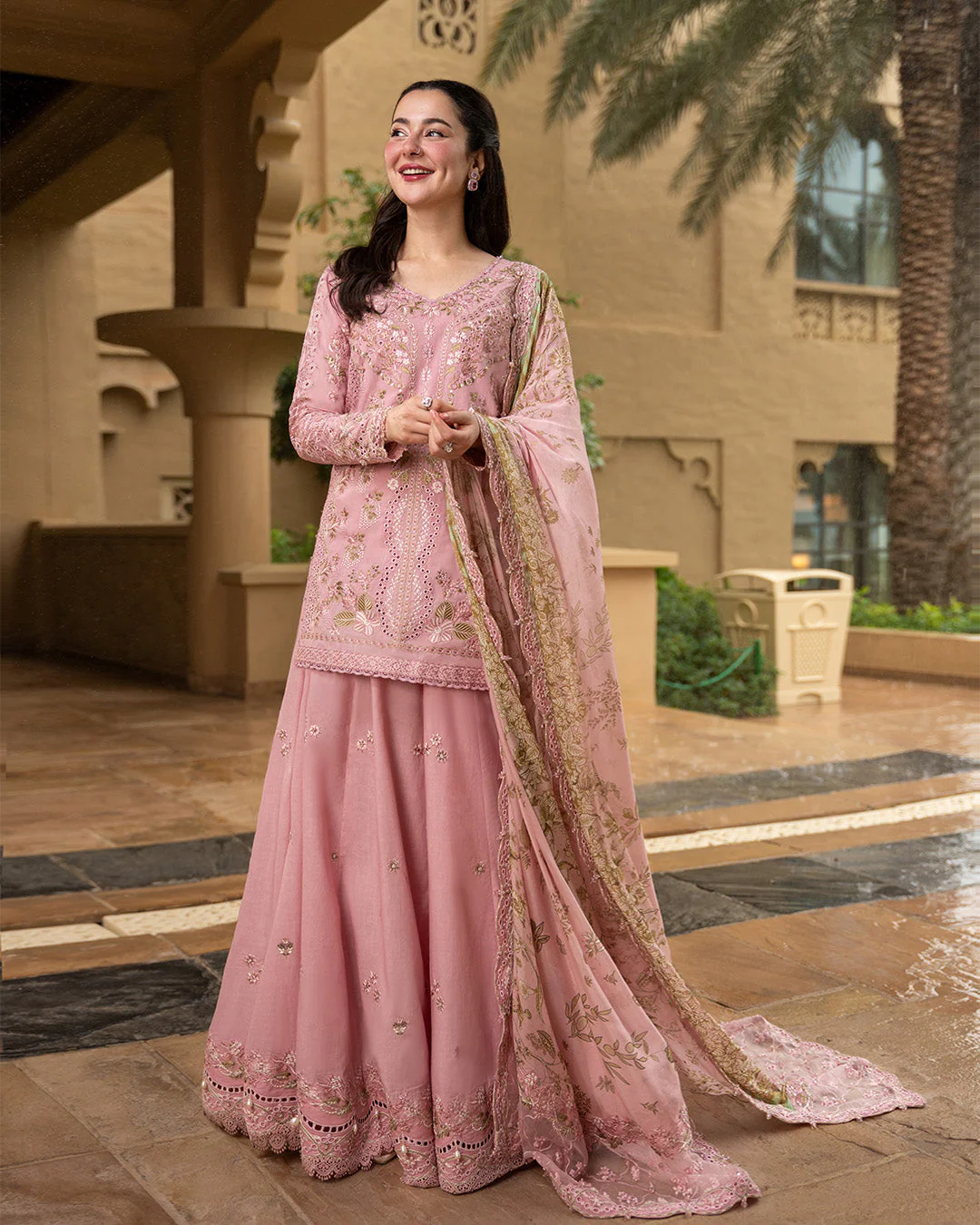
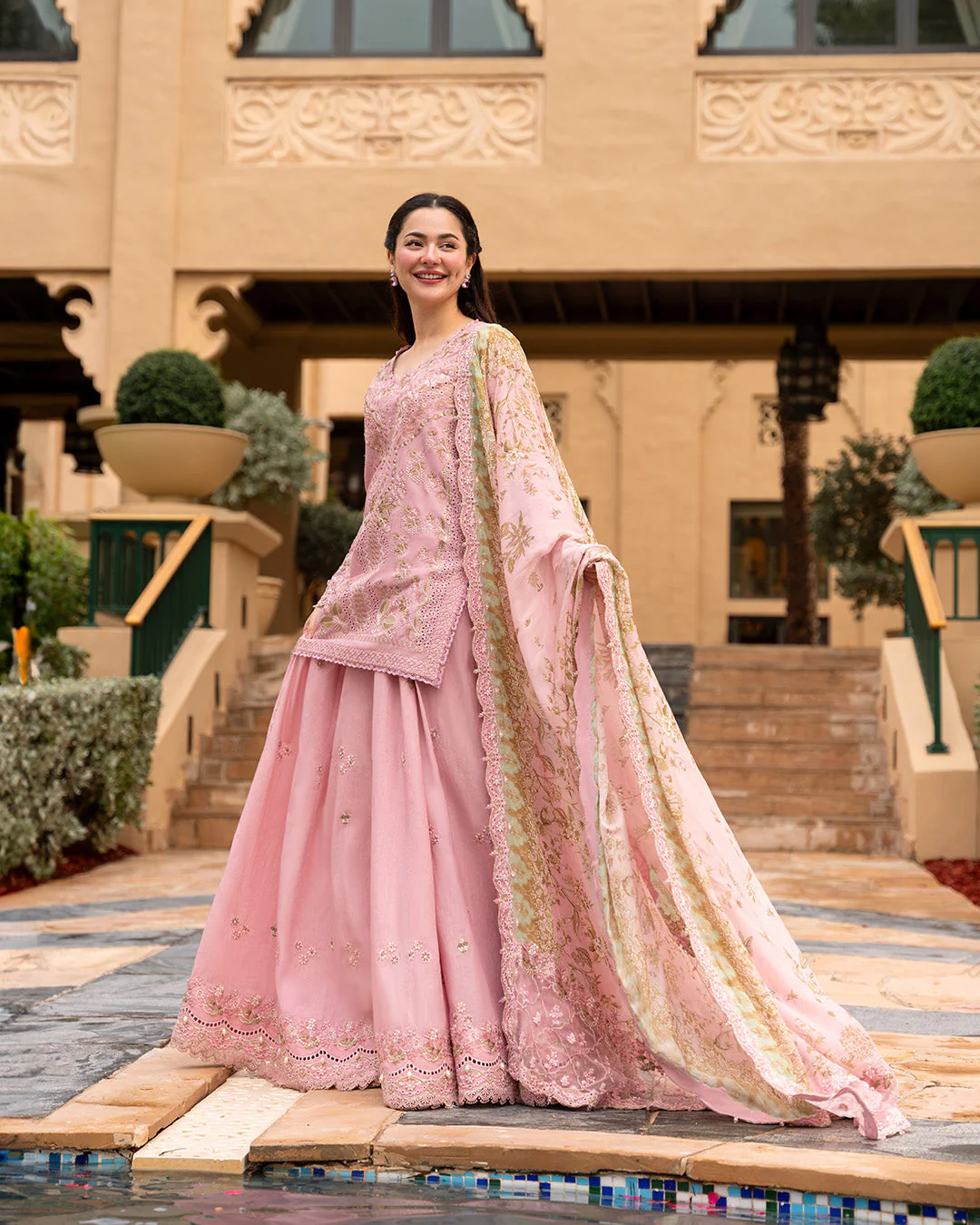
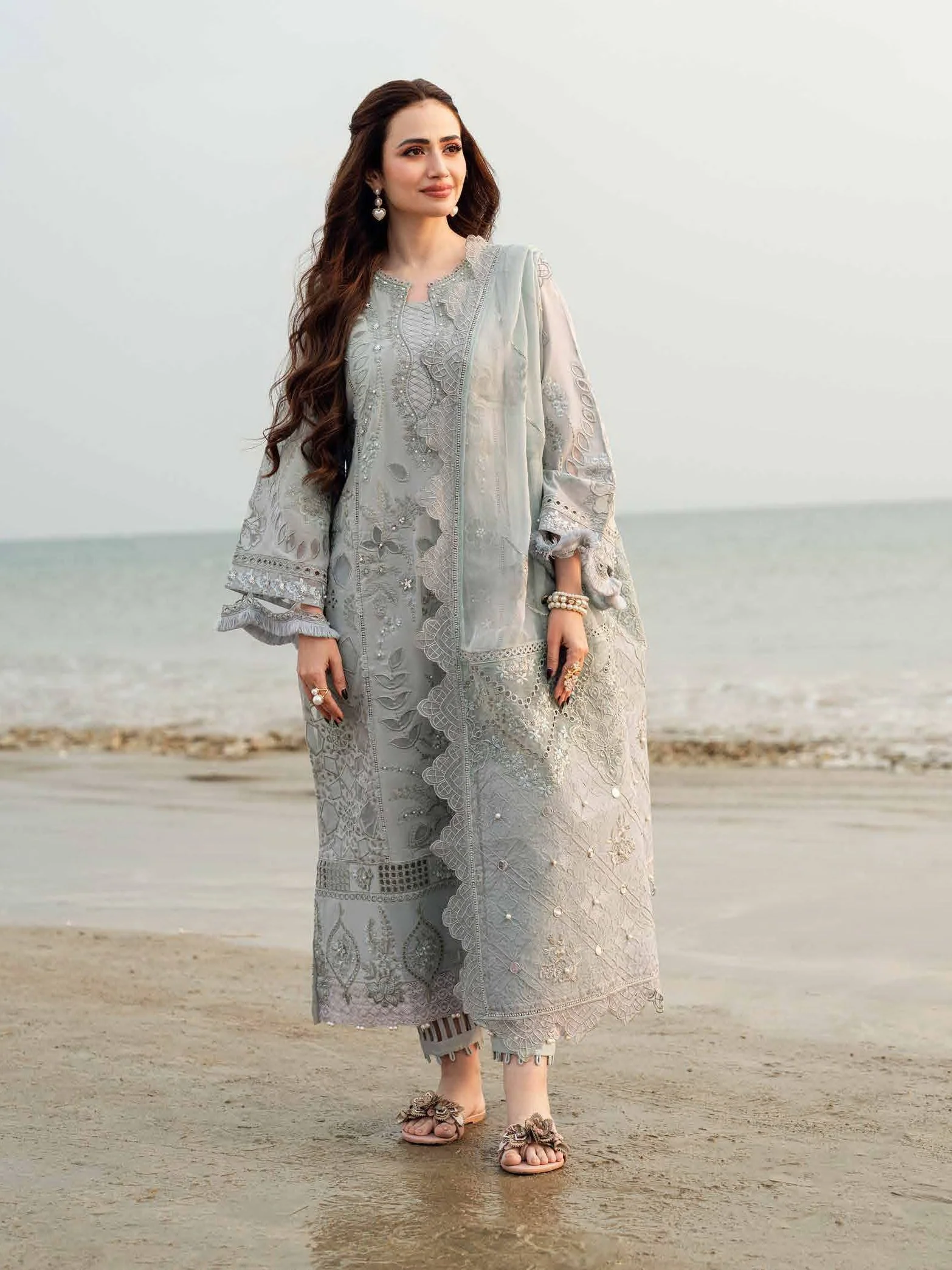
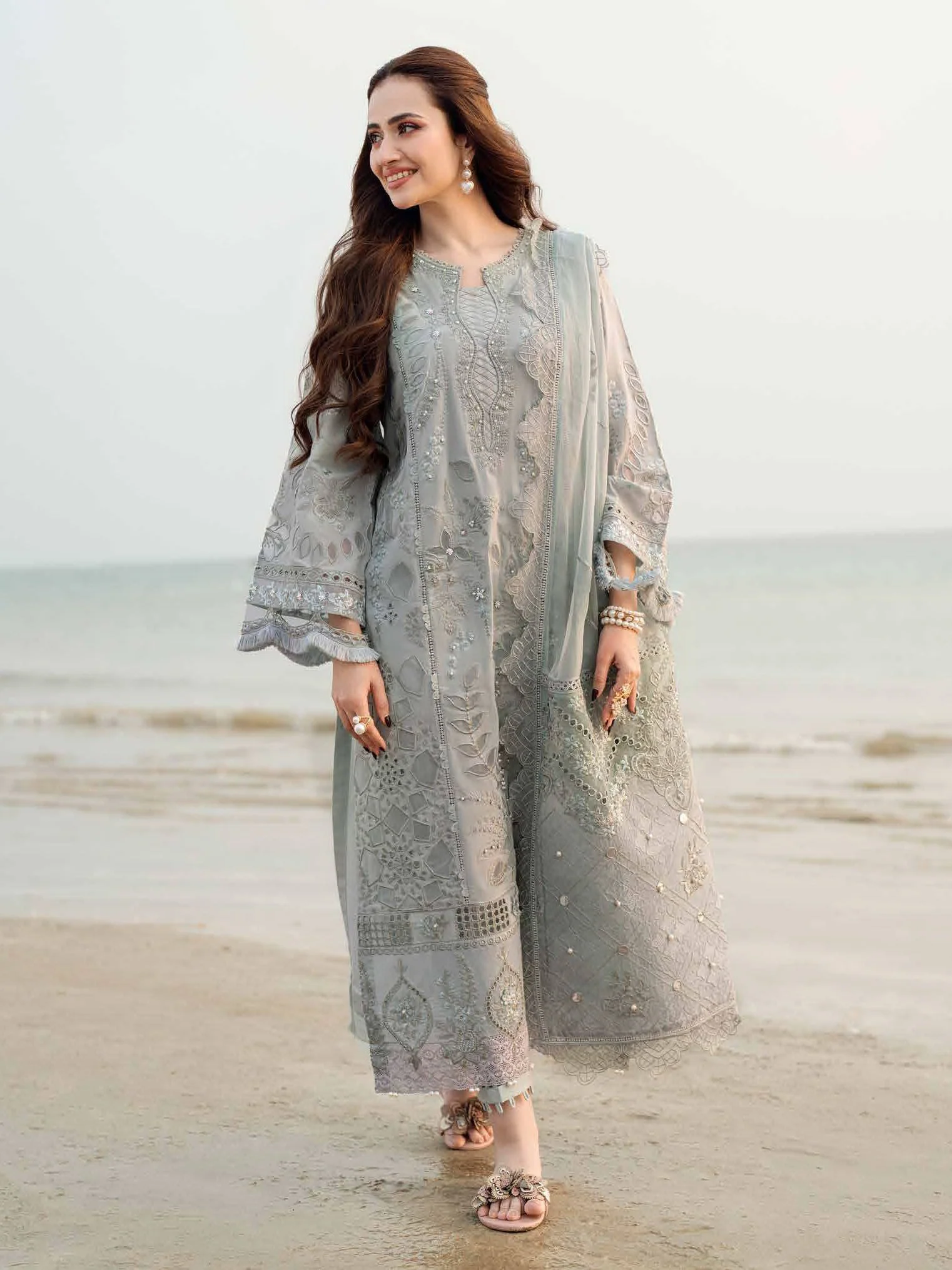
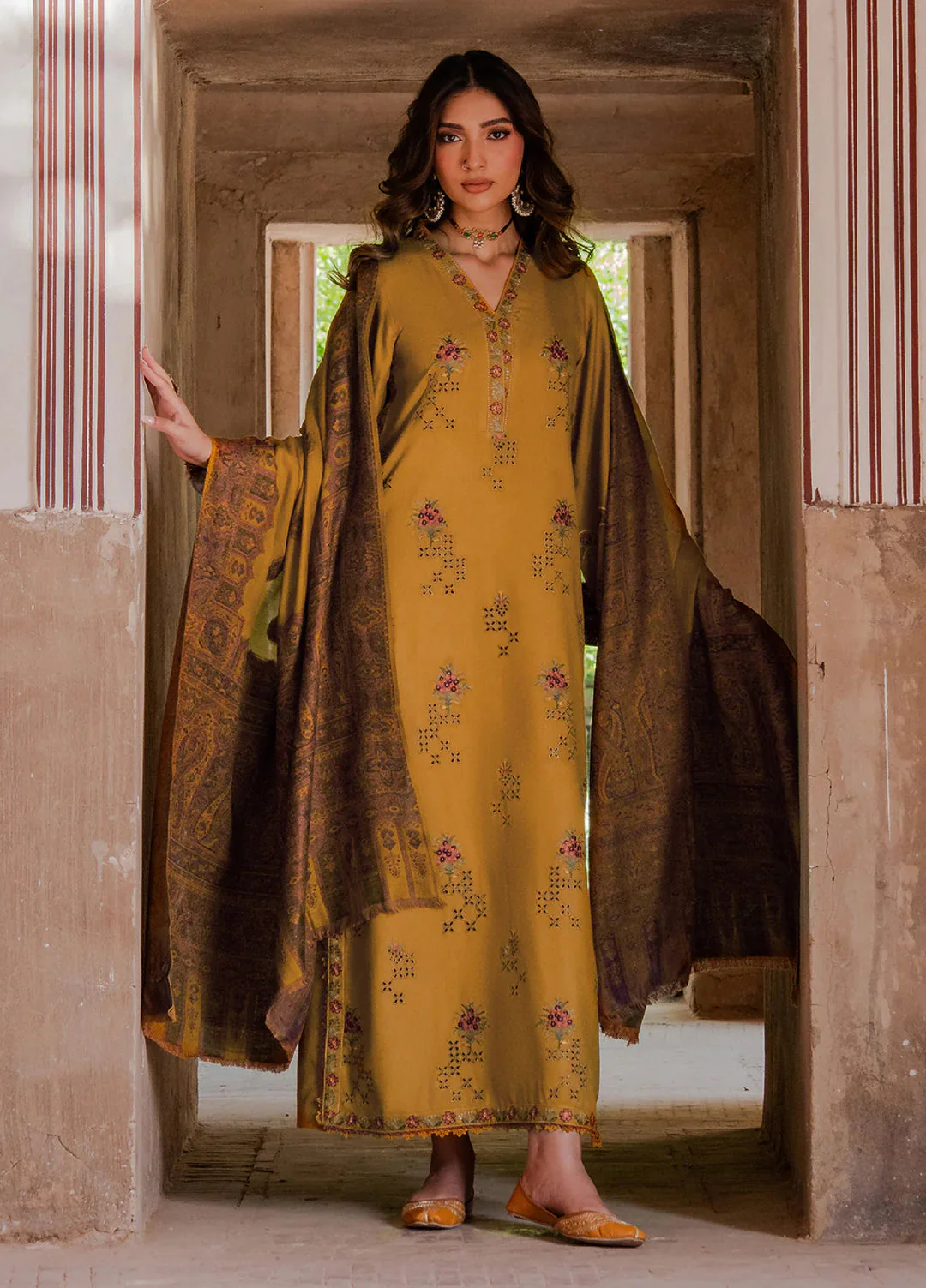
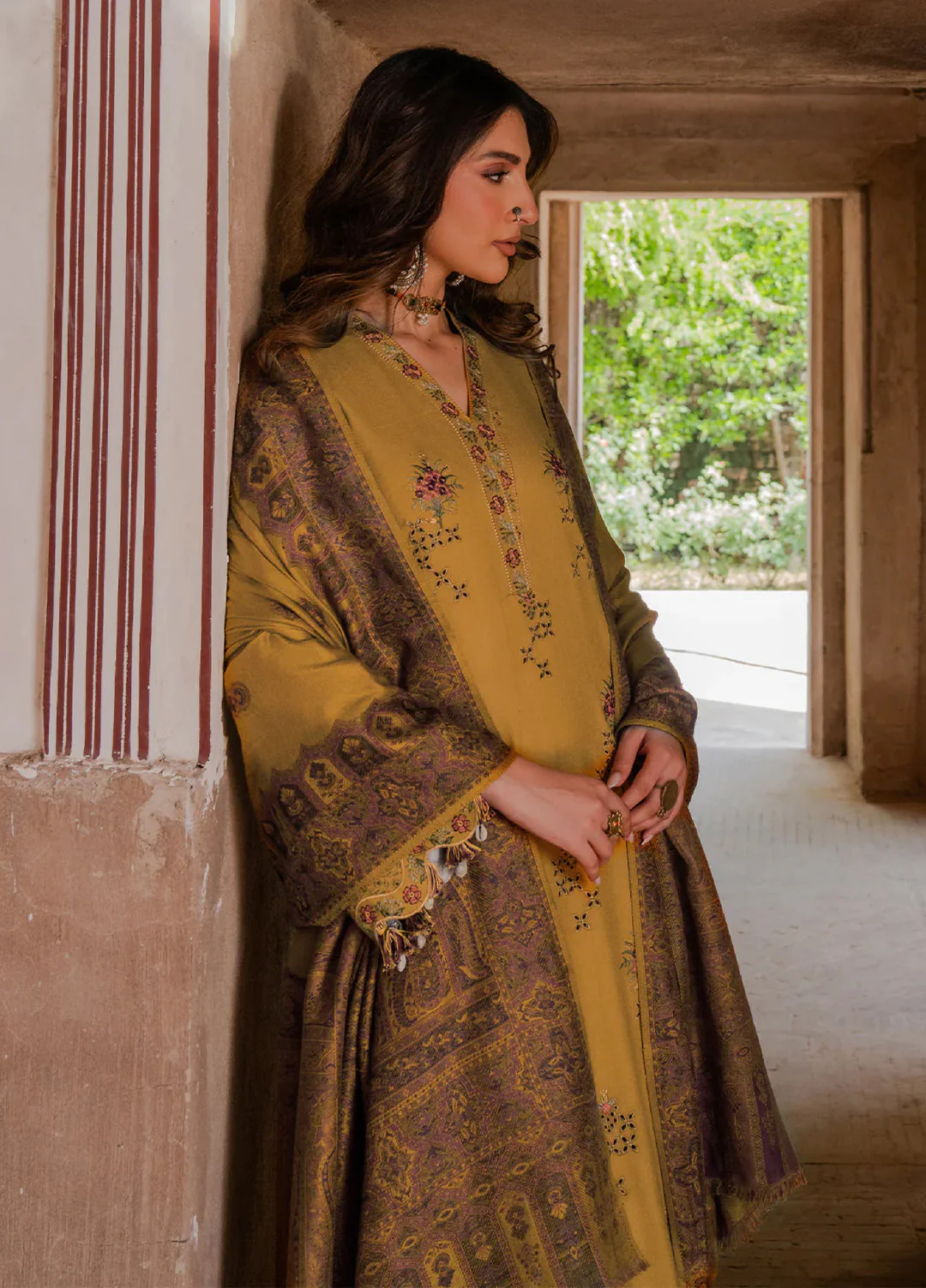
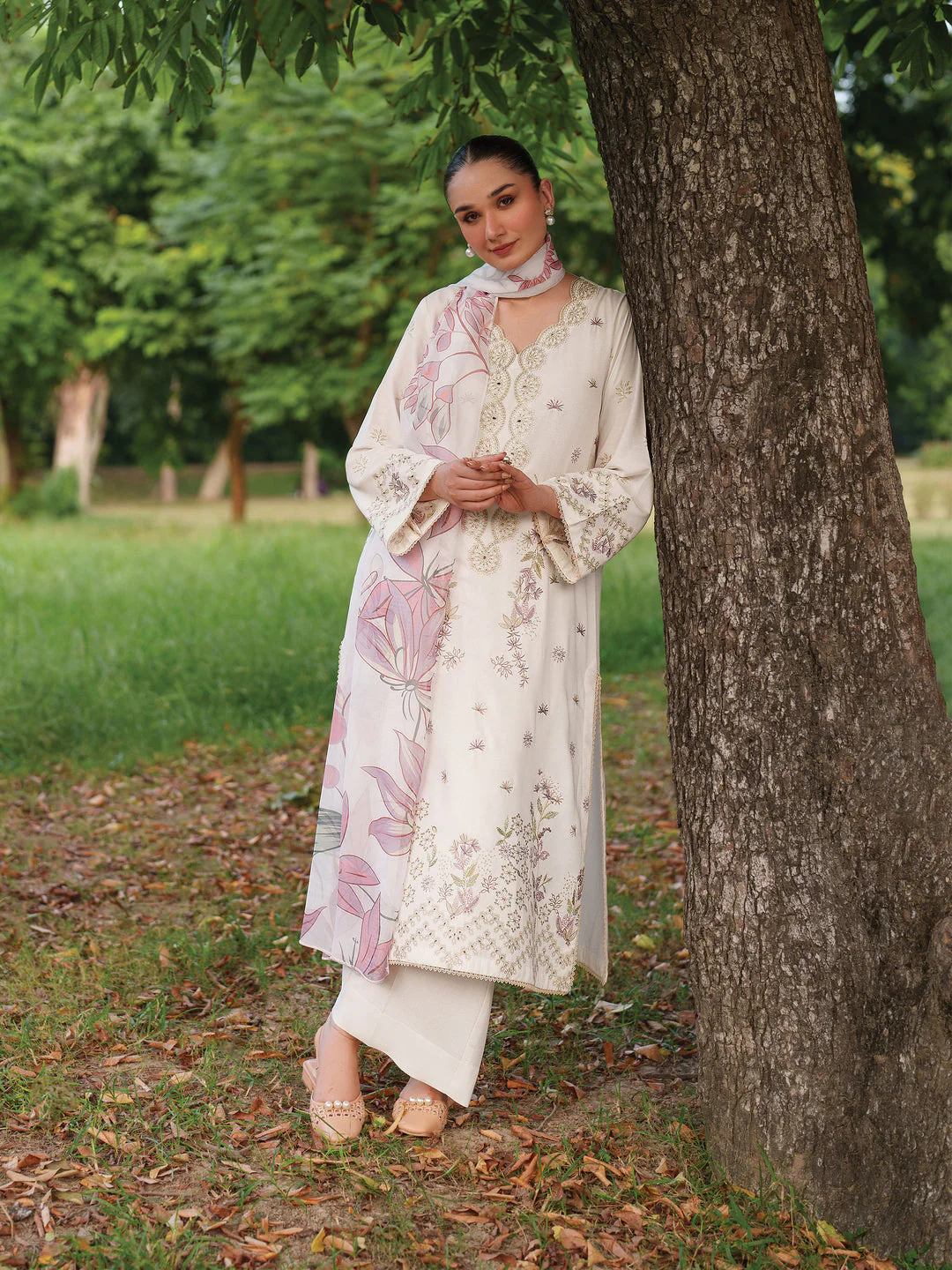
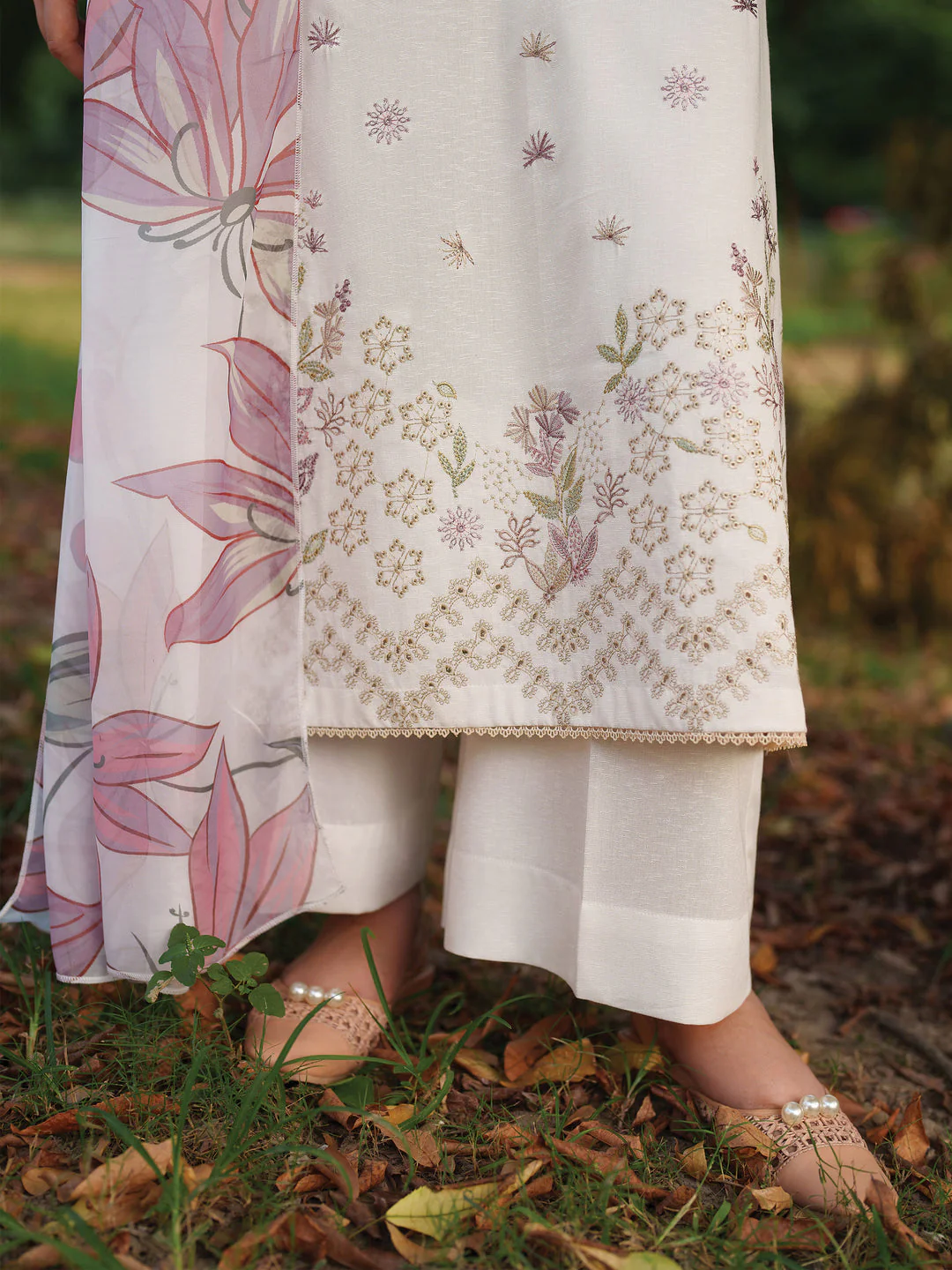
3 Piece Lawn Suit Wholesale Pakistan

83 wholesale designs · low MOQ · new arrivals every week · worldwide delivery. Prices are shared on request so you always get current wholesale rates for your country.
Wholesale
 Wholesale
 Wholesale
 Wholesale
 Wholesale
 Wholesale
 Wholesale
 Wholesale
 Wholesale
 Wholesale
 Wholesale
 Wholesale
 Wholesale
 Wholesale
 Wholesale
 Wholesale
 Wholesale
 Wholesale
 Wholesale
 Wholesale
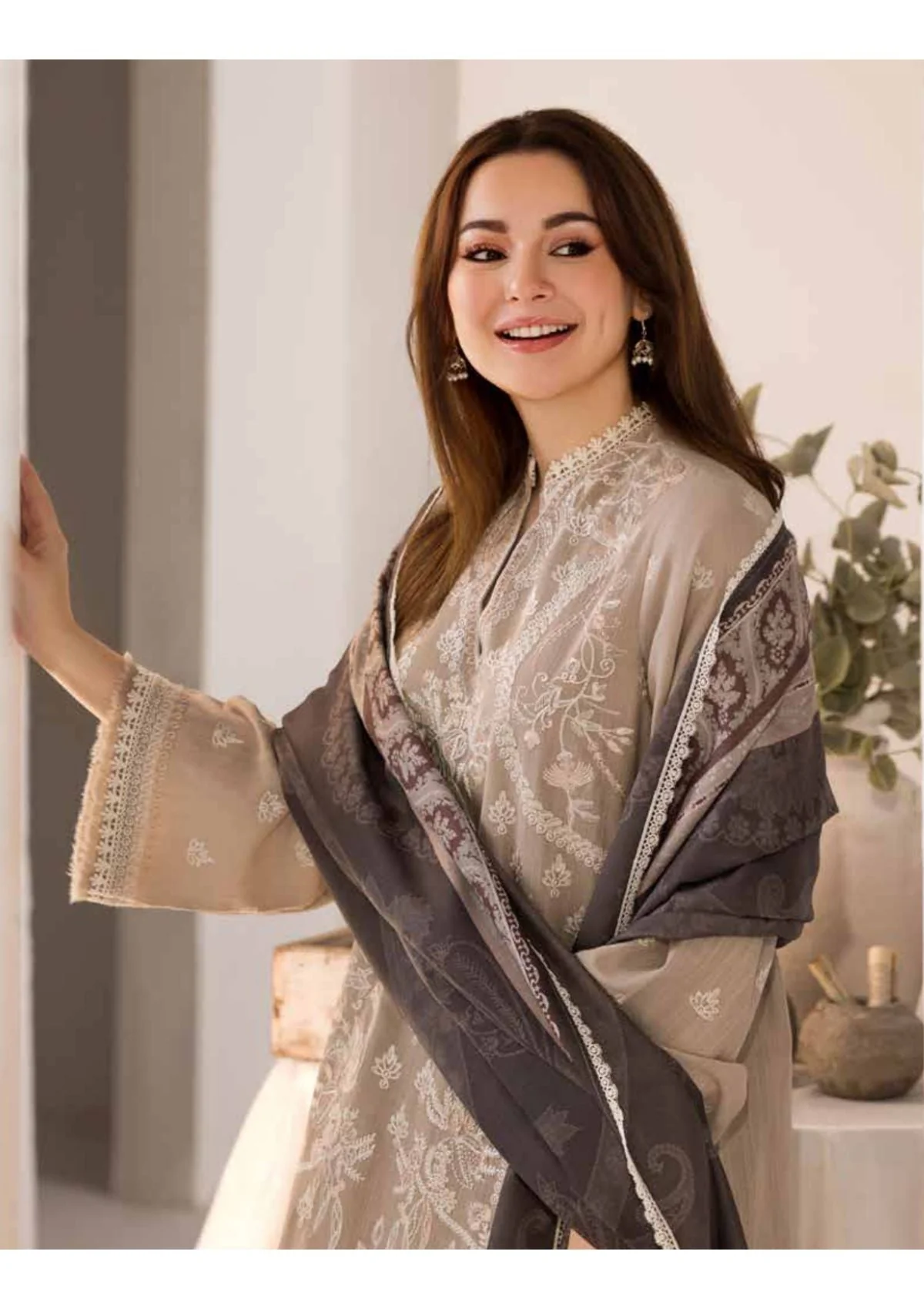
 Wholesale
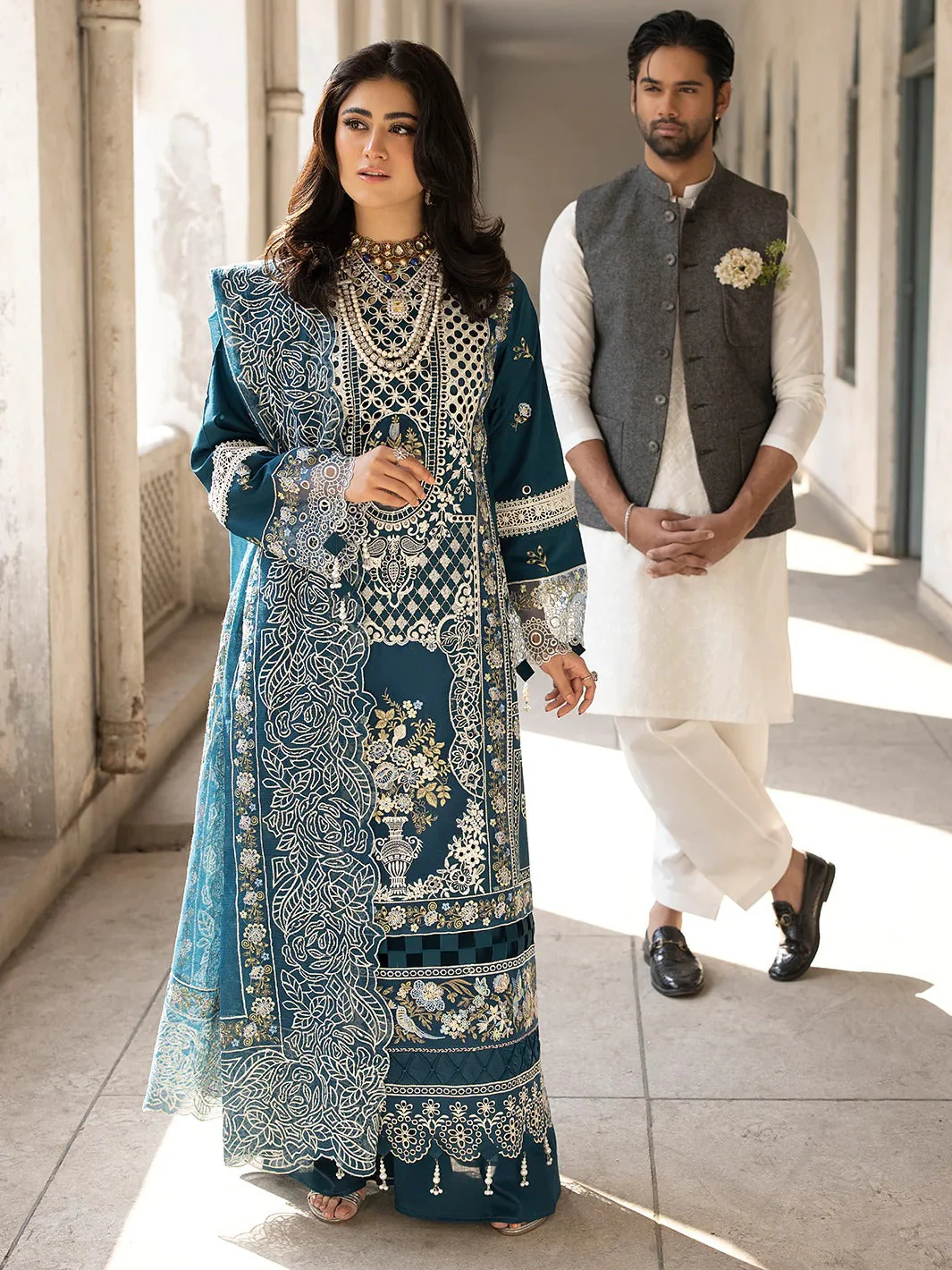
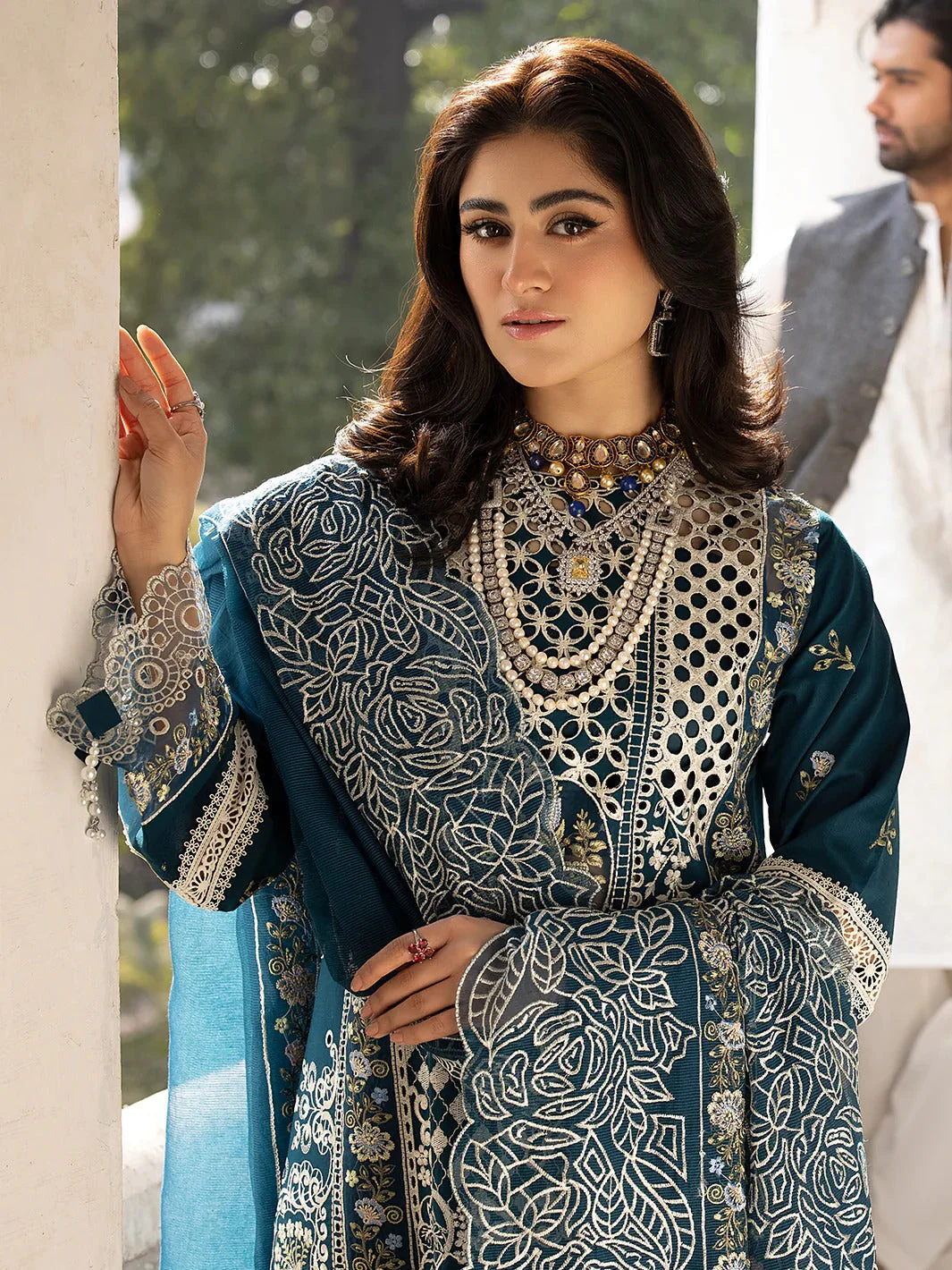 Wholesale
 Wholesale
 Wholesale
 Wholesale
 Wholesale
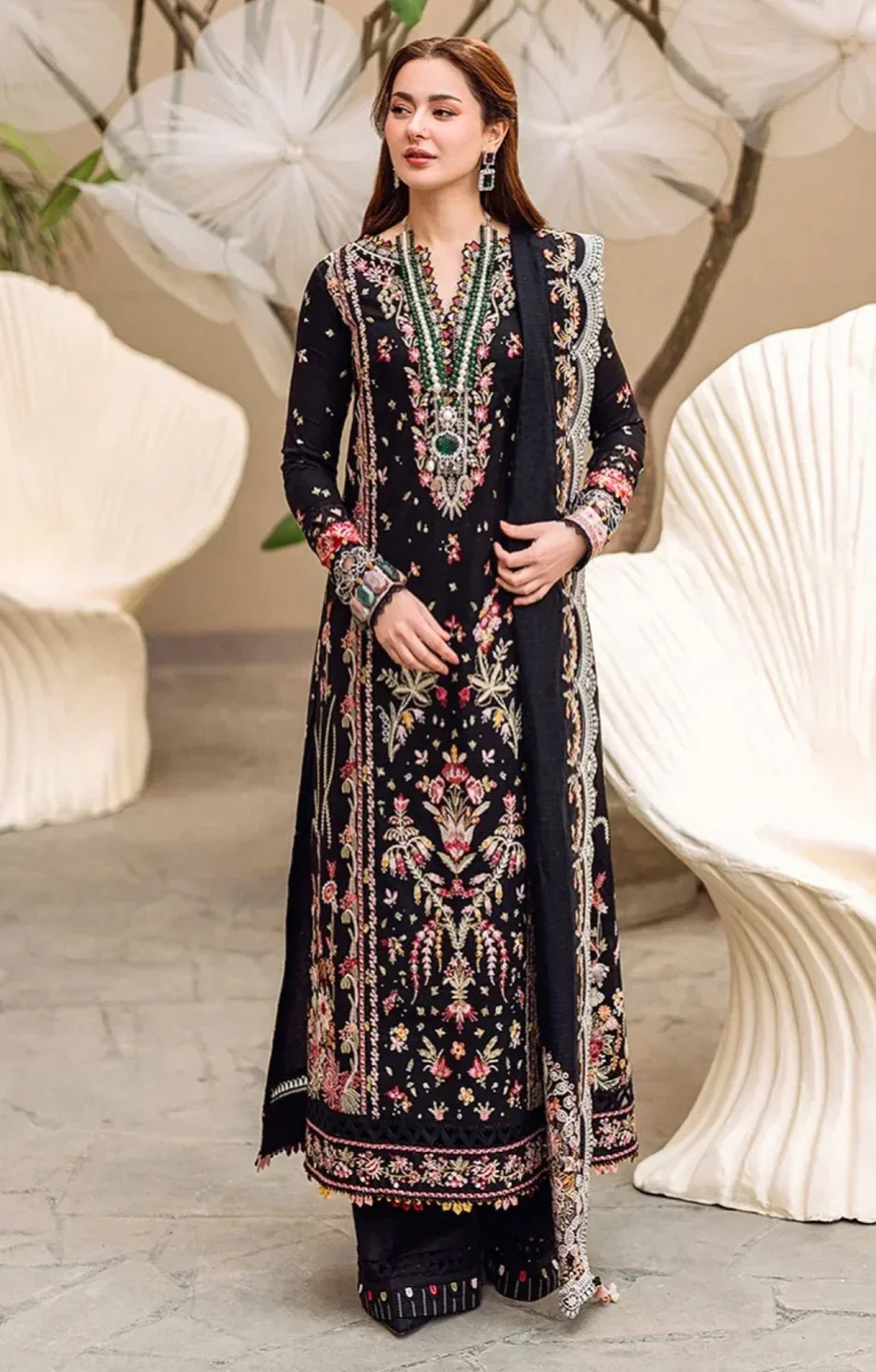
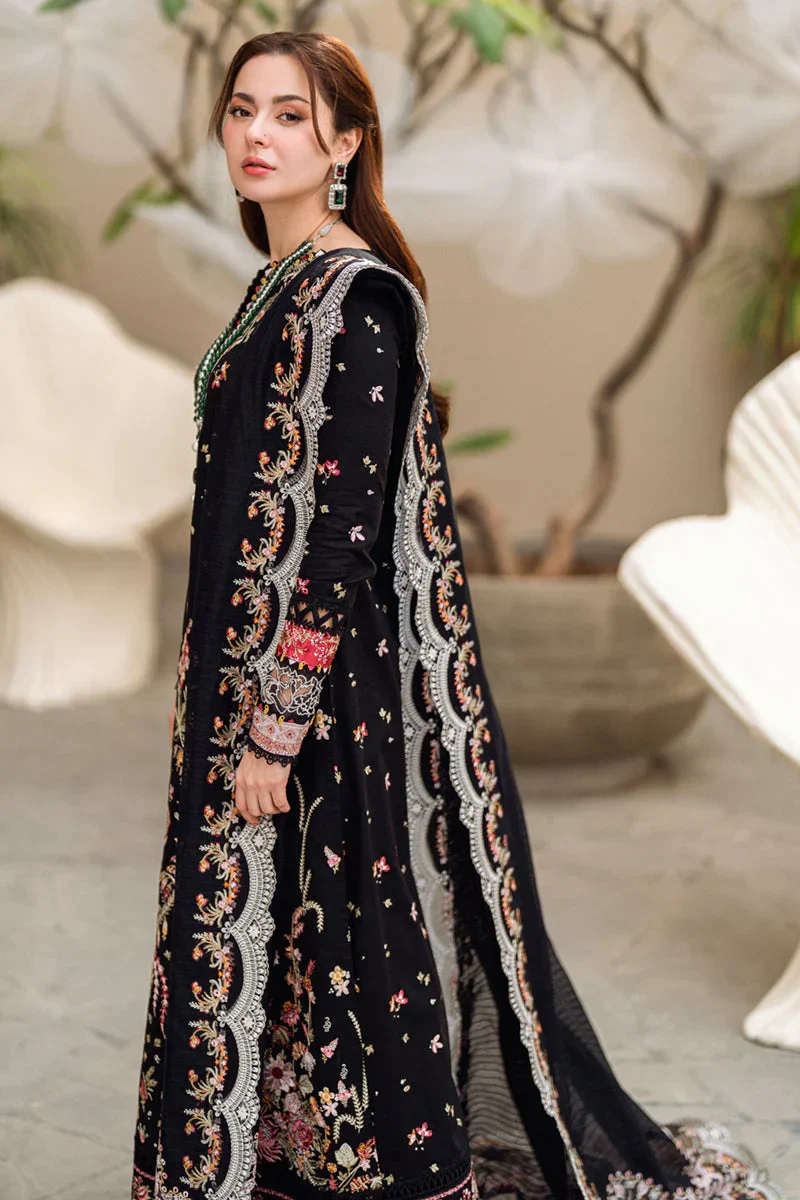 Wholesale
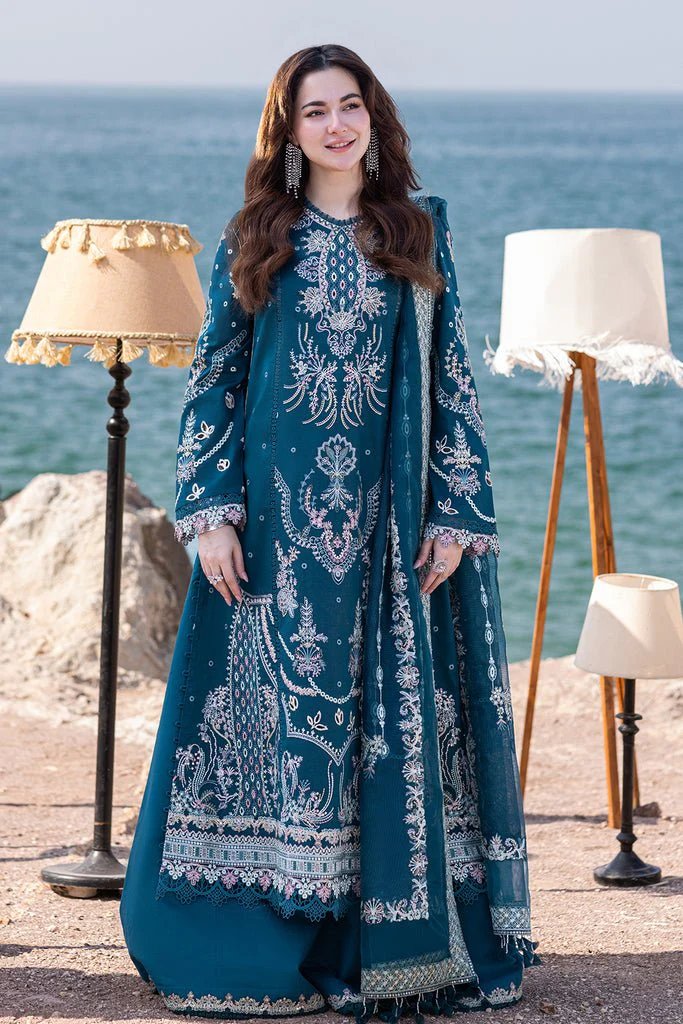
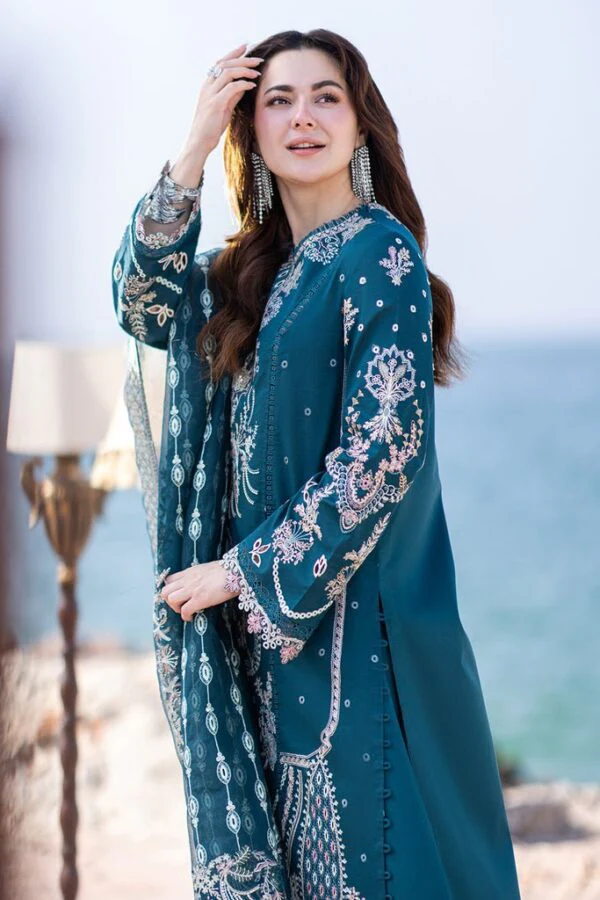 Wholesale
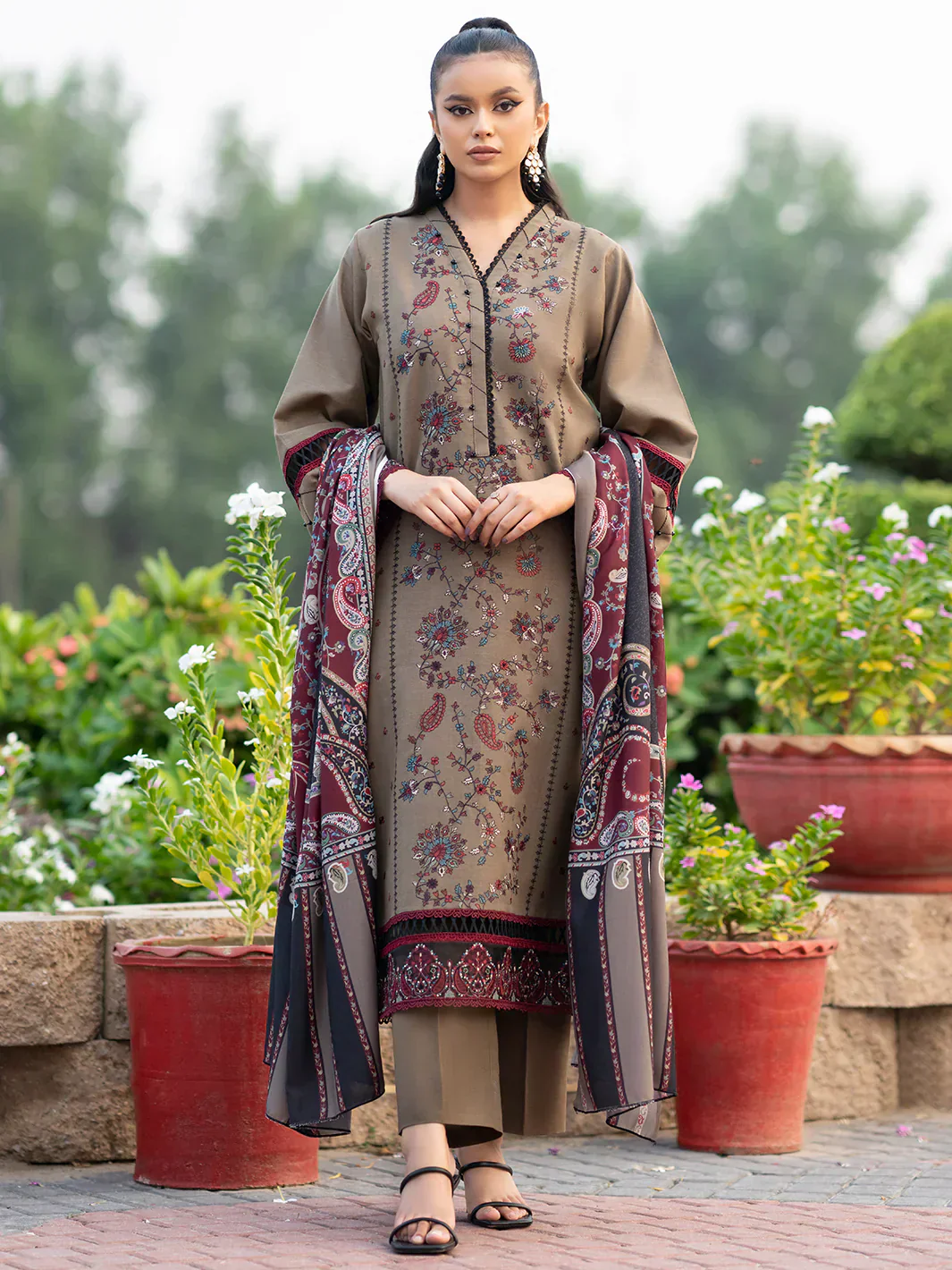
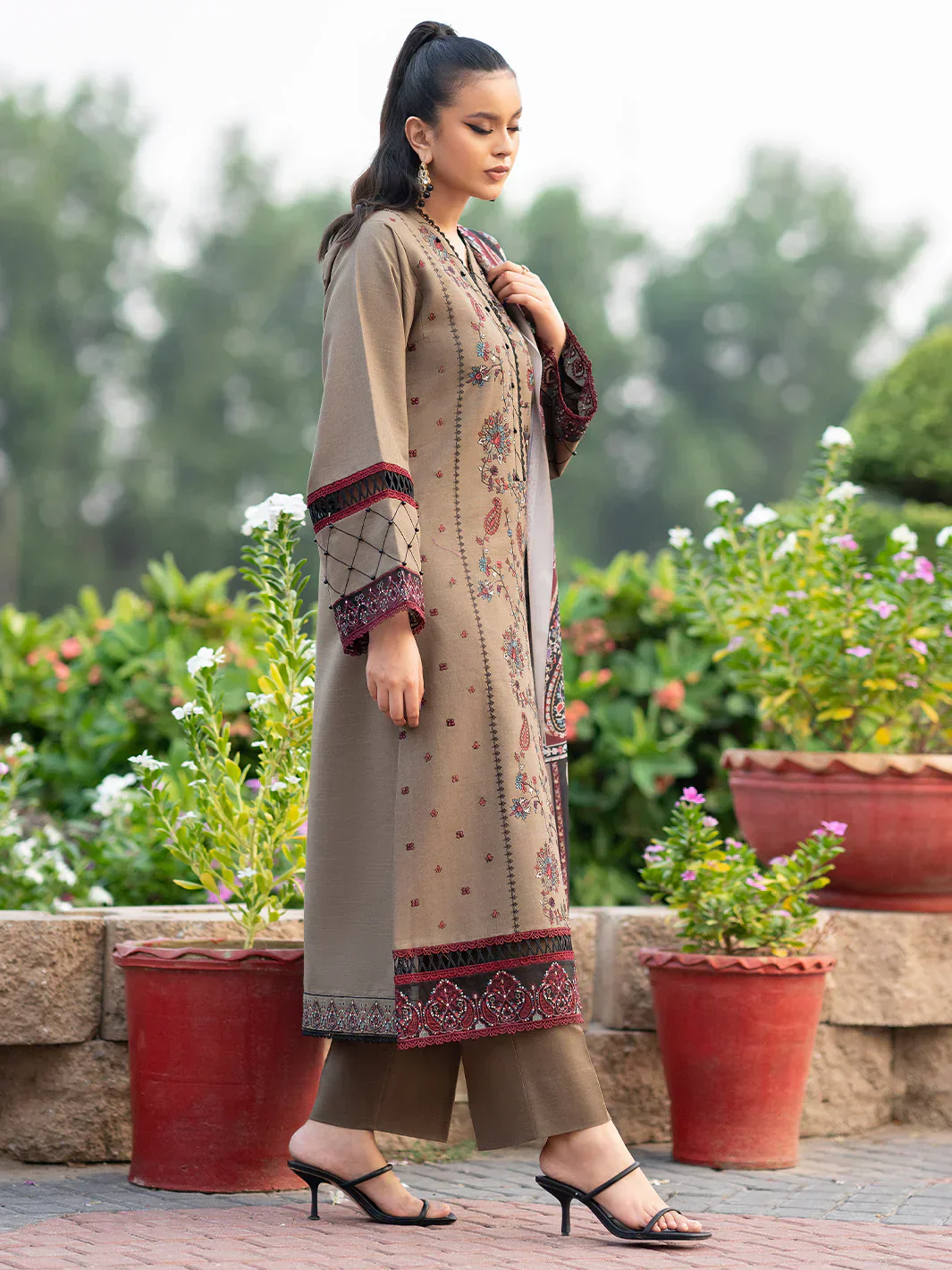 Wholesale
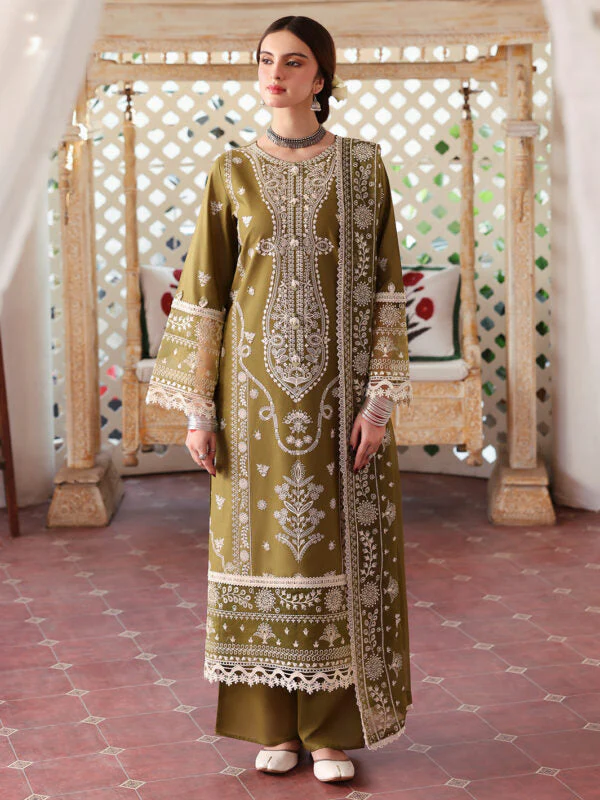
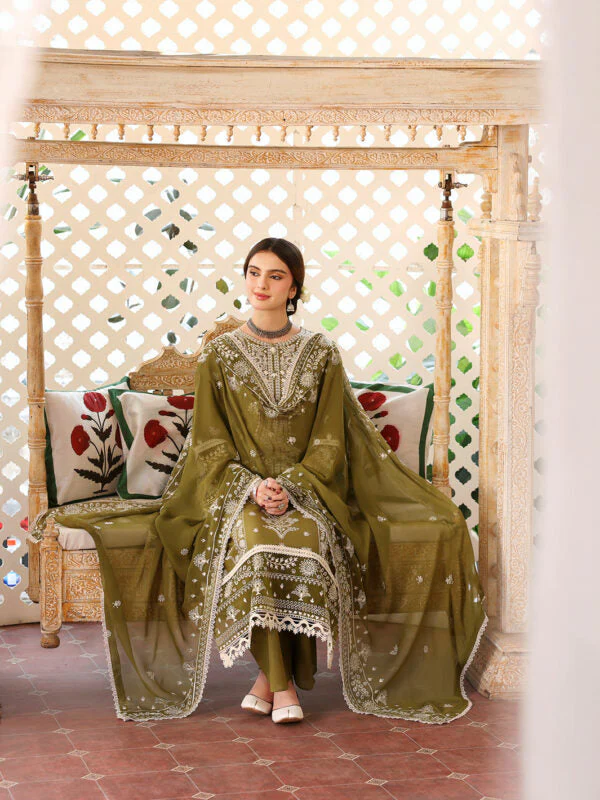 Wholesale
Start small, test your market, reorder what sells.
Fresh arrivals every week to keep your rails new.
Woven labels, tags and branded packaging.
Express courier to the UK, USA, Canada, Australia & UAE.
About this collection
The demand for Pakistani clothing continues to create opportunities for fashion retailers, independent boutiques, and online businesses across the United States. Known for its distinctive embroidery, versatile fabrics, elegant silhouettes, and detailed craftsmanship, Pakistani fashion appeals to customers looking for clothing that combines cultural heritage with contemporary design. Florida provides an interesting retail environment for these products, with diverse communities, wedding celebrations, cultural gatherings, and a growing interest in international fashion. For retailers exploring the Pakistani Dress Wholesale Supplier Florida market, choosing the right sourcing partner is an important step toward building a sustainable clothing business. Buyers need access to attractive collections, dependable product information, suitable wholesale pricing, and shipping arrangements that fit their business requirements. Mastorat connects buyers with Pakistani clothing collections designed for different retail needs, including everyday outfits, embroidered suits, formal dresses, and occasion wear. Its wholesale-focused approach allows retailers to explore a variety of styles and identify products that suit their customers, whether they operate a physical boutique, sell through an online store, or serve a specialist ethnic fashion audience. This guide explains the Pakistani clothing wholesale market, the products retailers can consider, the factors that influence purchasing decisions, and practical ways to develop a balanced inventory for customers in Florida. Florida's fashion market serves customers with different cultural backgrounds, lifestyles, budgets, and shopping preferences. This diversity creates opportunities for retailers who want to offer clothing beyond conventional Western collections. Pakistani fashion can appeal to customers seeking traditional South Asian outfits, contemporary modest clothing, or distinctive designs for celebrations and special occasions. The market includes several potential customer groups. South Asian families may look for traditional clothing for religious celebrations, weddings, and family gatherings. Fashion-conscious shoppers may be interested in embroidered designs, flowing silhouettes, and coordinated outfits. Boutique customers may also seek distinctive clothing that is not widely available in mainstream retail stores. Retailers can explore the wider American market through resources such as Pakistani Dress Wholesale Supplier Florida, Pakistani Dress Wholesale Supplier in USA, and Pakistani Dress Wholesale In USA. These pages provide relevant starting points for buyers researching Pakistani clothing wholesale opportunities across different parts of the country. However, successful retail planning requires more than identifying a promising product category. Business owners should understand their target audience, determine which styles are most likely to sell, evaluate supplier terms, and estimate the full cost of bringing merchandise into the United States. By combining customer research with careful sourcing, Florida retailers can build collections that reflect local demand while maintaining a recognizable store identity. Florida has several characteristics that make it worth exploring for a specialist clothing business. Its cities support a variety of retail formats, from neighborhood boutiques and independent fashion stores to online businesses serving customers across wider geographic areas. Miami, Orlando, Tampa, Jacksonville, and other population centers have distinct customer profiles. A retailer serving wedding customers may need a different inventory from an online shop specializing in everyday clothing. Understanding these differences helps business owners avoid purchasing products that do not fit their intended market. Pakistani fashion offers several categories that can support different retail strategies. Lightweight lawn suits may suit customers looking for comfortable warm-weather clothing, while formal embroidered outfits can appeal to shoppers preparing for weddings and celebrations. Unstitched fabrics may also interest customers who prefer personalized tailoring. Retailers can compare the broader American landscape through Pakistani Dress Wholesale Supplier California and Pakistani Dress Wholesale Supplier Texas. Although each state has its own customer preferences and operating costs, examining multiple markets can help retailers understand how different businesses organize their product ranges. Florida businesses should also consider practical matters such as local competition, store location, online delivery expectations, and seasonal purchasing patterns. Rather than assuming that every product will appeal to every customer, retailers should test demand and adjust their buying decisions as they learn more about their audience. Finding a suitable wholesale supplier is an important part of operating a clothing business. Retailers need to evaluate product variety, fabric descriptions, available sizes, order conditions, payment arrangements, shipping estimates, and the supplier's communication practices before committing to a purchase. Mastorat provides a platform for exploring Pakistani clothing collections and related wholesale categories. Buyers can review available styles, identify products relevant to their business, and investigate sourcing options for different segments of the ethnic fashion market. Retailers should begin by deciding which product categories they want to carry. A small boutique may prioritize versatile outfits that work across several occasions, while a specialist occasion-wear business may focus on detailed embroidery and statement designs. The Pakistani Catalogue Dress Wholesale page is a useful place to explore the broader catalog-based approach to wholesale clothing. When evaluating a supplier, buyers should also confirm the details of each order. Product photographs, fabric composition, included accessories, stitching status, minimum order quantities, and return conditions can all affect the final purchasing decision. International shipping deserves particular attention. Retailers should establish whether the quoted price includes delivery, how customs duties are handled, and what documentation may be required. These details help businesses estimate their actual inventory costs instead of relying solely on the advertised garment price. A well-informed sourcing process gives retailers a clearer understanding of what they are purchasing and makes it easier to plan future orders. A varied clothing collection can help a boutique appeal to customers with different budgets and occasions in mind. Pakistani fashion includes everyday garments, seasonal fabrics, coordinated suits, formal outfits, and elaborate bridal designs. Each category serves a different purpose, so retailers should select products according to their store positioning. Lawn suits are associated with lightweight fabric and warm-weather clothing. They can be a useful category for retailers serving customers who want breathable outfits for everyday wear, family visits, and informal gatherings. Printed designs, embroidered necklines, coordinated trousers, and matching dupattas can provide variety within this category. Some customers prefer understated patterns, while others look for brighter colors and more decorative details. For Florida retailers, fabric weight and comfort may be relevant selling points. However, the right selection still depends on customer preferences, price expectations, and the availability of suitable sizes and designs. Formal Pakistani outfits often feature decorative stitching, embellishments, coordinated fabrics, and carefully designed silhouettes. These garments can be suitable for weddings, engagement celebrations, formal dinners, and cultural events. Chiffon, organza, silk blends, and other occasion-wear fabrics may appear in different collections. Buyers should examine product descriptions carefully because fabric composition, lining, embroidery coverage, and finishing can vary considerably. Retailers can build a more useful formal-wear selection by combining statement pieces with moderately decorated outfits. This approach offers customers different levels of formality and helps prevent the collection from becoming too narrow. Pakistani bridal fashion includes lehengas, ghararas, shararas, long formal dresses, and coordinated traditional ensembles. These garments may involve intricate embellishment, detailed finishing, and more demanding sizing requirements. A bridal-focused boutique should pay close attention to measurements, delivery schedules, customization availability, and the quality of the finished garment. Buyers may also need to confirm whether accessories are included or sold separately. Because bridal clothing can require a larger financial commitment, retailers should assess the supplier's order terms before purchasing expensive pieces in bulk. Unstitched clothing offers flexibility for customers who prefer to work with their own tailor. These collections may include fabric for shirts, trousers, and dupattas, along with decorative panels or other components depending on the design. This category can be useful for boutiques serving customers with individual fitting preferences or an interest in personalized outfits. Retailers researching these options can visit Pakistani Dress Material Wholesale and Pakistani Dress Wholesale Online. Before placing an order, buyers should confirm the fabric quantity, included components, and whether the displayed product represents a complete outfit or an individual material set. A successful clothing collection should reflect the needs of its intended customers rather than simply including every available category. Retailers can start by identifying their primary audience and determining which occasions, styles, and price ranges matter most to those shoppers. A boutique catering to everyday ethnic fashion may prioritize printed suits, lighter fabrics, and versatile colors. A store specializing in wedding clothing may need a more carefully curated selection of embellished formal outfits. An online retailer might combine several categories to reach different customer groups. A balanced inventory can include three broad segments: The proportions will depend on the business model. Retailers should avoid committing too much capital to a single category before they have evidence of customer demand. It is also useful to monitor which sizes, colors, fabric types, and price points generate the most interest. Customer questions, online searches, completed sales, and requests for unavailable products can all help inform future buying decisions. A thoughtful product mix makes it easier to serve existing customers while gradually introducing new designs. Wholesale purchasing allows retailers to acquire multiple garments through a supplier rather than sourcing every item individually. Depending on the supplier's terms and order size, bulk purchasing may reduce the cost per item and make it easier to maintain a consistent collection. One potential benefit is product variety. A retailer can investigate different styles, fabrics, and design categories while organizing stock around a clear store identity. Another advantage is inventory planning. When a supplier provides reliable product information and clear ordering terms, buyers can make more informed decisions about quantities, expected delivery dates, and replenishment. Wholesale sourcing may also help businesses develop a recognizable product range. Retailers who understand their customers can select collections that complement one another rather than purchasing unrelated garments simply because they are available. However, wholesale prices alone do not determine profitability. Buyers must account for shipping, import duties where applicable, packaging, payment processing, storage, and the possibility of unsold inventory. A useful way to evaluate a purchase is to calculate the landed cost per garment. This includes the product price and the appropriate share of freight, import charges, and other costs required to bring the merchandise into the business. Retailers should then compare that figure with realistic selling prices and expected demand. This process provides a more reliable basis for deciding whether a collection makes commercial sense. Product quality influences customer satisfaction, repeat purchases, and the reputation of a boutique. For that reason, buyers should assess more than the appearance of a garment in a catalog photograph. Fabric composition is a useful starting point. Cotton, lawn, chiffon, organza, silk, and blended textiles have different textures, care requirements, and characteristics. Retailers should make sure descriptions accurately identify the material and avoid assuming that two visually similar fabrics will perform in the same way. For stitched garments, buyers should examine the available measurements, seam finishing, lining, closure details, and overall construction. For unstitched products, the quantity and type of included fabric are particularly important. Embellished outfits require additional attention. Embroidery placement, decorative components, color consistency, and the quality of finishing can affect the garment's overall appearance. When possible, retailers may wish to request a sample or place a smaller initial order before making a larger commitment. They should also ask how damaged or incorrectly supplied products are handled. Clear product information helps businesses communicate accurately with customers. It can also reduce misunderstandings about what is included in an order, particularly when garments are sold through online stores. Sourcing clothing from international suppliers introduces logistical considerations that retailers should address before purchasing inventory. Delivery times, shipping methods, customs procedures, and the handling of returned products can all affect the customer experience. Air freight may be appropriate when speed is important or the shipment is relatively small. Larger orders may justify investigating alternative shipping arrangements, depending on the supplier, destination, shipment size, and delivery schedule. Retailers should obtain a written estimate that explains the shipping method, expected transit time, and charges that are included or excluded. They should also clarify who is responsible for import documentation and any applicable customs duties or taxes. The final cost of imported clothing can differ from the original quotation. Businesses should therefore build a reasonable allowance for logistics and other expenses into their purchasing plans. For example, a retailer ordering formal dresses for a wedding season needs to consider whether the expected delivery date leaves enough time for inspection, photography, product listing, and sales. A delayed shipment can affect revenue even if the garments themselves meet expectations. It is also wise to establish a procedure for checking incoming inventory. Retailers can compare received items with order records, verify quantities, and inspect products before making them available to customers. These practical steps help businesses manage international sourcing more effectively and prepare for future orders. Wholesale pricing varies according to fabric, garment construction, embellishment, design complexity, quantity, and supplier terms. A simple printed suit and a heavily embroidered formal outfit should not be expected to have the same cost structure. Some suppliers offer different prices for different order quantities, while others apply minimum purchase requirements or specific terms to individual collections. Buyers should confirm these details rather than assuming that all garments qualify for the same discount. Retailers should also distinguish between the garment price and the total cost of acquiring inventory. Shipping, customs charges, currency conversion, payment fees, and other expenses can affect the final amount. Before committing to an order, business owners should request a clear quotation covering the following points: These details provide a more reliable basis for comparing suppliers and estimating potential margins. Retailers researching the broader US market can also explore Pakistani Dress Wholesale Supplier Texas and Pakistani Dress Wholesale Supplier California. The aim should be to select a sourcing arrangement that fits the business's budget, stock requirements, and customer expectations rather than choosing a supplier solely on the basis of the lowest quoted price. Sourcing quality clothing is only one part of running a successful boutique. Retailers must also communicate the value of their collections to the people most likely to purchase them. An online store should use clear product photography, accurate descriptions, useful sizing information, and transparent delivery policies. Customers need to understand the garment's fabric, color, design details, and stitching status before making a purchase. Physical boutiques can create coordinated displays that help shoppers compare everyday clothing, formal outfits, and seasonal collections. Staff members should also be able to explain care instructions and the differences between various fabric types. Social media can support product discovery by showcasing new arrivals, styling combinations, and the details of individual garments. Short videos can demonstrate how an outfit moves, while close-up photographs can show embroidery and fabric texture. Local events may also provide opportunities to introduce Pakistani clothing to interested customers. Depending on the business model, retailers can consider community markets, cultural exhibitions, bridal events, or collaborations with relevant local businesses. Marketing should remain accurate and customer-focused. Product availability, fabric descriptions, delivery promises, and any claims about manufacturing or brand affiliation should be verified before publication. For businesses that sell online, collecting genuine customer feedback and monitoring frequently asked questions can help improve product pages over time. These improvements may also reduce uncertainty for first-time buyers. Retailers do not need to limit their research to one state. Examining other regional markets can provide useful context when planning product selection, evaluating competition, and understanding how different businesses approach ethnic fashion. For example, buyers may investigate Pakistani Dress Wholesale Supplier New York to learn more about another major US retail market. Regional comparisons should be used as research rather than as proof that every location has identical demand. Customer demographics, local competition, store positioning, and operating expenses differ from one area to another. A retailer in Florida may find that lightweight casual clothing performs well for its customer base, while another business may focus on formal wear and wedding-related purchases. Both approaches can be reasonable when supported by customer research. Retailers should also assess whether their supplier can maintain consistent product availability. A collection that sells well initially may become difficult to sustain if key designs are discontinued or delivery schedules are unpredictable. Maintaining records of sales, returns, customer inquiries, and supplier performance can help businesses make more informed decisions as they expand. Pakistani clothing has an established cultural connection with South Asian communities around the world. Its international appeal is also supported by the variety of garments available, from everyday printed suits to detailed occasion wear. Retailers can research sourcing and market information for other destinations through the following Mastorat pages: These pages help readers explore the broader international context of Pakistani clothing wholesale. Different countries have different import requirements, delivery arrangements, consumer preferences, and business regulations. Retailers should therefore research the rules applicable to their own destination rather than assuming that a shipping arrangement used in one market will work everywhere. International expansion can create opportunities, but it also requires careful planning. Businesses should evaluate product demand, currency exposure, shipping costs, and local customer expectations before entering a new market. The Middle East is another important region for businesses researching South Asian clothing. Traditional garments, embroidered outfits, and formal collections can be relevant to retailers serving customers interested in cultural fashion and special-occasion wear. The following pages provide additional regional sourcing references: Retailers can use these resources to explore related markets and understand the wider reach of Pakistani ethnic fashion. Although some garment categories may appeal to customers across different regions, purchasing decisions should still reflect local requirements. Fabric preferences, preferred colors, sizing, pricing, and delivery expectations can vary considerably. A retailer should also verify whether a supplier's shipping arrangements cover the intended destination and whether additional documentation or import charges apply. Careful preparation makes it easier to build a sourcing strategy that can adapt to different markets without creating unnecessary inventory or logistical risks. Pakistan has a significant textile and clothing industry, with a broad range of fabrics, traditional garments, embroidery techniques, and garment-production capabilities. These resources support different parts of the Pakistani fashion market, from everyday clothing to specialist occasion wear. For international retailers, understanding the supply chain helps explain why product selection, production lead times, and order requirements can differ between collections. A supplier may offer ready-to-wear garments, unstitched fabric sets, or formal outfits that require additional production time. Buyers should establish whether the items they select are already available or must be manufactured after an order is placed. Retailers can investigate related sourcing pages for Pakistani Dress Wholesale Supplier Pakistan, Pakistani Dress Wholesale Supplier India, and Pakistani Dress Wholesale Supplier Bangladesh. These resources provide broader context for businesses researching clothing production and regional wholesale markets. When choosing a supplier, buyers should confirm the actual origin of the products they intend to purchase. A website serving international customers does not necessarily manufacture every garment it lists, so statements about production locations and sourcing arrangements should be checked directly. Reliable communication and accurate documentation are valuable throughout the process, particularly when a retailer needs repeat orders or a consistent range of products. Pakistani clothing can support several retail business models, depending on the retailer's experience, resources, and intended audience. A specialist boutique can focus on traditional clothing, formal collections, and carefully selected everyday garments. A defined product range helps customers understand the store's identity and makes inventory management more manageable. An online business can reach customers beyond its immediate neighborhood. Success depends on clear product information, reliable fulfillment, suitable photography, and customer service that addresses sizing and delivery questions. Retailers serving wedding customers may specialize in formal dresses, bridal ensembles, and coordinated family clothing. They should pay particular attention to measurements, alterations, product availability, and delivery deadlines. Temporary retail spaces can help new businesses test customer interest before committing to a permanent storefront. They also provide opportunities to gather feedback on preferred styles, colors, and price ranges. Some retailers combine a physical showroom with an online catalog, allowing customers to discover products digitally and inspect selected items in person. Regardless of the chosen model, retailers should begin with a realistic budget and a clear understanding of their customers. Purchasing too much stock before testing demand can tie up capital that may be needed for marketing, shipping, and operating expenses. A measured approach allows business owners to refine their product selection as actual sales data becomes available. A reliable supplier relationship can make day-to-day retail operations easier. Consistent communication helps buyers understand product availability, lead times, pricing changes, and the status of incoming orders. Retailers should maintain written records of quotations, product specifications, payments, shipping arrangements, and any agreed replacements. These records can be useful when resolving discrepancies or planning repeat purchases. It is also worth assessing how a supplier responds to questions. Clear answers about fabric composition, sizing, order quantities, and shipping conditions can help buyers make better decisions before committing funds. New retailers may prefer to begin with a manageable order and evaluate the results before expanding. They can assess whether the received products match their descriptions, whether delivery estimates are reasonable, and whether customers respond positively to the collection. Over time, this information can help businesses identify which suppliers and product categories best fit their needs. Mastorat can be explored as part of this sourcing process, but buyers should verify current catalog availability, minimum order quantities, delivery arrangements, and commercial terms directly before placing an order. The goal is to develop a repeatable purchasing process that supports product quality, customer satisfaction, and sustainable business operations. Catalogs can help retailers compare garments and organize their purchasing decisions. Rather than choosing items individually without a broader plan, buyers can group products according to customer type, price range, occasion, and season. The Pakistani Dress Wholesale Market page and Pakistani Dress Wholesale provide additional starting points for researching wholesale clothing categories. Retailers may also investigate Pakistani Designer Dresses and Pakistani Designer Suits when developing a more specialized selection. A useful catalog review should include more than visual appeal. Buyers should compare fabric details, garment measurements, stitching status, product availability, and the final landed cost. They can then prepare a purchasing list based on the amount of stock they can reasonably sell and store. For new businesses, keeping the initial selection relatively focused can simplify product photography, inventory tracking, and customer communication. Established retailers may have more scope to introduce additional collections once they have reliable information about their customers' preferences. Regular catalog reviews also help businesses identify alternatives when a popular item becomes unavailable. The long-term prospects for a clothing retailer depend on its ability to understand customer needs, manage costs, and adapt to changing purchasing habits. Pakistani fashion offers a range of product categories, but businesses still need a practical strategy for reaching their intended audience. Online shopping continues to make product discovery easier, while physical boutiques provide opportunities for customers to inspect garments and receive personalized assistance. Businesses that combine accurate digital information with responsive service can offer a more convenient experience. Retailers should also monitor changes in fabric preferences, design trends, delivery expectations, and customer budgets. These observations can guide future orders and help prevent the accumulation of slow-moving inventory. Sustainability in business operations also depends on realistic purchasing quantities and careful inventory control. Ordering according to expected demand, inspecting products upon arrival, and reviewing sales performance can reduce avoidable costs. Florida retailers should pay particular attention to the full economics of international sourcing. Product price, freight, import requirements, local operating expenses, and customer expectations all influence the viability of a collection. With a clear business plan and a suitable supplier relationship, retailers can explore Pakistani clothing as a distinctive part of their product offering without relying on excessive stock or unverified promises. Look for clear product descriptions, transparent pricing, accurate sizing information, reliable communication, and written shipping and return terms. You should also confirm whether garments are stitched or unstitched, what accessories are included, and whether the supplier can provide the quantities you require. Before making a large purchase, compare the full landed cost and investigate the supplier's order process. A small initial order or sample, where available, can help you assess product quality and fulfillment. Mastorat offers a starting point for exploring Pakistani clothing categories and wholesale-related resources. Retailers can investigate available collections, compare garment types, and review the information provided for different product ranges. Before placing an order, buyers should independently confirm current availability, wholesale conditions, payment arrangements, shipping costs, and delivery estimates. These details are important when evaluating whether a supplier is suitable for a particular business. Retailers may consider lawn suits, embroidered casual wear, formal dresses, bridal outfits, unstitched fabric sets, and designer-style ensembles. The best mix depends on the target audience, available budget, and intended store positioning. Some businesses focus on everyday clothing, while others specialize in wedding and occasion wear. A balanced collection should reflect customer demand rather than include every possible category. Yes, wholesale sourcing can be useful for small boutiques, provided the order requirements and overall costs fit the business budget. Retailers should confirm minimum quantities and determine whether they can begin with a manageable selection. Starting with a focused range can make it easier to evaluate customer interest before investing in additional designs. It also helps new businesses avoid holding too much unsold inventory. Compare garments with similar fabric composition, construction, embroidery, and included components. Then add shipping, import charges, payment fees, and other relevant expenses to calculate the landed cost per item. A lower quoted price does not automatically represent the best value. Product quality, delivery reliability, and the supplier's order conditions also affect the overall purchasing decision. Availability depends on the supplier and collection. Some products are sold ready to wear, while others consist of fabric sets that require tailoring. Retailers should confirm the stitching status, measurements, fabric quantity, and included components before ordering. This information is especially important for online sellers, who need to describe each product accurately to customers. Shipping affects delivery time and the final cost of inventory. Air and sea freight may have different cost and timing considerations, and import duties or other charges may apply depending on the shipment and applicable regulations. Retailers should obtain a written shipping estimate and clarify who handles import documentation and related charges. They should also leave enough time for receiving, inspecting, and preparing products for sale. Everyday lawn suits, embroidered outfits, formal dresses, and bridal collections may be relevant to different customer groups. Lightweight fabrics can be useful for warm-weather wardrobes, while occasion wear can serve weddings, cultural celebrations, and formal events. Retailers should use customer feedback and sales information to determine which categories deserve the most inventory investment. Begin with a clear customer profile and select garments that match its needs. Consider fabric, color, price, occasion, sizing, and the overall style of the collection. Accurate product photography and descriptions can help communicate the value of each garment. Reviewing sales performance regularly allows retailers to refine the collection and introduce new designs when appropriate. Buyers should verify product availability, unit prices, minimum quantities, garment specifications, payment terms, shipping arrangements, expected delivery dates, and return conditions. They should also clarify whether customization is available and whether any additional charges apply. Keeping these details in writing reduces the likelihood of misunderstandings. Pakistani fashion provides Florida retailers with an opportunity to offer distinctive clothing that combines traditional craftsmanship with a wide range of contemporary styles. From lightweight lawn suits and everyday outfits to embroidered formal wear and bridal collections, the category can serve customers with different preferences and purchasing needs. For businesses researching the Pakistani Dress Wholesale Supplier Florida market, the most important step is to approach sourcing with a clear plan. Understanding the target audience, evaluating fabric quality, comparing landed costs, and confirming supplier terms can help retailers make more informed purchasing decisions. Mastorat provides a starting point for exploring Pakistani clothing collections and related wholesale resources. Retailers should review the available products and confirm current commercial and shipping details before committing to an order. With careful inventory planning, accurate product information, and a customer-focused retail strategy, Florida boutiques and online stores can build a distinctive Pakistani clothing collection while managing the practical demands of wholesale sourcing.
Understanding the Pakistani Clothing Market in Florida
Why Florida Offers Opportunities for Ethnic Fashion Retailers
How Mastorat Supports Pakistani Fashion Sourcing
Types of Pakistani Clothing Retailers Can Source
Casual Lawn Suits
Embroidered Formal Wear
Bridal and Wedding Collections
Unstitched Fabric Collections
Choosing the Right Product Mix for a Florida Boutique
Benefits of Buying Pakistani Clothing at Wholesale Rates
Understanding Fabric Quality, Stitching, and Finishing
Managing International Shipping and Import Costs
Understanding Pricing and Wholesale Order Requirements
Marketing Pakistani Fashion to Customers in Florida
Exploring Pakistani Clothing Wholesale Across the United States
International Markets and the Wider Pakistani Fashion Industry
Demand for Pakistani Clothing in Middle Eastern Markets
The Role of South Asian Manufacturing and Supply Chains
Business Opportunities for Florida Retailers
Independent Ethnic Fashion Boutiques
Online Clothing Stores
Bridal and Occasion-Wear Businesses
Pop-Up Shops and Cultural Markets
Hybrid Retail Businesses
Building a Long-Term Relationship With a Wholesale Supplier
Using Wholesale Catalogs to Plan Future Collections
Future Considerations for Pakistani Dress Wholesale in Florida
Frequently Asked Questions
What should I look for in a Pakistani clothing wholesale supplier in Florida?
Why consider Mastorat when sourcing Pakistani dresses?
What products can retailers include in their collections?
Is wholesale Pakistani clothing suitable for a small boutique?
How can Florida retailers compare wholesale prices?
Can retailers order stitched and unstitched Pakistani outfits?
How does international shipping affect clothing orders?
Which Pakistani clothing categories may suit Florida customers?
How can a retailer build a distinctive Pakistani fashion collection?
What should buyers confirm before placing a bulk order?
Conclusion
How wholesale works
Tap “Get price” on any design, or send us your list on WhatsApp.
Wholesale prices, MOQ and shipping for your country, usually within a few hours.
Every piece is inspected, and you get photos of your packed order.
DHL, FedEx, Skynet or cargo. Typically 5–7 working days by courier.
“Today I have received 5 boxes like 276 suits. All the dresses are so beautiful and the quality is 100% good…”
“Mastorat is a game-changer in the world of unstitched suits! The quality of fabric is top-notch…”
“Best place to buy wholesale cloth UK”
Free wholesale quote
Tell us which designs you like and roughly how many pieces. We will reply with wholesale prices, MOQ and delivery options for your country.
Wholesale · Free quote