 Wholesale
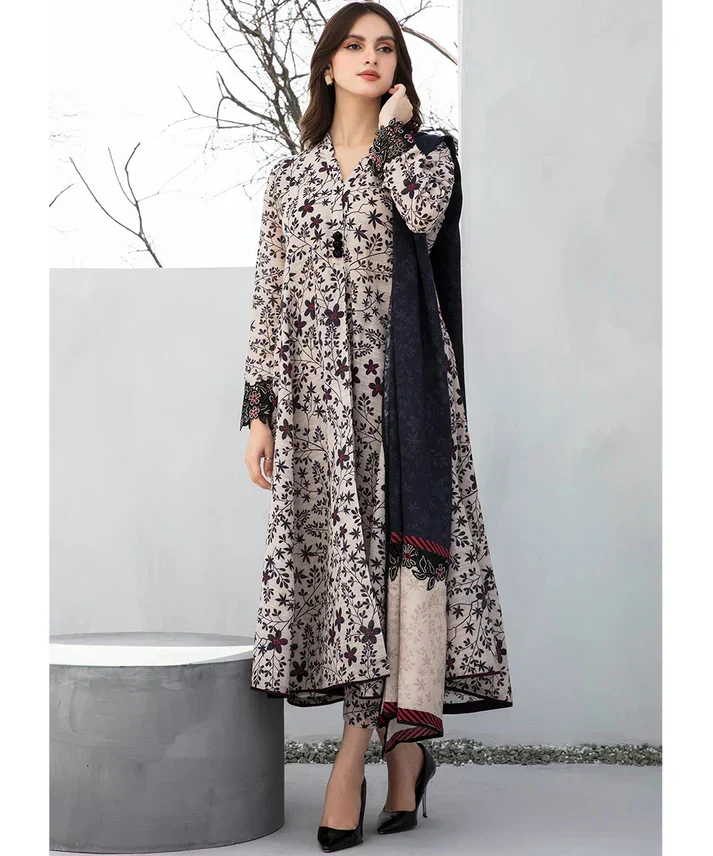
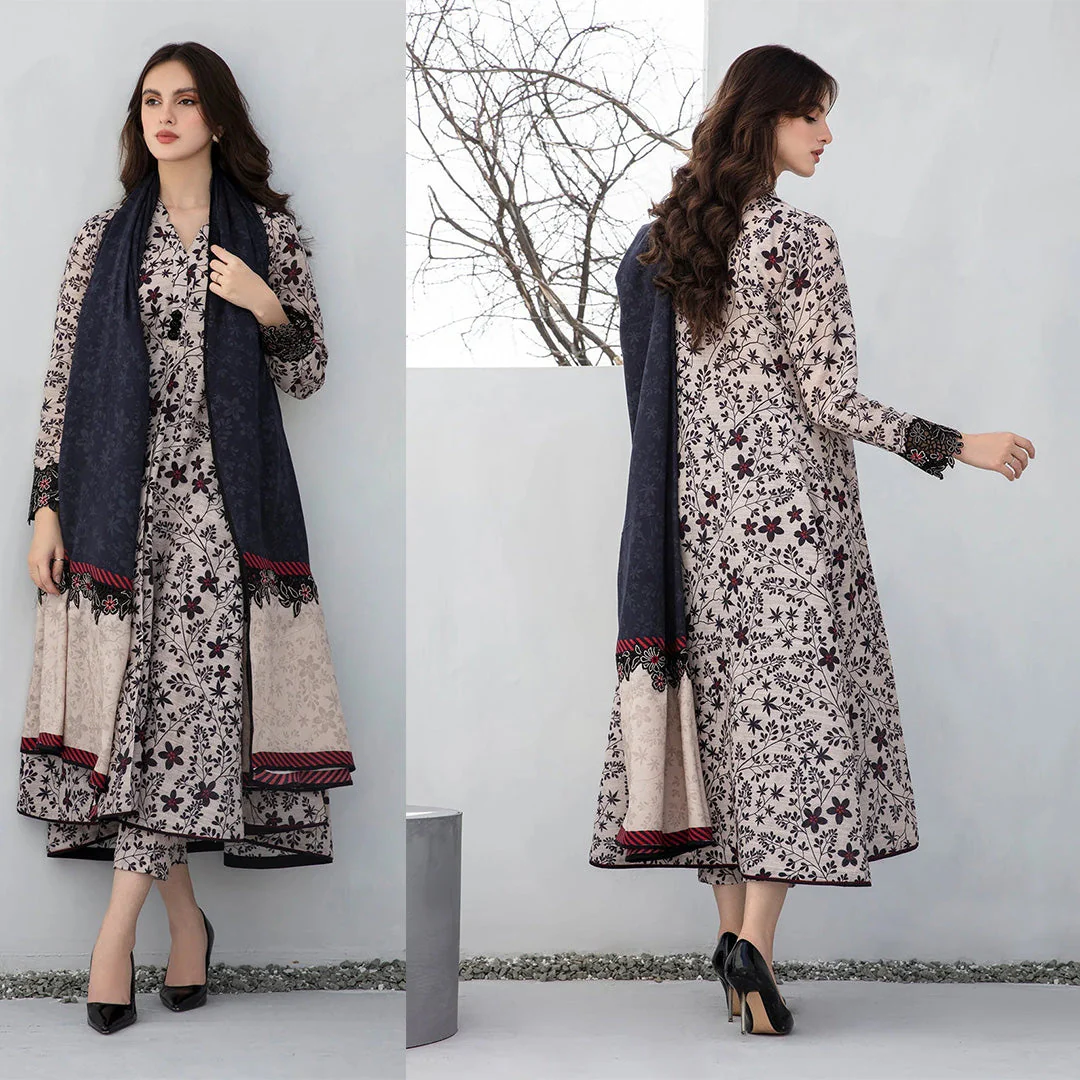
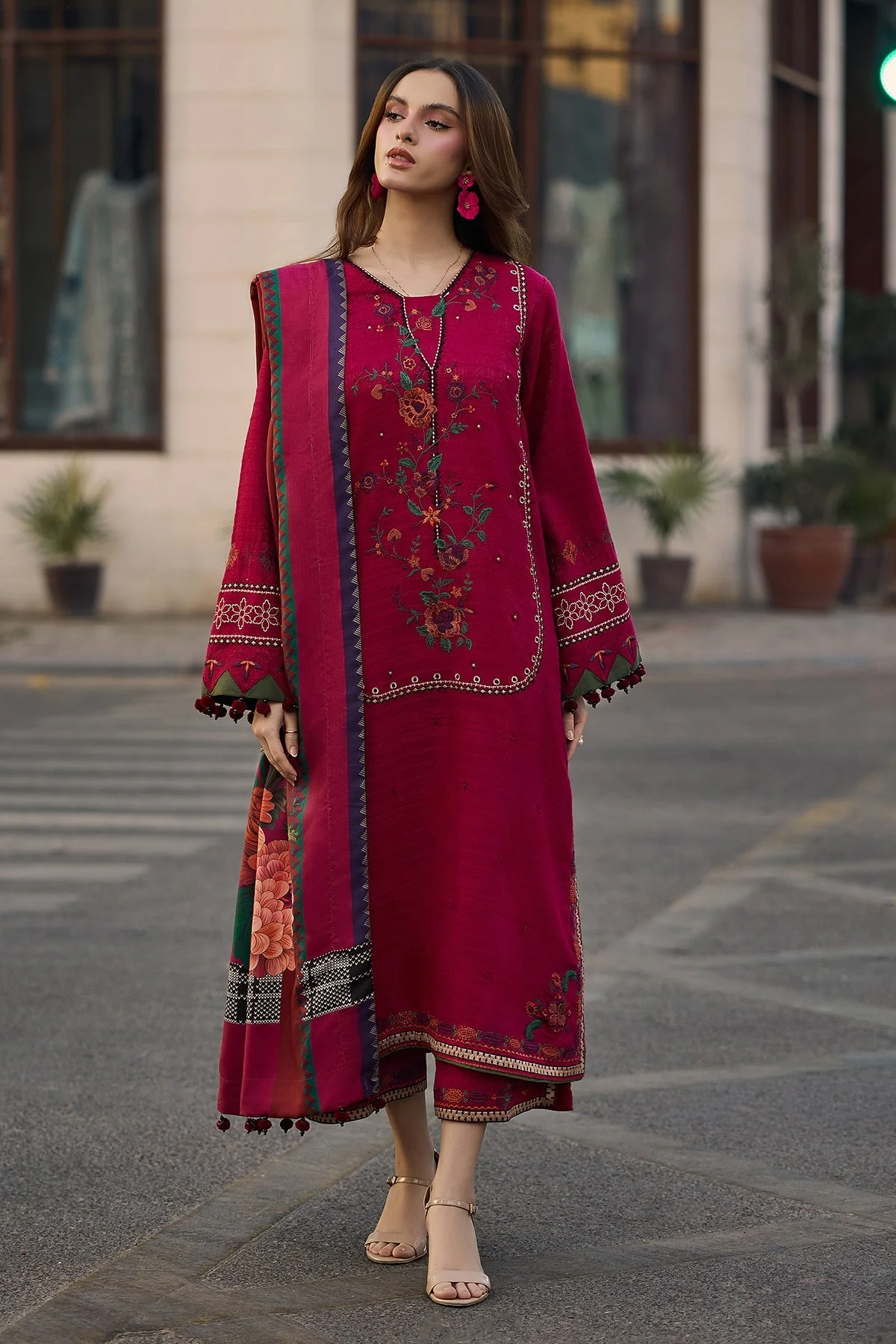
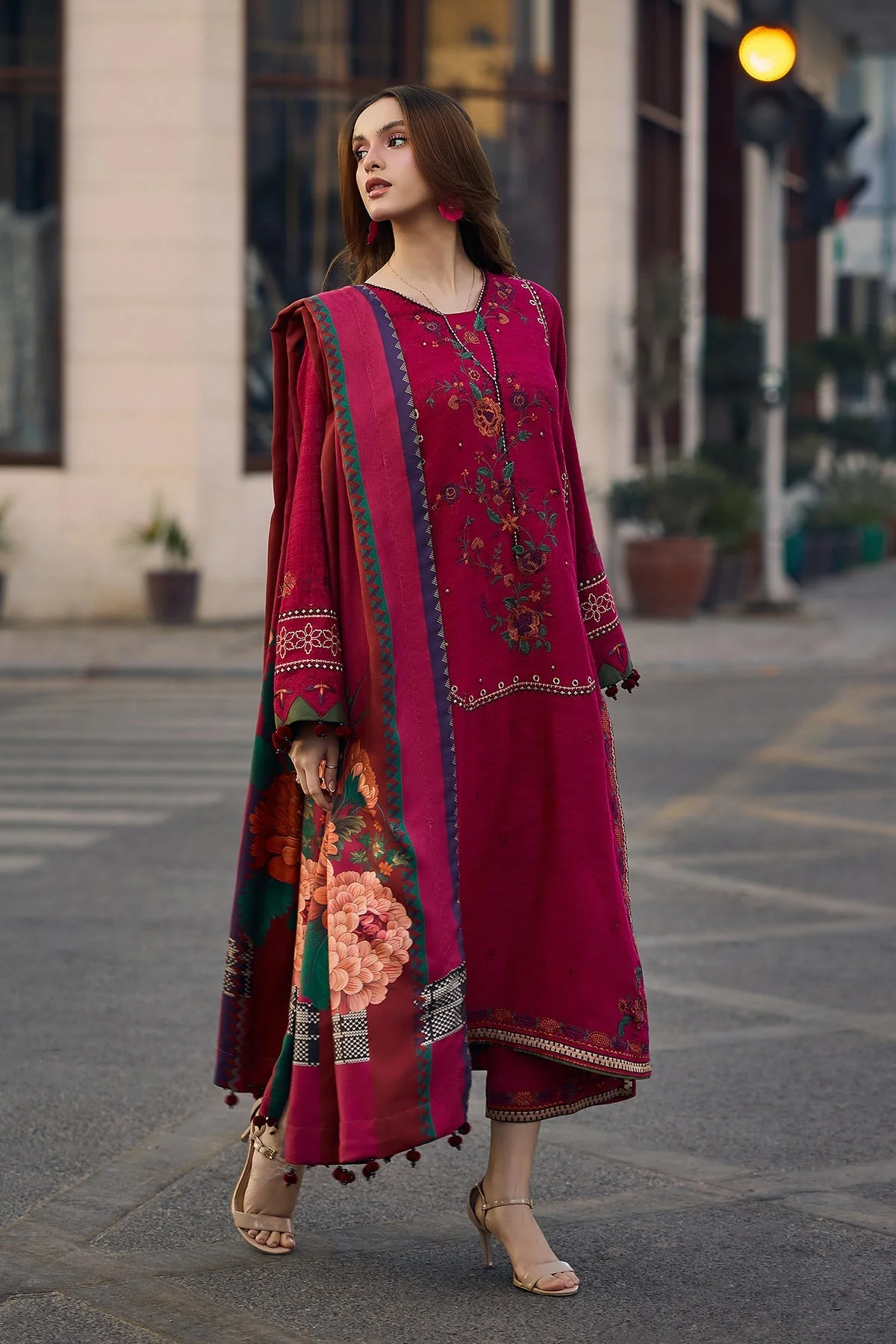
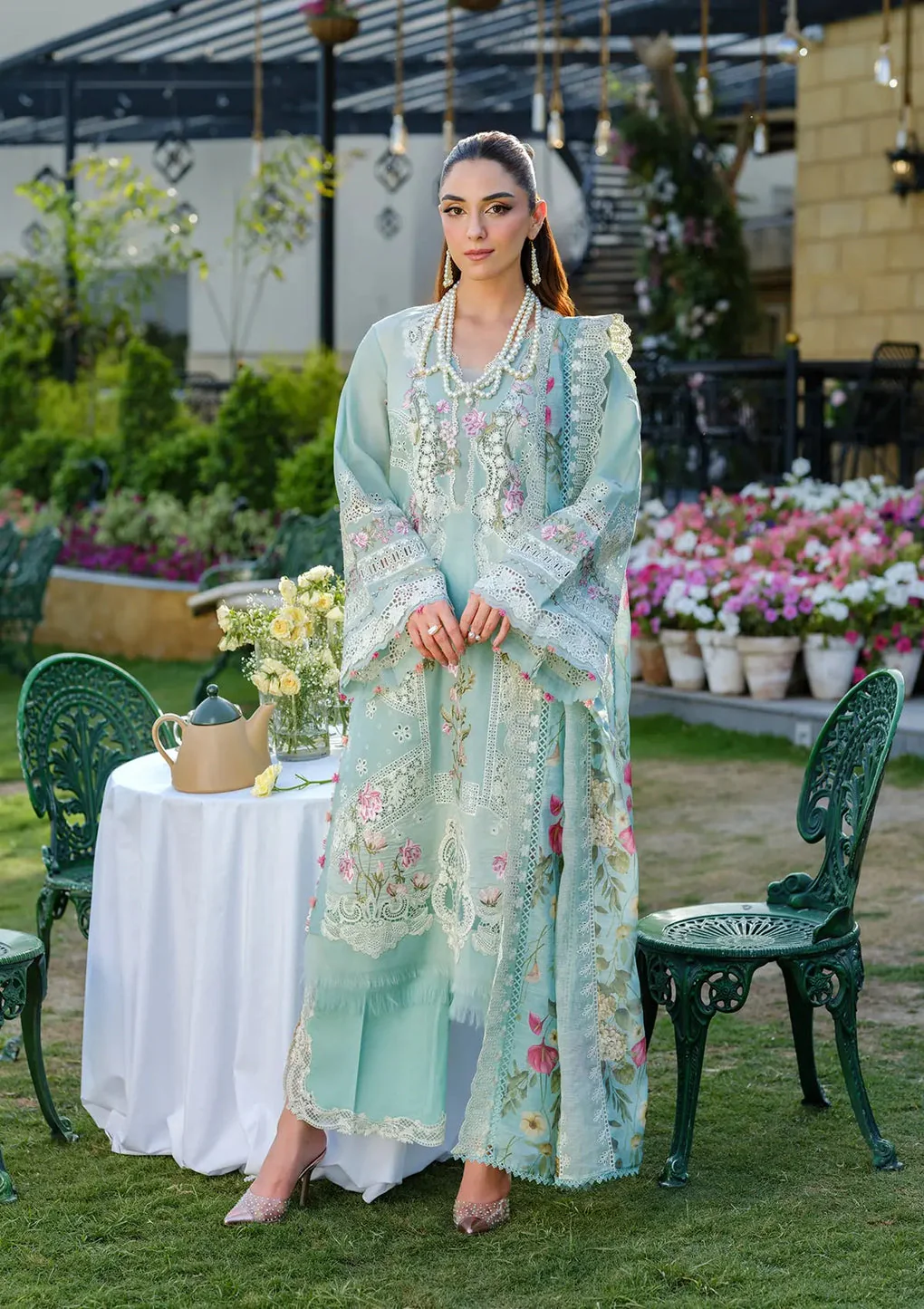
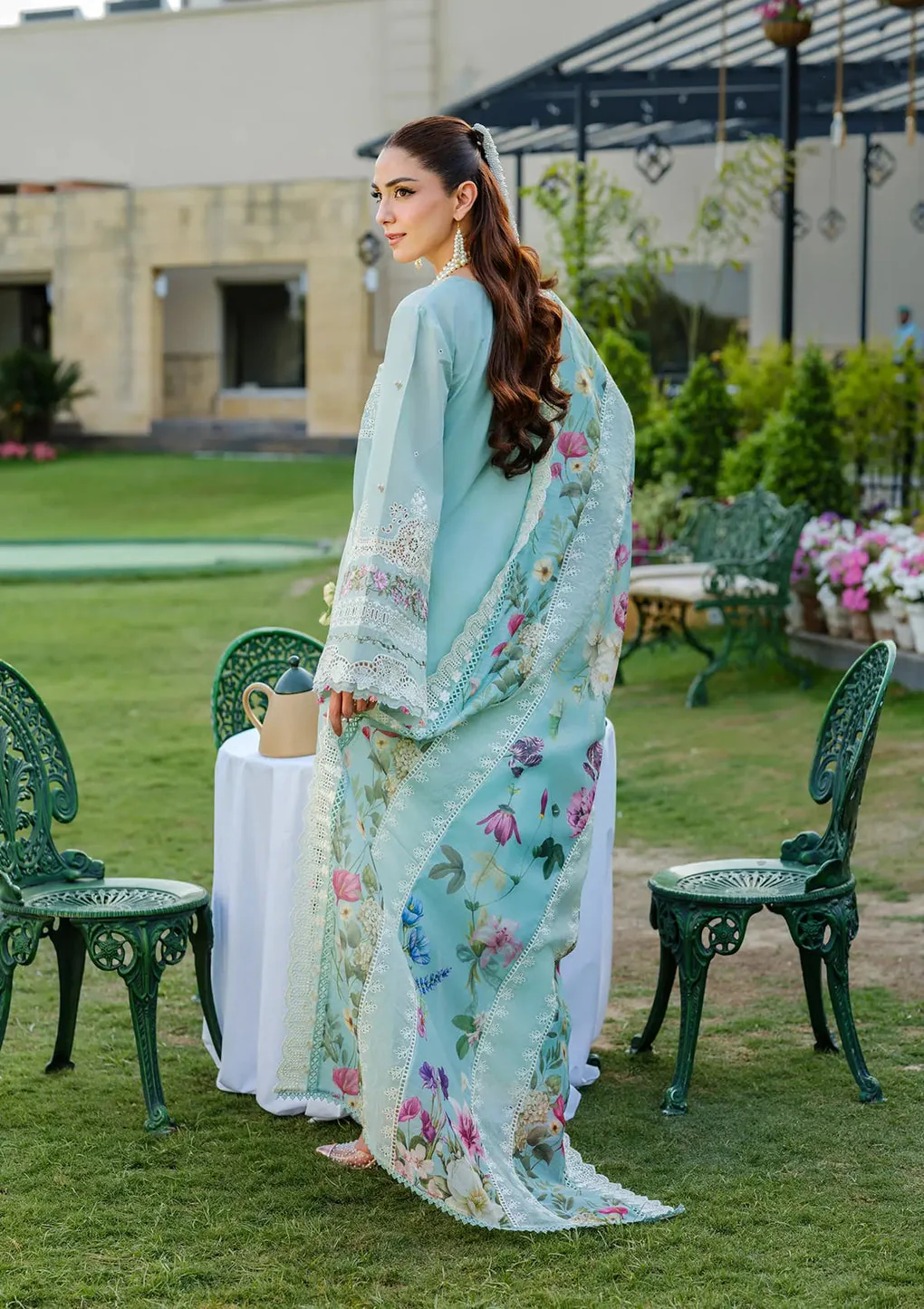
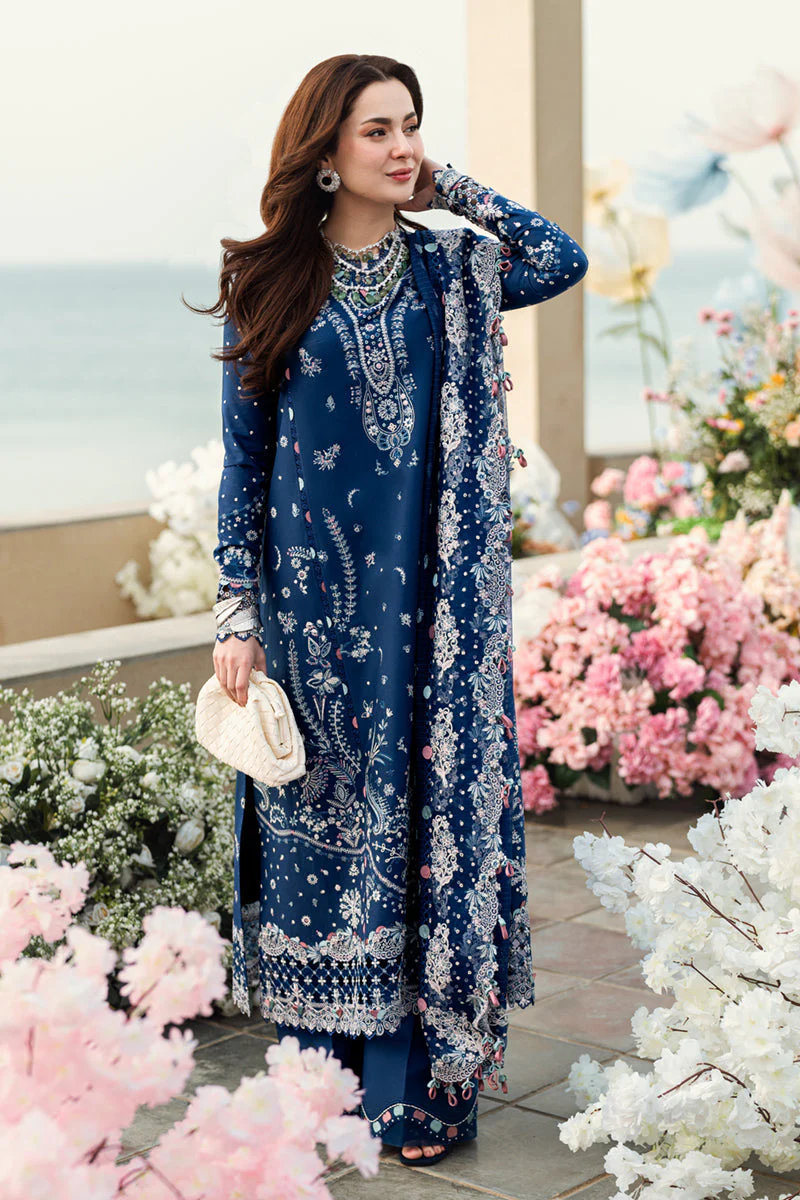
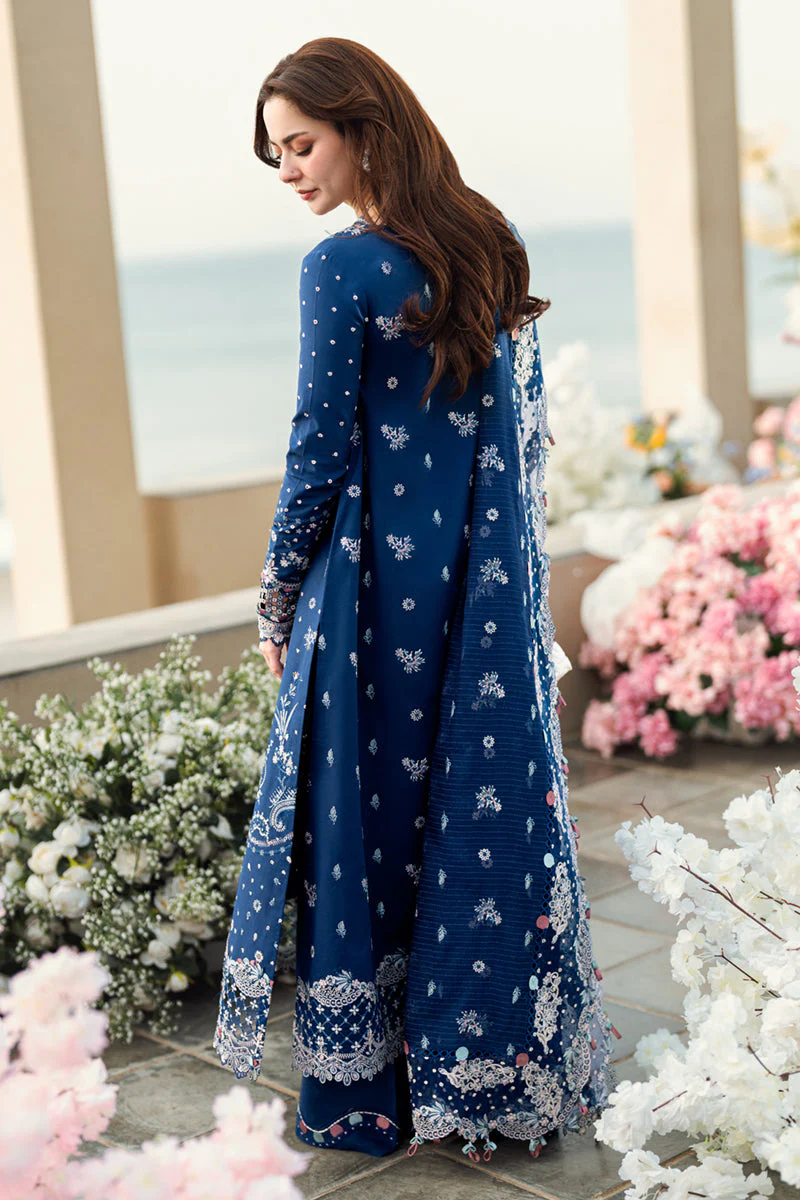
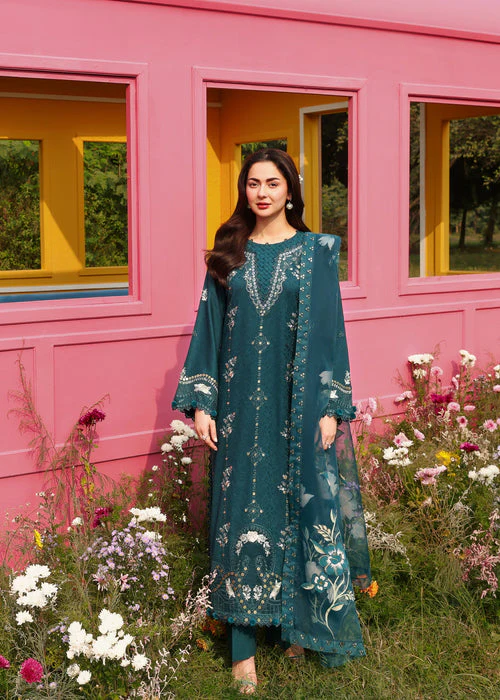
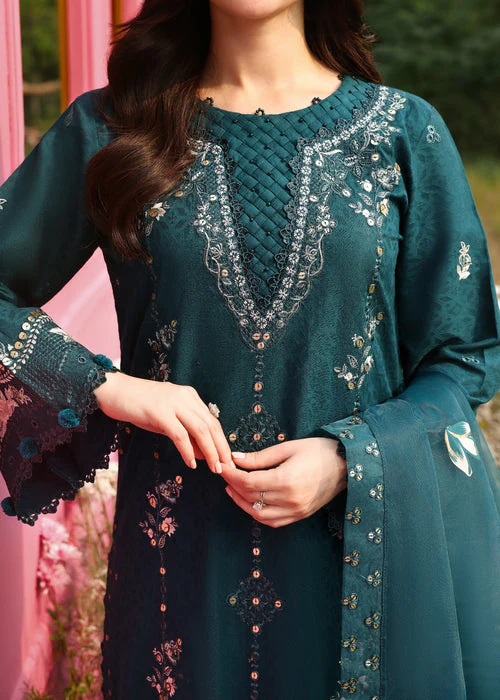
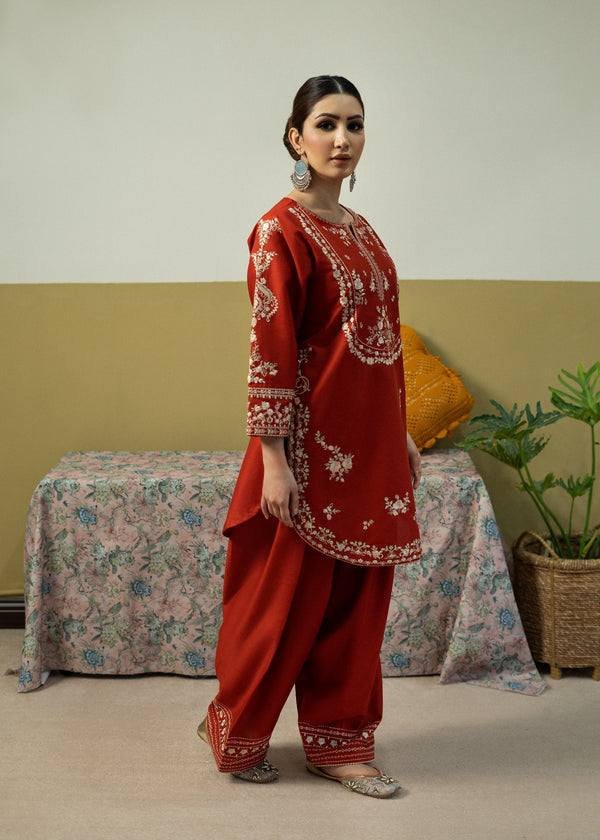
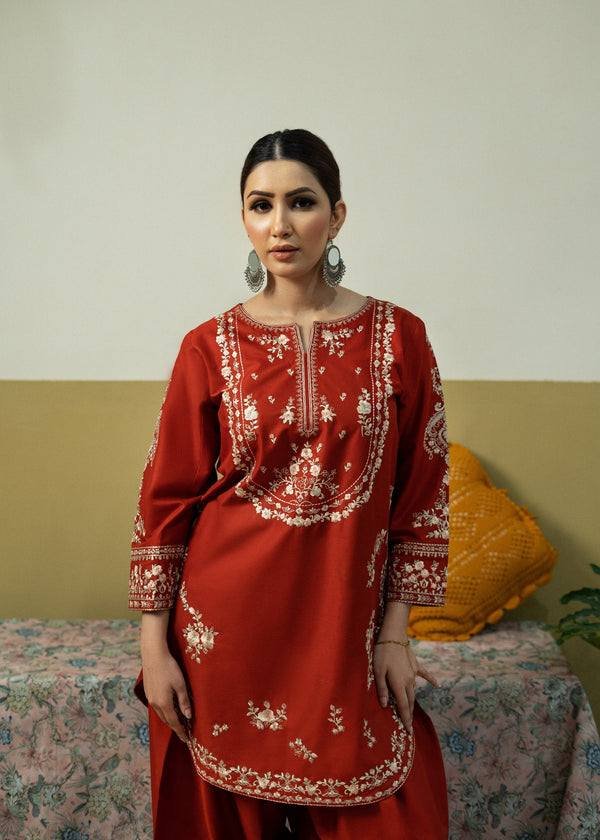
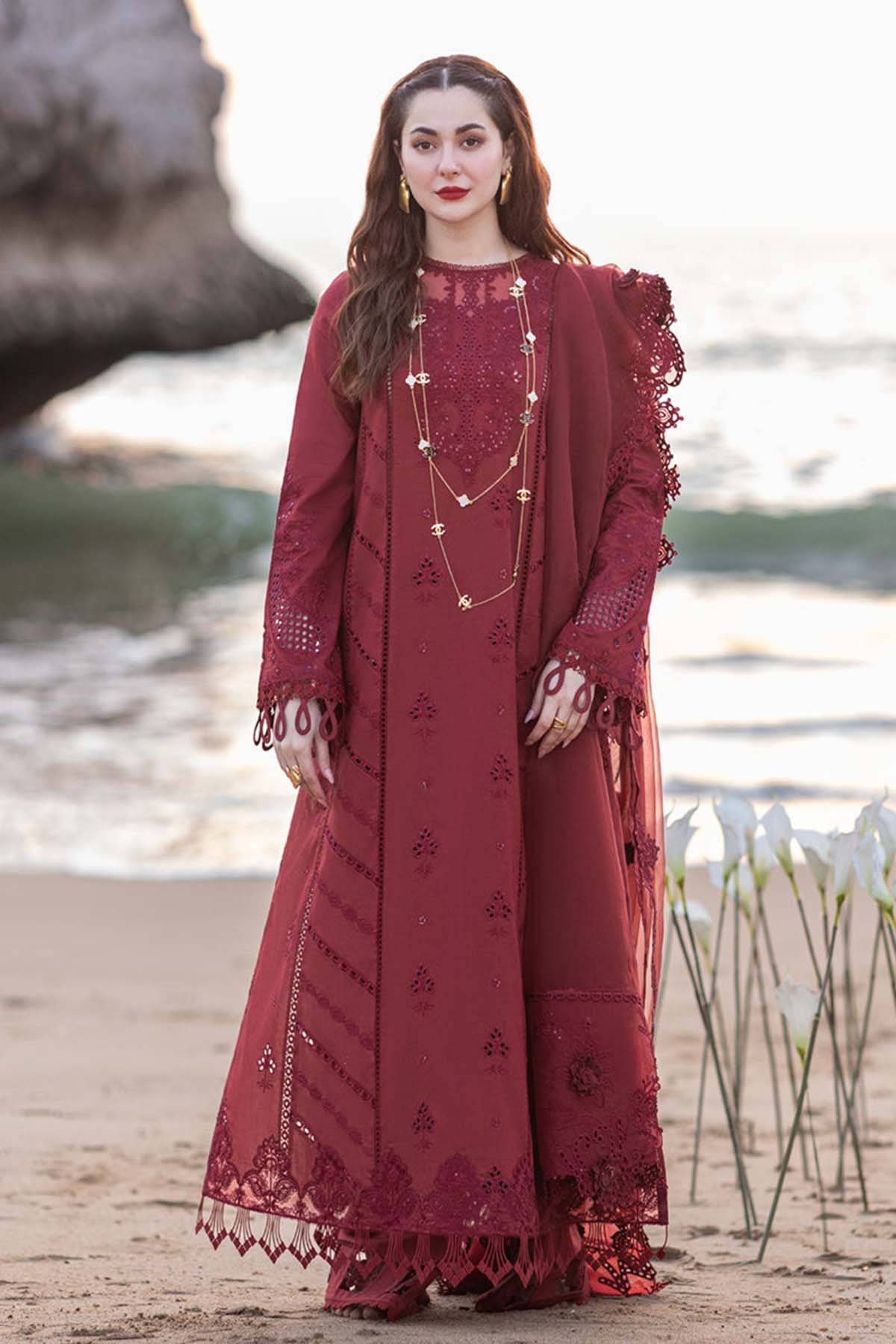
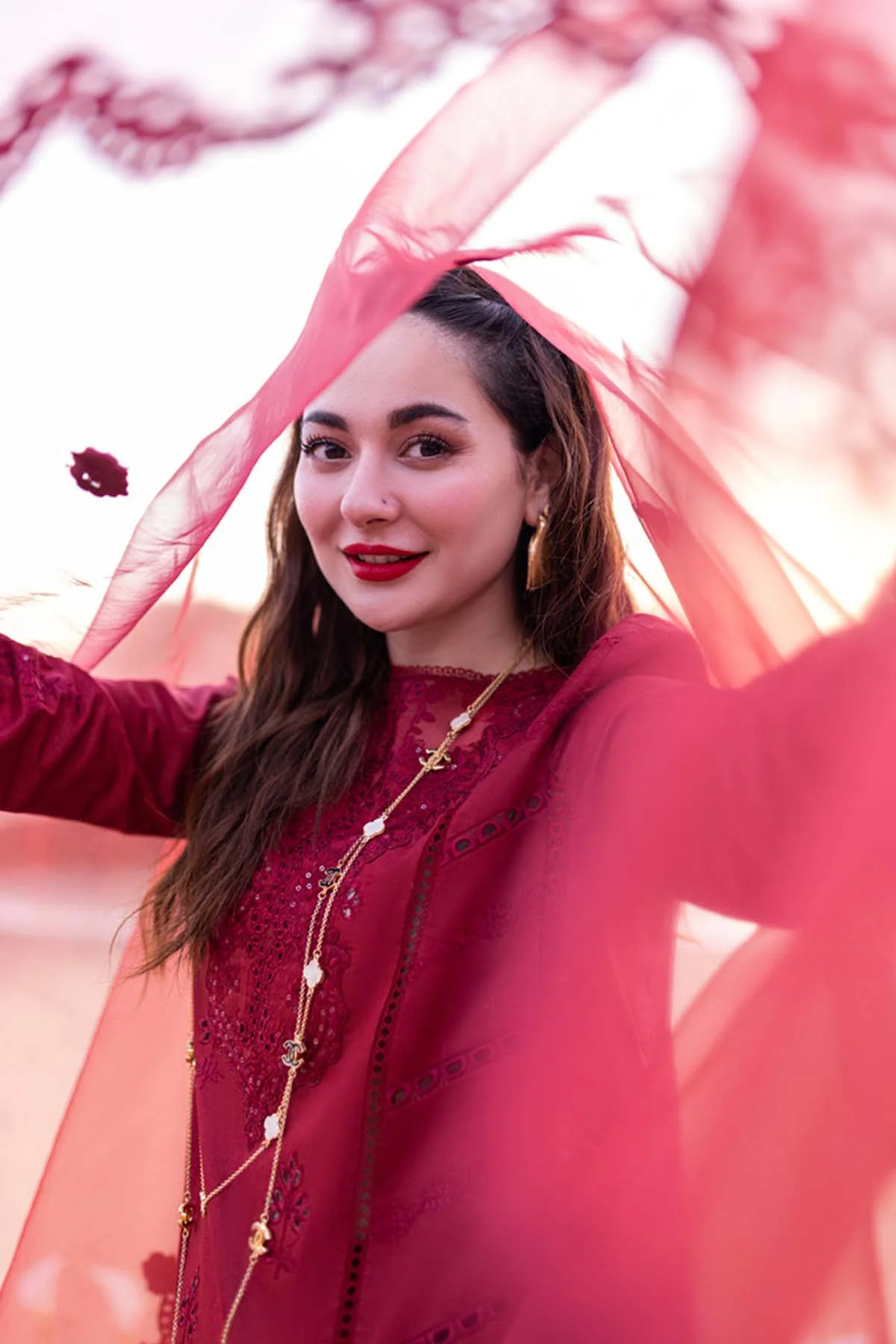
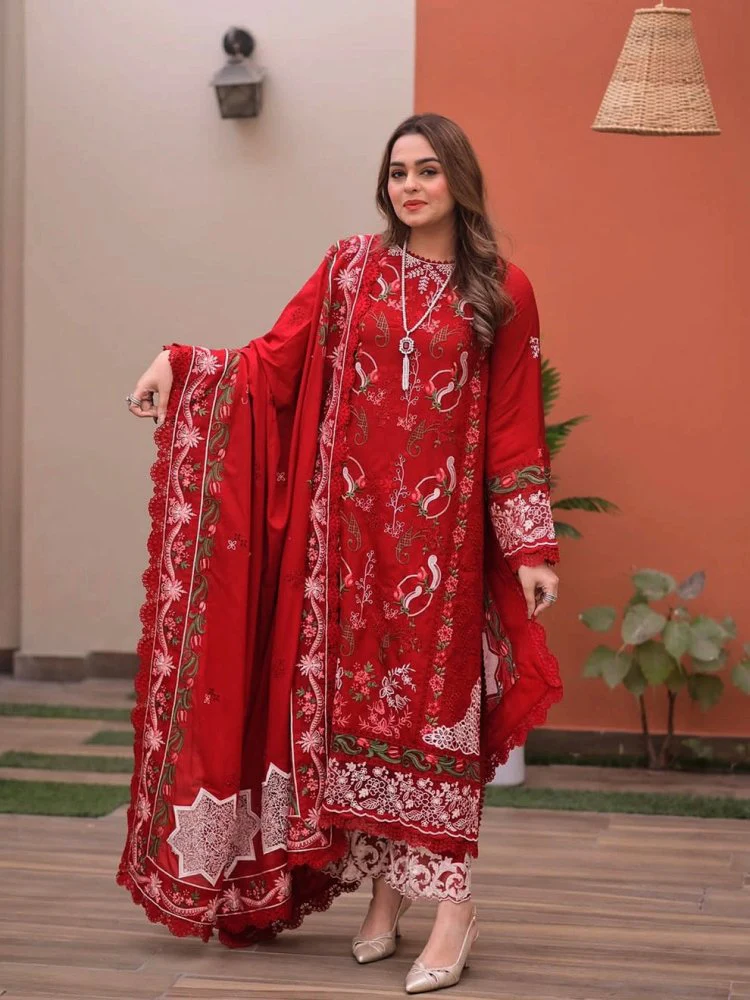
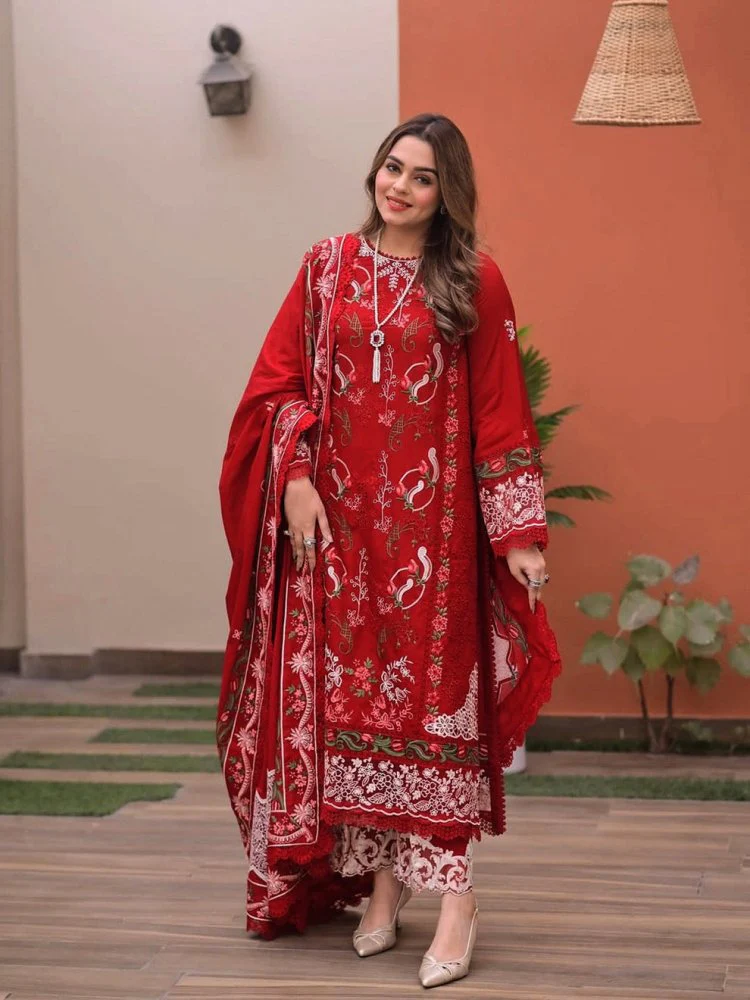
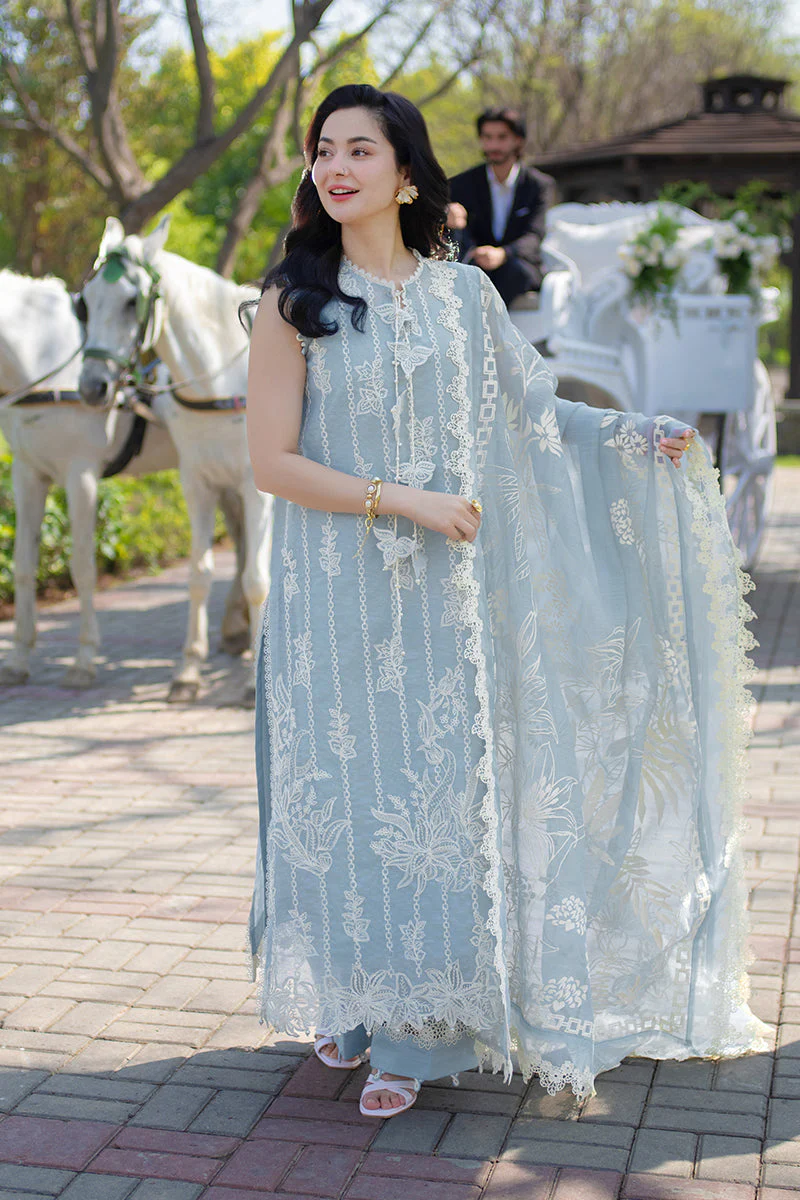
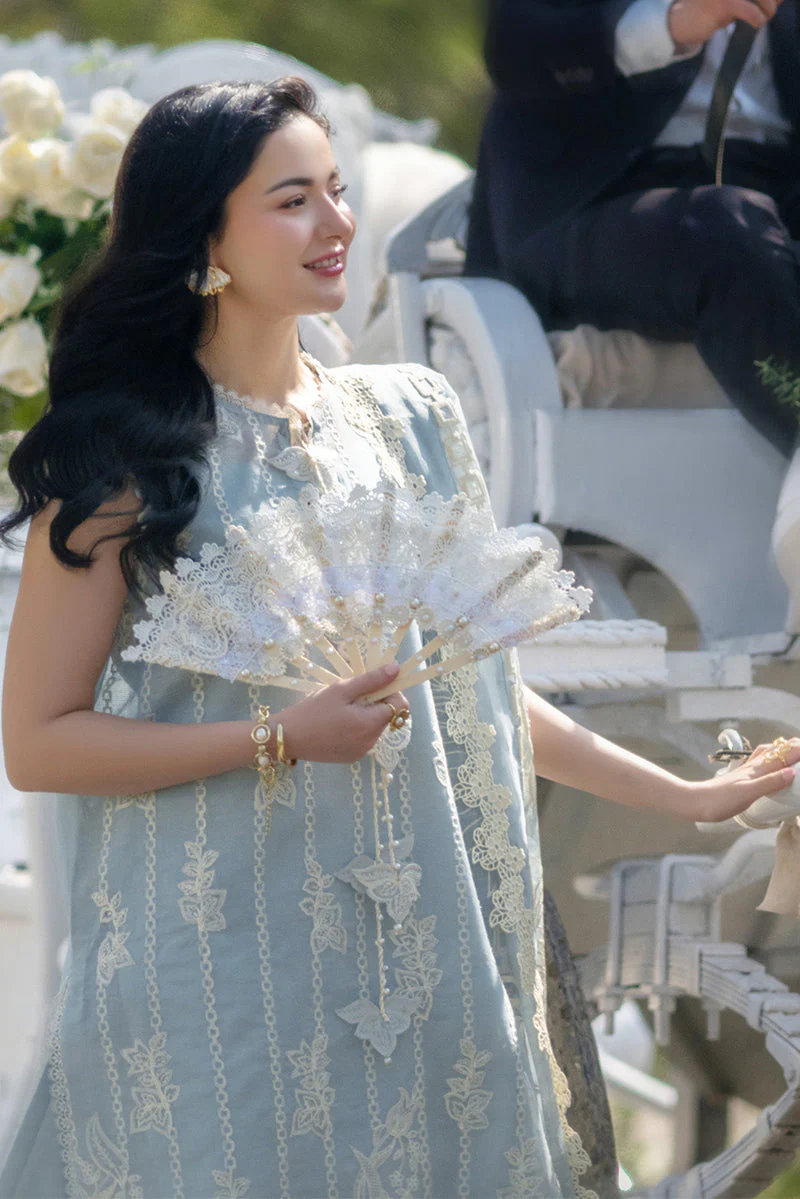
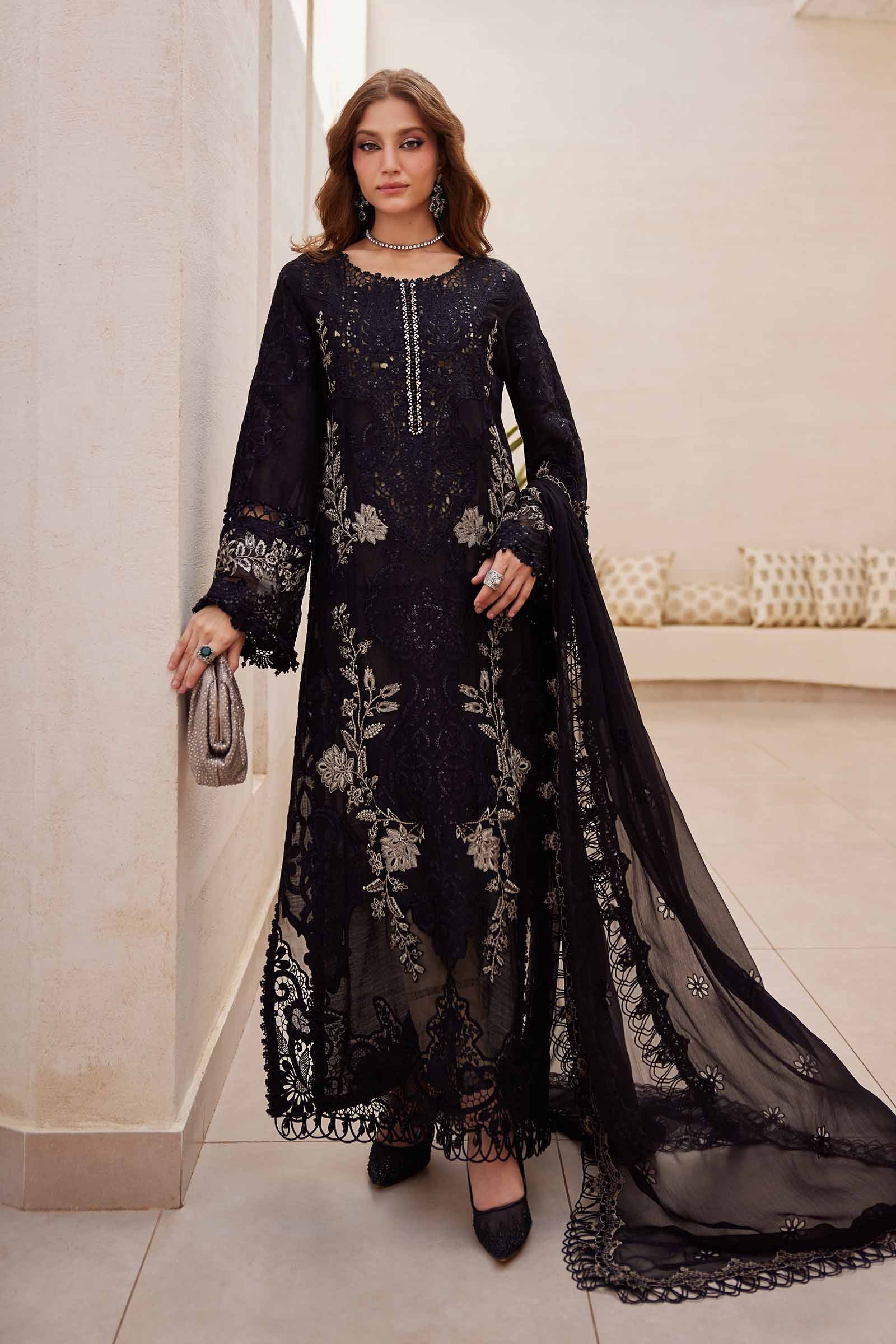
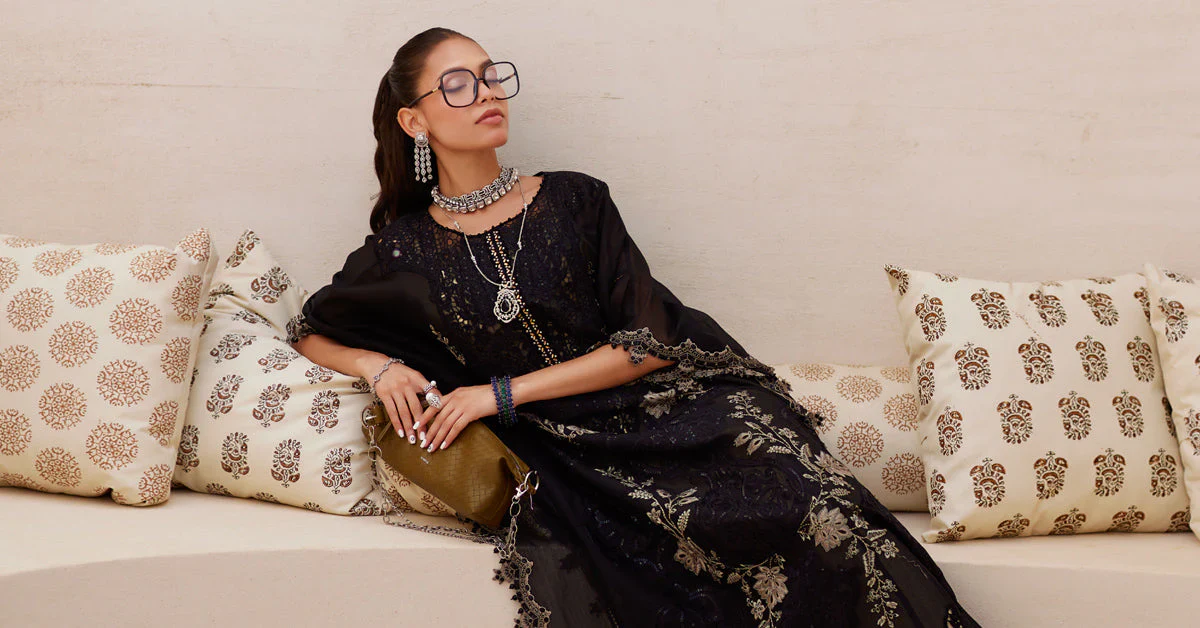
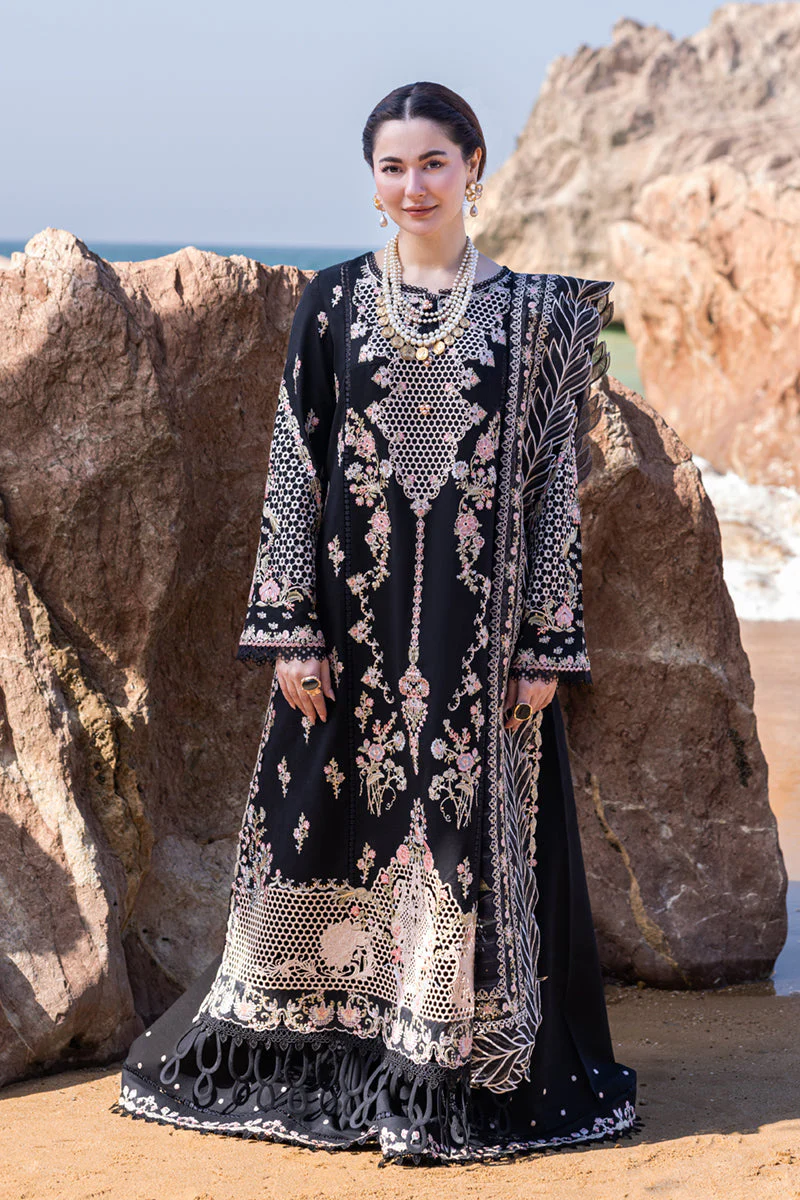
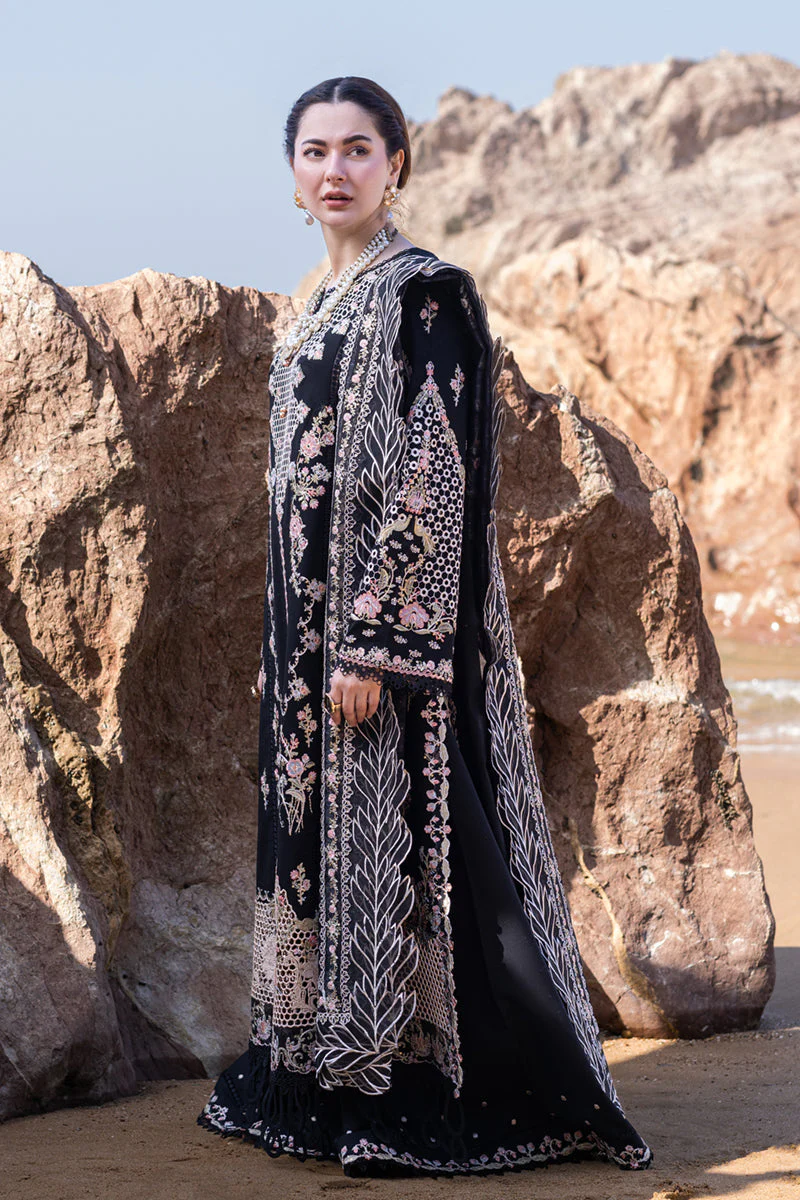
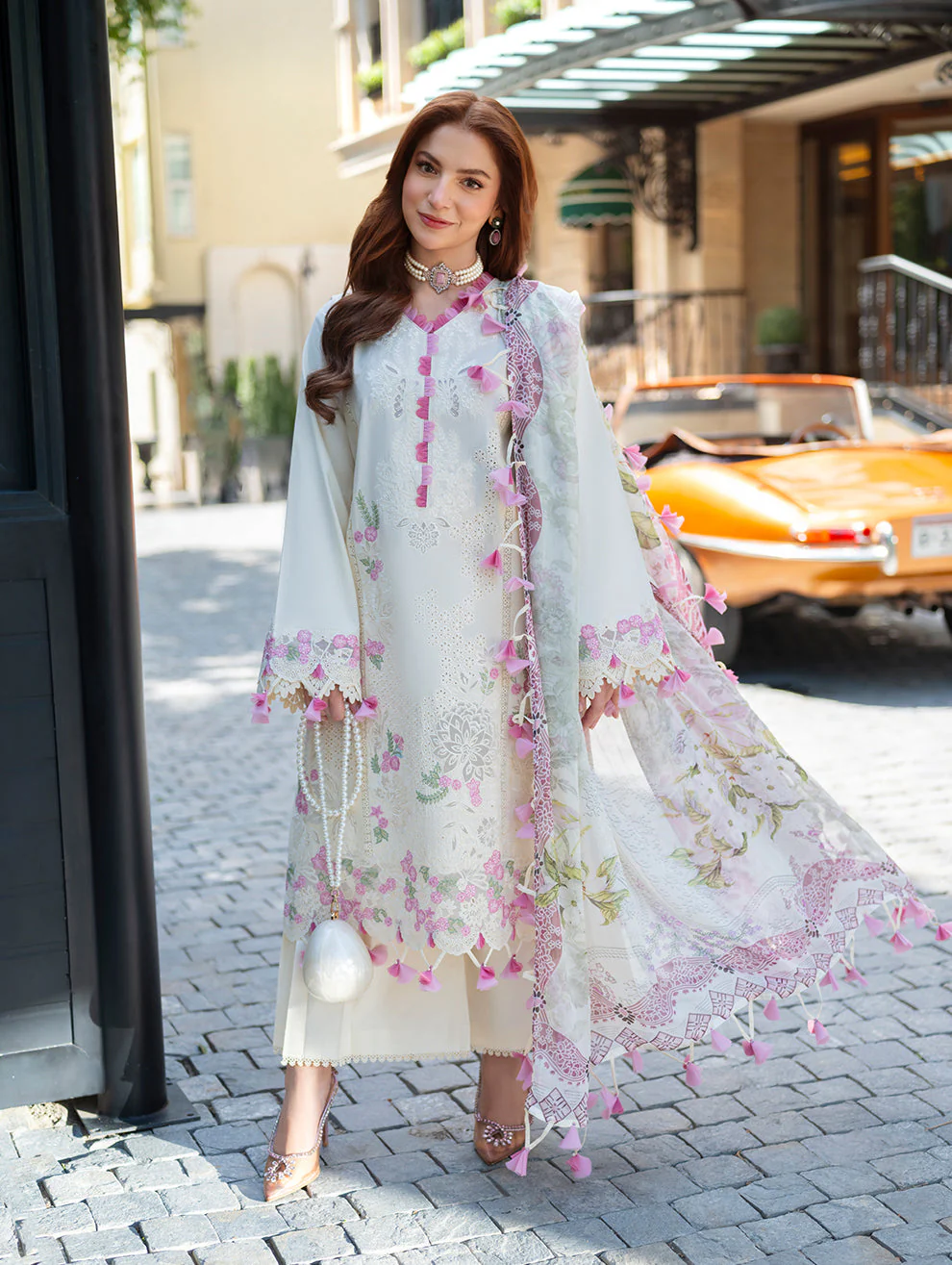
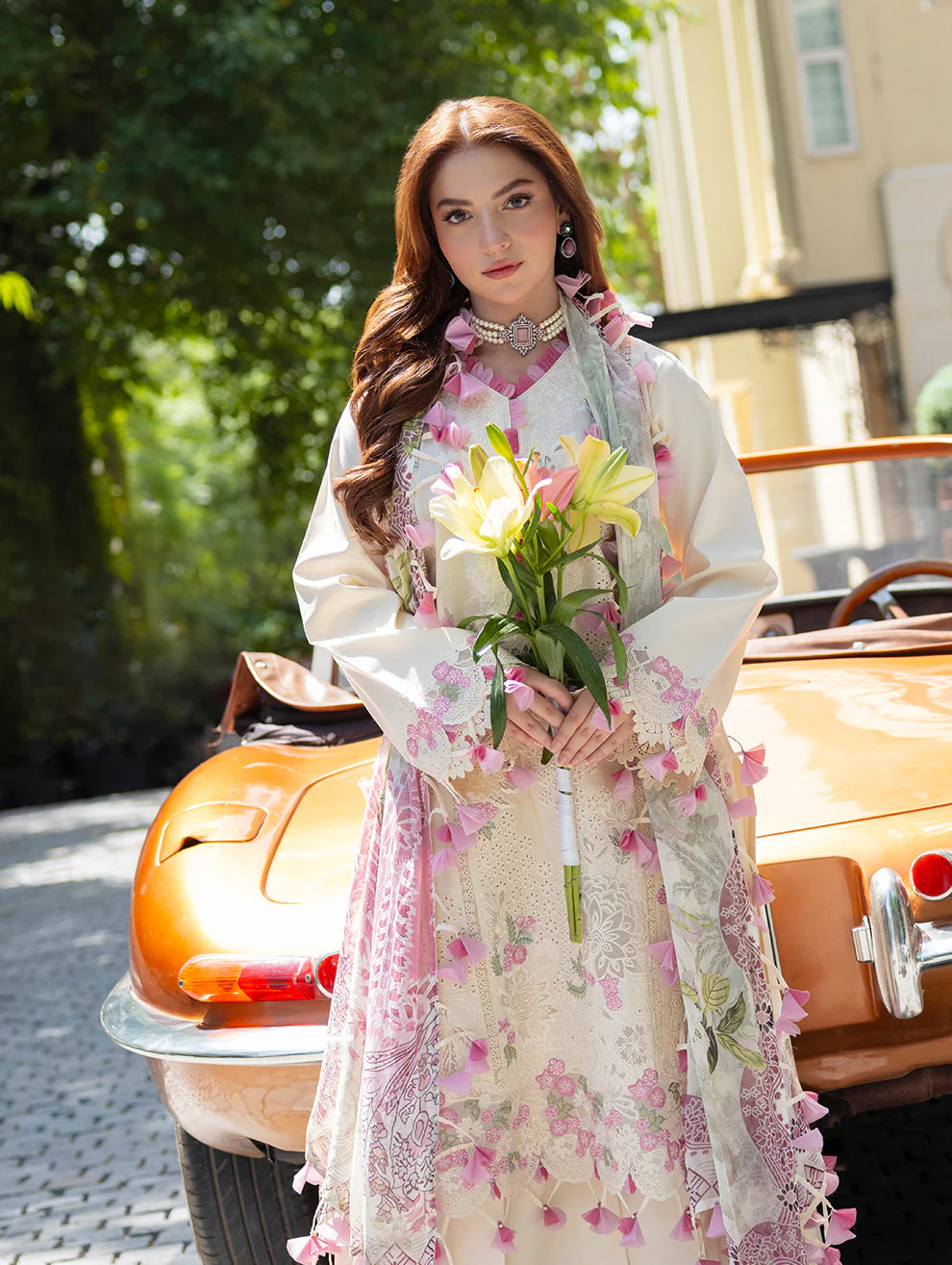
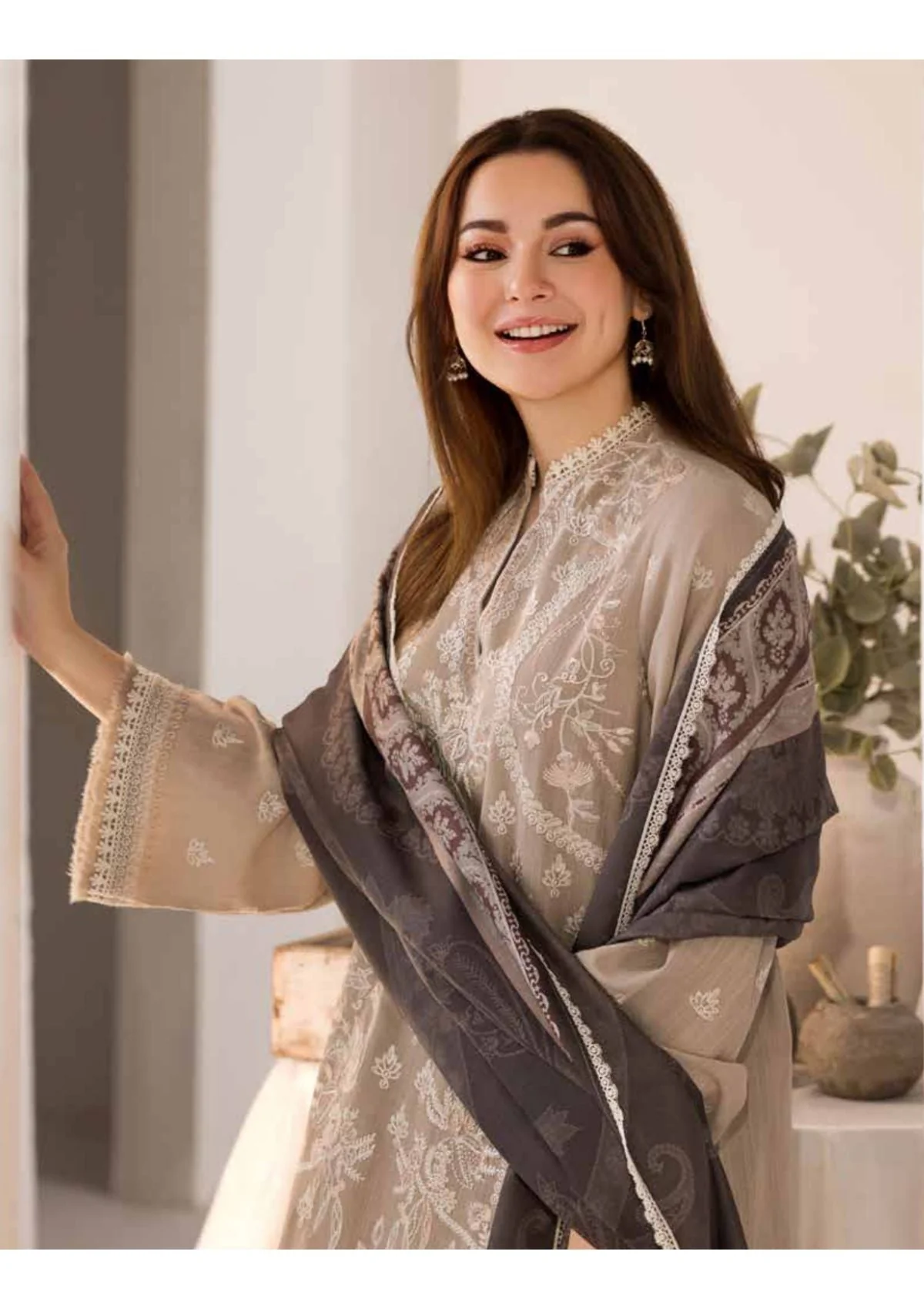
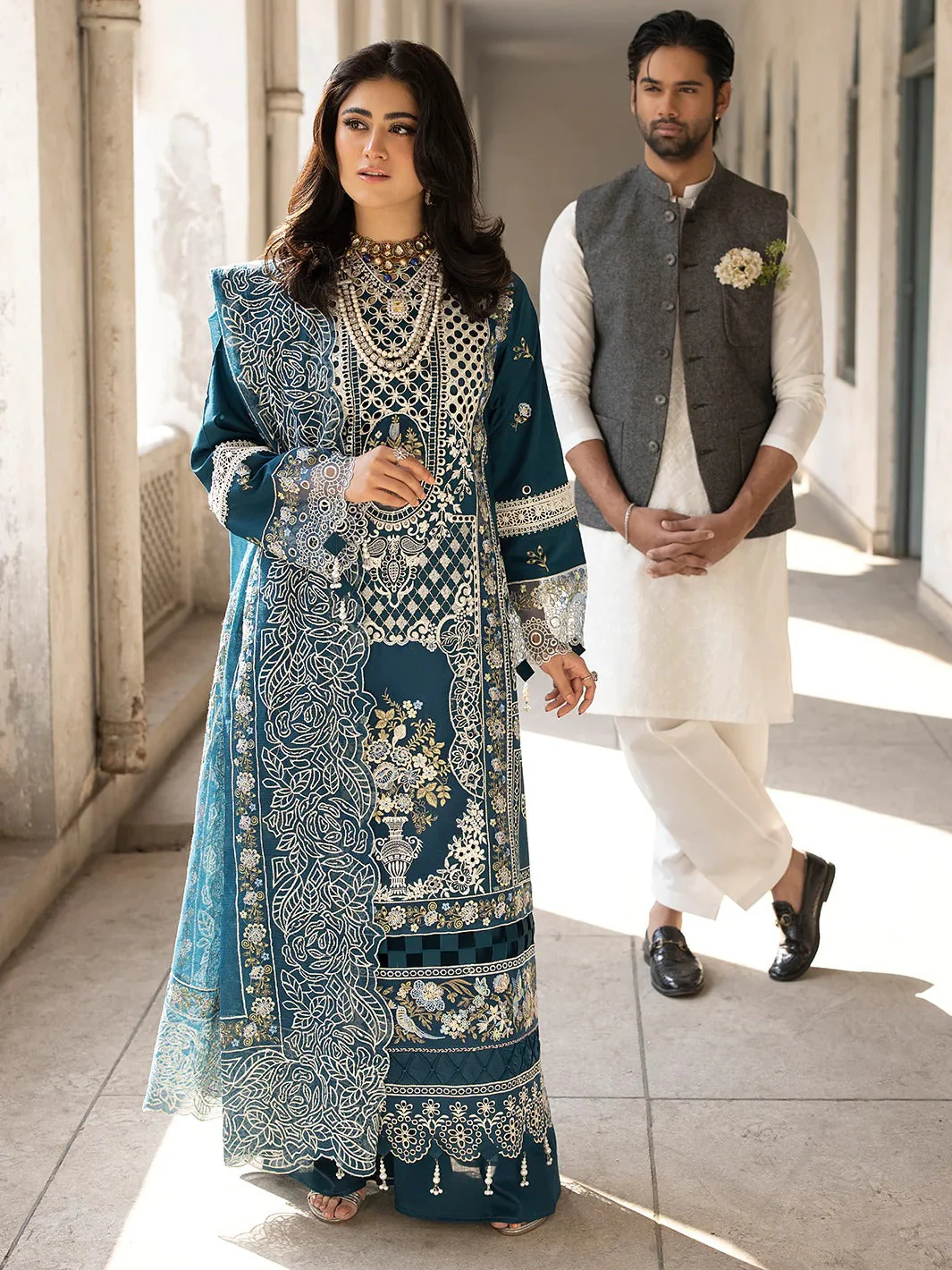
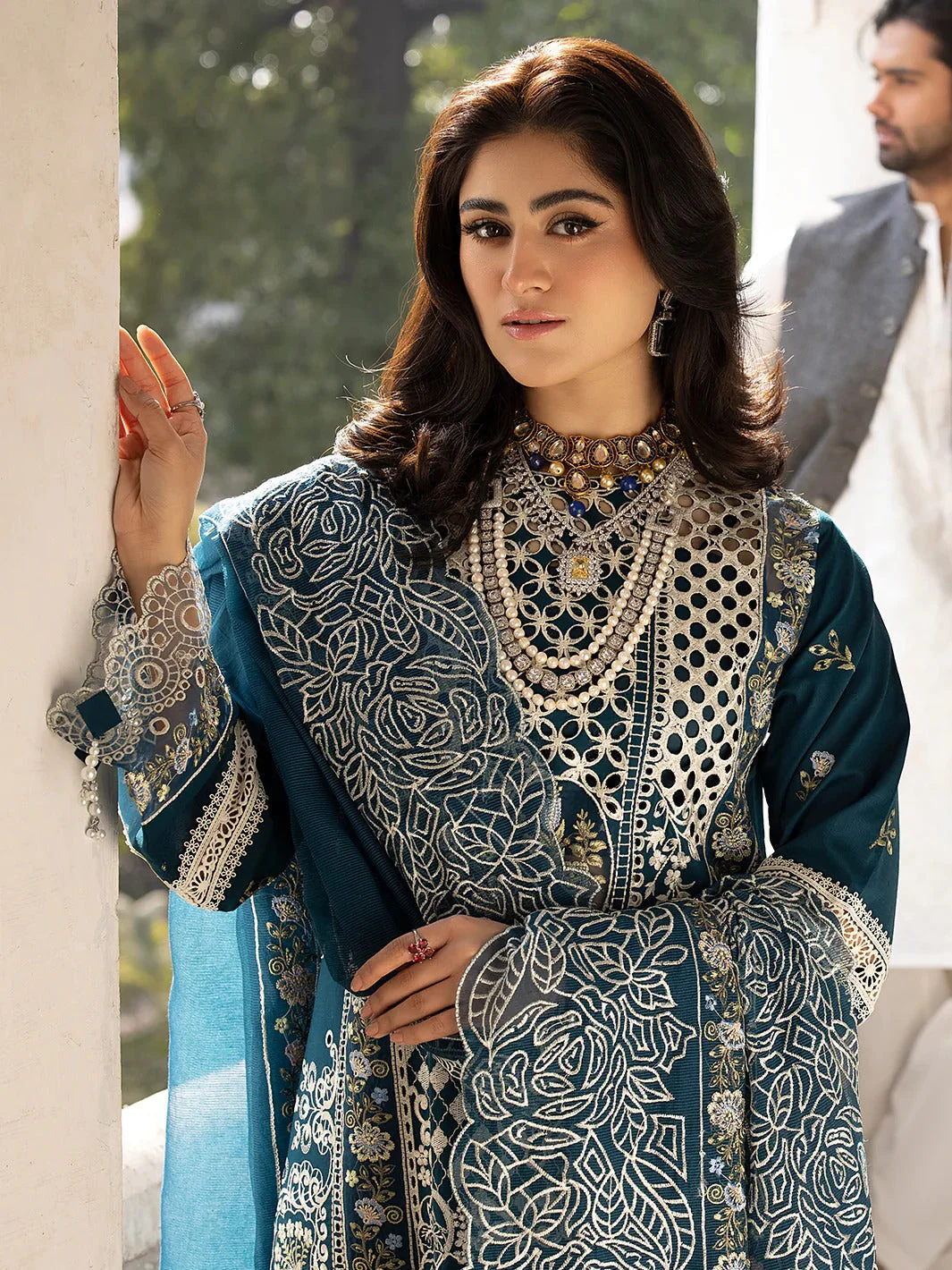
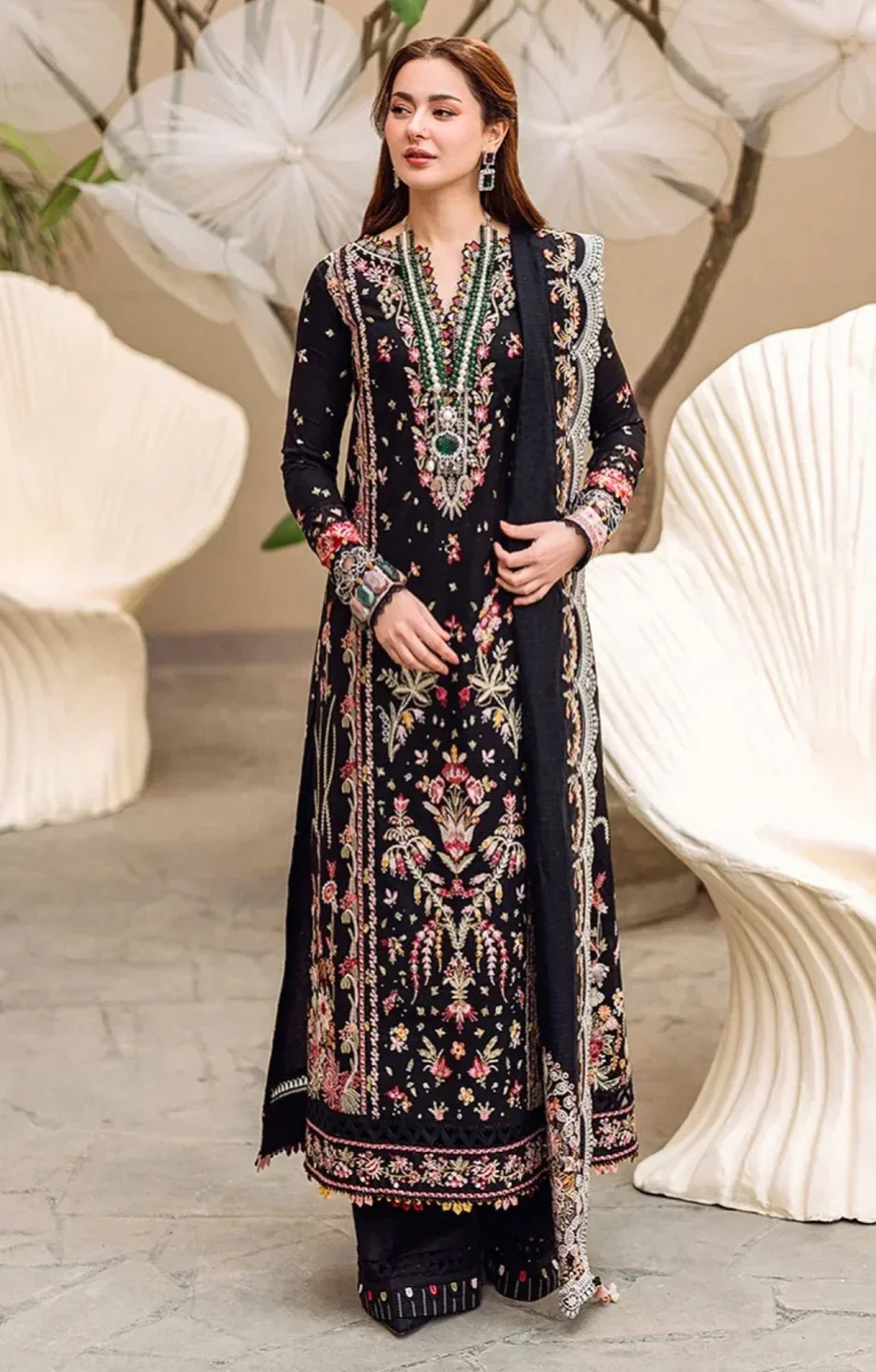
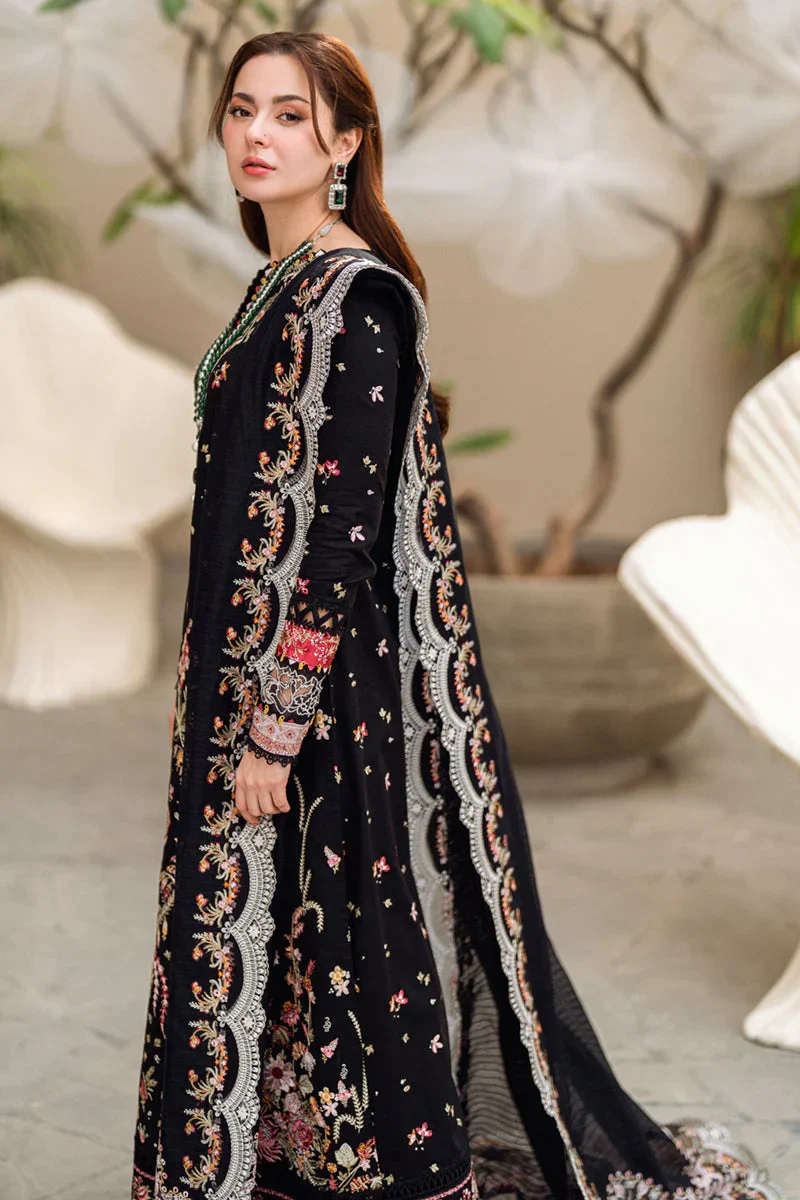
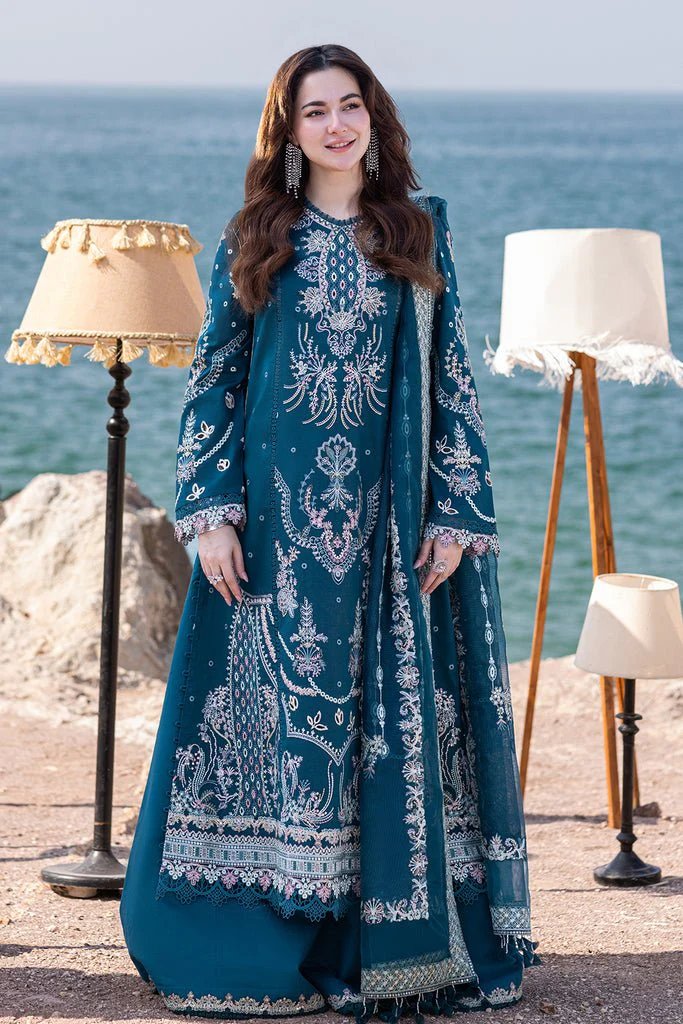
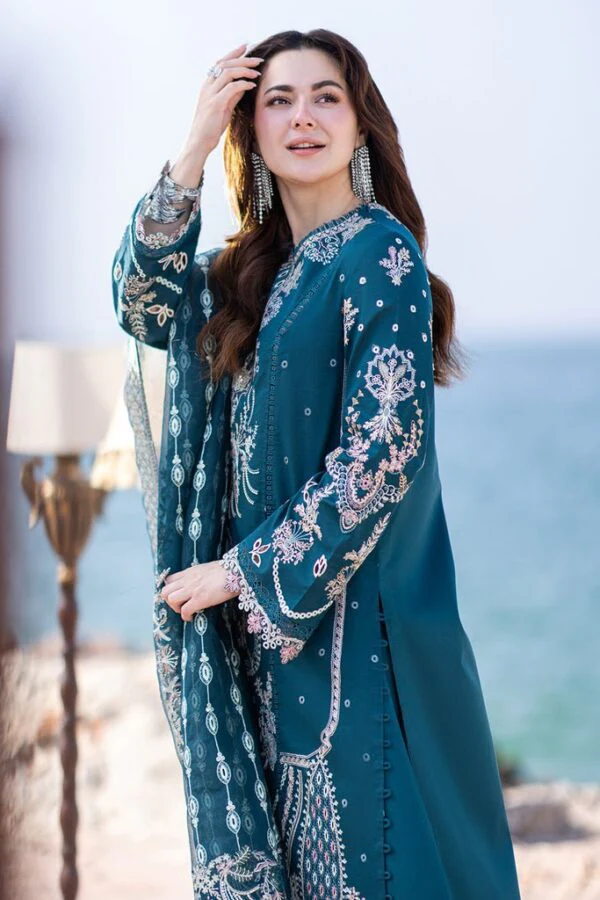
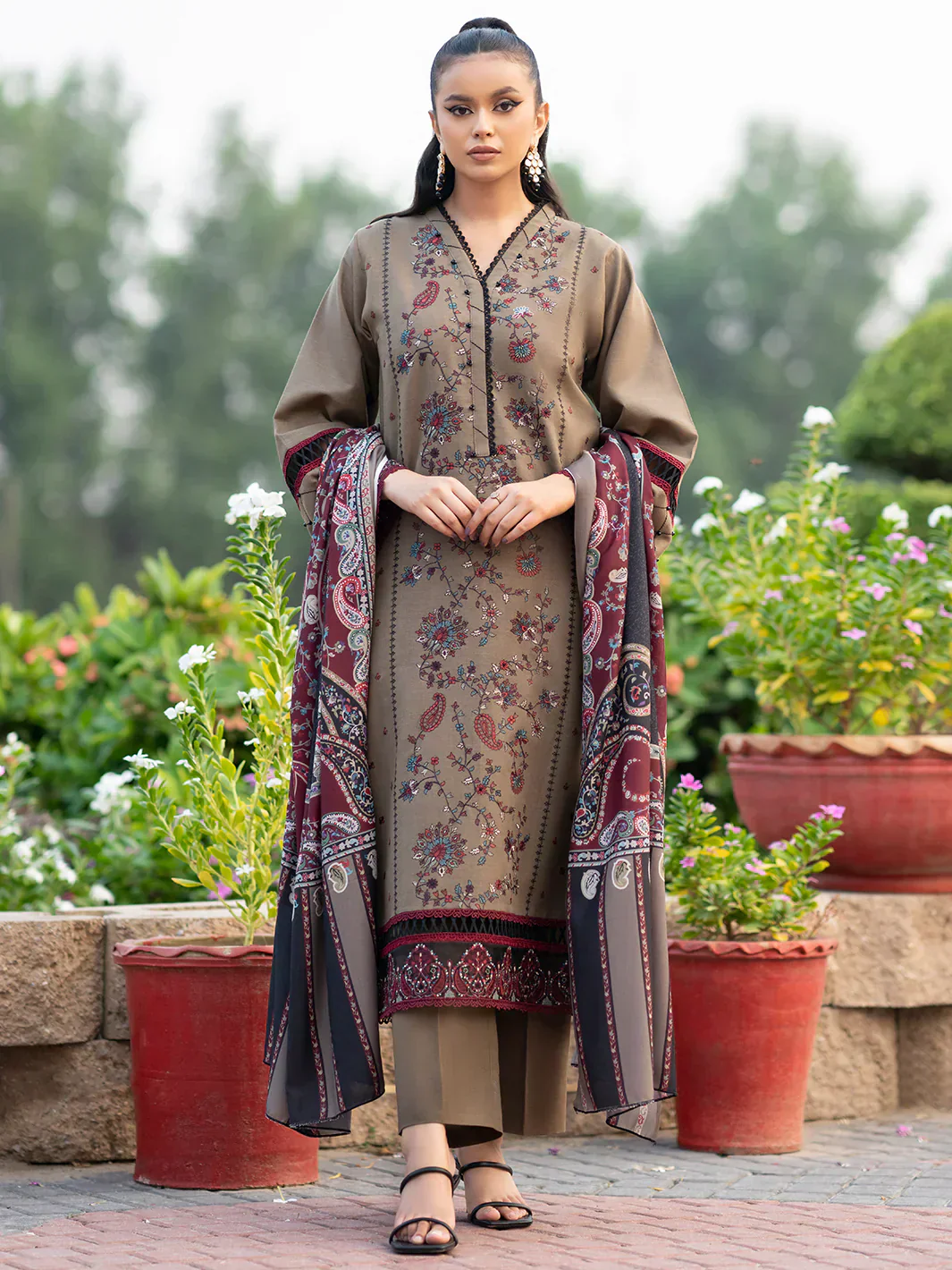
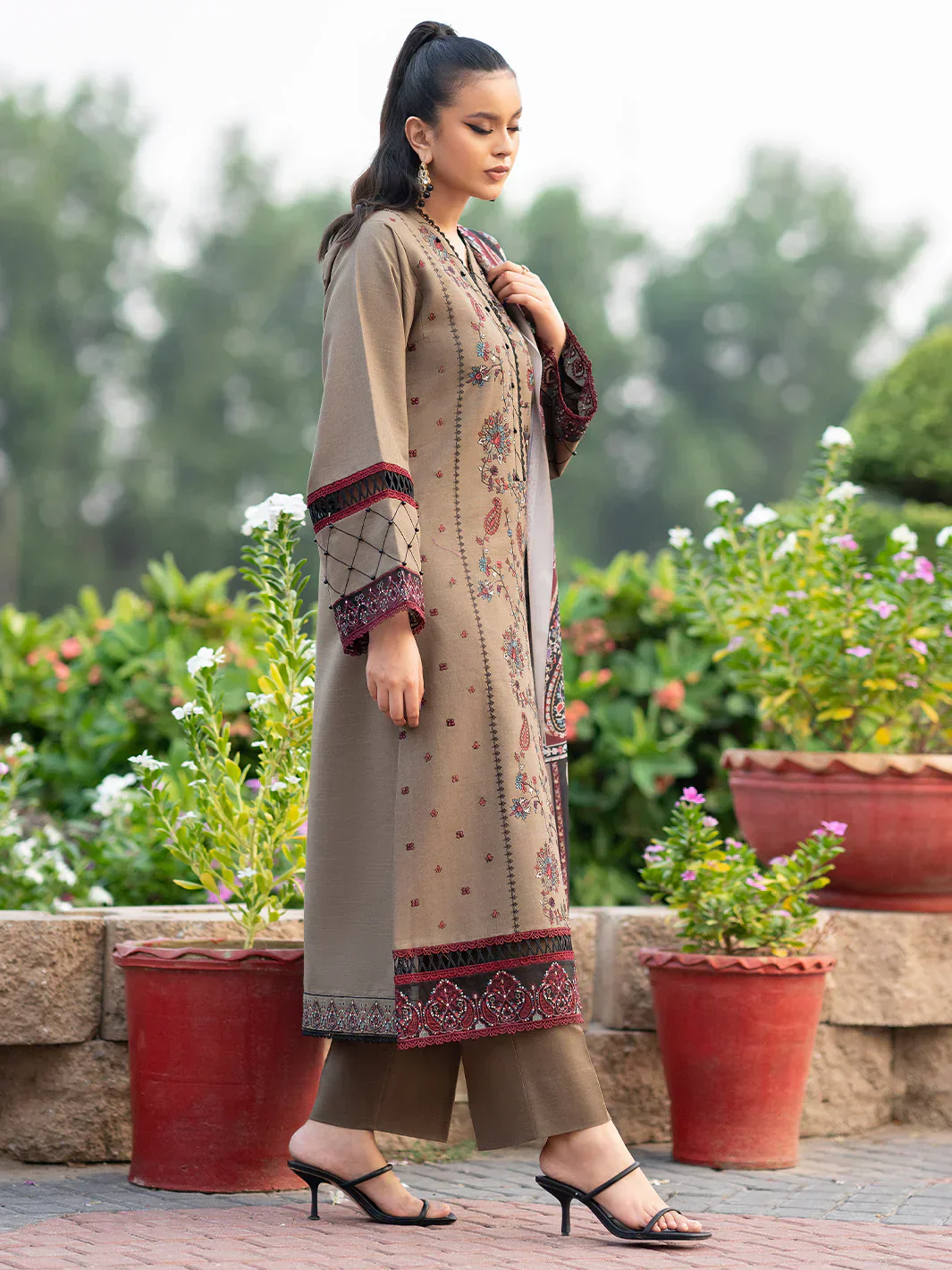
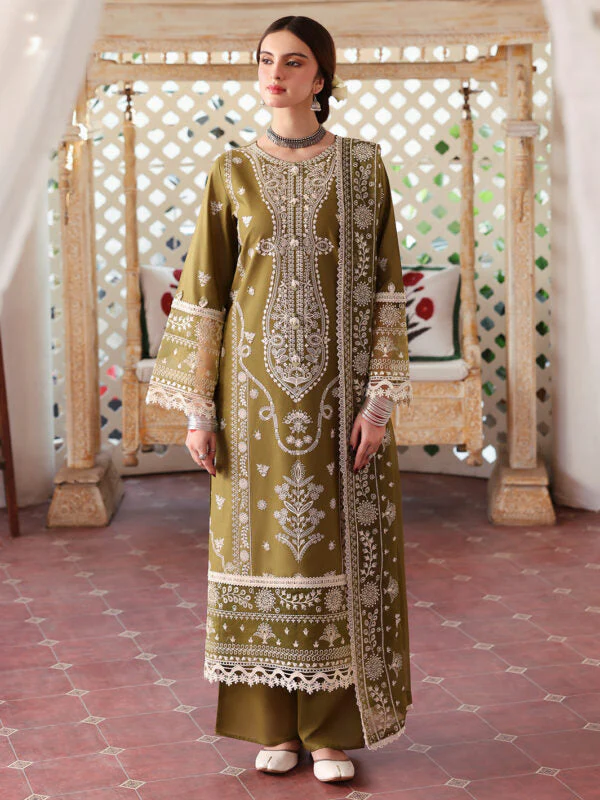
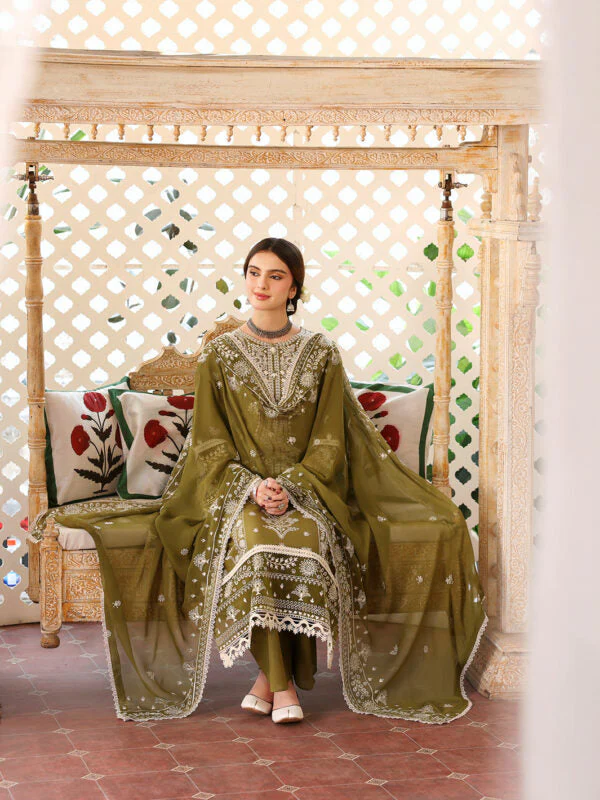
3 Piece Lawn Suit Wholesale Pakistan

83 wholesale designs · low MOQ · new arrivals every week · worldwide delivery. Prices are shared on request so you always get current wholesale rates for your country.
Wholesale
 Wholesale
 Wholesale
 Wholesale
 Wholesale
 Wholesale
 Wholesale
 Wholesale
 Wholesale
 Wholesale
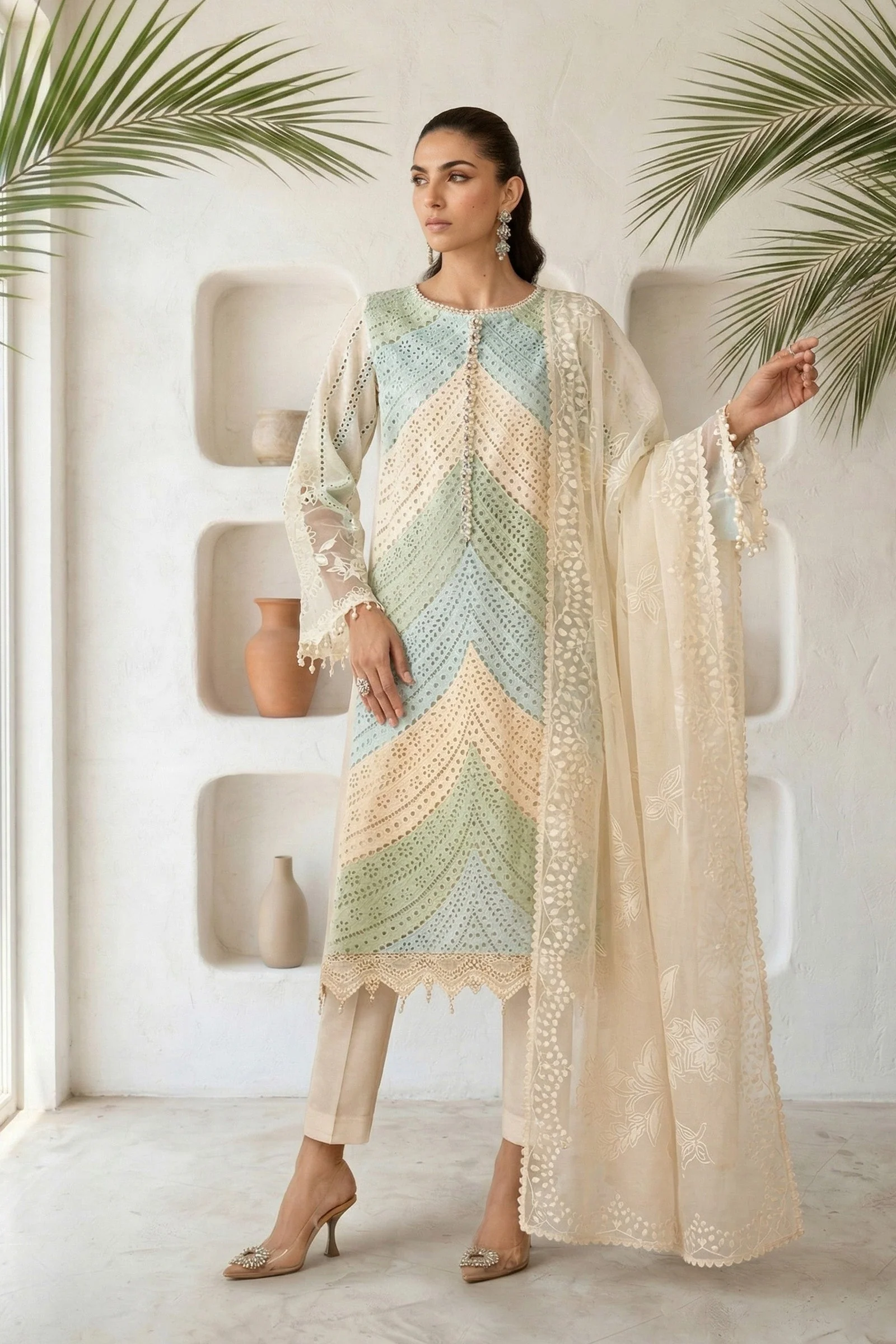
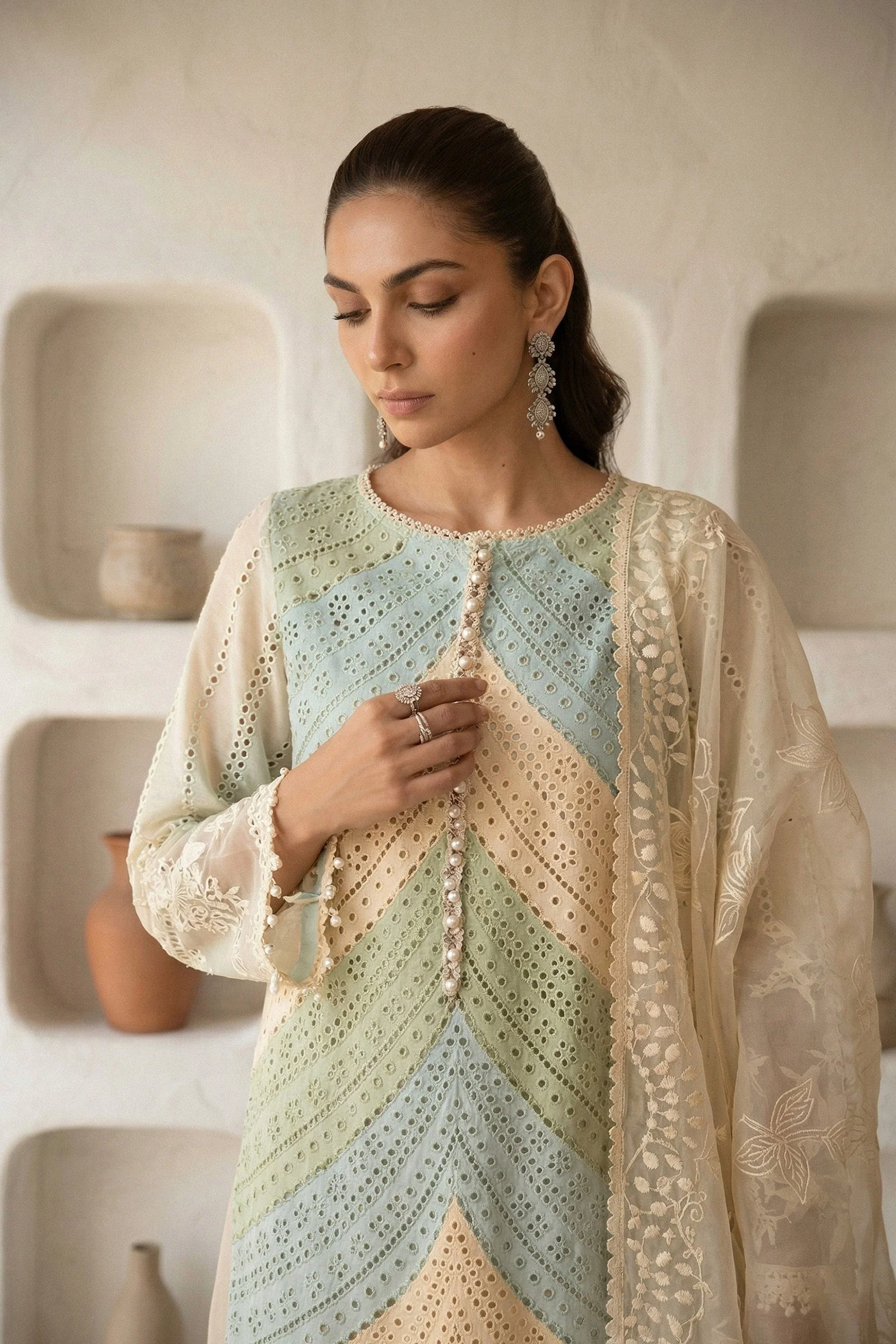 Wholesale
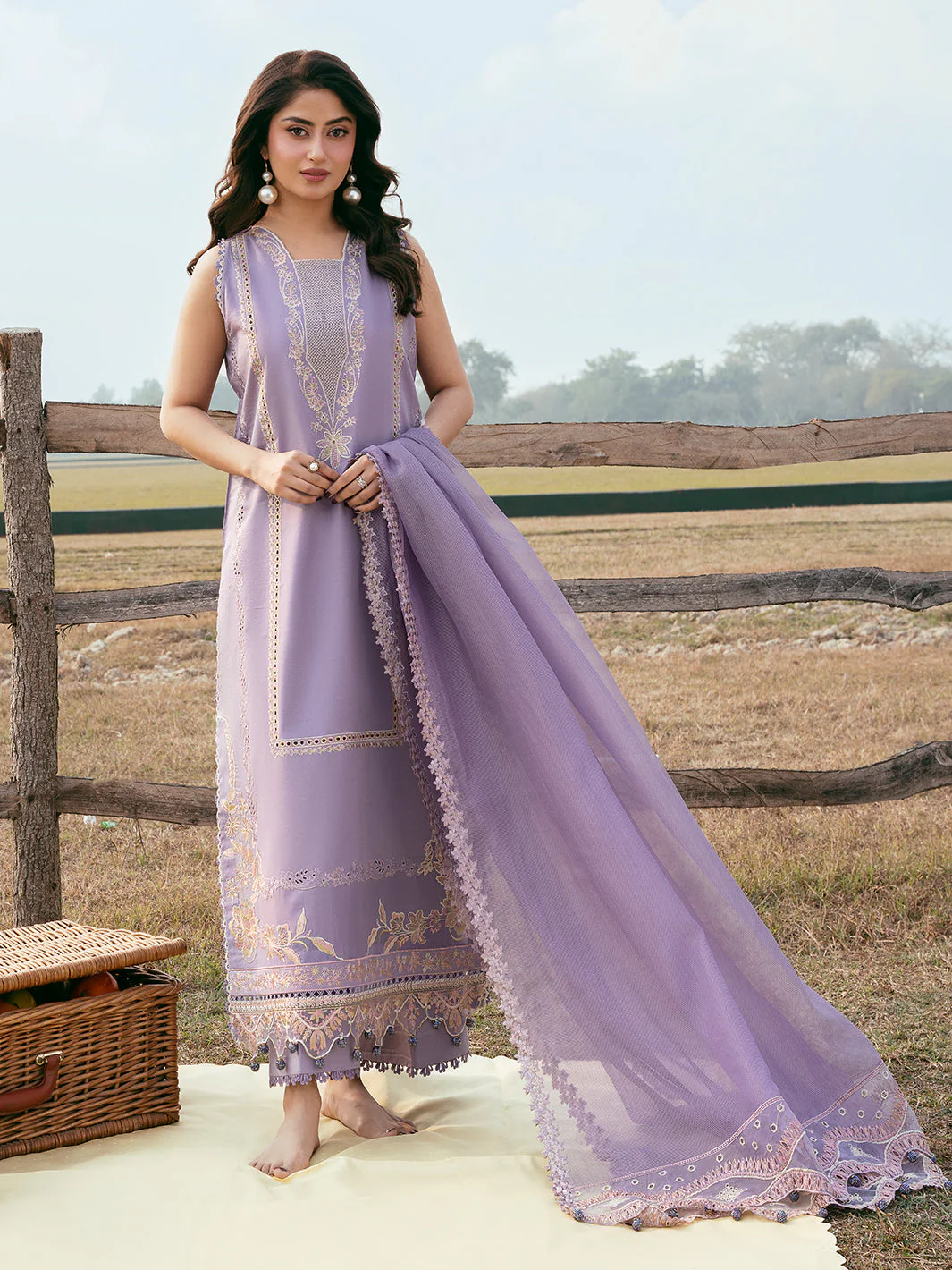
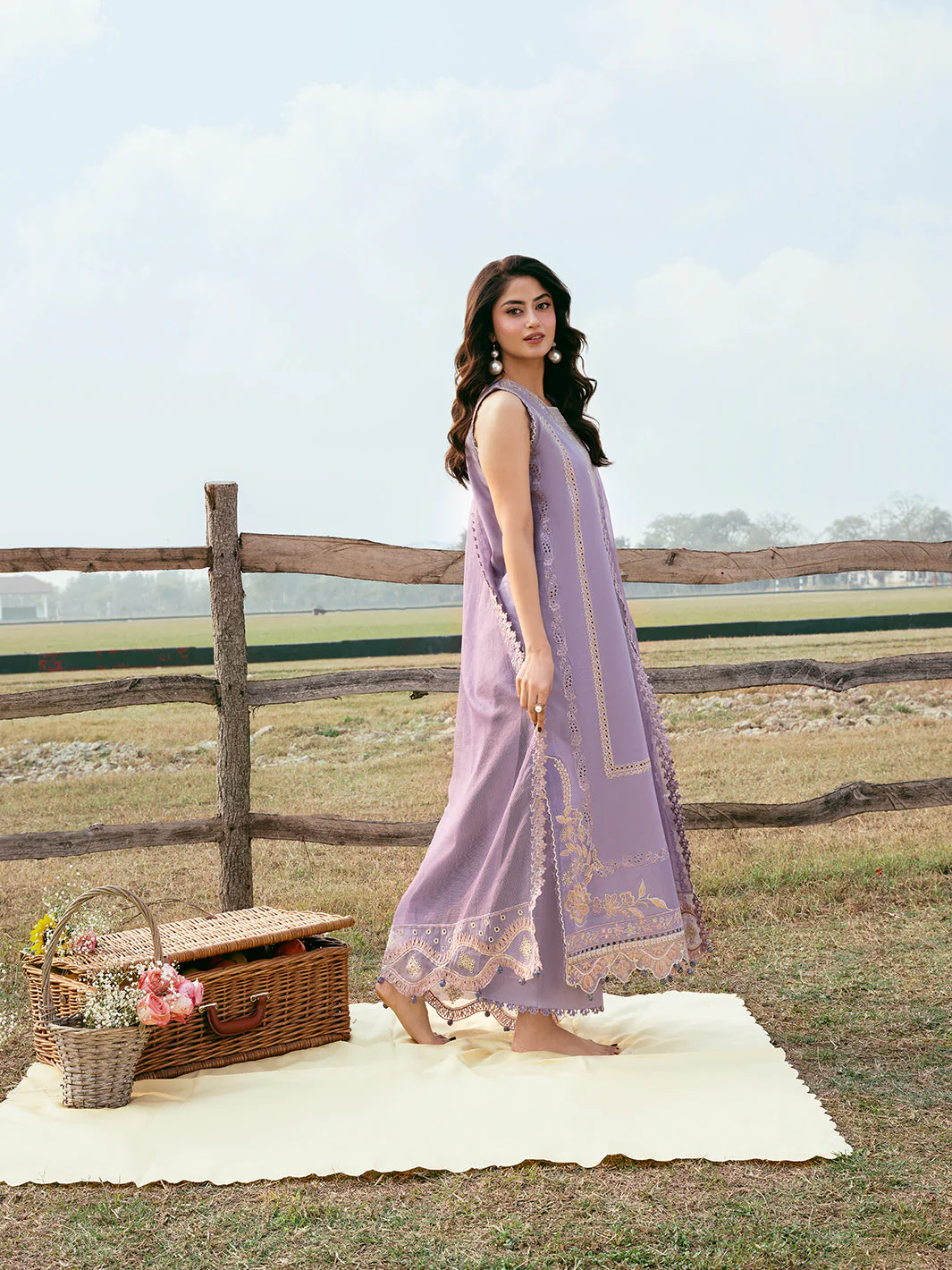 Wholesale
 Wholesale
 Wholesale
 Wholesale
 Wholesale
 Wholesale
 Wholesale
 Wholesale
 Wholesale
 Wholesale
 Wholesale
 Wholesale
 Wholesale
 Wholesale
 Wholesale
 Wholesale
 Wholesale
 Wholesale
 Wholesale
Start small, test your market, reorder what sells.
Fresh arrivals every week to keep your rails new.
Woven labels, tags and branded packaging.
Express courier to the UK, USA, Canada, Australia & UAE.
About this collection
The demand for Pakistani fashion in the United States continues to create opportunities for boutique owners, clothing retailers, online store operators, and independent resellers. Traditional outfits are appreciated for their beautiful embroidery, comfortable fabrics, attractive colours, and variety of designs. From everyday lawn suits to luxurious wedding dresses, Pakistani clothing offers something for customers with different fashion preferences and budgets. Indiana is an interesting market for retailers who want to introduce South Asian fashion to their customers. Cities such as Indianapolis, Fort Wayne, Bloomington, Carmel, and South Bend provide opportunities for clothing businesses to reach different customer groups. Whether you operate a physical boutique, manage an online clothing store, or sell through social media, offering Pakistani outfits can help you expand your product selection. Finding the right Pakistani Dress Wholesale Supplier Indiana is an important part of building a successful clothing business. You need to consider fabric quality, stitching, design variety, wholesale pricing, shipping arrangements, and supplier communication before purchasing inventory. Mastorat helps buyers explore Pakistani fashion collections and understand different wholesale sourcing options. Instead of limiting your business to a small selection of locally available outfits, you can research international collections and discover styles that match your customers' preferences. This guide explains how wholesale Pakistani clothing works, which products retailers should consider, how to evaluate suppliers, and what to know before importing clothing into Indiana. Fashion preferences in the United States are becoming increasingly diverse. Customers from different cultural backgrounds appreciate clothing that combines traditional designs with modern styling. Pakistani fashion fits this demand because it offers a wide selection of outfits for everyday wear, family celebrations, formal occasions, and weddings. Indiana retailers can benefit from this interest by introducing collections that appeal to both South Asian customers and people who enjoy international fashion. Several factors contribute to the popularity of these outfits. Pakistani clothing combines traditional craftsmanship with contemporary fashion trends. Designers experiment with embroidery, printed patterns, decorative necklines, sleeve styles, and different silhouettes. Customers can choose from simple outfits for everyday use or detailed designs for special occasions. This flexibility makes Pakistani clothing suitable for boutiques that want to serve different customer groups. Fabric selection is another important reason people appreciate Pakistani fashion. Cotton, lawn, chiffon, khaddar, organza, and other materials provide different textures and styling options. Lightweight fabrics are particularly useful for warmer weather, while heavier materials work well for colder seasons and formal events. Pakistani collections include designs for teenagers, young adults, middle-aged customers, and older women. Retailers can maintain a balanced inventory by offering different colours, sizes, and styles. Rather than concentrating on one fashion category, boutique owners can develop collections for casual shopping, family gatherings, celebrations, and wedding events. Retailers can create a specialised clothing section instead of competing directly with general fashion stores. Offering carefully selected Pakistani outfits can help a boutique develop a recognisable identity. Businesses can also introduce matching accessories, scarves, jewellery, and other complementary products to increase the value of their collections. Before investing in inventory, it is useful to understand how international wholesale clothing works. Wholesale suppliers, manufacturers, distributors, and online fashion platforms may all play different roles in the supply chain. Some businesses manufacture clothing themselves, while others purchase collections from designers or production units and distribute them to retailers. For an Indiana-based business, sourcing may involve purchasing clothing from Pakistan and arranging international delivery to the United States. Buyers should understand the difference between the following sourcing options. Buying directly from a manufacturer can be useful when you need larger quantities or want to discuss specific production requirements. Manufacturers may offer opportunities to select fabrics, colours, embroidery patterns, and sizing specifications. However, minimum order quantities can be higher, and production timelines may vary. Distributors purchase clothing from manufacturers and sell it to retailers. They may offer ready-made collections, making it easier for smaller businesses to purchase different designs without arranging manufacturing themselves. Online platforms make it easier to discover clothing collections and compare available options. Buyers can review product categories, explore designs, and contact suppliers without travelling internationally. For example, retailers can explore Pakistani Dress Wholesale Supplier USA to understand the broader American market and research different sourcing opportunities. It is also useful to study international collections through Pakistani Dress Wholesale Supplier Pakistan and Pakistani Dress Wholesale Supplier India. Comparing different markets gives retailers a better understanding of available designs, product categories, and sourcing approaches. Starting a clothing business involves several decisions. You need to identify suitable products, understand customer preferences, manage inventory, and maintain consistent quality. Searching for individual suppliers without a clear plan can consume considerable time. A structured approach to exploring collections makes the process easier. Mastorat provides a place to explore Pakistani clothing categories and wholesale-related collections. Retailers can use its website to research fashion options and identify products that may suit their business requirements. If you are researching the Pakistani Dress Wholesale Supplier Indiana market, consider the following factors when exploring your sourcing options. A successful boutique usually needs more than one type of outfit. Customers may visit your store for casual clothing, formal dresses, wedding outfits, or seasonal collections. Exploring different categories helps you understand which products could complement your existing inventory. Before purchasing stock, compare available designs, fabric descriptions, colours, and product specifications. Do not select an outfit simply because its photographs look attractive. Consider whether the product matches your target audience and whether its expected retail price makes commercial sense. Online research allows retailers to explore collections without travelling between multiple markets. You can prepare a shortlist, compare product options, and communicate with potential suppliers before making a purchasing decision. Instead of purchasing large quantities immediately, new retailers should begin with a manageable inventory plan. Testing a smaller collection can help you understand customer demand before investing in additional products. Choosing the right products is essential for a boutique's long-term performance. Different customers have different expectations, so retailers should build a collection that offers variety without making inventory management unnecessarily complicated. Here are several categories worth considering. <PRIVATE_PERSON> Lawn suits are a popular choice for customers who appreciate lightweight and comfortable clothing. These outfits are suitable for warm weather and everyday styling. Retailers can consider printed lawn, embroidered lawn, and three-piece collections. Popular design features include: A balanced lawn collection can attract customers looking for practical clothing that still offers traditional styling. Chiffon outfits are suitable for customers who want something more decorative than everyday clothing. These designs often include embroidered details, embellished necklines, and elegant dupattas. They can work well for family celebrations, dinner events, and festive occasions. Retailers should consider stocking different levels of embellishment to accommodate customers with different budgets. Wedding fashion offers opportunities for boutiques that want to serve customers shopping for special occasions. Pakistani formal collections may include: These products generally require more attention to fabric details, finishing, sizing, and presentation. Casual suits can help retailers maintain an affordable everyday clothing section. Customers often appreciate simple designs that are easy to wear, comfortable, and suitable for regular activities. A selection of printed outfits in different colour combinations can provide variety without making the collection overly complicated. Designer-inspired clothing attracts customers who enjoy distinctive cuts, embroidery, and carefully coordinated colours. You can explore different styles through Pakistani Designer Dresses. When selecting designer collections, pay attention to fabric descriptions, original product information, finishing quality, and the accuracy of product photographs. Indiana is not a single uniform clothing market. Customer preferences can differ depending on the city, neighbourhood, age group, cultural background, and shopping habits. A boutique in Indianapolis may have a different audience from a small online clothing business operating in Bloomington or Fort Wayne. Understanding these differences can help you select products more carefully. As the state's largest city, Indianapolis offers opportunities for clothing retailers serving diverse communities. A boutique can consider a balanced collection containing casual suits, embroidered outfits, festive clothing, and formal dresses. The best product selection should be based on actual customer enquiries and sales rather than assumptions about local demand. Retailers serving Fort Wayne can explore a combination of everyday outfits and occasion wear. Simple embroidered suits, printed collections, and comfortable fabrics may be useful categories to test. Businesses in Bloomington can consider customers interested in contemporary styling, cultural fashion, and versatile outfits. A carefully selected collection with modern colours and different silhouettes may help attract a broader audience. Retailers operating in these areas can research demand for formal outfits, festive collections, and everyday Pakistani clothing. The important thing is to understand what customers are actually purchasing instead of maintaining unnecessary inventory. Fashion trends do not remain within national borders. Designers, retailers, social media creators, and fashion buyers influence customer preferences across international markets. Pakistani clothing businesses can benefit from observing how different countries present and sell traditional outfits. For instance, UK retailers may focus on occasion wear and seasonal collections, while businesses in the UAE often showcase luxury formal clothing. Canadian retailers may pay attention to comfortable fabrics and clothing suitable for changing temperatures. Exploring Pakistani Clothes Wholesale Suppliers UK and Pakistani Dress Wholesale in Dubai can provide additional market inspiration. However, international popularity does not automatically mean a particular outfit will sell well in Indiana. Retailers should use these collections as inspiration and make purchasing decisions according to their own customers. Choosing a supplier requires more than comparing prices. A low-cost product may become expensive if it arrives with poor stitching, incorrect sizing, or inconsistent fabric quality. Before placing an order, evaluate the supplier carefully. Product descriptions should provide useful information about the clothing. Look for details such as: If important information is missing, ask the supplier before making a purchase. Photographs should accurately represent the actual product. Ask whether images show the exact outfit being sold or are only catalogue references. This is particularly important when purchasing formal dresses with detailed embroidery. If you are purchasing multiple pieces of the same design, ask how the supplier maintains consistency. Differences in stitching, fabric shade, embroidery placement, and measurements can affect customer satisfaction. A dependable business relationship requires clear communication. Before placing a bulk order, confirm how you can contact the supplier, receive order updates, and resolve problems. Researching suppliers in other countries can help you understand different approaches to wholesale fashion. For additional market comparisons, explore: Use these resources to explore the wider market while independently verifying each supplier's business details and purchasing terms. Although your primary customers may be located in Indiana, an online clothing business can potentially reach buyers across other parts of the United States. Selling through an e-commerce website, social media, or established marketplaces can help retailers expand their audience. Before expanding, make sure your business has a reliable inventory system, clear product descriptions, suitable packaging, and an organised order fulfilment process. You can also study international collections through: These markets provide additional opportunities to research international fashion preferences. For an Indiana retailer, the main advantage of studying different markets is understanding how clothing collections can be presented to customers with different tastes. Indiana experiences noticeable seasonal changes. Retailers should consider these conditions when planning their clothing inventory. A collection that performs well during summer may not attract the same level of interest during colder months. Seasonal planning can help reduce unsold stock and maintain a relevant product selection. Lightweight outfits are useful during warmer months. Consider stocking: Lighter colours and comfortable fabrics can appeal to customers looking for practical summer outfits. Autumn provides an opportunity to introduce transitional clothing. Retailers can explore medium-weight fabrics, deeper colour combinations, and outfits suitable for family gatherings. Collections can include embroidered cotton suits, khaddar options, and semi-formal designs. During colder months, customers may prefer heavier fabrics and warmer outfits. Potential categories include: Retailers should pay attention to fabric composition and communicate accurate product information. Spring can be a suitable time to introduce fresh colours, floral designs, and festive collections. Retailers can prepare their inventory around Eid, wedding seasons, family celebrations, and other occasions relevant to their customer base. For additional seasonal inspiration, explore Pakistani Dress Wholesale Supplier in Saudi Arabia and Pakistani Dress Wholesale Supplier Turkey. Pricing plays an important role in the success of a clothing business. Retailers need to understand the complete cost of purchasing and selling an outfit rather than focusing only on its wholesale price. A product may look affordable initially, but additional expenses can reduce the expected profit margin. When calculating your purchasing cost, consider: Adding these costs together provides a more realistic picture of your investment. Some suppliers offer different prices depending on order quantity. For example, a larger order may reduce the price per outfit, but purchasing more stock also increases financial risk. New retailers should avoid ordering large quantities simply to obtain a lower unit price. Your retail price should cover the total product cost while remaining reasonable for your target customers. Consider the quality, design, market demand, competition, and overall shopping experience. A boutique selling premium formal dresses may follow a different pricing strategy from a business specialising in affordable casual suits. You can research additional collections through: Remember that differences in shipping costs, taxes, exchange rates, and supplier arrangements can influence final prices. Online catalogues have made clothing research more convenient for retailers. Instead of relying entirely on physical visits, buyers can review product photographs, compare collections, and identify designs that match their business requirements. A well-organised catalogue can help you understand the available styles before contacting a supplier. Reviewing different collections helps you identify common patterns in colours, embroidery, fabric choices, and styling. You can shortlist outfits according to your target customers and preferred retail price range. A boutique should avoid mixing every type of outfit into one collection. Organise inventory into categories such as: This makes product selection easier and helps customers navigate your store. Before using supplier photographs on your website, confirm that you have permission to use them. Also ensure that the images represent the actual products available for purchase. You can explore Pakistani Catalogue Dress Wholesale to research catalogue-based clothing collections. The fashion industry changes regularly. Colours, fabrics, cuts, embroidery techniques, and customer preferences can shift from one season to another. Retailers who monitor these changes can make more informed inventory decisions. Not every customer prefers heavily decorated clothing. Simple embroidery, clean necklines, and subtle detailing can appeal to shoppers who want elegant everyday outfits. Soft colours are frequently used in contemporary Pakistani fashion. Light pink, mint, beige, lavender, and similar shades can provide variety in a collection. Modern silhouettes, straight shirts, wide-leg trousers, and coordinated separates can attract customers looking for traditional clothing with contemporary styling. Practical outfits remain important for customers who want clothing they can wear regularly. Lightweight fabrics, simple prints, and comfortable cuts can form an important part of a boutique's inventory. Customers shopping for weddings, Eid, parties, and family celebrations often have different expectations from everyday shoppers. Keeping separate categories for these occasions makes it easier to develop targeted collections. Retailers can research broader market developments through Pakistani Dress Wholesale Market. A physical store is not the only way to sell Pakistani clothing. An online boutique can help you reach customers across Indiana and potentially other states. However, an online business requires planning, accurate product information, and consistent customer service. Select a platform that allows you to display products, manage inventory, process payments, and organise orders. Your website should be easy to navigate on both desktop and mobile devices. Every product listing should include useful information. Consider adding: Accurate descriptions help customers make informed purchasing decisions. Clothing photographs influence online buying decisions. Show the outfit from different angles and include close-up images of embroidery, fabric texture, and important design details. Avoid using images that misrepresent the actual product. Platforms such as Instagram, Facebook, and Pinterest can help clothing businesses present new collections. You can publish outfit photographs, styling ideas, seasonal collections, and product announcements. Consistent branding and genuine product information help build customer confidence. A good online store should make the shopping process straightforward. Provide clear information about pricing, payment methods, shipping arrangements, order tracking, and return conditions. Customers are more likely to purchase again when they receive reliable service. International shipping is an important part of importing Pakistani fashion into the United States. Before confirming an order, retailers should understand how the supplier handles packing, transportation, customs documentation, and delivery. Shipping arrangements depend on the size, weight, value, and urgency of the order. Common options include international courier services and air cargo. Courier services may be convenient for smaller shipments, while larger commercial orders may require different freight arrangements. Ask the supplier for an estimated delivery period before purchasing. Delivery times can vary because of production schedules, transportation arrangements, customs processing, and other logistical factors. Do not advertise a delivery date to customers until you have a reasonable basis for that estimate. Commercial imports into the United States may involve customs documentation, duties, taxes, and other applicable requirements. Retailers should understand their responsibilities before importing stock. The declared value, product description, country of origin, and shipment documentation should be accurate. Clothing should be packed carefully to reduce the risk of moisture, stains, and transportation damage. For larger orders, ask how individual outfits are protected and whether the packaging supports organised inventory handling. Whenever tracking is available, keep the shipment reference and monitor its progress. This makes it easier to identify delays and communicate accurate updates to customers. Starting a boutique does not necessarily require a large showroom or extensive inventory. A small business can begin with a carefully selected product range and expand as customer demand becomes clearer. Here is a practical approach. Identify the customers you want to serve. Think about their preferred clothing styles, age groups, budgets, and shopping habits. You can also research competing boutiques and online clothing stores to understand the products they offer. Choose a manageable collection instead of trying to sell every type of Pakistani outfit immediately. You might begin with printed suits, embroidered lawn, and a limited selection of formal dresses. Compare available suppliers and review their product information. Look for clear communication, transparent purchasing terms, and realistic shipping arrangements. If possible, purchase sample pieces before placing a large order. Check the fabric, stitching, measurements, colour accuracy, embroidery, and finishing. Prepare a budget that includes product costs, shipping, customs expenses, marketing, packaging, and other business costs. Keep some funds available for unexpected expenses. Record the product name, design, size, colour, quantity, and purchasing cost. An organised inventory system helps you monitor stock and identify popular products. Present your products through a physical boutique, website, or social media channels. Use accurate photographs and descriptions to explain what customers are purchasing. Monitor which products attract enquiries and generate sales. Use this information to decide what to reorder and which categories need improvement. Quality control should never be treated as an optional step. A supplier may provide attractive catalogue photographs, but the finished product must meet your expectations. This is especially important when selling clothing to customers who expect consistent fabric quality and accurate sizing. Check whether the fabric matches the description provided by the supplier. Pay attention to thickness, texture, softness, colour, and overall appearance. Examine the seams, hems, sleeves, neckline, and trouser finishing. Poor stitching can create problems after customers wash or wear the outfit. Size labels are not always consistent between manufacturers. Ask for actual measurements and compare them with the sizing information used by your boutique. For embroidered clothing, inspect thread quality, stitching density, pattern placement, and finishing. Loose threads and uneven embroidery can affect the overall appearance. If you purchase multiple pieces of the same design, check whether the products are consistent. Differences in colour, material, or finishing can lead to customer complaints. Inventory management is one of the biggest challenges for new clothing businesses. Purchasing too many outfits can tie up money in products that take months to sell. On the other hand, maintaining too little stock may result in missed sales opportunities. A balanced approach is usually more practical. Test different styles and observe customer responses before increasing order quantities. A smaller collection allows you to learn which products work without taking unnecessary financial risks. Record which sizes customers purchase most frequently. This information can help you plan future orders more effectively. Maintain separate records for summer, winter, festive, and formal collections. This makes it easier to identify products that may need to be discounted or reordered. If certain outfits are not attracting attention, investigate the reason. The issue may involve pricing, photography, sizing, fabric, or a mismatch with customer preferences. Use sales information to improve future purchasing decisions. Selling quality clothing is important, but building a recognisable brand can help your business stand out. Customers should be able to understand what your boutique offers and why they should shop with you. Select a business name, logo, and visual style that reflect your clothing collection. Keep the branding consistent across your website, packaging, and social media profiles. Avoid exaggerated descriptions or misleading claims. Explain fabric details, outfit components, sizing, and available colours clearly. Respond to product questions professionally. Customers may need help choosing sizes, understanding fabric types, or selecting outfits for particular occasions. Clearly communicate your delivery arrangements, payment conditions, and return policies. Do not promise services or guarantees that your business cannot provide. After successful purchases, invite customers to share their experiences. Authentic feedback can help new shoppers understand your products and service quality. New retailers can make costly mistakes when they focus only on product appearance or wholesale prices. Understanding these risks before purchasing can help protect your business. Buying without checking samples: Product photographs cannot always show fabric texture, stitching quality, or accurate colours. Request samples whenever practical. Ignoring additional expenses: Shipping, customs charges, and payment fees can significantly affect your total purchasing cost. Ordering too much inventory: Large orders may offer better unit pricing, but unsold clothing can create financial pressure. Choosing products without market research: An outfit that performs well in another country may not necessarily appeal to your customers. Ignoring sizing information: Inconsistent measurements can result in exchanges, complaints, and unnecessary costs. Failing to confirm return conditions: Understand how damaged, incorrect, or missing products will be handled before making payment. Using misleading product photographs: Customers expect the delivered product to match the images and descriptions shown online. Depending on one clothing category: A limited collection may not appeal to customers with different preferences and budgets. Ignoring customer feedback: Customer enquiries and purchasing behaviour can provide valuable information about which designs to stock next. A wholesale clothing supplier serving Indiana buyers may provide different Pakistani clothing categories, including printed suits, embroidered lawn, chiffon dresses, formal outfits, wedding collections, and seasonal clothing. The exact product range depends on the supplier and its available inventory. Buyers should review product descriptions, fabric information, sizing, and purchasing conditions before placing orders. Online sourcing also allows retailers to explore collections from international businesses without depending entirely on local clothing distributors. Start by identifying the clothing categories that match your customers' preferences. Next, research wholesale collections, review product details, compare prices, and contact the supplier to confirm availability. Before purchasing in bulk, ask about minimum order quantities, payment methods, shipping costs, delivery estimates, and return conditions. If samples are available, inspect them before committing to a larger order. Minimum order quantity, commonly called MOQ, varies between suppliers. Some businesses may accept smaller orders, while manufacturers producing customised collections may require larger quantities. The MOQ can also depend on the fabric, design, product category, and production arrangements. Do not assume that every supplier follows the same minimum order policy. Confirm the exact quantity and pricing directly before purchasing. Some suppliers may offer smaller wholesale packages, ready-made collections, or mixed-design orders. These options can be helpful for new boutique owners who want to test customer demand before investing in a large inventory. However, availability depends on the supplier's business model and stock arrangements. Ask whether different designs can be combined within one order and whether the pricing changes according to quantity. Many international clothing businesses offer shipping to the United States, but delivery availability depends on the supplier and shipping arrangements. Before ordering, confirm that the supplier can deliver to your Indiana address. Also ask about shipping charges, estimated delivery times, tracking, customs documentation, and any additional import expenses. Retailers can consider several categories, depending on their target audience. Printed lawn suits and cotton outfits may be suitable for everyday wear. Chiffon and embroidered collections can serve customers shopping for parties and celebrations. Velvet, khaddar, and heavier formal clothing may be worth considering for colder seasons. The best selection should be based on customer demand rather than assumptions. Designer-style collections may be available through different wholesalers, distributors, and fashion businesses. Availability, pricing, and minimum quantities depend on the particular collection. Retailers should check whether the products are authentic designer items, independently produced designs, or designer-inspired outfits. Accurate product descriptions are important when presenting these products to customers. Start by reviewing fabric descriptions, product photographs, stitching details, and available measurements. If possible, request samples before placing a larger order. Inspect the fabric, seams, embroidery, colour accuracy, finishing, and overall construction. For repeat purchases, compare new stock with previously approved samples to maintain consistency. Wholesale pricing depends on fabric, embroidery, design complexity, manufacturing costs, order quantity, and supplier arrangements. Additional expenses may include international transportation, customs duties, taxes, and payment processing charges. Retailers should calculate their complete landed cost before deciding how much to charge customers. Comparing similar products from multiple suppliers can also help establish a reasonable purchasing budget. Some manufacturers and wholesale businesses may offer customisation options. These can include fabric selection, colour changes, embroidery adjustments, sizing specifications, and other design modifications. However, customised production may involve higher minimum quantities, additional costs, and longer preparation times. Discuss the available options and obtain written confirmation before approving a custom order. Verify the business details, product information, payment arrangements, shipping terms, and return conditions. Ask for clear photographs and written product specifications. Confirm the total order value and any additional expenses. For a first purchase, consider starting with a smaller order or sample shipment where available. Avoid making payments without understanding the supplier's terms. Yes. A clothing business can operate through an e-commerce website, social media platforms, or suitable online marketplaces. You should provide accurate product descriptions, clear photographs, transparent pricing, and reliable order fulfilment. Your website should also include useful information about shipping, payment methods, customer support, and return conditions. Online selling can help you reach customers beyond your immediate city. Plan purchases according to the weather, upcoming celebrations, and customer preferences. For warmer months, consider lightweight fabrics and breathable outfits. For colder months, explore khaddar, velvet, and heavier materials. Keep records of seasonal sales to understand which products perform well. Ordering gradually can help prevent unnecessary inventory expenses. Document the problem immediately by taking clear photographs and recording the affected products. Contact the supplier using the agreed communication channel and provide the order details. Refer to the original return or replacement conditions to understand the available solution. For future orders, clarify how damaged, missing, or incorrect items will be handled before completing payment. The Pakistani fashion market offers interesting opportunities for retailers who understand their customers and select products carefully. From comfortable everyday suits to beautifully embroidered formal dresses, these collections provide variety for boutiques, online stores, and independent clothing sellers. Building a successful business requires more than finding attractive outfits. Retailers need to evaluate product quality, understand wholesale pricing, manage inventory, plan international shipping, and provide reliable customer service. If you are researching a Pakistani Dress Wholesale Supplier Indiana, take time to compare different collections and understand the purchasing arrangements before making a financial commitment. Mastorat can help you explore Pakistani fashion categories and research wholesale clothing opportunities through its online collections. You can use these resources to understand available styles, compare product categories, and plan a collection that suits your business goals. Start with a manageable selection, test customer demand, and expand your inventory as you learn which products perform best. With careful sourcing, realistic pricing, and consistent quality control, your Indiana clothing business can develop a strong product range and build lasting customer relationships.
Why Pakistani Fashion Is Attracting Customers in Indiana
Traditional Designs With Modern Appeal
Comfortable Fabrics for Everyday Clothing
Clothing for Different Age Groups
Opportunities for Boutique Businesses
Understanding the Wholesale Pakistani Clothing Market
Direct Manufacturer Purchasing
Wholesale Distributors
Online Wholesale Platforms
Why Indiana Retailers Should Explore Mastorat
Access to Different Clothing Categories
Better Product Research
Convenient Online Research
More Flexible Inventory Planning
Pakistani Dress Categories Worth Stocking in Indiana
Embroidered Lawn Suits
Luxury Chiffon Dresses
Wedding and Party Wear
Casual Printed Suits
Designer Collections
Understanding Customer Preferences Across Indiana
Indianapolis
Fort Wayne
Bloomington
Carmel and South Bend
How International Fashion Trends Influence Indiana Boutiques
How to Select a Reliable Wholesale Clothing Partner
Review Product Information
Check Product Photographs
Understand Production Standards
Discuss Communication and Support
Compare International Suppliers
Expanding Your Clothing Business Beyond Indiana
Seasonal Pakistani Clothing Collections for Indiana
Summer Clothing
Autumn Collections
Winter Clothing
Spring and Festive Fashion
Wholesale Pricing and Profit Planning
Understand the Cost Per Item
Compare Different Order Quantities
Set a Suitable Retail Price
Compare International Markets
The Importance of Online Fashion Catalogues
Explore Multiple Designs
Organise Products by Category
Use Catalogue Images Carefully
Wholesale Fashion Trends Retailers Should Monitor
Minimal Embroidery
Pastel Colour Combinations
Contemporary Cuts
Comfortable Everyday Clothing
Occasion-Specific Collections
Building an Online Pakistani Clothing Boutique in Indiana
Choose a Suitable E-commerce Platform
Create Detailed Product Pages
Use High-Quality Product Images
Develop a Social Media Strategy
Focus on Customer Experience
Shipping Pakistani Clothing to Indiana
Choose the Appropriate Shipping Method
Confirm Delivery Estimates
Understand Customs Requirements
Check Packaging Standards
Track Your Shipment
How to Start a Pakistani Clothing Wholesale Business in Indiana
Step 1: Research Your Target Audience
Step 2: Select Your Product Categories
Step 3: Research Wholesale Sources
Step 4: Request Product Samples
Step 5: Calculate Your Investment
Step 6: Organise Your Inventory
Step 7: Launch Your Collection
Step 8: Review Sales Performance
Quality Control Before Accepting a Bulk Order
Inspect Fabric Quality
Review Stitching
Check Measurements
Examine Embroidery
Compare Bulk Pieces
Managing Inventory and Avoiding Overstocking
Start With a Small Collection
Monitor Popular Sizes
Track Seasonal Demand
Review Slow-Moving Products
Creating a Distinctive Brand for Your Boutique
Choose a Clear Brand Identity
Maintain Accurate Product Information
Offer Helpful Customer Support
Build Trust Through Transparency
Encourage Genuine Customer Feedback
Common Mistakes to Avoid When Buying Wholesale Pakistani Dresses
Frequently Asked Questions
What does a Pakistani clothing wholesale supplier in Indiana offer?
How can I order Pakistani dresses for my Indiana boutique?
What is the minimum order quantity for Pakistani clothing?
Can I purchase wholesale Pakistani dresses in small quantities?
Do international suppliers deliver Pakistani dresses to Indiana?
Which Pakistani clothing styles are suitable for Indiana customers?
Are Pakistani designer dresses available for wholesale buyers?
How can I check the quality of Pakistani wholesale dresses?
How is the price of wholesale Pakistani clothing calculated?
Can I customise Pakistani outfits for my boutique?
What should I check before paying an international clothing supplier?
Can I sell Pakistani dresses online from Indiana?
How do I manage seasonal clothing inventory?
What should I do if wholesale clothing arrives damaged?
Final Thoughts: Building a Successful Pakistani Clothing Business in Indiana
How wholesale works
Tap “Get price” on any design, or send us your list on WhatsApp.
Wholesale prices, MOQ and shipping for your country, usually within a few hours.
Every piece is inspected, and you get photos of your packed order.
DHL, FedEx, Skynet or cargo. Typically 5–7 working days by courier.
“Today I have received 5 boxes like 276 suits. All the dresses are so beautiful and the quality is 100% good…”
“Mastorat is a game-changer in the world of unstitched suits! The quality of fabric is top-notch…”
“Best place to buy wholesale cloth UK”
Free wholesale quote
Tell us which designs you like and roughly how many pieces. We will reply with wholesale prices, MOQ and delivery options for your country.
Wholesale · Free quote