
Sale!
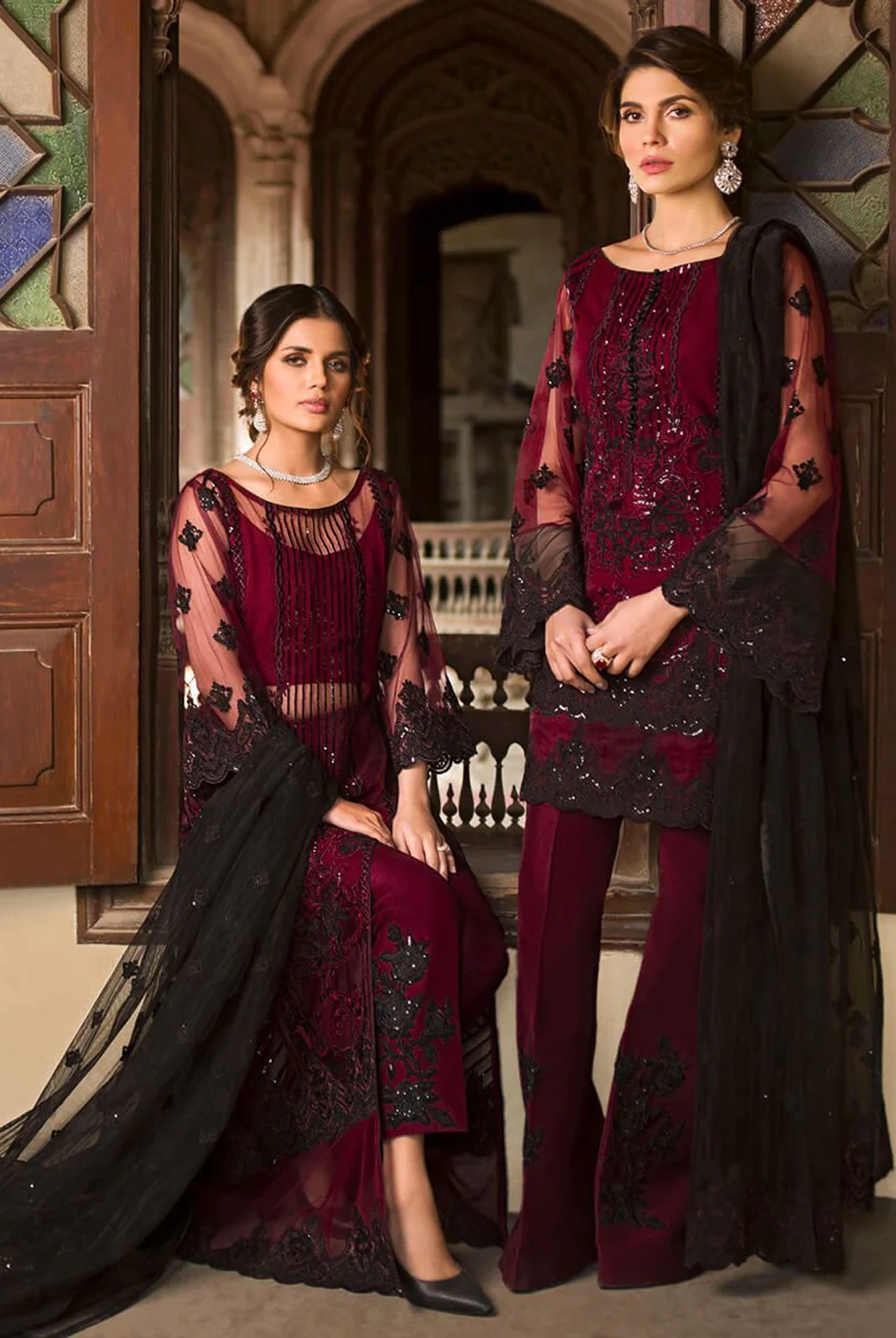

Original price was: ₨17,500.00.₨13,500.00Current price is: ₨13,500.00.
Sale!


Original price was: ₨16,000.00.₨13,000.00Current price is: ₨13,000.00.
Sale!


Original price was: ₨18,500.00.₨14,000.00Current price is: ₨14,000.00.
Sale!

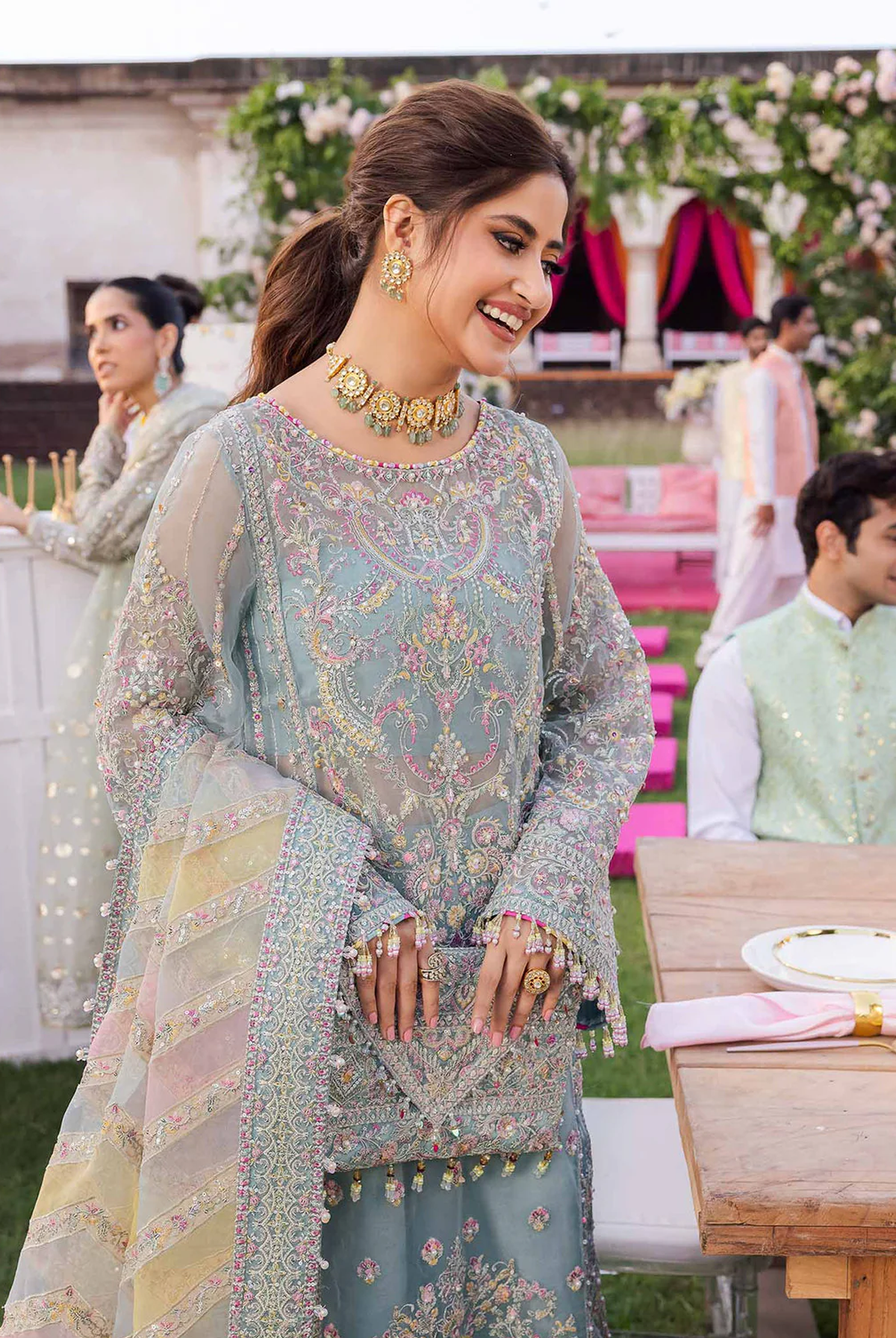
Original price was: ₨14,000.00.₨12,000.00Current price is: ₨12,000.00.
Sale!
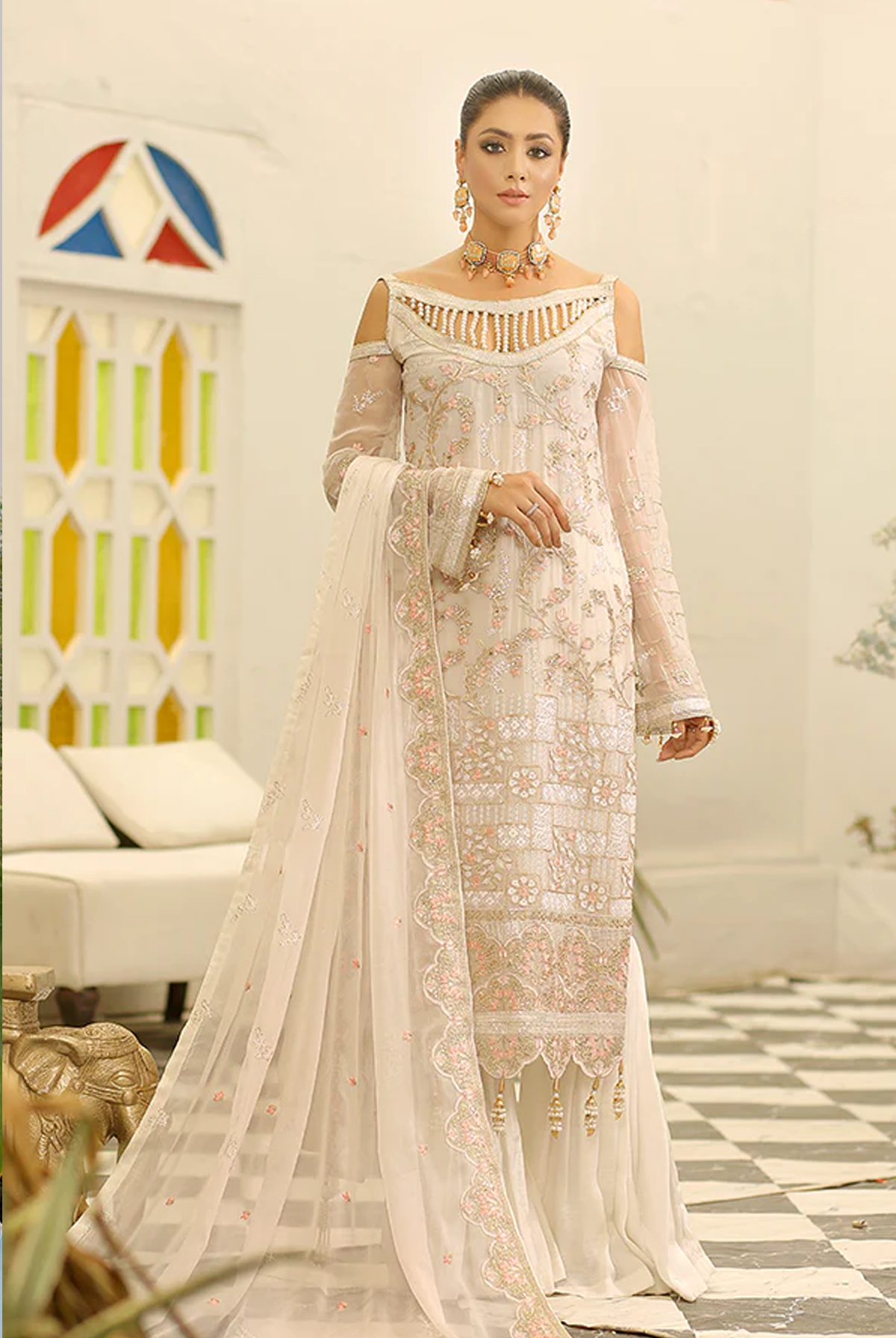

Original price was: ₨15,000.00.₨13,500.00Current price is: ₨13,500.00.
Sale!


Original price was: ₨16,000.00.₨12,500.00Current price is: ₨12,500.00.
Sale!


Original price was: ₨17,500.00.₨15,500.00Current price is: ₨15,500.00.
Sale!
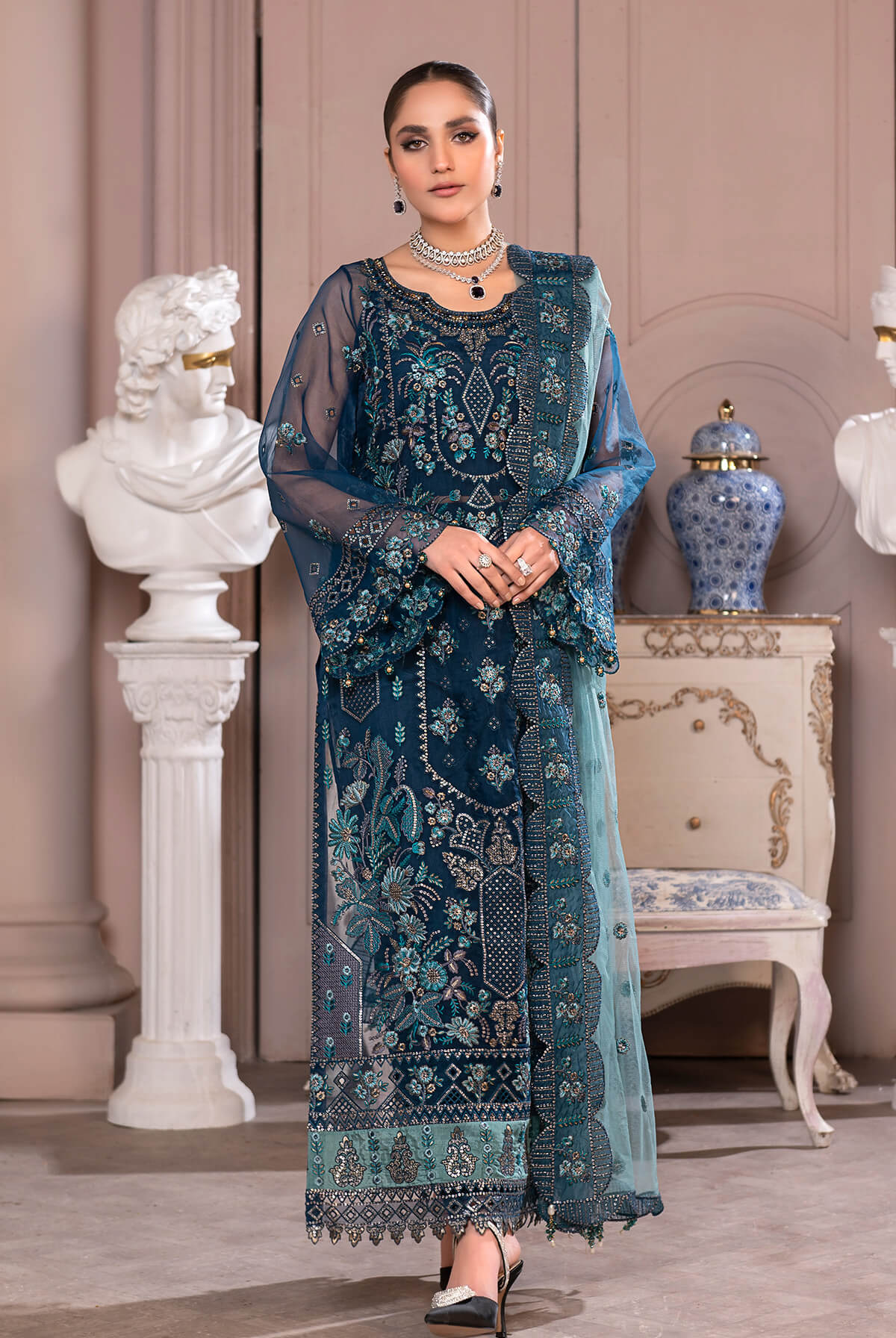

Original price was: ₨14,000.00.₨9,500.00Current price is: ₨9,500.00.
Sale!


Original price was: ₨16,000.00.₨14,000.00Current price is: ₨14,000.00.
Sale!


Original price was: ₨19,000.00.₨14,000.00Current price is: ₨14,000.00.
Sale!


Original price was: ₨16,500.00.₨15,000.00Current price is: ₨15,000.00.
Sale!


Original price was: ₨15,000.00.₨11,500.00Current price is: ₨11,500.00.
Sale!

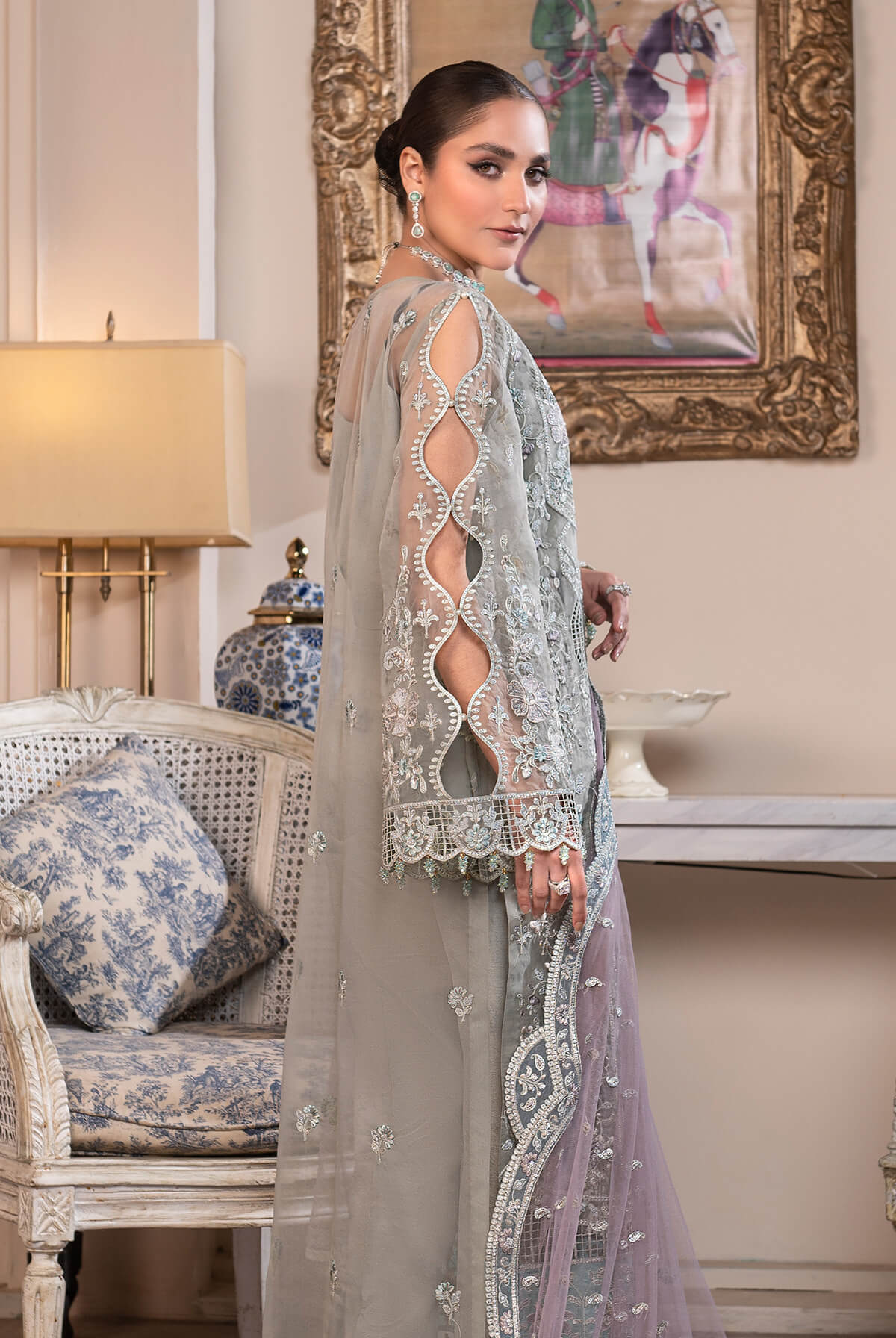
Original price was: ₨14,000.00.₨11,500.00Current price is: ₨11,500.00.
Sale!


Original price was: ₨15,500.00.₨13,500.00Current price is: ₨13,500.00.
Sale!


Original price was: ₨13,500.00.₨12,500.00Current price is: ₨12,500.00.
Pakistani Dress Wholesale Supplier Dominican Republic | Mastorat
The international fashion industry has created new opportunities for retailers who want to offer distinctive clothing without relying entirely on local manufacturers. Pakistani fashion is one category that can help boutiques, online stores, and independent clothing businesses introduce a wider variety of designs to their customers. Known for decorative embroidery, versatile fabrics, traditional craftsmanship, and contemporary silhouettes, Pakistani clothing includes options for everyday wear, formal occasions, celebrations, and bridal events.
For businesses exploring a Pakistani Dress Wholesale Supplier Dominican Republic, the first step is understanding the products that may suit their customers, the costs involved in importing garments, and the practical requirements of managing international orders. Mastorat provides a starting point for exploring Pakistani clothing collections and wholesale sourcing opportunities. Retailers can use its product range to investigate different styles, compare categories, and plan an assortment that fits their business model.
The Dominican Republic has a diverse retail environment shaped by local tastes, tourism, social occasions, and international fashion influences. A boutique in Santo Domingo may serve customers looking for distinctive formal outfits, while an online store may focus on versatile clothing that appeals to buyers across the country. Understanding these differences helps retailers choose inventory more carefully instead of purchasing products simply because they are popular elsewhere.
This guide explains how Dominican Republic retailers can approach Pakistani clothing wholesale, evaluate product categories, plan budgets, review shipping considerations, and develop a practical marketing strategy. It also explores ways to use internal product and sourcing resources on Mastorat when researching collections for a fashion business.
Understanding the Opportunity for Pakistani Fashion in the Dominican Republic
The Dominican Republic has a fashion-conscious consumer market influenced by Caribbean culture, international media, tourism, and changing shopping habits. Customers purchase clothing for everyday activities, professional settings, parties, weddings, religious celebrations, and other special occasions. These varied needs create opportunities for retailers to offer products that differ from standard local collections. Pakistani clothing can introduce another dimension to a boutique's assortment. Embroidered suits, flowing formal outfits, printed fabrics, and coordinated sets provide alternatives for customers who appreciate detailed workmanship and distinctive styling. However, retailers should assess actual local demand before committing to large quantities. The appeal of a product category can vary between locations, customer groups, and price ranges. A useful starting point is to research customer preferences through conversations, social media polls, competitor reviews, and small product launches. Retailers can identify whether their audience is more interested in casual outfits, formal occasionwear, unstitched fabrics, or premium designer collections. These findings can guide purchasing decisions and reduce the likelihood of holding stock that does not match local demand. Businesses comparing international sourcing options can review Pakistani clothes wholesale suppliers to learn about the broader product category. They may also explore the UK market through Pakistani clothes wholesalers UK as part of their research into international retail approaches. These pages can support general sourcing research, although each supplier's current terms, product availability, and shipping arrangements should be confirmed separately.Why Retailers Should Research Their Wholesale Supplier Carefully
Choosing a wholesale supplier is an important business decision because the supplier influences product selection, order planning, communication, and the overall purchasing experience. Attractive designs alone are not enough to establish a reliable supply relationship. Retailers should also understand garment specifications, minimum order quantities, payment requirements, production timelines, and the process for handling damaged or incorrect items. Mastorat offers retailers a way to explore Pakistani clothing categories and investigate collections suited to different market segments. Before placing an order, buyers should review the available product information and confirm any details that are not clearly stated. This is particularly important for international purchases, where returning merchandise or resolving misunderstandings may involve additional costs. Retailers should evaluate several factors when assessing a potential supplier:- Product range: Check whether the available clothing categories match the intended customer base.
- Fabric information: Review fabric composition, texture, care requirements, and any available specifications.
- Sizing details: Confirm measurements and sizing conventions before ordering garments for resale.
- Product images: Compare photographs, descriptions, colours, and included accessories where information is available.
- Order requirements: Ask about minimum quantities, available sizes, colour options, and purchasing conditions.
- Communication: Establish how questions, order updates, and potential issues will be handled.
- Delivery arrangements: Confirm shipping methods, estimated timelines, and responsibility for import-related charges.
- Quality expectations: Request clear details about inspection procedures and what happens if goods arrive damaged or differ materially from the order.
Exploring Pakistani Designer Dresses for Boutique Collections
Designer clothing can help a boutique create a distinctive identity, especially when customers are looking for garments for celebrations and formal occasions. Pakistani designer dresses often feature embroidery, carefully coordinated colours, decorative necklines, layered fabrics, and detailed finishing. The exact appearance depends on the collection, materials, and intended use of each outfit. Retailers can explore Pakistani designer dresses when researching formal and occasionwear. Before choosing designs, they should consider the local customer profile. A boutique serving customers who prefer understated styling may need a different assortment from a store targeting buyers who enjoy heavily embellished garments. It is useful to divide the collection into clear product groups. For example, a retailer might offer a small selection of premium formal outfits, a broader range of mid-priced occasionwear, and a few versatile pieces suitable for smaller gatherings. This approach can make product selection easier and help the business understand which styles attract the most interest. Presentation also matters. Customers often want to understand how a garment looks from the front and back, how the fabric falls, and what components are included. Clear product photographs and accurate descriptions can reduce confusion and support more informed purchases. Retailers selling online should provide details about stitching, lining, embellishments, measurements, and garment care wherever possible. Designer products may require a higher initial investment than basic clothing. Buyers should therefore calculate the total landed cost before deciding on retail prices. This includes the purchase price, international transport, applicable duties and taxes, payment fees, packaging, and other costs associated with receiving and preparing the stock for sale.Choosing Designer Suits for Different Customer Needs
Coordinated suits are another useful category for retailers exploring Pakistani clothing. Depending on the collection, they may include a shirt or tunic, trousers, and a dupatta or another matching component. Designs range from simple everyday sets to elaborate outfits intended for celebrations. Retailers can review Pakistani designer suits to investigate different styles and identify products that may suit their intended audience. Rather than purchasing every design in a collection, buyers should select pieces that complement their existing inventory and provide variety in colour, fabric, cut, and decoration. A balanced assortment can include lightweight options for warm weather, modest everyday designs, and more detailed pieces for events. Since the Dominican Republic has a tropical climate in many areas, fabric comfort deserves particular attention. Breathable materials and manageable layers may appeal to customers who need clothing suitable for warm conditions. Retailers should also distinguish between stitched and unstitched products. Stitched garments offer convenience to customers who want a ready-made outfit, while unstitched sets provide more flexibility for tailoring. Both formats can be useful, but they serve different shopping preferences and may involve different inventory requirements. When evaluating coordinated sets, confirm exactly what is included in each product. Do not assume that accessories, jewellery, shoes, lining, or additional fabric are part of the package unless the product description specifically says so. Accurate information makes it easier to calculate the selling price and communicate the offer to customers.Product Categories Worth Considering
A successful clothing assortment does not need to include every available style. It should provide a clear selection that reflects customer demand, available capital, storage capacity, and the retailer's brand positioning. Pakistani fashion includes several categories that businesses can investigate before making purchasing decisions.Formal and Party Wear
Formal clothing can be suitable for customers attending weddings, celebrations, dinners, and other special events. These garments may feature embroidered details, decorative sleeves, layered designs, or fabrics selected for a more refined appearance. Retailers should compare the complexity of the design with the intended selling price. Highly decorated garments may require more careful storage and handling, particularly when they include delicate embroidery or embellishments. Product descriptions should explain the garment's construction and care requirements so customers can make informed choices.Everyday and Casual Collections
Everyday clothing can help retailers serve customers who want attractive designs for regular use. Depending on the available assortment, this category may include printed suits, simple coordinated sets, and lighter outfits with minimal decoration. For the Dominican Republic market, comfort, fabric weight, and ease of care may be important selection criteria. Buyers should inspect fabric details and avoid assuming that every item described as lightweight or casual will perform equally well in a warm climate.Bridal and Special Occasion Clothing
Bridal collections can offer a premium category for retailers whose customers actively seek elaborate outfits for weddings and formal celebrations. Such garments may involve detailed embroidery, richer fabrics, and more complex construction. Because bridal purchases are often expensive and highly personal, retailers should verify sizing, garment measurements, colour details, included components, and delivery timing. Customers may need extra time for alterations, so businesses should avoid promising a specific arrival date unless the shipping and processing schedule has been confirmed.Unstitched Fabric and Suit Sets
Unstitched products are worth considering for retailers who serve customers with access to local tailoring services. Buyers can select fabric sets and arrange stitching according to personal measurements and preferred styling. Retailers researching this category can visit Pakistani dress material wholesale to explore fabric-focused sourcing. They should verify fabric length, composition, included pieces, colour options, and whether the listed price covers a complete set or an individual component.Catalogue-Based Collections
Catalogue sourcing can make it easier to compare several styles before placing an order. Retailers can use Pakistani catalogue dress wholesale as a reference when investigating collection-based purchasing. Before ordering from any catalogue, buyers should confirm whether the displayed designs are currently available, whether colours may vary between batches, and whether the photographs show the exact item being supplied. They should also ask whether designs can be reordered later if a product proves popular with customers.Understanding the Wholesale Supply Process
International clothing sourcing usually involves several stages, from selecting products to receiving stock at the final destination. Understanding each stage helps retailers plan their cash flow and set realistic expectations. The process commonly begins with product research. The retailer identifies a target customer, chooses relevant categories, and compares available designs. Next, the buyer requests information about prices, quantities, sizes, production status, and delivery options. Once the details have been reviewed, the buyer can calculate the expected total cost and decide whether the order fits the business budget. After an order is confirmed, the supplier's role may involve preparing existing stock, coordinating production, checking the goods, packing the shipment, and arranging dispatch. The precise steps depend on the supplier's operating model and the type of order. Retailers should ask which activities are included rather than assuming every supplier follows the same procedure. The buyer should also establish how order changes are handled. Changes to colour, size, quantity, or design may affect availability and timing. Written confirmation of the final order is useful because it creates a clear record of what was agreed. For comparison, businesses can investigate other sourcing pages, including Pakistani dress wholesale suppliers in India and Pakistani dress wholesale suppliers in Bangladesh. These links provide additional market references; retailers should independently verify each supplier's capabilities and terms before entering a commercial arrangement.Building a Product Mix for the Dominican Republic
A thoughtful product mix gives a boutique more flexibility than relying on one type of garment. It can also help the retailer serve customers with different budgets and shopping occasions. The right balance depends on the business's location, customer profile, sales channels, and purchasing capacity. A new retailer may prefer a limited test collection rather than a large order covering many designs. The first assortment could include a few casual pieces, several coordinated suits, and a smaller number of formal outfits. Sales results can then guide future purchases. Businesses should record more than total sales. Useful measures include the number of enquiries, product-page visits, conversion rates, customer feedback, return requests, and the time required to sell each item. These details can reveal whether a product is genuinely in demand or simply attracts attention online. Stock planning should also account for size availability. A design may attract interest, but sales can be lost if the required sizes are unavailable. Buyers should review the size range before ordering and determine whether the supplier can provide consistent sizing across different designs. Colour selection deserves similar care. Customers may prefer particular colours for formal occasions, everyday use, or seasonal events. Instead of ordering large quantities of one shade without evidence, retailers can test a broader but smaller selection and expand the best-performing options later. A product mix should be reviewed regularly. The aim is not to keep every item in stock indefinitely, but to learn from customer behaviour and direct future spending toward the categories that best fit the business.Comparing Wholesale Prices and Calculating Costs
Wholesale prices are only one part of the total cost of importing clothing. A product that appears inexpensive at the supplier's listed price may become less attractive after transport, customs charges, payment fees, and other expenses are included. Retailers should prepare a landed-cost estimate before confirming an order. Depending on the arrangement, the calculation may include:- The purchase price of each garment or fabric set.
- Packing and handling charges.
- International freight and insurance, where applicable.
- Customs duties, taxes, and clearance fees.
- Payment processing or currency-conversion charges.
- Local transport from the arrival point to the business.
- Packaging, labelling, storage, and preparation for resale.
- An allowance for damaged goods, returns, or unsold inventory.
Shipping and Import Considerations for the Dominican Republic
Shipping is a major consideration when sourcing clothing from another country. Delivery options may differ according to shipment size, urgency, cost, product availability, and the supplier's arrangements. Retailers should compare the available options instead of choosing solely on the basis of the lowest quoted freight price. Air freight may be appropriate when timing is important or the shipment is relatively small. Sea freight can be worth investigating for larger shipments where the retailer has enough time to wait for delivery. The best option depends on the full cost, the expected arrival window, and the consequences of a delay. Before paying for an order, buyers should ask for the following information:- The estimated dispatch date and delivery window.
- The shipping method and freight charges.
- The documents supplied with the shipment.
- The party responsible for customs clearance.
- Whether duties and taxes are included in the quoted price.
- How tracking information will be provided.
- What happens if the shipment is delayed, lost, or damaged.
- Whether insurance is available and what it covers.
Learning from International Wholesale Markets
International market research can help retailers understand different sourcing approaches, product categories, and customer expectations. However, conditions in one country should not automatically be treated as evidence of demand in another. Buyers should use international references to generate ideas and then test those ideas against their own market. For example, retailers may investigate Pakistani dress wholesale in Dubai and Pakistani dress wholesale in USA when exploring how Pakistani clothing is presented to international customers. These markets may offer useful examples of product categorisation, online merchandising, and occasionwear positioning. Businesses can also review Pakistani designer clothes online to consider how designer garments are displayed and described. Clear photography, organised categories, and informative product descriptions can improve the shopping experience regardless of location. Retailers should distinguish between inspiration and direct comparison. Prices, shipping charges, taxes, purchasing conditions, and customer preferences can vary considerably by country. A price or product strategy that works in one market may not be suitable for a Dominican Republic boutique. The most useful research is specific and measurable. Retailers can compare competitors, note common product categories, identify gaps in their own assortment, and test a small number of products before making broader decisions.Understanding Customer Preferences and Local Demand
Before selecting inventory, retailers should define the customers they want to serve. A business targeting wedding guests may require a different assortment from an online store focused on affordable everyday clothing. Understanding the target audience makes it easier to choose designs, set prices, and develop marketing messages. Customer research does not have to be expensive. Retailers can ask existing customers what styles they want to see, track questions received through social media, and review which products attract the most engagement. A small online poll can help compare interest in formal outfits, printed suits, unstitched fabrics, and coordinated sets. Retailers should also consider practical factors such as climate, garment care, occasion, and fit. Clothing that looks appealing in a photograph may not meet a customer's needs if the fabric feels too heavy, the sizing is unclear, or the outfit requires complicated care. Language and product descriptions are also important. Retailers should describe each garment accurately, explain the pieces included, and provide measurements in a format customers understand. If the business serves customers who speak different languages, professionally prepared translations may improve clarity. Feedback should be reviewed after sales as well as before purchasing. Questions about fit, colour, fabric, delivery, and care can help identify improvements for future product listings and supplier discussions.Marketing Pakistani Clothing to Local Buyers
Marketing helps potential customers understand what makes a product relevant to them. For a boutique selling Pakistani fashion, the strongest approach is usually to combine clear product information with appealing photography and realistic descriptions. Social media can be useful for introducing new arrivals, showing fabric details, and explaining how different garments can be styled. Short videos can show movement and texture more effectively than a single image, while close-up photographs can help customers examine embroidery and finishing. Retailers should avoid making unsupported claims about fabric quality, exclusivity, handmade construction, or designer origins. Every claim should match the product information supplied by the manufacturer or wholesaler. Honest descriptions help set appropriate expectations and support long-term customer trust. A practical marketing plan may include:- Product photographs that show the garment clearly.
- Descriptions covering fabric, fit, colour, and included pieces.
- Styling suggestions for different occasions.
- Announcements for new collections and restocks.
- Customer questions answered promptly and accurately.
- Promotions that reflect actual stock and pricing.
- A website or catalogue organised by product type and price range.
- Follow-up messages requesting feedback from customers who have purchased.
Improving Online Visibility with Useful Content
A retailer that sells through a website can use search-friendly content to help potential customers discover its products. Search optimisation works best when each page answers a clear question and provides useful information about the products being offered. A product page should have a descriptive title, accurate product details, clear images, and an easy way for customers to ask questions or place an order. Category pages can explain the differences between formal wear, casual collections, designer suits, and unstitched fabrics. The focus phrase Pakistani Dress Wholesale Supplier Dominican Republic should appear naturally where it helps explain the page's purpose. It does not need to be repeated in every heading, paragraph, or product description. Excessive repetition can make the page difficult to read and may weaken the overall quality of the content. Retailers should also use relevant internal links to help visitors discover related products and sourcing information. For example, a page about coordinated outfits can link to the designer suits category, while a fabric guide can link to the material wholesale page. Links should be placed where they genuinely help the reader rather than added randomly. Search performance should be assessed over time. Retailers can review which pages receive impressions, which search queries lead to visits, and whether those visits result in enquiries or sales. These findings can guide updates to product descriptions, category pages, and educational content.Managing Inventory and Reducing Business Risk
Inventory management is particularly important for retailers importing clothing because money may be tied up in stock for an extended period. Ordering too much of an untested design can reduce the funds available for marketing, operating expenses, and future purchases. A cautious approach begins with an inventory plan. Retailers should identify the maximum amount they can afford to invest, decide which categories are most important, and set limits for individual products. The plan should include funds for unexpected expenses rather than allocating the entire budget to merchandise. Stock records should show the quantity purchased, landed cost, selling price, date received, and number of units sold. These records make it easier to identify slow-moving products and calculate the real performance of each category. Retailers can also use a reorder point. When the quantity of a popular item falls below a chosen level, the business reviews whether another order is justified. The reorder decision should account for supplier availability, delivery time, current demand, and the amount of cash available. Returns and quality issues should be tracked as well. If customers repeatedly report inconsistent sizing or a difference between photographs and delivered products, the retailer should investigate the cause before ordering more stock. Sharing clear feedback with the supplier can help establish whether the issue relates to product selection, descriptions, packaging, or manufacturing.Building a Long-Term Relationship with a Supplier
A productive supplier relationship depends on clear communication and realistic expectations. Retailers should provide accurate order details, pay according to agreed terms, and communicate concerns promptly. Suppliers, in turn, should provide clear product information and explain any changes affecting availability or delivery. Before entering a long-term arrangement, businesses should evaluate how well the supplier handles questions, documents orders, and responds to problems. A lower price may not represent good value if the purchasing process is unclear or important information is consistently missing. Written records are useful for every significant order. Keep copies of quotations, invoices, product specifications, payment confirmations, shipping details, and any agreement about replacements or refunds. These records can help resolve misunderstandings and make repeat purchasing more efficient. Retailers should also ask about the possibility of reordering successful designs. Consistent availability can make it easier to maintain a recognisable collection, although the retailer should confirm whether the same fabric, colour, or design will remain available. Mastorat can be explored as part of the retailer's sourcing research, but buyers should verify current offerings, terms, and shipping arrangements directly before making a commercial commitment. A careful evaluation is more valuable than relying solely on general descriptions of a supplier.Expanding into Related Product Categories
Once a retailer understands its customers and has reliable sales information, it may consider expanding into related categories. Expansion should be based on evidence of demand and available resources rather than the assumption that a larger catalogue automatically produces higher sales. A boutique that initially sells casual suits might test a small selection of formal garments. A store serving customers who prefer custom tailoring may introduce unstitched fabrics. An online retailer with a strong audience for occasionwear may investigate coordinated accessories or additional designs within its existing price range, provided those products fit the business's brand and operational capabilities. Related sourcing pages can support further research. Retailers may review Pakistani dress wholesale suppliers in Italy and Pakistani dress wholesale suppliers in France for additional international market references. These pages should be treated as research resources rather than proof that a specific product or commercial opportunity will perform well in the Dominican Republic. Expansion should be gradual. Test the new category, measure customer response, calculate the actual margin, and review the time required to sell the stock. If the results are positive, the retailer can increase the assortment in stages. If demand is weak, the business can adjust its selection without having committed too much capital.Seasonal Planning for Formal and Everyday Clothing
Seasonal planning helps retailers align purchasing with expected customer needs. Clothing demand can change around weddings, holidays, family celebrations, local events, and tourism-related shopping periods. The timing and scale of these patterns should be established through local research rather than assumed from another country's calendar. Retailers should create a purchasing calendar that includes the expected order date, supplier preparation period, shipping window, customs clearance, and time needed to prepare products for sale. This calendar helps businesses avoid placing orders too late for an important event. Formal outfits may need more detailed planning than basic everyday products because customers can be particular about colour, fit, and occasion. Retailers should allow time for customers to view the garments and arrange any required alterations. It is also useful to plan for stock after a season ends. A design that sells well during one period may remain suitable for other occasions, while a highly specific product may require a different pricing or promotion strategy. Reviewing previous sales helps retailers decide which items to reorder and which to purchase in smaller quantities next time.Common Mistakes to Avoid When Importing Clothing
International sourcing can offer valuable opportunities, but several avoidable mistakes can increase costs and create problems for retailers. One common mistake is ordering large quantities before testing customer demand. A product may look attractive in a catalogue but perform differently in the local market. Small test orders, where available, can provide useful evidence before the business commits more funds. Another mistake is calculating profit using only the wholesale purchase price. Shipping, customs charges, payment fees, packaging, and operating expenses all affect the final result. Retailers should prepare a complete cost estimate before setting their selling prices. Unclear product specifications can also lead to disappointment. Buyers should confirm fabric details, measurements, colour options, garment components, and the exact design being ordered. Where possible, request additional photographs or a sample if the order size and supplier arrangements make this practical. Some businesses also overlook delivery timing. An order arriving after a major selling period may be less useful, even if the garments themselves are suitable. Confirm timelines and allow for potential delays. Finally, retailers should avoid relying on unverified promises. Statements about guaranteed profits, unlimited availability, fixed delivery dates, or exceptional quality should be supported by clear terms and evidence. A careful buying process protects both the business's finances and its relationship with customers.A Practical Checklist Before Placing an Order
Before confirming a wholesale purchase, retailers can use a checklist to ensure that the important details have been reviewed. Product selection- Confirm that the chosen garments match the target customer.
- Check available sizes, colours, and product specifications.
- Verify what components are included with each outfit.
- Review photographs and descriptions for consistency.
- Obtain a current quotation.
- Calculate the expected landed cost.
- Confirm the payment method and schedule.
- Review minimum order quantities and any additional charges.
- Confirm the proposed shipping method.
- Request an estimated dispatch and delivery window.
- Clarify who handles customs clearance.
- Check applicable import requirements and potential duties.
- Ask about tracking, insurance, and damaged shipments.
- Confirm how discrepancies or damaged products are reported.
- Understand any available replacement or refund terms.
- Keep order records and payment confirmations.
- Review the process for placing repeat orders.