
Sale!


Original price was: ₨16,000.00.₨15,000.00Current price is: ₨15,000.00.
Sale!
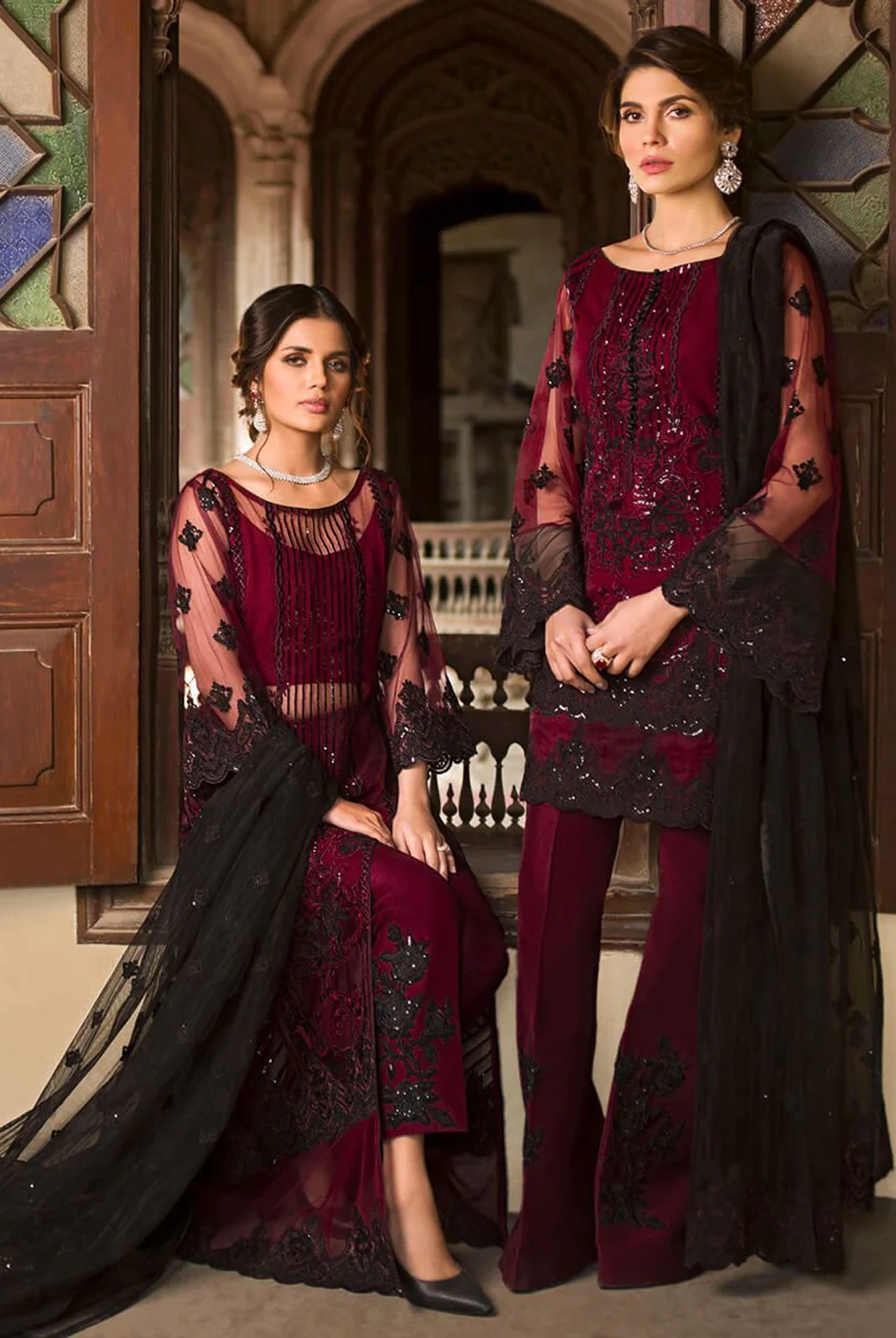

Original price was: ₨17,500.00.₨13,500.00Current price is: ₨13,500.00.
Sale!


Original price was: ₨16,000.00.₨13,000.00Current price is: ₨13,000.00.
Sale!


Original price was: ₨18,500.00.₨14,000.00Current price is: ₨14,000.00.
Sale!

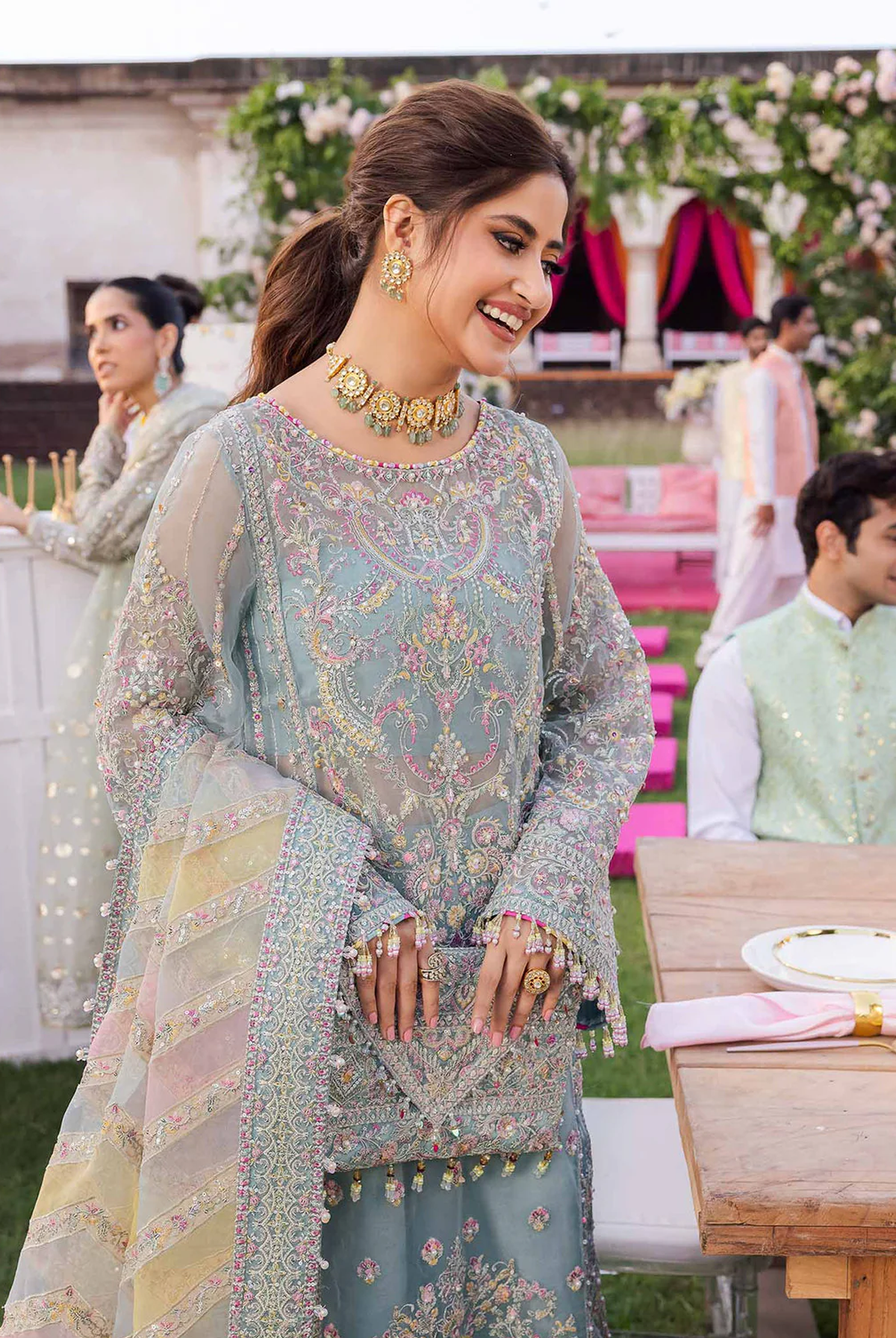
Original price was: ₨14,000.00.₨12,000.00Current price is: ₨12,000.00.
Sale!
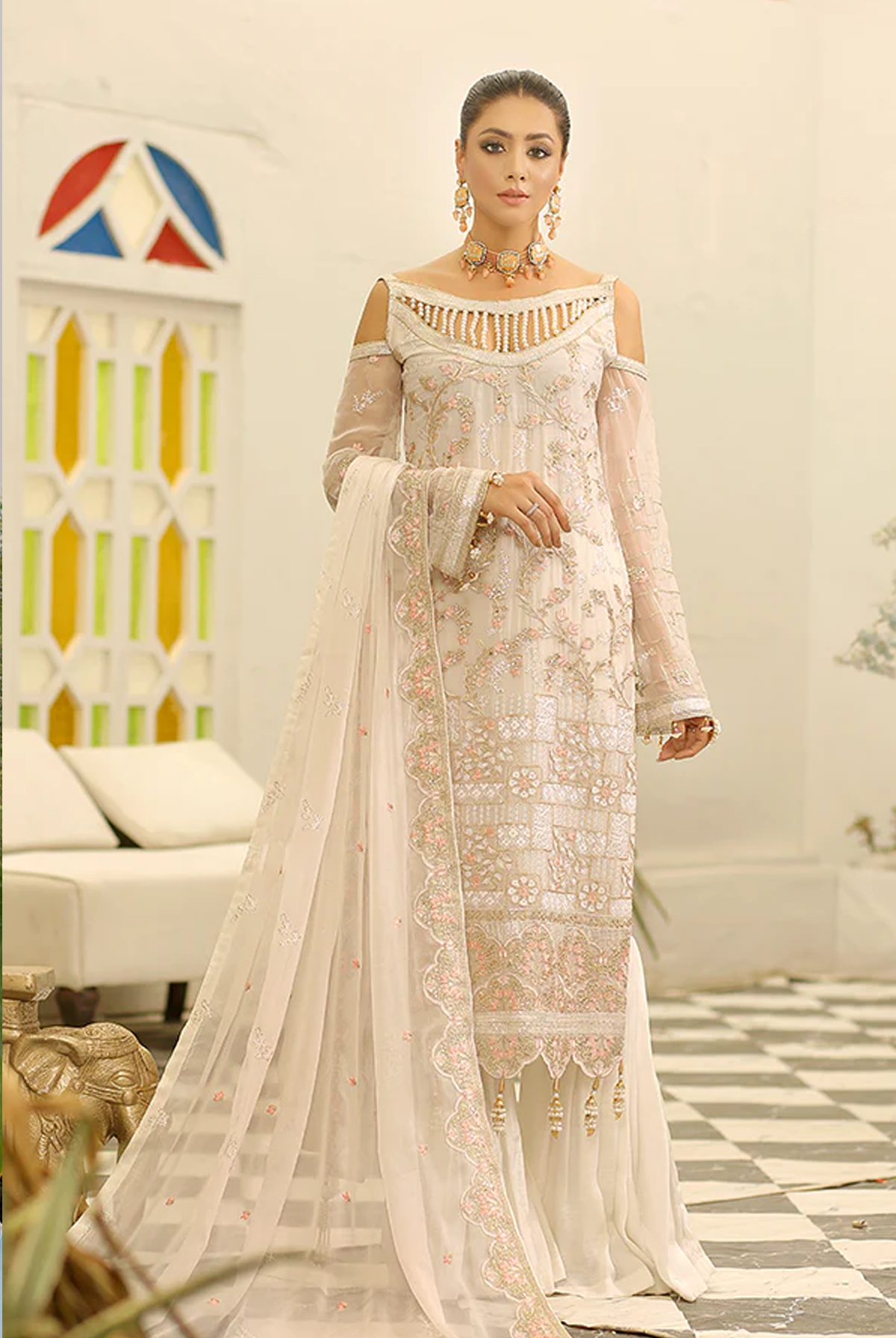

Original price was: ₨15,000.00.₨13,500.00Current price is: ₨13,500.00.
Sale!


Original price was: ₨16,000.00.₨12,500.00Current price is: ₨12,500.00.
Sale!


Original price was: ₨11,500.00.₨9,500.00Current price is: ₨9,500.00.
Sale!
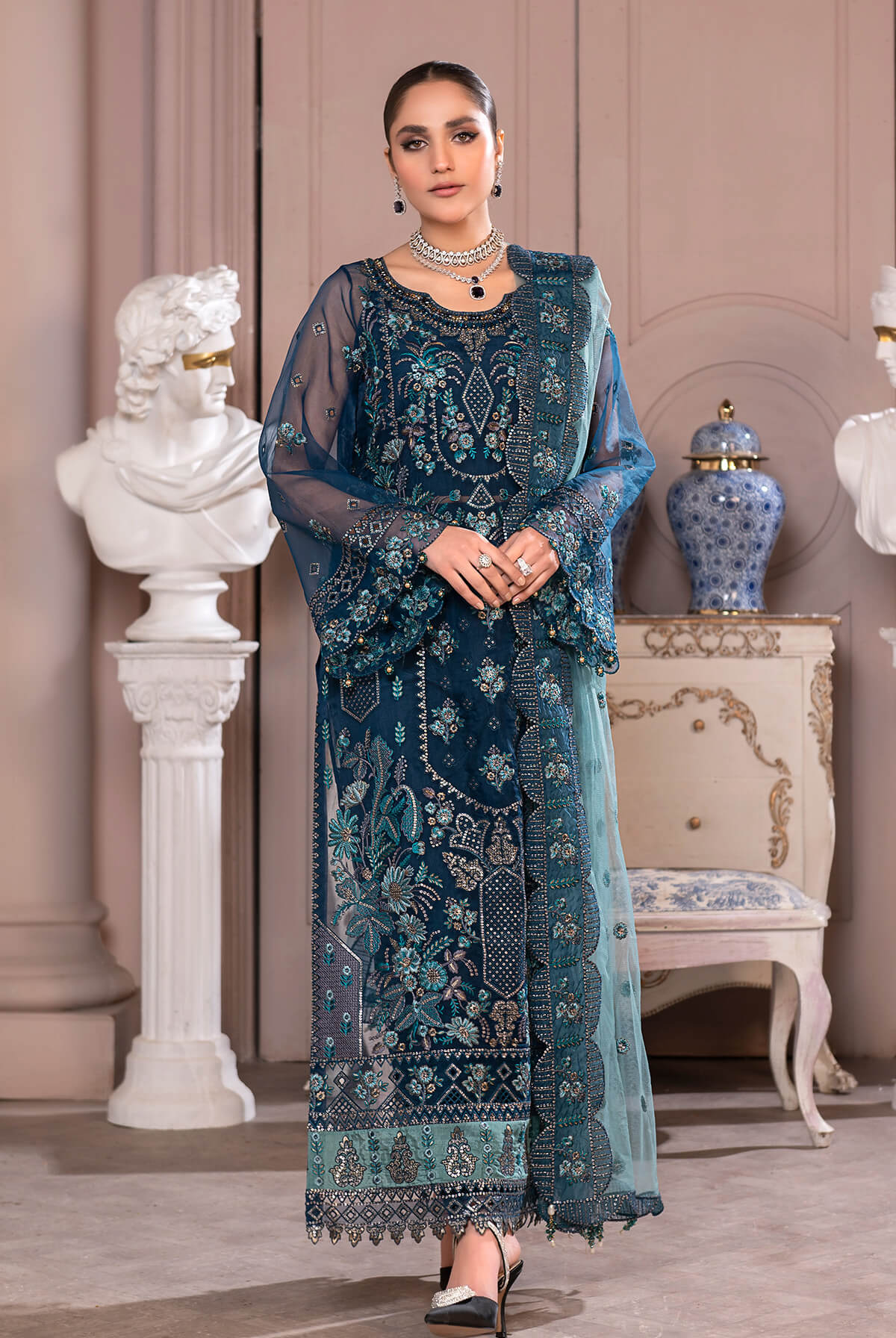

Original price was: ₨14,000.00.₨9,500.00Current price is: ₨9,500.00.
Sale!


Original price was: ₨20,000.00.₨14,500.00Current price is: ₨14,500.00.
Sale!


Original price was: ₨19,000.00.₨14,000.00Current price is: ₨14,000.00.
Sale!


Original price was: ₨18,500.00.₨14,500.00Current price is: ₨14,500.00.
Sale!


Original price was: ₨14,500.00.₨12,500.00Current price is: ₨12,500.00.
Sale!


Original price was: ₨17,500.00.₨16,000.00Current price is: ₨16,000.00.
Sale!

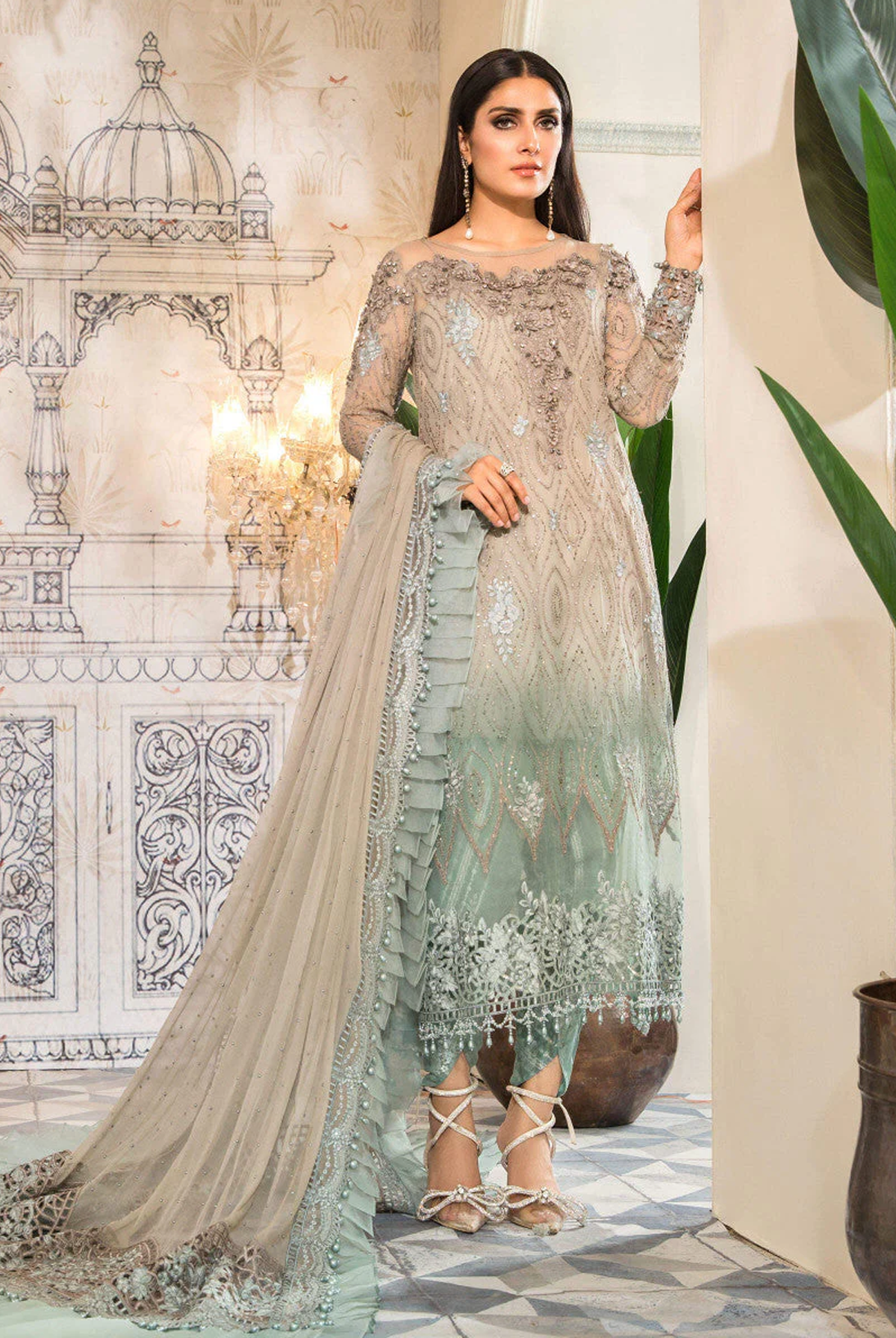
Original price was: ₨16,500.00.₨15,500.00Current price is: ₨15,500.00.
Sale!

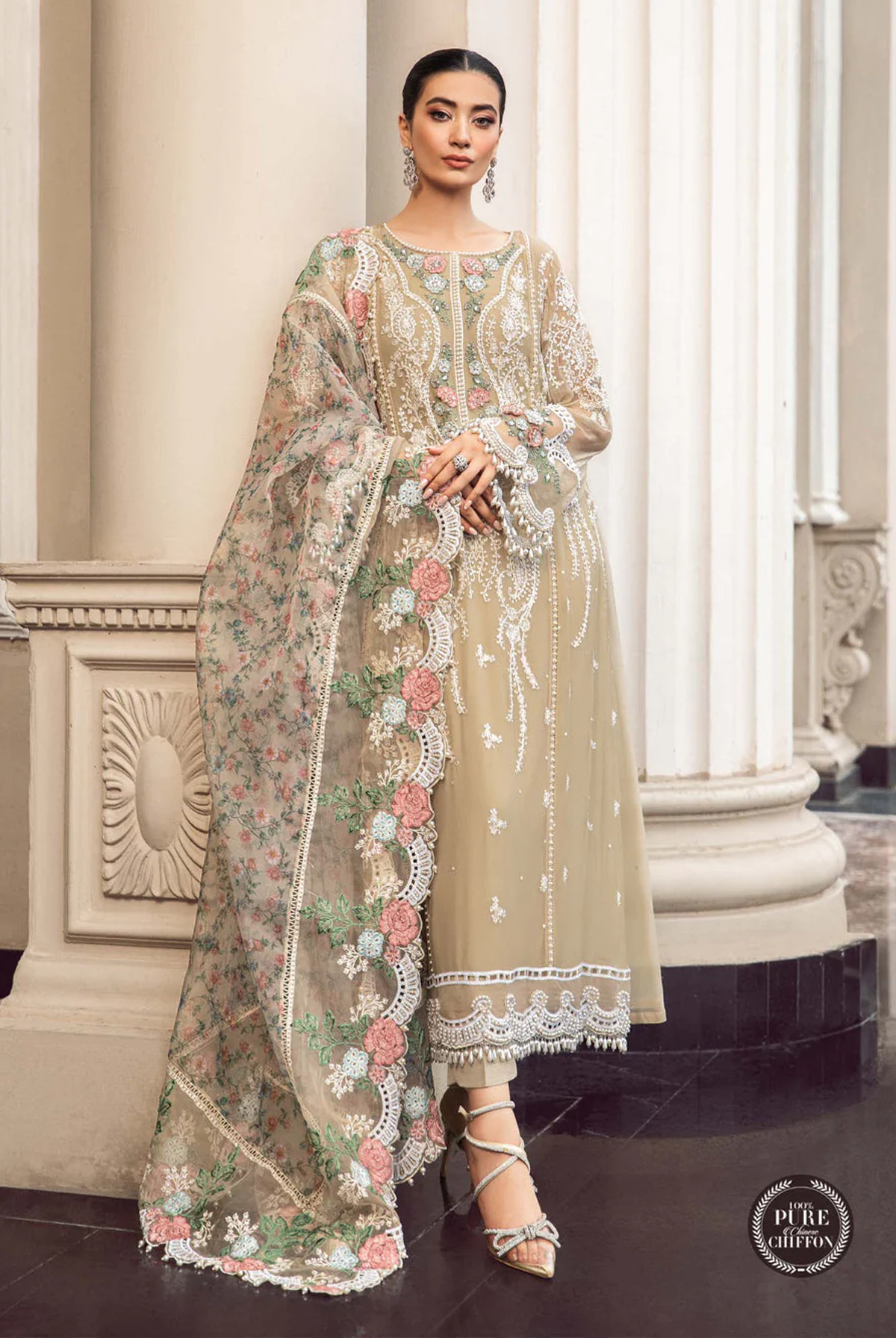
Original price was: ₨15,000.00.₨14,000.00Current price is: ₨14,000.00.
Sale!


Original price was: ₨16,500.00.₨15,000.00Current price is: ₨15,000.00.
Sale!


Original price was: ₨12,500.00.₨9,500.00Current price is: ₨9,500.00.
Pakistani Dress Wholesale Supplier Congo: A Guide for Fashion Retailers
Pakistani fashion offers a distinctive combination of traditional craftsmanship, elegant embroidery, versatile fabrics, and contemporary design. These qualities make it an interesting option for clothing retailers who want to introduce something different to their customers. In Congo, boutique owners, independent fashion sellers, and clothing distributors can explore South Asian apparel for weddings, celebrations, formal occasions, and everyday wear. Choosing a suitable Pakistani Dress Wholesale Supplier Congo can help businesses explore these collections while planning their stock, pricing, and customer experience more effectively.
Mastorat provides a platform for exploring Pakistani clothing collections and wholesale sourcing opportunities. Its range of fashion categories allows retailers to investigate different styles, from embroidered formal suits to coordinated outfits and designer-inspired garments. Businesses can begin by reviewing the available Pakistani catalogue dress wholesale options to understand the variety of designs and identify products that may suit their customers.
For retailers in Congo, successful sourcing involves more than choosing attractive garments. Buyers also need to consider fabric quality, finishing, size availability, minimum order quantities, shipping arrangements, and the overall cost of bringing products into their market. A clear purchasing strategy can help businesses make informed decisions and build a collection that reflects local preferences rather than simply following international trends.
This guide explores Pakistani clothing categories, wholesale purchasing considerations, international sourcing, inventory planning, and practical steps for retailers interested in developing their ethnic fashion collections.
Understanding the Pakistani Fashion Market in Congo
Clothing preferences differ between communities, customer groups, and occasions. Some shoppers look for understated everyday outfits, while others prefer heavily embroidered garments for weddings, family celebrations, and formal gatherings. This variety creates opportunities for retailers to develop collections that serve different budgets and personal styles. Pakistani clothing includes several categories that can appeal to customers seeking distinctive designs. Lawn suits are commonly associated with warm-weather wardrobes, while chiffon and other dressy fabrics are often selected for formal events. Embroidered ensembles, coordinated three-piece suits, and embellished occasion wear provide further options for shoppers who value detailed finishing. Retailers should research their own customer base before deciding which categories deserve the most shelf space. A boutique serving customers who prefer affordable everyday clothing may need a different inventory from a store specializing in wedding and occasion wear. Speaking with customers, reviewing previous sales, and testing small selections can provide useful information about local demand. Businesses comparing international sourcing options may also review the market information available for Pakistani dress wholesale supplier Nigeria and Pakistani dress wholesale supplier South Africa. These pages can be useful starting points for exploring regional wholesale topics, although each market has its own commercial conditions and customer preferences. Retailers should avoid assuming that a product performing well in one country will automatically achieve similar results in Congo. Climate, purchasing power, event traditions, garment sizing, and fashion preferences all influence buying decisions. A locally informed product selection is generally more practical than ordering a large quantity based only on overseas trends.Exploring the Product Range Available Through Mastorat
A balanced clothing collection gives customers options for different occasions without making inventory management unnecessarily complicated. Retailers can explore several product categories and decide which ones best fit their business model.Casual and Everyday Pakistani Clothing
Casual clothing is an important category for businesses that want to serve customers beyond wedding and festival seasons. Lightweight fabrics, comfortable cuts, coordinated outfits, and wearable prints can appeal to people looking for clothing that combines practicality with visual interest. When evaluating casual collections, buyers should examine fabric composition, stitching, garment measurements, colour consistency, and care instructions. Product photographs are useful for comparing designs, but they should not replace confirmation of material details and sizing information. Retailers can explore broader Pakistani dress wholesale collections to identify styles suitable for different customer segments. The most appropriate selection will depend on the boutique's price range, available storage, and expected sales volume.Designer and Formal Dresses
Formal garments are often purchased for weddings, receptions, family celebrations, and other special occasions. Pakistani designer fashion is known for decorative details that may include embroidery, embellishments, coordinated dupattas, and carefully selected colour combinations. Businesses interested in premium garments can review the available Pakistani designer dresses and Pakistani designer suits categories. These collections can help buyers compare different approaches to formal styling and decide whether premium pieces would complement their existing inventory. Before placing an order, retailers should clarify whether the displayed price applies to a complete outfit or an individual garment. They should also check which accessories are included, whether the fabric requires special care, and whether the same design is available in multiple sizes. Premium clothing may attract customers seeking distinctive occasion wear, but it can also involve a higher purchase cost and slower turnover. Businesses should therefore balance higher-priced pieces with more accessible options rather than relying entirely on expensive garments.Bridal and Celebration Wear
Bridal and celebration clothing can be an attractive category for specialist boutiques, particularly where customers seek detailed embroidery and coordinated formal outfits. However, these garments often require more careful inventory planning because customer preferences can vary significantly by colour, design, size, and budget. Retailers can begin with a limited selection of versatile designs and expand the range as they learn which styles receive the strongest interest. Where possible, buyers should obtain clear product specifications and confirm the number of pieces available before advertising a particular design to customers. A carefully selected occasion-wear collection can complement everyday clothing and help a boutique serve customers with different purchasing needs throughout the year.Fabric and Dress Material
Some businesses prefer finished garments, while others work with tailors or offer custom stitching. For these retailers, dress material can provide additional flexibility in how they serve their customers. The Pakistani dress material wholesale category is a relevant starting point for buyers exploring fabric-based sourcing. When assessing materials, check the fabric type, width, length, colour, texture, embroidery placement, and suitability for the intended garment. Retailers should also consider whether their customers prefer ready-to-wear outfits or enjoy having clothing tailored to their measurements. This distinction affects both purchasing decisions and the services a business may want to offer.Choosing the Right Wholesale Partner
Finding attractive products is only one part of building a sustainable retail business. A wholesale partner should also provide clear information about products, order conditions, payment arrangements, and delivery expectations. When evaluating a potential supplier, retailers should look at several practical factors.Product Information and Quality
Accurate product descriptions make it easier to compare garments and set appropriate customer expectations. Buyers should look for clear photographs, fabric details, available sizes, colour options, and information about embroidery or other decorative work. Where product samples are available, inspecting them before committing to a large order can reduce uncertainty. If samples are not available, request detailed photographs and written specifications, and clarify the supplier's process for handling products that do not match the agreed description. Quality assessment should include stitching, seams, finishing, fabric consistency, colour accuracy, and the durability of decorative details. These considerations are important because a low purchase price does not necessarily represent good value if garments require frequent repairs or generate customer complaints.Transparent Pricing
Wholesale prices can vary according to fabric, design complexity, order size, and the number of items included in each set. Retailers should request a clear quotation that explains the price per garment and any additional charges. The total cost may include packaging, shipping, customs duties, taxes, currency conversion, and local transportation. These expenses should be considered before calculating a retail price or estimating the expected profit margin. Comparing several product categories through Pakistani dress wholesale market resources may help buyers understand the different types of merchandise available. However, comparisons should be based on equivalent fabrics, garment specifications, and included items rather than headline prices alone.Communication and Order Support
Clear communication can make international sourcing easier to manage. Before ordering, retailers should establish how they can contact the supplier, how product questions are handled, and whether written confirmation is available for important order details. Buyers should keep records of quotations, invoices, payment confirmations, product specifications, and agreed dispatch dates. These documents provide a useful reference if an order needs clarification later. It is also sensible to confirm how shortages, damaged items, incorrect sizes, and other order issues are handled. Understanding these policies in advance helps businesses assess the commercial risks associated with a purchase.Consistency and Availability
A retailer may find a design that sells well and want to reorder it several months later. Before building a sales strategy around one particular garment, ask whether repeat orders are possible and whether colours, sizes, and fabrics are likely to remain available. Fashion collections can change with seasons and supplier inventory. Maintaining a mix of dependable styles and new designs can help businesses respond to changing customer interests without becoming overly dependent on a single product.International Sourcing and Regional Trade Connections
International wholesale sourcing gives retailers access to products that may not be widely available through local distributors. It can also introduce additional responsibilities involving shipping, import requirements, documentation, and delivery coordination. Mastorat's website includes pages covering different sourcing destinations and wholesale categories. Buyers can use these resources to explore the wider market and compare the types of collections described for different regions. For example, retailers may review Pakistani dress wholesale supplier Angola and Pakistani dress wholesale supplier Kenya when researching clothing supply topics across Africa. Additional regional pages include Pakistani dress wholesale supplier Egypt and Pakistani dress wholesale supplier Ethiopia. Other relevant destinations include Pakistani dress wholesale supplier Ghana and Pakistani dress wholesale supplier Senegal. These internal resources provide related information about international wholesale markets and can help visitors navigate between location-specific pages. Retailers should nevertheless evaluate each shipment according to their own destination, order size, and commercial circumstances. A supplier's international presence does not automatically mean that every item can be delivered under identical conditions to every country. For businesses based in Congo, the important questions are whether the selected products can be shipped to the intended address, which delivery methods are available, what documentation is required, and what the final landed cost will be.Comparing Wholesale Options in Different Countries
International comparisons can help retailers understand product variety and identify alternative sourcing routes. However, comparisons are most useful when they focus on factors that directly affect the business rather than simply counting the number of countries covered by a supplier. Retailers can review Pakistani dress wholesale in Pakistan to explore the Pakistani market and Pakistani dress wholesale in USA to examine another location-specific wholesale resource. The page for Pakistani dress wholesale in Dubai provides a further point of comparison. For businesses serving customers in the United Kingdom or sourcing through suppliers familiar with that market, the resources on Pakistani clothes wholesalers Manchester and Pakistani clothes wholesalers Bradford may also be relevant. These pages should be treated as starting points for further investigation, not as proof that prices, shipping costs, or stock availability will be the same across markets. Each quotation should be checked against the exact garments, quantities, delivery destination, and payment terms involved. A retailer should also consider the time required to receive a shipment. A slightly cheaper order may not be the better option if delivery takes longer than expected and causes the business to miss an important selling period.Wholesale Pricing and Inventory Planning
A well-planned purchasing strategy can help retailers manage costs while keeping their product range relevant. The aim is not simply to buy the largest possible quantity, but to select products that customers are likely to purchase at prices that support the business.Calculate the Full Cost of Each Garment
Start by identifying the purchase price of each item. Add the relevant shipping, insurance, customs, handling, and local delivery expenses where applicable. If the shipment contains several products, allocate shared expenses using a consistent method. This produces a more realistic landed cost per garment. Retailers can then determine whether the intended selling price is commercially reasonable after allowing for operating expenses and potential discounts. The Pakistani dress wholesale online page can serve as a starting point for exploring online sourcing options. Before placing an order, however, buyers should confirm the final quotation and any charges that are not shown in the initial product price.Start With a Manageable Order
New retailers may benefit from testing a smaller selection before committing substantial funds to one category. A trial order can provide practical information about product quality, delivery performance, customer feedback, and the suitability of particular designs. The right order size depends on the business's available capital, storage space, expected demand, and supplier requirements. There is no single quantity that suits every retailer. Once the business has reliable sales information, it can increase purchases of successful products and reduce orders for items that move slowly. This approach helps inventory decisions reflect actual customer behaviour instead of assumptions.Balance Different Price Points
A collection with several price levels can serve a broader range of shoppers. Entry-level products may appeal to customers seeking practical everyday clothing, while mid-range and premium garments can provide options for celebrations and special occasions. The best balance depends on the boutique's positioning. A store focused on designer occasion wear may devote more space to premium pieces, whereas a general clothing retailer may need a wider mix. Buyers should avoid selecting products solely because they are inexpensive. Fabric quality, finishing, expected demand, and the total cost of importing the items all contribute to whether a garment is suitable for resale.Review Seasonal Demand
Customer interest can change around holidays, wedding periods, family celebrations, and other occasions. Retailers should consider these patterns when planning their purchases. Ordering too early may tie up money in inventory, while ordering too late may leave insufficient time for international delivery. Reviewing previous sales and discussing realistic dispatch estimates with suppliers can help businesses plan more confidently. Seasonal planning should also allow for uncertainty. A sensible purchasing budget leaves room for routine expenses and unexpected delays rather than assuming that every item will sell immediately.Ordering Clothing Online From an International Supplier
Digital catalogs have made it easier for retailers to compare clothing designs without visiting every supplier in person. Online sourcing can save time, but buyers still need to verify important information before completing a transaction. Mastorat's Pakistani catalogue dress wholesale and online wholesale resources can help visitors explore available categories and identify designs worth investigating further. A practical ordering process usually includes the following steps:- Define the product requirements. Decide which clothing categories, sizes, fabrics, colours, and price ranges fit the target customers.
- Review the catalog. Compare product photographs and descriptions, noting which items appear suitable for the planned collection.
- Request confirmation. Ask about stock availability, the contents of each outfit, minimum quantities, and the final quoted price.
- Calculate the landed cost. Include shipping and other applicable expenses before deciding whether the order fits the budget.
- Confirm the delivery arrangements. Establish the destination, estimated dispatch and transit times, tracking availability, and relevant import requirements.
- Keep the documentation. Save the invoice, order confirmation, payment record, and written agreement about product specifications.
- Inspect the shipment. Check the received goods against the order and document any discrepancies promptly.