
Sale!
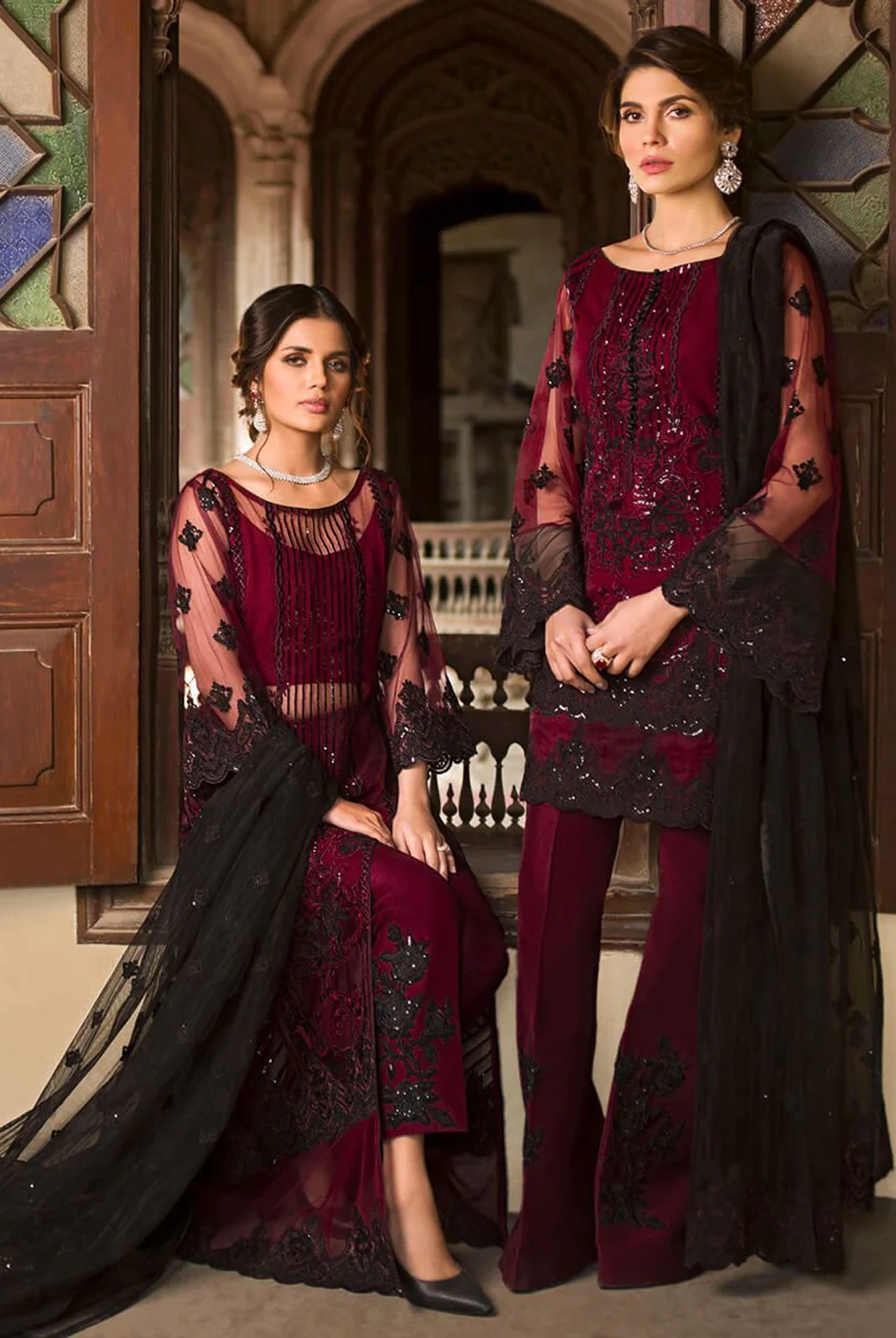

Original price was: ₨17,500.00.₨13,500.00Current price is: ₨13,500.00.
Sale!


Original price was: ₨16,000.00.₨13,000.00Current price is: ₨13,000.00.
Sale!


Original price was: ₨18,500.00.₨14,000.00Current price is: ₨14,000.00.
Sale!

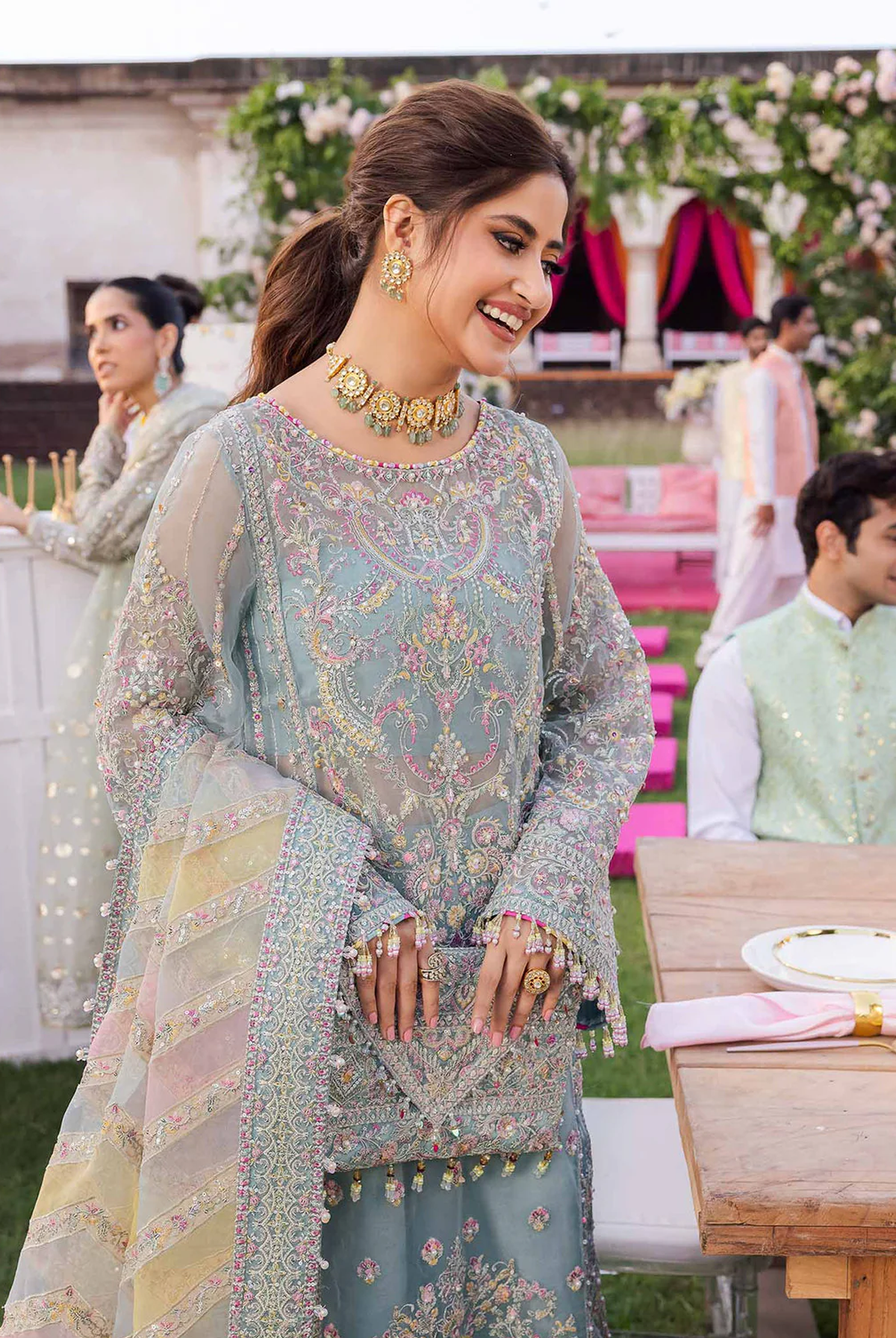
Original price was: ₨14,000.00.₨12,000.00Current price is: ₨12,000.00.
Sale!
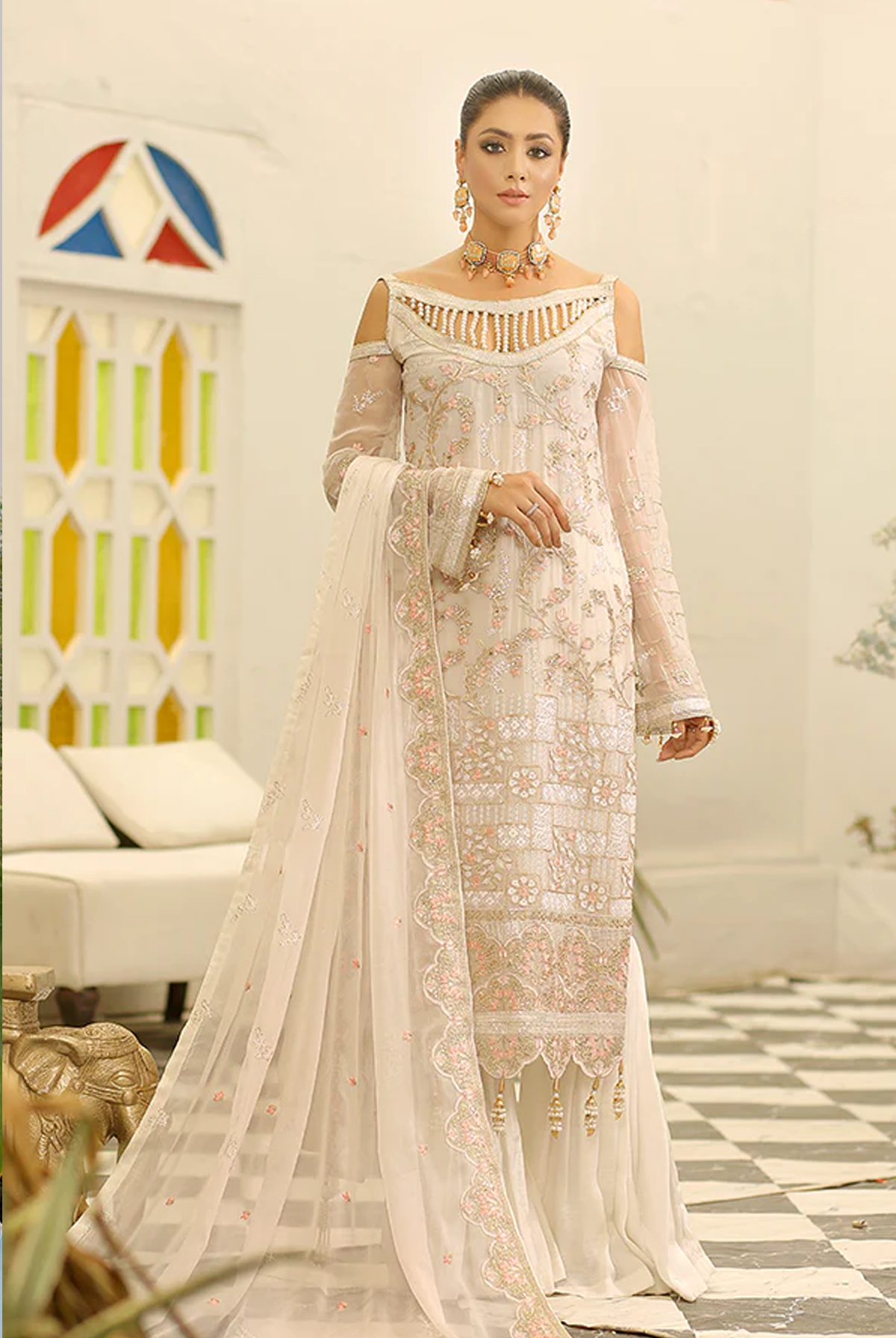

Original price was: ₨15,000.00.₨13,500.00Current price is: ₨13,500.00.
Sale!


Original price was: ₨16,000.00.₨12,500.00Current price is: ₨12,500.00.
Sale!


Original price was: ₨17,500.00.₨15,500.00Current price is: ₨15,500.00.
Sale!
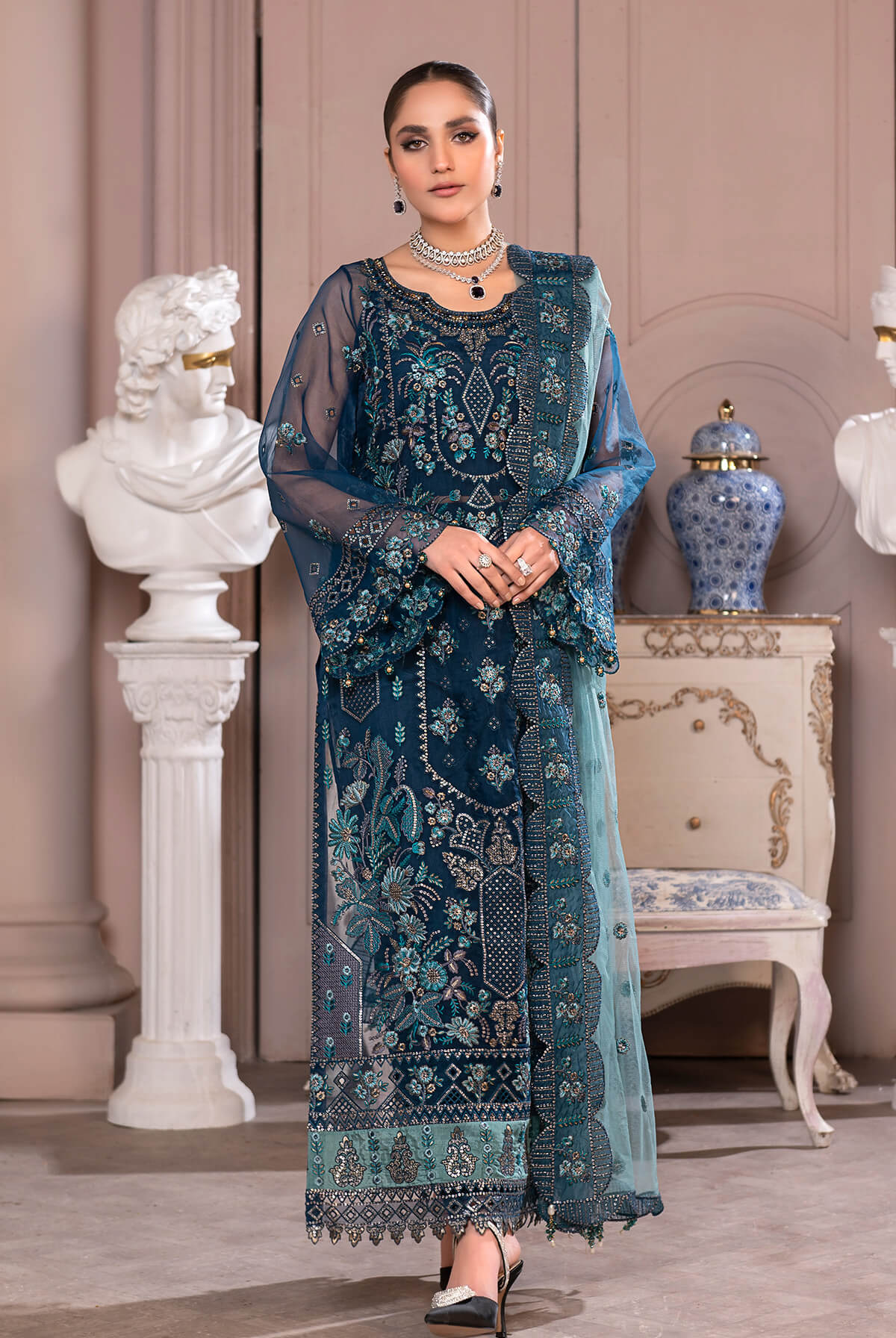

Original price was: ₨14,000.00.₨9,500.00Current price is: ₨9,500.00.
Sale!


Original price was: ₨16,000.00.₨14,000.00Current price is: ₨14,000.00.
Sale!


Original price was: ₨19,000.00.₨14,000.00Current price is: ₨14,000.00.
Sale!


Original price was: ₨16,500.00.₨15,000.00Current price is: ₨15,000.00.
Sale!


Original price was: ₨15,000.00.₨11,500.00Current price is: ₨11,500.00.
Sale!

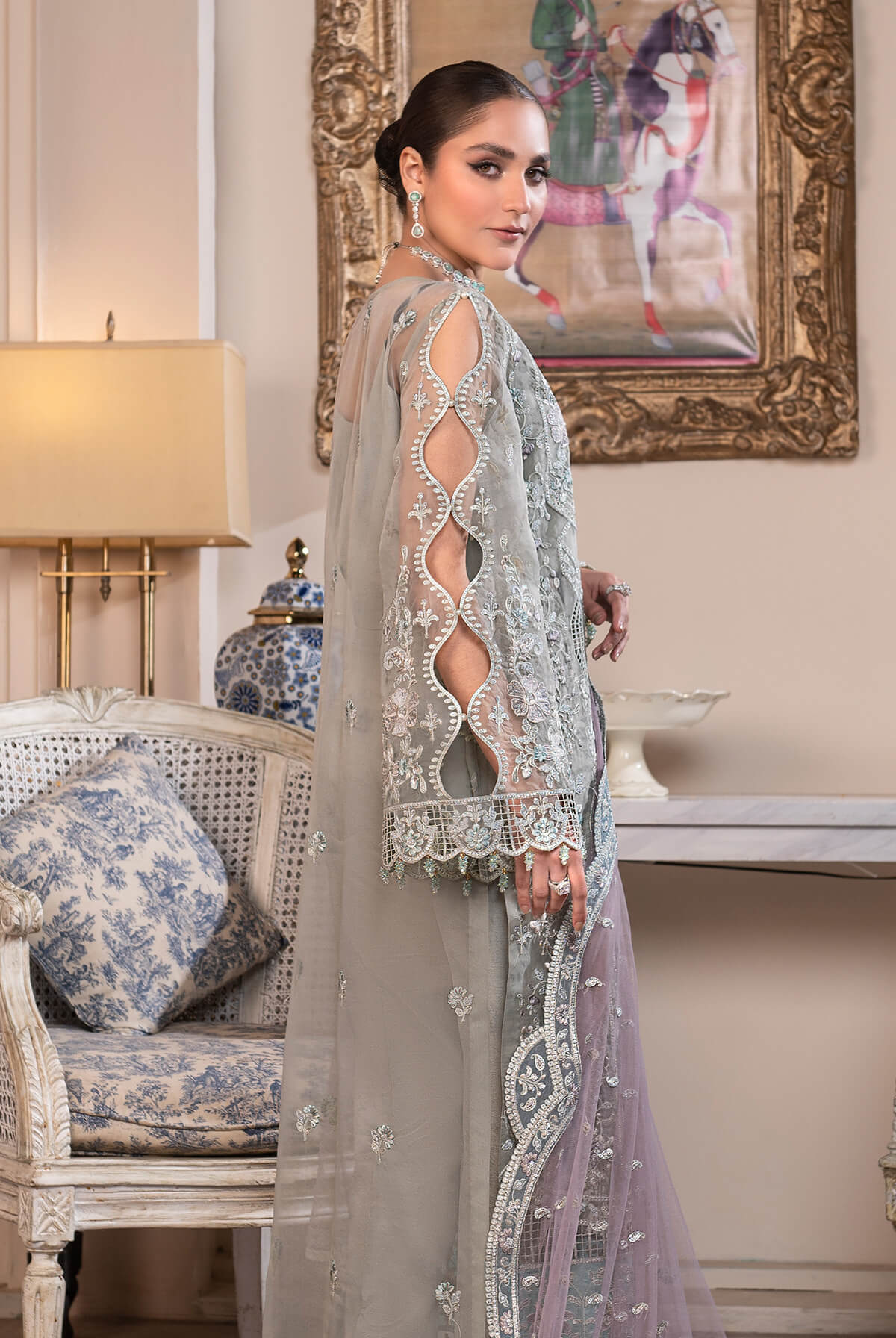
Original price was: ₨14,000.00.₨11,500.00Current price is: ₨11,500.00.
Sale!


Original price was: ₨15,500.00.₨13,500.00Current price is: ₨13,500.00.
Sale!


Original price was: ₨13,500.00.₨12,500.00Current price is: ₨12,500.00.
Pakistani Dress Wholesale Supplier Bangladesh | Mastorat
The demand for Pakistani ethnic fashion continues to create opportunities for clothing retailers, boutique owners, and online sellers in Bangladesh. Known for its distinctive embroidery, elegant silhouettes, rich fabrics, and versatile designs, Pakistani clothing appeals to customers who appreciate a combination of traditional craftsmanship and contemporary style. From everyday lawn suits to sophisticated formal outfits, these collections offer retailers a wide range of products for different occasions and customer preferences.
For businesses planning to expand their clothing collections, finding a dependable Pakistani Dress Wholesale Supplier Bangladesh can make sourcing easier and help establish a consistent product offering. Mastorat provides access to Pakistani clothing collections and wholesale sourcing opportunities, helping retailers explore styles suitable for their target markets.
Whether you operate a small boutique, manage an online clothing store, or supply garments to other retailers, choosing the right wholesale partner requires careful consideration. Product quality, design variety, pricing, order quantities, and international shipping arrangements all influence the success of a clothing business.
This guide explains the appeal of Pakistani fashion in Bangladesh, the collections retailers can explore, the advantages of wholesale purchasing, and the practical steps involved in developing a sustainable clothing business with Mastorat.
Understanding the Demand for Pakistani Fashion in Bangladesh
Bangladesh has a strong clothing culture, with customers regularly purchasing outfits for family gatherings, religious celebrations, weddings, social occasions, and everyday wear. Traditional clothing remains important, while modern styling and changing fashion preferences continue to influence purchasing decisions. Pakistani fashion offers a distinctive combination of embroidered details, coordinated outfits, flowing silhouettes, decorative fabrics, and contemporary cuts. These characteristics can appeal to customers looking for clothing that feels traditional without being limited to one particular style. Retailers can explore several categories, including lightweight summer suits, embroidered three-piece outfits, formal dresses, and statement pieces for celebrations. The variety makes it possible to develop collections for different budgets and occasions. Seasonal demand is another important consideration. Eid celebrations, wedding periods, and other special events can influence clothing purchases. During these periods, customers may look for more elaborate designs, attractive colours, and coordinated outfits suitable for gifting or personal use. However, retailers should avoid relying entirely on seasonal demand. A balanced collection containing everyday clothing, moderately embellished outfits, and premium occasion wear can help maintain interest throughout the year. Understanding local preferences is equally important. Some customers may prefer subtle embroidery and comfortable fabrics, while others may favour detailed embellishment and fashionable cuts. Retailers who study their customers before placing wholesale orders can make more informed purchasing decisions.Why Choose Mastorat for Wholesale Pakistani Clothing?
Selecting a wholesale supplier involves more than comparing the prices of individual garments. Retailers need to understand the available collections, ordering procedures, product information, and delivery arrangements before committing to a purchase. Mastorat provides an online platform for exploring Pakistani clothing and wholesale fashion opportunities. Businesses can use its collections to research suitable products and identify styles that align with their merchandising plans. For a broader overview of available sourcing options, retailers can explore Pakistani Dress Wholesale and Pakistani Dress Wholesale Online. These pages provide relevant starting points for businesses comparing clothing categories and online wholesale options.A Variety of Clothing Styles
A diverse product range helps retailers serve customers with different preferences. Instead of focusing on a single type of garment, businesses can consider casual outfits, embroidered suits, formal clothing, and designer-inspired collections. A carefully selected range allows a boutique to serve customers shopping for everyday outfits as well as those preparing for important occasions.Opportunities for Wholesale Purchasing
Wholesale sourcing can help businesses plan inventory around anticipated demand. Purchasing several suitable designs through a wholesale arrangement may also make product selection more organised than sourcing every item separately. The right order size depends on available capital, storage capacity, customer demand, and the supplier's minimum-order requirements. New retailers should confirm these conditions before placing a large order.Access to Pakistani Fashion
Pakistani clothing is recognised for its textile traditions, embroidery techniques, and diverse regional influences. Retailers interested in introducing these styles can use a dedicated sourcing platform to explore collections without depending exclusively on physical markets. Before ordering, businesses should confirm the origin, composition, finishing, and other relevant details of the specific garments they intend to purchase.Exploring the Different Pakistani Dress Collections
A successful clothing business generally offers products that reflect the needs of its intended customers. Pakistani fashion includes several categories, each serving a different purpose in a retail collection.Lawn Suits for Everyday Wear
Lawn suits are associated with lightweight fabrics and warm-weather clothing. They may appeal to customers seeking comfortable outfits for routine activities, family visits, and casual gatherings. Retailers can consider a selection of printed designs, understated patterns, embroidered details, and coordinated three-piece suits. Colour selection should reflect customer preferences and the season in which the garments will be sold. When comparing lawn collections, examine fabric descriptions, stitching, printed patterns, and whether the outfit includes all the components shown in the product listing.Chiffon Dresses for Formal Occasions
Chiffon outfits are often selected for celebrations, evening gatherings, and formal events. Their flowing appearance and suitability for decorative embellishment make them a useful category for boutiques serving occasion-wear customers. Some designs feature embroidered shirts, embellished necklines, decorative borders, and coordinating dupattas. Others use simpler details for a more understated finish. Retailers should review product photographs and descriptions carefully. Information about lining, embroidery, included accessories, and finishing can help prevent misunderstandings between the supplier and buyer.Cotton Collections for Comfort
Cotton clothing can appeal to customers who prioritise comfort and practical everyday styling. Depending on the design, cotton outfits may suit casual wear, daily errands, family gatherings, and relaxed social occasions. A retailer can balance cotton products with more decorative garments to serve customers who have different needs and budgets.Luxury Embroidered Suits
Embroidered suits can provide an option for customers seeking more elaborate clothing. These outfits may feature threadwork, decorative motifs, embellished borders, and coordinated fabrics. When selecting premium pieces, retailers should assess the quality of the finishing and the relationship between the purchase price and the expected selling price.Party Wear and Designer Collections
Party-wear garments are designed for customers looking for distinctive outfits for celebrations and social occasions. These collections may include richer colours, more detailed embellishment, and contemporary silhouettes. Businesses can explore Pakistani Designer Dresses and Pakistani Designer Suits when researching styles for customers interested in premium clothing. The most suitable assortment depends on local demand, competition, and the price range a retailer intends to serve.Pakistani Catalogue Dress Wholesale: Organising Your Selection
A catalogue can make it easier for retailers to compare clothing styles before deciding which products deserve further consideration. Rather than selecting garments individually without a clear plan, businesses can evaluate collections according to colour, fabric, occasion, design, and price. Retailers interested in catalogue-based sourcing can explore Pakistani Catalogue Dress Wholesale and Pakistani Catalogue Dress Wholesale in Bangladesh. These pages are relevant to businesses researching catalogue-led purchasing options.What to Review in a Clothing Catalogue
Before placing an order, consider the following details:- Fabric information: Check the material composition and any available care instructions.
- Design details: Review embroidery, prints, colour combinations, and garment construction.
- Included pieces: Confirm whether the outfit contains a shirt, trousers, dupatta, or other components.
- Available sizes: Determine whether the supplier offers the sizes needed for your customers.
- Product photographs: Examine the images carefully and ask for clarification if an important detail is unclear.
- Pricing: Compare the quoted price with your intended retail positioning and expected expenses.
- Availability: Confirm whether the selected design is currently available and whether restocking is possible.
Serving Retailers in Dhaka and Other Parts of Bangladesh
Bangladesh includes a variety of retail markets, from established clothing businesses in major cities to independent sellers serving local communities. Each business may have different purchasing requirements, storage arrangements, and customer expectations. Dhaka offers a large commercial environment in which retailers may serve customers looking for everyday clothing, festive outfits, and premium fashion. Businesses elsewhere in the country may focus on different price ranges or product categories depending on their customer base. For businesses researching local sourcing opportunities, Pakistani Dress Wholesale in Dhaka provides a location-specific resource. A retailer considering international sourcing should also investigate delivery coverage, estimated transit times, customs procedures, applicable duties, and the documents required for importing garments into Bangladesh. These arrangements can vary according to the shipment, carrier, product classification, and current regulations. They should be confirmed before the retailer accepts customer orders based on a particular delivery date.Understanding Local Customer Preferences
Successful merchandising begins with understanding what customers actually purchase. A boutique serving customers interested in everyday clothing may need more lightweight fabrics and versatile designs. A business specialising in wedding and occasion wear may require a different mix, including more decorative outfits and premium products. Retailers can learn about these preferences by reviewing previous sales, collecting customer feedback, monitoring product enquiries, and testing small quantities before expanding a category. This approach helps businesses avoid investing too heavily in styles that may not sell as expected.Planning Inventory Around Seasonal Demand
Festive periods can create opportunities, but purchasing decisions should be based on realistic demand estimates. Retailers should consider the time required for ordering, shipping, receiving, inspecting, photographing, and listing garments before a seasonal sales period begins. It is also sensible to retain a selection of versatile products that remain relevant outside major celebrations. This helps reduce reliance on short sales windows and supports a more balanced inventory strategy.Expanding Your Business Beyond Bangladesh
International sourcing can help retailers discover designs that differ from those offered by nearby competitors. However, a broader supplier search should be guided by customer demand, shipping costs, and the practical requirements of the business. Mastorat's regional wholesale pages can be useful starting points for researching Pakistani clothing in different markets. Retailers can explore:- Pakistani Dress Wholesale in Dubai
- Pakistani Dress Wholesale in USA
- Pakistani Dress Wholesale in Mumbai
- Pakistani Dress Wholesale in Pakistan
The Importance of Fabric and Product Quality
Product quality directly affects customer satisfaction, repeat purchases, and a retailer's reputation. Even an attractive design can become difficult to sell if the fabric, stitching, sizing, or finishing does not meet customer expectations. For businesses purchasing garments internationally, evaluating product information before ordering is particularly important.Fabric Selection and Construction
Different fabrics serve different purposes. Lightweight materials may suit summer clothing, while richer fabrics and layered designs may be appropriate for formal occasions. Retailers should consider the fabric's appearance, texture, suitability for the intended use, and care requirements. They should also check whether the garment description accurately explains the materials used.Embroidery and Finishing
Embroidery can contribute significantly to the appearance of Pakistani ethnic clothing. However, the quality of decorative work should be assessed alongside stitching, seam finishing, garment shape, and overall construction. When possible, request clear photographs or a sample before committing to a substantial order. A sample can help establish whether the product matches the expected standard.Sizing and Consistency
Sizing differences can create problems for online sellers and physical boutiques. Retailers should obtain measurement charts and confirm whether measurements refer to the finished garment or the wearer's body. For repeat orders, ask whether the same design will be available in consistent colours, sizes, and finishing. This is especially useful for businesses that rely on coordinated collections.Clothing Materials for Tailoring Businesses
Some businesses prefer ready-to-wear garments, while others offer tailoring or customisation. Material-based purchasing may be more appropriate for retailers who need fabrics for their own production process. For additional sourcing research, explore Pakistani Dress Material Wholesale and Pakistani Dress Material Wholesale in India. Before purchasing material, confirm the fabric width, composition, available colours, minimum quantities, and whether the quoted price applies to a specific length or unit.Benefits of Buying Pakistani Dresses in Bulk
Wholesale purchasing can provide practical advantages for retailers when order quantities are matched to actual demand.Better Inventory Planning
Buying several products through a planned order can help a retailer organise a collection around a particular season, customer group, or price range. Instead of repeatedly searching for individual pieces, the business can establish a purchasing schedule and monitor stock levels more systematically.Potential Cost Advantages
Some wholesale arrangements offer lower per-unit prices for larger quantities. However, the actual benefit depends on the supplier's pricing structure, shipping costs, order requirements, and the amount of stock the business can sell. Retailers should compare total costs before deciding whether a larger order is worthwhile.Greater Product Variety
A well-planned wholesale order can include different designs, colours, and garment categories. This allows a retailer to test several product types rather than relying entirely on one design. Variety should still be balanced against available capital and storage capacity. Too many similar garments can tie up money without adding meaningful value to the collection.Opportunities for Repeat Customers
A retailer who consistently offers suitable designs and dependable service may encourage customers to return. Product quality, accurate descriptions, transparent pricing, and reliable fulfilment all contribute to this experience. A wholesale supplier is one part of the process; the retailer's own customer service remains equally important.More Structured Reordering
Once a business identifies its best-selling products, sales records can guide future purchases. Retailers can track which sizes, colours, and styles sell quickly and use that information to refine later orders. This is more reliable than assuming that every popular design will perform equally well in every local market.How to Order from a Wholesale Clothing Supplier
Ordering clothing from an international supplier is easier to manage when the process is divided into clear steps.Step 1: Define Your Target Customer
Start by identifying the people you want to serve. Consider their preferred styles, expected spending range, typical clothing needs, and the occasions for which they purchase garments. A clearly defined customer group helps narrow the number of products you need to evaluate.Step 2: Explore the Available Collections
Browse the relevant product categories and catalogue pages. Shortlist designs that match your intended retail range instead of ordering simply because a garment looks attractive. You can begin with Pakistani Dress Wholesale and Pakistani Dress Wholesale Online to research the available sourcing options.Step 3: Confirm Product Details
Check the garment description, fabric, measurements, included pieces, available colours, and current stock status. If any information is missing, contact the supplier before making a payment. Keep written records of the agreed specifications and order details.Step 4: Compare Prices and Additional Costs
Calculate the total estimated cost of receiving the goods in Bangladesh. Include shipping, payment charges, applicable import duties, taxes, and other relevant expenses. This will give you a more realistic basis for determining your retail prices.Step 5: Review Order Requirements
Confirm the minimum order quantity, payment terms, processing time, dispatch arrangements, and the supplier's policy for damaged or incorrect products. Do not assume that every collection has identical ordering requirements.Step 6: Arrange Shipping and Import Documentation
Ask the supplier and carrier which shipping methods are available and what documentation is required. For international shipments, clarify who is responsible for export documentation, import clearance, and any charges due when the goods arrive.Step 7: Inspect the Shipment
After receiving the order, compare the delivered garments with your order records. Check quantities, sizes, colours, visible defects, and product descriptions before listing the items for sale.Step 8: Review the Results
Record how quickly products sell and which designs receive the most customer interest. Use this information to improve your next order. A measured approach allows a retailer to increase purchasing volumes as reliable sales data becomes available.Online Ordering and Digital Retail Opportunities
Online retail has changed how clothing businesses present their collections and reach customers. A boutique no longer needs to depend entirely on a physical storefront to showcase products. Retailers can use social media, online stores, messaging platforms, and product catalogues to make garments accessible to a wider audience. For businesses researching online sourcing, Pakistani Dress Wholesale Market and Pakistani Dress Wholesale Online are relevant internal resources.Presenting Products Clearly
Clear product photographs help customers understand the design, colour, and construction of a garment. Where possible, provide images from different angles and include close-ups of embroidery or decorative details. Descriptions should explain the fabric, available sizes, included pieces, care instructions, and any important limitations. Avoid promising exact colours based on photographs alone, since lighting and screen settings can affect how products appear.Building Customer Confidence
Online customers often want reassurance before purchasing clothing. A retailer can provide this through accurate descriptions, clear return conditions, accessible contact information, and realistic delivery estimates. Businesses should also explain which payment methods they accept and how customers can raise concerns about an order.Managing Stock Across Sales Channels
Retailers selling through several platforms need a reliable way to track inventory. Without accurate stock records, the same garment may be sold to multiple customers after the available quantity has been exhausted. A simple inventory spreadsheet or suitable retail management system can help record product codes, sizes, quantities, costs, and sales.Developing a Practical Pricing Strategy
Pricing affects both profitability and customer demand. Retailers should avoid setting prices solely by copying competitors because their purchasing costs, shipping arrangements, and operating expenses may be different. A useful pricing process begins with calculating the actual cost of each garment. This can include the wholesale purchase price, a reasonable allocation of shipping and import costs, payment fees, packaging, and other direct expenses. Businesses should also account for operating costs when evaluating their overall financial performance. Once the total cost is understood, the retailer can select a selling price that reflects the product's quality, target market, competitive environment, and desired margin. For example, a basic cotton suit and a heavily embroidered formal outfit may require different pricing approaches because their material, finishing, customer appeal, and costs are not the same. Retailers should review prices periodically rather than assuming that an initially suitable price will remain appropriate as costs or customer preferences change.Growing a Clothing Business with a Balanced Collection
A well-organised clothing business generally benefits from a collection that serves several related customer needs. Some retailers may build their assortment around affordable everyday clothing, while others focus on premium occasion wear. Businesses can also combine these approaches if their budget, audience, and storage capacity support a broader selection. For additional research into international supplier networks, consider these Mastorat resources:- Pakistani Clothes Wholesale Suppliers
- Pakistani Clothes Wholesale Suppliers UK
- Pakistani Clothes Wholesalers Manchester
- Pakistani Clothes Wholesalers Bradford
Test New Categories Before Expanding
Introducing a new category in smaller quantities can help a retailer understand customer interest before committing more capital. For example, a business primarily selling casual suits might test a limited selection of formal outfits. If customers respond positively and the products generate acceptable returns, the retailer can consider expanding that category. This method makes expansion more manageable and reduces the risk of holding large amounts of slow-moving stock.Monitor Customer Feedback
Customer comments can reveal which features matter most. Buyers may prefer certain colours, more practical fabrics, specific sizing options, or particular levels of embellishment. Retailers can use this feedback to improve future purchases and provide more relevant product recommendations.Maintain Reliable Records
Keep records of suppliers, order dates, agreed prices, shipment details, product quality, and sales performance. These records make it easier to compare future offers and identify which purchasing arrangements are working well.Choosing Designer Clothing for Premium Customers
Designer clothing can help a boutique distinguish its collection from more basic retail offerings. Customers shopping for celebrations may be interested in distinctive embroidery, coordinated accessories, sophisticated colour combinations, and carefully finished garments. Retailers researching premium styles can explore Pakistani Designer Clothes Online, Pakistani Designer Dresses, and Pakistani Designer Suits. These resources provide related categories for businesses developing a more fashion-focused assortment. However, premium positioning should be supported by accurate product information and quality that matches the selling price. Retailers should verify any claims about designer labels, branded collections, fabric composition, or product authenticity before presenting them to customers. It is also useful to offer different levels of formality within a premium collection. Some customers want elaborate garments for weddings and major celebrations, while others prefer refined designs for smaller gatherings. A carefully selected assortment can serve these different needs without making the collection unnecessarily complicated.Understanding Shipping and Supply Chain Considerations
International clothing orders require coordination between the supplier, shipping provider, and importing business. Even when the product selection is straightforward, delivery arrangements can influence the final cost and the time required to prepare stock for sale. Retailers should request a clear shipping estimate and confirm whether the quoted price includes transportation only or additional services.Delivery Times and Order Processing
Processing time and shipping time are different. A supplier may need time to confirm stock, prepare an order, and package garments before the carrier collects the shipment. Retailers should distinguish these stages when planning a seasonal launch or promising delivery dates to their own customers.Customs and Import Requirements
Before importing garments into Bangladesh, check the applicable customs procedures, product classifications, duties, taxes, and documentation requirements. The exact requirements can depend on the shipment and the rules in force when the goods are imported. A qualified customs professional or relevant authority can help clarify requirements for a particular order.Packaging and Product Protection
Clothing should be packaged appropriately to protect it during transit. Retailers can ask how garments are folded, packed, and grouped and whether the packaging is suitable for the selected shipping method. When the order arrives, inspect the packaging and garments promptly. Document any discrepancies and follow the supplier's agreed procedure for reporting them.Maintaining Communication
Clear communication helps resolve questions before they become expensive problems. Retailers should retain order confirmations, invoices, shipping references, and relevant messages. Having these details available makes it easier to check shipment progress and address any differences between the order and the delivered goods.Exploring Additional Wholesale Markets
Businesses sometimes research other countries to understand different supplier options and market opportunities. Comparing several markets can provide useful context, but each location has its own costs, regulations, and commercial conditions. The following Mastorat pages provide additional internal resources for regional research:- Pakistani Dress Wholesale Supplier Pakistan
- Pakistani Dress Wholesale Supplier UAE
- Pakistani Dress Wholesale Supplier USA
- Pakistani Dress Wholesale Supplier Canada