
Sale!
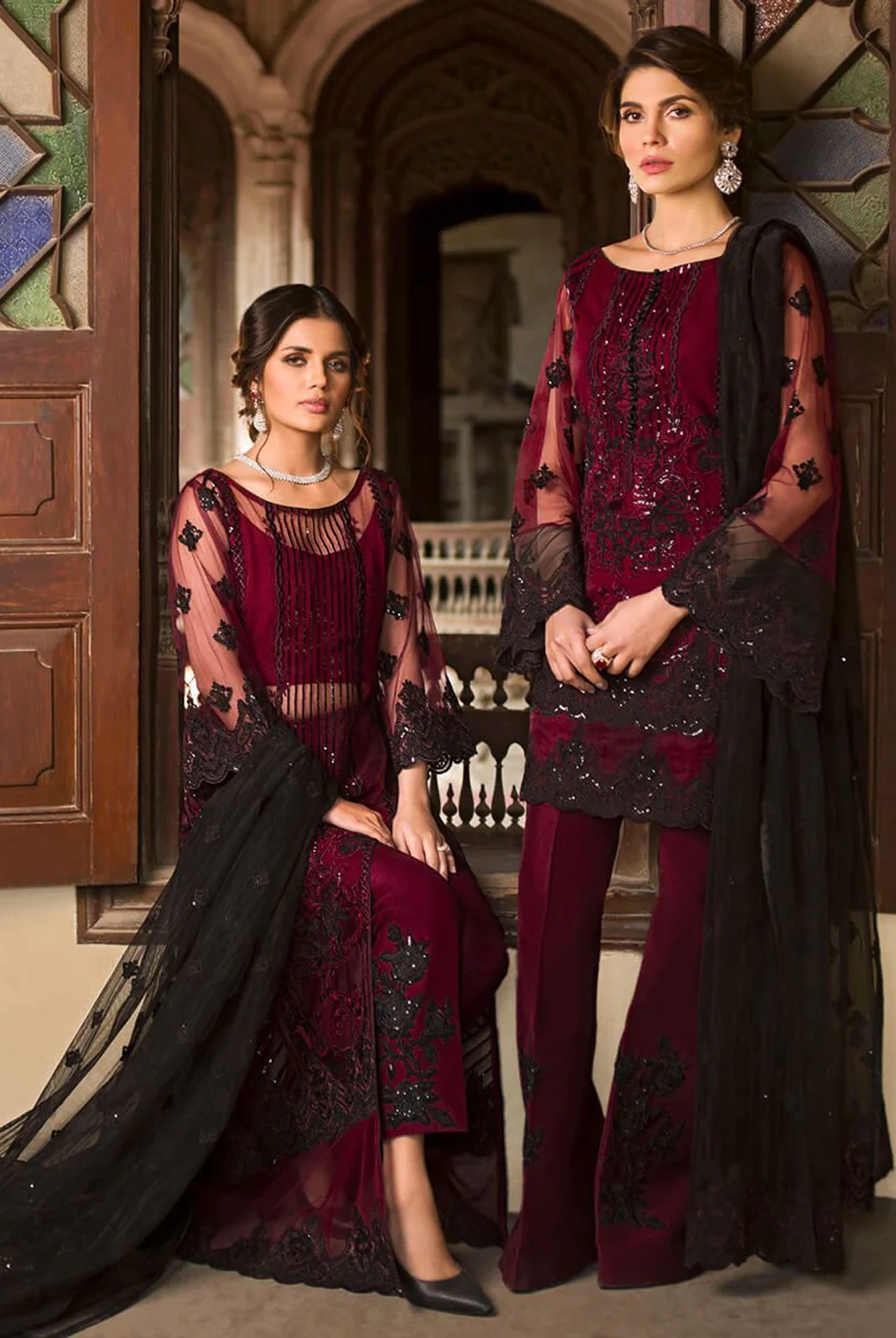

Original price was: ₨17,500.00.₨13,500.00Current price is: ₨13,500.00.
Sale!


Original price was: ₨16,000.00.₨13,000.00Current price is: ₨13,000.00.
Sale!


Original price was: ₨18,500.00.₨14,000.00Current price is: ₨14,000.00.
Sale!

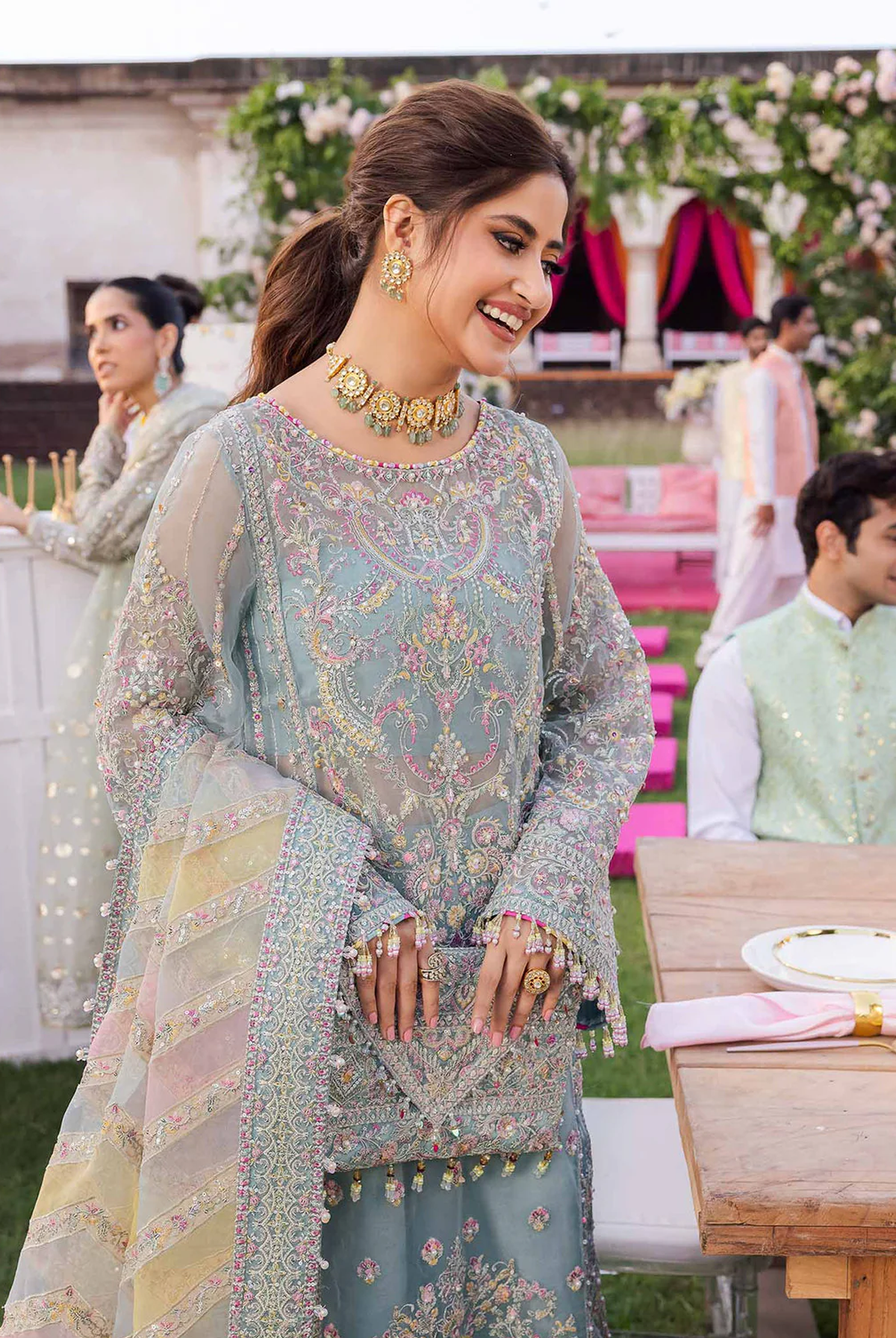
Original price was: ₨14,000.00.₨12,000.00Current price is: ₨12,000.00.
Sale!
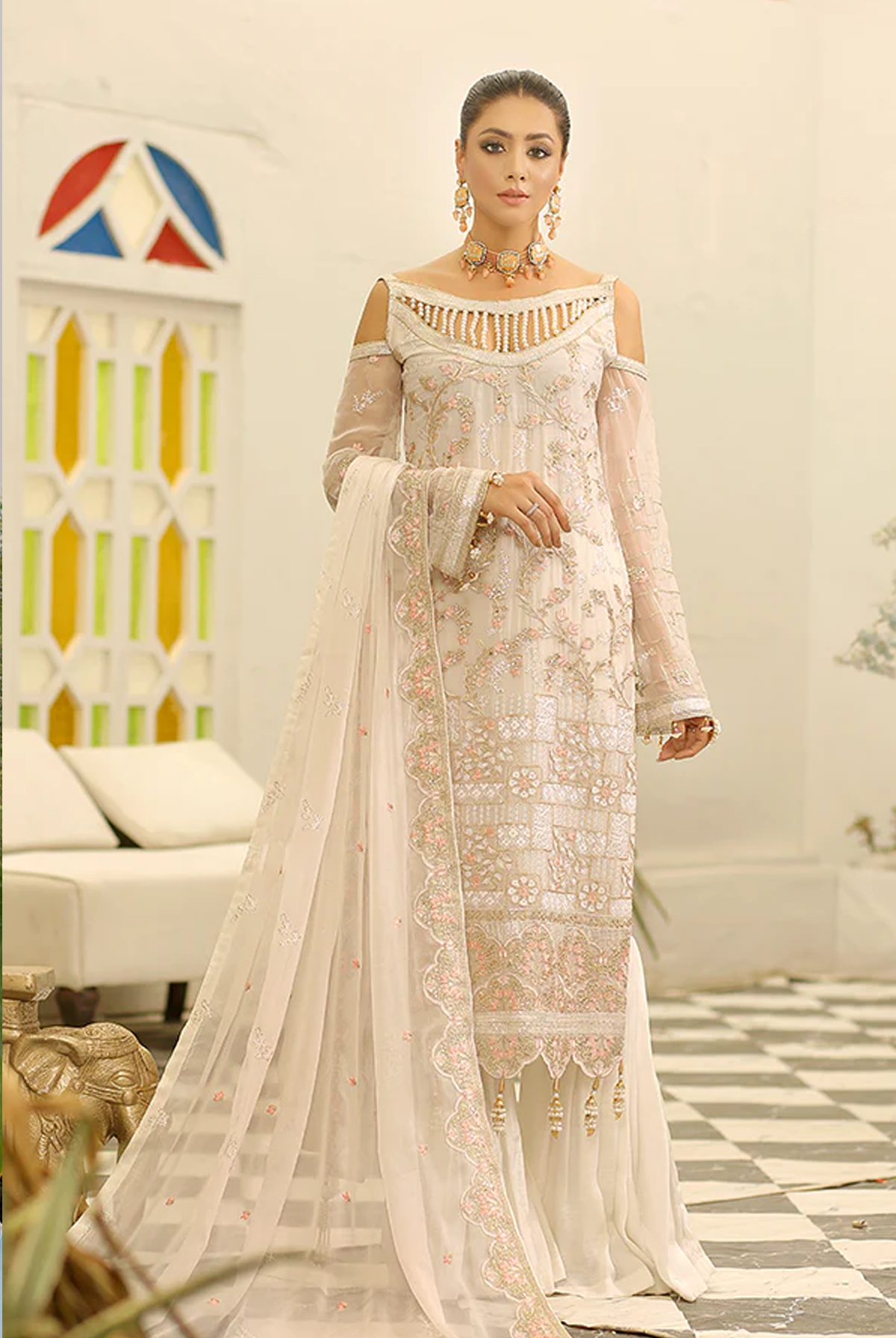

Original price was: ₨15,000.00.₨13,500.00Current price is: ₨13,500.00.
Sale!


Original price was: ₨16,000.00.₨12,500.00Current price is: ₨12,500.00.
Sale!


Original price was: ₨17,500.00.₨15,500.00Current price is: ₨15,500.00.
Sale!


Original price was: ₨15,000.00.₨13,000.00Current price is: ₨13,000.00.
Sale!


Original price was: ₨11,500.00.₨9,500.00Current price is: ₨9,500.00.
Sale!
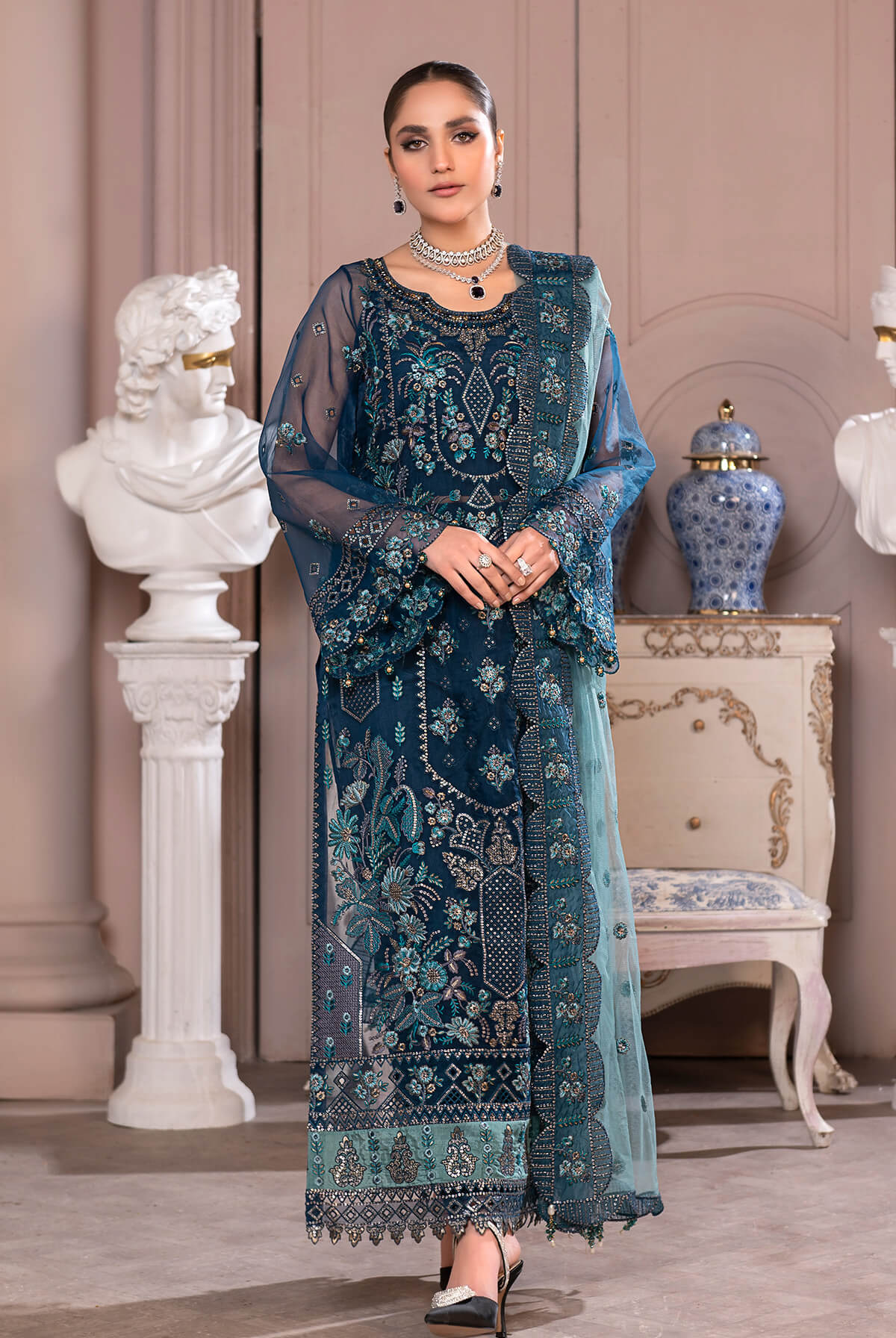

Original price was: ₨14,000.00.₨9,500.00Current price is: ₨9,500.00.
Sale!


Original price was: ₨16,000.00.₨14,000.00Current price is: ₨14,000.00.
Sale!


Original price was: ₨18,500.00.₨14,500.00Current price is: ₨14,500.00.
Sale!


Original price was: ₨17,500.00.₨15,000.00Current price is: ₨15,000.00.
Sale!


Original price was: ₨14,500.00.₨12,500.00Current price is: ₨12,500.00.
Sale!


Original price was: ₨17,500.00.₨16,000.00Current price is: ₨16,000.00.
Sale!

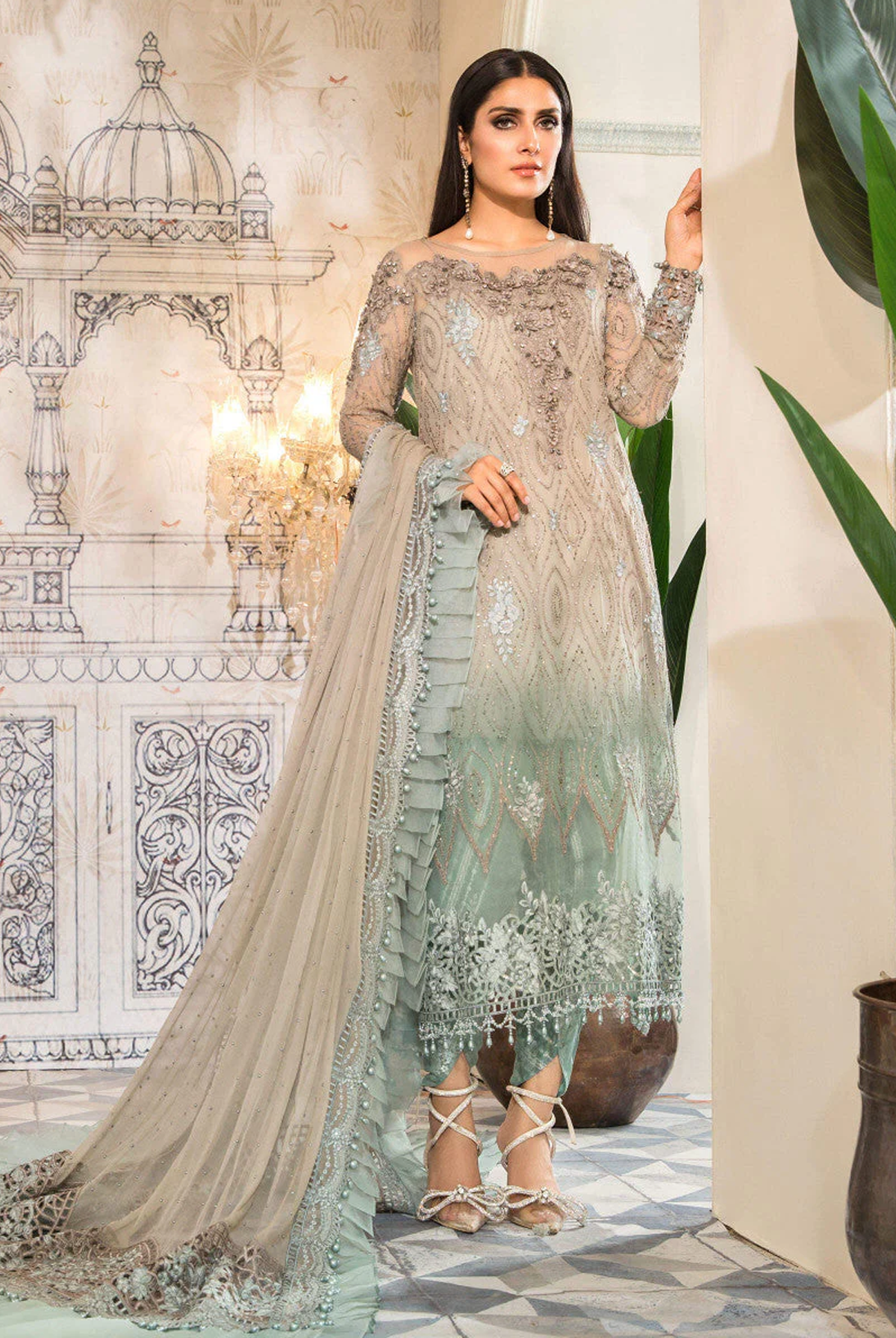
Original price was: ₨16,500.00.₨15,500.00Current price is: ₨15,500.00.
Sale!

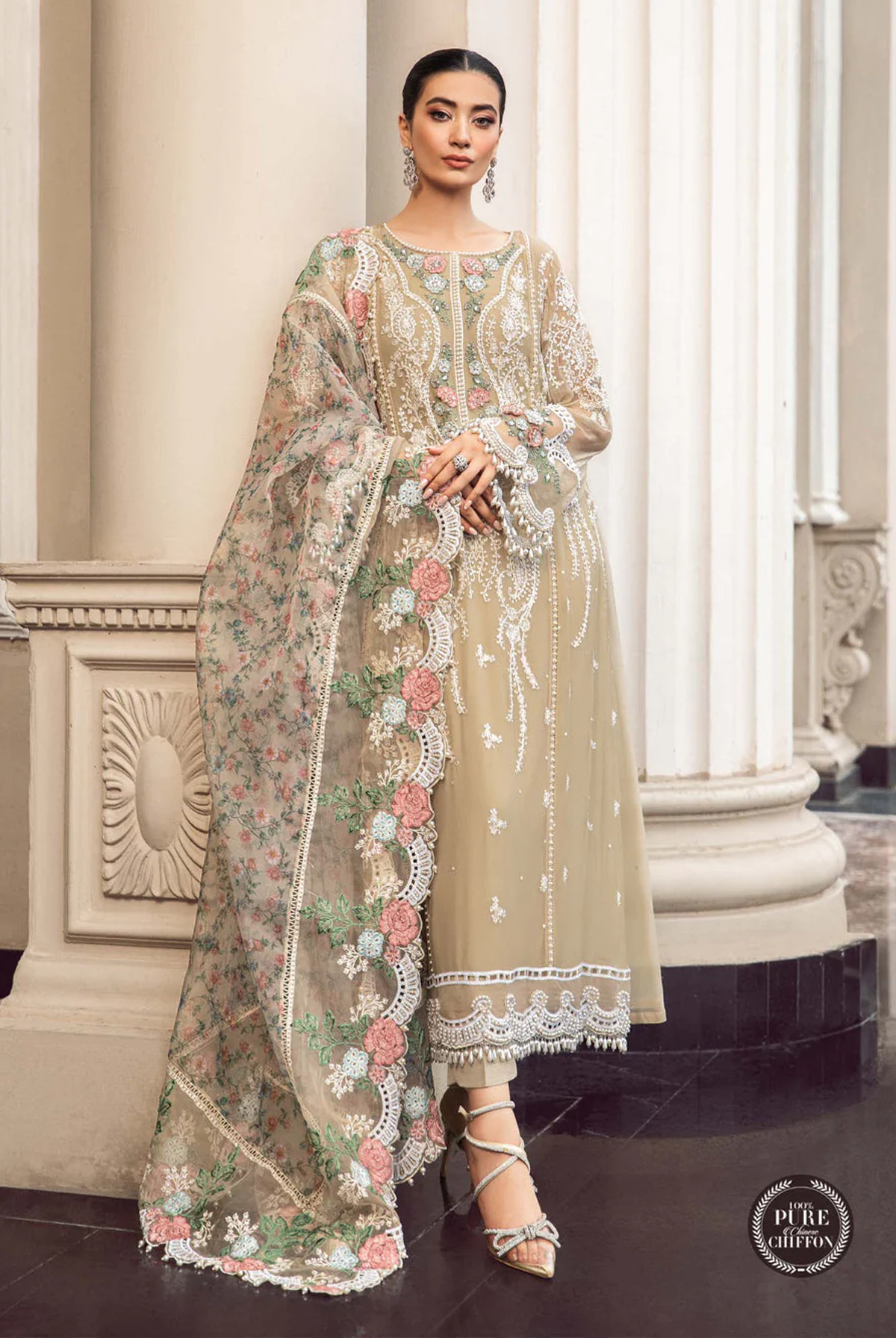
Original price was: ₨15,000.00.₨14,000.00Current price is: ₨14,000.00.
Sale!


Original price was: ₨18,500.00.₨17,000.00Current price is: ₨17,000.00.
Sale!


Original price was: ₨17,500.00.₨16,500.00Current price is: ₨16,500.00.
Sale!


Original price was: ₨16,500.00.₨15,000.00Current price is: ₨15,000.00.
Sale!


Original price was: ₨15,000.00.₨11,500.00Current price is: ₨11,500.00.
Sale!


Original price was: ₨15,500.00.₨13,500.00Current price is: ₨13,500.00.
Pakistani Dress Wholesale Supplier Connecticut | Mastorat
Pakistani clothing has earned a strong place in the international fashion market because of its distinctive embroidery, versatile designs, traditional craftsmanship, and variety of fabrics. From everyday lawn suits to elegant formal outfits, Pakistani fashion offers options for customers with different preferences, occasions, and budgets. In the United States, interest in South Asian clothing continues to create opportunities for boutiques, online retailers, independent sellers, and established fashion businesses.
Connecticut provides an interesting market for retailers who want to introduce traditional Pakistani clothing to their customers. Cities such as Hartford, Bridgeport, New Haven, Stamford, and Waterbury have different retail environments, customer communities, and business opportunities. Boutique owners can serve customers looking for wedding outfits, festive collections, modest everyday clothing, and contemporary designs influenced by South Asian fashion.
Finding a dependable Pakistani Dress Wholesale Supplier Connecticut is an important step for businesses planning to build a sustainable clothing collection. A suitable wholesale partner can help retailers compare styles, understand product specifications, plan inventory, and source clothing that matches their customers' expectations. Instead of purchasing every item individually at retail prices, businesses can explore wholesale purchasing arrangements that may offer better unit economics when order quantities and terms are suitable.
Mastorat provides a platform for exploring Pakistani fashion and wholesale sourcing opportunities. Retailers can investigate different clothing categories, compare available collections, and identify products that fit their business model. Whether the goal is to establish a small boutique, expand an existing online store, or introduce ethnic wear to a broader retail collection, careful product selection and reliable supplier communication can make the process more manageable.
This guide explains the Connecticut market, the main categories of Pakistani clothing, important sourcing considerations, inventory planning, shipping questions, and practical steps for developing a wholesale fashion business.
Understanding the Demand for Pakistani Dresses in Connecticut
Customer interest in Pakistani clothing can come from several different groups. South Asian families may shop for traditional outfits for religious celebrations, weddings, family gatherings, and cultural events. Other customers may appreciate the embroidery, colours, flowing silhouettes, and distinctive fabric combinations associated with Pakistani fashion. This creates opportunities for retailers to offer collections that serve more than one occasion. A boutique might stock lightweight outfits for everyday use, embroidered suits for celebrations, and premium formal dresses for customers attending weddings or other special events. However, demand varies by location, audience, price range, and season. Retailers should avoid assuming that every product will perform equally well throughout Connecticut. Researching local preferences can help businesses select a more suitable assortment. Hartford may appeal to retailers serving a mixture of local and regional customers, while businesses in Bridgeport, New Haven, Stamford, and surrounding communities may encounter different shopping habits and customer requirements. These differences make local research an important part of inventory planning. Before purchasing stock, consider the following questions:- Which age groups are most likely to purchase the collection?
- Are customers primarily looking for casual, formal, bridal, or ready-to-wear outfits?
- What price ranges are appropriate for the intended audience?
- Do customers prefer stitched garments or unstitched fabric?
- Which colours, embroidery styles, and silhouettes are popular?
- Are customers purchasing for personal use, gifting, or special occasions?
Why Wholesale Sourcing Can Benefit Clothing Retailers
Wholesale purchasing allows retailers to acquire multiple garments through a supplier rather than buying each item separately at consumer retail prices. When the supplier's pricing, minimum order requirements, shipping costs, and product quality are suitable, this arrangement can help a business establish a more consistent collection. One major advantage is product variety. Pakistani fashion includes casual clothing, formal suits, embroidered ensembles, bridal outfits, and unstitched materials. Retailers can choose categories that complement one another instead of relying on a single type of product. Wholesale sourcing can also make inventory planning more structured. A retailer can plan purchases around anticipated customer demand, allocate a budget to different categories, and arrange replenishment when popular products sell. These benefits depend on the supplier's available stock and the retailer's purchasing agreement. Important potential advantages include:- Access to a wider selection of designs.
- More consistent purchasing arrangements.
- Opportunities to compare per-item costs across order quantities.
- Greater flexibility when developing seasonal collections.
- The ability to serve different customer preferences.
- Opportunities to build repeat relationships with suppliers.
Exploring Mastorat for Pakistani Fashion Sourcing
Mastorat is a starting point for retailers researching Pakistani clothing collections and wholesale opportunities. Businesses can explore product categories and assess whether the available styles align with their target market, merchandising approach, and budget. For Connecticut retailers, the most useful approach is to evaluate each collection according to practical business requirements rather than choosing products solely because they look attractive in photographs. Fabric composition, stitching, measurements, embellishment, colour variation, and product availability all influence the suitability of a garment for resale. Retailers should also review the purchasing terms associated with any intended order. Minimum quantities, payment requirements, processing times, shipping arrangements, and return policies can vary. Confirming these details before payment helps reduce uncertainty. Mastorat's wider fashion collections provide opportunities to explore different styles and garment categories. Retailers researching particular product types can review [Pakistani Designer Dresses], [Pakistani Designer Suits], [Pakistani Catalogue Dress Wholesale], and [Pakistani Dress Wholesale Market]. These collection references can help buyers organise their research and compare different approaches to sourcing. Before selecting products, businesses should confirm the current availability and specifications of individual items. A practical sourcing checklist should include:- Review the product catalogue and identify suitable designs.
- Check fabric, sizing, stitching, and embellishment details.
- Confirm the quantity available for each style.
- Request clarification about minimum order requirements.
- Calculate the complete delivered cost.
- Review delivery estimates and applicable import requirements.
- Confirm the process for handling damaged or incorrect goods.
- Keep written records of product specifications and agreed terms.
Popular Pakistani Clothing Categories for Connecticut Buyers
A balanced clothing collection can help a retailer serve customers across different occasions and price ranges. Rather than purchasing a large quantity of one design, businesses may benefit from carefully combining everyday outfits, formal clothing, festive collections, and selected premium pieces.1. Luxury Formal Wear
Luxury formal wear is designed for occasions when customers want a more detailed and polished appearance. These garments may feature embroidery, decorative necklines, embellished sleeves, layered fabrics, or coordinated dupattas. Formal Pakistani suits are often considered for weddings, receptions, engagement celebrations, family gatherings, and festive dinners. Their appearance and construction can vary significantly between collections. Retailers should review the level of embellishment, fabric weight, finishing, and care instructions before ordering. Garments with delicate embroidery may require special handling, while heavier outfits may need more storage space and careful presentation. A small selection of formal designs can help a boutique assess demand without committing too much capital to premium inventory.2. Casual Lawn and Cotton Collections
Lawn suits and lightweight cotton outfits are practical options for customers seeking comfortable clothing for everyday activities. These collections often feature printed patterns, lighter fabrics, coordinated trousers, and matching or contrasting dupattas. Their appeal can be particularly relevant during warmer months, although customer preferences depend on fabric composition, personal style, and intended use. Retailers can consider offering different colour palettes and design styles to accommodate customers who prefer understated patterns as well as those who enjoy brighter prints. When selecting lawn products, check the actual fabric description rather than relying only on product photographs. Fabric quality, transparency, stitching requirements, and washing instructions can influence customer satisfaction.3. Bridal and Wedding Wear
Pakistani bridal clothing is associated with detailed craftsmanship, traditional silhouettes, decorative embellishments, and coordinated accessories. Bridal collections may include lehengas, heavily embroidered suits, long formal dresses, and other wedding ensembles. Because bridal garments can involve higher purchasing costs and specific sizing requirements, they may not be suitable for every retailer's initial inventory. A boutique considering this category should understand whether its customers prefer ready-made outfits, custom orders, or appointment-based shopping. Accurate measurements, delivery schedules, alteration arrangements, and clear product descriptions are particularly important. Retailers may choose to begin with selected wedding guest outfits and formal pieces before expanding into higher-value bridal stock.4. Party Wear and Evening Dresses
Party wear offers a middle ground between everyday clothing and heavily embellished bridal outfits. Depending on the collection, these garments may use chiffon, silk blends, embroidered fabrics, decorative borders, or contemporary cuts. Customers may purchase party wear for birthdays, dinners, receptions, graduation celebrations, and other social events. Retailers should consider the balance between traditional design elements and modern styling. Some customers may prefer classic silhouettes, while others may look for simpler cuts with distinctive embroidery. Offering a carefully selected range of colours, sizes, and price points can make the category more accessible to a wider customer base.5. Unstitched Fabric and Dress Materials
Unstitched Pakistani suits appeal to customers who prefer choosing their own tailoring, measurements, and finishing details. A typical set may include fabric for the shirt, trousers, and dupatta, although the contents vary by product. This category can suit retailers whose customers value customisation or have specific fitting requirements. Product descriptions should clearly state which components are included, whether the fabric is embroidered or printed, and whether additional material is required. Buyers should also confirm fabric measurements and any limitations associated with the design. Retailers looking for suitable options can explore [Pakistani Dress Material Wholesale] and [Pakistani Designer Clothes Online].6. Ready-to-Wear Collections
Ready-to-wear clothing can be convenient for customers who want an outfit without arranging separate tailoring. These collections may include casual suits, contemporary co-ord styles, formal ensembles, and other finished garments. For retailers, ready-made clothing introduces practical considerations such as size availability, grading consistency, and the range of measurements offered. Before placing a bulk order, check the supplier's size chart and confirm whether garments are measured individually or according to a standard sizing system. Keeping clear measurements available in the store or online product listings can help customers choose suitable sizes.7. Modest and Contemporary Fashion
Some customers look for clothing that combines traditional Pakistani design with contemporary styling and modest coverage. Long shirts, coordinated trousers, flowing silhouettes, and elegant dupattas can be relevant to this audience. Retailers should consider garment length, sleeve design, neckline construction, fabric opacity, and overall comfort when choosing products. A well-planned collection can include both traditional and modern designs without assuming that all customers have identical preferences.Evaluating Fabric Quality, Stitching, and Craftsmanship
Product quality affects customer satisfaction, repeat purchases, and a retailer's reputation. Attractive photographs can help introduce a design, but they cannot always communicate the feel of the fabric, the accuracy of the colour, or the quality of the finishing. Whenever possible, review product samples or request detailed photographs and specifications before placing a substantial order. Check seams, hems, stitching consistency, embroidery attachment, lining, fastenings, and the finish of visible edges. For embroidered garments, examine whether the embellishments are securely attached and whether the fabric can support their weight. Delicate materials may need careful packaging and specific cleaning instructions. Colour differences are another consideration. Images displayed on different screens may not accurately represent the physical product. Retailers should communicate this possibility to customers and avoid making unsupported claims about exact colour matching. A supplier assessment may include the following points:- Fabric composition and thickness.
- Stitching and seam consistency.
- Accuracy of measurements.
- Quality of embroidery and embellishments.
- Completeness of the garment set.
- Consistency between the sample and bulk order.
- Packaging suitable for the product.
- Clear care and handling information.
Understanding the Pakistani Fashion Supply Chain
International clothing sourcing involves several stages, including design development, fabric procurement, garment production, quality inspection, packaging, export handling, and final delivery. Pakistani fashion suppliers may work with manufacturers, workshops, designers, distributors, or export partners. The exact arrangement differs by business, so retailers should understand who is responsible for each stage of an order. A shorter supply chain can sometimes improve communication and make product information easier to obtain. However, the number of intermediaries alone does not determine reliability. Quality controls, documented agreements, responsiveness, and transparent pricing are equally important. Connecticut retailers can research sourcing relationships across different international markets. Relevant starting points include [Pakistan Wholesale Market], [United Kingdom Wholesale Suppliers], and [Canada Wholesale Supply]. Other markets that may be useful for broader industry research include [Australia Wholesale Network], [Germany Fashion Suppliers], [France Ethnic Wear Suppliers], and [Italy Fashion Distribution]. These references can help retailers understand the broader fashion landscape, but every supplier should be evaluated independently. Product availability, pricing, shipping routes, and business terms must be confirmed before a purchasing decision.Why Connecticut Retailers Should Research Suppliers Carefully
Choosing a wholesale partner is not simply a matter of finding the lowest quoted price. A supplier's ability to provide accurate product information, communicate clearly, and meet agreed order terms can be just as important. Retailers should compare several factors before deciding where to place an order.Product Selection
The supplier should offer products relevant to the retailer's intended customers. A boutique focusing on everyday clothing may need a different collection from a business specialising in wedding wear.Pricing Transparency
Request a clear breakdown of garment prices, minimum quantities, shipping charges, and any additional fees. Transparent quotations make it easier to compare suppliers fairly.Order Consistency
Retailers should ask whether the same design can be reordered and whether colours or sizes may vary between production batches. This information is useful when planning replenishment.Communication
Clear communication helps resolve questions about measurements, product availability, payment, and delivery. Keep important agreements in writing.Quality Expectations
Agree on the expected condition of the garments and the process for reporting defects. A written specification can reduce misunderstandings.Shipping and Returns
Check who handles shipment tracking, customs documentation, damaged parcels, and incorrect items. Return and exchange conditions should be understood before an order is placed. Retailers exploring other parts of the United States can also investigate [Pakistani Dress Wholesale Supplier Texas], [Pakistani Dress Wholesale Supplier California], [Pakistani Dress Wholesale Supplier Florida], [Pakistani Dress Wholesale Supplier Illinois], and [Pakistani Dress Wholesale Supplier Georgia]. Comparing regional sourcing information can help businesses understand their options, but the final choice should depend on verified supplier details and the complete cost of purchasing.Fashion Trends That Can Influence Demand in Connecticut
Fashion preferences change over time, and a retailer's assortment should respond to actual customer interest rather than assumptions about what will sell.Wedding and Celebration Clothing
Weddings create opportunities for formal Pakistani outfits, including embroidered suits, coordinated ensembles, and premium occasion wear. Demand can vary according to local events and the preferences of individual customers. Retailers can plan ahead by reviewing previous sales and asking customers about upcoming purchasing needs.Religious and Cultural Celebrations
Eid and other cultural celebrations may increase interest in new clothing, coordinated family outfits, and gift purchases. Retailers can prepare suitable collections in advance while avoiding excessive stock based on uncertain forecasts.Everyday Ethnic Wear
Many customers want clothing that can be worn regularly rather than reserved for special events. Comfortable fabrics, versatile colours, practical cuts, and manageable care requirements can be important selling points.Online Fashion Shopping
Online stores and social media allow retailers to present products to customers beyond their immediate neighbourhood. However, successful online selling requires clear images, accurate descriptions, size information, transparent delivery policies, and responsive customer support.Personalised Styling
Some customers prefer help choosing colours, matching accessories, or selecting outfits for specific occasions. Retailers can add value through useful styling guidance without making exaggerated claims about individual products. Businesses should use sales records, customer feedback, and online enquiries to identify which trends are genuinely relevant to their audience.Shipping and International Order Planning
International shipping is a significant part of wholesale purchasing. The total cost and delivery schedule can affect pricing, stock availability, and the timing of seasonal launches. Before ordering from Pakistan or another international source, Connecticut retailers should ask how the order will be packed, which shipping service will be used, whether tracking is available, and how customs documentation will be handled. Delivery estimates should be treated as estimates unless a specific service agreement guarantees a timeframe. Customs inspections, transport disruptions, incomplete documentation, and peak shipping periods can affect delivery. For garments with delicate embroidery, secure packaging is especially important. Retailers should confirm that clothing is protected against moisture, crushing, and unnecessary movement during transport. A practical shipping checklist includes:- Confirm the dispatch location and estimated processing time.
- Verify the delivery address and contact details.
- Ask for the shipping cost and available service options.
- Clarify who is responsible for import duties and taxes.
- Request tracking information when available.
- Understand the procedure for lost or damaged shipments.
- Allow additional time before major retail events.
- Inspect the shipment promptly after arrival.
How to Start a Pakistani Clothing Wholesale Business in Connecticut
Starting a clothing business requires research, budgeting, supplier evaluation, and a clear understanding of the intended customer. A gradual approach can help new retailers learn from early sales before committing to a large inventory.Step 1: Research Your Target Market
Begin by defining the customers you want to serve. Consider their preferred styles, typical budgets, shopping habits, and reasons for purchasing Pakistani clothing. Research local boutiques, online competitors, and relevant community events. This does not mean copying another business's collection; it means understanding the market and identifying where your offering can provide something useful.Step 2: Choose a Suitable Business Model
Decide whether you plan to operate a physical boutique, online shop, appointment-based showroom, social commerce business, or a combination of channels. Each model has different costs. A physical store may require rent, utilities, fixtures, and staff, while an online store needs a reliable product catalogue, payment processing, fulfilment arrangements, and customer service. Your business model should influence which garments you purchase and how much inventory you maintain.Step 3: Set a Realistic Budget
Calculate how much you can invest without putting essential operating expenses at risk. Include purchasing costs, shipping, applicable import expenses, packaging, storage, marketing, website costs, and a contingency reserve. Avoid treating projected sales as guaranteed income. A conservative budget gives the business more flexibility if certain designs sell slowly.Step 4: Evaluate Wholesale Suppliers
Compare suppliers based on product quality, pricing, available sizes, minimum order requirements, communication, and delivery terms. Request written quotations and clarify any unclear conditions before paying. If samples are available, consider assessing them before committing to a larger purchase.Step 5: Select a Balanced Product Range
Choose products that match your target customers. A starter collection might combine casual suits, a small number of formal outfits, selected ready-to-wear pieces, and a limited assortment of unstitched designs. The right mix depends on your research and budget. Avoid ordering large quantities of multiple designs before you have evidence of customer demand.Step 6: Plan Inventory and Reordering
Maintain a record of each product's purchase cost, size, colour, quantity, and sales performance. This information can help you identify fast-moving products and reduce unnecessary purchases. Reorder products according to demand and supplier availability rather than relying entirely on seasonal assumptions.Step 7: Prepare Your Marketing Strategy
Use clear product photographs, accurate descriptions, and helpful styling information. Social media, email updates, local events, and a well-organised online shop can help customers discover your collection. Marketing should communicate real product features, prices, sizes, and delivery conditions. Avoid claims that cannot be verified.Step 8: Monitor Results and Improve
Review sales, customer feedback, returns, and inventory levels regularly. If a category performs well, consider expanding it carefully. If products remain unsold, investigate whether the issue involves pricing, presentation, sizing, or limited demand. A successful wholesale business develops through consistent evaluation rather than one large purchasing decision.Inventory Management for a Growing Boutique
Inventory management can determine whether a clothing retailer uses its budget effectively. Fashion products are affected by seasonality, changing preferences, and size-specific demand, making it important to keep accurate records. Retailers should maintain a stock list containing product names, supplier references, purchase dates, quantities received, selling prices, and remaining units. Recording the size and colour of each item is particularly useful when selling coordinated collections. A basic inventory review can divide products into three groups:- Strong performers: Products that sell consistently and may need replenishment.
- Seasonal products: Items that are more relevant during specific events or weather conditions.
- Slow-moving products: Items that may require revised presentation, pricing, or purchasing decisions.