
Sale!


Original price was: ₨15,000.00.₨13,000.00Current price is: ₨13,000.00.
Sale!


Original price was: ₨11,500.00.₨9,500.00Current price is: ₨9,500.00.
Sale!
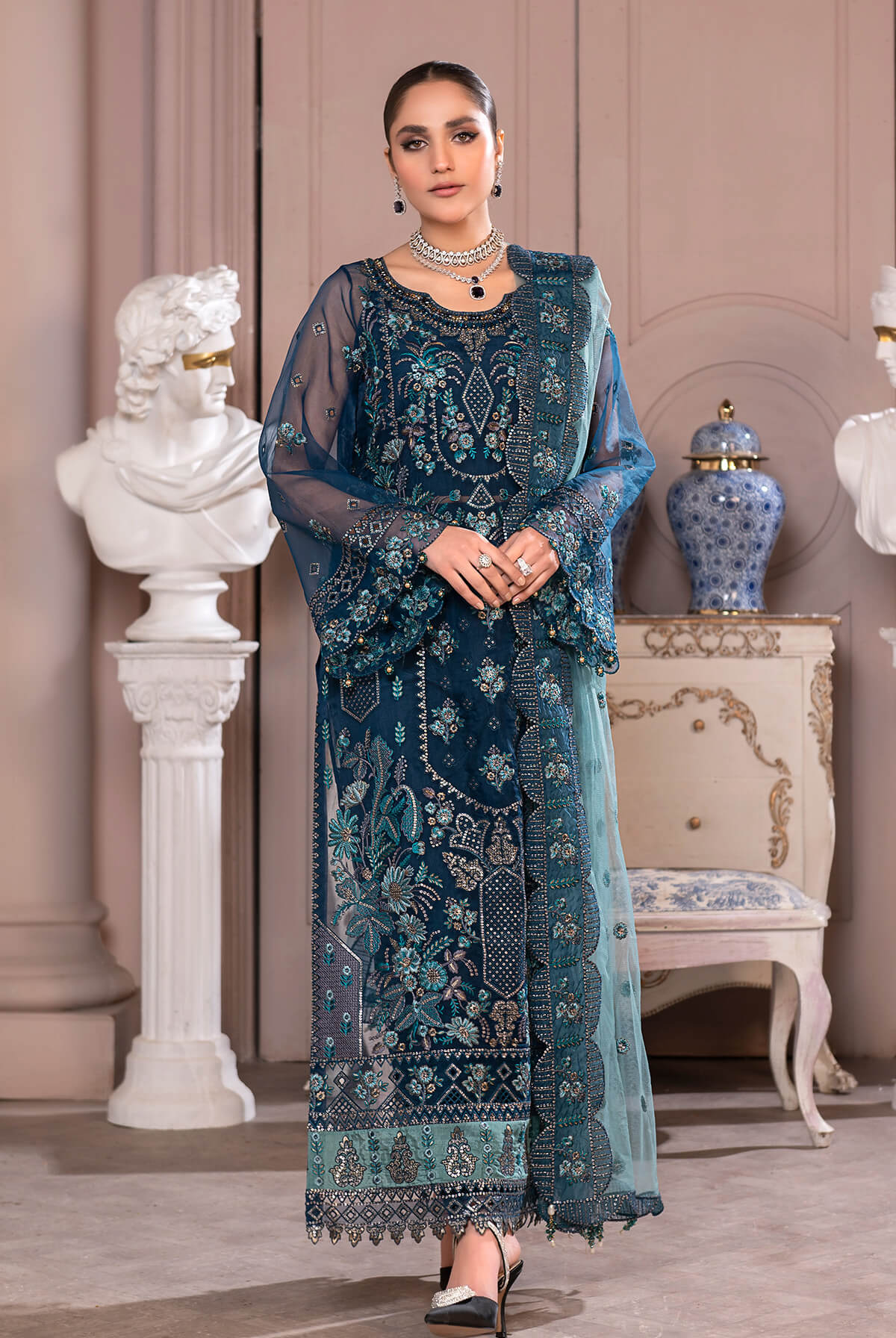

Original price was: ₨14,000.00.₨9,500.00Current price is: ₨9,500.00.
Sale!


Original price was: ₨16,000.00.₨14,000.00Current price is: ₨14,000.00.
Sale!


Original price was: ₨20,000.00.₨14,500.00Current price is: ₨14,500.00.
Sale!


Original price was: ₨19,000.00.₨14,000.00Current price is: ₨14,000.00.
Sale!


Original price was: ₨16,500.00.₨15,000.00Current price is: ₨15,000.00.
Sale!


Original price was: ₨18,500.00.₨15,500.00Current price is: ₨15,500.00.
Sale!


Original price was: ₨15,000.00.₨11,500.00Current price is: ₨11,500.00.
Sale!

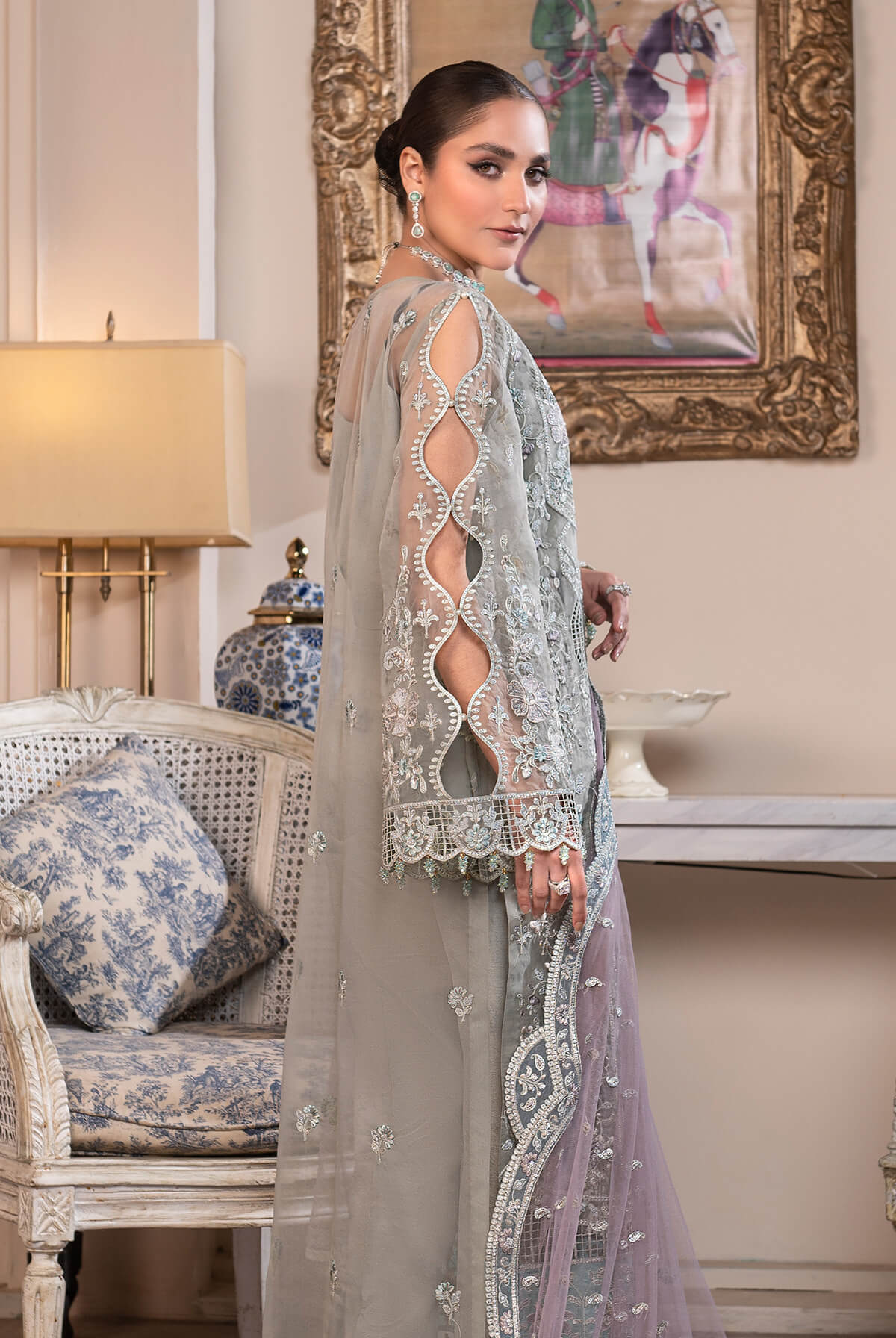
Original price was: ₨14,000.00.₨11,500.00Current price is: ₨11,500.00.
Sale!


Original price was: ₨13,500.00.₨8,700.00Current price is: ₨8,700.00.
Pakistani Dress Wholesale Supplier DR Congo
The fashion industry in the Democratic Republic of Congo is shaped by a combination of local creativity, international influences, traditional clothing, and changing consumer preferences. As retailers expand their collections to meet different customer needs, Pakistani clothing offers an interesting opportunity for boutiques, fashion stores, online sellers, and independent resellers. Its detailed embroidery, versatile fabrics, coordinated outfits, and variety of formal and everyday designs make it a potential addition to many retail collections.
For businesses planning to introduce South Asian clothing into their product ranges, choosing a reliable Pakistani Dress Wholesale Supplier DR Congo can be an important step toward building a sustainable sourcing strategy. Mastorat provides a starting point for buyers interested in exploring Pakistani fashion wholesale collections and understanding the options available for international trade.
Retailers in Kinshasa, Lubumbashi, Goma, Kisangani, and other commercial areas may serve customers with different budgets, cultural preferences, and shopping habits. Rather than relying on a single style or price category, businesses can develop collections that combine everyday clothing, embroidered suits, occasion wear, and premium designs.
Successful wholesale sourcing involves more than selecting attractive products. Buyers also need to consider fabric quality, sizing, order quantities, payment terms, shipping arrangements, customs requirements, and the potential retail demand for each collection. A thoughtful approach helps businesses make informed purchasing decisions and manage inventory more effectively.
This guide explains how retailers in the Democratic Republic of Congo can explore Pakistani clothing, compare wholesale options, assess suppliers, and develop a practical sourcing plan for their businesses.
Understanding the Fashion Market in DR Congo
The Democratic Republic of Congo has a diverse consumer market in which clothing serves practical, cultural, professional, and celebratory purposes. Fashion preferences vary between cities, neighborhoods, age groups, and individual customers. For retailers, this diversity creates opportunities to offer a balanced selection of products rather than concentrating exclusively on one type of clothing. In larger commercial centers such as Kinshasa and Lubumbashi, retailers may serve customers looking for everyday apparel, special-event outfits, imported fashion, and distinctive designs. Smaller businesses may focus on community-based demand, social commerce, or particular customer groups. Pakistani clothing can complement these existing product categories. Its range includes simple cotton outfits, embroidered three-piece suits, flowing formal dresses, unstitched fabric sets, and elaborate occasion wear. Retailers can choose products according to the needs of their customers instead of importing every available style. Understanding local demand should be the first step in developing a purchasing plan. Shop owners can observe which colors, fabrics, sizes, and price ranges attract attention. They can also speak with regular customers, review inquiries on social media, and compare the products offered by competing stores. These observations help businesses decide whether to prioritize affordable everyday outfits, premium occasion wear, or a combination of both. They also reduce the risk of purchasing large quantities of products that may not match local preferences.Why Pakistani Clothing Can Be a Valuable Retail Category
Pakistani fashion includes a broad range of traditional and contemporary clothing. Designers and manufacturers use different fabrics, decorative techniques, silhouettes, and finishing details to create collections suitable for casual wear, celebrations, formal occasions, and seasonal shopping. This variety allows retailers to develop a distinctive product offering without depending on a single type of garment.Traditional Craftsmanship and Embroidery
Embroidery is one of the recognizable features of many Pakistani outfits. Depending on the collection, garments may include threadwork, decorative stitching, embellished necklines, patterned borders, or detailed sleeve designs. These features can make formal suits and occasion wear attractive to customers who prefer clothing with visible decorative details. However, the level of embellishment should match the intended selling price and the preferences of the target audience. Before placing a bulk order, buyers should review product photographs and, where possible, inspect samples. They should pay attention to stitching consistency, embroidery placement, fabric finishing, and the durability of decorative elements.A Variety of Fabrics for Different Seasons
Pakistani clothing is produced in a range of fabrics, including cotton, lawn, chiffon, georgette, silk blends, and other materials. Each fabric has different characteristics in terms of texture, drape, maintenance, and suitability for particular occasions. Lightweight cotton garments may suit customers seeking comfortable everyday clothing, while chiffon and more heavily embellished materials may be appropriate for formal collections. Retailers should consider the local climate, the intended use of each outfit, and the practical requirements of their customers when choosing fabrics. Product descriptions should accurately identify materials and care instructions so buyers can communicate the correct information to their customers.Traditional Designs With Contemporary Appeal
Many Pakistani collections combine traditional silhouettes with contemporary colors, patterns, and styling. This creates options for customers who appreciate detailed craftsmanship but also want clothing that reflects current fashion preferences. Retailers can explore coordinated suits, modern cuts, restrained embellishments, and statement occasion wear to create a collection with variety. They should avoid assuming that every customer will prefer the same style simply because a garment comes from a particular country.Options Across Different Price Categories
Wholesale collections may include entry-level products, mid-range outfits, and premium garments. This range allows shop owners to build an assortment suited to their business model. Affordable everyday suits can serve customers looking for practical purchases, while more detailed designs may appeal to shoppers preparing for weddings, celebrations, and formal gatherings. Retailers can explore Pakistani Designer Dresses and Pakistani Designer Suits to investigate design-led collections. The final selection should depend on confirmed product availability, wholesale pricing, quality, and the likely needs of local customers.Choosing a Suitable Wholesale Supplier for DR Congo
Selecting a supplier is one of the most important decisions in international clothing trade. A supplier may offer attractive photographs and competitive prices, but buyers also need confidence in product consistency, communication, order handling, and delivery arrangements. Mastorat is one option for businesses exploring Pakistani fashion wholesale. Before making a commercial commitment, retailers should review the available catalog, ask for current product details, and confirm the terms that apply to their particular order.Evaluate Product Quality Carefully
Product quality influences customer satisfaction, repeat purchases, and the reputation of a retail business. A garment that looks appealing in a photograph may differ from the delivered item in fabric thickness, color, stitching, finishing, or fit. Ask the supplier for clear photographs, videos, fabric specifications, available sizes, and information about the construction of each garment. If sampling is available, consider purchasing a small selection before moving to a larger order. When evaluating samples, check seams, hems, button attachments, embroidery, fabric feel, and the consistency of measurements. For unstitched outfits, review the included fabric pieces and the stated dimensions. Establishing these expectations before ordering makes it easier to identify suitable products and communicate concerns if the delivered goods do not match the agreed specifications.Confirm Communication and Customer Support
International orders often require clarification about product variants, quantities, shipping arrangements, and documentation. Responsive communication can help prevent misunderstandings before payment and dispatch. Buyers should establish a clear communication channel and retain written confirmation of important commercial details. Product codes, quantities, unit prices, payment terms, dispatch estimates, and agreed specifications should be documented. It is also useful to ask how the supplier handles damaged items, missing products, incorrect sizes, or other order discrepancies. A clear process gives both parties a reference point if an issue arises.Understand Minimum Order Requirements
Wholesale suppliers may set minimum order quantities for individual designs, product categories, or entire shipments. Some may permit mixed designs, while others may require multiple pieces of the same product. The minimum quantity can influence the amount of money tied up in inventory. Smaller businesses should confirm these requirements before selecting their products and calculating the total order value. Do not assume that flexible quantities, bulk discounts, or special terms are automatically available. Request a current quotation that explains the conditions applicable to the planned purchase.Review Business and Payment Details
Before sending payment, verify the supplier's business information, payment recipient, invoice details, and applicable terms. Use appropriate commercial safeguards and avoid relying exclusively on social media photographs or informal promises. For a first transaction, a smaller order can provide an opportunity to assess communication, product quality, packaging, and delivery performance before increasing the purchasing volume.Exploring the Available Pakistani Clothing Collections
A successful wholesale catalog should reflect the intended customers and the retailer's available budget. Pakistani clothing includes several product categories, each with different selling considerations and inventory requirements. Retailers can compare the following options when developing their assortment.Embroidered Suits for Everyday and Formal Use
Embroidered suits are available in different levels of decoration, fabric quality, and design complexity. Some feature subtle detailing suitable for regular wear, while others use elaborate patterns intended for parties and formal occasions. A balanced selection can help retailers serve customers with different spending preferences. However, businesses should compare the construction and finishing of garments rather than judging quality solely by the amount of embroidery. Buyers interested in a broader assortment can review Pakistani Dress Wholesale to explore the wholesale clothing category.Lawn and Cotton Collections
Lawn and cotton outfits are associated with lightweight clothing and everyday comfort. Depending on the fabric composition and design, they may be suitable for customers who prefer breathable garments and relatively simple styling. When purchasing these collections, retailers should check fabric specifications, color consistency, print quality, and the amount of material included. Seasonal planning is also important because customer interest can change according to weather and shopping habits. Offering several color choices and a practical range of sizes may help businesses serve a wider audience without creating unnecessary duplication in their inventory.Chiffon and Formal Dresses
Chiffon and similar flowing materials are commonly used for formal outfits. These garments may include layered designs, decorative borders, embroidered panels, and coordinated dupattas. Their appearance can make them suitable for weddings, celebrations, evening events, and other occasions. Nevertheless, the target selling price should reflect the actual fabric, embellishments, stitching, and overall construction. Retailers should clearly distinguish premium formal garments from simpler products so customers understand the differences in design and price.Bridal and Wedding Collections
Bridal and wedding clothing can form a specialized category for retailers who already serve customers shopping for major celebrations. These outfits may involve intricate embroidery, elaborate finishing, coordinated accessories, or more complex construction. Because premium garments can require a larger investment, buyers should research customer demand and confirm delivery timelines before committing to substantial quantities. It may be more practical for some businesses to display a limited selection and arrange orders for particular designs rather than maintain a large collection of expensive garments throughout the year.Unstitched Fabric and Dress Materials
Unstitched outfits offer flexibility for customers who prefer custom tailoring or need garments adjusted to their personal measurements. Retailers can explore Pakistani Dress Material Wholesale when comparing fabric-based purchasing options. Buyers should confirm the fabric composition, length of each component, included accessories, and whether the product is sold as a complete set. For fabric traders serving customers who source from multiple South Asian markets, Pakistani Dress Material Wholesale In India is another relevant page to review while researching sourcing options.Catalogue-Based Collections
Catalogue-based purchasing allows retailers to compare designs, product references, colors, and available variants before making a decision. This can simplify selection when a business needs a coordinated collection for a new season or a particular customer group. The retailer should verify that the catalog is current and that the displayed items are available in the requested quantities. Photographs should be treated as a product reference rather than a guarantee that every detail will match the final shipment. For additional options, buyers can explore Pakistani Catalogue Dress Wholesale and compare the available product information with their own purchasing requirements.How DR Congo Retailers Can Research Wholesale Pricing
Wholesale pricing directly affects the financial performance of a clothing business. The cheapest purchase price does not always produce the best result, particularly when international transportation, import charges, product quality, and unsold inventory are considered. Retailers should calculate the full cost of bringing goods into their business before deciding whether an order is commercially attractive.Compare More Than the Unit Price
A supplier's quotation may cover the garments alone, while transportation, insurance, customs clearance, and other expenses may be charged separately. Buyers should request a breakdown of the costs included in the quotation and identify any additional fees that may apply. This helps prevent an apparently inexpensive order from becoming more costly than expected. When comparing suppliers, use the same product specifications and order quantities wherever possible. Comparing a premium embroidered suit from one supplier with a basic outfit from another will not provide a meaningful assessment of value. Retailers can use Pakistani Dress Wholesale Online as a starting point for researching online wholesale options and organizing product comparisons.Calculate the Landed Cost
The landed cost is the total expense associated with getting purchased goods to the intended destination, including applicable transport and import-related charges. A simplified calculation is: Landed cost per garment = Total order and import costs ÷ Number of saleable garments received The total should account for the purchase price, freight, insurance where applicable, customs duties, taxes, clearance fees, and other relevant expenses. Any currency conversion or payment-processing charges should also be considered. If a shipment contains damaged, incorrect, or unsaleable products, the effective cost of the remaining saleable garments may increase. This is another reason to evaluate quality and order terms before confirming a purchase.Plan Retail Prices Realistically
After calculating the landed cost, retailers should consider operating expenses such as rent, salaries, packaging, marketing, payment fees, and local delivery. The selling price needs to cover these expenses while remaining appropriate for the intended customer group. Competitor prices can provide useful context, but they should not be the only basis for setting a price. Different products may support different pricing strategies. Everyday garments may depend on regular sales volume, whereas distinctive formal outfits may be sold less frequently at a higher price point.Compare International Sourcing Options
Retailers sometimes investigate suppliers and trading hubs in several countries to understand differences in stock availability, transportation, and purchasing terms. Relevant pages for further research include Pakistani Dress Wholesale In Pakistan, Pakistani Dress Wholesale In Dubai, and Pakistani Dress Wholesale In USA. These pages can support broader sourcing research, but buyers should verify the actual shipping origin, product availability, and final delivered cost with each supplier. A location-specific page does not necessarily mean that goods are stocked locally in that market.Minimum Order Quantity and Inventory Planning
Minimum order quantity, often abbreviated as MOQ, refers to the smallest quantity a supplier accepts for a particular order or product. It can apply to an individual design, a color, a size combination, or the entire purchase. Understanding the MOQ is essential for businesses operating with limited storage space or working capital.Start With a Defined Product Strategy
Before contacting suppliers, decide which types of garments the business intends to sell. A boutique focusing on premium formal wear will have different purchasing needs from a shop specializing in affordable everyday clothing. Create a shortlist of product categories, estimated quantities, preferred colors, and target selling prices. This makes it easier to request relevant quotations instead of browsing an extensive catalog without a clear purchasing objective.Avoid Excessive Stock in Unproven Designs
Large quantities may reduce the unit price, but they can also create a financial burden if products sell slowly. Fashion preferences change, and some colors or designs may attract less interest than anticipated. For a new category, consider a smaller trial order if the supplier permits it. Monitor customer inquiries, sales rates, returns, and feedback before deciding which styles deserve larger repeat orders.Build a Balanced Size Range
For stitched garments, size availability can be as important as the design itself. A collection containing attractive products may still underperform if the sizes do not match the needs of local customers. Request garment measurements and sizing information before ordering. Where possible, examine actual measurements rather than relying solely on labels such as small, medium, or large. For unstitched garments, communicate the included fabric measurements and components clearly. Accurate information helps customers understand what they are purchasing and whether additional tailoring materials may be needed.Maintain a Practical Reordering System
Retailers should keep basic records of stock levels, product codes, purchase dates, supplier details, and sales performance. These records make it easier to identify popular items and plan replenishment. A simple inventory spreadsheet can track opening stock, purchases, sales, damaged items, and remaining quantities. Over time, this information can support better decisions about reorder quantities and seasonal buying.International Shipping From Pakistan to DR Congo
International shipping is a major consideration for retailers purchasing clothing from overseas. The most appropriate transport method depends on the shipment's size, weight, urgency, budget, destination, and customs requirements. Buyers should discuss logistics before confirming payment so that delivery expectations are clear.Air Freight for Time-Sensitive Shipments
Air freight may be suitable for smaller shipments, urgent replenishment, or garments needed for a particular retail period. It generally offers faster transportation than sea freight, although the final cost depends on the carrier, shipment dimensions, chargeable weight, route, and applicable services. Retailers should request a complete quotation rather than estimating expenses solely from the weight of the garments. Before dispatch, confirm whether the quoted service includes collection, export handling, destination charges, customs clearance, and final delivery. These services may be billed separately.Sea Freight for Larger Orders
Sea freight can be worth considering for larger shipments when the delivery schedule allows more time. However, the overall process may involve port handling, consolidation, customs procedures, and inland transportation. A low ocean-freight rate does not necessarily represent the total cost of receiving the goods. Buyers should compare the complete shipping arrangement and determine whether the shipment size justifies the additional handling requirements. For businesses with limited storage capacity, the benefits of buying in bulk should be weighed against the cost of holding excess stock.Confirm the Delivery Address and Route
The Democratic Republic of Congo has different commercial centers and delivery conditions. A shipment intended for a business in Kinshasa may have different final transportation requirements from one destined for Lubumbashi or another city. Retailers should provide the correct delivery address and ask the logistics provider to confirm the available route. They should also check whether the shipment requires collection from a designated facility or can be delivered directly to the business address. Never assume that an advertised international shipping service automatically covers every destination or includes door-to-door delivery.Prepare the Required Documentation
International clothing shipments generally require appropriate commercial and transport documentation. Depending on the transaction and applicable rules, these may include a commercial invoice, packing list, transport document, and other export or import paperwork. The supplier and logistics provider should explain which documents they will prepare and which responsibilities remain with the buyer. Importers should confirm current requirements with the relevant Congolese customs authorities or a qualified customs broker. Duties, taxes, product classifications, and documentation requirements can change, so it is important to obtain current guidance before shipment.Track the Shipment and Plan for Delays
Delivery estimates are not always guarantees. Weather, transport schedules, customs inspections, documentation problems, and other operational factors can affect the arrival date. Ask the logistics provider for tracking information and an appropriate contact for shipment inquiries. Retailers should also maintain a reasonable buffer between the expected arrival date and any seasonal sales deadline. This is particularly important when ordering clothing for weddings, festivals, promotional campaigns, or other events with fixed dates.A Practical Ordering Process for DR Congo Buyers
An organized ordering process can reduce misunderstandings and help businesses manage international purchases more efficiently.Step 1: Research the Available Catalog
Begin by identifying the product categories that suit your business. Compare garment styles, fabrics, sizes, colors, decorative details, and product references. A retailer can start with Pakistani Clothes Wholesale Suppliers to explore the broader supplier category and then narrow the selection to specific products.Step 2: Request Current Product Information
Ask the supplier to confirm which items are available, whether the catalog is up to date, and whether the required quantities can be supplied. Request clear product descriptions, measurements, fabric details, and photographs. If a product is available in multiple variants, obtain confirmation of the exact variant being quoted.Step 3: Obtain a Written Quotation
The quotation should identify the products, quantities, unit prices, total purchase value, applicable payment terms, and shipping arrangements. It should also clarify the MOQ, estimated dispatch schedule, and any conditions relating to changes or cancellations. Written confirmation reduces the risk of disagreement when the order is prepared.Step 4: Review the Supplier and Order Terms
Check business details, communication history, payment instructions, and the supplier's procedures for handling discrepancies. If the transaction is unfamiliar, consider whether a smaller initial purchase would provide an appropriate way to evaluate the supplier. Do not proceed until the commercial terms and responsibilities are sufficiently clear.Step 5: Confirm Packaging and Documentation
Before dispatch, establish how garments will be packed and how the shipment will be identified. Confirm the required commercial documents and verify that product descriptions, quantities, and invoice details are accurate. Suitable packaging helps protect garments from moisture, dirt, and handling damage during transportation.Step 6: Arrange Transport and Follow Delivery
Agree on the transport method, delivery destination, estimated transit period, and responsibility for customs-related procedures. Keep copies of the order confirmation, invoice, payment record, and shipment documents. Once the shipment is dispatched, monitor the tracking information and communicate promptly if an issue arises.Step 7: Inspect the Goods on Arrival
Compare the delivered products with the order confirmation. Check the quantity, product references, colors, sizes, fabric condition, and general finishing. Document any discrepancies and contact the supplier within the applicable reporting period. Keeping organized records can make it easier to resolve problems and assess the supplier's performance for future purchases.Serving Customers in Kinshasa, Lubumbashi, and Other Cities
DR Congo retailers operate in different commercial environments, so the most appropriate clothing assortment may vary from one location to another. Businesses should use local customer information rather than assuming that demand is identical throughout the country.Developing a Collection for Kinshasa
Retailers serving Kinshasa may consider a varied assortment that includes everyday outfits, coordinated suits, formal garments, and selected premium designs. The ideal balance will depend on the store's location, customer profile, and selling channel. A boutique catering to occasion wear may prioritize elaborate outfits, while a general clothing retailer may benefit from a wider mix of accessible price points.Planning Stock for Lubumbashi
Businesses in Lubumbashi can use the same research principles while accounting for their own customer base, competitors, and distribution arrangements. Before committing to a large order, review local interest in different fabric types, garment styles, and price ranges. Customer requests and actual sales records are more useful than relying exclusively on broad assumptions about fashion trends.Supporting Customers in Other Commercial Areas
Retailers outside the largest cities may face different storage, transportation, and replenishment considerations. Businesses should factor these practical requirements into their purchasing decisions. For example, a retailer with limited storage may prefer a carefully selected assortment and a more frequent replenishment strategy, where supplier availability and shipping costs make that approach feasible. The goal is to match purchasing decisions with the actual needs and capabilities of the business.Building an Effective Online Sales Strategy
Digital channels allow clothing businesses to display their collections, communicate with customers, and receive product inquiries. Retailers do not necessarily need a large e-commerce website to begin developing an online presence, but they do need accurate product information and consistent customer service.Use Clear Product Photography
Photographs should show the garment clearly, including the front, back, fabric details, embroidery, and included accessories where relevant. If the product is unstitched, explain which components are included. If a photograph shows styling accessories that are not part of the purchase, make that distinction clear. Accurate images help customers make informed decisions and reduce misunderstandings about what they will receive.Write Useful Product Descriptions
Descriptions should focus on the information shoppers need. Include fabric composition where known, garment type, available sizes, colors, measurements, care instructions, and relevant design features. Avoid making claims about fabric quality, origin, or durability unless they can be supported by reliable product information. For online sellers, transparency can help establish trust and encourage repeat purchases.Organize Collections by Customer Needs
A store can group products into practical categories such as everyday clothing, formal suits, embroidered outfits, bridal designs, and unstitched materials. Clear organization makes browsing easier and helps customers compare similar items. Businesses can also feature new arrivals or seasonal collections when suitable products are available, without creating unnecessary urgency or promising stock that has not been confirmed.Manage Inquiries and Orders Consistently
Retailers should establish a straightforward method for answering questions about prices, sizes, delivery, and payment. Order confirmations should include the selected product, quantity, agreed price, delivery arrangements, and any relevant terms. Customers should also know how to contact the business if an item arrives damaged or differs from the description. A consistent process helps an online clothing business appear organized even when it operates on a small scale.Expanding Product Variety Through International Sourcing Research
Retailers may explore different markets to understand the wider Pakistani clothing trade, compare supplier information, and identify additional product categories. These comparisons can be useful when developing a long-term sourcing strategy, but the actual benefits depend on the supplier, the shipment route, the products offered, and the final costs. The following Mastorat pages provide additional locations and categories for research:- Pakistani Dress Wholesale Supplier Afghanistan
- Pakistani Dress Wholesale Supplier Algeria
- Pakistani Dress Wholesale Supplier Australia
- Pakistani Dress Wholesale Supplier Canada
- Pakistani Dress Wholesale Supplier China
- Pakistani Dress Wholesale Supplier Germany
- Pakistani Dress Wholesale Supplier South Africa
- Pakistani Dress Wholesale Supplier Turkey
- Pakistani Dress Wholesale Supplier Saudi Arabia
- Pakistani Dress Wholesale Supplier Bangladesh