
Sale!
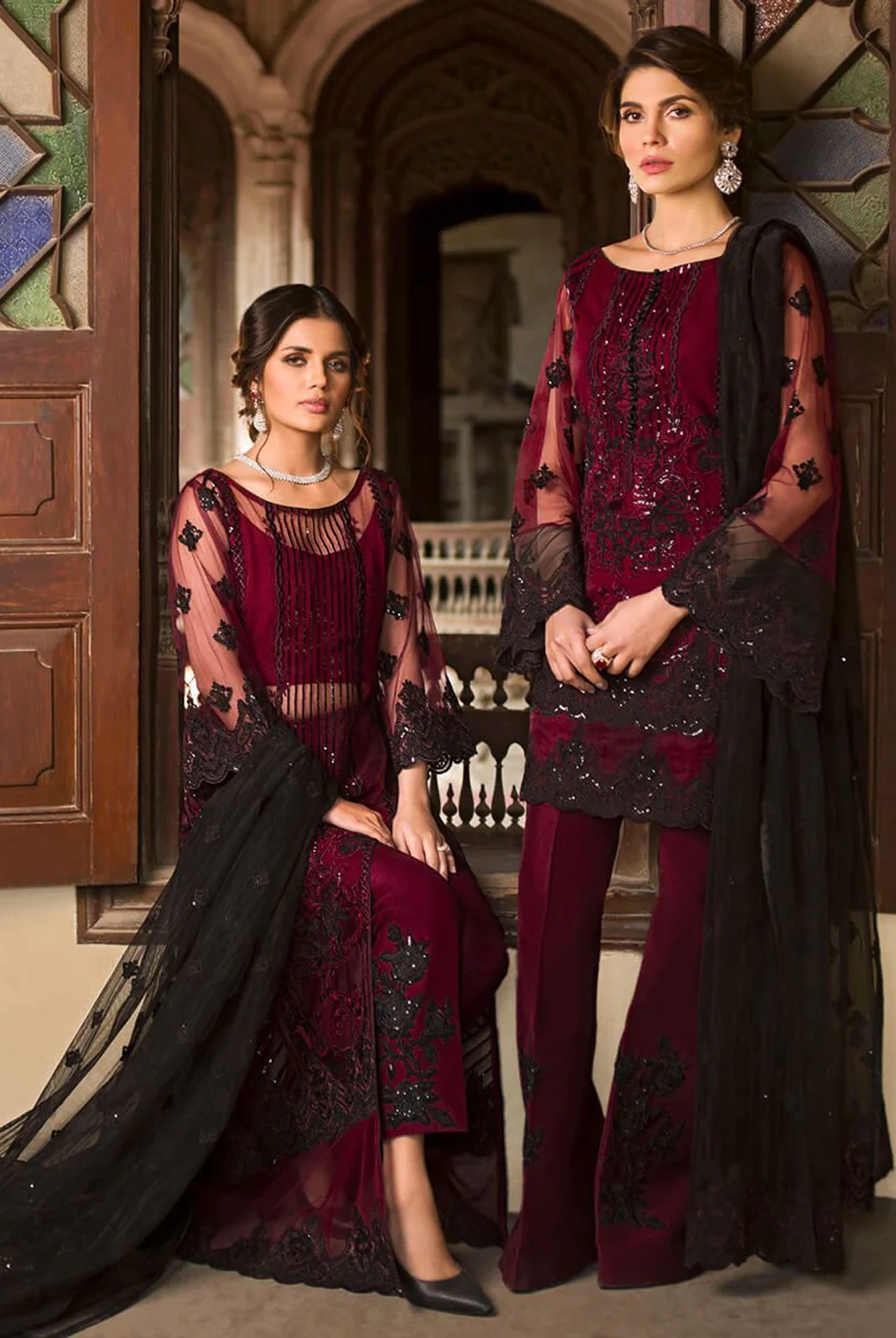

Original price was: ₨17,500.00.₨13,500.00Current price is: ₨13,500.00.
Sale!


Original price was: ₨16,000.00.₨13,000.00Current price is: ₨13,000.00.
Sale!


Original price was: ₨18,500.00.₨14,000.00Current price is: ₨14,000.00.
Sale!

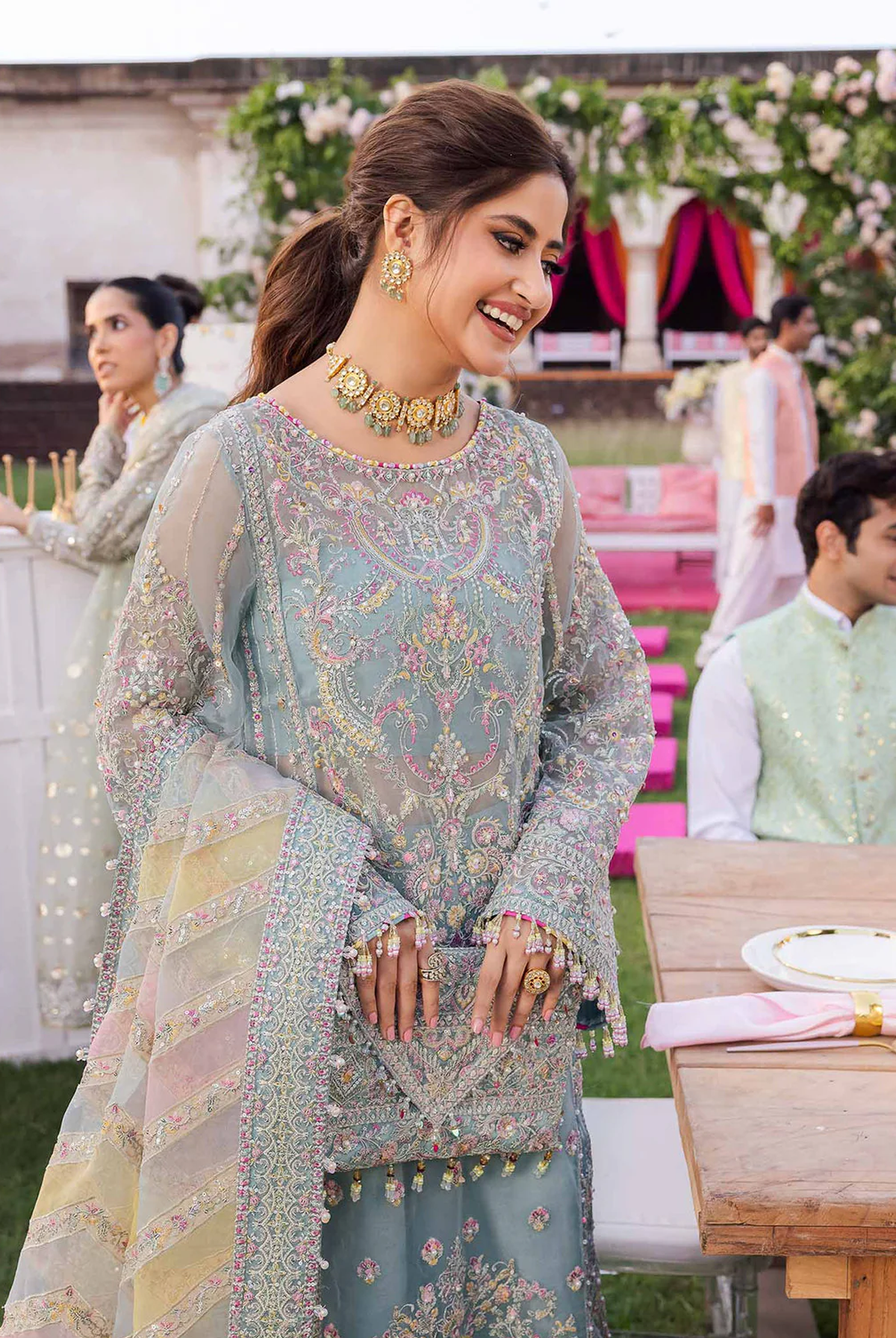
Original price was: ₨14,000.00.₨12,000.00Current price is: ₨12,000.00.
Sale!
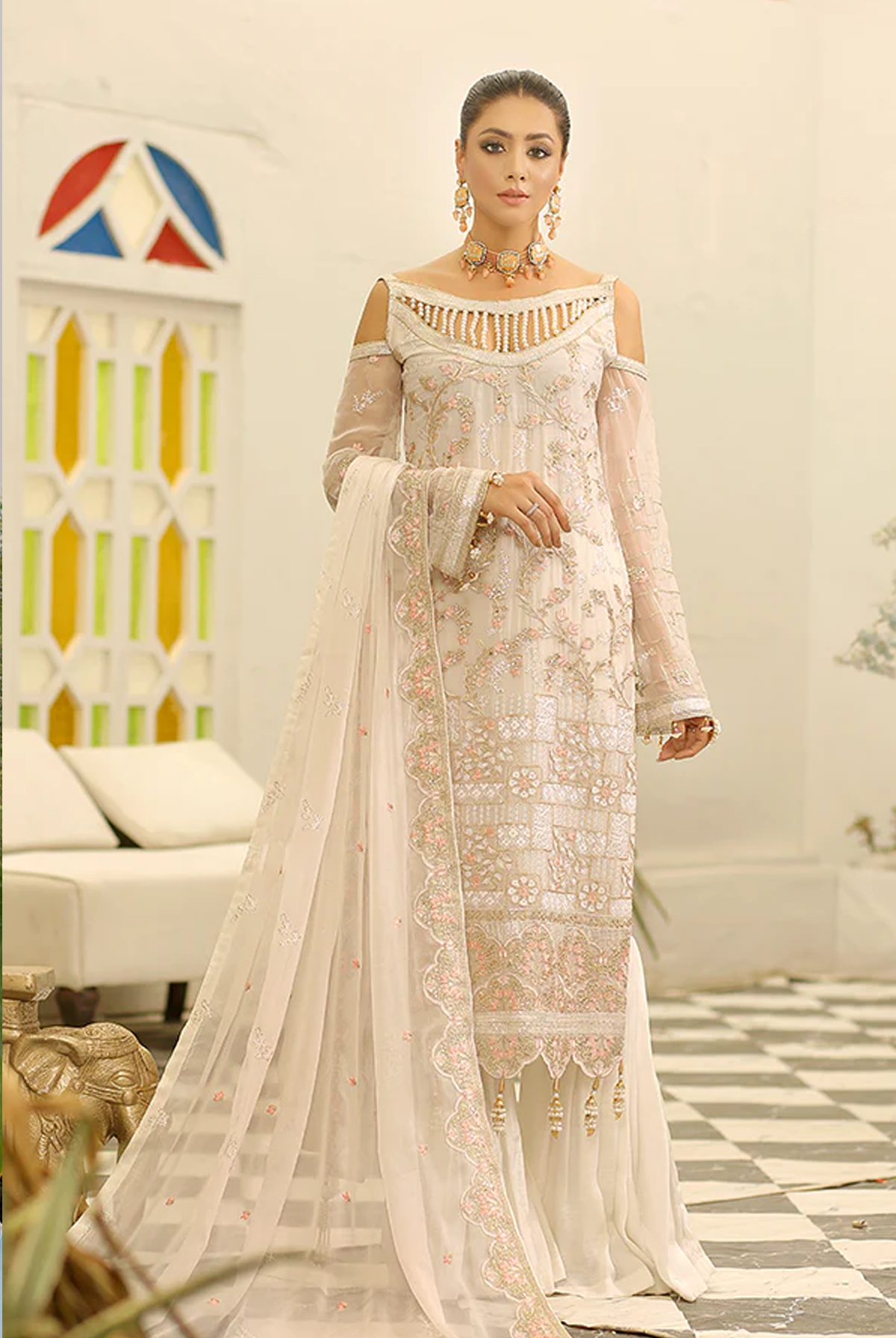

Original price was: ₨15,000.00.₨13,500.00Current price is: ₨13,500.00.
Sale!


Original price was: ₨16,000.00.₨12,500.00Current price is: ₨12,500.00.
Sale!


Original price was: ₨17,500.00.₨15,500.00Current price is: ₨15,500.00.
Sale!


Original price was: ₨15,000.00.₨13,000.00Current price is: ₨13,000.00.
Sale!


Original price was: ₨11,500.00.₨9,500.00Current price is: ₨9,500.00.
Sale!
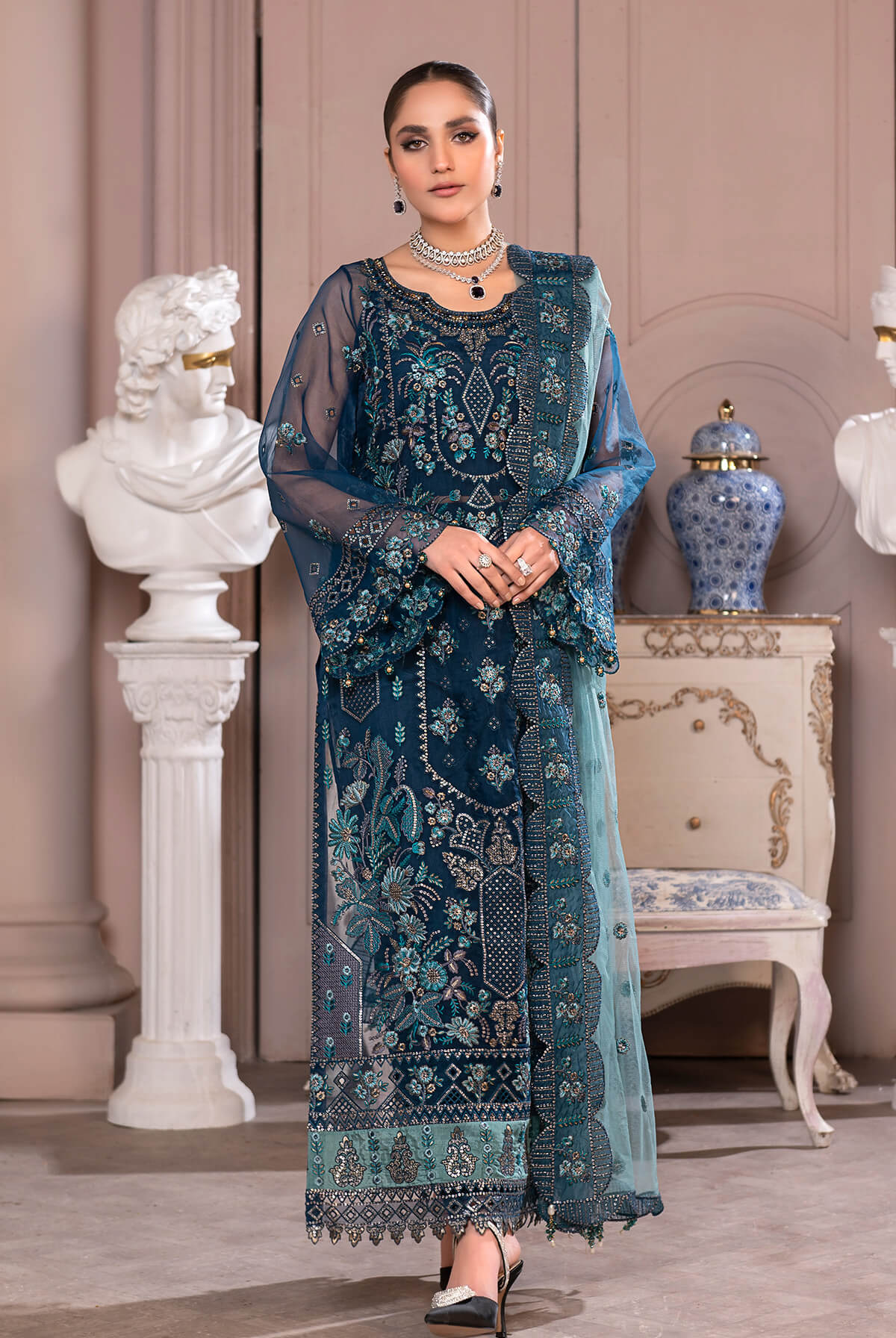

Original price was: ₨14,000.00.₨9,500.00Current price is: ₨9,500.00.
Sale!


Original price was: ₨16,000.00.₨14,000.00Current price is: ₨14,000.00.
Sale!


Original price was: ₨18,500.00.₨14,500.00Current price is: ₨14,500.00.
Sale!


Original price was: ₨17,500.00.₨15,000.00Current price is: ₨15,000.00.
Sale!


Original price was: ₨14,500.00.₨12,500.00Current price is: ₨12,500.00.
Sale!


Original price was: ₨17,500.00.₨16,000.00Current price is: ₨16,000.00.
Sale!

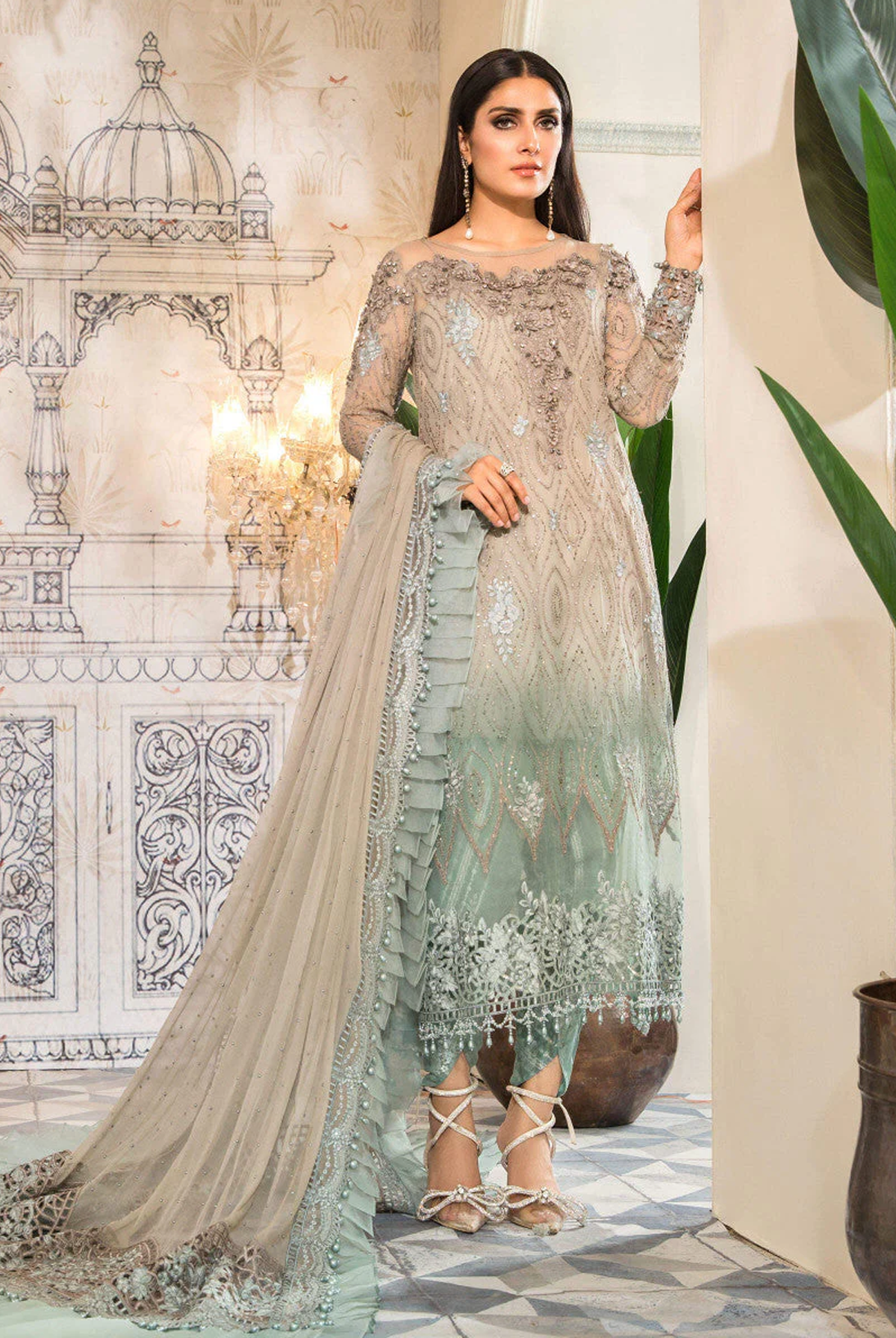
Original price was: ₨16,500.00.₨15,500.00Current price is: ₨15,500.00.
Sale!

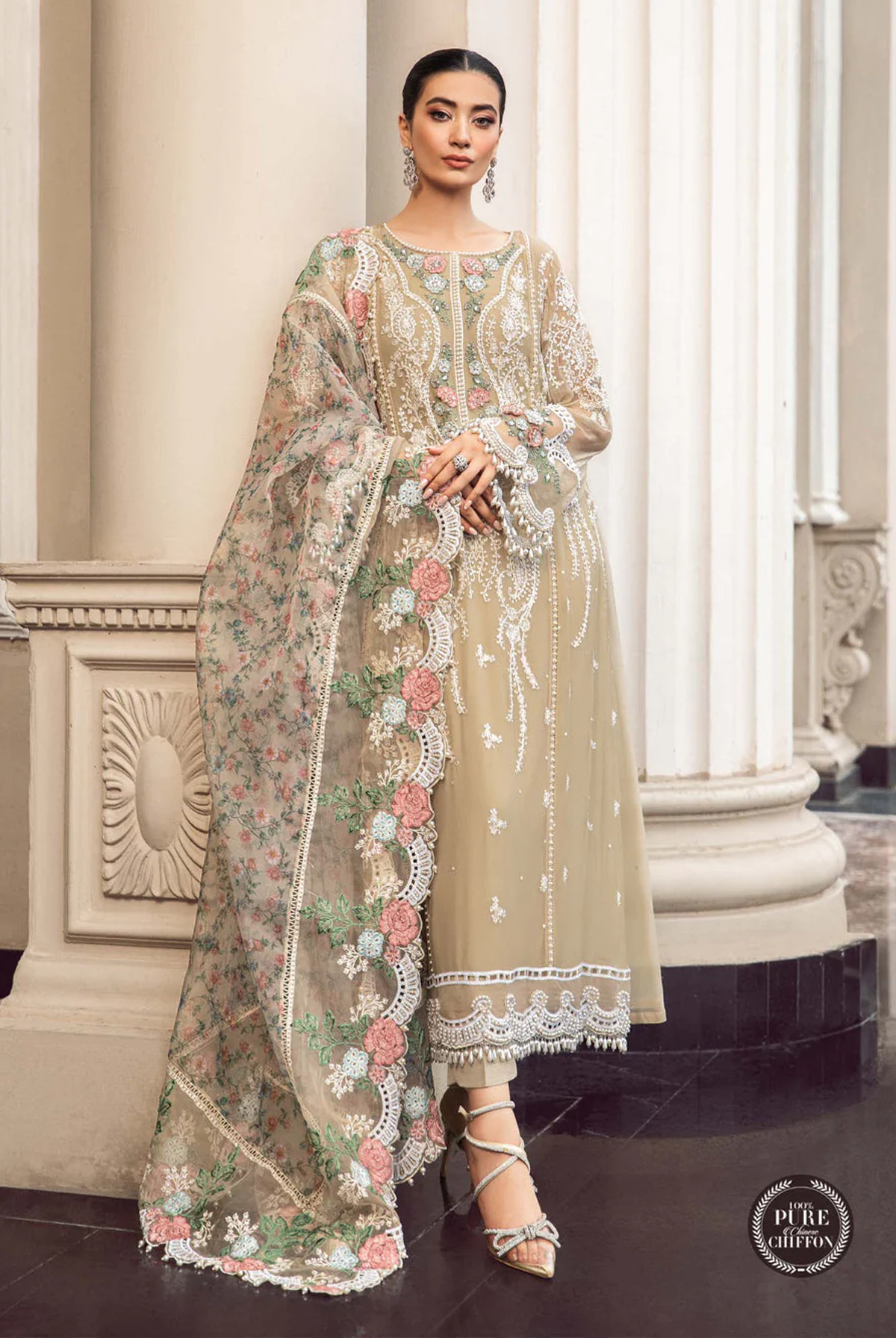
Original price was: ₨15,000.00.₨14,000.00Current price is: ₨14,000.00.
Sale!


Original price was: ₨18,500.00.₨17,000.00Current price is: ₨17,000.00.
Sale!


Original price was: ₨17,500.00.₨16,500.00Current price is: ₨16,500.00.
Sale!


Original price was: ₨16,500.00.₨15,000.00Current price is: ₨15,000.00.
Sale!


Original price was: ₨15,000.00.₨11,500.00Current price is: ₨11,500.00.
Sale!


Original price was: ₨15,500.00.₨13,500.00Current price is: ₨13,500.00.
Pakistani Dress Wholesale Supplier Caribbean Netherlands | Mastorat
The demand for Pakistani clothing continues to create opportunities for fashion retailers, boutique owners, and online sellers in international markets. Known for its detailed embroidery, attractive prints, versatile fabrics, and distinctive designs, Pakistani fashion offers a wide selection of clothing for everyday wear, celebrations, and formal occasions. For businesses serving customers in Bonaire, Sint Eustatius, and Saba, sourcing these products from a dependable wholesale partner can help establish a diverse and appealing clothing collection.
Mastorat provides access to Pakistani fashion collections for businesses interested in traditional clothing, contemporary styles, unstitched fabrics, and ready-to-wear outfits. Retailers searching for a Pakistani Dress Wholesale Supplier Caribbean Netherlands can explore different product categories and identify styles that suit their customers, store size, and purchasing requirements. The right sourcing approach can help businesses maintain product variety while balancing quality, cost, and customer expectations.
Whether you operate a small boutique, manage an online clothing store, or plan to introduce South Asian fashion to an existing retail business, understanding the available collections and wholesale purchasing process is an important first step. This guide explains the main clothing categories, fabric options, sourcing considerations, shipping requirements, and practical strategies that can help retailers develop their businesses in the Caribbean Netherlands.
Understanding the Pakistani Clothing Wholesale Market
Pakistani clothing combines traditional craftsmanship with changing fashion preferences. Its collections range from simple printed outfits to elaborately embroidered formal wear, giving retailers opportunities to serve customers with different budgets and style preferences. Wholesale sourcing allows businesses to purchase multiple garments or clothing sets through a supplier rather than buying individual pieces at retail prices. Depending on the supplier's terms, buyers may be able to select different designs, sizes, colors, and fabric categories for their inventory. For retailers in the Caribbean Netherlands, product selection should reflect the needs of the local market instead of relying entirely on international fashion trends. Some customers may prefer lightweight everyday clothing, while others may be interested in festive outfits, traditional South Asian attire, or distinctive pieces for special occasions. Mastorat offers a starting point for exploring these categories through its Pakistani dress wholesale collection. Retailers can use the available product information to compare styles and identify items that align with their business model. Before placing an order, buyers should consider the following factors:- The preferences and spending habits of their target customers.
- The type of clothing that complements their existing inventory.
- Available colors, sizes, fabrics, and designs.
- Minimum order quantities and wholesale pricing.
- Shipping costs, delivery estimates, and import requirements.
- Product consistency and the supplier's communication process.
Why Pakistani Fashion Can Suit Caribbean Netherlands Retailers
The Caribbean Netherlands has a distinctive retail environment shaped by island communities, international connections, tourism, and a warm climate. These factors can influence the types of clothing that businesses choose to stock. Pakistani fashion offers a combination of casual, semi-formal, and occasion-specific clothing. This variety gives retailers flexibility when building a collection for customers with different preferences.Clothing for Warm Weather
Lightweight clothing can be particularly useful in a tropical environment. Cotton and lawn fabrics are popular choices for warm-weather collections because they are generally breathable and comfortable when appropriately constructed. Printed suits, lightweight kurtis, and simple coordinated outfits may appeal to customers looking for clothing suitable for everyday activities. Retailers should review fabric composition, lining, garment construction, and care instructions before choosing items for a warm-weather collection. A balanced inventory can include lightweight everyday pieces alongside a smaller selection of formal clothing. This approach allows businesses to offer variety without dedicating their entire budget to one product category.Traditional and Contemporary Styles
Pakistani clothing includes traditional silhouettes as well as modern cuts and styling. Depending on the collection, retailers may find embroidered three-piece suits, contemporary kurtis, matching trousers, dupattas, and formal ensembles. These options can serve customers who appreciate cultural clothing as well as shoppers looking for distinctive prints, decorative details, or coordinated outfits. Retailers should avoid assuming that every customer has the same preferences. Testing a small range of designs and collecting feedback can provide useful information about which products deserve a larger share of future orders.Clothing for Celebrations and Special Occasions
Weddings, family gatherings, cultural celebrations, and formal events can create demand for more decorative clothing. Pakistani formal wear often features embroidery, embellishments, rich colors, and carefully coordinated fabrics. A retailer can introduce these products as a separate category rather than mixing every formal outfit with everyday merchandise. Clear product descriptions, quality photographs, and accurate sizing information can help customers understand the differences between casual and occasion-specific clothing.Exploring the Range of Pakistani Dresses
A successful clothing collection usually includes more than one style or price category. Offering a suitable mix of unstitched materials, ready-to-wear garments, and designer-inspired outfits can help retailers reach different customer groups. Businesses can browse Pakistani dress wholesale online to explore online sourcing options and review the range of products available through the supplier.Unstitched Pakistani Suits
Unstitched suits are fabric sets that customers can have tailored according to their measurements and styling preferences. They are a useful option for shoppers who want more control over garment length, sleeve design, fit, and overall appearance. Common unstitched categories include:- Lawn suits for warm-weather clothing.
- Cotton fabric sets for everyday use.
- Linen and khaddar collections for suitable cooler-weather conditions.
- Chiffon sets for formal and festive outfits.
- Silk-based fabrics for selected occasion-wear designs.
Ready-to-Wear Clothing
Ready-to-wear outfits are finished garments that customers can purchase without arranging separate tailoring. They can be convenient for retailers who want to offer products that are easy to display, describe, and sell. Depending on the collection, ready-made clothing may include:- Printed kurtis and casual shirts.
- Two-piece and three-piece suits.
- Embroidered formal outfits.
- Coordinated tops and trousers.
- Selected party-wear designs.
Designer and Formal Collections
Designer clothing appeals to customers looking for distinctive patterns, elaborate embroidery, coordinated colors, and more detailed finishing. These garments may carry higher purchasing costs than everyday clothing, so retailers should evaluate their target audience and expected selling prices before investing heavily in premium inventory. A carefully selected formal collection can include embroidered suits, occasion-wear dresses, and coordinated ensembles. Product descriptions should explain the fabric, embellishments, included components, and care requirements. Mastorat's Pakistani designer dresses and Pakistani designer suits pages offer relevant categories for retailers exploring more decorative clothing options.Catalogue-Based Collections
Catalogue-based sourcing can help buyers review several designs before deciding which products to purchase. Images and product details make it easier to compare colors, silhouettes, embroidery, and styling. However, catalogue photographs should be considered alongside written product specifications. Lighting, editing, and screen settings can affect how colors appear, so retailers should confirm important details before placing substantial orders. Businesses can explore Pakistani catalogue dress wholesale to investigate this purchasing approach.Selecting Fabrics for Different Customer Needs
Fabric selection affects comfort, appearance, durability, maintenance, and the overall value of a garment. Retailers who understand the main fabric categories can make better decisions when building a collection.Lawn and Cotton
Lawn and cotton are widely used in casual Pakistani clothing. Their lightweight feel makes them relevant for warm-weather collections, although comfort depends on the specific weave, thickness, finishing, and garment design. Printed cotton outfits and lawn suits can be suitable options for customers who prefer everyday clothing with traditional patterns. When reviewing these products, retailers should check the fabric composition and washing instructions rather than assuming that every item described as cotton has identical properties.Chiffon
Chiffon is associated with lightweight, flowing garments and formal styling. It is commonly used for dupattas, decorative layers, and occasion-wear designs. Because chiffon can be delicate and may require careful handling, retailers should provide suitable care guidance to customers. They should also confirm whether the garment includes a lining or requires a separate inner layer.Silk and Silk-Blended Fabrics
Silk and silk-blended materials can create a polished appearance for formal clothing. Their texture, drape, price, and maintenance requirements vary according to the exact composition. Buyers should verify whether a product is made from natural silk, a synthetic alternative, or a blend. Accurate fabric descriptions help avoid misunderstandings and support customer confidence.Linen and Khaddar
Linen and khaddar are commonly associated with cooler-season collections and structured everyday outfits. Their suitability depends on the fabric weight and local weather conditions. Retailers can introduce these products selectively, taking into account customer demand and the seasonal nature of the inventory. For a broader overview of material-based products, visit Pakistani dress material wholesale.How to Evaluate a Wholesale Clothing Supplier
Choosing a supplier involves more than comparing prices. A reliable sourcing relationship depends on clear product information, consistent communication, realistic delivery expectations, and transparent commercial terms. Businesses considering a Pakistani Dress Wholesale Supplier Caribbean Netherlands should evaluate the supplier against practical purchasing criteria before committing to a large order.Product Information and Transparency
Product listings should provide enough information for buyers to understand what they are purchasing. Relevant details include fabric composition, garment measurements, available sizes, included accessories, finishing, and care instructions. If any information is missing, retailers should request clarification before confirming an order.Pricing and Order Conditions
Wholesale prices may depend on order quantity, product category, design, fabric, and customization requirements. Some suppliers may also apply minimum order values or different pricing structures for selected collections. Retailers should request a written quotation that explains the product price, applicable taxes, packaging charges, shipping fees, and payment terms. The lowest quoted price is not always the best overall option. Product quality, delivery reliability, and the total landed cost should all be considered.Quality Checks
Quality assurance is particularly important when customers cannot inspect products before purchase. Retailers should ask about the supplier's inspection process and clarify how defects or incorrect items are handled. Where possible, requesting samples or placing a smaller initial order can help establish whether the products meet the required standard.Communication and After-Sales Support
Clear communication can make the ordering process easier. Buyers should know how to confirm stock availability, request product details, track shipments, and raise concerns about an order. Businesses can also review Pakistani clothes wholesale suppliers when researching supplier options and comparing sourcing approaches.Understanding Wholesale Pricing and Profit Margins
Wholesale purchasing can help retailers manage costs, but profitability depends on more than the difference between the supplier's price and the retail selling price. A realistic costing process should account for all expenses associated with bringing products into the business. These expenses may include:- The wholesale cost of each garment.
- International shipping and insurance, where applicable.
- Customs duties and import taxes.
- Payment processing or currency conversion charges.
- Packaging, storage, and local delivery.
- Marketing, sales, and other operating expenses.
Planning Inventory for the Caribbean Netherlands
Inventory planning helps retailers avoid tying up too much capital in products that customers may not purchase quickly. The best starting collection will depend on the store's size, available budget, customer profile, and sales channels.Start With a Balanced Product Mix
A small retailer might begin with a combination of casual printed suits, ready-to-wear outfits, a limited selection of formal designs, and a few distinctive pieces for special occasions. This approach provides an opportunity to test demand across different categories without placing the entire budget into one style.Consider Climate and Seasonal Demand
Warm-weather clothing may be relevant throughout much of the year, while heavier fabrics and particular formal collections may appeal to narrower customer groups. Retailers should consider actual customer preferences rather than relying exclusively on seasonal assumptions. For example, a lightweight collection may suit everyday use, while decorative outfits may be promoted ahead of celebrations and special events.Track Sales and Customer Feedback
Simple sales records can reveal which designs, colors, sizes, and price points perform best. Retailers can track:- Units sold in each product category.
- Average selling price.
- Customer requests for unavailable sizes or colors.
- Returns and reasons for dissatisfaction.
- Products that remain in stock for extended periods.
Avoid Overordering New Designs
A design that performs well in another country may not automatically succeed in the Caribbean Netherlands. Customer preferences can differ considerably between markets. Testing smaller quantities of unfamiliar styles can reduce the risk of excess inventory. Once reliable sales patterns emerge, retailers can consider increasing their orders for the strongest-performing products.Shipping and Import Considerations
International shipping is an important part of wholesale sourcing. Retailers should confirm the available delivery methods, estimated transit times, packaging arrangements, tracking options, and shipping costs before placing an order. The Caribbean Netherlands consists of Bonaire, Sint Eustatius, and Saba. Buyers should confirm that the selected shipping provider serves their particular island and that the delivery address is supported.Confirm the Delivery Destination
Shipping availability and charges may vary by island. Retailers should provide the complete delivery address and request a quotation that applies to their actual destination. They should also ask whether the quoted delivery time is an estimate or a guaranteed service commitment.Understand Customs Requirements
Import requirements can vary according to the destination, product classification, shipment value, and applicable regulations. Before ordering, businesses should verify which documents are required and who is responsible for customs declarations, duties, and taxes. Depending on the arrangement, the buyer or supplier may have different responsibilities. These terms should be clarified in writing to prevent unexpected charges.Protect Garments During Transit
Appropriate packaging helps protect clothing from moisture, dust, handling damage, and unnecessary creasing. Retailers should ask how garments are packed and whether the supplier uses protective packaging suitable for international transport. For larger shipments, it may also be helpful to understand the procedure for reporting damaged, missing, or incorrect items.Plan Around Delivery Times
Businesses should allow sufficient time for order preparation, international transit, customs processing, and local delivery. Retailers planning stock for a wedding season, cultural celebration, or promotional event should avoid depending on an unconfirmed arrival date. Mastorat's international sourcing pages, including Pakistani dress wholesale in USA and Pakistani dress wholesale in Dubai, provide additional regional references for businesses exploring international clothing supply.Building an Effective Retail Marketing Strategy
Having suitable inventory is only one part of running a clothing business. Retailers also need to communicate product value and make it easy for customers to discover their collections. A practical marketing strategy can combine local promotion, social media, product photography, customer recommendations, and an accessible online catalogue.Use Clear Product Photography
Good photographs help customers understand garment colors, patterns, silhouettes, and finishing details. Where possible, retailers should use accurate images of the actual products they sell. They can show the front and back of a garment, close-up embroidery details, fabric texture, and the components included in a set. Product descriptions should complement the photographs by providing measurements, fabric composition, available sizes, and care instructions.Organize Products Into Categories
An organized catalogue allows customers to browse the collection more easily. Useful categories may include casual wear, formal suits, unstitched fabrics, ready-to-wear outfits, and occasion wear. Retailers should also make pricing, availability, delivery policies, and return conditions easy to find.Promote Through Relevant Channels
Social media can help businesses introduce new arrivals, demonstrate styling options, and communicate with prospective customers. Local partnerships, community events, and customer referrals may also be useful, depending on the business model. Rather than posting only promotional messages, retailers can share helpful information about fabric care, outfit coordination, sizing, and the differences between product categories.Build Customer Confidence
Accurate descriptions and realistic delivery estimates can help establish trust. Retailers should avoid promising specific fabric qualities, delivery dates, or product availability unless those details have been confirmed. A straightforward returns policy and responsive customer support can also make the buying experience more reliable.Using Online Wholesale Resources to Compare Collections
Online wholesale pages allow retailers to review different product categories and explore potential sourcing options without visiting multiple physical markets. However, the information on these pages should be treated as a starting point for research rather than a substitute for confirming current stock, pricing, and commercial terms. Businesses can explore the following Mastorat resources when comparing clothing categories and international sourcing options:- Pakistani dress wholesale market for broader wholesale market research.
- Pakistani designer clothes online for designer clothing categories.
- Pakistani clothes wholesale suppliers UK for a regional supplier reference.
- Pakistani dress wholesale in Mumbai for another regional market reference.
- Pakistani dress wholesale in Dhaka for additional international sourcing research.
Expanding Into Other International Markets
Once a clothing business has developed a stable customer base, expanding into additional markets may become an option. Before entering another region, retailers should research demand, shipping costs, local competition, import rules, and customer expectations. International expansion does not necessarily require opening a physical shop in every market. Depending on the business model, retailers may use an online store, wholesale partnerships, selected resellers, or other distribution arrangements. Mastorat has additional regional pages that retailers can consult during their research, including:- Pakistani dress wholesale supplier Australia
- Pakistani dress wholesale supplier Canada
- Pakistani dress wholesale supplier Saudi Arabia
- Pakistani dress wholesale supplier UAE
Quality Control and Customer Satisfaction
Customer satisfaction depends on the overall experience, from product discovery to delivery and after-sales support. For clothing retailers, quality control begins before an order is placed. Buyers should review product specifications, ask questions about materials, and confirm the supplier's process for handling discrepancies.Check Garment Construction
Important details include stitching, seams, embroidery attachment, finishing, and the consistency of measurements. The expected standard may vary by price category, but retailers should understand what they are paying for and ensure the products are suitable for their customers.Confirm Sizing Information
Sizing can differ between manufacturers and clothing collections. A consistent measurement chart can help customers choose the right garment and reduce avoidable returns. For unstitched suits, the available fabric length and width may be more important than standard ready-made sizing.Communicate Care Requirements
Different fabrics may require different washing, ironing, storage, or dry-cleaning methods. Providing accurate care instructions can help customers maintain their clothing and understand how to handle delicate embellishments or specialty materials.Create a Clear Complaint Process
Even with careful checks, occasional problems can occur. Retailers should establish a process for recording damaged items, checking orders against invoices, and contacting the supplier within the relevant reporting period. Clear procedures help resolve problems more efficiently and support stronger long-term business relationships.Common Mistakes to Avoid When Buying Wholesale
New retailers sometimes focus on product prices without evaluating the complete purchasing process. Avoiding a few common mistakes can improve decision-making.Buying Too Much Inventory Initially
Large orders may reduce the unit price, but they can also create cash-flow problems if the products sell slowly. Starting with a manageable quantity can help retailers test product demand before increasing their investment.Ignoring the Total Landed Cost
Shipping, duties, taxes, and handling charges can change the actual cost of each garment. These expenses should be calculated before retail prices are finalized.Relying Only on Catalogue Images
Photographs do not always show fabric texture, exact colors, garment measurements, or finishing quality. Buyers should request missing specifications and samples where practical.Overlooking Delivery Conditions
Retailers should clarify dispatch estimates, shipping arrangements, customs responsibilities, and procedures for dealing with delays.Choosing Products Without Customer Research
A large catalogue does not mean every design will suit the local market. Retailers should use customer feedback and sales records to guide future purchases.Making Unverified Product Claims
Marketing should accurately reflect the garment's fabric, construction, origin, and included components. Transparent descriptions help maintain customer trust and reduce disputes.A Practical Checklist Before Placing Your First Order
Before purchasing wholesale clothing for a Caribbean Netherlands business, review the following checklist.- Identify the main customer groups you want to serve.
- Select a balanced mix of everyday, formal, and occasion-wear clothing.
- Confirm product specifications and fabric composition.
- Review sizes, measurements, colors, and included components.
- Request a detailed quotation and clarify minimum order requirements.
- Calculate shipping, customs, taxes, and other landed costs.
- Confirm delivery availability for Bonaire, Sint Eustatius, or Saba.
- Review payment terms and the supplier's policies for defective or incorrect items.
- Consider a small initial order or product samples where available.
- Prepare product photographs, descriptions, pricing, and a marketing plan.