
Sale!
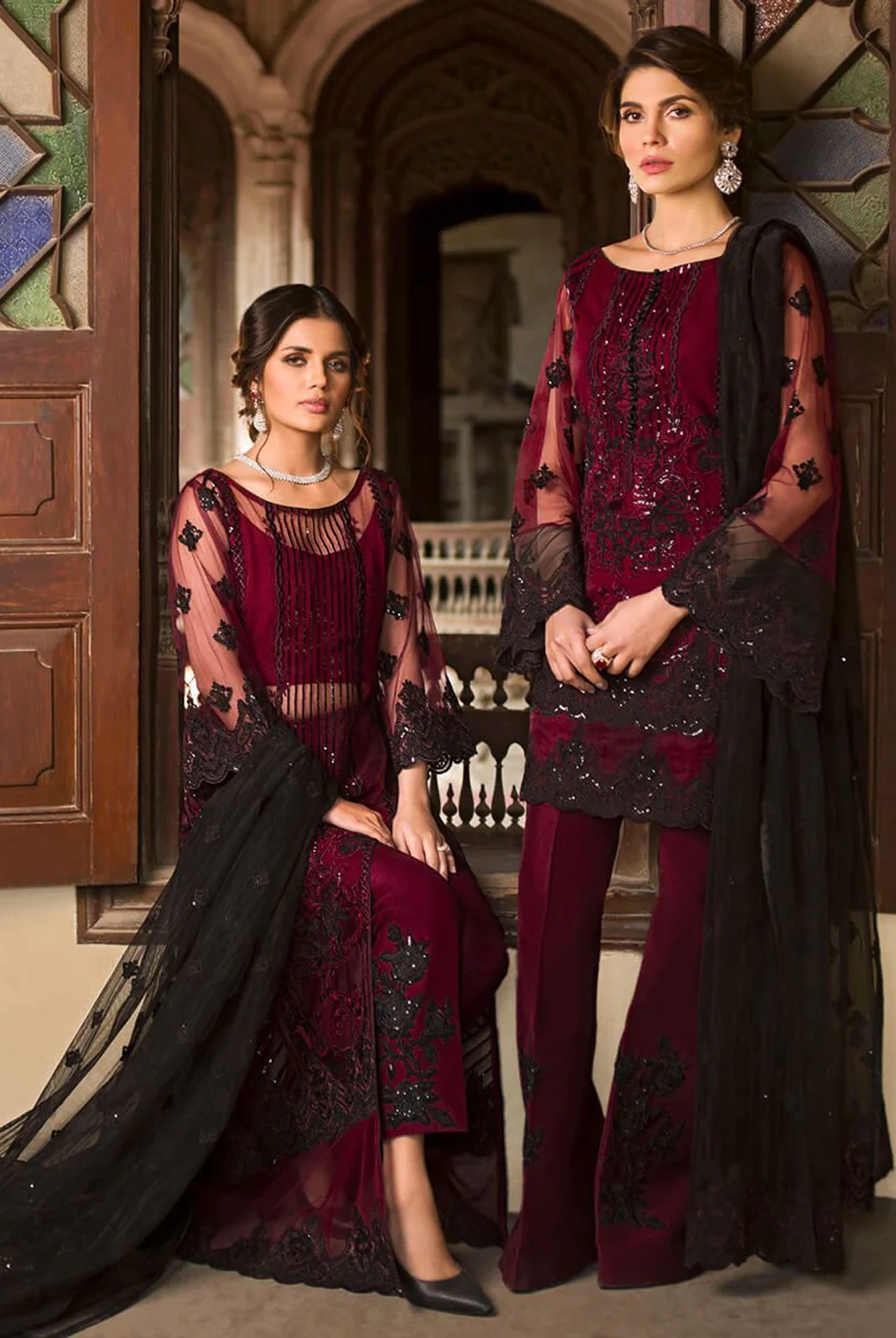

Original price was: ₨17,500.00.₨13,500.00Current price is: ₨13,500.00.
Sale!


Original price was: ₨16,000.00.₨13,000.00Current price is: ₨13,000.00.
Sale!


Original price was: ₨18,500.00.₨14,000.00Current price is: ₨14,000.00.
Sale!

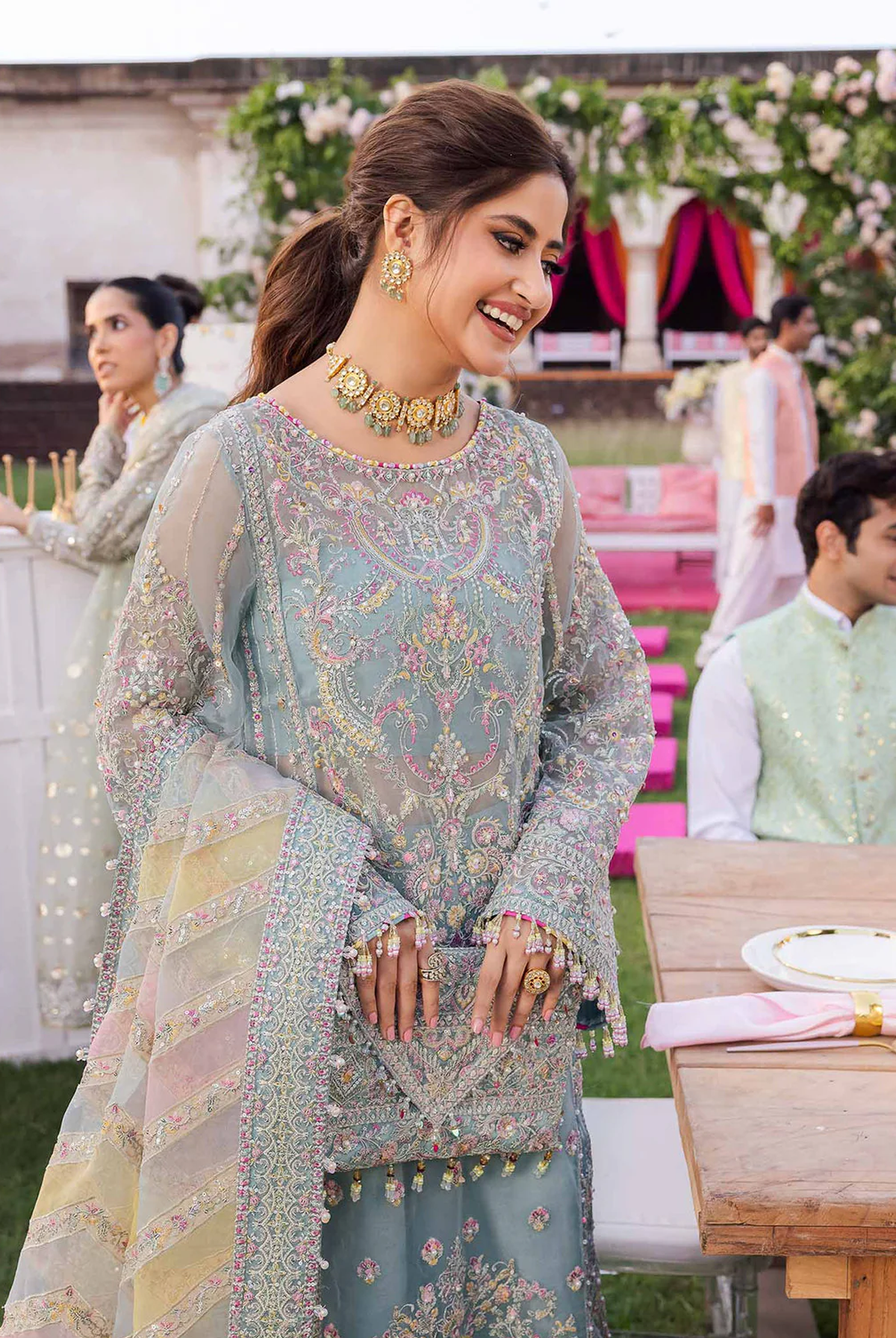
Original price was: ₨14,000.00.₨12,000.00Current price is: ₨12,000.00.
Sale!
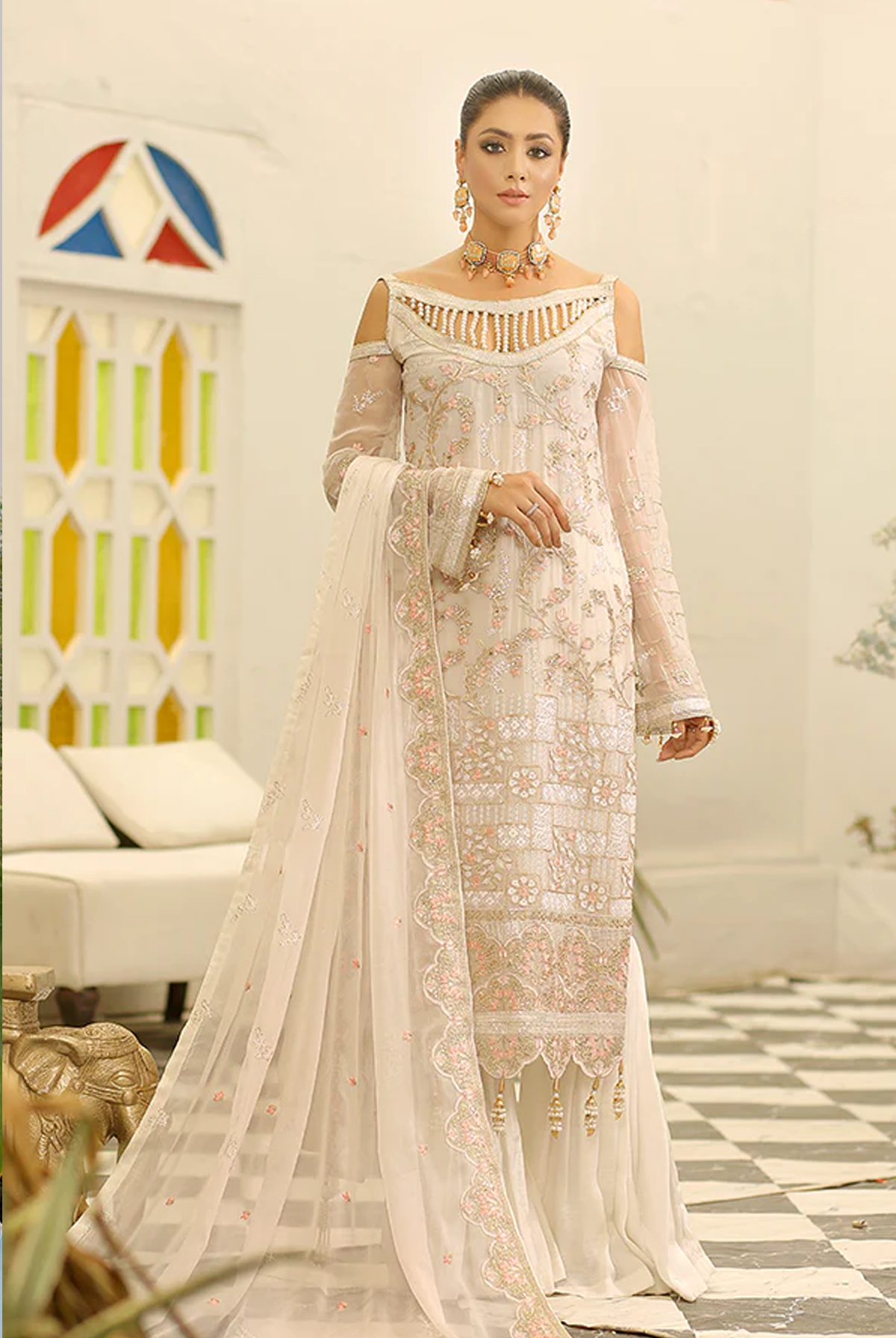

Original price was: ₨15,000.00.₨13,500.00Current price is: ₨13,500.00.
Sale!


Original price was: ₨16,000.00.₨12,500.00Current price is: ₨12,500.00.
Sale!


Original price was: ₨17,500.00.₨15,500.00Current price is: ₨15,500.00.
Sale!


Original price was: ₨15,000.00.₨13,000.00Current price is: ₨13,000.00.
Sale!


Original price was: ₨11,500.00.₨9,500.00Current price is: ₨9,500.00.
Sale!
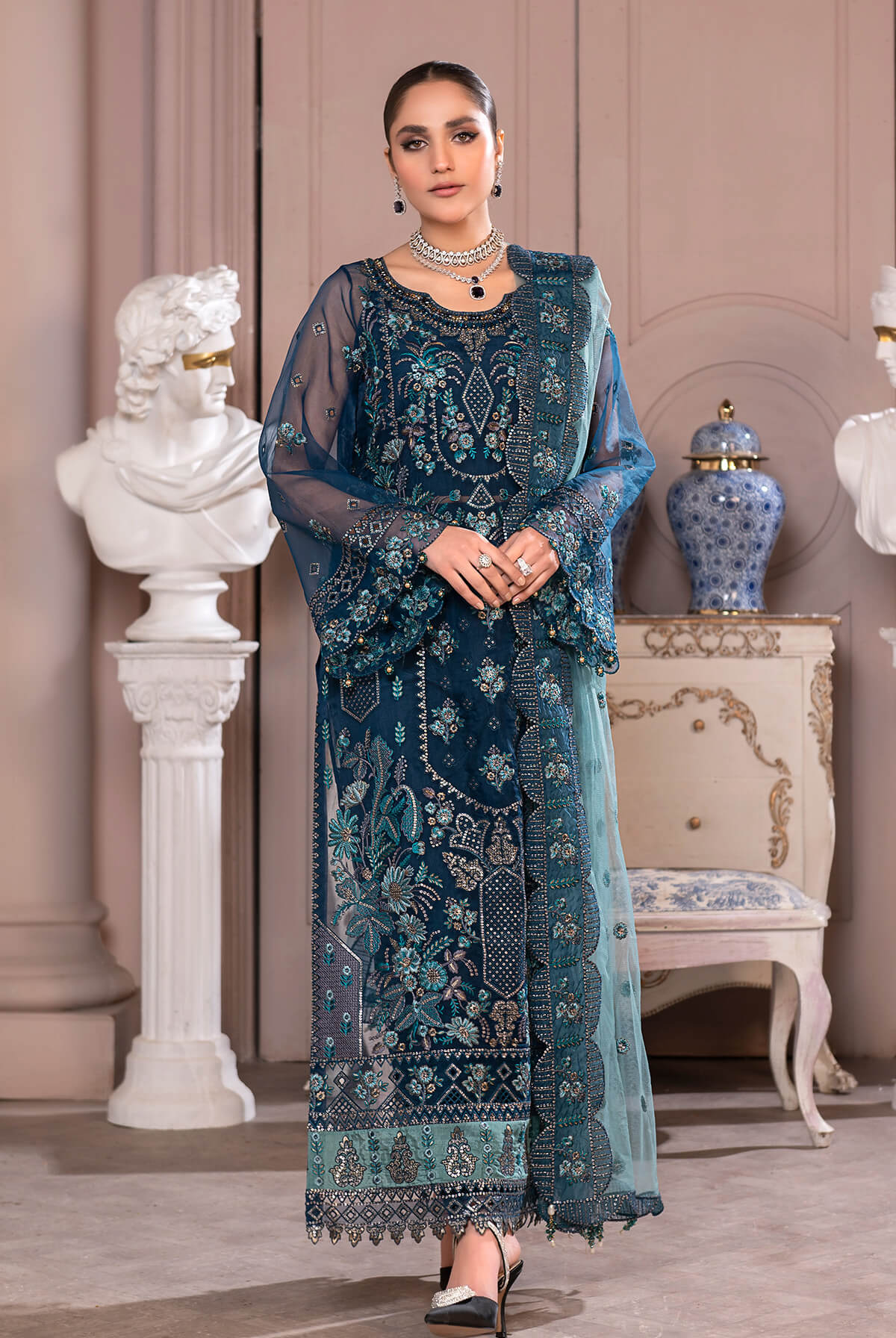

Original price was: ₨14,000.00.₨9,500.00Current price is: ₨9,500.00.
Sale!


Original price was: ₨16,000.00.₨14,000.00Current price is: ₨14,000.00.
Sale!


Original price was: ₨18,500.00.₨14,500.00Current price is: ₨14,500.00.
Sale!


Original price was: ₨17,500.00.₨15,000.00Current price is: ₨15,000.00.
Sale!


Original price was: ₨14,500.00.₨12,500.00Current price is: ₨12,500.00.
Sale!


Original price was: ₨17,500.00.₨16,000.00Current price is: ₨16,000.00.
Sale!

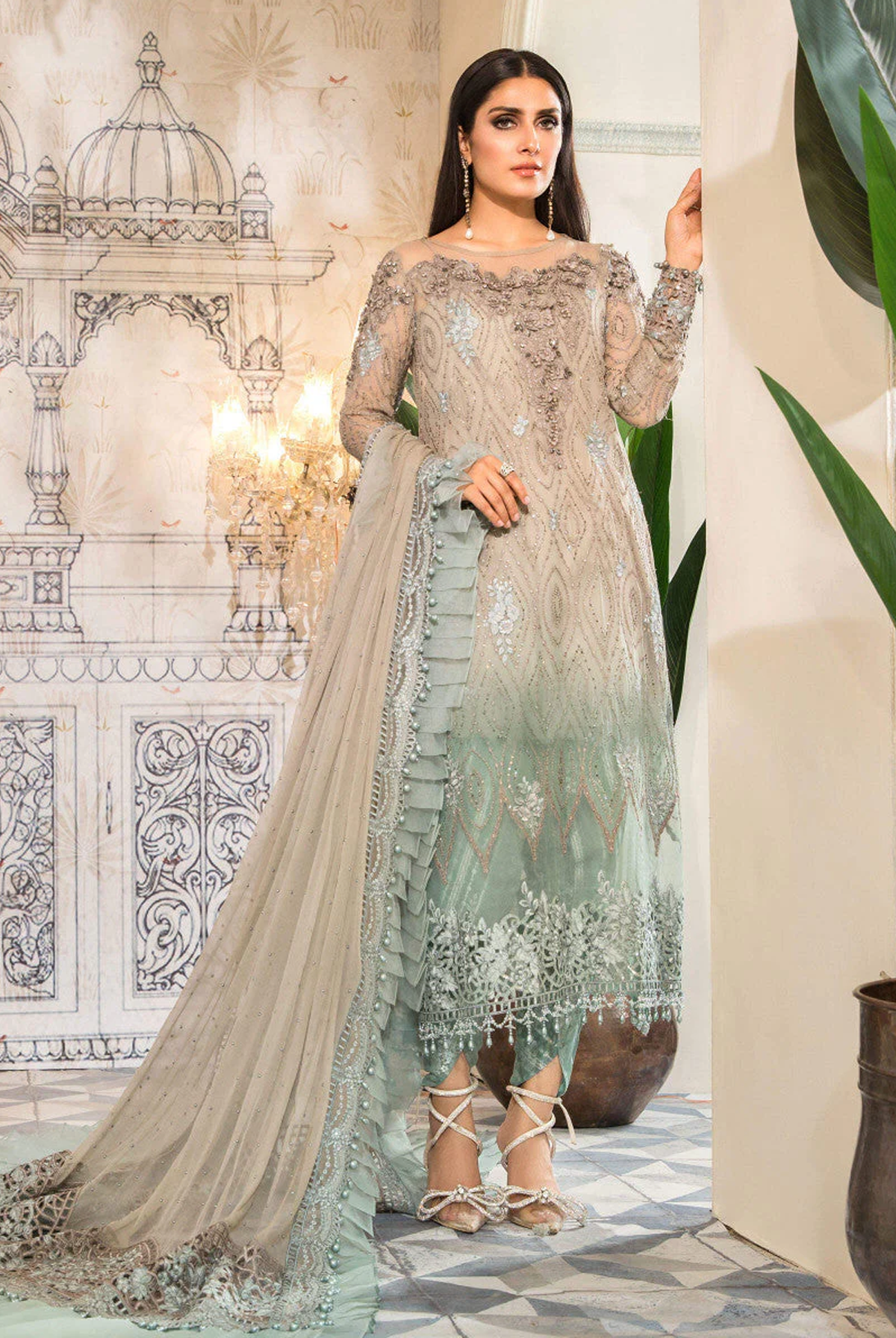
Original price was: ₨16,500.00.₨15,500.00Current price is: ₨15,500.00.
Sale!

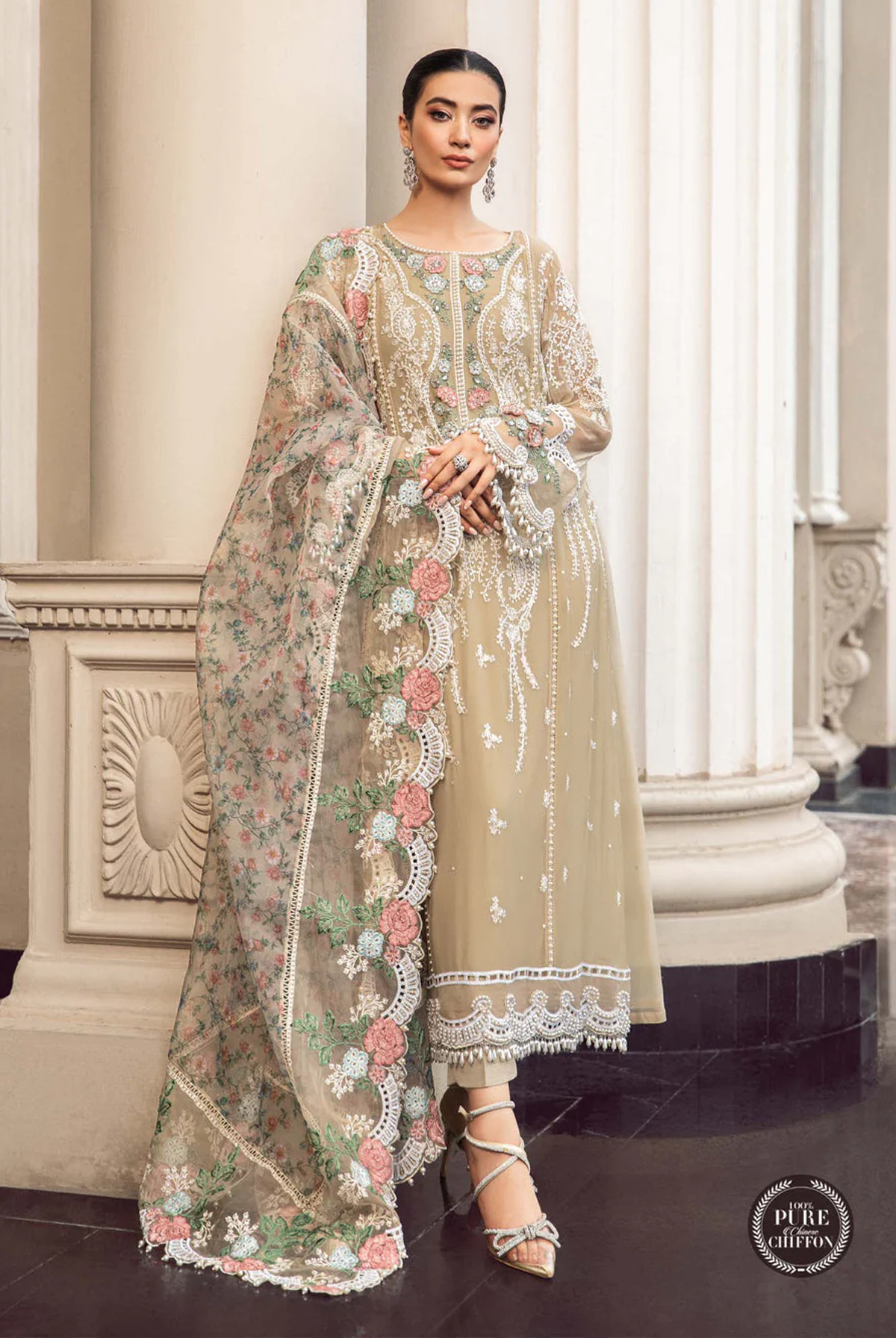
Original price was: ₨15,000.00.₨14,000.00Current price is: ₨14,000.00.
Sale!


Original price was: ₨18,500.00.₨17,000.00Current price is: ₨17,000.00.
Sale!


Original price was: ₨17,500.00.₨16,500.00Current price is: ₨16,500.00.
Sale!


Original price was: ₨16,500.00.₨15,000.00Current price is: ₨15,000.00.
Sale!


Original price was: ₨15,000.00.₨11,500.00Current price is: ₨11,500.00.
Sale!


Original price was: ₨15,500.00.₨13,500.00Current price is: ₨13,500.00.
Pakistani Dress Wholesale Supplier Angola | Mastorat
International fashion markets offer growing opportunities for retailers who want to introduce distinctive clothing, attractive designs, and different fabric choices to their customers. Pakistani fashion is known for its detailed embroidery, traditional craftsmanship, colourful prints, and collections that combine cultural influences with contemporary styling. These qualities make Pakistani clothing an option worth exploring for boutiques, independent retailers, online stores, and fashion distributors in Angola.
For businesses interested in expanding their product range, finding a reliable Pakistani Dress Wholesale Supplier Angola can be an important step towards building a sustainable clothing business. Wholesale sourcing allows retailers to compare collections, evaluate product quality, plan inventory, and explore purchasing options that suit their customers and budgets.
Mastorat provides a platform for exploring Pakistani clothing collections and wholesale-related resources for different international markets. Retailers can use these resources to learn about product categories, sourcing considerations, and opportunities for bringing Pakistani fashion to their local customers.
This guide explains what Angolan retailers should consider when sourcing Pakistani clothing, how wholesale purchasing works, which products may suit different customer groups, and what to check before arranging an international shipment. It also explores the role of online sourcing, supplier communication, product selection, and inventory planning in building a successful fashion retail business.
Understanding the Opportunity for Pakistani Clothing in Angola
Angola has a diverse consumer market in which clothing preferences can vary according to location, occasion, budget, age group, and personal style. For retailers, this creates opportunities to offer a carefully selected mixture of everyday clothing, occasion wear, and distinctive international fashion. Pakistani clothing can add variety to a retail collection because it includes numerous fabric types, silhouettes, colours, and decorative techniques. From lightweight printed outfits to heavily embroidered formal dresses, the range provides several options for businesses targeting different customer segments. Retailers in Luanda and other commercial areas may explore international clothing suppliers when they want to introduce products that are not widely available through their existing purchasing channels. However, the most suitable products depend on local customer preferences rather than international trends alone. Before investing in imported garments, businesses should research the styles customers actually want, the prices they are willing to pay, and the quantities they can realistically sell. A retailer planning to introduce Pakistani fashion can begin with a small selection of representative designs. Customer feedback and sales results can then guide future orders. This approach helps businesses understand which fabrics, colours, sizes, and clothing categories deserve more shelf space. Mastorat's Pakistani Dress Wholesale Supplier Angola page is a starting point for exploring this sourcing topic and considering the range of products that may be suitable for an Angolan retail business.Why Retailers May Consider Pakistani Fashion
Choosing a clothing supplier involves more than finding attractive designs. Retailers must consider the balance between quality, price, product variety, delivery arrangements, and the needs of their customers. Pakistani fashion offers several characteristics that may appeal to businesses looking to diversify their collections.Traditional Craftsmanship and Decorative Details
Many Pakistani outfits feature embroidery, decorative stitching, printed patterns, embellishments, and carefully selected fabric combinations. These details can help retailers build collections that differ from basic everyday clothing. The level of decoration varies considerably between products. Some garments have simple embroidery around the neckline or sleeves, while others feature elaborate patterns across the front, back, and dupatta. Retailers should compare the quality of these details before placing an order. Neat stitching, secure embellishments, consistent patterns, and appropriate finishing can influence how customers perceive a garment.Different Products for Different Budgets
Wholesale clothing collections often include products at several price levels. Basic printed suits may suit customers seeking everyday outfits, while premium embroidered garments may appeal to buyers shopping for celebrations and special occasions. This variety gives retailers the opportunity to create a balanced product range rather than relying on a single price category. The final retail price should account for more than the supplier's quoted garment cost. Shipping, customs duties, applicable taxes, packaging, payment fees, and other business expenses can affect the total cost of imported stock.Versatility Across Clothing Categories
Pakistani clothing includes casual suits, formal outfits, festive collections, bridal garments, and separates. Retailers can select the categories that fit their business model and local demand. For example, a boutique focused on affordable fashion may prioritise printed cotton and lightweight suits. A specialist occasion-wear store may instead concentrate on embroidered chiffon, silk blends, and premium designs. Businesses can also review related regional sourcing information, including Pakistani dress wholesale supplier in South Africa, when researching international wholesale markets.Mastorat and International Wholesale Fashion Research
Finding suitable products from overseas requires careful research. Retailers need to understand what suppliers offer, which product categories are available, how orders are processed, and what arrangements apply to international delivery. Mastorat provides online resources covering Pakistani clothing and wholesale sourcing across different markets. Retailers can use these pages to explore relevant product categories and learn more about the international Pakistani fashion trade. For businesses comparing overseas sourcing opportunities, the following resources may also be useful:- Pakistani dress wholesale supplier in USA for research into the United States market.
- Pakistani dress wholesale supplier in UK for information relevant to British clothing businesses.
Popular Pakistani Clothing Categories for Wholesale Buyers
The best product selection depends on a retailer's audience, local climate, selling prices, and available storage. Understanding the main clothing categories can help businesses decide where to begin.Casual Wear and Everyday Suits
Casual clothing is an important category for retailers who want products customers can wear regularly. Pakistani casual collections often include printed cotton suits, lightweight lawn outfits, simple embroidered designs, and comfortable coordinated sets. These garments may appeal to customers looking for practical clothing with distinctive patterns and styling. When assessing casual collections, retailers should consider fabric weight, breathability, colour consistency, stitching, and ease of care. Clear product descriptions also help customers understand whether a garment is sold as a complete set or as an individual piece. For a market with warm weather, lighter fabrics may be worth testing, although actual demand should be established through customer research. Retailers can begin with a limited number of colours and designs, monitor sales, and reorder the strongest performers rather than purchasing large quantities of untested styles.Formal Wear for Events and Celebrations
Formal Pakistani clothing often features more elaborate decoration than everyday garments. Depending on the collection, buyers may find chiffon outfits, embroidered suits, organza details, silk fabrics, decorative dupattas, and coordinated formal sets. These garments can be suitable for boutiques serving customers who need clothing for celebrations, family gatherings, dinners, and other special occasions. Quality evaluation is particularly important for formal wear. Retailers should examine embroidery placement, lining, seams, fabric transparency, embellishments, and the overall finish. Photographs alone may not reveal every aspect of construction. Requesting samples or detailed product images can help buyers make better-informed decisions before ordering larger quantities.Bridal and Luxury Collections
Bridal wear represents a specialised segment of Pakistani fashion. Depending on the supplier, collections may include heavily embroidered outfits, formal lehengas, long shirts with coordinated bottoms, embellished dupattas, and other occasion-specific designs. These products generally require more careful purchasing decisions because prices, construction methods, and finishing standards can vary significantly. Retailers entering this category should establish their customers' budgets before choosing inventory. They should also clarify whether garments are ready-made, made to order, available in standard sizes, or produced according to individual measurements. Businesses interested in higher-end collections can explore Pakistani designer dresses and Pakistani designer suits. Before purchasing branded or designer garments, buyers should verify the seller's authority to supply the products and ensure that the items are authentic.Unstitched Fabric and Dress Materials
Some customers prefer unstitched clothing because it allows them to choose their own fit, silhouette, and tailoring details. Pakistani dress materials may include fabric for shirts, trousers, dupattas, and coordinated outfits. This category can offer retailers a different way to serve customers who value personalised tailoring. Buyers should confirm the fabric measurements, material composition, included components, colour variations, and finishing details. They should also check whether the advertised product contains all the pieces shown in its photographs. Retailers exploring this segment can review Pakistani dress material wholesale to learn more about this product category.Seasonal and Contemporary Collections
Fashion preferences change throughout the year, and seasonal collections can help retailers refresh their product selection. Depending on customer demand, a store might test lighter printed garments, deeper colours, more elaborate formal wear, or contemporary silhouettes. However, seasonal buying should be based on actual purchasing patterns rather than assumptions about what will sell. Retailers can ask potential customers about preferred colours, fabrics, sleeve styles, garment lengths, and price ranges before committing to a large order.How to Choose Products for the Angolan Market
Selecting products for an international market requires local research. A collection that performs well in one country may not achieve the same results in another. Retailers in Angola should consider their intended customer group, the type of clothing they plan to sell, and the practical requirements of operating a fashion business.Research Customer Preferences
Begin by identifying the customers your business intends to serve. A boutique selling affordable everyday outfits will need a different product range from a store specialising in premium occasion wear. Useful questions include:- Which clothing styles are customers currently purchasing?
- What price ranges are acceptable for different garment categories?
- Do customers prefer ready-made outfits or unstitched materials?
- Which sizes and colour options are most requested?
- Are customers shopping mainly in person, through social media, or through an online store?
Consider Fabric and Weather
Fabric selection affects comfort, appearance, durability, and customer satisfaction. Cotton and lighter blends may be appropriate for customers seeking breathable everyday garments. Chiffon, organza, and other decorative fabrics may suit formal collections, although lining and garment construction should be considered alongside appearance. Retailers should request accurate fabric information rather than relying on general product labels. They should also check washing instructions and whether colours may bleed or shrink.Build a Balanced Product Range
A balanced collection can include everyday products, moderately priced embroidered outfits, and a smaller selection of premium garments. The appropriate mix depends on available capital, customer demand, storage space, and the store's overall positioning. Instead of ordering every category immediately, businesses can test a few carefully selected products and expand after evaluating sales performance. This strategy also helps retailers avoid holding excessive inventory in designs that do not match local preferences.How the Pakistani Clothing Wholesale Supply Chain Works
International clothing orders generally involve several stages between production and final delivery. Understanding these stages helps buyers ask the right questions and plan their purchasing schedules.1. Manufacturing and Product Preparation
Garments may be produced by manufacturers in textile and clothing centres across Pakistan, including Karachi, Lahore, and Faisalabad. Manufacturing arrangements vary according to the product. Some suppliers sell ready-made stock, while others arrange production after receiving an order. Buyers should confirm whether a design is currently available, whether additional production time is required, and whether the supplier can maintain consistency across multiple pieces.2. Wholesale Selection and Order Confirmation
Wholesalers may assemble products from different manufacturers or offer collections produced through their own supply arrangements. At this stage, buyers should agree on product codes, colours, sizes, quantities, unit prices, and any applicable customisation requirements. Written confirmation helps prevent misunderstandings, especially when several similar designs are included in one shipment.3. Quality Inspection and Packaging
Before dispatch, garments should be checked against the agreed specifications. Inspection may cover stitching, measurements, fabric condition, colour accuracy, embroidery, buttons, embellishments, and the number of pieces supplied. The inspection process should be agreed upon with the supplier. Buyers should also clarify what happens if the delivered goods differ from the approved samples or order confirmation.4. Export Documentation and Shipment
International shipments require appropriate documentation and arrangements based on the goods, destination, shipping method, and applicable regulations. The exporter, freight forwarder, and importer may have different responsibilities. These should be agreed upon before payment and dispatch. Businesses researching regional trade routes may also explore Pakistani dress wholesale supplier in Dubai and Pakistani dress wholesale supplier in Turkey. These resources can support broader market research, but buyers should verify the actual dispatch location and shipping route for their specific order.5. Import Clearance and Local Distribution
Once the goods reach Angola, they may need to complete customs clearance and other applicable import procedures before delivery to the retailer. The importer should understand the required documents, duties, taxes, and any product-specific requirements before the shipment leaves its origin. After clearance, products can be inspected again, entered into inventory, priced, and prepared for sale. Planning for every stage reduces the likelihood of unexpected expenses and helps retailers estimate when stock will become available.Key Benefits of Careful Wholesale Sourcing
A successful wholesale relationship depends on selecting the right supplier and establishing clear expectations.Access to a Wider Selection
International sourcing can provide access to garment styles, fabrics, and decorative techniques that may be less common in a retailer's existing product range. A wider selection gives businesses more opportunities to differentiate their collections, provided the products match customer demand.More Informed Purchasing Decisions
Wholesale purchasing allows retailers to compare unit prices, product specifications, order quantities, and shipping arrangements before committing to stock. The lowest quoted price is not necessarily the best option. Differences in fabric quality, stitching, packaging, or delivery costs can affect the overall value of an order.Better Inventory Planning
Working with suppliers who communicate clearly about stock availability and production schedules makes it easier to plan restocking. Retailers should record which products sell well, how long replenishment takes, and whether seasonal demand affects sales. These records can guide future orders and help businesses allocate their budgets more effectively.Opportunities for Business Expansion
A retailer with a reliable sourcing process may gradually expand into additional categories, colours, or price segments. Expansion should follow evidence of customer demand rather than relying on assumptions about potential profit. Businesses researching different sourcing markets can also review Pakistani dress wholesale supplier in Saudi Arabia and Pakistani dress wholesale supplier in Qatar.Understanding Wholesale Pricing and Total Import Costs
Wholesale prices vary according to fabric, construction, embroidery, order volume, supplier arrangements, and production requirements. There is no single price that applies to every Pakistani garment. Retailers should compare the total cost of receiving a product rather than looking only at its factory or wholesale price.Fabric and Design Complexity
Basic printed cotton garments generally have different production costs from heavily embroidered formal outfits. Premium fabrics, intricate decoration, specialised tailoring, and additional finishing can increase the price. Buyers should compare products with similar specifications to make meaningful comparisons.Order Quantity and Minimum Requirements
Some suppliers accept small orders, while others require a minimum number of pieces or a minimum order value. Retailers should confirm these requirements before selecting products. They should also ask whether different colours or designs can be combined to meet the minimum quantity. A larger order may reduce the unit price, but it also increases the amount of capital tied up in inventory. Discounts are useful only when the products can be sold at a suitable margin.Shipping, Duties, and Other Expenses
International transport can significantly affect the cost of imported clothing. The total landed cost may include:- Product purchase price.
- International freight and insurance, where applicable.
- Customs duties and import taxes.
- Customs clearance and handling fees.
- Currency conversion and payment charges.
- Local transportation and storage.
- Packaging and other operating expenses.