
Sale!


Original price was: ₨16,000.00.₨15,000.00Current price is: ₨15,000.00.
Sale!
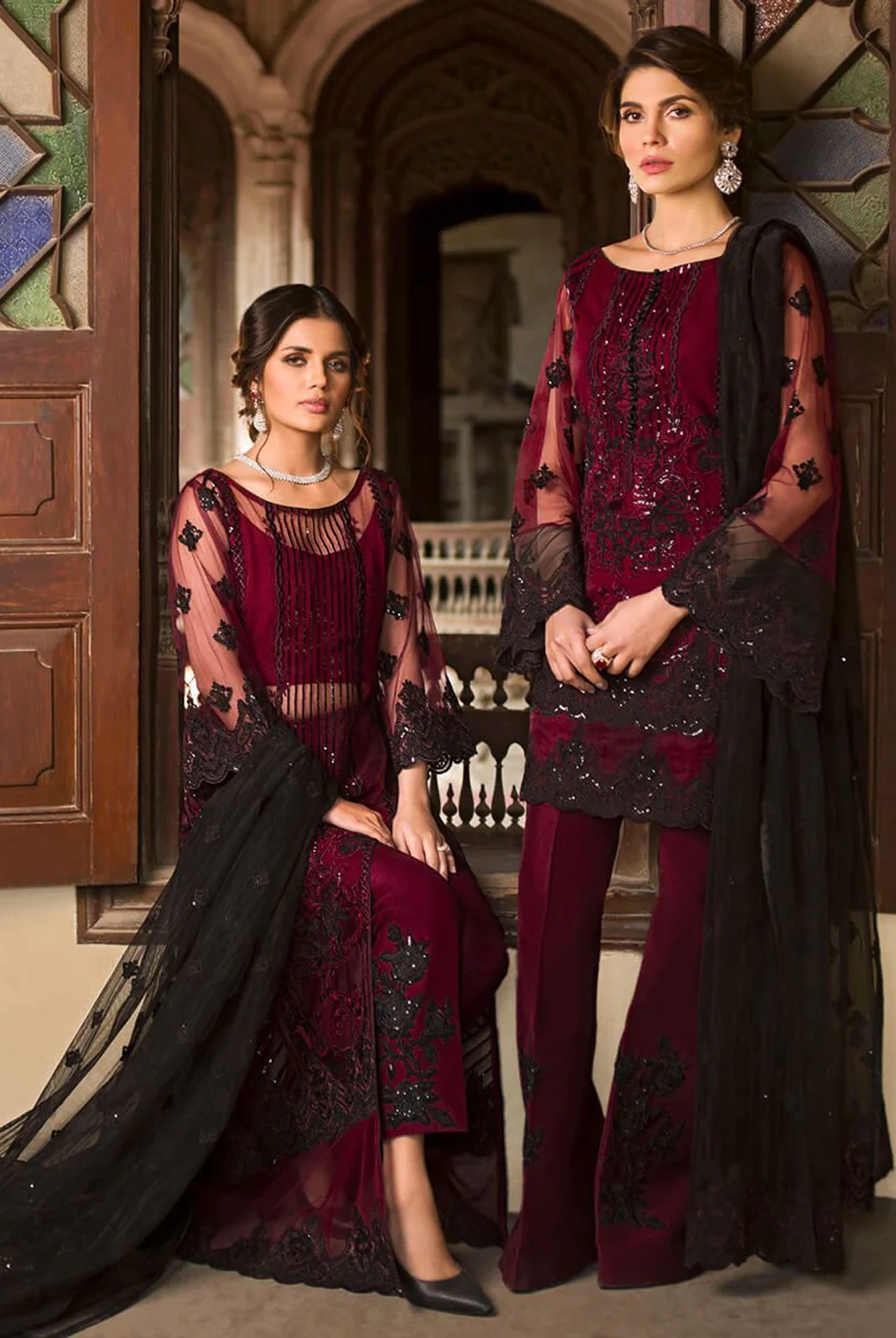

Original price was: ₨17,500.00.₨13,500.00Current price is: ₨13,500.00.
Sale!


Original price was: ₨16,000.00.₨13,000.00Current price is: ₨13,000.00.
Sale!


Original price was: ₨18,500.00.₨14,000.00Current price is: ₨14,000.00.
Sale!

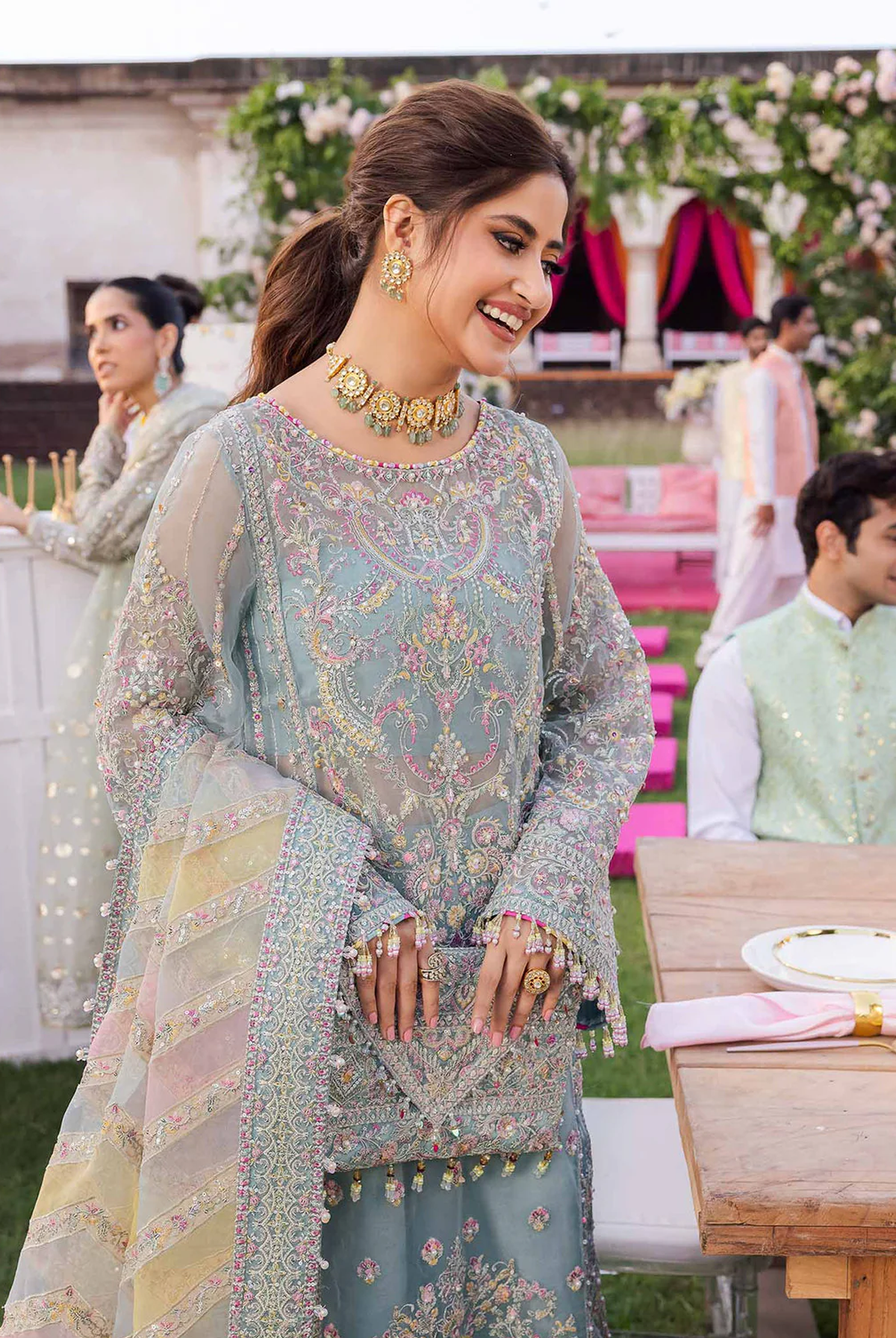
Original price was: ₨14,000.00.₨12,000.00Current price is: ₨12,000.00.
Sale!
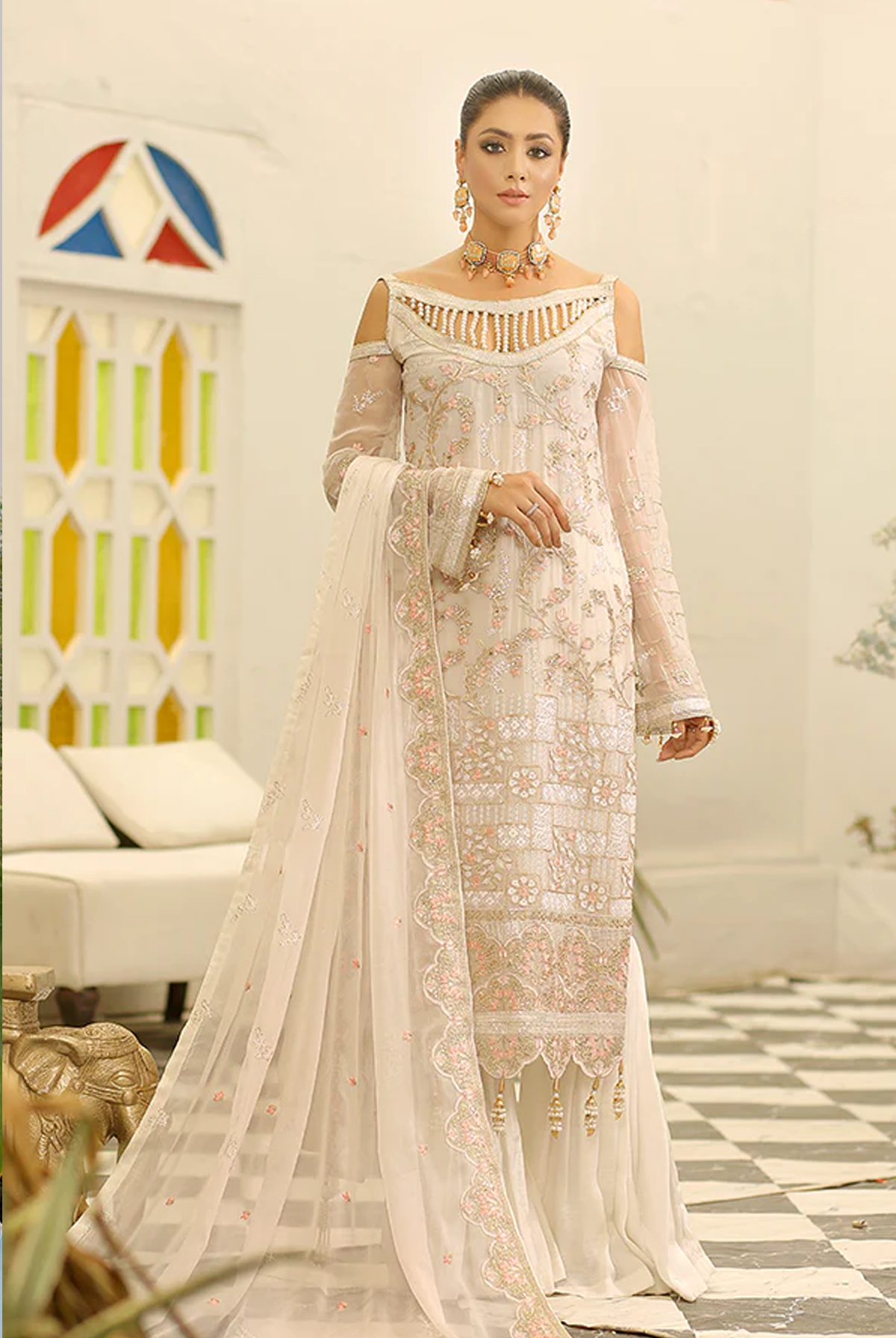

Original price was: ₨15,000.00.₨13,500.00Current price is: ₨13,500.00.
Sale!


Original price was: ₨16,000.00.₨12,500.00Current price is: ₨12,500.00.
Sale!


Original price was: ₨11,500.00.₨9,500.00Current price is: ₨9,500.00.
Sale!
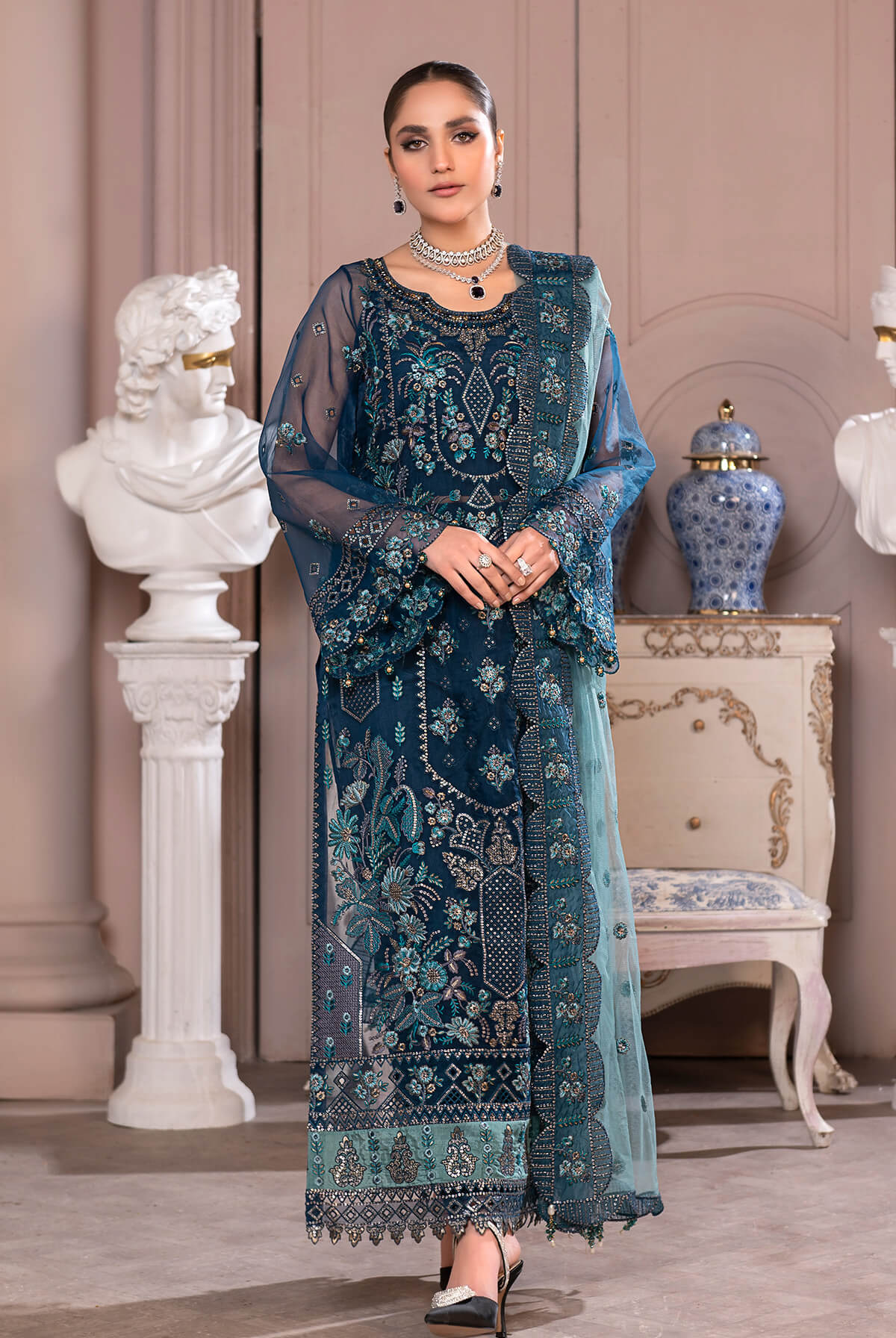

Original price was: ₨14,000.00.₨9,500.00Current price is: ₨9,500.00.
Sale!


Original price was: ₨20,000.00.₨14,500.00Current price is: ₨14,500.00.
Sale!


Original price was: ₨19,000.00.₨14,000.00Current price is: ₨14,000.00.
Sale!


Original price was: ₨18,500.00.₨14,500.00Current price is: ₨14,500.00.
Sale!


Original price was: ₨14,500.00.₨12,500.00Current price is: ₨12,500.00.
Sale!


Original price was: ₨17,500.00.₨16,000.00Current price is: ₨16,000.00.
Sale!

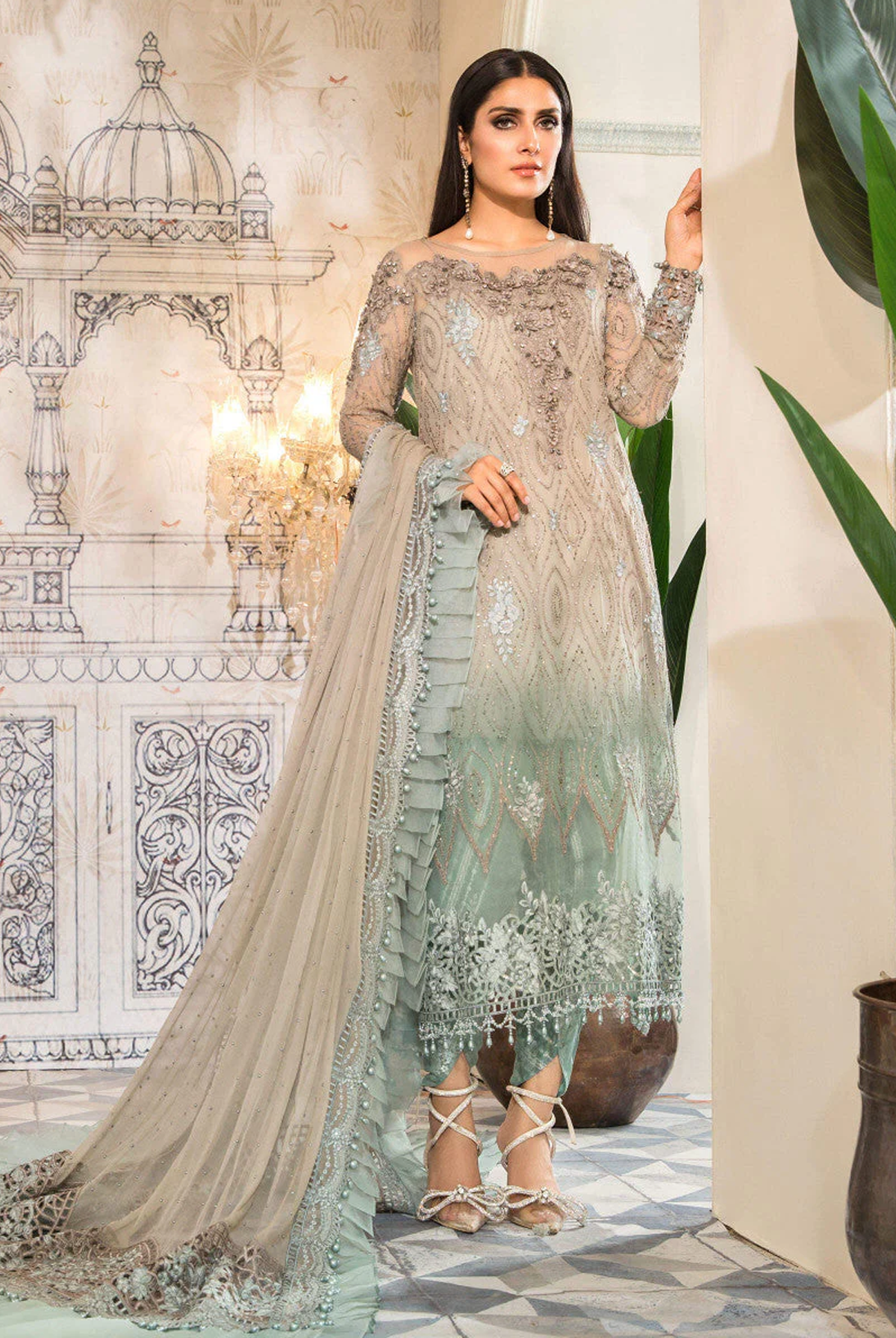
Original price was: ₨16,500.00.₨15,500.00Current price is: ₨15,500.00.
Sale!

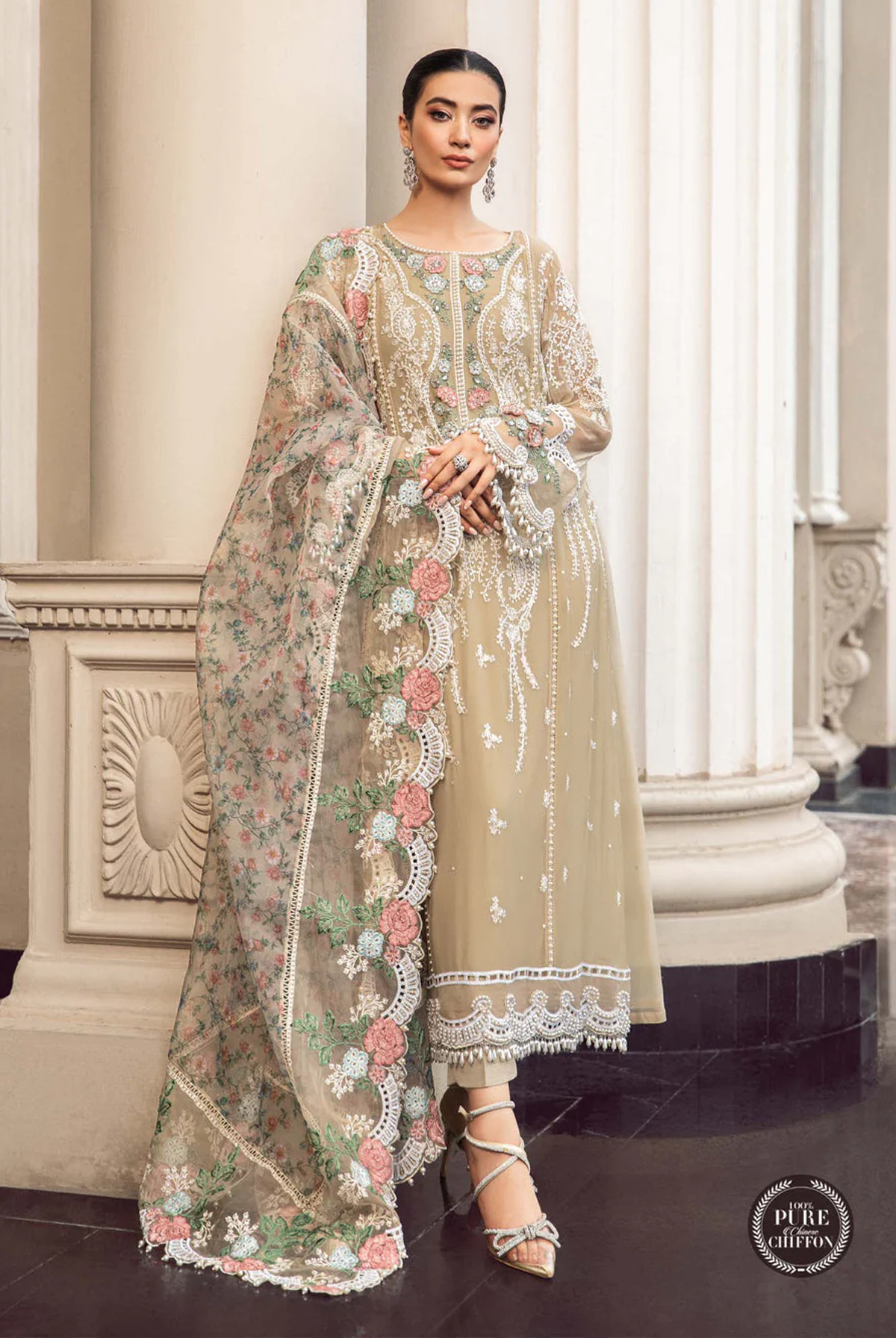
Original price was: ₨15,000.00.₨14,000.00Current price is: ₨14,000.00.
Sale!


Original price was: ₨16,500.00.₨15,000.00Current price is: ₨15,000.00.
Sale!


Original price was: ₨12,500.00.₨9,500.00Current price is: ₨9,500.00.
Pakistani Dress Wholesale Supplier Central African Republic | Mastorat
The global fashion industry continues to create opportunities for retailers who want to offer distinctive clothing, attractive designs, and quality fabrics to their customers. Pakistani fashion is particularly appealing to businesses looking for traditional South Asian outfits that combine detailed craftsmanship with contemporary styling. From everyday cotton suits to embroidered formal dresses, these collections provide retailers with a wide range of products for different customer preferences.
For boutique owners, clothing distributors, and online sellers in the Central African Republic, choosing the right wholesale sourcing partner is an important step toward building a sustainable fashion business. A reliable Pakistani Dress Wholesale Supplier Central African Republic can help retailers explore different clothing categories, compare available designs, and plan their inventory according to local demand.
Mastorat provides a starting point for businesses interested in exploring Pakistani clothing and wholesale fashion collections. By understanding available product categories, fabric characteristics, ordering considerations, and international shipping requirements, buyers can make more informed sourcing decisions.
This guide explains how Pakistani clothing can fit into the Central African Republic's retail market, what businesses should consider before purchasing in bulk, and how to explore relevant wholesale collections through Mastorat.
Understanding the Pakistani Fashion Wholesale Market
Pakistan has an established textile and clothing industry that produces a broad selection of traditional and contemporary garments. Its fashion collections include unstitched fabrics, ready-to-wear suits, embroidered outfits, casual clothing, and formal dresses. This variety allows wholesale buyers to consider different price points and customer groups rather than relying on a single product category. Pakistani fashion is also known for its decorative details. Depending on the collection, garments may feature thread embroidery, printed patterns, lace, embellishments, textured fabrics, or carefully coordinated colors. These design elements help retailers build collections suitable for everyday shopping, family gatherings, celebrations, and special occasions. For international buyers, wholesale sourcing can simplify access to several clothing styles through one purchasing process. However, businesses should assess product specifications, minimum order quantities, supplier communication, and delivery arrangements before committing to an order. Retailers beginning their research can explore Pakistani dress wholesale to learn more about the wider range of clothing available for bulk purchasing.Fashion Retail Opportunities in the Central African Republic
The Central African Republic has a diverse population with different clothing preferences influenced by local traditions, climate, personal taste, and household budgets. Businesses operating in this market may serve customers looking for practical everyday garments as well as shoppers who prefer more decorative outfits for celebrations and formal events. For retailers, understanding these preferences is more useful than purchasing a large quantity of products based only on international fashion trends. A collection that performs well in another country may not necessarily appeal to every customer in Bangui or other local communities. Small retailers can begin by studying the products their existing customers request most often. Some businesses may find opportunities in affordable ready-to-wear clothing, while others may prefer embroidered suits, coordinated outfits, or unstitched fabrics that customers can have tailored locally. A Pakistani Dress Wholesale Supplier Central African Republic can be a useful starting point for exploring the relationship between Pakistani clothing collections and local retail requirements. Before selecting products, buyers should consider:- The typical spending range of their target customers.
- Preferences for ready-made clothing or unstitched suits.
- Fabric comfort in warm weather.
- The availability of local tailoring services.
- Seasonal shopping patterns and special occasions.
- Storage capacity and the amount of money available for inventory.
Why Retailers Consider Pakistani Clothing
Pakistani clothing offers several characteristics that make it worth considering for an international fashion business. Its range extends from relatively simple everyday garments to highly decorated formal outfits, allowing retailers to serve customers with different needs. One important advantage is product variety. A retailer can explore printed suits, embroidered three-piece sets, formal dresses, and designer-inspired collections without limiting the store to one particular look. Another consideration is the combination of traditional techniques and modern styling. Many collections incorporate familiar silhouettes alongside updated colors, prints, and decorative details. This allows retailers to offer clothing that feels distinctive while remaining suitable for a range of occasions. Fabric selection is equally important. Cotton and lawn are commonly associated with lightweight casual clothing, while chiffon, silk blends, and other decorative materials may be used for formal collections. The actual comfort and durability of a garment depend on its composition, construction, lining, and finishing. Wholesale buyers should therefore examine product descriptions and request fabric details where necessary rather than assuming that every outfit has the same quality or performance. Businesses comparing different collections can also review Pakistani catalogue dress wholesale to explore catalogue-based sourcing options.Exploring Different Pakistani Dress Categories
A successful retail collection generally includes products selected for a particular customer base. Instead of ordering every available style, businesses can organize their purchasing around clothing categories and the needs each category serves.Casual and Everyday Clothing
Casual Pakistani suits can be suitable for customers who want versatile outfits for daily activities, family visits, and informal gatherings. These garments often feature printed fabrics, relatively simple embroidery, and practical designs. Cotton and lawn collections are particularly worth considering for warm-weather wardrobes. However, buyers should check the actual fabric composition because not every lightweight-looking material offers the same breathability or durability. Retailers can stock several coordinated designs while maintaining a manageable range of sizes and colors. This approach makes it easier to assess customer preferences before expanding the collection.Unstitched Fabric Collections
Unstitched suits give customers flexibility because garments can be tailored according to personal measurements and preferred styling. These sets may include fabric for a shirt, trousers, and a dupatta, depending on the particular product. This category can be relevant to retailers serving customers who prefer customized clothing. Buyers should confirm exactly which components are included in each set, along with fabric length, printing details, and any additional decorative materials. Clear product information helps retailers explain what customers are purchasing and avoid confusion over incomplete or differently configured sets.Formal and Occasion Wear
Formal Pakistani clothing often features more elaborate embroidery, decorative borders, textured materials, and carefully coordinated designs. These outfits may appeal to customers shopping for weddings, parties, family celebrations, and other special occasions. When selecting formal garments, retailers should evaluate the finish, stitching, embellishments, and fabric quality. Product photographs are helpful, but they should be supplemented with accurate specifications whenever possible. Businesses may explore Pakistani designer dresses to investigate premium styles and broaden their understanding of the available formalwear market.Bridal and Luxury Outfits
Bridal clothing represents a specialized segment that generally requires more careful purchasing decisions. These garments may involve intricate embroidery, heavier materials, additional embellishments, and more elaborate construction. Because luxury outfits can require a higher investment, retailers should understand their target customers before placing substantial orders. It is also important to confirm sizing, finishing, packaging, and the expected production timeline for customized or made-to-order pieces. A smaller selection of carefully chosen premium garments may be more appropriate for some businesses than maintaining a large inventory of expensive occasion wear.Coordinated and Seasonal Collections
Seasonal collections allow retailers to refresh their displays and introduce new designs throughout the year. A coordinated range of colors, prints, and garment styles can also make it easier to create an attractive storefront or online catalogue. However, seasonal buying should reflect local customer demand rather than follow overseas trends automatically. Retailers should compare previous sales, ask customers about their preferences, and consider the expected delivery time before ordering products for a particular period.How Mastorat Can Support Wholesale Research
Finding suitable products is only one part of wholesale purchasing. Businesses also need clear information about available designs, order requirements, product quality, and the process for arranging delivery. Mastorat's website provides a collection of Pakistani clothing and wholesale-related pages that buyers can use when researching their options. Retailers can browse relevant categories, identify products that match their intended market, and prepare questions before contacting a supplier. For businesses that are still comparing suppliers, the Pakistani clothes wholesale suppliers page provides another resource for exploring the wider sourcing landscape. Before making a purchase, buyers should establish the details that matter most to their operation. These may include:- Product availability and current catalogue information.
- Minimum quantities for each order.
- Pricing by design, size, or quantity.
- Fabric specifications and garment measurements.
- Payment terms and order confirmation procedures.
- Packaging standards and quality checks.
- Available shipping methods and estimated delivery periods.
- Procedures for handling damaged or incorrect items.
How to Select the Right Wholesale Supplier
Choosing a supplier involves more than comparing the lowest quoted price. A reliable sourcing relationship depends on communication, product consistency, transparent terms, and the ability to manage orders professionally.Review Product Information
Begin by examining the available product descriptions and catalogue images. Check whether the supplier provides enough information about fabrics, colors, sizes, garment components, and finishing. If an important detail is missing, ask for clarification before confirming the order. Clear information helps buyers compare products fairly and explain the differences between items to their customers.Confirm Quality Expectations
Quality can vary between products, even when garments belong to the same general category. Retailers should identify their requirements for stitching, fabric feel, color consistency, embellishments, and overall finishing. Where possible, request a sample or use another appropriate verification method before placing a large order. Agreeing on quality expectations in advance can reduce misunderstandings after delivery.Compare the Complete Cost
The purchase price is only one component of the final cost of imported clothing. Freight charges, insurance where applicable, customs duties, taxes, clearance fees, local transportation, and currency conversion may also affect the total. A supplier offering a lower garment price may not necessarily provide the lowest overall landed cost. Buyers should compare the complete expense of bringing products to their intended selling location.Evaluate Communication
Clear communication is especially important when the buyer and supplier operate in different countries. Questions about stock, payment, product variations, and shipping should receive understandable responses. Written order confirmations are useful because they establish what has been agreed. Retailers should retain records of product descriptions, quantities, prices, payment terms, and any special instructions.Understand Return and Dispute Procedures
Before purchasing, find out how the supplier handles missing items, incorrect products, manufacturing defects, or other order discrepancies. Buyers should understand any deadlines for reporting problems and the documentation required to support a claim. A written agreement provides greater clarity than relying entirely on informal conversations.Planning a Wholesale Clothing Budget
Budget planning helps retailers balance product variety with financial stability. Purchasing too much stock at once can tie up money that may be needed for operating expenses, while purchasing too little can make it difficult to meet customer demand. A practical approach begins with an estimate of the available budget. Businesses should separate the amount allocated to garments from the money needed for transportation, customs-related costs, storage, marketing, and other expenses. The expected selling price should be calculated only after these costs have been considered. Retailers should also allow for the possibility that some designs may sell more slowly than anticipated. For example, a boutique might begin with a limited selection of everyday suits and a smaller quantity of formal outfits. After observing customer interest, it can reorder popular designs or test additional categories. This gradual approach provides useful information about the market without requiring an unnecessarily large initial investment. Buyers can also examine the Pakistani dress wholesale market page when researching wholesale sourcing and purchasing considerations.Understanding Fabric Quality and Garment Construction
Fabric quality affects comfort, appearance, durability, and customer satisfaction. Retailers should therefore understand the basic characteristics of the materials they intend to sell. Cotton is commonly valued for its versatility and everyday comfort. Lawn is a lightweight cotton fabric frequently used for warm-weather suits. Chiffon is often selected for flowing formal garments, while silk and silk-blend materials can provide a more polished appearance. These descriptions are general rather than guarantees of quality. Fabric weight, weave, fiber composition, finishing, and garment construction all influence the final result. Embroidery also deserves attention. Decorative work may be completed using different techniques, threads, and embellishments. Retailers should inspect how securely these details are attached and whether the garment has appropriate finishing on the inside. For buyers interested in sourcing fabrics separately from finished outfits, Pakistani dress material wholesale offers another relevant category to explore. Providing accurate information about fabric and care requirements can help retailers build trust with customers and reduce avoidable product complaints.Building a Product Range for Local Customers
Retailers in the Central African Republic should develop their clothing selection around the customers they actually serve. A boutique in an urban shopping area may have different requirements from a small retailer serving a neighborhood community. Customer feedback can help identify preferred colors, garment lengths, fabric types, and price ranges. Observing which products sell quickly and which remain in stock provides additional evidence for future purchasing decisions. A balanced collection might include everyday outfits, a selection of formal garments, and a limited range of premium pieces. The exact mix should depend on available capital, customer preferences, and the store's positioning. Retailers should also consider sizing. Offering multiple sizes can broaden the customer base, but ordering a size range that does not reflect local demand can increase unsold inventory. For online sellers, accurate photographs and product descriptions are particularly important. Images should represent the actual garment as closely as possible, and details about included accessories or fabric components should be stated clearly. These practices support better buying decisions and help customers understand the value of the products being offered.Ordering and Inventory Management
Good inventory management begins before the order is placed. Retailers should record the selected designs, quantities, sizes, expected delivery dates, and total costs in a simple inventory sheet or business management system. This record makes it easier to track incoming stock and compare purchasing decisions with actual sales. It also helps businesses identify products that need to be reordered and items that may require a different pricing or marketing strategy. When working with a new supplier, buyers may prefer to test a manageable order before committing to larger quantities. The appropriate order size depends on the supplier's requirements, shipping costs, available budget, and the retailer's expected sales. Once the shipment arrives, the retailer should inspect the delivered items against the original order. Any differences should be documented promptly and handled according to the agreed procedures. Keeping organized records also makes it easier to estimate the true cost of each garment and assess the performance of different product categories.International Shipping to the Central African Republic
International delivery is an important part of sourcing clothing from Pakistan. The best shipping arrangement depends on the order size, delivery deadline, budget, destination, and the logistics services available for the shipment. Air freight may be worth considering for smaller or time-sensitive consignments, while other freight arrangements may be more suitable for larger shipments. The best option cannot be determined by speed alone because total charges, handling requirements, and customs procedures also matter. Before confirming an order, retailers should ask the supplier or freight forwarder about the following details:- The available transport route and shipping method.
- The estimated dispatch and transit periods.
- The documents required for export and import.
- Customs clearance responsibilities.
- Applicable duties, taxes, and service charges.
- Shipment tracking and delivery arrangements.
- Procedures for addressing delays or damaged packages.