
Sale!


Original price was: ₨16,000.00.₨15,000.00Current price is: ₨15,000.00.
Sale!
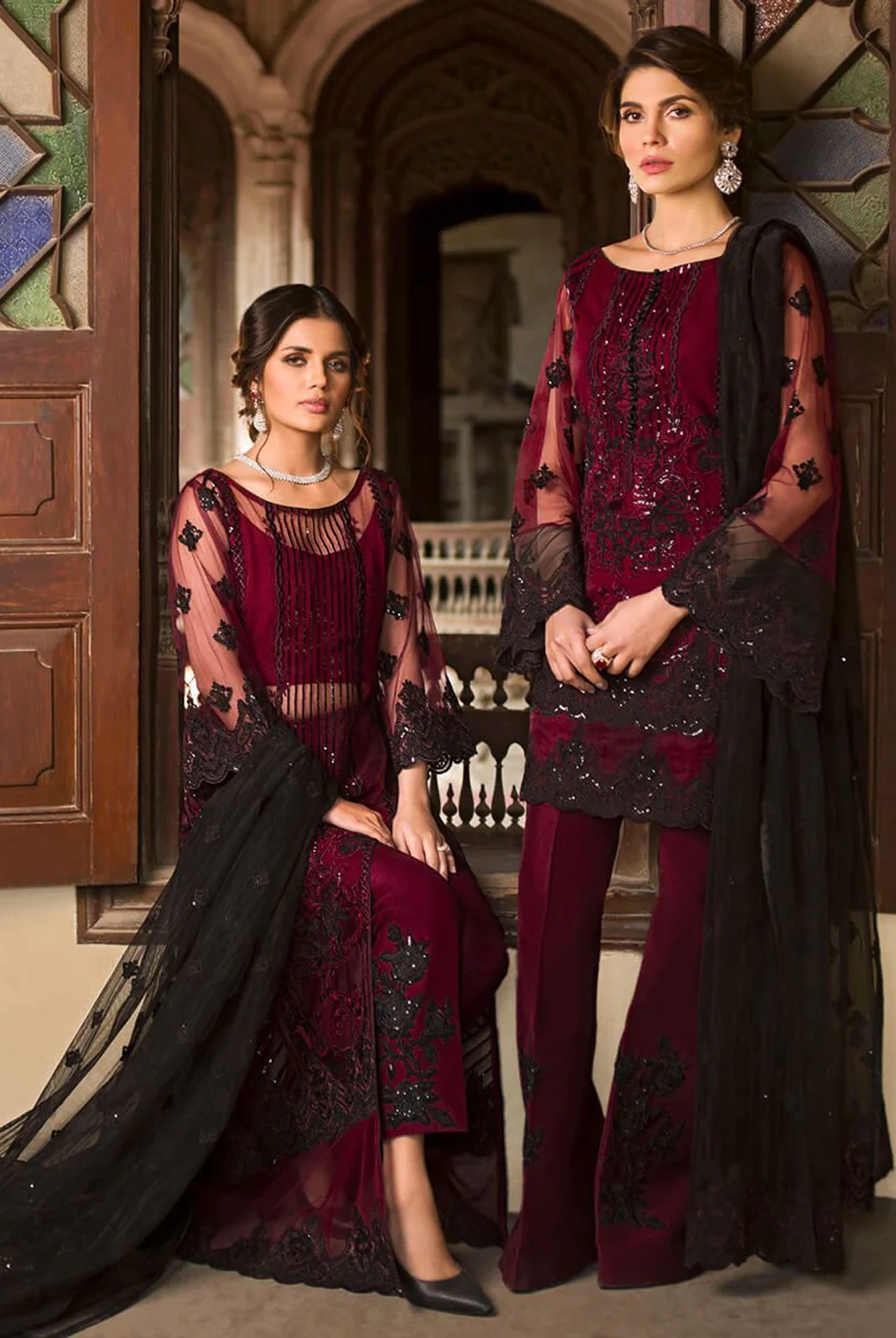

Original price was: ₨17,500.00.₨13,500.00Current price is: ₨13,500.00.
Sale!


Original price was: ₨16,000.00.₨13,000.00Current price is: ₨13,000.00.
Sale!


Original price was: ₨18,500.00.₨14,000.00Current price is: ₨14,000.00.
Sale!

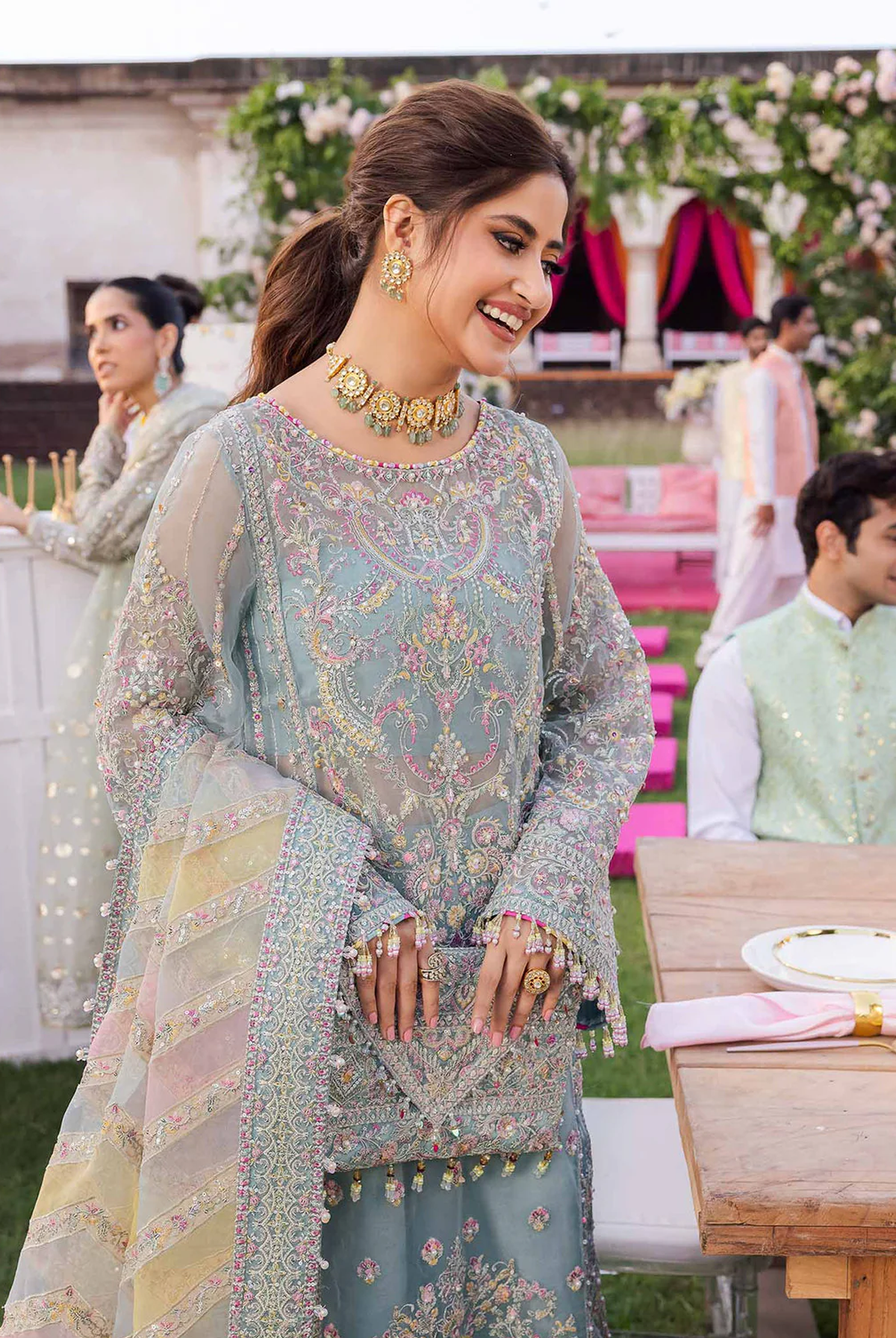
Original price was: ₨14,000.00.₨12,000.00Current price is: ₨12,000.00.
Sale!
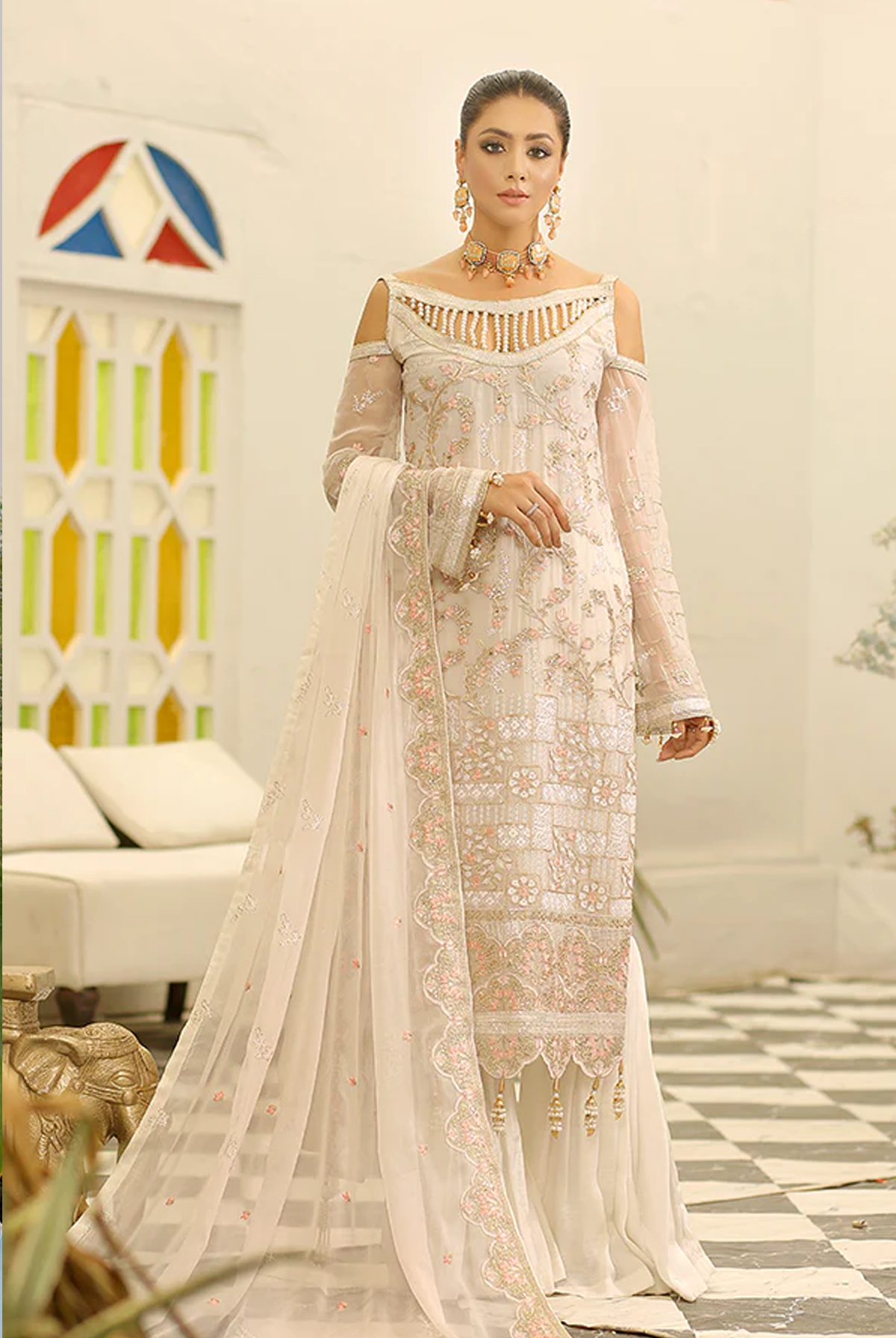

Original price was: ₨15,000.00.₨13,500.00Current price is: ₨13,500.00.
Sale!


Original price was: ₨16,000.00.₨12,500.00Current price is: ₨12,500.00.
Sale!


Original price was: ₨11,500.00.₨9,500.00Current price is: ₨9,500.00.
Sale!
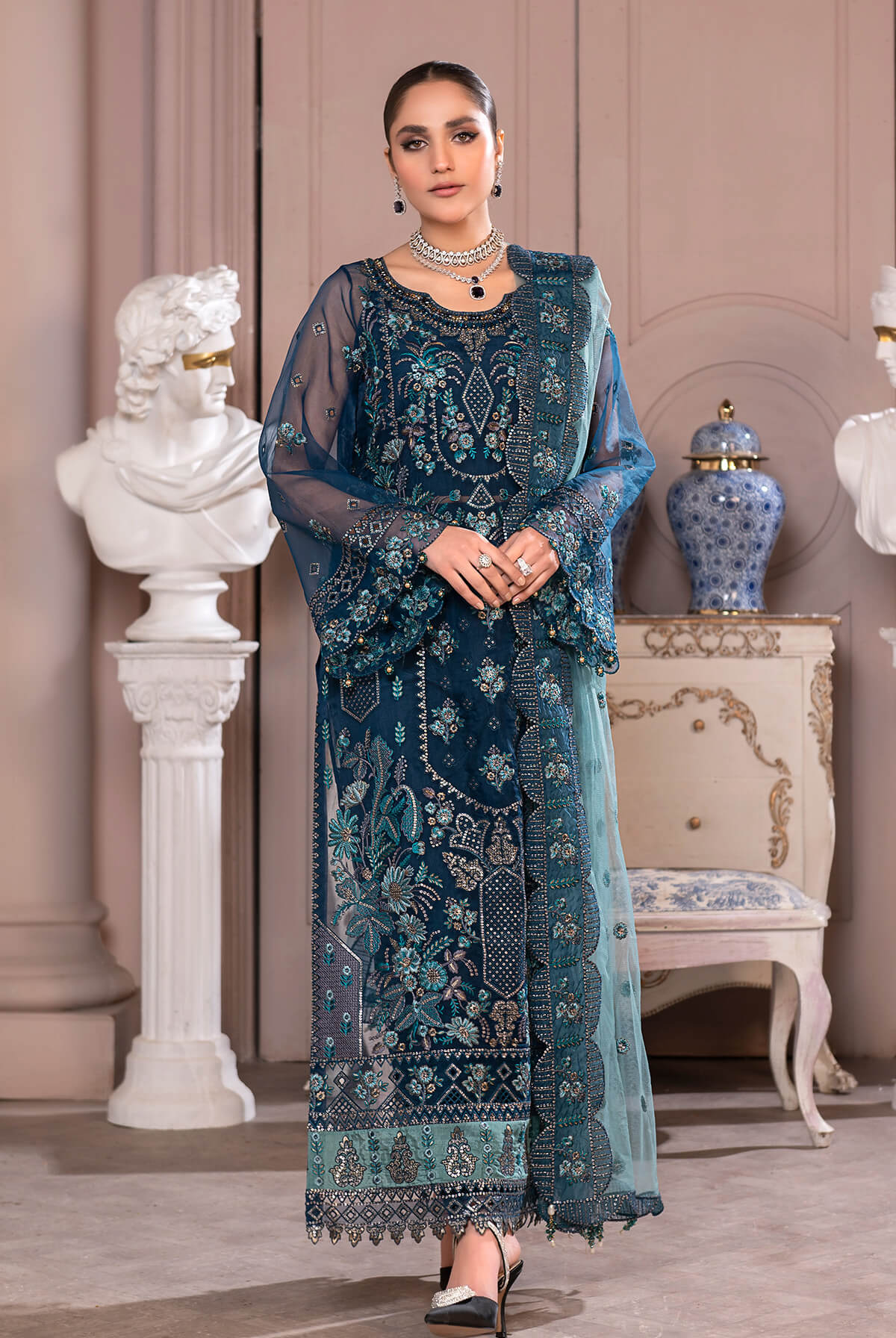

Original price was: ₨14,000.00.₨9,500.00Current price is: ₨9,500.00.
Sale!


Original price was: ₨20,000.00.₨14,500.00Current price is: ₨14,500.00.
Sale!


Original price was: ₨19,000.00.₨14,000.00Current price is: ₨14,000.00.
Sale!


Original price was: ₨18,500.00.₨14,500.00Current price is: ₨14,500.00.
Sale!


Original price was: ₨14,500.00.₨12,500.00Current price is: ₨12,500.00.
Sale!


Original price was: ₨17,500.00.₨16,000.00Current price is: ₨16,000.00.
Sale!

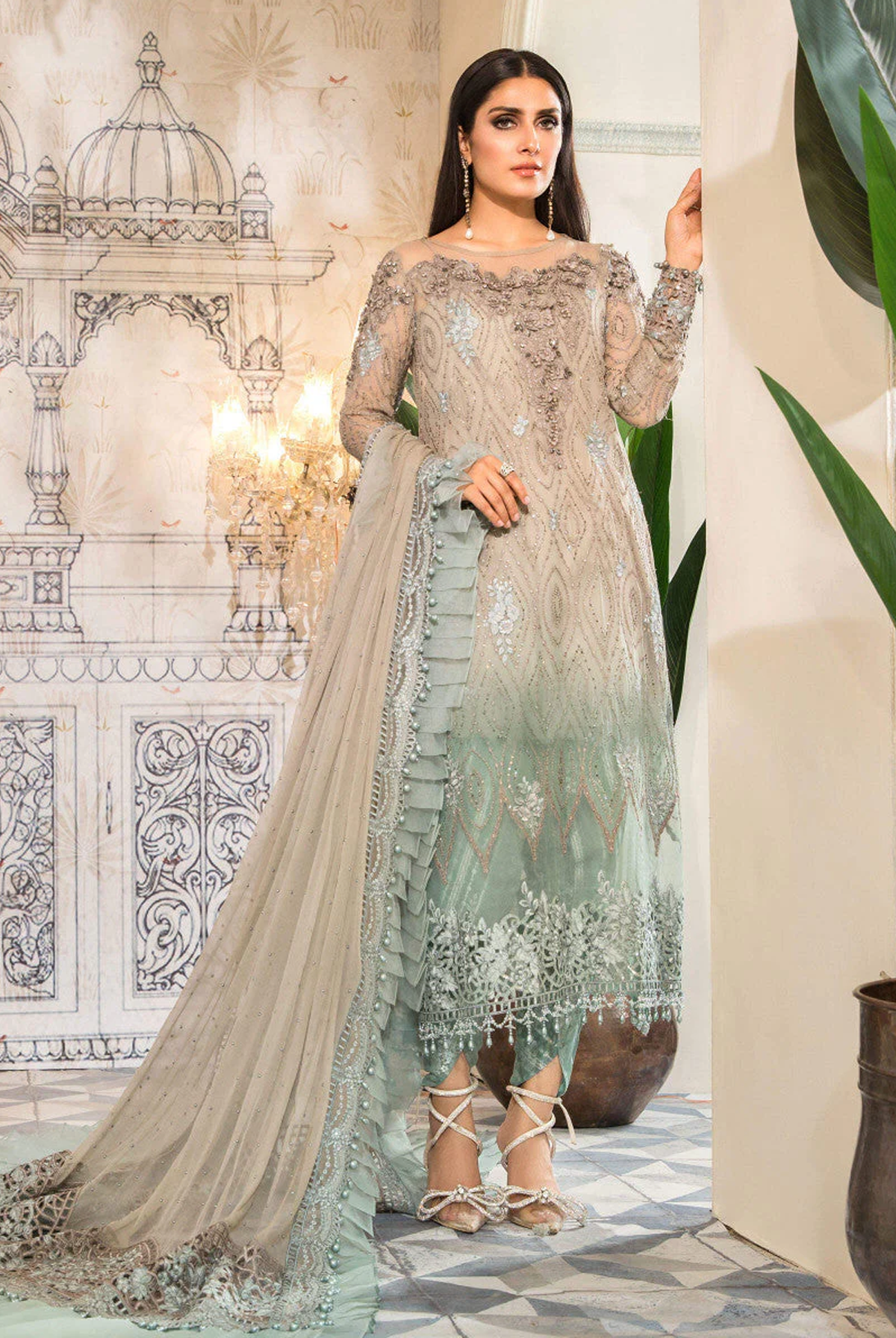
Original price was: ₨16,500.00.₨15,500.00Current price is: ₨15,500.00.
Sale!

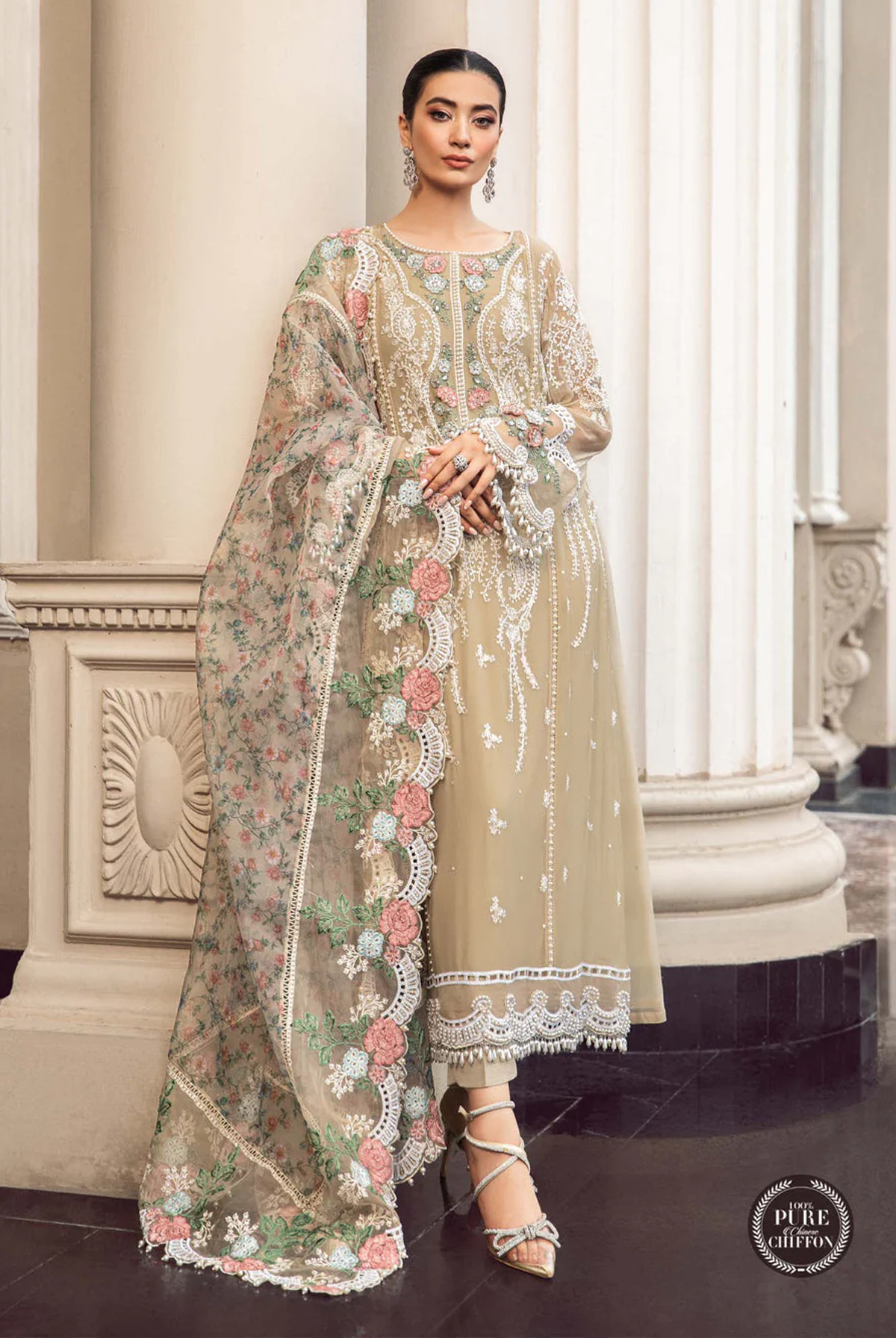
Original price was: ₨15,000.00.₨14,000.00Current price is: ₨14,000.00.
Sale!


Original price was: ₨16,500.00.₨15,000.00Current price is: ₨15,000.00.
Sale!


Original price was: ₨12,500.00.₨9,500.00Current price is: ₨9,500.00.
Pakistani Dress Wholesale Supplier Aruba | Mastorat
Pakistani fashion is admired around the world for its detailed embroidery, elegant silhouettes, versatile fabrics, and combination of traditional craftsmanship with modern design. From beautifully embroidered formal outfits to comfortable everyday clothing, Pakistani apparel offers a wide range of styles for customers with different preferences and budgets. As international interest in South Asian fashion continues to grow, retailers and boutique owners in Aruba have opportunities to introduce these distinctive collections to their customers.
Mastorat connects fashion businesses with Pakistani clothing collections designed for different retail needs. Whether you operate a boutique, manage an online clothing store, supply garments to other retailers, or are planning to enter the ethnic fashion market, choosing the right wholesale partner is an important part of building a sustainable business.
A dependable supplier can help simplify product sourcing, maintain consistent quality, and provide access to clothing that suits changing customer preferences. Instead of spending excessive time searching for individual manufacturers, retailers can explore a wider selection through one sourcing partner and organize their purchasing requirements more efficiently.
Mastorat offers a selection of stitched and unstitched clothing, casual suits, embroidered outfits, formal dresses, bridal-inspired designs, and seasonal collections. These products give Aruba-based businesses opportunities to serve customers looking for traditional South Asian clothing as well as contemporary outfits suitable for celebrations, family gatherings, and special occasions.
The purpose of wholesale sourcing is not simply to purchase clothing at a lower price. It is to develop a product range that reflects the identity of your store, meets customer expectations, and supports long-term business growth. With careful planning, suitable product selection, and reliable communication, retailers can build a collection that appeals to their intended audience.
Understanding the Fashion Market in Aruba
Aruba has a distinctive retail environment influenced by tourism, international visitors, and a diverse mix of cultural interests. Clothing businesses must consider these factors when selecting their products, particularly when introducing fashion categories that may be unfamiliar to some local customers. Pakistani clothing can provide an interesting addition to an existing fashion business. Its decorative embroidery, coordinated outfits, flowing fabrics, and variety of formal and casual designs offer retailers several ways to expand their collections. Customers interested in cultural clothing, modest fashion, statement outfits, and distinctive occasion wear may appreciate having these options available. Retailers should begin by understanding the customers they want to serve. A boutique catering to wedding guests may need a different collection from an online store specializing in affordable everyday clothing. Similarly, a business selling to established South Asian communities may prioritize traditional cuts and familiar designs, while a broader fashion retailer might focus on contemporary silhouettes and versatile colors. Market research can help businesses make these decisions. Store owners can review customer enquiries, study product engagement on social media, compare local retail offerings, and collect feedback about preferred fabrics, colors, sizes, and price ranges. Tourism may also create opportunities for retailers selling distinctive clothing and accessories, although actual demand will depend on the store's location, audience, marketing strategy, and product selection. Businesses should evaluate these factors before committing to substantial inventory purchases. Mastorat provides a sourcing option for retailers interested in exploring Pakistani apparel. By choosing products according to their customers' preferences, businesses can introduce new styles gradually and assess which categories deserve greater investment.Why Choose Mastorat for Your Wholesale Clothing Requirements?
Selecting a wholesale supplier involves more than comparing prices. Retailers need to consider product variety, communication, ordering arrangements, quality standards, customization possibilities, and the practical requirements of international shipping. Mastorat offers access to a variety of Pakistani fashion products, giving businesses an opportunity to explore different clothing categories through a dedicated sourcing partner. Several considerations can make this arrangement useful for retailers. Access to varied collections: A broader selection allows store owners to compare everyday suits, embroidered outfits, formal clothing, bridal-inspired designs, and unstitched fabrics according to their business requirements. Product sourcing convenience: Working with a wholesale partner can simplify the process of identifying suitable collections and organizing purchasing decisions. Budget planning: Wholesale purchasing allows retailers to evaluate prices according to product category, order quantity, and their intended retail positioning. Seasonal selection: Fashion businesses can plan inventory around changing customer preferences, celebrations, and relevant shopping periods. Customization discussions: Businesses seeking distinctive products can enquire about available options for fabric, colors, embroidery, stitching, or private-label arrangements. International order coordination: Retailers can discuss packaging, shipping methods, documentation, and delivery expectations before confirming an order. Every wholesale arrangement should be evaluated according to the specific products and services available at the time of purchase. Retailers are encouraged to confirm current pricing, minimum order quantities, customization terms, and shipping conditions directly with Mastorat before making a commercial commitment. Businesses exploring additional sourcing opportunities can also review the Pakistani dress wholesale market to understand the broader wholesale category.Exploring the Range of Pakistani Dresses Available
One of the main advantages of Pakistani fashion is its variety. Different fabrics, embroidery techniques, cuts, and finishing details make it possible to build collections for multiple occasions and customer groups. For retailers in Aruba, the most suitable assortment will depend on available shelf space, purchasing budgets, customer feedback, and the type of clothing business they operate.Embroidered Pakistani Dresses
Embroidered outfits are an important part of Pakistani fashion. Decorative threadwork, carefully placed motifs, embellished necklines, and detailed sleeves can give a garment a distinctive appearance. These outfits may be suitable for formal dinners, cultural celebrations, family events, and other special occasions. Retailers can explore understated embroidery for customers who prefer elegant designs, alongside more decorative pieces for shoppers looking for statement clothing. When selecting embroidered garments, buyers should examine the quality of the stitching, consistency of the design, fabric suitability, and finishing around the neckline and cuffs. Clear product photographs and detailed descriptions can also help online retailers communicate the garment's features. Businesses interested in a broader selection can explore Pakistani designer dresses to consider styles suited to different retail positions.Lawn Collections for Everyday Wear
Lawn clothing is widely associated with lightweight Pakistani summer fashion. Its breathable feel, colorful prints, and adaptable styling make it a useful category for businesses serving customers interested in comfortable everyday outfits. Printed lawn suits, embroidered lawn collections, and coordinated three-piece designs can provide variety without requiring every product to occupy the premium end of the market. Retailers should evaluate fabric composition, color consistency, stitching requirements, and the suitability of each design for the intended climate and customer preferences. The final selection should be based on product specifications rather than assumptions about how a fabric will perform in every environment. Seasonal purchasing can help businesses manage inventory more carefully. Ordering a measured selection, reviewing customer responses, and replenishing popular designs when available may be more practical than committing to a large assortment immediately.Chiffon and Formal Wear
Chiffon outfits are frequently selected for formal occasions because of their flowing appearance and suitability for layered designs. Depending on the construction, these outfits may include embroidered panels, decorative borders, matching trousers, and coordinated dupattas. Formal clothing can attract customers preparing for weddings, parties, cultural gatherings, and other celebrations. Retailers may choose a combination of subtle designs and more elaborate outfits to appeal to different tastes. When sourcing chiffon garments, buyers should pay attention to lining, transparency, seam finishing, embellishment placement, and the overall construction of the outfit. These details can influence customer satisfaction and reduce avoidable complaints.Bridal and Wedding Collections
Bridal clothing represents a specialized category within Pakistani fashion. These garments may feature intricate embroidery, elaborate embellishments, decorative fabrics, and detailed finishing. Retailers considering this category should evaluate their audience carefully. Bridal outfits may require more substantial purchasing budgets, additional display space, and a sales process that gives customers enough time to compare designs. A smaller selection of occasion-wear and wedding-guest outfits can also help a boutique explore demand without immediately investing in an extensive bridal collection. Before placing orders for high-value pieces, buyers should confirm the fabric details, available sizes, garment measurements, embellishment specifications, production timelines, and return or exchange conditions.Casual Cotton Suits
Cotton suits can provide a practical option for customers who prefer traditional styling for daily wear. Depending on the design, these outfits may feature printed fabrics, simple embroidery, coordinated trousers, or decorative dupattas. For retailers, casual clothing can complement formal collections and help create a more balanced product assortment. Buyers can consider different color palettes and design levels according to customer preferences. A carefully selected range of everyday outfits may also encourage repeat purchases when customers find products that suit their preferred styling and budget.Unstitched Pakistani Fabric
Unstitched clothing gives customers greater flexibility over fit, tailoring, and personal styling. These collections may include fabric pieces, printed shirts, matching trousers, and dupattas, depending on the product set. Retailers can offer unstitched garments to customers who prefer having their clothes tailored locally or who want greater control over the final design. Before ordering, wholesale buyers should verify the contents of each set, fabric measurements, material composition, and whether accessories shown in photographs are included. Businesses looking to explore fabric-based inventory can review Pakistani dress material wholesale for related sourcing options.Choosing Products That Match Your Customers
A successful wholesale collection begins with a clear understanding of the people who will purchase the clothing. A wide catalog may provide flexibility, but not every product will be appropriate for every store. Retailers should establish a basic customer profile before finalizing an order. This can include preferred clothing styles, average spending levels, common occasions for purchasing, and interest in stitched or unstitched outfits. For example, a boutique focused on premium occasion wear may prioritize formal embroidery and distinctive designs. A store serving customers who want versatile everyday clothing may need more casual suits and lightweight fabrics. Online retailers should also consider how products will appear in photographs. Color accuracy, clear fabric descriptions, accurate measurements, and useful styling information can make a meaningful difference to the shopping experience. It is helpful to organize inventory into clear categories, such as:- Everyday clothing and casual suits.
- Printed lawn and seasonal collections.
- Formal embroidered outfits.
- Wedding and celebration wear.
- Unstitched fabrics and coordinated sets.
- Premium designer-inspired selections.
Quality Assurance and Product Inspection
Product quality is an essential part of wholesale clothing operations. Even attractive designs can lead to customer dissatisfaction if the fabric differs from its description, stitching is inconsistent, or finishing details are incomplete. Retailers should therefore discuss quality expectations with their supplier before confirming a purchase. Important inspection points include fabric consistency, stitching strength, seam finishing, embroidery placement, color accuracy, garment measurements, and the condition of decorative elements. For stitched outfits, buyers should review sizing information and compare the stated measurements with their intended market requirements. For unstitched products, fabric length and the contents of each package should be clearly specified. Photographs, product descriptions, and written order confirmations can help establish a shared understanding of what is being purchased. For larger orders, buyers may also enquire about sample availability or pre-shipment inspection arrangements. Mastorat emphasizes quality-focused sourcing and a varied product range. Retailers should confirm the applicable inspection procedures and quality commitments for their particular order. A consistent quality process can help businesses build customer confidence, encourage repeat purchases, and protect their reputation. It can also make inventory planning more predictable by reducing avoidable product issues.Wholesale Pricing and Budget Planning
Pricing is an important consideration when developing a profitable clothing business. Retailers need to balance the cost of purchasing inventory with shipping, import-related expenses, storage, marketing, packaging, and other operating costs. The wholesale price of a garment may vary according to fabric, embroidery, construction, design complexity, order quantity, and customization requirements. A basic printed suit and an elaborately embroidered formal outfit should not be evaluated using the same pricing expectations. Mastorat's available products can be assessed according to the needs and budget of each business. Buyers should request current quotations for their selected items and clarify whether prices include customization, packaging, or other services. A practical budget should account for the full cost of bringing merchandise into Aruba. Depending on the shipment, this may include freight charges, customs duties, taxes, brokerage fees, and local delivery expenses. The exact charges should be verified with the relevant shipping provider and local authorities. Retailers can use the following approach to evaluate a potential order:- Prepare a list of products and quantities.
- Request a written wholesale quotation.
- Confirm the expected shipping and handling charges.
- Investigate applicable import costs.
- Calculate the total landed cost per item.
- Set a retail price that reflects operating expenses and customer expectations.
- Keep a reasonable allowance for unexpected costs or slower sales.
Minimum Order Quantities and Flexible Purchasing
Minimum order quantities, often called MOQs, are common in wholesale clothing. They help suppliers organize production, purchasing, and shipment preparation, but the requirements can differ between product categories and individual orders. Stitched garments, fabric bundles, bridal outfits, and customized collections may each have different ordering conditions. Some designs may be available in limited quantities, while others may require a larger production commitment. New businesses should clarify these conditions before finalizing their budgets. They should also ask whether different designs can be combined in a single order, whether size assortments are flexible, and whether sample purchases are possible. A gradual purchasing strategy can be useful when entering a new market. Instead of investing heavily in every category, retailers can begin with a carefully selected range and evaluate customer responses. Once the business identifies popular designs and suitable price points, future orders can focus more closely on proven demand. Mastorat's ordering arrangements should be confirmed directly for the products under consideration. Written confirmation of quantities, prices, production schedules, and delivery expectations can help prevent misunderstandings.Customization and Private-Label Opportunities
Some fashion retailers want more than ready-made wholesale collections. They may prefer particular colors, adjusted sizing, exclusive design details, or clothing presented under their own business label. Customization can help a boutique develop a recognizable identity, particularly when its customers value distinctive clothing. Depending on the product and supplier arrangements, customization discussions may cover fabric selection, embroidery patterns, color combinations, stitching details, garment labels, and packaging. Private labeling may also be relevant for businesses developing their own clothing brand. However, buyers should confirm whether the service is available for their chosen products and whether minimum quantities, additional charges, or longer production timelines apply. Before requesting customized garments, retailers should prepare clear specifications. Reference photographs, measurements, fabric preferences, color details, and finishing requirements can help communicate the intended design. It is also useful to confirm who owns any custom artwork or design files, how approval samples will be handled, and what happens if the finished products differ from the agreed specifications. Customization should be approached as a planned business investment rather than an automatic requirement. For a new store, standard wholesale collections may be a more practical starting point. As the business grows, exclusive designs can become an option for differentiation. Retailers interested in coordinated styles and premium clothing can also explore Pakistani designer suits as part of their product research.International Shipping to Aruba
International logistics are an important part of sourcing clothing from Pakistan. The right shipping arrangement depends on order size, budget, delivery requirements, and the type of merchandise being transported. Air freight may be worth considering for smaller shipments or orders with tighter delivery schedules. Sea freight may be more appropriate for larger consignments when the expected savings justify a longer transit period and additional handling arrangements. The most suitable option should be determined through a quotation from the shipping provider rather than assumptions about cost or speed. Before dispatch, retailers should confirm the shipment's contents, packaging arrangements, expected departure date, estimated transit time, tracking availability, and responsibility for transport-related charges. Proper packaging is particularly important for embellished outfits and delicate fabrics. Buyers can ask how garments will be protected from moisture, crushing, and handling damage during transportation. Shipping documentation should accurately describe the products and their declared values. Depending on the shipment, the required documents may include a commercial invoice, packing list, transport documentation, and other paperwork requested by the relevant authorities or carrier. Mastorat can be contacted to discuss the shipping options available for a specific order. Retailers should obtain written confirmation of the proposed arrangement and independently verify any applicable customs requirements before dispatch.Customs and Import Considerations for Aruba
Importing garments involves administrative requirements that should be understood before a shipment leaves the supplier. The applicable rules may depend on the product classification, declared value, country of origin, shipping method, and current customs regulations. Aruba-based businesses should check the requirements with the appropriate local customs authorities or a qualified customs broker. This can help them understand potential duties, taxes, documentation requirements, and any restrictions that may apply. Retailers should also make sure their supplier has accurate information about the destination and the receiving business. Incorrect paperwork or incomplete shipment details can cause avoidable delays. A useful pre-shipment checklist includes:- Confirming the complete product description.
- Checking quantities and declared shipment values.
- Verifying the recipient's information.
- Reviewing the commercial invoice and packing list.
- Confirming the selected freight method.
- Understanding the division of shipping and import responsibilities.
- Keeping copies of relevant order and shipping documents.
Developing an Effective Retail Pricing Strategy
A good pricing strategy should reflect more than the cost of acquiring merchandise. Retailers must account for the expenses involved in operating the business while remaining competitive within their chosen market. Start by calculating the landed cost of each garment. This includes the wholesale purchase price and the appropriate share of transportation, import expenses, and other costs associated with bringing the item into inventory. Next, consider operating expenses such as store rent, website maintenance, payment processing, advertising, packaging, and staff costs where applicable. The resulting figures can help establish a realistic selling price. Retailers should then compare their products with similar offerings in the market, taking differences in quality, design, service, and customer experience into account. A simple pricing review should consider: Product cost: What does each garment cost after the relevant purchasing and import expenses? Customer value: What features, materials, or design details make the product attractive to the intended audience? Market positioning: Is the store targeting affordable everyday clothing, mid-range fashion, or premium occasion wear? Inventory risk: Could seasonal changes or slower sales affect the value of unsold stock? Promotional flexibility: Is there sufficient room for occasional discounts without undermining the business's financial goals? Retailers should avoid assuming that every Pakistani outfit will produce the same margin. Different products have different cost structures and levels of demand. Reviewing sales regularly allows store owners to adjust prices, refine future orders, and invest in categories that perform well.Marketing Pakistani Fashion to Customers in Aruba
Having suitable inventory is only one part of building a successful retail business. Customers also need to understand what makes the collection useful, attractive, and relevant to their preferences. Retailers can introduce Pakistani clothing through an informative website, social media posts, product photography, email updates, and in-store displays. The most effective combination will depend on the intended audience and available marketing budget. Product pages should provide clear information about fabric, available sizes, included accessories, stitching status, care instructions, and delivery arrangements. Accurate descriptions help customers make informed decisions and reduce uncertainty before purchasing. Photography is particularly important for clothing. Images should present the garment clearly and show meaningful details such as embroidery, sleeves, necklines, fabric texture, and the overall silhouette. Retailers should also explain whether an outfit is ready to wear or requires tailoring. This distinction is especially important for unstitched collections. For social media, businesses can share styling ideas, garment details, collection introductions, and useful clothing-care guidance. Content that answers genuine customer questions can help build trust more effectively than repeatedly publishing sales messages. Search engine optimization can support the discovery of relevant product pages. Businesses should use descriptive page titles, helpful category descriptions, accurate product information, and clear internal navigation. Keywords should appear naturally where they help explain the subject rather than being repeated unnaturally throughout the page. A retailer can also encourage customer feedback and use common questions to improve product descriptions. Over time, these improvements can make the shopping experience more informative and help the business understand which collections resonate with its audience.Selling Pakistani Clothing Through an Online Store
An online store allows retailers to present their collections beyond the immediate area surrounding a physical shop. It can also help customers browse products at their convenience and compare styles before contacting the business. For Pakistani clothing, the website should organize products into logical categories. Casual suits, lawn outfits, formal dresses, bridal collections, and unstitched fabrics can each have dedicated sections. Filters for size, color, price, fabric, and occasion may make browsing easier when the inventory is sufficiently large. Every product page should include accurate photographs and a clear description of the garment. Retailers should explain the components included in a set, whether stitching is provided, how sizing works, and which delivery options are available. A transparent returns and exchange policy is also important. Clothing purchases can involve differences in fit, color perception, or customer expectations, so the business should explain its policies before checkout. Payment options should be selected according to the retailer's market, payment provider, and operational requirements. Security, order confirmation, and clear customer support information can help establish confidence. Retailers importing merchandise from Pakistan should also plan inventory carefully. Stock quantities displayed online should reflect actual availability, and any estimated restocking dates should be communicated honestly. A well-organized online store can make it easier to introduce new collections, explain product details, and maintain consistent communication with customers.Seasonal Planning and Collection Management
Seasonal planning helps retailers match inventory decisions with changing customer interests. Pakistani fashion includes products suited to different weather conditions, occasions, and personal preferences, so the assortment should be reviewed regularly. Lightweight printed clothing may be appropriate for customers seeking comfortable everyday styles, while embroidered formal wear may be more relevant around celebrations and special events. Retailers should not assume that the same seasonal pattern applies to every customer in Aruba. Local preferences, tourism activity, purchasing habits, and the retailer's audience may affect when particular products sell. A practical approach is to review sales records, customer enquiries, and inventory levels before placing each new order. Businesses can classify their products into three broad groups:- Consistent sellers that deserve regular replenishment.
- Seasonal products that require careful timing.
- Experimental designs that should be purchased in limited quantities until demand becomes clearer.
Building Long-Term Relationships With a Wholesale Supplier
A productive supplier relationship depends on clear communication, realistic expectations, and reliable business practices. Retailers should provide accurate order details and ask questions before confirming purchases. Suppliers should be given sufficient information about product requirements, quantities, delivery destinations, and any customization requests. Written records are useful throughout the process. Quotations, product specifications, payment terms, order confirmations, and shipping documents can help both parties understand their responsibilities. It is also helpful to establish a consistent process for handling product concerns. If a shipment arrives with missing items or differences from the confirmed specifications, clear documentation can make it easier to discuss the issue. Retailers should evaluate suppliers based on their actual performance over time. Relevant factors include product consistency, communication, accuracy of orders, responsiveness, and the suitability of the merchandise for the intended market. Mastorat offers a sourcing option for businesses interested in Pakistani clothing. As with any international supplier, buyers should review the terms that apply to their individual orders and confirm important details before committing funds. Strong business relationships are built through consistent results rather than promises alone. A careful approach to communication and purchasing can support more predictable operations as a retailer's clothing business develops.Common Mistakes to Avoid When Buying Wholesale Clothing
Wholesale purchasing can offer opportunities for growth, but poor planning may create unnecessary financial pressure. Retailers can reduce these risks by approaching sourcing decisions methodically.Ordering Too Much Stock Too Early
A large order may appear attractive because of a lower unit price, but unsold garments can tie up working capital and storage space. New retailers should begin with an assortment that reflects their budget and available evidence of customer demand. Future quantities can be adjusted after reviewing sales performance.Selecting Products Without Research
A design that performs well in one market may not appeal to customers in another. Retailers should consider their own audience, preferred price ranges, and local competition before choosing inventory.Ignoring the Total Import Cost
Wholesale prices do not include every expense associated with international purchasing. Freight, customs charges, local delivery, and other costs can affect the final cost of each garment. A complete cost estimate should be prepared before an order is approved.Overlooking Product Specifications
Buyers should confirm fabric details, measurements, colors, included components, stitching status, and finishing requirements. These details help reduce confusion and support more accurate product listings.Relying on Unconfirmed Delivery Estimates
International shipping involves several stages, and unexpected delays can occur. Retailers should obtain realistic estimates and avoid promising customers a delivery date that has not been established.Repeating Keywords Instead of Providing Useful Information
A business website should explain its products, sourcing arrangements, and customer benefits clearly. Repeatedly inserting the same search phrase can make content difficult to read and reduce its usefulness. Natural language, relevant internal links, informative headings, and accurate details provide a better foundation for sustainable search visibility.How to Place a Wholesale Order With Mastorat
The process of sourcing Pakistani clothing can be organized into a series of straightforward steps. Preparing the necessary information in advance can make communication more efficient and help buyers compare their options.Step 1: Explore the Available Collections
Begin by reviewing the available product categories and identifying the styles that fit your store. Consider whether your customers are more likely to purchase casual suits, formal dresses, embroidered outfits, bridal clothing, or unstitched fabrics.Step 2: Prepare Your Product Requirements
Create a list of the designs, quantities, sizes, colors, and other specifications you need. If customization is important, document the requested changes clearly.Step 3: Request a Current Quotation
Contact Mastorat to confirm the prices and availability of the selected products. Ask about minimum quantities, production requirements, payment terms, and any additional charges.Step 4: Confirm Product and Quality Details
Review photographs, descriptions, fabric information, sizing, and the contents of each outfit. Ask about sample availability or inspection arrangements where appropriate.Step 5: Agree on Shipping Arrangements
Discuss the destination, shipping method, estimated timeline, packaging, and allocation of freight-related responsibilities. Check the applicable import requirements for Aruba.Step 6: Review the Order Confirmation
Before making payment, check that the written confirmation accurately reflects the agreed products, quantities, pricing, and delivery arrangements.Step 7: Track the Shipment and Prepare Inventory
Once dispatch has been confirmed, retain the shipping documentation and follow the available tracking information. Prepare product descriptions, photographs, pricing, and storage arrangements while the order is in transit.Step 8: Review the Results
After receiving the merchandise, inspect the shipment and compare the delivered products with the confirmed order. Record customer feedback and sales performance to inform future purchasing decisions. Following these steps can make wholesale sourcing easier to manage and help retailers develop a repeatable purchasing process.Frequently Asked Questions
1. What does Mastorat offer to clothing retailers in Aruba?
Mastorat provides access to Pakistani fashion collections, including stitched and unstitched outfits, casual suits, embroidered clothing, formal dresses, and other designs. Retailers can explore the available products and confirm current ordering arrangements according to their business needs.2. What types of Pakistani clothing can retailers purchase?
The available range may include printed lawn suits, cotton outfits, chiffon formals, embroidered dresses, bridal-inspired clothing, and unstitched fabric sets. Product availability can vary, so buyers should request current details before placing an order.3. Can small boutiques purchase wholesale clothing?
Small boutiques can enquire about the minimum order quantities and purchasing arrangements available for their selected products. Requirements may differ between standard garments, fabric bundles, formal clothing, and customized designs.4. How should retailers choose the right collection?
Retailers should consider their target audience, preferred price points, clothing styles, available budget, and expected demand. Starting with a carefully selected range and reviewing sales results can help guide future purchasing decisions.5. Are customization and private labeling available?
Customization and private-label services should be confirmed directly with Mastorat. Buyers should ask about eligible products, minimum quantities, additional costs, production schedules, and design approval procedures before committing to a customized order.6. How is wholesale pricing determined?
Pricing may depend on fabric, design complexity, embroidery, garment construction, order quantity, and customization requirements. Buyers should request a current quotation and calculate the full cost of importing the merchandise into Aruba.7. What shipping options are available?
Air freight and sea freight may be options depending on the shipment and the arrangements offered by the supplier or freight provider. Retailers should compare cost, expected transit time, handling requirements, and delivery responsibilities before choosing a method.8. Do retailers need to consider customs requirements?
Yes. Businesses importing garments into Aruba should verify the relevant customs procedures, documentation requirements, duties, and taxes with the appropriate authorities or a qualified customs broker. Requirements can vary according to the shipment.9. How can retailers check clothing quality before ordering?
Buyers can request detailed product information and photographs, confirm measurements and fabric specifications, and enquire about samples or inspection arrangements. The applicable quality assurance process should be agreed upon before a larger order is placed.10. How can a retailer promote Pakistani clothing online?
A retailer can use clear product photography, informative descriptions, organized category pages, useful styling guidance, and transparent delivery policies. Relevant internal links and natural search optimization can help customers discover the right products without making the content repetitive.11. Is Pakistani clothing suitable for different customer groups?
The range of designs makes Pakistani clothing adaptable to different retail audiences. Casual suits, lightweight fabrics, formal outfits, and elaborate occasion wear can serve different needs, provided the assortment reflects actual customer preferences.12. What should buyers confirm before making payment?
Buyers should review the final product list, quantities, total price, payment conditions, production timeline, shipping method, applicable import costs, and policies covering defects or discrepancies. Written confirmation helps establish clear expectations.Explore More Pakistani Wholesale Clothing Collections
Retailers researching additional products and markets may find these related Mastorat topics useful. They can help businesses compare clothing categories, understand sourcing options, and plan a more varied inventory.- Pakistani dress wholesale supplier in the USA
- Pakistani dress wholesale supplier in the UK
- Pakistani dress wholesale supplier in the UAE
- Pakistani dress wholesale supplier in Canada
- Pakistani dress wholesale supplier in Australia
- Pakistani dress wholesale supplier in Germany
- Pakistani dress wholesale supplier in Italy
- Pakistani dress wholesale supplier in Spain
- Pakistani dress wholesale supplier in France
- Pakistani dress wholesale supplier in the Netherlands
- Pakistani dress wholesale supplier in Belgium
- Pakistani dress wholesale supplier in Switzerland
- Pakistani dress wholesale supplier in Qatar
- Pakistani dress wholesale supplier in Saudi Arabia
- Pakistani dress wholesale supplier in Singapore
- Pakistani dress wholesale supplier in Argentina
- Pakistani dress wholesale supplier in Brazil
- Pakistani dress wholesale supplier in Chile
- Pakistani dress wholesale supplier in Albania
- Pakistani dress wholesale supplier in Armenia
- Pakistani dress wholesale supplier in Austria
- Pakistani dress wholesale supplier in Azerbaijan
- Pakistani dress wholesale supplier in Afghanistan
- Pakistani dress wholesale supplier in Bangladesh