 Wholesale

22 wholesale designs · low MOQ · new arrivals every week · worldwide delivery. Prices are shared on request so you always get current wholesale rates for your country.
Start small, test your market, reorder what sells.
Fresh arrivals every week to keep your rails new.
Woven labels, tags and branded packaging.
Express courier to the UK, USA, Canada, Australia & UAE.
About this collection
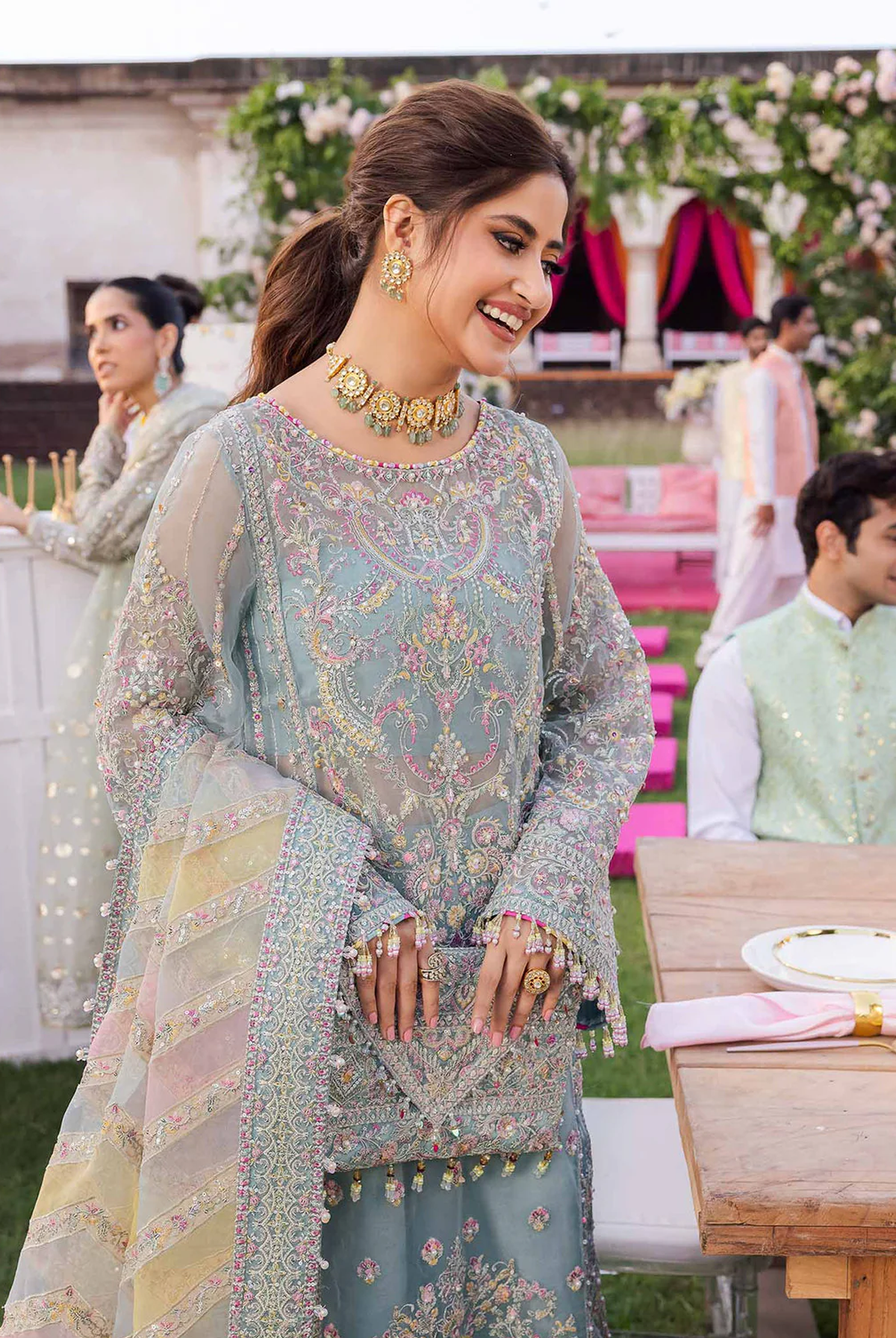
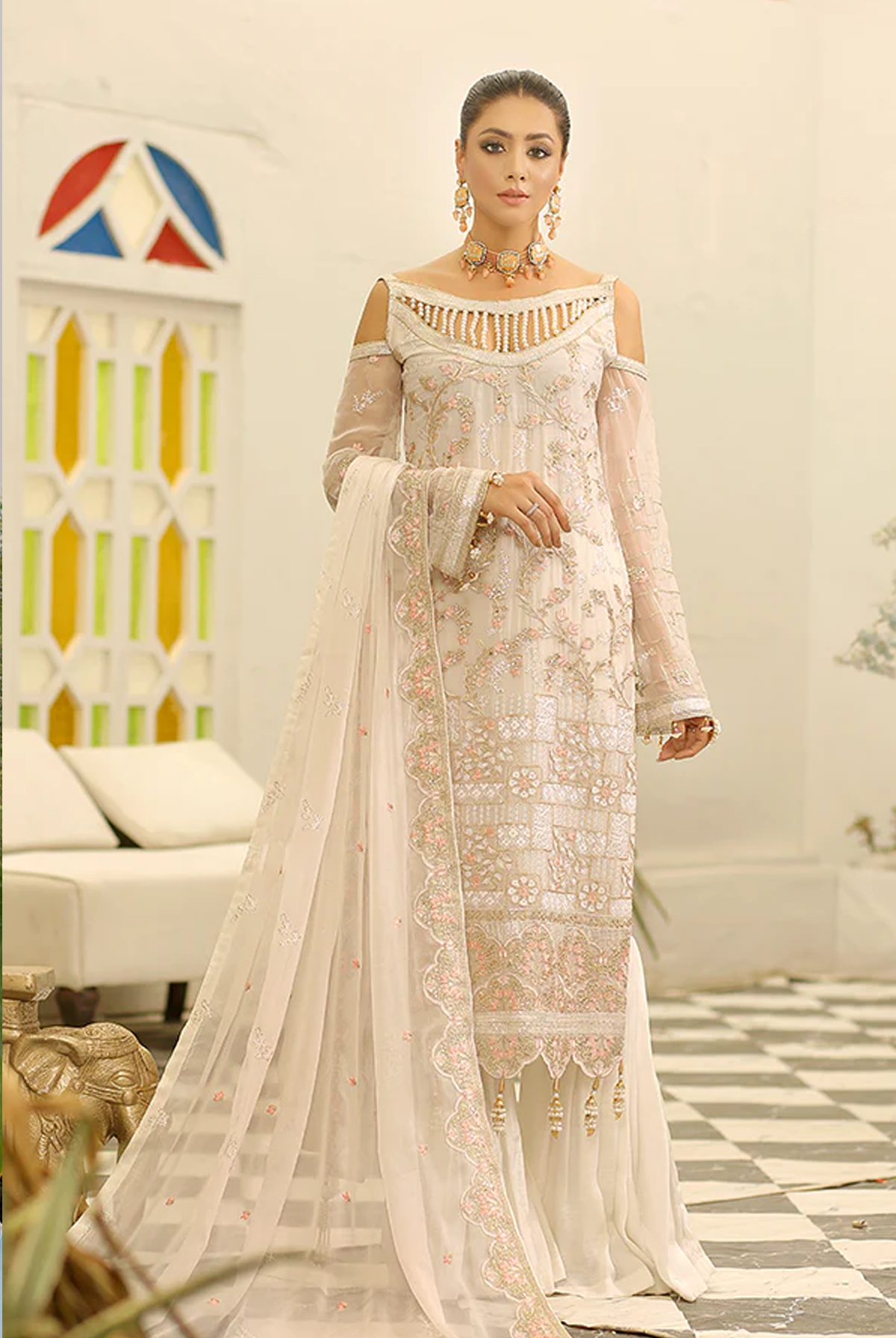
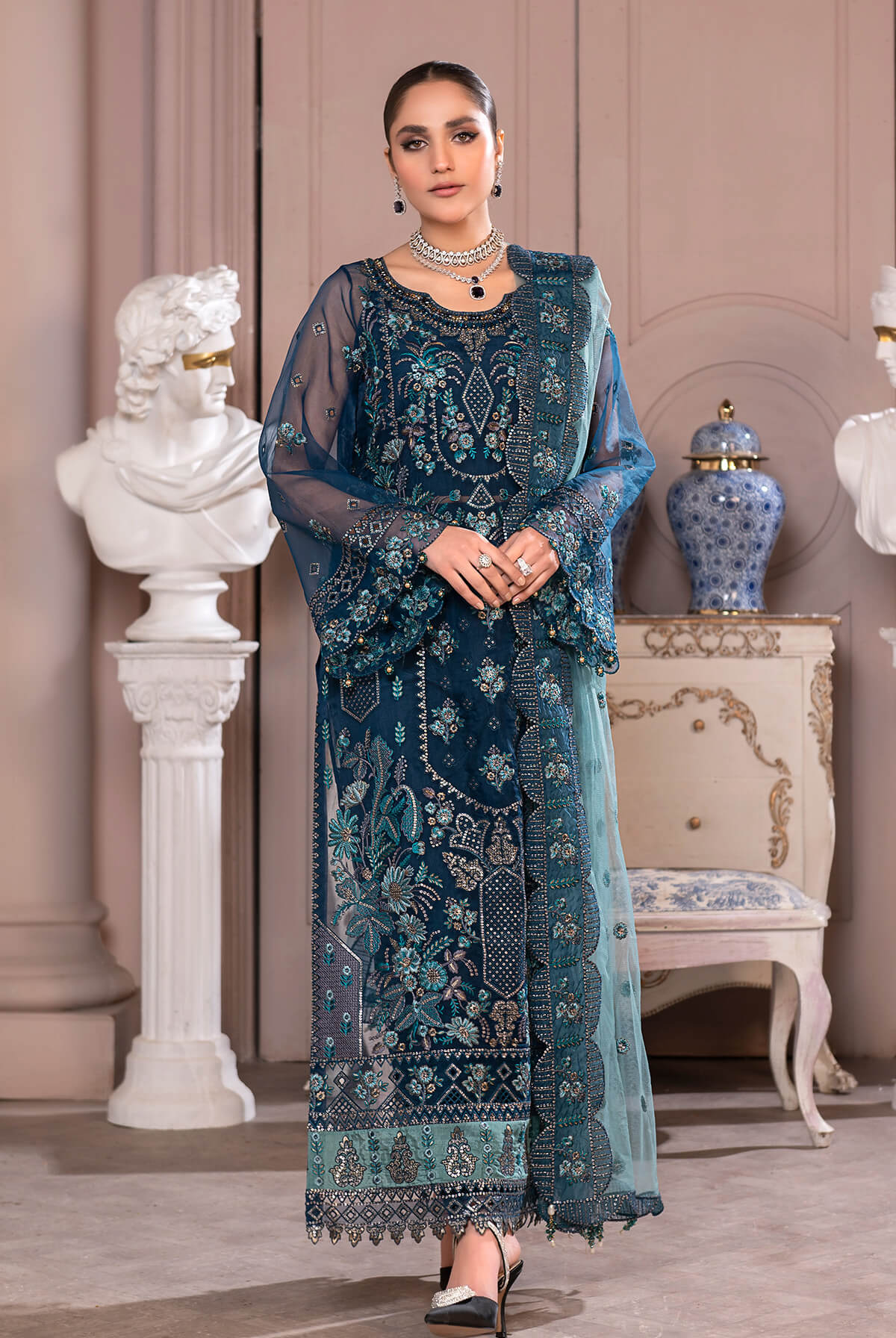
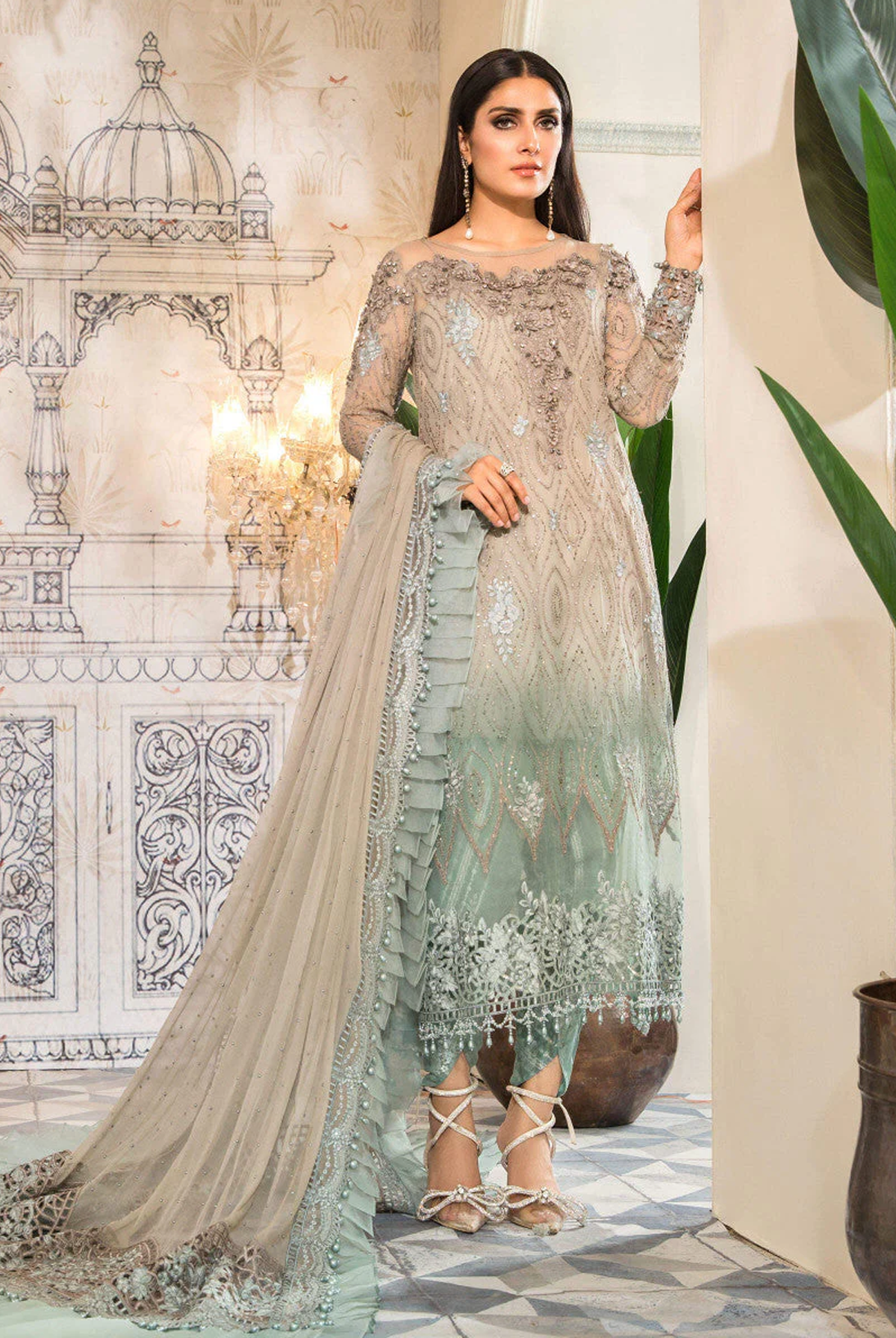
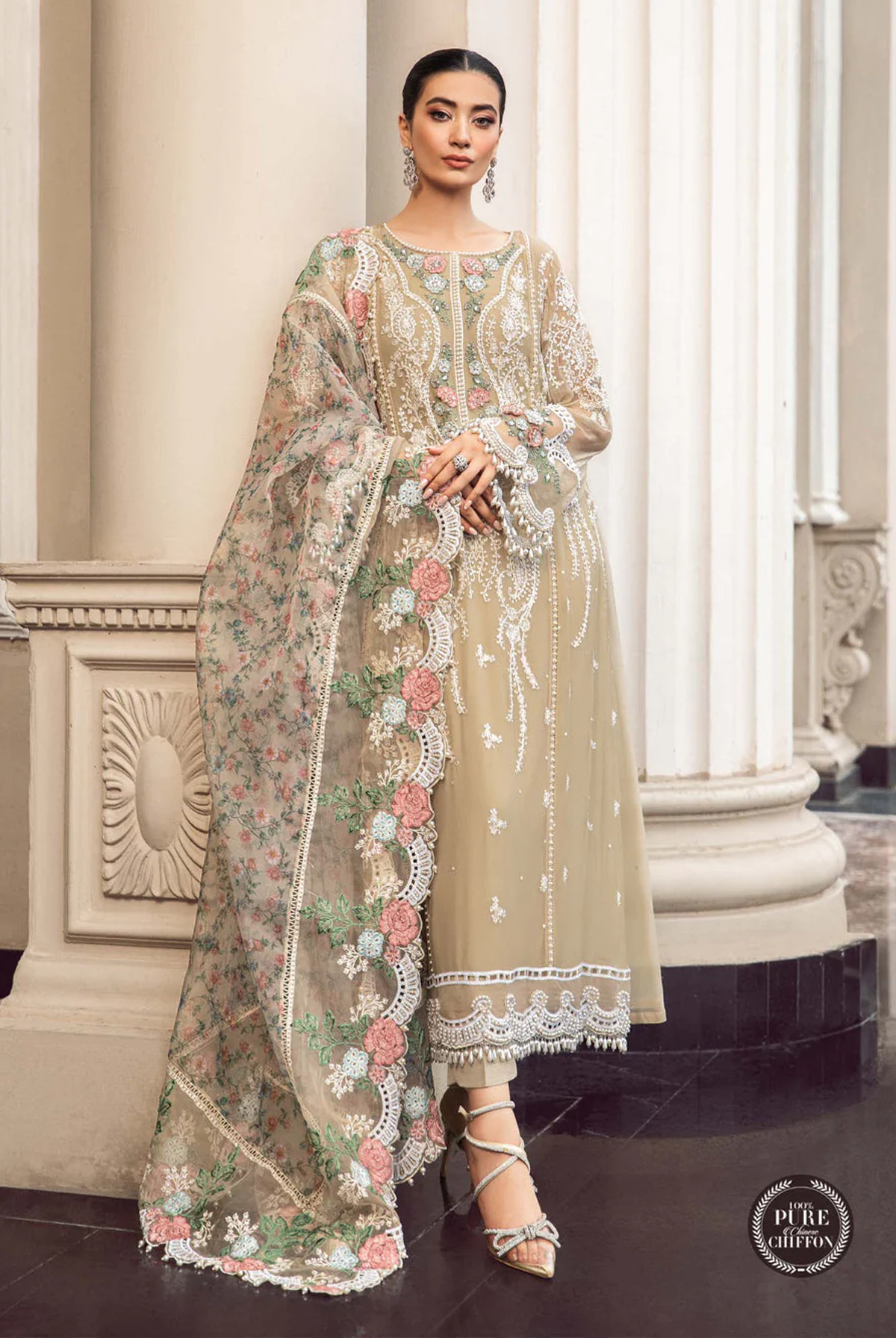
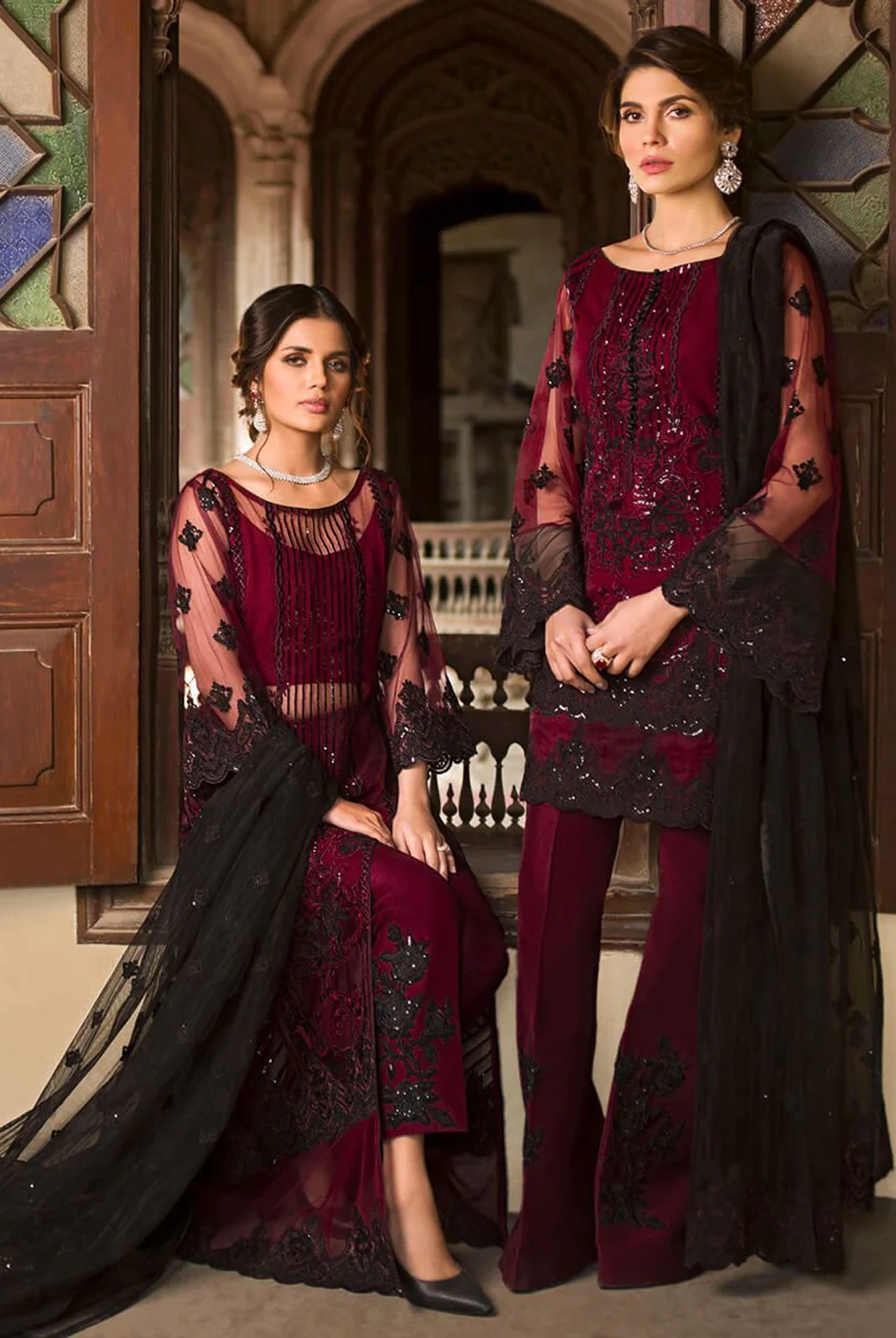
Pakistani fashion brings together traditional craftsmanship, distinctive embroidery, versatile fabrics, and contemporary styling. From lightweight printed suits to elaborate formal outfits, Pakistani clothing offers retailers a broad selection of products for customers who appreciate cultural fashion and detailed garment design. As international shopping continues to connect markets, businesses in Curaçao can explore these collections as an additional category for boutiques, online stores, and specialist fashion retailers. Finding a suitable Pakistani Dress Wholesale Supplier Curaçao is an important consideration for businesses planning to introduce Pakistani clothing into their product range. Wholesale sourcing allows retailers to compare different styles, review fabric options, organise purchasing quantities, and develop a collection that reflects their customers' preferences. Mastorat provides a platform for exploring Pakistani clothing categories and related wholesale sourcing resources. Curaçao has a distinctive retail environment influenced by its Caribbean location, international connections, tourism, and multicultural community. These characteristics create opportunities for retailers to investigate different clothing categories, including South Asian fashion. However, the success of a new product range depends on understanding local demand, selecting suitable designs, calculating total purchasing costs, and arranging dependable delivery. Retailers should therefore approach wholesale purchasing with a clear business plan. Rather than ordering a large quantity of unfamiliar products immediately, businesses can begin by researching customer interests, comparing available collections, and assessing the costs associated with international imports. Mastorat's Pakistani catalogue dress wholesale resource provides a starting point for exploring Pakistani clothing collections. By reviewing product categories and considering their suitability for the intended audience, retailers can make more informed decisions about building a distinctive fashion inventory. Curaçao is part of the Caribbean and maintains commercial and cultural connections with international markets. Its retail businesses serve residents, visitors, and customers with different shopping preferences. For clothing retailers, this creates a reason to examine a variety of product categories rather than relying exclusively on familiar styles. Pakistani clothing may be worth considering for businesses interested in embroidered garments, coordinated outfits, traditional occasionwear, and distinctive textile designs. These products can complement existing collections when selected carefully and presented with accurate descriptions. However, retailers should not assume that every Pakistani clothing category will perform equally well. Demand can vary according to price, design, garment sizing, customer preferences, and the location or online reach of a business. Before purchasing stock, retailers can investigate: These questions help businesses develop a collection based on practical information instead of assumptions about market demand. Retailers can also study related international sourcing resources, including Pakistani dress wholesale in USA and Pakistani dress wholesale in Dubai. These pages provide additional context for exploring Pakistani fashion in different markets, although local conditions and purchasing requirements should always be assessed separately. One of the main characteristics of Pakistani fashion is its variety. Collections can include everyday clothing, printed fabrics, embroidered formal suits, contemporary ready-to-wear garments, and elaborate bridal designs. This range gives retailers flexibility when deciding which products to introduce. A boutique focused on everyday fashion may prefer lightweight suits and simple designs, while a specialist occasionwear business may be more interested in embroidered outfits and premium fabrics. Pakistani clothing often incorporates embroidery, decorative stitching, printed patterns, and coordinated garment components. Depending on the collection, these details may be subtle or highly elaborate. Retailers can use these differences to create product categories that are easy for customers to understand. For example, casual outfits can be displayed separately from formal clothing, while premium collections can receive their own product descriptions and presentation. When evaluating craftsmanship, buyers should examine the quality of the stitching, consistency of the embroidery, finishing around seams, and accuracy of the product photographs. These details can help determine whether an item is appropriate for the intended retail price. Pakistani outfits are available in styles suitable for everyday use, family gatherings, celebrations, formal events, and weddings. This makes it possible to develop a collection with different purposes rather than focusing on a single type of garment. Retailers should still consider their target audience before adding each category. A business may discover that its customers prefer versatile clothing suitable for several occasions, while another may find greater interest in decorative formal outfits. The most effective approach is to select products according to observed demand, available budget, and the store's overall identity. Some customers prefer traditional silhouettes and detailed embroidery, while others look for simpler designs that combine cultural influences with contemporary styling. Retailers can explore both directions when the available catalogue supports them. A balanced selection can include understated pieces, colourful printed outfits, and more elaborate designs for special occasions. Businesses should review the actual products available rather than relying on general trend descriptions. Fabric composition, fit, construction, and finishing remain important considerations regardless of the style. A well-organised wholesale collection should include products that serve different customer needs. The following categories provide a useful framework for evaluating potential inventory. Embroidered dresses are often selected for formal occasions because decorative details can give an outfit a distinctive appearance. Depending on the design, these garments may use chiffon, organza, silk, or other fabrics, together with embroidered panels and coordinated accessories. Retailers should inspect the garment description carefully before ordering. The amount of embroidery, the fabric composition, whether a lining is included, and the components supplied with the outfit can vary from one design to another. Colour accuracy is also important. Photographs taken under different lighting conditions may not show the exact shade of a garment, so retailers should request clarification when colour consistency matters. Businesses looking for a wider selection can review the Pakistani dress wholesale market resource and explore Pakistani designer suits for related product categories. Lawn clothing is commonly associated with lightweight fabric and casual wear. Printed designs, simple embroidery, coordinated trousers, and matching dupattas can make these outfits suitable for everyday wardrobes and warmer weather. For retailers, lawn suits can provide an option alongside heavier formal garments. Their appeal will depend on the specific fabric, design, price, and preferences of the intended customers. Before purchasing, businesses should establish whether the products are stitched or unstitched and identify all included components. They should also verify fabric specifications and garment measurements instead of assuming that products within the same category have identical characteristics. Bridal clothing is a specialised category that requires careful evaluation. Pakistani bridal designs may feature detailed embroidery, embellishments, decorative panels, and coordinated accessories. Because these outfits can involve higher purchasing costs, retailers should research customer interest before committing substantial funds to inventory. A business may decide to maintain a small display collection or investigate whether selected products can be sourced after a customer enquiry. Buyers should confirm production timelines, garment measurements, customisation conditions, and delivery estimates before accepting an order for a wedding or another fixed-date event. Ready-to-wear garments are already stitched and may appeal to customers who prefer convenience. They can also simplify inventory planning because retailers can organise products by available size and design. Accurate sizing information is particularly important. Businesses should review the supplier's measurement chart and confirm how garment sizes are defined. Product descriptions should clearly identify the fit, fabric, included pieces, and care requirements. Retailers should also consider their return and exchange policies, particularly when selling clothing online. Clear policies help customers understand their options before making a purchase. Unstitched clothing gives customers the flexibility to arrange tailoring according to their preferred fit and design. This category may be suitable for shoppers who want to customise sleeve styles, garment lengths, or other details. Retailers should verify the length of the fabric, the presence of embroidered panels, the inclusion of matching materials, and any other components supplied with the product. Businesses interested in this category can explore Pakistani dress material wholesale for additional fabric-related sourcing information. Offering stitched and unstitched products together may help retailers serve different customer preferences. The right balance will depend on the intended audience, the availability of tailoring services, and the amount of inventory the business can manage. Wholesale sourcing involves identifying suitable products, comparing suppliers, checking commercial terms, and arranging delivery. A supplier's catalogue is only one part of this process; retailers must also understand the conditions under which products can be purchased and supplied. Mastorat provides online resources focused on Pakistani clothing and international wholesale markets. Businesses can use these resources to explore product categories and identify potential options for their retail plans. A catalogue helps buyers compare designs and identify garments that fit their intended collection. Retailers should record product names, fabric descriptions, sizes, available colours, prices, and any details about the components included. This information makes comparisons easier and helps businesses avoid ordering products that are too similar to one another. Where product information is incomplete, buyers should request clarification before making a commitment. They should also confirm whether the displayed products are currently available and whether the quoted prices apply to the required quantities. Product availability can change as collections are updated and individual designs sell out. Retailers should confirm stock status before planning a promotion or accepting customer orders. If a particular item is unavailable, buyers should establish whether a similar design can be supplied and whether any substitution requires their approval. These checks are especially useful for businesses planning seasonal campaigns or selling products that customers expect to receive within a particular period. Before purchasing, retailers should understand the supplier's minimum order quantity, payment conditions, shipping charges, estimated dispatch time, and process for reporting order discrepancies. Any arrangement involving custom designs or special packaging should be confirmed in writing. This reduces the risk of misunderstandings about what will be supplied. Businesses can also review related international pages such as Pakistani dress wholesale supplier Canada and Pakistani dress wholesale supplier Australia when researching broader sourcing topics. The quantity and composition of a wholesale order should reflect the retailer's budget, expected demand, storage capacity, and ability to sell the products. A small boutique may need a carefully selected range of designs, whereas an established retailer could require more sizes and a broader selection. Neither approach is automatically better; the right choice depends on the business. Retailers should establish a purchasing budget before selecting products. This budget should cover more than the supplier's quoted price. Depending on the shipment, additional costs may include international freight, insurance, customs duties, import taxes, payment fees, storage, packaging, and local delivery. The total cost of bringing a garment into the business is often more useful for pricing decisions than the original product price alone. Instead of ordering many versions of a single style, retailers may prefer to test a combination of products that serve different purposes. For example, a starting collection might include lightweight printed outfits, a selection of formal garments, and several unstitched designs. The exact assortment should be based on the store's target audience and the available products. This approach gives the business an opportunity to assess which categories attract interest before investing in larger quantities. Minimum order quantities can affect the affordability of a wholesale purchase. Retailers should confirm whether requirements apply to the overall order, individual designs, colours, or sizes. A business with limited storage or working capital may prefer an arrangement that allows it to test a smaller assortment. Larger orders may make sense when demand is established and the total cost is commercially suitable. Buyers should compare the full terms rather than choosing a supplier based only on the advertised unit price. Once a product begins selling consistently, retailers can use sales records to estimate when additional stock may be needed. Reordering should account for product availability, preparation time, shipping, and customs processing. Businesses should avoid assuming that a previous delivery schedule will always be repeated exactly. Keeping records of purchase dates, quantities, costs, and supplier communication helps retailers plan future orders more effectively. Pricing decisions influence both the retailer's competitiveness and its ability to cover operating expenses. A product that appears inexpensive at the supplier level may become less attractive after shipping, import charges, and other costs are included. The landed cost represents the overall expense of bringing a product to the business, taking account of the relevant purchase and delivery costs. Retailers should identify which charges are included in the supplier's quotation and which must be paid separately. They should also check whether customs-related costs are estimated or confirmed. A written cost breakdown makes it easier to compare different products and suppliers on a consistent basis. After calculating the total cost, businesses can establish retail prices that reflect their positioning, customer expectations, and operating expenses. Premium embroidered clothing may require a different pricing approach from everyday printed suits. However, retailers should not assume that an expensive product will automatically sell at a higher margin. Pricing decisions should be informed by the actual cost, product quality, local competition, and observed customer demand. International purchasing may involve currency conversion and payment-processing fees. These costs can affect the final amount paid by the retailer. Businesses should confirm the accepted payment methods, the currency used for quotations, and the party responsible for any transaction charges. Keeping clear financial records helps retailers assess whether a product category is performing as expected. Quality is an important consideration when sourcing clothing for resale. Customers expect garments to match their descriptions and arrive in a condition suitable for use. Retailers should establish a consistent inspection process rather than relying solely on catalogue photographs. Buyers should review fabric composition, texture, weight, and care instructions. These characteristics can influence how a garment feels, how it should be maintained, and whether it suits the intended purpose. When possible, requesting a sample can help a retailer evaluate the fabric before placing a larger order. If samples are unavailable, detailed specifications and additional photographs may provide useful information. For stitched garments, inspect the seams, hems, fastenings, lining, and overall construction. Embroidered items should also be checked for consistent placement and secure finishing. The inspection criteria should reflect the product category. A casual outfit and an elaborate formal dress may require different checks, but both should meet the retailer's stated quality expectations. Retailers should confirm garment measurements and available colours before ordering. This is particularly important for online sales, where customers depend on product information when deciding whether to purchase. If a shipment contains an incorrect size or a product that differs materially from the order, businesses should document the issue and contact the supplier promptly. Garments should be packed in a way that protects them during handling and transit. Retailers should confirm whether additional protection is needed for delicate fabrics or embellished outfits. When the shipment arrives, check the packaging, product quantities, and garment condition before adding items to saleable inventory. International shipping requires coordination between the supplier, carrier, recipient, and any relevant customs service providers. The most suitable shipping method depends on order size, delivery urgency, total cost, and the type of goods being transported. Because Curaçao is an island destination, retailers should confirm the available routes and services for their particular shipment instead of assuming that every carrier offers identical delivery arrangements. Air freight may be suitable when a business needs a shipment sooner or is transporting a relatively small quantity of products. Retailers should compare the quoted cost, estimated transit time, shipment weight, and any applicable handling charges. They should also confirm whether the estimate includes delivery to the business's address or only transport to a designated destination. The final delivery schedule may be affected by carrier operations and customs processing. Sea freight may be worth considering for larger orders when delivery urgency is less important than the overall transport cost. Businesses should request a quotation that explains the relevant shipping arrangements, handling charges, expected transit time, and delivery responsibilities. They should also consider storage capacity and inventory requirements when deciding whether to purchase a larger shipment. Commercial clothing imports may require invoices, shipping documents, product descriptions, and other information depending on the shipment and applicable rules. Retailers should check the requirements relevant to importing goods into Curaçao before confirming an order. They should establish which documents the supplier will provide and which tasks remain the importer's responsibility. Any customs duties, taxes, clearance charges, and other applicable costs should be considered in the purchasing budget. Where tracking is available, businesses should retain the shipment reference and monitor delivery progress. They should also keep the supplier's order confirmation and shipping documents together. Retailers planning for a seasonal launch should allow sufficient time for preparation, transit, and customs clearance. Promising customers a delivery date without reliable confirmation can create avoidable problems. An online store can help retailers display Pakistani clothing to customers beyond the immediate area served by a physical shop. It also allows businesses to organise products into categories and provide detailed information before a purchase. However, an online store requires more than attractive photographs. Product accuracy, order handling, customer communication, and delivery policies all contribute to the shopping experience. Each product page should explain what the customer is purchasing. Useful details include fabric type, garment measurements, available sizes, colour options, included components, stitching status, and care instructions. Descriptions should avoid unsupported claims about fabric composition, handmade work, or product origin. If the supplier has not confirmed a detail, the retailer should seek clarification rather than presenting it as a fact. Photographs should show the garment clearly and represent the actual product as accurately as possible. Multiple views can help customers understand the cut, embroidery, and included components. Where practical, close-up images can show decorative details, while a full-garment image gives customers an overall view of the design. Retailers should keep product photographs consistent across the store so that shoppers can compare styles more easily. A clothing store can group products into categories such as casual suits, formal dresses, bridal wear, and unstitched fabrics. Filters for size, colour, and price may make it easier to browse larger collections. Retailers can also create useful buying guides that explain fabric differences, garment care, and how to select outfits for particular occasions. For related sourcing research, businesses can explore Pakistani dress wholesale online and the Pakistani designer dresses collection page. Customers should understand delivery estimates, payment methods, return conditions, and how to report an order problem before completing a purchase. International sourcing can introduce additional delivery and return costs, so retailers should establish policies that are clear, lawful, and practical for their business. Accurate product descriptions and responsive customer service can also reduce misunderstandings about sizing, colour, and garment construction. Effective marketing begins with understanding the customers a retailer intends to serve. A business should select its messages and promotional channels according to its actual products, audience, and budget. Retailers can publish informative articles about Pakistani clothing styles, fabric characteristics, garment care, and selecting formal outfits. Such content can answer common questions and help visitors discover relevant products. Search phrases should appear naturally where they make sense. Repeating a target keyword in every heading or paragraph makes content harder to read and does not replace useful information. Internal links should also serve a clear purpose. A guide about fabric choices can link to dress-material resources, while a page about occasionwear can direct readers to relevant designer collections. Social media can help businesses present new arrivals, show garment details, and share styling ideas. Clear photographs and short product videos may help customers understand the clothing before visiting a product page. Retailers should track meaningful results, such as enquiries, website visits, purchases, and customer feedback. These indicators can help identify which products and promotional formats deserve further attention. Marketing should accurately represent the available stock. Businesses should confirm product availability before announcing a new collection or limited-time offer. Retailers can organise promotions around relevant holidays, wedding periods, and other occasions that matter to their customers. The promotional calendar should reflect actual audience interests and realistic delivery schedules. A product arriving after the intended event may be difficult to sell at the planned time. By coordinating purchasing, stock availability, and marketing activities, retailers can make seasonal campaigns easier to manage. Inventory management helps retailers balance product availability with the cost of holding stock. Too much inventory can tie up working capital, while insufficient stock can lead to missed sales. Businesses should maintain records showing purchase quantities, unit costs, delivery dates, current stock, and sales performance. These records make it easier to identify which products should be reordered and which may require a different approach. Retailers should review sales by category, design, and price range. They can also monitor customer enquiries and returns to understand whether product descriptions, sizing information, or pricing need improvement. Products that sell slowly may require a revised display, clearer information, or a change in purchasing strategy. Businesses should avoid repeatedly ordering items simply because they were previously included in the catalogue. Supplier communication should cover product specifications, order quantities, payment terms, shipping arrangements, and any agreed changes. Written confirmations can be useful if a product becomes unavailable or a shipment differs from the original order. Retailers should keep copies of quotations, invoices, and relevant correspondence. Clear communication is particularly important for custom orders, where colour, measurements, design details, and production schedules may need individual confirmation. Once a retailer understands which products suit its customers, it can consider expanding into additional categories. Expansion should be based on actual sales performance, available resources, and the supplier's ability to meet the business's requirements. Increasing order quantities too quickly can create unnecessary financial pressure. A gradual approach allows the retailer to develop its product range while continuing to learn about customer preferences. Retailers researching Pakistani clothing may benefit from examining resources covering different international markets. These pages can provide additional context about product categories and wholesale sourcing topics, although they should not be treated as proof that demand or commercial conditions are identical across countries. Relevant Mastorat resources include: Businesses should investigate local import rules, shipping costs, customer preferences, and competitive conditions before entering a new market. The information required for a successful decision will differ according to the destination and the retailer's business model. Island-based businesses often need to consider shipping arrangements and inventory planning carefully. International sourcing can expand the range of products available to local customers, but the commercial value depends on the full cost and practicalities of importing goods. Retailers in Curaçao can evaluate a new clothing category by testing customer interest, reviewing product quality, and comparing the cost of small and large orders. Related regional resources include Pakistani dress wholesale supplier Aruba, Pakistani dress wholesale supplier Jamaica, Pakistani dress wholesale supplier Bahamas, and Pakistani dress wholesale supplier Caribbean Netherlands. These links offer additional pages for readers researching regional wholesale topics. Each destination should be assessed on its own merits, including the shipping services available, import requirements, and likely customer demand. A Pakistani clothing wholesaler supplies clothing products intended for resale by boutiques, retailers, and online sellers. Depending on the supplier's catalogue, these products may include casual suits, embroidered formal dresses, ready-to-wear garments, bridal outfits, and unstitched fabrics. Retailers should confirm the available categories, minimum quantities, product specifications, prices, and delivery arrangements before purchasing. Mastorat provides online resources for exploring Pakistani fashion and related wholesale sourcing topics. For broader market research, buyers can review Pakistani dress wholesale in Dubai and Pakistani dress wholesale in USA. Pakistani clothing may be a useful addition for retailers whose customers are interested in distinctive designs, embroidered garments, traditional outfits, or cultural fashion. Suitability depends on the target audience, available budget, product quality, and the prices customers are willing to pay. Retailers should investigate local demand instead of assuming that every category will sell equally well. A small initial collection can help a business assess customer interest before committing to larger purchases. Depending on the current catalogue, retailers may be able to choose from lawn suits, chiffon outfits, embroidered formalwear, bridal clothing, ready-to-wear garments, and unstitched dress materials. Buyers should review the specifications for each product and confirm whether the outfit includes matching trousers, a dupatta, lining, or other components. They should also check available sizes and colours. The Pakistani designer suits and Pakistani designer dresses pages provide related resources for exploring different styles. Retailers should compare the complete cost of each order rather than looking only at the product price. Relevant expenses may include freight, insurance, customs charges, import taxes, payment fees, packaging, and local delivery. The exact costs depend on the shipment and applicable commercial arrangements. Buyers should request written quotations and confirm minimum order requirements, payment conditions, and whether discounts apply to particular quantities. Minimum order quantities depend on the supplier, product category, and purchasing arrangement. Some orders may have requirements for individual designs or colours, while others may be based on the overall quantity. Retailers should confirm the applicable conditions before making payment. A business with limited funds or storage space may prefer to test a smaller selection if the supplier's terms allow it. Available shipping methods depend on the carrier, shipment size, destination arrangements, and supplier's logistics options. Air freight may be suitable for some time-sensitive shipments, while sea freight may be considered for larger orders. Retailers should request delivery estimates and confirm whether the quotation includes customs clearance, local delivery, and other relevant services. For island-related sourcing research, readers can also review Pakistani dress wholesale supplier Aruba and Pakistani dress wholesale supplier Bahamas. Retailers should review fabric descriptions, garment measurements, stitching, embroidery, finishing, and product photographs. Requesting samples or additional product information may help where available. After delivery, the retailer should compare the shipment against the order confirmation and document any missing, damaged, or incorrect products. A consistent inspection process helps businesses maintain accurate product information and respond to supplier issues promptly. Customisation depends on the supplier's capabilities and the particular collection. Some products may allow changes to colours, measurements, embroidery, or other design elements, while others may be available only as shown. Retailers should confirm whether customisation is offered, what minimum quantities apply, whether additional costs are involved, and how it affects production and delivery times. All agreed specifications should be recorded before the order is confirmed. Yes, Pakistani clothing can be included in an online retail catalogue when the products suit the intended audience and business model. Retailers should provide accurate photographs, fabric details, size information, prices, and delivery policies. They should also explain returns and exchanges clearly and keep product availability updated. The Pakistani dress wholesale online page is a related resource for readers researching online wholesale sourcing. Retailers should investigate the customs, tax, documentation, and import requirements that apply to their shipment entering Curaçao. The relevant requirements may depend on the goods, their origin, shipment arrangements, and the importer’s circumstances. Businesses should consult appropriate official guidance or a qualified customs professional where necessary. They should also confirm which documents the supplier provides and which responsibilities remain with the importer. A retailer can reduce overstocking risk by beginning with a manageable selection, tracking sales, and reviewing customer feedback before increasing order quantities. Inventory records should show which products sell quickly, which remain in stock, and how much each category costs to maintain. Reordering should be based on actual demand and realistic delivery estimates rather than assumptions about future sales. Mastorat provides online resources focused on Pakistani clothing categories and wholesale markets. Retailers can explore relevant pages, compare product types, and identify topics to investigate when planning a collection. Before placing an order, buyers should confirm the current product range, availability, prices, minimum quantities, customisation terms, and shipping arrangements directly. Businesses can also review Pakistani catalogue dress wholesale to explore a related product category. Pakistani clothing offers retailers a diverse range of designs, from lightweight everyday outfits to embroidered formalwear and specialised bridal collections. For businesses in Curaçao, exploring these products can be an opportunity to broaden an existing catalogue and respond to customers looking for distinctive fashion choices. Successful wholesale sourcing depends on careful planning. Retailers should identify their target audience, compare product specifications, calculate the complete landed cost, confirm order terms, and understand the shipping and import arrangements before making a purchase. Mastorat's online resources can help businesses explore Pakistani clothing categories and related international sourcing topics. Retailers should use these resources as a starting point for product research and confirm the commercial details relevant to their own orders. Ultimately, a Pakistani Dress Wholesale Supplier Curaçao strategy should focus on product suitability, transparent costs, dependable communication, and informed inventory decisions. By beginning with a realistic plan and expanding according to customer demand, retailers can work towards building a distinctive Pakistani fashion collection that fits their business objectives.
Understanding the Clothing Retail Market in Curaçao
Why Pakistani Clothing Can Add Variety to a Retail Collection
Traditional Craftsmanship and Decorative Details
Clothing for Different Occasions
Contemporary and Traditional Styles
Pakistani Dress Categories Available for Wholesale Sourcing
Luxury Embroidered Dresses
Casual Lawn Collections
Bridal and Wedding Clothing
Ready-to-Wear Clothing
Unstitched Suits and Dress Materials
How Mastorat Fits Into a Wholesale Sourcing Strategy
Reviewing the Available Catalogue
Understanding Product Availability
Confirming Commercial Terms
Planning Wholesale Orders for the Curaçao Market
Start With a Clear Budget
Select a Balanced Range
Compare Minimum Order Requirements
Plan for Reordering
Pricing and Profit Planning for Wholesale Buyers
Calculate the Landed Cost
Set Retail Prices Carefully
Consider Currency and Payment Charges
Quality Assurance and Product Inspection
Fabric Inspection
Stitching and Finishing
Colour and Size Accuracy
Packaging and Shipment Condition
International Shipping to Curaçao
Air Freight for Time-Sensitive Orders
Sea Freight for Larger Shipments
Customs Documentation and Import Responsibilities
Tracking and Delivery Planning
Building an Online Pakistani Clothing Store
Write Clear Product Descriptions
Use Helpful Product Photography
Organise the Website Around Customer Needs
Make Delivery and Return Policies Clear
Marketing Pakistani Clothing to the Right Audience
Search-Friendly Website Content
Social Media and Visual Content
Seasonal Promotions
Managing Inventory and Developing Supplier Relationships
Monitor Sales Performance
Keep Communication Documented
Expand Gradually
Exploring Other International Wholesale Markets
Opportunities for Island-Based Fashion Retailers
Frequently Asked Questions
1. What Does a Pakistani Dress Wholesale Supplier in Curaçao Provide?
2. Is Pakistani Clothing Suitable for Retail Businesses in Curaçao?
3. What Types of Dresses Can Be Included in a Wholesale Order?
4. How Should Retailers Compare Wholesale Prices?
5. What Is the Minimum Order Quantity?
6. How Can Wholesale Clothing Be Shipped to Curaçao?
7. How Can Retailers Check Product Quality Before Buying?
8. Can Wholesale Clothing Be Customised?
9. Can Retailers Sell Pakistani Dresses Through an Online Store?
10. What Import Requirements Should Businesses Check?
11. How Can a Retailer Avoid Overstocking?
12. Why Consider Mastorat for Pakistani Clothing Sourcing?
Conclusion: Building a Practical Pakistani Fashion Collection for Curaçao
How wholesale works
Tap “Get price” on any design, or send us your list on WhatsApp.
Wholesale prices, MOQ and shipping for your country, usually within a few hours.
Every piece is inspected, and you get photos of your packed order.
DHL, FedEx, Skynet or cargo. Typically 5–7 working days by courier.
“Today I have received 5 boxes like 276 suits. All the dresses are so beautiful and the quality is 100% good…”
“Mastorat is a game-changer in the world of unstitched suits! The quality of fabric is top-notch…”
“Best place to buy wholesale cloth UK”
Free wholesale quote
Tell us which designs you like and roughly how many pieces. We will reply with wholesale prices, MOQ and delivery options for your country.
Wholesale · Free quote