
Sale!
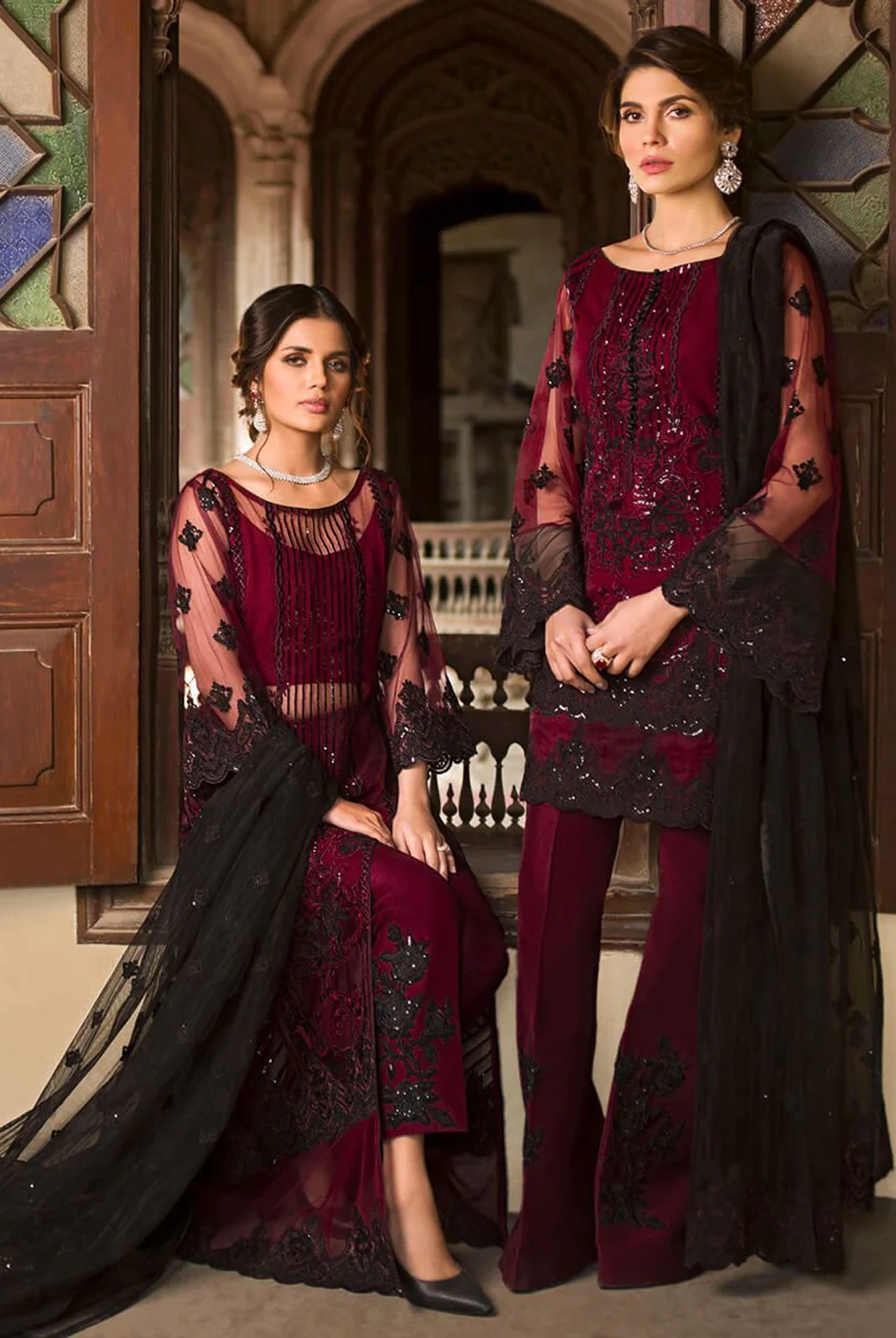

Original price was: ₨17,500.00.₨13,500.00Current price is: ₨13,500.00.
Sale!


Original price was: ₨16,000.00.₨13,000.00Current price is: ₨13,000.00.
Sale!


Original price was: ₨18,500.00.₨14,000.00Current price is: ₨14,000.00.
Sale!

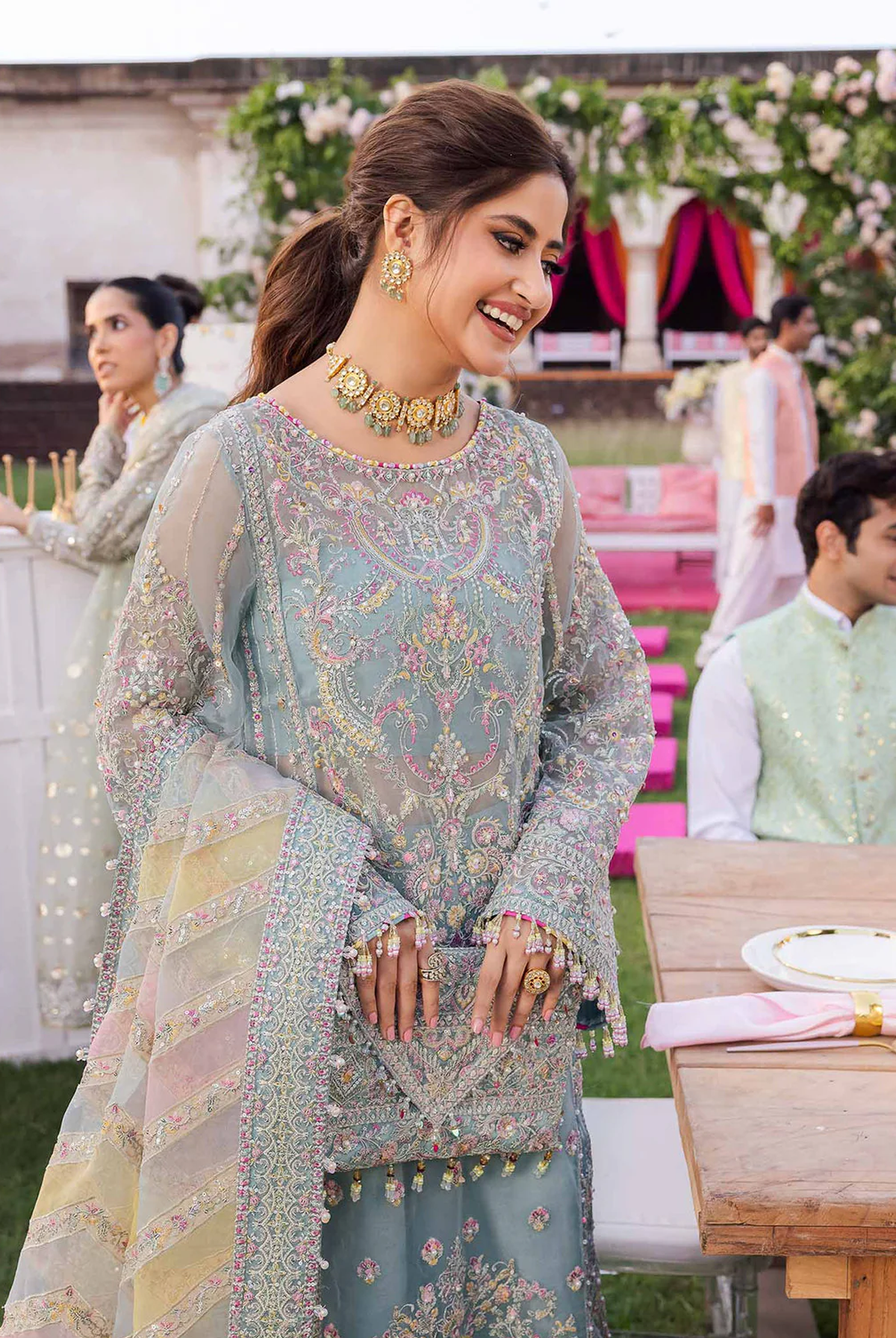
Original price was: ₨14,000.00.₨12,000.00Current price is: ₨12,000.00.
Sale!
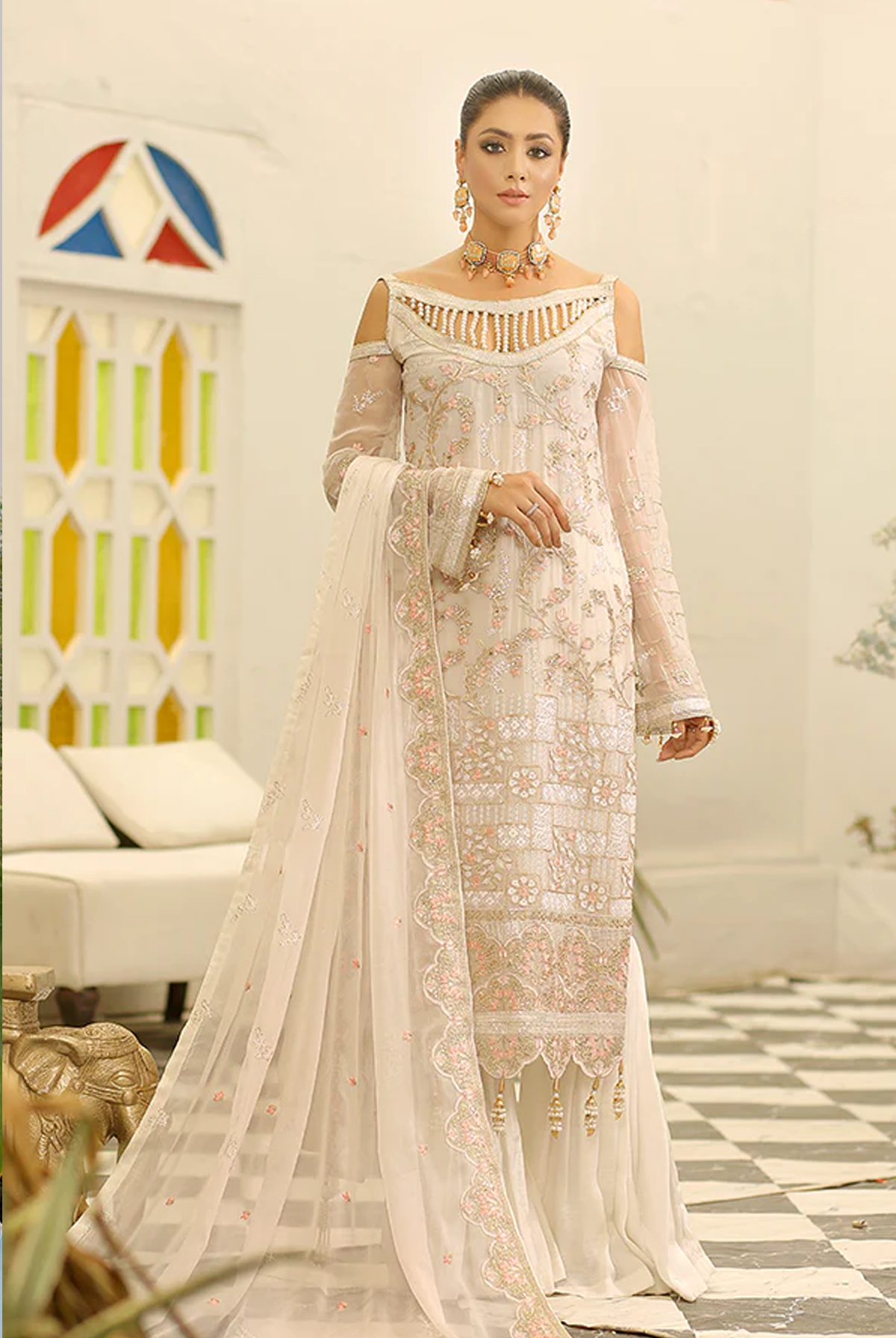

Original price was: ₨15,000.00.₨13,500.00Current price is: ₨13,500.00.
Sale!


Original price was: ₨16,000.00.₨12,500.00Current price is: ₨12,500.00.
Sale!


Original price was: ₨17,500.00.₨15,500.00Current price is: ₨15,500.00.
Sale!
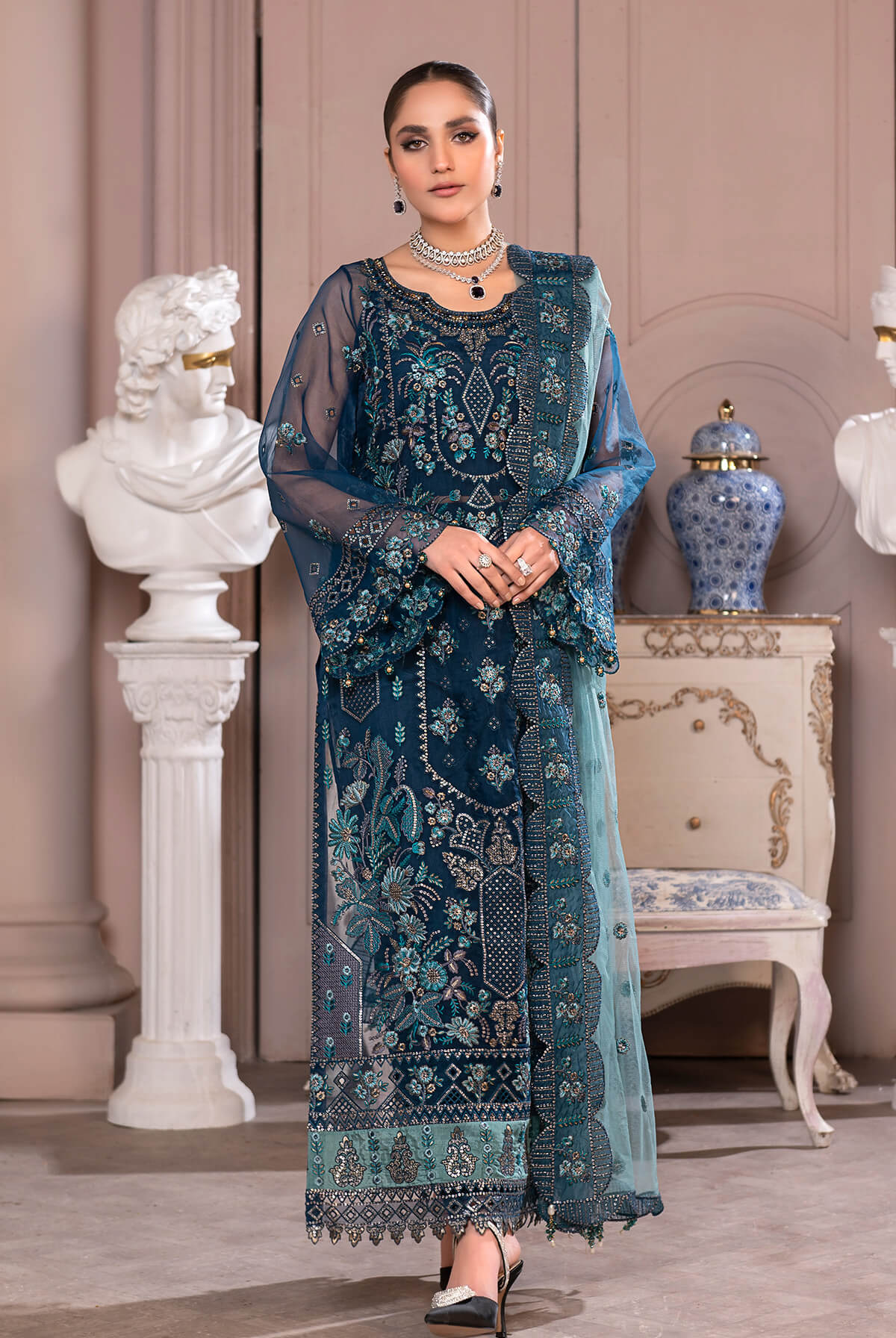

Original price was: ₨14,000.00.₨9,500.00Current price is: ₨9,500.00.
Sale!


Original price was: ₨16,000.00.₨14,000.00Current price is: ₨14,000.00.
Sale!


Original price was: ₨19,000.00.₨14,000.00Current price is: ₨14,000.00.
Sale!


Original price was: ₨16,500.00.₨15,000.00Current price is: ₨15,000.00.
Sale!


Original price was: ₨15,000.00.₨11,500.00Current price is: ₨11,500.00.
Sale!

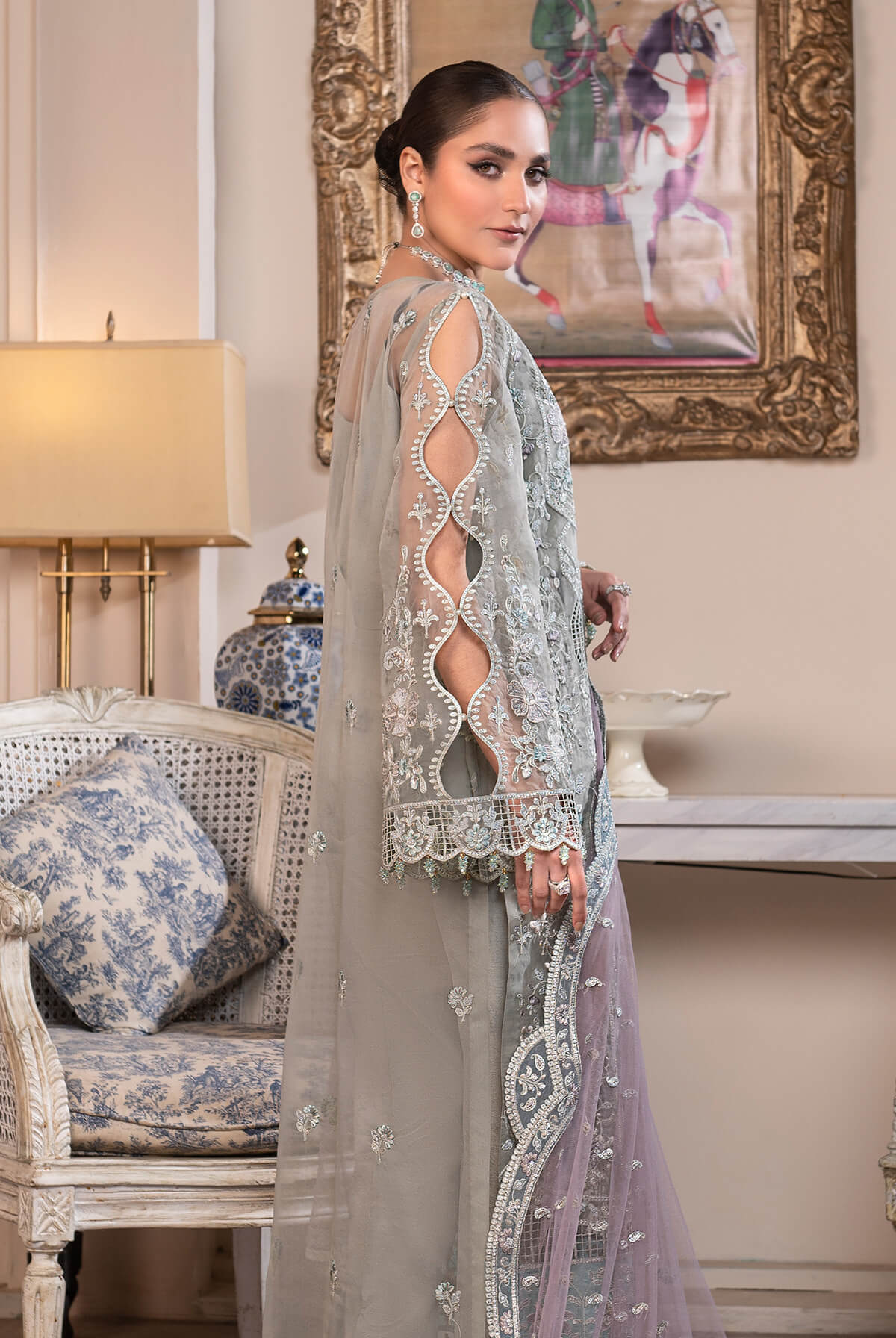
Original price was: ₨14,000.00.₨11,500.00Current price is: ₨11,500.00.
Sale!


Original price was: ₨15,500.00.₨13,500.00Current price is: ₨13,500.00.
Sale!


Original price was: ₨13,500.00.₨12,500.00Current price is: ₨12,500.00.
Pakistani Dress Wholesale Supplier Belarus | Mastorat
Pakistani clothing has earned international recognition for its distinctive embroidery, versatile fabrics, elegant silhouettes, and combination of traditional craftsmanship with contemporary fashion. From everyday unstitched suits to sophisticated formal outfits, Pakistani apparel offers a wide range of choices for retailers, boutique owners, online sellers, and fashion businesses serving customers with different tastes and budgets.
For businesses exploring the Belarusian market, finding a dependable source of Pakistani clothing involves more than comparing prices. Buyers need to consider fabric quality, product variety, sizing, stitching standards, delivery arrangements, and the reliability of the supplier. A well-organized sourcing process helps businesses maintain consistent inventory while offering customers attractive designs throughout the year.
Mastorat provides a starting point for exploring Pakistani apparel and wholesale collections through its online resources. Businesses can review the available categories, compare product styles, and identify collections that fit their retail strategy. Its Pakistani Dress Wholesale page is a useful place to begin exploring the broader wholesale clothing market.
A Pakistani Dress Wholesale Supplier Belarus search reflects the needs of businesses interested in connecting Pakistani fashion with customers in Belarus. However, buyers should assess each supplier individually, confirm whether international orders are accepted, and verify delivery arrangements before committing to a purchase.
This guide explains the main clothing categories, supplier selection considerations, international shipping requirements, pricing factors, and practical steps involved in building a Pakistani fashion business in Belarus.
Understanding the Pakistani Clothing Wholesale Market
Pakistan has a well-established textile and apparel industry that produces fabrics, unstitched garments, ready-to-wear clothing, embroidered outfits, and occasionwear. This range makes Pakistani fashion suitable for different retail models, from small independent boutiques to businesses managing larger clothing inventories. Wholesale purchasing allows retailers to source multiple garments or collections under agreed commercial terms. Depending on the supplier, orders may be available as individual designs, coordinated collections, size-based assortments, or larger quantities of selected products. For a retailer, the main advantage of wholesale sourcing is the ability to create a varied product selection without developing every garment independently. Instead of investing in manufacturing equipment and design development, a business can concentrate on merchandising, customer service, marketing, and sales. Businesses that prefer to compare collections digitally can explore Pakistani Dress Wholesale Online. Online sourcing can make initial research more convenient, although photographs and product descriptions should always be supplemented with written specifications and, where practical, sample orders. Another useful resource is Pakistani Catalogue Dress Wholesale, which can help buyers explore the different styles and product categories available through Pakistani fashion suppliers. Before choosing a collection, retailers should identify their intended customers. A boutique serving customers looking for everyday clothing will have different requirements from a store specializing in wedding outfits or premium formalwear. Understanding this distinction helps buyers avoid unnecessary inventory expenses and choose products that align with their business model.Why Pakistani Fashion May Appeal to Belarusian Retailers
Belarus offers a distinct retail environment in which businesses must understand local preferences, purchasing power, seasonal conditions, and the availability of competing products. Pakistani clothing can provide an additional category for retailers who identify a suitable customer base for South Asian fashion, modest clothing, embroidered outfits, or distinctive occasionwear. The potential audience will depend on the individual business and its location. Customers may include members of South Asian communities, people attending cultural celebrations, shoppers interested in international fashion, or buyers seeking clothing with decorative embroidery and versatile styling. Retailers should validate demand locally instead of assuming that every Pakistani clothing category will sell equally well. Research can include reviewing competing stores, speaking with prospective customers, testing a small product selection, and collecting feedback before increasing order quantities. A successful retail strategy should also consider how customers prefer to shop. Some may want ready-to-wear clothing, while others may prefer unstitched fabric that can be tailored to their measurements. Offering a carefully selected combination of products can help a business appeal to different customer needs without making its inventory unnecessarily complicated. Businesses exploring a Pakistani Dress Wholesale Supplier Belarus opportunity should also assess the practicalities of importing goods. Supplier reliability, international payment arrangements, customs requirements, and delivery costs can have a substantial effect on the final selling price. Rather than treating geographical location alone as evidence of a strong distribution market, importers should establish whether their proposed shipping route, commercial arrangements, and target customer segment make financial and operational sense.Popular Pakistani Clothing Categories for Wholesale Buyers
A diversified collection can help retailers serve customers shopping for everyday wear, professional occasions, family celebrations, and formal events. The most suitable categories depend on the store's positioning and the amount of capital available for inventory.Unstitched Pakistani Suits
Unstitched suits are an important category of Pakistani clothing. These sets commonly include fabric intended for a shirt, trousers, and dupatta, although the precise components vary by collection. They appeal to customers who prefer choosing their own measurements, sleeve styles, necklines, and overall fit. Retailers may also find this category useful because customers can adapt the fabric to their personal preferences. Businesses can explore Pakistani Dress Material Wholesale to learn more about sourcing fabric-based clothing collections. When evaluating unstitched products, buyers should confirm the exact fabric composition, included pieces, dimensions, print quality, and any additional embellishments. Clear product descriptions reduce misunderstandings and make it easier to communicate accurate information to customers.Casual Lawn Collections
Lawn clothing is commonly associated with warm-weather fashion and lightweight fabrics. Printed lawn suits, embroidered designs, and coordinated fabric sets can provide retailers with options for casual wardrobes and everyday use. Buyers should compare fabric quality, color consistency, print finishing, and the contents of each set. Seasonal collections should also be ordered with the expected selling period in mind. For businesses serving a market with cooler weather for much of the year, lightweight garments may perform differently from heavier fabrics. Retailers can respond by adjusting purchasing quantities and combining seasonal pieces with products suitable for indoor events and year-round occasions.Embroidered Formal Dresses
Formal Pakistani outfits often feature decorative stitching, embellished necklines, intricate borders, and carefully coordinated fabrics. Depending on the design, these garments may be suitable for celebrations, family gatherings, formal dinners, and special events. Retailers should examine the quality of the embroidery, the security of attached embellishments, the lining, and the overall finishing. Garments intended for premium customers require particular attention to construction and presentation. Businesses looking for more elaborate designs can explore Pakistani Designer Dresses and Pakistani Designer Suits.Bridal and Wedding Collections
Bridal clothing represents a specialized segment of Pakistani fashion. These garments may include detailed embroidery, decorative handwork, luxurious fabrics, and coordinated accessories, depending on the design. Because bridal outfits can involve higher purchasing costs, retailers should carefully assess demand before placing large orders. Accurate measurements, garment specifications, delivery schedules, and return arrangements are especially important when products are intended for a particular event. A boutique may choose to display a limited selection of bridal designs and obtain additional pieces through confirmed customer orders. This approach can reduce the need to hold extensive quantities of expensive inventory.Premium Designer Clothing
Premium collections can help retailers differentiate their stores from businesses offering only basic everyday clothing. Their appeal may come from fabric selection, finishing, embroidery, silhouette, and the overall presentation of the garment. Buyers can review Pakistani Designer Clothes Online when researching this segment. Before purchasing branded or designer-labelled products, retailers should verify authenticity, authorization where applicable, and the supplier's right to distribute the garments. They should also confirm whether the products are original branded collections, independent designs, or garments inspired by broader fashion trends.Ready-to-Wear Clothing
Ready-to-wear suits provide a convenient option for customers who do not want to arrange tailoring themselves. They can also help retailers offer a simpler buying experience, provided the garments are available in suitable sizes. Importers should request size charts, measurements, fabric details, and information about stitching quality. Standardized sizing should not be assumed across different manufacturers. A combination of ready-to-wear and unstitched garments can provide flexibility, allowing customers to select products according to their preferred fit, budget, and styling requirements.How to Choose a Reliable Wholesale Supplier
Choosing the right supplier is one of the most important decisions for any clothing business. A competitive price is useful, but it does not compensate for inconsistent quality, unclear communication, or unreliable delivery. The following considerations can help retailers evaluate prospective suppliers.Review the Product Range
Start by examining the available catalogue. Check whether the supplier offers the categories, designs, sizes, fabrics, and price levels that match your intended customers. A broad catalogue may be useful, but it should not replace product-level verification. Buyers should confirm whether listed garments are currently available and whether the images represent the actual products being supplied.Request Detailed Specifications
Ask for fabric composition, garment dimensions, stitching details, included accessories, color options, and packaging information. For embellished garments, request details about the type of embroidery and attached decorative materials. These specifications make comparisons between suppliers more meaningful and help retailers create accurate product listings.Verify Business Information
Review the supplier's business identity, contact details, commercial terms, and available transaction records. Where possible, request references or examples of previous wholesale transactions. A professional website can be useful for initial research, but its presence alone does not establish the quality or reliability of a business.Confirm Minimum Order Quantities
Minimum order quantities, commonly called MOQs, vary by supplier, garment category, and production arrangement. Some suppliers may offer smaller mixed orders, while others require buyers to purchase a minimum quantity of each design or color. Retailers should request written confirmation before calculating their expected costs. For a new business, a modest initial order may be preferable to a large purchase made before local demand has been tested.Evaluate Communication and Support
Reliable communication helps resolve questions about availability, sizing, payment, production, and delivery. Before placing an order, check whether the supplier provides clear answers, written quotations, order confirmations, and a practical method for resolving problems. Confirm how changes, cancellations, damaged goods, and shortages will be handled.Consider a Sample Order
When possible, order samples before committing to a substantial purchase. Examine the fabric, stitching, color, embroidery, sizing, and packaging. A sample can reveal differences between product photographs and the delivered garment. Although it cannot guarantee that every item in a larger shipment will be identical, it provides a useful basis for evaluating the supplier.Exploring Mastorat's Pakistani Clothing Resources
Mastorat offers online resources for businesses researching Pakistani clothing and wholesale fashion categories. Buyers can use the website to explore available product information and identify collections relevant to their sourcing plans. The Pakistani Dress Wholesale Market page is relevant to buyers researching the broader wholesale sector. It can be considered alongside product categories and supplier information when comparing potential purchasing options. Retailers should confirm current stock, order conditions, delivery availability, and payment terms directly before treating any product or service as available for a particular transaction.International Supplier Research
Importers often compare suppliers operating in different countries to understand product selection, logistics, and purchasing conditions. Regional supplier pages can be useful research starting points, although a country-specific webpage should not automatically be interpreted as proof of a local warehouse or established distribution network. For example, buyers may explore Pakistani Clothes Wholesale Suppliers UK when researching UK-related sourcing options. Businesses comparing regional markets can also review:- Pakistani Clothes Wholesalers Bradford
- Pakistani Clothes Wholesalers Manchester
- Pakistani Dress Wholesale in Dubai
- Pakistani Dress Wholesale in the USA
Understanding the Pakistan-to-Belarus Supply Process
International apparel sourcing involves several stages, from selecting products to receiving and checking the shipment. Understanding these steps helps retailers prepare realistic budgets and delivery expectations.Step 1: Select Products and Confirm Availability
Begin by preparing a list of desired products, quantities, sizes, colors, and acceptable price ranges. Ask the supplier to confirm whether each item is in stock or requires production. Made-to-order garments may involve additional lead times, particularly when embroidery or other detailed finishing is required. A written quotation should identify the products, quantities, unit prices, and any additional charges.Step 2: Agree on Commercial Terms
Before making payment, establish the currency, payment schedule, order confirmation process, cancellation policy, and responsibility for shipping expenses. For larger transactions, buyers should consider using appropriate written contracts and established payment methods. Any advance payment should be supported by clear documentation. The commercial agreement should also specify how shortages, damaged garments, incorrect sizes, and quality disputes will be handled.Step 3: Arrange International Transportation
The suitable shipping method depends on the shipment's size, urgency, destination, and available transport services. Air cargo may be suitable for smaller or time-sensitive shipments, while other freight arrangements may be more appropriate for larger consignments. The actual options available depend on the route and the carriers willing and legally able to handle the shipment. Buyers should obtain a current freight quotation rather than relying on general estimates. The quotation should identify the destination, transit arrangements, handling charges, and any additional services.Step 4: Prepare Export and Import Documentation
International clothing shipments may require a commercial invoice, packing list, transport documents, and other paperwork depending on the shipment and applicable regulations. The exporter and importer should agree on who will prepare each document and who will manage customs formalities. For Belarus-bound shipments, buyers should confirm current import rules, applicable duties and taxes, product documentation requirements, and any restrictions that affect the particular transaction. Requirements can vary according to the goods, the parties involved, and the route.Step 5: Track Delivery and Inspect the Goods
Once the shipment is dispatched, obtain the available tracking or transport reference and monitor progress. When the goods arrive, compare the shipment with the original purchase order. Check quantities, sizes, colors, packaging, and garment condition. Photograph any discrepancies and report them within the period specified in the supplier agreement. Keeping organized records helps businesses resolve issues and make better purchasing decisions for future orders.Shipping and Customs Considerations for Belarus
Shipping costs can significantly affect the final price of imported clothing. Retailers should evaluate the complete delivery arrangement rather than focusing only on the price quoted by the garment supplier.Compare the Total Landed Cost
The landed cost represents the overall expense of bringing goods to the intended destination, including the relevant purchase, transportation, insurance, customs, and handling costs. Depending on the transaction, additional expenses may include currency conversion, brokerage services, storage, or domestic delivery. A product that appears inexpensive at the factory may become less competitive after these costs are included. Comparing suppliers using a consistent landed-cost calculation provides a more realistic picture of profitability.Confirm the Delivery Route
The shipment route should be confirmed by the freight provider. International transport arrangements may involve multiple carriers, transit points, or border crossings. Do not assume that a shipment can move through a particular country or logistics hub simply because the route appears geographically convenient. Current carrier services, customs requirements, and applicable restrictions must be checked before booking.Review Applicable Trade Restrictions
Belarus-related transactions can be affected by international sanctions, export controls, financial restrictions, and carrier policies. The relevance of these rules depends on the parties, goods, banks, transport providers, and countries involved. Importers and exporters should verify the current requirements with qualified customs or trade professionals before accepting payment or dispatching merchandise. They should not assume that a general clothing shipment is automatically permitted under every route or commercial arrangement.Plan for Delays
International shipments can be delayed by documentation errors, customs checks, weather, transport disruptions, or changes in carrier availability. Retailers should allow a reasonable delivery buffer, especially for seasonal collections and garments intended for specific events. Keeping customers informed about realistic arrival estimates helps protect the business's reputation.Pricing, Budgeting, and Wholesale Profitability
The financial success of a clothing business depends on purchasing decisions, operating costs, selling prices, and customer demand. Wholesale sourcing can offer opportunities, but profitability should be calculated rather than assumed.Understand the Main Cost Factors
The purchase price is only one part of the total expense. Retailers should account for transportation, customs charges where applicable, payment processing, packaging, marketing, storage, and the cost of handling returns or defective goods. The type of garment also affects the budget. Simple cotton suits may have different cost structures from heavily embroidered formalwear or bridal outfits. Retailers should request quotations for comparable specifications so that they can evaluate price differences fairly.Calculate a Realistic Selling Price
Once the full cost per garment is known, determine a selling price that reflects customer expectations and the business's operating expenses. For example, if a garment costs €25 to purchase and €8 in allocated import and handling expenses, its estimated cost before other business expenses is €33. Selling it for €50 would produce €17 in gross profit before remaining overheads, taxes, marketing, and other costs. This is an illustrative calculation, not a forecast of the prices or profit margins available in Belarus. Actual results depend on the transaction and local market conditions.Start with a Manageable Inventory
New retailers can reduce purchasing risk by testing a smaller selection of styles before expanding their range. Track which designs receive enquiries, which products sell, and which items remain in stock. These records help identify the categories that deserve additional investment. Ordering too many similar garments may tie up capital that could otherwise support marketing, customer service, or a broader selection of products.Monitor Cash Flow
Wholesale businesses often need to pay suppliers before their inventory is sold. Retailers should therefore plan for the time between paying for stock and receiving customer payments. Keep funds available for routine expenses, unexpected shipping charges, and replacement inventory. Avoid basing future orders entirely on optimistic sales assumptions.Marketing Pakistani Clothing to Customers in Belarus
A well-selected product range needs a clear marketing strategy. Retailers should explain what makes their collection useful to customers and provide accurate information that supports purchasing decisions.Build a Clear Product Identity
A store may specialize in casual Pakistani clothing, formal embroidered outfits, modest fashion, or a combination of categories. A focused identity helps customers understand what the business offers and makes it easier to organize the website, catalogue, social media content, and advertising. Product descriptions should explain fabric, garment components, sizing, care instructions, and whether the outfit is stitched or unstitched.Use High-Quality Product Photography
Photographs help customers evaluate clothing before purchasing. Use clear images that show the garment's color, pattern, embroidery, overall shape, and important details. Where possible, include multiple angles and close-up images of decorative work. Images should represent the actual product as accurately as possible. Avoid relying exclusively on heavily edited photographs that may create unrealistic expectations about fabric texture or color.Provide Clear Size Information
Sizing uncertainty can make international clothing purchases difficult. Retailers should provide garment measurements and explain how customers can compare them with their own measurements. If sizing differs between collections, make that distinction clear. Accurate information can reduce avoidable returns and improve customer confidence.Develop Useful Online Content
Educational content can help customers understand the differences between fabric types, stitching options, garment care, and occasionwear categories. A retailer might publish a guide to choosing embroidered outfits for celebrations or explain the advantages of purchasing unstitched suits for custom tailoring. For businesses exploring different product categories, Pakistani Designer Suits and Pakistani Designer Dresses provide relevant starting points for researching the broader collection.Offer Transparent Customer Service
Customers should be able to find information about delivery charges, estimated dispatch times, return conditions, and available payment methods. International orders require particularly clear communication because customers may have questions about customs charges or delivery arrangements. Responding promptly and maintaining accurate order records helps create a more dependable shopping experience.Expanding Supplier Research Across International Markets
Retailers researching Pakistani fashion may compare suppliers and wholesale resources across several countries. This can provide useful context about product categories, sourcing arrangements, and the types of businesses serving different markets. However, businesses should distinguish between a website that provides general product information and a supplier that has confirmed the ability to fulfil a particular international order. The following Mastorat pages may be useful for broader research:- Pakistani Dress Wholesale Supplier Afghanistan
- Pakistani Dress Wholesale Supplier Albania
- Pakistani Dress Wholesale Supplier Algeria
- Pakistani Dress Wholesale Supplier Australia
- Pakistani Dress Wholesale Supplier Austria
- Pakistani Dress Wholesale Supplier Belgium
- Pakistani Dress Wholesale Supplier Canada
- Pakistani Dress Wholesale Supplier China
- Pakistani Dress Wholesale Supplier France
- Pakistani Dress Wholesale Supplier Germany
- Pakistani Dress Wholesale Supplier Italy