
Sale!
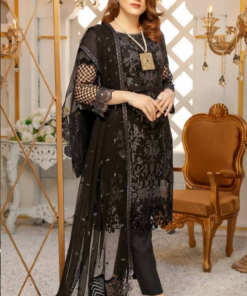
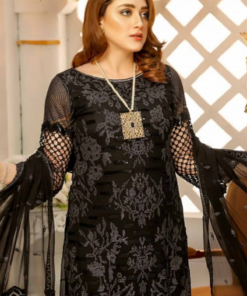
Original price was: ₨16,000.00.₨15,000.00Current price is: ₨15,000.00.
Sale!
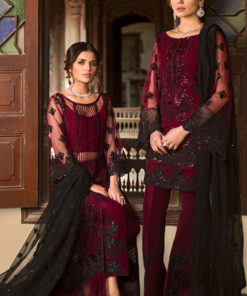
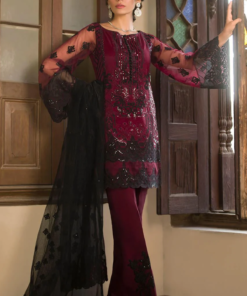
Original price was: ₨17,500.00.₨13,500.00Current price is: ₨13,500.00.
Sale!
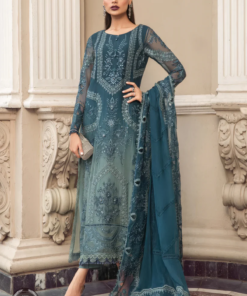
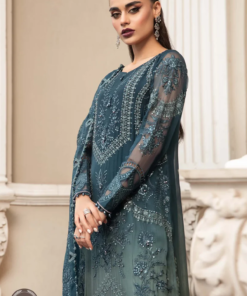
Original price was: ₨16,000.00.₨13,000.00Current price is: ₨13,000.00.
Sale!
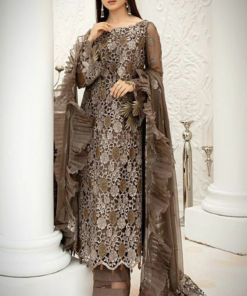
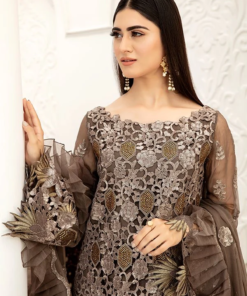
Original price was: ₨18,500.00.₨14,000.00Current price is: ₨14,000.00.
Sale!
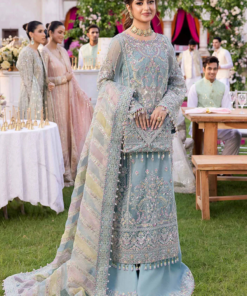
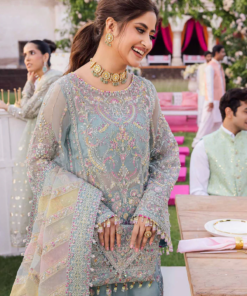
Original price was: ₨14,000.00.₨12,000.00Current price is: ₨12,000.00.
Sale!
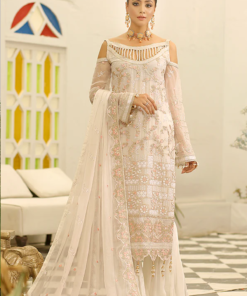
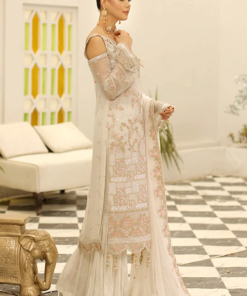
Original price was: ₨15,000.00.₨13,500.00Current price is: ₨13,500.00.
Sale!
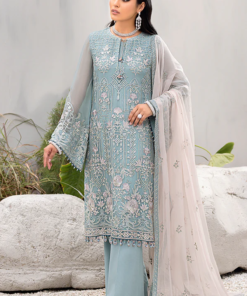
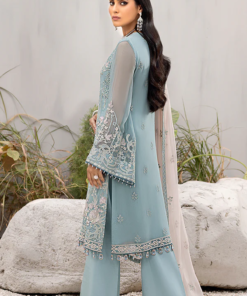
Original price was: ₨16,000.00.₨12,500.00Current price is: ₨12,500.00.
Sale!
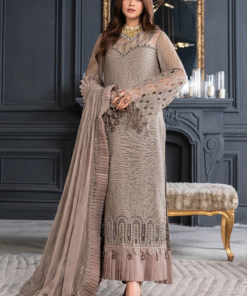
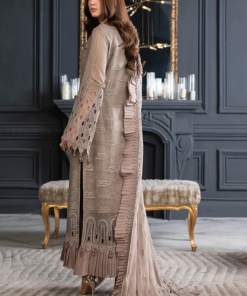
Original price was: ₨11,500.00.₨9,500.00Current price is: ₨9,500.00.
Sale!
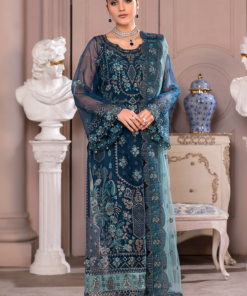
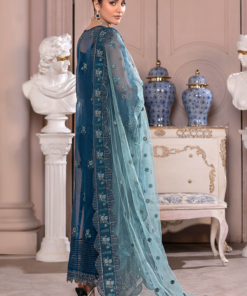
Original price was: ₨14,000.00.₨9,500.00Current price is: ₨9,500.00.
Sale!
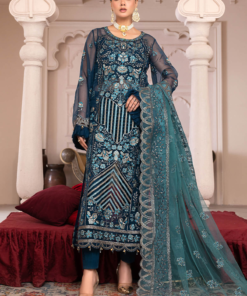
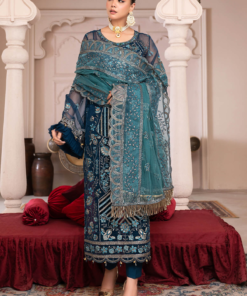
Original price was: ₨20,000.00.₨14,500.00Current price is: ₨14,500.00.
Sale!
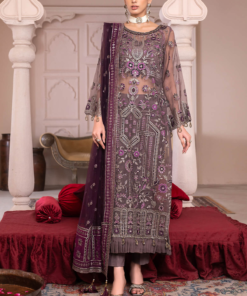
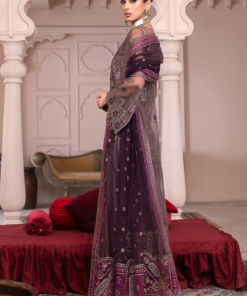
Original price was: ₨19,000.00.₨14,000.00Current price is: ₨14,000.00.
Sale!
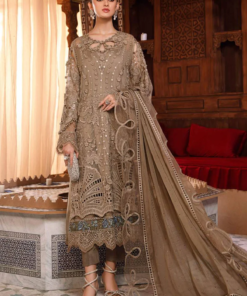
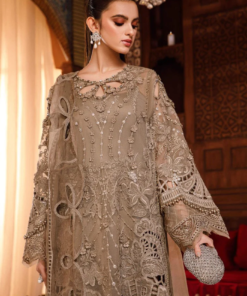
Original price was: ₨18,500.00.₨14,500.00Current price is: ₨14,500.00.
Sale!
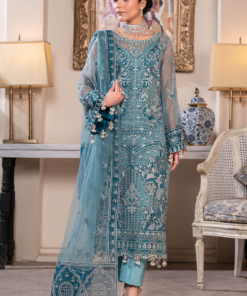
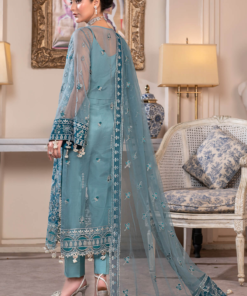
Original price was: ₨14,500.00.₨12,500.00Current price is: ₨12,500.00.
Sale!
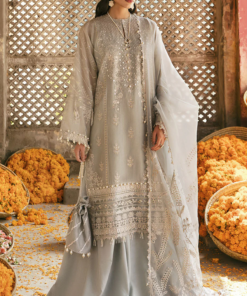
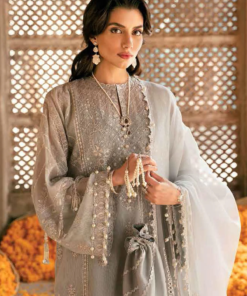
Original price was: ₨17,500.00.₨16,000.00Current price is: ₨16,000.00.
Sale!
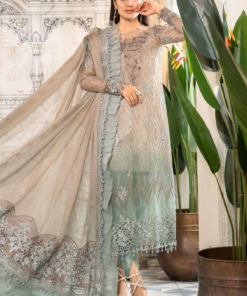
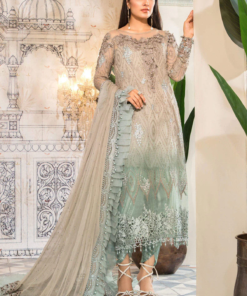
Original price was: ₨16,500.00.₨15,500.00Current price is: ₨15,500.00.
Sale!
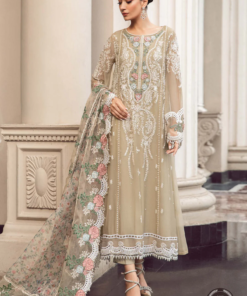
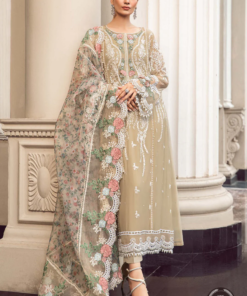
Original price was: ₨15,000.00.₨14,000.00Current price is: ₨14,000.00.
Sale!
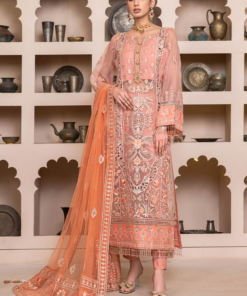
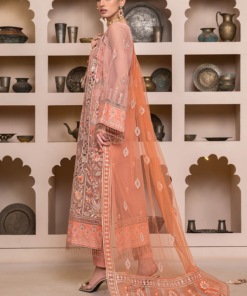
Original price was: ₨16,500.00.₨15,000.00Current price is: ₨15,000.00.
Sale!
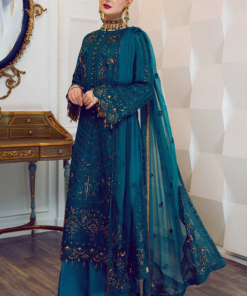
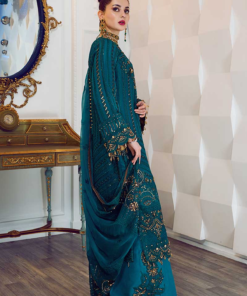
Original price was: ₨12,500.00.₨9,500.00Current price is: ₨9,500.00.
Pakistani Dress Wholesale Supplier Bermuda | Mastorat
Pakistani fashion has gained international recognition for its detailed embroidery, elegant silhouettes, traditional craftsmanship, and ability to blend cultural heritage with contemporary design. From beautifully embroidered shalwar kameez to modern pret collections and occasion wear, Pakistani clothing offers a wide variety of options for retailers serving customers with different fashion preferences. In Bermuda, boutique owners, independent retailers, and online sellers can explore international sourcing opportunities to introduce these distinctive styles to their customers.
Finding a reliable Pakistani Dress Wholesale Supplier Bermuda is an important consideration for businesses that want to build a diverse clothing collection without manufacturing every product themselves. Wholesale sourcing allows retailers to compare designs, fabrics, product categories, and order quantities before deciding which items best suit their target audience.
Mastorat provides an online platform for exploring Pakistani clothing and wholesale fashion categories. Retailers can use its product collections to research different styles, identify suitable inventory options, and plan their purchasing requirements. Businesses interested in traditional designs can begin with the Pakistani Catalogue Dress Wholesale collection to explore clothing options for their stores.
Whether a business focuses on everyday ethnic wear, festive clothing, premium outfits, or unstitched fabrics, choosing products carefully is essential for building a practical and appealing inventory. Retailers should consider customer preferences, fabric suitability, pricing, shipping arrangements, and supplier communication before placing a large order.
This guide explains how businesses in Bermuda can approach Pakistani clothing wholesale, evaluate different product categories, understand international sourcing considerations, and develop a purchasing strategy that supports long-term growth.
Understanding the Demand for Pakistani Clothing in Bermuda
Bermuda has a distinctive retail environment shaped by its local community, international connections, tourism, and diverse consumer preferences. Clothing businesses must consider these characteristics when deciding which products to stock. Pakistani fashion can provide an additional option for customers seeking traditional South Asian outfits, embroidered garments, modest clothing, and distinctive occasion wear. However, successful retail planning requires more than assuming that a particular style will sell. Boutique owners should research their existing customers, examine enquiries, review previous sales, and identify occasions when demand for ethnic clothing may increase. For example, some customers may prefer lightweight cotton outfits for regular use, while others may look for embroidered suits for celebrations, family gatherings, and formal occasions. Shoppers interested in traditional tailoring may also appreciate unstitched fabric that allows them to choose their preferred fit and design. Retailers can investigate sourcing options through Pakistani Clothes Wholesale Suppliers, which provides a starting point for exploring wholesale clothing categories. International sourcing also enables businesses to compare suppliers serving different markets. For example, the Pakistani Clothes Wholesale Suppliers UK page offers another reference point for understanding how Pakistani clothing is presented to international wholesale audiences. When assessing potential demand in Bermuda, businesses should pay attention to the following factors:- Customer preferences: Identify whether shoppers are more interested in casual suits, formal outfits, bridal clothing, or everyday modest wear.
- Seasonal requirements: Consider local weather conditions and the types of garments customers are likely to prefer throughout the year.
- Price expectations: Compare the amount customers are willing to pay with the complete cost of sourcing and selling each garment.
- Sizing and fit: Evaluate the availability of suitable sizes, stitching options, and clear garment measurements.
- Product differentiation: Choose designs that help the store offer something distinctive instead of stocking only similar items.
Mastorat as a Fashion Sourcing Platform
Choosing a wholesale supplier is an important decision for any clothing business. Retailers need access to relevant product categories, clear product information, suitable pricing, and dependable communication throughout the purchasing process. Mastorat provides an online destination for exploring Pakistani fashion collections and related wholesale categories. Retailers can use the website to research available clothing styles and determine which collections may be relevant to their business model. For boutiques that concentrate on more decorative garments, the Pakistani Designer Dresses collection can help them explore different design directions. Businesses interested in coordinated outfits may also review Pakistani Designer Suits when planning their product assortment. Before committing to a supplier, buyers should confirm the details that affect their orders. These include minimum order quantities, product availability, fabric specifications, stitching options, payment terms, shipping costs, delivery estimates, and return or exchange policies. It is also useful to ask whether photographs accurately represent the products supplied, particularly when purchasing embroidered or embellished clothing. Where possible, retailers should request additional product images, measurements, or samples before placing a substantial order. A practical sourcing relationship is built on clear expectations rather than promotional claims alone. By comparing the available information and confirming important details directly, Bermuda-based businesses can make better-informed decisions about their wholesale purchases.Why Wholesale Pakistani Dresses May Suit Bermuda Retailers
Wholesale purchasing can help clothing businesses build a more varied inventory while managing the cost of acquiring individual garments. Instead of sourcing each item separately, retailers can explore coordinated collections and compare products across different categories. Pakistani fashion offers several potential advantages for businesses seeking to expand their clothing selection.A wide range of designs
Pakistani clothing includes simple everyday outfits, printed suits, embroidered formal wear, contemporary ready-to-wear garments, and elaborate occasion clothing. This variety allows retailers to develop collections for different customer groups rather than relying on one style.Opportunities for different price points
Fabric selection, embroidery, construction, embellishment, and stitching all influence garment prices. Retailers can compare these factors when choosing products for budget-conscious customers, mid-range shoppers, or customers seeking premium designs.Traditional and contemporary styling
Some customers prefer classic silhouettes and traditional embroidery, while others appreciate updated cuts, modern colour combinations, and contemporary styling. A balanced inventory can accommodate both preferences.Inventory planning for special occasions
Festive celebrations, weddings, family events, and cultural gatherings may create demand for more decorative garments. Retailers can prepare suitable collections after researching their customer base and purchasing patterns. Businesses interested in ordering through an online sourcing channel can explore Pakistani Dress Wholesale Online to review the relevant wholesale category. Retailers should also study the total cost of bringing products into Bermuda. A garment's wholesale price is only one part of the calculation. Freight, customs charges, applicable duties, payment processing, packaging, and other business expenses may affect the final selling price.Exploring the Product Range for Bermuda Buyers
A successful clothing store generally offers a carefully selected assortment rather than purchasing every available design. The right product mix depends on the store's identity, customer demand, available capital, and storage capacity. Pakistani fashion offers several categories that retailers can consider when developing their inventory.Everyday and casual clothing
Casual Pakistani outfits may appeal to shoppers looking for comfortable clothing for everyday activities, informal gatherings, and regular wear. Cotton suits, printed designs, and relatively simple embroidered garments can provide options for customers who prefer practical styles. When evaluating casual clothing, retailers should examine fabric composition, colour consistency, stitching quality, washing instructions, and size availability. These details help customers understand what they are buying and can reduce avoidable complaints.Formal and embroidered suits
Formal suits often feature decorative embroidery, detailed necklines, embellished sleeves, or coordinated dupattas. They may be suitable for parties, family occasions, celebrations, and customers who enjoy traditional South Asian clothing. Retailers should compare the quality and placement of embroidery, the finish of seams, and the overall construction. Product descriptions should also clarify whether the listed price includes all components of an outfit.Designer and premium clothing
Premium collections can help boutiques develop a more distinctive identity. Depending on the available products, these may include refined colour palettes, elaborate embellishments, carefully selected fabrics, or contemporary interpretations of traditional designs. Buyers should pay close attention to finishing and presentation when selecting products in higher price categories. Customers paying more generally expect accurate product descriptions and clear information about the garment's materials and construction.Unstitched fabric and dress materials
Unstitched clothing gives customers the flexibility to choose their own cuts, tailoring details, and fit. It can also be relevant for retailers who work with local tailors or provide custom stitching services. Businesses can explore Pakistani Dress Material Wholesale when researching fabric-based inventory options.Ready-to-wear collections
Ready-to-wear garments may appeal to shoppers who prefer a finished outfit without arranging separate tailoring. Retailers should review the sizing chart, garment measurements, available colours, and fit information before ordering.Bridal and special-occasion wear
Bridal and heavily embellished outfits can serve a more specialised customer segment. Because these garments may involve higher prices and detailed construction, retailers should verify product specifications, delivery timelines, and return conditions before purchasing. For a broader overview of clothing categories, buyers can visit Pakistani Dress Wholesale.Selecting the Right Inventory for the Bermuda Market
The best inventory strategy depends on the business's customers rather than the number of products a supplier offers. A small boutique and a large online retailer may require very different purchasing approaches. For a new business, starting with a limited selection of versatile designs can make inventory management easier. Once the retailer understands which colours, fabrics, sizes, and price points attract interest, future orders can be adjusted accordingly.Research before purchasing
Retailers should collect information from customer conversations, online enquiries, social media engagement, and previous sales where available. This research can help identify the categories worth prioritising. For example, a store whose customers frequently request modest everyday clothing may benefit from a different assortment than a boutique serving customers who primarily purchase formal and occasion wear.Compare product specifications
Two garments that look similar in photographs may differ considerably in fabric weight, embroidery quality, lining, stitching, and included accessories. Buyers should compare written descriptions as well as photographs.Consider the local climate
Bermuda's climate makes fabric selection an important consideration. Lightweight and breathable materials may be practical for many everyday clothing needs, while more structured or embellished outfits may suit particular occasions. Retailers should evaluate the intended use of each garment and provide accurate fabric information to customers.Avoid excessive stock commitments
Large orders may offer attractive unit prices, but purchasing too much inventory can tie up working capital. Businesses should assess the likely selling period, storage requirements, product costs, and the possibility that particular designs may not sell as expected. A carefully selected assortment can be more useful than a large collection of products that do not match customer preferences.International Shipping and Delivery to Bermuda
International shipping is an important part of sourcing clothing from overseas. Before placing an order, Bermuda retailers should understand the available shipping methods, the documents required, the estimated delivery schedule, and the costs associated with importing garments. Shipping arrangements vary according to the supplier, shipment size, carrier, destination, and service selected. Air freight may be appropriate for smaller or time-sensitive consignments, while sea freight may be considered for larger shipments when delivery schedules allow. Retailers should not assume that every supplier offers the same shipping options or delivery commitments. Instead, they should request a written quotation that clearly explains the proposed arrangement.Questions to ask before shipment
Buyers should confirm the following details before paying for an order:- Whether delivery to Bermuda is available for the selected products.
- Which shipping methods can be used and how their costs compare.
- Whether the quotation includes freight, insurance, and handling charges.
- Which export and import documents will be supplied.
- Who is responsible for customs clearance and any applicable import charges.
- How tracking information will be provided.
- What happens if a shipment is delayed, lost, or arrives with damaged items.
Understanding Wholesale Pricing and Total Costs
Wholesale prices can vary considerably depending on the garment's design, material, construction, embellishment, order quantity, and supplier terms. Retailers should compare complete quotations instead of choosing a supplier solely because its advertised unit price appears low. A useful purchasing calculation includes all expenses associated with acquiring and preparing products for sale. These may include:- The wholesale cost of each garment.
- International shipping and insurance.
- Applicable customs duties, taxes, and clearance charges.
- Payment transaction or currency conversion fees.
- Packaging, labelling, and local handling.
- Storage and inventory management expenses.
- Expected costs associated with exchanges, defects, or unsold stock.
Calculating a realistic retail price
Retail pricing should reflect the full cost of the product, the business's operating expenses, and the price customers are likely to accept. Retailers should distinguish between markup and gross margin. A markup is calculated using the product cost as the base, whereas gross margin is calculated as a percentage of the selling price. For example, if the total cost of acquiring a garment is 50 currency units and the selling price is 80, the gross profit before other operating expenses is 30 units. The gross margin is 37.5% of the selling price. This calculation helps retailers assess whether a particular product category can support their business costs.Quality Control and Supplier Evaluation
Quality control is essential when purchasing clothing in bulk, particularly when buyers cannot inspect every garment before shipment. A clear inspection process can help retailers reduce the risk of receiving unsuitable or inconsistent products. Before placing an order, buyers should request detailed product specifications. These may include fabric composition, measurements, stitching details, colour options, embellishments, included components, and care instructions.Inspect samples when possible
A sample order can provide useful information about the garment's material, fit, finishing, and overall appearance. Although one sample cannot guarantee that every item in a bulk shipment will be identical, it can help establish a baseline for comparison.Confirm measurement standards
Sizing can vary between manufacturers and clothing styles. Retailers should obtain actual garment measurements and clarify how the supplier defines each size. This is particularly important for ready-to-wear clothing, where customers expect the supplied measurements to match the product description.Review construction and finishing
Buyers should pay attention to seam strength, stitching consistency, fabric defects, loose embellishments, and the finishing of hems and sleeves. These details can influence how garments look and perform after regular use.Document the agreed specifications
Written product details help both parties understand what was ordered. Retailers should keep copies of quotations, invoices, product images, approved samples, and correspondence about special requirements.Establish a process for problems
Before ordering, buyers should understand the supplier's policy for incorrect items, manufacturing defects, missing components, and shipping damage. Clear arrangements can make it easier to resolve problems if they occur. Retailers researching suppliers serving other markets may also review Pakistani Dress Wholesale Supplier Canada and Pakistani Dress Wholesale Supplier Belgium. The most important step, however, is to verify the terms and quality standards that apply to the specific supplier and order.Comparing International Wholesale Markets
International sourcing gives retailers access to a wider range of products and suppliers. However, the most suitable supplier is not necessarily the one serving the largest market or offering the widest catalogue. Businesses should compare product suitability, communication, minimum order quantities, total landed costs, shipping arrangements, and consistency. Different markets can provide useful points of comparison when retailers are researching fashion distribution and wholesale purchasing practices. For example, businesses can explore Pakistani Dress Wholesale in Dubai and Pakistani Dress Wholesale in Mumbai to examine how Pakistani clothing is positioned across different regional markets. Retailers researching suppliers serving South Asian communities in the United Kingdom can also explore Pakistani Clothes Wholesalers Bradford and Pakistani Clothes Wholesalers Manchester. Other country-specific pages offer additional sourcing references, including Pakistani Dress Wholesale Supplier in Saudi Arabia and Pakistani Dress Wholesale Supplier in Turkey. When comparing these markets, retailers should focus on practical differences rather than assuming that every supplier offers the same products, prices, or services. A useful comparison should answer three questions:- Does the supplier offer the clothing categories my customers want?
- Can the supplier fulfil my order within my budget and required timeframe?
- Are the product quality, communication, and delivery arrangements suitable for my business?