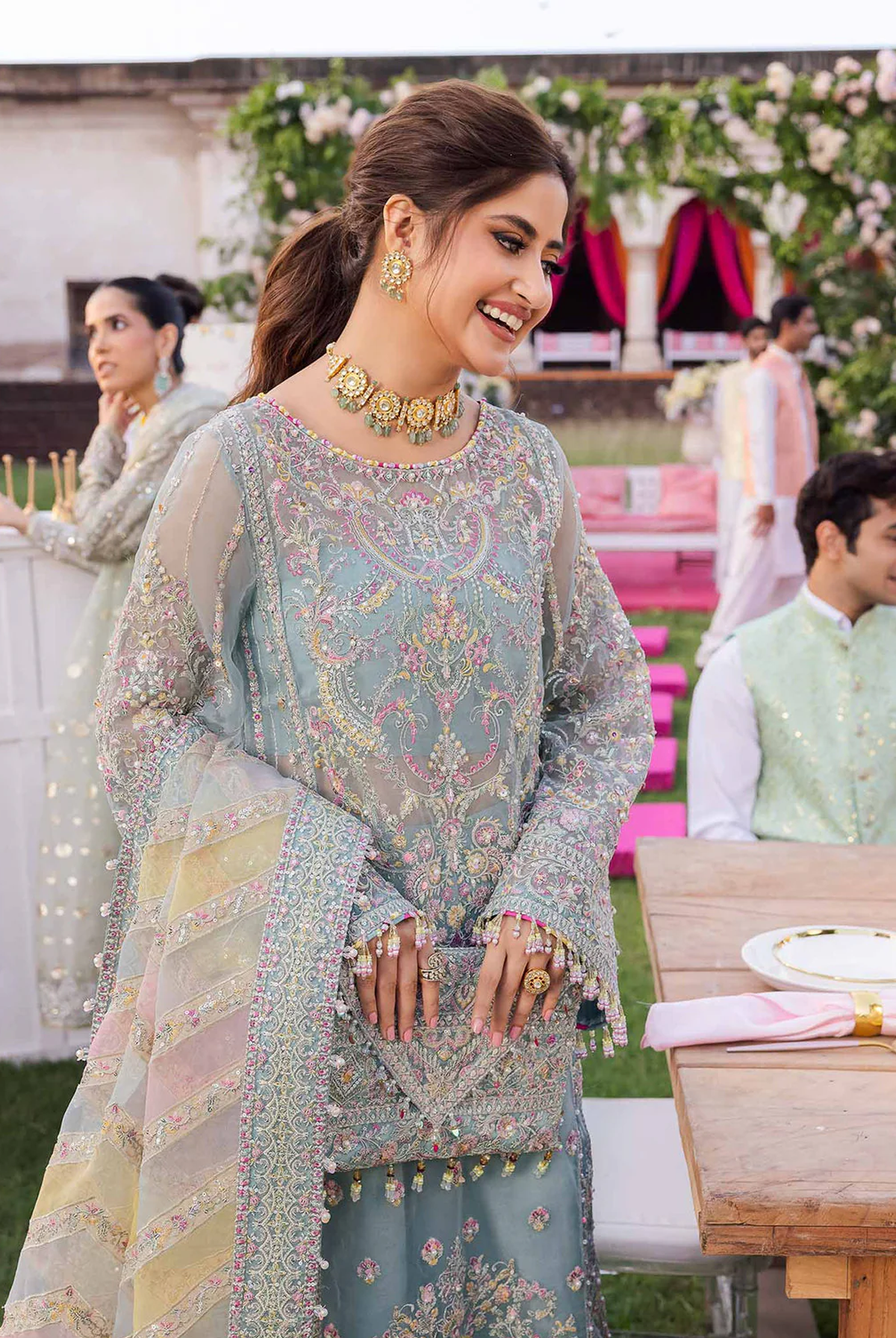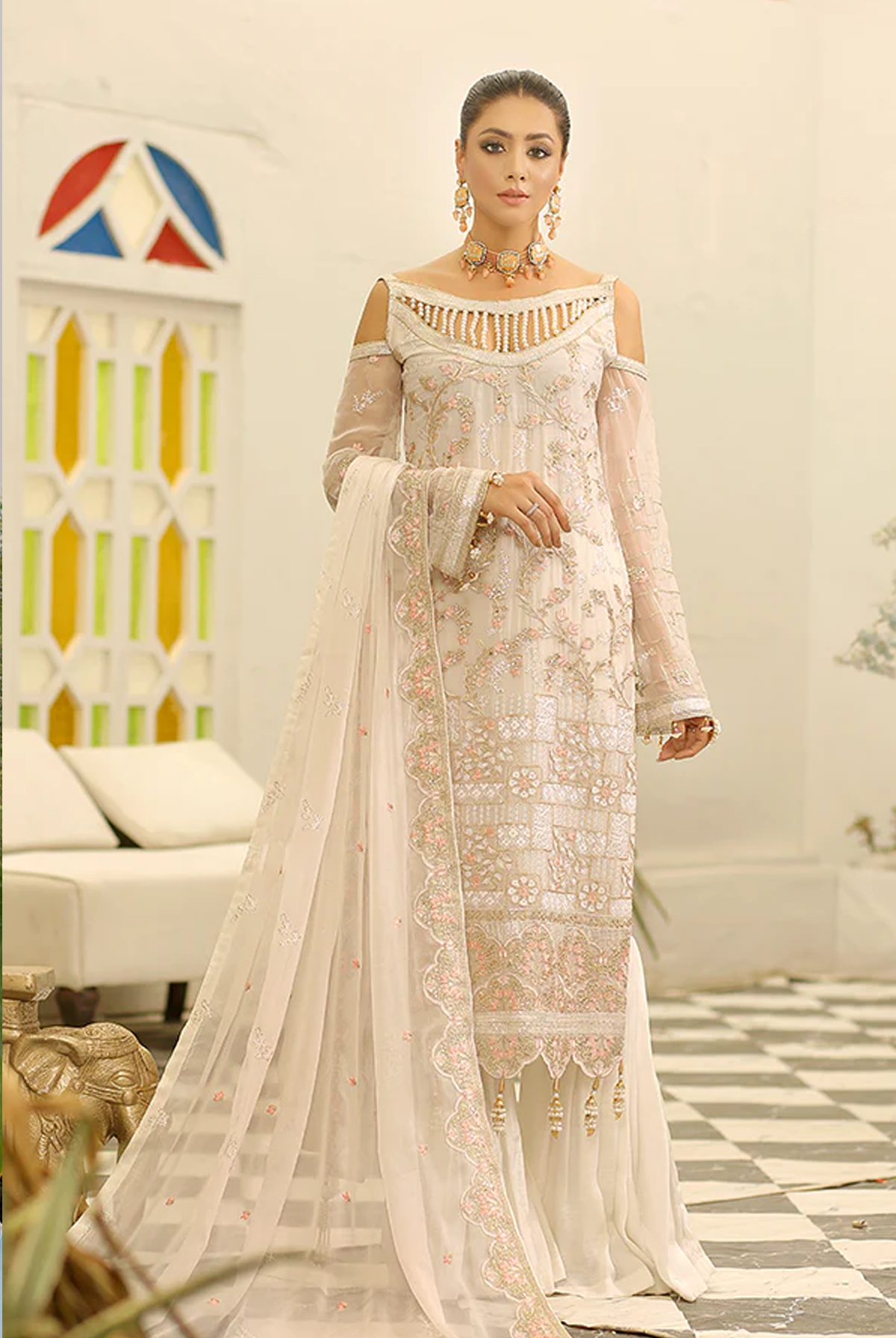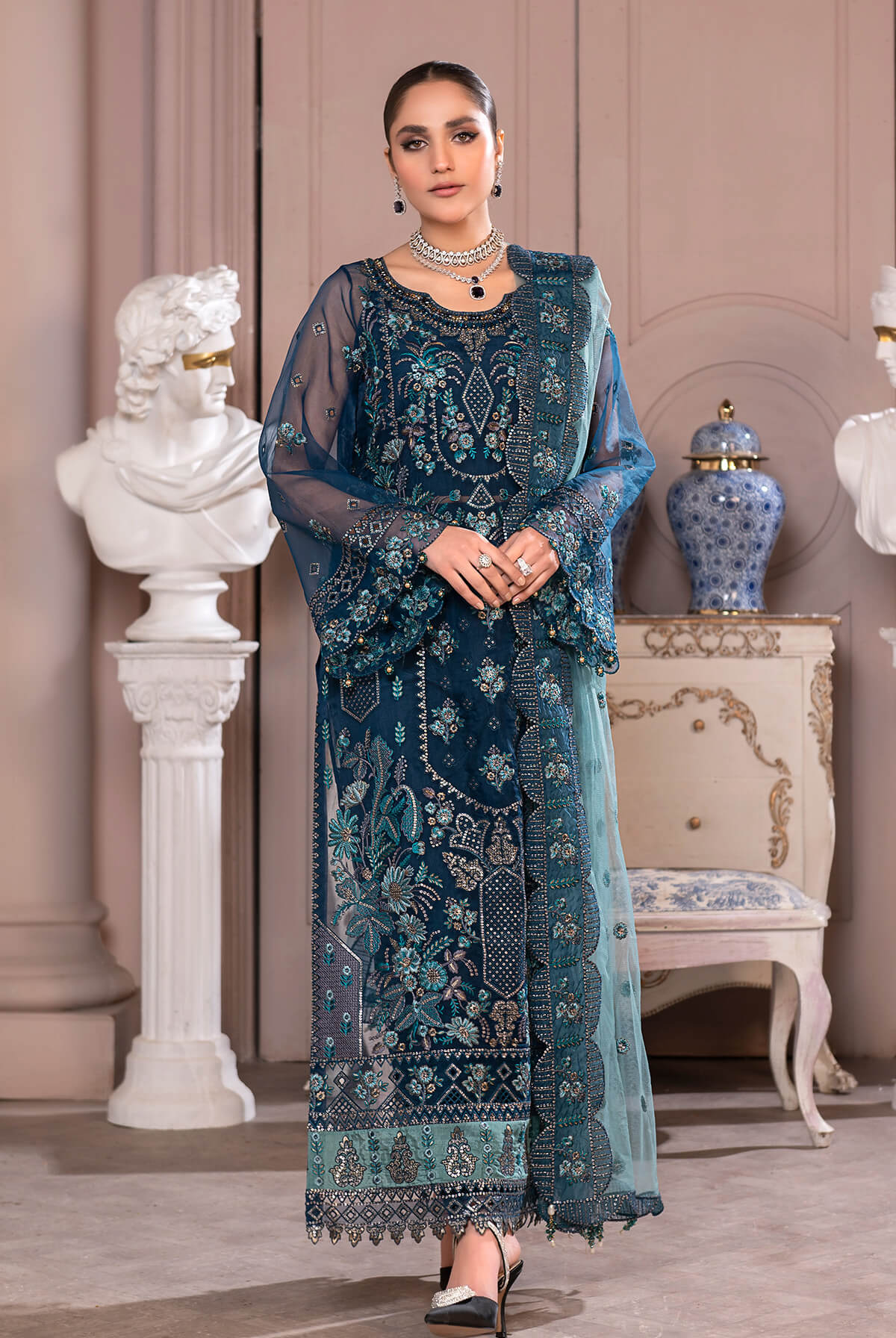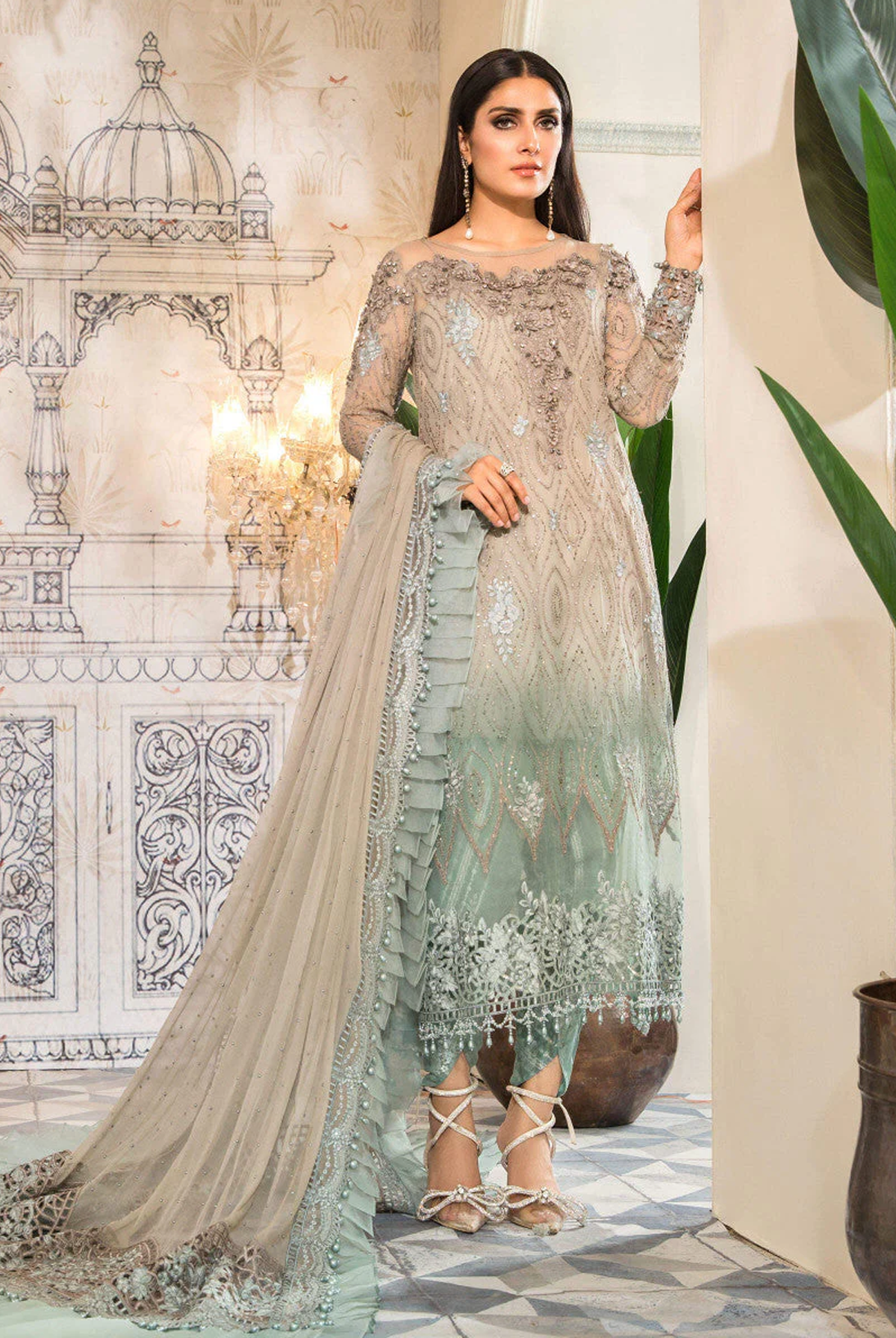
 Wholesale

22 wholesale designs · low MOQ · new arrivals every week · worldwide delivery. Prices are shared on request so you always get current wholesale rates for your country.
Start small, test your market, reorder what sells.
Fresh arrivals every week to keep your rails new.
Woven labels, tags and branded packaging.
Express courier to the UK, USA, Canada, Australia & UAE.
About this collection
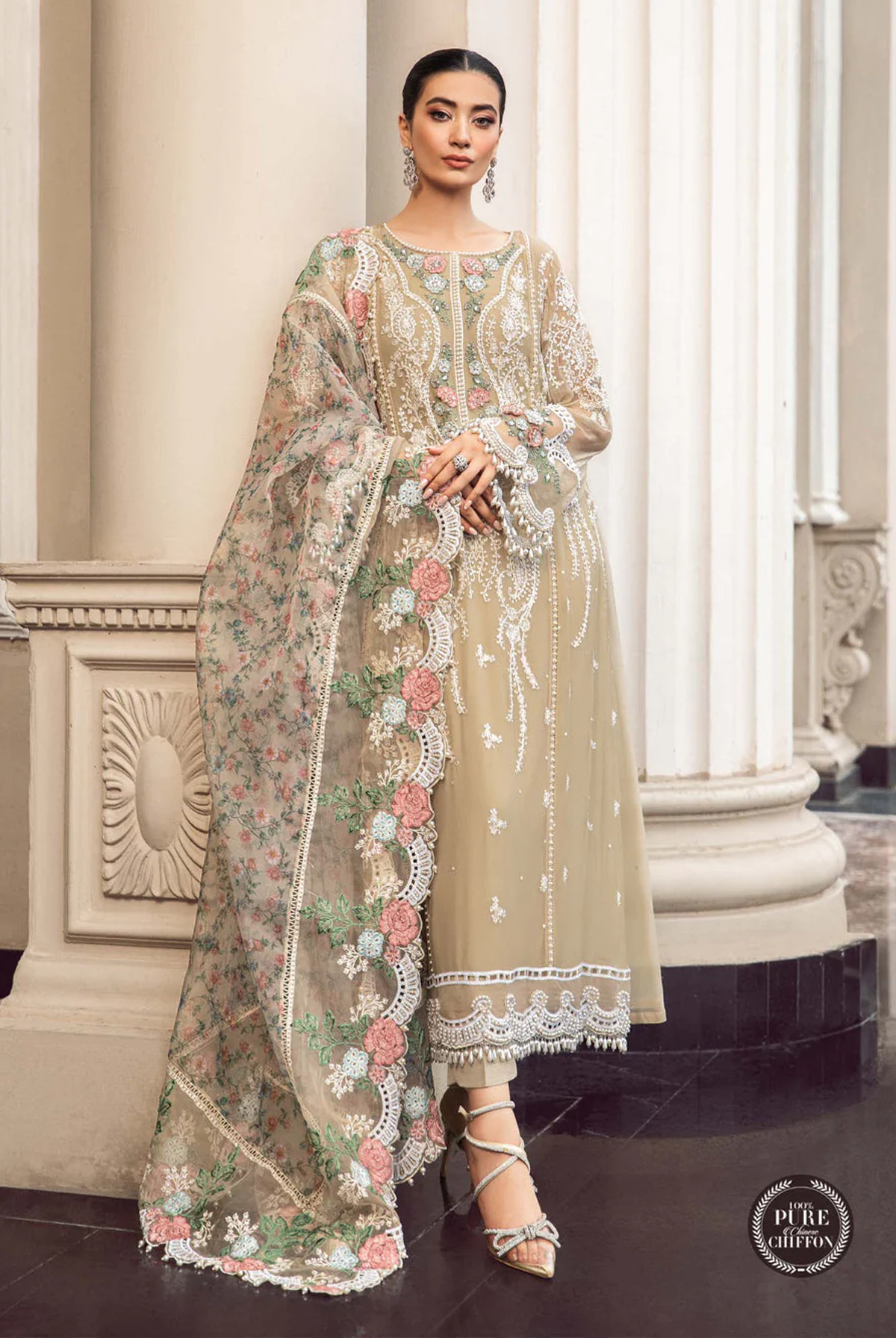
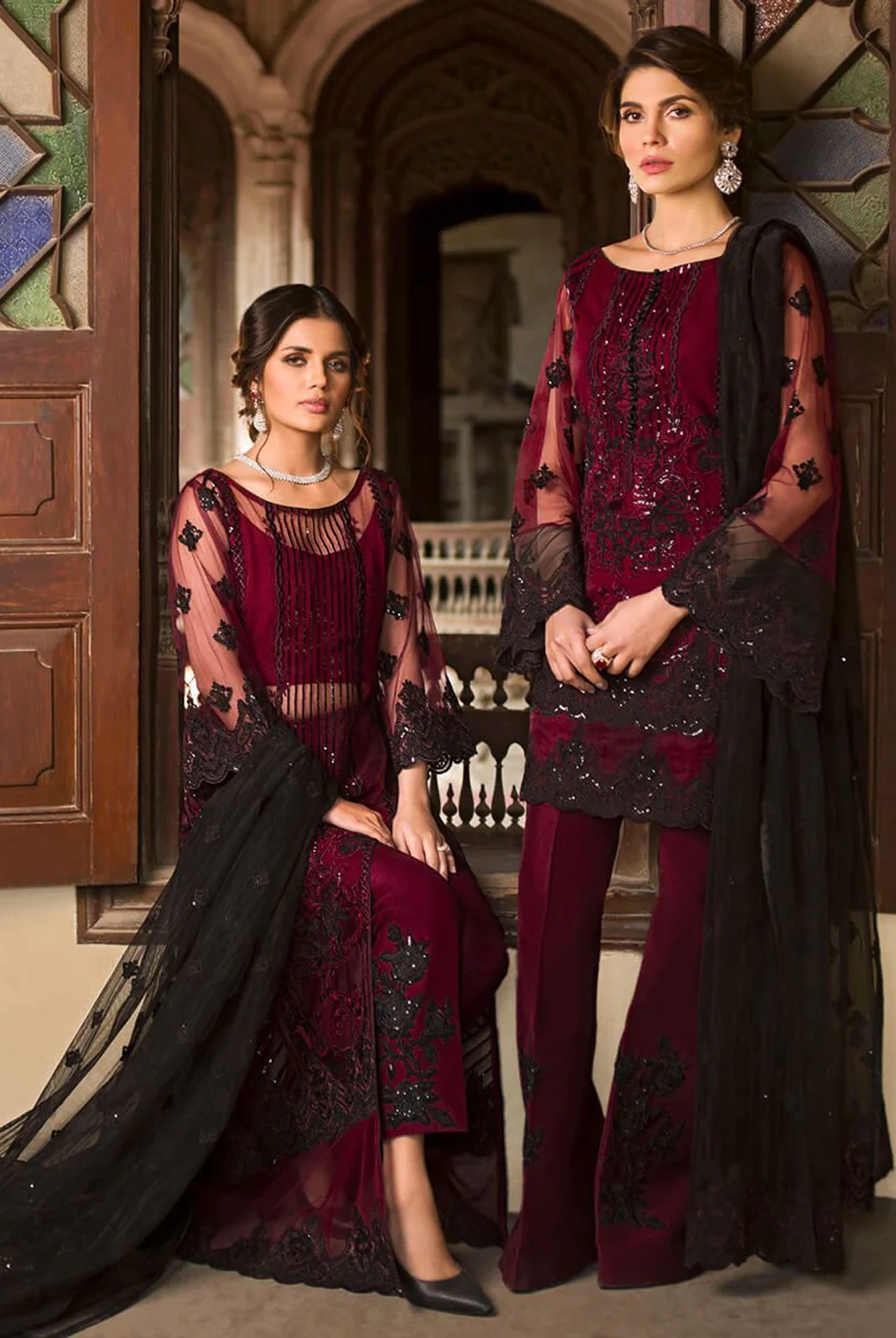
The fashion industry continues to evolve as retailers explore clothing styles from different cultures and regions. Pakistani fashion has earned international recognition for its detailed embroidery, graceful silhouettes, traditional craftsmanship, and diverse fabric choices. From everyday cotton outfits to sophisticated formal dresses, these collections offer retailers a variety of products for different customer preferences. For businesses interested in introducing South Asian fashion to the Caribbean, a Pakistani Dress Wholesale Supplier Dominica can be a useful starting point for exploring wholesale collections, comparing product categories, and planning a suitable retail inventory. Dominica provides opportunities for entrepreneurs who want to develop distinctive clothing businesses, serve customers with diverse tastes, or expand an existing boutique. Local retailers can consider incorporating Pakistani outfits alongside other international fashion styles, creating a collection that appeals to customers looking for something different from conventional everyday clothing. However, successful wholesale purchasing involves more than selecting attractive designs. Buyers need to evaluate fabric quality, sizing, order quantities, product availability, shipping arrangements, and the expected selling price. Understanding these factors helps retailers make informed decisions and develop a purchasing strategy that suits their business objectives. Mastorat offers an online starting point for exploring Pakistani clothing categories and wholesale fashion options. Buyers can review the general Pakistani Dress Wholesale collection to understand the types of garments available and identify styles that may suit their intended customers. This guide explains the main Pakistani clothing categories, wholesale sourcing considerations, inventory planning methods, international shipping factors, and practical steps retailers in Dominica can take when evaluating suppliers. Pakistani clothing combines traditional South Asian design influences with contemporary fashion preferences. Collections may feature embroidered necklines, decorative sleeves, flowing silhouettes, printed fabrics, and coordinated outfits. Depending on the manufacturer and collection, garments can range from simple everyday clothing to elaborate pieces designed for celebrations and formal occasions. Wholesale purchasing allows retailers to source multiple garments through a supplier instead of purchasing every item separately from a retail store. This approach can make inventory planning more manageable when the supplier offers suitable bulk pricing, consistent product information, and dependable order processing. For retailers in Dominica, international sourcing can introduce designs that are not commonly represented in their existing collections. Nevertheless, the best products will depend on local customer preferences, available retail space, purchasing budgets, and the type of business being operated. Some businesses may concentrate on affordable everyday clothing, while others may prefer formal outfits, festive collections, or premium designer-inspired styles. A clear understanding of the intended customer helps narrow the selection and reduces the risk of purchasing products that do not fit the market. Retailers researching the wider industry can also review Pakistani Clothes Wholesale Suppliers to explore relevant clothing categories and understand the broader wholesale sourcing landscape. A distinctive clothing selection can help a boutique develop its own identity. Pakistani fashion provides several options for retailers who want to introduce traditional designs, colorful prints, embroidered outfits, and versatile garments into their product range. One advantage is the variety of available styles. Cotton suits can serve customers looking for lightweight clothing, while chiffon and embellished outfits may suit formal occasions. Unstitched materials can appeal to buyers who prefer custom tailoring, whereas ready-to-wear garments offer a convenient option for customers who want a complete outfit. Another consideration is product differentiation. Retailers who already sell mainstream casual clothing may use selected Pakistani collections to broaden their assortment. The goal is not to replace existing products but to offer additional choices that complement the store's overall positioning. Pricing flexibility can also be important. Depending on the collection, retailers may select affordable everyday products, mid-range formal wear, or premium garments. This allows a business to plan different price levels instead of relying on a single product category. Before ordering, however, buyers should investigate whether their intended customers are interested in these designs. Speaking with existing customers, reviewing inquiries, conducting small product trials, and gathering feedback can provide more useful guidance than assuming every style will sell equally well. Retailers should also compare wholesale prices with the complete cost of importing goods. Shipping, customs charges, packaging, payment fees, and local operating expenses may affect the final selling price. Selecting the right product mix is one of the most important parts of building a clothing business. Pakistani fashion includes several categories, each serving a different purpose. Understanding their characteristics can help retailers choose products that align with their customers and available budgets. Lawn and cotton suits are commonly associated with casual Pakistani fashion. They often feature printed patterns, coordinated shirt and trouser fabrics, and lightweight materials. Some collections include matching dupattas, while others allow buyers to coordinate the components separately. For retailers in Dominica, lightweight clothing may be worth exploring because customers often consider comfort when choosing everyday outfits in a warm environment. However, actual suitability depends on the fabric composition, thickness, construction, and care requirements of each product. When evaluating these garments, buyers should ask for fabric details, measurements, available colors, and information about whether the outfit is stitched or unstitched. Formal Pakistani clothing often includes decorative embroidery, embellished necklines, patterned sleeves, and carefully coordinated fabrics. These garments may be suitable for parties, cultural celebrations, family gatherings, and other special occasions. The level of decoration varies considerably. Some designs feature subtle embroidered details, while others use more elaborate embellishments. Retailers should consider the preferences of their intended customers when deciding which styles to stock. Product descriptions should clearly identify the materials, included accessories, stitching status, and care instructions. These details help customers understand what they are purchasing and reduce confusion after a sale. Chiffon outfits are often selected for their flowing appearance and suitability for formal styling. Depending on the design, they may include embroidered panels, decorative borders, lining materials, or coordinating dupattas. Luxury collections generally require more careful purchasing decisions because their prices may be higher than those of basic everyday clothing. Retailers should inspect product photographs, ask about workmanship, and confirm the exact components included in each outfit. A small, carefully selected range can be a sensible way to assess customer interest before committing to a larger order. Pakistani bridal clothing is associated with elaborate embroidery, rich colors, decorative details, and coordinated styling. These garments may appeal to customers who are interested in South Asian wedding traditions or distinctive formal clothing. Bridal pieces often require a different sales approach from everyday garments. Buyers may need detailed measurements, customization information, fabric specifications, and clear production timelines. Because these products can involve higher costs and more complex requirements, retailers should confirm all order details in writing before making a commitment. Ready-to-wear clothing offers a convenient option for customers who prefer garments that are already stitched. These products can be displayed immediately after delivery, subject to any necessary inspection and preparation. Retailers should review the available size range and determine whether the supplier uses measurements that are familiar to their customers. A sizing chart can help buyers understand the fit, although actual garment measurements remain important. Unstitched collections contain fabric intended for tailoring into a finished outfit. Depending on the product, a set may include material for a shirt, trousers, and dupatta. This category can appeal to customers who prefer personalized fits or want to choose their own stitching style. It can also provide retailers with a flexible product option without requiring them to stock every possible finished size. Businesses interested in these products can review Pakistani Dress Material Wholesale to explore material-focused sourcing options. Designer collections can help retailers create a more distinctive product selection. These outfits may feature coordinated colors, decorative detailing, contemporary cuts, and traditional embroidery techniques. However, the term designer can describe different types of products across the wholesale market. Buyers should therefore examine the actual garment specifications rather than relying on a product label alone. When reviewing a collection, consider the fabric, stitching, embroidery quality, included components, and available sizes. It is also useful to establish whether the products are ready to ship or require additional production time. Retailers who want to compare premium styles can explore Pakistani Designer Dresses and Pakistani Designer Suits. These categories may help buyers identify garments that complement a boutique's existing assortment. The final selection should reflect the store's customers, price range, and expected demand rather than the number of designs available in a catalog. A balanced inventory can include a combination of everyday clothing, moderately priced formal outfits, and a limited number of premium pieces. This approach gives customers several options while helping the retailer manage purchasing costs. Fashion preferences differ between communities, customer groups, and individual shoppers. In Caribbean markets, retailers may serve local residents, international visitors, customers interested in multicultural clothing, and people looking for outfits for particular celebrations. Pakistani clothing can offer an additional style option for these audiences, but retailers should avoid assuming that every customer has the same requirements. Some may prefer simple printed designs, while others may be interested in intricate embroidery or more formal silhouettes. A useful starting point is to observe existing customer behavior. Retailers can review the clothing styles that receive the most inquiries, ask customers which products they would like to see, and introduce a small number of new designs to test interest. Color preferences, garment length, fabric feel, styling, and price can all influence purchasing decisions. Online stores can also use product photographs and detailed descriptions to help customers understand the appearance and construction of each outfit. For broader market research, buyers may examine Pakistani Dress Wholesale in Pakistan and the Pakistani Dress Wholesale Market. These resources provide additional context for exploring wholesale collections and comparing available styles. The purpose of researching other markets is to understand the range of products available, not to assume that consumer preferences will be identical in every location. Mastorat provides an online platform for exploring Pakistani clothing categories and identifying products that may suit retail or resale businesses. Its catalog can serve as a starting point for buyers who want to review different garment types before making purchasing decisions. For international retailers, online product research can simplify the early stages of sourcing. Buyers can compare collections, identify potential products, and prepare questions about pricing, availability, sizing, and shipping. Retailers can explore Pakistani Dress Wholesale Online to investigate online sourcing options and browse relevant product categories. Before placing an order, businesses should confirm the terms that apply to their specific purchase. These may include minimum order quantities, payment methods, production schedules, customization options, return policies, and delivery arrangements. It is also important to distinguish between information displayed in a catalog and details confirmed directly by a supplier. Product availability and shipping conditions can change, so written confirmation is useful when planning an inventory purchase. For retailers starting a new sourcing relationship, a smaller initial order may provide an opportunity to evaluate product quality, communication, packaging, and delivery performance before increasing order volumes. Choosing a supplier involves evaluating more than product photographs or the lowest quoted price. A dependable sourcing relationship requires clear communication, accurate product information, and terms that are appropriate for the buyer's business. The following factors can help retailers compare potential suppliers. Buyers should request detailed information about fabric composition, garment construction, embroidery, measurements, and included accessories. If samples are available, reviewing them before a larger order may help establish whether the products meet the expected standard. Photographs can help with initial selection, but they do not always reveal fabric texture, stitching quality, or the actual weight of a garment. A wholesale quotation should clearly identify the price per item, applicable quantity requirements, and any additional charges. Buyers should establish whether the quoted price includes customization, packaging, or other services. Comparing quotations on the same basis makes it easier to understand which option provides the best overall value. Minimum order quantities can influence how much capital a retailer needs to invest. Some businesses may prefer buying several units of a limited number of designs, while others may want a broader selection with fewer units per style. The right approach depends on the supplier's terms, the available budget, and the retailer's ability to sell the products. Suppliers should provide clear information about product availability, payment arrangements, dispatch estimates, and order changes. Written confirmations help prevent misunderstandings about colors, sizes, quantities, and delivery expectations. Retailers should also keep copies of invoices, product specifications, and shipping documents for their business records. International orders can involve several stages, including preparation, dispatch, transportation, customs processing, and local delivery. Buyers should understand which party is responsible for each stage. It is also worth confirming how damaged, missing, or incorrect items are handled and what evidence is required to raise a claim. Retailers can investigate additional sourcing options through Pakistani Clothes Wholesale Suppliers UK, Pakistani Clothes Wholesalers Manchester, and Pakistani Clothes Wholesalers Bradford. These pages can support broader product research, although buyers should independently verify supplier availability, shipping arrangements, and suitability for orders destined for Dominica. An effective inventory plan begins with the type of customer a business wants to serve. A boutique specializing in affordable casual wear will need a different product mix from a store focused on premium occasion clothing. Retailers should consider their available investment, display space, storage capacity, and expected sales volume. Purchasing a large quantity of unfamiliar products can create unnecessary financial pressure, especially when demand has not yet been established. A more measured approach is to divide the initial budget between a few carefully selected categories. For example, a retailer might begin with lightweight printed suits, a limited selection of embroidered outfits, and several ready-to-wear designs. This combination can help the business assess customer interest across different price points. After reviewing sales and customer feedback, the retailer can decide which categories deserve additional investment. Size planning is equally important. Where possible, buyers should review the supplier's size chart and consider which sizes are most appropriate for their intended audience. The objective is to maintain a useful selection without creating excessive unsold inventory. Seasonal purchasing should also be approached carefully. Retailers can plan around local celebrations, customer events, and anticipated shopping periods, but they should leave enough time for production and international delivery. A simple inventory record can track the product name, design code, quantity ordered, purchase cost, arrival date, selling price, and remaining stock. This information helps the business identify popular items and make more informed purchasing decisions. Shipping is an important part of international wholesale purchasing because the total cost and delivery schedule can affect a retailer's operations. Depending on the shipment, available transportation options may include air freight, sea freight, or international courier services. Each option has different cost, speed, size, and handling considerations. Air transportation may be suitable for smaller shipments or products that are needed within a shorter timeframe. Sea freight may be worth investigating for larger consignments when the shipment size and delivery schedule make it practical. Courier services can provide another option for samples or smaller orders, depending on the carrier's service area. Retailers should not assume that every supplier offers every shipping method. Available services depend on the origin of the goods, destination coverage, shipment dimensions, carrier restrictions, and the supplier's logistics arrangements. Before paying for an order, buyers should request an estimated dispatch date, a delivery estimate, the shipping charge, and the tracking arrangements. They should also confirm whether delivery is made directly to the business address or to another collection point. International shipments may require invoices, packing lists, shipping documentation, and other information depending on the products and transportation method. Import duties, taxes, and clearance fees may also apply. The exact requirements depend on the destination's current regulations, the classification and value of the goods, and the details of the shipment. Businesses importing clothing into Dominica should confirm the applicable requirements with the relevant customs authorities or a qualified customs broker before placing a substantial order. Retailers should also clarify who is responsible for preparing documents, arranging customs clearance, and paying the charges that arise during importation. These details should be agreed upon before dispatch. Clothing should be packed in a way that helps protect it from moisture, dirt, and unnecessary handling during transportation. Delicate embroidery and embellishments may require additional care. After delivery, retailers should inspect the shipment against the invoice and packing list. Any discrepancies or visible damage should be documented promptly, following the supplier's claims procedure. Maintaining a record of delivery dates and product condition can help businesses resolve problems and improve future ordering decisions. The wholesale price is only one part of the total cost of bringing clothing into Dominica. Retailers should calculate the full landed cost before deciding how much to charge customers. A basic calculation can include: Once these costs are estimated, the retailer can calculate the cost associated with each sellable item. For example, if an order contains several garments, the total shipment expenses may need to be allocated across those items. The allocation method should be reasonable and consistent, especially when the garments have different sizes, weights, or purchase prices. The selling price should then reflect the retailer's target margin, operating expenses, and the price customers are willing to pay. It is important to distinguish between markup and profit margin. A markup is calculated using the product cost as the base, whereas profit margin measures profit as a proportion of the selling price. Understanding the difference helps retailers avoid overestimating the profitability of an order. Buyers can compare different product categories, including Pakistani Designer Dresses, to identify options that fit their intended pricing strategy. The most suitable product is not always the cheapest one. Garment quality, customer appeal, delivery reliability, and the likelihood of selling the stock all contribute to the overall value of a wholesale purchase. Once a retailer has selected its products, presentation and communication can help customers understand the collection. Clear product photography is particularly useful for online stores. Images should show the garment's overall appearance, important design details, and relevant components. Where possible, retailers should provide accurate descriptions of fabric, sizing, stitching status, color, and care requirements. For physical boutiques, garments can be grouped by style, occasion, color, or price range. This makes it easier for customers to compare options and find clothing that suits their preferences. Product descriptions should explain the practical characteristics of each outfit rather than relying on vague promotional language. Information about fabric composition, included accessories, and available sizes can help customers make informed decisions. Social media can also support product discovery. Retailers may share collection previews, styling suggestions, new-arrival announcements, and answers to frequently asked questions. All product information should accurately reflect the items actually available for purchase. Customer feedback can guide future inventory decisions. Retailers should pay attention to questions about fabric, fit, pricing, and availability because repeated inquiries may indicate which product details need improvement. For businesses selling through both physical and online channels, consistent product names, prices, and stock records can reduce confusion. A straightforward system for tracking inventory also helps prevent advertising items that are no longer available. Some retailers prefer working with a single supplier, while others compare several sources to improve product variety and manage availability. Both approaches have advantages and limitations. A single supplier may simplify communication and ordering, particularly when the catalog offers a suitable range of garments. However, relying entirely on one source can create difficulties if particular designs become unavailable or delivery schedules change. Working with multiple suppliers may offer more choices, but it can also increase the time required to compare prices, coordinate shipments, and maintain consistent quality. The appropriate approach depends on the size of the business, its budget, and the reliability of the suppliers involved. Retailers exploring international markets can review resources such as Pakistani Dress Wholesale Supplier Australia, Pakistani Dress Wholesale Supplier Canada, and Pakistani Dress Wholesale Supplier India. Other pages include Pakistani Dress Wholesale Supplier Turkey, Pakistani Dress Wholesale Supplier United Arab Emirates, Pakistani Dress Wholesale Supplier Belgium, and Pakistani Dress Wholesale Supplier Netherlands. Retailers can also explore the wider markets associated with South Africa, Saudi Arabia, Qatar, Germany, France, Spain, and Italy as part of their general product research. These regional pages may help readers navigate related collections and sourcing topics. They should not be taken as confirmation that a particular supplier maintains a warehouse or offers a specific shipping service in every listed country. For a Dominica-based business, the most important question remains whether the selected supplier can provide the required garments under terms that suit the business's budget and delivery needs. Entrepreneurs entering the clothing market need a clear business model, a realistic budget, and an understanding of their intended customers. Pakistani fashion can provide one possible product category for businesses seeking to diversify their offerings. A new boutique may begin with a limited collection and expand after observing customer response. An established retailer might introduce selected embroidered outfits or unstitched materials alongside its existing clothing lines. An online seller may focus on carefully photographed products and offer ordering assistance through digital channels. Each model has different operating requirements. Physical shops need suitable display space and inventory management, while online sellers must prioritize accurate listings, customer communication, order processing, and delivery coordination. Businesses should also establish realistic expectations for sales. The availability of a broad wholesale catalog does not guarantee local demand, and an attractive purchase price does not automatically produce a profitable resale opportunity. Research can help reduce uncertainty. Retailers may speak with potential customers, review competing product categories, compare local selling prices, and test a small assortment before investing in larger quantities. It is equally important to maintain enough working capital for operating expenses. A retailer may need funds for shipping, import charges, packaging, advertising, and restocking before the revenue from an initial order has been fully recovered. A disciplined approach to purchasing and customer feedback can help a business grow at a manageable pace. A useful clothing collection recognizes that customers purchase garments for different reasons. Some prioritize everyday comfort, others want clothing for celebrations, and some prefer premium designs that offer distinctive styling. Retailers can organize their selection around these needs rather than stocking products solely because they are available from a supplier. For everyday clothing, buyers may focus on simple prints, practical fabrics, and accessible price points. For formal occasions, they may consider embroidery, coordinated accessories, and more elaborate designs. For customers who value customization, unstitched materials may provide additional flexibility. The choice of sizes and garment styles should also reflect the store's actual audience. Reviewing previous sales and customer requests can help retailers make decisions based on evidence instead of assumptions. Retailers interested in extending their product range can examine Pakistani Dress in Wholesale, Pakistani Designer Clothes Online, and Pakistani Dress Material Wholesale in India. For additional market comparison, Pakistani Dress Wholesale in USA provides another related sourcing resource. These pages can help buyers discover different product categories and consider how those categories might fit their own retail plans. International sourcing can become more manageable when retailers identify potential problems before committing to an order. A large order may reduce the unit price, but it can also tie up capital in products that sell slowly. New retailers should consider whether the potential savings justify the additional inventory risk. Starting with a manageable quantity, where supplier terms allow it, can provide useful information about customer preferences. Photographs may not fully communicate fabric quality, garment measurements, or embroidery details. Buyers should request specifications and samples where practical, particularly when evaluating expensive products. Failing to account for shipping, duties, taxes, and clearance fees can reduce the expected profit from a purchase. These costs should be estimated before the order is finalized. Sizing differences can lead to customer dissatisfaction and unsold stock. Retailers should confirm garment measurements and ensure that product listings accurately describe the available sizes. Catalogs may include items that are temporarily unavailable, discontinued, or produced only after an order is placed. Buyers should confirm current availability and expected dispatch dates. Payment arrangements, delivery responsibilities, cancellation conditions, and procedures for damaged goods should be clear before payment. Keeping written records can help resolve misunderstandings. A design that performs well in one market may not appeal to customers in another. Small-scale testing and direct customer feedback can help retailers make better-informed purchasing decisions. Avoiding these mistakes does not eliminate every risk, but it can help businesses make more practical decisions when sourcing clothing internationally. Digital catalogs and international delivery services have made it easier for retailers to investigate products beyond their immediate markets. As a result, businesses can compare clothing categories, review supplier information, and assess potential purchases before deciding where to invest. Pakistani fashion offers a broad selection of traditional and contemporary styles that retailers may consider when developing a distinctive clothing assortment. Printed suits, embroidered outfits, ready-to-wear garments, and unstitched materials can serve different retail purposes. The future success of any particular product category will depend on factors such as customer interest, purchasing power, competition, product quality, and the cost of international supply. Retailers who monitor these factors can adjust their inventory rather than relying on a fixed purchasing strategy. They can also use customer questions and sales records to identify which products deserve more attention. For Mastorat and other wholesale platforms, well-organized product information can help international buyers understand available categories and prepare for more informed sourcing discussions. For businesses in Dominica, the practical objective is to select products that fit their customers, establish clear purchasing terms, and maintain realistic expectations about delivery and profitability. Start by checking the supplier's product range, garment specifications, pricing structure, minimum order requirements, and international shipping arrangements. Ask about fabric composition, sizing, stitching status, current availability, and the process for handling incorrect or damaged goods. It is also useful to compare the complete landed cost instead of considering only the listed wholesale price. Clear documentation and written confirmation of order terms can make international purchasing easier to manage. Wholesale collections may include lawn suits, cotton outfits, embroidered formal dresses, chiffon garments, bridal clothing, ready-to-wear suits, and unstitched dress materials. Availability varies by supplier and collection. Retailers should select products according to their intended customer base, budget, and store positioning. A smaller selection of appropriate products may be more useful than a large assortment that does not match local demand. Small businesses can investigate wholesale suppliers that offer order quantities suitable for their budgets. However, minimum quantities and purchasing terms vary, so retailers should confirm the requirements before placing an order. Where possible, beginning with a manageable assortment can help a boutique assess product quality and customer interest before increasing its purchasing volume. You can begin by reviewing the Pakistani Dress Wholesale page and browsing related categories such as designer dresses, formal suits, and unstitched materials. Before purchasing, confirm the current product specifications, availability, pricing, payment terms, and delivery arrangements directly with the supplier. Some Pakistani clothing collections feature lightweight cotton and lawn fabrics that may be suitable for warm conditions. However, suitability depends on the specific material, weave, lining, construction, and garment design. Retailers should review the details of each product rather than assuming that all garments within a category have the same characteristics. Compare the purchase price per garment alongside shipping, import charges, insurance where applicable, customs clearance, and other relevant expenses. Also consider differences in fabric quality, embroidery, stitching, and included accessories. Calculating the total landed cost provides a more useful basis for setting retail prices and evaluating potential profit margins. Depending on the supplier and shipment, options may include international courier services, air freight, or sea freight. Delivery times and costs vary according to the shipment's origin, dimensions, carrier, and destination arrangements. Buyers should request a shipping estimate and confirm tracking, customs documentation, and delivery responsibilities before placing an order. International clothing shipments may require a commercial invoice, packing list, transport documents, and other paperwork depending on the shipment and applicable regulations. Importers should confirm the current requirements, taxes, duties, and clearance procedures with the relevant authorities or a qualified customs broker in Dominica. Retailers can research customer preferences, review competing products, and start with a carefully selected assortment. Tracking sales, customer inquiries, and remaining stock can help identify which categories deserve additional investment. Avoiding unnecessarily large initial orders and checking product availability before purchasing can also improve inventory planning. A productive supplier relationship depends on clear communication, accurate product information, realistic delivery expectations, and mutually understood purchasing terms. Retailers should maintain order records, inspect deliveries, provide specific feedback, and review supplier performance over time. Consistency and transparency can help both parties understand expectations and plan future purchases more effectively. Pakistani clothing offers retailers a diverse range of traditional and contemporary garments to consider when developing a distinctive fashion collection. From printed lawn suits and everyday cotton outfits to embroidered formal wear, designer collections, and unstitched fabrics, the available categories provide options for businesses with different customer groups and budgets. For entrepreneurs exploring a Pakistani Dress Wholesale Supplier Dominica, the most important step is to evaluate the complete sourcing process. Product quality, current availability, order quantities, shipping costs, import requirements, and resale potential should all be considered before making a purchasing commitment. Mastorat's online collections provide a starting point for researching Pakistani fashion and comparing relevant clothing categories. Retailers can use these resources to identify suitable styles, prepare questions for suppliers, and develop a more structured inventory plan. Rather than choosing products solely on appearance or price, businesses should combine careful product selection with customer research, realistic cost calculations, and clear supplier communication. Beginning with an appropriate order size and reviewing actual sales performance can help retailers refine their approach over time. With thoughtful planning and a focus on customer needs, businesses in Dominica can assess whether Pakistani fashion is a suitable addition to their clothing collections and build a sourcing strategy that supports sustainable retail development.
Understanding the Pakistani Fashion Wholesale Market
Why Pakistani Clothing May Suit Retail Businesses in Dominica
Popular Pakistani Dress Categories for Wholesale Buyers
Lawn and Cotton Suits
Embroidered Formal Wear
Chiffon and Luxury Collections
Bridal and Wedding Clothing
Ready-to-Wear Outfits
Unstitched Dress Materials
Exploring Designer Dresses and Coordinated Collections
Understanding Fashion Preferences Across Caribbean Markets
How Mastorat Can Support Wholesale Product Research
Comparing Wholesale Suppliers Before Making a Purchase
Product Quality and Specifications
Pricing Transparency
Order Quantities
Communication and Documentation
Shipping and After-Sales Support
Planning an Inventory for a Boutique in Dominica
International Shipping and Delivery to Dominica
Customs and Import Requirements
Packaging and Shipment Inspection
Calculating the Total Cost of Wholesale Clothing
Retail Marketing Strategies for Pakistani Clothing
Expanding a Wholesale Sourcing Network
Opportunities for Fashion Entrepreneurs in Dominica
Choosing the Right Products for Different Customer Groups
Common Wholesale Purchasing Mistakes to Avoid
Ordering Too Much Stock Initially
Relying Only on Product Photographs
Ignoring Additional Import Costs
Overlooking Size Information
Assuming Every Product Is Available
Failing to Confirm the Supplier's Terms
Selecting Products Without Market Research
The Future of Pakistani Clothing Wholesale for Dominica Retailers
Frequently Asked Questions
1. What should I look for in a Pakistani clothing wholesale supplier for Dominica?
2. What types of Pakistani dresses can retailers purchase wholesale?
3. Can a small boutique purchase Pakistani clothing in bulk?
4. How can I explore collections through Mastorat?
5. Is Pakistani clothing suitable for warm-weather retail markets?
6. How can retailers compare wholesale prices accurately?
7. What shipping options may be available for orders to Dominica?
8. What documents might be needed to import Pakistani clothing?
9. How can retailers reduce the risk of unsold inventory?
10. What is the best way to build a long-term wholesale relationship?
Conclusion
How wholesale works
Tap “Get price” on any design, or send us your list on WhatsApp.
Wholesale prices, MOQ and shipping for your country, usually within a few hours.
Every piece is inspected, and you get photos of your packed order.
DHL, FedEx, Skynet or cargo. Typically 5–7 working days by courier.
“Today I have received 5 boxes like 276 suits. All the dresses are so beautiful and the quality is 100% good…”
“Mastorat is a game-changer in the world of unstitched suits! The quality of fabric is top-notch…”
“Best place to buy wholesale cloth UK”
Free wholesale quote
Tell us which designs you like and roughly how many pieces. We will reply with wholesale prices, MOQ and delivery options for your country.
Wholesale · Free quote