
Sale!


Original price was: ₨16,000.00.₨15,000.00Current price is: ₨15,000.00.
Sale!
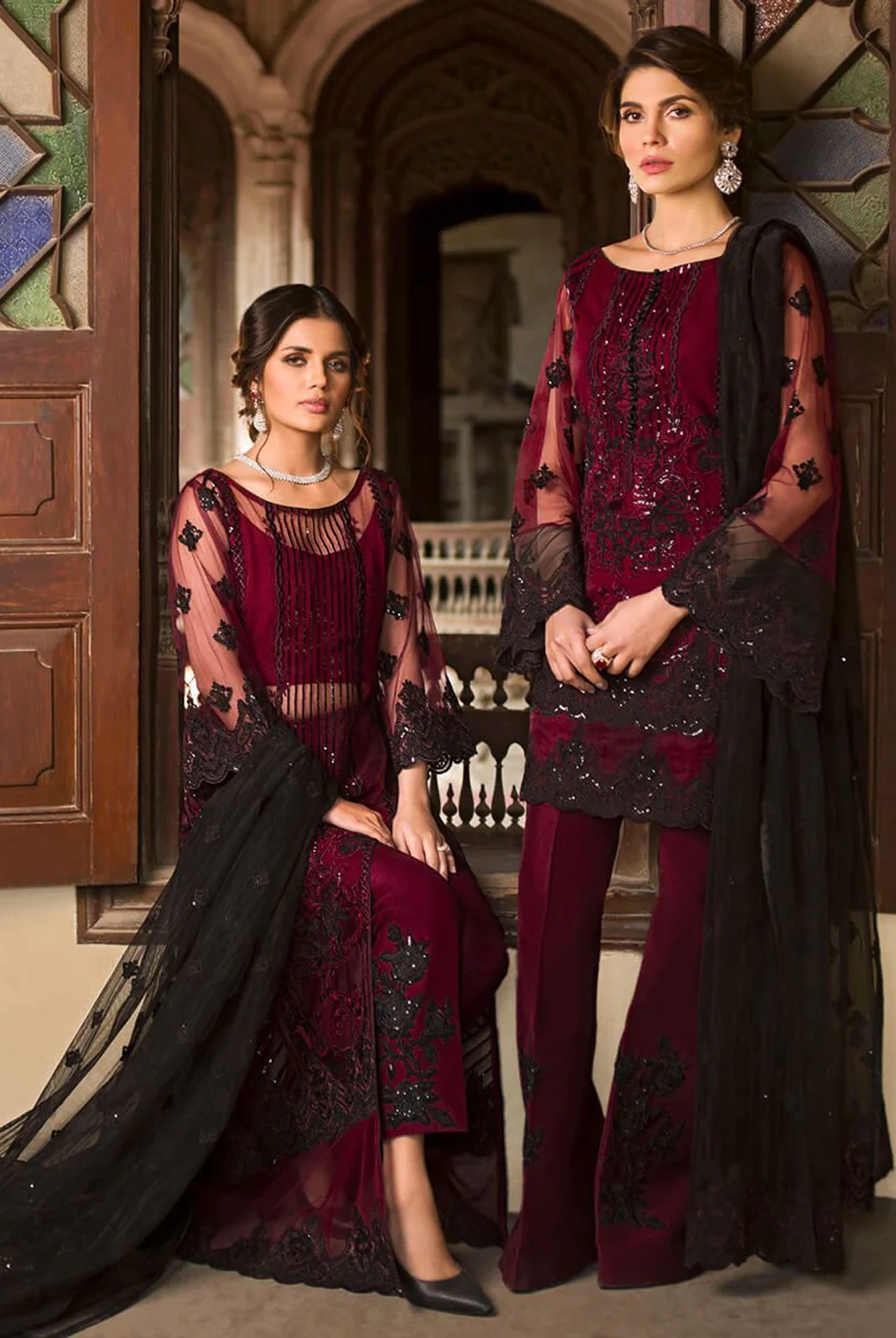

Original price was: ₨17,500.00.₨13,500.00Current price is: ₨13,500.00.
Sale!


Original price was: ₨16,000.00.₨13,000.00Current price is: ₨13,000.00.
Sale!


Original price was: ₨18,500.00.₨14,000.00Current price is: ₨14,000.00.
Sale!

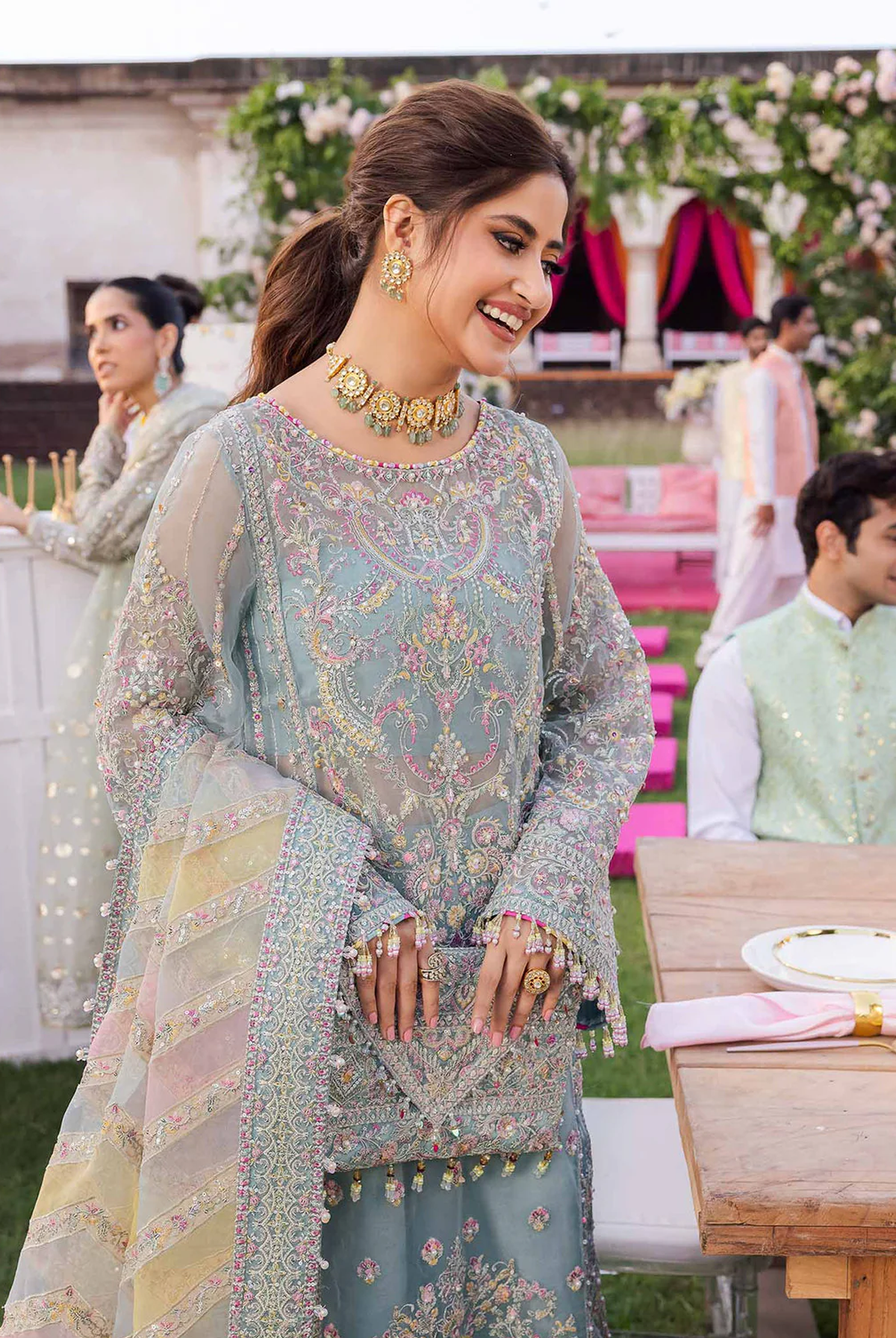
Original price was: ₨14,000.00.₨12,000.00Current price is: ₨12,000.00.
Sale!
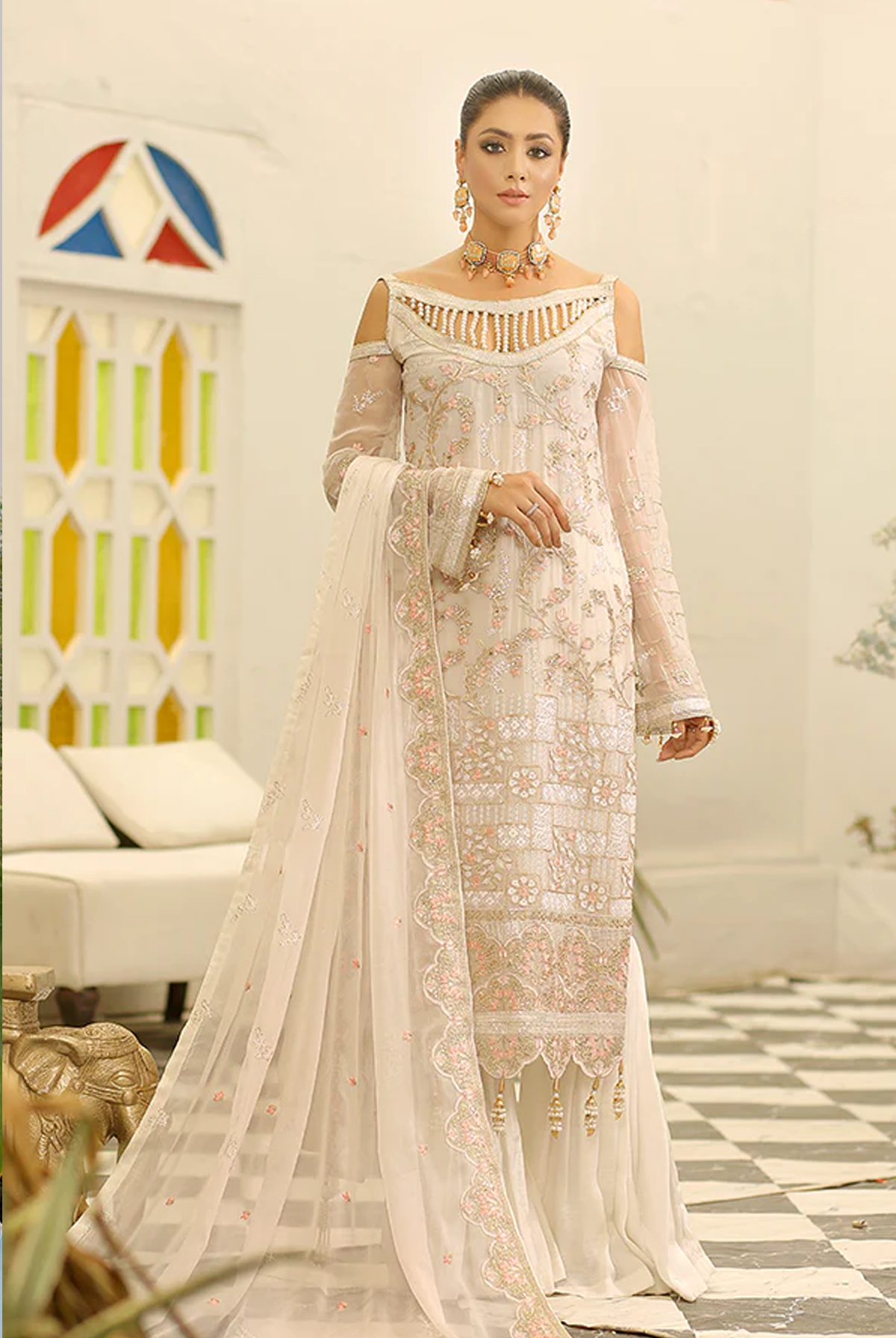

Original price was: ₨15,000.00.₨13,500.00Current price is: ₨13,500.00.
Sale!


Original price was: ₨16,000.00.₨12,500.00Current price is: ₨12,500.00.
Sale!


Original price was: ₨11,500.00.₨9,500.00Current price is: ₨9,500.00.
Sale!
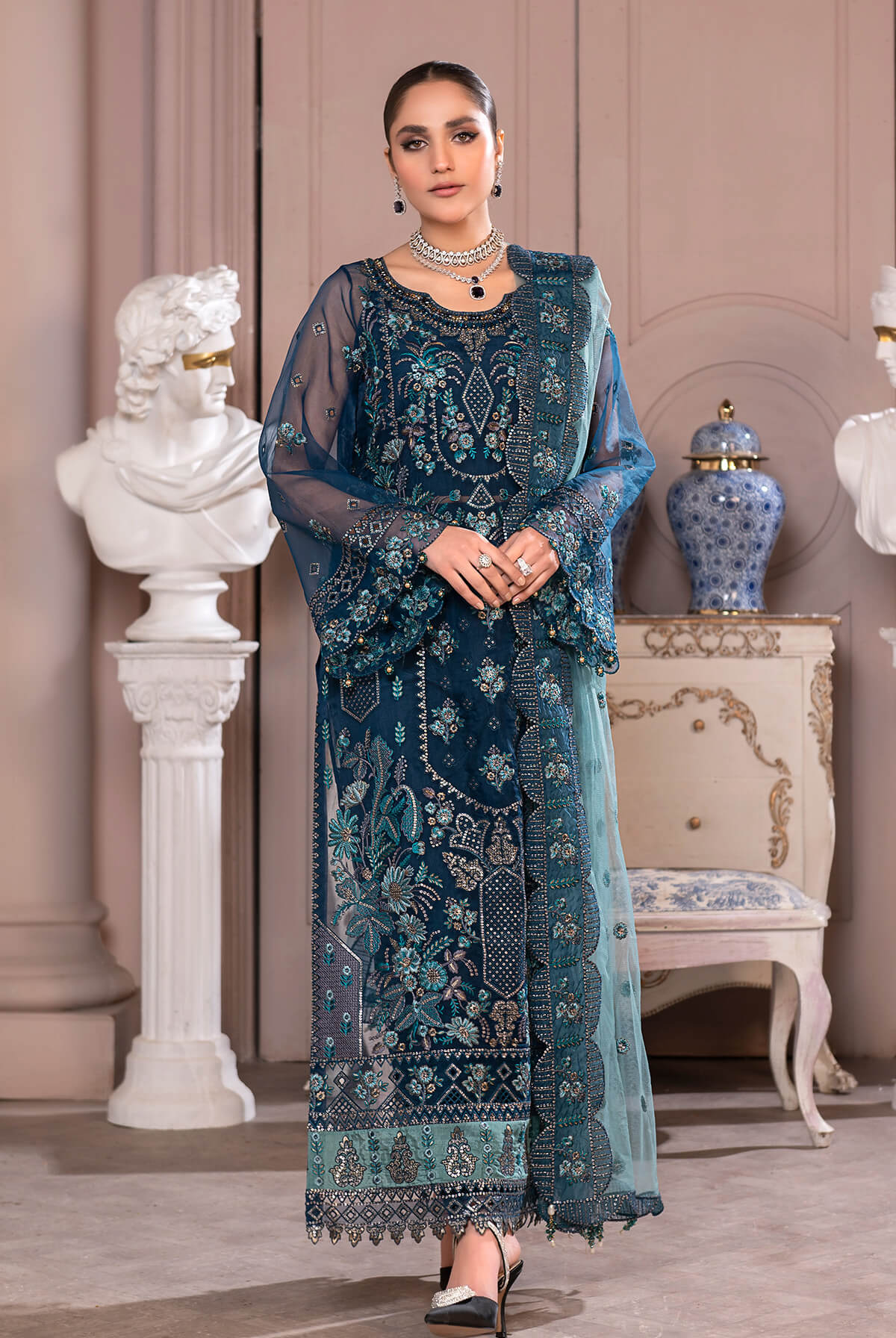

Original price was: ₨14,000.00.₨9,500.00Current price is: ₨9,500.00.
Sale!


Original price was: ₨20,000.00.₨14,500.00Current price is: ₨14,500.00.
Sale!


Original price was: ₨19,000.00.₨14,000.00Current price is: ₨14,000.00.
Sale!


Original price was: ₨18,500.00.₨14,500.00Current price is: ₨14,500.00.
Sale!


Original price was: ₨14,500.00.₨12,500.00Current price is: ₨12,500.00.
Sale!


Original price was: ₨17,500.00.₨16,000.00Current price is: ₨16,000.00.
Sale!

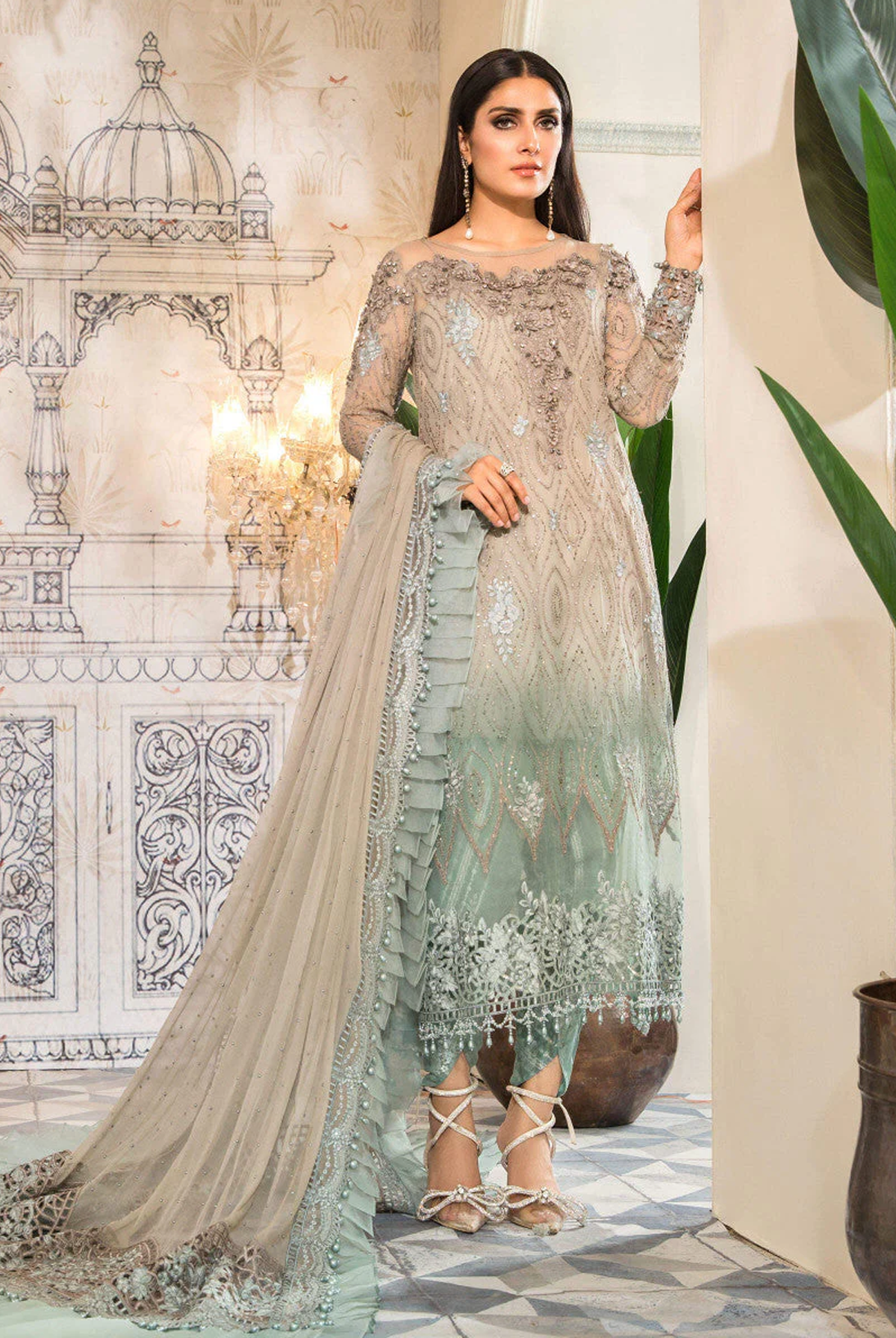
Original price was: ₨16,500.00.₨15,500.00Current price is: ₨15,500.00.
Sale!

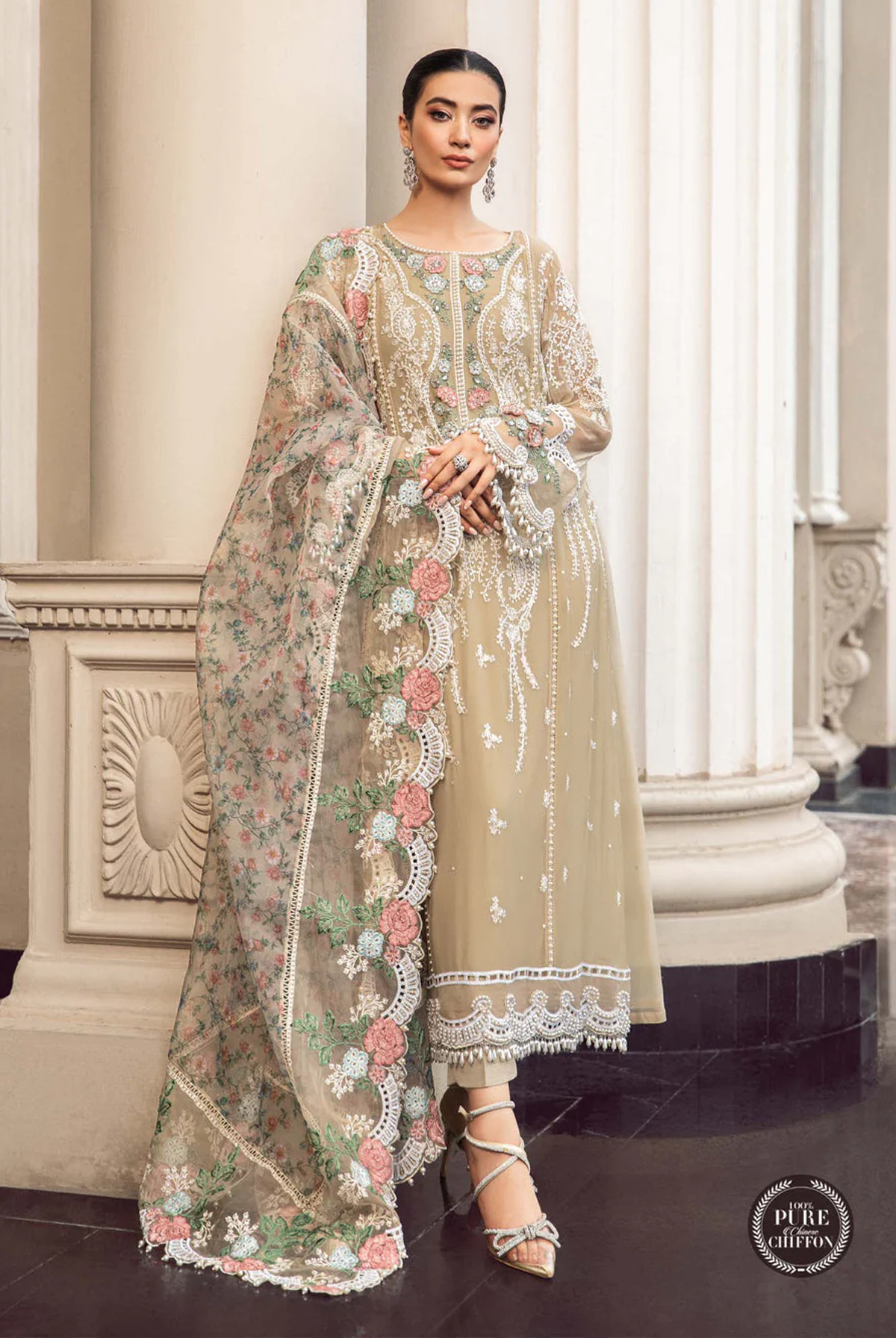
Original price was: ₨15,000.00.₨14,000.00Current price is: ₨14,000.00.
Sale!


Original price was: ₨16,500.00.₨15,000.00Current price is: ₨15,000.00.
Sale!


Original price was: ₨12,500.00.₨9,500.00Current price is: ₨9,500.00.
Pakistani Dress Wholesale Supplier Channel Islands | Mastorat
The demand for distinctive ethnic clothing continues to create opportunities for fashion retailers across international markets. Pakistani fashion has become an appealing choice for boutiques and independent clothing businesses because it combines traditional craftsmanship, detailed embroidery, versatile silhouettes, and a wide variety of fabrics. For retailers serving customers in Jersey, Guernsey, and the surrounding Channel Islands, these qualities offer an opportunity to introduce clothing that stands apart from conventional high-street collections.
Finding a dependable Pakistani Dress Wholesale Supplier Channel Islands is an important step for businesses that want to develop a carefully selected ethnic fashion range. Retailers need more than attractive designs. They also need consistent product information, transparent pricing, suitable order quantities, dependable communication, and clear arrangements for international delivery.
Mastorat provides a platform for exploring Pakistani clothing collections and wholesale sourcing opportunities. Its range of fashion-related resources can help retailers investigate different clothing categories, compare styles, and plan their inventory around the needs of their customers. Whether a business operates a small boutique, an online clothing store, or a specialist occasionwear shop, choosing products thoughtfully can help create a more distinctive retail offering.
This guide explains how retailers in the Channel Islands can approach Pakistani clothing wholesale, assess different product categories, understand international sourcing considerations, and make informed decisions when developing their collections.
Understanding the Pakistani Fashion Market in the Channel Islands
The Channel Islands have a distinctive retail environment. Jersey and Guernsey serve local communities while also welcoming visitors and maintaining connections with the wider British and European markets. For independent fashion retailers, this creates opportunities to serve customers looking for clothing that offers individuality, quality, and versatility. Pakistani clothing can complement this environment because the category includes a broad range of styles. Everyday cotton suits, understated embroidered outfits, formal dresses, and elaborate wedding ensembles appeal to different occasions and budgets. Retailers do not need to focus exclusively on traditional occasionwear; a balanced selection can include practical pieces for regular use alongside more decorative garments. Customer preferences should guide purchasing decisions. A boutique serving customers who appreciate lightweight clothing may prioritise breathable fabrics and comfortable cuts. Another retailer might focus on wedding guests, festive celebrations, and premium formalwear. Understanding these differences helps businesses choose stock that is relevant to their particular audience. Retailers researching opportunities across the wider British market can also explore Pakistani Dress Wholesale Supplier UK and Pakistani Clothes Wholesalers Bradford. These resources provide additional context for investigating Pakistani clothing supply options in established UK retail markets. For Channel Islands businesses, the objective is to identify a sourcing arrangement that suits their location, operating budget, customer expectations, and preferred delivery schedule.Exploring Mastorat for Wholesale Pakistani Clothing
Mastorat offers retailers a starting point for exploring Pakistani fashion and identifying clothing categories that may suit their businesses. Wholesale sourcing involves several connected decisions, including product selection, fabric preferences, available sizes, order quantities, pricing, and delivery arrangements. Rather than choosing garments solely because they look attractive in a catalogue, retailers should consider how each collection fits into their overall merchandising strategy. A cohesive range is often easier to present to customers than a collection of unrelated products. Businesses can begin their research through Pakistani Dress Wholesale Online and Pakistani Catalogue Dress Wholesale. These pages offer relevant starting points for exploring wholesale clothing categories and identifying styles worth considering. Before placing an order, retailers should confirm the supplier's current product availability, minimum order requirements, payment arrangements, and delivery coverage. They should also ask whether catalogue photographs represent the exact garments available or illustrate a broader collection. A practical supplier evaluation should consider:- The variety of designs and clothing categories available.
- Fabric descriptions and garment specifications.
- Minimum quantities and size options.
- Pricing transparency and payment terms.
- Quality inspection procedures.
- Communication throughout the ordering process.
- Shipping arrangements and applicable import charges.
- Procedures for handling damaged or incorrect items.
Why Pakistani Clothing Can Suit Independent Boutiques
Pakistani fashion offers considerable variety, making it suitable for businesses that want to serve different customer preferences without relying on a single clothing style. Its appeal comes from the combination of textile traditions, decorative craftsmanship, practical garment construction, and contemporary design influences.Distinctive embroidery and decorative details
Embroidery is an important feature of many Pakistani garments. Depending on the collection, decoration may include threadwork, sequins, beadwork, printed patterns, or carefully placed embellishments. These details can make formal outfits visually distinctive and provide retailers with options for customers attending weddings, celebrations, and special events. When evaluating embroidered garments, businesses should inspect the quality and placement of the work, the finishing around decorated areas, and whether the garment feels comfortable to wear.A range of fabrics for different seasons
Pakistani clothing is available in fabrics suited to different weather conditions and occasions. Cotton and lawn are popular options for warmer weather, while chiffon, silk blends, organza, and other dress fabrics are commonly associated with formal collections. Fabric selection should reflect the needs of local customers. Retailers serving customers who prefer comfortable everyday outfits may benefit from lightweight materials, whereas occasionwear boutiques may devote more space to structured, embellished, or layered designs.Traditional styling with contemporary influences
Many Pakistani outfits combine traditional silhouettes with modern colours, cuts, and decorative arrangements. This allows retailers to present clothing that respects its cultural origins while appealing to customers with different styling preferences. Some customers may prefer classic shalwar kameez designs, while others look for contemporary cuts, coordinated separates, or statement formalwear. A thoughtfully curated collection can accommodate these differences without making the store's identity feel inconsistent.Opportunities for a specialised product range
Independent retailers can use Pakistani clothing to develop a recognisable niche. Instead of competing directly with every general clothing shop, a boutique may concentrate on ethnic fashion, celebration outfits, or carefully selected designer-inspired collections. The most appropriate approach depends on customer research, available capital, and the retailer's ability to manage inventory effectively.Product Categories to Consider for Wholesale Purchasing
A successful wholesale collection should reflect the needs of the intended customer rather than simply include every available category. Pakistani clothing offers several options that retailers in the Channel Islands can assess when planning their ranges.Casual Pakistani suits
Casual suits are suitable for customers who want comfortable clothing for everyday activities, informal gatherings, and regular wear. These garments may feature printed fabrics, simple embroidery, relaxed silhouettes, or coordinated trousers and dupattas. For retailers, casual clothing can help establish a practical entry-level section within the store. A useful selection may include different colours, sizes, sleeve styles, and fabric weights. When ordering, businesses should check fabric composition, transparency, washing instructions, stitching quality, and whether the garments arrive as complete sets or individual pieces.Lawn and cotton collections
Lawn and cotton outfits are particularly relevant for spring and summer collections. Their lightweight feel and variety of printed designs can appeal to customers seeking breathable clothing. Retailers should consider the climate, seasonal demand, and likely purchasing patterns of their audience before committing to large quantities. Colour coordination and the availability of matching trousers or dupattas can also influence the appeal of a collection. For businesses building a broader ethnic fashion range, Pakistani Dress Material Wholesale is another relevant resource to investigate when comparing material-focused sourcing options.Formal and partywear dresses
Formal Pakistani clothing often features richer fabrics, intricate embellishments, and more detailed finishing. Chiffon, organza, silk blends, and other decorative textiles are commonly used for eveningwear and special occasions. These garments may suit boutiques that serve customers attending weddings, engagement parties, formal dinners, and festive gatherings. Retailers should inspect product photographs carefully and request additional details where necessary. Important considerations include lining, embroidery placement, fabric weight, garment length, and the construction of sleeves and necklines.Bridal and wedding collections
Bridal clothing represents a specialised segment that requires careful planning. Lehengas, shararas, heavily embellished suits, and other wedding outfits may involve higher purchase costs and longer customer decision-making periods. A boutique considering bridal stock should understand local demand before purchasing expensive pieces in multiple sizes or colours. It may be more practical to begin with a limited selection, display sample garments, or investigate made-to-order arrangements where available. Businesses should confirm production lead times, customisation options, alteration requirements, and the process for approving final designs before making commitments.Designer collections
Designer clothing can help retailers develop a premium section for customers seeking distinctive cuts, coordinated styling, and more elaborate finishes. Retailers exploring this category can review Pakistani Designer Dresses and Pakistani Designer Suits when researching styles for a curated boutique range. Before advertising a garment as designer-branded, retailers should verify the product's authenticity, brand permissions, and any applicable resale requirements. Clear product descriptions help maintain customer trust and reduce misunderstandings.How to Choose the Right Collection for Your Customers
Selecting wholesale clothing requires an understanding of the people who will eventually purchase it. A collection that performs well for one retailer may not produce the same results for another business.Identify your main customer groups
Start by defining the customers your business intends to serve. These might include people looking for everyday ethnic clothing, customers preparing for celebrations, wedding guests, or buyers interested in premium formal outfits. Each group has different expectations concerning price, fabric, styling, and garment detail. Understanding those differences can make stock selection more focused.Review local demand before ordering
Retailers can gather useful information by reviewing customer enquiries, sales records, online searches, and feedback from existing buyers. Social media engagement can also reveal which colours, designs, and clothing categories attract attention. However, interest in a photograph does not necessarily translate into a purchase. Whenever possible, use actual enquiries, confirmed orders, and historical sales to guide purchasing decisions.Balance colours, sizes, and styles
A collection with too many similar designs may leave customers with limited choice, while a range with too many unrelated products can become difficult to merchandise. Retailers should consider a balanced mix of neutral colours, seasonal shades, popular silhouettes, and distinctive statement pieces. Size availability is equally important because attractive designs have limited commercial value when the required sizes are unavailable.Request clear product information
Before confirming an order, obtain accurate information about fabric, measurements, colour variations, included accessories, and garment construction. Ask whether displayed colours may differ from the delivered products because of lighting or screen settings. For heavily embroidered outfits, additional photographs can help clarify details that are difficult to assess in catalogue images.Wholesale Pricing and Inventory Planning
Pricing affects both purchasing decisions and the long-term sustainability of a retail business. The lowest supplier price does not always represent the best overall value, especially when shipping, import charges, packaging, and possible alterations are considered. Retailers should calculate the full landed cost of each garment before setting a selling price.Understand the total cost of an order
The landed cost can include:- The wholesale price of each garment.
- International freight and insurance, where applicable.
- Customs duties and import taxes.
- Customs brokerage or handling fees.
- Currency conversion and payment processing charges.
- Local transportation and storage.
- Inspection, repair, or alteration expenses.