
Sale!


Original price was: ₨16,000.00.₨15,000.00Current price is: ₨15,000.00.
Sale!

Original price was: ₨17,500.00.₨13,500.00Current price is: ₨13,500.00.
Sale!


Original price was: ₨16,000.00.₨13,000.00Current price is: ₨13,000.00.
Sale!


Original price was: ₨18,500.00.₨14,000.00Current price is: ₨14,000.00.
Sale!

Original price was: ₨14,000.00.₨12,000.00Current price is: ₨12,000.00.
Sale!

Original price was: ₨15,000.00.₨13,500.00Current price is: ₨13,500.00.
Sale!


Original price was: ₨16,000.00.₨12,500.00Current price is: ₨12,500.00.
Sale!


Original price was: ₨11,500.00.₨9,500.00Current price is: ₨9,500.00.
Sale!

Original price was: ₨14,000.00.₨9,500.00Current price is: ₨9,500.00.
Sale!


Original price was: ₨20,000.00.₨14,500.00Current price is: ₨14,500.00.
Sale!


Original price was: ₨19,000.00.₨14,000.00Current price is: ₨14,000.00.
Sale!


Original price was: ₨18,500.00.₨14,500.00Current price is: ₨14,500.00.
Sale!


Original price was: ₨14,500.00.₨12,500.00Current price is: ₨12,500.00.
Sale!


Original price was: ₨17,500.00.₨16,000.00Current price is: ₨16,000.00.
Sale!

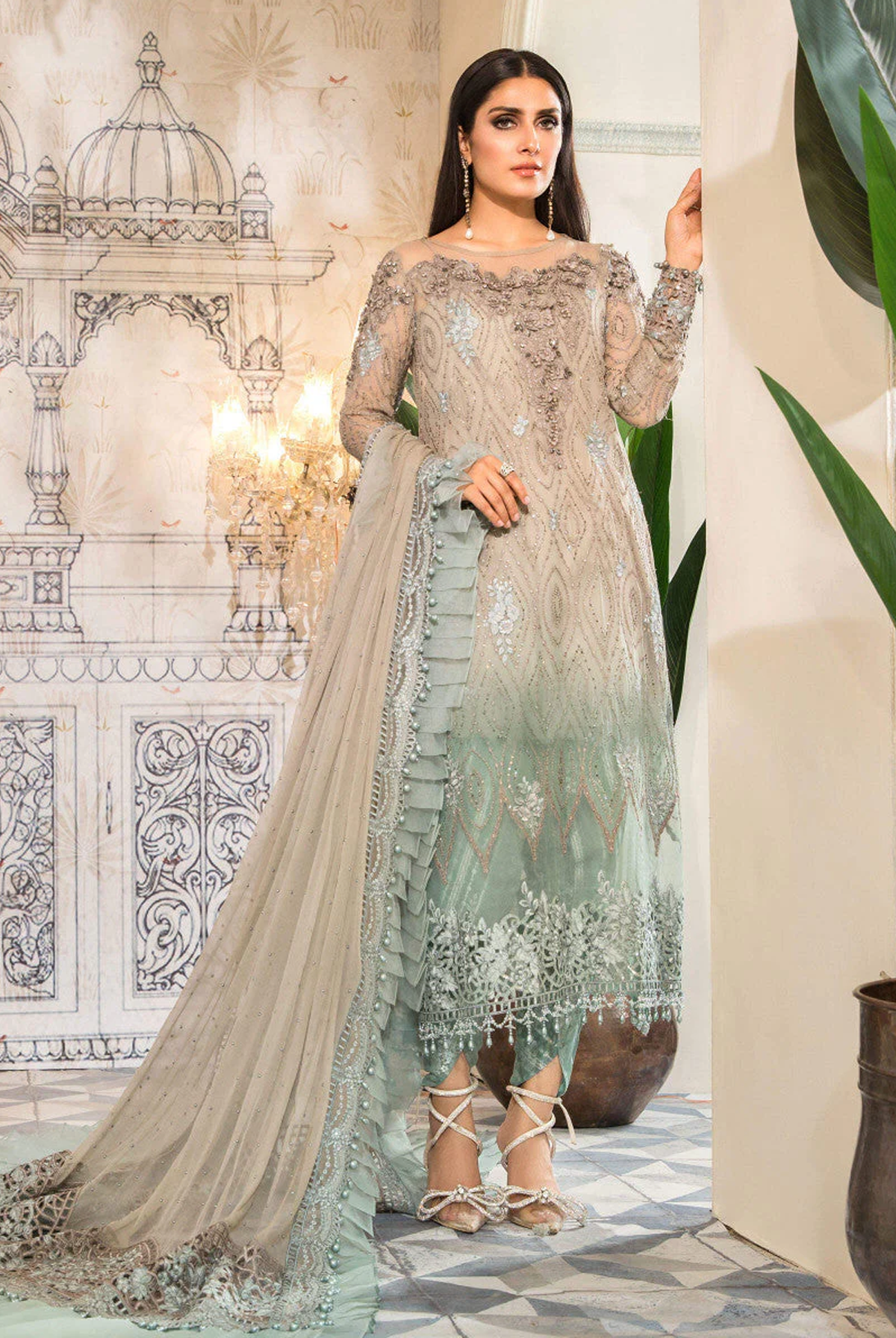
Original price was: ₨16,500.00.₨15,500.00Current price is: ₨15,500.00.
Sale!

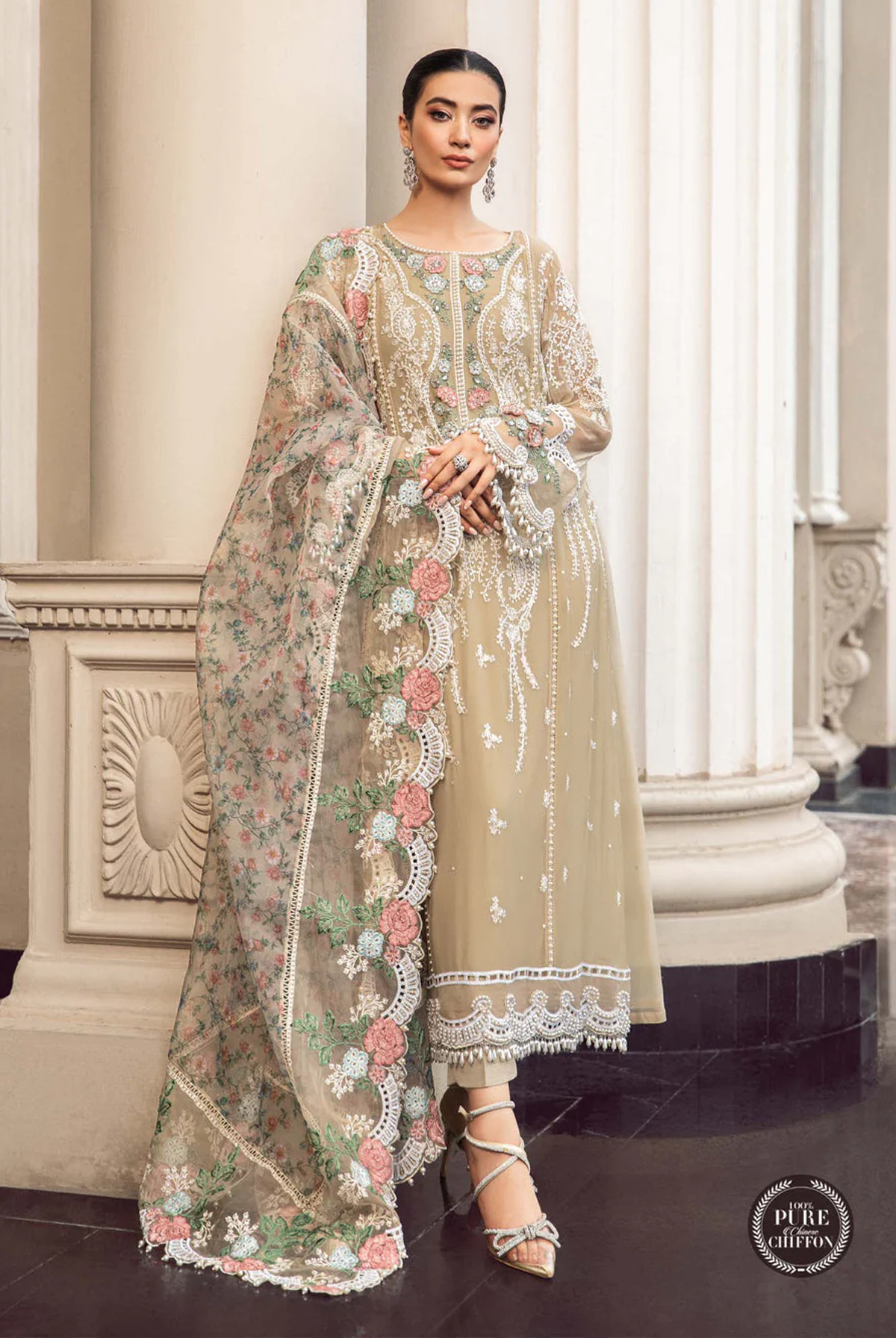
Original price was: ₨15,000.00.₨14,000.00Current price is: ₨14,000.00.
Sale!


Original price was: ₨16,500.00.₨15,000.00Current price is: ₨15,000.00.
Sale!


Original price was: ₨12,500.00.₨9,500.00Current price is: ₨9,500.00.
Pakistani Dress Wholesale Supplier Ethiopia – Wholesale Fashion Opportunities for Retailers | Mastorat
The demand for Pakistani clothing is expanding across international fashion markets as customers become more interested in distinctive designs, quality fabrics, traditional embroidery, and versatile outfits. For Ethiopian fashion retailers, boutique owners, clothing importers, and independent resellers, Pakistani apparel offers an opportunity to introduce something different to their local customers. From elegant formal suits to comfortable everyday outfits, these collections cover several fashion preferences and price ranges.
Businesses searching for a Pakistani Dress Wholesale Supplier Ethiopia need more than attractive product photographs. They need access to suitable designs, clear product information, dependable communication, competitive wholesale pricing, and shipping arrangements that fit their business requirements. Understanding these factors can help retailers make informed purchasing decisions and build a sustainable clothing business.
Mastorat provides an online platform for exploring Pakistani clothing collections and wholesale fashion opportunities. Its range of traditional and contemporary clothing helps international buyers discover different styles for their retail requirements. Whether you operate a small boutique in Addis Ababa, manage an established clothing store, or are planning to enter the fashion market, selecting the right products and understanding the sourcing process can make a significant difference to your business.
Understanding the Demand for Pakistani Clothing in Ethiopia
Ethiopia has a diverse fashion environment influenced by local traditions, international trends, and changing consumer preferences. Customers purchase clothing for everyday use, family gatherings, religious occasions, weddings, celebrations, and formal events. This creates opportunities for retailers to offer collections that serve different customer groups. Pakistani clothing has several characteristics that make it an interesting addition to an international fashion collection. Its designs often combine traditional craftsmanship with contemporary styling. Embroidered necklines, decorative sleeves, coordinated trousers, printed fabrics, and elegant dupattas provide retailers with different options when planning their inventory. For Ethiopian businesses, the opportunity is not simply about importing another clothing category. It is about understanding which designs may appeal to local customers and presenting them in a way that makes shopping easier. Retailers can begin by studying:- The age groups they want to serve.
- Customer preferences for traditional and modern clothing.
- Popular colours and fabric choices.
- The local demand for casual and formal outfits.
- Customer budgets and preferred price ranges.
- Seasonal purchasing patterns.
- The availability of similar products from local competitors.
Why Pakistani Fashion Can Suit Ethiopian Retail Businesses
Choosing a clothing category for wholesale requires an understanding of product variety, customer interest, and business profitability. Pakistani fashion offers several product types that retailers can introduce gradually instead of depending on a single clothing style. One of its main strengths is design diversity. Buyers can explore simple printed outfits, embroidered collections, formal suits, unstitched fabrics, and premium occasion wear. This allows a boutique to create a balanced collection for customers with different requirements.1. Traditional and Contemporary Designs
Pakistani clothing combines traditional South Asian influences with modern fashion elements. Some outfits feature detailed embroidery and classic silhouettes, while others use minimal patterns and contemporary cuts. This variety allows Ethiopian retailers to select products according to their target audience. A boutique focusing on formal fashion may prefer embellished suits, whereas a shop targeting everyday customers may choose lighter fabrics and simpler designs.2. Different Fabric Choices
Fabric selection influences comfort, appearance, durability, and selling price. Pakistani clothing collections commonly include lawn, cotton, chiffon, linen, silk, and other fabric varieties. Each material serves a different purpose. Lightweight fabrics may be suitable for casual clothing, while chiffon and silk-inspired materials are frequently selected for formal and occasion wear. Retailers should check fabric descriptions and product specifications before placing bulk orders.3. Options for Different Budgets
A successful clothing business should not depend entirely on expensive products. Customers have different spending capacities, so maintaining several price categories can help retailers reach a wider audience. Wholesale buyers can consider affordable everyday clothing alongside mid-range embroidered suits and premium designer collections. This approach makes it easier to develop a product range without targeting only one type of customer.4. Opportunities for Boutique Collections
Boutique owners often prefer carefully selected products rather than maintaining large quantities of identical designs. Pakistani fashion provides different colours, embroidery patterns, and outfit combinations that can help create a distinctive collection. A retailer can organise products into casual, semi-formal, formal, festive, and luxury categories to make browsing easier.How Mastorat Supports International Clothing Buyers
International wholesale purchasing requires careful product selection and communication. Buyers need to understand what they are purchasing, how products are categorised, and which options suit their intended customers. Mastorat offers an online destination for exploring Pakistani clothing and related wholesale collections. International retailers can use its product categories to research different styles and identify potential additions to their inventory. Before making a purchasing decision, buyers should pay attention to the following areas. Product variety: A diverse catalogue gives retailers more flexibility when selecting products for different customer groups. Product descriptions: Fabric details, available sizes, colours, stitching information, and design specifications help buyers understand what they are considering. Pricing information: Wholesale buyers should compare product prices with their expected retail selling prices and other business expenses. Order requirements: Minimum quantities, available designs, and purchasing conditions should be confirmed before placing an order. Shipping arrangements: International buyers should understand delivery methods, estimated transit times, customs documentation, and applicable import costs. Businesses interested in exploring broader sourcing options can visit Pakistani Dress Wholesale Suppliers. This category provides a starting point for understanding the different options available in the wholesale clothing market. For retailers who prefer organised seasonal selections, Pakistani Catalogue Dress Wholesale is another useful resource for exploring catalogue-based fashion collections.Popular Pakistani Clothing Categories for Ethiopian Boutiques
The right product selection depends on the type of customers a business wants to attract. Rather than purchasing every available style, retailers should develop a collection that reflects local demand and their business objectives. The following categories offer different possibilities for Ethiopian clothing stores.1. Printed Lawn Suits
Printed lawn suits are associated with lightweight styling and everyday fashion. They commonly feature floral patterns, geometric designs, decorative prints, and coordinated colour combinations. Retailers may consider these products for customers who prefer comfortable outfits for regular use. Their designs can also provide variety when a boutique wants to introduce new collections without focusing exclusively on formal clothing.2. Embroidered Dresses
Embroidered outfits are suitable for customers who prefer decorative clothing with more detailed designs. Embroidery may appear around the neckline, sleeves, front panels, borders, and other sections of the outfit. Depending on the fabric and finishing, these dresses can serve casual, semi-formal, and formal retail categories.3. Chiffon Collections
Chiffon clothing is often selected for occasions where customers want a more elegant appearance. Its lightweight texture and flowing look make it a popular fabric choice for formal outfits. Retailers can explore different colour combinations and embroidery styles to create a premium section within their stores.4. Unstitched Dress Materials
Unstitched clothing provides flexibility for customers who prefer customised fitting and tailoring. These collections may include fabric pieces, matching accessories, dupattas, and decorative materials. For Ethiopian businesses working with local tailoring services, unstitched products can offer an additional retail category. Retailers can explore Pakistani Dress Material Wholesale to learn more about this product segment.5. Designer and Luxury Outfits
Premium clothing is generally purchased by customers looking for distinctive designs, detailed finishing, and special-occasion styling. A boutique targeting this audience can introduce a carefully selected range of designer outfits. However, retailers should assess their customers' purchasing power before investing heavily in expensive inventory. The Pakistani Designer Dresses collection provides another option for exploring this fashion category.Building a Profitable Wholesale Clothing Business in Ethiopia
Wholesale clothing can create business opportunities, but profitability depends on proper planning. Purchasing products at a lower price does not automatically guarantee a successful retail operation. Importers must calculate their complete costs and understand how products will perform in their local market. A practical business strategy should begin with customer research.Identify Your Target Customers
Start by deciding who you want to sell to. Your target customers may include young adults, working professionals, families, wedding shoppers, or people interested in traditional and international fashion. Each group may have different expectations regarding clothing designs, quality, fabric, and pricing. For example, customers purchasing everyday outfits may prioritise comfort and affordability. Those shopping for weddings and special events may pay greater attention to embroidery, fabric appearance, and finishing.Select Products Carefully
Avoid ordering large quantities of unfamiliar products without testing customer interest. A smaller initial selection can help you understand which colours, sizes, and styles receive the most attention. You can gradually increase purchasing quantities once you have information about customer preferences and sales performance.Calculate the Complete Import Cost
Your actual product cost should include more than the supplier's quoted price. Consider the following expenses:- Wholesale product price.
- International shipping charges.
- Customs duties and applicable taxes.
- Customs clearance fees.
- Packaging and handling.
- Currency conversion charges.
- Local transportation.
- Storage and inventory expenses.
- Marketing and selling costs.
Maintain a Balanced Inventory
A balanced clothing collection should include products at different price points. This helps retailers avoid depending on a limited group of customers. For example, you could maintain:- Affordable casual outfits.
- Mid-range embroidered suits.
- Premium formal dresses.
- Seasonal collections.
- Unstitched fabrics.
- Special occasion clothing.
Exploring Pakistani Clothing Markets Across Africa
Africa offers diverse opportunities for international fashion businesses. Consumer preferences, import requirements, retail structures, and purchasing power differ from one country to another. For Pakistani clothing retailers and exporters, understanding these regional differences can help them identify suitable distribution opportunities. Nigeria, Kenya, South Africa, and Ethiopia have different retail environments. A product that performs well in one market may require a different pricing or marketing approach in another. Businesses researching African fashion sourcing can also explore Pakistani Dress Wholesale Supplier Nigeria. This provides an additional regional reference for retailers comparing international fashion markets. East African businesses may also find it useful to review Pakistani Dress Wholesale Supplier in Kenya when researching regional clothing distribution and wholesale opportunities. Rather than assuming that every African market has identical requirements, retailers should study individual customer preferences and local import conditions.Choosing Between Online and Traditional Wholesale Purchasing
Clothing retailers traditionally visit wholesale markets to inspect products, compare prices, and communicate directly with suppliers. However, digital platforms have made international sourcing more accessible. Online purchasing allows buyers to review product categories and communicate with suppliers without travelling to another country. This can save time and make it easier to compare multiple collections. Both methods have advantages.Benefits of Online Wholesale Purchasing
Online platforms provide convenient access to product information and digital catalogues. Buyers can review collections at their own pace and shortlist products before discussing order requirements. Other advantages include:- Access to international product collections.
- Convenient catalogue browsing.
- Easier communication with suppliers.
- Ability to compare product categories.
- Reduced need for physical travel.
- More flexible sourcing research.
Benefits of Traditional Wholesale Markets
Physical markets allow buyers to inspect clothing directly. They can evaluate fabric texture, stitching, colour, and finishing before making purchasing decisions. Direct market visits may also provide opportunities to negotiate prices and establish supplier relationships. For retailers who cannot travel, a combination of online research, detailed supplier communication, and sample evaluation may be a practical alternative. Buyers can learn more about digital sourcing through Pakistani Dress Wholesale Online. They can also explore Pakistani Dress Wholesale Market to understand the broader wholesale marketplace.Understanding International Suppliers and Distribution Channels
International fashion sourcing involves several countries and distribution networks. Pakistani manufacturers produce clothing that reaches international buyers through direct exports, wholesalers, distributors, and trading companies. Dubai and other Middle Eastern locations are important commercial centres for international trade. European and North American markets also have established retail networks serving customers interested in South Asian clothing. Ethiopian importers can research these markets to understand product availability, pricing structures, and distribution models. For example, Pakistani Dress Wholesale Supplier China offers another country-specific sourcing reference. European buyers can also explore Pakistani Dress Wholesale Supplier in Germany when researching international clothing distribution. These country pages should be treated as market research resources rather than proof that a particular supplier has inventory or a warehouse in every location. For an Ethiopian retailer, the most important consideration is whether the chosen supplier can meet the business's product, pricing, documentation, and delivery requirements.Fashion Trends That Can Influence Ethiopian Retail Demand
Fashion preferences change over time. Social media, international entertainment, celebrity styles, seasonal collections, and changing customer expectations all influence clothing purchases. Retailers who monitor these developments can make better decisions about which products to introduce.Social Media and Fashion Discovery
Instagram, Facebook, TikTok, and other digital platforms have changed how customers discover clothing styles. Customers frequently use social media to explore outfit ideas, compare designs, and find inspiration for weddings and celebrations. Retailers can use these platforms to present new collections, share product photographs, explain fabric details, and communicate with potential customers.Wedding and Special Occasion Clothing
Weddings and celebrations create opportunities for formal clothing retailers. Customers may look for embroidered outfits, coordinated suits, elegant dupattas, and distinctive colours. A boutique can create a dedicated occasion-wear section to help customers find appropriate clothing.Growing Interest in International Styles
Exposure to international fashion gives customers access to different designs and styling ideas. South Asian clothing can introduce new combinations of embroidery, fabric, colour, and traditional design elements. Retailers should present these products with clear descriptions and styling information so customers understand their features. International markets also provide useful examples. For instance, Pakistani Dress Wholesale Supplier in South Africa represents another market where businesses can research multicultural clothing preferences. Similarly, Pakistani Dress Wholesale Supplier in Spain offers a reference for understanding the international reach of South Asian fashion.Why Product Presentation Matters for Fashion Retailers
The quality of product presentation can influence how customers perceive a clothing brand. Even attractive outfits may struggle to sell if product photographs are unclear or important information is missing. Retailers should focus on accurate descriptions and consistent product presentation.Use Clear Product Photographs
Good photographs help customers understand the design, colour, and overall appearance of an outfit. Where possible, use multiple photographs showing the front, back, embroidery, fabric details, and accessories. Avoid using heavily edited photographs that create unrealistic expectations about the actual product.Provide Accurate Fabric Information
Customers often want to know whether an outfit is made from lawn, cotton, chiffon, silk, or another material. Descriptions should include available information about fabric composition, stitching, lining, and included accessories.Explain Size and Fitting Details
Sizing information is especially important for online fashion businesses. Retailers should provide clear size charts and explain whether products are stitched or unstitched. If measurements vary between collections, customers should be informed before ordering.Organise Collections by Category
Organised categories make shopping more convenient. Consider creating separate sections for:- Casual wear.
- Formal wear.
- Embroidered suits.
- Designer clothing.
- Wedding collections.
- Unstitched fabrics.
- Seasonal outfits.
Using Digital Marketing to Grow a Clothing Business in Ethiopia
Digital marketing can help clothing retailers reach customers beyond their physical shop locations. A well-planned online presence gives businesses more opportunities to showcase collections and communicate with buyers. Retailers should focus on platforms and marketing methods that match their audience.Search Engine Optimisation
SEO helps customers discover a clothing business through search engines. A properly organised website can attract visitors searching for specific clothing categories, product styles, and wholesale purchasing options. Useful SEO activities include:- Creating descriptive product titles.
- Writing unique product descriptions.
- Organising categories logically.
- Optimising product photographs.
- Improving website loading speed.
- Using relevant internal links.
- Providing useful customer information.
- Maintaining mobile-friendly website design.
Social Media Marketing
Social media provides an effective way to introduce new collections and build customer relationships. Businesses can share product launches, styling ideas, seasonal collections, and customer feedback. Short videos showing fabric details and outfit features can also help customers understand products. Consistency is more valuable than publishing large amounts of repetitive content.Local Business Visibility
Businesses operating physical shops can improve their online presence through accurate business information, relevant photographs, customer reviews, and clear contact details. A complete local business profile helps customers understand where a store operates and what products it offers.Content Marketing
Useful articles can answer questions about fabrics, clothing care, outfit selection, sizing, and fashion trends. For example, a retailer can publish educational content explaining the differences between lawn and chiffon or how to select formal clothing for special occasions. This approach builds topical relevance while giving customers information that supports their purchasing decisions.Understanding Shipping and Import Requirements for Ethiopia
International shipping is one of the most important parts of wholesale purchasing. Even when a retailer finds suitable products at competitive prices, delivery arrangements can affect the total cost and overall purchasing experience. Before placing an international order, Ethiopian importers should understand the relevant shipping options and import procedures.Air Freight
Air freight is generally considered when delivery speed is important or when the shipment is relatively small and valuable. Fashion businesses may use this option for urgent orders, seasonal stock, or selected samples. However, air freight can have a higher transportation cost than sea freight, so buyers should compare the complete expense before selecting this method.Sea Freight
Sea freight may be more suitable for larger commercial shipments where delivery time is less urgent. The final cost depends on shipment size, weight, route, handling, and other charges. Retailers should obtain a complete shipping quotation rather than comparing transportation rates alone.Customs Documentation
Importing clothing requires attention to customs procedures and applicable regulations. Before ordering, confirm which documents are needed for your shipment. These may include commercial invoices, packing lists, transport documents, and other documentation required by the relevant authorities. Import duties, taxes, product classification, and clearance requirements should be checked using current Ethiopian customs guidance or a qualified customs professional.Packaging and Shipment Protection
Clothing should be packed carefully to protect it from moisture, dirt, and handling damage. Retailers should discuss packaging standards with suppliers and clarify how products will be prepared for international transportation. A clear agreement about responsibility for shipping, documentation, insurance, and delivery helps prevent misunderstandings. Businesses researching regional distribution may also consider Pakistani Dress Wholesale Supplier in Turkey and Pakistani Dress Wholesale Supplier in Italy as additional international market references.Premium Designer Collections and the Occasion-Wear Market
The premium clothing segment offers opportunities for retailers who want to serve customers looking for distinctive designs and more detailed finishing. Designer clothing is often selected for weddings, family celebrations, formal gatherings, and special events. Pakistani designer collections may feature intricate embroidery, decorative embellishments, coordinated accessories, and carefully selected fabrics. Retailers should evaluate the quality and pricing of premium outfits before adding them to their inventory. A useful approach is to introduce a limited selection of premium products and observe customer interest before expanding the category. You can explore Pakistani Designer Suits for more information about this type of collection. Fashion retailers can also research Pakistani Dress Wholesale Supplier in France to explore another international market connected with South Asian fashion. The goal should be to offer products that match customer expectations rather than purchasing expensive collections simply because they appear fashionable.Expanding Wholesale Opportunities Beyond Ethiopia
A clothing business may eventually want to expand beyond its original customer base. Once retailers understand their local market, they can explore additional distribution opportunities and international customer segments. Pakistani clothing has an established presence in several international markets, including the United States, Canada, Europe, and the Middle East. Businesses researching North American fashion distribution can explore Pakistani Dress Wholesale in USA. Canadian market research can also include Pakistani Dress Wholesale Supplier Canada. These resources can help retailers understand how South Asian fashion is represented in different international markets. However, expanding internationally requires additional planning. Businesses should assess local demand, shipping expenses, tax requirements, customer expectations, and applicable import regulations before entering another country. A gradual approach is generally more manageable than attempting to serve several markets without an established supply and distribution process.How to Select the Right Wholesale Products
Choosing the right clothing collection requires more than following fashion trends. Retailers should consider product quality, customer requirements, supplier communication, and financial planning. The following process can make purchasing decisions more organised.Step 1: Research Customer Preferences
Study the products your customers already purchase. Identify popular colours, fabric types, sizes, and price ranges. You can collect this information through customer conversations, sales records, social media engagement, and competitor research.Step 2: Shortlist Suitable Collections
Select products that match your target audience. Avoid choosing collections only because they are popular in another country. A design should fit your customers' preferences and the price range they are willing to pay.Step 3: Review Product Specifications
Check fabric details, stitching, measurements, colour options, accessories, and product photographs. If important information is missing, request clarification before purchasing.Step 4: Compare Total Costs
Calculate the wholesale price together with shipping, customs, handling, and local distribution expenses. This provides a more realistic understanding of the amount you need to recover through retail sales.Step 5: Confirm Order Conditions
Discuss minimum order quantities, payment arrangements, dispatch times, shipping responsibilities, and replacement policies. Written confirmation can help reduce confusion and establish clear expectations.Step 6: Monitor Product Performance
After receiving your stock, record which products sell quickly and which remain unsold. Use this information to improve future orders and avoid repeating unsuccessful purchasing decisions.The Role of Direct Sourcing from Pakistan
Pakistan is an important production centre for traditional clothing, embroidered outfits, printed fabrics, and designer fashion. Direct sourcing can allow international retailers to explore collections closer to their manufacturing origins. It may also provide access to a wider range of designs, depending on the supplier and production arrangements. However, direct sourcing is not automatically the cheapest option. Shipping, customs, minimum order quantities, payment arrangements, and supplier reliability all affect the final purchasing cost. Retailers should compare different sourcing channels before making a decision. For example, Pakistani Dress Wholesale Supplier Pakistan provides a relevant country-specific resource for buyers interested in the Pakistani clothing market. Retailers should prioritise transparent product information and clear commercial terms when building long-term relationships with suppliers.How to Maintain Long-Term Supplier Relationships
A dependable supplier relationship can support the growth of a wholesale clothing business. Consistent communication helps buyers understand product availability, upcoming collections, order requirements, and delivery arrangements. Retailers should maintain professional communication throughout the purchasing process. Some useful practices include:- Share clear product requirements before ordering.
- Confirm prices and quantities in writing.
- Ask for updated product photographs.
- Discuss delivery expectations in advance.
- Keep records of invoices and payments.
- Report product issues promptly.
- Review product quality after every shipment.
- Communicate future purchasing requirements.