
Sale!


Original price was: ₨15,000.00.₨13,000.00Current price is: ₨13,000.00.
Sale!


Original price was: ₨11,500.00.₨9,500.00Current price is: ₨9,500.00.
Sale!
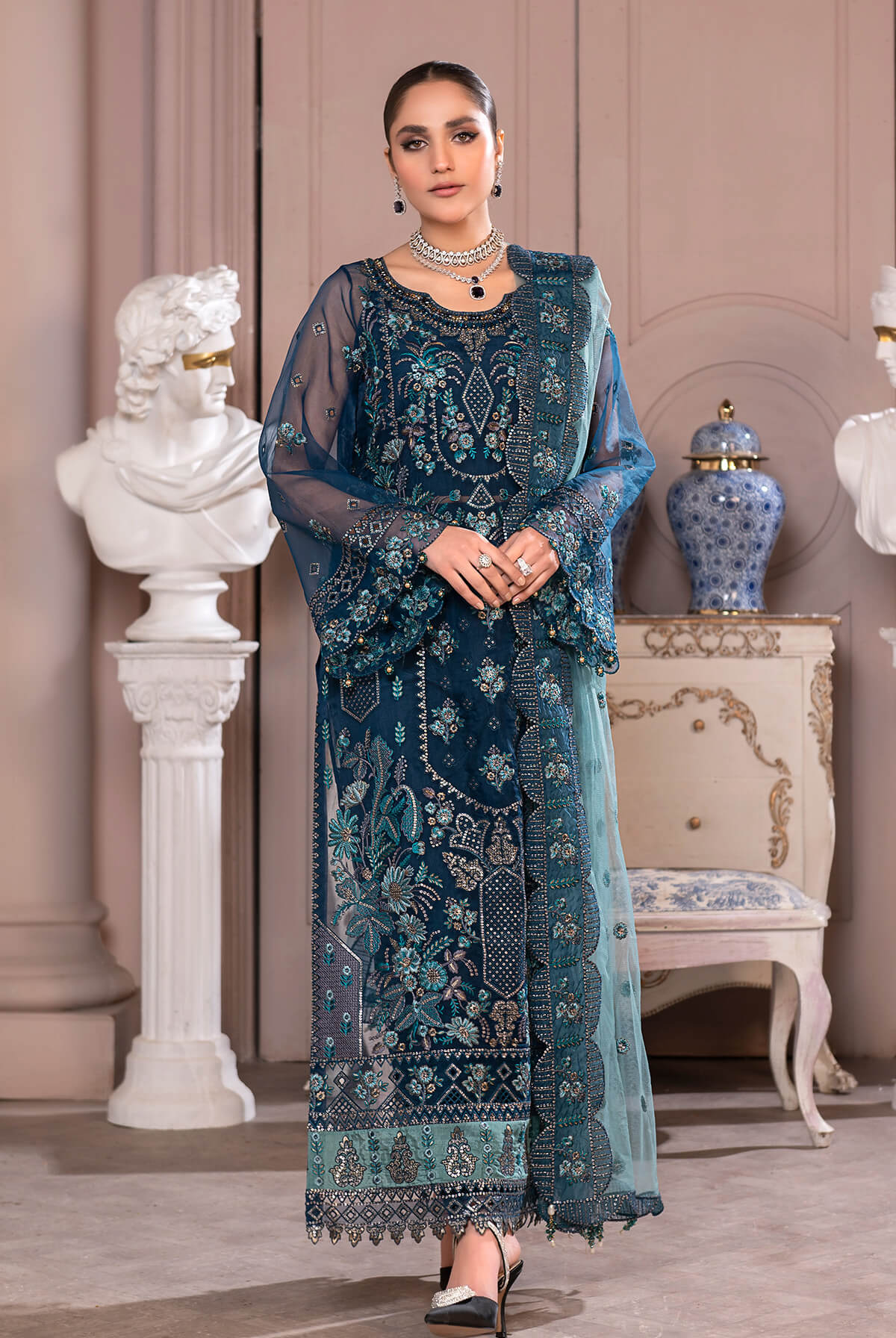

Original price was: ₨14,000.00.₨9,500.00Current price is: ₨9,500.00.
Sale!


Original price was: ₨16,000.00.₨14,000.00Current price is: ₨14,000.00.
Sale!


Original price was: ₨20,000.00.₨14,500.00Current price is: ₨14,500.00.
Sale!


Original price was: ₨19,000.00.₨14,000.00Current price is: ₨14,000.00.
Sale!


Original price was: ₨16,500.00.₨15,000.00Current price is: ₨15,000.00.
Sale!


Original price was: ₨18,500.00.₨15,500.00Current price is: ₨15,500.00.
Sale!


Original price was: ₨15,000.00.₨11,500.00Current price is: ₨11,500.00.
Sale!

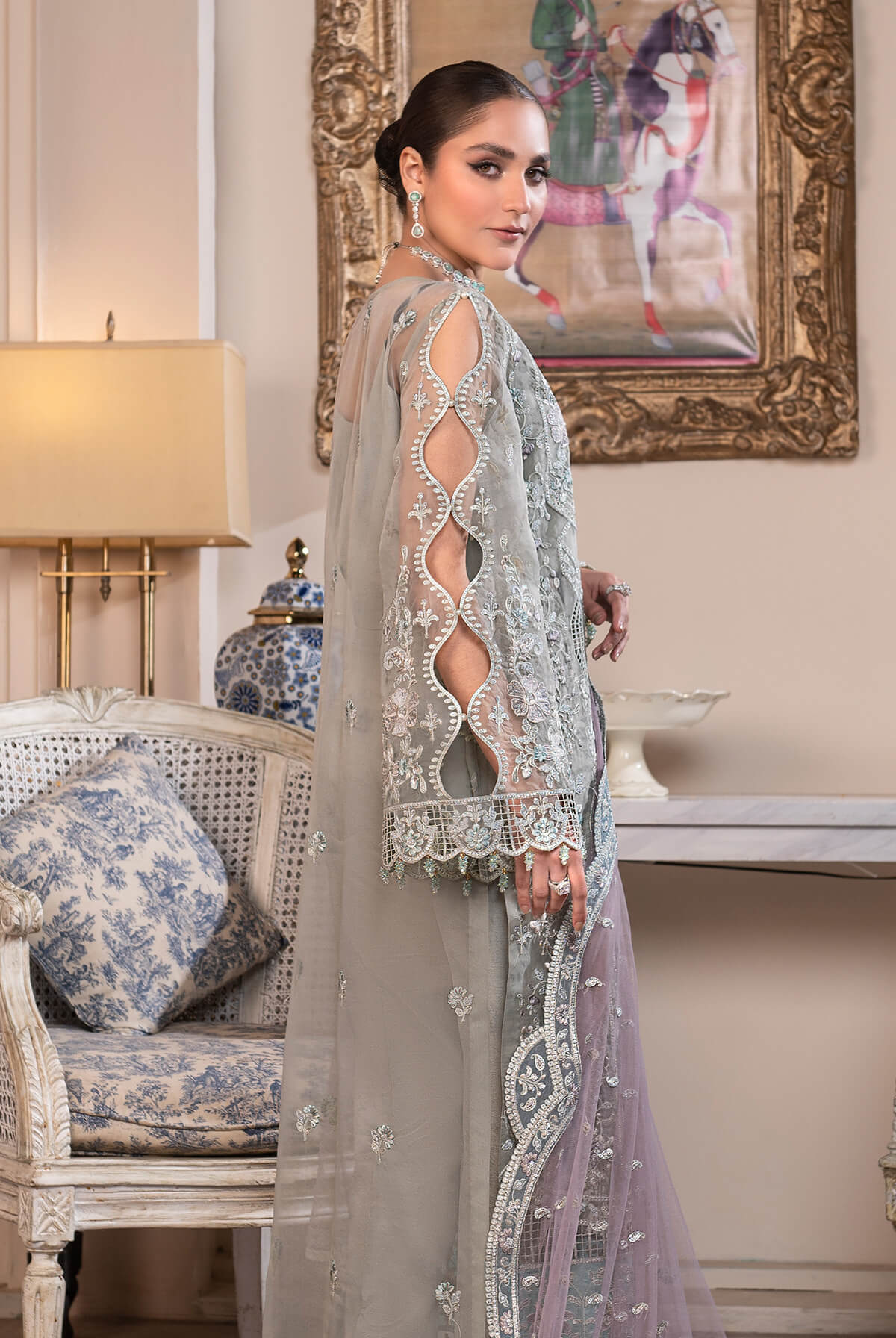
Original price was: ₨14,000.00.₨11,500.00Current price is: ₨11,500.00.
Sale!


Original price was: ₨13,500.00.₨8,700.00Current price is: ₨8,700.00.
Pakistani Dress Wholesale Supplier Azerbaijan | Mastorat
Pakistani clothing offers a distinctive combination of traditional craftsmanship, detailed embroidery, versatile fabrics, and contemporary design. From elegant formal suits to embroidered bridal outfits and everyday unstitched collections, Pakistani fashion includes a wide range of styles that can appeal to different customers. For retailers and boutique owners in Azerbaijan, these collections may provide an opportunity to diversify their product selection and introduce South Asian fashion to local shoppers.
Azerbaijan has a fashion market influenced by regional traditions, modern lifestyles, international brands, and changing consumer preferences. In cities such as Baku, shoppers can find a mixture of contemporary clothing, occasion wear, modest fashion, and traditional styles. Pakistani dresses may complement this variety, particularly for customers interested in distinctive embroidery, coordinated outfits, and clothing suitable for weddings, celebrations, and formal gatherings.
However, building a successful wholesale clothing business requires more than finding attractive designs. Retailers must consider fabric quality, sizing, supplier communication, shipping expenses, customs requirements, pricing, and customer demand before placing large orders. Understanding these factors can help businesses make more informed purchasing decisions and develop a product range suited to their target audience.
Mastorat provides a starting point for exploring Pakistani clothing wholesale categories and supplier-related resources. Its country-specific page, Pakistani Dress Wholesale Supplier Azerbaijan, can be used as a relevant resource for businesses researching Pakistani fashion sourcing opportunities for the Azerbaijani market.
This guide explores the types of Pakistani dresses retailers may consider, how to evaluate wholesale suppliers, what to understand about importing garments into Azerbaijan, and how to plan a clothing collection around customer preferences. The aim is to provide practical information for boutique owners, online sellers, fashion entrepreneurs, and other businesses interested in this product category.
Understanding the Azerbaijani Market for Pakistani Dresses
Before purchasing wholesale clothing, retailers should understand the customers they intend to serve. Not every design, fabric, or price range will suit every market. The most appropriate collection depends on factors such as local fashion preferences, climate, shopping habits, occasion-based demand, and the purchasing power of the intended audience. Pakistani clothing includes several product categories that retailers can adapt to different customer needs. Lightweight cotton outfits may appeal to shoppers looking for comfortable everyday clothing, while embroidered formal suits can be considered for celebrations and special occasions. More elaborate bridal outfits may suit specialist boutiques that serve customers seeking distinctive wedding attire. Azerbaijan's cultural connections with neighboring regions may also make modest clothing and decorative occasion wear relevant to certain customer groups. Nevertheless, retailers should avoid assuming that all Azerbaijani consumers share the same preferences. Customer research, competitor analysis, and small-scale product testing can provide a more reliable basis for purchasing decisions. Baku may be a useful starting point for businesses researching the local fashion sector because of its role as a major commercial and cultural center. Retailers operating elsewhere in Azerbaijan can conduct similar research within their own communities, identifying the styles, sizes, colors, and price points that customers prefer. Useful research methods include reviewing local boutique collections, speaking with prospective customers, monitoring public fashion trends, and comparing the prices of similar garments. Online engagement can also help retailers understand which designs receive interest before committing to substantial inventory. For businesses exploring wholesale sourcing, the Pakistani Dress Wholesale Market page provides a related starting point for learning about the broader product category.Why Pakistani Fashion May Suit Boutique Retailers
One of the main attractions of Pakistani fashion is its variety. Retailers can choose from everyday outfits, traditional formalwear, embroidered three-piece suits, luxury pret collections, and bridal designs. This variety makes it possible to build a collection around a specific customer group rather than stocking every available style. Pakistani clothing is also associated with different fabric choices and decorative techniques. Cotton and lawn are commonly used for lighter outfits, while chiffon, silk, organza, and other fabrics may appear in formal and occasion wear. Embroidery, printed patterns, embellishments, and coordinated dupattas can give individual collections a distinct appearance. For a boutique, the value of this variety depends on selecting products that match customer expectations. A store serving shoppers who prefer understated everyday fashion may need a different range from one specializing in wedding clothing or luxury occasion wear. Retailers should also consider how garments will be displayed and sold. Coordinated outfits may be presented as complete sets, while unstitched collections can appeal to customers who prefer tailoring garments to their measurements. Ready-to-wear clothing may be more convenient for shoppers who want to purchase an outfit without arranging separate stitching. Businesses researching different product categories can explore Pakistani Designer Dresses and Pakistani Designer Suits to learn more about the types of styles associated with Pakistani fashion. The important consideration is not simply whether a design looks attractive. Retailers should assess its quality, practicality, price, and likely appeal to their intended audience before deciding how much stock to purchase.Exploring Wholesale Pakistani Clothing Categories
A well-planned clothing collection usually includes a clear selection of products rather than an assortment chosen without a strategy. Retailers in Azerbaijan can evaluate several Pakistani clothing categories and determine which ones fit their store's positioning.Bridal Wear and Wedding Collections
Pakistani bridal clothing is known for detailed decorative work, coordinated colors, and elaborate designs. Depending on the collection, garments may feature embroidery, embellishments, decorative borders, and luxurious-looking fabrics. These outfits may be relevant to specialist bridal boutiques, occasion-wear retailers, or businesses serving customers who appreciate South Asian wedding fashion. However, bridal clothing often requires more careful purchasing decisions than everyday garments because designs can be expensive, sizing requirements may be specific, and customers may expect detailed product information. Before ordering bridal pieces, buyers should request clear photographs, fabric descriptions, measurements, and information about the embroidery and finishing. If customization is available, the retailer should establish the design specifications, production schedule, and approval process before confirming the order. A smaller selection of carefully chosen pieces may be a sensible starting point for a new retailer. Actual customer inquiries and sales can then help determine whether the category deserves a larger share of future inventory.Formal Dresses and Occasion Wear
Formal Pakistani suits can offer an alternative for customers looking for embroidered or coordinated outfits for celebrations, dinners, family gatherings, and other events. Retailers can compare different levels of embellishment, sleeve styles, silhouettes, colors, and fabric weights. A balanced selection may include understated designs alongside more decorative pieces, allowing customers to choose according to their personal preferences and budgets. Product descriptions should clearly explain whether an outfit is fully stitched, partially stitched, or unstitched. Retailers should also state what is included in the set, such as a shirt, trousers, and dupatta, rather than relying on photographs alone.Lawn and Cotton Collections
Lightweight cotton and lawn clothing may be useful for customers seeking comfortable outfits for warmer weather. These products can be offered in printed, embroidered, or minimally decorated designs. Azerbaijan experiences seasonal temperature changes, so retailers should consider when lightweight clothing is likely to be most relevant to their customers. Stock planning should reflect local buying patterns rather than assuming that one collection will sell equally well throughout the year. Fabric descriptions should be accurate, and buyers should check whether colors, prints, and fabric finishes match the supplier's product photographs. Samples can help retailers assess the material before committing to a larger purchase.Luxury Pret and Ready-to-Wear
Ready-to-wear clothing offers convenience because customers can purchase finished garments without arranging separate tailoring. Luxury pret collections may include contemporary cuts, coordinated separates, embroidery, and decorative finishing. This category may suit boutiques targeting customers who value distinctive designs but prefer a simpler purchasing experience. Retailers should check the size range, garment measurements, fabric composition, and finishing quality before placing an order. Ready-to-wear collections can also be easier to photograph and present through online stores because the garments are available in finished form. Accurate size charts and clear photographs remain important for helping customers make suitable choices.Unstitched Fabric and Three-Piece Suits
Unstitched Pakistani suits typically give customers greater flexibility over fit and styling. Depending on the set, the fabric may include material for the shirt, trousers, and dupatta. This category may appeal to customers who prefer personalized tailoring or want to choose the final silhouette themselves. Retailers should verify the exact fabric quantity, included components, and material specifications before advertising a product. Businesses can investigate fabric-focused options through Pakistani Dress Material Wholesale, particularly when comparing material-based products with finished garments.How to Choose a Suitable Wholesale Supplier
Finding a supplier is only one part of wholesale sourcing. Retailers also need to evaluate whether a potential business partner can provide the products, documentation, communication, and order terms their business requires. Start by identifying suppliers that offer the relevant clothing categories. A retailer specializing in bridal fashion may need different production capabilities from a store focused on everyday cotton suits. Reviewing product listings and requesting additional information can help narrow the options. Before making a purchase, consider the following factors:- Product range: Check whether the supplier offers the styles, sizes, fabrics, and quantities required for your store.
- Product information: Request accurate details about fabric composition, garment measurements, stitching, and included accessories.
- Communication: Evaluate whether the supplier answers questions clearly and provides written order information.
- Pricing: Compare the complete cost of the order rather than considering the garment price alone.
- Minimum order quantity: Confirm the minimum quantity for each design, size, or collection.
- Production time: Ask how long preparation or manufacturing is expected to take.
- Shipping arrangements: Establish who will arrange transportation, prepare export documents, and handle related charges.
- Return and defect policies: Understand how missing, damaged, or incorrectly supplied products will be handled.
- Payment terms: Confirm the payment schedule and the legal identity of the receiving business before transferring funds.
Using Mastorat to Research Wholesale Options
Mastorat's country-specific and category-based pages can help organize research into Pakistani clothing wholesale. Rather than reviewing unrelated products all at once, buyers can begin with the garment types and markets most relevant to their business. For example, a retailer interested in finished outfits may start by reviewing designer clothing categories, while a business focused on fabric may explore material-based listings. Buyers who are still comparing sourcing approaches can also examine the Pakistani Dress Wholesale Online page. When using online wholesale resources, it is helpful to prepare a list of questions before contacting a supplier. These might include whether a collection is currently available, what quantity is required, whether samples can be purchased, and how the supplier calculates shipping costs. Retailers should also retain written records of quotations, product specifications, agreed quantities, and payment terms. Keeping these details organized can reduce misunderstandings and make it easier to compare different offers. The aim is to use online resources to make sourcing more structured. The final purchasing decision should still be based on the supplier's actual terms, the quality of the products, and the retailer's budget.Understanding Wholesale Prices and Total Costs
Wholesale pricing can vary considerably between Pakistani clothing products. A simple printed cotton suit will generally have different production requirements from a heavily embroidered bridal outfit. Fabric type, design complexity, stitching, embellishments, order size, and customization can all affect the quoted price. Retailers in Azerbaijan should therefore compare products on a like-for-like basis. Comparing a fully stitched outfit with an unstitched fabric set, for example, may produce a misleading result if the included items and production costs are different. The garment price is also only one part of the total cost. International buyers may need to account for packaging, transportation, insurance where applicable, customs duties, taxes, clearance fees, currency conversion, and local delivery. The exact charges depend on the shipment, applicable regulations, and the arrangements agreed with the supplier. A useful calculation is the landed cost per sellable garment. This involves adding the relevant purchase and import expenses, then dividing the total by the number of garments available for sale after accounting for any damaged or unusable items. Retailers can then establish a selling price that reflects their operating expenses, customer expectations, and required margin. They should avoid assuming that wholesale purchasing automatically produces a high profit. Actual profitability depends on the final cost, selling price, demand, and how quickly the inventory sells. Buyers comparing sourcing locations may also review Pakistani Dress Wholesale in Pakistan and Pakistani Dress Wholesale in Dubai. The total cost should be compared carefully, as a lower listed price may not remain lower after shipping and other expenses.Checking Fabric, Stitching, and Garment Quality
Quality inspection is particularly important when the buyer cannot examine every garment before purchase. Photographs can provide an initial impression, but they may not reveal the fabric's true texture, the quality of stitching, or the durability of decorative elements. Whenever possible, request a sample before placing a substantial order. A sample can help the buyer assess fabric weight, color, embroidery, stitching, measurements, and general finishing. If samples are not available, request detailed photographs and written product specifications, while recognizing that these may not fully replace a physical inspection. Retailers should also ask whether the supplied garments will match the approved sample. For customized or made-to-order products, the agreed design details should be documented clearly. Important quality checks include:- Consistent stitching and secure seams.
- Accurate garment measurements and size labels.
- Fabric that matches the stated description.
- Embroidery and embellishments attached securely.
- Consistent color and print placement where expected.
- Correct product components and quantities.
- Packaging suitable for the planned shipment.