
Sale!
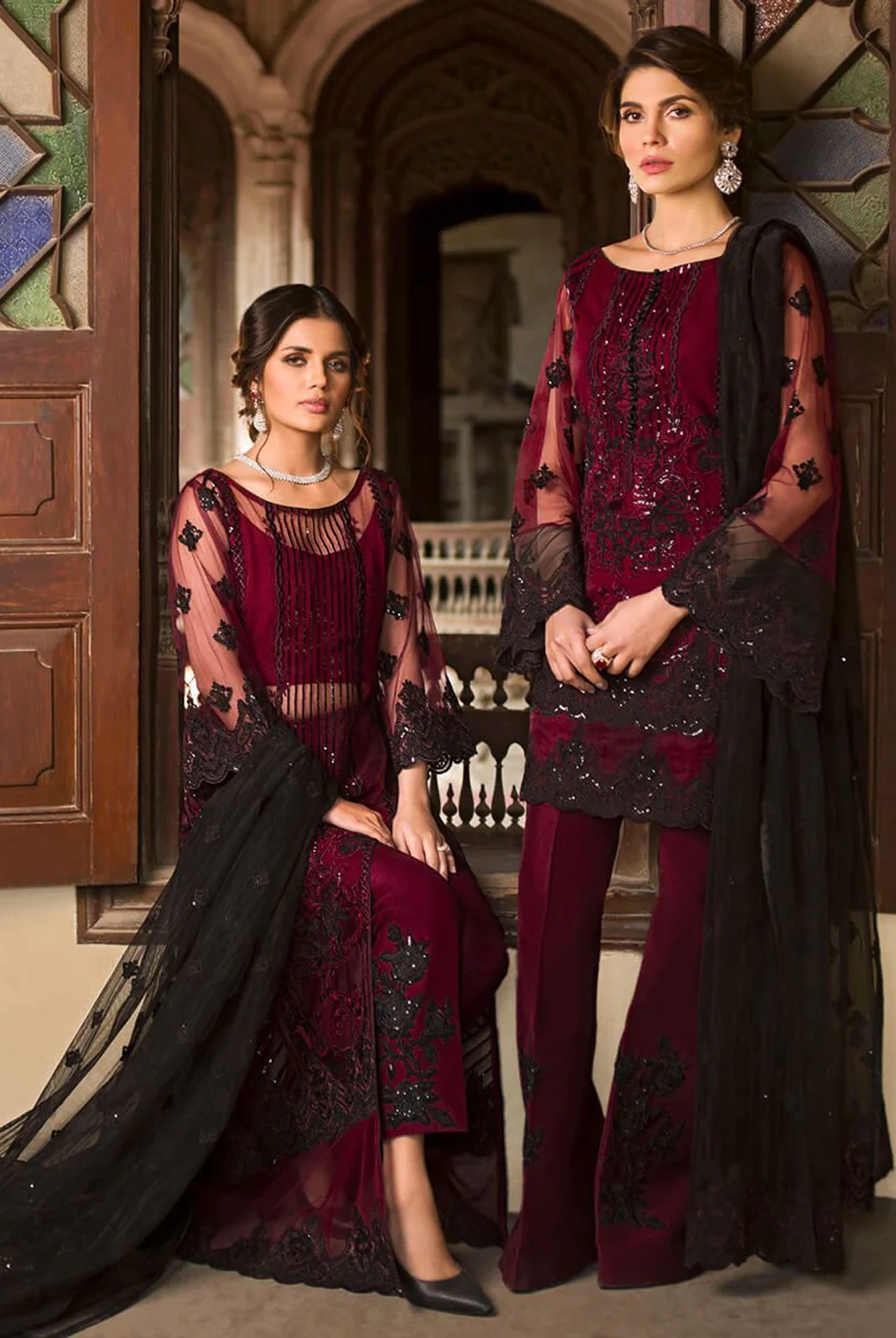

Original price was: ₨17,500.00.₨13,500.00Current price is: ₨13,500.00.
Sale!


Original price was: ₨16,000.00.₨13,000.00Current price is: ₨13,000.00.
Sale!


Original price was: ₨18,500.00.₨14,000.00Current price is: ₨14,000.00.
Sale!

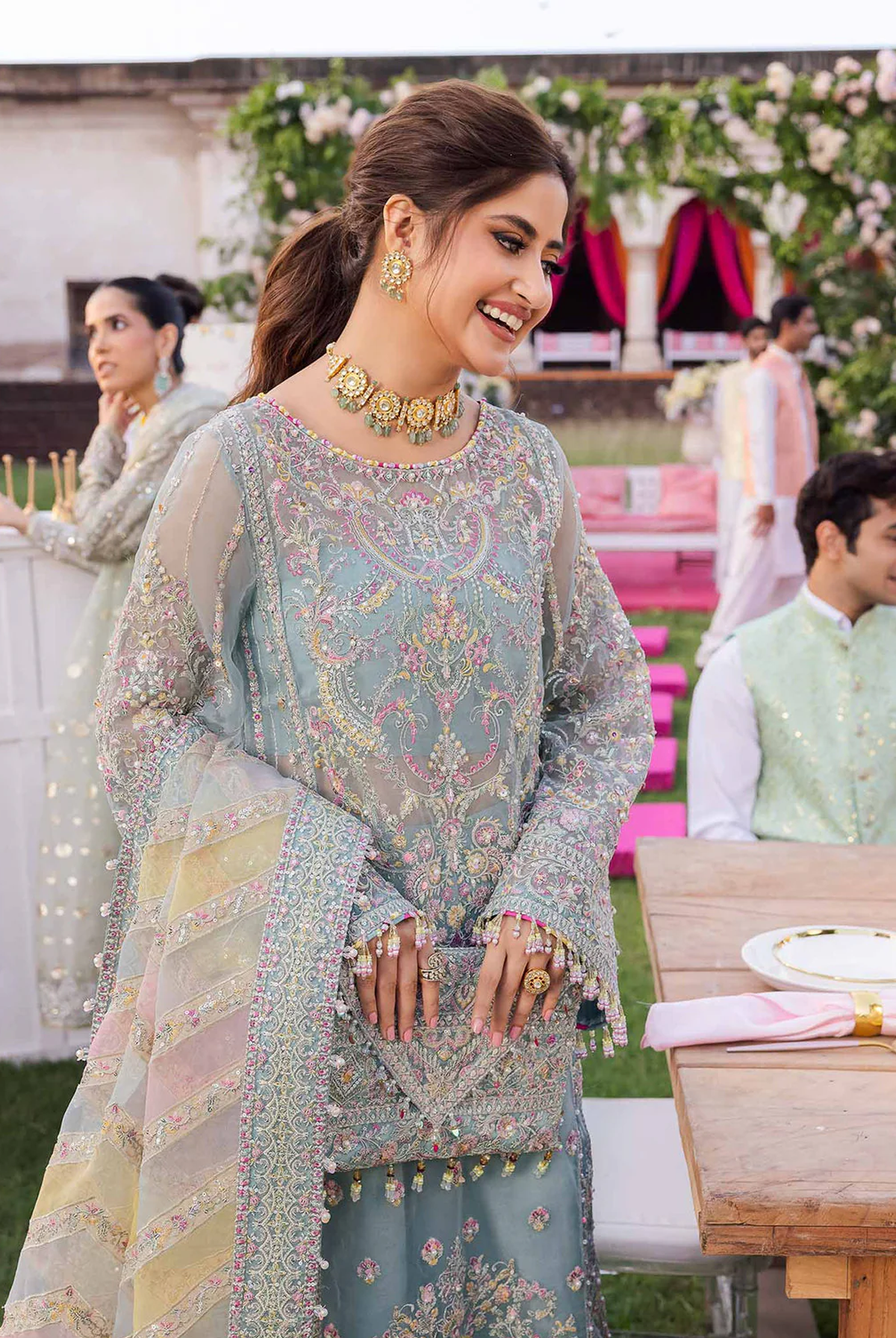
Original price was: ₨14,000.00.₨12,000.00Current price is: ₨12,000.00.
Sale!
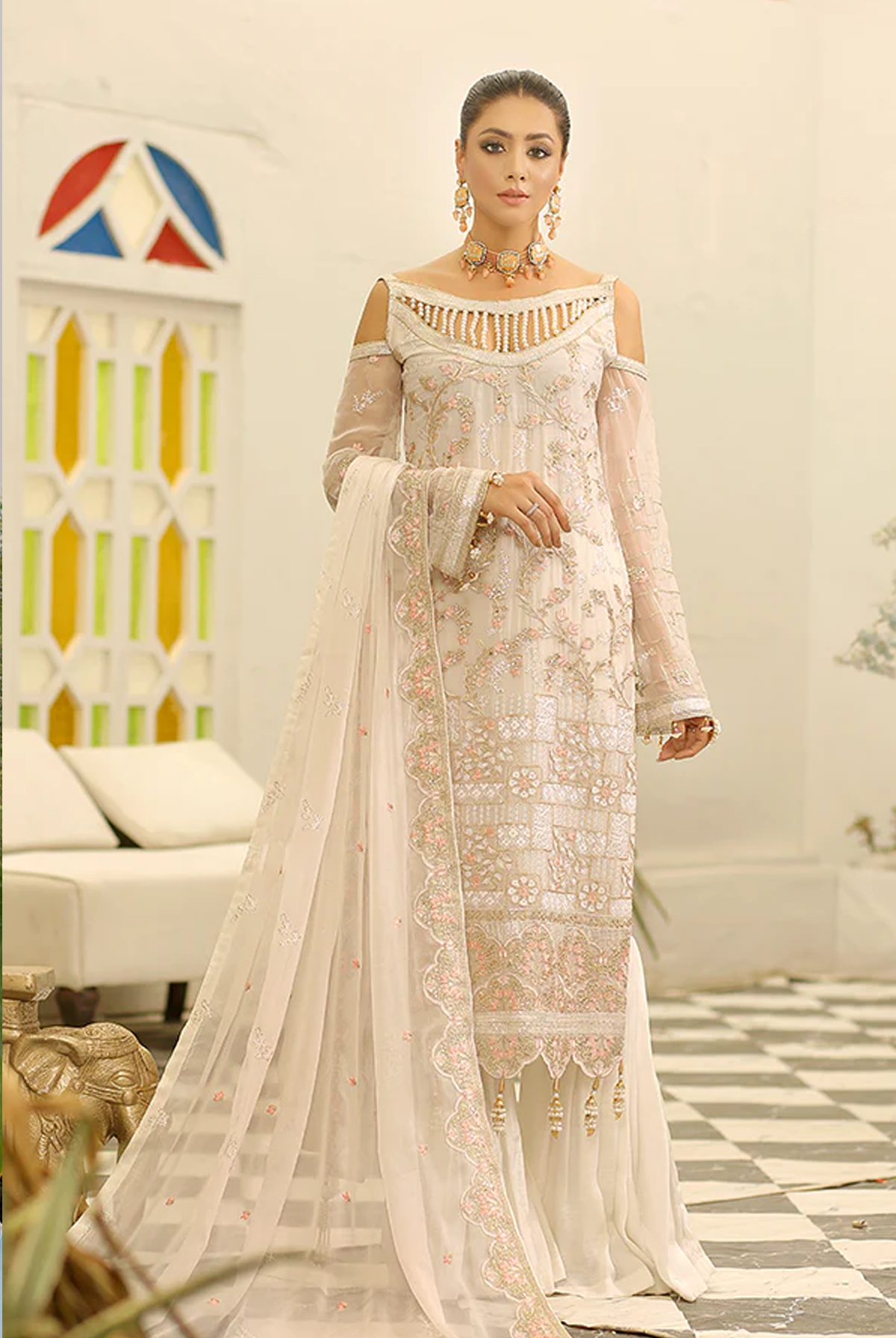

Original price was: ₨15,000.00.₨13,500.00Current price is: ₨13,500.00.
Sale!


Original price was: ₨16,000.00.₨12,500.00Current price is: ₨12,500.00.
Sale!


Original price was: ₨17,500.00.₨15,500.00Current price is: ₨15,500.00.
Sale!


Original price was: ₨15,000.00.₨13,000.00Current price is: ₨13,000.00.
Sale!


Original price was: ₨11,500.00.₨9,500.00Current price is: ₨9,500.00.
Sale!
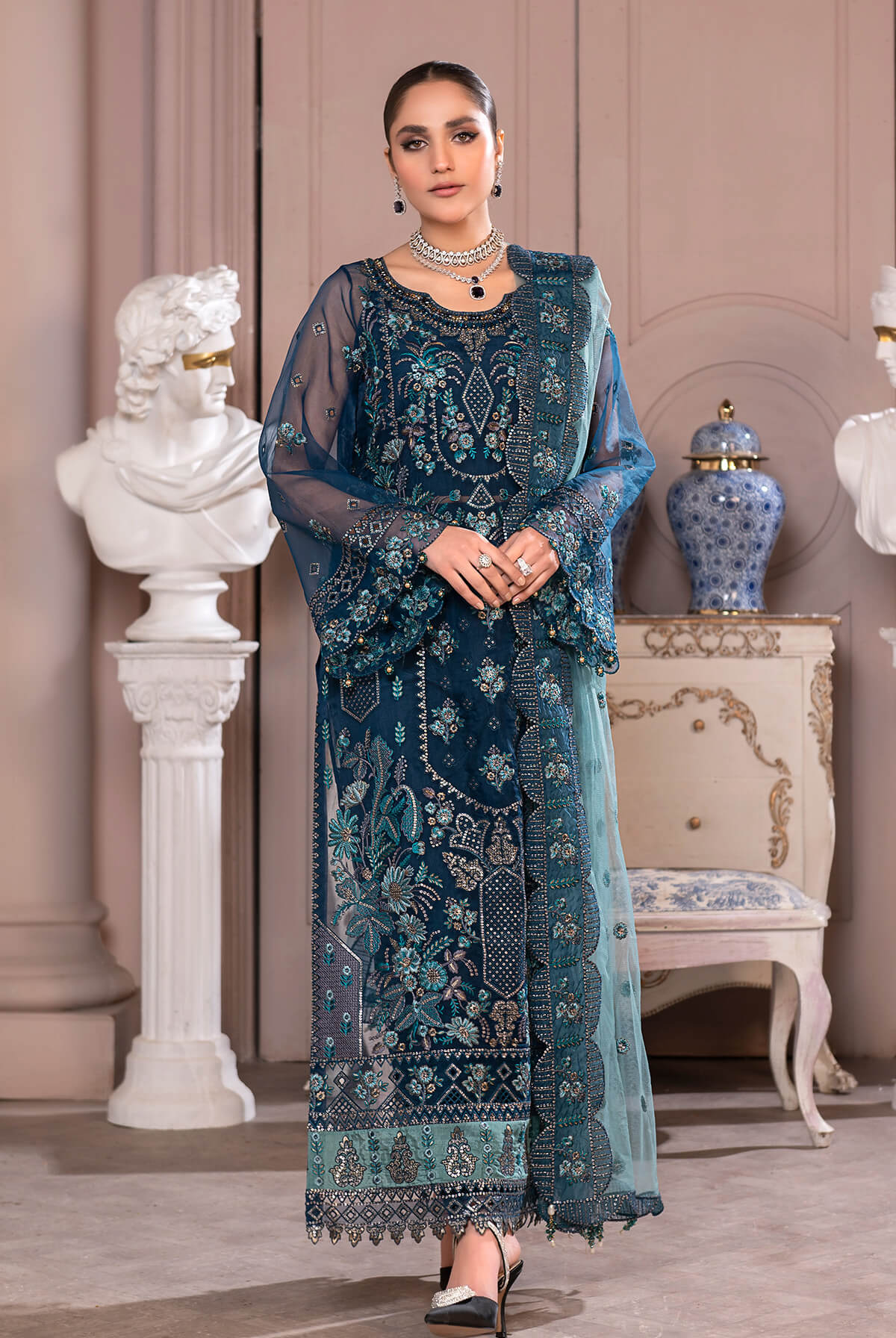

Original price was: ₨14,000.00.₨9,500.00Current price is: ₨9,500.00.
Sale!


Original price was: ₨16,000.00.₨14,000.00Current price is: ₨14,000.00.
Sale!


Original price was: ₨18,500.00.₨14,500.00Current price is: ₨14,500.00.
Sale!


Original price was: ₨17,500.00.₨15,000.00Current price is: ₨15,000.00.
Sale!


Original price was: ₨14,500.00.₨12,500.00Current price is: ₨12,500.00.
Sale!


Original price was: ₨17,500.00.₨16,000.00Current price is: ₨16,000.00.
Sale!

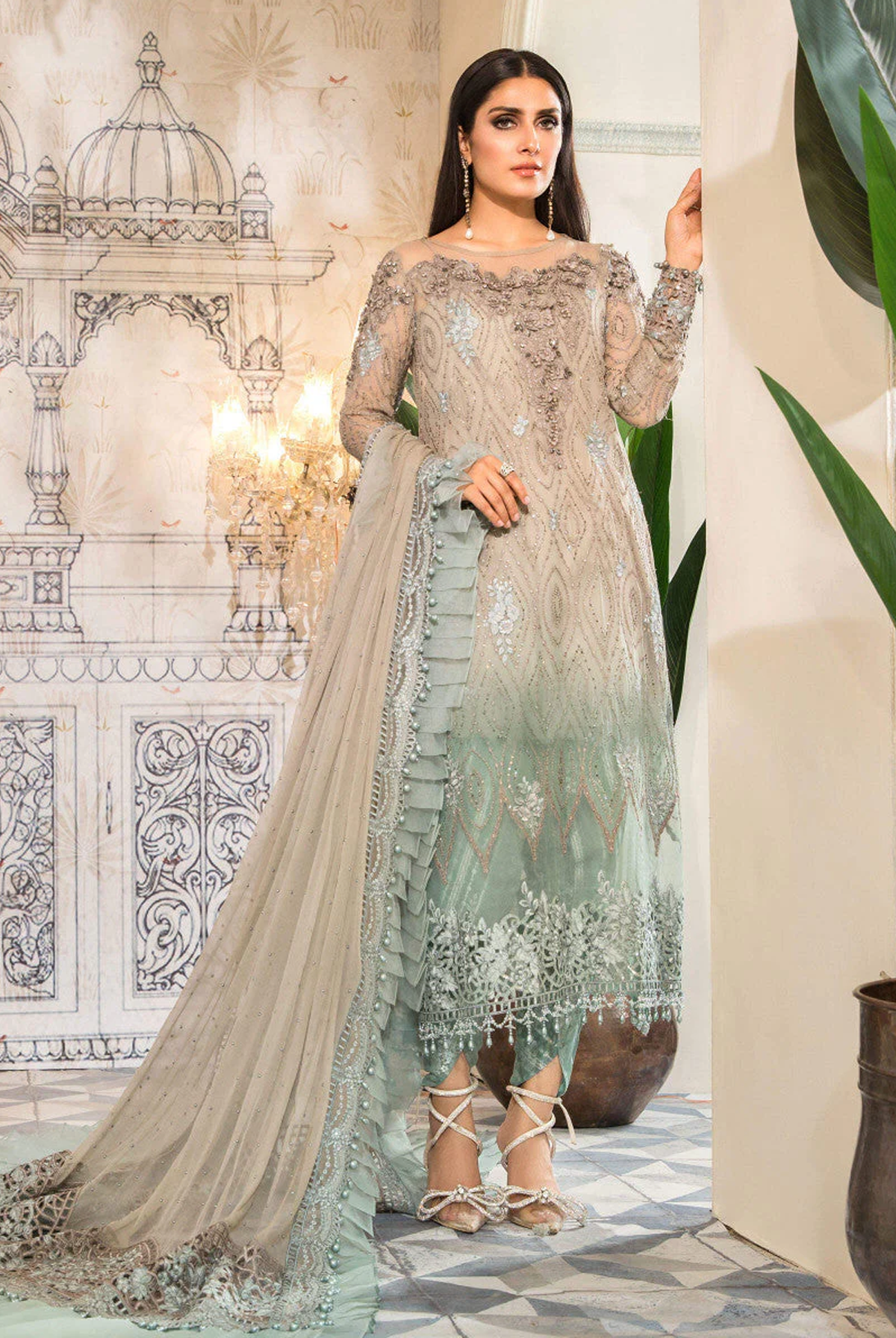
Original price was: ₨16,500.00.₨15,500.00Current price is: ₨15,500.00.
Sale!

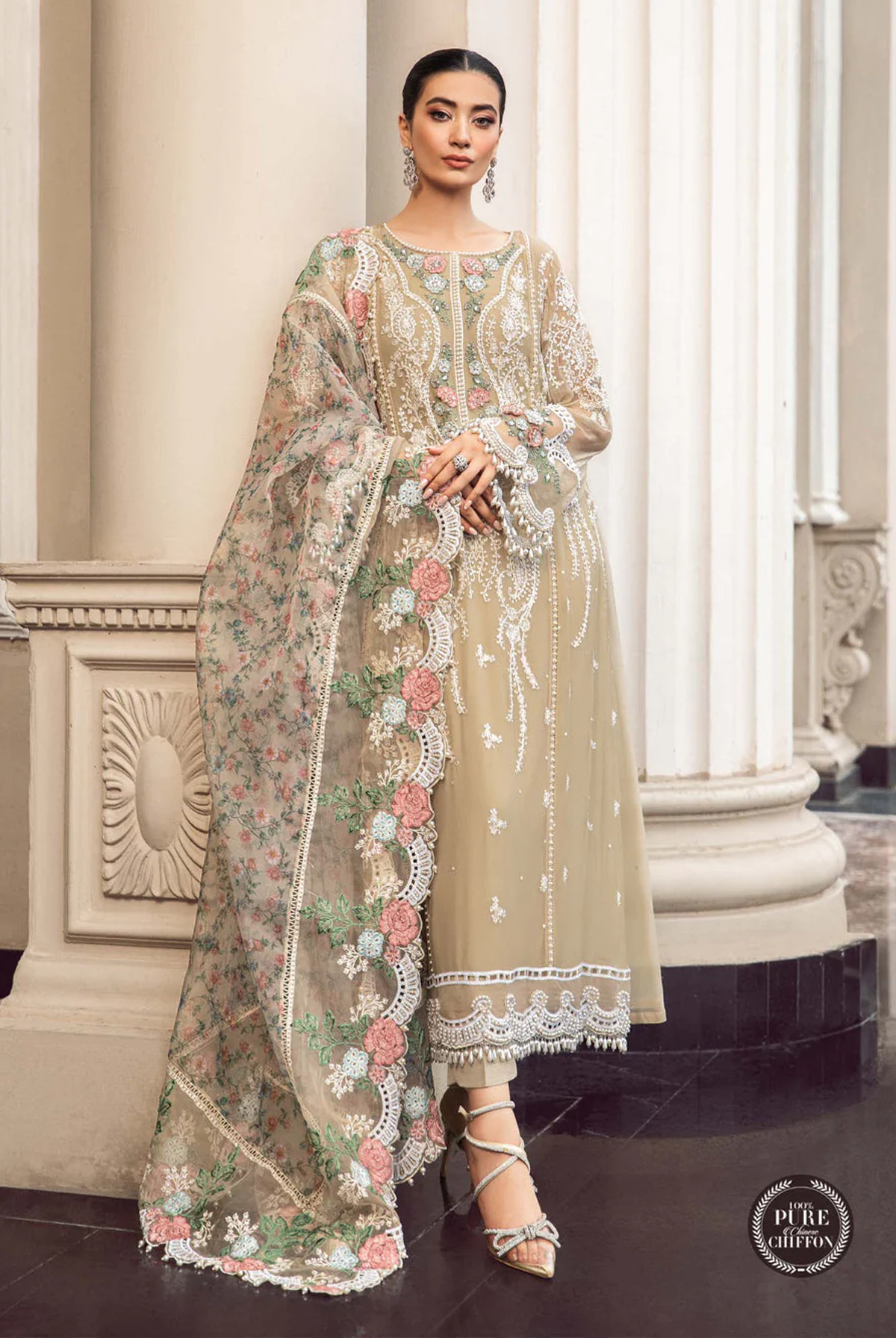
Original price was: ₨15,000.00.₨14,000.00Current price is: ₨14,000.00.
Sale!


Original price was: ₨18,500.00.₨17,000.00Current price is: ₨17,000.00.
Sale!


Original price was: ₨17,500.00.₨16,500.00Current price is: ₨16,500.00.
Sale!


Original price was: ₨16,500.00.₨15,000.00Current price is: ₨15,000.00.
Sale!


Original price was: ₨15,000.00.₨11,500.00Current price is: ₨11,500.00.
Sale!


Original price was: ₨15,500.00.₨13,500.00Current price is: ₨13,500.00.
Pakistani Dress Wholesale Supplier Illinois | Mastorat
Finding a dependable source of traditional clothing is an important part of running a successful fashion business. Boutique owners, online retailers, clothing resellers, and independent fashion businesses in Illinois need collections that offer attractive designs, suitable fabric quality, and enough variety to meet different customer preferences. Pakistani fashion provides an interesting opportunity because it combines traditional craftsmanship with modern styles, making it suitable for everyday wear, family gatherings, celebrations, and formal occasions.
The demand for South Asian clothing has created opportunities for retailers who want to introduce something different to their collections. Pakistani outfits are particularly appreciated for their detailed embroidery, elegant cuts, traditional prints, and carefully selected fabrics. From lightweight summer suits to heavily decorated formal dresses, these collections give retailers several ways to serve customers with different budgets and fashion preferences.
For businesses looking for a Pakistani Dress Wholesale Supplier Illinois, Mastorat offers a starting point for exploring Pakistani clothing collections and understanding wholesale sourcing opportunities. Whether you are preparing to launch a small boutique, expanding an existing clothing business, or developing an online fashion store, choosing suitable products and planning inventory carefully can help create a stronger retail offering.
This guide explains the Pakistani fashion market, popular clothing categories, wholesale purchasing considerations, inventory planning, shipping factors, and practical ways to develop a clothing business serving customers throughout Illinois.
Understanding the Pakistani Fashion Market in Illinois
Illinois offers an interesting market for traditional and contemporary ethnic clothing. Chicago is one of the state's major commercial centres, with customers from different cultural backgrounds and communities. This creates opportunities for clothing retailers to introduce collections that reflect different fashion preferences, occasions, and cultural traditions. Pakistani clothing is not limited to one customer group. South Asian families often purchase traditional outfits for religious celebrations, weddings, family gatherings, and cultural events. Other shoppers may appreciate these garments because of their distinctive embroidery, modest designs, colourful fabrics, and comfortable silhouettes. Retailers can benefit from understanding these different shopping preferences before selecting their inventory. A store serving customers interested in everyday fashion may require a different collection from a boutique specialising in wedding outfits and formal clothing. Some important customer groups include:- Customers looking for traditional Pakistani outfits.
- Families purchasing clothing for Eid celebrations.
- Shoppers interested in modest fashion.
- Customers attending weddings and cultural gatherings.
- Boutique owners searching for distinctive collections.
- Online shoppers interested in South Asian fashion.
- Retailers looking for seasonal clothing options.
Introducing Mastorat for Pakistani Clothing Wholesale
Choosing a clothing supplier involves more than finding attractive product photographs. Retailers need to understand the available designs, fabric descriptions, product categories, purchasing arrangements, and delivery conditions before making inventory decisions. Mastorat provides an online platform for exploring Pakistani clothing collections and wholesale-related products. Its website can help retailers and fashion businesses discover different clothing styles without having to begin their product research from multiple unrelated sources. For a business owner, an organised product catalogue can make the selection process easier. You can compare different outfit styles, identify collections that suit your target audience, and decide which products deserve attention when planning your next purchase. The requirements of each clothing business are different. A small online seller might prioritise versatile outfits that appeal to everyday customers, while an established boutique may want a combination of casual, formal, and premium collections. Retailers can explore the dedicated Pakistani Dress Wholesale Supplier Illinois page to learn more about the relevant clothing category. Online product browsing can also help businesses prepare before purchasing. The Pakistani Dress Wholesale Online category provides another useful starting point for exploring available collections. For buyers who prefer reviewing organised seasonal designs, Pakistani Catalogue Dress Wholesale offers a relevant category to explore. Before placing an order, retailers should always review current product descriptions, available sizes, fabric information, stock status, prices, minimum quantities, and applicable shipping arrangements.Popular Pakistani Clothing Categories for Retailers
A successful clothing collection should offer enough variety to attract different types of customers without making inventory management unnecessarily complicated. Pakistani fashion includes several clothing categories, each serving a different purpose. Understanding these categories makes it easier to create a balanced product selection.1. Casual Pakistani Dresses
Casual outfits are an important category for clothing retailers because customers purchase them for regular use. These garments generally focus on comfort, practical designs, and fabrics suitable for everyday activities. Cotton suits, printed lawn dresses, simple embroidered shirts, and lightweight traditional outfits are common examples. Retailers can consider casual clothing for customers who want:- Comfortable everyday outfits.
- Simple designs for family gatherings.
- Lightweight summer clothing.
- Traditional prints with modern styling.
- Affordable options for regular use.
2. Formal Embroidered Suits
Formal Pakistani suits are designed for customers who want something more decorative than everyday clothing. Embroidery, embellishments, detailed necklines, and coordinated dupattas can give these outfits a more sophisticated appearance. They are suitable for dinners, celebrations, engagement events, and other special occasions. Retailers should consider the quality of embroidery, fabric finishing, stitching details, and overall presentation when selecting formal products. You can explore Pakistani Designer Dresses for a wider look at premium fashion styles.3. Designer Pakistani Suits
Designer-inspired clothing attracts shoppers who appreciate distinctive patterns, carefully coordinated colours, and detailed finishing. These outfits can help boutiques create a more premium-looking collection. Depending on the designs available, retailers may consider embroidered three-piece suits, printed formal wear, and contemporary traditional outfits. Explore Pakistani Designer Suits to understand this clothing category.4. Luxury and Occasion Wear
Luxury clothing is generally associated with special events and customers looking for more elaborate outfits. These garments may feature detailed embroidery, decorative borders, premium-looking fabrics, and coordinated accessories. Retailers can introduce occasion wear as a separate category so customers can easily find clothing for weddings, celebrations, and formal gatherings.5. Unstitched Pakistani Clothing
Unstitched suits provide flexibility because customers can choose how their garments are tailored. They are particularly useful for shoppers who prefer customised fitting, personal styling, and different stitching designs. A typical unstitched outfit may include fabric for the shirt, trousers, and dupatta, depending on the product. Offering unstitched collections alongside ready-to-wear clothing allows retailers to reach customers with different shopping preferences.6. Seasonal Collections
Seasonal collections allow retailers to update their product selection according to changing weather conditions and customer demand. For example, lightweight fabrics and breathable designs are often suitable for warmer months, while heavier materials and richer colours may be more appropriate for colder seasons and festive occasions. Planning these collections in advance can help businesses avoid purchasing unsuitable stock at the wrong time.Why Fabric Quality Matters in Wholesale Clothing
Fabric is one of the first things customers notice when purchasing traditional clothing. A beautiful design may attract attention, but the material, comfort, and finishing often influence whether customers are satisfied with their purchase. For boutique owners, understanding fabric differences is important when comparing products from different collections. Some common fabric choices in Pakistani fashion include: Lawn: A lightweight fabric commonly associated with summer collections. It is popular for printed and embroidered everyday outfits. Cotton: A practical material used in different casual clothing styles. Its comfort makes it suitable for regular wear. Chiffon: Often used for formal clothing, dupattas, and decorative designs. Its lightweight appearance can create an elegant finish. Organza: A lightweight fabric frequently used in formal outfits and decorative overlays. Silk: Associated with dressier collections and outfits designed for special occasions. Khaddar: A fabric commonly selected for winter clothing because of its heavier texture. Georgette: A flowing fabric used in different formal and semi-formal designs. Retailers should avoid judging fabric quality only through photographs. Product descriptions, available samples, close-up images, and supplier information can provide a clearer understanding of what customers will receive. When comparing wholesale products, consider the fabric composition, stitching quality, colour accuracy, embroidery, and finishing. Businesses interested in purchasing fabric separately can explore Pakistani Dress Material Wholesale.Building a Balanced Clothing Collection for an Illinois Boutique
One common challenge for new retailers is deciding which products to purchase first. Buying too many designs without understanding customer preferences can create unnecessary inventory pressure. A better approach is to build a collection around different clothing requirements. For example, a boutique might divide its inventory into three main groups: Everyday clothing: Include practical casual outfits, simple prints, and comfortable fabrics. Semi-formal clothing: Select designs suitable for dinners, family gatherings, and smaller celebrations. Formal clothing: Introduce more decorative outfits for weddings, festive occasions, and special events. This structure gives customers a clearer shopping experience while helping store owners organise their inventory. Retailers can also consider the following points:- Offer different colours instead of purchasing only one shade.
- Select a suitable combination of stitched and unstitched outfits.
- Compare designs before ordering large quantities.
- Consider different customer budgets.
- Review seasonal demand before purchasing.
- Keep records of products that sell successfully.
- Avoid ordering excessive quantities of untested designs.
Understanding Wholesale Pricing and Profit Margins
Pricing is one of the most important considerations when developing a clothing retail business. Wholesale purchasing can help retailers reduce the cost per item when compared with purchasing individual garments at retail prices. However, the actual savings depend on product quality, order quantity, supplier pricing, shipping expenses, and other applicable charges. Different Pakistani clothing categories also have different price structures. For example, a simple printed cotton suit generally has a different production cost from a heavily embroidered formal outfit. Similarly, premium fabrics and detailed finishing can influence the final wholesale price. Before purchasing, retailers should calculate the complete cost of bringing products into their inventory. A basic costing process includes:- Product purchase price.
- International or domestic shipping.
- Applicable customs duties and taxes.
- Packaging expenses.
- Payment processing charges.
- Storage and handling costs.
- Marketing and selling expenses.
Example of a Retail Pricing Calculation
Imagine a boutique purchases an outfit for $25. Shipping and other allocated expenses add another $5 to the product cost. The total inventory cost becomes $30. If the boutique sells that outfit for $50, the gross profit before other business expenses is $20. This is a simplified example rather than a guaranteed profit calculation. Actual margins depend on operating costs, discounts, returns, taxes, and customer demand. Retailers should compare several products and calculate their expected margins before committing to larger orders.How to Choose the Right Wholesale Products
Selecting the right collection requires a combination of market research, product evaluation, and financial planning. A product that looks attractive to one customer group may not perform equally well with another. This is why retailers should understand their audience before making purchasing decisions.Study Customer Preferences
Start by identifying the type of clothing your customers usually purchase. Do they prefer simple everyday suits, luxury embroidered outfits, or traditional wedding collections? Customer feedback, previous sales, product enquiries, and website analytics can help answer these questions.Review Product Details
Read product descriptions carefully. Pay attention to fabric, available sizes, colour options, design details, and whether the outfit is stitched or unstitched. Clear product information reduces the chances of misunderstandings.Compare Different Designs
Do not select products based on photographs alone. Compare similar styles and evaluate their suitability for your target market. Look for differences in embroidery, colour combinations, cuts, and fabric choices.Check Supplier Information
Before placing an order, understand the supplier's purchasing terms. Important questions include:- What is the minimum order quantity?
- Are different designs available in one order?
- How frequently is the catalogue updated?
- What payment methods are accepted?
- What shipping arrangements are available?
- What happens if a product arrives damaged?
- Are returns or exchanges permitted?
Start With a Manageable Order
New retailers should avoid committing too much money to untested products. Starting with a manageable quantity allows businesses to understand customer response before increasing their purchasing volume.Expanding Your Customer Base Beyond Illinois
A clothing business does not necessarily need to serve only one city or state. Online shopping gives retailers opportunities to reach customers across different parts of the United States. A boutique operating in Illinois can potentially develop a wider customer base through an organised online store, social media marketing, and suitable delivery arrangements. Retailers may also research other regional markets to understand how Pakistani clothing collections are positioned in different locations.Exploring the New York Market
New York has a diverse fashion market with customers interested in traditional and contemporary clothing. Businesses can explore Pakistani Dress Wholesale Supplier New York when researching this regional category.Exploring the Texas Market
Texas provides another location for retailers researching opportunities in South Asian clothing. Visit Pakistani Dress Wholesale Supplier Texas for additional regional information.Exploring the California Market
California has a broad retail environment, making it another useful location to consider when researching customer preferences and clothing opportunities. Explore Pakistani Dress Wholesale Supplier California.Canadian Clothing Market
Retailers interested in understanding opportunities beyond the United States can also research the Canadian market. Visit Pakistani Dress Wholesale Supplier Canada to explore this regional category.Exploring International Pakistani Clothing Wholesale Markets
Pakistani fashion has an international customer base. Retailers, resellers, and boutique owners in different countries may research traditional clothing collections for their local markets. Understanding international markets can help businesses identify differences in clothing preferences, seasonal requirements, shipping arrangements, and retail opportunities.United Kingdom
The UK has an established market for South Asian fashion. Pakistani clothing is purchased for everyday wear, weddings, Eid celebrations, and family events. Retailers can explore:- Pakistani Clothes Wholesale Suppliers UK
- Pakistani Clothes Wholesalers Bradford
- Pakistani Clothes Wholesalers Manchester
Pakistan
Pakistan is an important market to research when comparing clothing production, wholesale sourcing, and traditional fashion collections. Explore these related categories:Germany
Retailers researching European clothing markets can also consider Germany. Visit Pakistani Dress Wholesale Supplier Germany.Italy
Italian customers and retailers may have different preferences regarding fabric, styling, and formal clothing. Explore Pakistani Dress Wholesale Supplier Italy.France
France is another market worth researching for businesses interested in traditional clothing and international fashion. Visit Pakistani Dress Wholesale Supplier France.Australia
Businesses researching South Asian clothing opportunities in Australia can explore Pakistani Dress Wholesale Supplier Australia.Sweden
Retailers interested in international clothing collections can also explore Pakistani Dress Wholesale Supplier Sweden.Turkey
Turkey offers a different fashion environment, making it useful for comparing regional clothing preferences. Explore Pakistani Dress Wholesale Supplier Turkey.Saudi Arabia
Traditional clothing, modest fashion, and festive collections are relevant areas to research when exploring the Saudi Arabian market. Visit Pakistani Dress Wholesale Supplier Saudi Arabia.Dubai
Dubai is an important international retail and commercial location. Retailers researching clothing distribution in the UAE can explore Pakistani Dress Wholesale in Dubai.India and Bangladesh
Businesses researching South Asian clothing markets can also explore these related categories: Retailers interested in the wider UAE market can also research Pakistani Dress Wholesale in United Arab Emirates. These regional pages provide additional opportunities to explore how Pakistani clothing is presented across different markets.Managing International Shipping and Delivery
Shipping arrangements can significantly influence the overall cost and timing of wholesale purchases. For Illinois retailers purchasing clothing from international suppliers, it is important to understand the complete delivery process before confirming an order. International shipments may involve several stages, including order preparation, packaging, export documentation, freight transportation, customs clearance, and final delivery. Each stage can affect the expected arrival date.Confirm the Shipping Method
Different shipping methods offer different delivery timelines and costs. Air freight is commonly considered for shipments where faster transportation is important, while other freight arrangements may be more suitable for larger orders depending on cost and delivery requirements. Retailers should compare available options instead of assuming that one shipping method will always be the most economical.Understand Customs Requirements
International clothing shipments entering the United States may be subject to customs procedures, applicable duties, and other import requirements. Businesses should understand their responsibilities before placing an order. The final cost may depend on the shipment's declared value, product classification, country of origin, and applicable regulations.Plan Around Seasonal Demand
Fashion businesses often experience changes in demand during different parts of the year. For example, retailers may prepare additional inventory before Eid, wedding seasons, and major holiday periods. Ordering in advance can provide more time to manage transportation, product preparation, and inventory organisation.Check Packaging Standards
Clothing should arrive in suitable packaging that protects products during transportation. Retailers should ask about packaging arrangements, product labelling, and protection against moisture or handling damage.Maintain Delivery Records
Keeping shipment information organised makes it easier to monitor orders and manage inventory. Useful records include:- Purchase confirmation.
- Product descriptions.
- Invoice details.
- Shipping information.
- Tracking references.
- Customs documentation.
- Delivery confirmation.
How Online Stores Can Sell Pakistani Clothing
An online clothing store can provide access to customers without requiring a traditional retail location. However, online selling requires more than uploading product images. Businesses need accurate product information, organised categories, clear pricing, and a smooth purchasing experience.Create Detailed Product Pages
Each product should have a clear title, useful description, accurate photographs, and relevant information about fabric and sizing. Customers should be able to understand what they are purchasing without having to contact the store for basic details.Use High-Quality Product Photography
Product images play an important role in clothing sales. Retailers should use clear photographs that show:- Front and back views.
- Embroidery details.
- Fabric texture.
- Colour variations.
- Neckline and sleeve designs.
- Dupatta and trouser details, where applicable.
Organise Clothing Categories
A well-organised website helps customers find relevant products quickly. Useful categories may include:- Casual Pakistani Suits.
- Formal Pakistani Dresses.
- Designer Collections.
- Unstitched Suits.
- Three-Piece Dresses.
- Wedding Outfits.
- Seasonal Collections.
Improve the Shopping Experience
Customers should be able to understand shipping costs, estimated delivery times, payment methods, and return conditions before completing an order. A straightforward checkout process can reduce confusion and improve the overall shopping experience. For retailers researching online product collections, Pakistani Designer Clothes Online provides another relevant category to explore.Marketing Strategies for a Pakistani Clothing Boutique
Having attractive clothing is only one part of building a successful fashion business. Retailers also need a marketing strategy that helps potential customers discover their products. A combination of search engine optimisation, social media content, email marketing, and customer service can support long-term growth.Search Engine Optimisation
SEO helps online stores improve their visibility in search engine results. Retailers should create useful category pages and product descriptions based on the language customers actually use when searching for clothing. Important SEO activities include:- Writing unique product descriptions.
- Creating descriptive page titles.
- Using relevant category keywords naturally.
- Optimising product photographs.
- Improving website loading speed.
- Creating useful internal links.
- Making the website mobile-friendly.
- Providing clear product information.
Social Media Marketing
Visual platforms can be useful for promoting traditional clothing collections. Retailers can share outfit photographs, styling ideas, product videos, new arrivals, and customer feedback. Instead of publishing only promotional posts, businesses can create content that helps customers understand how different outfits can be styled for various occasions.Email Marketing
Email marketing can help boutiques communicate with existing customers. Retailers may send updates about new collections, seasonal launches, restocked products, and special offers. Messages should remain relevant and should not overwhelm subscribers with unnecessary promotions.Customer Reviews
Customer feedback can help shoppers understand the buying experience. Retailers should encourage genuine reviews and respond professionally to questions or concerns. Transparent communication builds confidence and can support repeat purchases.Consistent Branding
A consistent brand identity helps a clothing business become recognisable. Use the same logo, colour palette, photography style, and communication approach across the website and social media channels. A clear identity makes the shopping experience feel more organised and professional.Common Mistakes to Avoid When Buying Wholesale Clothing
Wholesale purchasing can create opportunities, but poor planning may lead to unnecessary expenses. Understanding common mistakes can help retailers make better purchasing decisions.Ordering Too Much Stock
Buying large quantities before understanding customer preferences can leave businesses with unsold inventory. Start with a manageable selection and use actual sales performance to guide future orders.Ignoring Product Descriptions
Product photographs may not communicate every detail. Always check fabric information, measurements, stitching, embroidery, and included accessories.Choosing Products Only by Price
A lower purchase price does not automatically mean better value. Product quality, finishing, durability, and customer satisfaction should also influence purchasing decisions.Failing to Calculate Total Costs
International shipping, customs charges, packaging, and other expenses can increase the actual cost of inventory. Calculate the complete landed cost before setting retail prices.Ignoring Seasonal Planning
Purchasing winter clothing during the wrong season or ordering festive products too late can affect sales opportunities. Prepare your buying schedule according to customer demand and expected delivery times.Depending on Unverified Supplier Claims
Retailers should verify product information and purchasing terms before making significant payments. Request clear documentation, confirm communication channels, and understand the supplier's policies.Expanding Product Selection With Wholesale Fabric
Some clothing retailers prefer selling complete outfits, while others also offer fabrics and dress materials. Providing fabric separately can attract customers who enjoy designing and tailoring their own clothing. It can also create opportunities for boutiques to serve customers looking for specific colours, materials, and traditional patterns. Retailers considering this category should pay attention to:- Fabric composition.
- Available lengths.
- Colour consistency.
- Print quality.
- Embroidery details.
- Material finishing.
- Packaging and presentation.
Understanding the Importance of Wholesale Markets
Wholesale markets play an important role in the clothing industry because they connect manufacturers, distributors, suppliers, retailers, and resellers. They allow businesses to research product availability, compare pricing, understand popular designs, and identify potential sourcing opportunities. For new retailers, researching a wholesale market can provide useful information about different clothing categories and purchasing practices. However, businesses should not assume that every supplier offers the same quality, pricing, or service conditions. Before choosing a source, compare product specifications and review the terms carefully. You can explore Pakistani Dress Wholesale Market to learn more about this area of the industry.Building Long-Term Relationships With Clothing Suppliers
A reliable supplier relationship can make inventory planning easier as a retail business develops. When businesses work with the same supplier over time, they may become more familiar with product categories, ordering procedures, communication practices, and delivery arrangements. However, a long-term relationship should be based on consistent performance rather than assumptions. Retailers should continue reviewing product quality, order accuracy, delivery performance, and communication. Some practical ways to maintain a productive relationship include:- Communicate product requirements clearly.
- Confirm quantities before payment.
- Keep written order records.
- Ask questions about unavailable products.
- Discuss expected delivery dates.
- Report product issues promptly.
- Review purchasing terms before repeat orders.