
Sale!


Original price was: ₨15,000.00.₨13,000.00Current price is: ₨13,000.00.
Sale!


Original price was: ₨11,500.00.₨9,500.00Current price is: ₨9,500.00.
Sale!
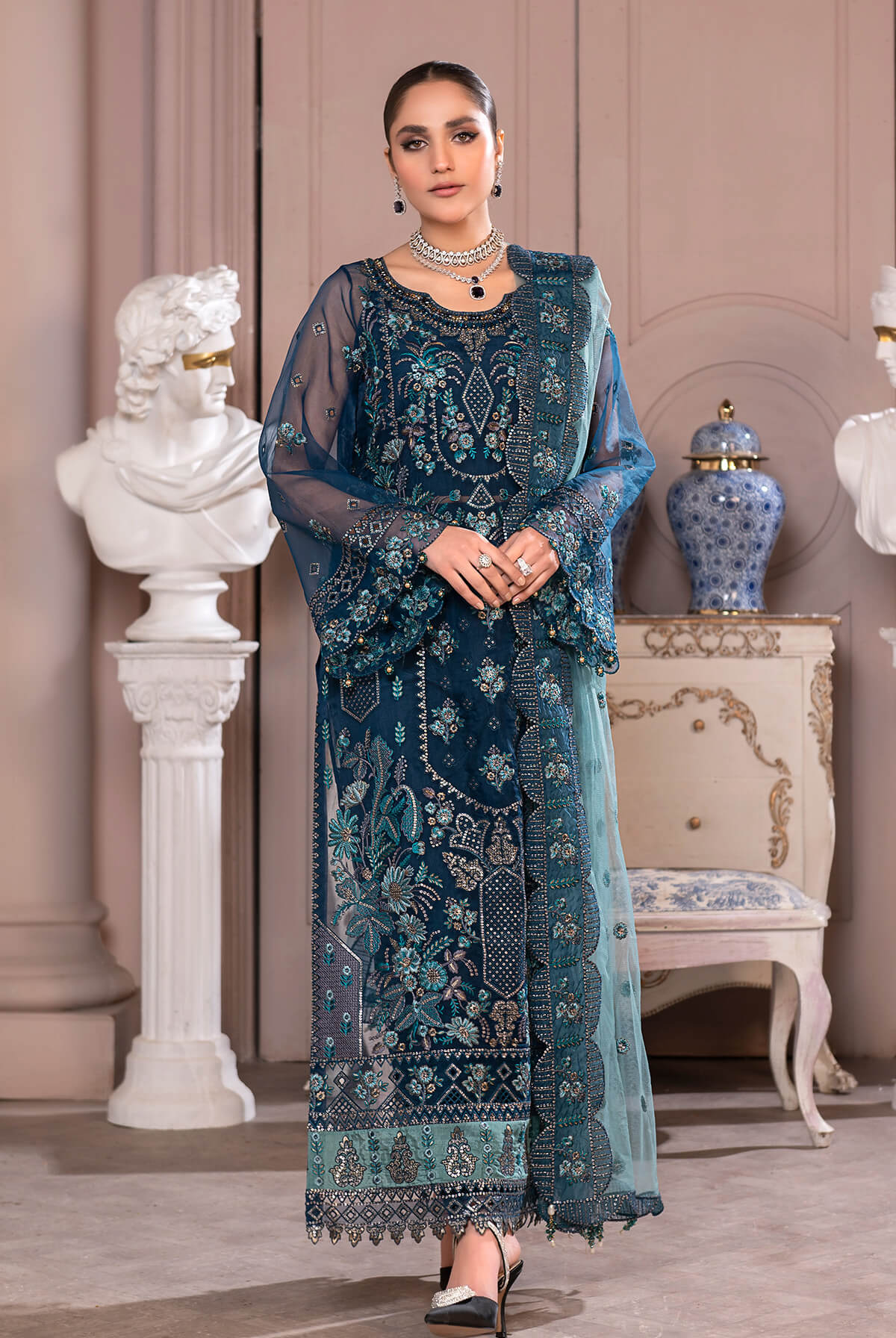

Original price was: ₨14,000.00.₨9,500.00Current price is: ₨9,500.00.
Sale!


Original price was: ₨16,000.00.₨14,000.00Current price is: ₨14,000.00.
Sale!


Original price was: ₨20,000.00.₨14,500.00Current price is: ₨14,500.00.
Sale!


Original price was: ₨19,000.00.₨14,000.00Current price is: ₨14,000.00.
Sale!


Original price was: ₨16,500.00.₨15,000.00Current price is: ₨15,000.00.
Sale!


Original price was: ₨18,500.00.₨15,500.00Current price is: ₨15,500.00.
Sale!


Original price was: ₨15,000.00.₨11,500.00Current price is: ₨11,500.00.
Sale!

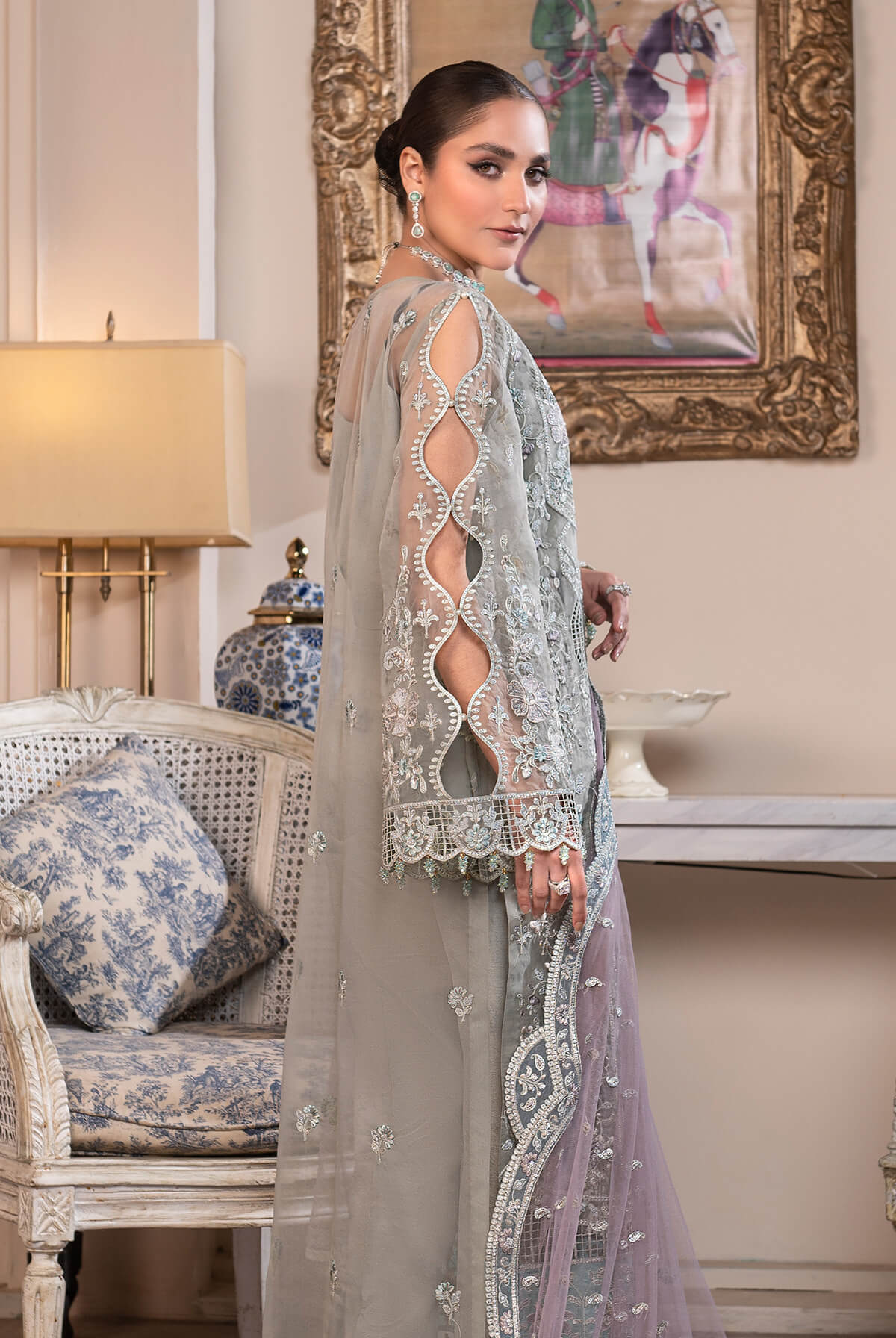
Original price was: ₨14,000.00.₨11,500.00Current price is: ₨11,500.00.
Sale!


Original price was: ₨13,500.00.₨8,700.00Current price is: ₨8,700.00.
Pakistani Dress Wholesale Supplier Guinea-Bissau | Mastorat
Finding the right clothing supplier is one of the most important decisions for anyone running a fashion business. Retailers, boutique owners and online sellers need access to attractive designs, dependable product quality and competitive wholesale prices. Pakistani fashion offers an appealing combination of traditional craftsmanship, contemporary styling and versatile fabrics, making it an interesting option for clothing businesses serving customers in Guinea-Bissau.
Mastorat helps international clothing businesses explore Pakistani fashion collections for different customer preferences and retail requirements. From everyday printed outfits to embroidered formal dresses, buyers can discover a variety of styles suitable for different occasions, budgets and fashion preferences. Working with a Pakistani Dress Wholesale Supplier Guinea-Bissau can give retailers an opportunity to introduce South Asian clothing to their collections while building a product range that reflects local customer demand.
Whether you operate a small boutique, manage an online clothing store or are planning to enter the fashion retail market, choosing a suitable wholesale partner can make product sourcing easier. The right approach involves understanding your customers, comparing available collections, planning quantities and selecting products that offer genuine value.
Understanding the Demand for Pakistani Fashion in Guinea-Bissau
The fashion market includes customers with different tastes, budgets and clothing preferences. Some prefer comfortable everyday outfits, while others look for detailed embroidery, elegant fabrics and distinctive designs for celebrations. Retailers who understand these differences can create collections that appeal to a wider audience. Pakistani clothing offers several categories that can serve these different requirements. Lightweight cotton outfits, printed lawn suits, embroidered dresses and formal collections provide retailers with opportunities to develop a varied inventory. The appeal of these garments comes from their combination of traditional design elements and modern fashion influences. Decorative patterns, coordinated colours, embroidered details and different fabric choices allow buyers to explore styles that are not always available through conventional local collections. For businesses in Guinea-Bissau, introducing Pakistani clothing can also help create a distinctive shopping experience. Rather than offering only familiar fashion categories, retailers can provide customers with additional choices for casual dressing, family gatherings and special occasions. However, product selection should always reflect actual customer interest. Before placing a large order, business owners should consider the preferred colours, clothing sizes, seasonal requirements and spending habits of their target audience. Retailers can explore different sourcing options through Pakistani dress wholesale online, where a broader selection of clothing categories can help them understand the available styles and purchasing opportunities.Why Choosing the Right Wholesale Supplier Matters
A wholesale supplier does more than provide products. The relationship can influence your inventory planning, customer satisfaction, pricing strategy and ability to maintain a consistent shopping experience. When sourcing clothing internationally, buyers need to consider several factors before making a purchasing decision. These include product descriptions, fabric specifications, stitching quality, available sizes, order quantities, payment arrangements and delivery conditions. A supplier that communicates clearly makes it easier to understand what you are purchasing. This is particularly important when ordering products from another country because buyers may not have the opportunity to inspect every item before shipment. Mastorat provides an opportunity to explore Pakistani clothing collections for international retail requirements. Buyers can review available designs and identify products that suit their business models. Before confirming an order, it is sensible to:- Review product photographs and descriptions.
- Check fabric information and garment specifications.
- Confirm available colours and sizes.
- Understand minimum order requirements.
- Discuss payment and shipping arrangements.
- Review expected processing and delivery times.
- Clarify the procedure for damaged or incorrect products.
Explore a Diverse Range of Pakistani Clothing
One of the biggest advantages of sourcing Pakistani fashion is the variety of clothing available. Retailers do not have to depend on a single fabric, design style or customer category. A carefully planned collection can include casual outfits, traditional dresses, embroidered suits and more decorative garments. Offering different options allows a business to serve customers with varying fashion preferences.Lawn Collections for Everyday Comfort
Lawn clothing is associated with lightweight fabric, attractive prints and comfortable everyday styling. It is particularly popular among customers who prefer practical outfits that can be worn regularly. Retailers can consider printed lawn suits, embroidered lawn designs and coordinated three-piece collections. Different colour combinations and patterns provide opportunities to build a selection that appeals to different age groups. When selecting lawn products, buyers should check fabric composition, stitching, available sizes and whether the outfit includes matching accessories.Cotton Outfits for Practical Dressing
Cotton garments offer another option for customers looking for comfortable clothing. Simple prints, subtle embroidery and traditional cuts can make these outfits suitable for everyday use. A retailer can introduce several cotton styles instead of concentrating on one design. This gives customers more freedom to choose clothing according to their preferences.Chiffon Dresses for Special Occasions
Chiffon outfits are commonly selected for formal events, celebrations and gatherings. Their flowing appearance and decorative details can create an elegant look. Retailers may consider embroidered chiffon suits, embellished designs and coordinated formal outfits. These products can help establish a separate premium section within a clothing store.Linen and Other Seasonal Options
Linen and other fabric categories can provide additional variety. Their suitability depends on fabric composition, garment construction and the preferences of the intended customer base. A balanced collection should include practical everyday clothing as well as selected premium designs. This approach can help retailers serve different shopping requirements without purchasing unnecessary stock. Businesses interested in ready-to-browse design selections can explore Pakistani catalogue dress wholesale to review available catalogue-based clothing options.Designer Collections for Boutique and Fashion Retailers
Designer clothing can help a boutique establish a more distinctive identity. Customers who shop for weddings, celebrations and family events often look for outfits with detailed embroidery, attractive colour combinations and carefully finished designs. Pakistani fashion includes several designer-inspired styles, ranging from elegant traditional suits to contemporary formal collections. These garments can introduce a premium category into a retailer's inventory. When selecting designer clothing, businesses should focus on more than appearance. Fabric quality, embroidery work, stitching, garment finishing and the overall presentation all influence how customers perceive a product. A retailer can organise designer collections into different categories, such as:- Formal embroidered suits.
- Traditional occasion wear.
- Contemporary Pakistani outfits.
- Luxury three-piece collections.
- Decorative party dresses.
- Premium seasonal designs.
How to Plan Your First Wholesale Clothing Order
Starting an international wholesale relationship requires careful preparation. New retailers sometimes make the mistake of ordering too many products before understanding which designs their customers actually want. A better approach is to begin with a clear purchasing plan.Identify Your Target Customers
Start by deciding who you want to serve. Your customers might include women looking for everyday clothing, shoppers interested in traditional fashion or buyers searching for outfits for celebrations. Each customer group may have different expectations regarding fabric, design, sizing and price. Understanding your audience helps you select suitable products instead of purchasing items simply because they look attractive in a catalogue.Decide Which Categories to Stock
Choose a manageable selection of clothing categories. For example, you might begin with everyday printed outfits, a few embroidered designs and selected formal garments. This gives your store variety without making inventory management unnecessarily difficult.Establish a Purchasing Budget
Calculate how much money you can comfortably invest in stock. Remember that the purchase price is only one part of your total cost. Your financial planning should also include:- International shipping.
- Customs duties and applicable taxes.
- Currency conversion charges.
- Local transportation.
- Packaging and storage.
- Marketing and promotional expenses.
Confirm Product Specifications
Before placing an order, review the available product information carefully. Check garment measurements, fabric details, included pieces and colour options. If something is unclear, request clarification before payment.Keep Records of Your Orders
Maintain a record of product names, quantities, purchase prices and expected delivery dates. This information will help you identify which collections perform well and which products should be reordered. A structured purchasing process makes it easier to grow your clothing business gradually.Competitive Wholesale Pricing and Retail Profitability
Pricing is an important part of running a sustainable fashion business. Retailers need to offer products at prices customers can afford while maintaining enough margin to cover operating expenses. Wholesale purchasing can provide access to products at prices designed for resale. However, the cheapest product is not necessarily the best choice. A garment with poor stitching or unsuitable fabric may result in customer complaints, returns and reduced trust. A slightly more expensive item with better construction may provide greater value over time. Before deciding on a selling price, calculate the complete landed cost of each garment. For example, if an outfit costs a certain amount from the supplier, your actual investment will also include shipping, customs charges and other applicable expenses. Once these costs are understood, you can decide on a suitable retail margin. It is also useful to compare prices across different markets. Businesses can research Pakistani dress wholesale in Dubai, Pakistani dress wholesale in USA and Pakistani dress wholesale in Pakistan to understand different sourcing markets. For additional market research, buyers can also explore Pakistani dress wholesale in Mumbai. These comparisons can help retailers understand how product selection, purchasing conditions and delivery expenses influence their overall business costs.Product Quality and Fabric Selection
Product quality plays a major role in customer satisfaction. People want clothing that looks attractive, feels comfortable and performs well during regular use. For retailers, quality assessment should begin before an order is confirmed. Fabric is one of the first things to consider. Different materials have different textures, weights and care requirements. A garment suitable for everyday dressing may have different construction requirements from an outfit designed for a formal event. Stitching is equally important. Uneven seams, loose threads and poorly attached decorative elements can affect the appearance and durability of a dress. Buyers should also examine:- Fabric texture and composition.
- Colour consistency.
- Embroidery finishing.
- Stitching quality.
- Size accuracy.
- Dupatta and trouser specifications.
- Product photographs and descriptions.
International Shipping and Delivery Considerations
Ordering clothing from Pakistan to Guinea-Bissau involves more than selecting products and completing payment. International delivery arrangements should be understood before the order is dispatched. Shipping costs and delivery periods can vary according to shipment weight, package dimensions, transportation method and customs procedures. For this reason, buyers should confirm delivery arrangements directly with the supplier. Important questions include:- Which shipping methods are available?
- What is the estimated delivery period?
- Are shipping charges included in the quotation?
- Who handles customs documentation?
- What import duties may apply?
- Is shipment tracking available?
- What happens if a parcel is delayed?
Opportunities for Online Clothing Businesses
Online retail gives clothing businesses another way to reach customers. Instead of relying entirely on a physical shop, sellers can display their collections through websites, social media and other digital platforms. For a business selling Pakistani clothing in Guinea-Bissau, an online store can make product discovery more convenient. However, successful online selling requires more than uploading product photographs. Customers need clear descriptions, accurate prices, useful size information and straightforward ordering instructions.Create Organised Product Categories
Arrange products into categories such as casual dresses, embroidered suits, formal wear and seasonal collections. Clear navigation makes it easier for visitors to find suitable clothing.Use High-Quality Product Photographs
Images are particularly important when customers cannot inspect garments physically. Use clear photographs that show the front, back, fabric details and decorative elements. Avoid using misleading images or presenting a product differently from what customers will receive.Write Useful Product Descriptions
Include relevant information about fabric, available sizes, colour options, included pieces and care instructions. Descriptions should answer common customer questions rather than repeat the same marketing phrases.Maintain Accurate Stock Information
If a particular design is unavailable, update the product listing. This helps prevent confusion and improves the shopping experience.Promote Collections Through Digital Channels
Social media can help retailers introduce new designs and communicate with potential customers. Regular product updates, seasonal promotions and informative posts can help establish a recognisable clothing brand. An online business that combines suitable products with clear communication can gradually build customer confidence.Building a Strong Clothing Boutique in Guinea-Bissau
A successful boutique needs more than an attractive collection. Its identity should reflect the type of customer it wants to serve. Some boutiques focus on affordable everyday fashion, while others specialise in premium traditional clothing. Choosing a clear direction makes product selection and marketing easier. For example, a retailer interested in South Asian fashion could create dedicated sections for casual Pakistani suits, embroidered outfits and formal collections. Store presentation also matters. Arrange clothing by category, colour or occasion so customers can compare different options easily. For online boutiques, the same principle applies. Use organised categories, consistent product photography and clear descriptions. Another important factor is customer feedback. Ask shoppers which fabrics they prefer, what sizes they need and which designs they would like to see in future collections. These insights can help you make better purchasing decisions. A boutique that listens to its customers can avoid spending money on products that do not match local demand.Understanding Different Customer Preferences
Not every customer shops for the same reason. Some want affordable clothing for regular use, while others are prepared to spend more on special outfits. Retailers should consider these differences when developing their inventory.Customers Looking for Everyday Clothing
This group may prefer comfortable fabrics, simple designs and practical colour combinations. Printed suits and uncomplicated styles can be suitable options.Customers Interested in Traditional Fashion
Some shoppers appreciate traditional silhouettes, decorative embroidery and coordinated clothing sets. A dedicated collection can help retailers serve these preferences.Customers Shopping for Celebrations
Formal garments may attract customers preparing for weddings, family gatherings and other occasions. Embroidery, embellishments and carefully selected colour combinations can make these products more appealing.Customers Shopping on a Budget
Affordable clothing categories can attract buyers who want attractive designs without spending too much. Offering products at different price levels allows your business to reach a broader customer base. Understanding these groups helps you build a collection with a clear purpose.Why Product Variety Can Improve Your Retail Strategy
Offering variety does not mean purchasing every design available. It means selecting different products that serve identifiable customer needs. A well-organised inventory might include basic everyday garments, a few premium designs and selected seasonal products. This creates a balanced product range. Retailers should monitor which categories receive the most attention. If printed suits consistently sell well, you may want to allocate more purchasing budget to that category. If formal garments receive fewer orders, consider adjusting the quantity rather than repeatedly purchasing similar designs. The purpose of inventory management is to maintain enough variety without tying up too much money in unsold products. You can also use customer enquiries, online engagement and previous sales records to identify emerging preferences. This information becomes increasingly valuable as your business grows.Exploring International Pakistani Clothing Markets
International sourcing offers clothing businesses access to different product categories and suppliers. Understanding how other markets operate can provide useful ideas for inventory planning. For example, retailers can explore Pakistani dress wholesale supplier in France and Pakistani dress wholesale supplier in Germany to learn about Pakistani clothing supply opportunities in European markets. Other useful market references include Pakistani dress wholesale supplier Nigeria and Pakistani dress wholesale supplier Kenya. These markets may have different customer expectations, shipping conditions and product requirements. However, studying their retail approaches can help business owners think about collection planning and international opportunities. Buyers can also review Pakistani dress wholesale supplier Ghana and Pakistani dress wholesale supplier Senegal when researching clothing trade opportunities across African markets. The important point is to understand your own target market before adopting a strategy used elsewhere.Expanding Your Clothing Business Gradually
Business expansion should be based on actual performance rather than assumptions. Once you understand which products sell consistently, you can consider introducing additional categories or increasing order quantities. A gradual expansion strategy can include several steps. First, establish a manageable selection of products. Next, record sales and customer feedback. Then identify the categories that perform best and calculate whether increasing their stock would be financially sensible. You may also consider adding new collections during periods when customers are more likely to purchase occasion wear. For example, special clothing collections can be introduced around local celebrations and important shopping periods. However, seasonal demand should be researched rather than assumed. Different communities and customer groups may follow different shopping patterns. Keeping a record of previous sales can help you plan future purchases more accurately.Wholesale Purchasing Compared with Retail Buying
Retail buying and wholesale sourcing serve different purposes. When a business purchases clothing from retail sellers, the purchase price may leave less room for resale profit. Wholesale purchasing is designed to provide businesses with access to products in larger quantities or under commercial purchasing arrangements. This can help retailers manage their product costs and build a more structured inventory. However, wholesale buying also involves responsibilities. Businesses need to consider minimum order quantities, storage space, shipping expenses and the possibility of unsold inventory. A sensible approach is to compare the complete cost of wholesale purchasing with the cost of buying smaller quantities through retail channels. If the wholesale arrangement offers a practical financial advantage and the products match customer demand, it may be suitable for your business. Retailers looking for broader purchasing options can visit Pakistani dress wholesale to explore different clothing categories and wholesale opportunities. The best purchasing method is the one that supports your business objectives without creating unnecessary financial pressure.Flexible Purchasing for Different Business Sizes
Every clothing business operates with a different budget. A newly established online seller may have limited storage space and purchasing capital. An established boutique may have more resources and require a wider range of products. For this reason, purchasing decisions should be based on the actual needs of the business. New retailers can begin by researching popular categories, comparing designs and confirming minimum order requirements. Once they have a better understanding of customer preferences, they can expand their collections. Established businesses may prefer a more structured purchasing schedule with regular stock reviews and planned seasonal orders. The goal is not to purchase the largest possible quantity. It is to purchase the right products in quantities that make commercial sense. Businesses researching additional African markets can also explore Pakistani dress wholesale supplier in United Arab Emirates and Pakistani dress wholesale supplier in Saudi Arabia for broader international sourcing references.The Importance of Accurate Product Information
Accurate product information helps customers make informed purchasing decisions. When selling clothing online or through a boutique catalogue, retailers should provide details that match the actual garments. For example, a product listing should explain the fabric, available sizes, colour variations and included clothing pieces. If an outfit contains a shirt, trousers and dupatta, the description should make this clear. Retailers should also avoid promising fabric characteristics or product features that have not been verified. This is especially important for international sales, where customers may depend entirely on photographs and descriptions when selecting an outfit. Clear information can reduce unnecessary enquiries and help establish a more professional shopping experience. Mastorat provides an opportunity to explore Pakistani clothing categories, but buyers should always confirm the exact specifications of individual products before placing an order.Creating a Better Customer Experience
Customer experience influences whether shoppers return to a business. People appreciate clear communication, suitable product recommendations and straightforward purchasing arrangements. A clothing retailer can improve the shopping experience through several practical measures. Provide helpful product guidance. Customers should be able to understand fabric options, sizing and garment details before buying. Make prices clear. Display product prices and explain any additional delivery charges where applicable. Communicate honestly. Avoid making delivery promises that cannot be confirmed. Offer organised collections. Group similar garments together so shoppers can compare options. Respond to enquiries. Answer questions about available designs, sizes and order procedures promptly. Handle complaints professionally. A clear process for dealing with product issues can protect customer relationships. These small improvements can make a significant difference to how customers view your business.Managing Inventory and Avoiding Unnecessary Stock
Inventory management is essential for retailers who purchase clothing internationally. Buying too little can lead to stock shortages, while buying too much can tie up money in products that take a long time to sell. A basic inventory system can help you balance these risks. Keep a record of each product, including its design, size, colour, purchase cost and available quantity. When an item sells, update the record. Over time, this information will show which products perform well. You can divide your inventory into three broad groups:- Best-selling products that require regular monitoring.
- Average-selling products that can be reordered when necessary.
- Slow-moving products that may need a different pricing or promotional strategy.