
Sale!
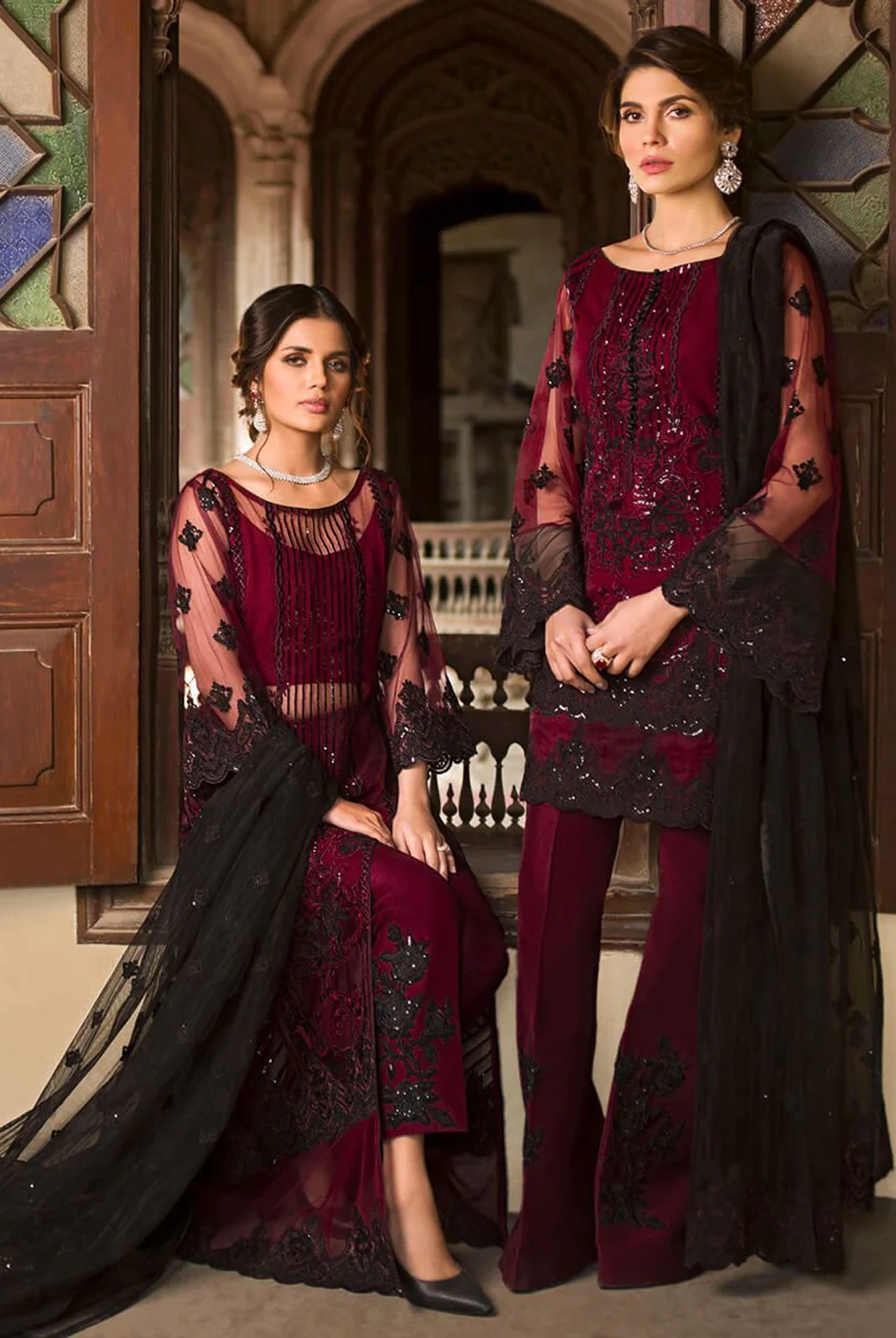

Original price was: ₨17,500.00.₨13,500.00Current price is: ₨13,500.00.
Sale!


Original price was: ₨16,000.00.₨13,000.00Current price is: ₨13,000.00.
Sale!


Original price was: ₨18,500.00.₨14,000.00Current price is: ₨14,000.00.
Sale!

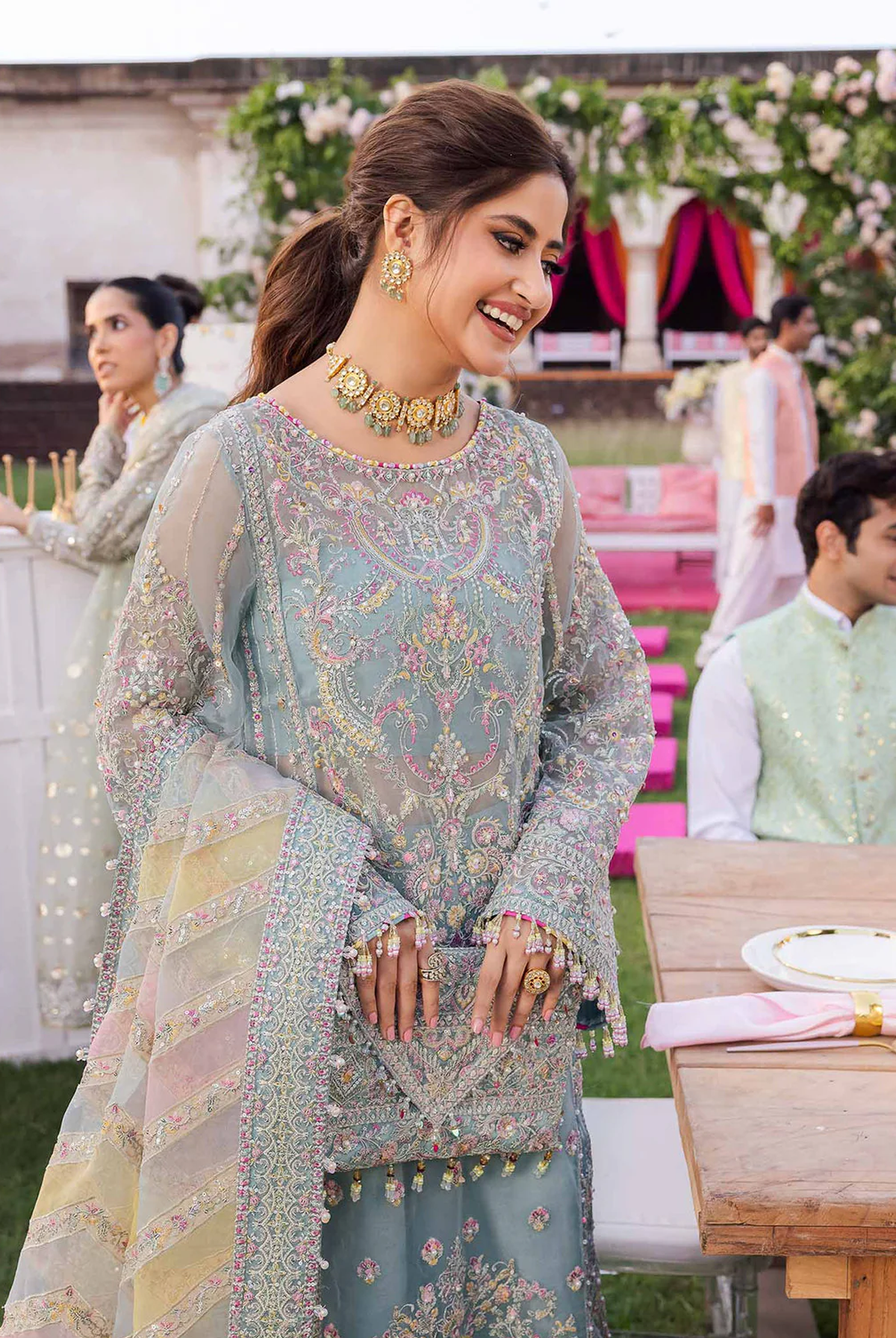
Original price was: ₨14,000.00.₨12,000.00Current price is: ₨12,000.00.
Sale!
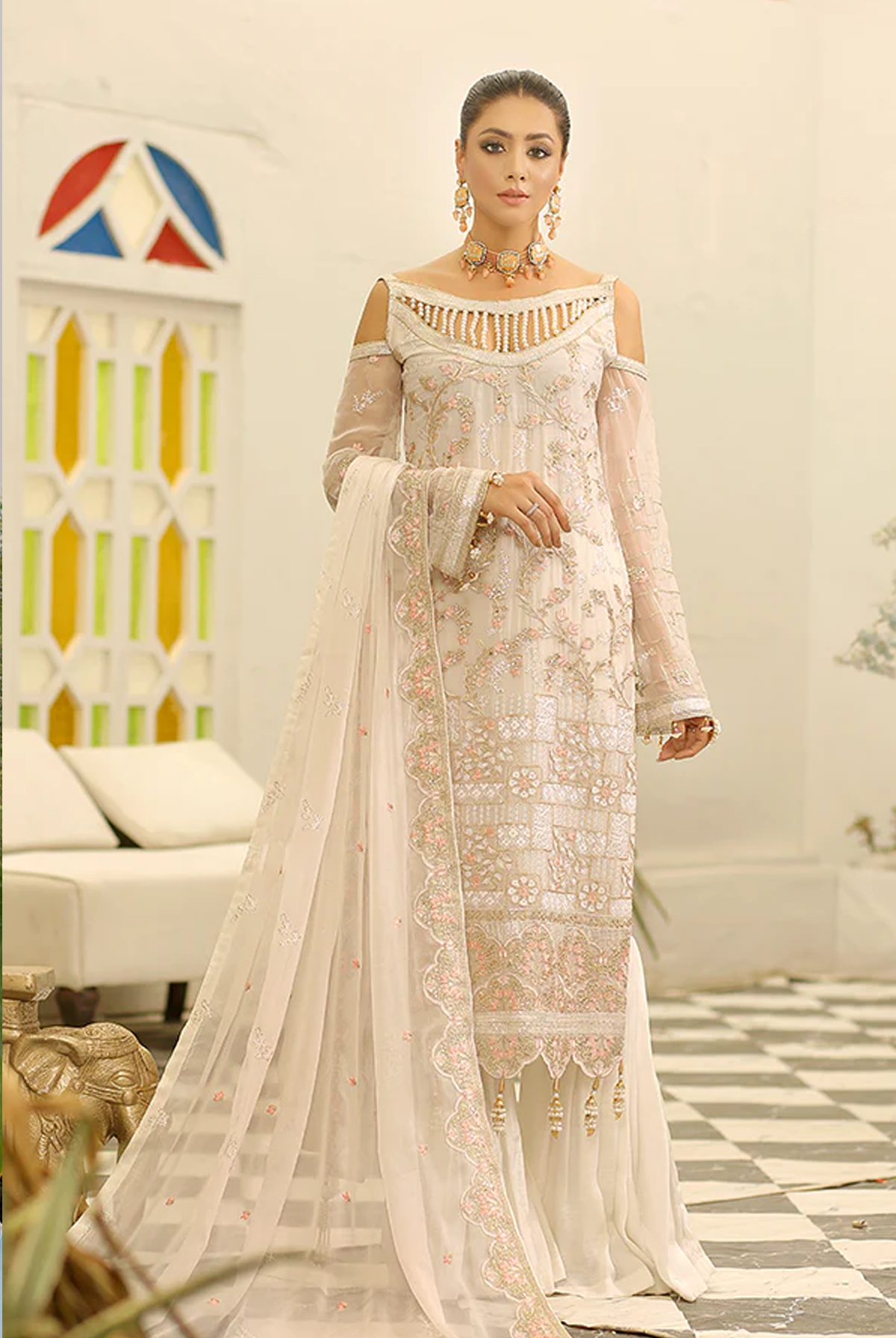

Original price was: ₨15,000.00.₨13,500.00Current price is: ₨13,500.00.
Sale!


Original price was: ₨16,000.00.₨12,500.00Current price is: ₨12,500.00.
Sale!


Original price was: ₨17,500.00.₨15,500.00Current price is: ₨15,500.00.
Sale!


Original price was: ₨15,000.00.₨13,000.00Current price is: ₨13,000.00.
Sale!


Original price was: ₨11,500.00.₨9,500.00Current price is: ₨9,500.00.
Sale!
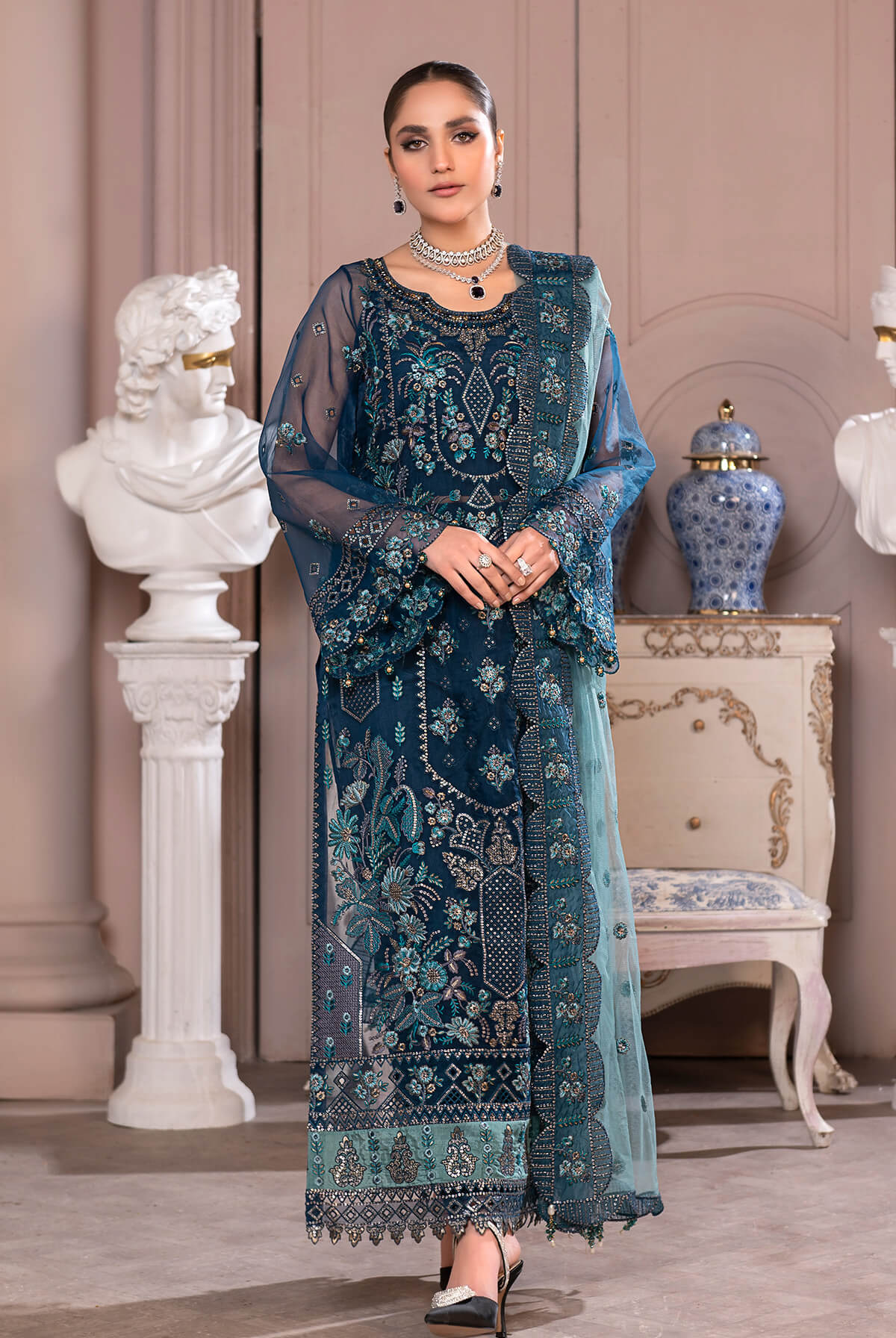

Original price was: ₨14,000.00.₨9,500.00Current price is: ₨9,500.00.
Sale!


Original price was: ₨16,000.00.₨14,000.00Current price is: ₨14,000.00.
Sale!


Original price was: ₨18,500.00.₨14,500.00Current price is: ₨14,500.00.
Sale!


Original price was: ₨17,500.00.₨15,000.00Current price is: ₨15,000.00.
Sale!


Original price was: ₨14,500.00.₨12,500.00Current price is: ₨12,500.00.
Sale!


Original price was: ₨17,500.00.₨16,000.00Current price is: ₨16,000.00.
Sale!

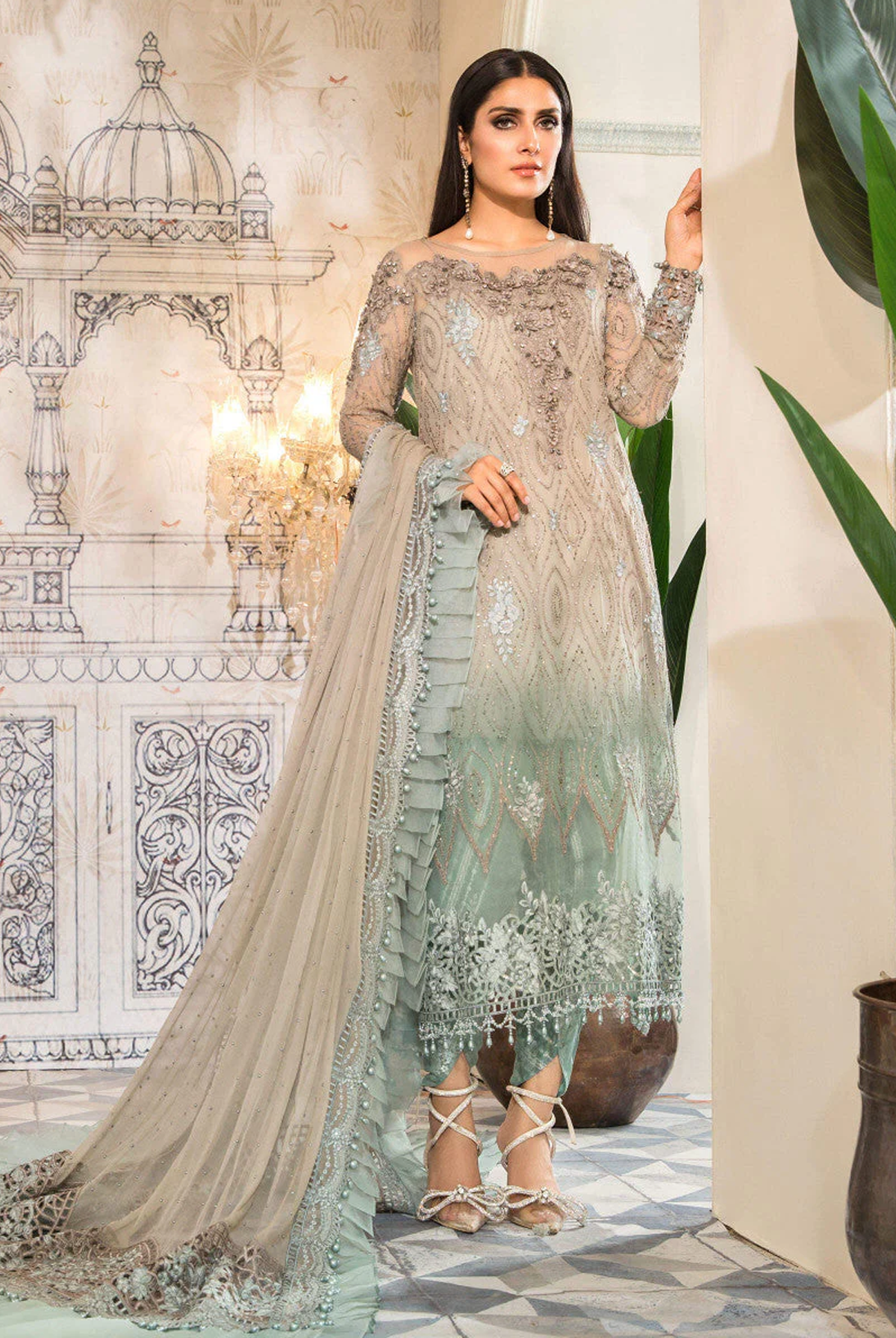
Original price was: ₨16,500.00.₨15,500.00Current price is: ₨15,500.00.
Sale!

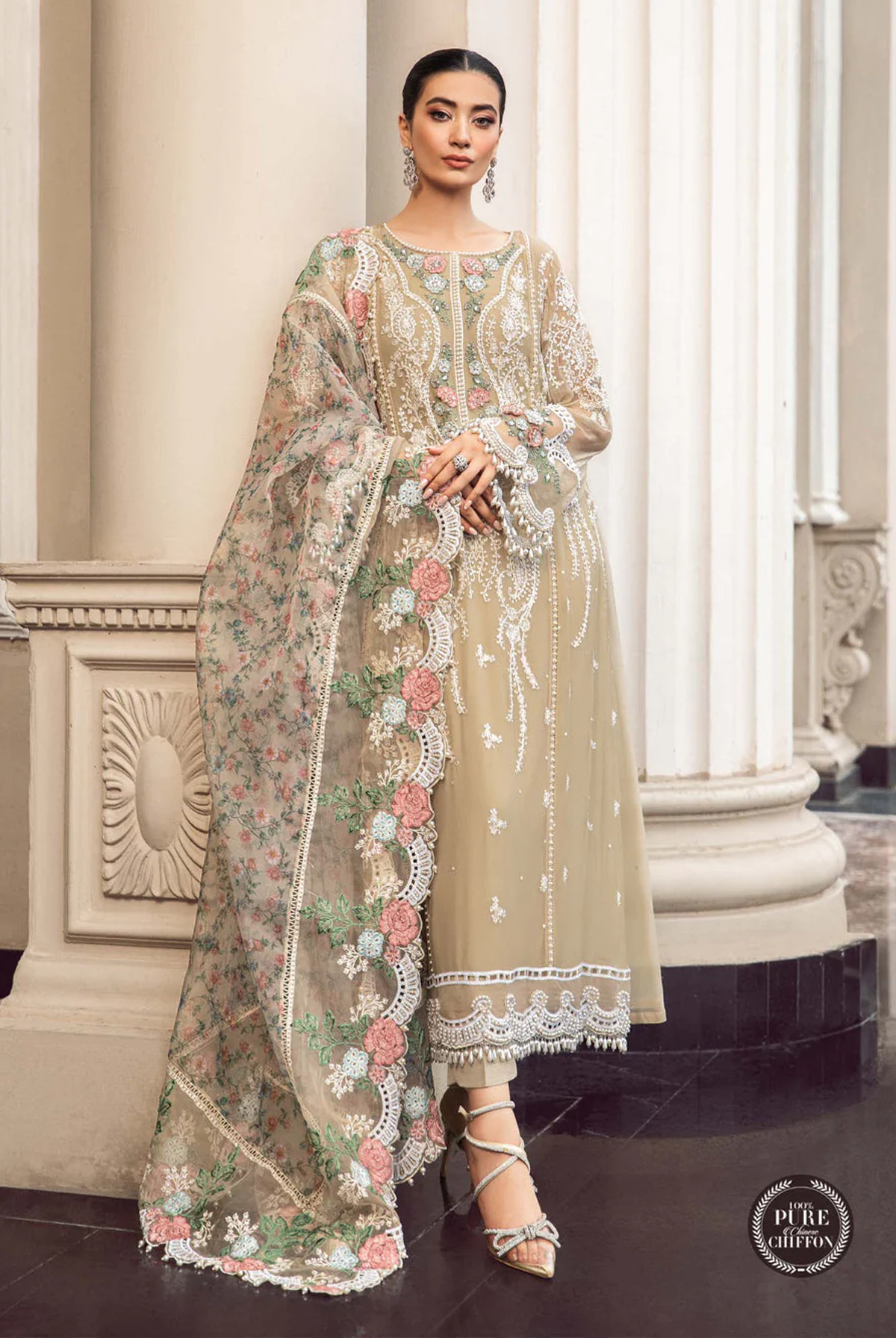
Original price was: ₨15,000.00.₨14,000.00Current price is: ₨14,000.00.
Sale!


Original price was: ₨18,500.00.₨17,000.00Current price is: ₨17,000.00.
Sale!


Original price was: ₨17,500.00.₨16,500.00Current price is: ₨16,500.00.
Sale!


Original price was: ₨16,500.00.₨15,000.00Current price is: ₨15,000.00.
Sale!


Original price was: ₨15,000.00.₨11,500.00Current price is: ₨11,500.00.
Sale!


Original price was: ₨15,500.00.₨13,500.00Current price is: ₨13,500.00.
Pakistani Dress Wholesale Supplier Comoros | Mastorat
The demand for stylish, comfortable, and culturally inspired clothing continues to create opportunities for fashion retailers around the world. In Comoros, boutiques, clothing shops, and online sellers can explore Pakistani fashion to expand their product ranges with embroidered suits, lightweight everyday outfits, elegant formal dresses, and traditional wedding collections. These garments offer a distinctive combination of detailed craftsmanship, versatile designs, and options for different customer preferences.
For businesses looking to source these products internationally, a Pakistani Dress Wholesale Supplier Comoros can help simplify the process of discovering suitable collections, comparing product options, and planning bulk purchases. Mastorat connects its wholesale fashion offering with the needs of businesses interested in Pakistani clothing, helping retailers explore collections for different occasions and customer groups.
Comoros is an island nation in the Indian Ocean with a diverse cultural heritage and an appreciation for modest, occasion-appropriate clothing. Retailers serving this market may find opportunities in traditional-inspired outfits, coordinated suits, elegant formalwear, and comfortable garments suited to warm weather. However, selecting the right inventory requires more than following fashion trends. Buyers also need to consider fabric quality, sizing, total import costs, customer demand, and delivery arrangements.
This guide explains how retailers in Comoros can approach Pakistani clothing wholesale, evaluate available product categories, understand sourcing considerations, and build a more practical purchasing strategy. It also introduces relevant Mastorat collections and wholesale resources that can help businesses explore their options.
Businesses interested in different clothing ranges can begin with these resources:
Understanding the Pakistani Fashion Market in Comoros
Fashion retailers in Comoros serve customers with different tastes, budgets, and clothing requirements. Some shoppers look for simple outfits suitable for everyday activities, while others prefer detailed embroidery, coordinated formal suits, and distinctive clothing for weddings or family celebrations. Pakistani clothing offers several product categories that retailers can consider when developing their inventory. Lawn suits, cotton outfits, embroidered three-piece suits, chiffon dresses, and formal ensembles provide different options for customers seeking traditional and contemporary styles. The suitability of each category depends on the local audience. Lightweight fabrics may be attractive for everyday use in a tropical climate, whereas heavier embroidered garments may appeal to customers shopping for special occasions. Retailers should assess these preferences before committing to substantial quantities. Online product catalogues can also help businesses compare designs without travelling to multiple wholesale markets. Buyers can review available styles, shortlist collections, and contact suppliers to clarify product specifications before placing an order. For a broader understanding of available clothing styles, retailers can explore Pakistani Designer Dresses, Pakistani Designer Suits, and Pakistani Dress Wholesale in Pakistan.Why Retailers Consider Pakistani Clothing for Their Inventory
Choosing clothing for resale involves balancing design, quality, affordability, and customer demand. Pakistani fashion offers a broad selection of traditional and modern designs, allowing retailers to serve shoppers looking for different levels of formality.Variety of Designs and Styles
One of the main attractions of Pakistani clothing is the range of available designs. Retailers can explore printed everyday suits, embroidered three-piece outfits, formal dresses, and more elaborate wedding garments. This variety makes it possible to create collections for different occasions rather than relying on a single clothing category. A small boutique, for example, might begin with versatile everyday suits before gradually introducing premium formalwear based on customer feedback.Different Fabric Options
Fabric selection affects comfort, appearance, care requirements, and price. Cotton and lawn are often considered for lightweight clothing, while chiffon, silk blends, and other decorative materials may be suitable for formal collections. For retailers serving customers in Comoros, breathability and ease of care can be important considerations. Product descriptions should clearly explain the actual fabric composition instead of relying on broad labels or assumptions.Traditional and Contemporary Appeal
Pakistani outfits often combine traditional silhouettes with changing colours, prints, cuts, and decorative details. This gives retailers opportunities to offer clothing that feels familiar to customers who appreciate modest fashion while also introducing updated styles. The most suitable assortment will depend on the intended audience, the boutique's positioning, and the price range its customers are comfortable paying.Opportunities Across Different Price Points
A carefully planned inventory can include affordable everyday products alongside selected premium garments. This approach gives customers more choice and helps retailers test demand before investing heavily in expensive collections. Businesses should compare wholesale prices with the full cost of importing goods, including shipping, customs charges, payment fees, and local distribution. A low purchase price alone does not guarantee a profitable sale.Choosing a Pakistani Dress Wholesale Supplier Comoros Businesses Can Evaluate Carefully
Finding a suitable supplier is an important step for any retailer planning to import clothing. A reliable sourcing relationship should be based on clear product information, realistic delivery expectations, transparent commercial terms, and consistent communication. Mastorat provides an online starting point for businesses exploring Pakistani clothing wholesale. Retailers can review its available collections and contact the business to confirm which products, quantities, and delivery arrangements are currently available for Comoros. Before selecting a supplier, consider the following factors.Product Information and Specifications
Buyers should understand what they are ordering before making a financial commitment. Important details include the fabric composition, garment measurements, available sizes, colour options, embroidery, included pieces, and whether the item is ready-made or requires additional production. Product photographs can help with initial selection, but written specifications provide additional clarity. If a garment is sold as a three-piece suit, for instance, the buyer should confirm exactly which components are included.Quality Assurance
Quality expectations should be agreed upon before an order is confirmed. Retailers may ask about stitching, fabric consistency, colour accuracy, finishing, embellishment, and the process used to check garments before dispatch. For a larger purchase, sample orders can help buyers assess whether the products meet their expectations. The sample should be representative of the items being considered for bulk purchase.Transparent Pricing
Wholesale quotations should explain the price per item, any minimum order quantity, available discounts, packaging charges, and payment terms. If prices differ between designs, retailers should request a clear breakdown. It is also useful to establish how replacements, shortages, damaged items, and other order discrepancies are handled. Written terms can prevent misunderstandings later.Shipping and Delivery Arrangements
International delivery requires coordination between the supplier, the shipping provider, and the receiving business. Retailers should confirm the destination coverage, shipping method, estimated transit time, tracking arrangements, and responsibility for customs documentation. A supplier's ability to ship to Comoros should be confirmed directly rather than assumed from a general worldwide-shipping statement.Communication and After-Sales Support
Clear communication becomes particularly important when an order contains multiple designs, sizes, and colours. Buyers should know whom to contact for order updates, product questions, or problems after delivery. Businesses can use the Pakistani Dress Wholesale Suppliers resource to explore supplier-related information and compare available sourcing options.Exploring Wholesale Clothing Collections for Comoros
A balanced clothing inventory can serve different customer needs throughout the year. Instead of purchasing a large quantity of one design, retailers can consider a mix of everyday outfits, formalwear, and selected premium pieces. The following categories provide a starting point for planning an assortment.Everyday Cotton and Lawn Suits
Everyday clothing is often an important part of a retailer's core inventory because customers need practical outfits for regular activities. Cotton and lawn garments can be suitable options where buyers prioritise lightweight materials and comfortable styling. Retailers can consider printed suits, simple embroidered designs, coordinated sets, and versatile colours. Before ordering, they should verify fabric composition, sizing, opacity, care instructions, and the finish of each garment. Smaller initial quantities can help a shop determine which prints and styles appeal to its customers. Reordering the better-performing designs may be more practical than committing to a large assortment without evidence of demand.Embroidered and Semi-Formal Suits
Embroidered suits provide an option for customers who want something more decorative than everyday clothing without necessarily purchasing a heavily embellished occasion outfit. These garments may feature threadwork, decorative necklines, patterned sleeves, or coordinated dupattas. Their final price depends on the fabric, construction, embellishment, and other product specifications. Retailers should review the finishing carefully and ensure that the images and descriptions accurately represent the items supplied.Chiffon and Formal Dresses
Formal clothing can help a boutique serve customers shopping for celebrations, dinners, receptions, and other special occasions. Chiffon outfits and garments with detailed embroidery may be suitable for this segment. Because formalwear can involve higher purchasing costs, retailers should consider expected demand and available storage space before ordering substantial quantities. A selective assortment of colours, designs, and sizes can offer variety without creating unnecessary inventory risk.Bridal and Wedding Collections
Wedding garments often involve more elaborate embroidery, decorative materials, and detailed construction. Pakistani bridal collections may include lehengas, formal suits, and other traditional occasionwear, depending on the supplier's range. Retailers considering this category should pay particular attention to garment measurements, customisation options, production schedules, and delivery deadlines. Wedding-related purchases can be time-sensitive, so order dates should allow sufficient room for production, transit, customs clearance, and any required alterations.Designer and Premium Clothing
Premium clothing can appeal to shoppers who value distinctive designs, detailed finishing, and special-occasion styling. However, higher-priced inventory should be selected carefully. Retailers should verify the provenance and authenticity of branded or designer-labelled products before advertising them as genuine designer merchandise. Product descriptions should reflect the supplier's documented information rather than unsupported claims. Businesses can review Pakistani Designer Clothes Online and Pakistani Catalogue Dress Wholesale to explore additional collection options.How to Adapt a Clothing Assortment to the Comoros Market
An effective assortment should reflect the people a retailer serves. Clothing that performs well in one country or customer segment may not achieve the same results in another. For Comoros businesses, practical considerations include the warm climate, customer preferences for modest styles, local purchasing power, the availability of alternative products, and demand for clothing suited to family gatherings and celebrations.Prioritise Comfort and Fabric Suitability
Lightweight garments may be worth considering for everyday collections. Retailers can compare cotton, lawn, and other fabrics based on breathability, texture, opacity, durability, and care requirements. A garment's suitability depends on its actual construction, not just the name of the fabric. Buyers should inspect specifications and, where possible, samples before making decisions.Offer Different Levels of Embellishment
Some customers prefer uncomplicated designs, while others look for embroidered or more decorative outfits. Offering a range of embellishment levels can help a retailer accommodate different tastes and budgets. For example, a shop might stock simple printed suits, moderately embroidered outfits, and a smaller selection of formal garments. The proportions should be adjusted as sales data becomes available.Consider Colours and Seasonal Preferences
Colours and prints can influence buying decisions, but preferences vary among individual customers. Rather than assuming that one colour palette will appeal to everyone, retailers can test a selection of neutrals, pastels, deeper shades, and traditional prints. Customer enquiries and sales records can help determine which combinations deserve more shelf space.Review Sizes and Fit
Sizing differences between suppliers can create problems for retailers if measurements are not checked before ordering. Businesses should request size charts and confirm whether measurements refer to the finished garment or the body. For fitted formalwear, additional attention may be necessary because alterations can increase costs and affect delivery times.Gather Customer Feedback
Direct customer feedback is useful when deciding which designs to reorder. Retailers can record enquiries, popular sizes, preferred colours, common price points, and reasons customers choose or reject a product. This information provides a more dependable basis for purchasing decisions than relying exclusively on general fashion predictions.Using Online Catalogues to Simplify Wholesale Sourcing
Digital catalogues allow retailers to compare clothing options without visiting each supplier in person. They can also make it easier to maintain a shortlist of products for future orders. When browsing a catalogue, buyers should pay attention to more than the main product image. Detailed photographs, fabric descriptions, sizing information, stock status, and ordering conditions can all affect the suitability of a product. Mastorat's online resources provide several starting points for exploring Pakistani clothing categories:- Pakistani Dress Wholesale Online
- Pakistani Dress Material Wholesale
- Pakistani Dress Wholesale In
- Pakistani Designer Suits
Planning Import Costs and Wholesale Budgets
Importing clothing involves several costs beyond the supplier's quoted price. A retailer who calculates these expenses in advance is better positioned to set selling prices and estimate the amount of working capital required.Calculate the Landed Cost
The landed cost represents the total cost of getting the products to the intended destination, taking applicable charges into account. Depending on the transaction, these costs may include:- Wholesale purchase price
- International freight
- Insurance, where applicable
- Customs duties and taxes
- Customs clearance or handling charges
- Currency conversion and payment fees
- Local transport and storage
- Inspection or packaging expenses
Compare Shipping Options
Different shipping methods can offer different combinations of cost, transit time, and tracking. The appropriate option depends on the order's size, value, urgency, and delivery destination. Air freight may be worth evaluating for smaller or time-sensitive shipments, while other freight arrangements may be more suitable for larger consignments. Actual availability and prices should be confirmed with logistics providers.Avoid Overcommitting to Initial Stock
A large order may offer a lower unit price, but it can also tie up cash in products that take longer to sell. New retailers may benefit from testing a smaller assortment before increasing order volumes. The right approach depends on supplier minimums, product availability, cash flow, and customer demand. There is no single order size that suits every business.Set Retail Prices Carefully
Retail pricing should account for the landed cost, expected operating expenses, and the margin the business aims to earn. Competitor prices can provide useful context, but they should not replace a calculation based on actual costs. For instance, if an item costs more to import than expected, the retailer may need to revise the selling price or reconsider whether that design is commercially suitable.Shipping Pakistani Clothing to Comoros
International shipping is an essential part of the sourcing process. Before placing an order, businesses should verify that the chosen supplier and carrier can deliver to the intended location in Comoros.Confirm the Destination and Delivery Method
The buyer should provide the correct delivery details and ask whether the supplier can serve the intended island and address. Delivery coverage, transit times, and available carriers may vary. It is also important to establish whether the shipment will be delivered directly to the business or collected from a designated facility.Prepare the Required Documents
International shipments may require a commercial invoice, packing list, shipping documentation, and other paperwork depending on the route and applicable regulations. The buyer should confirm the current import requirements with the relevant Comorian authorities or a qualified customs broker. Requirements should not be assumed based solely on another country's import process.Understand Duties and Taxes
Customs charges can affect the total cost of imported garments. Retailers should determine which charges apply to their particular shipment and whether the supplier or the buyer is responsible for payment. Written clarification of delivery terms can help prevent unexpected expenses when goods arrive.Inspect the Goods on Arrival
Once the shipment arrives, the retailer should compare the received goods with the order confirmation and packing list. The inspection can include item counts, sizes, colours, visible defects, and any differences from agreed specifications. If a problem is identified, photographs and written records can support communication with the supplier or shipping provider. Buyers should follow the agreed reporting deadlines and claims procedure.Building a Practical Wholesale Purchasing Strategy
A purchasing strategy helps a business avoid relying on guesswork. It can begin with a small number of product categories and expand as the retailer learns more about customer demand.Research the Target Audience
Retailers should identify the types of customers they intend to serve. These may include shoppers seeking everyday modest clothing, customers preparing for celebrations, or buyers interested in premium formal outfits. Understanding the audience helps narrow down fabric choices, styles, sizes, and suitable price ranges.Compare Multiple Products Before Ordering
Buyers can shortlist several products within each category and compare their specifications, prices, and potential selling prices. They should also consider the cost of unsold inventory. A garment with a higher potential margin may not be the best choice if demand is uncertain or the sizing is difficult to manage.Request Samples When Appropriate
Samples provide an opportunity to assess fabric, stitching, colour, and finishing before committing to a larger purchase. Sample availability, pricing, and delivery costs should be confirmed with the supplier. If samples are not available, buyers should seek detailed product specifications and clarify the supplier's policies for discrepancies.Maintain Clear Order Records
Each order should have a written record of the selected designs, item quantities, sizes, prices, payment terms, shipping arrangements, and expected delivery schedule. These records make it easier to compare future quotations, identify recurring issues, and reorder successful products.Review Results After Each Purchase
Once the products have been sold or offered to customers, the retailer can evaluate the results. Useful measures include sales by design, stock remaining, average selling price, customer feedback, and actual profit after expenses. This process allows the business to improve future purchasing decisions instead of repeatedly investing in products without reviewing their performance.Exploring International Wholesale Markets
Businesses in Comoros may want to compare different suppliers and sourcing markets before deciding where to place an order. Such comparisons can provide information about product availability, delivery arrangements, and the types of clothing offered. The following Mastorat resources cover additional markets and supplier-related topics:- Pakistani Dress Wholesale in Dubai
- Pakistani Clothes Wholesale Suppliers UK
- Pakistani Dress Wholesale in USA
- Pakistani Dress Wholesale Supplier Canada
- Pakistani Dress Wholesale Supplier Australia
- Pakistani Dress Wholesale Supplier Germany
How Mastorat Can Support Clothing Buyers
Mastorat offers a starting point for retailers exploring Pakistani fashion and wholesale clothing collections. Businesses can browse relevant categories, identify designs that match their intended audience, and contact the supplier to discuss current availability and purchasing requirements. For a retailer in Comoros, the value of a sourcing platform depends on how well its products and commercial terms match the business's needs. Buyers should verify the details of each order rather than relying on general descriptions of a supplier's capabilities. Useful considerations when evaluating Mastorat include: Collection variety: Review whether the available garments suit the intended mix of casualwear, semi-formal outfits, and premium occasionwear. Product details: Confirm fabric composition, garment measurements, finishing, included components, and available sizes. Order flexibility: Ask about minimum quantities, mixed-design orders, sample purchases, and any conditions for repeat orders. Shipping coverage: Confirm delivery to the intended location in Comoros, along with the estimated transit time and applicable costs. Commercial terms: Understand payment requirements, cancellation conditions, replacement policies, and procedures for resolving order discrepancies. Retailers can also explore Pakistani Dress Wholesale Market and Pakistani Dress Wholesale Suppliers when researching their sourcing options.Related Pakistani Clothing Resources
Retailers often benefit from reviewing several related product categories before finalising an inventory plan. Different collections can serve different customer needs, and comparing them helps create a more balanced product range. The following pages from Mastorat may be useful for further research:- Pakistani Designer Dresses
- Pakistani Designer Suits
- Pakistani Designer Clothes Online
- Pakistani Catalogue Dress Wholesale
- Pakistani Dress Material Wholesale
- Pakistani Dress Wholesale in Pakistan
- Pakistani Dress Wholesale in Mumbai
- Pakistani Dress Wholesale Supplier Turkey
- Pakistani Dress Wholesale Supplier China
- Pakistani Dress Wholesale Supplier USA
- Pakistani Dress Wholesale Supplier UK
- Pakistani Dress Wholesale Supplier Saudi Arabia
- Pakistani Dress Wholesale Supplier Italy
- Pakistani Dress Wholesale Supplier India
- Pakistani Dress Wholesale Supplier UAE