
Sale!
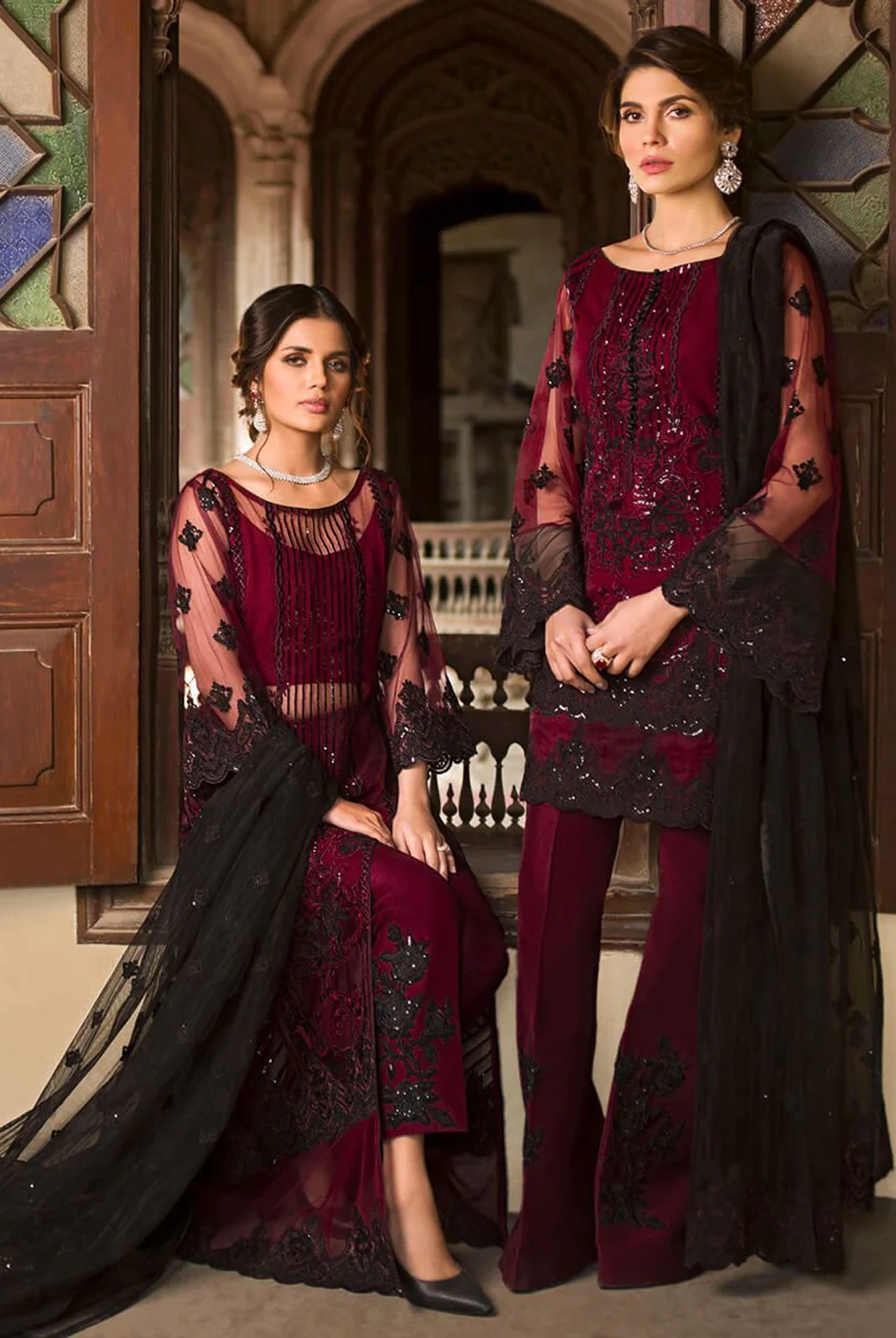

Original price was: ₨17,500.00.₨13,500.00Current price is: ₨13,500.00.
Sale!


Original price was: ₨16,000.00.₨13,000.00Current price is: ₨13,000.00.
Sale!


Original price was: ₨18,500.00.₨14,000.00Current price is: ₨14,000.00.
Sale!

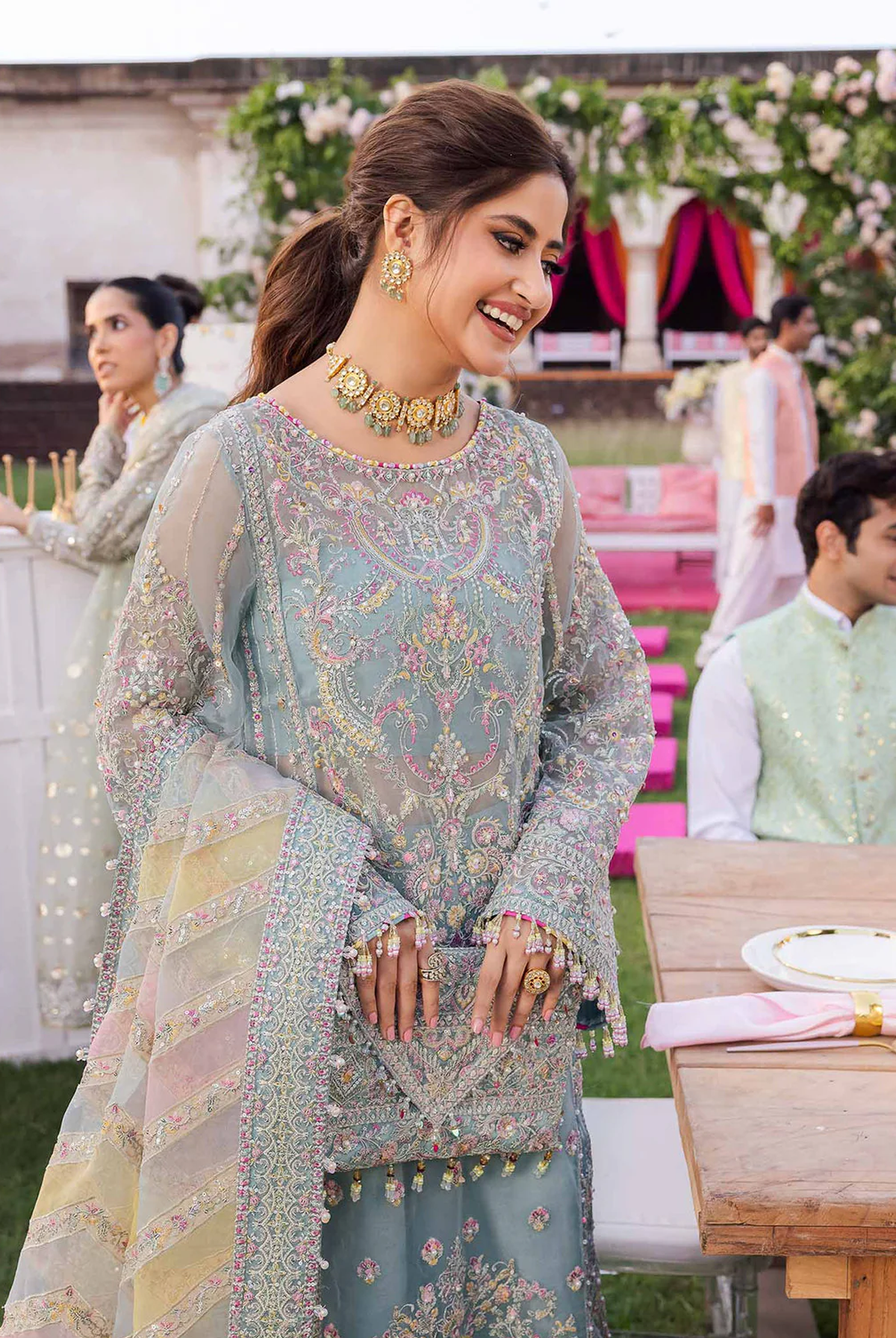
Original price was: ₨14,000.00.₨12,000.00Current price is: ₨12,000.00.
Sale!
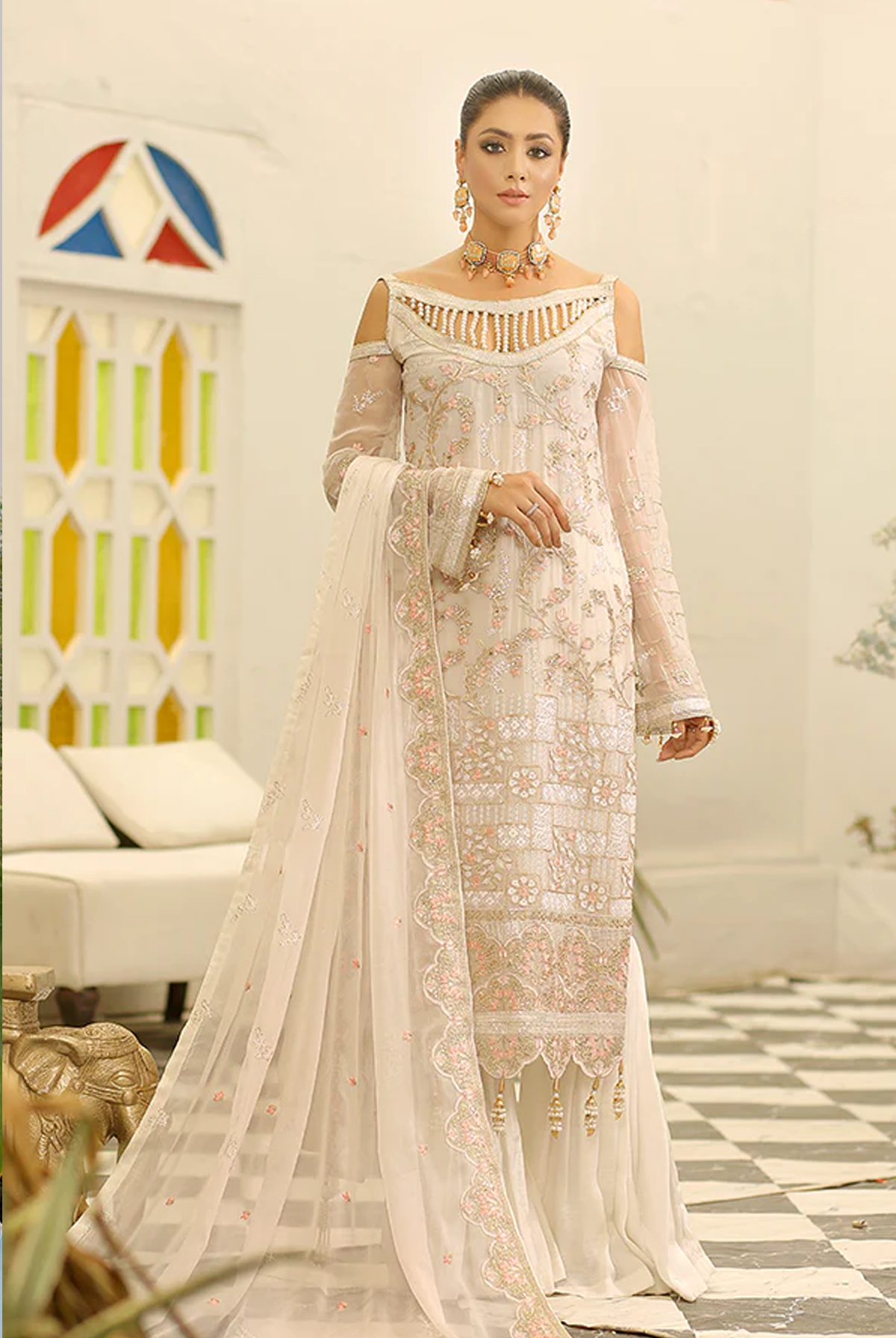

Original price was: ₨15,000.00.₨13,500.00Current price is: ₨13,500.00.
Sale!


Original price was: ₨16,000.00.₨12,500.00Current price is: ₨12,500.00.
Sale!


Original price was: ₨17,500.00.₨15,500.00Current price is: ₨15,500.00.
Sale!
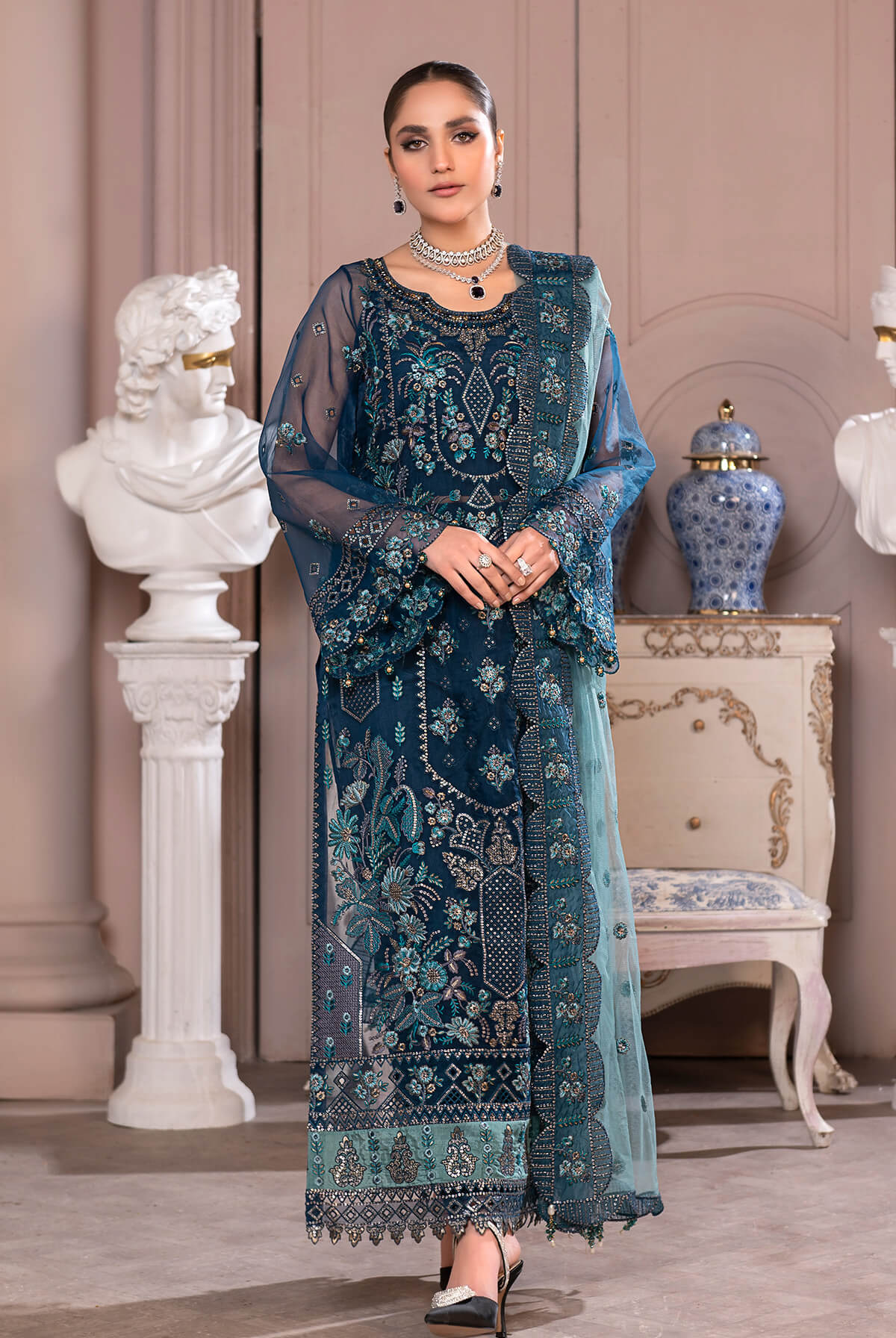

Original price was: ₨14,000.00.₨9,500.00Current price is: ₨9,500.00.
Sale!


Original price was: ₨16,000.00.₨14,000.00Current price is: ₨14,000.00.
Sale!


Original price was: ₨19,000.00.₨14,000.00Current price is: ₨14,000.00.
Sale!


Original price was: ₨16,500.00.₨15,000.00Current price is: ₨15,000.00.
Sale!


Original price was: ₨15,000.00.₨11,500.00Current price is: ₨11,500.00.
Sale!

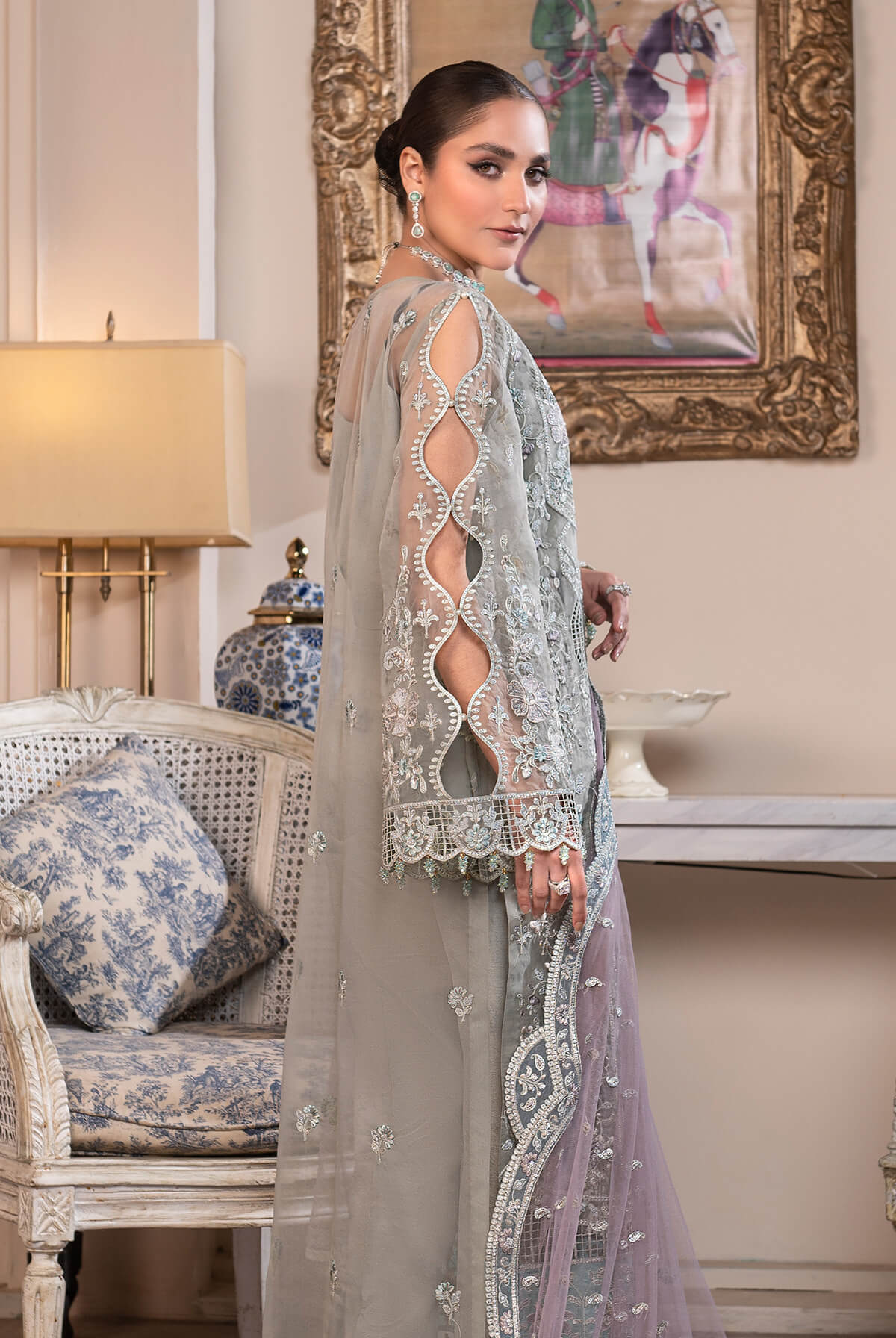
Original price was: ₨14,000.00.₨11,500.00Current price is: ₨11,500.00.
Sale!


Original price was: ₨15,500.00.₨13,500.00Current price is: ₨13,500.00.
Sale!


Original price was: ₨13,500.00.₨12,500.00Current price is: ₨12,500.00.
Pakistani Dress Wholesale Supplier Belgium | Mastorat
Belgium’s fashion market offers opportunities for retailers, boutique owners, online sellers, and fashion distributors looking to introduce distinctive South Asian clothing to their customers. Pakistani fashion is known for its detailed embroidery, versatile silhouettes, traditional craftsmanship, and combination of classic and contemporary designs. From everyday shalwar kameez to elegant formal dresses, these collections appeal to customers shopping for cultural celebrations, weddings, family gatherings, and special occasions.
For businesses planning to enter this market, choosing the right wholesale partner is an important step. A reliable Pakistani Dress Wholesale Supplier Belgium can help retailers explore suitable collections, compare product options, and develop an inventory that reflects local customer preferences. Mastorat provides access to Pakistani clothing categories through its online catalogue, giving buyers a convenient starting point for exploring traditional and designer fashion.
Belgian retailers serve customers with different tastes, budgets, and cultural backgrounds. Some may prefer lightweight outfits for everyday use, while others look for heavily embroidered suits and occasion wear. Understanding these differences helps businesses select products more carefully rather than purchasing stock based solely on appearance or price.
Mastorat offers access to a range of Pakistani clothing categories, including designer dresses, embroidered suits, formal outfits, and traditional collections. Buyers can review the available products and identify styles that fit their business model before planning their purchasing strategy.
To explore the available collections, visit the Pakistani Dress Catalogue Wholesale page.
Understanding the Pakistani Fashion Market in Belgium
Belgium has a diverse population and established connections with neighbouring European markets. Cities such as Brussels, Antwerp, Ghent, and Liège serve different consumer groups, creating opportunities for fashion retailers offering distinctive clothing categories. Pakistani fashion can appeal to South Asian communities as well as customers interested in embroidery, modest fashion, and garments inspired by traditional craftsmanship. However, successful retailing requires more than identifying general demand. Every business needs to understand its own customers, price range, preferred fabrics, and seasonal buying habits. A boutique serving customers looking for wedding outfits will have different inventory requirements from an online shop selling affordable everyday suits. Retailers should consider several factors before selecting a collection:- Customer preferences: Identify whether shoppers prefer casual clothing, formal dresses, festive outfits, or bridal wear.
- Price expectations: Choose products that match the spending habits of the intended audience.
- Fabric suitability: Consider the season, garment construction, lining, and comfort of each design.
- Size availability: Review available sizes and measurements before confirming an order.
- Stock planning: Balance popular styles with a limited selection of distinctive designs.
Why Belgium Can Support a European Fashion Business
Belgium occupies a central position in Western Europe and has established transport connections with countries including France, Germany, Luxembourg, and the Netherlands. This location can be useful for businesses serving customers across borders, although the practical benefits depend on the retailer's storage arrangements, shipping provider, import procedures, and distribution model. For a clothing business, operating in Belgium may offer access to a varied customer base and opportunities to develop regional sales. Retailers can begin by serving their immediate market and later consider supplying customers in neighbouring countries when demand and operational capacity justify expansion. A practical approach is to establish a reliable local sales process before entering additional markets. Retailers should understand their landed product costs, delivery times, return arrangements, and customer service requirements. They should also verify the customs, tax, and product-related rules that apply to their particular business. Businesses exploring suppliers in other established markets may also find it useful to review Pakistani Clothes Wholesale Suppliers UK. The UK market has its own import requirements and commercial conditions, so retailers should compare these carefully rather than assuming that purchasing or distribution arrangements will be identical across European countries. For additional regional sourcing information, visit Pakistani Clothes Wholesalers Manchester.Exploring Pakistani Clothing Collections for Belgian Retailers
A successful clothing catalogue usually combines several product categories instead of relying on one type of garment. This allows retailers to serve customers shopping for different occasions and gives them more flexibility when planning seasonal stock. Pakistani clothing offers numerous options, from simple stitched suits to elaborate designer outfits. The right selection depends on the retailer's audience, purchasing budget, and available storage space.Casual and Everyday Wear
Casual Pakistani clothing often features comfortable cuts, practical designs, and fabrics suited to regular use. These garments can be appropriate for customers who want traditional styling without extensive embellishment. Retailers may consider everyday suits, simple printed outfits, and understated designs when building an accessible entry-level collection. Neutral colours, versatile patterns, and wearable cuts can help create a balanced selection. Before purchasing, buyers should review the garment specifications and determine whether the products are stitched, unstitched, or supplied as coordinated sets.Embroidered and Designer Dresses
Designer clothing offers a different retail opportunity. Embroidery, decorative details, colour combinations, and distinctive cuts can make these outfits suitable for celebrations and special occasions. Retailers should compare the finish, fabric quality, stitching, and design consistency of each item. Product photographs can help with initial selection, but detailed specifications and, where practical, samples provide a better basis for evaluating quality. Businesses interested in occasion wear can browse Pakistani Designer Dresses for relevant styles.Formal Suits and Festive Clothing
Formal Pakistani suits are often selected for family celebrations, cultural events, dinners, and seasonal festivities. Their appeal may come from embroidery, coordinated colours, elegant fabrics, or decorative finishing. A carefully planned formal collection should include variety without creating unnecessary duplication. Retailers can compare lighter designs with more elaborate outfits and choose a mix that reflects their customers' preferences. For more product inspiration, explore Pakistani Designer Suits.Bridal and Premium Occasion Wear
Bridal and premium occasion wear generally requires more detailed purchasing decisions. Customers may expect intricate embellishment, coordinated components, careful finishing, and accurate sizing. Retailers entering this category should confirm whether an outfit includes all the components shown in its product photographs. They should also clarify customisation options, production timelines, packaging, and the process for addressing defects or discrepancies. Because premium garments can require a larger investment, it is sensible to verify the supplier's terms before committing to substantial quantities.Choosing a Wholesale Supplier That Fits Your Business
Selecting a supplier involves more than finding attractive designs at a competitive price. Retailers need a dependable process for evaluating products, communicating requirements, placing orders, and managing any problems that arise. When comparing a Pakistani Dress Wholesale Supplier Belgium option with other sourcing arrangements, buyers should evaluate the complete purchasing experience rather than concentrating exclusively on the advertised unit price.Assess Product Information
Clear product descriptions make it easier to understand what is being purchased. Important details include fabric composition, available colours, garment measurements, embroidery, included accessories, and whether the item is stitched or unstitched. Retailers should request clarification when a description leaves important questions unanswered. Accurate product information also helps businesses create more useful listings for their own customers.Review Quality and Consistency
Quality should be assessed against the retailer's expectations and the product category. Buyers can examine stitching, seams, fabric feel, embellishment, colour consistency, and finishing. For larger orders, retailers should ask how the supplier manages quality checks across multiple pieces. If samples are available, reviewing them before committing to a substantial purchase may help reduce uncertainty.Understand Minimum Order Requirements
Wholesale arrangements can involve minimum quantities, mixed-design orders, size ratios, or collection-specific purchasing rules. These conditions can affect how much capital a business needs and how easily it can test a new category. A small retailer may prefer an arrangement that permits a modest initial order, while an established distributor might prioritise volume pricing and consistent stock availability. Confirm the minimum order quantity, payment schedule, production lead time, and cancellation terms before proceeding.Check Communication and Support
Reliable communication is particularly important when purchasing internationally. Buyers should know how to ask product questions, confirm order details, receive shipping updates, and report any issues. Written confirmation of the order specification, agreed price, delivery method, and expected dispatch date creates a clearer record for both parties.Understanding Wholesale Prices and Total Purchasing Costs
Wholesale pricing can help retailers purchase inventory at a lower per-item cost than buying individual garments at retail prices. However, the final profitability of a product depends on the complete cost of bringing it to the customer. The price of a Pakistani outfit may vary according to its fabric, stitching, embroidery, design complexity, collection, and order quantity. Premium formal dresses may require more labour and materials than simple everyday garments, which can explain differences between product categories. Retailers should calculate their total landed cost before deciding whether an item offers a suitable commercial opportunity. This calculation may include:- The supplier's price for each garment.
- International freight and shipping insurance, where applicable.
- Customs duties and import-related charges.
- Applicable taxes and clearance fees.
- Packaging, storage, and handling expenses.
- Payment processing and currency conversion costs.
- An allowance for returns, defects, and unsold inventory.
Plan Retail Prices Carefully
Setting a retail price involves understanding both costs and customer expectations. Retailers should consider the garment's quality, target market, competing products, operating expenses, and desired margin. A useful pricing process begins with the full landed cost and then accounts for other business expenses. Retailers should avoid assuming that every item will sell at its planned price or that all designs will generate the same return. Testing a smaller selection of products can provide information about customer interest before the business increases its purchasing volume.Fabric Selection and Garment Quality
Fabric plays a central role in the appearance, comfort, and performance of Pakistani clothing. Different materials create different effects, making fabric selection an important part of inventory planning. Lawn and lightweight cotton are often associated with breathable everyday garments and warm-weather collections. Chiffon can create a flowing appearance and is frequently used in formal outfits. Silk and organza may be selected for garments requiring a more structured, decorative, or occasion-focused finish. The name of a fabric alone does not guarantee its quality. Buyers should consider the composition, weave, weight, transparency, lining, and care instructions. For retailers serving customers in Belgium, practical product information is particularly useful because shoppers may wear the same garment in different seasons and settings.Questions to Ask About Fabric
Before confirming a purchase, retailers should establish:- What material or fabric composition is used?
- Is the fabric opaque, semi-transparent, or intended to be lined?
- Are the colours and embellishments consistent across the order?
- What care instructions apply to the finished garment?
- Are fabric samples or detailed photographs available?
- Does the finished product match the description in the catalogue?
How to Build a Balanced Clothing Inventory
Inventory planning helps a retailer offer variety without tying up too much money in stock. A business that purchases too many similar designs may struggle to maintain customer interest, while a catalogue with too few options can limit its ability to serve different occasions and budgets. The best starting point is to define the target customer and choose a manageable set of products. For example, a boutique serving customers interested in everyday Pakistani clothing might prioritise versatile suits and straightforward designs. A shop specialising in formal wear could allocate more space to embroidered outfits and coordinated occasion collections.Start With a Defined Product Range
Choose a small number of categories that fit the business's intended market. Rather than purchasing every available style, compare products according to quality, price, versatility, and likely customer interest. This approach makes it easier to organise product listings, track sales, and identify which categories deserve further investment.Review Seasonal Demand
Fashion preferences can change throughout the year. Festive occasions, wedding seasons, changes in weather, and cultural events may influence which designs customers seek. Retailers should use their own sales records and customer feedback to identify useful purchasing periods. When historical sales information is unavailable, smaller test orders can help establish a baseline.Monitor Stock Performance
Track how quickly each design sells, which sizes remain available, and which products attract questions without converting into sales. This information can guide future purchasing decisions. Regular reviews also help retailers identify slow-moving inventory and adjust their assortment before placing another large order.Keep Product Descriptions Accurate
Online retailers should provide clear photographs, size information, fabric details, and descriptions of included components. Accurate listings improve the shopping experience and make it easier for customers to compare options. Clear communication about delivery estimates and return conditions is equally important when selling across borders.Ordering Pakistani Clothing Online
Online wholesale catalogues have made it easier for retailers to research designs without visiting physical markets. Buyers can browse different categories, compare product descriptions, and shortlist items from their own premises. An online catalogue can be particularly useful during the early stages of supplier research. It allows a business to review the available range and prepare specific questions before contacting a supplier. The Pakistani Dress Wholesale Online page provides another starting point for exploring this purchasing channel. Before placing an order, retailers should follow a consistent process. First, identify the products and quantities required. Next, confirm the availability of each design and request any missing specifications. Review the total price, minimum order requirements, payment terms, and delivery arrangements. Finally, retain the order confirmation and relevant communications.Verify the Supplier Before Paying
International purchasing requires reasonable checks, especially when the buyer has not worked with a supplier before. Retailers should review the available business information, contact details, transaction terms, and customer support arrangements. They should use secure payment methods where possible and understand the circumstances under which refunds or disputes can be raised. No online catalogue should be treated as a guarantee of product availability, quality, or delivery performance. These details should be confirmed for the specific order.Shipping Pakistani Dresses to Belgium
International shipping affects delivery times, total costs, and the amount of inventory a retailer can keep on hand. The appropriate method depends on the shipment's size, weight, urgency, budget, and destination. Air freight or express courier services may suit smaller shipments or urgent replenishment. Sea freight can be worth considering for larger consignments when longer transit times are acceptable. The best option should be determined through an actual shipping quotation rather than a general assumption about price.Confirm Delivery Terms
Before paying, buyers should clarify who arranges transport, when responsibility for the shipment transfers, and which party handles import clearance. Depending on the agreed terms, some charges may be paid by the seller while others remain the buyer's responsibility. Retailers should also ask whether tracking is available and what documentation accompanies the shipment.Understand Belgian Import Requirements
Businesses importing clothing into Belgium should check the applicable customs procedures, import duties, VAT obligations, and textile-labelling requirements. The exact requirements may depend on the product, country of origin, transaction structure, and the importer's circumstances. Retailers should consult the relevant Belgian and European Union authorities or a qualified customs professional when necessary. They should not assume that every shipment is subject to identical rules.Prepare for Delivery Delays
International deliveries can be affected by customs checks, transport disruptions, documentation errors, or seasonal congestion. Maintaining a reasonable stock buffer can help retailers avoid disappointing customers when a shipment arrives later than expected. A practical delivery plan includes a clear expected arrival window, contingency arrangements, and a process for communicating delays.Managing Cross-Border Distribution in Europe
Once a retail business has established a workable supply process in Belgium, it may consider selling to customers in neighbouring European countries. However, expanding across borders involves more than arranging transport. Retailers should assess delivery costs, customer demand, language preferences, return arrangements, consumer protection rules, and relevant tax obligations in each destination market. Belgium's location may make regional distribution convenient in some circumstances, but the actual benefits depend on where customers are located and how orders are fulfilled. Businesses researching alternative supplier markets can review Pakistani Dress Wholesale for general product categories before developing a more detailed sourcing plan. Online ordering can also support inventory planning by making it easier to review collections and prepare replenishment requests. The Pakistani Dress Wholesale Online page offers an additional resource for researching this approach.Explore International Sourcing Options
Retailers sometimes compare suppliers in different countries to understand price differences, product availability, and transport arrangements. Such comparisons should be based on the same garment specifications and order quantities wherever possible. For wider sourcing research, explore the following regional pages:- Pakistani Dress Wholesale Supplier Afghanistan
- Pakistani Dress Wholesale Supplier Australia
- Pakistani Dress Wholesale Supplier Canada