
Sale!
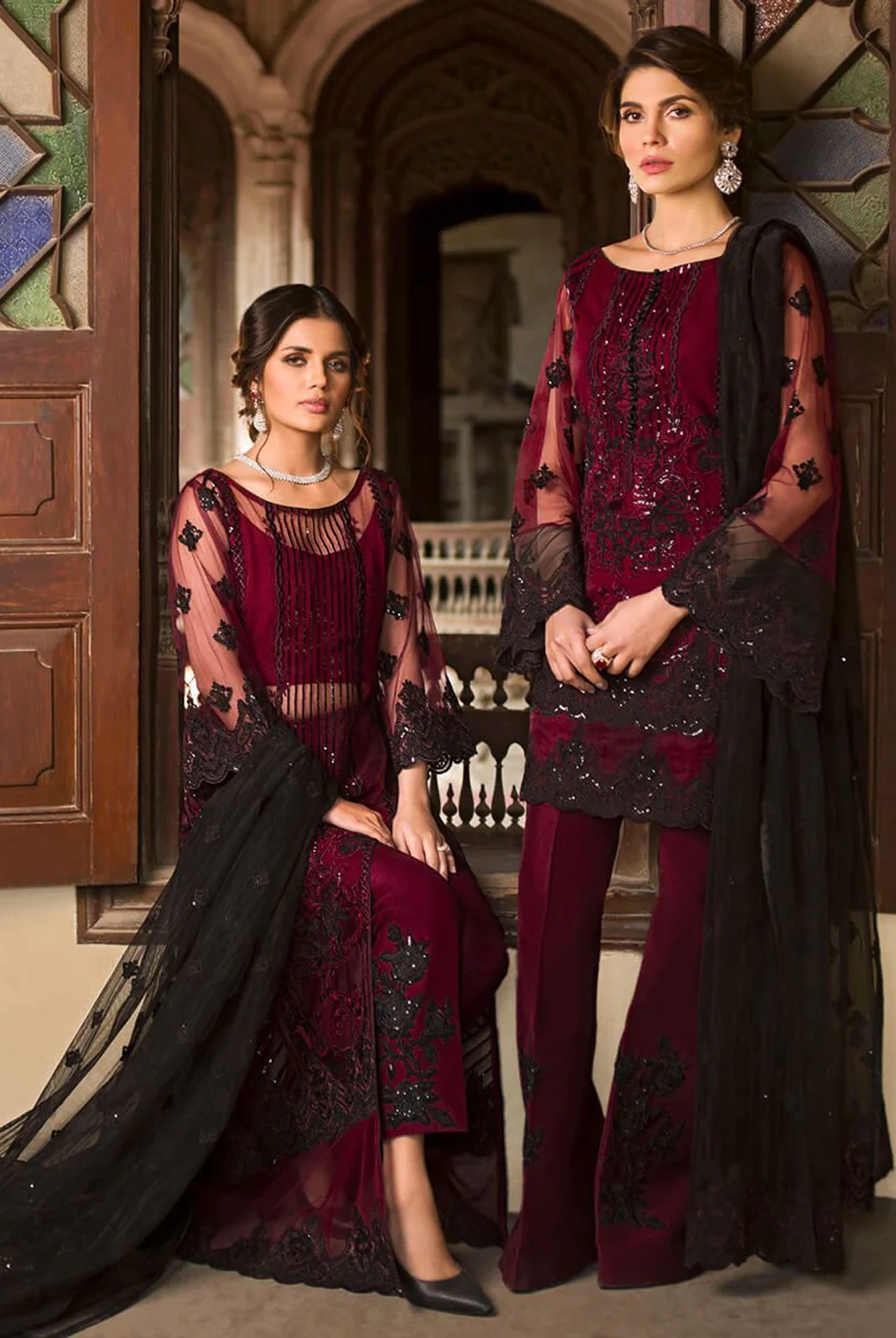

Original price was: ₨17,500.00.₨13,500.00Current price is: ₨13,500.00.
Sale!


Original price was: ₨16,000.00.₨13,000.00Current price is: ₨13,000.00.
Sale!


Original price was: ₨18,500.00.₨14,000.00Current price is: ₨14,000.00.
Sale!

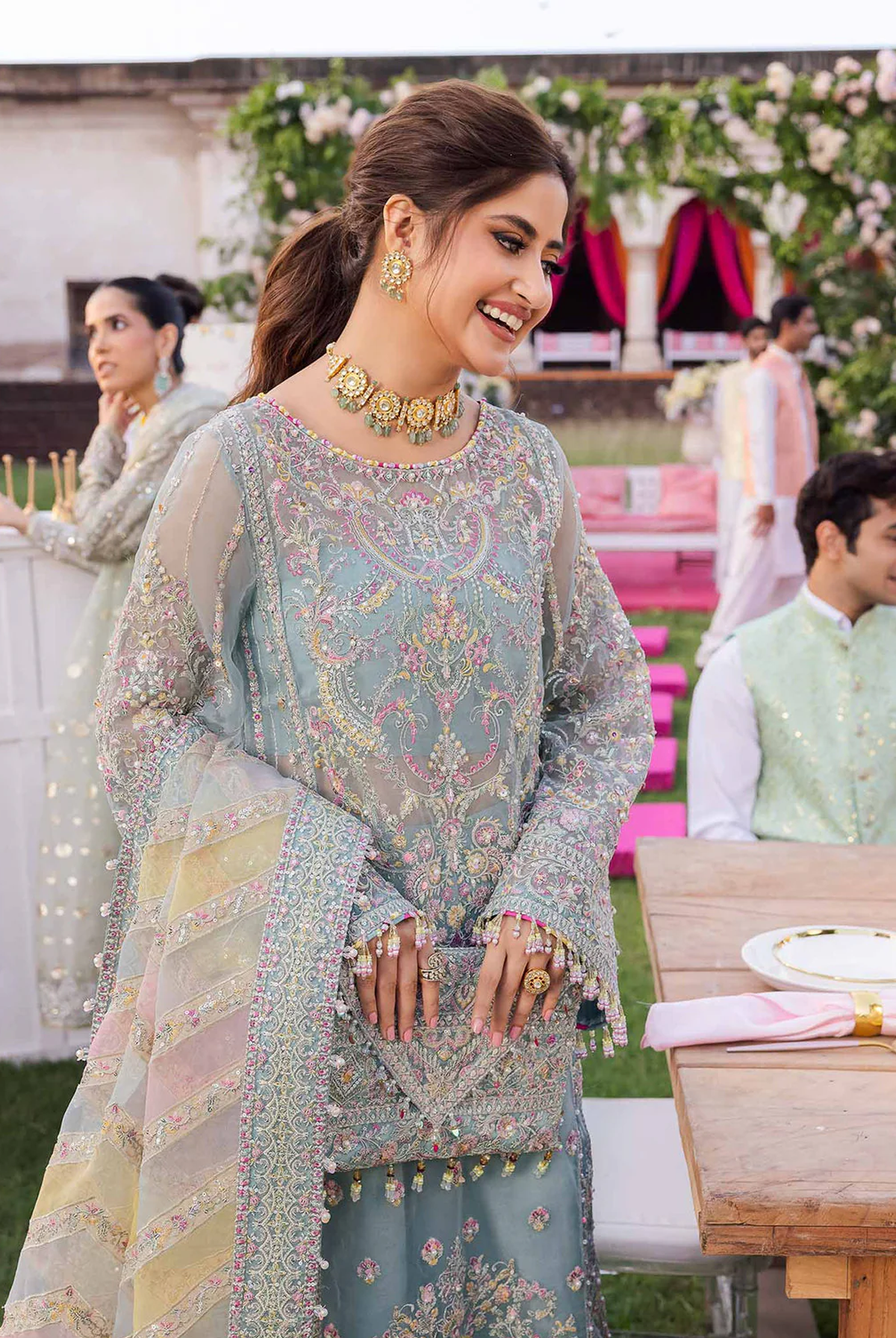
Original price was: ₨14,000.00.₨12,000.00Current price is: ₨12,000.00.
Sale!
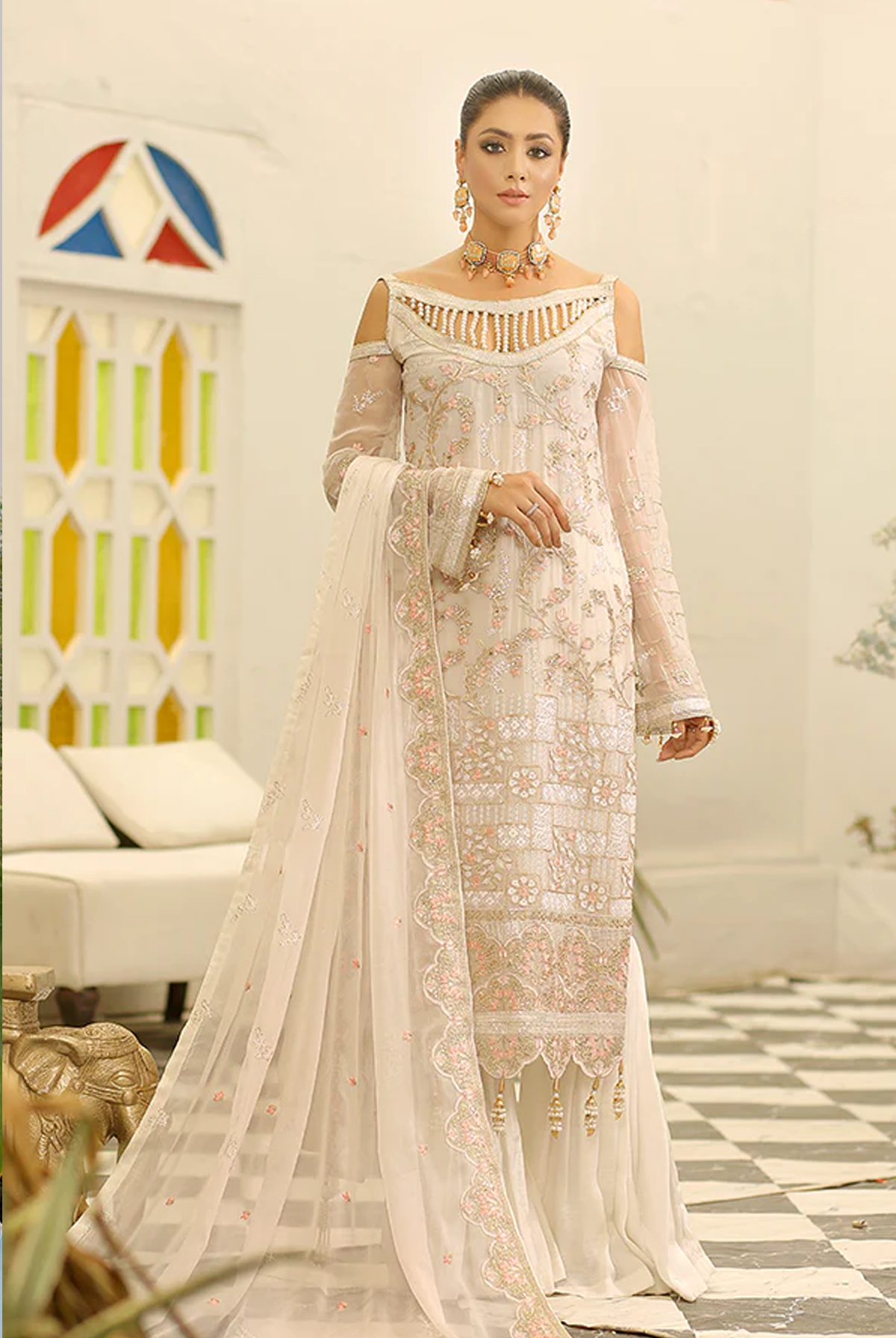

Original price was: ₨15,000.00.₨13,500.00Current price is: ₨13,500.00.
Sale!


Original price was: ₨16,000.00.₨12,500.00Current price is: ₨12,500.00.
Sale!


Original price was: ₨17,500.00.₨15,500.00Current price is: ₨15,500.00.
Sale!
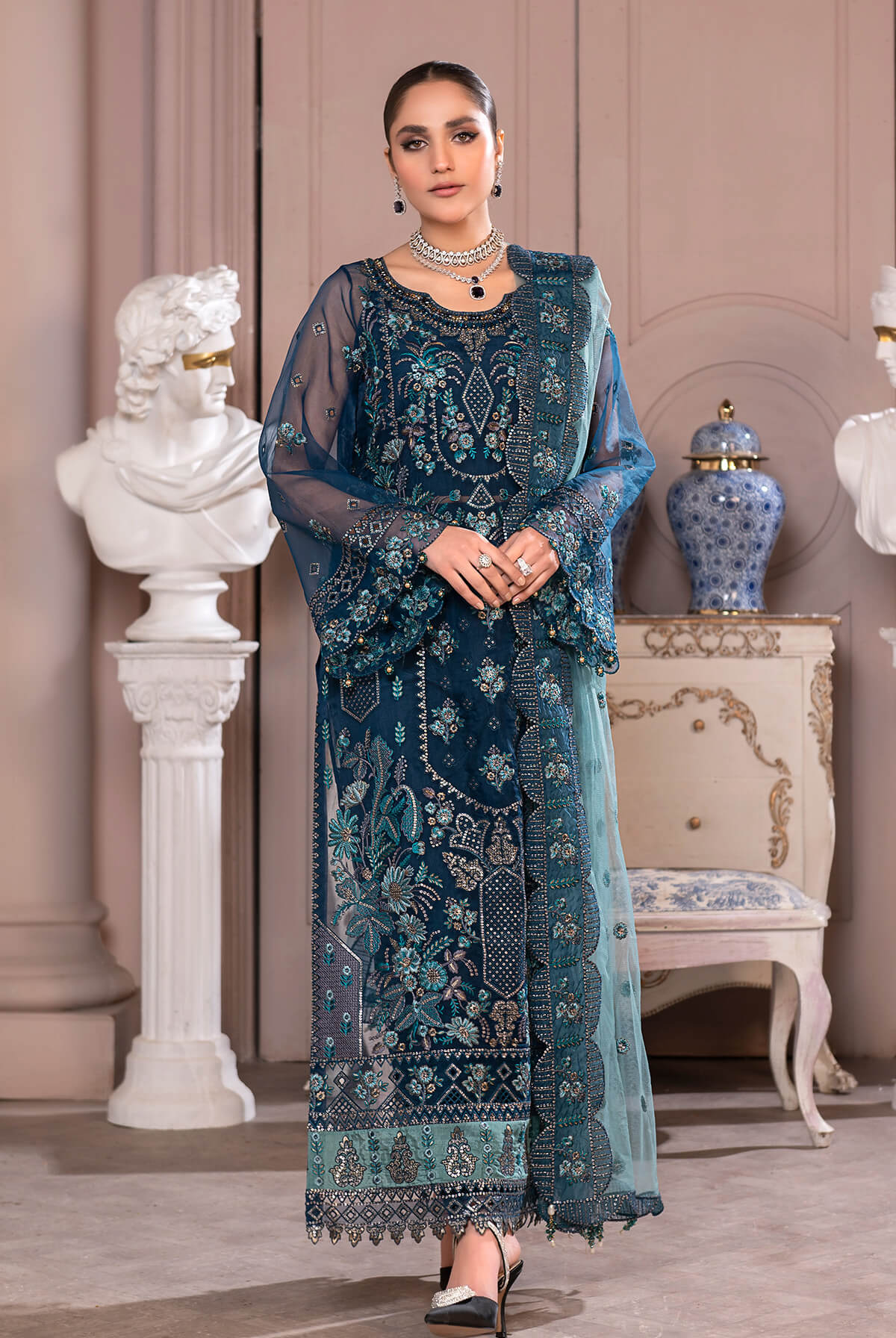

Original price was: ₨14,000.00.₨9,500.00Current price is: ₨9,500.00.
Sale!


Original price was: ₨16,000.00.₨14,000.00Current price is: ₨14,000.00.
Sale!


Original price was: ₨19,000.00.₨14,000.00Current price is: ₨14,000.00.
Sale!


Original price was: ₨16,500.00.₨15,000.00Current price is: ₨15,000.00.
Sale!


Original price was: ₨15,000.00.₨11,500.00Current price is: ₨11,500.00.
Sale!

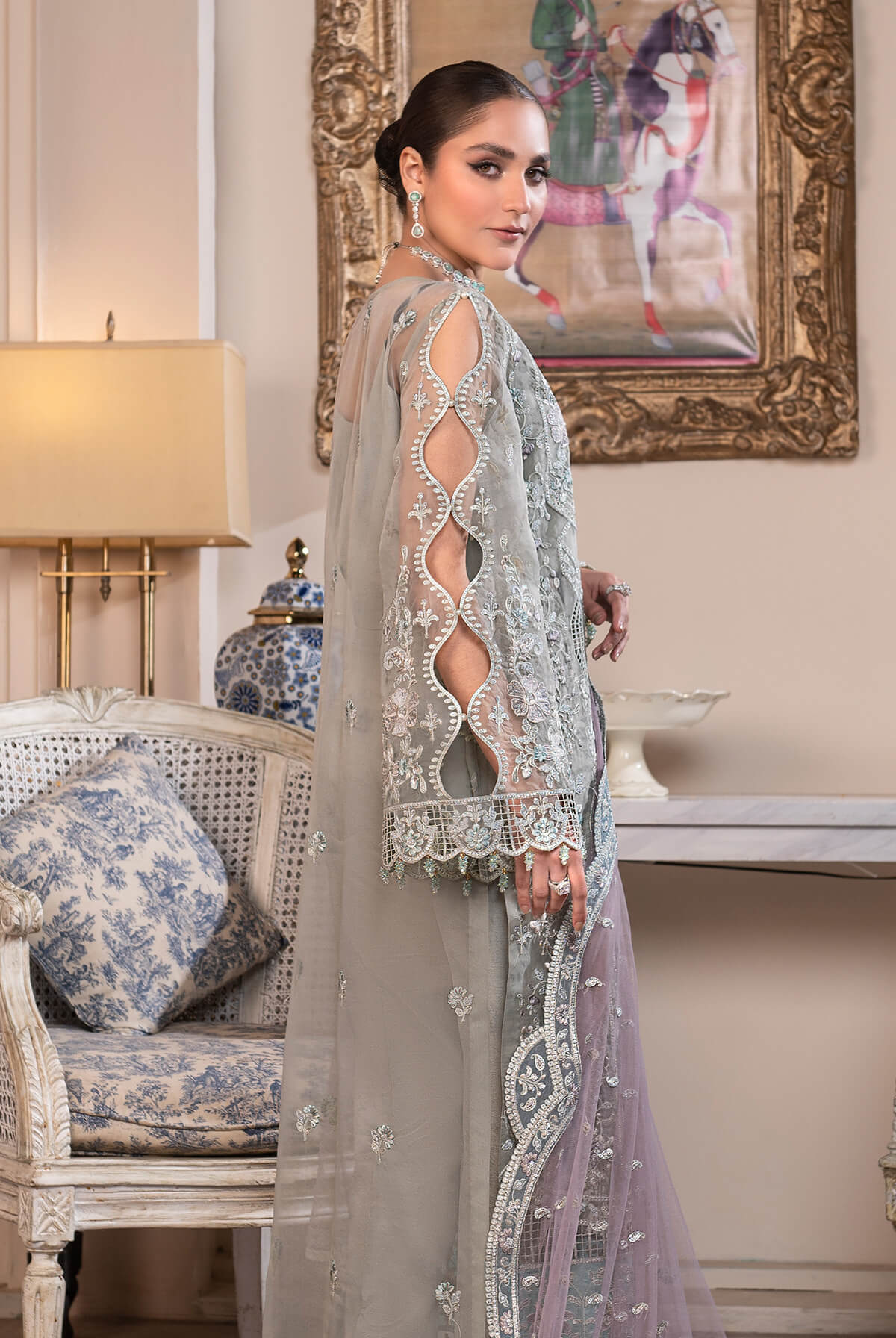
Original price was: ₨14,000.00.₨11,500.00Current price is: ₨11,500.00.
Sale!


Original price was: ₨15,500.00.₨13,500.00Current price is: ₨13,500.00.
Sale!


Original price was: ₨13,500.00.₨12,500.00Current price is: ₨12,500.00.
Pakistani Dress Wholesale Supplier Czech Republic (Czechia) | Mastorat
The international fashion industry has created new opportunities for retailers, boutique owners and online clothing businesses. Customers are increasingly interested in clothing that combines traditional craftsmanship with modern designs. Pakistani fashion has gained attention in international markets because of its detailed embroidery, attractive fabrics, versatile styles and wide selection of formal and casual outfits.
The Czech Republic, also known as Czechia, offers opportunities for businesses interested in introducing South Asian clothing to European customers. Prague, Brno, Ostrava and other commercial areas provide potential markets for retailers who want to serve multicultural communities and customers interested in distinctive fashion.
A Pakistani Dress Wholesale Supplier Czech Republic (Czechia) can help retailers explore collections manufactured in Pakistan and build a product range suitable for their target customers. Wholesale sourcing provides access to different clothing categories, including embroidered suits, lawn dresses, formal outfits, luxury collections and traditional wedding clothing.
For Czech retailers, choosing an appropriate supplier involves more than comparing prices. Fabric quality, stitching, product availability, order quantities, communication, packaging and international delivery arrangements all influence the purchasing decision.
Mastorat provides an online platform through which international buyers can explore Pakistani clothing collections and wholesale sourcing opportunities. Its product categories help retailers understand the different styles available and identify clothing suitable for their businesses.
This guide explains the Pakistani clothing wholesale market, popular product categories, supplier selection, ordering procedures, shipping considerations and opportunities for Czech retailers.
Growing Interest in Pakistani Dresses Across Czech Republic
Fashion preferences continue to change as international communities, online shopping and cultural influences become more connected. Traditional clothing is no longer limited to the country where it originated. Customers can discover international styles through online stores, social media, fashion marketplaces and specialist boutiques. Pakistani clothing offers several characteristics that make it interesting for international retailers. Its collections include traditional silhouettes, contemporary cuts, detailed embroidery, decorative embellishments and different fabric options. In Czechia, retailers can explore this market by identifying customers who appreciate South Asian clothing, modest fashion, distinctive formal outfits and cultural designs. Different customer groups may have different purchasing preferences:- South Asian communities looking for traditional clothing.
- Customers searching for outfits for weddings and cultural celebrations.
- Boutique shoppers interested in embroidered fashion.
- Online customers looking for distinctive clothing collections.
- Fashion enthusiasts who appreciate international designs.
Why Czech Retailers Consider Pakistani Clothing
International sourcing allows clothing businesses to introduce products that may not be readily available through domestic manufacturers. Pakistani clothing offers a broad selection of designs and materials, making it suitable for different retail strategies.1. Traditional Craftsmanship
Pakistani clothing is widely recognised for its decorative techniques, including thread embroidery, mirror work, zari detailing, hand embellishment and printed patterns. These techniques create distinctive outfits for everyday use, formal occasions and celebrations. Retailers can select products according to their customers' preferences, whether they want simple traditional designs or more elaborate garments.2. Different Fabric Options
Fabric selection is an important part of the clothing business. Pakistani manufacturers work with various materials, including:- Lawn and cotton.
- Chiffon.
- Silk.
- Organza.
- Georgette.
- Velvet.
- Net fabrics.
- Blended textiles.
3. Product Variety
A diverse inventory helps retailers serve customers with different budgets and fashion preferences. Pakistani collections include unstitched suits, ready-to-wear dresses, embroidered three-piece suits, party wear, bridal outfits and designer-inspired clothing. Retailers can explore Pakistani Designer Dresses and Pakistani Designer Suits to understand the range of styles available for premium clothing collections.4. Opportunities for Retail Pricing
Wholesale purchasing allows businesses to calculate their product costs and establish suitable retail prices. The final profit margin depends on several factors, including:- Wholesale purchase price.
- International shipping expenses.
- Customs duties and applicable taxes.
- Packaging and handling.
- Marketing expenses.
- Local operating costs.
5. Seasonal Fashion Collections
Pakistani fashion manufacturers regularly introduce designs for different seasons and occasions. Summer collections often include lightweight lawn and cotton outfits. Winter collections may feature thicker materials, velvet and heavier embroidery. Wedding and festive collections usually include more decorative designs. This variety allows Czech retailers to plan inventory according to customer demand throughout the year.Understanding the Role of Wholesale Clothing Suppliers
Wholesale suppliers connect manufacturers, exporters and retailers. They help businesses access products in larger quantities without having to establish direct manufacturing relationships with multiple factories. For international buyers, a supplier can simplify several stages of the purchasing process.Product Sourcing
Suppliers provide access to clothing collections from different manufacturers or production facilities. This can help retailers compare designs, fabrics and price categories.Bulk Order Management
Wholesale purchasing requires proper coordination. Suppliers communicate order quantities, available sizes, product specifications and expected processing times. Clear order information reduces misunderstandings between buyers and sellers.Quality Control
Quality inspection is an important part of international clothing trade. Before dispatch, buyers should establish which inspection procedures will be followed. Depending on the product, checks may include:- Fabric condition.
- Stitching quality.
- Embroidery finishing.
- Colour consistency.
- Size measurements.
- Product quantity.
- Packaging condition.
Export Preparation
International orders require suitable packaging and shipping documentation. Suppliers and their logistics partners coordinate the preparation of shipments according to the destination and delivery method.Online Ordering
Digital wholesale platforms make it easier for retailers to review collections without visiting manufacturing locations. Through Pakistani Dress Wholesale Online, international buyers can explore online sourcing opportunities. Retailers can also research different collections through the Pakistani Dress Wholesale Market.Popular Pakistani Clothing Categories for Czech Retailers
Selecting suitable products is one of the most important decisions when establishing a clothing business. Retailers should consider the intended customer, selling price, season and occasion before purchasing inventory.Casual Pakistani Dresses
Casual outfits are suitable for everyday activities, informal gatherings and comfortable daily wear. These collections commonly include lawn suits, cotton dresses, printed fabrics and lightly embroidered outfits. Their simple designs make them useful for retailers who want to offer traditional clothing at different price points.Formal Pakistani Dresses
Formal clothing is designed for special events, family gatherings, celebrations and evening occasions. Popular options include embroidered chiffon suits, silk dresses, organza outfits and embellished three-piece collections. Retailers can select products with different embroidery styles to create a varied formalwear section.Bridal and Wedding Collections
Wedding clothing represents a premium segment of Pakistani fashion. Bridal outfits may feature zari work, decorative stones, sequins, detailed thread embroidery and luxurious fabrics. These products generally require more careful purchasing decisions because customers expect high-quality finishing, accurate measurements and attractive presentation. Retailers interested in special occasion collections can explore Pakistani Catalogue Dress Wholesale.Unstitched Dress Collections
Unstitched clothing provides flexibility for customers who prefer to choose their own tailoring style. These collections may include separate fabric pieces for shirts, trousers and dupattas. They are particularly useful for retailers serving customers who want customised fitting and styling.Pakistani Dress Materials
Fabric-based products allow customers to create outfits according to their personal preferences. Different materials can be used for casual clothing, formal suits and traditional garments. Retailers looking for fabric-based inventory can explore Pakistani Dress Material Wholesale.Designer Collections
Designer clothing is suitable for boutiques that want to offer premium products. These outfits may include distinctive cuts, carefully selected fabrics, decorative details and coordinated accessories. A balanced inventory can include both affordable everyday clothing and premium designer pieces.How Czech Businesses Can Select the Right Wholesale Supplier
Finding a suitable supplier is essential for maintaining product quality and customer satisfaction. International buyers should evaluate suppliers carefully before placing large orders.Check Business Information
Start by reviewing the supplier's website, business details, contact information and product categories. Look for clear information about ordering procedures, available products and international shipping. If information is incomplete, request clarification before making payment.Review Product Images and Specifications
Product photographs are useful, but images alone do not provide enough information about garment quality. Ask for details such as:- Fabric composition.
- Available sizes.
- Colour options.
- Embroidery techniques.
- Stitching specifications.
- Included accessories.
- Product measurements.
Compare Wholesale Prices
Do not select a supplier based only on the lowest advertised price. A very low price may involve different fabric quality, simpler embroidery or additional charges that are not immediately visible. Compare similar products using their specifications and calculate the total purchasing cost.Understand Minimum Order Requirements
Minimum order quantity, commonly called MOQ, differs between suppliers and product categories. Some suppliers may allow mixed designs, while others require minimum quantities for individual styles. Ask whether the order can include different colours, sizes and designs.Confirm Communication Standards
Reliable communication helps prevent mistakes during international transactions. Suppliers should provide clear answers about stock, payments, production schedules and shipping arrangements. Retailers should maintain written records of agreed specifications and order details.Request a Sample When Possible
A sample order can help retailers evaluate fabric, stitching, sizing and overall finishing before purchasing larger quantities. This is particularly useful for new businesses that have not previously worked with an international supplier.Importing Pakistani Clothing from Pakistan to Czech Republic
International clothing trade involves several stages, from selecting products to receiving the shipment. Retailers should understand the basic import process before placing an order.Step 1: Research the Market
Start by identifying the customers you want to serve. Consider whether your business will focus on casual clothing, formal outfits, wedding collections or a combination of different categories. Research competing stores, customer preferences and expected selling prices.Step 2: Select a Supplier
Shortlist suppliers that provide the product categories you need. Review their communication, product information, order conditions and export experience. A supplier should be able to explain the purchasing process clearly.Step 3: Review the Collection
Request an updated catalogue and examine the available designs. Compare fabrics, embroidery, colour options, sizes and product prices. Make sure the selected products match the needs of your target market.Step 4: Confirm Order Details
Before paying, confirm the following information:- Product names and design references.
- Quantity for each item.
- Available sizes and colours.
- Unit prices.
- Total order value.
- Packaging requirements.
- Production or processing time.
- Shipping charges.
- Payment conditions.
Step 5: Arrange Quality Inspection
Agree on inspection requirements before dispatch. For larger orders, retailers may arrange independent inspections or request detailed photographs and videos. Any damaged, incorrect or missing items should be addressed according to the agreed purchase terms.Step 6: Prepare Shipping Documents
International shipments require appropriate commercial and transport documentation. Depending on the shipment, documents may include:- Commercial invoice.
- Packing list.
- Air waybill or bill of lading.
- Customs declaration.
- Certificate of origin, where required.
- Additional product documentation, where applicable.
Step 7: Customs Clearance and Delivery
When goods arrive in Czechia, they must pass through the applicable customs procedures. The importer should understand the customs classification, declared value, applicable import duties and VAT requirements. Once clearance is completed, the shipment can be delivered to the business address or warehouse.Shipping Options for Pakistani Dresses to Czechia
Shipping arrangements influence the overall cost, delivery time and inventory planning of an international clothing business. The most suitable method depends on the order size, budget and urgency.Air Freight
Air freight is generally suitable for smaller shipments, valuable products and orders that need to arrive relatively quickly. It can be useful for boutiques purchasing new seasonal collections or replenishing popular designs. However, air transport usually costs more than sea freight.Sea Freight
Sea freight can be more economical for large commercial shipments. It is suitable for retailers purchasing substantial quantities of clothing and planning inventory well in advance. The main disadvantage is the longer transportation and handling process.International Courier Services
Courier services may be appropriate for samples, smaller parcels and selected ready-made products. They can provide shipment tracking and door-to-door delivery, depending on the service. Retailers should compare the total courier charges with other shipping options.Factors That Affect Delivery
Delivery time is not determined by transportation alone. Several factors can influence the final arrival date:- Order processing time.
- Product availability.
- Custom manufacturing requirements.
- Shipment booking.
- Transit route.
- Customs inspection.
- Documentation accuracy.
- Local delivery arrangements.
Customs, Duties and Import Requirements in Czech Republic
Czechia is part of the European Union, so imports from Pakistan are subject to relevant EU customs requirements. Businesses importing clothing for commercial resale should understand their responsibilities before shipping goods.Customs Classification
Clothing products are classified under customs tariff codes according to their material, construction and product type. Different garments may have different classifications. The correct code helps determine applicable customs duties and regulatory requirements.Import VAT
Commercial imports into Czechia may be subject to import VAT. Businesses should understand the applicable VAT treatment and whether they can account for or recover the tax under their circumstances. Professional accounting or customs advice can help prevent incorrect declarations.Textile Labelling
Retailers should check the applicable EU textile labelling requirements. Textile products generally require accurate information about fibre composition. Labels should provide the required information in an appropriate format and language for the market.Product Safety
Businesses placing clothing products on the EU market should consider applicable product safety requirements. They should maintain relevant supplier documentation and ensure that products meet the rules applicable to their category.Working with Customs Professionals
New importers may benefit from working with an experienced customs broker or freight forwarder. These professionals can help with tariff classification, import declarations, shipping documents and clearance procedures.Benefits of Building a Long-Term Wholesale Relationship
A successful retail business depends on consistent purchasing and reliable supplier relationships. Working with the same supplier over time can help retailers improve their sourcing process.Consistent Product Quality
Once a retailer identifies suitable fabric quality and finishing standards, maintaining consistent specifications becomes easier. Buyers can share previous order references when requesting repeat products.Better Inventory Planning
Long-term supplier communication can help retailers plan seasonal purchases. They may receive information about upcoming designs, available stock and production schedules.Improved Order Coordination
A regular business relationship allows both parties to understand order requirements more clearly. This can reduce communication problems and improve the overall purchasing experience.Better Product Selection
Suppliers familiar with a retailer's business may be able to suggest suitable categories based on previous purchasing patterns. However, retailers should continue checking customer demand instead of ordering every new collection.Opportunities for Customisation
Some manufacturers offer changes to colours, sizes, fabric choices and decorative details. Retailers interested in exclusive collections should discuss design specifications, minimum quantities, production costs and ownership arrangements before confirming an order.Online Wholesale Shopping and Digital Fashion Trade
Digital commerce has changed how clothing retailers discover products and communicate with international suppliers. Instead of travelling to another country to review every collection, businesses can use websites and digital catalogues to research available inventory. Online wholesale platforms offer several practical advantages.Easier Product Discovery
Retailers can browse different clothing categories and compare available designs from their offices or stores. This saves time during the initial sourcing process.Access to International Collections
Digital platforms make it possible to explore clothing manufactured in different countries. Businesses can compare product categories and identify suitable suppliers. For example, retailers can study sourcing opportunities through Pakistani Dress Wholesale In USA and Pakistani Dress Wholesale In Dubai.Better Inventory Planning
Digital catalogues help buyers organise product references and create purchasing lists. Retailers can record selected designs, expected quantities and estimated purchasing costs.Convenient Communication
Online communication makes it easier to request product information, discuss specifications and confirm orders. However, buyers should still verify the supplier's identity and payment details before transferring money.Designer Pakistani Fashion for European Boutiques
Designer clothing can help retailers differentiate their stores from businesses offering only basic everyday garments. Pakistani designer collections feature different embroidery styles, fabric combinations, silhouettes and decorative techniques. European boutiques may consider several product groups when planning their premium inventory.Luxury Embroidered Suits
These outfits often include detailed embroidery and decorative finishing. They are suitable for customers looking for traditional clothing for celebrations and formal occasions.Party Wear Clothing
Party wear includes embellished suits, elegant dresses and coordinated outfits. Retailers can select different levels of decoration to serve customers with varying budgets.Wedding Outfits
Wedding collections may include heavily embroidered garments, formal dresses and traditional ensembles. These products require attention to finishing, measurements and presentation.Seasonal Designer Collections
Seasonal collections allow retailers to refresh their product range according to changing fashion preferences. Buyers can explore Pakistani Designer Clothes Online to research different styles and product options.European Markets and Regional Wholesale Connections
Czech retailers can also research clothing distribution opportunities in other European markets. Comparing different countries helps businesses understand regional product preferences, shipping arrangements and wholesale sourcing approaches. European markets are not identical. Customer demographics, purchasing power, climate and fashion preferences can vary considerably. The following country-specific resources can help retailers explore broader sourcing information:- Pakistani Dress Wholesale Supplier Italy
- Pakistani Dress Wholesale Supplier Spain
- Pakistani Dress Wholesale Supplier Sweden
- Pakistani Dress Wholesale Supplier Switzerland
Exploring Middle Eastern and Asian Wholesale Markets
Middle Eastern and Asian markets are also important areas for international Pakistani fashion trade. Different regions have established customer groups interested in traditional clothing, embroidered outfits and formal collections. Czech retailers can research these markets to understand how suppliers present their collections to different international audiences. Some relevant resources include:- Pakistani Dress Wholesale Supplier UAE
- Pakistani Dress Wholesale Supplier Saudi Arabia
- Pakistani Dress Wholesale Supplier Qatar
- Pakistani Dress Wholesale Supplier Singapore
Pakistan's Position in the International Textile Supply Chain
Pakistan has a well-established textile and clothing manufacturing industry. The country produces a variety of fabrics and garments for domestic consumption and international markets. Its textile sector includes spinning, weaving, dyeing, printing, embroidery, stitching and garment production. These activities support the development of different clothing categories.Fabric Production
Cotton is an important part of Pakistan's textile industry. Manufacturers also work with blended fabrics and other materials used for formal and casual clothing.Embroidery and Garment Finishing
Embroidery and decorative finishing contribute to the distinctive appearance of many Pakistani outfits. Depending on the manufacturer, garments may include machine embroidery, hand embellishment and other decorative techniques.Garment Manufacturing
Manufacturers produce different styles of clothing for domestic and international buyers. These include unstitched suits, ready-made outfits, formal wear and traditional garments.International Sourcing
Businesses in different countries can explore Pakistani clothing through wholesale suppliers and exporters. Related market resources include:- Pakistani Dress Wholesale Supplier Pakistan
- Pakistani Dress Wholesale Supplier India
- Pakistani Dress Wholesale Supplier Bangladesh
How Wholesale Catalogues Help Czech Clothing Businesses
A well-organised catalogue makes product selection easier for wholesale buyers. Instead of requesting information about every design individually, retailers can review different products through a structured digital collection.Seasonal Product Organisation
Catalogues can separate products according to summer, winter, festive and wedding collections. This helps buyers identify suitable inventory for upcoming retail periods.Product Reference Numbers
Product codes make communication easier. When requesting an order, retailers should mention the exact design reference, colour and quantity. This reduces the possibility of ordering an incorrect product.Fabric and Design Information
A useful catalogue should include product photographs and available specifications. Information about fabric, stitching, sizes and included pieces helps buyers make informed purchasing decisions.Wholesale Price Information
Retailers should request clear pricing details. Prices should identify whether they apply to individual items, complete sets or minimum order quantities.Digital Record Keeping
Businesses can save catalogues and organise selected products into purchasing lists. This makes it easier to compare previous and current collections. Retailers can explore the Pakistani Dress Wholesale Market for additional catalogue and product discovery opportunities.Pricing and Profit Planning for Czech Retailers
Profitability depends on accurate cost calculations and suitable retail pricing. A retailer should consider the complete cost of bringing products from Pakistan to Czechia.Wholesale Purchase Cost
This is the amount paid to the supplier for the selected garments. It may vary according to fabric, embroidery, design complexity and order quantity.International Shipping
Shipping expenses should be calculated according to the transport method, shipment weight, volume and destination. Large orders may require different transport arrangements from small parcels.Customs and Taxes
Import duties and VAT can influence the final cost of inventory. The applicable amounts depend on customs classification, valuation and relevant tax rules.Storage and Handling
Retailers should account for warehouse space, product handling and inventory management.Marketing and Sales Expenses
Online stores and physical boutiques may have additional expenses related to advertising, payment processing, website maintenance and customer service.Setting a Retail Price
After calculating the total landed cost, retailers can establish a selling price that considers the local market and desired profit margin. Comparing similar products from competing stores can also help businesses understand reasonable price ranges. A clear pricing strategy supports better purchasing decisions and reduces the risk of holding expensive unsold inventory.Building a Pakistani Clothing Brand in Czechia
Retailers who want to develop a long-term clothing business should think beyond individual wholesale purchases. Building a recognisable brand requires consistent product selection, customer service and a clear market position.Define Your Target Audience
Decide whether the business will serve customers looking for everyday ethnic wear, premium formal outfits, wedding collections or modest fashion. A clearly defined audience makes product selection easier.Create a Balanced Collection
A new clothing business can begin with a manageable selection of products. For example, the initial inventory might include casual suits, embroidered formal wear and a smaller selection of premium outfits. The exact product mix should reflect market research and available investment.Develop a Professional Online Store
An online store allows customers to browse collections, compare products and place orders. Product pages should include accurate photographs, size information, fabric details, prices and delivery conditions.Use Social Media Marketing
Fashion products benefit from visual marketing. Retailers can publish outfit photographs, styling ideas, product videos and collection announcements. Marketing content should represent the actual products available for purchase.Provide Clear Customer Support
Customers should be able to ask questions about sizes, fabrics, delivery and returns. Clear policies help build trust and improve the shopping experience.Monitor Customer Feedback
Customer feedback can reveal which styles are popular and which products need improvement. Retailers can use this information when selecting future wholesale collections.Common Mistakes to Avoid When Importing Clothing
International sourcing can create opportunities, but poor purchasing decisions can lead to financial losses. New retailers should avoid several common mistakes.Ordering Without Checking Product Quality
Photographs do not always show the complete quality of a garment. Request detailed specifications and samples when possible.Ignoring the Total Import Cost
A low wholesale price does not necessarily mean a profitable purchase. Shipping, customs duties, VAT and other expenses should be included in the calculation.Purchasing Too Much Inventory
Large orders can create storage problems and increase financial risk. New retailers should begin with quantities that match their expected sales.Not Confirming Product Specifications
Always confirm fabric, sizes, colours, design references and included items before payment.Ignoring EU Requirements
Businesses should understand the relevant customs, textile labelling and product safety obligations before selling imported clothing.Relying on Unverified Payment Information
Confirm the supplier's business identity and official payment details. Keep invoices, order confirmations and payment records for future reference.Failing to Plan Seasonal Stock
Fashion demand changes throughout the year. Retailers should consider seasonal trends and allow enough time for production, shipping and customs clearance.Future Opportunities for Pakistani Clothing in Czech Republic
The future of international ethnic fashion will be influenced by online retail, changing customer preferences and increased access to global clothing collections. Pakistani fashion has several characteristics that may appeal to different customer groups in Czechia. Traditional craftsmanship, a wide selection of fabrics and diverse clothing categories provide opportunities for retailers interested in introducing new products.Growth of Online Fashion Retail
Online shopping allows specialist clothing businesses to reach customers beyond their immediate neighbourhoods. A retailer can use product photography, informative descriptions and digital marketing to introduce Pakistani clothing to a wider audience.Interest in Cultural Fashion
Customers interested in different cultures may explore traditional outfits for celebrations, events and personal style. Retailers can introduce clothing that explains its design features and traditional details.Demand for Distinctive Formalwear
Embroidered suits, luxury outfits and wedding clothing can provide opportunities for specialist boutiques. However, businesses should evaluate local demand before investing heavily in expensive collections.More Efficient International Sourcing
Digital catalogues, shipment tracking and online communication have made international purchasing more convenient. These developments allow smaller businesses to research global suppliers without maintaining physical sourcing offices abroad.Opportunities for Specialised Boutiques
A boutique focused on Pakistani clothing can develop a distinctive market position. By offering selected collections, accurate product information and dependable customer service, businesses can build a recognisable identity.Why Consider Mastorat for Pakistani Clothing Wholesale?
Choosing a clothing supplier is an important part of establishing a successful retail operation. Mastorat provides an online platform focused on Pakistani clothing and international wholesale sourcing. Its website allows buyers to explore different product categories and research collections suitable for their business requirements.Wide Product Categories
Retailers can explore casual, formal, embroidered and designer clothing options. A broad selection makes it easier to compare different styles and identify products for specific customer groups.Online Product Discovery
Digital browsing helps buyers review available collections and shortlist products before contacting a supplier.International Market Information
Country-specific pages provide additional information for businesses researching Pakistani clothing wholesale opportunities in different locations.Support for Different Retail Models
Different businesses have different sourcing requirements. A small boutique may prioritise mixed designs and manageable quantities, while a larger retailer may focus on repeat orders and broader inventory. Retailers should discuss their requirements directly and confirm available ordering conditions before purchasing.Focus on Product Selection
A suitable collection should reflect customer demand, price expectations and the identity of the retail business. Mastorat's clothing categories can help buyers research different options and plan their product range.Conclusion: Building Successful Pakistani Clothing Wholesale Partnerships
Pakistani fashion offers a wide range of products for international clothing businesses, from lightweight casual suits to embroidered formal outfits and luxury wedding collections. For retailers in Czechia, successful sourcing depends on understanding customer preferences, comparing suppliers, evaluating product quality and planning import costs. Businesses should also consider shipping arrangements, customs requirements, textile labelling and product safety before introducing imported garments to the European market. A Pakistani Dress Wholesale Supplier Czech Republic (Czechia) can serve as a valuable sourcing connection for retailers looking to explore traditional South Asian clothing and expand their product selection. Mastorat provides an online starting point for exploring Pakistani clothing categories and international wholesale opportunities. By researching collections, confirming product specifications and establishing clear purchasing terms, Czech retailers can make more informed sourcing decisions. The most effective approach is to begin with a carefully selected inventory, understand the local market and build supplier relationships around consistent quality and transparent communication. With proper planning and a customer-focused retail strategy, Pakistani clothing can become an interesting addition to the Czech fashion market.Frequently Asked Questions (FAQs)
1. What should Czech retailers look for in a Pakistani clothing wholesale supplier?
Czech retailers should evaluate product quality, fabric specifications, available designs, wholesale pricing, minimum order quantities and international shipping arrangements. It is also important to check business information, communication standards and order conditions before making payment. Requesting samples and reviewing product photographs can help buyers understand the quality of garments before placing larger orders.2. Why do international retailers choose Pakistani dresses?
Pakistani clothing offers different fabrics, traditional embroidery, contemporary designs and a wide range of garments. Retailers can select casual suits, formal dresses, bridal outfits and designer collections for different customer groups. The variety allows businesses to develop collections for everyday use, celebrations and special occasions.3. How can Czech businesses purchase Pakistani dresses online?
Retailers can begin by browsing supplier websites and reviewing available catalogues. After selecting products, they should request information about quantities, sizes, fabric, prices, shipping and payment terms. Once the order details are confirmed, the supplier can prepare the invoice and arrange production or stock allocation. Buyers should maintain written records of all agreed specifications.4. How long does shipping from Pakistan to Czech Republic take?
Shipping time depends on the transportation method, order processing, product availability and customs clearance. Air freight is generally faster than sea freight, while international courier services may be suitable for samples and smaller shipments. Retailers should obtain an estimated delivery schedule from their logistics provider before placing an order. No delivery estimate should be treated as guaranteed until the shipping arrangements are confirmed.5. What is the minimum order quantity for Pakistani clothing?
Minimum order quantity varies according to the supplier, garment category and manufacturing requirements. Some suppliers may accept smaller mixed orders, while others require minimum quantities for each design. Retailers should confirm whether they can combine different colours, sizes and product references within one order.6. What types of Pakistani dresses can Czech retailers purchase?
Available categories may include:- Casual lawn suits.
- Cotton dresses.
- Embroidered three-piece suits.
- Chiffon formal outfits.
- Designer collections.
- Bridal clothing.
- Unstitched dress materials.
- Party wear and festive outfits.
7. How can retailers calculate the cost of imported Pakistani dresses?
Retailers should calculate the complete landed cost. This includes the wholesale purchase price, shipping, insurance where applicable, customs duties, VAT, clearance charges and other relevant expenses. After calculating the total cost, businesses can determine suitable retail prices based on local competition and desired profit margins.8. Can Czech retailers request customised Pakistani clothing?
Customisation may be available depending on the manufacturer and product category. Possible options include fabric selection, colour changes, embroidery adjustments, sizing and other design modifications. Retailers should confirm minimum quantities, additional costs, production schedules and sample approval requirements before confirming customised orders.9. What documents are needed to import Pakistani clothing into Czechia?
Commercial clothing imports generally require suitable customs and transport documentation. Common documents include commercial invoices, packing lists, shipping documents and customs declarations. Additional documentation may be required depending on the product and shipment. Importers should confirm the applicable requirements with a customs broker or relevant authorities before dispatch.10. Is Pakistani clothing suitable for European fashion boutiques?
Yes. Pakistani clothing can be suitable for boutiques serving customers interested in ethnic wear, traditional outfits, embroidered fashion and distinctive formal clothing. Retailers should select designs according to their customers' preferences, local price expectations and seasonal requirements. Accurate product descriptions, suitable sizing and reliable customer service can also improve the shopping experience.11. What fabrics are commonly used in Pakistani dresses?
Common materials include lawn, cotton, chiffon, silk, organza, georgette, velvet and blended textiles. Lightweight fabrics are often used for summer clothing, while heavier materials are suitable for winter and formal collections. Retailers should confirm the actual fabric composition before purchasing products.12. How can a new boutique start selling Pakistani dresses in Czech Republic?
A new boutique should begin with market research and a clear customer profile. The business can then shortlist suppliers, compare products, request samples and calculate the complete import cost. Starting with a manageable inventory can reduce financial risk. After launching, retailers should monitor customer feedback and sales performance to plan future purchases.13. What should buyers check before making a wholesale payment?
Before payment, buyers should confirm:- Supplier business details.
- Product references and photographs.
- Fabric and size specifications.
- Order quantities.
- Total invoice value.
- Shipping arrangements.
- Production and delivery estimates.
- Payment and refund conditions.