
Sale!


Original price was: ₨16,000.00.₨15,000.00Current price is: ₨15,000.00.
Sale!
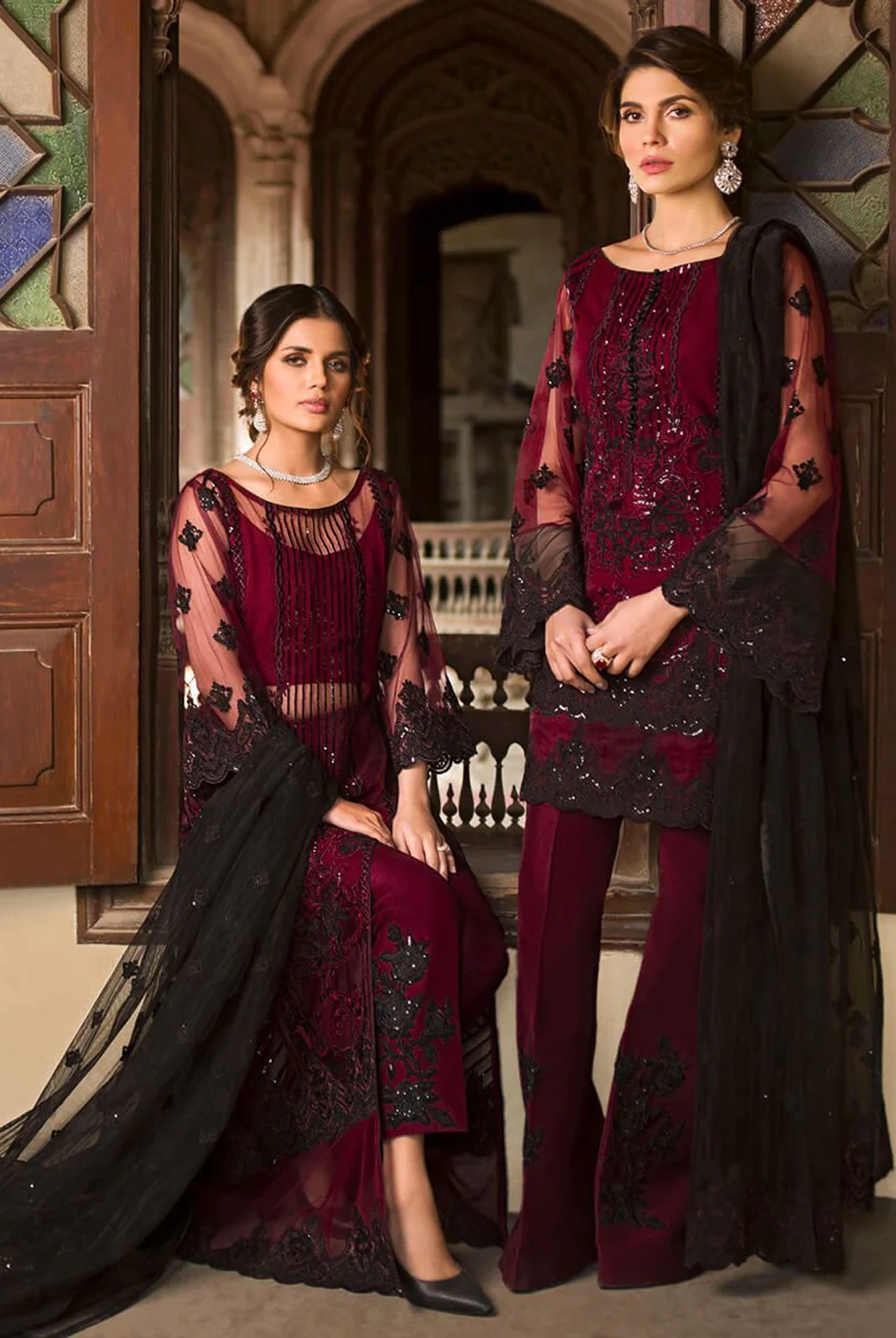

Original price was: ₨17,500.00.₨13,500.00Current price is: ₨13,500.00.
Sale!


Original price was: ₨16,000.00.₨13,000.00Current price is: ₨13,000.00.
Sale!


Original price was: ₨18,500.00.₨14,000.00Current price is: ₨14,000.00.
Sale!

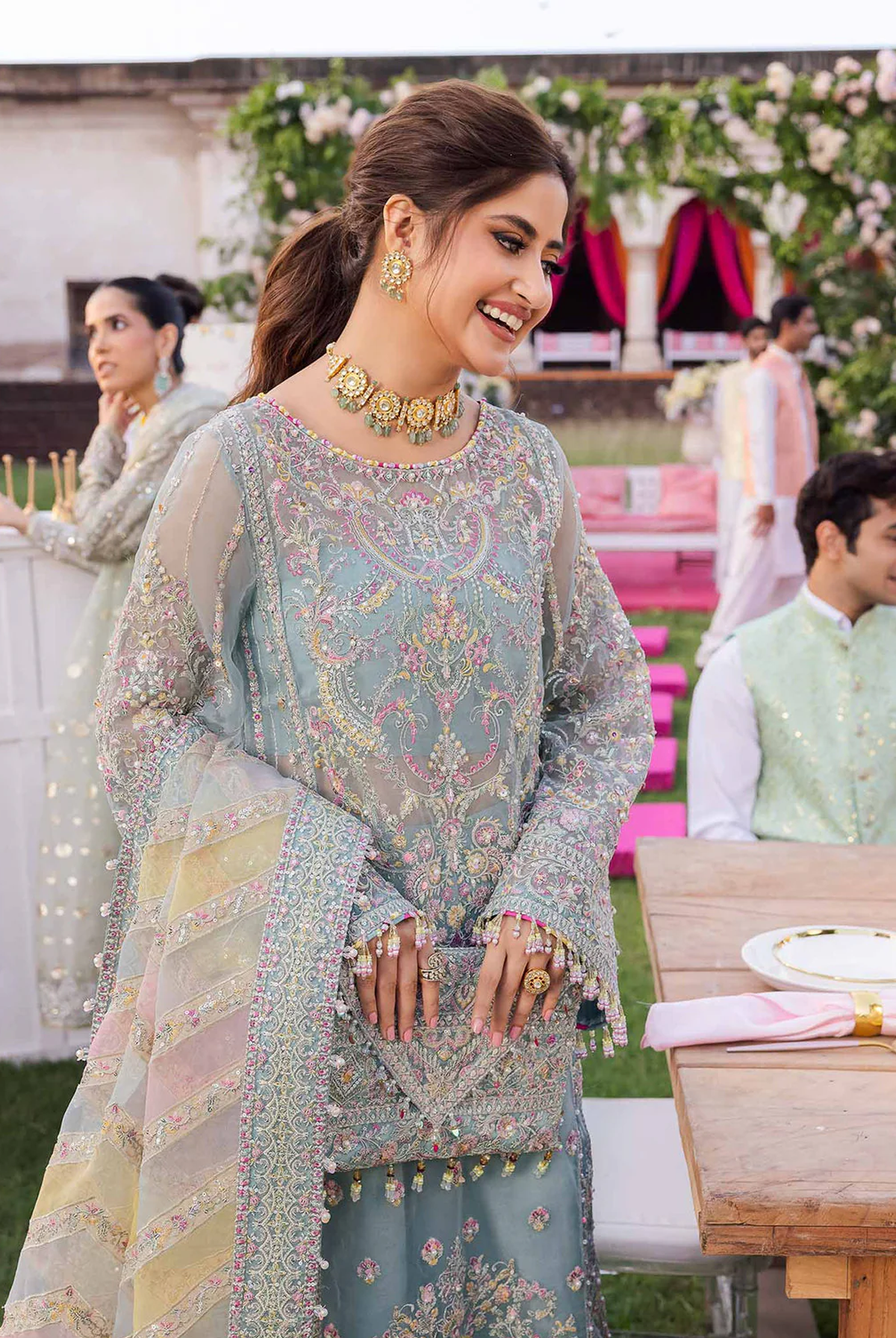
Original price was: ₨14,000.00.₨12,000.00Current price is: ₨12,000.00.
Sale!
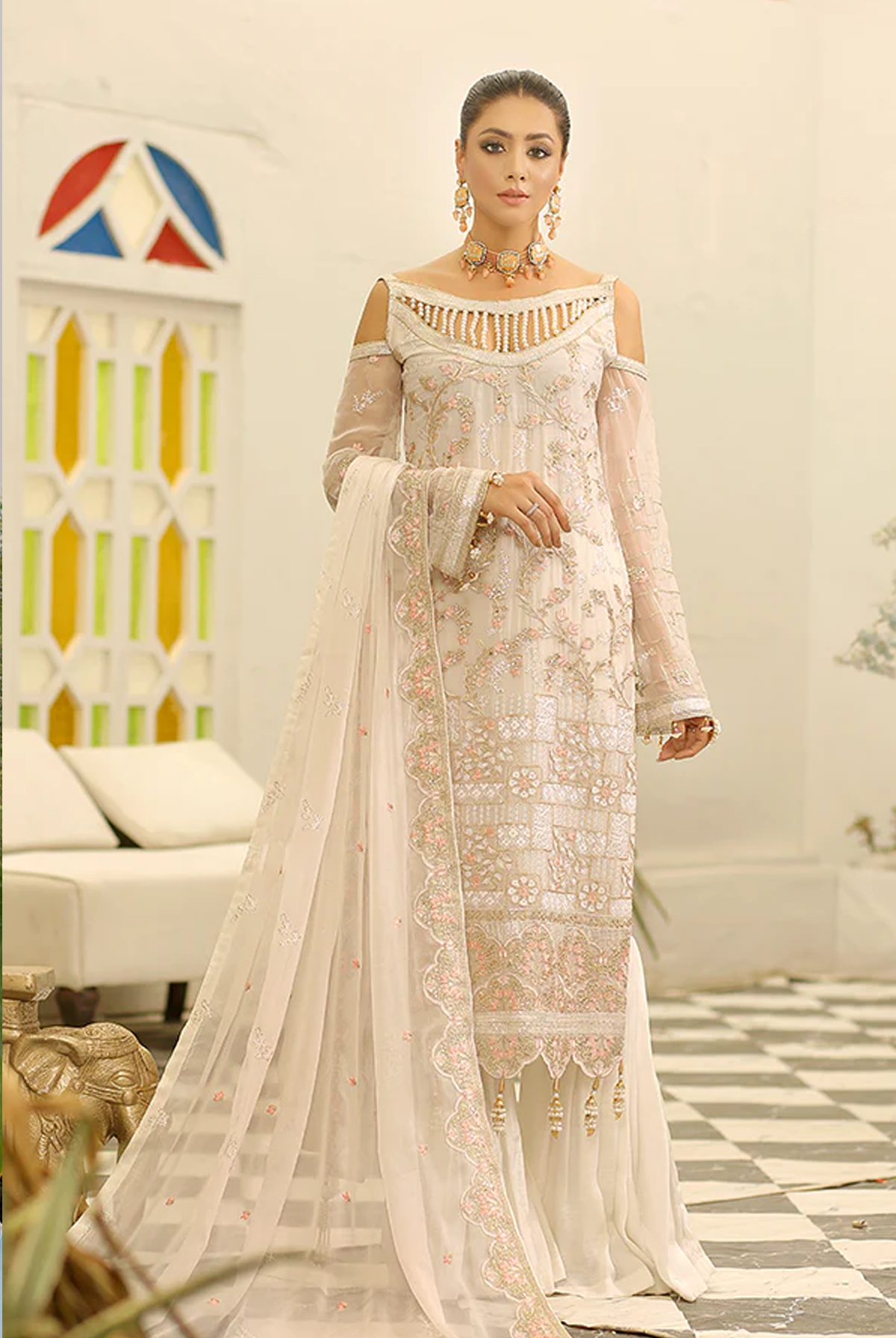

Original price was: ₨15,000.00.₨13,500.00Current price is: ₨13,500.00.
Sale!


Original price was: ₨16,000.00.₨12,500.00Current price is: ₨12,500.00.
Sale!


Original price was: ₨11,500.00.₨9,500.00Current price is: ₨9,500.00.
Sale!
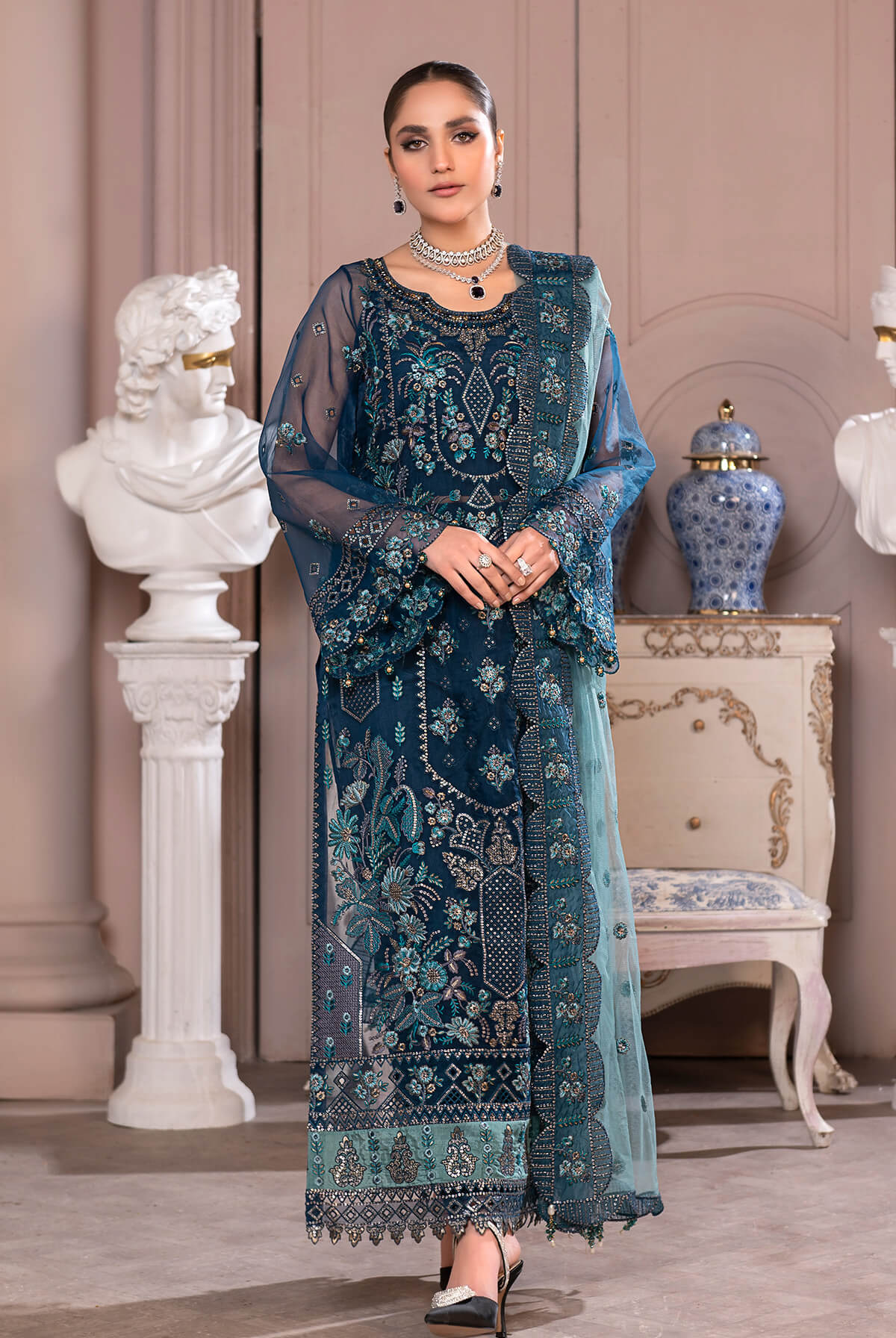

Original price was: ₨14,000.00.₨9,500.00Current price is: ₨9,500.00.
Sale!


Original price was: ₨20,000.00.₨14,500.00Current price is: ₨14,500.00.
Sale!


Original price was: ₨19,000.00.₨14,000.00Current price is: ₨14,000.00.
Sale!


Original price was: ₨18,500.00.₨14,500.00Current price is: ₨14,500.00.
Sale!


Original price was: ₨14,500.00.₨12,500.00Current price is: ₨12,500.00.
Sale!


Original price was: ₨17,500.00.₨16,000.00Current price is: ₨16,000.00.
Sale!

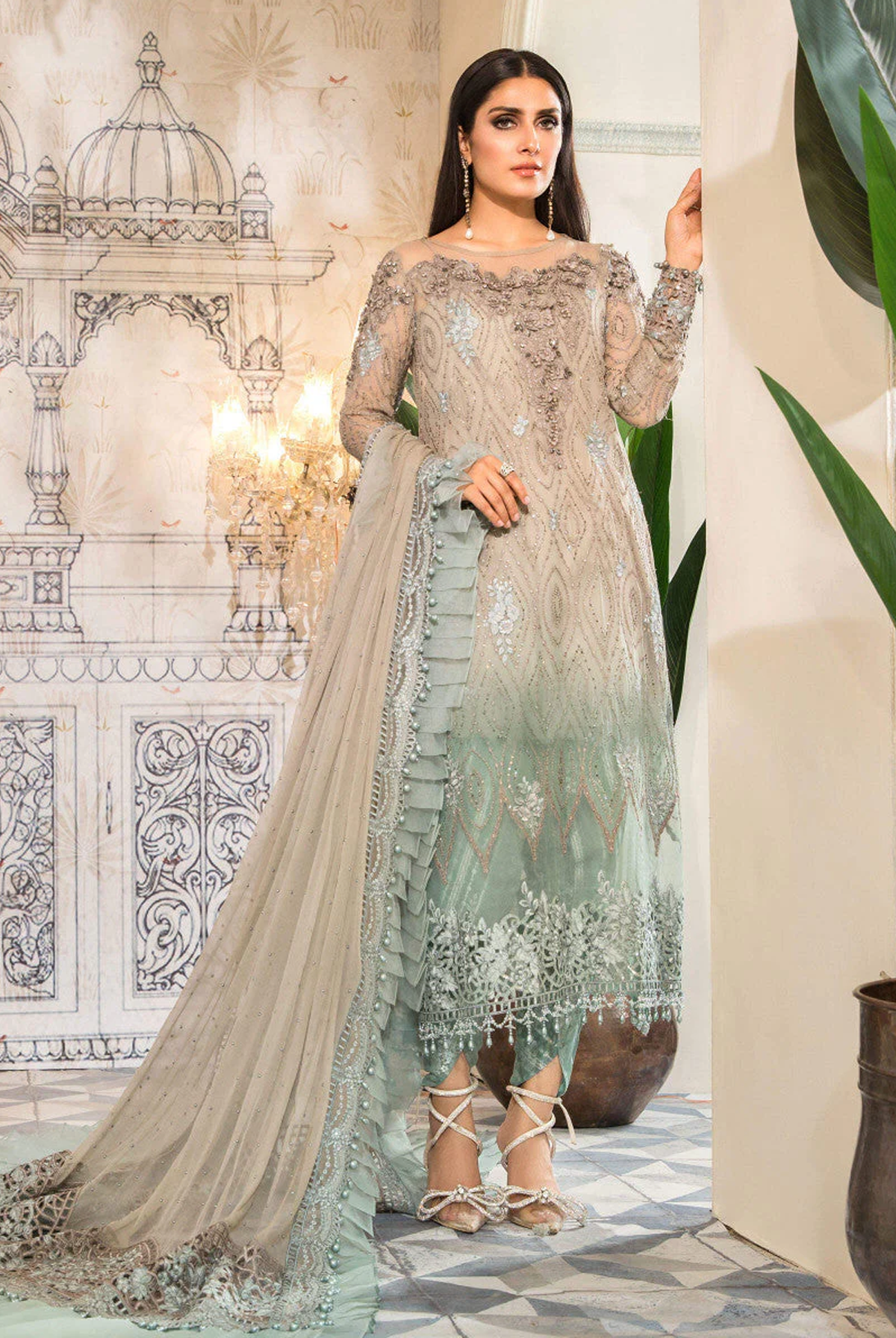
Original price was: ₨16,500.00.₨15,500.00Current price is: ₨15,500.00.
Sale!

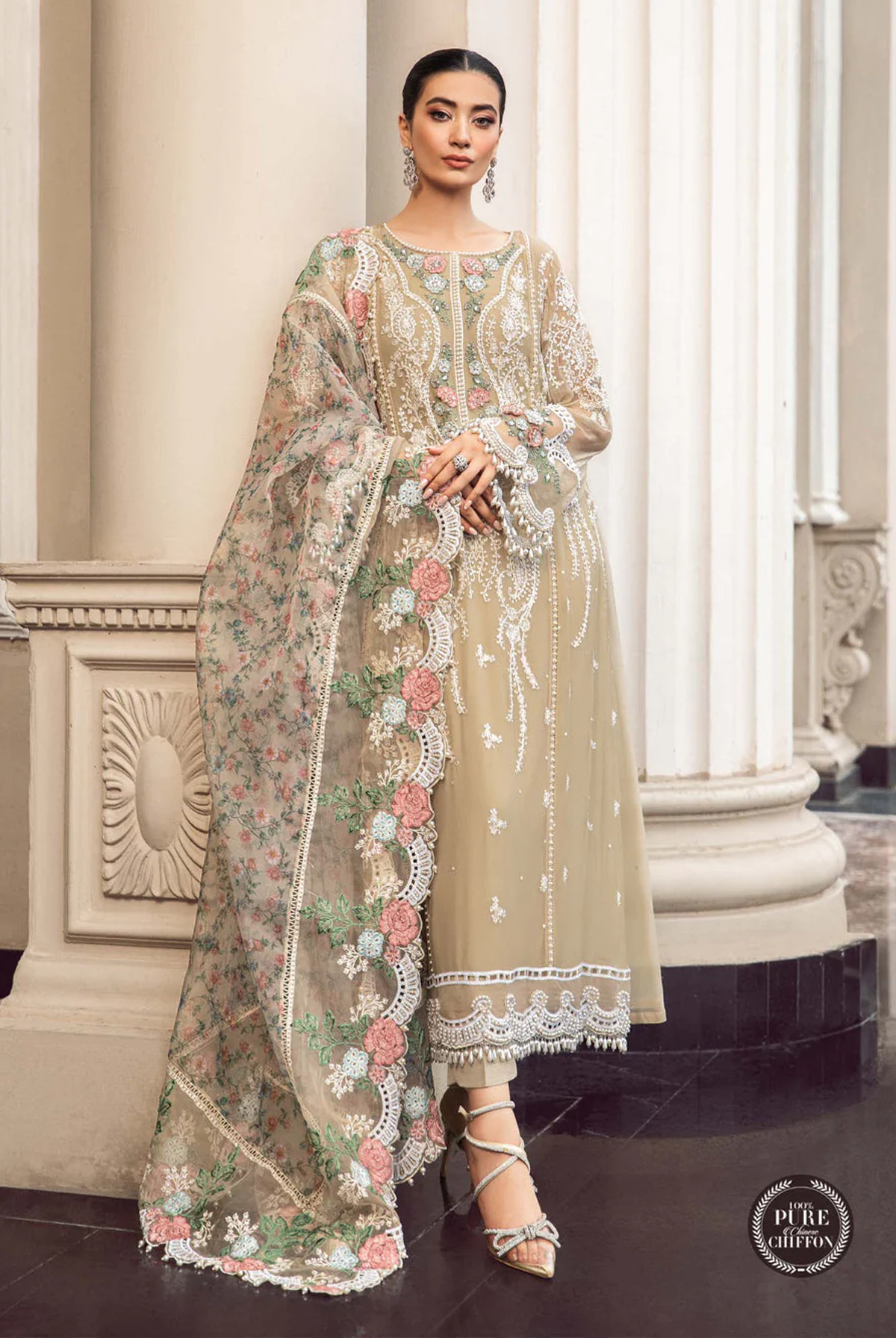
Original price was: ₨15,000.00.₨14,000.00Current price is: ₨14,000.00.
Sale!


Original price was: ₨16,500.00.₨15,000.00Current price is: ₨15,000.00.
Sale!


Original price was: ₨12,500.00.₨9,500.00Current price is: ₨9,500.00.
Pakistani Dress Wholesale Supplier Cayman Islands: A Complete Guide for Retailers | MASTORAT
The demand for distinctive ethnic fashion continues to create opportunities for clothing retailers, boutique owners, and online sellers around the world. Pakistani clothing is particularly appealing because it combines traditional craftsmanship, detailed embroidery, versatile fabrics, and designs suitable for everyday wear and special occasions. For businesses in the Cayman Islands, adding these garments to a retail collection can help attract customers looking for something different from conventional fashion.
Finding the right wholesale partner, however, requires more than comparing product prices. Retailers need to consider fabric quality, design variety, order quantities, communication, shipping arrangements, and the consistency of future supplies. A dependable supplier should make it easier to manage inventory while helping a business maintain the quality its customers expect.
MASTORAT connects international fashion businesses with Pakistani clothing collections across different styles and categories. Retailers can explore traditional outfits, contemporary designs, formal clothing, and unstitched fabrics according to their customers' preferences and budgets. Businesses researching a Pakistani Dress Wholesale Supplier Cayman Islands can use this guide to understand the sourcing process, evaluate suitable product categories, and plan a practical approach to building their inventory.
Whether you operate a small boutique, manage an online fashion store, or supply clothing to other retailers, understanding the wholesale market can help you make better purchasing decisions.
Understanding the Pakistani Fashion Market in the Cayman Islands
The Cayman Islands has an internationally connected economy shaped by tourism, professional services, and a diverse population. These characteristics create opportunities for retailers to introduce clothing collections that reflect different cultural backgrounds, personal tastes, and occasions. Pakistani fashion offers a distinctive combination of traditional aesthetics and contemporary styling. Depending on the collection, garments may feature printed fabrics, delicate embroidery, decorative necklines, coordinated trousers, flowing dupattas, or carefully finished formal details. This variety allows retailers to select products for customers with different preferences rather than relying on a single style. For example, an online store might concentrate on everyday stitched outfits, while a specialist boutique could focus on formal suits and occasion wear. Another retailer might offer unstitched fabric collections for customers who prefer custom tailoring. Before purchasing wholesale stock, businesses should research their intended audience. Useful considerations include:- The age groups and style preferences of potential customers.
- Demand for ready-to-wear garments versus unstitched fabrics.
- Interest in casual, semi-formal, festive, and luxury clothing.
- The price range customers are comfortable paying.
- Seasonal buying patterns and special-event requirements.
- The availability of suitable sizes and designs.
Why Pakistani Clothing Appeals to International Buyers
Pakistani clothing is appreciated for its variety of fabrics, regional influences, decorative techniques, and adaptable designs. Collections range from simple cotton outfits for regular use to elaborately embellished garments intended for celebrations. This range is useful for international retailers because it allows them to serve customers with different budgets and styling preferences. A boutique does not need to specialize exclusively in luxury fashion or everyday clothing. It can combine several categories to create a balanced selection.Traditional Craftsmanship and Contemporary Design
Many Pakistani outfits incorporate design elements associated with traditional South Asian clothing, including embroidered panels, decorative borders, printed motifs, and coordinated accessories. Contemporary collections reinterpret these features through updated cuts, color combinations, and styling. This balance makes Pakistani fashion suitable for customers who appreciate cultural clothing but prefer modern silhouettes. Retailers can select classic designs for customers who value tradition and more contemporary pieces for shoppers seeking versatile outfits. Businesses exploring premium collections can review Pakistani Designer Dresses and Pakistani Designer Suits to understand the different categories available for a fashion-focused store.Variety for Different Occasions
A successful clothing collection usually includes products for more than one occasion. Casual outfits may appeal to customers looking for comfortable everyday clothing, while formal suits can serve weddings, family celebrations, dinners, and cultural events. Seasonal collections provide another opportunity to introduce fresh designs. Lightweight fabrics may be suitable for warmer conditions, while heavier materials and layered outfits can serve customers looking for clothing appropriate to cooler weather or evening events. Offering this variety helps retailers respond to different purchasing needs without making the product range unnecessarily complicated.How to Choose a Wholesale Clothing Partner
Selecting a supplier is an important business decision because the quality of the sourcing relationship can affect customer satisfaction, cash flow, and inventory planning. Retailers should compare potential suppliers using clear criteria rather than relying entirely on promotional descriptions. A professional supplier relationship should provide enough information for a buyer to understand what is being purchased, how orders are processed, and what to expect after payment.Product Quality and Consistency
Quality should be assessed across the complete garment, not just its appearance in product photographs. Fabric texture, stitching, finishing, embroidery, color accuracy, and sizing can all influence the customer's experience. Where possible, request product samples before committing to a substantial order. Samples can help you assess the material, workmanship, and fit. For repeat purchases, compare new batches with earlier products to identify noticeable differences. It is also helpful to request clear product specifications. These may include fabric composition, available sizes, garment measurements, care instructions, and details about whether a product is stitched or unstitched.Product Selection
A supplier should offer a suitable range for the retailer's intended audience. This does not necessarily mean choosing the supplier with the largest catalogue. A smaller, well-matched selection may be more commercially useful than a large collection containing products your customers are unlikely to purchase. Review the available categories and identify whether they support your business model. For instance, a boutique focusing on premium occasion wear may need more formal designs, while a general online store may benefit from a combination of everyday suits, printed clothing, and seasonal products.Communication and Order Information
Clear communication reduces the risk of misunderstandings. Before placing an order, confirm product availability, quantities, payment terms, dispatch expectations, and the process for addressing damaged or incorrect items. Retailers should also establish how changes to an order will be handled. Written confirmation of the agreed specifications provides a useful reference for both parties. Businesses evaluating a Pakistani Dress Wholesale Supplier Cayman Islands should treat these practical checks as part of their sourcing process. A supplier's suitability depends on whether its products, policies, and delivery arrangements meet the retailer's actual requirements.Exploring MASTORAT's Clothing Categories
Different retail businesses require different types of inventory. Understanding the main categories of Pakistani clothing makes it easier to select a balanced collection and explain the available choices to customers. MASTORAT's website provides several collection and sourcing pages that retailers can explore when researching Pakistani fashion.Formal and Occasion Wear
Formal Pakistani clothing often features detailed embroidery, decorative embellishments, coordinated fabrics, and refined finishing. Depending on the design, garments may be appropriate for weddings, celebrations, formal dinners, and other special occasions. These products can help boutiques develop a premium clothing section. However, retailers should consider the intended customer and local price expectations before investing heavily in elaborate outfits. When reviewing formal garments, pay attention to the fabric, embroidery placement, lining, stitching, and included components. Product descriptions should clearly identify what is supplied with each outfit so that buyers can communicate accurate information to their customers. Retailers can explore Pakistani Designer Dresses and Pakistani Designer Suits for additional information about designer-oriented collections.Casual and Everyday Clothing
Casual clothing is an important category for retailers seeking products that customers can wear regularly. Cotton suits, printed lawn outfits, simple stitched garments, and comfortable coordinated sets may appeal to customers who value practicality alongside style. A useful everyday collection should offer a reasonable mix of colors, patterns, sizes, and price points. Retailers can begin with a carefully selected assortment and adjust future purchases according to sales results. It is also important to understand the difference between individual garments and complete outfits. Product listings should make it clear whether trousers, dupattas, lining, or other components are included. For broader sourcing information, explore Pakistani Dress Wholesale and Pakistani Dress in Wholesale.Unstitched Fabrics
Unstitched clothing materials appeal to customers who prefer to choose their own cuts, measurements, and tailoring details. These products can offer flexibility for shoppers who want garments adapted to their personal preferences. Retailers considering this category should verify fabric measurements, included pieces, material composition, and any available design instructions. Clear descriptions are particularly important when customers purchase online and cannot inspect the fabric before ordering. A store may offer unstitched products alongside ready-made outfits to serve both customer groups. This approach allows shoppers to choose between convenience and customization. Further sourcing information is available through Pakistani Dress Material Wholesale.Bridal and Premium Collections
Bridal and premium occasion wear can attract customers who are prepared to spend more on garments for important events. These collections may include elaborate embroidery, decorative finishing, luxurious-looking fabrics, and coordinated designs. Because such garments may involve a higher purchasing cost, retailers should examine each product carefully before placing a large order. Consider the expected selling price, the time required to sell the item, and the possibility of holding unsold inventory. A measured approach is often more practical than stocking many expensive designs at once. Retailers can test customer interest, collect feedback, and expand the category when sales data supports further investment.Building a Balanced Retail Collection
The best wholesale assortment depends on a business's customers, available budget, and retail strategy. Instead of buying a large quantity of similar outfits, consider how different products can complement one another. For example, a boutique could divide its initial collection into everyday clothing, mid-range occasion wear, and a smaller selection of premium designs. This gives customers options at different price levels while helping the retailer evaluate which categories perform best. The exact proportions should be determined by market research rather than a universal formula. A store serving customers interested in daily clothing may require a different assortment from a boutique specializing in weddings and celebrations.Start With Customer Research
Before placing an order, review the products customers already purchase from your store. If you are launching a new business, examine competing retailers, customer enquiries, social media engagement, and the kinds of styles receiving attention in your intended market. You can also ask prospective customers which fabrics, colors, sizes, and clothing styles they prefer. This feedback will not guarantee sales, but it can provide useful guidance for your initial selection.Test Demand Before Expanding
Starting with a manageable assortment can reduce the risk of committing too much money to untested products. Once sales begin, record which items attract enquiries, which designs sell quickly, and which products remain in stock. Use these observations to guide future orders. If casual suits consistently perform well, you may choose to expand that category. If elaborate formal garments sell slowly, you can adjust quantities or offer them through a smaller curated selection.Maintain Variety Without Creating Excess Stock
Variety is useful, but too many similar products can make inventory management difficult. A practical collection should offer meaningful choices while avoiding unnecessary duplication. Retailers can group stock by category, size, color, season, and selling price. Regular inventory reviews help identify products that need promotion and categories that may require replenishment.International Shipping to the Cayman Islands
Shipping is an important part of international wholesale purchasing. Clothing may travel across several stages between dispatch and final delivery, so retailers should understand the available methods and the responsibilities of each party. Depending on the supplier's arrangements, order size, destination, and service availability, international shipments may be transported by air or sea.Air Freight and Express Shipping
Air freight and express courier services may be appropriate for smaller consignments, urgent replenishment, or higher-value products that retailers need sooner. These services can offer shorter transit times than sea freight, but the overall cost may be higher. The final price can depend on shipment weight, dimensions, service level, and destination-specific charges. Retailers should request a shipping quotation before confirming their order rather than estimating costs from the garment price alone.Sea Freight for Larger Shipments
Sea freight may be worth considering when transporting larger quantities and when the delivery schedule allows more time. The total cost depends on the shipment's volume, handling requirements, route, and other applicable charges. Businesses should also account for port handling, customs processing, inland transport, and any storage fees that may apply. The most suitable option depends on the balance between delivery time, shipment size, and total landed cost.Customs and Import Requirements
International orders may be subject to customs declarations, import duties, taxes, and other destination-specific requirements. Retailers should confirm the applicable rules for importing clothing into the Cayman Islands before placing an order. Ask the supplier which export documents it provides and clarify who is responsible for customs clearance and related charges. Depending on the shipment arrangement, the buyer may need to work with a courier, freight forwarder, or customs broker. Never assume that shipping fees include every import-related expense. Confirm the responsibilities and charges in writing to avoid unexpected costs.Packaging and Shipment Tracking
Proper packaging helps protect clothing from moisture, handling, and avoidable damage during transportation. Retailers should confirm how garments are packed and whether individual pieces receive suitable protection. Tracking information, dispatch confirmation, and an itemized packing list can also simplify shipment monitoring. On delivery, inspect the package and compare its contents with the purchase documents. These basic procedures help businesses maintain accurate inventory records and resolve discrepancies more efficiently.Understanding Wholesale Pricing and Profitability
Wholesale purchasing can provide retailers with access to a wider selection of products, but profitability depends on more than the unit price. A garment's true cost includes the purchase price and the additional expenses required to bring it into sellable inventory. These may include international freight, insurance, customs charges, handling fees, packaging, payment processing, and local delivery. Retailers should calculate these costs before deciding how much to charge customers.Calculate the Landed Cost
The landed cost is the total cost of obtaining a product at the retailer's location, including the applicable acquisition and delivery expenses. For example, suppose a retailer purchases a batch of clothing and pays separate freight and import-related charges. Dividing the combined eligible costs by the number of saleable garments gives an average acquisition cost per item. The retailer can then evaluate a suitable selling price based on operating expenses, customer expectations, and the desired margin. This calculation should use actual quotations and confirmed charges wherever possible. Estimated costs can be useful for preliminary planning, but they should not replace a complete calculation before a large order.Understand Gross Margin
Gross margin measures the proportion of sales revenue remaining after the direct cost of the goods sold. The formula is: Gross margin (%) = (Selling price − Cost of goods sold) ÷ Selling price × 100 For example, if a garment sells for $100 and its direct product cost is $60, the gross profit is $40 and the gross margin is 40%, before other operating expenses. This distinction matters because gross margin is not the same as net profit. Rent, marketing, wages, payment fees, unsold stock, and other business costs can reduce the final amount retained.Compare Suppliers Fairly
When comparing wholesale offers, assess products with similar fabric quality, construction, included components, and order quantities. A lower advertised price may not represent better value if the product differs in important ways or requires higher shipping expenses. Ask for a detailed quotation covering the product specifications, quantity, currency, payment terms, and delivery arrangement. Retailers can also explore Pakistani Dress Wholesale and Pakistani Dress Wholesale Online when researching different sourcing approaches.Quality Control Before and After Ordering
Maintaining consistent product quality is essential for building customer confidence. Even attractive designs may create problems if the fabric, measurements, stitching, or finishing differ from the information provided. A structured inspection process helps retailers identify potential issues early.Check Fabric and Construction
Review fabric composition, thickness, texture, stitching, seams, fastenings, and garment finishing. For embellished products, examine the security and placement of decorative elements. If a supplier offers samples, compare them with the specifications of the products you intend to order. Ask whether the sample represents the production batch or whether variations may occur.Verify Measurements and Size Information
Sizing can vary across manufacturers and garment styles. Retailers should request actual measurements rather than relying exclusively on general size labels. For online stores, clear size charts reduce uncertainty and help customers choose suitable garments. Include measurement units and explain whether the dimensions refer to the finished garment or the body measurements recommended for that size.Confirm Color and Design Details
Photographs can display colors differently depending on lighting and screen settings. Retailers should ask suppliers to confirm available colors and notify them of any significant differences between sample images and the delivered products. For products featuring embroidery or coordinated components, verify the design details and what is included in the order.Establish a Receiving Procedure
When stock arrives, inspect the shipment against the packing list and purchase order. Check the quantities, sizes, colors, and visible condition of the garments. Document any discrepancies and contact the supplier promptly according to the agreed terms. Keeping order records and shipment photographs can make it easier to communicate about missing or damaged products. Retailers sourcing through a Pakistani Dress Wholesale Supplier Cayman Islands arrangement should establish these checks early, particularly when they expect to place repeat orders.Fashion Trends and Seasonal Planning
Fashion preferences change over time, and retail businesses need a practical way to respond without constantly replacing their entire inventory. Seasonal planning allows retailers to introduce relevant products while managing purchasing costs. Pakistani clothing collections may include lightweight printed garments, embroidered formal suits, festive designs, and heavier fabrics intended for different weather conditions.Everyday Prints and Lightweight Fabrics
Printed cotton and lawn outfits can form part of a collection aimed at customers who prefer practical clothing. These designs may be useful for everyday wear and can provide variety through different prints, colors, and silhouettes. Retailers should assess fabric suitability for the climate and intended use rather than assuming that every seasonal collection will appeal equally to customers in the Cayman Islands.Festive and Celebration Wear
Festive collections can provide opportunities to serve customers preparing for cultural celebrations, family gatherings, and special events. Retailers may consider embroidered suits, coordinated outfits, and more decorative designs when demand supports them. Planning purchases around confirmed customer interest can help reduce the risk of holding expensive stock after the relevant season has passed.Contemporary Styling
Some customers prefer clothing that combines traditional design details with modern cuts and styling. A carefully selected range can appeal to shoppers seeking cultural clothing that fits their personal style. Retailers should choose designs based on customer feedback, product quality, and the identity of their store. Following trends can be useful, but every popular design will not necessarily suit every audience. For further inspiration, review Pakistani Designer Clothes Online and Pakistani Catalogue Dress Wholesale.Supporting Small Boutiques and Growing Fashion Businesses
Smaller retailers often face different challenges from large distributors. They may have limited storage, smaller purchasing budgets, and less room for unsold inventory. A wholesale relationship should therefore be evaluated according to the needs of the business rather than the size of the supplier alone.Flexible Purchasing Decisions
Where available, manageable order quantities can help a new retailer test products before expanding. Buyers should confirm any minimum order requirements, size assortment rules, and conditions attached to wholesale pricing. It is also worth checking whether products can be reordered later. A popular garment may not remain available indefinitely, particularly if it belongs to a seasonal collection.Building a Recognizable Store Identity
A boutique can stand out by selecting a coherent range rather than offering unrelated products. For example, a store may emphasize everyday South Asian fashion, premium occasion wear, or a combination of contemporary and traditional clothing. Product descriptions, photographs, packaging, and customer service should reinforce the same positioning. Retailers should also use accurate product information when promoting clothing online. Customers are more likely to make informed decisions when they can see clear photographs, measurements, fabric details, and information about included components.Managing Cash Flow
Purchasing too much inventory can tie up money that a business needs for marketing, rent, packaging, and other operating costs. Retailers should account for the time required to sell stock and the possibility of slower-than-expected demand. Maintaining a cash reserve can provide greater flexibility when replenishment or unexpected expenses arise. A measured purchasing strategy gives small businesses more room to learn from sales and improve their product selection over time.Selling Pakistani Clothing Through Online Channels
An online store can help retailers reach customers beyond their immediate location. However, success depends on presenting products clearly and creating a reliable buying experience.Use Accurate Product Listings
Each product listing should describe the garment in straightforward language. Include fabric information, color options, size availability, stitching status, included components, and care instructions when these details are available. Avoid making unsupported claims about fabric composition, exclusivity, or craftsmanship. Accurate descriptions help customers understand what they are buying and reduce avoidable disputes.Invest in Useful Product Photography
High-quality photographs allow customers to examine a garment's appearance, details, and overall styling. Where possible, show multiple angles and close-up views of embroidery or fabric texture. Images should represent the actual product accurately. If colors or design details can vary between batches, explain this clearly rather than promising an exact match that cannot be guaranteed.Make Delivery and Returns Clear
Before checkout, customers should be able to understand the delivery process, estimated shipping charges, and applicable return or exchange conditions. International retailers should distinguish between domestic delivery and overseas shipping. If additional customs charges may apply, provide clear information about who is responsible for them.Track Customer Feedback
Reviews, customer enquiries, and return reasons can reveal which products meet expectations and which require improvement. Retailers can use this information to refine product descriptions, reconsider sizing guidance, and make better purchasing decisions. Over time, this process helps create a more consistent shopping experience.Exploring International Wholesale Markets
International sourcing gives retailers access to different collections, but market expansion should be supported by practical research and reliable supply arrangements. A retailer in the Cayman Islands may compare products, prices, and collection styles offered to buyers in other regions. Such comparisons can help identify useful categories and provide broader insight into the Pakistani clothing market. MASTORAT's regional pages provide additional starting points for this research, including Pakistani Dress Wholesale Supplier Canada, Pakistani Dress Wholesale Supplier USA, and Pakistani Dress Wholesale Supplier UK. Retailers interested in other sourcing markets can also review Pakistani Dress Wholesale in Dubai and Pakistani Dress Wholesale Supplier Australia. These pages can help buyers explore related collections and sourcing information. Nevertheless, businesses should independently verify current product availability, pricing, delivery options, and any claims relevant to their intended order. Comparing international markets does not mean that every product or shipping arrangement is identical. Actual terms may depend on the destination, order specifications, and supplier arrangements.Common Mistakes to Avoid When Buying Wholesale
A successful sourcing strategy involves identifying potential risks before committing business funds. Several common mistakes can make wholesale purchasing more expensive or complicated than expected.Choosing Products Based Only on Price
The cheapest product may not provide the best overall value. Poor construction, inconsistent sizing, or unclear product specifications can result in customer complaints and additional costs. Compare the full product details and landed cost before making a decision.Placing Large Orders Without Testing Demand
A large order may reduce the unit price but can also increase the amount of money tied up in stock. New retailers should consider testing a smaller assortment, where the supplier's terms allow it, before making a substantial commitment.Ignoring Import Expenses
Freight, customs charges, handling, and local delivery can significantly affect the final cost of imported garments. Request a complete shipping estimate and confirm who is responsible for each expense.Failing to Confirm Order Specifications
Verbal discussions alone may leave important details unclear. Keep written records of product codes, colors, sizes, quantities, prices, shipping arrangements, and agreed delivery expectations.Overlooking Restocking Availability
A retailer may find a successful design difficult to replenish if it is discontinued or available only in limited quantities. Ask about expected availability and whether similar designs may be offered in future collections.Making Unsupported Marketing Claims
Retailers should avoid promising guaranteed delivery dates, exceptional fabric properties, or specific quality certifications unless those details have been verified. Clear and honest communication is more useful for building long-term customer trust.How to Place a Wholesale Order With MASTORAT
A structured ordering process makes it easier to compare products and confirm the details of an international purchase. The following steps provide a practical framework for retailers researching MASTORAT's collections.Step 1: Review the Available Collections
Begin by exploring the website and identifying products that fit your store's audience. Consider the garment category, fabric, style, color, sizing, and intended selling price. You can start with Pakistani Dress Wholesale and Pakistani Dress Wholesale Online.Step 2: Prepare a Product Shortlist
Create a list of the products you are considering. Record the product names or codes, desired quantities, size requirements, and any questions about materials or included components. A shortlist makes it easier to compare options without losing track of the details.Step 3: Request Current Pricing and Terms
Ask for a quotation covering the selected products, minimum order quantities, payment terms, and availability. Confirm whether the quoted price includes any packaging or other services. If different quantities produce different unit prices, request a clear breakdown so you can evaluate the options.Step 4: Confirm Shipping Arrangements
Provide the destination details required for a quotation and ask which shipping methods are available for the Cayman Islands. Review the estimated transit time, freight charges, tracking arrangements, and responsibilities for customs clearance. Obtain clarification about any charges not included in the quotation.Step 5: Verify the Order Before Payment
Check the final product list, quantities, sizes, colors, agreed prices, and shipping information. Make sure the written confirmation matches your requirements. For a first order, consider whether samples or a smaller trial purchase are appropriate and available.Step 6: Inspect the Delivery
After receiving the shipment, compare the items with your order documents. Record the quantities received and identify any visible differences or damage. This information can help you maintain accurate inventory and communicate clearly if an issue needs to be resolved.Step 7: Review Sales Before Reordering
Once the garments are available for sale, monitor customer interest, conversion rates, returns, and stock movement. Use those findings to decide which categories deserve more investment. Reordering based on actual demand can be more effective than relying exclusively on assumptions about popular styles.Long-Term Supplier Relationships and Business Growth
A reliable supplier relationship can contribute to smoother purchasing and better inventory planning. However, the benefits depend on consistent communication, transparent terms, and the ability to meet agreed requirements. Retailers should maintain records of orders, quotations, product specifications, and delivery performance. These records make it easier to compare repeat orders and identify whether the supplier relationship continues to meet business needs.Consistency Across Repeat Orders
When a product sells well, retailers may want to purchase it again. Before reordering, confirm whether the same fabric, color, design, and measurements remain available. Even when a product has the same name or catalogue reference, buyers should verify important details rather than assume every batch will be identical.Clear Communication About Problems
Occasional discrepancies can arise in international trade. A practical working relationship should include a clear process for reporting missing products, damage, or differences from the confirmed specifications. Keep relevant documents and photographs, and contact the supplier according to the agreed procedure.Planning for Future Collections
Retailers can review sales performance before each new purchasing cycle. This makes it easier to determine whether to replenish established favorites, test new designs, or reduce slow-moving categories. Long-term growth usually depends on a combination of appropriate products, careful financial planning, customer service, and dependable sourcing rather than one purchasing decision alone.Why Consider MASTORAT for Your Wholesale Sourcing Needs?
MASTORAT offers a starting point for businesses researching Pakistani clothing collections for international retail. Its website includes categories covering designer dresses, formal suits, wholesale clothing, and unstitched materials. For Cayman Islands retailers, the suitability of a supplier should be judged against the business's specific requirements. Before placing an order, review the available catalogue and confirm the current terms directly with the supplier. Useful considerations include:- Whether the available styles suit your target customers.
- Whether the product specifications meet your quality expectations.
- Whether the ordering process fits your purchasing budget.
- Whether shipping options are suitable for your delivery schedule.
- Whether the final landed cost supports your retail pricing.
- Whether communication and order documentation are clear.