
Sale!
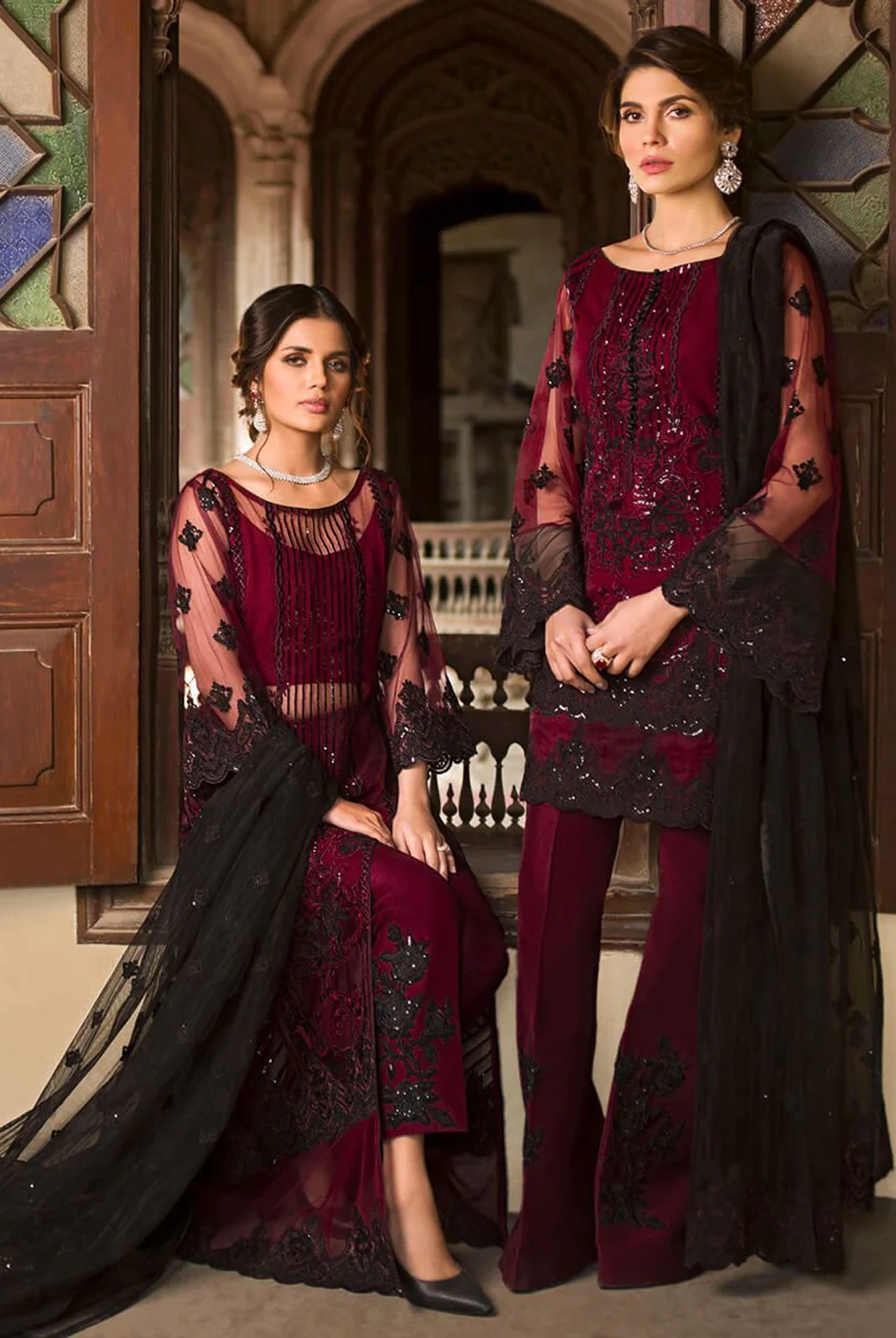

Original price was: ₨17,500.00.₨13,500.00Current price is: ₨13,500.00.
Sale!


Original price was: ₨16,000.00.₨13,000.00Current price is: ₨13,000.00.
Sale!


Original price was: ₨18,500.00.₨14,000.00Current price is: ₨14,000.00.
Sale!

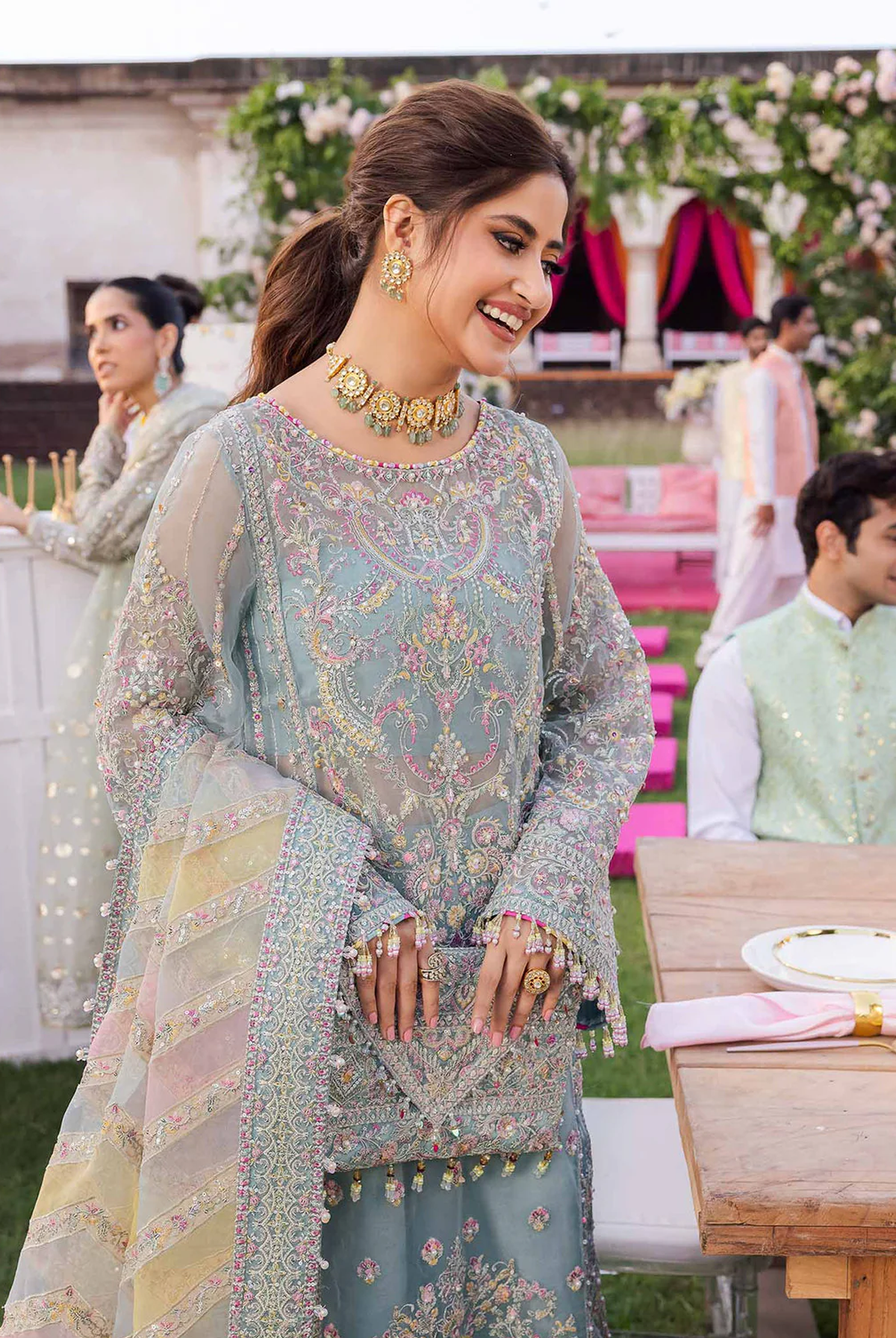
Original price was: ₨14,000.00.₨12,000.00Current price is: ₨12,000.00.
Sale!
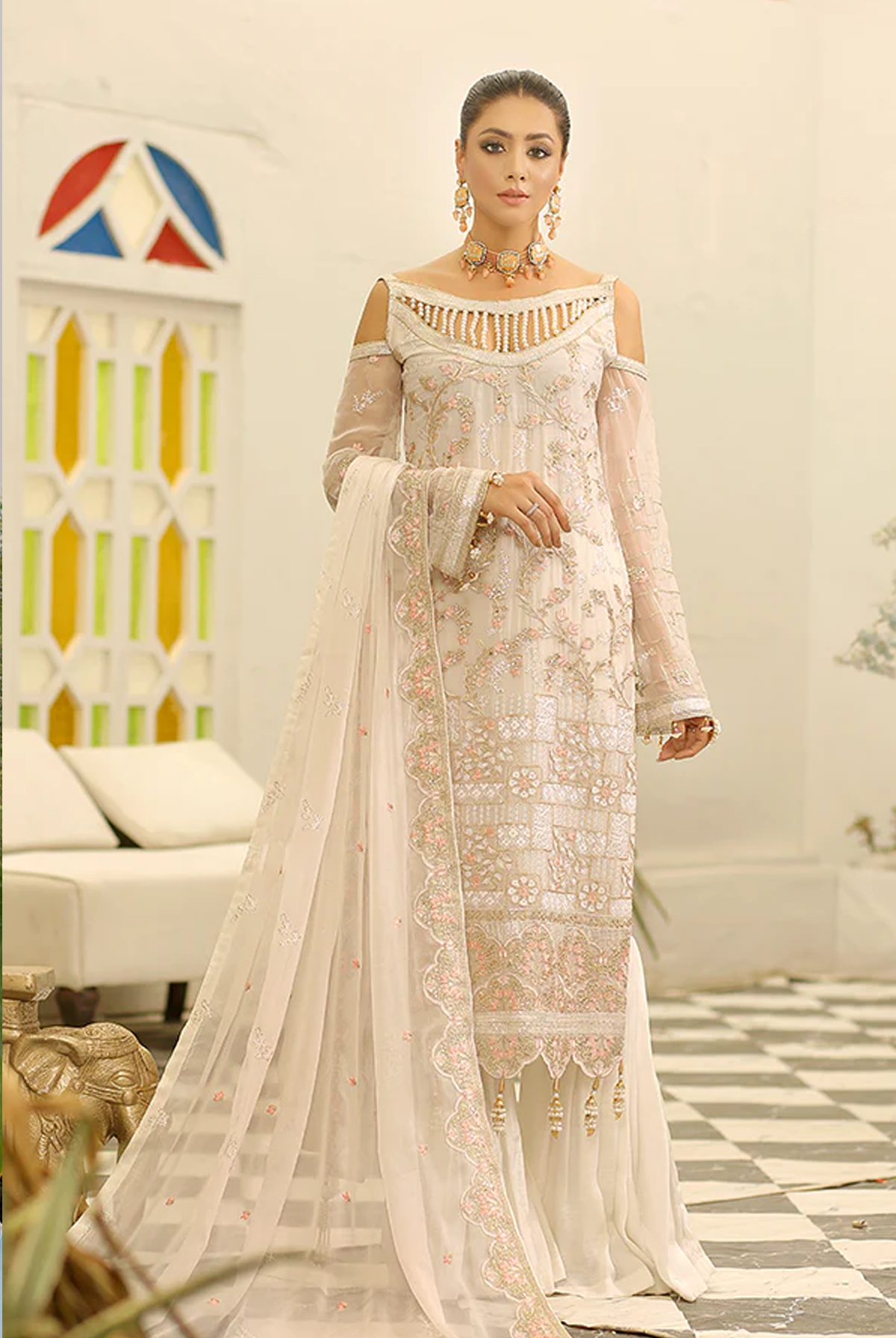

Original price was: ₨15,000.00.₨13,500.00Current price is: ₨13,500.00.
Sale!


Original price was: ₨16,000.00.₨12,500.00Current price is: ₨12,500.00.
Sale!


Original price was: ₨17,500.00.₨15,500.00Current price is: ₨15,500.00.
Sale!
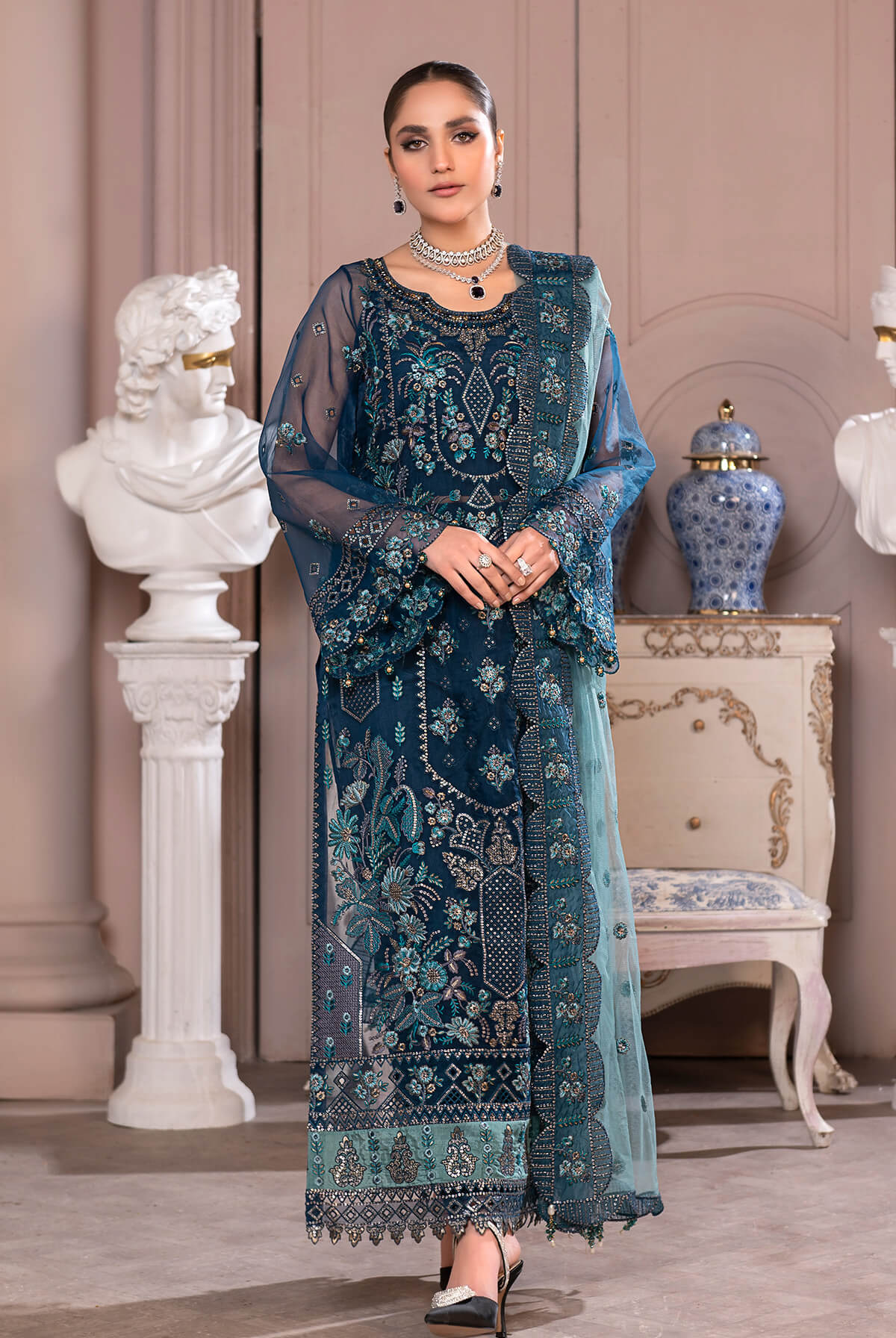

Original price was: ₨14,000.00.₨9,500.00Current price is: ₨9,500.00.
Sale!


Original price was: ₨16,000.00.₨14,000.00Current price is: ₨14,000.00.
Sale!


Original price was: ₨19,000.00.₨14,000.00Current price is: ₨14,000.00.
Sale!


Original price was: ₨16,500.00.₨15,000.00Current price is: ₨15,000.00.
Sale!


Original price was: ₨15,000.00.₨11,500.00Current price is: ₨11,500.00.
Sale!

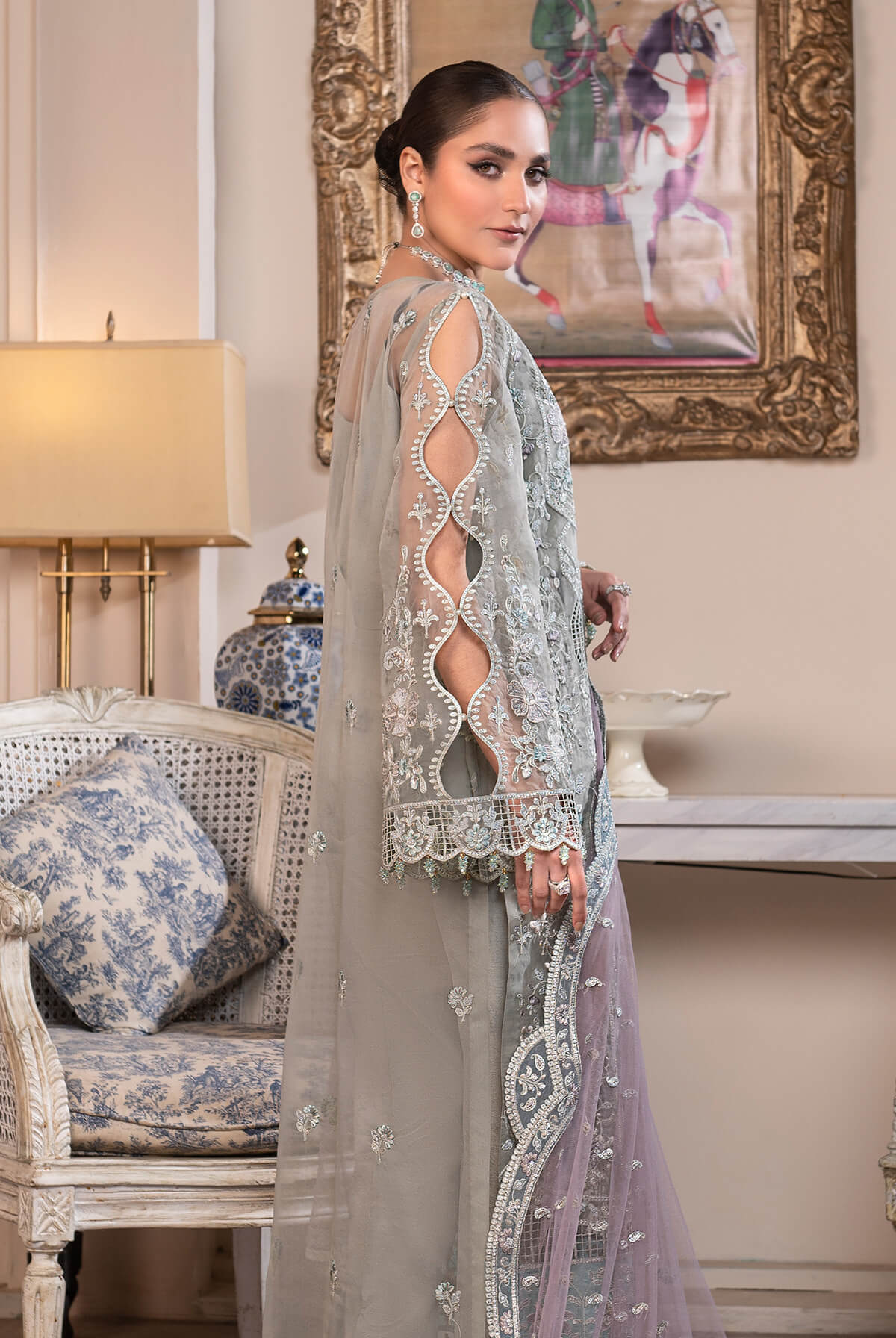
Original price was: ₨14,000.00.₨11,500.00Current price is: ₨11,500.00.
Sale!


Original price was: ₨15,500.00.₨13,500.00Current price is: ₨13,500.00.
Sale!


Original price was: ₨13,500.00.₨12,500.00Current price is: ₨12,500.00.
Pakistani Dress Wholesale Supplier Colombia | Mastorat
The international fashion industry offers many opportunities for retailers who want to introduce distinctive clothing styles to new markets. Pakistani fashion is known for its detailed embroidery, elegant silhouettes, traditional craftsmanship, and wide selection of fabrics. These qualities make it an interesting option for boutiques, online stores, clothing resellers, and fashion businesses in Colombia looking to expand their product ranges.
Working with a Pakistani Dress Wholesale Supplier Colombia can help businesses explore traditional South Asian clothing without having to develop their own manufacturing facilities. From everyday cotton suits to formal embroidered outfits and elaborate bridal collections, Pakistani clothing provides a variety of products for different customer preferences and occasions.
Mastorat offers access to Pakistani clothing collections for businesses exploring wholesale fashion opportunities. Its range of wholesale-related resources helps buyers learn about different clothing categories, sourcing options, and international markets before deciding which products suit their business requirements.
Colombian retailers can begin by reviewing the Pakistani Catalogue Dress Wholesale collection to understand the available styles and identify products that may fit their target audience. Before placing a bulk order, businesses should consider fabric quality, garment sizing, order quantities, delivery arrangements, import costs, and the preferences of their local customers.
This guide explains how Pakistani clothing can fit into a Colombian retail business, which product categories are worth exploring, how to assess wholesale suppliers, and what to consider when planning international purchases.
Understanding the Pakistani Clothing Market in Colombia
Colombia has a diverse fashion environment influenced by local craftsmanship, contemporary trends, regional traditions, and international styles. Retailers regularly evaluate new products to differentiate their collections and provide customers with more choices. Pakistani clothing offers one possible way to introduce distinctive designs inspired by South Asian fashion. Unlike mass-market garments that follow similar cuts and patterns, many Pakistani outfits feature decorative embroidery, coordinated fabrics, traditional motifs, and carefully designed details. Depending on the collection, garments may be suitable for formal gatherings, celebrations, family events, modest fashion, or everyday wear. However, introducing a new clothing category requires more than selecting attractive designs. Colombian businesses should understand their customers before investing in imported stock. A boutique serving customers interested in premium occasionwear may need a different selection from an online retailer specializing in affordable everyday clothing. Retailers can begin by identifying three important factors:- Customer preferences: Determine whether your audience prefers casual clothing, formal suits, statement outfits, or premium embroidered garments.
- Suitable price ranges: Estimate what customers are willing to pay after accounting for purchase costs, international shipping, customs duties, taxes, and local distribution.
- Product differentiation: Choose styles that complement your existing inventory rather than purchasing designs that offer little additional value.
Why Pakistani Fashion Can Appeal to Colombian Retailers
Pakistani clothing combines traditional design influences with a broad range of contemporary styles. Its versatility gives retailers several ways to introduce the category without limiting their stores to one particular type of customer.Distinctive Embroidery and Decorative Details
Embroidery is one of the recognizable features of many Pakistani formal and traditional garments. Depending on the design, embellishments may appear around necklines, sleeves, hems, dupattas, or the main body of a dress. These details can help retailers create visually interesting displays and offer alternatives to conventional formalwear. Lightly embroidered suits may suit customers who prefer understated clothing, while heavily decorated designs may appeal to shoppers seeking outfits for weddings and special occasions. When evaluating embroidered products, buyers should inspect the consistency of the stitching, the quality of the finishing, and the durability of the decorative elements. Product photographs can help with initial selection, but requesting detailed images or samples provides a clearer understanding of the finished garment.A Variety of Fabrics
Pakistani clothing is produced using different fabrics, including cotton, lawn, chiffon, georgette, silk blends, and other materials, depending on the collection. Each fabric serves a different purpose. Cotton and lawn garments may be suitable for lightweight everyday clothing, while chiffon and embellished fabrics are often used for formal outfits. More structured materials may appeal to customers looking for a defined silhouette or an elaborate occasionwear design. Retailers should consider Colombia's regional climate and the intended use of each garment before purchasing stock. Lightweight options may be appropriate for some customers, while formal designs can serve a different market segment. For more sourcing options, businesses can explore Pakistani Dress Material Wholesale and compare the materials available for different types of garments.Traditional and Contemporary Designs
Pakistani fashion includes traditional shalwar kameez, three-piece suits, embroidered dresses, contemporary cuts, and designer-inspired formalwear. This variety allows retailers to build collections around different customer interests. A boutique could begin with a small selection of coordinated suits and everyday garments, then introduce more elaborate pieces if customers respond positively. Online sellers may also test individual categories before investing in a wider inventory. The most suitable approach depends on customer research, available capital, and the retailer's ability to manage international stock.Exploring Wholesale Clothing Categories
A successful wholesale collection should have a clear purpose. Instead of ordering every available style, Colombian businesses can organize their buying decisions around the needs of their customers and the positioning of their stores.Pakistani Designer Dresses
Designer-style Pakistani dresses can provide a premium option for retailers serving customers interested in detailed craftsmanship and distinctive formal clothing. These garments may include embroidered three-piece suits, coordinated dupattas, decorative necklines, embellished sleeves, and occasionwear designs. The exact features depend on the individual collection. Before purchasing designer clothing, retailers should check the materials, stitching, included accessories, size availability, and product specifications. They should also verify whether the garments are original branded products, independent designs, or designer-inspired styles. Accurate product descriptions help prevent misunderstandings and support customer confidence. Mastorat's Pakistani Designer Dresses and Pakistani Designer Suits pages provide additional starting points for exploring these categories. Retailers interested in browsing styles before contacting a supplier can also review Pakistani Designer Clothes Online.Casual and Everyday Pakistani Clothing
Casual clothing can be a practical starting point for businesses that want to test customer interest without concentrating entirely on expensive occasionwear. Everyday collections may include simple printed suits, lightweight cotton garments, minimally embroidered designs, and coordinated separates. These products can appeal to shoppers looking for versatile clothing rather than outfits reserved for special events. When selecting casual garments, retailers should focus on comfort, fabric composition, stitching, color consistency, and ease of care. Clear sizing information is especially important when products are sold online, because customers cannot try them on before purchasing. A balanced collection can include several colors and design variations while avoiding excessive stock in a single style.Formal and Occasionwear
Formal Pakistani clothing often includes more elaborate embroidery, decorative fabrics, coordinated dupattas, and detailed finishing. Depending on the design, these garments may be suitable for weddings, engagement celebrations, formal dinners, and cultural gatherings. Colombian retailers should first determine whether their customers are interested in imported South Asian occasionwear. Small test orders, customer surveys, and pre-order campaigns can help assess demand before a larger investment. For formal garments, product descriptions should explain the fabric, lining, embroidery, included pieces, care instructions, and available sizes. Buyers should also confirm whether embellishments are hand-applied, machine-produced, or created through a combination of techniques.Bridal and Premium Collections
Bridal clothing represents a specialized segment that usually requires careful purchasing decisions. Elaborate outfits may involve more expensive fabrics, detailed embroidery, additional accessories, and longer production times. Retailers considering this category should evaluate whether they have customers willing to pay for premium garments and whether they can manage the associated inventory costs. Made-to-order arrangements may be worth investigating if supported by the supplier, although production schedules and customization terms should be confirmed in writing. Premium clothing should be assessed individually rather than treated as a uniform category. Two dresses that look similar in photographs can differ significantly in material quality, finishing, construction, and production cost.Unstitched Dress Materials
Unstitched dress materials offer another option for retailers whose customers prefer customized clothing. Depending on the product, a set may contain fabric for a shirt, trousers, and a dupatta, along with decorative elements or embroidery. This category allows customers to choose their preferred tailoring, fit, and finishing. It can also help boutiques serve shoppers who prefer customized outfits instead of ready-made garments. Retailers should confirm the exact fabric lengths, included components, embroidery details, and care requirements before listing products for sale. Businesses can investigate Pakistani Dress Material Wholesale in India for additional information about this product category and related wholesale sourcing options.How to Choose the Right Wholesale Collection
Selecting a collection requires balancing visual appeal with commercial practicality. A garment may look attractive in a catalogue but still be unsuitable if its landed cost is too high, its sizing is inconsistent, or its design does not match local customer preferences.Start With a Defined Customer Group
Before contacting suppliers, identify the type of customer your business intends to serve. Consider age range, clothing preferences, budget, shopping habits, and the occasions for which customers typically purchase outfits. For example, a boutique specializing in modest fashion may prioritize coordinated suits and comfortable everyday garments. A premium occasionwear store may focus on embellished formal dresses and carefully selected statement pieces. A clear customer profile makes it easier to compare suppliers and avoid unnecessary purchases.Review Samples and Product Details
Where possible, request samples before placing a substantial order. Samples help retailers evaluate the actual fabric, stitching, color, garment construction, and finishing. If samples are unavailable, request clear photographs, videos, size charts, fabric specifications, and written descriptions. Confirm whether the delivered products will match the catalogue images and whether substitutions are possible. It is also useful to ask about quality-control procedures, defective items, exchange policies, and the process for resolving discrepancies.Compare Total Landed Costs
Wholesale pricing is only one part of the overall purchasing cost. International buyers should calculate the expected cost of receiving the goods in Colombia. Potential expenses include:- Product purchase price.
- Packaging and handling.
- International freight and insurance, where applicable.
- Customs duties and import taxes.
- Customs brokerage and clearance charges.
- Local transportation and warehousing.
- Payment processing and currency conversion fees.
Choose a Manageable Opening Order
New businesses do not necessarily need a large inventory to begin testing a product category. A smaller, carefully selected order can provide useful information about customer response, sizing preferences, and pricing. Where the supplier's terms allow it, retailers can start with a limited assortment of designs and expand based on actual sales. This approach reduces the risk of holding too much unsold stock. Before ordering, confirm the minimum order quantity, available sizes, color options, restocking conditions, and expected production schedule.Understanding Pakistan-to-Colombia Wholesale Logistics
International clothing purchases involve several steps, from confirming the order to receiving and inspecting the goods. Planning these steps in advance helps retailers avoid unnecessary delays and unexpected expenses.Confirm the Order Specifications
A purchase order should clearly identify the products being purchased. Include garment names or product codes, quantities, sizes, colors, unit prices, and any agreed customization details. The order should also specify packaging requirements, payment terms, estimated dispatch dates, and the procedure for handling damaged or incorrect goods. Keeping these details in writing makes it easier to resolve problems if the shipment differs from the original agreement.Select an Appropriate Shipping Method
Air freight and sea freight may both be options for international shipments, depending on the order size, budget, urgency, and available logistics services. Air transport is generally faster but can cost more per unit of cargo. Sea transport may be more economical for larger shipments, although the overall process can take longer and involve additional handling. Retailers should obtain current quotations rather than relying on general delivery estimates. Ask whether the quoted price includes collection, export handling, insurance, customs brokerage, and final delivery.Prepare for Customs Clearance
Imported garments must comply with the applicable Colombian customs requirements. The documents and procedures can vary according to the product, shipment value, origin, transport method, and import arrangement. Depending on the shipment, relevant documents may include a commercial invoice, packing list, transport document, and other declarations or certificates required by the authorities. Retailers should verify the correct product classification, applicable duties and taxes, labeling obligations, and any other requirements before the goods are dispatched. A qualified customs broker or logistics professional can help clarify the rules for a specific shipment. Planning these details early can prevent avoidable delays and make it easier to calculate the final cost of the inventory.Inspect the Shipment After Arrival
Once the products arrive, compare the shipment with the original order. Check quantities, sizes, colors, packaging, and visible garment quality. Photograph any discrepancies and notify the supplier within the agreed reporting period. Keep invoices, shipment documents, and communication records for reference. A consistent receiving process also helps retailers identify recurring quality issues and make better purchasing decisions for future orders.Exploring Mastorat's Wholesale Resources
Mastorat provides online resources for businesses researching Pakistani clothing and wholesale product categories. These pages can help retailers organize their sourcing research, compare different types of garments, and explore related market-specific topics. The main Pakistani Dress Wholesale page is a useful starting point for businesses reviewing general wholesale clothing options. Retailers can also explore the following resources according to their requirements:- Pakistani Dress in Wholesale for a broader look at wholesale clothing.
- Pakistani Dress Wholesale Online for online catalogue research.
- Pakistani Dress Wholesale Market for information related to wholesale sourcing.
- Pakistani Clothes Wholesale Suppliers for broader supplier research.
Comparing International Wholesale Markets
Retailers researching Pakistani clothing may review suppliers and distribution channels in several countries before deciding how to purchase their inventory. Different markets may offer different advantages in terms of product availability, shipping arrangements, payment options, and local distribution. However, the best choice depends on the individual business rather than the country name alone. Mastorat's related pages include Pakistani Clothes Wholesale Suppliers UK, Pakistani Clothes Wholesalers Bradford, and Pakistani Clothes Wholesalers Manchester. These resources can be considered alongside information about suppliers operating closer to the original manufacturing source.Wholesale Supply in Pakistan
Sourcing from Pakistan may provide access to manufacturers, garment workshops, fabric suppliers, and established clothing production centers. Retailers should still compare the supplier's experience, production capabilities, quality standards, and export arrangements. Buying directly from a manufacturer does not automatically guarantee lower costs or better quality. Businesses can review Pakistani Dress Wholesale in Pakistan when exploring this sourcing route.Dubai and Other Regional Markets
Some businesses investigate regional distribution markets when looking for products that may already be available through international trading networks. For example, Pakistani Dress Wholesale in Dubai may be relevant to retailers comparing sourcing arrangements in the Middle East. Other useful regional research pages include Pakistani Dress Wholesale in Dhaka and Pakistani Dress Wholesale in Mumbai. These pages can help buyers broaden their research. Nevertheless, the country or location associated with a page should not be taken as proof of current inventory, warehouse availability, or a particular shipping route. Those details should be confirmed directly.North American and Other International Markets
Retailers may also compare international sourcing information to understand how Pakistani clothing is presented to different customer groups. Relevant resources include Pakistani Dress Wholesale in USA and Pakistani Dress Wholesale Supplier in USA. Businesses can also examine Pakistani Dress Wholesale Supplier in Dubai and Pakistani Dress Wholesale Supplier in Canada as part of their broader research. When comparing international options, focus on the complete purchasing arrangement: where the products ship from, who handles export procedures, what the delivery terms cover, and which party is responsible for import clearance.Building a Balanced Clothing Inventory for Colombia
An effective clothing assortment should reflect the needs of the intended customer base while leaving room for new designs and seasonal changes. Rather than purchasing large quantities of a single style, retailers can consider dividing their initial inventory among several product categories.Everyday and Mid-Range Products
Everyday garments may help attract customers who want versatile clothing at accessible prices. These items can form the foundation of a collection if there is sufficient local demand. Choose designs with clear sizing, practical care requirements, and colors that complement the rest of the inventory.Formal and Premium Products
A smaller selection of formal outfits can introduce customers to the decorative details associated with Pakistani fashion. Premium garments should be chosen carefully because their higher purchase costs may increase the financial risk of unsold stock. Retailers can test interest through product previews, customer feedback, or pre-orders where their business model permits.Seasonal and Occasion-Based Products
Special occasions can influence clothing purchases, but demand varies between customer groups and regions. Retailers should research relevant celebrations and buying patterns instead of assuming that every imported style will sell equally well throughout the year. Track which products generate inquiries, which sizes sell fastest, and which designs receive repeat purchases. This information can guide future orders more effectively than relying solely on catalogue popularity.Marketing Pakistani Clothing to Colombian Customers
Once the inventory is selected, businesses need a clear way to introduce the products to potential buyers. Marketing should explain the garments' features and intended uses while presenting accurate information about their origin, construction, and care.Use Clear Product Photography
Good product photography helps customers understand the design, color, fabric texture, and overall appearance of a garment. Where possible, provide front and back views, close-ups of embroidery, photographs of included pieces, and images that show the garment being worn. Avoid relying on heavily edited pictures that may misrepresent the actual product.Write Helpful Product Descriptions
Product listings should include relevant information such as fabric composition, available sizes, garment measurements, included accessories, care instructions, and delivery terms. If a garment is unstitched, state this clearly. If a set includes a shirt, trousers, and dupatta, list those components explicitly. Accurate descriptions can reduce confusion, improve customer confidence, and make it easier for shoppers to compare different products.Make Information Accessible in Spanish
Spanish-language product descriptions and customer support can make imported clothing easier to understand for many Colombian shoppers. Retailers should use natural, locally understandable wording rather than relying on awkward direct translations. Measurements, payment terms, shipping information, and return policies should be especially clear. Businesses should also make sure that any claims about materials, craftsmanship, origin, or product benefits are supported by the actual product information.Build Trust Through Transparent Policies
Internationally sourced clothing may raise questions about sizing, delivery times, returns, and product availability. Publish clear policies that explain expected dispatch times, estimated delivery windows, exchange conditions, and how customers can contact the business. Do not promise delivery dates or return options that cannot be supported by the actual arrangements. Trust grows when customers know what to expect before completing a purchase.Managing Costs and Improving Wholesale Profitability
Wholesale clothing can create business opportunities, but profitability depends on careful financial planning. A low purchase price does not necessarily mean that a product will generate a strong return. Retailers should calculate the complete cost of each garment before setting a selling price. For example, the cost calculation should account for the purchase price, allocated shipping expenses, import charges, packaging, payment fees, and any other costs directly associated with getting the product ready for sale. Businesses should then consider operating expenses such as advertising, storage, staff, and marketplace commissions. The final selling price needs to cover these costs while remaining suitable for the target customer.Monitor Product Performance
Keep records of the quantities purchased, units sold, remaining stock, customer inquiries, and returns. This information can reveal which categories perform well and which products may need different pricing, better descriptions, or a smaller reorder quantity. Reviewing actual sales data also helps prevent overbuying products based only on personal preferences or temporary trends.Maintain Cash Flow
International orders may require payment before the stock is ready for sale. Businesses should therefore account for the time between placing an order and receiving revenue from customers. Avoid committing too much working capital to slow-moving products. Where practical, maintain a reserve for freight adjustments, unexpected import expenses, and replacement purchases. A measured approach to ordering can help a new retail business grow without taking unnecessary inventory risks.How to Evaluate a Reliable Wholesale Supplier
Choosing the right supplier is about more than finding attractive clothing. Retailers need a business partner whose product information, communication, order terms, and delivery arrangements match their expectations.Verify Business Information
Review the supplier's available business details, contact information, product catalogue, payment instructions, and trading terms. Ask for clarification whenever an important detail is missing. For a significant order, consider requesting appropriate business documentation and references where available.Confirm Product Availability
Catalogue images may show designs that are unavailable, discontinued, or produced only after an order is placed. Ask whether the selected products are in stock or require manufacturing. Confirm expected production times, available quantities, and the process for approving substitutions before paying for the order.Check Quality Standards
Discuss the supplier's approach to fabric selection, stitching, sizing, embroidery, finishing, and final inspection. If the products are intended for a premium market, make sure the construction and materials meet the standard customers will expect at the proposed selling price.Understand Payment and Dispute Terms
Review payment deadlines, accepted methods, cancellation conditions, refund policies, and the procedure for reporting incorrect or damaged goods. Use payment arrangements that provide appropriate records and protection for the transaction. Be cautious if a supplier changes payment details unexpectedly or refuses to provide written order confirmation.Confirm Shipping Responsibilities
Clarify which party arranges transportation, export documentation, insurance, and customs-related services. The terms should identify the responsibilities of the buyer and seller, including who pays the relevant charges and when responsibility for the shipment transfers. These checks help retailers make more informed sourcing decisions and establish a repeatable purchasing process.International Supplier Connections for Broader Research
Businesses exploring Pakistani fashion can use country-specific sourcing pages to organize their research by region. This can be useful when comparing product categories, researching potential markets, or planning future expansion. For South American and European market research, relevant Mastorat pages include:- Pakistani Dress Wholesale Supplier Argentina
- Pakistani Dress Wholesale Supplier Brazil
- Pakistani Dress Wholesale Supplier Belgium
- Pakistani Dress Wholesale Supplier Canada
- Pakistani Dress Wholesale Supplier China
- Pakistani Dress Wholesale Supplier Australia