
Sale!

Original price was: ₨17,500.00.₨13,500.00Current price is: ₨13,500.00.
Sale!


Original price was: ₨16,000.00.₨13,000.00Current price is: ₨13,000.00.
Sale!


Original price was: ₨18,500.00.₨14,000.00Current price is: ₨14,000.00.
Sale!

Original price was: ₨14,000.00.₨12,000.00Current price is: ₨12,000.00.
Sale!

Original price was: ₨15,000.00.₨13,500.00Current price is: ₨13,500.00.
Sale!


Original price was: ₨16,000.00.₨12,500.00Current price is: ₨12,500.00.
Sale!


Original price was: ₨17,500.00.₨15,500.00Current price is: ₨15,500.00.
Sale!


Original price was: ₨15,000.00.₨13,000.00Current price is: ₨13,000.00.
Sale!


Original price was: ₨11,500.00.₨9,500.00Current price is: ₨9,500.00.
Sale!

Original price was: ₨14,000.00.₨9,500.00Current price is: ₨9,500.00.
Sale!


Original price was: ₨16,000.00.₨14,000.00Current price is: ₨14,000.00.
Sale!


Original price was: ₨18,500.00.₨14,500.00Current price is: ₨14,500.00.
Sale!


Original price was: ₨17,500.00.₨15,000.00Current price is: ₨15,000.00.
Sale!


Original price was: ₨14,500.00.₨12,500.00Current price is: ₨12,500.00.
Sale!


Original price was: ₨17,500.00.₨16,000.00Current price is: ₨16,000.00.
Sale!

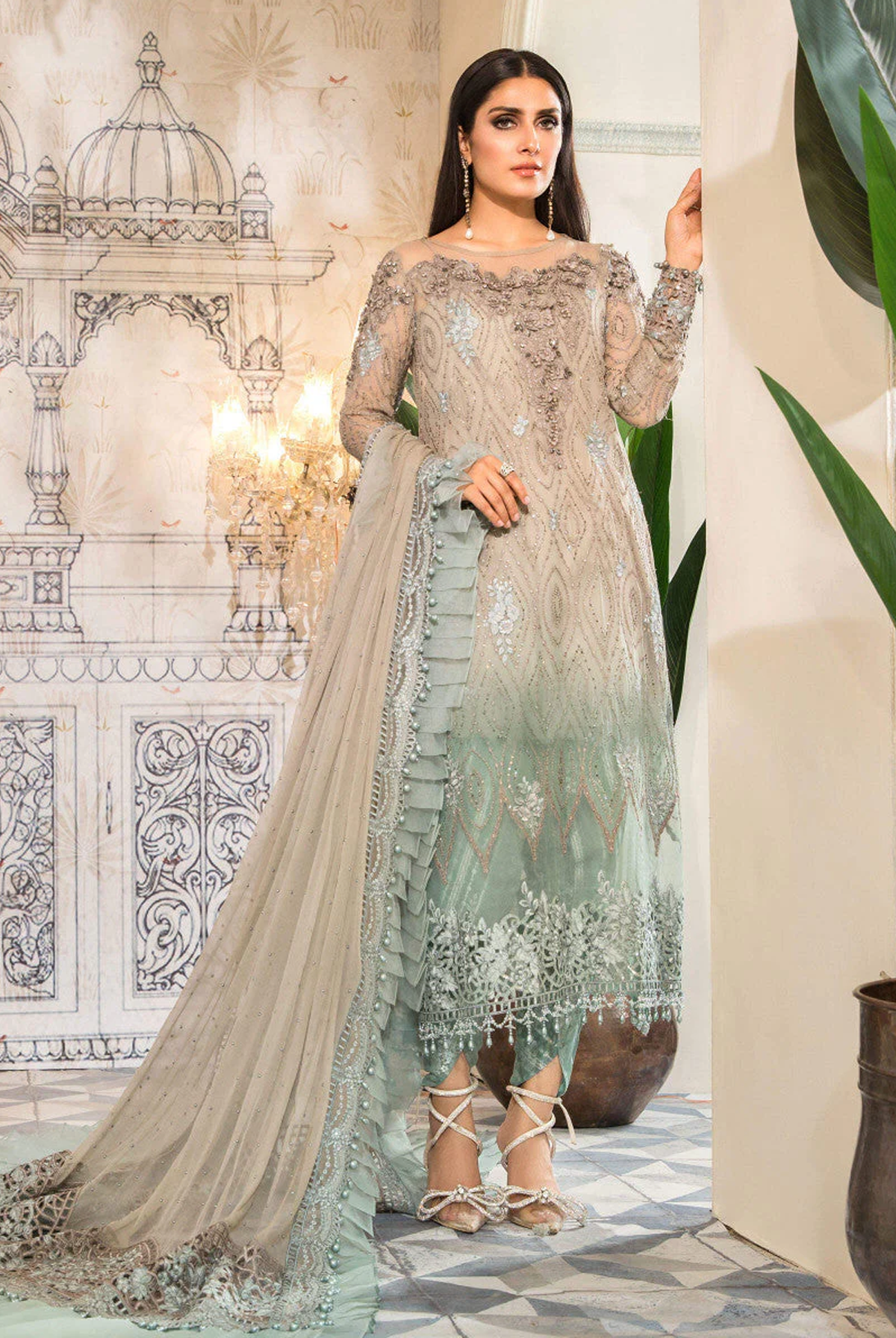
Original price was: ₨16,500.00.₨15,500.00Current price is: ₨15,500.00.
Sale!

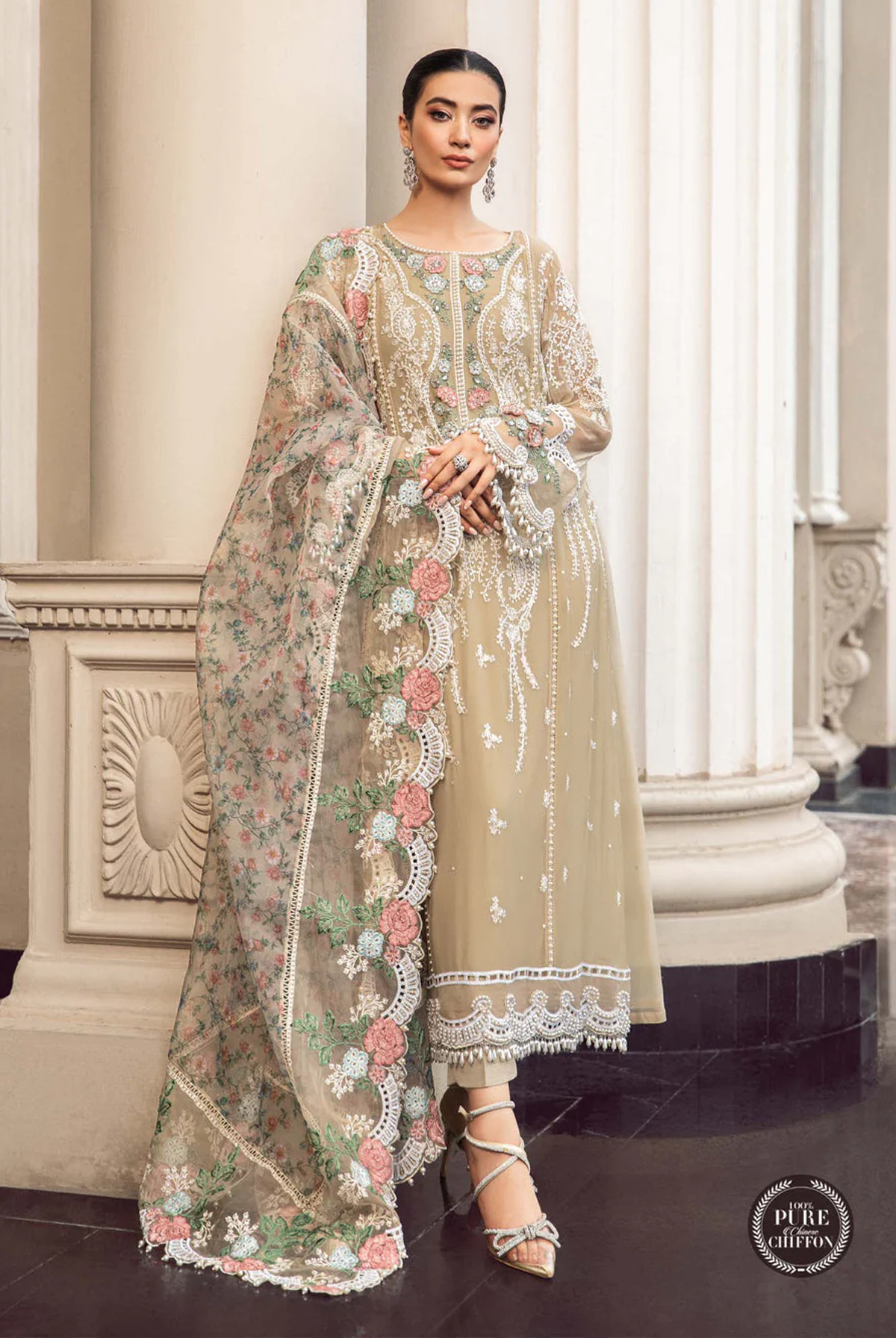
Original price was: ₨15,000.00.₨14,000.00Current price is: ₨14,000.00.
Sale!


Original price was: ₨18,500.00.₨17,000.00Current price is: ₨17,000.00.
Sale!


Original price was: ₨17,500.00.₨16,500.00Current price is: ₨16,500.00.
Sale!


Original price was: ₨16,500.00.₨15,000.00Current price is: ₨15,000.00.
Sale!


Original price was: ₨15,000.00.₨11,500.00Current price is: ₨11,500.00.
Sale!


Original price was: ₨15,500.00.₨13,500.00Current price is: ₨13,500.00.
Pakistani Dress Wholesale Supplier Burundi | Mastorat
Fashion businesses in Burundi have opportunities to serve customers looking for distinctive designs, quality fabrics, and clothing suitable for everyday wear, celebrations, and formal occasions. As international fashion becomes more accessible through digital platforms, boutique owners, clothing retailers, and independent resellers can explore styles from different parts of the world. Pakistani clothing is one option worth considering because it offers a broad selection of traditional outfits, contemporary designs, embroidered suits, and unstitched fabrics.
For retailers exploring a Pakistani Dress Wholesale Supplier Burundi, the main priorities should be product quality, reliable communication, suitable pricing, and a clear understanding of international delivery arrangements. Choosing products that match local customer preferences is equally important. A well-planned buying strategy can help a business introduce new clothing styles without committing too much money to products that may not sell quickly.
Mastorat provides an online starting point for businesses interested in Pakistani fashion and wholesale clothing collections. Buyers can explore different product categories, compare styles, and investigate sourcing options before deciding which garments fit their business requirements.
Pakistani fashion includes much more than heavily embroidered occasion wear. It also covers everyday suits, lightweight summer clothing, formal outfits, coordinated sets, and fabrics that customers can have tailored according to their preferences. This variety gives Burundi retailers the flexibility to develop a collection for different budgets and occasions.
Rather than purchasing every available style, businesses can begin by identifying their target customers, reviewing potential suppliers, and selecting a balanced assortment. With careful planning, Pakistani clothing can become a useful addition to a boutique, an online store, or a general fashion retail business.
Understanding the Fashion Retail Market in Burundi
Burundi's retail businesses operate in a market where affordability, product availability, and customer preferences all influence purchasing decisions. Clothing entrepreneurs need to understand the people they intend to serve before importing products from overseas. A collection that performs well in one country may require adjustments to colors, fabric choices, sizing, or price points in another. Pakistani clothing offers several categories that retailers can evaluate for different customer groups. Lightweight cotton suits may appeal to shoppers looking for comfortable clothing, while embroidered outfits can be considered for weddings, celebrations, and formal gatherings. More elaborate designer garments may suit customers who are prepared to spend more on distinctive styles. However, demand should be assessed rather than assumed. Retailers can speak with existing customers, review competing shops, conduct small product trials, and monitor enquiries about particular designs. These steps provide more useful information than ordering large quantities based only on international fashion trends. Businesses should also consider the local climate when choosing fabrics. Breathable materials and comfortable designs may be suitable for everyday collections, while heavier fabrics can be reserved for occasions where decorative details are important. The best product mix will depend on the intended audience and the conditions in which the garments will be worn. For businesses comparing different clothing categories, the Pakistani catalogue dress wholesale page provides another starting point for exploring available styles.Why Pakistani Fashion Is Worth Exploring
Pakistani fashion combines traditional South Asian influences with contemporary tailoring and decorative techniques. Designers work with different fabrics, silhouettes, colors, and embellishments to create clothing for a variety of occasions. This diversity gives international retailers an opportunity to build collections that include both classic and modern designs. One of the main attractions is the range of garments available. Buyers can investigate simple everyday suits, printed fabrics, embroidered three-piece outfits, formal dresses, and statement pieces. Some garments are supplied ready to wear, while others are available as unstitched fabric sets that customers can have tailored. Another consideration is the relationship between design and price. Wholesale purchasing may allow retailers to obtain products at different price levels, depending on fabric, construction, order quantity, and supplier terms. Buyers should compare the complete cost of each option instead of evaluating the garment price alone. Pakistani clothing can also offer variety for shops that want to distinguish their collections from standard everyday apparel. Embroidery, coordinated colors, traditional motifs, and decorative finishing can help create a recognizable product selection. For a retailer, the goal should not be to stock every type of Pakistani outfit. A better approach is to choose products that suit the store's identity and the customers it serves. A boutique specializing in occasion wear will have different requirements from a small shop focused on affordable daily clothing.Choosing Mastorat for Wholesale Clothing Research
Finding a suitable supplier requires more than browsing attractive product photographs. Retailers need to understand how orders are handled, what information is available before purchase, and whether the supplier's terms fit their business model. Mastorat can serve as a starting point for exploring Pakistani clothing categories and related wholesale resources. Buyers can review its website to identify products that may suit their intended collection and then confirm the details required to make an informed purchasing decision. When evaluating any potential supplier, consider the following factors:- Product selection: Check whether the available designs match your target customers and intended retail prices.
- Fabric and finishing: Ask for accurate fabric descriptions, garment measurements, and additional product photographs where necessary.
- Pricing structure: Confirm unit prices, bulk discounts, currency, and any conditions attached to wholesale orders.
- Minimum order requirements: Establish whether there is a minimum quantity per design, color, size, or complete order.
- Payment arrangements: Review the available payment methods and the terms that apply before an order is confirmed.
- Delivery arrangements: Ask about shipping methods, estimated delivery periods, tracking, and responsibility for import charges.
- Returns and defects: Understand the supplier's procedure for handling incorrect products, damaged garments, or quality concerns.
Popular Pakistani Clothing Categories for Burundi Retailers
A successful clothing collection usually combines products for different occasions and budgets. Retailers can begin with a few carefully selected categories and expand after learning which designs receive the strongest response.Designer Dresses for Special Occasions
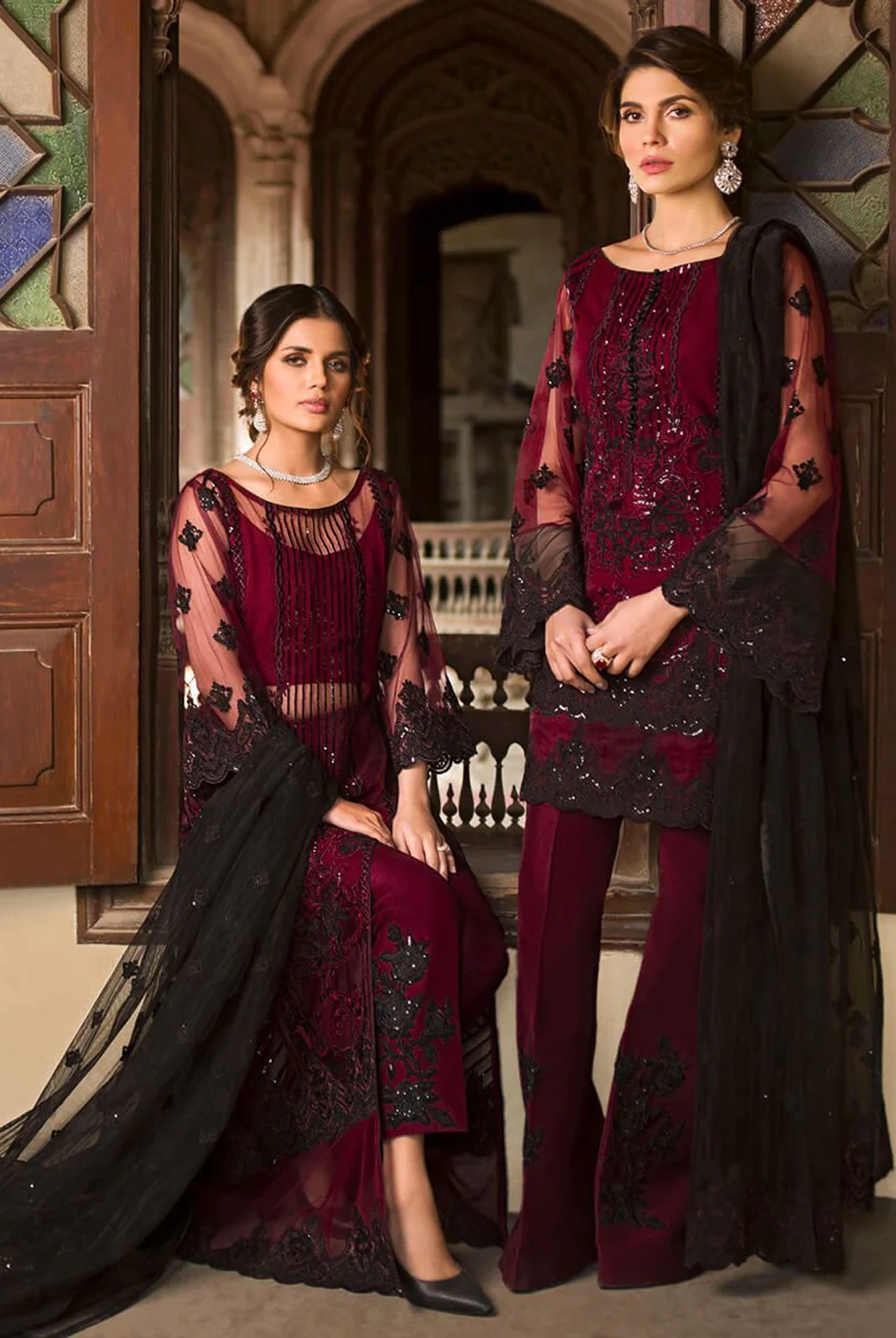
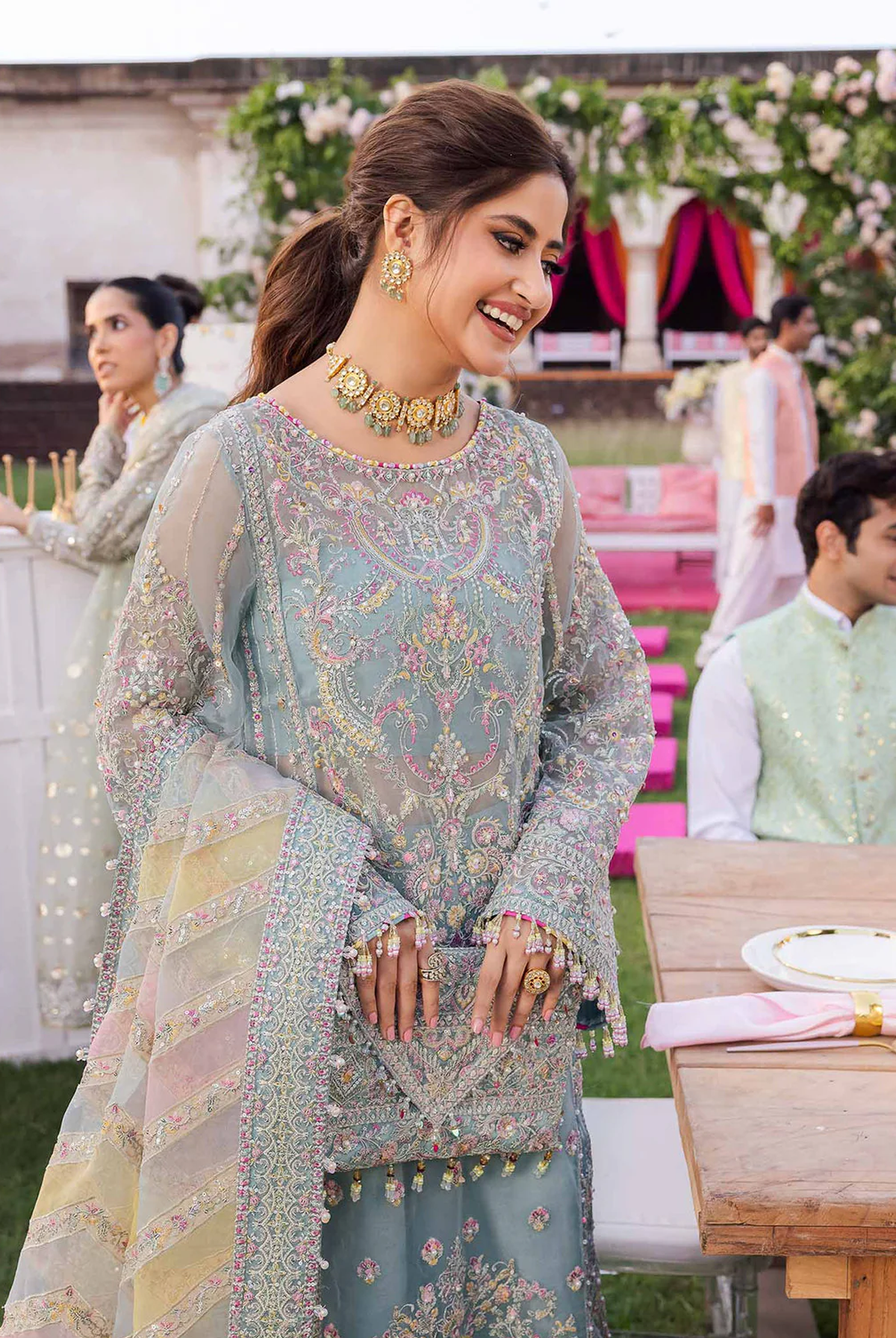
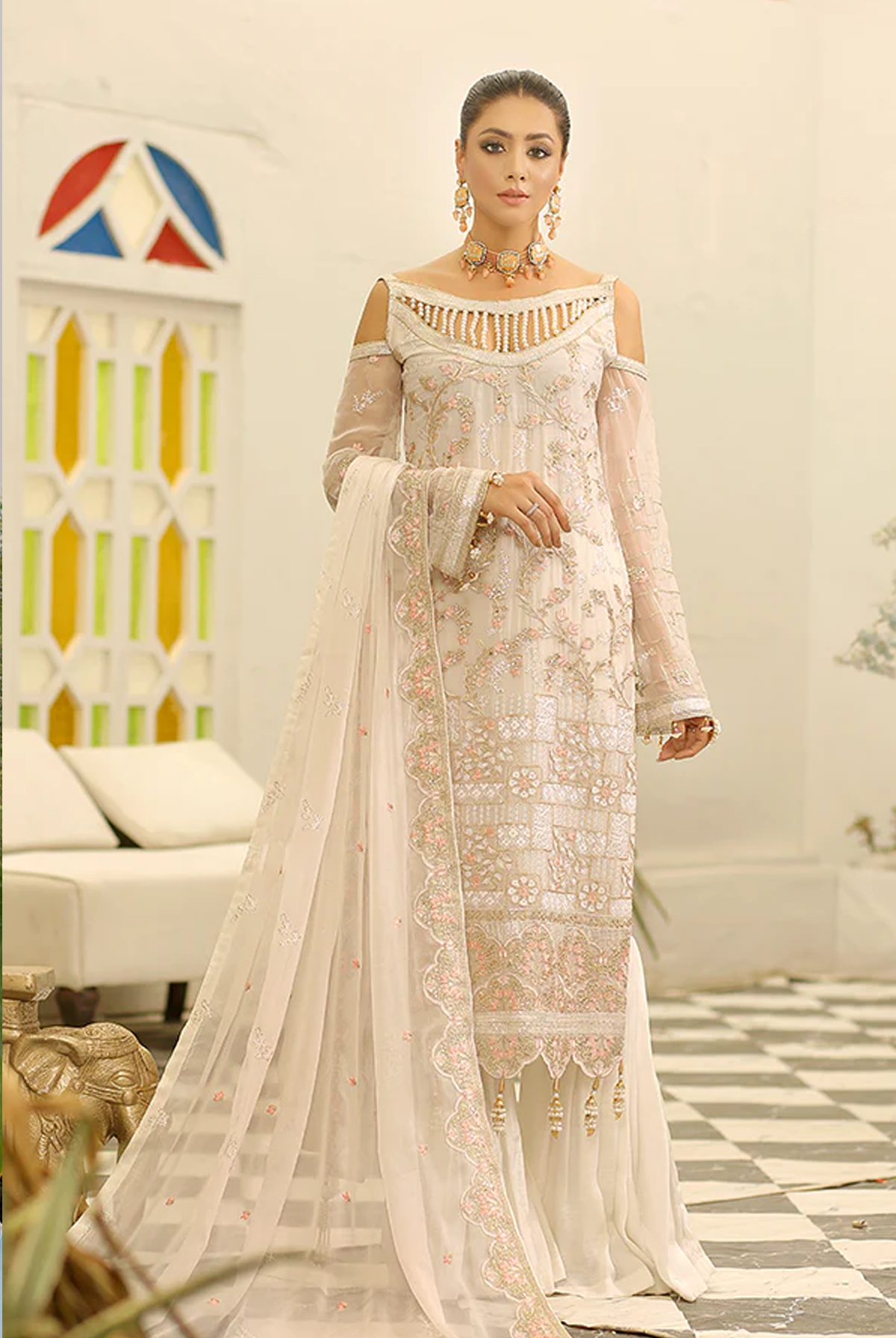
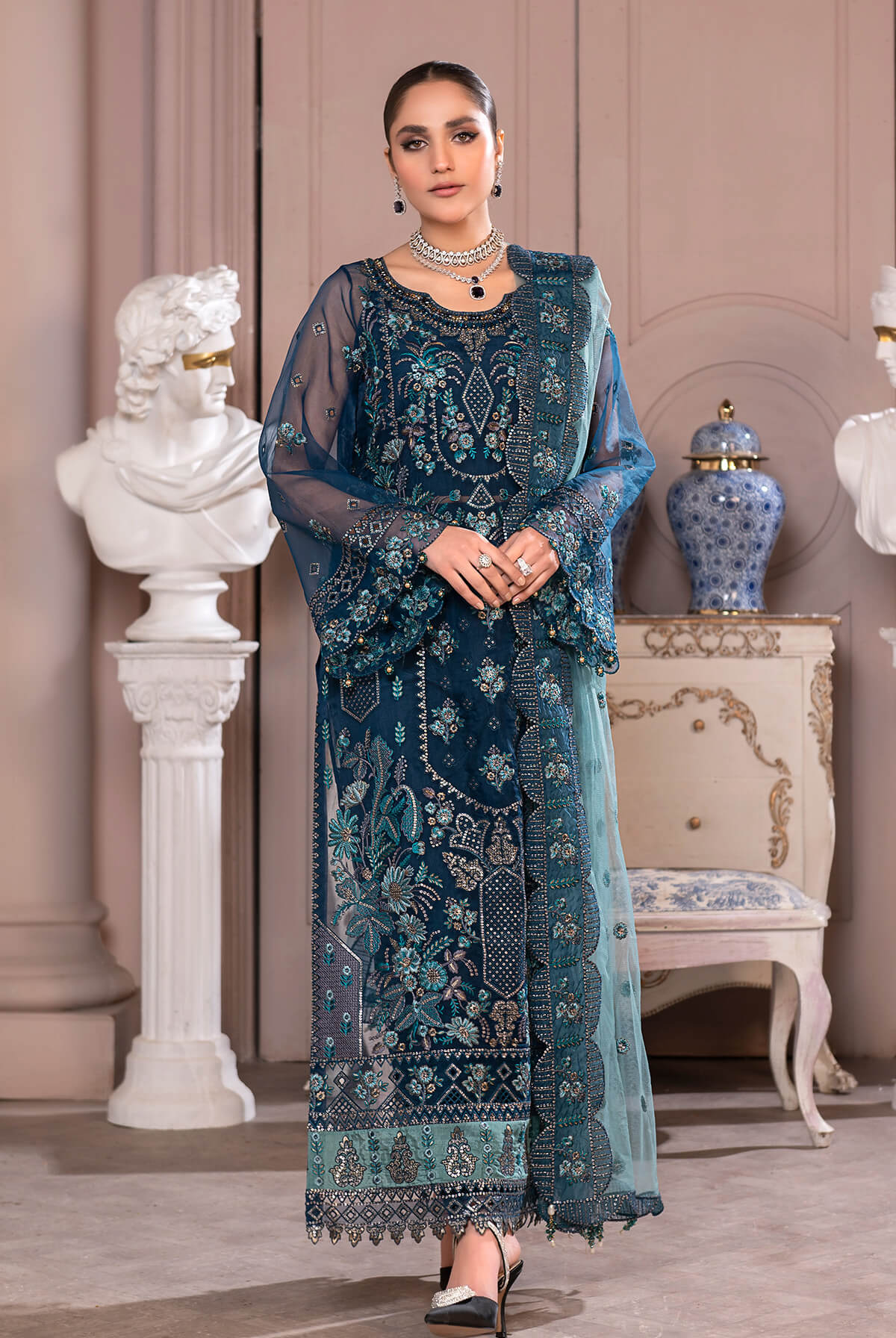
Designer dresses are often associated with elaborate embroidery, coordinated fabrics, decorative necklines, and distinctive silhouettes. Depending on the collection, these garments may be suitable for weddings, family celebrations, formal dinners, and other special events. For retailers, the main challenge is selecting pieces that balance visual appeal with affordability. Expensive designs may attract attention but can remain in stock for longer if the intended customers cannot comfortably afford them. A smaller selection of distinctive garments can be more manageable than purchasing numerous high-priced designs. Buyers should review stitching, lining, embellishments, garment measurements, and the overall finish before committing to an order. Product photographs should accurately represent the items being sold. Retailers interested in this category can explore Pakistani designer dresses for additional product inspiration.Pakistani Designer Suits
Designer suits provide a versatile option for retailers seeking coordinated clothing sets. Depending on the product, a set may include a shirt, trousers, and a dupatta, although the exact components should always be confirmed before ordering. These outfits can range from understated designs for daytime use to more decorative options for formal occasions. Offering different levels of embellishment allows a boutique to serve customers with varying preferences and budgets. When comparing suits, pay attention to fabric composition, print quality, embroidery placement, color consistency, and whether the outfit is stitched or unstitched. These details affect both the customer's experience and the final retail price. The Pakistani designer suits page can help buyers explore this category when planning their product range.Casual Cotton and Lawn Clothing
Casual clothing can form an important part of a retail collection because customers often look for garments they can wear regularly. Printed cotton fabrics, lightweight suits, and relatively simple designs may appeal to shoppers who prioritize comfort and practicality. Lawn is particularly associated with warm-weather clothing in South Asian fashion. However, buyers should not assume that every product described as lawn has identical characteristics. Fabric weight, composition, weave, and finishing can vary between products and manufacturers. For a retailer, a sensible starting point is to compare a small number of designs in different colors and price ranges. Customer feedback can then guide future purchases. Casual garments may also be easier to merchandise alongside accessories or complementary clothing items, helping retailers create coordinated displays without relying exclusively on expensive occasion wear.Bridal and Formal Collections
Bridal and formal outfits occupy a different market segment from everyday clothing. They may feature intricate embroidery, embellished fabrics, decorative borders, and more elaborate construction. These products require particular attention to quality because customers often purchase them for important events. Retailers should confirm the precise specifications, available sizes, expected production times, and any customization options before accepting customer commitments. Formal garments may also require more careful storage and handling, particularly when they contain delicate embellishments or special fabrics. Businesses should account for these requirements when calculating the cost of holding inventory. A balanced collection can include a limited number of formal pieces alongside more affordable suits. This approach allows a retailer to test demand without tying up too much capital in products intended for occasional purchases.Unstitched Fabrics and Dress Materials
Unstitched clothing gives customers greater freedom to choose their preferred fit and tailoring style. A fabric set may include several coordinated components, but buyers should confirm exactly what is supplied with each design. Retailers considering unstitched garments should provide clear information about fabric length, included pieces, material composition, and any decorative accessories. Accurate descriptions reduce misunderstandings and help customers make informed purchases. This category may also appeal to shoppers who prefer tailoring garments according to personal measurements or local fashion preferences. For more information about this product segment, explore Pakistani dress material wholesale.How to Build a Balanced Wholesale Clothing Collection
Choosing products is only one part of running a successful clothing business. Retailers also need to determine how much inventory to purchase, which price ranges to cover, and how to manage stock when customer preferences change. A balanced collection can be developed by dividing products into three broad groups. Everyday essentials: These may include simple printed suits, lightweight garments, and versatile designs intended for regular use. Their role is to provide accessible options for customers seeking practical clothing. Mid-range fashion: This group can include coordinated suits, more detailed embroidery, and garments intended for work events, family gatherings, or celebrations. Premium occasion wear: These products may feature more elaborate construction and decorative details. They can attract customers seeking distinctive outfits for special events. The proportion allocated to each group should reflect the retailer's budget and customer research. A shop serving price-conscious customers may emphasize everyday products, while a specialist boutique may devote more space to formal clothing. It is also useful to limit the number of nearly identical designs in the first order. Purchasing several styles in smaller quantities can provide more information about customer preferences than buying a large quantity of one untested design. Retailers should record product codes, sizes, colors, purchase prices, and sales dates. Over time, these records can reveal which categories deserve additional investment and which products need to be reordered less frequently.Understanding Wholesale Pricing and Total Import Costs
The wholesale price of a garment is only one component of the final cost. International buyers must consider the expenses involved in moving products from the supplier to their business in Burundi. Depending on the order and shipping arrangement, additional costs may include international freight, insurance, customs duties, applicable taxes, currency conversion charges, handling fees, and local transportation. For this reason, retailers should calculate the estimated landed cost before setting their selling prices. A basic calculation is: Landed cost per garment = Total purchase and import-related costs ÷ Number of saleable garments received. For example, if an order contains multiple garments and the total purchase and import costs are known, dividing those costs by the number of saleable items provides a starting point for pricing. The calculation should be adjusted if some garments are damaged, missing, or unsuitable for sale. Retailers should then consider operating expenses such as rent, staff costs, packaging, marketing, and payment processing. A selling price that covers only the garment and shipping may not produce a sustainable business. It is also important to distinguish between markup and profit margin. Adding a percentage to the cost does not mean that the same percentage of the selling price will remain as profit. Understanding the difference helps businesses price products more accurately. Before making an international purchase, buyers should request a written quotation that specifies the currency, order quantity, delivery method, and any additional charges. This makes supplier comparisons more meaningful and reduces the likelihood of unexpected expenses.Managing International Shipping to Burundi
International delivery is an important part of wholesale sourcing. Even when products are suitable and pricing is attractive, an unclear shipping arrangement can create delays, additional expenses, or difficulties with inventory planning. Retailers should confirm whether the supplier ships directly to Burundi or requires the buyer to arrange a freight forwarder. They should also establish which party is responsible for export documentation, customs clearance, and applicable import charges. Delivery estimates should be treated as estimates rather than guaranteed arrival dates unless the supplier provides a specific commitment. Customs procedures, transport schedules, documentation issues, and other factors can affect the final delivery time. Before an order is dispatched, buyers should ask which documents will be provided. Depending on the shipment, these may include a commercial invoice, packing list, transport documentation, and other documents required by the relevant authorities. Burundi importers should independently confirm the current requirements that apply to their products, including any applicable duties, taxes, or restrictions. Requirements can vary according to the shipment and the relevant customs classification. For first-time buyers, starting with an order that is manageable in both value and quantity can help establish whether the delivery process works as expected. Once the business understands the supplier's procedures and the actual landed costs, it can make more informed decisions about future purchases.Exploring International Pakistani Clothing Supply Networks
International sourcing gives retailers access to a broader selection of products, but every supplier and delivery arrangement should be evaluated individually. A website discussing a particular country can provide useful market information, yet it does not automatically establish that every supplier ships there or offers the same commercial terms. Mastorat's related pages provide additional resources for exploring Pakistani clothing wholesale markets across different regions. These can help buyers compare product categories and investigate potential sourcing options. For example, retailers can review the following resources:- Pakistani clothes wholesale suppliers UK for information related to the UK market.
- Pakistani clothes wholesalers Bradford for a regional wholesale perspective.
- Pakistani clothes wholesalers Manchester for another UK market resource.
- Pakistani dress wholesale in Dubai for exploring wholesale clothing in the UAE.
- Pakistani dress wholesale in USA for information relating to the American market.
- Pakistani dress wholesale market for a broader view of the wholesale sector.
International Supplier Resources by Country
Businesses researching international clothing suppliers may find it helpful to compare regional markets. Supplier availability, product selection, and commercial arrangements differ, so each option needs to be checked before a purchasing decision is made. The following Mastorat resources cover several countries and can be reviewed as part of a wider sourcing process:- Afghanistan: Pakistani dress wholesale supplier Afghanistan
- Algeria: Pakistani dress wholesale supplier Algeria
- Australia: Pakistani dress wholesale supplier Australia
- Bangladesh: Pakistani dress wholesale supplier Bangladesh
- Brazil: Pakistani dress wholesale supplier Brazil
- Canada: Pakistani dress wholesale supplier Canada
- China: Pakistani dress wholesale supplier China
- Egypt: Pakistani dress wholesale supplier Egypt
- France: Pakistani dress wholesale supplier in France
- Germany: Pakistani dress wholesale supplier in Germany
- India: Pakistani dress wholesale supplier India
- Saudi Arabia: Pakistani dress wholesale supplier in Saudi Arabia
- United Arab Emirates: Pakistani dress wholesale supplier in United Arab Emirates
- South Africa: Pakistani dress wholesale supplier in South Africa
- Turkey: Pakistani dress wholesale supplier in Turkey
- USA: Pakistani dress wholesale supplier USA
Buying Pakistani Dresses Online for a Burundi Business
Online sourcing allows retailers to review products without travelling to another country. Digital catalogs can help buyers compare designs, identify suitable collections, and shortlist products before requesting quotations. The convenience of online ordering makes it particularly important to check product information carefully. Photographs may not fully show fabric texture, color variations, stitching quality, or the actual dimensions of a garment. Buyers should request additional details whenever the available description is insufficient. A practical online buying process can follow these steps:- Identify the product categories that fit your customer base.
- Browse the available collections and shortlist suitable designs.
- Request product specifications, pricing, and order requirements.
- Confirm whether samples are available and whether they involve additional costs.
- Calculate the estimated landed cost, including transport and import expenses.
- Review payment, delivery, and return terms before placing an order.
- Keep copies of quotations, invoices, payment records, and correspondence.