
Sale!
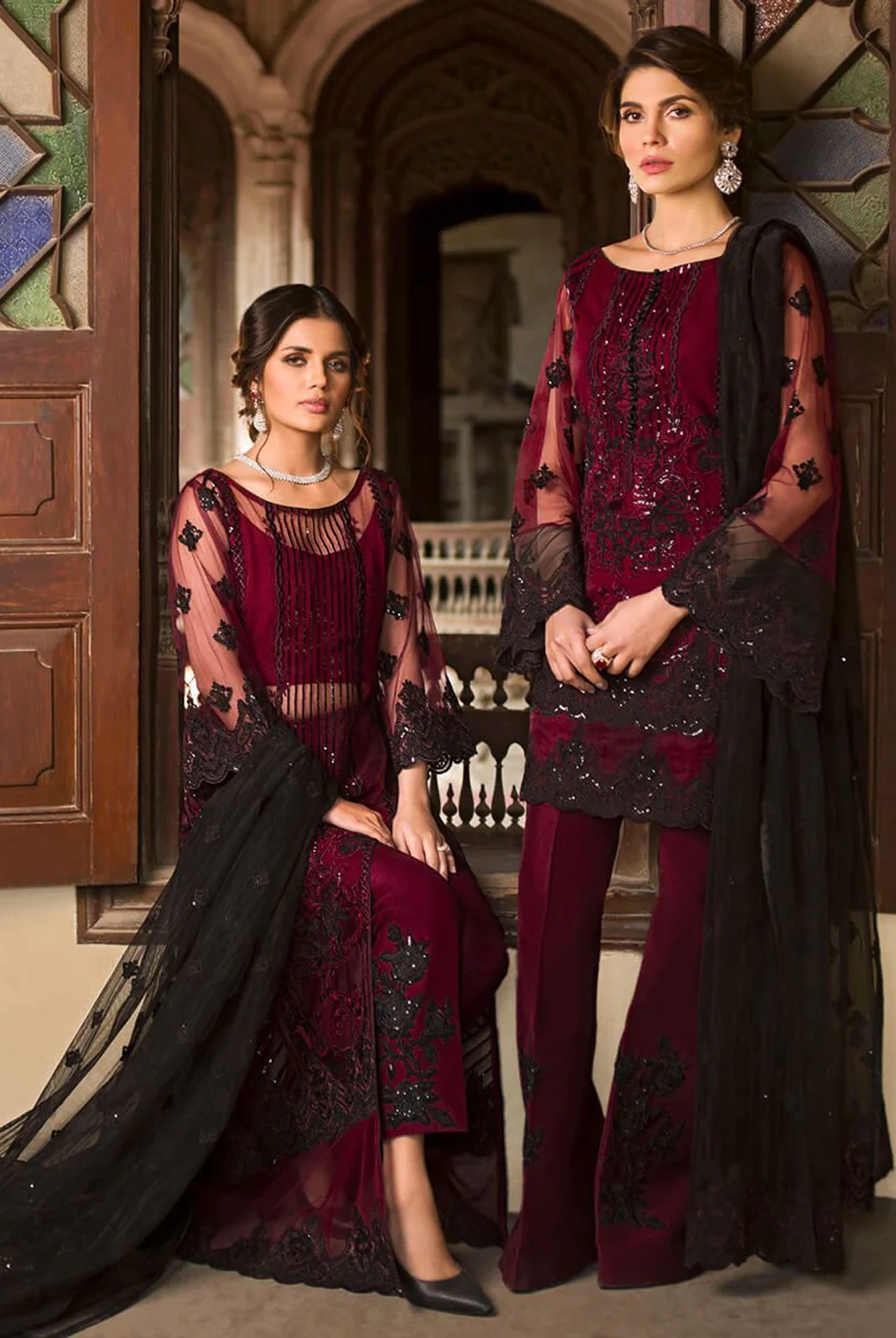

Original price was: ₨17,500.00.₨13,500.00Current price is: ₨13,500.00.
Sale!


Original price was: ₨16,000.00.₨13,000.00Current price is: ₨13,000.00.
Sale!


Original price was: ₨18,500.00.₨14,000.00Current price is: ₨14,000.00.
Sale!

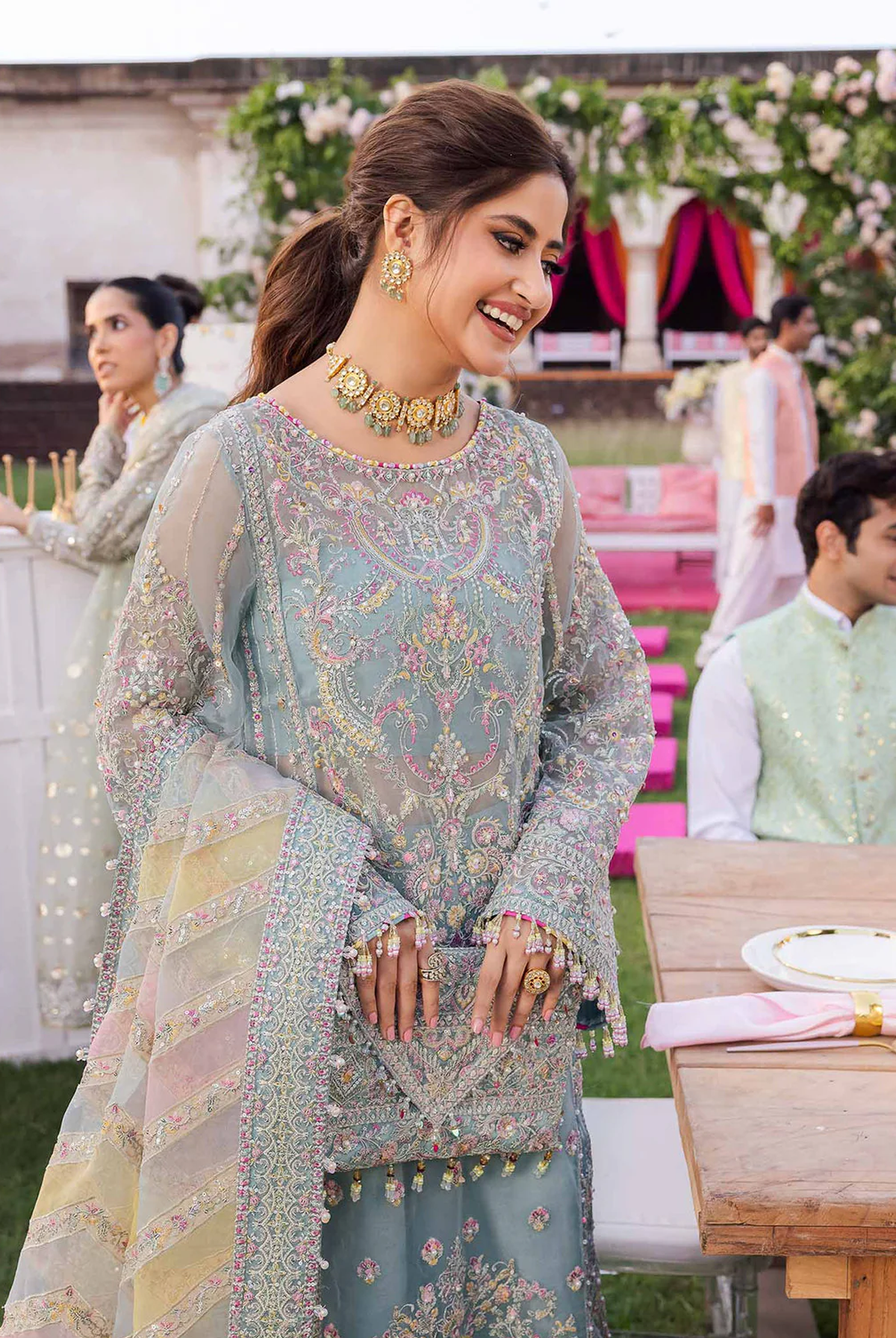
Original price was: ₨14,000.00.₨12,000.00Current price is: ₨12,000.00.
Sale!
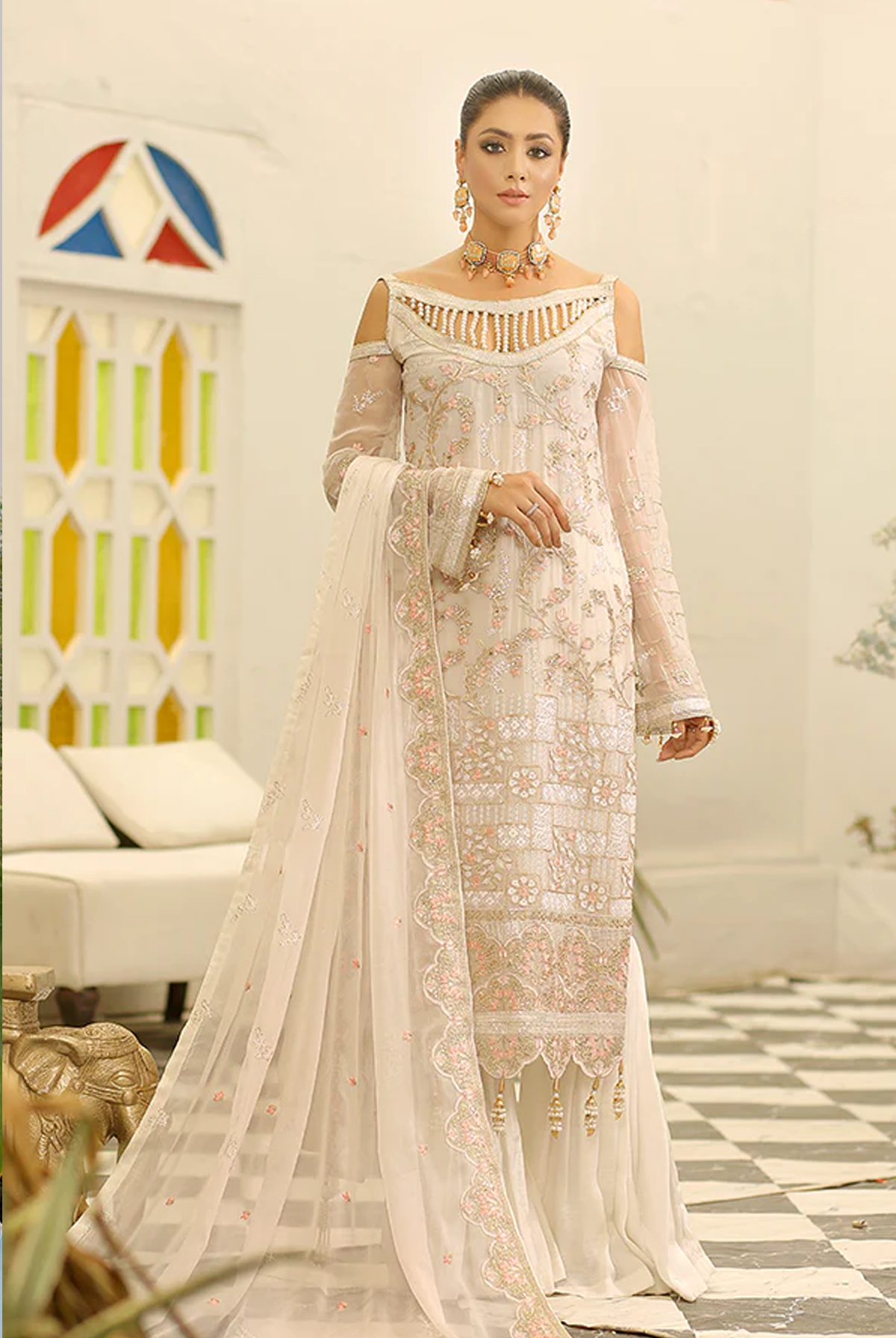

Original price was: ₨15,000.00.₨13,500.00Current price is: ₨13,500.00.
Sale!


Original price was: ₨16,000.00.₨12,500.00Current price is: ₨12,500.00.
Sale!


Original price was: ₨17,500.00.₨15,500.00Current price is: ₨15,500.00.
Sale!
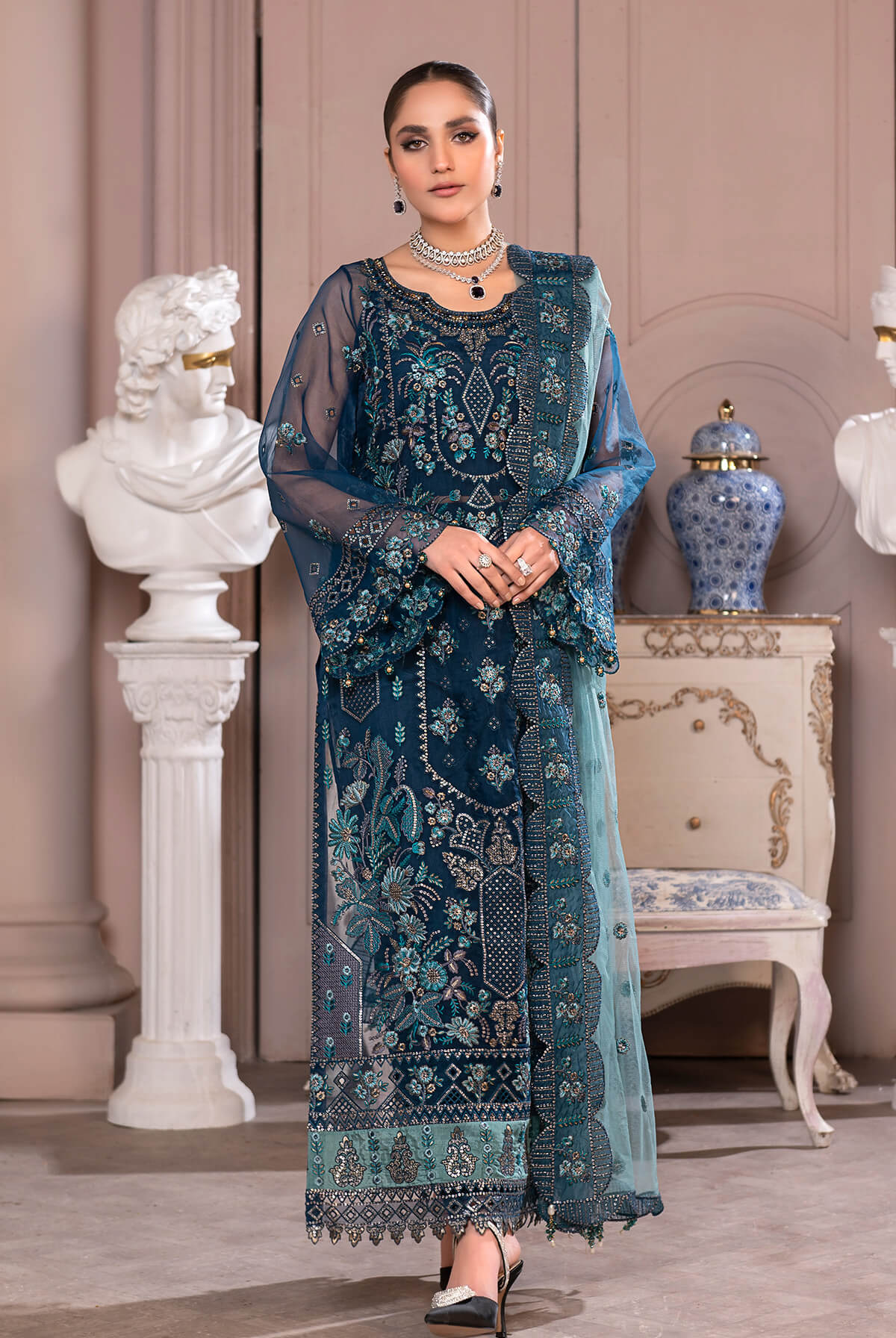

Original price was: ₨14,000.00.₨9,500.00Current price is: ₨9,500.00.
Sale!


Original price was: ₨16,000.00.₨14,000.00Current price is: ₨14,000.00.
Sale!


Original price was: ₨19,000.00.₨14,000.00Current price is: ₨14,000.00.
Sale!


Original price was: ₨16,500.00.₨15,000.00Current price is: ₨15,000.00.
Sale!


Original price was: ₨15,000.00.₨11,500.00Current price is: ₨11,500.00.
Sale!

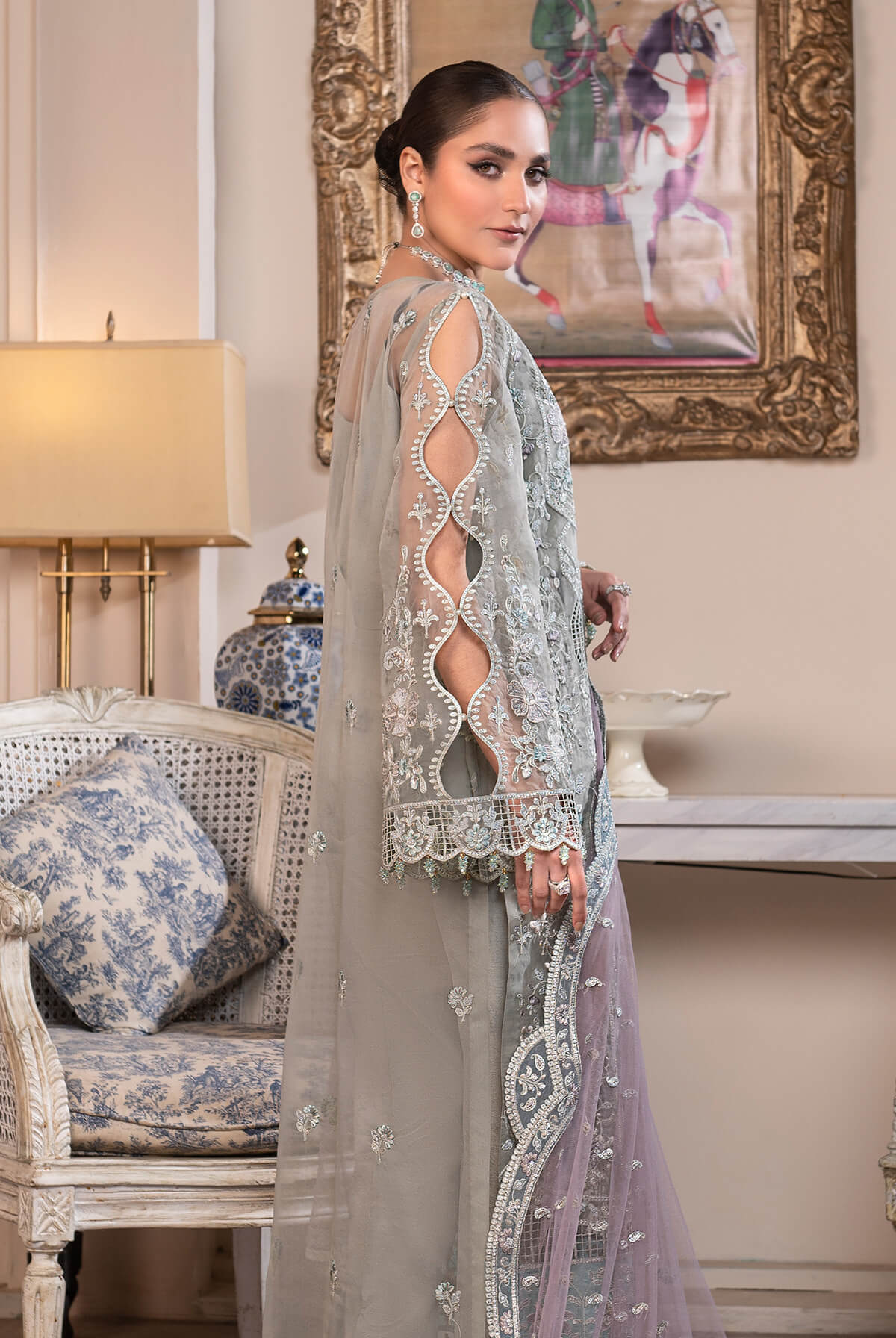
Original price was: ₨14,000.00.₨11,500.00Current price is: ₨11,500.00.
Sale!


Original price was: ₨15,500.00.₨13,500.00Current price is: ₨13,500.00.
Sale!


Original price was: ₨13,500.00.₨12,500.00Current price is: ₨12,500.00.
Pakistani Dress Wholesale Supplier Bahrain | Mastorat
The demand for Pakistani clothing in Bahrain creates opportunities for boutique owners, fashion retailers, online sellers, and entrepreneurs who want to offer distinctive South Asian designs. From lightweight lawn suits and everyday shalwar kameez to embroidered formal outfits and elegant occasion wear, Pakistani fashion provides a versatile product range for customers with different tastes and budgets. For businesses planning to enter this market, choosing a dependable Pakistani Dress Wholesale Supplier Bahrain can help simplify sourcing, maintain product consistency, and build a collection that appeals to local shoppers.
Mastorat provides an online platform through which businesses can explore Pakistani clothing collections and learn more about wholesale sourcing opportunities. Its product categories cover different styles, fabrics, and occasions, giving buyers a starting point when planning their inventory. Whether you operate an established boutique, manage an online clothing store, or are preparing to launch a fashion business, understanding the wholesale process can help you make better purchasing decisions.
This guide explains the main factors to consider when sourcing Pakistani clothing for Bahrain, including product selection, fabric quality, pricing, international delivery, inventory planning, and customer preferences. It also explores how retailers can develop a practical purchasing strategy instead of relying on trends alone.
Understanding the Pakistani Clothing Market in Bahrain
Bahrain has a diverse consumer market where traditional clothing, contemporary fashion, and international styles coexist. Pakistani outfits appeal to customers who appreciate detailed embroidery, comfortable fabrics, coordinated sets, and clothing suitable for family gatherings, celebrations, and everyday activities. South Asian residents are an important audience for traditional Pakistani garments. At the same time, customers from other backgrounds may also appreciate the craftsmanship, modest silhouettes, and decorative details associated with these designs. The size and preferences of each audience will vary by location, store type, and price range, so retailers should research their own customers before committing to large orders. For a clothing business, this creates several possible product categories. Everyday suits may appeal to shoppers looking for practical clothing, while embroidered outfits can serve customers preparing for weddings, parties, and festive occasions. Unstitched fabric provides flexibility for customers who prefer to choose their own cuts and tailoring styles. A successful inventory does not necessarily need to include every available design. It should instead reflect the needs of the intended audience, the purchasing power of local customers, and the amount of storage and working capital available to the business. Retailers should also consider the climate. Lightweight cotton and lawn fabrics may be useful for warm weather, while carefully selected formal materials can provide options for evening events and celebrations. These considerations help businesses build collections that are relevant throughout the year.Why Choose Mastorat for Wholesale Pakistani Clothing?
Selecting a supplier is an important decision because the quality of the products and the reliability of the ordering process can influence customer satisfaction. A suitable supplier should offer clear product information, transparent purchasing terms, useful communication, and a collection that fits the retailer's business model. Mastorat gives buyers an online starting point for exploring Pakistani fashion categories. Retailers can review available styles, compare different product types, and identify collections that may suit their customers. Before placing a commercial order, buyers should confirm current stock, available sizes, fabric details, minimum quantities, and applicable shipping arrangements directly with the supplier. One useful resource is the Pakistani catalogue dress wholesale collection. Exploring a catalogue can help retailers compare design categories and develop a more organized purchasing list. The best sourcing relationship should offer more than attractive product photographs. Businesses also need a clear understanding of product specifications, order confirmation, payment terms, delivery estimates, and the process for handling damaged or incorrect items. Asking these questions before purchasing helps prevent misunderstandings later. For smaller businesses, starting with a manageable order can be a sensible way to assess the supplier's products and service. Established retailers may have different requirements, including larger quantities, repeat ordering, and a wider range of styles. The right approach depends on the scale of the business rather than a single wholesale model.Explore a Diverse Range of Pakistani Dresses
A varied collection gives retailers more opportunities to serve customers with different preferences. However, variety should be planned carefully. A shop that stocks too many unrelated products may struggle to communicate a clear identity, while a narrow selection can make it difficult to attract different customer groups. Pakistani clothing offers several useful categories for wholesale buyers.Lawn Suits for Everyday Wear
Lawn suits are widely associated with warm-weather clothing. Their lightweight construction and range of prints make them suitable for everyday outfits, casual gatherings, and regular seasonal collections. Retailers can consider printed designs, embroidered necklines, coordinated dupattas, and different colour combinations. The most appropriate selection depends on the customers being served. Some buyers prefer simple prints, while others look for more decorative details. Before ordering, check the fabric description, included components, stitching status, and care instructions. If a suit is unstitched, make sure the product listing explains what is included so customers understand what they are purchasing.Linen and Khaddar Collections
Linen and khaddar can offer alternatives for customers looking for a different texture or a more substantial fabric. Their suitability depends on the particular material, construction, and local weather conditions. Retailers should review fabric composition and product descriptions instead of assuming that every garment within a category has identical properties. Clear product information makes it easier to select suitable items and answer customer questions.Embroidered Formal Outfits
Formal Pakistani dresses often feature decorative stitching, embellishments, coordinated fabrics, and detailed finishing. These outfits may appeal to customers preparing for family celebrations, dinners, formal gatherings, and cultural events. A balanced formal collection can include understated designs alongside more elaborate pieces. This allows customers to choose according to the occasion and their personal style.Party Wear and Bridal-Inspired Clothing
Party wear can provide an additional category for boutiques that serve customers looking for special-occasion clothing. Bridal-inspired styles may include detailed embroidery, richer colour palettes, and decorative elements. Retailers should distinguish between ready-to-wear garments, unstitched formal suits, and bridal products requiring additional tailoring or customization. These categories can have different costs, lead times, and customer expectations.Ready-to-Wear and Unstitched Fabrics
Ready-to-wear clothing offers convenience because customers can select garments in available sizes. Unstitched fabrics, meanwhile, give customers greater flexibility over fit and tailoring. Both options can work well in Bahrain, but they require different inventory planning. Ready-made garments need appropriate size distribution, while unstitched products require accurate fabric measurements and descriptions. Businesses interested in online sourcing can review Pakistani dress wholesale online to explore this purchasing category.Understanding Customer Preferences in Bahrain
Before selecting products, retailers should identify the customers they want to serve. A boutique catering to formal events will need a different assortment from an online seller specializing in affordable everyday clothing. Useful research methods include reviewing customer enquiries, observing which products receive the most attention, collecting feedback after purchases, and comparing the range offered by competing stores. These activities can reveal which styles deserve more inventory and which should be purchased in smaller quantities.Everyday Clothing and Practical Designs
Customers seeking everyday outfits may prioritize comfort, versatility, ease of maintenance, and reasonable prices. Printed suits, coordinated sets, and simple designs can help meet these needs. Retailers should provide accurate descriptions of fabric, fit, and garment components. This is particularly important for online sales, where customers cannot examine an outfit before placing an order.Festive and Occasion Wear
Festive seasons and family celebrations may create additional interest in embroidered suits, coordinated outfits, and more decorative styles. However, demand can vary from one business to another. Retailers should review previous sales and customer enquiries before increasing seasonal purchases. Ordering too much of a particular design can create storage problems and leave working capital tied up in unsold stock.Modest Fashion and Styling Choices
Some customers prefer loose-fitting silhouettes, longer shirts, coordinated dupattas, and versatile colour combinations. Pakistani clothing offers a variety of options in these categories. Retailers can create useful product groupings based on colour, occasion, fabric, or styling rather than relying on a single broad category. This organization can improve browsing and help customers find suitable products more quickly.Choosing the Right Fabrics and Checking Quality
Fabric quality has a direct effect on how customers perceive a garment. A design may look attractive in a photograph, but its value also depends on the material, stitching, finishing, colour consistency, and overall construction. Wholesale buyers should assess several factors before committing to a large order.Fabric Composition and Feel
Ask for clear details about the fabric composition and any relevant product specifications. Cotton, lawn, chiffon, linen, khaddar, and blended materials have different characteristics, and their suitability depends on the intended garment. If samples are available, examine the material before purchasing a larger quantity. A sample can help you assess texture, transparency, weight, and suitability for the intended use.Stitching and Finishing
For ready-made clothing, inspect seams, hems, closures, and decorative elements. Check that the stitching appears consistent and that embellishments are securely attached. For unstitched products, confirm the measurements of the fabric pieces and the components included in the package. These details help retailers describe products accurately and avoid disputes with customers.Colour and Design Accuracy
Product photographs should represent the item as accurately as possible. Lighting, camera settings, and screen differences can affect how colours appear online, so retailers should avoid promising exact colour reproduction when it cannot be guaranteed. When ordering multiple pieces of the same design, ask whether the colour, print, and finishing will remain consistent across the batch.Fabric Sourcing Resources
Buyers who want to investigate fabric-focused categories can explore Pakistani dress material wholesale. Comparing material options helps businesses understand how fabric choice influences product positioning and customer expectations.Designer Clothing at Wholesale Prices
Designer-inspired and premium Pakistani clothing can help boutiques create a distinctive product range. These garments may include intricate embroidery, carefully coordinated colours, decorative details, and more elaborate finishing. The key is to choose premium items that suit the business's target customers. A boutique serving customers who prefer understated formal wear may not need a large collection of heavily embellished outfits. Similarly, a business specializing in celebration clothing may benefit from offering a broader range of occasion-specific designs. Retailers can browse Pakistani designer dresses and Pakistani designer suits to explore relevant product categories. When evaluating premium products, consider the total purchase cost rather than the wholesale price alone. Packaging, delivery, customs charges where applicable, payment fees, and any tailoring costs can affect the final selling price. It is also important to distinguish between original branded products, designer-inspired styles, and unbranded garments. Retailers should use accurate descriptions and avoid making claims about brand affiliation or authenticity unless they can substantiate them.How Wholesale Purchasing Works
Wholesale buying usually involves selecting products, confirming quantities, agreeing on prices, arranging payment, and organizing delivery. The exact process depends on the supplier and the terms of the transaction. Businesses that are new to wholesale sourcing can review Pakistani dress in wholesale for another relevant category to investigate. A practical purchasing process includes the following steps:- Define your customer group. Decide whether your main audience is looking for everyday suits, formal wear, unstitched fabric, or a combination of categories.
- Prepare a product list. Record the styles, colours, sizes, and quantities you want to investigate.
- Check product specifications. Confirm fabric details, garment measurements, included components, and stitching status.
- Request a full cost breakdown. Ask about unit prices, minimum order quantities, delivery charges, taxes, and any other applicable fees.
- Review payment and delivery terms. Confirm when the order will be processed, how it will be shipped, and what documentation will be supplied.
- Keep order records. Save invoices, product descriptions, correspondence, and tracking information.
- Inspect the delivery. Compare the received products with the order confirmation and report discrepancies promptly.
Planning a Wholesale Budget and Retail Prices
Pricing is an important part of running a clothing business. The lowest wholesale price does not always produce the best result if product quality is inconsistent or delivery costs are unusually high. Retailers should calculate the total landed cost of each product. This may include the purchase price, shipping, customs duties or taxes where applicable, packaging, payment charges, and other direct costs associated with getting the inventory ready for sale. For example, a garment purchased at a low unit price may become less competitive once international shipping and import charges are included. A slightly more expensive product with better quality or more efficient delivery could offer better overall value. Buyers researching market options can explore the Pakistani dress wholesale market to learn more about this sourcing category.Calculate the True Cost Per Item
Divide the total costs associated with an order by the number of saleable items received. This gives you a more realistic starting point for setting retail prices. You should also account for operating expenses such as rent, staff, website maintenance, advertising, and payment processing. The final price needs to cover these costs while remaining reasonable for your target audience.Avoid Overordering
Large orders may sometimes qualify for better unit prices, but purchasing more than you can sell creates risk. Unsold clothing ties up money that could otherwise be used for new designs, marketing, or business operations. New retailers may prefer to test a smaller selection, track customer response, and reorder proven products. Larger businesses can use historical sales data to estimate demand more confidently.Review Prices Regularly
Shipping rates, exchange rates, supplier prices, and local market conditions can change. Reviewing costs periodically helps businesses maintain accurate pricing and avoid unexpected reductions in profitability.International Shipping to Bahrain
International delivery is an important consideration when purchasing clothing from suppliers based in another country. Retailers should understand the available shipping methods, estimated delivery windows, tracking arrangements, and the responsibilities of each party before confirming an order. Mastorat's international delivery options should be confirmed directly with the supplier for the specific destination and order. Do not assume that all products, order sizes, or delivery methods have identical terms. Businesses can also review the regional category Pakistani dress wholesale in Dubai when researching clothing styles and sourcing options relevant to Gulf markets.Confirm the Delivery Details
Before paying, ask for the estimated dispatch date and delivery window. Clarify whether the quoted price includes shipping, insurance, customs charges, or other fees. If the supplier provides tracking, retain the tracking information and monitor the shipment. For larger orders, ask whether the shipment will be divided into multiple packages or delivered as one consignment.Understand Import Requirements
Import procedures and charges depend on the products, shipment value, country of origin, and applicable Bahraini regulations. Businesses should verify current requirements with the relevant authorities or a qualified customs professional. Check whether any documents are required for commercial clothing shipments. Accurate invoices and product descriptions can help make the import process more straightforward.Plan for Delays
International shipments can be affected by customs processing, public holidays, weather, and carrier operations. Retailers should avoid promising customers a delivery date until they have sufficient information. Maintaining a reasonable stock buffer for frequently sold products can reduce the impact of unexpected delays.Building a Strong Inventory Strategy
Inventory planning helps businesses balance product availability with cash flow. The aim is not simply to maintain the largest collection, but to stock products that customers are likely to purchase. A useful strategy begins with a small set of categories. For example, a retailer might stock everyday printed suits, a selection of formal embroidered outfits, and a limited range of unstitched fabrics. The proportions should reflect the business's sales history and target market.Track Product Performance
Record how quickly each product sells, which sizes or colours attract the most interest, and which items remain in stock for long periods. Over time, these records can help identify patterns and improve purchasing decisions.Use a Seasonal Calendar
Create a calendar of expected promotions, celebrations, and seasonal changes. Review the calendar before placing orders so that products arrive with enough time for photography, promotion, and customer delivery. Avoid relying exclusively on assumptions about seasonal demand. Local customer enquiries and past sales provide more useful guidance for your particular business.Maintain a Balanced Selection
Offer enough variety to keep the collection interesting, but avoid purchasing too many similar designs. A focused selection makes it easier to organize the store, promote individual products, and understand which items perform best.Opportunities for Online Clothing Sellers
Online retail gives entrepreneurs an opportunity to reach customers beyond a physical shop. However, selling clothing online requires accurate product information, clear images, reliable order management, and responsive customer service. Retailers exploring Pakistani dress wholesale online can use the category as a starting point for researching products suitable for digital stores.Create Accurate Product Listings
Each listing should include the product name, fabric details, available sizes, stitching status, colour options, and care information where available. Make it clear whether the item is sold as a complete outfit or as separate components. High-quality photographs from different angles help customers understand the design. Include close-up images when embroidery, texture, or decorative finishing is an important selling point.Make Delivery and Return Policies Clear
Customers should know the estimated delivery time, applicable shipping fees, and the process for reporting incorrect or damaged items. Explain return and exchange conditions before checkout. Clear policies help manage expectations and reduce avoidable disputes.Organize the Online Catalogue
Group products into useful categories such as casual wear, formal suits, festive outfits, ready-to-wear clothing, and unstitched fabrics. Filters for size, colour, and price can also make browsing easier. Retailers should review their catalogue regularly to remove unavailable items and update stock information.Wholesale Solutions for Boutique Owners
Boutique owners often need a collection that reflects a recognizable style. Rather than stocking every available design, they can select products that fit their brand identity and customer expectations. A boutique specializing in contemporary ethnic wear might focus on coordinated suits, elegant formal designs, and versatile colour palettes. Another shop might concentrate on affordable everyday clothing or special-occasion outfits. The Pakistani clothes wholesale suppliers category can help buyers explore broader sourcing options while planning their product range.Develop a Consistent Store Identity
Choose a product mix that customers can easily understand. Consistent styling, thoughtful merchandising, and accurate descriptions help establish a recognizable retail experience.Test New Collections Carefully
When introducing an unfamiliar design, consider ordering a limited quantity first. Customer response can then guide future purchases.Offer Useful Product Guidance
Staff and online support teams should be able to explain fabric characteristics, garment measurements, care instructions, and styling options. Helpful information can improve the buying experience without relying on aggressive sales tactics.Learning From International Fashion Markets
International sourcing research can provide useful ideas for product presentation, assortment planning, and customer service. However, retailers should adapt those ideas to their own customers rather than assuming that every market behaves in the same way. For example, Pakistani clothes wholesalers Manchester is a relevant regional category to explore when researching Pakistani clothing wholesale. Retailers may also examine Pakistani dress wholesale in Dhaka to investigate another geographic market. For fabric-related comparisons, Pakistani dress material wholesale in India provides another category to review. These links should be treated as research resources rather than proof that customer demand, shipping terms, or product availability will be identical across locations.Working With Different Supplier Categories
A retailer may source finished garments, unstitched materials, designer collections, or products from several suppliers. Each option has different advantages and operational requirements. Finished garments can simplify the selling process, particularly for businesses that do not provide tailoring. Unstitched fabric may appeal to customers who want personalized fitting. Premium collections can help boutiques develop a higher-value product range, while everyday clothing can support regular sales. Buyers comparing product categories may find it useful to explore Pakistani dress wholesale in Pakistan and Pakistani dress wholesale in Mumbai. For additional supplier research, relevant pages include Pakistani dress wholesale supplier Afghanistan and Pakistani dress wholesale supplier Bangladesh. The goal is to understand different sourcing approaches and determine which product types are appropriate for your own business. Before placing an order, verify the supplier's actual capabilities, product specifications, and commercial terms.Expanding Your Product Range With Premium Options
Once a retailer has established consistent sales, adding selected premium products may help broaden the customer base. The decision should be based on actual demand, available capital, and the ability to manage higher-value stock. Retailers interested in premium positioning can review Pakistani designer clothes online. When evaluating such products, consider their intended audience, finishing quality, packaging, and expected selling price. Do not assume that a higher wholesale cost automatically means a higher profit margin. The final result depends on customer demand and the complete cost of bringing the item to market. A combination of accessible everyday clothing and selected formal pieces may provide more flexibility than focusing entirely on one price category.Customization and Bulk Order Considerations
Some businesses prefer standard wholesale products, while others want to develop a distinctive collection. Depending on the supplier's capabilities, customization may involve colour selection, fabric preferences, design details, sizing, or private-label requirements. Retailers should confirm which options are genuinely available before advertising customized products to their customers. Custom work may involve minimum quantities, additional charges, sample approvals, and longer production times. For broader sourcing research, buyers can explore Pakistani dress wholesale supplier Canada and Pakistani dress wholesale supplier Australia. Before approving a customized order, document the specifications, measurements, materials, colours, packaging requirements, and agreed delivery schedule. If a sample is supplied, make sure the final order is compared with the approved version. Clear written agreements reduce the possibility of differences between what a retailer expects and what the supplier delivers.Supporting Small Businesses and New Entrepreneurs
Starting a clothing business can be challenging, particularly when the owner has limited capital or little experience with international sourcing. A manageable product range and a careful purchasing process can help reduce some of these challenges. New entrepreneurs should begin by defining their audience, researching local competition, and calculating the costs associated with each product category. They should also decide whether they will sell through a physical shop, social media, an online store, or a combination of channels. A new business does not need to stock hundreds of designs immediately. A focused selection can be easier to photograph, describe, promote, and manage. Useful steps for a small retailer include:- Set a realistic purchasing budget before contacting suppliers.
- Compare complete order costs rather than unit prices alone.
- Check minimum order quantities and payment terms.
- Keep a reserve for shipping, unexpected charges, and operating expenses.
- Track customer enquiries and actual sales.
- Reorder products that demonstrate consistent demand.
- Avoid making unsupported claims about quality, delivery times, or product availability.
Developing Long-Term Supplier Relationships
A productive supplier relationship depends on communication, accurate expectations, and consistent recordkeeping. Retailers should provide clear order specifications and raise questions before confirming purchases. Suppliers should, in turn, provide understandable product information, pricing, order updates, and relevant shipping details. If a problem arises, keeping invoices, photographs, and written correspondence can help both parties understand the issue. Businesses may investigate additional regional categories, including Pakistani dress wholesale supplier United Arab Emirates and Pakistani dress wholesale supplier Saudi Arabia, when researching wider sourcing options. A long-term relationship should be evaluated through actual performance. Important measures include product consistency, communication quality, delivery reliability, order accuracy, and the supplier's ability to meet agreed specifications. Retailers should review these factors periodically rather than assuming that an established relationship will always remain suitable as the business grows.Marketing Pakistani Clothing to Customers in Bahrain
Product selection is only one part of running a successful clothing business. Retailers also need a clear way to communicate the value of their products and help customers discover the collection.Use Helpful Product Descriptions
Explain what makes each garment useful or distinctive. Mention the fabric, design, included components, stitching status, and occasions for which it may be suitable. Keep the description factual and avoid unsupported claims.Publish Clear Product Photographs
Use consistent lighting and show important design details. When possible, include front and back views, close-ups of embroidery, and images that communicate the garment's overall appearance. For online sellers, accurate images help customers make informed decisions and reduce the risk of disappointment.Use Social Media Thoughtfully
Social media can help retailers showcase new arrivals, demonstrate styling ideas, answer common questions, and announce seasonal collections. Content should provide useful information rather than repeatedly publishing the same sales message.Encourage Genuine Customer Feedback
Ask customers for honest feedback about fit, fabric, service, and delivery. Use this information to improve product descriptions and purchasing decisions. Do not publish fabricated reviews or imply that a customer has endorsed a product without permission.Make Contact Information Easy to Find
Online shoppers should be able to find clear information about ordering, delivery, returns, and customer support. A straightforward buying process can be an important part of the overall customer experience.Common Wholesale Purchasing Mistakes to Avoid
Even an attractive collection can become difficult to manage if purchasing decisions are not supported by clear information. One common mistake is ordering large quantities before testing customer demand. A product may look appealing in a catalogue but perform differently in a particular market. Another mistake is focusing entirely on the unit price. Delivery costs, import charges, packaging, and operating expenses all affect the final cost. Retailers should also avoid assuming that every garment uses the same fabric or follows the same sizing standards. Product specifications should be checked individually. Other issues to avoid include:- Failing to confirm whether products are stitched or unstitched.
- Overlooking minimum order quantities.
- Ignoring the supplier's payment and return terms.
- Ordering seasonal stock too late.
- Failing to inspect received products.
- Advertising delivery dates that have not been confirmed.
- Using inaccurate descriptions or misleading product photographs.
- Neglecting stock records and reorder planning.