
Sale!
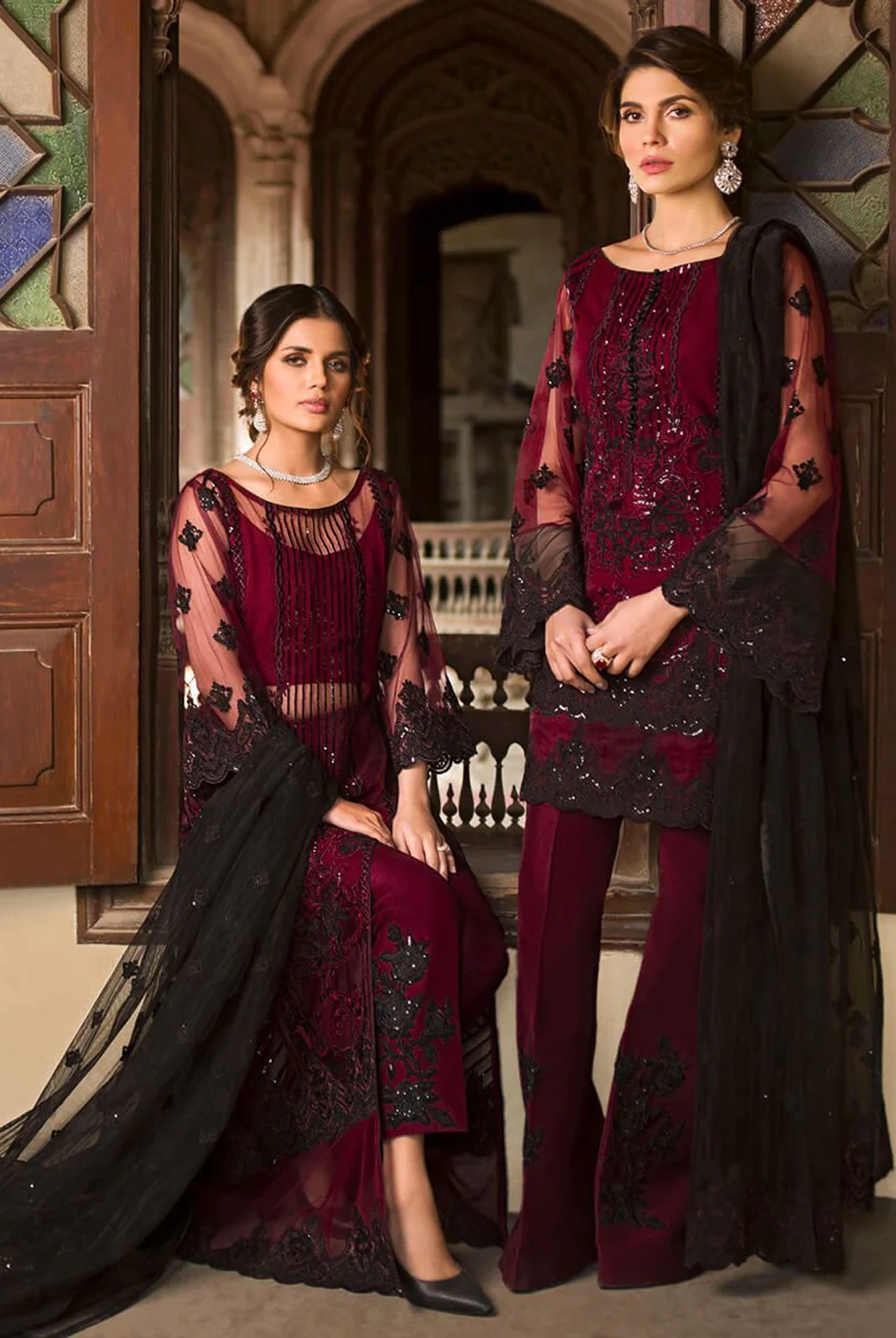

Original price was: ₨17,500.00.₨13,500.00Current price is: ₨13,500.00.
Sale!


Original price was: ₨16,000.00.₨13,000.00Current price is: ₨13,000.00.
Sale!


Original price was: ₨18,500.00.₨14,000.00Current price is: ₨14,000.00.
Sale!

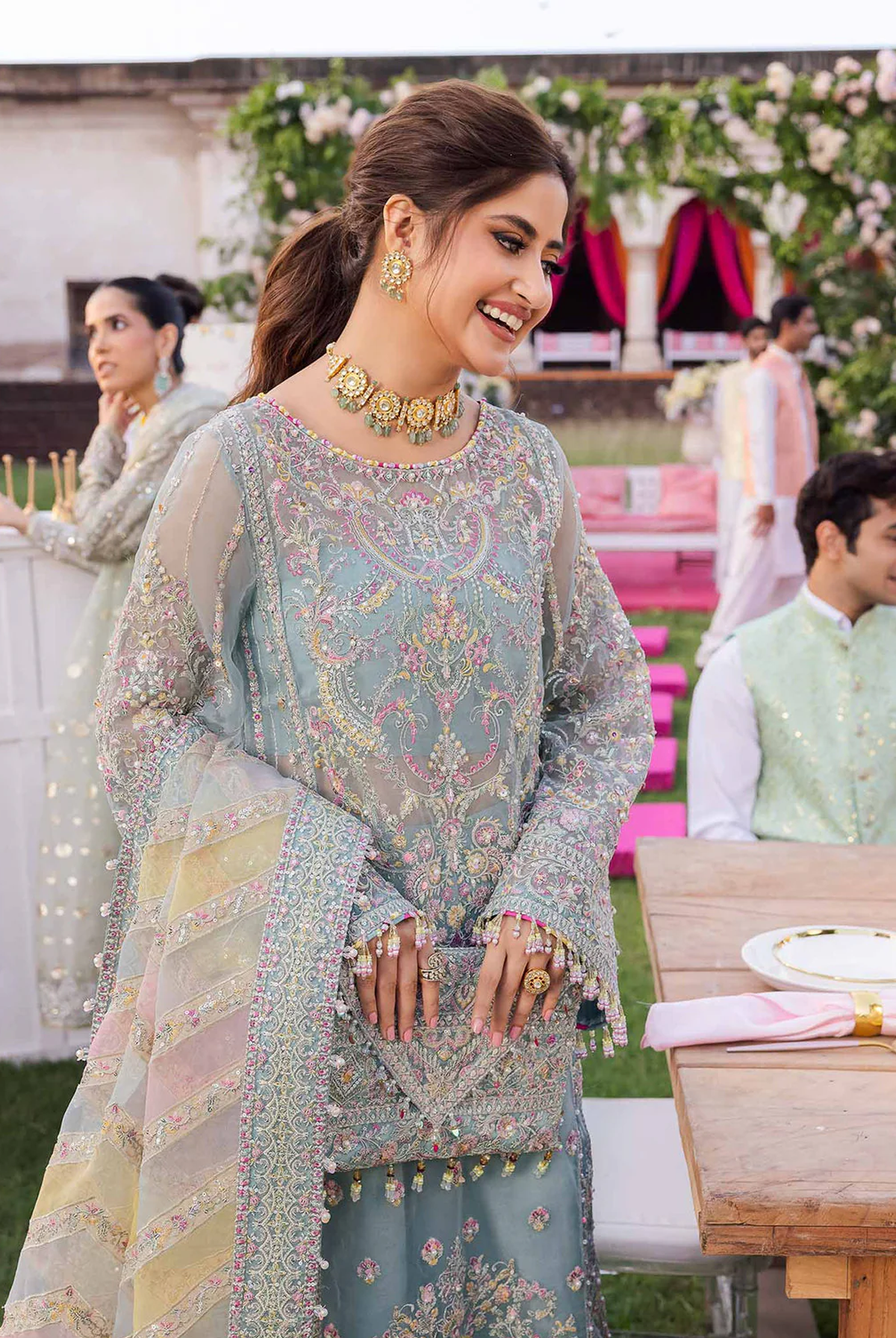
Original price was: ₨14,000.00.₨12,000.00Current price is: ₨12,000.00.
Sale!
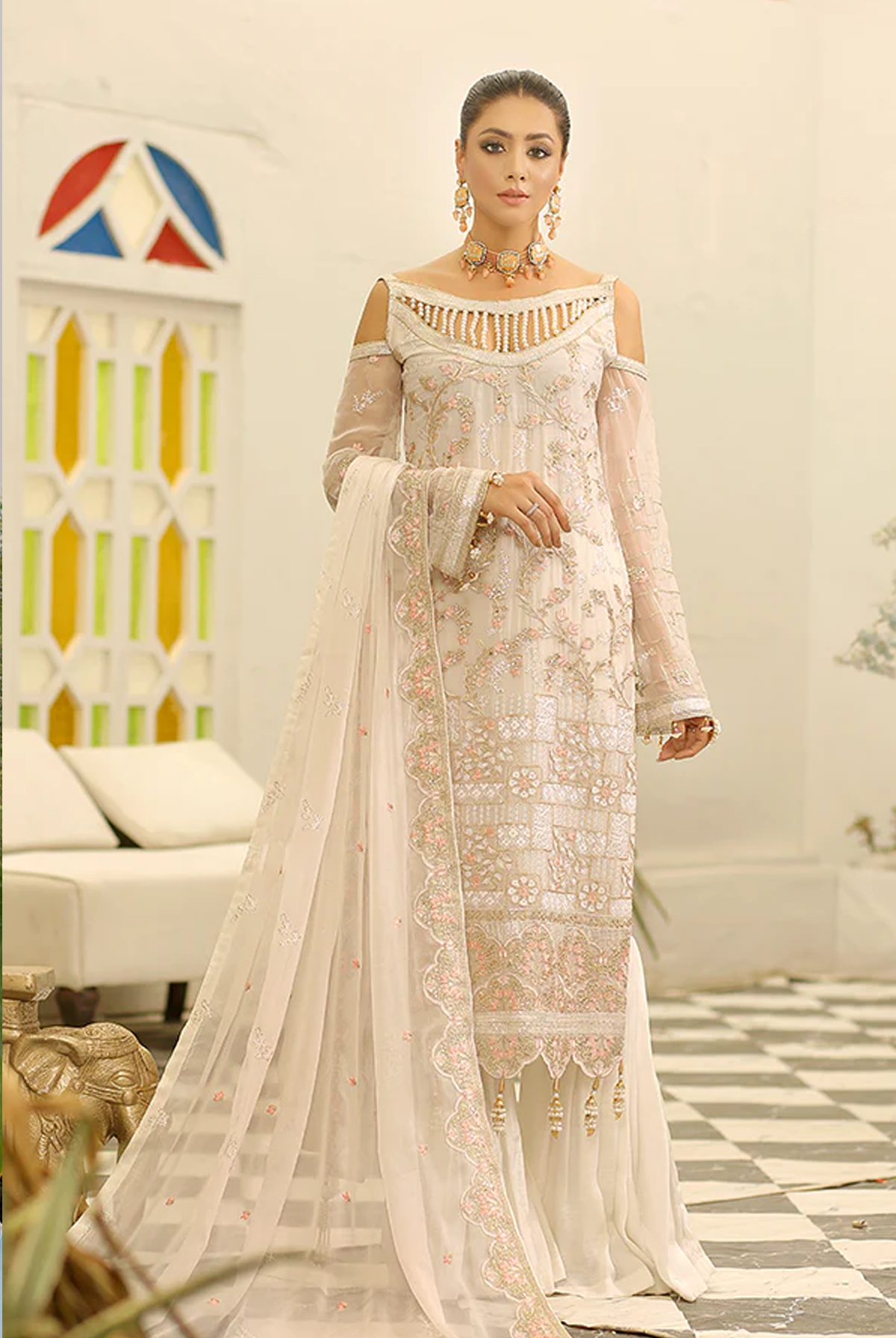

Original price was: ₨15,000.00.₨13,500.00Current price is: ₨13,500.00.
Sale!


Original price was: ₨16,000.00.₨12,500.00Current price is: ₨12,500.00.
Sale!


Original price was: ₨17,500.00.₨15,500.00Current price is: ₨15,500.00.
Sale!


Original price was: ₨15,000.00.₨13,000.00Current price is: ₨13,000.00.
Sale!


Original price was: ₨11,500.00.₨9,500.00Current price is: ₨9,500.00.
Sale!
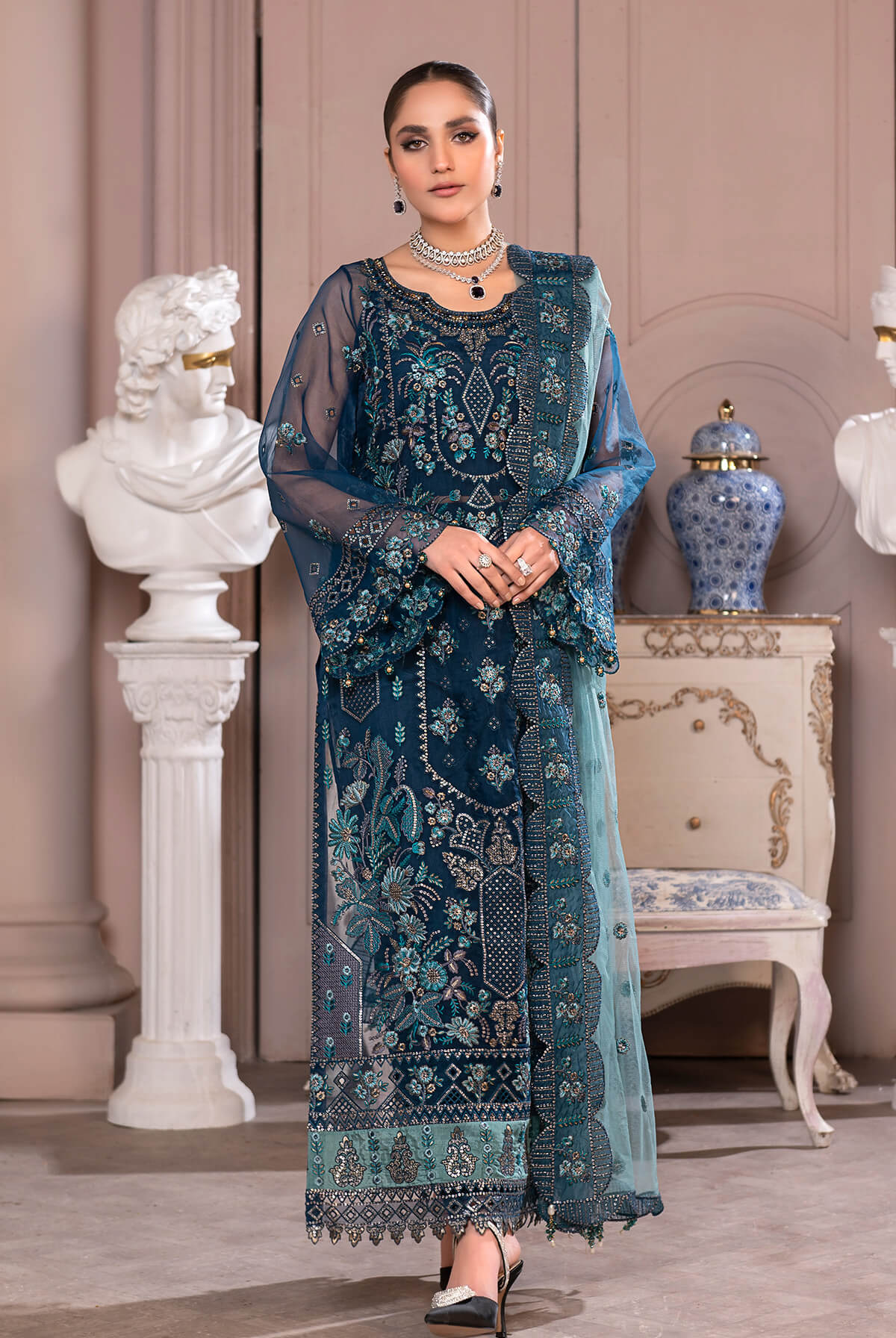

Original price was: ₨14,000.00.₨9,500.00Current price is: ₨9,500.00.
Sale!


Original price was: ₨16,000.00.₨14,000.00Current price is: ₨14,000.00.
Sale!


Original price was: ₨18,500.00.₨14,500.00Current price is: ₨14,500.00.
Sale!


Original price was: ₨17,500.00.₨15,000.00Current price is: ₨15,000.00.
Sale!


Original price was: ₨14,500.00.₨12,500.00Current price is: ₨12,500.00.
Sale!


Original price was: ₨17,500.00.₨16,000.00Current price is: ₨16,000.00.
Sale!

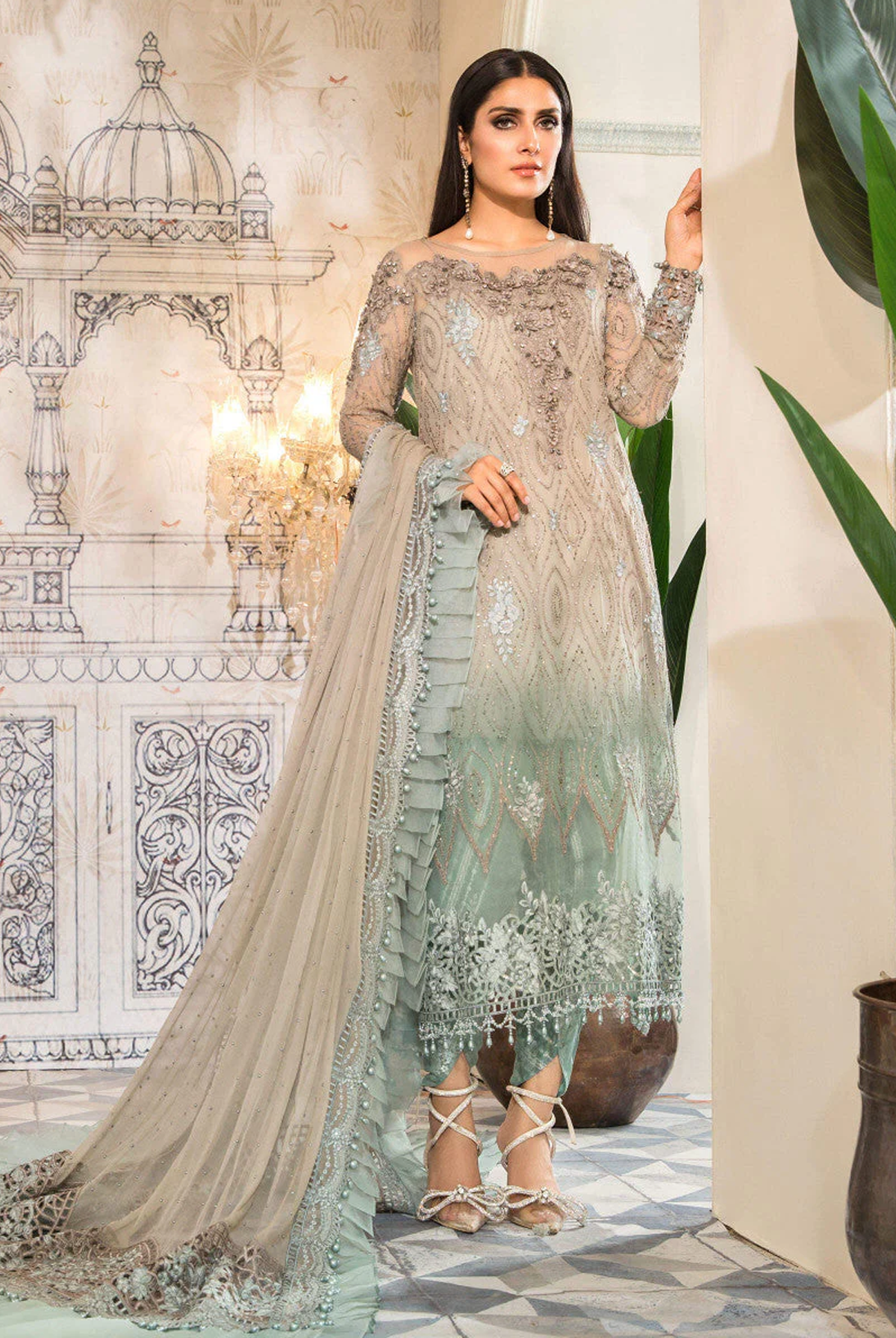
Original price was: ₨16,500.00.₨15,500.00Current price is: ₨15,500.00.
Sale!

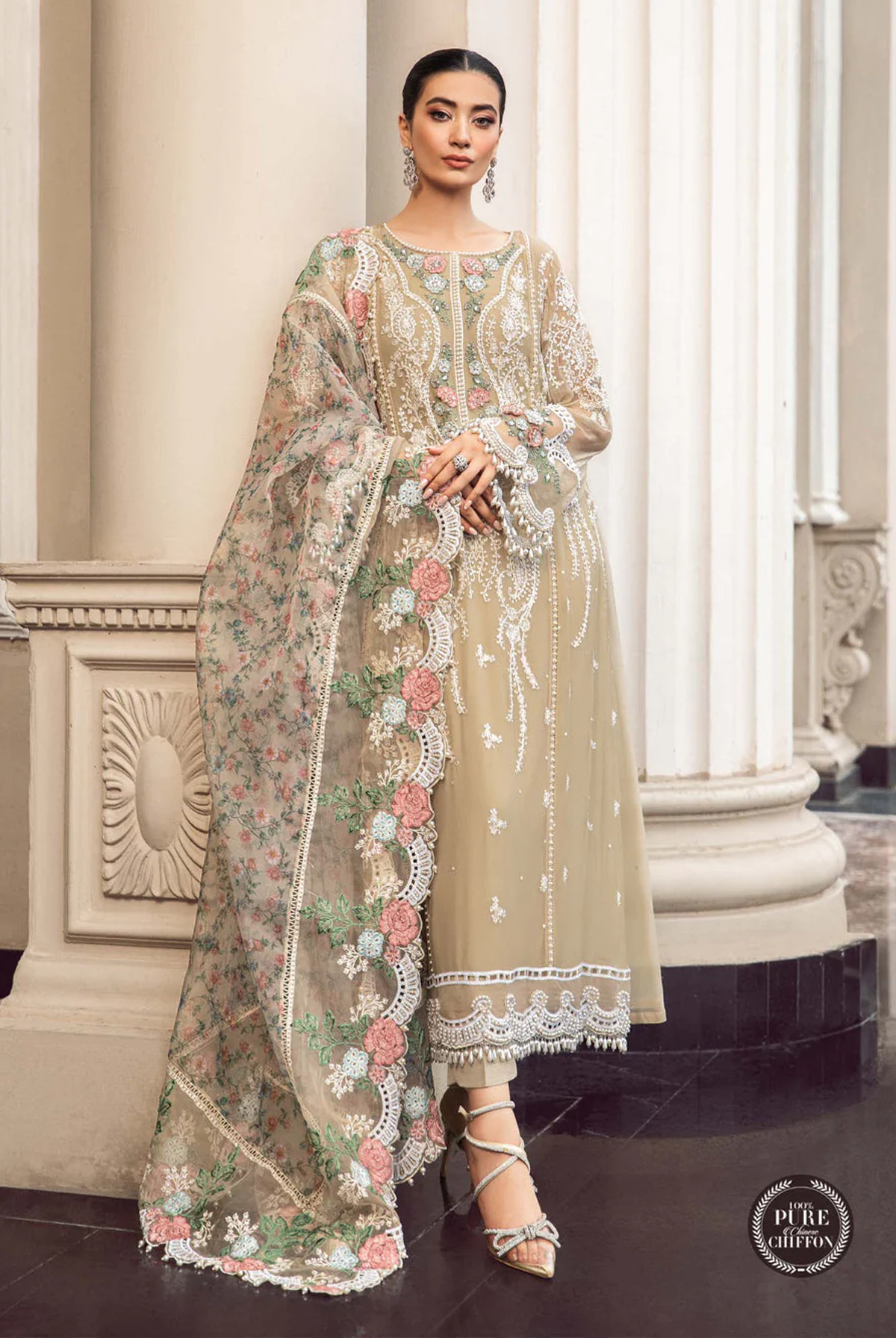
Original price was: ₨15,000.00.₨14,000.00Current price is: ₨14,000.00.
Sale!


Original price was: ₨18,500.00.₨17,000.00Current price is: ₨17,000.00.
Sale!


Original price was: ₨17,500.00.₨16,500.00Current price is: ₨16,500.00.
Sale!


Original price was: ₨16,500.00.₨15,000.00Current price is: ₨15,000.00.
Sale!


Original price was: ₨15,000.00.₨11,500.00Current price is: ₨11,500.00.
Sale!


Original price was: ₨15,500.00.₨13,500.00Current price is: ₨13,500.00.
Pakistani Dress Wholesale Supplier British Virgin Islands | Mastorat
Pakistani fashion is known for its distinctive embroidery, graceful silhouettes, rich fabrics, and ability to combine traditional craftsmanship with modern design. From everyday lawn suits to elegant formal outfits, Pakistani clothing offers a wide range of styles for customers with different preferences and budgets. For retailers, boutique owners, and online sellers in the Caribbean, adding these collections to their product range can create opportunities to serve customers looking for something different from conventional fashion.
Finding the right wholesale partner, however, involves more than choosing attractive designs. Businesses need to consider fabric quality, product consistency, wholesale pricing, available sizes, order quantities, shipping arrangements, and communication with their supplier. A dependable sourcing partner can help retailers make informed purchasing decisions and build a collection that suits their customers.
Mastorat provides access to Pakistani clothing collections for businesses interested in traditional and contemporary South Asian fashion. Retailers exploring a Pakistani Dress Wholesale Supplier British Virgin Islands can use this guide to understand the available clothing categories, evaluate potential suppliers, plan inventory, and develop a practical approach to wholesale purchasing.
Whether you operate a small boutique, sell clothing through social media, or manage an established fashion business, understanding the wholesale process can help you choose products more confidently and create a better shopping experience for your customers.
Understanding the Pakistani Clothing Market in the British Virgin Islands
The British Virgin Islands has a distinctive retail environment shaped by its island communities, international connections, tourism, and varied consumer interests. Clothing businesses may serve residents, visitors, families attending celebrations, and customers who appreciate fashion from different cultural backgrounds. Pakistani clothing can complement this market by introducing styles that combine traditional South Asian design with contemporary fashion preferences. Depending on the customer base, retailers may find opportunities in casual clothing, festive outfits, embroidered suits, and formal collections. However, successful merchandising begins with understanding local demand rather than purchasing stock based solely on international fashion trends. A boutique serving customers who prefer lightweight everyday outfits may require a different assortment from a business specializing in wedding clothing or premium occasion wear. Retailers should consider several questions before placing a wholesale order:- Which clothing styles are most relevant to their existing customers?
- Is there greater interest in casual, semi-formal, or heavily embroidered outfits?
- What price ranges are appropriate for their target market?
- Which sizes, colors, and fabric types should be prioritized?
- How much inventory can the business reasonably sell during a season?
- What delivery timelines and import costs should be included in purchasing decisions?
Why Retailers Should Choose a Reliable Wholesale Supplier
The relationship between a retailer and a wholesale supplier affects nearly every part of the clothing business. Product quality influences customer satisfaction, delivery arrangements affect stock planning, and pricing determines whether an item can be sold profitably. A supplier should therefore be evaluated on several practical factors rather than on product photographs or advertised prices alone.Product Quality and Consistency
Quality is particularly important when selling clothing because customers evaluate more than appearance. They also notice fabric comfort, stitching, finishing, fit, embroidery, and how well a garment performs after normal use. Retailers should ask about the materials used in different collections and whether product specifications remain consistent between batches. For embroidered garments, it can be useful to check the finishing around decorative elements, seams, and fastenings. When possible, request product photographs, detailed specifications, or samples before committing to a substantial order. These steps can help establish whether the clothing meets the standards expected by your customers. For businesses researching different sourcing options, Pakistani catalogue dress wholesale offers a relevant starting point for exploring catalogue-based collections. Retailers can also review Pakistani clothes wholesale suppliers when comparing product ranges and potential sourcing arrangements.Wholesale Pricing and Business Margins
Wholesale prices are important, but the lowest purchase price does not always produce the best business outcome. Retailers need to calculate the full cost of bringing products to their customers. The total cost may include the garment price, international shipping, customs duties where applicable, taxes, payment charges, packaging, and other handling expenses. These amounts can vary depending on the order, shipping method, and destination requirements. For example, a dress purchased at an attractive wholesale rate may become less competitive if delivery costs are unusually high. A slightly more expensive product with better quality or a more efficient shipping arrangement may offer better overall value. Before confirming an order, prepare a simple cost breakdown for each clothing category. This allows you to set realistic selling prices and protect your margins without compromising the quality customers expect.Communication and Order Support
Clear communication can make wholesale purchasing easier, especially when the supplier and retailer operate in different countries. A professional supplier should be able to explain product specifications, available quantities, payment terms, estimated dispatch schedules, and applicable shipping conditions. Retailers should also understand the procedure for addressing missing items, damaged products, or discrepancies between an order and its delivery. Before placing a large order, keep written records of product selections, quantities, prices, delivery expectations, and any agreed arrangements. These records help both parties understand the order and reduce avoidable misunderstandings.Exploring Pakistani Clothing Collections
Pakistani fashion includes several clothing categories, each serving a different purpose. A balanced wholesale assortment should reflect the needs of the intended customer rather than relying on one type of garment. Mastorat's collections can be researched alongside its broader information about Pakistani dress wholesale to understand the different product categories relevant to retailers.Lawn Suits for Everyday Wear
Lawn suits are a recognizable part of Pakistani fashion, particularly for warm-weather dressing. Their lightweight fabrics, colorful prints, and versatile styling make them suitable for everyday use, depending on the fabric composition and construction. For retailers in the British Virgin Islands, lightweight clothing may be worth evaluating because customers often look for comfortable outfits suitable for warmer conditions. Nevertheless, fabric weight, breathability, lining, and garment construction should be checked rather than assuming that every lawn suit performs the same way. A useful assortment may include understated prints, bright colors, floral patterns, and more contemporary designs. Retailers can also consider whether customers prefer stitched suits, unstitched fabric sets, or coordinated outfits with matching accessories. Businesses researching fabric-based purchasing options can explore Pakistani dress material wholesale to learn more about sourcing materials for different clothing requirements. When choosing lawn inventory, start with a manageable selection and monitor customer feedback. Sales results can help determine which prints, sizes, and styles deserve greater attention in future orders.Designer Dresses for Special Occasions
Designer Pakistani clothing often features detailed embroidery, coordinated colors, decorative finishing, and carefully developed silhouettes. These outfits may appeal to customers shopping for celebrations, family gatherings, formal dinners, and other special occasions. Retailers interested in this category should evaluate the difference between everyday formal wear and more elaborate designer pieces. Some customers may prefer subtle embellishment and versatile designs, while others may look for statement outfits with intricate decorative work. Explore Pakistani designer dresses and Pakistani designer suits when researching options for a premium clothing assortment. Before ordering, verify the fabric composition, available sizes, garment measurements, embroidery details, and whether the outfit includes all the components shown in its description. These details help retailers provide accurate product information and set appropriate customer expectations.Casual and Daily-Wear Clothing
Daily-wear collections can help a boutique serve customers who want practical clothing rather than outfits reserved for special events. Depending on the assortment, this category may include simple printed suits, modest silhouettes, coordinated separates, and comfortable designs. Retailers should focus on versatility, ease of styling, fabric comfort, and price suitability. Neutral colors and familiar designs may appeal to customers who want clothing that can be worn repeatedly, while brighter patterns can add variety to the collection. Businesses exploring online purchasing can review Pakistani dress wholesale online as part of their sourcing research. A useful approach is to stock a selection of everyday styles alongside a smaller number of premium garments. This creates variety without requiring the business to invest its entire purchasing budget in expensive occasion wear.Embroidered and Festive Outfits
Embroidery plays an important role in many Pakistani clothing collections. Depending on the design, decorative work may include thread embroidery, sequins, beads, lace, or other embellishments. Festive outfits can appeal to customers preparing for weddings, cultural celebrations, formal gatherings, and family events. However, the appropriate selection depends on the customers a retailer serves and the amount they are willing to spend. For businesses interested in more elaborate designs, Pakistani designer clothes online provides another collection-related resource. When evaluating festive garments, pay attention to the weight of the fabric, the comfort of the lining, the durability of decorative elements, and the care instructions. Retailers should also explain whether garments are sold as complete outfits or as separate pieces.Building an Assortment for Different Customer Budgets
A clothing business can attract a broader customer base by offering products across several price levels. The goal is not to stock every possible style but to create a carefully selected range that meets identifiable customer needs. An assortment might include affordable everyday outfits, moderately priced embroidered suits, and a smaller selection of premium occasion wear. The exact proportions should depend on previous sales, customer feedback, available investment, and storage capacity. For a new retailer, beginning with a limited range can be more practical than committing to a large order. This provides an opportunity to test demand before increasing purchasing volumes. As sales information becomes available, retailers can identify their best-performing categories and make more informed decisions about replenishment.Understanding International Wholesale Sourcing
Buying clothing from an international supplier involves additional considerations that may not arise when purchasing from a nearby distributor. Retailers need to understand the ordering process, shipping terms, payment arrangements, and any import requirements relevant to the destination. Mastorat's broader sourcing resources include information about Pakistani dress wholesale in USA and Pakistani dress wholesale in Dubai. These pages may help businesses explore different market-specific approaches to Pakistani fashion sourcing. It is important, however, to distinguish general sourcing information from confirmed delivery arrangements. Retailers in the British Virgin Islands should verify destination-specific shipping availability, costs, estimated transit times, and customs procedures before confirming an order.Learning from Different Regional Markets
Examining fashion businesses in other regions can help retailers understand product positioning, merchandising, and the different ways Pakistani clothing is presented to customers. For example, Pakistani dress wholesale in Pakistan and Pakistani dress wholesale in Mumbai provide additional regional references for researching the wider Pakistani clothing trade. These markets should not be treated as identical to the British Virgin Islands. Customer preferences, transport costs, purchasing power, and seasonal demand can differ substantially between locations. Retailers should use regional comparisons to generate ideas, then validate those ideas against their own customers and operating costs.Exploring Mastorat's International Supply Resources
Businesses looking into international wholesale clothing can also review Mastorat's country-specific pages to understand the broader range of markets covered by its website. Relevant resources include:- Pakistani dress wholesale supplier Afghanistan
- Pakistani dress wholesale supplier Bangladesh
- Pakistani dress wholesale supplier Australia
- Pakistani dress wholesale supplier Canada
- Pakistani dress wholesale supplier United Arab Emirates
Benefits for Boutique Owners and Independent Retailers
Small and medium-sized fashion businesses often need to balance product variety with limited purchasing budgets. A thoughtful wholesale strategy can help them introduce new styles while managing the risks associated with unsold inventory.Greater Product Variety
Sourcing from a wider collection can allow retailers to offer styles that may not be readily available through local distributors. Pakistani clothing provides several options, from simple printed outfits to heavily embellished garments. Variety is most useful when it reflects real customer preferences. Rather than selecting products solely because they are visually striking, retailers should assess which designs fit their customers' lifestyles, occasions, and budgets.More Structured Inventory Planning
Wholesale purchasing allows retailers to plan collections in advance and organize products around particular customer needs. For example, a boutique might create separate selections for casual wear, formal events, and seasonal shopping. Businesses can use previous sales records to estimate how much inventory is required in each category. This helps avoid unnecessary purchases and makes it easier to plan future orders.Opportunities to Develop a Distinctive Brand
A carefully selected clothing range can help a retailer develop a recognizable identity. Some boutiques may focus on accessible everyday fashion, while others may specialize in formal outfits or premium embroidered collections. Consistency in product presentation, customer service, sizing information, and quality standards can strengthen this identity over time. Retailers should also ensure that any product descriptions, brand references, and claims about garment origins accurately reflect the items being sold.Flexible Growth for New Businesses
New clothing businesses may benefit from testing a smaller range before investing in larger quantities. A limited initial assortment allows the retailer to learn which styles attract attention and which price points are realistic. Once demand becomes clearer, the business can gradually expand its product range. This approach supports more informed purchasing decisions and reduces the pressure to maintain excessive inventory. Before ordering, confirm whether the supplier offers suitable minimum quantities and whether mixed designs or sizes can be included in the same order.How to Calculate Wholesale Costs and Retail Prices
A sound pricing strategy should account for the complete cost of each product rather than the supplier's listed price alone. Retailers can begin by recording the following expenses:- Purchase price per garment
- Shipping and freight charges
- Customs duties and applicable taxes
- Payment processing or currency conversion charges
- Packaging, storage, and handling expenses
- Allowances for damaged items, returns, or other operating costs
Placing a Wholesale Order with Mastorat
An organized purchasing process helps retailers reduce mistakes and understand their commitments before payment. The following steps provide a practical framework for exploring a potential order through Mastorat. Step 1: Review the available collections Start by exploring the relevant clothing categories and identifying designs that suit your store. Consider fabric type, style, intended use, size options, and expected selling price. Step 2: Prepare a product shortlist Record the product names or identifiers, selected sizes, quantities, and any important specifications. Keeping the shortlist organized makes it easier to compare options and communicate your requirements. Step 3: Confirm wholesale terms Ask about current product availability, minimum order quantities, payment requirements, and any discounts that may apply. Confirm whether the listed prices include all components shown in the product photographs. Step 4: Verify delivery arrangements Before paying, request a shipping estimate for the British Virgin Islands. Confirm the courier or shipping method, estimated delivery window, tracking availability, insurance arrangements where applicable, and responsibility for customs charges. Step 5: Review the order details Check the final invoice against your product shortlist. Ensure that quantities, sizes, prices, shipping costs, and agreed conditions are recorded correctly. Step 6: Keep purchasing records Save invoices, payment confirmations, product specifications, and delivery information. These records can help with inventory management and make future reordering easier. Retailers can also explore Pakistani dress wholesale in Dhaka and Pakistani catalogue dress wholesale in Bangladesh for additional country-specific sourcing information.Quality Checks Before and After Delivery
Quality assurance should be considered throughout the purchasing process, beginning with product selection and continuing after the shipment arrives. Before ordering, request clear product images and specifications. For a larger order, ask whether samples are available and whether the supplied garments will match the approved sample. Once the shipment arrives, inspect the products against the invoice. Check the number of items, size labels, colors, stitching, fabric condition, embroidery, and general finishing. If a problem is identified, document it promptly with photographs and written details. Contact the supplier according to the agreed procedure and retain the relevant order information. Businesses researching additional supplier markets can review Pakistani clothes wholesalers Manchester and Pakistani clothes wholesalers Bradford as part of their wider clothing-industry research. A consistent inspection process helps retailers maintain product standards and address discrepancies before garments reach customers.Shipping and Import Considerations for the British Virgin Islands
International delivery requires planning because shipping costs, transit times, customs procedures, and available services vary by destination and shipment. Retailers should obtain a destination-specific shipping quote rather than relying on general estimates for other Caribbean locations. The quote should clarify whether delivery is arranged to the retailer's address, a collection point, or another agreed destination. It is also important to establish which party is responsible for import documentation, customs duties, taxes, and any clearance fees. Import requirements may depend on the type and value of the shipment, so retailers should check the relevant official guidance before placing an order. When evaluating delivery options, consider the following factors:- Total shipping cost relative to the value of the order
- Estimated transit time and possible delays
- Shipment tracking and delivery confirmation
- Packaging suitable for protecting garments
- Insurance or compensation arrangements, where available
- Procedures for damaged, missing, or delayed shipments
Using Online Wholesale Resources Effectively
Online sourcing can make it easier for retailers to compare clothing categories and research suppliers without visiting multiple physical markets. A useful online purchasing process begins with a clear list of requirements. Retailers should know the types of garments they want, their approximate budget, their preferred order quantities, and the quality standards they expect. Product photographs are helpful, but they should be considered alongside detailed descriptions, measurements, fabric information, and written purchasing terms. Images alone cannot confirm the exact color, feel, durability, or fit of a garment. When evaluating a supplier's website, check whether product information is clear, contact details are available, and the ordering process explains important terms. It is also useful to review the supplier's return or complaint procedures before making a substantial commitment. Mastorat's Pakistani dress wholesale online resource can be included in this initial research process. Retailers should confirm current stock and ordering arrangements directly before treating any listed product as available for immediate purchase.Customization and Private-Label Opportunities
Some established retailers may eventually want to develop their own clothing label rather than resell garments under existing product names. Depending on a supplier's capabilities, this may involve custom colors, selected fabrics, design adjustments, branded labels, or packaging. Customization can help a business create a more distinctive product range, but it also introduces additional considerations. Minimum order quantities may be higher, production timelines may be longer, and design changes may affect pricing. Retailers interested in private-label arrangements should ask whether the supplier currently offers these services and request written details covering production quantities, sample approval, branding permissions, quality standards, and delivery schedules. Do not assume that every clothing supplier provides made-to-order manufacturing or that all designs can be modified. Confirm the available options before planning a private-label collection. For a new business, it may be more practical to begin by reselling existing collections and learning about customer preferences. Custom products can be considered later, once the business has a clearer understanding of its market and purchasing capacity.Keeping Up with Pakistani Fashion Trends
Fashion preferences evolve as designers introduce new colors, silhouettes, prints, and decorative techniques. Retailers can use these developments to refresh their collections while maintaining a clear understanding of what their customers actually purchase. Following seasonal launches, reviewing customer feedback, and observing the performance of different clothing categories can provide useful information for future orders. However, following every trend is rarely necessary. A retailer may achieve better results by maintaining dependable everyday styles while introducing selected new designs in smaller quantities. Businesses researching international fashion supply can also explore:- Pakistani dress wholesale supplier Italy
- Pakistani dress wholesale supplier France
- Pakistani dress wholesale supplier Germany