
Sale!
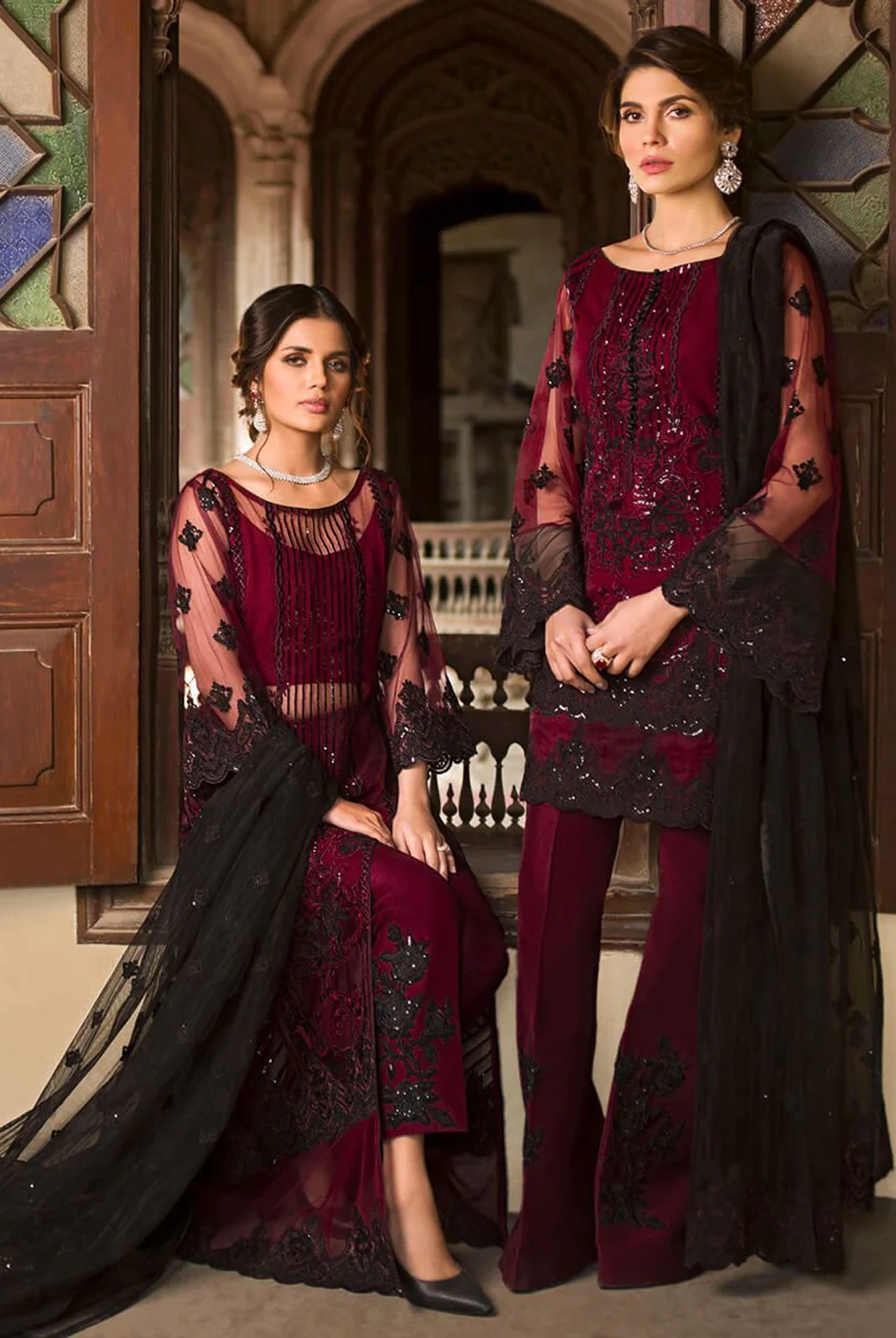

Original price was: ₨17,500.00.₨13,500.00Current price is: ₨13,500.00.
Sale!


Original price was: ₨16,000.00.₨13,000.00Current price is: ₨13,000.00.
Sale!


Original price was: ₨18,500.00.₨14,000.00Current price is: ₨14,000.00.
Sale!

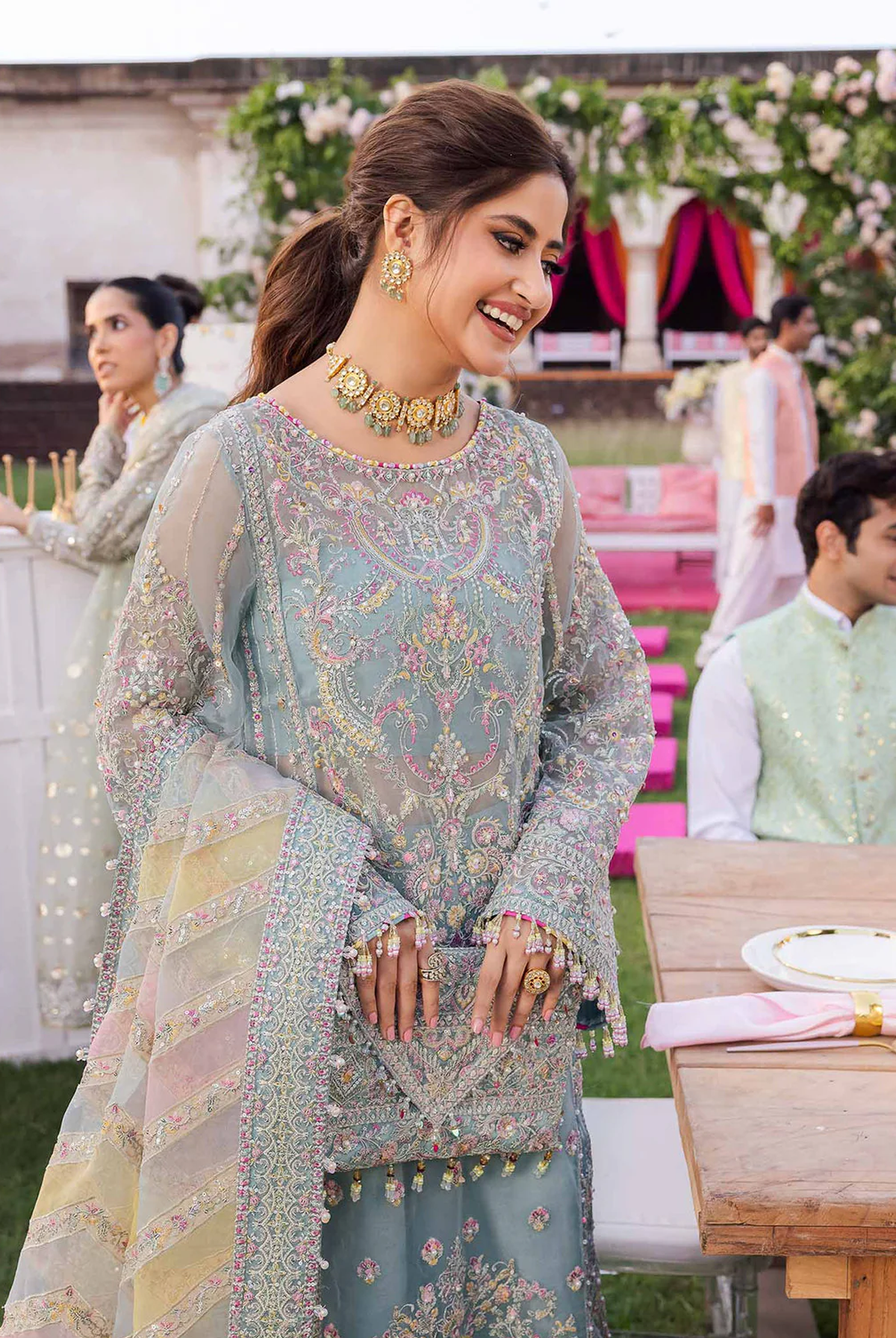
Original price was: ₨14,000.00.₨12,000.00Current price is: ₨12,000.00.
Sale!
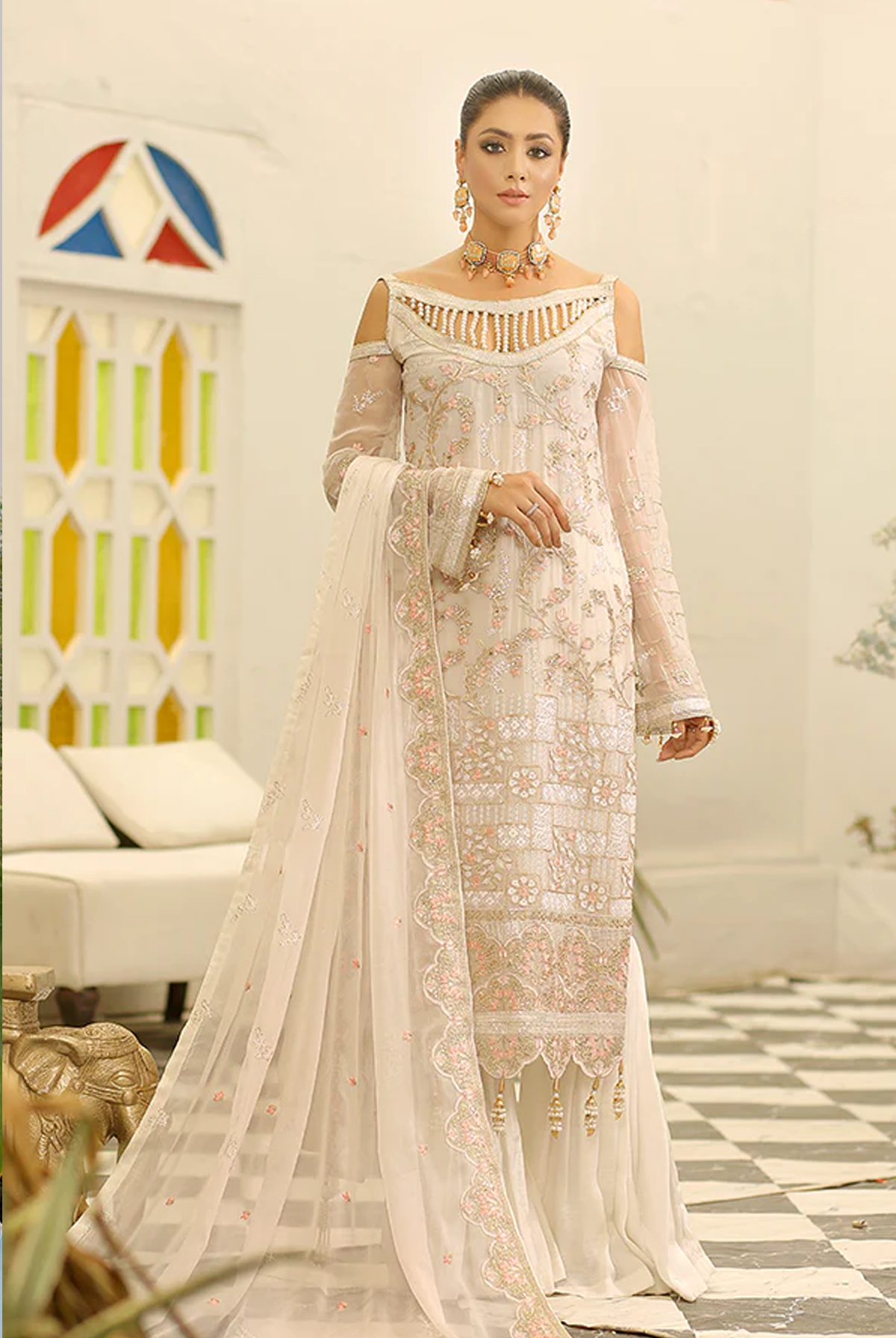

Original price was: ₨15,000.00.₨13,500.00Current price is: ₨13,500.00.
Sale!


Original price was: ₨16,000.00.₨12,500.00Current price is: ₨12,500.00.
Sale!


Original price was: ₨17,500.00.₨15,500.00Current price is: ₨15,500.00.
Sale!


Original price was: ₨15,000.00.₨13,000.00Current price is: ₨13,000.00.
Sale!


Original price was: ₨11,500.00.₨9,500.00Current price is: ₨9,500.00.
Sale!
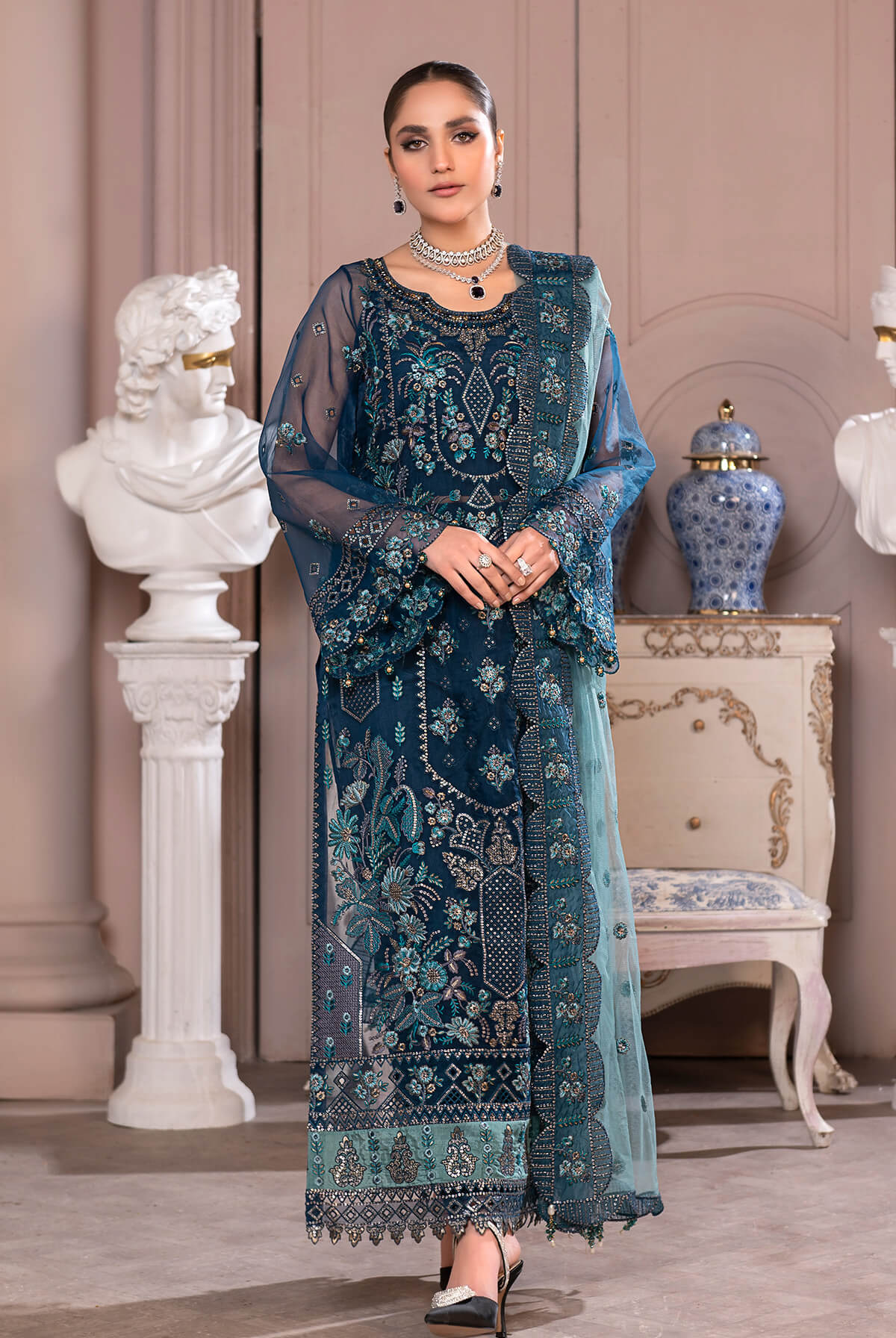

Original price was: ₨14,000.00.₨9,500.00Current price is: ₨9,500.00.
Sale!


Original price was: ₨16,000.00.₨14,000.00Current price is: ₨14,000.00.
Sale!


Original price was: ₨18,500.00.₨14,500.00Current price is: ₨14,500.00.
Sale!


Original price was: ₨17,500.00.₨15,000.00Current price is: ₨15,000.00.
Sale!


Original price was: ₨14,500.00.₨12,500.00Current price is: ₨12,500.00.
Sale!


Original price was: ₨17,500.00.₨16,000.00Current price is: ₨16,000.00.
Sale!

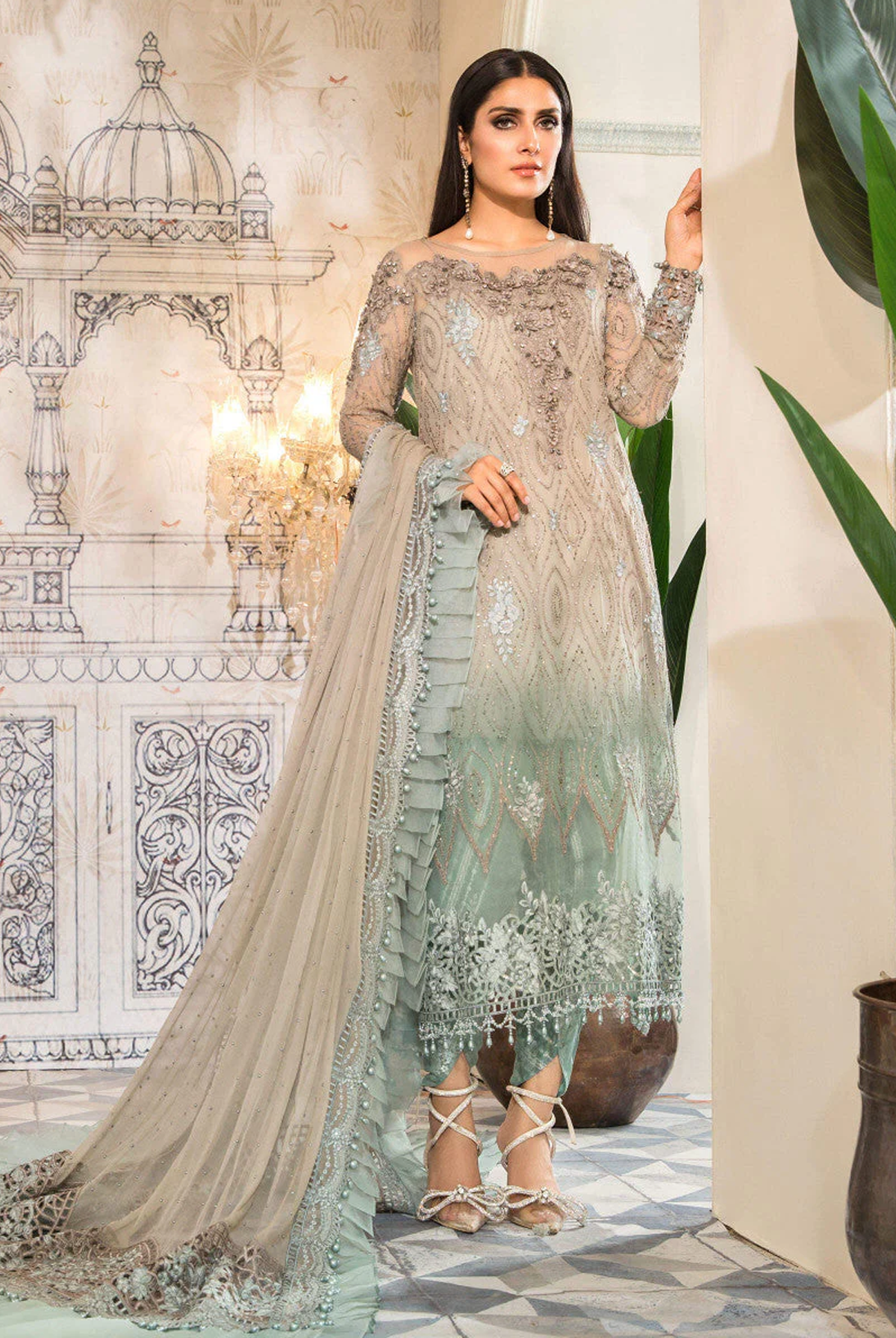
Original price was: ₨16,500.00.₨15,500.00Current price is: ₨15,500.00.
Sale!

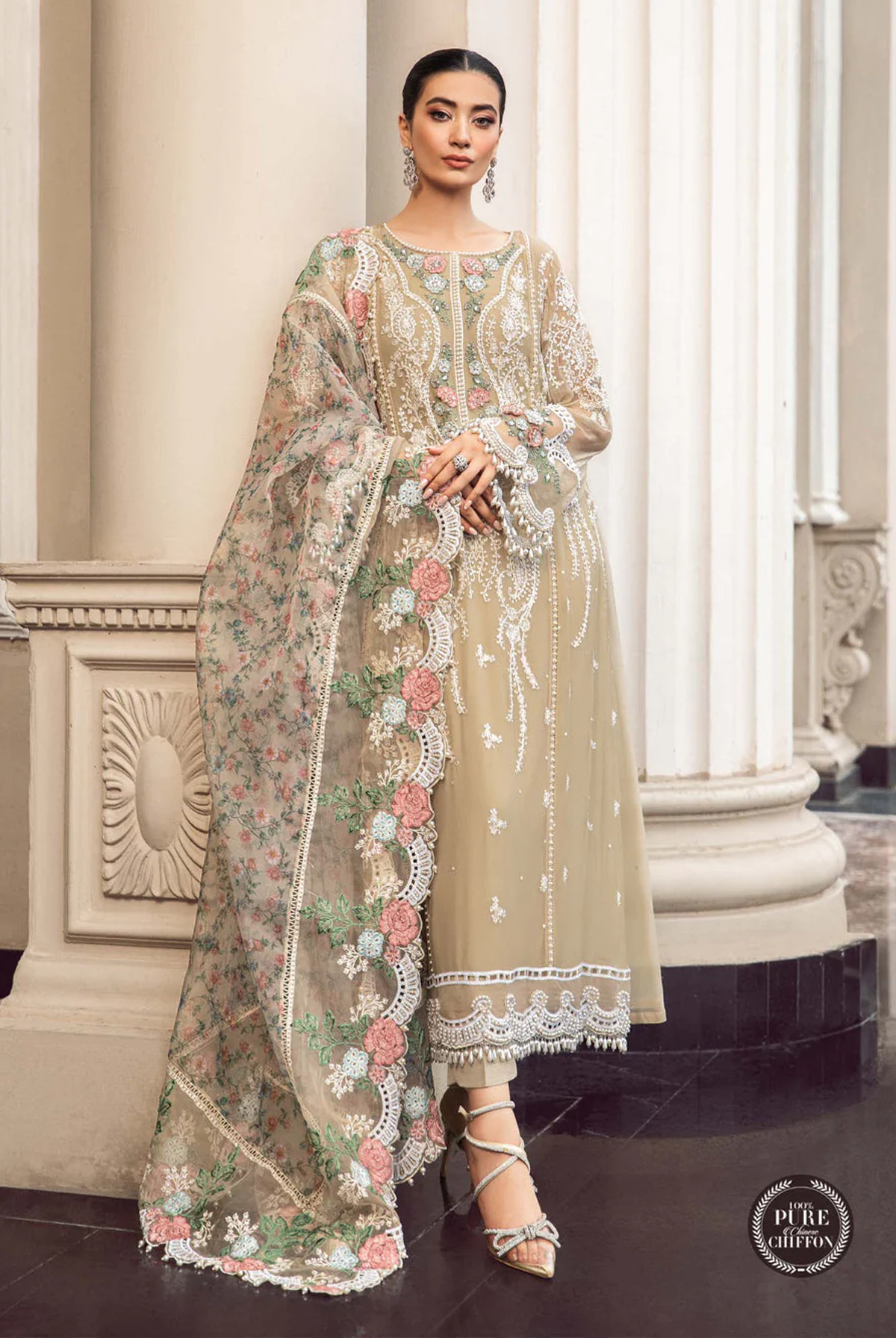
Original price was: ₨15,000.00.₨14,000.00Current price is: ₨14,000.00.
Sale!


Original price was: ₨18,500.00.₨17,000.00Current price is: ₨17,000.00.
Sale!


Original price was: ₨17,500.00.₨16,500.00Current price is: ₨16,500.00.
Sale!


Original price was: ₨16,500.00.₨15,000.00Current price is: ₨15,000.00.
Sale!


Original price was: ₨15,000.00.₨11,500.00Current price is: ₨11,500.00.
Sale!


Original price was: ₨15,500.00.₨13,500.00Current price is: ₨13,500.00.
Pakistani Dress Wholesale Supplier Delaware | Mastorat
The demand for Pakistani fashion has expanded beyond South Asian communities, creating new opportunities for clothing retailers, boutique owners and online fashion businesses across the United States. Known for its detailed embroidery, distinctive fabrics, elegant cuts and cultural influences, Pakistani clothing offers a wide selection of outfits for everyday use, formal gatherings, weddings and seasonal celebrations. For retailers in Delaware, sourcing these collections from reliable international suppliers can help build a diverse inventory and serve customers with different fashion preferences.
Mastorat connects international buyers with Pakistani fashion collections and wholesale sourcing opportunities. From comfortable lawn suits and embroidered three-piece outfits to luxury formal dresses and bridal-inspired designs, retailers can explore different product categories according to their customers' requirements. Businesses looking for a dependable Pakistani Dress Wholesale Supplier Delaware sourcing option can use Mastorat to explore available collections, compare designs and plan their wholesale purchasing requirements.
This guide explains how wholesale sourcing works, which Pakistani clothing categories retailers can consider, what to check before placing an order and how businesses in Delaware can develop a sustainable ethnic fashion retail operation.
Understanding the Pakistani Clothing Market in Delaware
Delaware offers opportunities for fashion businesses serving customers from different cultural backgrounds. Its location near major metropolitan areas, including Philadelphia and Baltimore, also gives retailers access to wider regional customer markets. Alongside mainstream fashion, traditional and contemporary South Asian clothing has an established place in the wardrobes of families, professionals and fashion-conscious shoppers. Pakistani clothing is particularly attractive because it combines traditional craftsmanship with modern styling. Customers can find outfits suitable for everyday activities, workplace dressing, family celebrations and special occasions. This variety gives retailers the flexibility to serve different customer groups rather than depending on a single clothing category. Some popular product categories include:- Printed and embroidered lawn suits
- Cotton and cambric outfits
- Formal embroidered dresses
- Luxury chiffon collections
- Bridal lehengas and shararas
- Traditional Pakistani three-piece suits
- Contemporary ready-to-wear clothing
- Festive and seasonal collections
- Designer-inspired formal outfits
Why Pakistani Clothing Appeals to American Customers
Pakistani fashion has developed an international audience because it offers a balance of cultural identity, decorative detail and contemporary design. Traditional clothing is no longer limited to cultural events. Many customers purchase South Asian outfits for family gatherings, religious celebrations, weddings and everyday wear.Traditional Designs with Modern Styling
One of the main attractions of Pakistani clothing is its ability to combine traditional design elements with modern fashion preferences. Classic embroidery, printed fabrics, decorative necklines and traditional silhouettes are regularly adapted to contemporary tastes. For example, a traditional embroidered kameez can feature a modern cut, while a classic shalwar suit may use lighter fabrics and updated color combinations. This makes Pakistani fashion suitable for customers who appreciate cultural clothing but also want modern styling.A Wide Selection of Fabrics
Fabric variety is another important reason retailers consider Pakistani collections. Summer lawn, cotton, cambric, chiffon, organza, velvet and khaddar serve different seasonal and occasion-based requirements. Lightweight materials are particularly suitable for warm weather, while heavier fabrics are often selected for winter clothing and formal events. Retailers can build a balanced collection by considering climate, seasonal demand and customer budgets.Clothing for Different Occasions
Pakistani outfits cover several fashion categories. Customers can choose simple printed suits for daily wear, embroidered dresses for family events or heavily decorated outfits for weddings. This broad selection helps retailers create separate product sections and appeal to shoppers with different purchasing intentions.Cultural and Fashion-Based Demand
South Asian communities contribute to demand for traditional clothing throughout the year. At the same time, interest in international fashion has introduced Pakistani designs to customers outside these communities. Retailers can respond by providing accurate product descriptions, clear photographs, sizing information and collections that suit different occasions.Why Delaware Retailers Consider International Wholesale Sourcing
Running a clothing business requires more than finding attractive products. Retailers must consider purchase costs, stock availability, quality, delivery arrangements and customer expectations. International sourcing gives businesses access to clothing markets that may offer more specialized designs and manufacturing expertise than their local purchasing options.Access to a Wider Product Selection
Local distributors may have limited collections or focus on particular styles. International sourcing allows retailers to explore a broader range of Pakistani clothing, including seasonal lawn collections, traditional embroidered outfits and designer-inspired formal wear. A wider catalog also makes it easier to test new categories before investing heavily in a particular style.Competitive Purchasing Opportunities
Wholesale purchasing generally allows retailers to obtain products at lower per-unit prices than individual retail purchases. The actual cost depends on order quantity, design, fabric, manufacturing, packaging and transportation. Retailers should compare the complete landed cost rather than looking only at the advertised wholesale price. International shipping, customs charges and other applicable expenses can influence the final cost of each outfit.Better Inventory Planning
Working with an organized supplier can help retailers plan purchases around seasonal demand. For example, a boutique may increase its lawn inventory before summer and introduce formal collections ahead of wedding and festive seasons. Planning purchases in advance can reduce unnecessary stock accumulation and improve cash flow management.Opportunities for Online Retailers
Delaware businesses do not need to operate only through physical shops. Online boutiques, social media stores and independent e-commerce websites can also sell Pakistani clothing. Retailers can display product photographs, explain fabric details and provide size information to help customers make informed purchasing decisions.How Mastorat Supports International Clothing Buyers
Mastorat focuses on Pakistani clothing and international wholesale sourcing opportunities. It provides buyers with access to different clothing categories and helps them explore collections suitable for retail businesses. For boutique owners, choosing the right products is an important part of establishing a recognizable fashion identity. Some businesses focus on affordable casual wear, while others specialize in luxury formal dresses or traditional wedding outfits. Mastorat's clothing categories provide opportunities to explore different styles and product types. Retailers can benefit from the following sourcing considerations:Variety of Clothing Collections
A diverse product selection allows businesses to compare different clothing styles and identify suitable products for their target customers.Wholesale Purchasing Opportunities
Bulk purchasing can help businesses manage product costs. Retailers should review minimum order requirements, available quantities and pricing conditions before confirming their purchases.Seasonal Fashion Options
Fashion preferences change throughout the year. Access to seasonal collections helps retailers prepare for summer lawn, winter khaddar, Eid celebrations and wedding-related shopping periods.International Buyer Access
Businesses outside Pakistan can explore Pakistani fashion collections without depending entirely on local distributors. This creates additional sourcing opportunities for online sellers and physical boutiques.Product Selection Support
Retailers should consider fabric, stitching, sizing, embroidery and intended use when choosing products. These details help create an inventory that meets customer expectations. Buyers interested in exploring broader product selections can visit Pakistani Catalogue Dress Wholesale to discover additional clothing categories.Popular Pakistani Clothing Categories for Delaware Retailers
Choosing the right product categories is essential for maintaining a balanced clothing inventory. Instead of purchasing only one type of outfit, retailers can consider a mixture of everyday, seasonal, formal and premium collections.1. Lawn Suits
Lawn suits are popular for warm-weather clothing because of their lightweight fabric and comfortable construction. They are commonly available in printed, embroidered and embellished designs. Retailers can consider different variations, including:- Two-piece lawn suits
- Three-piece printed outfits
- Embroidered lawn collections
- Unstitched fabric sets
- Ready-to-wear lawn clothing
2. Cotton and Cambric Outfits
Cotton and cambric clothing can serve customers looking for comfortable everyday fashion. These fabrics are suitable for casual outfits and can be offered in both simple and decorated designs. Retailers may include plain, printed and lightly embroidered options to provide a choice across different budgets.3. Formal Pakistani Dresses
Formal dresses are designed for weddings, parties, family gatherings and special occasions. These outfits often include detailed embroidery, decorative embellishments and premium fabrics. Chiffon, organza and other dress materials are frequently used in formal collections. Boutique owners can create a separate formalwear section to make it easier for customers to browse clothing according to occasion and budget.4. Bridal Clothing
Bridal fashion represents a specialized segment of the Pakistani clothing industry. Bridal outfits may feature intricate embroidery, embellishments, decorative borders and detailed finishing. Lehengas, shararas, ghararas and traditional long shirts are common styles. Retailers entering this category should pay particular attention to product photographs, measurements, craftsmanship and order timelines because bridal purchases often involve higher customer expectations.5. Casual Pret Wear
Ready-to-wear clothing is suitable for shoppers who prefer convenience. Customers can purchase finished outfits without arranging additional tailoring. Casual pret collections may include simple shirts, trousers, two-piece outfits and contemporary versions of traditional clothing.6. Designer Collections
Designer clothing appeals to customers looking for distinctive styling, premium fabrics and detailed finishing. Retailers can explore collections featuring traditional embroidery, contemporary cuts and coordinated outfits. They should also verify product authenticity and avoid making unsupported claims about designer brands. For additional inspiration and product categories, retailers can explore Pakistani Designer Dresses and Pakistani Designer Suits.Understanding the Wholesale Ordering Process
A clear purchasing process helps retailers avoid confusion and manage international orders more effectively. Businesses should understand each stage before committing to a large purchase.Step 1: Identify Your Target Customers
Start by understanding the people who are most likely to purchase your products. Consider their preferred clothing styles, budgets, sizes, occasions and shopping habits. A boutique serving customers who prefer everyday traditional clothing may require a different inventory from a store specializing in luxury wedding fashion.Step 2: Explore Available Collections
Browse product catalogs and shortlist outfits according to your business requirements. Review fabric information, design details, available sizes, colors and product photographs. If some information is missing, request clarification before placing an order.Step 3: Compare Wholesale Prices
Compare products based on their overall value rather than price alone. A cheaper outfit may not provide the same fabric quality, stitching or finishing as another product. Consider how each item fits your intended retail price and expected profit margin.Step 4: Confirm Minimum Order Requirements
Different suppliers may have different minimum order quantities. Some products may be available in small bundles, while others may require larger quantities. Confirm the exact requirements for each selected collection.Step 5: Finalize the Purchase
Before confirming an order, review the product list, quantities, prices, payment terms and shipping arrangements. Written order confirmation helps reduce misunderstandings between buyers and suppliers.Step 6: Arrange International Shipping
Discuss available shipping methods, estimated delivery times, tracking information and customs documentation. Air shipping may be appropriate for smaller or time-sensitive orders, while sea freight may suit larger shipments when longer delivery times are acceptable.Step 7: Inspect the Received Products
Once the shipment arrives, inspect the clothing before displaying it for sale. Check the quantities, stitching, fabric condition, colors and product specifications. Record any differences and communicate them to the supplier promptly.Building a Balanced Clothing Inventory
A successful boutique needs an inventory that reflects actual customer demand. Purchasing too many products from one category can create unnecessary financial pressure. Retailers should consider a balanced selection of casual, formal and seasonal clothing.Start with Core Products
Begin with clothing categories that have broad customer appeal. Everyday suits, simple embroidered outfits and seasonal collections can provide a foundation for a new store.Introduce Premium Products Gradually
Luxury formalwear and bridal clothing may require a larger investment. Retailers can introduce these categories gradually after understanding local demand.Monitor Customer Preferences
Pay attention to the products customers view, ask about and purchase. Sales records can reveal which fabrics, colors, sizes and styles are performing well. Use this information when preparing future wholesale orders.Avoid Unnecessary Overstocking
Large purchases are not always the best option for a growing business. Retailers should consider storage space, available capital and expected sales before ordering. Testing a small collection can provide useful information before committing to larger quantities.Quality Control: What Retailers Should Check
Product quality directly influences customer satisfaction, repeat purchases and a boutique's reputation. When importing Pakistani clothing, retailers should establish clear quality expectations and communicate them to their suppliers.Fabric Quality
Check whether the fabric matches the product description. Consider its texture, weight, appearance and suitability for the intended season.Stitching and Finishing
Inspect seams, hems, sleeves, necklines and decorative elements. Poor finishing can reduce the perceived value of an otherwise attractive outfit.Embroidery and Embellishments
For embroidered dresses, examine threadwork, decorative patterns and embellishment placement. Ensure that the product photographs represent the actual item accurately.Size Accuracy
Sizing differences can create problems for retailers and customers. Request measurement charts and confirm whether sizes follow standard measurements or individual product specifications.Color Consistency
Compare product colors with the supplier's photographs and descriptions. Lighting and screen settings can affect appearance, so retailers should account for reasonable visual differences.Packaging
Clothing should arrive in suitable packaging that protects it during transportation. Check whether garments are folded, packed and labeled appropriately. Buyers can also compare product categories available through Pakistani Clothes Wholesale Suppliers UK and Pakistani Clothes Wholesale Suppliers when researching broader international sourcing opportunities.Pricing and Profit Planning for Clothing Businesses
Wholesale pricing is only one part of running a profitable retail business. Retailers should calculate the total cost of acquiring, storing and selling each outfit.Calculate the Landed Cost
The landed cost includes the purchase price and relevant expenses associated with bringing products into Delaware. These may include:- International shipping
- Customs duties and applicable taxes
- Import handling charges
- Packaging expenses
- Payment processing fees
- Domestic transportation
Set Appropriate Retail Prices
Retail pricing should reflect product quality, total costs, local competition and customer expectations. A luxury embroidered outfit may require a different pricing strategy from a simple printed lawn suit. Retailers should avoid setting prices based only on competitor listings without considering their own operating expenses.Maintain a Pricing Record
Create a spreadsheet containing product names, quantities, purchase prices, shipping expenses and selling prices. This makes it easier to identify profitable categories and adjust future orders.Review Profit Margins Regularly
Sales revenue does not represent actual profit. Businesses must account for operating costs, marketing expenses, payment fees and unsold inventory. Regular financial reviews help retailers make better purchasing decisions.Expanding Your Wholesale Network Beyond Delaware
Although Delaware can serve as a useful base for a clothing business, retailers may eventually explore additional markets and sourcing relationships. Different regions have different customer preferences, fashion seasons and distribution requirements. Understanding these differences can help businesses identify future opportunities. Mastorat's regional pages provide additional information about Pakistani clothing sourcing across different markets. Retailers may explore:- Pakistani Dress Wholesale Supplier Alabama
- Pakistani Dress Wholesale Supplier California
- Pakistani Dress Wholesale Supplier Texas
- Pakistani Dress Wholesale Supplier New York
- Pakistani Dress Wholesale Supplier Australia
- Pakistani Dress Wholesale Supplier Canada
International Markets for Pakistani Fashion
Pakistani clothing has an international customer base, and wholesale businesses can explore opportunities in several regions.Middle Eastern Markets
The Middle East has a strong audience for South Asian clothing, particularly during religious celebrations, weddings and family occasions. Retailers interested in regional sourcing can explore Pakistani Dress Wholesale in Dubai.South Asian Markets
South Asian markets have established relationships with Pakistani textile and clothing manufacturers. Retailers can explore regional opportunities through Pakistani Dress Wholesale in India and Pakistani Dress Wholesale in Dhaka.Direct Pakistani Sourcing
Businesses researching manufacturing and wholesale opportunities can also explore Pakistani Dress Wholesale in Pakistan. Direct sourcing may provide access to a wider range of products, although buyers should carefully evaluate suppliers, order conditions and quality standards.European Markets
European customers include people interested in traditional clothing, cultural fashion and occasion-based outfits. Retailers researching European sourcing options may also review Pakistani Dress Wholesale Supplier Germany and Pakistani Dress Wholesale Supplier France.Other Growing Markets
International retailers can explore additional opportunities through Pakistani Dress Wholesale Supplier South Africa and Pakistani Dress Wholesale Supplier Saudi Arabia. For businesses interested in regional comparisons, Pakistani Dress Wholesale Supplier India and Pakistani Dress Wholesale Supplier Turkey offer further points of reference.Managing Shipping and International Logistics
International shipping is an important consideration when purchasing clothing from Pakistan. A retailer should understand the shipping arrangements before confirming an order, especially when purchasing products for a specific season or event.Air Freight
Air freight is generally suitable for smaller shipments and orders that require relatively quick transportation. It may cost more than sea freight, but faster delivery can be useful when retailers need to replenish popular designs.Sea Freight
Sea freight is often considered for larger shipments. It can offer different cost advantages depending on shipment size, destination and service arrangements. However, longer transportation times mean retailers must plan their purchases carefully.Customs Documentation
International shipments require appropriate documentation. Depending on the shipment and applicable regulations, this may include commercial invoices, packing lists and other import documents. Retailers should understand the customs requirements that apply to their business and consult qualified customs professionals when necessary.Shipment Tracking
Tracking information helps buyers monitor the movement of their orders. Retailers should request shipment details and maintain communication with their logistics provider until the goods have arrived. For businesses sourcing from multiple destinations, researching Pakistani Dress Wholesale Supplier Canada can also provide additional context about international supply arrangements.Digital Transformation in the Wholesale Clothing Industry
Technology has changed how clothing retailers discover products, communicate with suppliers and manage orders. Businesses can now explore international collections without visiting physical wholesale markets.Online Product Catalogs
Digital catalogs allow buyers to view product photographs, descriptions, available designs and other specifications. A well-organized catalog saves time and makes it easier to compare different collections.Online Wholesale Ordering
Online purchasing gives retailers greater flexibility when selecting products and managing orders. Before paying, buyers should confirm that the selected designs, quantities, prices and delivery arrangements are correct. Retailers interested in online sourcing can explore Pakistani Dress Wholesale Online.Digital Payments
International payment options can make transactions more convenient. Buyers should verify payment details, transaction records and applicable charges before sending funds.Order Management
Digital records help businesses monitor purchases, shipment details, inventory and supplier communication. Even a simple spreadsheet can make wholesale purchasing more organized.Market Research
Online search trends, social media engagement and customer feedback can help retailers identify popular clothing styles. However, online interest does not always translate into actual sales. Retailers should compare digital research with their own purchasing and sales records. Businesses can also review Pakistani Dress Wholesale Market to explore broader wholesale market information.Marketing Pakistani Clothing in Delaware
Sourcing attractive products is only one part of retail success. Businesses must also communicate the value of their collections to potential customers. A clear marketing strategy can help a boutique establish its identity and attract repeat buyers.Create a Professional Online Store
An e-commerce website gives customers a central place to browse available clothing. Each product page should include:- Clear product photographs
- Fabric and material information
- Available sizes
- Accurate color descriptions
- Price and availability
- Delivery and return information