
Sale!
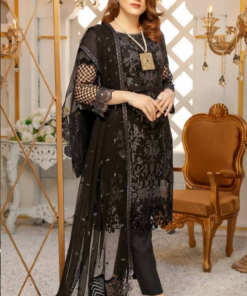
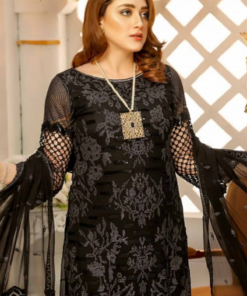
Original price was: ₨16,000.00.₨15,000.00Current price is: ₨15,000.00.
Sale!
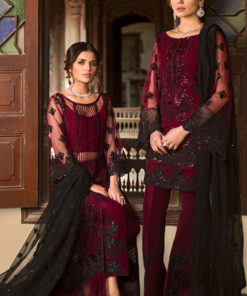
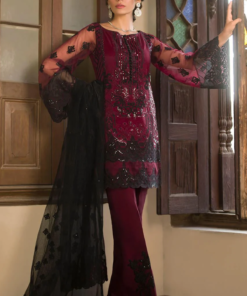
Original price was: ₨17,500.00.₨13,500.00Current price is: ₨13,500.00.
Sale!
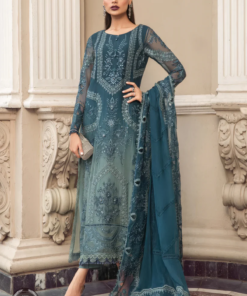
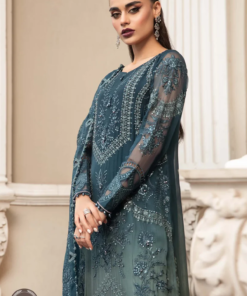
Original price was: ₨16,000.00.₨13,000.00Current price is: ₨13,000.00.
Sale!
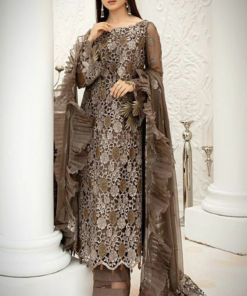
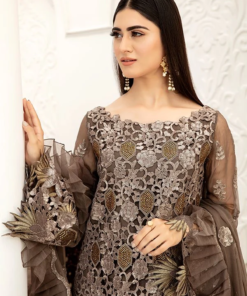
Original price was: ₨18,500.00.₨14,000.00Current price is: ₨14,000.00.
Sale!
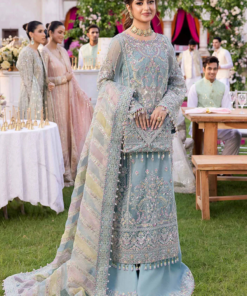
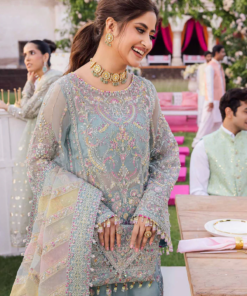
Original price was: ₨14,000.00.₨12,000.00Current price is: ₨12,000.00.
Sale!
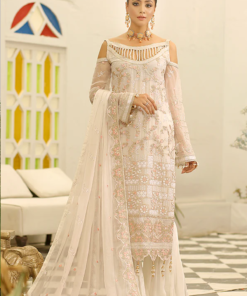
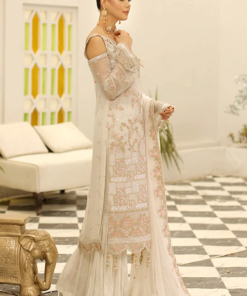
Original price was: ₨15,000.00.₨13,500.00Current price is: ₨13,500.00.
Sale!
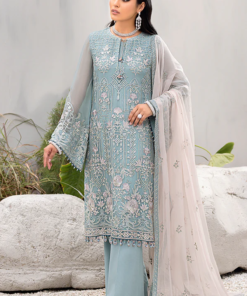
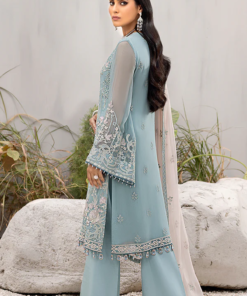
Original price was: ₨16,000.00.₨12,500.00Current price is: ₨12,500.00.
Sale!
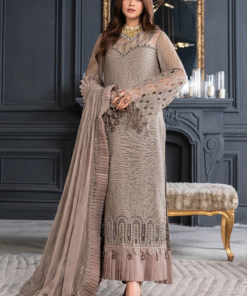
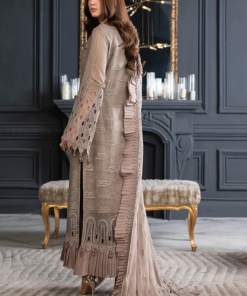
Original price was: ₨11,500.00.₨9,500.00Current price is: ₨9,500.00.
Sale!
Original price was: ₨14,000.00.₨9,500.00Current price is: ₨9,500.00.
Sale!
Original price was: ₨20,000.00.₨14,500.00Current price is: ₨14,500.00.
Sale!
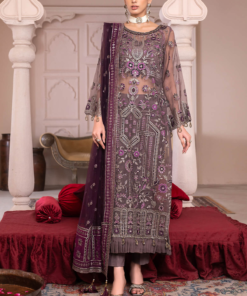
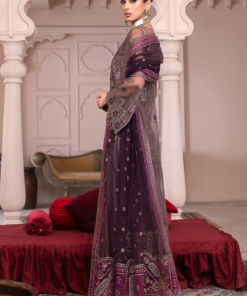
Original price was: ₨19,000.00.₨14,000.00Current price is: ₨14,000.00.
Sale!
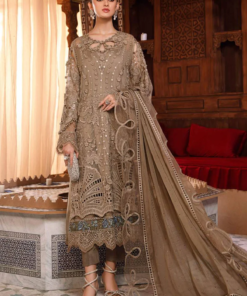
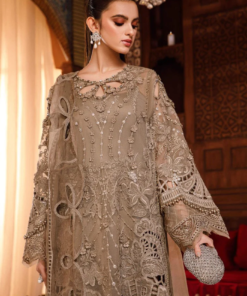
Original price was: ₨18,500.00.₨14,500.00Current price is: ₨14,500.00.
Sale!
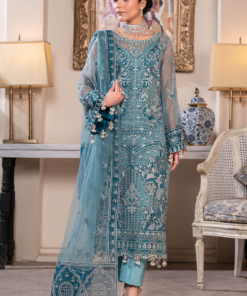
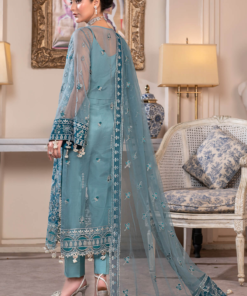
Original price was: ₨14,500.00.₨12,500.00Current price is: ₨12,500.00.
Sale!
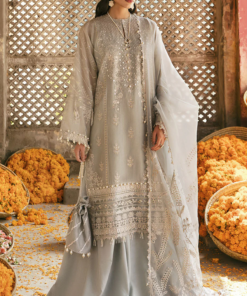
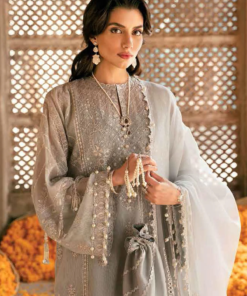
Original price was: ₨17,500.00.₨16,000.00Current price is: ₨16,000.00.
Sale!
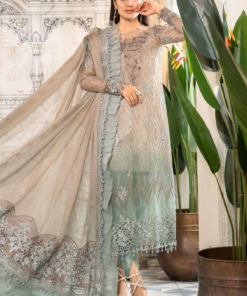
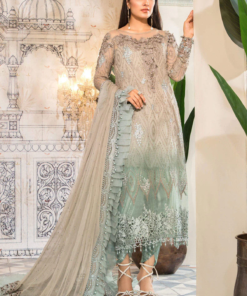
Original price was: ₨16,500.00.₨15,500.00Current price is: ₨15,500.00.
Sale!
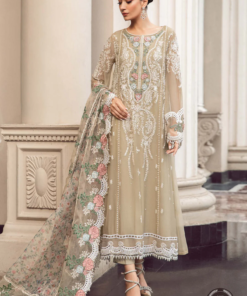
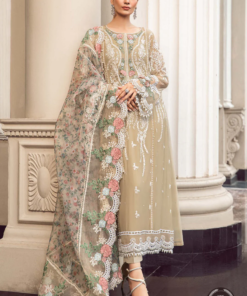
Original price was: ₨15,000.00.₨14,000.00Current price is: ₨14,000.00.
Sale!
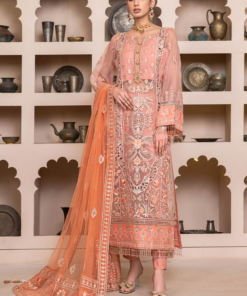
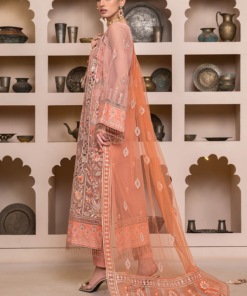
Original price was: ₨16,500.00.₨15,000.00Current price is: ₨15,000.00.
Sale!
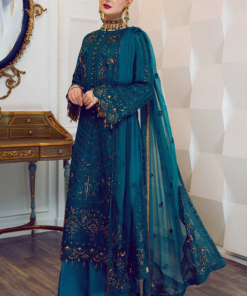
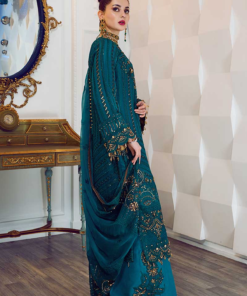
Original price was: ₨12,500.00.₨9,500.00Current price is: ₨9,500.00.
Pakistani Dress Wholesale Supplier Eswatini | Mastorat
The international fashion industry continues to create opportunities for retailers who want to offer distinctive clothing, attractive designs, and reliable product quality. Pakistani fashion has earned recognition in many international markets for its detailed embroidery, versatile fabrics, traditional craftsmanship, and ability to combine cultural heritage with contemporary styles. For boutique owners, clothing retailers, and online sellers in Southern Africa, these qualities provide an opportunity to introduce something different to their customers.
Mastorat helps businesses explore Pakistani clothing collections for wholesale sourcing and retail expansion. Retailers serving customers in Mbabane, Manzini, and other parts of Eswatini can investigate a variety of traditional and modern outfits suited to different occasions, preferences, and budgets. From comfortable everyday clothing to sophisticated formal dresses, Pakistani fashion offers several categories that can support a diverse retail collection.
Working with a Pakistani Dress Wholesale Supplier Eswatini can help retailers explore international sourcing opportunities, compare available designs, and develop a product range that reflects local customer demand. However, successful wholesale purchasing involves more than choosing attractive outfits. Businesses must also consider fabric quality, size availability, shipping expenses, import requirements, supplier communication, and the total cost of bringing products into the country.
Mastorat provides a starting point for exploring Pakistani clothing collections and understanding wholesale options. By combining careful product selection with practical business planning, Eswatini retailers can evaluate whether Pakistani ethnic wear is a suitable addition to their existing fashion businesses.
This guide explains the main clothing categories, sourcing considerations, pricing factors, logistics, marketing opportunities, and business strategies that can help retailers make informed decisions when exploring Pakistani fashion.
Understanding the Pakistani Fashion Wholesale Market
Pakistani clothing includes a wide selection of garments influenced by regional traditions, embroidery techniques, fabric choices, and changing fashion preferences. The market ranges from simple printed outfits for everyday use to elaborate garments designed for weddings, celebrations, and formal gatherings. For international retailers, this variety makes Pakistani fashion an interesting category to investigate. A carefully selected collection can appeal to customers who appreciate detailed craftsmanship, distinctive colours, modest silhouettes, and clothing suitable for different occasions. Wholesale purchasing allows retailers to acquire multiple garments through a supplier or manufacturer rather than purchasing every item individually at retail prices. The exact benefits depend on order quantities, product specifications, supplier terms, and transportation expenses. Businesses exploring Pakistani dress wholesale can learn more about the broader sourcing category and identify the types of clothing that may fit their retail objectives.Traditional Craftsmanship and Contemporary Design
One of the distinguishing features of Pakistani fashion is its combination of traditional techniques and modern styling. Embroidery, decorative stitching, printed fabrics, and carefully selected embellishments are used to create garments for different customer groups. Some collections maintain classic designs, while others incorporate contemporary cuts, coordinated trousers, stylish dupattas, and modern colour combinations. This variety gives retailers the flexibility to choose products that suit their customers instead of relying on a single clothing style. For example, a boutique might stock simple cotton outfits for regular wear alongside embroidered suits for social occasions. Another retailer might focus on premium formal clothing and occasion wear. The best approach depends on the business's location, target customers, available investment, and existing competition.Why International Buyers Explore Pakistani Clothing
International buyers may consider Pakistani garments for several reasons. These include product variety, distinctive decorative details, options across different price categories, and the availability of coordinated outfits. Retailers can also investigate different fabric and design combinations when planning seasonal collections. Printed cotton and lawn garments may suit customers looking for lighter clothing, while chiffon, silk, and embellished fabrics may appeal to shoppers seeking formal outfits. Before making a large purchase, businesses should confirm the actual fabric composition, stitching quality, garment measurements, available colours, and finishing standards with their supplier.Fashion Retail Opportunities in Eswatini
Eswatini's clothing market includes customers with different preferences, spending capacities, and requirements for everyday clothing and special occasions. Retailers can explore new product categories by studying these differences and identifying gaps in their existing collections. Pakistani fashion may offer an additional choice for customers interested in South Asian designs, modest clothing, embroidered garments, or distinctive occasion wear. However, demand should be assessed locally rather than assumed simply because a product is popular in another country.Understanding Customers in Mbabane and Manzini
Mbabane and Manzini provide useful examples of locations where a retailer might evaluate potential demand for imported fashion. The right product mix will depend on the individual business and the customers it serves. Before purchasing stock, retailers can conduct simple market research by reviewing competing shops, speaking with potential customers, collecting social media feedback, and testing interest in sample designs. Questions worth investigating include:- Which clothing styles attract the most attention?
- Are customers more interested in everyday outfits or special-occasion garments?
- What price ranges are acceptable to the intended audience?
- Which sizes and colour combinations should be prioritised?
- Would customers prefer ready-made outfits or coordinated clothing sets?
Introducing a Distinctive Product Range
Retailers do not necessarily need to replace their existing clothing lines to introduce Pakistani fashion. A smaller, carefully selected collection can provide a practical way to test customer response. For example, a shop that already sells casual clothing could introduce printed Pakistani suits and a limited number of embroidered outfits. A boutique specialising in event clothing could evaluate formal dresses, embellished ensembles, and coordinated accessories. The initial objective should be to understand which products attract enquiries and generate sales. Once customer preferences become clearer, retailers can adjust their purchasing decisions accordingly.How Mastorat Can Support Wholesale Sourcing
International sourcing requires a structured process for reviewing products, confirming specifications, discussing commercial terms, and arranging transportation. Mastorat gives businesses a platform through which they can explore Pakistani clothing wholesale categories and investigate suitable collections. Retailers should assess the specific services available for their intended order before making a purchase. Product availability, minimum quantities, payment arrangements, delivery options, and customisation terms can vary by supplier and collection.Exploring Product Collections
A well-organised catalogue helps buyers compare designs without relying exclusively on individual product photographs or informal descriptions. Retailers should examine available images, fabric information, garment details, colour options, size charts, and any specifications supplied for each product. When information is missing, requesting clarification can reduce misunderstandings later. Businesses can also compare different collections to identify garments that complement one another. Coordinated selections may make it easier to build a consistent boutique collection rather than purchasing unrelated designs.Evaluating Suppliers Before Ordering
A professional wholesale relationship should be based on clear communication and transparent expectations. Before confirming an order, retailers should establish:- The supplier's business details and contact information.
- The exact garments included in the order.
- The agreed price and currency.
- Minimum order quantities, if applicable.
- Production and dispatch estimates.
- Available payment methods and applicable fees.
- Shipping arrangements and responsibility for import charges.
- Procedures for addressing incorrect or damaged products.
Planning for Repeat Orders
Consistency matters when a retailer wants to build a recognisable product range. A successful first order is useful, but future purchases also depend on design availability, sizing consistency, quality, and dependable communication. Retailers should keep records of supplier details, product codes, order quantities, customer feedback, and any quality concerns. These records make it easier to compare later shipments and identify which collections are worth purchasing again.Pakistani Dress Categories for Eswatini Retailers
A balanced clothing collection can serve customers with different preferences while helping a retailer manage its inventory. Pakistani fashion includes several major categories, each with its own fabric requirements, styling characteristics, and potential retail audience. The most suitable range will depend on local research, purchasing capacity, and the type of boutique being developed.Casual Wear and Printed Lawn Suits
Casual Pakistani clothing often includes printed lawn suits, cotton outfits, simple embroidered garments, and coordinated three-piece sets. These products may appeal to shoppers looking for comfortable clothing with decorative patterns and versatile styling. Printed designs range from subtle colour combinations to more vibrant patterns, allowing retailers to select pieces that reflect their intended market. When evaluating casual collections, consider fabric composition, opacity, stitching, shrinkage, colourfastness, and washing instructions. Lightweight fabrics should be suitable for the intended use and local climate. Retailers may begin with a limited range of patterns and sizes, then review which designs receive the strongest response.Cotton and Everyday Clothing
Cotton garments can provide another option for customers seeking practical everyday clothing. Their suitability depends on the actual fibre content, weave, construction, and care requirements. Retailers should not rely solely on a product being labelled cotton. They should confirm the composition and inspect the garment details before ordering. Basic colours and versatile designs may be useful for customers who prefer clothing that can be worn in several settings. A thoughtful mix of simple and decorative pieces can also help retailers serve different preferences.Formal Chiffon and Silk Outfits
Formal collections commonly feature decorative embroidery, embellishments, coordinated dupattas, and more elaborate finishing. Chiffon, silk, and other dress fabrics can create elegant outfits for celebrations, dinners, and formal gatherings. However, buyers should verify the exact fabric composition because material names may be used differently across collections. When purchasing formal clothing, inspect the lining, embroidery placement, seam finishing, fastening details, and the quality of decorative elements. These details can influence the garment's appearance and durability. Retailers can explore Pakistani designer dresses when researching premium styles for their boutiques.Bridal and Wedding Collections
Bridal clothing represents a specialised segment of the Pakistani fashion market. Collections may include embellished lehengas, long formal dresses, embroidered ensembles, and coordinated wedding outfits. These garments often require more careful purchasing decisions because they may have higher prices, elaborate construction, and specific sizing requirements. Retailers considering bridal wear should confirm whether the pieces are ready-made or made to order. They should also ask about custom sizing, production timelines, colour variations, embellishment details, and return or alteration arrangements. Rather than buying a large bridal inventory immediately, a business could first assess customer enquiries and consider showcasing a small selection.Designer Suits and Premium Collections
Designer-inspired clothing can help retailers create a more specialised product offering. These garments may feature detailed embroidery, carefully coordinated fabrics, distinctive cuts, and elaborate finishing. Premium products require particular attention to supplier transparency and product authenticity. Retailers should verify what is being sold and avoid making unsupported claims about designer labels or brand affiliations. For further collection research, buyers can browse Pakistani designer suits and compare the styles with their intended customer profile.Ready-to-Wear and Coordinated Outfits
Ready-to-wear garments can simplify the shopping experience because customers can purchase completed outfits rather than arranging separate fabric, tailoring, and finishing services. Coordinated sets may include shirts, trousers, and dupattas designed to complement one another. Retailers should verify which pieces are included in each product and whether the advertised price covers the complete set. Size availability is particularly important for ready-made clothing. A range that includes multiple sizes can help retailers serve more customers, provided the quantities reflect local demand.Choosing the Right Wholesale Collection
Selecting products requires a balance between style, quality, price, and the needs of the intended customer. Buying only the most elaborate outfits may leave a boutique without affordable everyday choices, while focusing exclusively on basic clothing could limit its appeal to customers seeking special-occasion fashion. A Pakistani Dress Wholesale Supplier Eswatini should be evaluated according to the buyer's actual requirements, including available collections, order terms, communication, and shipping arrangements.Match Products to Your Business Model
Different retail models require different sourcing strategies. A physical boutique may benefit from displaying sample garments so customers can assess fabric and fit. An online seller may need clear product photographs, reliable measurements, accurate descriptions, and a process for handling customer questions. A bridal specialist will have different purchasing priorities from a shop that mainly sells casual outfits. Understanding the business model first can make product selection more efficient.Review Fabric, Stitching, and Finishing
Product quality should be assessed using consistent criteria rather than appearance alone. Check the following details where applicable:- Fabric composition and texture.
- Stitching strength and seam alignment.
- Embroidery quality and placement.
- Button, zip, and fastening quality.
- Lining and finishing.
- Colour consistency across matching pieces.
- Size accuracy and measurement tolerances.
- Care instructions and packaging.
Build a Balanced Inventory
A balanced inventory can include everyday clothing, moderately decorated outfits, and a smaller selection of premium pieces. The exact proportions should reflect customer research rather than a fixed formula. Retailers can begin with a manageable selection and expand the categories that demonstrate consistent demand. Tracking enquiries, sales, customer feedback, and unsold stock provides useful evidence for future purchasing decisions.Understanding Wholesale Prices and Total Costs
Wholesale prices can vary considerably depending on fabric, design complexity, garment construction, order volume, and production requirements. A simple printed suit will generally have different cost considerations from an extensively embroidered formal outfit. Retailers should compare the full cost of acquiring and selling a product instead of focusing only on its supplier price.Factors That Influence Wholesale Pricing
Several elements can affect the amount a buyer pays. Fabric and materials: Different fabrics and embellishments have different costs. Design complexity: Detailed embroidery, specialist finishing, and elaborate construction may increase production expenses. Order quantity: Some suppliers offer different rates for different quantities, although minimum purchase requirements may apply. Customisation: Special colours, measurements, private labels, or made-to-order designs may require additional charges. Packaging: Protective packaging or customised presentation may affect the final price. Currency and payment fees: Exchange-rate movements and transaction charges can change the amount paid by an international buyer. Retailers should obtain written quotations that identify the products, quantities, currency, and applicable charges.Calculate the Landed Cost
The landed cost is the total cost of getting products to the intended destination. It can include the garment price, international freight, insurance, customs duties, import taxes, clearance charges, and other applicable expenses. For Eswatini buyers, the relevant import requirements and charges should be confirmed with the appropriate authorities or a qualified customs professional before ordering. A useful calculation is: Landed cost per garment = Total acquisition and import costs ÷ Number of saleable garments received. For example, if a shipment costs the equivalent of E10,000 in total and contains 100 saleable garments, the average landed cost is E100 per garment. This is an illustrative calculation, not a quotation for any particular product or shipment. Retailers should also account for damaged items, packaging for local sales, payment processing, storage, marketing, and operating expenses when setting retail prices.Set Sustainable Retail Prices
A product's selling price should reflect its landed cost, customer expectations, competitor pricing, and the business's operating requirements. Retailers can compare different pricing scenarios to understand how discounts, unsold stock, and shipping changes might affect profitability. It is also important to distinguish between markup and gross margin. A product purchased for E100 and sold for E150 has a 50% markup on its cost, but its gross margin is approximately 33.3% of the selling price before other business expenses. Careful calculations help retailers avoid pricing garments too low or assuming that every wholesale purchase will generate the same return.Shipping Pakistani Dresses to Eswatini
International shipping is an important part of wholesale planning. Garments must be packed appropriately, transported through the selected service, and processed according to the destination's import requirements. Available delivery arrangements depend on the supplier, shipment size, carrier, and agreed commercial terms. Retailers should confirm the actual options offered for their order rather than assuming that every service is available.Air Freight and Sea Freight
Air freight is often considered when speed is important or a shipment is relatively small. However, the cost can be higher, depending on actual or volumetric weight and the service selected. Sea freight may be worth comparing for larger shipments when longer transit times are acceptable. Depending on the shipment and route, additional handling, consolidation, inland transport, and port-related expenses may apply. Retailers should compare complete quotations rather than evaluating freight charges in isolation.Packaging and Quality Checks
Appropriate packaging helps protect clothing during handling and transport. Before dispatch, buyers should clarify how garments will be folded, covered, labelled, and packed. For higher-value orders, the buyer may request photographs, packing lists, or other documentation before shipment, where available. The commercial agreement should also explain how discrepancies or damaged products will be handled. Clear expectations can make it easier to resolve issues if the delivered goods do not match the confirmed order.Customs and Import Documentation
Importing clothing into Eswatini may require commercial invoices, packing lists, transport documentation, and other records depending on the shipment and applicable regulations. Buyers should confirm the relevant tariff classification, duties, taxes, and documentation requirements before dispatch. They should also establish who is responsible for arranging customs clearance and paying the applicable charges. For a first shipment, obtaining advice from a qualified customs broker or relevant authority can help prevent avoidable delays.Comparing International Sourcing Routes
Retailers can review other sourcing markets to understand different logistics and commercial arrangements. For example, Pakistani dress wholesale in Dubai and Pakistani dress wholesale in Pakistan provide additional starting points for researching regional and domestic wholesale categories. These pages should be treated as research resources. Actual shipping times, prices, and supplier services must be confirmed for each order.Starting a Pakistani Clothing Boutique in Eswatini
Launching a boutique requires more than finding attractive garments. Entrepreneurs need a clear customer profile, an appropriate budget, a practical inventory plan, and a way to promote the business. Pakistani clothing can be introduced as a focused product category within an existing store or used as the foundation of a specialised boutique.Step 1: Research Local Demand
Begin by identifying the customers the business intends to serve. Consider their clothing preferences, typical spending range, shopping habits, and interest in imported fashion. Social media polls, conversations with potential customers, competitor research, and small product trials can help reveal which categories deserve further investment. Avoid assuming that every customer wants the same designs. Preferences may differ according to occasion, age group, personal style, and budget.Step 2: Establish a Realistic Budget
Prepare a budget that covers more than the initial stock purchase. Include international shipping, potential import charges, business registration where applicable, packaging, marketing, storage, and other operating costs. Maintain some financial flexibility for unexpected expenses or changes in delivery arrangements. A smaller first order can be a sensible way to learn about product quality and customer response before increasing the amount invested.Step 3: Select a Suitable Supplier
Compare suppliers using product information, communication quality, commercial terms, and the ability to meet the business's requirements. Explore Pakistani clothes wholesale suppliers to research the broader sourcing category. Before placing an order, confirm the available designs, quantities, prices, delivery arrangements, payment terms, and procedures for resolving order discrepancies.Step 4: Build the Initial Collection
Choose products that serve a clear purpose within the boutique. A starter collection could include a limited number of everyday outfits, several formal options, and a small selection of distinctive designs. The right combination depends on the research conducted earlier. Avoid purchasing large quantities of a single design until there is sufficient evidence of demand.Step 5: Develop a Marketing Plan
Use clear photographs, accurate descriptions, and transparent pricing to present the collection. Social media platforms can help retailers introduce new arrivals, answer customer questions, and announce promotions. For physical shops, attractive displays and helpful product information can improve the shopping experience. Marketing should explain genuine product features, including fabric, sizing, included accessories, and care requirements. Accurate descriptions help customers make informed purchasing decisions and reduce avoidable returns.Step 6: Review Results and Improve
After launching the collection, record which items sell, which receive enquiries, and which remain in stock. Use those results to adjust future orders. Replenish proven products when available, reconsider slow-moving designs, and investigate customer feedback before making substantial changes.The Benefits of Catalogue-Based Wholesale Buying
Catalogues allow buyers to review a collection before deciding which products to purchase. They can make it easier to compare garment styles, colour options, product codes, and available designs. For international buyers, this process can reduce the need to travel simply to inspect potential collections. Nevertheless, catalogue photographs should not be treated as a complete substitute for product specifications or quality checks.What to Review in a Catalogue
A useful product listing should provide enough information to support an informed purchasing decision. Retailers should look for:- Clear photographs from relevant angles.
- Product names or reference numbers.
- Fabric and composition details.
- Available sizes and colours.
- Information about included garments and accessories.
- Wholesale prices and minimum quantities, where supplied.
- Production or availability information.
- Care instructions, where available.