
Sale!


Original price was: ₨16,000.00.₨15,000.00Current price is: ₨15,000.00.
Sale!
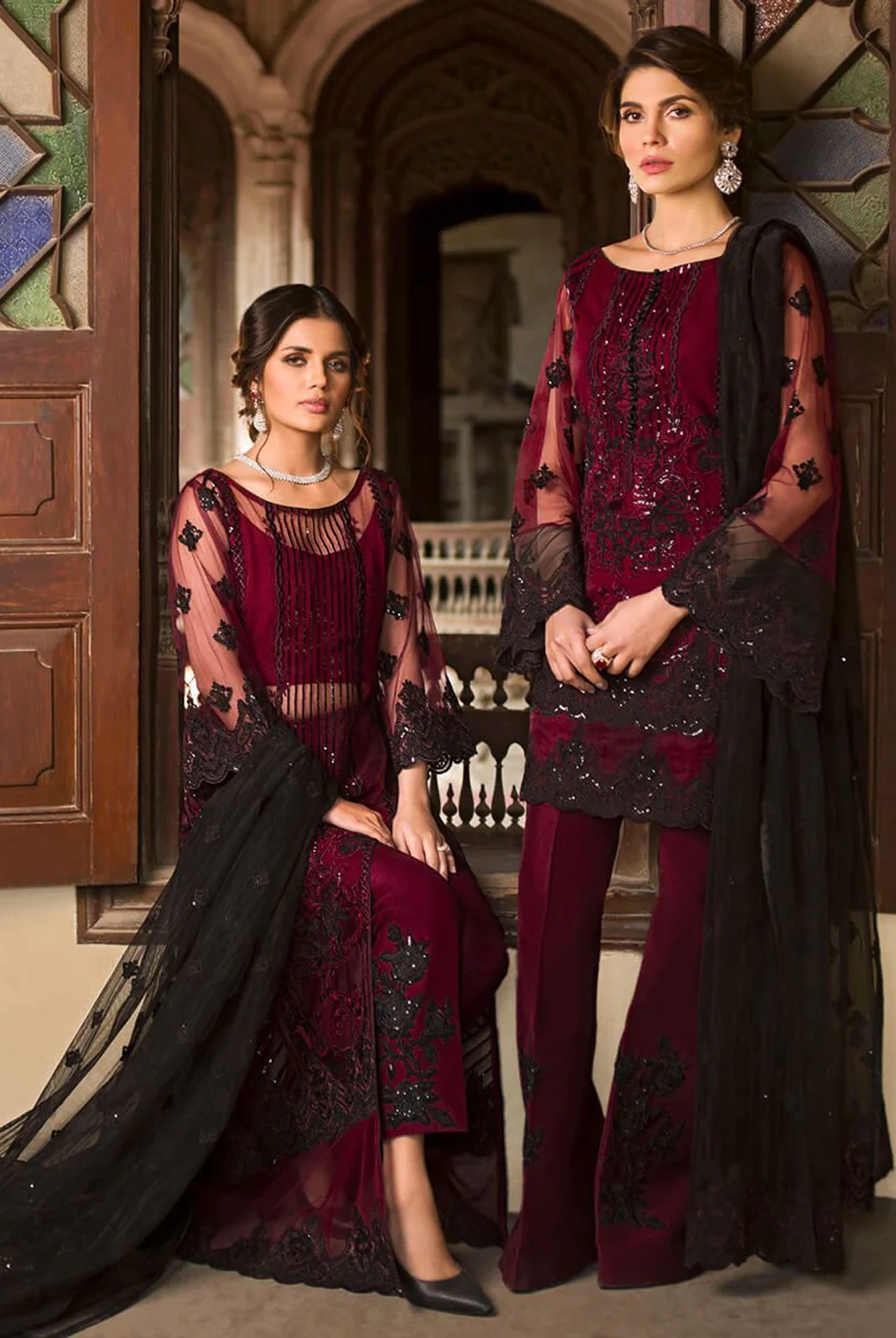

Original price was: ₨17,500.00.₨13,500.00Current price is: ₨13,500.00.
Sale!


Original price was: ₨16,000.00.₨13,000.00Current price is: ₨13,000.00.
Sale!


Original price was: ₨18,500.00.₨14,000.00Current price is: ₨14,000.00.
Sale!

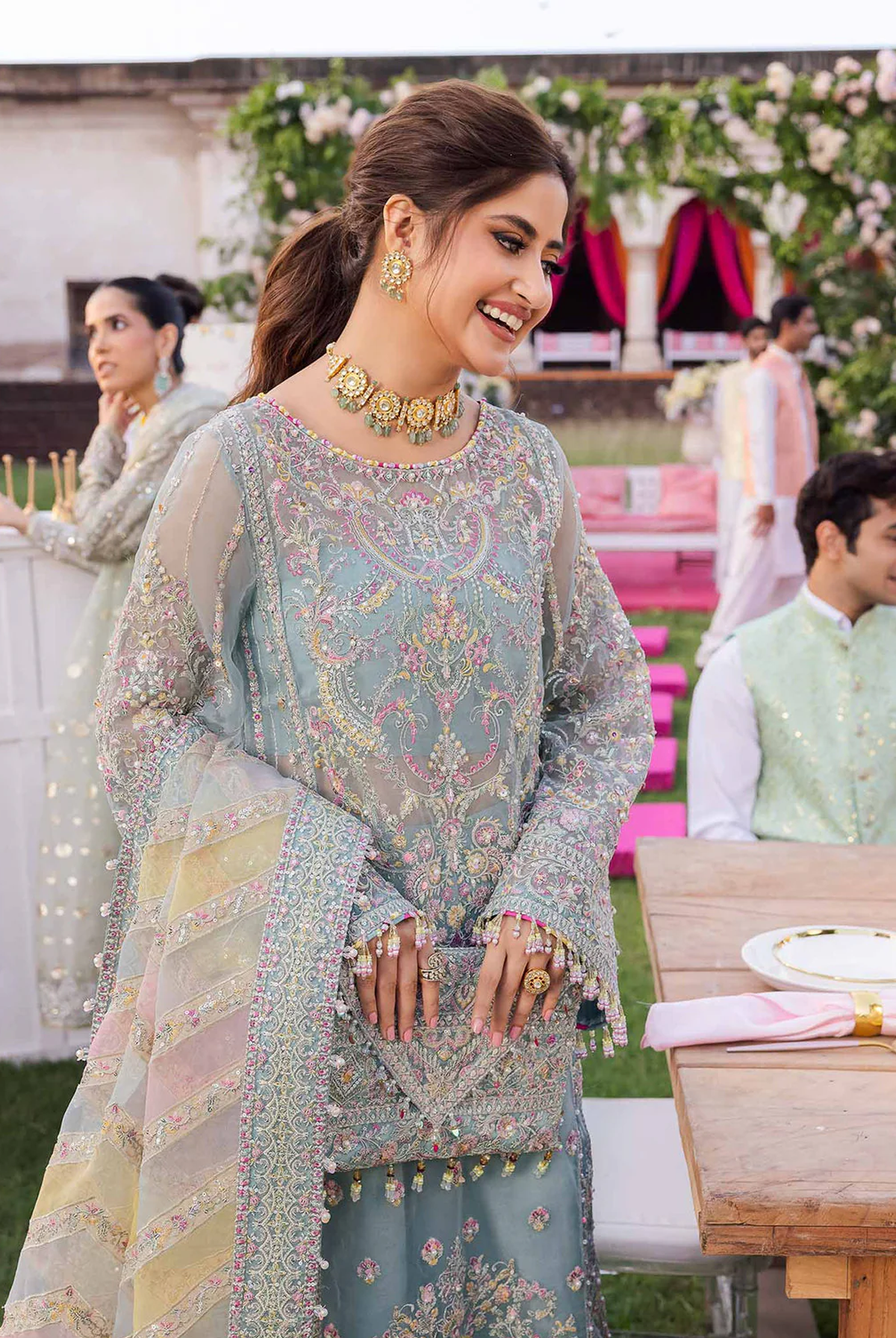
Original price was: ₨14,000.00.₨12,000.00Current price is: ₨12,000.00.
Sale!
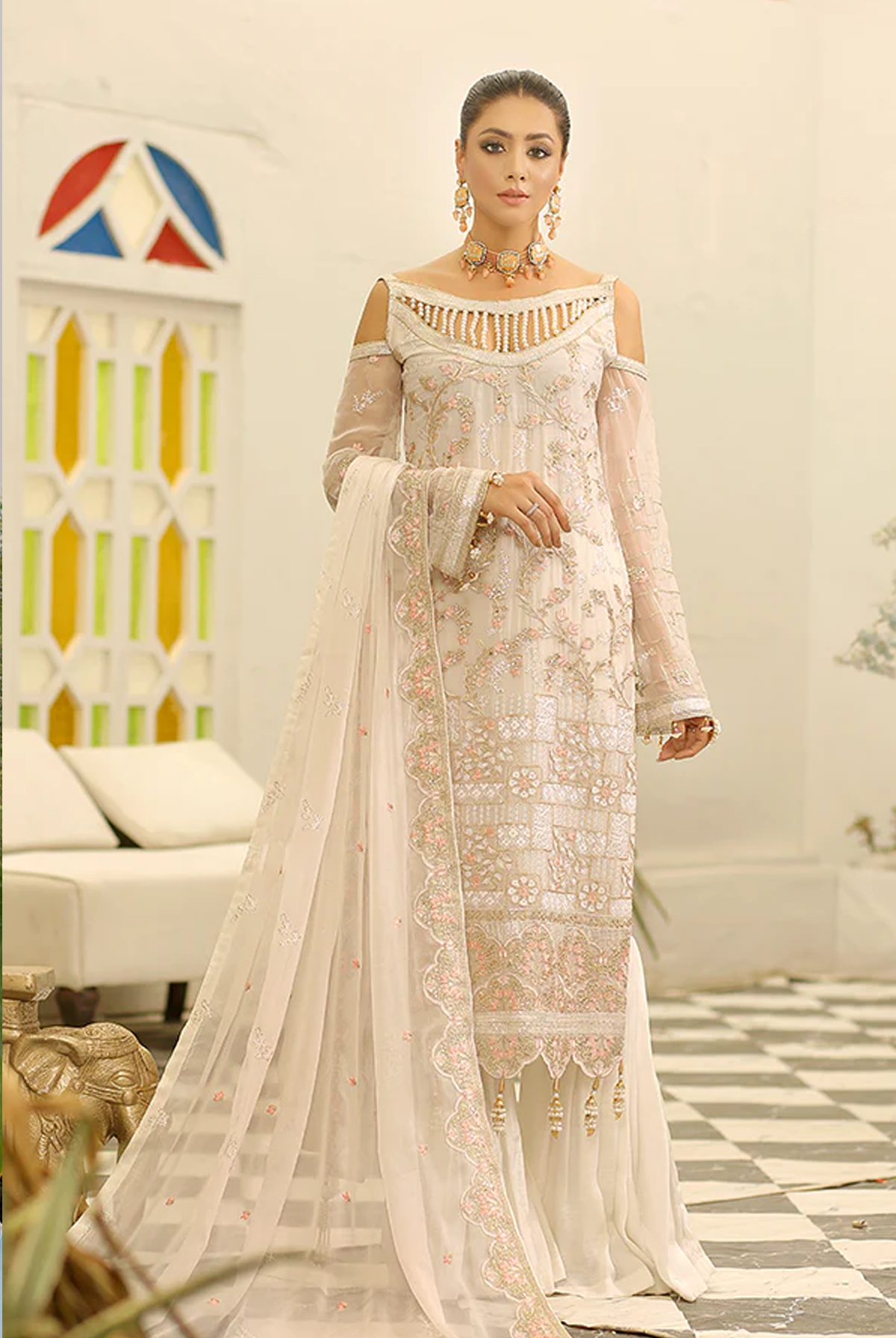

Original price was: ₨15,000.00.₨13,500.00Current price is: ₨13,500.00.
Sale!


Original price was: ₨16,000.00.₨12,500.00Current price is: ₨12,500.00.
Sale!


Original price was: ₨17,500.00.₨15,500.00Current price is: ₨15,500.00.
Sale!


Original price was: ₨15,000.00.₨13,000.00Current price is: ₨13,000.00.
Sale!


Original price was: ₨11,500.00.₨9,500.00Current price is: ₨9,500.00.
Sale!
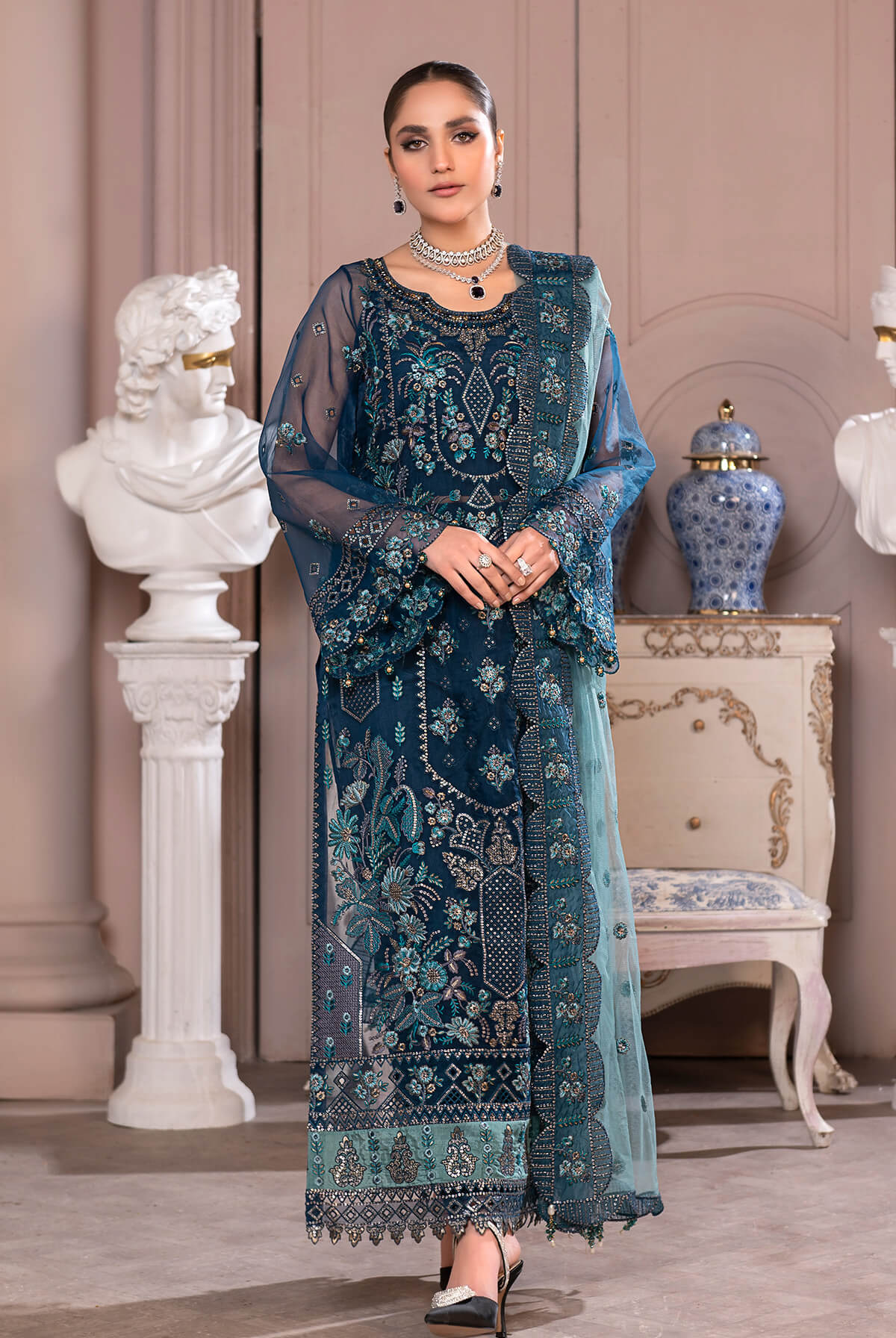

Original price was: ₨14,000.00.₨9,500.00Current price is: ₨9,500.00.
Sale!


Original price was: ₨16,000.00.₨14,000.00Current price is: ₨14,000.00.
Sale!


Original price was: ₨20,000.00.₨14,500.00Current price is: ₨14,500.00.
Sale!


Original price was: ₨19,000.00.₨14,000.00Current price is: ₨14,000.00.
Sale!


Original price was: ₨18,500.00.₨14,500.00Current price is: ₨14,500.00.
Sale!


Original price was: ₨17,500.00.₨15,000.00Current price is: ₨15,000.00.
Sale!


Original price was: ₨14,500.00.₨12,500.00Current price is: ₨12,500.00.
Sale!


Original price was: ₨17,500.00.₨16,000.00Current price is: ₨16,000.00.
Sale!

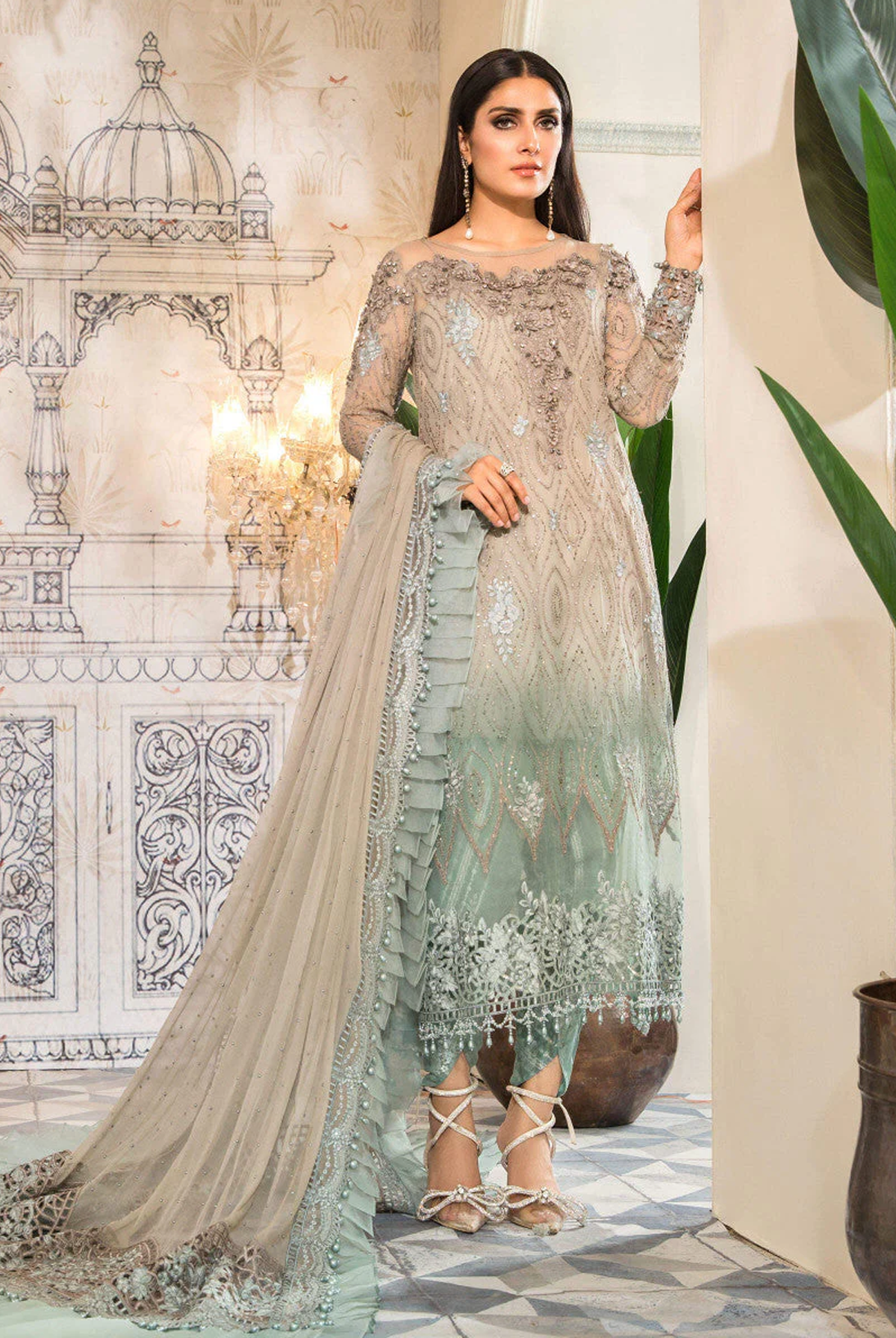
Original price was: ₨16,500.00.₨15,500.00Current price is: ₨15,500.00.
Sale!

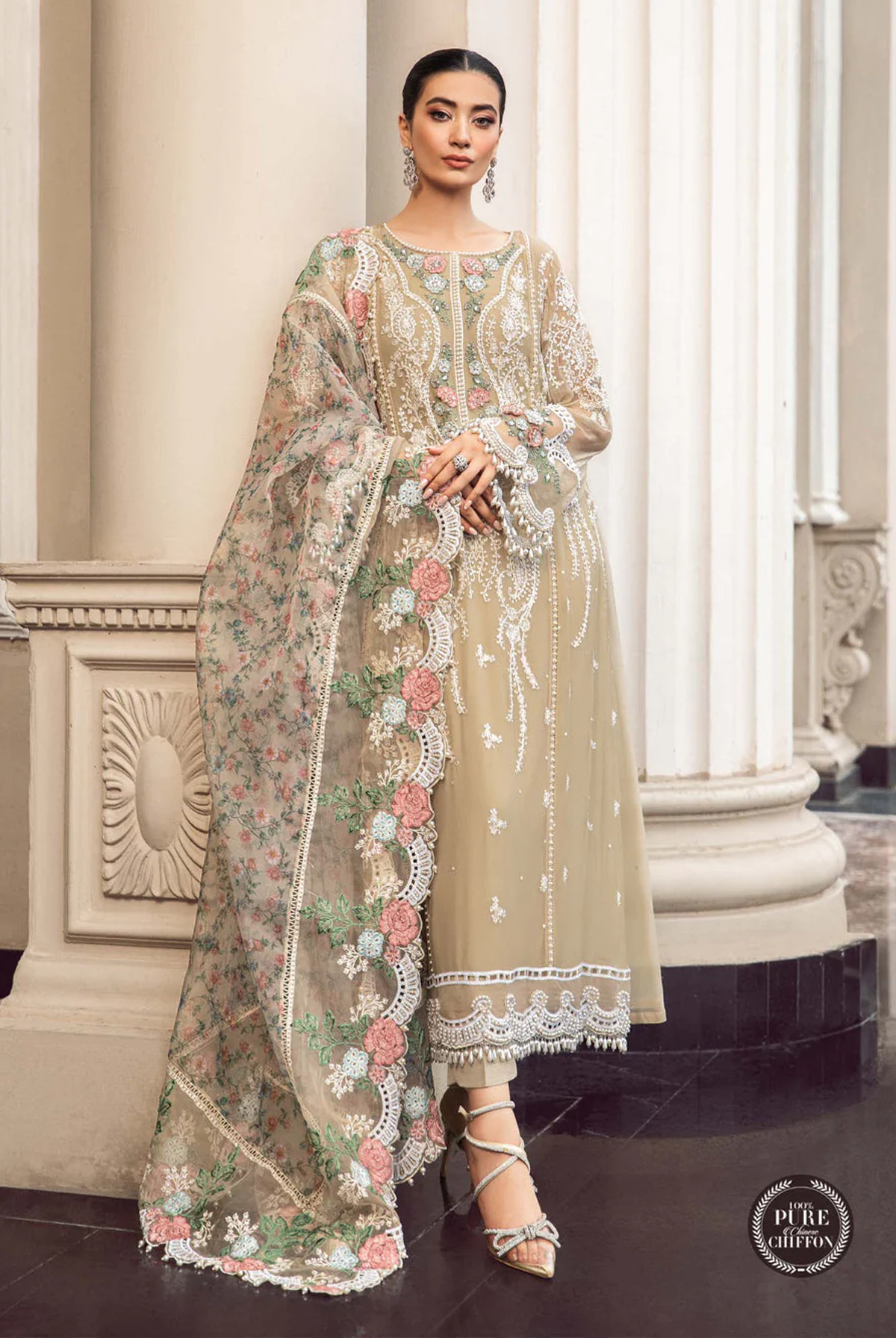
Original price was: ₨15,000.00.₨14,000.00Current price is: ₨14,000.00.
Sale!


Original price was: ₨18,500.00.₨17,000.00Current price is: ₨17,000.00.
Sale!


Original price was: ₨17,500.00.₨16,500.00Current price is: ₨16,500.00.
Sale!


Original price was: ₨16,500.00.₨15,000.00Current price is: ₨15,000.00.
Sale!


Original price was: ₨15,000.00.₨11,500.00Current price is: ₨11,500.00.
Sale!


Original price was: ₨15,500.00.₨13,500.00Current price is: ₨13,500.00.
Sale!


Original price was: ₨12,500.00.₨9,500.00Current price is: ₨9,500.00.
Pakistani Dress Wholesale Supplier Georgia | Mastorat
The international fashion industry continues to create opportunities for retailers who offer distinctive clothing, culturally inspired designs, and quality fabrics. Pakistani ethnic wear has earned a place in this market because it combines traditional craftsmanship with contemporary styling. From lightweight lawn suits to embroidered formal outfits, these garments appeal to customers looking for clothing that works for everyday wear, family celebrations, weddings, and cultural occasions.
For boutique owners, independent retailers, and online clothing sellers in Georgia, USA, sourcing the right products is an important part of building a successful fashion business. A Pakistani Dress Wholesale Supplier Georgia can help retailers explore a wider range of South Asian clothing and plan their collections around customer preferences. Mastorat provides a platform for exploring Pakistani clothing categories and wholesale sourcing opportunities for businesses interested in this fashion segment.
Georgia offers a diverse retail environment, with opportunities for businesses serving different communities, age groups, and style preferences. Retailers can build collections around casual outfits, modest fashion, festive clothing, and premium occasion wear instead of relying on a single product category. A carefully selected inventory can help boutiques develop a distinctive identity while responding to changing seasonal demand.
Businesses can begin exploring available categories through Pakistani dress wholesale, where they can learn more about the broader Pakistani clothing wholesale market.
Understanding the Pakistani Clothing Market in Georgia
Georgia has a varied consumer market that includes established fashion retailers, independent boutiques, online sellers, and businesses catering to multicultural communities. This creates opportunities for clothing retailers to introduce products that offer something different from mainstream fashion collections. Pakistani clothing can appeal to customers who appreciate detailed embroidery, coordinated outfits, flowing silhouettes, and versatile traditional designs. Some shoppers prefer everyday suits that are comfortable and easy to style, while others look for sophisticated outfits for weddings, formal dinners, religious celebrations, and other special occasions. Retailers should understand that demand differs between customer groups. A boutique serving customers interested in everyday ethnic wear may need a different product selection from a store specializing in bridal and formal clothing. Similarly, online sellers may prioritize lightweight products that are easy to photograph, describe, package, and ship. Before purchasing wholesale inventory, business owners should consider the following factors:- The main customer groups they want to serve.
- The price range their customers can comfortably afford.
- The balance between casual, semi-formal, and formal outfits.
- The fabrics and sizes most relevant to their market.
- The availability of seasonal collections and repeat orders.
- The total cost of importing, storing, and selling the garments.
Why Pakistani Fashion Appeals to International Buyers
Pakistani fashion combines traditional South Asian design elements with changing international fashion preferences. Its range extends from simple everyday clothing to elaborate outfits featuring decorative embroidery, embellished necklines, detailed sleeves, and coordinated dupattas. This variety makes Pakistani clothing suitable for several retail categories. A boutique can offer practical everyday suits alongside more decorative pieces for customers preparing for weddings, celebrations, or formal gatherings. Another important feature is the availability of different fabrics. Cotton and lawn are commonly associated with warmer-weather collections, while chiffon, silk, and other dress fabrics are frequently used for more formal designs. Fabric choice affects the appearance, comfort, care requirements, and price of each garment. Retailers may find the following characteristics particularly useful when selecting products:- Design variety: Traditional patterns, contemporary cuts, embroidered details, and minimalist styles can serve different preferences.
- Multiple price segments: Product selection can include affordable everyday clothing and more elaborate occasion wear.
- Seasonal flexibility: Retailers can adjust their collections as temperatures, holidays, and customer requirements change.
- Coordinated outfits: Matching shirts, trousers, and dupattas can make purchasing easier for customers who prefer complete looks.
- Cultural relevance: Traditional clothing can be especially useful for businesses serving customers attending cultural and family celebrations.
Building a Balanced Wholesale Clothing Collection
A successful clothing business usually benefits from a collection that serves more than one shopping occasion. Offering only formal dresses may limit sales during quieter periods, while relying exclusively on casual clothing can make it harder to attract customers shopping for important events. A balanced Pakistani clothing collection can include several complementary categories.Casual Pakistani Suits
Casual suits are suitable for everyday activities, family visits, informal gatherings, and customers who prefer traditional clothing as part of their regular wardrobe. These garments often emphasize comfort, wearable designs, and manageable care requirements. Retailers can consider cotton, lawn, and other lightweight materials when developing warmer-weather selections. Simpler embroidery and versatile colors may appeal to shoppers who want clothing they can wear repeatedly.Semi-Formal Outfits
Semi-formal clothing occupies the space between everyday wear and elaborate occasion dresses. These outfits may feature decorative necklines, printed fabrics, subtle embellishments, or more structured styling. This category gives boutiques an opportunity to serve customers attending dinners, smaller celebrations, and social events without concentrating entirely on luxury products.Formal and Party Wear
Formal collections can include embroidered suits, chiffon outfits, silk ensembles, and garments with more elaborate decorative details. Buyers should examine the quality of stitching, finishing, lining, and embellishments before committing to larger orders. A carefully selected formal collection can help a boutique offer distinctive products while maintaining a consistent presentation across its range.Bridal and Wedding Clothing
Bridal and wedding-related outfits often require more detailed consideration. Customers may expect particular colors, embellishment styles, fabric finishes, and garment construction. Retailers should evaluate product specifications carefully and confirm whether customization, alterations, or made-to-order arrangements are available before promising these services to customers.Ready-to-Wear and Unstitched Collections
Ready-to-wear clothing provides convenience because garments are supplied in finished sizes. Unstitched collections offer flexibility to customers who prefer custom tailoring or particular fits. Both categories can be useful, depending on the boutique's audience, available services, and storage capacity. For retailers developing a premium selection, Pakistani designer suits is another relevant category to explore.Choosing a Reliable Wholesale Sourcing Partner
Selecting a supplier involves more than comparing the advertised price of individual garments. Retailers need to understand product specifications, order conditions, delivery arrangements, communication standards, and the process for resolving problems. When evaluating a Pakistani clothing supplier, businesses should request clear information about the products they intend to purchase. Product descriptions should identify the fabric, available sizes, stitching status, included accessories, and any special care requirements. Buyers should also ask how minimum order quantities work. Some wholesale arrangements require a larger commitment, while others may offer more flexibility. The appropriate arrangement depends on the retailer's budget, sales volume, and ability to manage unsold inventory. Before confirming a substantial purchase, consider these checks:- Review product details: Confirm fabric composition, garment measurements, color options, and finishing.
- Request current photographs: Make sure the images represent the actual products being offered.
- Confirm order quantities: Understand minimum quantities, size combinations, and any assortment restrictions.
- Clarify payment terms: Check accepted payment methods, payment schedules, and applicable fees.
- Understand delivery arrangements: Confirm shipping methods, estimated delivery periods, and tracking availability.
- Review return conditions: Ask how defective, incorrect, or damaged items are handled.
- Check documentation: Confirm that invoices and relevant shipping documents will be provided.
- Calculate total costs: Include transport, duties where applicable, packaging, and other expenses.
Wholesale Pricing and Inventory Planning
Wholesale purchasing can reduce the purchase cost per garment, but bulk buying does not automatically guarantee higher profits. Retailers must account for the full cost of bringing products to market. For example, the landed cost of a garment may include the supplier's price, international freight, insurance if applicable, customs duties, import taxes, currency conversion charges, and local transportation. Packaging, photography, payment processing, and storage can add further expenses. A useful way to assess a potential purchase is to calculate the expected total cost before deciding on the retail price. Retailers should also consider how quickly different products are likely to sell. Purchasing a large quantity of an untested design may tie up money that could otherwise be used for products with stronger demand. A practical inventory strategy can include:- Starting with a manageable assortment of different designs.
- Tracking which colors, sizes, and styles attract customer interest.
- Reviewing sales before repeating an order.
- Keeping additional stock of proven products where appropriate.
- Limiting large commitments to unfamiliar designs.
- Planning purchases around realistic seasonal demand.
Working with a Pakistani Dress Wholesale Supplier Georgia
Retailers seeking a Pakistani Dress Wholesale Supplier Georgia should approach sourcing as an ongoing business relationship rather than a single transaction. The most suitable arrangement is one that matches the retailer's product requirements, budget, order volume, and delivery expectations. Mastorat gives businesses a starting point for exploring Pakistani clothing categories and related wholesale resources. Before placing an order, buyers should review the available product information and confirm the specific commercial terms directly with the supplier. A clear sourcing process typically begins with identifying the intended customer and choosing relevant product categories. The retailer then reviews the catalogue, compares garment specifications, estimates total costs, and checks whether the supplier can meet the required quantities and delivery schedule. For a first order, it can be sensible to focus on a limited selection rather than immediately purchasing a broad collection. This allows the retailer to evaluate product quality, communication, packaging, and delivery performance before increasing order volume. The following factors are especially important when comparing potential suppliers:- Consistency of product quality between orders.
- Accuracy of descriptions and photographs.
- Availability of the designs and sizes advertised.
- Clarity of wholesale prices and order conditions.
- Responsiveness to questions and order updates.
- Practical arrangements for international shipping.
- Availability of invoices and relevant documentation.
Exploring Online Wholesale Purchasing
Digital catalogues have made it easier for clothing businesses to research collections without travelling to physical wholesale markets. Online sourcing can help retailers compare products, communicate with suppliers, and organize purchasing decisions from one location. However, an online catalogue should be treated as the beginning of the buying process rather than the only source of information needed to complete an order. Buyers should review each product's description and confirm important details that are missing. A photograph may show the general appearance of an outfit, but it may not reveal fabric thickness, exact measurements, lining, finishing quality, or whether accessories are included. Retailers should also check whether the displayed price applies to individual pieces, complete sets, or a particular order quantity. Shipping charges and other costs may be calculated separately. A useful online ordering process includes the following stages:- Browse the available clothing categories.
- Shortlist products that fit the store's audience.
- Compare prices, sizes, fabrics, and design details.
- Confirm stock availability and minimum order quantities.
- Request clarification about any missing specifications.
- Review payment, delivery, and return conditions.
- Keep a record of the confirmed order and invoice.
- Inspect the shipment after it arrives.
Using Catalogue-Based Ordering Effectively
A product catalogue helps retailers organize their selections before committing to an order. It can be particularly useful when a supplier offers many designs, fabrics, and garment types. Instead of choosing products based only on photographs, buyers can create a shortlist and compare each option against the needs of their business. This makes it easier to avoid unnecessary duplication and maintain a balanced collection. For example, a boutique might compare several casual suits with similar price points, then select a few designs that differ in color, pattern, and customer appeal. It could separately shortlist formal outfits for customers shopping for weddings and special occasions. When reviewing a catalogue, retailers should pay attention to:- Product codes or design identifiers.
- Fabric descriptions and garment construction.
- Available sizes and measurements.
- Whether the outfit is stitched or unstitched.
- Colors and variations currently available.
- Wholesale pricing and quantity requirements.
- Any differences between photographed samples and supplied products.
Understanding Fabric Quality and Garment Construction
Fabric selection influences how a garment looks, feels, fits, and performs over time. Retailers who understand basic fabric characteristics can make more informed purchasing decisions and provide better information to customers.Lawn
Lawn is a lightweight fabric frequently used for warm-weather clothing. It is often selected for casual and seasonal collections because it can be comfortable in warmer conditions. Buyers should still examine fabric composition, opacity, finishing, and care instructions rather than assuming that all lawn garments have the same quality.Cotton
Cotton fabrics are used across a wide range of casual clothing. Their feel and performance depend on the weave, construction, blend, and finishing process. Retailers should check whether a garment requires special washing instructions and whether the fabric is suitable for its intended use.Chiffon
Chiffon is commonly associated with formal and occasion wear because of its lightweight appearance and flowing drape. Depending on the garment, lining or additional layers may be necessary. Buyers should confirm whether these components are included and inspect the quality of stitching around delicate areas.Silk and Silk-Blend Fabrics
Silk and silk-blend materials can provide a more refined appearance for formal clothing. However, the term used in a product description should be checked carefully to determine the actual fibre composition. Retailers should avoid making claims about a garment's material unless the supplier provides reliable specifications.Embroidered and Embellished Fabrics
Embroidery and decorative embellishments can contribute significantly to a garment's appearance and price. The quality of these details depends on their placement, stitching, attachment, and finishing. Buyers should inspect representative products where possible, especially before purchasing expensive formal or bridal collections. For additional sourcing information, explore Pakistani dress material wholesale in India.Serving Different Customer Groups in Georgia
A clothing boutique can improve its product selection by identifying the different reasons customers shop for Pakistani outfits. Some customers prioritize convenience and everyday comfort, while others want distinctive clothing for specific events.Everyday and Casual Customers
These customers may prefer comfortable suits, versatile colors, and clothing that can be worn in several settings. A carefully chosen range of everyday products can help a retailer maintain a practical price structure.Wedding and Event Shoppers
Wedding guests and event shoppers may look for richer colors, embroidery, decorative dupattas, and more formal silhouettes. Their purchasing decisions may also depend on the event date, fit requirements, and availability of matching accessories. Retailers serving this group should communicate lead times clearly and avoid promising special orders without confirmed production and shipping arrangements.Customers Interested in Modest Fashion
Modest fashion customers may prioritize coverage, fabric opacity, sleeve length, neckline design, and comfortable garment proportions. Offering a variety of cuts and styling options can help retailers serve these preferences without limiting the collection to one aesthetic.Online Fashion Buyers
Online shoppers often rely on accurate product photographs, measurements, descriptions, and delivery information. Retailers should provide enough detail to help customers understand what they are purchasing before placing an order. Understanding these different needs allows boutiques to develop a more focused assortment and communicate the benefits of their products more effectively.Expanding a Boutique Through Product Selection
Retail growth depends on more than adding new products. Businesses also need to understand which items attract customers, which price ranges perform well, and how frequently different products should be replenished. A boutique can begin by identifying a small number of core categories. For example, everyday suits might provide a practical foundation, while semi-formal and designer pieces create additional options for special occasions. Once sales information becomes available, the business can refine its assortment. Popular colors and sizes may deserve more attention, while products that receive little interest can be reduced in future orders. Retailers can strengthen their product strategy through several practical measures:- Keep descriptions accurate and consistent.
- Use clear photographs that show important garment details.
- Maintain organized stock and product records.
- Review customer questions to identify missing information.
- Monitor sales by category, size, and price range.
- Plan restocking based on actual performance.
- Collect customer feedback about fit, fabric, and styling.
International Shipping and Import Considerations
Importing clothing from another country requires attention to shipping costs, documentation, customs procedures, and delivery schedules. These factors can affect both the final cost of the inventory and the retailer's ability to meet customer expectations. Before confirming an international order, buyers should establish who is responsible for arranging transportation and which party handles the relevant export and import formalities. They should also clarify whether the quoted price includes freight, duties, or other charges. Delivery estimates should be treated as estimates unless the shipping arrangement provides a specific guarantee. Customs inspections, documentation issues, carrier disruptions, and seasonal shipping volumes can affect arrival times. Retailers should prepare for these possibilities by maintaining realistic stock plans and avoiding commitments that depend on an unconfirmed delivery date. Important questions include:- Which shipping methods are available?
- How are shipping charges calculated?
- Is tracking information provided?
- What documentation accompanies the shipment?
- Who is responsible for import duties and taxes?
- What happens if a shipment is delayed or damaged?
- How are missing or incorrect products reported?
Managing Quality Control Before and After Delivery
Quality control helps retailers protect their reputation and reduce avoidable losses. Even when a supplier provides product photographs and descriptions, businesses should establish a process for checking the actual garments received. Before placing a large order, buyers can ask whether a sample or smaller initial purchase is possible. A sample can help them evaluate the material, stitching, measurements, colors, and finishing. When the shipment arrives, retailers should compare the products against the confirmed order. They should check quantities, design codes, sizes, and visible defects before adding garments to saleable inventory. If an issue is identified, it is helpful to keep the invoice, order confirmation, packaging details, and relevant photographs. The buyer can then contact the supplier within the period specified in the agreed return or complaint policy. A repeatable inspection process should cover:- Correct designs and quantities.
- Accurate size labels and measurements.
- Fabric condition and visible damage.
- Stitching and seam finishing.
- Embroidery and embellishment attachment.
- Matching accessories, where included.
- Clean packaging and appropriate product handling.
Regional Wholesale Resources for Growing Businesses
International fashion retailers often research several markets when planning their sourcing strategy. Regional wholesale resources can help business owners compare clothing categories, understand different retail environments, and identify products relevant to their own customers. For example, retailers interested in the British market can explore Pakistani clothes wholesale suppliers UK. Businesses comparing fabric and garment sourcing options can also review Pakistani clothes wholesale suppliers and Pakistani dress wholesale in Pakistan. These resources can complement a retailer's own market research. However, product availability, pricing, shipping arrangements, and supplier terms should always be verified directly before making a purchasing decision. For Georgia-based retailers, the most useful sourcing approach is one that balances product quality, affordability, delivery requirements, and the expectations of their intended customer base.Digital Marketing for Pakistani Clothing Retailers
A strong product range needs effective presentation to reach potential customers. Digital marketing can help boutiques introduce their collections, explain product features, and build awareness among shoppers who are interested in ethnic and occasion wear. A retailer's website should provide clear category pages, accurate product descriptions, sizing information, care instructions, and transparent shipping policies. These details can help visitors make informed purchasing decisions. Product photography is equally important. Images should show the garment clearly, including the front, back, fabric details, embroidery, and any included accessories. If colors may vary between screens and the actual product, the retailer should communicate this appropriately. Social media can support product discovery by presenting new arrivals, styling ideas, seasonal collections, and practical garment information. However, promotional claims should accurately reflect the products available. Retailers can improve their online shopping experience by:- Organizing products into useful categories.
- Maintaining accurate stock information.
- Providing clear size guides.
- Displaying delivery and return policies.
- Responding to customer enquiries promptly.
- Reviewing customer feedback for recurring concerns.
- Keeping promotional messages consistent with actual offers.