
Sale!
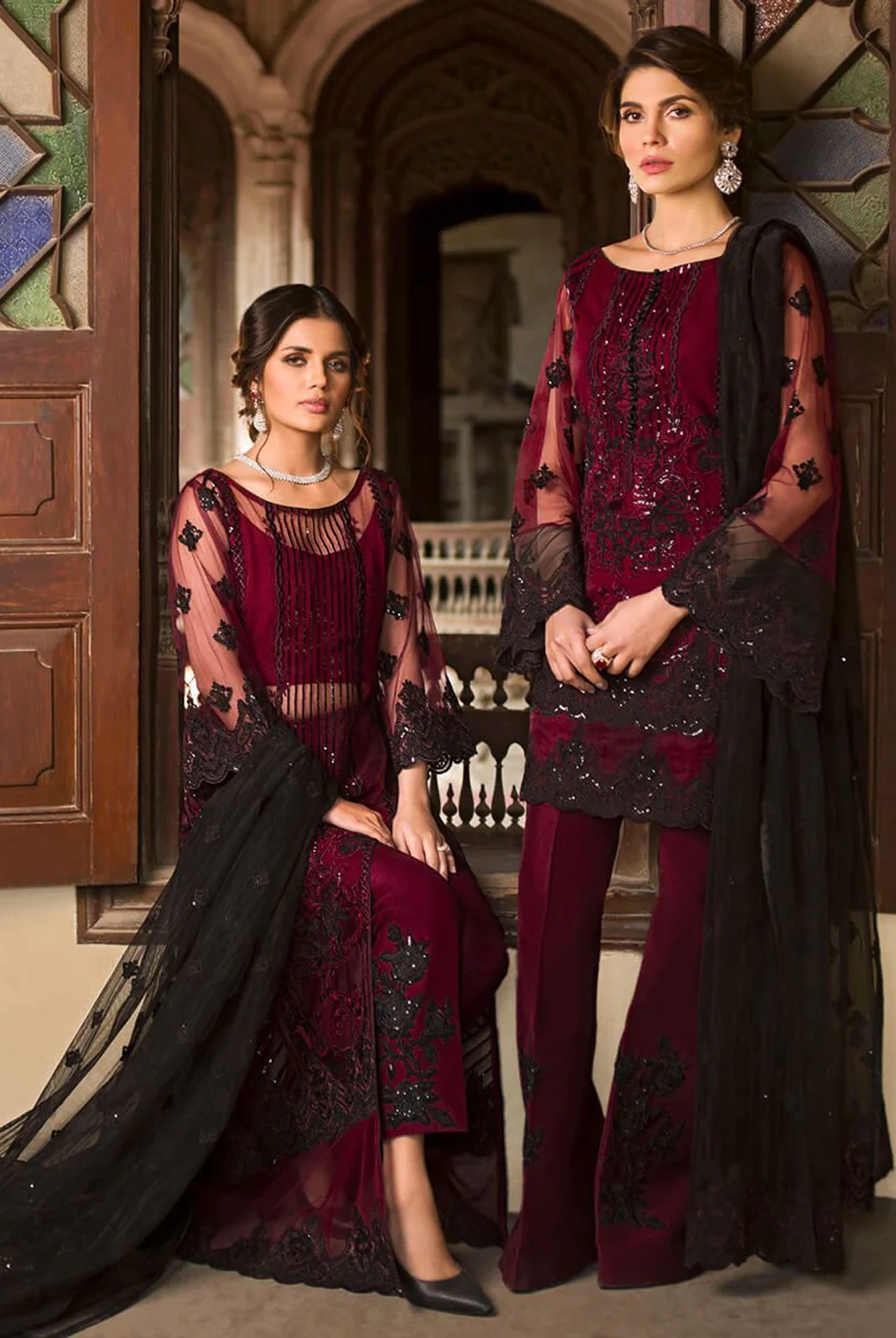

Original price was: ₨17,500.00.₨13,500.00Current price is: ₨13,500.00.
Sale!


Original price was: ₨16,000.00.₨13,000.00Current price is: ₨13,000.00.
Sale!


Original price was: ₨18,500.00.₨14,000.00Current price is: ₨14,000.00.
Sale!

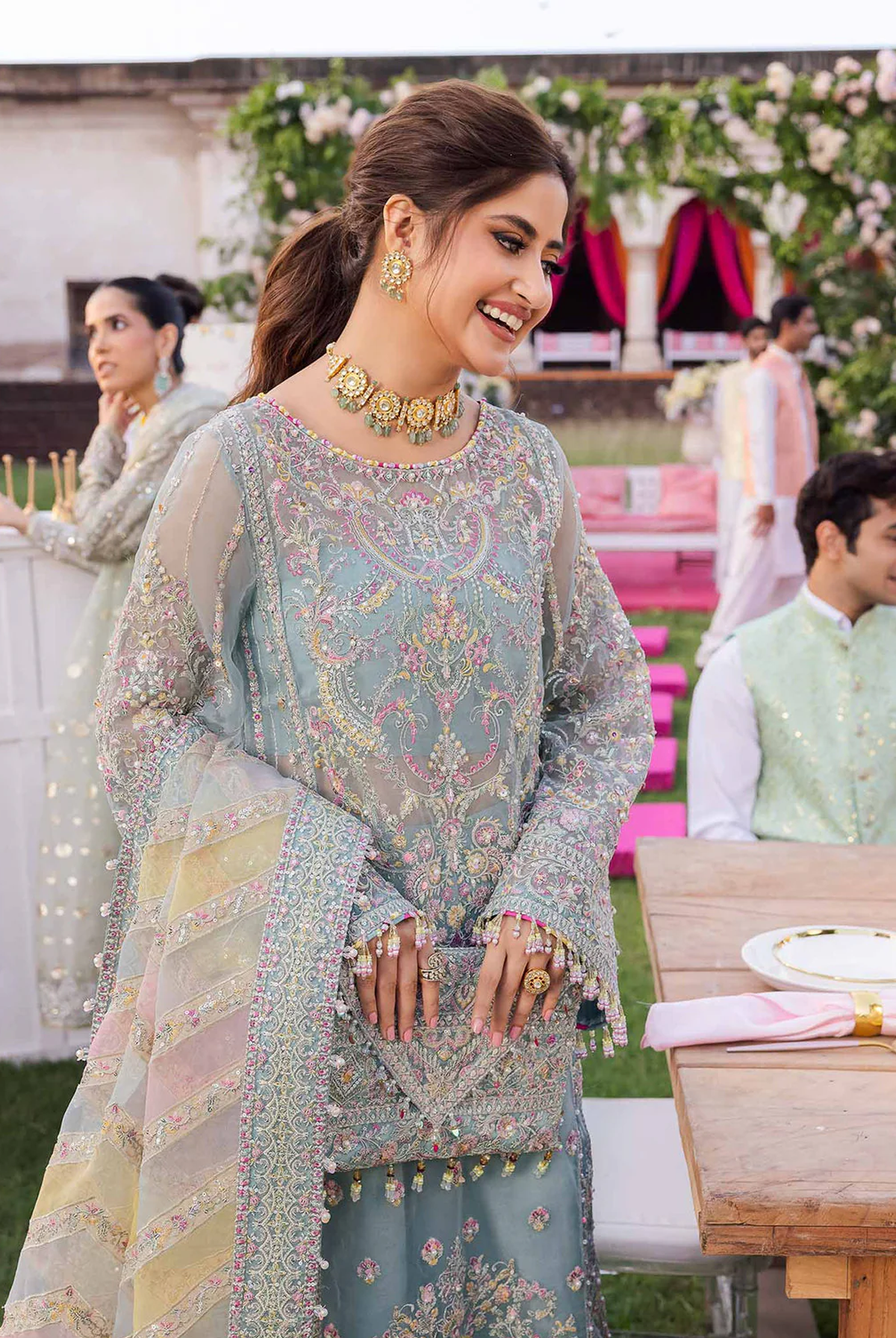
Original price was: ₨14,000.00.₨12,000.00Current price is: ₨12,000.00.
Sale!
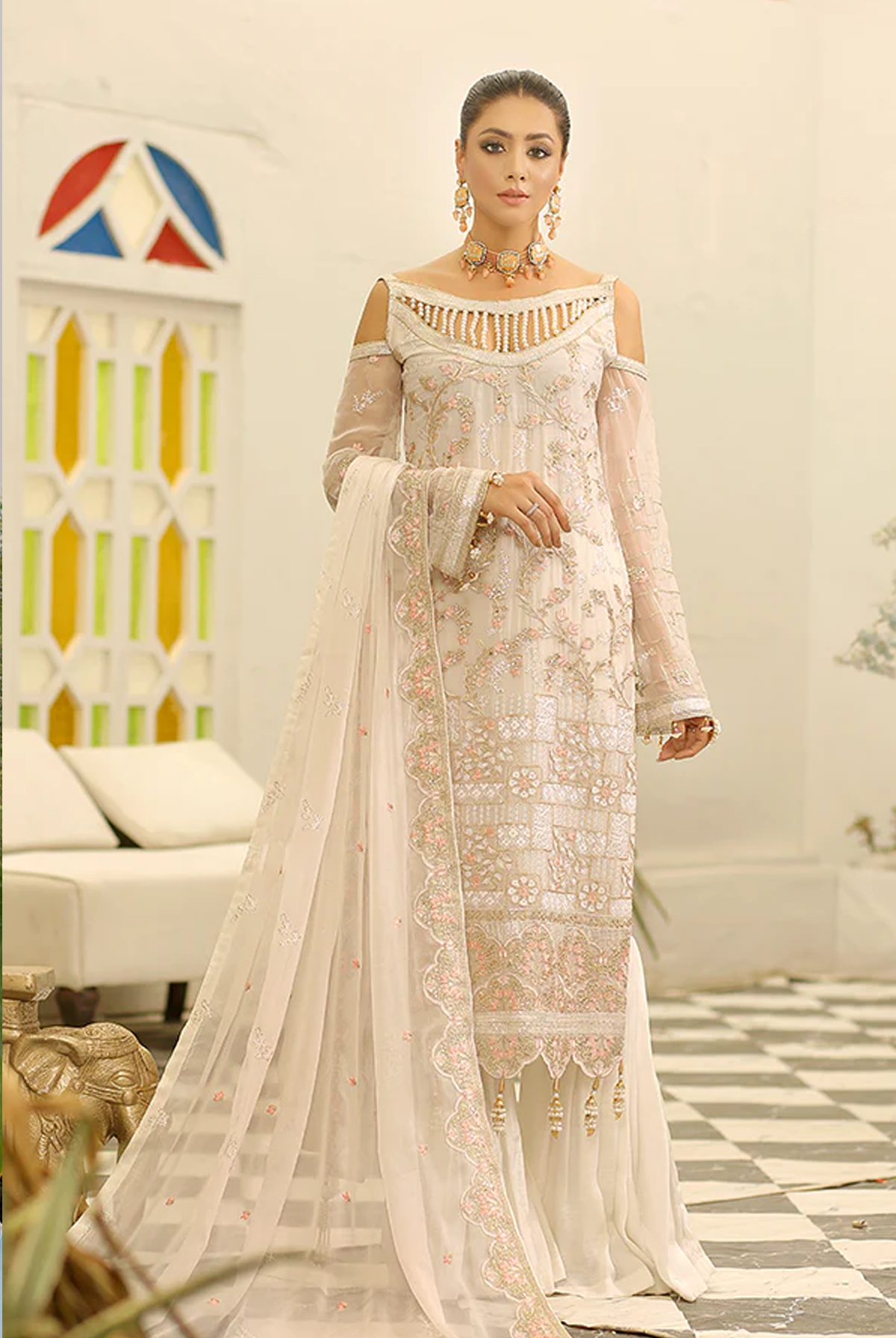

Original price was: ₨15,000.00.₨13,500.00Current price is: ₨13,500.00.
Sale!


Original price was: ₨16,000.00.₨12,500.00Current price is: ₨12,500.00.
Sale!


Original price was: ₨17,500.00.₨15,500.00Current price is: ₨15,500.00.
Sale!


Original price was: ₨15,000.00.₨13,000.00Current price is: ₨13,000.00.
Sale!


Original price was: ₨11,500.00.₨9,500.00Current price is: ₨9,500.00.
Sale!
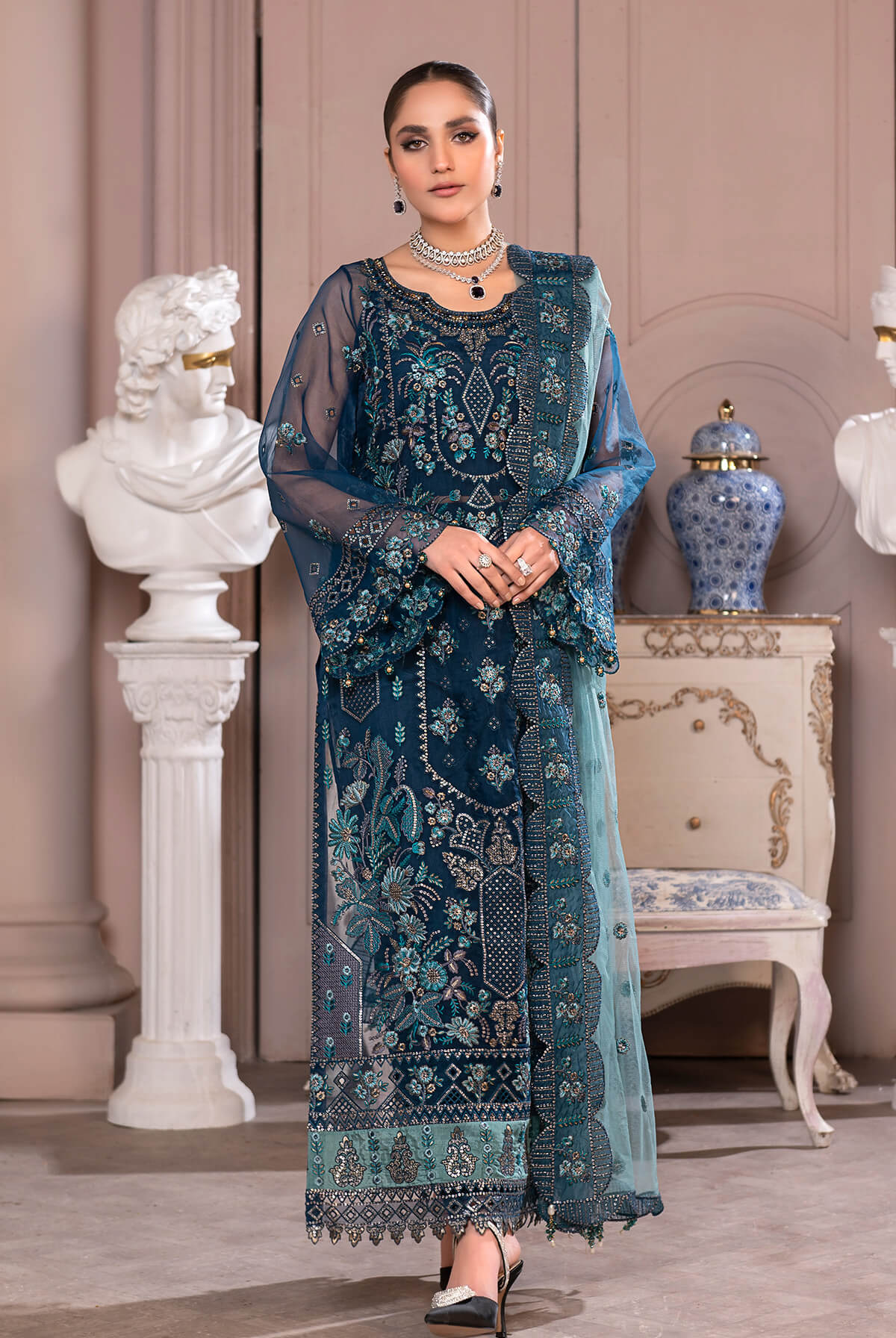

Original price was: ₨14,000.00.₨9,500.00Current price is: ₨9,500.00.
Sale!


Original price was: ₨16,000.00.₨14,000.00Current price is: ₨14,000.00.
Sale!


Original price was: ₨18,500.00.₨14,500.00Current price is: ₨14,500.00.
Sale!


Original price was: ₨17,500.00.₨15,000.00Current price is: ₨15,000.00.
Sale!


Original price was: ₨14,500.00.₨12,500.00Current price is: ₨12,500.00.
Sale!


Original price was: ₨17,500.00.₨16,000.00Current price is: ₨16,000.00.
Sale!

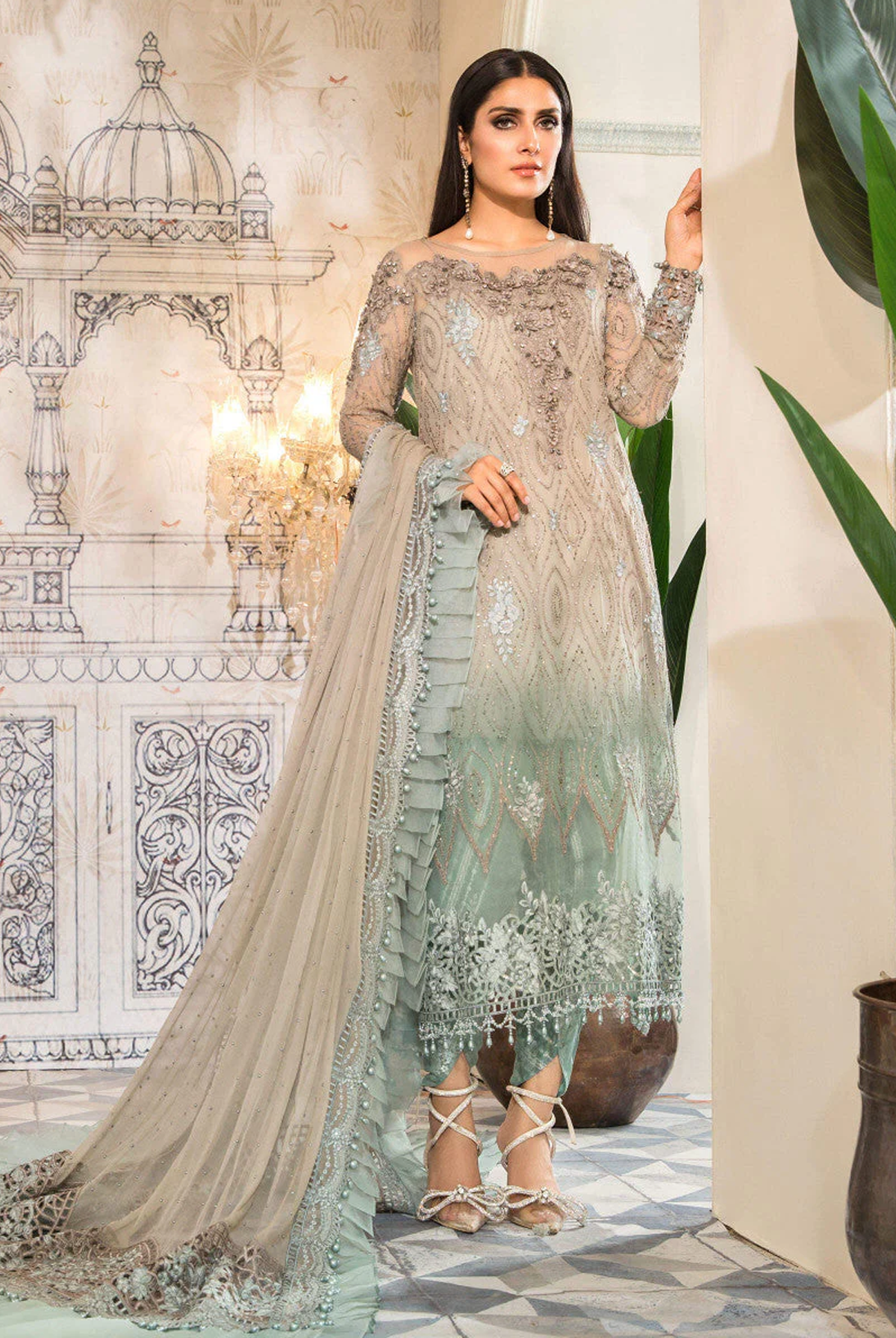
Original price was: ₨16,500.00.₨15,500.00Current price is: ₨15,500.00.
Sale!

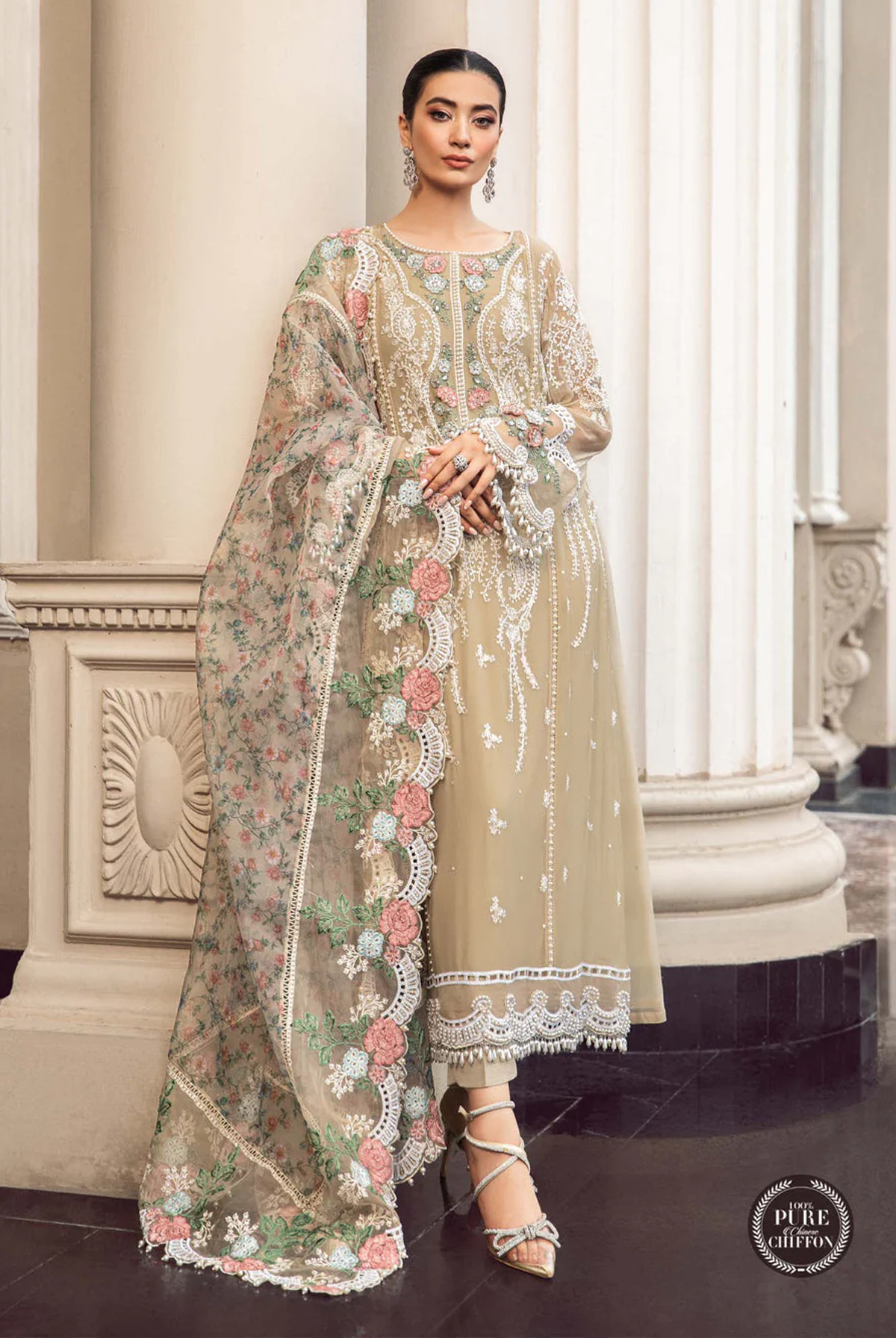
Original price was: ₨15,000.00.₨14,000.00Current price is: ₨14,000.00.
Sale!


Original price was: ₨18,500.00.₨17,000.00Current price is: ₨17,000.00.
Sale!


Original price was: ₨17,500.00.₨16,500.00Current price is: ₨16,500.00.
Sale!


Original price was: ₨16,500.00.₨15,000.00Current price is: ₨15,000.00.
Sale!


Original price was: ₨15,000.00.₨11,500.00Current price is: ₨11,500.00.
Sale!


Original price was: ₨15,500.00.₨13,500.00Current price is: ₨13,500.00.
Pakistani Dress Wholesale Supplier Eritrea | Mastorat
Pakistani clothing has earned recognition in international fashion markets for its detailed embroidery, versatile designs, comfortable fabrics, and balance between traditional craftsmanship and contemporary style. For clothing retailers in Eritrea, these qualities create opportunities to introduce distinctive collections that appeal to customers looking for everyday outfits, modest fashion, and clothing for special occasions. Finding a dependable Pakistani Dress Wholesale Supplier Eritrea can help retailers source suitable products, organize their inventory, and build a consistent shopping experience for their customers.
Mastorat provides access to Pakistani clothing collections for businesses interested in traditional and modern South Asian fashion. Its wholesale-focused range gives retailers, boutique owners, and online sellers an opportunity to explore different styles and product categories when planning their collections. Whether you are establishing a new clothing business or looking for ways to diversify an existing store, selecting the right supplier requires careful consideration of product quality, pricing, availability, ordering arrangements, and international delivery.
This guide explains how Eritrean retailers can approach Pakistani clothing wholesale, evaluate suitable products, plan their purchasing decisions, and use Mastorat's available collections to explore options for their businesses.
Understanding the Demand for Pakistani Fashion in Eritrea
Clothing preferences vary across Eritrea, influenced by individual style, cultural traditions, seasonal conditions, and the occasions for which garments are purchased. Retailers serving different customer groups may need a mixture of practical everyday clothing, elegant outfits, and more decorative designs for celebrations. Pakistani fashion offers variety across these categories. Collections can include simple cotton suits, printed lawn outfits, embroidered dresses, formal garments, and unstitched fabrics for customers who prefer customized tailoring. This diversity allows retailers to select products according to their store's identity rather than relying on one type of clothing. Businesses should research their intended customers before making wholesale purchases. A boutique serving customers who prefer premium occasion wear may require a different assortment from a shop specializing in affordable daily clothing. Understanding these differences can help retailers choose appropriate fabrics, designs, sizes, and price ranges. Retailers can begin exploring suitable collections through Pakistani Dress Wholesale Supplier Eritrea. Reviewing the available product categories can help business owners understand how Pakistani clothing might complement their existing inventory.Why Retailers Consider Pakistani Dresses for Their Collections
One of the main advantages of Pakistani fashion is its broad selection of designs. Traditional influences appear in embroidery, decorative necklines, coordinated trousers, dupattas, and carefully selected fabrics. Contemporary collections may feature simpler silhouettes, subtle prints, and updated color combinations. This range can help retailers serve customers with different preferences and budgets. Some shoppers may prefer understated clothing for regular use, while others look for elaborate designs for weddings, family gatherings, religious celebrations, and formal events. Fabric selection is another important consideration. Cotton and lawn are often associated with lightweight clothing, while chiffon, silk blends, and embellished fabrics are commonly used for dressier designs. The suitability of each material depends on the garment's construction, intended use, and care requirements. Before placing an order, retailers should review product photographs, fabric descriptions, available sizes, stitching details, and care instructions wherever these are provided. They should also confirm whether an outfit is stitched or unstitched, as the distinction affects its final retail presentation and the services a customer may need. A thoughtful assortment can make the shopping experience more convenient. Instead of offering similar designs throughout the store, retailers can create a balanced selection that includes everyday essentials, attractive printed outfits, and occasional statement pieces.Getting to Know Mastorat's Wholesale Clothing Collections
Mastorat is an option for businesses researching Pakistani clothing and wholesale fashion collections. Retailers can explore the website to identify product categories that align with their intended customers and commercial plans. When evaluating any supplier, it is useful to look beyond the appearance of individual garments. Product consistency, clear descriptions, communication, ordering terms, and the availability of relevant information are also important. A well-organized purchasing process helps retailers understand what they are ordering and plan how those products will fit into their businesses. Businesses can start with the main Pakistani Dress Wholesale collection to review the wider range of clothing available. From there, they can compare relevant categories and shortlist products based on style, customer demand, and budget. Retailers should confirm current stock, minimum order quantities, payment arrangements, dispatch estimates, and delivery options directly with the supplier before committing to a purchase. These details may vary by product and destination, so checking them in advance helps prevent misunderstandings. For a new business, starting with a carefully selected assortment may be more practical than purchasing a large quantity of untested designs. Established retailers can use sales history, customer feedback, and seasonal purchasing patterns to make more informed decisions.Exploring Designer Pakistani Dresses
Designer clothing can add variety to boutiques that serve customers looking for distinctive outfits and detailed finishing. Pakistani designer collections may include decorative embroidery, coordinated separates, embellished dupattas, statement sleeves, and carefully developed color palettes. These garments can be suitable for formal gatherings, celebrations, and customers who prefer a more elaborate style. However, retailers should select designer pieces according to their target market instead of assuming that every premium-looking outfit will sell equally well. When comparing products, consider the quality of visible finishing, the fabric's appearance, the design's versatility, and the likely retail price. Clear product information is especially important when purchasing embellished clothing because decoration, fabric composition, and construction can influence customer expectations. Retailers interested in these styles can browse Pakistani Designer Dresses. Comparing different designs can help buyers identify garments that complement the rest of their inventory. A balanced boutique collection might include a few distinctive formal outfits alongside simpler garments that appeal to customers shopping for regular occasions. This approach creates variety without making the entire inventory dependent on a single product category.Selecting Casual Wear and Lawn Collections
Everyday clothing plays an important role in many retail businesses because customers often look for garments that combine comfort, practicality, and attractive design. Pakistani casual wear includes printed suits, lightweight fabrics, coordinated separates, and other options suitable for regular use. Lawn clothing is particularly associated with warm-weather collections. Its appeal depends on factors such as fabric quality, print design, stitching, and how the garment feels when worn. Retailers should avoid choosing products based on photographs alone when additional fabric details or product specifications are available. When planning a casual collection, consider offering different color palettes and design styles. Some customers may prefer small prints and neutral shades, while others gravitate toward brighter colors and bold patterns. A varied assortment can help a store serve more than one preference. Buyers can explore Pakistani Dress Wholesale Online to review online purchasing options and available clothing categories. It is also worth considering the relationship between price and expected demand. Affordable garments can appeal to budget-conscious shoppers, while better-finished options may suit customers who are willing to pay more for particular designs. Retailers should assess both groups using local customer feedback rather than relying entirely on general fashion trends.Offering Unstitched Dress Materials
Unstitched dress materials provide another way to expand a clothing business. Unlike ready-made garments, these products allow customers to choose their preferred fit, length, and tailoring details. This flexibility may appeal to shoppers who want clothing adapted to personal preferences. Depending on the product, a dress material set may include fabric for a shirt, trousers, and dupatta. However, the contents of each set can differ, so retailers should verify the listed components before placing an order. Fabric descriptions, measurements, color information, and care instructions can help customers make informed choices. Retailers should also explain whether tailoring is included or needs to be arranged separately. Businesses interested in this category can explore Pakistani Dress Material Wholesale to review relevant options. Unstitched clothing can complement ready-made outfits by giving customers an alternative when standard sizes or existing designs do not meet their needs. Retailers who offer both categories can create a more flexible shopping experience, provided they have enough information to explain the differences clearly.Evaluating Wholesale Prices and Business Costs
Wholesale pricing is an important part of purchasing decisions, but the lowest listed price does not necessarily represent the best overall value. Retailers should evaluate product quality, order conditions, shipping expenses, applicable import charges, and the expected selling price before deciding which items to purchase. A useful starting point is to calculate the estimated landed cost of each product. This includes the purchase price and the additional expenses required to bring the goods to the business location. Depending on the transaction, these expenses may include shipping, insurance, customs duties, taxes, and handling fees. Once the estimated total is known, retailers can compare products more accurately. They should also consider potential costs associated with damaged goods, unsold inventory, packaging, and local delivery. The Pakistani Dress Wholesale Market page can serve as an additional resource when exploring the wholesale clothing market and related product categories. Retailers should request a clear quotation for their intended order rather than relying on assumptions about discounts or bulk pricing. Minimum quantities, price breaks, payment methods, and product availability should be confirmed before the purchase is finalized. A simple purchasing spreadsheet can help compare suppliers, track expenses, and estimate retail margins. Reviewing these figures regularly allows business owners to adjust their buying decisions as customer preferences and operating costs change.Understanding Fabric Quality and Product Details
Fabric quality influences how a garment feels, looks, and performs over time. Customers may notice differences in softness, weight, stitching, color consistency, and finishing, making these characteristics important considerations for retailers. Product descriptions should be reviewed carefully to understand the stated fabric composition and construction. Terms such as silk, chiffon, cotton, and lawn refer to different materials or fabric categories, and their properties can vary according to composition and manufacturing methods. Retailers should not assume that two garments with similar photographs will have identical quality. If a supplier offers fabric specifications, close-up photographs, sample purchasing options, or additional product details, these resources can help buyers make more informed comparisons. Businesses researching fabric-related products can visit Pakistani Dress Material Wholesale in India for additional category information. When products arrive, retailers should inspect them before placing them on display or distributing them to customers. Checking stitching, measurements, embellishments, color consistency, and packaging can help identify discrepancies early. Clear quality expectations also make supplier communication more effective. Buyers should keep order confirmations and product descriptions so that any difference between the agreed specifications and the delivered goods can be discussed with accurate information.Keeping Your Inventory Updated With Fashion Trends
Fashion preferences evolve, but retailers do not need to replace their entire inventory whenever a new trend appears. A practical approach is to maintain a dependable selection of versatile clothing while introducing new designs in measured quantities. Color trends, embroidery patterns, sleeve styles, fabric choices, and coordinated outfits can all influence customer interest. However, the relevance of each trend depends on the audience a retailer serves. Customer conversations, sales records, product inquiries, and online engagement can reveal which styles attract the most attention. These observations are often more useful for purchasing decisions than general predictions about international fashion. Retailers can explore Pakistani Designer Clothes Online when researching designer clothing and different style options. Seasonal planning is equally important. Businesses should consider how far in advance they need to place orders, how long international shipping may take, and whether a particular design will remain relevant when the goods arrive. Rather than purchasing large quantities of an unfamiliar style, retailers may prefer to test a limited assortment first, where supplier terms allow it. The results can then guide future orders and reduce the risk of excess inventory.Understanding International Wholesale Opportunities
International sourcing can help retailers discover products that may not be readily available through local wholesalers. At the same time, importing clothing requires attention to shipping arrangements, customs procedures, payment conditions, and documentation. Mastorat's wider website includes pages covering several markets, which can help readers explore different regional wholesale topics. These pages are useful for understanding the site's broader product and location categories, although destination-specific prices, shipping terms, and availability should always be confirmed independently. Retailers may wish to review the following resources:- Pakistani Dress Wholesale in Dubai
- Pakistani Dress Wholesale in USA
- Pakistani Dress Wholesale in Pakistan
Supporting Small Clothing Businesses in Eritrea
A new clothing business often needs to balance product variety with limited working capital. Purchasing too much inventory before understanding customer preferences can place unnecessary pressure on cash flow, while offering too few options may make it difficult to attract different shoppers. A gradual approach can help businesses manage this balance. Owners can identify a core customer group, select a focused range of clothing, record sales, and expand the assortment as demand becomes clearer. For example, a small boutique might begin with everyday suits and a limited selection of embroidered garments. Once customer responses become easier to evaluate, the business can decide whether to introduce additional dress materials, formal wear, or premium designs. Retailers can also research regional clothing categories through Pakistani Dress Wholesale Supplier Ethiopia. This page provides another location-specific resource within Mastorat's broader website. However, regional comparisons should not replace local market research. Businesses in Eritrea should base their final decisions on their own customers, available purchasing budgets, delivery arrangements, and the competitive environment in their area. Keeping accurate sales records and monitoring stock levels can help small retailers identify popular products and avoid repeatedly purchasing designs that receive little interest.Making the Ordering Process More Efficient
An organized ordering process reduces the likelihood of errors and makes international purchasing easier to manage. Before beginning, retailers should establish a product list, determine their available budget, and identify the quantities required for each item. The following process can help structure a wholesale purchase. 1. Review the available collection. Browse product categories and shortlist items that match the store's audience, price range, and style preferences. 2. Check product information. Confirm fabric details, sizes, stitching status, included accessories, available colors, and any relevant care instructions. 3. Request the commercial terms. Ask about minimum order quantities, current prices, payment arrangements, production or dispatch times, and shipping costs. 4. Review the total cost. Include estimated transport expenses and applicable import charges when calculating the budget. 5. Confirm the order in writing. Keep a record of the agreed products, quantities, prices, shipping arrangements, and expected delivery information. 6. Inspect the delivery. Compare received goods with the order confirmation and report discrepancies through the agreed process. Retailers who want to review catalogue-style product options can visit Pakistani Catalogue Dress Wholesale. The precise steps may vary depending on the supplier's ordering system and the destination's import requirements. Buyers should therefore confirm the current procedure directly rather than assuming that every order follows the same process.Expanding Your Product Range Strategically
Adding more categories can create opportunities to attract customers with different clothing preferences. However, successful diversification depends on choosing products that complement the existing business rather than simply increasing the number of items in stock. Retailers might consider combining printed everyday outfits, embroidered garments, unstitched fabrics, and selected formal designs. The right mix depends on available storage, working capital, customer demand, and the selling prices the local market can support. When assessing a new category, consider its intended customer, likely seasonal demand, product costs, and relationship to other items in the store. For example, customers who purchase unstitched suits may also be interested in coordinating accessories or complementary garments, depending on what the business offers. The following pages provide additional resources for exploring Pakistani clothing wholesale categories in different locations:- Pakistani Dress Wholesale in Mumbai
- Pakistani Dress Wholesale in Dhaka
- Pakistani Clothes Wholesale Suppliers
Building a Recognizable Retail Brand
A strong retail brand is built through consistent customer experiences rather than product variety alone. Shoppers are more likely to return when they understand what a business offers, receive accurate product information, and can rely on clear communication. Retailers can establish a recognizable identity by selecting a consistent style, presenting garments professionally, and providing honest descriptions of fabric, sizing, and care requirements. Clear photographs and straightforward return policies can also help customers make informed decisions. Customer service remains important after the sale. Businesses should respond to questions, communicate realistic delivery expectations, and handle complaints professionally. Gathering feedback can reveal opportunities to improve both the product range and the shopping experience. Retailers researching the UK clothing market can explore these related pages:- Pakistani Clothes Wholesale Suppliers UK
- Pakistani Clothes Wholesalers Manchester
- Pakistani Clothes Wholesalers Bradford
Planning Seasonal Collections Throughout the Year
Seasonal purchasing can help retailers keep their inventory relevant while reducing the likelihood of holding garments that are difficult to sell. Pakistani fashion includes a wide range of designs that can be selected according to the intended occasion, material, and customer preference. Lightweight fabrics and bright prints may suit some warm-weather collections, while richer colors, layered garments, and more substantial materials may appeal to customers shopping for different occasions or cooler conditions. These are broad styling considerations rather than fixed rules, so local preferences should guide the final assortment. Retailers should also consider holidays, weddings, family celebrations, and other occasions that may influence shopping behavior. Ordering too close to a key selling period can create problems if international transport takes longer than expected. The following pages offer additional location-specific resources:- Pakistani Dress Wholesale Supplier Kenya
- Pakistani Dress Wholesale Supplier Tanzania
- Pakistani Dress Wholesale Supplier Uganda
Maintaining Quality and Customer Satisfaction
Product quality affects customer satisfaction, repeat purchases, and the reputation of a clothing business. Retailers should establish practical checks for incoming stock and ensure that garments match the specifications agreed upon with the supplier. Useful inspection points include stitching, measurements, fabric condition, embroidery, color consistency, fastenings, and the completeness of each outfit. The precise checks required will depend on the type of garment. If a shipment contains products that differ from the order, buyers should document the issue and contact the supplier according to the agreed procedure. Maintaining invoices, order confirmations, and photographs can make these conversations more straightforward. Retailers can also establish their own quality standards for products they intend to sell. For example, a business might prioritize durable everyday fabrics, consistent sizing, or careful finishing for formal clothing. Defining these standards helps guide purchasing decisions and creates clearer expectations for customers. Additional regional resources include Pakistani Dress Wholesale Supplier UAE and Pakistani Dress Wholesale Supplier Saudi Arabia. These pages are part of Mastorat's broader location-based content. Any assumptions about quality certifications, inspection procedures, or guarantees should be verified through the supplier's current policies and product documentation.Understanding Delivery and Import Considerations for Eritrea
International shipping is an important part of wholesale purchasing because the total cost and delivery schedule affect inventory planning. Before placing an order, retailers should confirm whether delivery to their intended destination in Eritrea is available and which shipping methods can be used. They should request an estimate covering dispatch, transit, and any additional handling requirements. Delivery estimates are not necessarily guarantees, and actual transit times can vary according to the carrier, customs processing, documentation, and other circumstances. Import documentation may include commercial invoices, packing lists, transport documents, and other paperwork required for the shipment. The exact requirements depend on the goods, shipping arrangement, and applicable Eritrean regulations. Retailers should verify current import procedures, customs duties, taxes, and any relevant restrictions with the appropriate authorities or a qualified customs professional. They should also clarify which party is responsible for shipping costs, customs clearance, and charges incurred after arrival. The following pages provide additional regional information within Mastorat's website: These links can support broader research into the website's international wholesale content, but they should not be treated as confirmation of specific shipping arrangements for Eritrea.Competing Effectively in the Local Fashion Market
A successful clothing retailer needs more than an appealing product range. Pricing, customer service, inventory management, presentation, and an understanding of local preferences all contribute to a sustainable business. Retailers can begin by identifying what makes their store useful to customers. One business may focus on affordable everyday clothing, while another may specialize in occasion wear, carefully selected designer pieces, or unstitched fabrics. A clear position makes it easier to select suitable products and communicate the store's value. It is also important to monitor competitors without simply copying their product selections. Retailers should look for gaps in the local market, such as a particular style, price range, or clothing category that customers struggle to find. International fashion resources can provide ideas for refreshing a collection. Relevant Mastorat pages include:- Pakistani Dress Wholesale Supplier South Africa
- Pakistani Dress Wholesale Supplier Canada
- Pakistani Dress Wholesale Supplier Australia