
Sale!


Original price was: ₨16,000.00.₨15,000.00Current price is: ₨15,000.00.
Sale!

Original price was: ₨17,500.00.₨13,500.00Current price is: ₨13,500.00.
Sale!


Original price was: ₨16,000.00.₨13,000.00Current price is: ₨13,000.00.
Sale!


Original price was: ₨18,500.00.₨14,000.00Current price is: ₨14,000.00.
Sale!

Original price was: ₨14,000.00.₨12,000.00Current price is: ₨12,000.00.
Sale!

Original price was: ₨15,000.00.₨13,500.00Current price is: ₨13,500.00.
Sale!


Original price was: ₨16,000.00.₨12,500.00Current price is: ₨12,500.00.
Sale!


Original price was: ₨11,500.00.₨9,500.00Current price is: ₨9,500.00.
Sale!

Original price was: ₨14,000.00.₨9,500.00Current price is: ₨9,500.00.
Sale!


Original price was: ₨20,000.00.₨14,500.00Current price is: ₨14,500.00.
Sale!


Original price was: ₨19,000.00.₨14,000.00Current price is: ₨14,000.00.
Sale!


Original price was: ₨18,500.00.₨14,500.00Current price is: ₨14,500.00.
Sale!


Original price was: ₨14,500.00.₨12,500.00Current price is: ₨12,500.00.
Sale!


Original price was: ₨17,500.00.₨16,000.00Current price is: ₨16,000.00.
Sale!

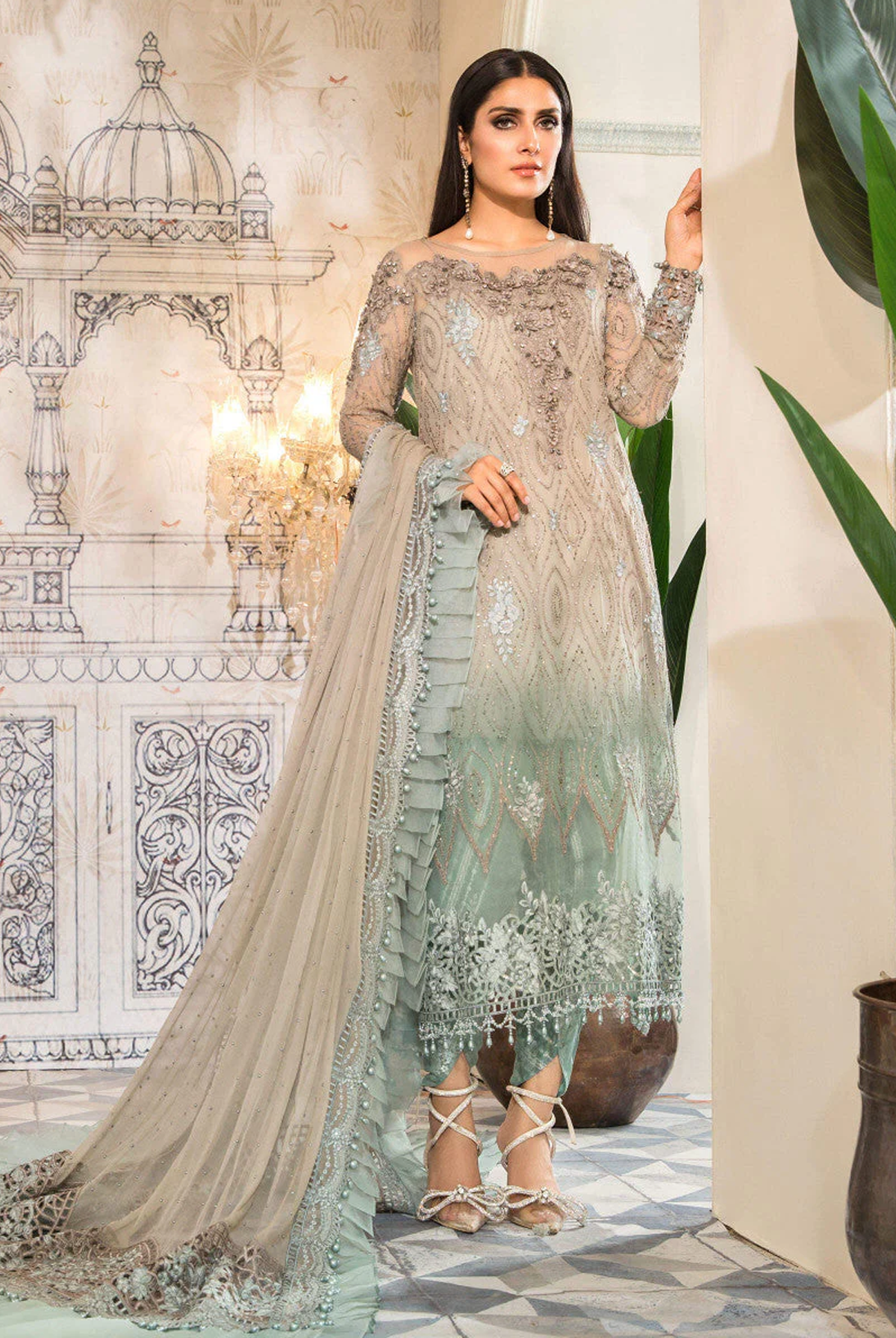
Original price was: ₨16,500.00.₨15,500.00Current price is: ₨15,500.00.
Sale!

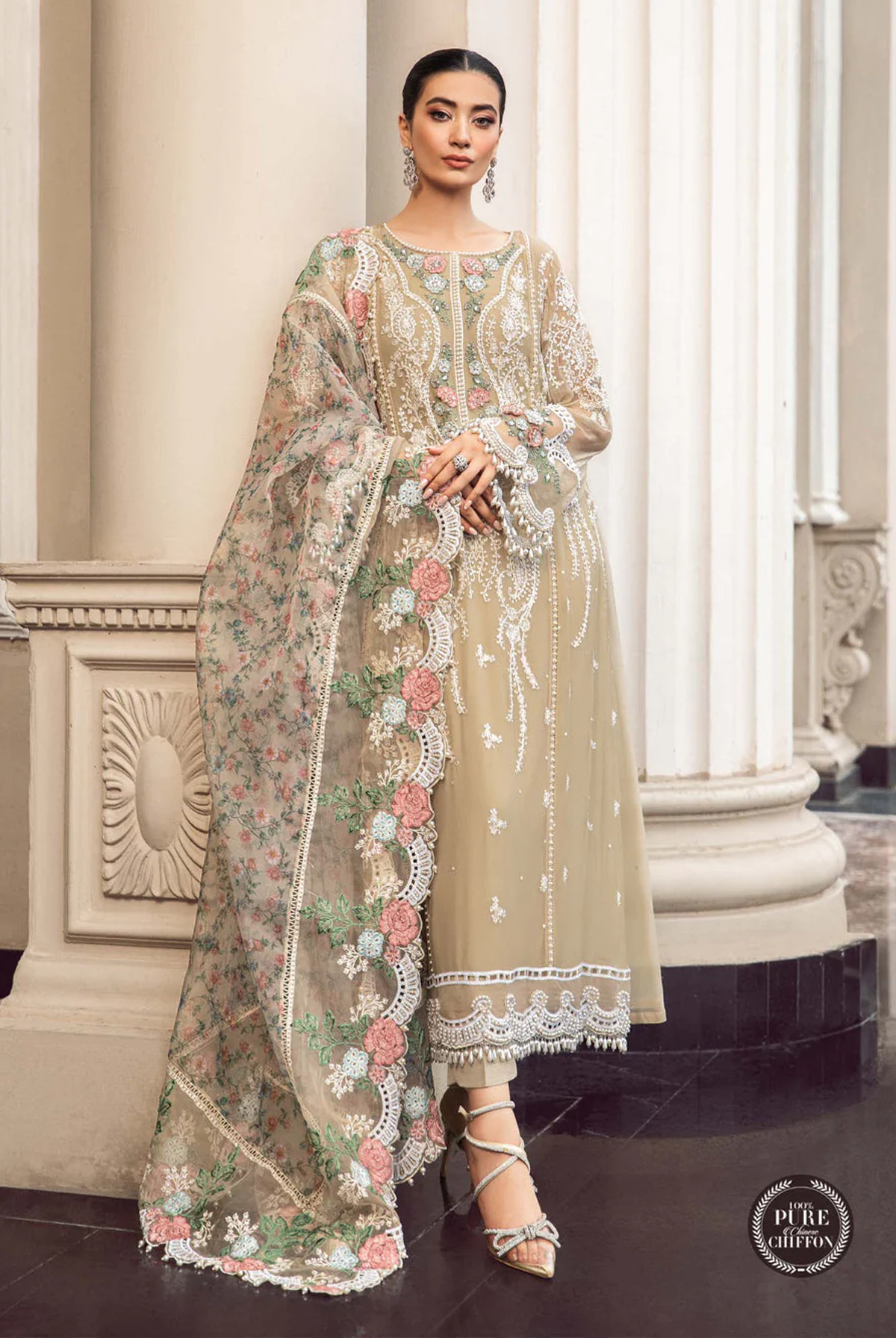
Original price was: ₨15,000.00.₨14,000.00Current price is: ₨14,000.00.
Sale!


Original price was: ₨16,500.00.₨15,000.00Current price is: ₨15,000.00.
Sale!


Original price was: ₨12,500.00.₨9,500.00Current price is: ₨9,500.00.
Pakistani Dress Wholesale Supplier Cabo Verde | Mastorat
Finding a reliable clothing supplier is an important step for retailers, boutique owners, and online sellers who want to offer distinctive fashion collections. Pakistani clothing has gained international recognition for its detailed embroidery, versatile designs, comfortable fabrics, and combination of traditional craftsmanship with contemporary styles. For businesses in Cabo Verde, these qualities create opportunities to introduce something different to their customers while building a varied clothing collection.
Mastorat provides a platform for exploring Pakistani fashion and wholesale clothing options for businesses interested in sourcing garments from Pakistan. From everyday outfits to formal occasion wear, retailers can explore different styles, fabrics, and designs according to their customers’ preferences and their own business requirements.
Working with a Pakistani Dress Wholesale Supplier Cabo Verde can help retailers explore international sourcing opportunities, compare product categories, and plan their inventory more effectively. However, successful wholesale purchasing involves more than choosing attractive dresses. Buyers should also consider fabric quality, sizing, minimum order quantities, delivery arrangements, pricing, and the preferences of their target market.
This guide explains how Pakistani clothing can fit into Cabo Verde’s retail market, which collections businesses may wish to explore, and what buyers should consider before placing wholesale orders through Mastorat.
Understanding the Pakistani Fashion Market in Cabo Verde
Cabo Verde, an island country off the western coast of Africa, has a diverse consumer environment influenced by local traditions, tourism, international connections, and contemporary fashion. Clothing retailers often need to balance everyday comfort with styles suitable for celebrations, social gatherings, and special occasions. Pakistani fashion offers a broad range of options that can help retailers develop a more distinctive product selection. Traditional silhouettes, decorative embroidery, coordinated outfits, and printed fabrics give boutiques several ways to serve customers with different tastes. For example, a shop focusing on everyday clothing might consider lightweight cotton suits and simple printed outfits. A boutique serving customers looking for event clothing could explore embellished garments, formal suits, or elegant occasion wear. Retailers catering to a more specialised audience might also consider premium designer collections. The most suitable inventory will depend on the individual business. Retailers should research local customer preferences, compare available products, and begin with a manageable assortment rather than assuming that every style will appeal to the same audience. Businesses can begin exploring available sourcing options through the Pakistani Dress Wholesale category, which provides a starting point for understanding the broader wholesale clothing market.Why Pakistani Clothing Appeals to International Retailers
Pakistani clothing combines traditional South Asian design elements with a wide variety of contemporary fashion choices. This makes it relevant to retailers who want to offer products that differ from standard everyday clothing collections. One of its main attractions is the variety of designs available. Customers can find simple printed suits, embroidered three-piece outfits, formal dresses, and elaborate garments intended for celebrations. Retailers can therefore develop collections for different occasions without relying on a single product category. Fabric selection is another important consideration. Lawn cotton, linen, chiffon, silk, and other materials are used across different clothing ranges. Each has its own characteristics, making it important to match the garment with its intended use and the climate in which it will be worn. Pakistani outfits may also appeal to customers who appreciate coordinated clothing. Matching shirts, trousers, dupattas, and complementary embellishments can create a complete look without requiring customers to source each item separately. For Cabo Verde retailers, the opportunity lies in selecting pieces that suit their customers rather than importing products solely because they are popular elsewhere. A carefully selected range can make a boutique more distinctive while keeping purchasing decisions connected to actual demand.Why Consider Mastorat for Wholesale Sourcing?
Choosing a supplier requires careful evaluation, particularly when orders cross international borders. Buyers need to understand the available collections, product specifications, purchasing terms, and arrangements for shipping before committing to a wholesale order. Mastorat offers an online starting point for businesses exploring Pakistani clothing categories. Retailers can review relevant product pages and use the available information to identify styles that match their intended inventory. Before making a purchase, buyers should confirm several practical details:- Product selection: Check which designs, sizes, fabrics, and colours are currently available.
- Pricing: Request clear information about wholesale rates, applicable discounts, and any additional charges.
- Order requirements: Confirm minimum quantities, size combinations, and whether mixed designs can be included.
- Product details: Ask for current photographs, fabric descriptions, measurements, and information about stitching.
- Delivery arrangements: Verify whether shipping to Cabo Verde is available for the intended order.
- Returns and replacements: Understand the supplier’s policies for damaged, incorrect, or unsuitable items.
Pakistani Clothing Collections Worth Exploring
A successful clothing business usually serves more than one customer need. Some shoppers want affordable everyday clothing, while others look for distinctive outfits for celebrations or formal occasions. A balanced inventory can help retailers serve these different requirements. The following categories offer useful starting points for businesses researching Pakistani fashion.Casual Wear and Everyday Clothing
Casual clothing is an important category for retailers who want products that customers can wear regularly. Printed suits, simple two-piece outfits, cotton shirts, and lightweight three-piece sets may suit customers looking for practical clothing with distinctive designs. Lawn cotton is particularly associated with warm-weather clothing in Pakistan. Its suitability for individual customers depends on the fabric construction, garment design, lining, and local conditions, so retailers should examine the actual product specifications before ordering. For Cabo Verde, lightweight garments may be worth considering for customers who prefer breathable fabrics. However, businesses should assess fabric composition and comfort rather than relying on a product category alone. When selecting casual inventory, retailers can compare colour combinations, print styles, stitching quality, and available sizes. Offering a variety of understated and vibrant designs may help a boutique appeal to customers with different preferences.Formal and Party Wear
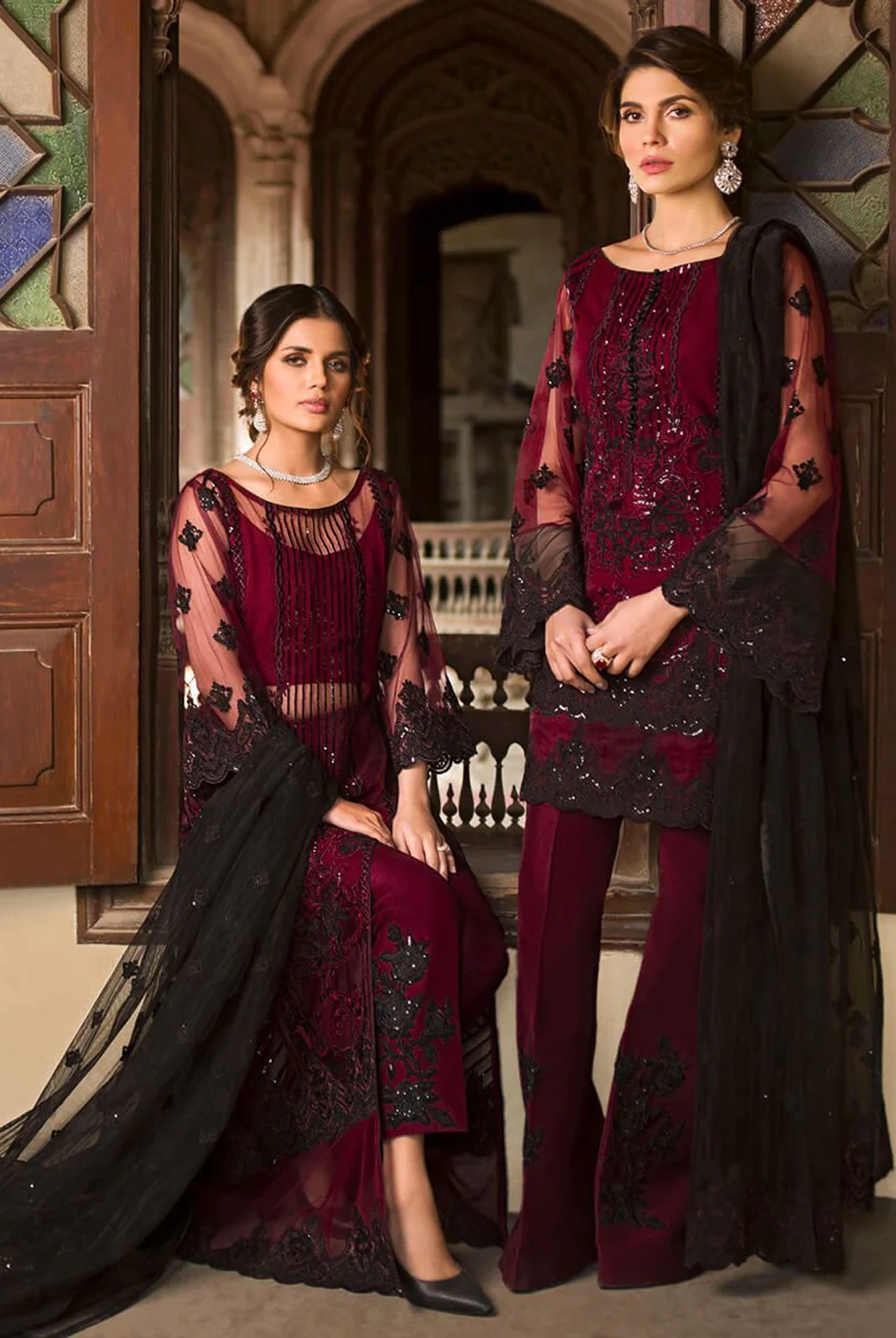
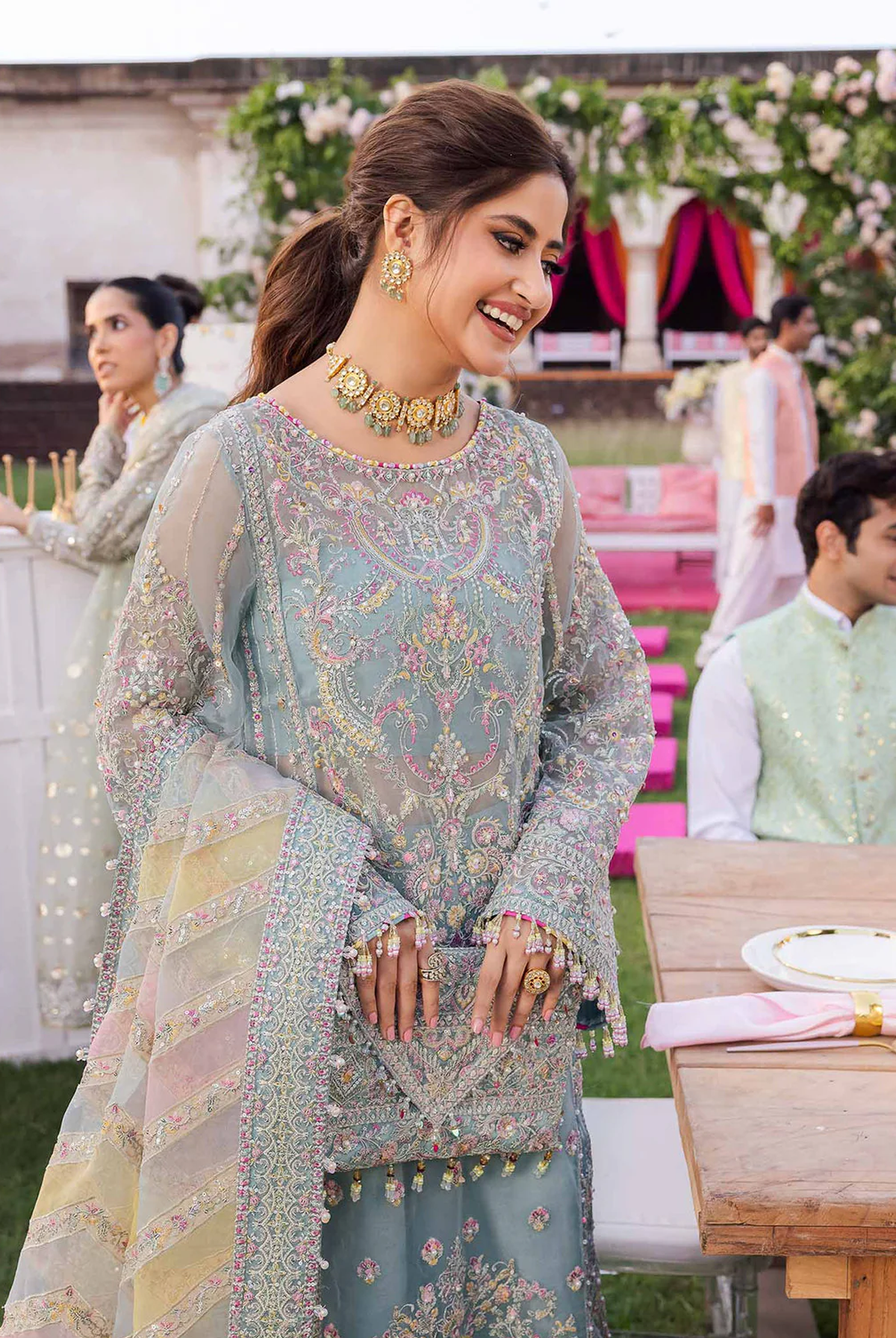
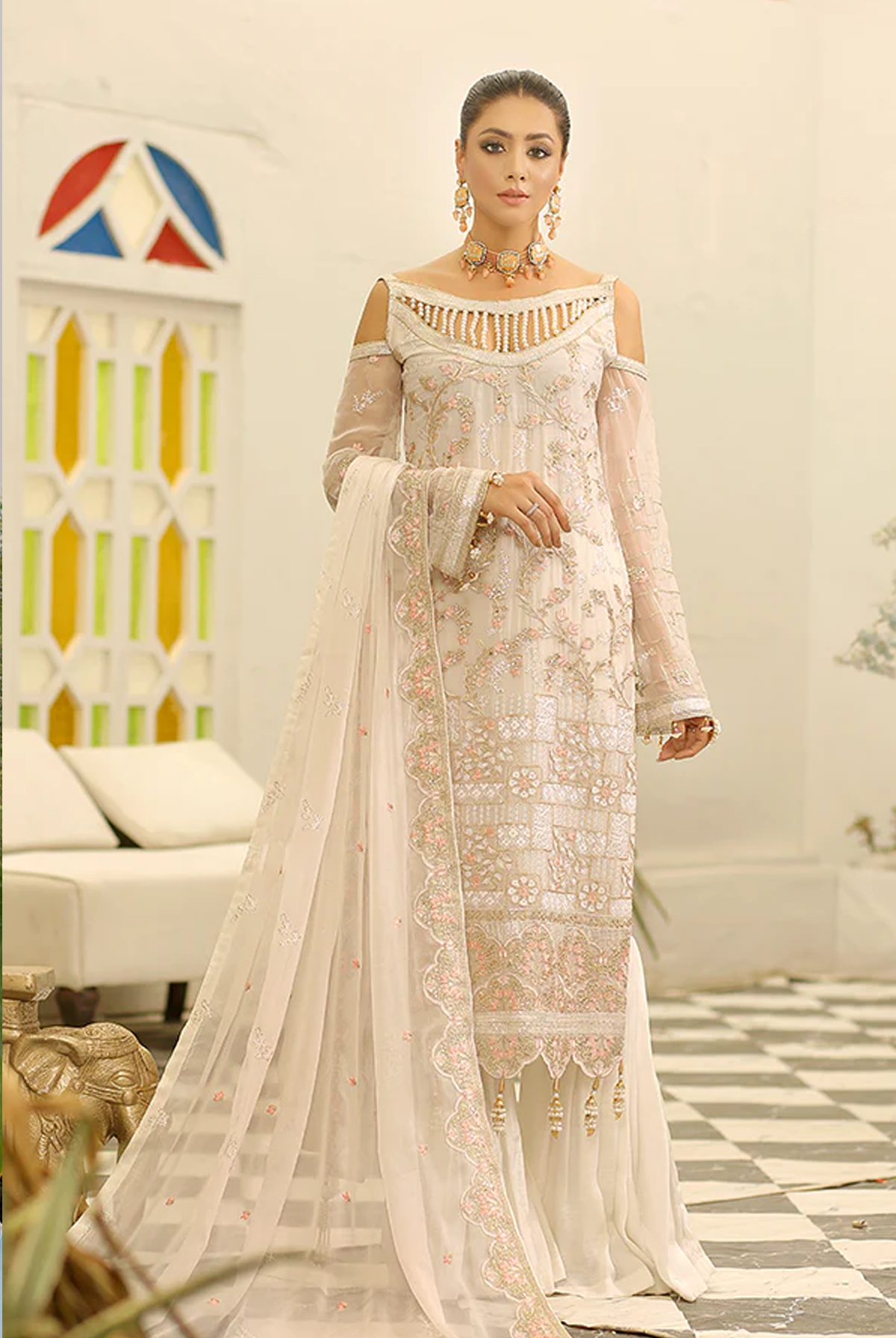
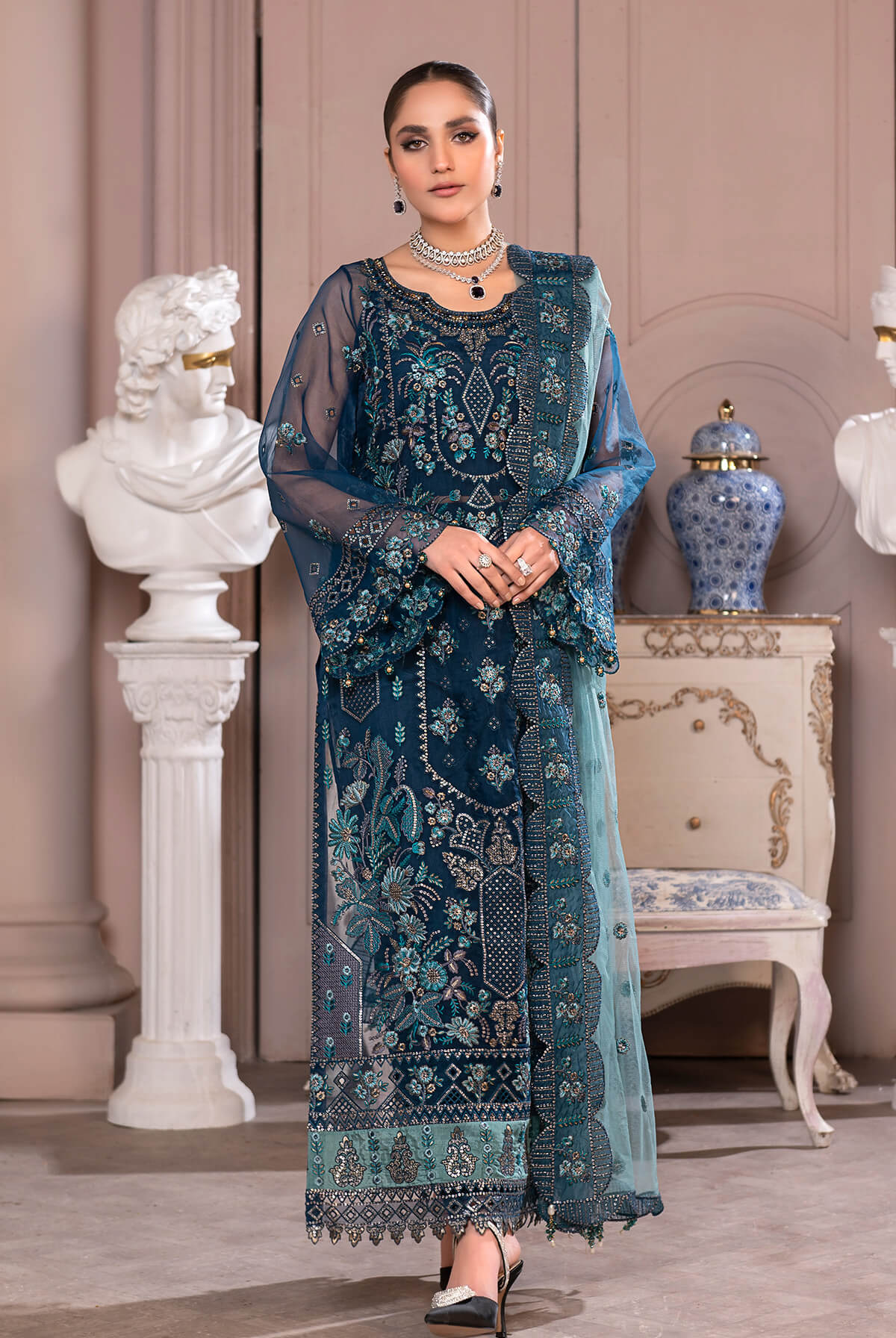
Formal Pakistani clothing often features more detailed decoration than everyday outfits. Embroidery, embellished necklines, decorative sleeves, textured fabrics, and coordinated dupattas can create garments suitable for parties, family gatherings, dinners, and other social events. Chiffon and silk-inspired designs are common in formal collections, although the actual material should always be verified before purchase. Some outfits may require additional care, which is worth communicating to customers at the point of sale. Retailers should also consider the price range of their intended audience. A small selection of well-chosen formal outfits may be more practical for a new boutique than a large investment in expensive pieces without established demand. Businesses can review Pakistani Designer Dresses and Pakistani Designer Suits when researching more decorative styles.Bridal and Wedding Collections
Wedding clothing is a specialised category that can attract customers looking for elaborate designs and carefully coordinated outfits. Pakistani bridal fashion is known for traditional embroidery, rich colour combinations, ornamental details, and formal silhouettes. However, bridal inventory requires thoughtful planning. Such garments may involve higher purchase costs, more detailed sizing requirements, and a narrower customer base than everyday clothing. A retailer considering this category should first identify whether local customers are interested in Pakistani bridal styles. It may be sensible to begin with a limited selection, catalogue-based enquiries, or confirmed customer requests before committing to extensive stock. Buyers should also check whether garments are available in standard sizes or require custom measurements. Production timelines and shipping arrangements need to be established well before a customer's event date.Designer and Premium Clothing
Designer clothing can help a boutique create a more specialised identity. These collections may feature distinctive cuts, carefully coordinated fabrics, intricate surface work, and designs intended for customers seeking something beyond everyday fashion. Premium garments should be evaluated on their actual construction, material, finishing, and overall value. Retailers should not assume that every item described as designer wear has the same level of craftsmanship or exclusivity. A clear understanding of product quality helps businesses establish realistic retail prices and communicate accurately with customers. Retailers can explore Pakistani Designer Clothes Online for additional information about designer clothing options.Choosing Fabrics for Cabo Verde's Climate
Fabric selection can influence customer comfort, garment care, and the overall suitability of a clothing collection. Because Cabo Verde includes different coastal and island environments, retailers should consider the conditions in their particular market rather than making assumptions about every customer's needs. Several fabrics are worth examining when building a Pakistani clothing inventory.Lawn Cotton
Lawn cotton is commonly used in lightweight Pakistani suits and printed summer collections. Depending on its construction, it can be suitable for everyday clothing and warm-weather use. Retailers should check the fabric composition, thickness, colour quality, and washing instructions. These details help customers understand how a garment should be worn and maintained.Chiffon
Chiffon is associated with flowing silhouettes and formal clothing. It is frequently used for dupattas, overlays, and decorative occasion wear. Buyers should check whether the garment requires lining and whether the material is suitable for the intended use. Care instructions are especially important for delicate fabrics.Silk and Silk-Blended Fabrics
Silk and silk-blended materials may be used for formal and premium outfits. Their appearance, texture, weight, and care requirements vary depending on the exact composition. Retailers should confirm whether a product is made from natural silk, a synthetic alternative, or a blend. Accurate descriptions help avoid misunderstandings and improve customer confidence.Linen and Other Blended Fabrics
Linen and blended fabrics can provide additional variety for everyday and semi-formal clothing. Their comfort and durability depend on the weave, fibre composition, and garment construction. Businesses should compare samples when possible and request clear product specifications before placing larger orders. For more fabric-focused options, explore Pakistani Dress Material Wholesale and Pakistani Dress Material Wholesale in India.How Retailers Can Evaluate Wholesale Quality
Ordering clothing internationally can make it harder to inspect every item before purchase. A consistent quality-checking process helps retailers manage this challenge and make better sourcing decisions. Start by reviewing the available product photographs and descriptions. Ask for close-up images of embroidery, seams, fastenings, fabric texture, and other details that may affect the finished garment. Where possible, request a sample or make a small initial purchase before placing a larger order. A sample allows the buyer to assess the actual colour, stitching, fabric feel, measurements, and finishing. For stitched clothing, check the sizing chart carefully. Measurements can differ between suppliers, and a garment labelled with a particular size may not match the measurements used by another brand. For unstitched clothing, confirm which components are included. Some products may include fabric for a shirt, trousers, and dupatta, while others may have different combinations or embellishments. Retailers should also establish a process for inspecting deliveries when they arrive. Record any discrepancies between the order and the received products, and contact the supplier promptly if there are concerns. These measures cannot eliminate every sourcing risk, but they can make purchasing more predictable and help businesses maintain consistent standards.Understanding Wholesale Pricing and Business Costs
Wholesale purchasing can help retailers obtain several items through a single order, but the lowest listed price does not necessarily represent the lowest overall cost. Businesses should calculate the complete cost of bringing products into Cabo Verde before deciding how much to pay for inventory. Potential expenses include:- The wholesale purchase price.
- International freight and insurance, where applicable.
- Customs duties, import taxes, and clearance charges.
- Currency conversion and payment processing fees.
- Local transportation and storage.
- Packaging, presentation, and marketing expenses.
- Allowances for damaged goods, returns, or unsold inventory.
How to Build a Balanced Clothing Inventory
The right inventory depends on the store's audience, budget, sales history, and available storage. A new retailer may benefit from testing a few carefully selected categories before expanding into more specialised collections. A practical starting plan could include everyday suits, a selection of printed outfits, several formal designs, and a limited number of premium garments. This approach allows the business to evaluate customer interest without committing all its purchasing budget to a single category. Retailers can organise their inventory around several considerations.Customer Preferences
Identify the types of clothing your customers already purchase. Consider their preferred colours, garment lengths, fabric choices, price ranges, and occasions for which they shop. Customer feedback and previous sales can be more useful than broad assumptions about what people in an entire country prefer.Seasonal Planning
Plan purchases around expected demand, local events, and changes in weather. Seasonal planning can help businesses avoid holding large quantities of clothing that customers are unlikely to buy immediately. For imported products, allow sufficient time for manufacturing, shipping, customs clearance, and local distribution.Size and Colour Distribution
Review the available sizing range and the combinations offered by the supplier. Ordering too many units in one size or colour can limit the number of customers who find a suitable option. Where demand is uncertain, smaller quantities across several designs can provide a useful way to test the market.Stock Monitoring
Keep records of which products sell quickly and which remain in storage. This information can guide future orders and help the business avoid repeating purchasing mistakes. An effective inventory strategy is built through observation and adjustment rather than relying entirely on trends or supplier recommendations.Wholesale Opportunities for Boutiques and Online Sellers
Different retail models have different sourcing requirements. A physical boutique may need a varied display collection, while an online store may focus on products that photograph well and are easy to describe accurately.Independent Boutiques
Independent boutiques can use Pakistani clothing to develop a distinctive selection for local customers. A carefully organised collection may include everyday outfits, event clothing, and a small premium range. Store owners should consider the space available for stock, the purchasing budget, and the speed at which different styles are likely to sell.Online Clothing Businesses
Online sellers can reach customers beyond their immediate neighbourhood. However, they need accurate photographs, clear sizing information, transparent delivery policies, and reliable customer service. Product descriptions should identify the actual fabric, included components, available sizes, and care instructions. These details can reduce avoidable returns and help customers make informed choices.Resellers and Small Distributors
Resellers may purchase products in quantities suited to their customer network and distribute them through social media, local shops, or other retail channels. Before ordering, resellers should confirm whether the supplier supports the intended quantities and whether the products can be replenished consistently.Specialised Occasion-Wear Businesses
Some businesses focus on wedding clothing, festive outfits, or formal fashion. These retailers may need more detailed product information, reliable lead times, and access to specific sizes or designs. For all these models, the best sourcing arrangement is one that matches the business's real requirements instead of simply offering a large catalogue.Comparing International Wholesale Suppliers
Mastorat is one option for businesses researching Pakistani clothing, but wholesale buyers should understand the purchasing terms of any supplier before making a commitment. Comparing suppliers helps retailers assess both the products and the service they can expect. A useful comparison should include the following factors: Product range: Does the supplier offer the clothing categories your customers want? Product information: Are measurements, fabric details, photographs, and included components clearly described? Pricing structure: Are wholesale rates, quantity discounts, and additional charges explained? Order flexibility: Can the supplier accommodate your required quantity and product mix? Communication: Can you obtain clear answers about availability, production time, and delivery? Shipping: Is delivery to Cabo Verde available, and what is the expected transit time? Problem resolution: Are the terms for defective items, incorrect orders, cancellations, and returns documented? Businesses can review the broader Pakistani Dress Wholesale Supplier Online category while researching suitable sourcing arrangements. The goal is not simply to find the cheapest supplier. It is to identify a purchasing arrangement that provides acceptable product quality, transparent costs, and terms that work for the business.Exploring International Markets for Pakistani Fashion
Pakistani clothing is sold through a variety of international retail channels, including specialist boutiques, online shops, and businesses serving South Asian communities abroad. Different countries have different customer preferences, import requirements, retail conditions, and shipping costs. Consequently, a successful strategy in one market may not produce the same results in another. Retailers can use international supplier pages to research how Pakistani clothing is presented in different locations. These pages may also help businesses identify relevant categories and develop ideas for their own sourcing plans. Explore the following resources:- Pakistani Clothes Wholesale Suppliers UK
- Pakistani Dress Wholesale in USA
- Pakistani Dress Wholesale in Dubai
- Pakistani Dress Wholesale in Pakistan
Other Country-Specific Wholesale Resources
Businesses that source internationally may find it useful to compare supplier information for different markets. These resources can help buyers explore Pakistani clothing categories and understand how wholesale products are presented to international audiences. Relevant pages include:- Pakistani Dress Wholesale Supplier Bangladesh
- Pakistani Dress Wholesale Supplier USA
- Pakistani Dress Wholesale Supplier Turkey
- Pakistani Dress Wholesale Supplier UAE
- Pakistani Dress Wholesale Supplier Canada
- Pakistani Dress Wholesale Supplier Australia