
Sale!

Original price was: ₨17,500.00.₨13,500.00Current price is: ₨13,500.00.
Sale!


Original price was: ₨16,000.00.₨13,000.00Current price is: ₨13,000.00.
Sale!


Original price was: ₨18,500.00.₨14,000.00Current price is: ₨14,000.00.
Sale!

Original price was: ₨14,000.00.₨12,000.00Current price is: ₨12,000.00.
Sale!

Original price was: ₨15,000.00.₨13,500.00Current price is: ₨13,500.00.
Sale!


Original price was: ₨16,000.00.₨12,500.00Current price is: ₨12,500.00.
Sale!


Original price was: ₨17,500.00.₨15,500.00Current price is: ₨15,500.00.
Sale!

Original price was: ₨14,000.00.₨9,500.00Current price is: ₨9,500.00.
Sale!


Original price was: ₨16,000.00.₨14,000.00Current price is: ₨14,000.00.
Sale!


Original price was: ₨19,000.00.₨14,000.00Current price is: ₨14,000.00.
Sale!


Original price was: ₨16,500.00.₨15,000.00Current price is: ₨15,000.00.
Sale!


Original price was: ₨15,000.00.₨11,500.00Current price is: ₨11,500.00.
Sale!

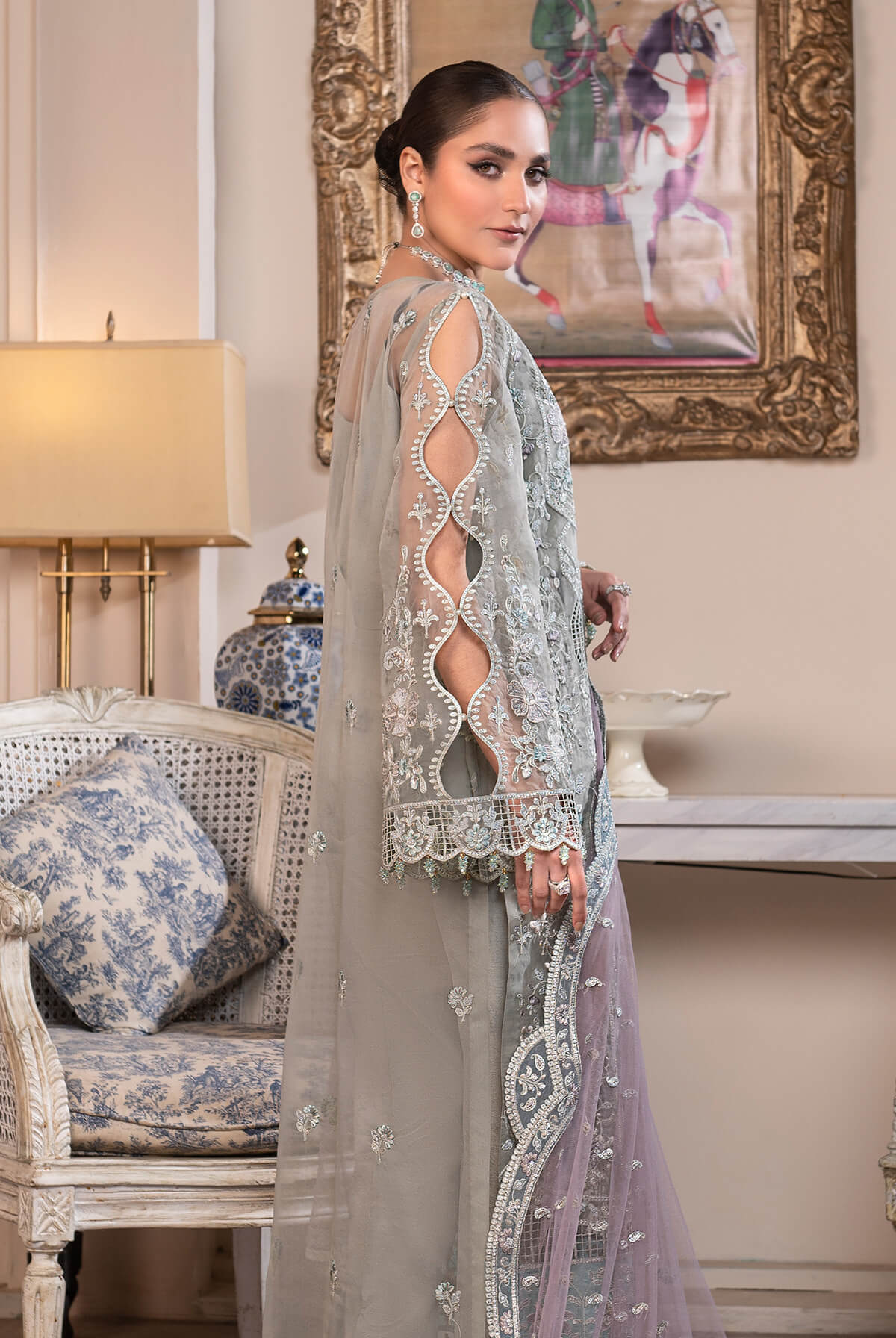
Original price was: ₨14,000.00.₨11,500.00Current price is: ₨11,500.00.
Sale!


Original price was: ₨15,500.00.₨13,500.00Current price is: ₨13,500.00.
Sale!


Original price was: ₨13,500.00.₨12,500.00Current price is: ₨12,500.00.
Pakistani Dress Wholesale Supplier Canada | Mastorat
Finding a dependable clothing supplier is an important step for retailers who want to build a successful ethnic fashion business. Across Canada, Pakistani clothing continues to attract customers who appreciate detailed embroidery, versatile fabrics, traditional craftsmanship, and contemporary designs. From everyday outfits to formal dresses for weddings and celebrations, these collections offer retailers opportunities to serve a diverse customer base.
For boutiques, online stores, and fashion entrepreneurs, choosing a Pakistani Dress Wholesale Supplier Canada can simplify inventory planning and provide access to a wider selection of traditional and modern clothing. Mastorat offers a range of Pakistani fashion collections for businesses interested in sourcing ethnic wear for their customers. Its catalog includes options for different occasions, styles, and retail requirements, allowing businesses to explore products that suit their market.
Whether you operate an established clothing store or are preparing to launch an online boutique, it is worth considering fabric quality, design variety, pricing, order quantities, and delivery arrangements before selecting a wholesale partner. Understanding these factors can help you make informed purchasing decisions and create a collection that reflects your customers' preferences.
Understanding the Pakistani Clothing Market in Canada
Canada has a diverse fashion market shaped by different cultures, seasonal celebrations, and changing consumer preferences. Pakistani clothing holds an important place within this market, particularly among customers looking for traditional South Asian outfits for family gatherings, religious occasions, weddings, and cultural events. The appeal of Pakistani fashion also extends beyond special occasions. Casual kurtas, printed suits, lightweight lawn outfits, and coordinated clothing sets offer practical choices for everyday wear. Meanwhile, embroidered formal dresses and luxurious fabrics appeal to shoppers seeking something distinctive for celebrations. For retailers, this variety creates opportunities to develop collections for different customer groups instead of relying on a single clothing category. A boutique may stock affordable daily wear alongside a smaller selection of premium formal outfits. An online store may focus on seasonal collections, ready-to-wear suits, or coordinated sets that are easy for customers to browse. Businesses sourcing clothing from abroad should also consider local preferences. Canadian customers may look for different fabrics depending on the season, while customers shopping for weddings and Eid may prioritize embroidery, colors, and formal finishing. A carefully selected inventory can help retailers respond to these different needs while maintaining a consistent brand identity.Why Choose Mastorat for Wholesale Pakistani Clothing?
Selecting a wholesale supplier involves more than comparing product prices. Retailers need to understand the available styles, fabric descriptions, product finishing, ordering process, and delivery arrangements before making a purchasing commitment. Mastorat provides a catalog of Pakistani clothing that businesses can explore when planning their inventory. Retailers can review the available collections and identify products that fit their preferred price range, target audience, and store concept. Businesses interested in exploring a broader selection can visit Pakistani catalogue dress wholesale to review relevant catalog options. When assessing a potential supplier, consider the following factors:- Product variety: A balanced selection of casual, semi-formal, and formal clothing can help a retailer serve different customer needs.
- Fabric and finishing: Material quality, stitching, embroidery, and garment construction influence customer satisfaction.
- Pricing structure: Wholesale costs should leave sufficient room for operating expenses and a reasonable retail margin.
- Order flexibility: Minimum order quantities and available sizes should fit the business's purchasing capacity.
- Shipping arrangements: Delivery costs, estimated transit times, customs requirements, and tracking options should be understood before ordering.
- Communication: Clear information about product availability, returns, and order processing makes supplier relationships easier to manage.
Exploring Different Pakistani Dress Collections
Pakistani clothing includes a wide range of styles, materials, and levels of embellishment. Offering several carefully selected categories can help retailers appeal to customers with different budgets and preferences.Designer Dresses for Special Occasions
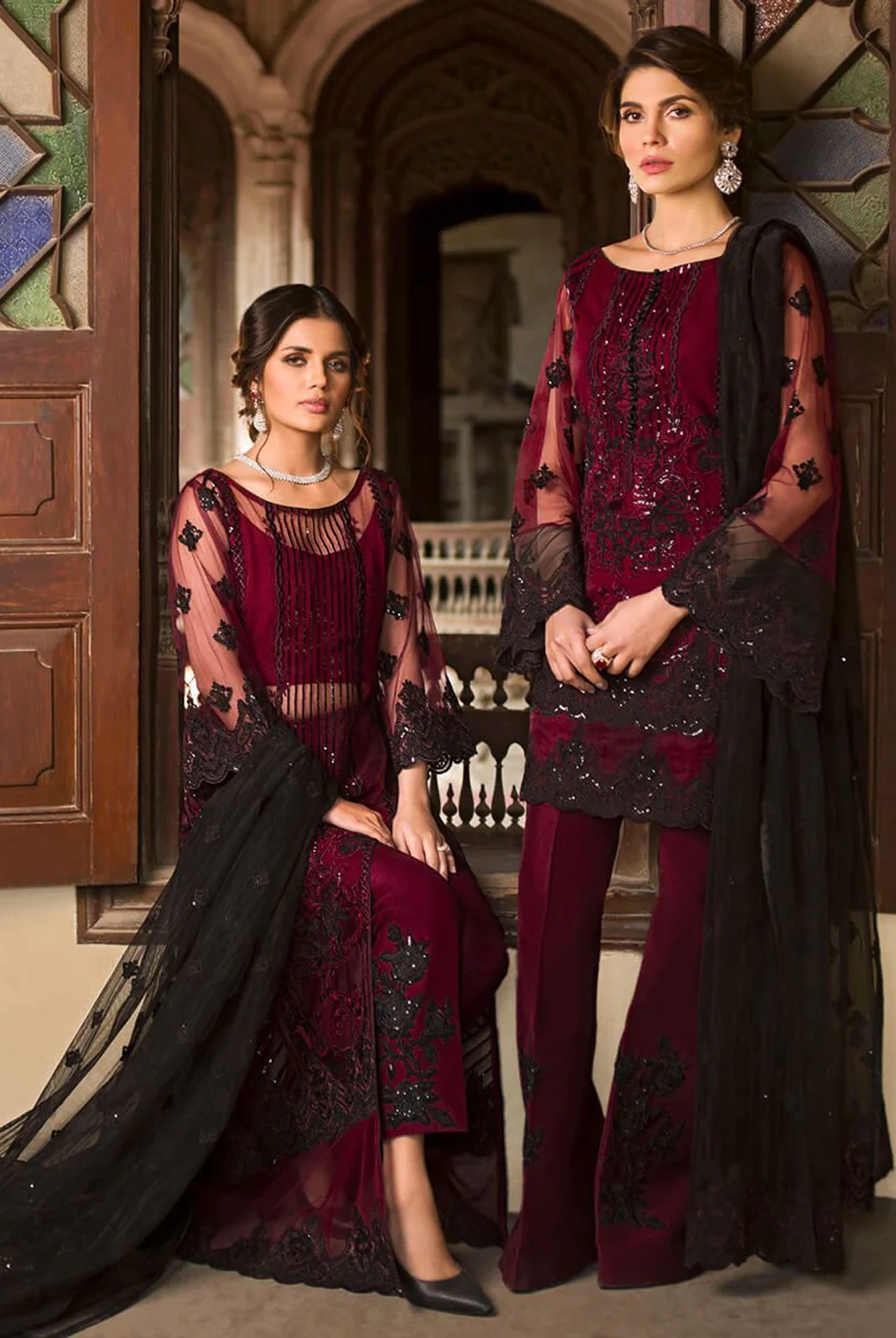
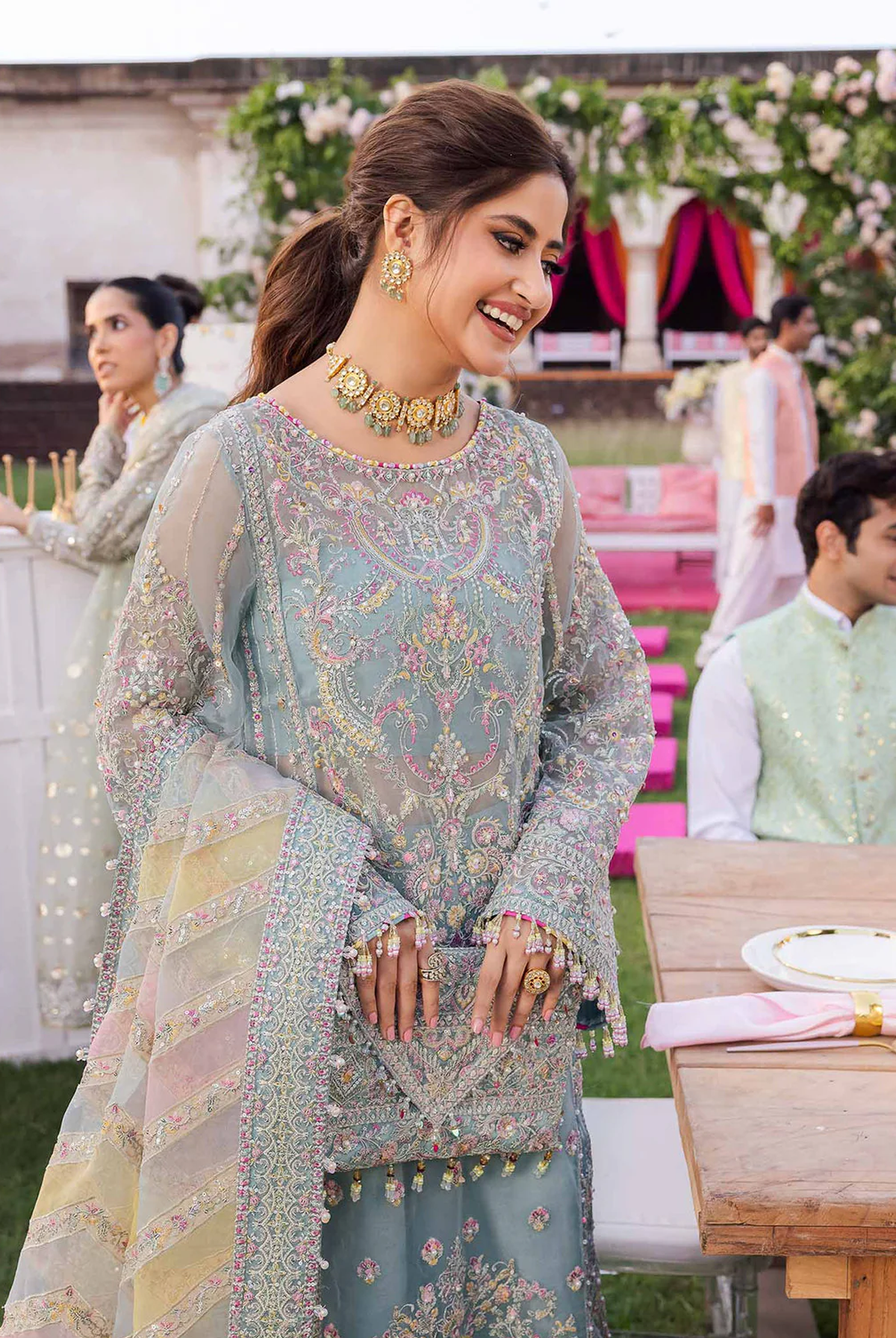
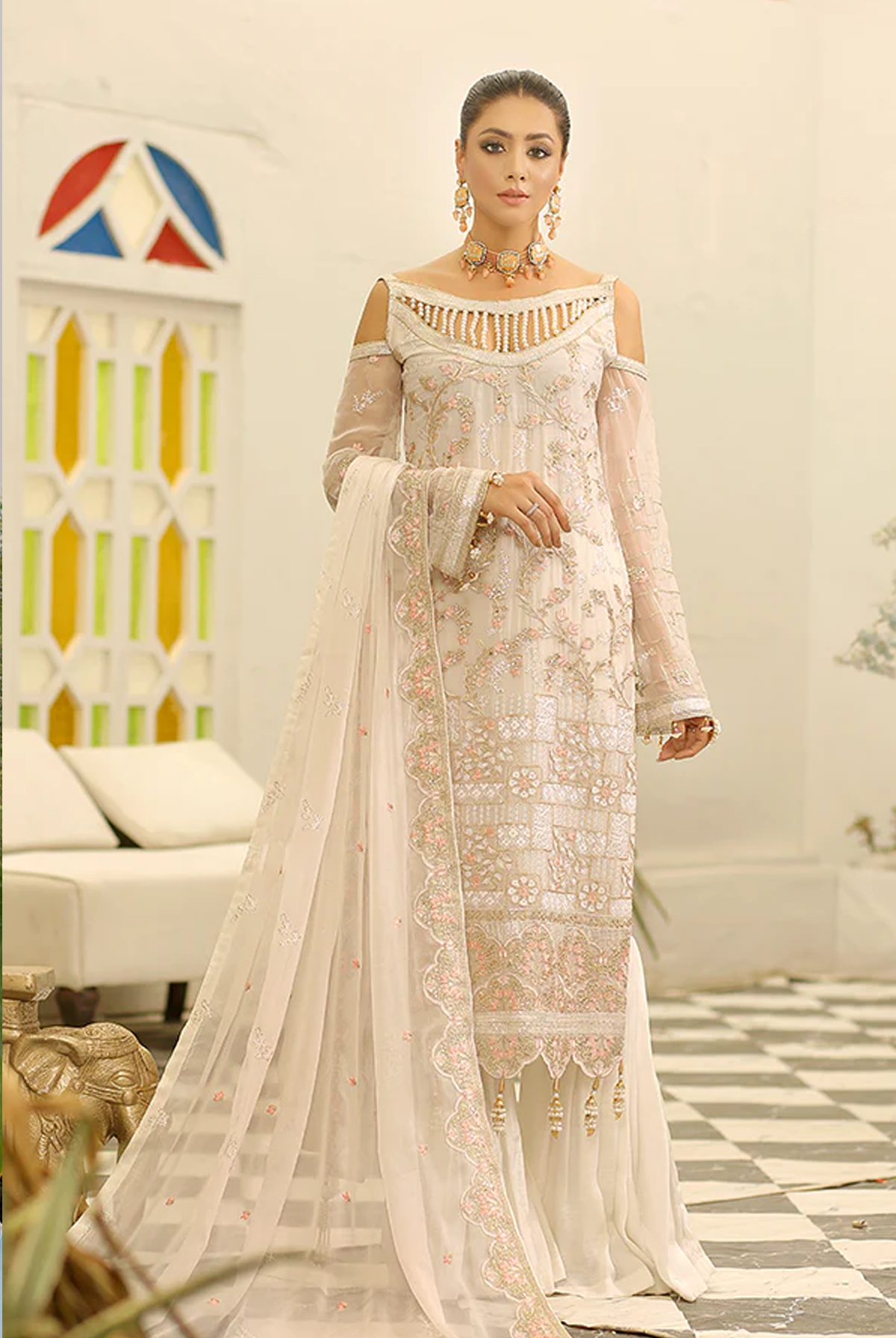
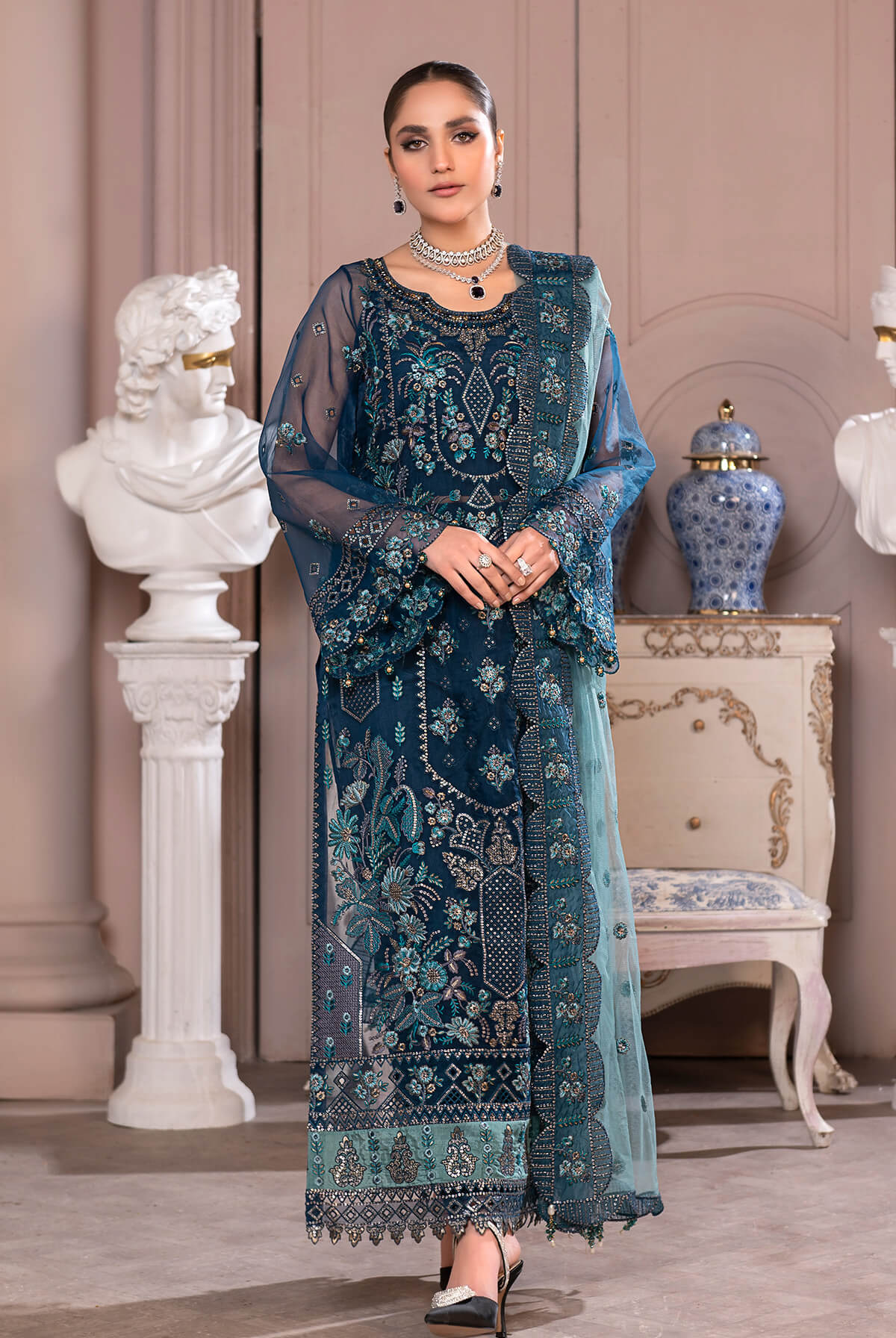
Designer outfits are popular for weddings, engagement celebrations, formal dinners, family functions, and festive gatherings. These garments may feature decorative embroidery, carefully selected fabrics, coordinated dupattas, and elaborate finishing. Retailers who want to develop a premium clothing section can explore Pakistani designer dresses and Pakistani designer suits. When selecting designer clothing for a Canadian audience, consider the occasions for which customers are shopping. Some may prefer heavily embellished outfits, while others may look for understated designs that can be worn at multiple events. It is also useful to compare garment measurements, lining details, embroidery placement, and fabric descriptions before placing an order. Clear product information helps retailers explain what customers can expect and reduces the likelihood of misunderstandings.Contemporary Pakistani Clothing
Traditional Pakistani clothing continues to evolve through updated cuts, modern color combinations, and styling choices that appeal to younger customers and shoppers with contemporary tastes. Retailers can explore Pakistani designer clothes online when researching styles suitable for a modern boutique or online store. Contemporary collections may include coordinated suits, modern kurtas, stylish two-piece sets, and formal outfits with restrained embellishment. The most suitable products will depend on the retailer's audience, existing inventory, and preferred brand positioning. Rather than purchasing every trending style, businesses should review which designs complement their current collection. A consistent selection is often easier to market than a large inventory of unrelated products.Everyday and Casual Wear
Casual clothing is an important category for retailers who want to offer products throughout the year. Customers may look for comfortable kurtas, printed suits, lightweight fabrics, and simple coordinated outfits for everyday activities. A retailer can explore Pakistani dress in wholesale when researching clothing options for this segment. Casual collections should balance appearance with practicality. Breathable fabrics, comfortable cuts, wearable colors, and straightforward care instructions can all influence purchasing decisions. Stocking a variety of designs in a carefully chosen color palette may also make it easier to coordinate outfits with accessories already available in the store.Dress Materials for Custom Tailoring
Some customers prefer buying unstitched fabric so they can select their own measurements, neckline, sleeves, and overall outfit design. Dress materials can therefore be a useful addition to a retailer's product range. Businesses can review Pakistani dress material wholesale to explore this category. When purchasing unstitched material, retailers should pay attention to fabric composition, available lengths, included components, color consistency, and embroidery details. These factors help determine whether the material meets customer expectations. Offering both ready-to-wear outfits and unstitched fabric may also allow a boutique to serve shoppers who prefer convenience as well as those who want a more personalized garment.Choosing Fabrics for the Canadian Market
Fabric selection affects the appearance, comfort, care requirements, and intended use of a garment. Canadian retailers should consider both the local climate and the occasions for which customers are purchasing clothing.Lawn and Lightweight Cotton
Lawn is commonly associated with warm-weather Pakistani fashion. Its lightweight feel and printed designs make it suitable for many casual and seasonal collections. Retailers may consider lawn outfits when planning spring and summer inventory. They should still review the fabric description and care instructions for each product rather than assuming every garment has identical characteristics.Chiffon and Embellished Fabrics
Chiffon is often used in occasion wear because of its flowing appearance and suitability for layered designs. It can be paired with embroidery or decorative details to create formal outfits. For boutiques selling chiffon garments, it is helpful to provide clear information about lining, transparency, included accessories, and care requirements. These details can help customers choose an outfit that meets their expectations.Silk and Premium Materials
Silk and silk-like fabrics can be suitable for selected formal collections. Their appearance, drape, and finish may appeal to customers shopping for weddings and special events. Retailers should verify the exact fabric composition before describing a garment as silk. Accurate product descriptions help build customer trust and support responsible marketing.Embroidery, Stitching, and Finishing
Fabric alone does not determine garment quality. Stitching, seam finishing, embroidery attachment, color consistency, and the placement of decorative elements also matter. Before committing to a large order, businesses should request available product photographs, detailed specifications, or samples where possible. A clear quality-checking process can help identify issues before clothing reaches customers.Building a Profitable Retail Collection
A successful clothing business needs an inventory that reflects customer demand while keeping purchasing costs manageable. Buying large quantities of every available style can tie up working capital and make it difficult to respond to changing trends. Retailers should start by identifying their main customer groups. A boutique serving customers who regularly attend weddings may need a stronger formal collection. A store focused on everyday clothing may benefit from a larger selection of casual suits and practical designs. A balanced inventory can include three broad categories:- Core products: Reliable styles that suit the store's regular customers.
- Seasonal products: Clothing selected for Eid, wedding periods, warmer weather, and other occasions.
- Premium or experimental products: A smaller selection of distinctive designs that allows the business to test customer interest.
Expanding Your Product Range Through Wholesale Sourcing
Wholesale sourcing gives retailers an opportunity to offer products that may be difficult or expensive to obtain through small individual purchases. However, the value of a supplier depends on how well its products match the business's actual requirements. Retailers exploring Pakistani dress wholesale can use the available catalog to identify relevant clothing categories and compare their suitability for the store. It is sensible to evaluate several details before confirming an order:- The number of pieces included in each design or set.
- Available sizes and whether garments are stitched or unstitched.
- Product photographs and fabric specifications.
- Wholesale prices and any additional charges.
- Minimum order requirements.
- Estimated shipping costs and delivery arrangements.
- Policies for damaged, incorrect, or unavailable items.
Opportunities for Canadian Boutiques
Independent boutiques often compete by offering a carefully selected range of products and providing a more personal shopping experience. Pakistani clothing can support this approach when the assortment reflects the preferences of the local customer base. A boutique might organize its collection by occasion, fabric, price range, or style. For example, customers shopping for a wedding outfit may appreciate a dedicated formalwear section, while shoppers looking for casual clothing may prefer a collection of everyday suits and kurtas. Retailers can also create themed displays around seasonal occasions. Coordinated colors, complementary accessories, and clear product descriptions can make it easier for shoppers to discover suitable outfits. For businesses with physical stores, staff knowledge is another advantage. Employees who can explain fabric differences, garment care, sizing, and styling options can help customers make informed decisions. A boutique does not necessarily need an enormous inventory to create a strong shopping experience. A focused collection with consistent quality and clear product information can be more useful than a larger assortment that lacks direction.Opportunities for Online Clothing Businesses
E-commerce allows retailers to reach customers beyond their immediate neighborhood. A Canadian business can use an online store to present Pakistani clothing to shoppers across different provinces, subject to its shipping and fulfillment capabilities. When selecting products from Pakistani dress wholesale online, retailers should consider how each garment will be presented digitally. High-quality product photographs are particularly important for clothing. Images should show the garment clearly, while descriptions should explain the fabric, color, included pieces, stitching status, available sizes, and care instructions. Size information deserves special attention. Measurements should be accurate and presented consistently so customers can compare products before ordering. Online retailers should also establish clear policies for delivery, exchanges, returns, and customer support. These policies help set expectations and give shoppers more confidence when buying clothing they cannot inspect in person. Social media can support product discovery, but businesses should use it to communicate genuine product information rather than relying entirely on promotional claims. Styling suggestions, fabric explanations, and collection previews can provide useful context for prospective customers.Understanding Seasonal Demand
Seasonal planning helps retailers decide when to introduce particular products and how much inventory to purchase. Pakistani clothing demand can change around Eid, wedding seasons, family celebrations, and periods when customers update their wardrobes. For example, formal outfits may receive greater attention ahead of major celebrations, while lightweight fabrics can be more relevant during warmer months. Casual clothing can provide a steadier foundation throughout the year. Retailers should use their own sales records, customer feedback, and supplier information to estimate demand. Cultural calendars can help with planning, but actual purchasing patterns vary by location and customer group. It is also wise to order seasonal inventory with sufficient time for international delivery. Businesses should account for production lead times, shipping estimates, customs processing, and local distribution rather than assuming that all orders will arrive on the same schedule. A practical seasonal plan can include an order deadline, a target stock level, a marketing schedule, and a backup selection of products in case popular designs become unavailable.International Sourcing and Global Fashion Markets
Pakistani clothing is sold through a range of international retail channels. Exploring suppliers and market information from different regions can help retailers understand variations in design preferences, product availability, and pricing. For businesses researching other markets, the following Mastorat pages may provide useful context:- Pakistani dress wholesale in Pakistan
- Pakistani dress wholesale in USA
- Pakistani dress wholesale in Dubai
- Pakistani dress wholesale in Mumbai
- Pakistani dress wholesale in Dhaka
Comparing Wholesale Prices and Retail Margins
Competitive wholesale pricing can support a retail business, but the lowest purchase price does not always provide the best overall value. A garment that requires additional finishing, has inconsistent sizing, or arrives later than expected may create expenses that reduce the apparent savings. Retailers should compare products using the total cost of receiving and preparing them for sale. A simple costing process can include:- Purchase cost per garment.
- International shipping and handling.
- Applicable import duties and taxes.
- Payment and currency-conversion fees.
- Packaging and local fulfillment.
- Expected costs associated with returns or damaged goods.
- Other operating expenses allocated to the product.
Shipping and Import Considerations for Canada
International shipping is a central part of wholesale purchasing. Before placing an order, Canadian retailers should clarify how products will be packed, dispatched, tracked, and delivered. A supplier may provide shipping estimates, but the final transit time can depend on the courier, shipping method, customs processing, and other circumstances. Retailers should therefore build a reasonable buffer into their inventory plans. It is also important to confirm who is responsible for applicable duties, taxes, and import-related charges. The retailer should understand whether these costs are included in the quoted price or payable separately. Before completing a purchase, ask the supplier about:- Available shipping methods.
- Estimated dispatch and transit times.
- Shipment tracking.
- Packaging standards.
- Responsibility for customs documentation.
- Potential duties, taxes, and other charges.
- Procedures for damaged or missing items.
Quality Control Before and After Delivery
A consistent quality-control process can protect a retailer's reputation and reduce avoidable disputes. Before ordering, businesses should review product photographs, garment specifications, and any available samples. If a collection contains several designs, they should confirm whether the quoted price and specifications apply to every design or only selected items. When an order arrives, retailers can inspect the shipment for quantity, size distribution, visible defects, color differences, stitching issues, and missing components. Keeping invoices, order confirmations, and shipment records also makes it easier to resolve discrepancies. Any problem should be documented and reported according to the supplier's stated procedure. Retailers selling online should carry this quality-control process into product photography and descriptions. Accurate images and specifications help ensure that customers receive clothing that matches what they ordered. Quality assurance is not only about avoiding defects. It also involves maintaining consistent standards across repeat orders so that customers know what to expect from the store.Creating a Strong Brand Identity With Pakistani Fashion
A retailer's brand is shaped by more than the garments it sells. Product selection, presentation, service, packaging, and communication all influence how customers perceive a business. A store specializing in Pakistani fashion can build its identity around a clear concept, such as contemporary everyday clothing, premium occasion wear, family celebration outfits, or a combination of traditional and modern designs. Consistent photography and thoughtful product organization can make an online catalog easier to navigate. In a physical boutique, clear displays and helpful product information can create a more organized shopping experience. Retailers should also communicate accurately about the origin, fabric, craftsmanship, and care requirements of their products. Avoiding unsupported claims makes the brand more credible and helps customers choose clothing with realistic expectations. Repeat customers are often important to long-term retail growth. Reliable sizing information, responsive customer service, and a clear approach to resolving problems can encourage shoppers to return.Marketing Pakistani Clothing to Canadian Customers
Effective marketing begins with understanding what customers want to know before purchasing a garment. Some shoppers prioritize fabric and comfort, while others focus on embroidery, color, occasion, price, or styling. Product pages and promotional materials should address these practical considerations rather than repeating the same sales language. Retailers can organize marketing campaigns around specific collections, such as casual suits, formal dresses, festive outfits, or unstitched materials. This makes campaigns more relevant to shoppers with different interests. Useful marketing content may include:- Guides explaining differences between common fabrics.
- Suggestions for choosing outfits for weddings and celebrations.
- Product-care instructions.
- Styling ideas for casual and formal clothing.
- Explanations of garment measurements and sizing.
- Previews of newly available collections.