 Wholesale
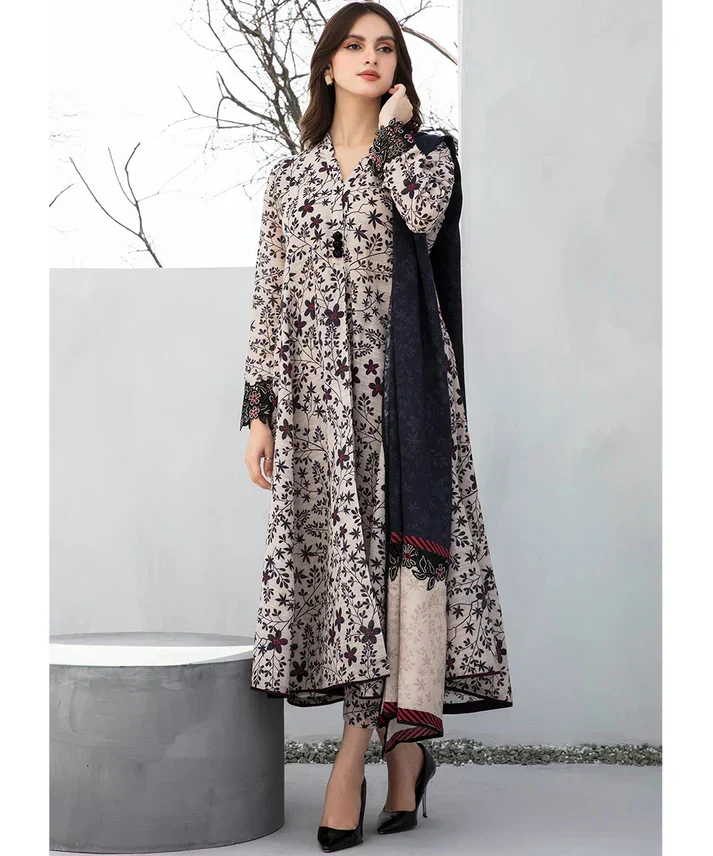
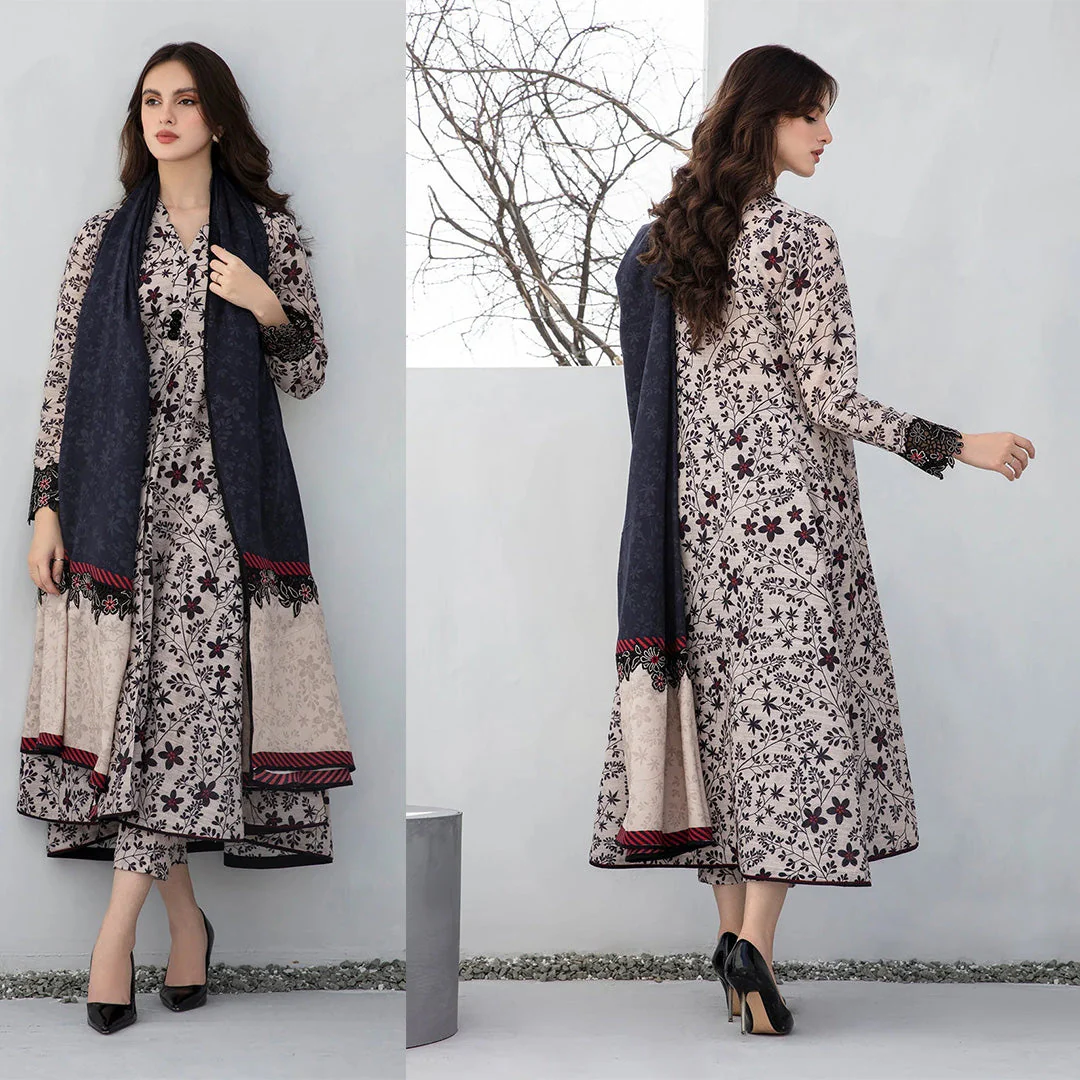
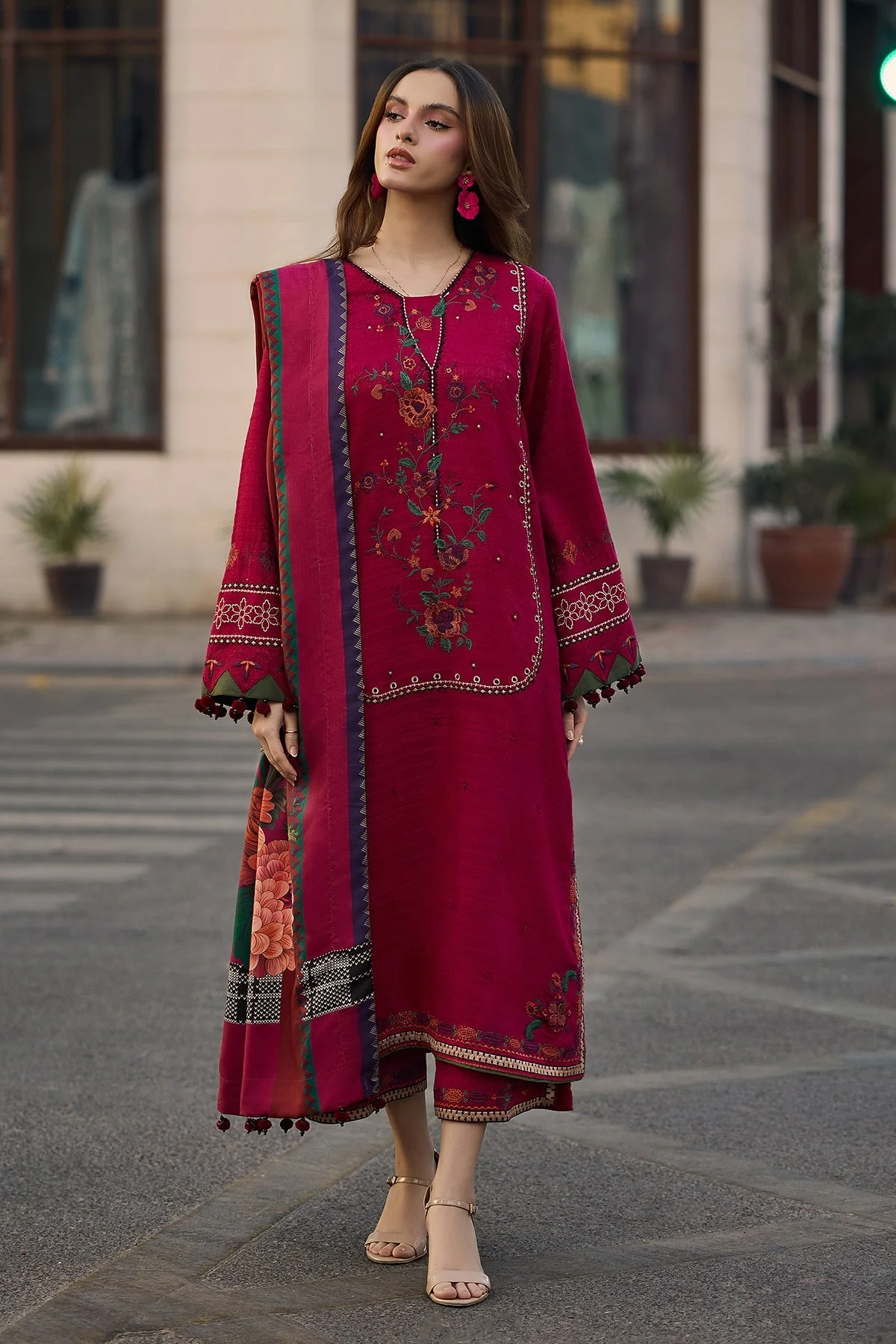
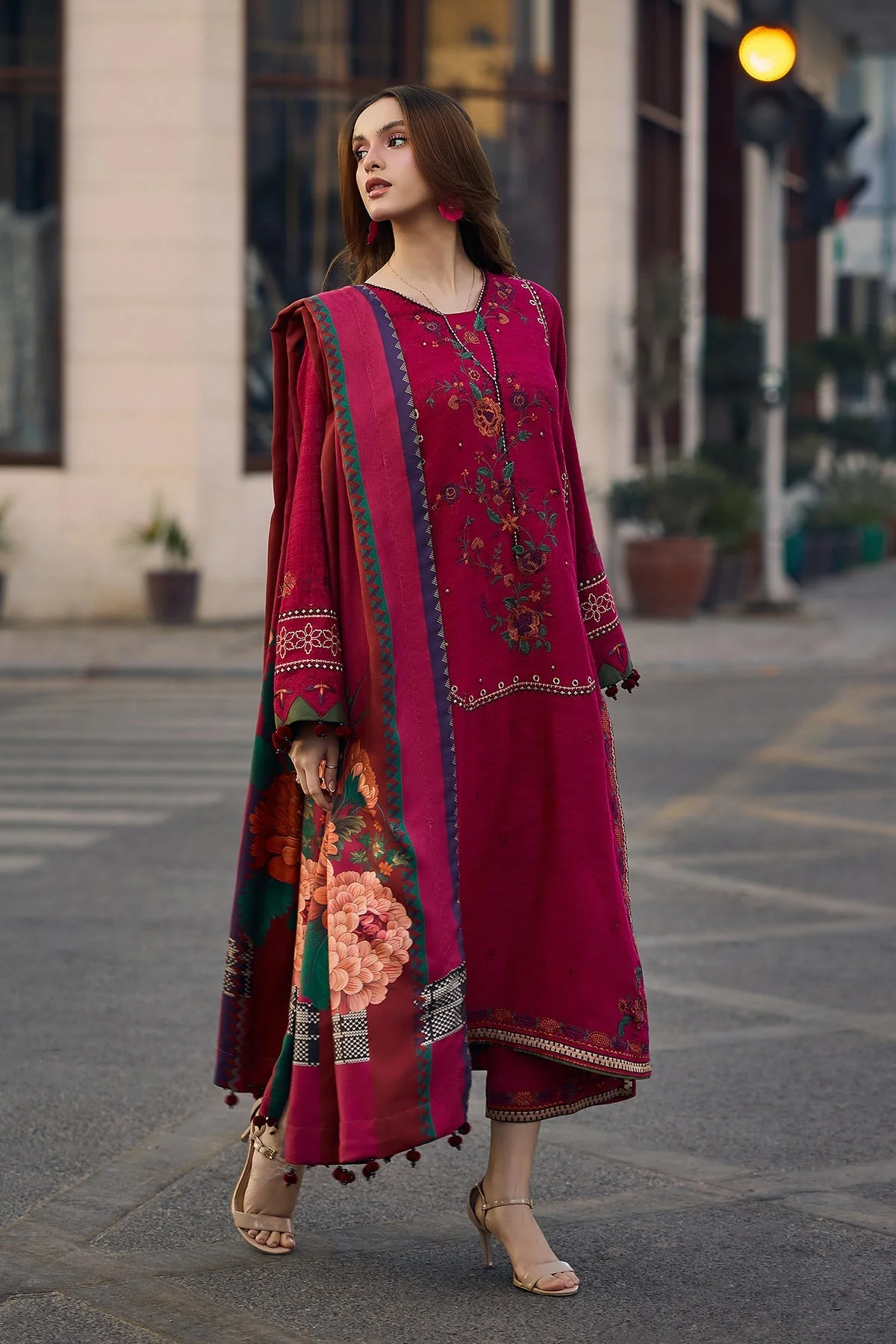
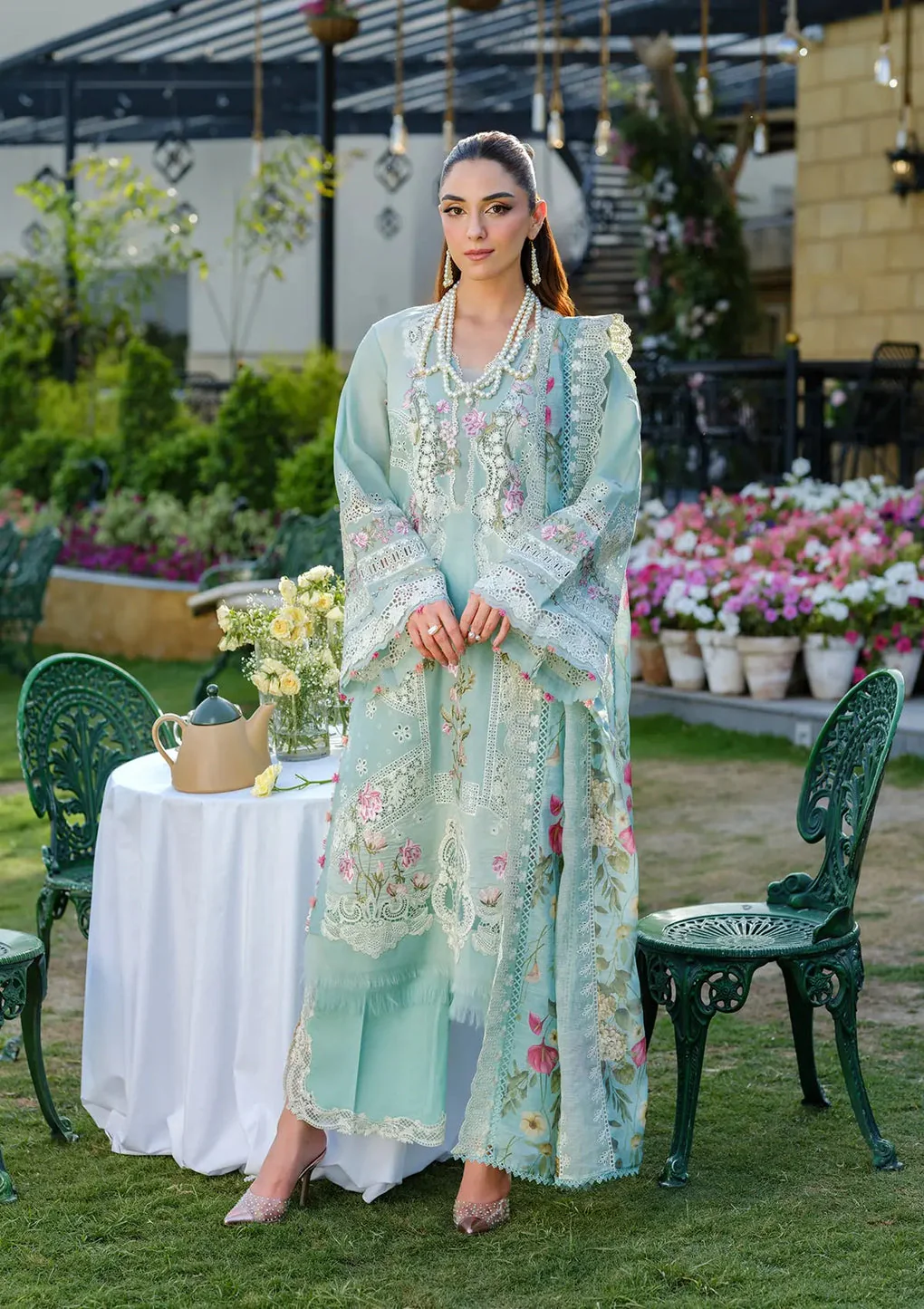
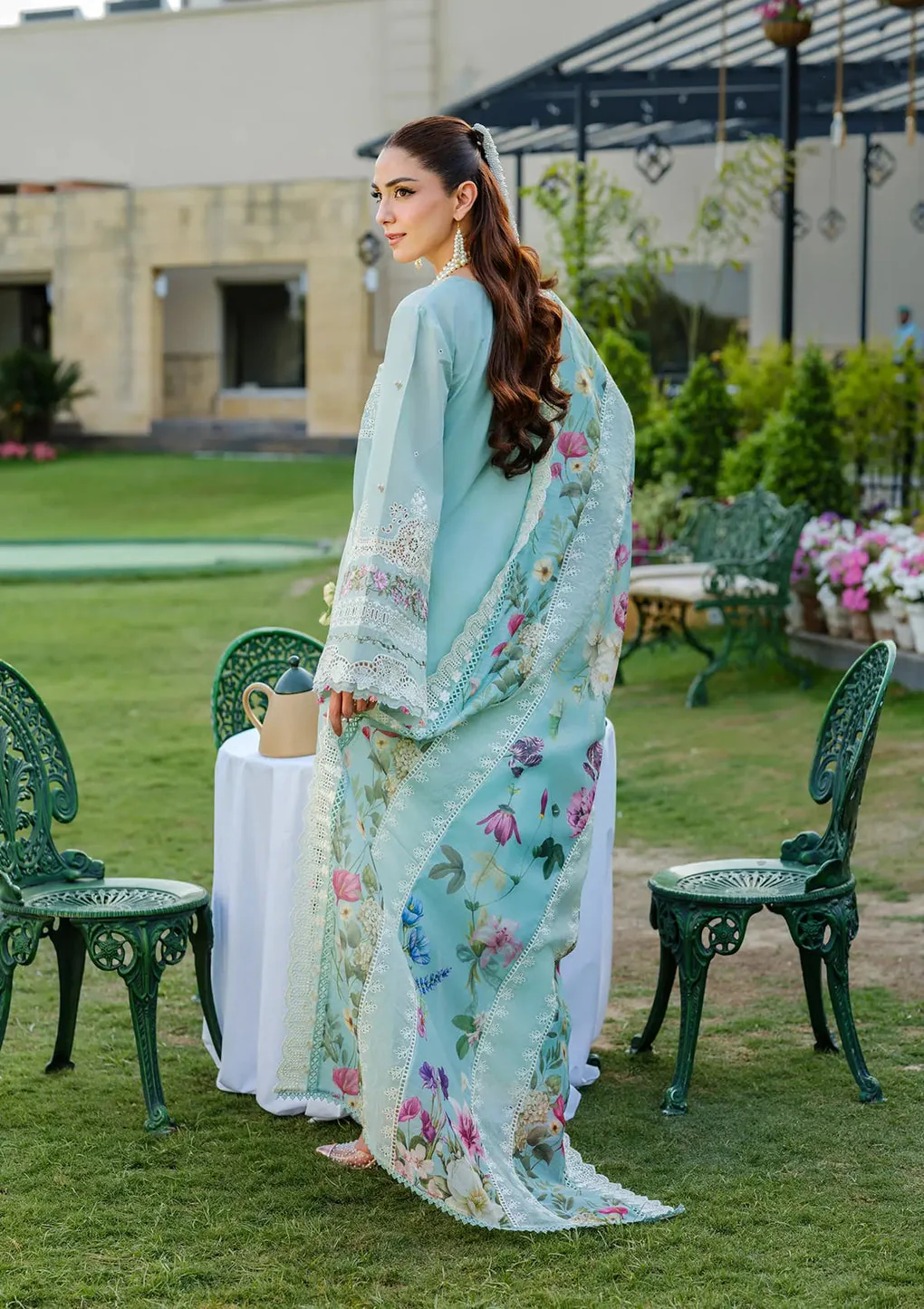
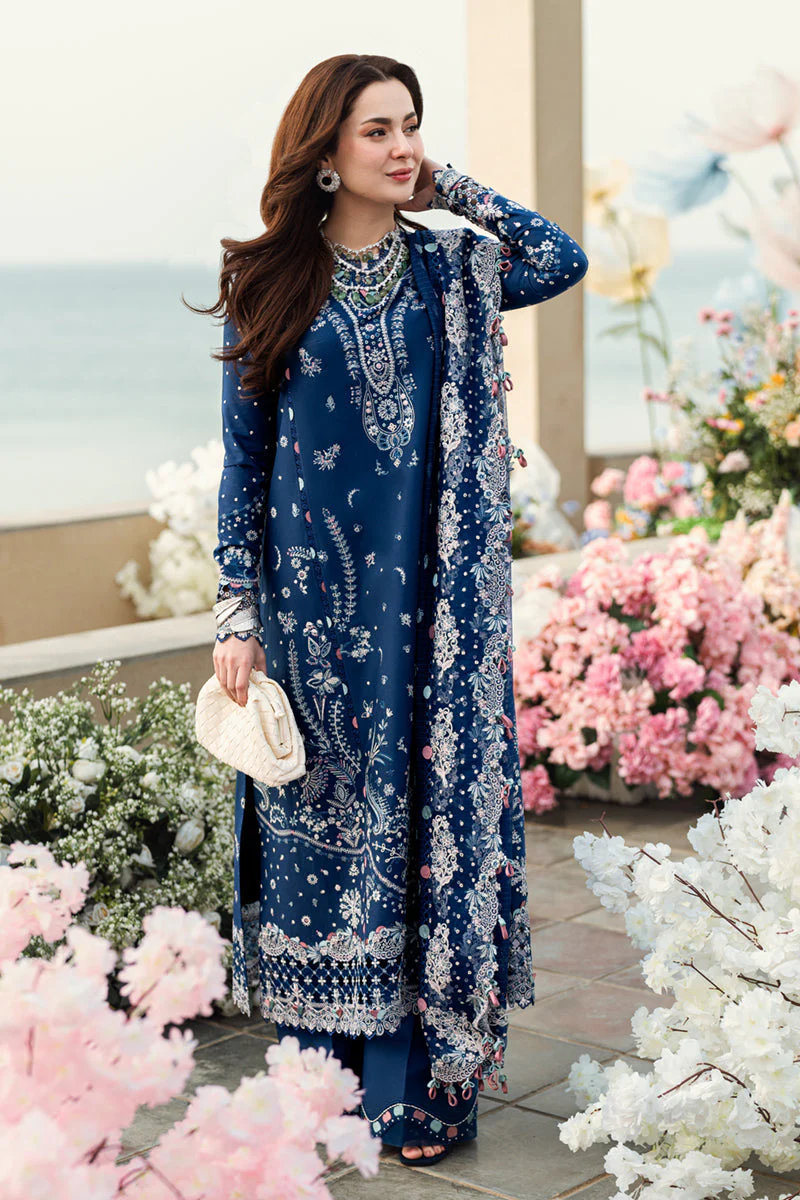
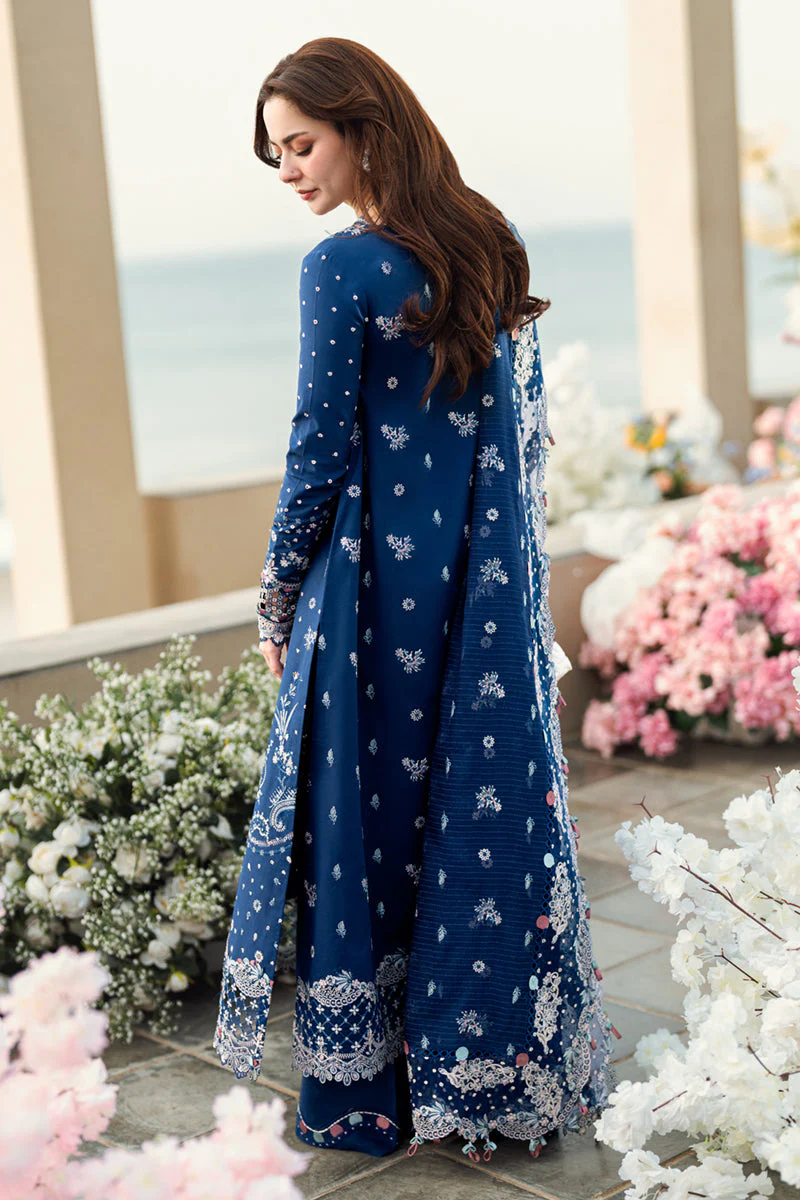
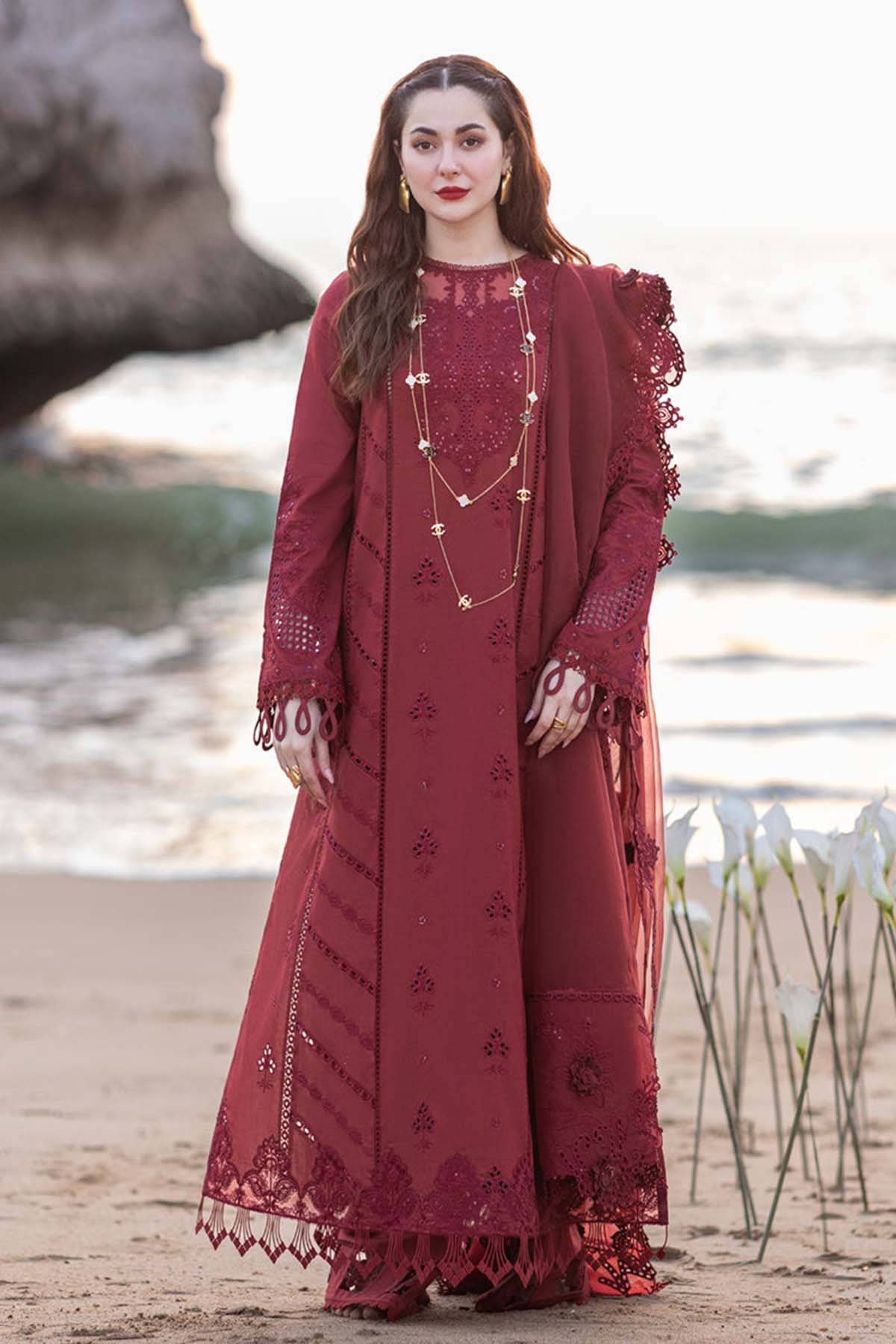
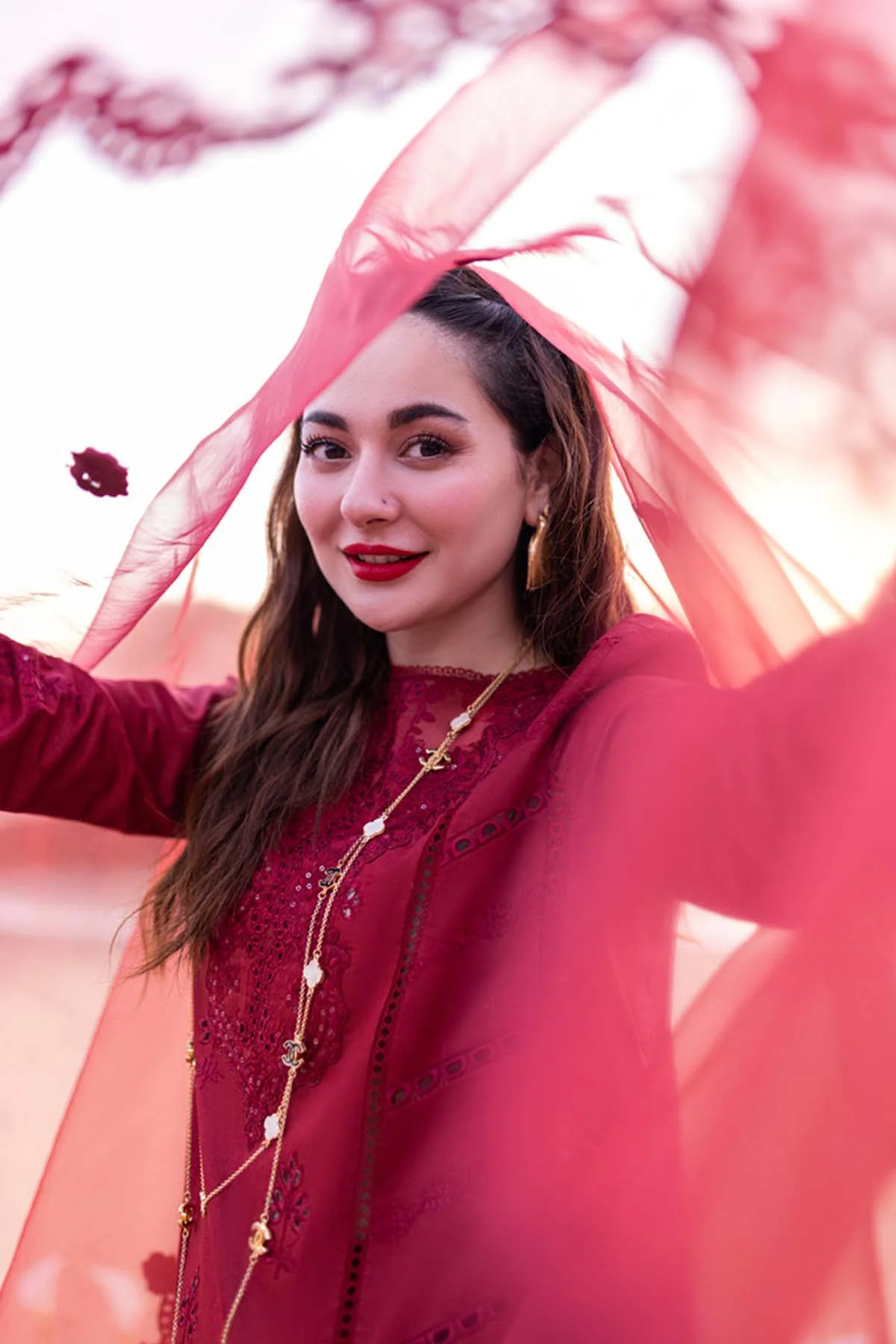
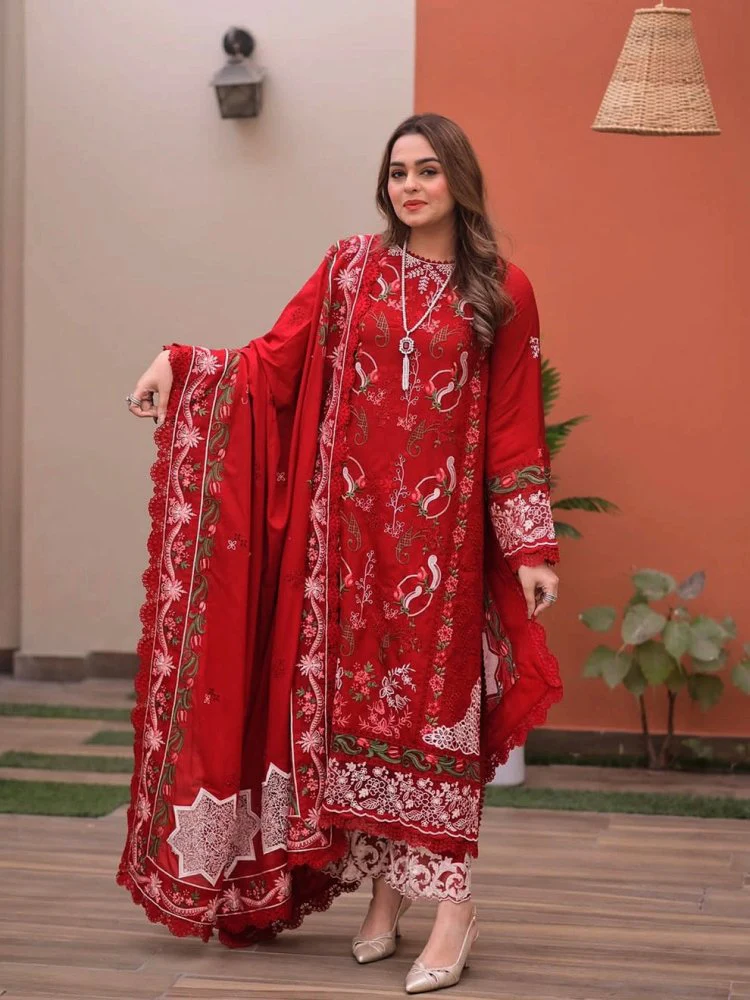
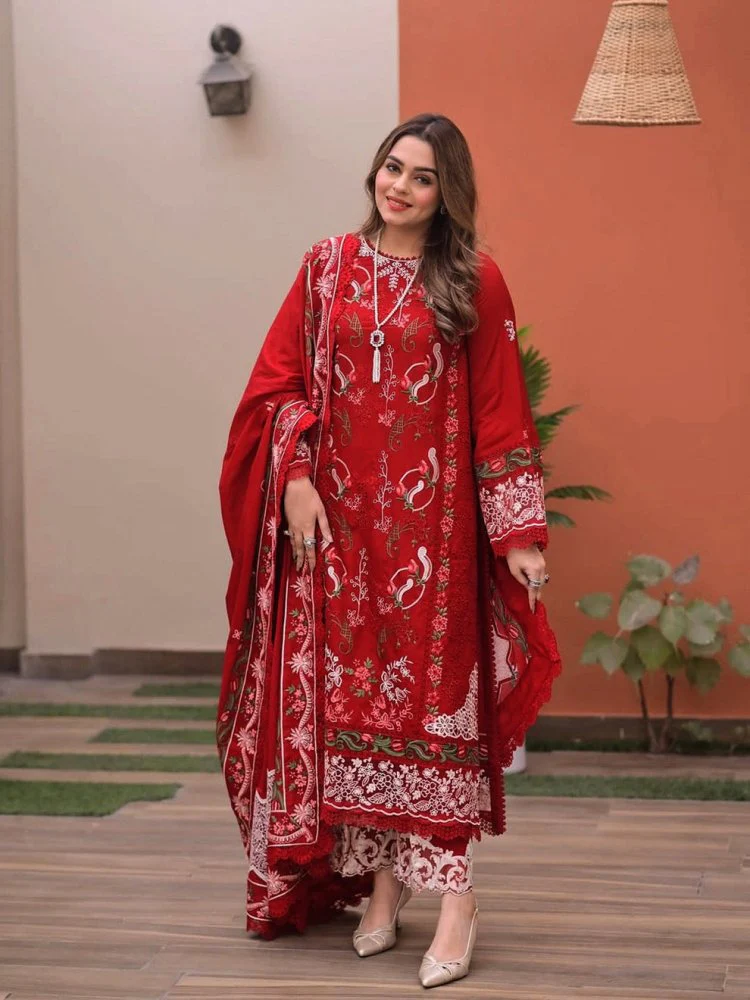
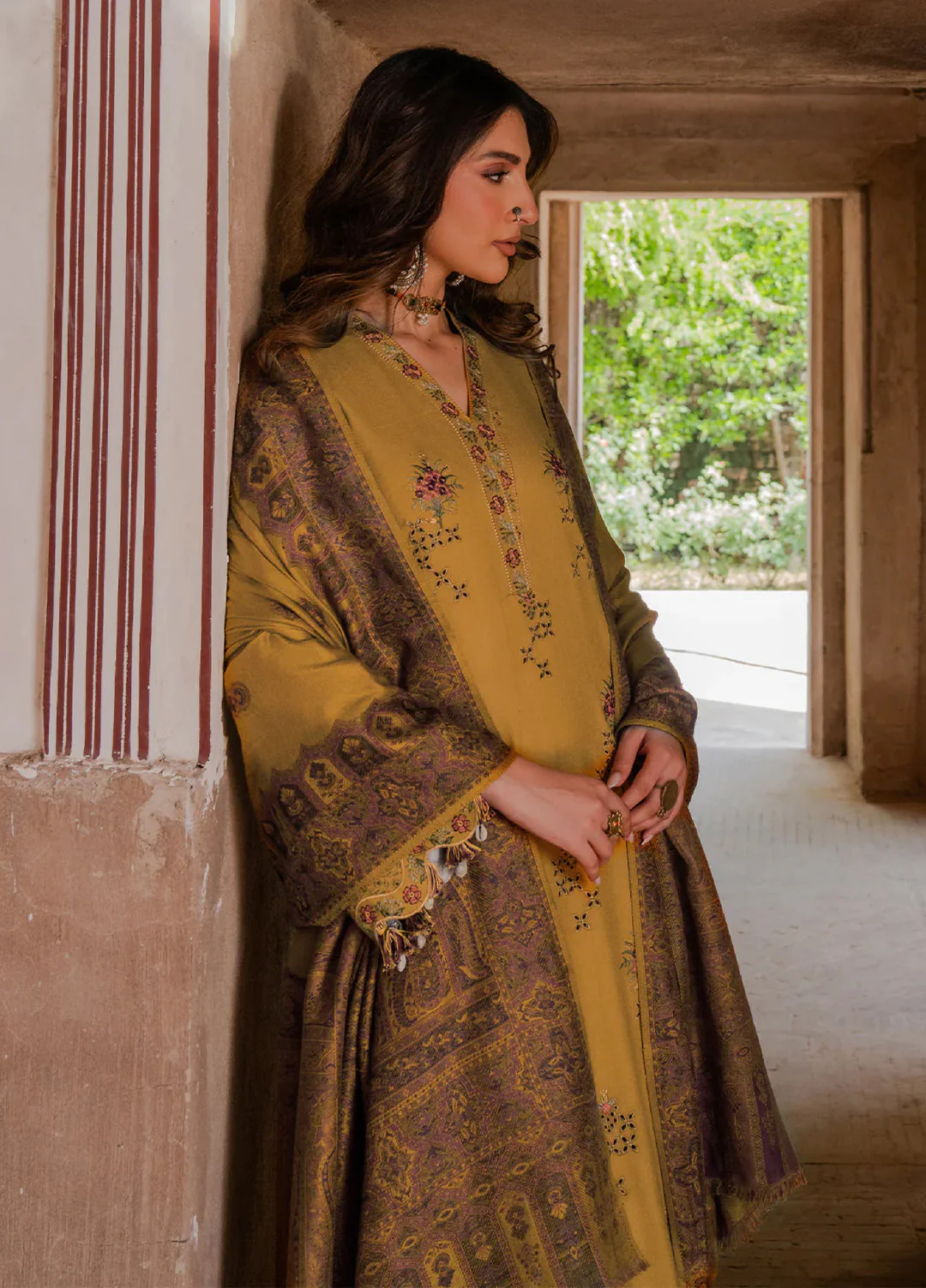
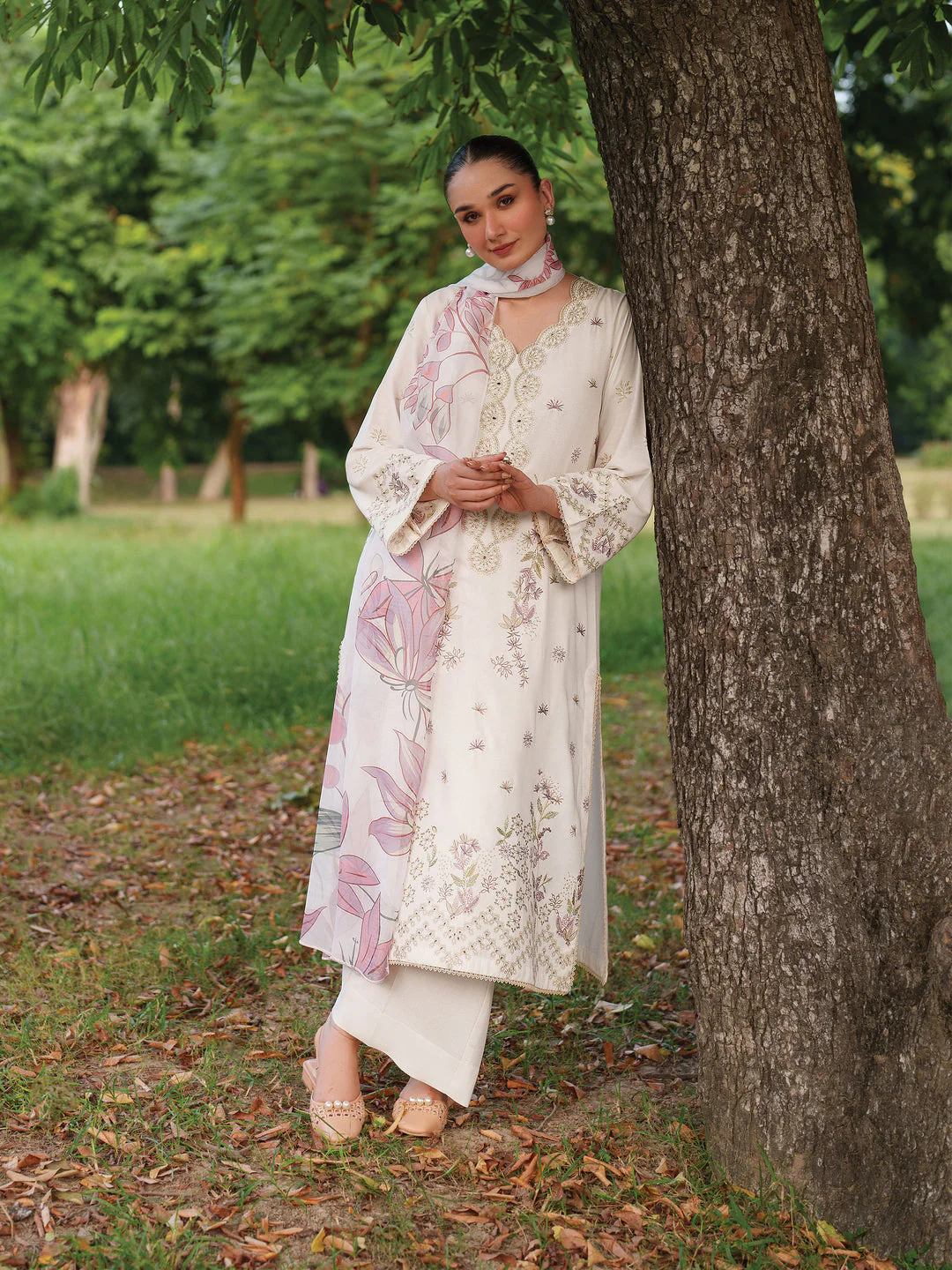
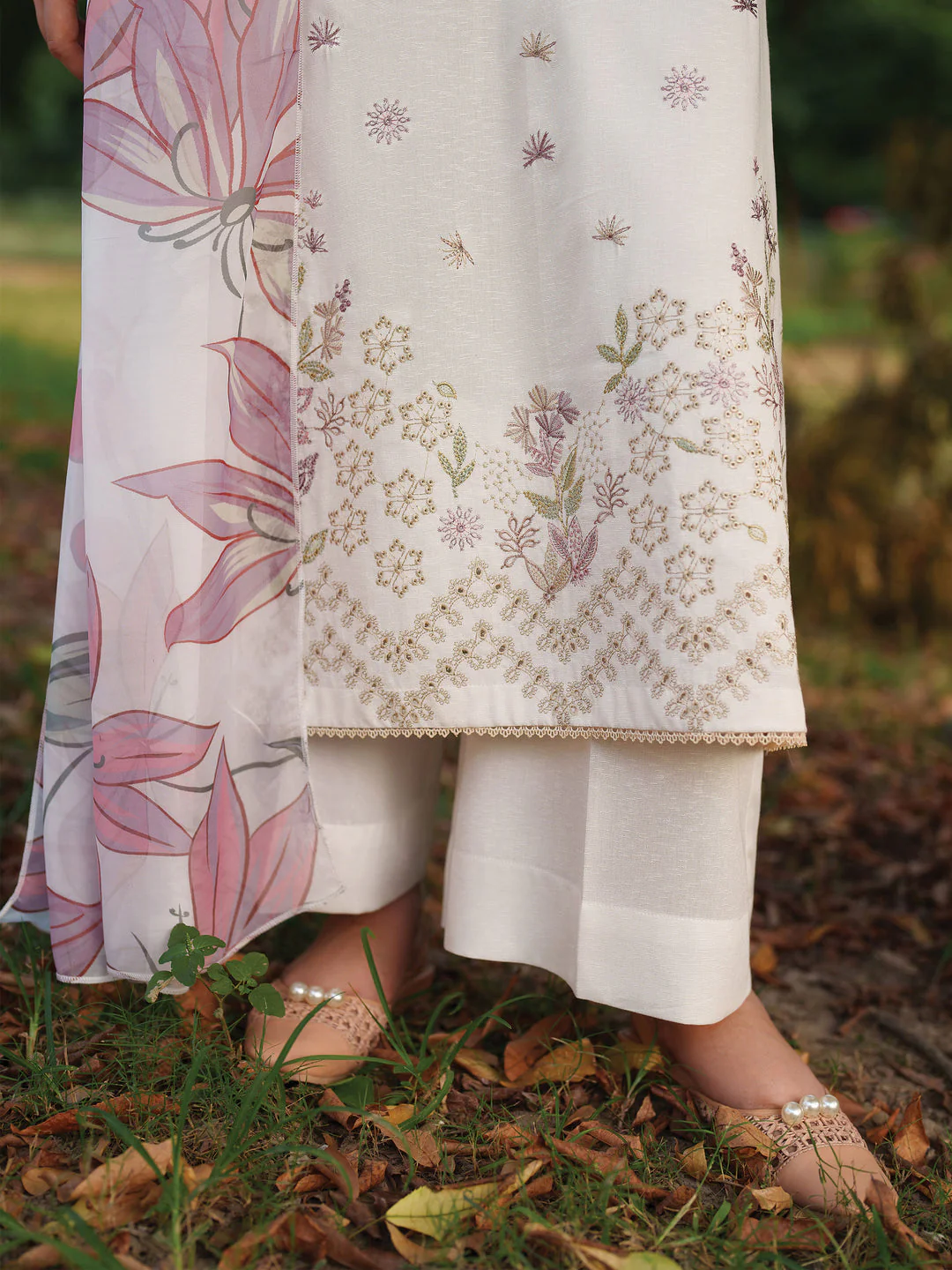
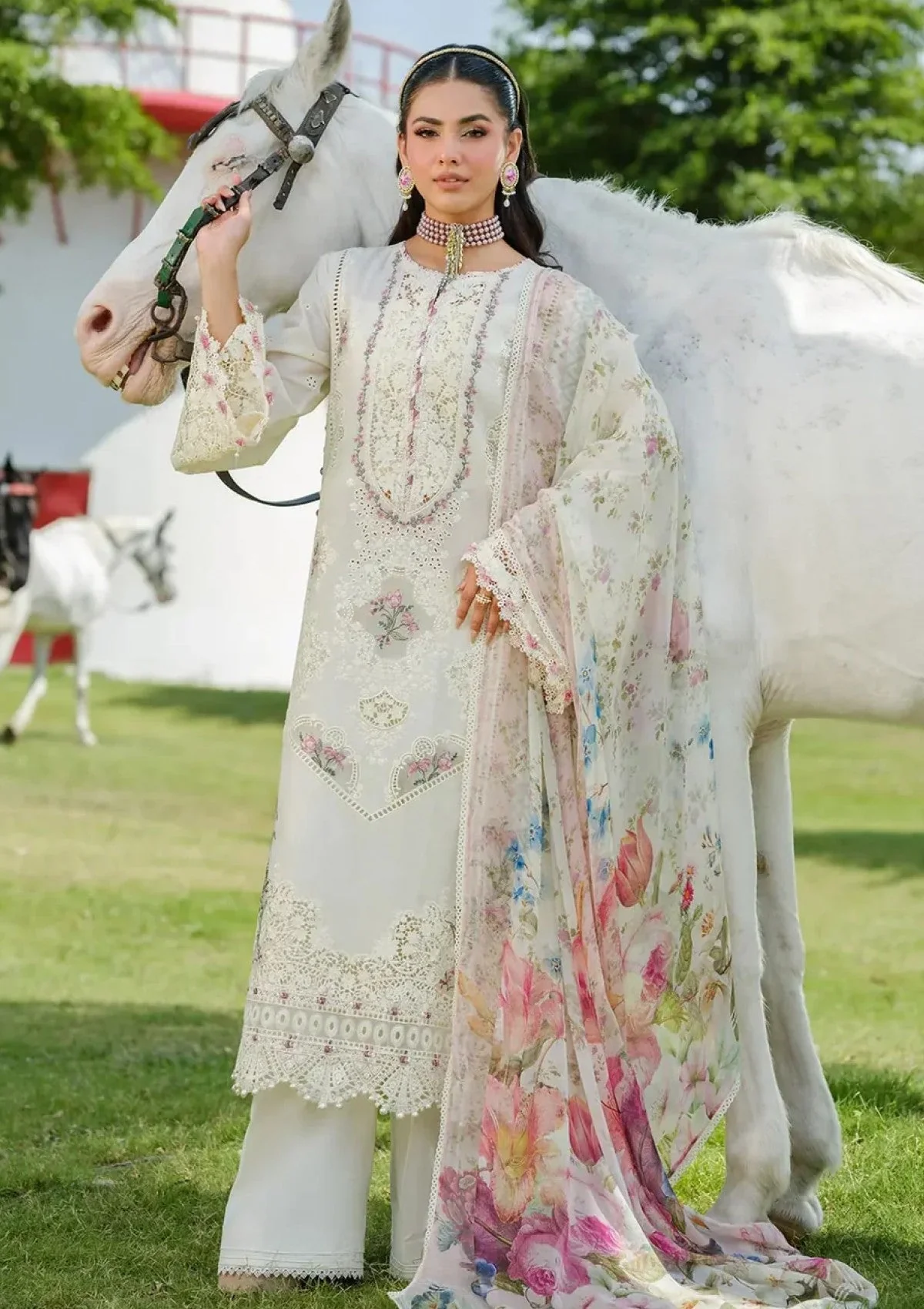
3 Piece Lawn Suit Wholesale Pakistan

83 wholesale designs · low MOQ · new arrivals every week · worldwide delivery. Prices are shared on request so you always get current wholesale rates for your country.
Wholesale
 Wholesale
 Wholesale
 Wholesale
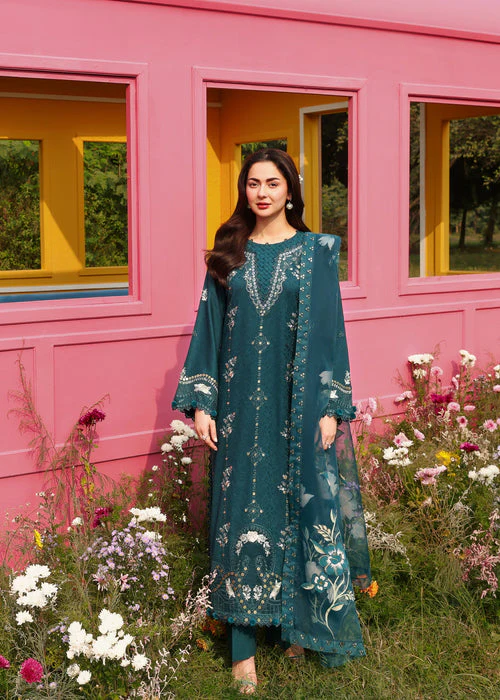
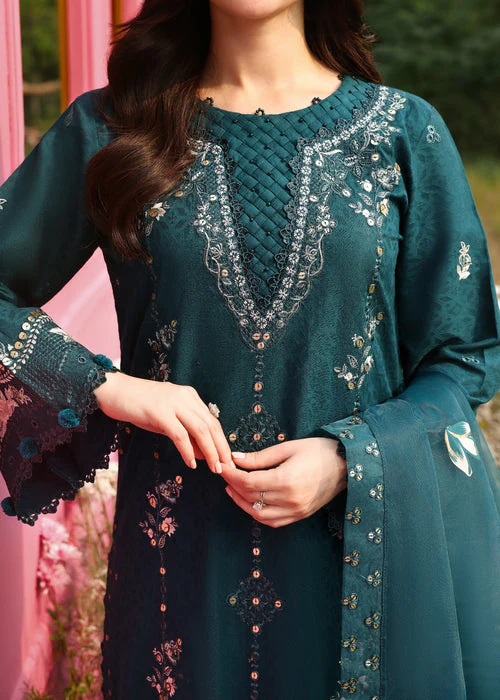 Wholesale
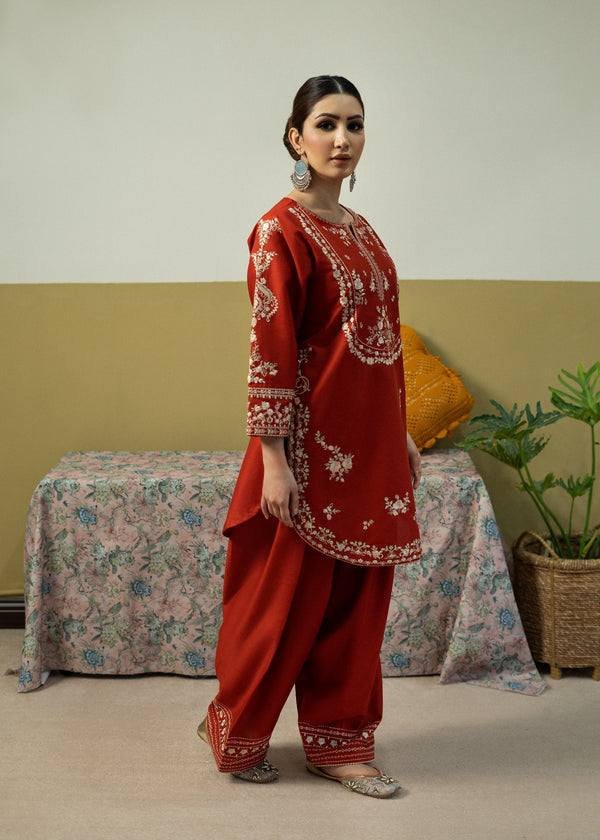
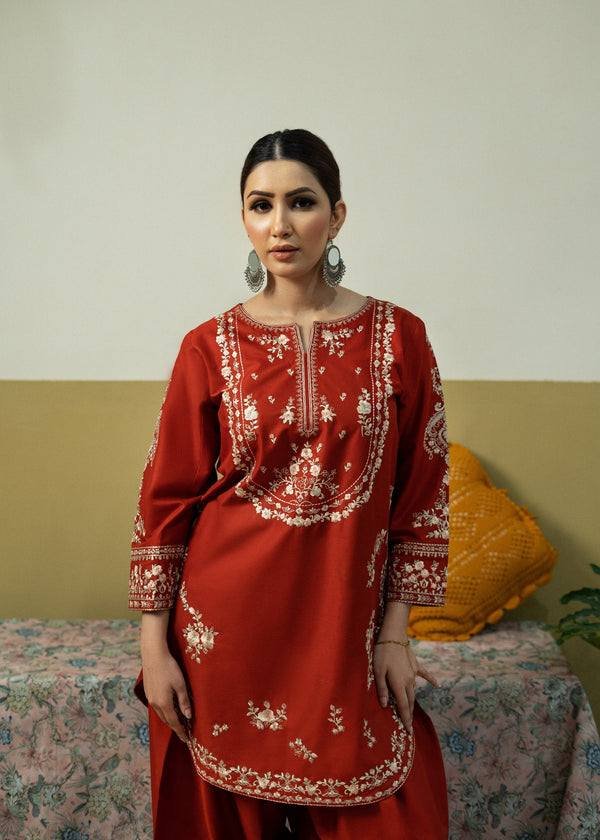 Wholesale
 Wholesale
 Wholesale
 Wholesale
 Wholesale
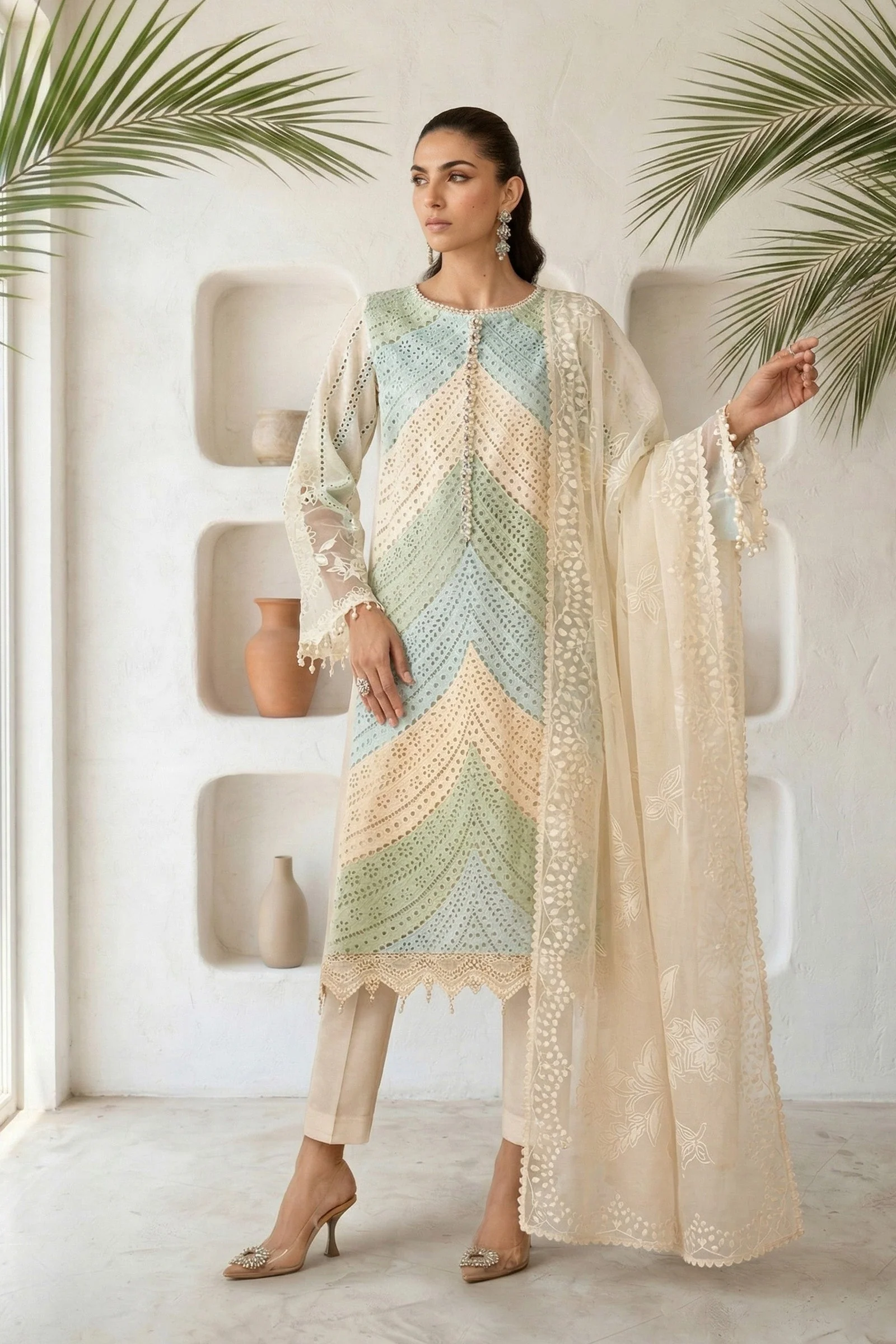
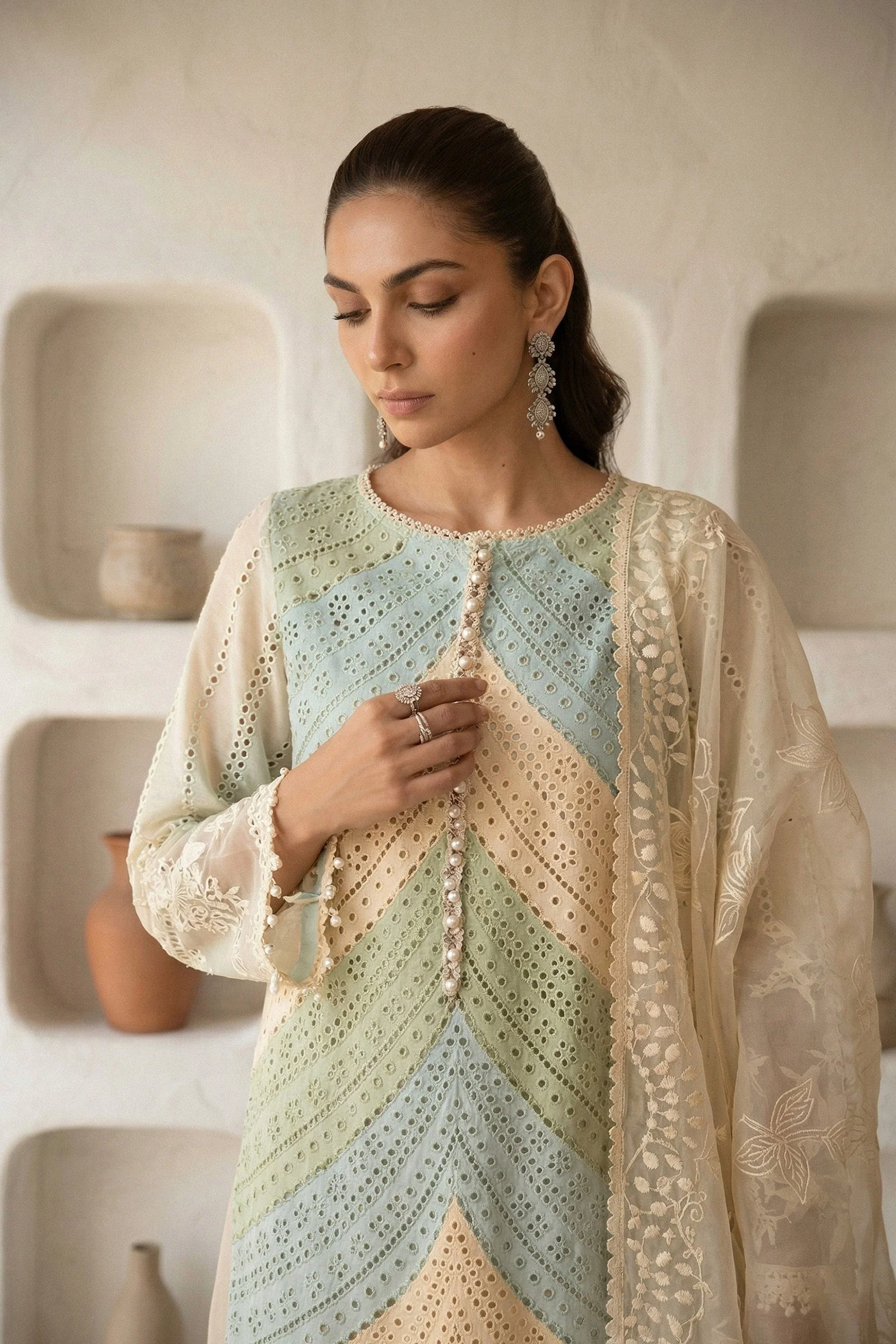 Wholesale
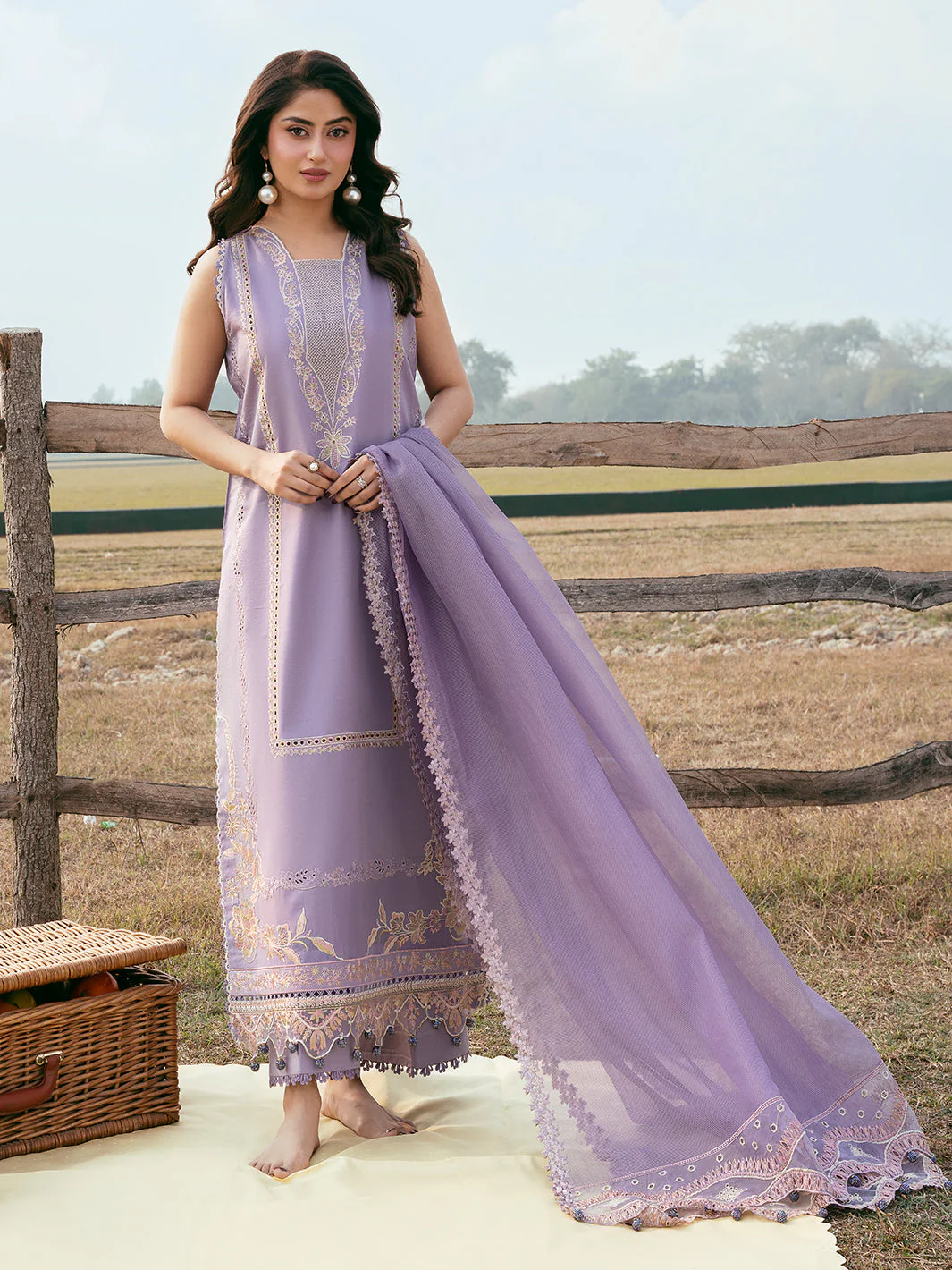
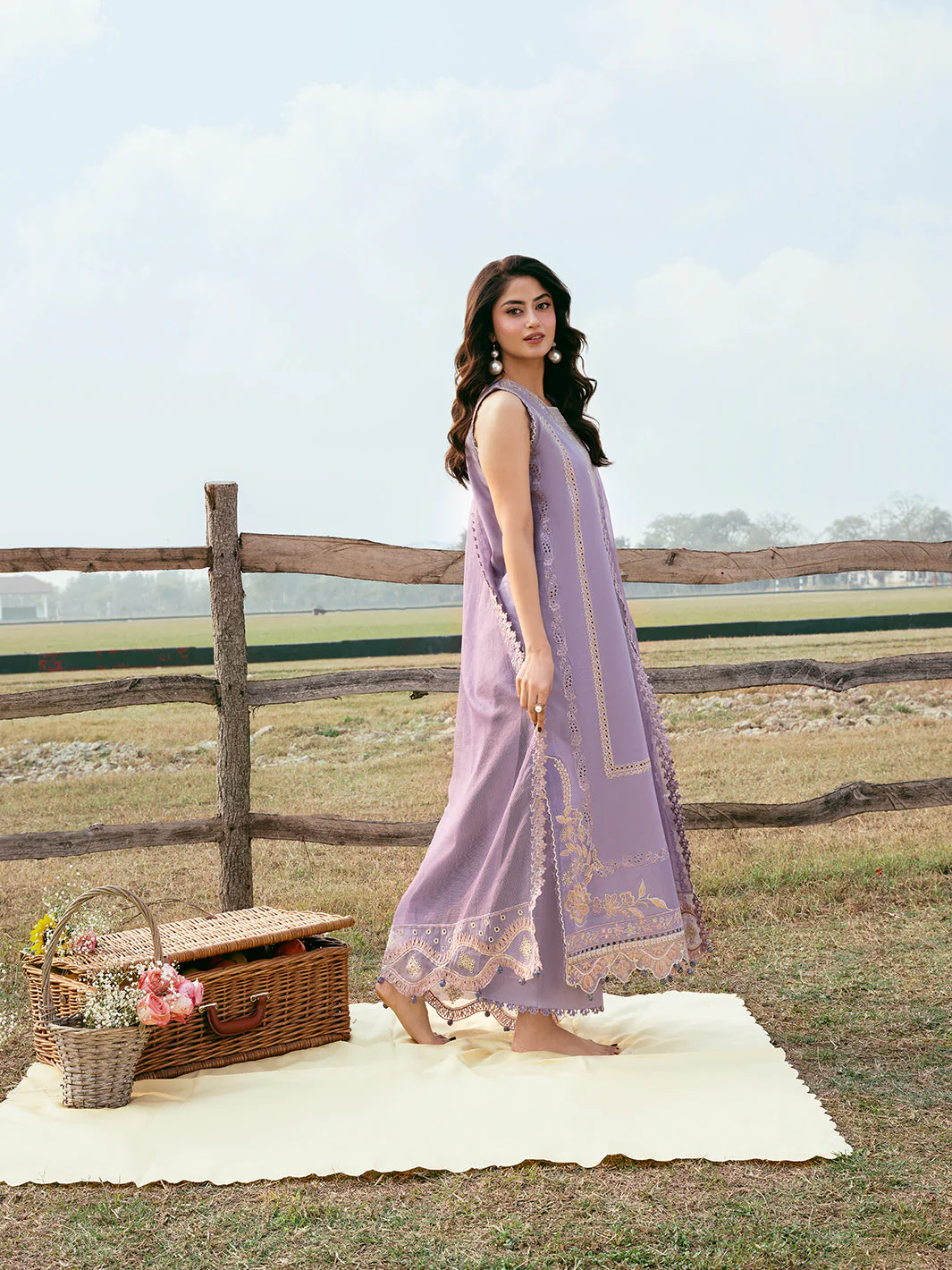 Wholesale
 Wholesale
 Wholesale
 Wholesale
 Wholesale
 Wholesale
 Wholesale
 Wholesale
 Wholesale
 Wholesale
 Wholesale
 Wholesale
 Wholesale
 Wholesale
 Wholesale
 Wholesale
 Wholesale
 Wholesale
 Wholesale
Start small, test your market, reorder what sells.
Fresh arrivals every week to keep your rails new.
Woven labels, tags and branded packaging.
Express courier to the UK, USA, Canada, Australia & UAE.
About this collection
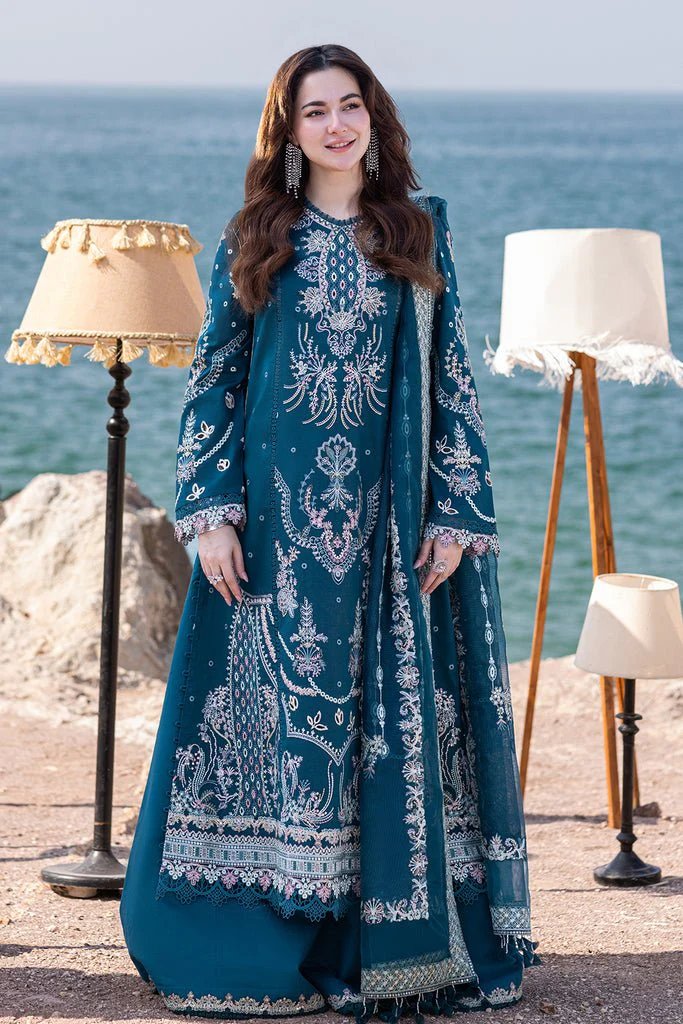
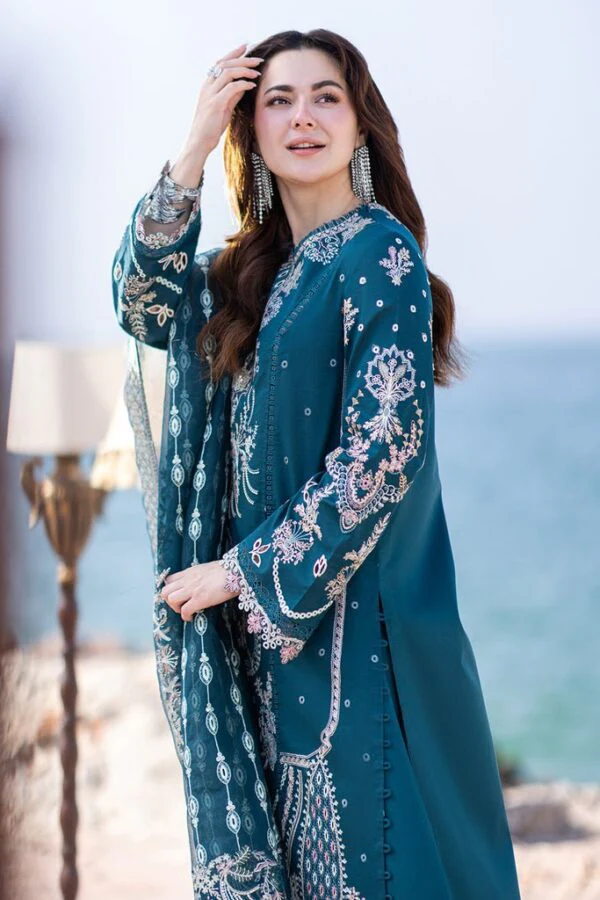
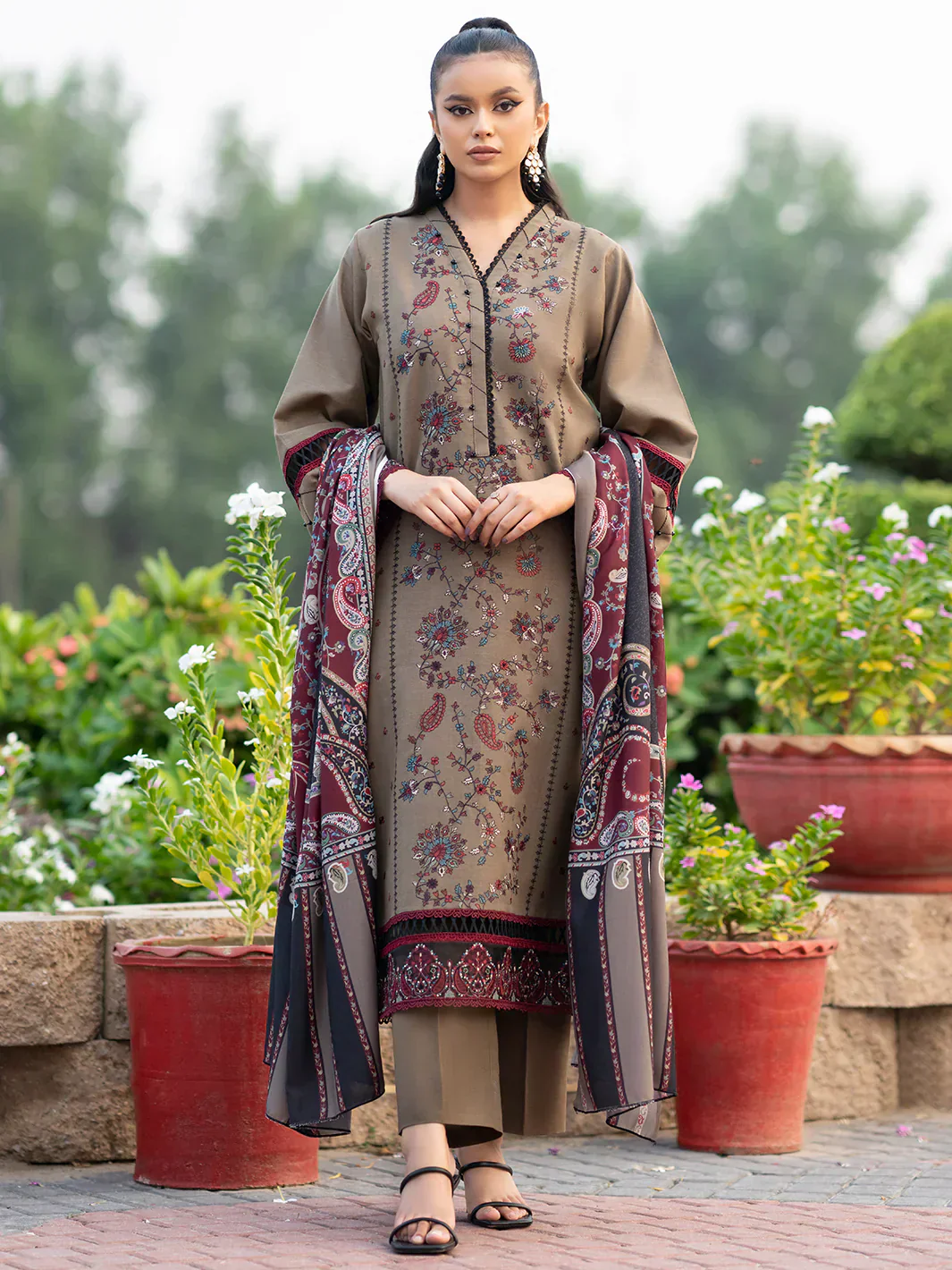
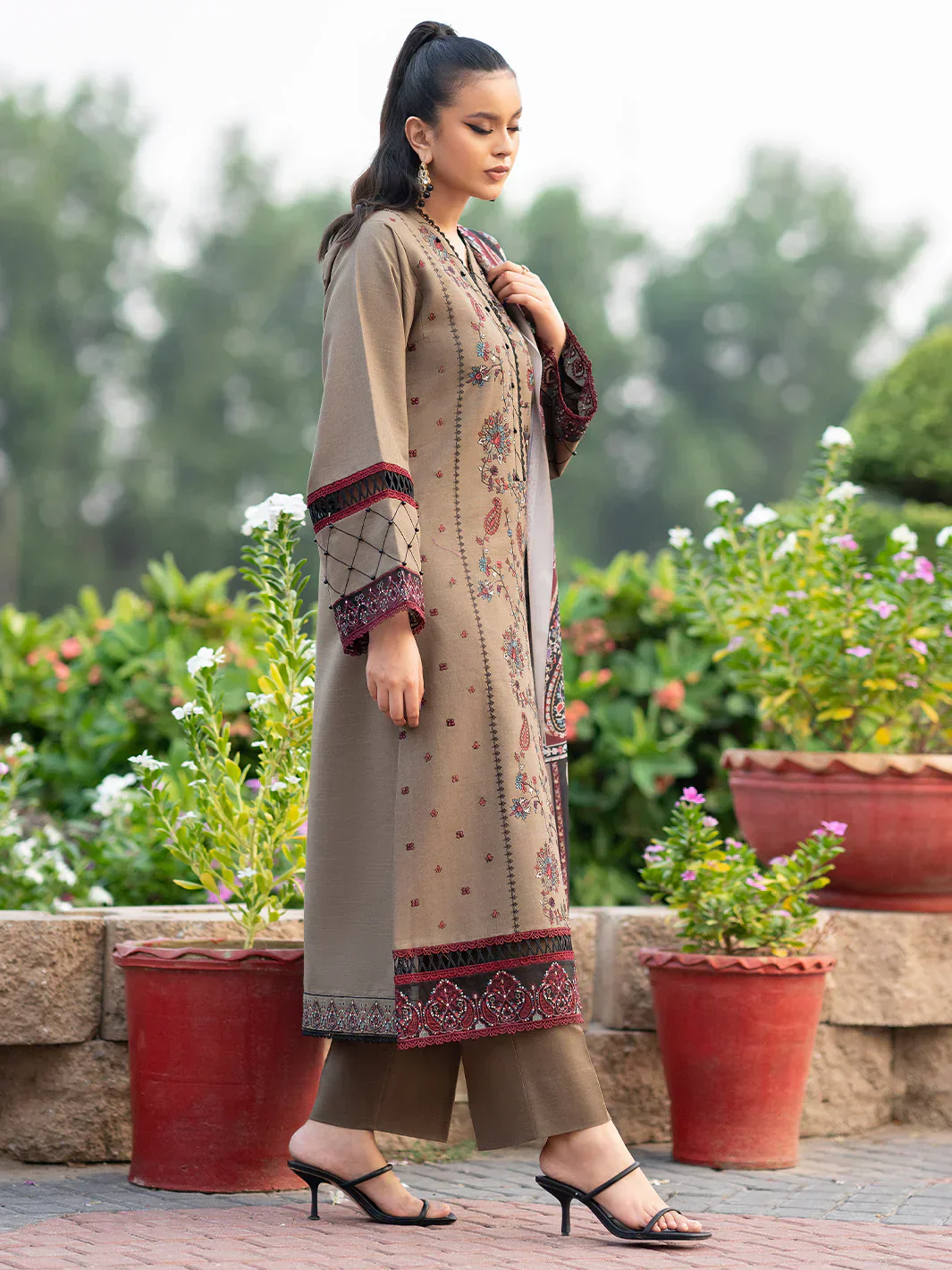
The international fashion industry offers many opportunities for retailers who understand their customers and source products that combine quality, style, and value. Across different regions, shoppers are exploring clothing that reflects cultural traditions while remaining suitable for modern lifestyles. Pakistani fashion fits this demand through its distinctive embroidery, versatile silhouettes, diverse fabrics, and collections designed for everyday wear, celebrations, and special occasions. For boutiques, clothing stores, online retailers, and independent resellers, finding a dependable sourcing partner is an important step toward building a sustainable business. A Pakistani Dress Wholesale Supplier French Guiana can help businesses explore South Asian clothing collections and introduce distinctive designs to customers in the local market. Mastorat provides a platform for discovering Pakistani clothing categories and exploring wholesale opportunities for different retail needs. French Guiana has a diverse population and a connection to international cultural influences. Retailers serving customers interested in South Asian fashion can develop a carefully selected inventory that includes embroidered outfits, lightweight everyday suits, formal dresses, and unstitched fabrics. The most suitable assortment depends on customer preferences, seasonal demand, purchasing budgets, and the type of retail business being operated. Rather than stocking every available design, retailers can focus on collections that complement their existing products and appeal to their intended audience. With thoughtful product selection, clear pricing, and consistent customer service, Pakistani clothing can become a valuable addition to a boutique or online fashion store. Mastorat helps businesses explore different Pakistani clothing categories through its wholesale-focused platform. Retailers can review available styles, compare product types, and consider which collections may suit their customers before planning their purchasing strategy. Pakistani clothing is recognised for combining traditional craftsmanship with a wide variety of contemporary designs. Its appeal extends beyond formal occasions because the market includes comfortable everyday outfits, seasonal fabrics, versatile separates, and coordinated suits. This variety gives retailers several ways to build a collection around their customers' preferences. In French Guiana, businesses considering South Asian fashion should first understand the audience they want to serve. Some customers may prefer traditional outfits for family gatherings and celebrations, while others may be interested in modest everyday clothing or statement pieces for special events. Customers with an interest in Pakistani culture may also appreciate clothing that reflects familiar design traditions. Retailers can explore the broader category through Pakistani Dress Wholesale, where different clothing types can help inform their sourcing decisions. Several factors can influence the selection of Pakistani clothing for a retail business: Retailers should treat these factors as starting points rather than assumptions about every customer in French Guiana. Speaking with shoppers, reviewing enquiries, and monitoring sales can provide more useful information than relying entirely on general fashion trends. Choosing a clothing supplier involves more than comparing product photographs or looking for the lowest advertised price. Retailers also need to consider product availability, order requirements, fabric descriptions, sizing information, shipping arrangements, and communication throughout the purchasing process. Mastorat offers a starting point for businesses interested in Pakistani clothing and wholesale collections. Retailers can use its online catalogue to explore different styles and identify products that align with their business model. The Pakistani Dress Wholesale Online page provides another route for exploring online wholesale sourcing. This approach can be useful for business owners who want to review collections before deciding which products deserve further consideration. When evaluating a supplier, retailers should look at several practical details: These checks help retailers understand the purchasing process and make decisions with greater confidence. They also encourage clear communication before an order is placed. For businesses building a new clothing range, a focused starting assortment can be more manageable than a large purchase covering many unrelated styles. Retailers can begin by identifying the categories most relevant to their customers and then expand their selection as they gain experience. One of the advantages of Pakistani fashion is the range of products available for different occasions, budgets, and customer preferences. A retailer can develop a collection around everyday clothing, formal outfits, unstitched materials, or a combination of categories. The right selection depends on the store's identity and the needs of its audience. A boutique specialising in occasion wear may require a different assortment from an online shop focused on comfortable clothing for daily use. Lawn clothing is associated with lightweight fabric and printed designs, making it an option worth considering for customers who prefer breathable outfits. Depending on the construction and styling, lawn suits may include coordinated shirts, trousers, and dupattas or fabric pieces intended for tailoring. Retailers can review seasonal designs through Pakistani Catalogue Dress Wholesale when researching collections for their inventory. When selecting lawn products, businesses should compare print quality, fabric composition, colour combinations, and the contents of each set. Some products may be supplied as unstitched fabric, while others may include stitched garments. This distinction should be clear in product descriptions and customer communications. A balanced selection might include subtle everyday prints, brighter seasonal patterns, and a few more decorative designs. The aim is to offer variety without investing too heavily in products that may not match local demand. Formal Pakistani clothing often features decorative embroidery, detailed embellishments, flowing silhouettes, and coordinated accessories. Chiffon and other dress fabrics may be used for outfits intended for weddings, evening events, family celebrations, and formal gatherings. Retailers interested in premium designs can explore Pakistani Designer Suits to understand the types of collections available within this category. Formal clothing may require a different purchasing strategy from everyday wear. Customers often pay close attention to finishing, colour accuracy, embroidery details, and the overall appearance of an outfit. Product images and descriptions should therefore communicate the design clearly. Retailers should also verify whether accessories shown in photographs are included in the purchase. Clear information about garment components helps customers understand what they are buying and reduces confusion after delivery. Everyday clothing provides an opportunity to serve shoppers who prioritise comfort, versatility, and practical styling. Cotton suits and other casual outfits can suit customers looking for garments that work across ordinary daily activities and informal gatherings. The Pakistani Dress in Wholesale page can be explored when researching options for a broader clothing assortment. Retailers may wish to compare simple prints, understated colours, versatile cuts, and designs that can be styled in different ways. Comfort, fabric care requirements, and garment durability are also useful considerations. A well-planned everyday collection can complement formal products and give customers more reasons to return to a store. However, product selection should still be based on customer feedback and sales performance rather than assumptions about which styles will sell best. Unstitched clothing materials offer flexibility to customers who prefer to choose their own fit, length, and styling details. This category can be especially relevant for shoppers who regularly use tailoring services or want a garment adapted to their personal preferences. Retailers can investigate Pakistani Dress Material Wholesale when considering fabric-based products for their stores. Before ordering, businesses should confirm the material included in each set, the approximate measurements, and whether any lining, dupatta, or additional fabric is supplied. These details can vary between collections. Providing accurate product information makes it easier for shoppers to compare options and determine whether a material suits their intended design. It also helps retailers answer questions about tailoring requirements before a customer completes a purchase. A successful clothing assortment is built around the people most likely to shop at a business. Retailers in French Guiana may serve customers with different cultural backgrounds, styling preferences, and expectations about price and garment construction. Instead of selecting stock solely because a design is fashionable, businesses can divide their intended audience into practical customer groups. Everyday fashion shoppers may be interested in uncomplicated designs, comfortable fabrics, and versatile colours. These customers may appreciate clear washing instructions and straightforward information about sizing. Customers shopping for celebrations may look for embroidered suits, more elaborate designs, coordinated outfits, and clothing suitable for family gatherings or formal events. Customers who prefer tailoring may be more interested in unstitched materials and information about fabric measurements, composition, and design details. Premium fashion customers may prioritise distinctive patterns, detailed finishing, refined embellishments, and the presentation of the complete outfit. These groups are not fixed categories, and their preferences can overlap. A customer who buys everyday clothing may also shop for formal wear during special occasions. Retailers can learn more about their audience by collecting customer feedback, recording common product enquiries, and reviewing which categories generate repeat purchases. This information can guide future orders and help reduce unnecessary inventory costs. Inventory planning is one of the most important responsibilities for a clothing retailer. Ordering too many designs can tie up working capital, while an overly limited selection may make it difficult to meet customer expectations. A practical approach begins with a clear understanding of the store's budget, available storage, sales channels, and expected demand. Businesses can then determine how much stock to allocate to everyday clothing, seasonal products, formal outfits, and premium collections. When exploring wholesale options, retailers can use Pakistani Dress Wholesale Market as a resource for understanding the broader wholesale category. A few useful inventory practices include: Retailers should also consider the time needed to restock products from an international supplier. A garment that sells quickly may not be available for immediate replacement, particularly if the design belongs to a seasonal collection. Keeping a record of supplier communication and order details can make future purchasing decisions more efficient. It also helps businesses compare the performance of different categories over time. Wholesale pricing affects how a retailer positions products, manages expenses, and determines the selling price. However, the cheapest purchase price does not always represent the best overall value. A business should consider the complete cost of acquiring a garment before deciding whether it is commercially suitable. Depending on the order and shipping arrangement, additional expenses may include transportation, insurance, customs duties, taxes, payment processing, packaging, and local delivery. Retailers should confirm which charges apply to their specific shipment rather than assuming that every cost is included in the supplier's quoted price. The final retail price should account for these expenses while remaining appropriate for the intended customer group. Businesses must also allow for operating costs such as website maintenance, store rent, marketing, customer support, and returns where applicable. Bulk purchasing may improve the per-unit price, but larger orders also increase financial exposure if products do not sell as expected. For this reason, order quantities should reflect realistic demand rather than the discount alone. A useful comparison involves reviewing multiple factors together: A retailer who evaluates the complete picture can make better purchasing decisions and establish more sustainable pricing. Adding Pakistani fashion to an existing clothing business can introduce new styles without requiring the retailer to replace its entire product range. The key is to select products that complement the store's existing identity. A boutique focused on modest fashion might introduce coordinated suits and embroidered outfits. A general clothing retailer could begin with a small collection of casual styles and gradually test formal options. An online seller may choose products that photograph well and can be described accurately through a product page. Retailers researching additional suppliers can explore Pakistani Clothes Wholesale Suppliers to learn more about the broader sourcing category. Businesses that sell across multiple markets may also find it useful to examine the Pakistani Clothes Wholesale Suppliers UK page as part of their wider research into international Pakistani clothing supply. These resources should be considered alongside direct supplier checks, current product availability, and the specific requirements of the intended destination. The aim is not to carry the largest possible number of garments. It is to build a coherent collection that customers can understand, browse comfortably, and purchase with confidence. International sourcing can give retailers access to products that may be difficult to obtain through local distribution channels. It also introduces additional planning requirements, particularly when goods are shipped across borders. French Guiana is an overseas department of France in South America. Businesses importing merchandise should check the rules that apply to their particular shipment, including customs documentation, tax treatment, product descriptions, and any relevant import requirements. Retailers can research different sourcing markets through pages such as Pakistani Dress Wholesale in USA, Pakistani Dress Wholesale in Dubai, and Pakistani Dress Wholesale in Pakistan. These pages provide additional pathways for exploring Pakistani clothing wholesale across different markets. Their relevance will depend on the retailer's sourcing objectives and the specific products being considered. Before confirming an international order, buyers should establish who is responsible for preparing shipping documents, arranging transport, handling customs procedures, and paying applicable charges. They should also confirm whether the quoted delivery period begins when the order is placed, payment is received, or goods are dispatched. A clear agreement about these responsibilities can reduce misunderstandings and help businesses plan their stock more effectively. Reliable delivery is an important part of wholesale purchasing because retailers need products to arrive in suitable condition and within a timeframe that supports their business plans. International shipping schedules can vary according to the transport method, dispatch location, customs processing, seasonal demand, and the availability of shipping services. Retailers should request a realistic estimate for their particular order instead of relying on general delivery claims. Before purchasing, buyers should confirm the following details: Secure packaging is particularly important for garments with delicate embroidery, decorative details, or lighter fabrics that require protection during transit. Retailers can also consider placing orders with enough lead time before important sales periods. Wedding seasons, celebrations, and promotional campaigns may require stock to arrive by a specific date, so advance planning is preferable to last-minute ordering. For additional international sourcing research, businesses can explore Pakistani Dress Wholesale Supplier Canada and Pakistani Dress Wholesale Supplier Australia. These resources offer further examples of country-focused Pakistani clothing wholesale pages, while actual delivery arrangements should always be verified for French Guiana. Product quality influences customer satisfaction, repeat purchases, and the reputation of a clothing business. Retailers should therefore evaluate garments carefully rather than relying exclusively on catalogue images. Useful checks include fabric composition, stitching, seam finishing, print clarity, colour consistency, sizing, and the placement of embroidery or decorative details. For unstitched sets, the quantity and dimensions of the supplied material should match the product description. For ready-to-wear garments, buyers should review the size chart and confirm whether measurements refer to the garment itself or the body measurements it is designed to accommodate. Retailers can request additional photographs or product specifications when important details are unclear. If samples are available, reviewing a sample before committing to a large order may help the buyer assess the product more accurately. After delivery, the business should inspect the shipment promptly. Any discrepancy should be documented with photographs, order details, and a clear description of the issue. This information can support communication with the supplier and help determine the appropriate resolution. Businesses exploring fabric-based collections can also review Pakistani Dress Material Wholesale in India as part of their wider research into dress materials and related wholesale categories. Regardless of the supplier or destination market, clear specifications and documented quality checks help establish more consistent purchasing standards. Designer Pakistani clothing can help retailers offer products for customers who want more decorative or distinctive outfits. These collections may include elaborate embroidery, embellished formal suits, carefully coordinated colours, and silhouettes designed for celebrations. However, premium products require thoughtful selection. Retailers should evaluate whether the expected selling price matches their customers' budgets and whether the design fits the overall identity of the store. The Pakistani Designer Clothes Online page can be explored when researching designer clothing options. Retailers may also review other regional wholesale resources, including Pakistani Clothes Wholesalers Manchester and Pakistani Clothes Wholesalers Bradford. When purchasing premium garments, buyers should pay particular attention to the quality of embellishments, the finish of visible seams, fabric descriptions, and the accessories included with each outfit. These details can influence the customer's perception of value. Product presentation matters as well. Clear images, accurate descriptions, and helpful styling information can make premium products easier to evaluate online. Retailers should avoid making claims about designer authenticity, exclusivity, or brand affiliation unless those claims can be verified. A carefully chosen premium range can complement everyday products and provide customers with options for a wider range of occasions. Some retailers eventually want to develop a more recognisable identity rather than selling products under a general store name. Private labelling and customised collections may offer a route toward that goal, depending on supplier capabilities and order requirements. Possible options can include branded garment labels, selected colour combinations, customised packaging, or particular design specifications. Availability, minimum quantities, lead times, and additional charges will vary and should be confirmed before any commitment is made. Businesses can research international market pages such as Pakistani Dress Wholesale Supplier United Arab Emirates and Pakistani Dress Wholesale Supplier Saudi Arabia while considering how Pakistani fashion may fit different retail strategies. Retailers interested in private labelling should prepare a clear brief that outlines the intended customer, product type, preferred fabric, sizing, design references, packaging needs, and expected order quantity. Before approving production, businesses should confirm ownership and permitted use of designs, artwork, brand names, and labels. They should also agree on quality standards and how changes will be handled if the finished garments differ from the approved specifications. Customisation can create opportunities for differentiation, but it requires careful coordination. Retailers should balance the benefits of a distinctive product range against the financial commitment and lead time involved. Seasonal planning helps retailers align purchasing decisions with the times when customers are most likely to shop for particular types of clothing. In warmer periods, businesses may focus on lighter fabrics and comfortable everyday designs. For cooler conditions or specific occasions, they may consider heavier materials, layered outfits, and more elaborate formal clothing. Actual demand will depend on the local climate, customer habits, and the purpose for which garments are purchased. Retailers can investigate catalogue options through Pakistani Catalogue Dress Wholesale in Bangladesh as part of their research into seasonal Pakistani clothing. For French Guiana businesses, local weather patterns and customer preferences should guide seasonal decisions. Rather than automatically adopting a calendar designed for another market, retailers should evaluate which fabrics and designs are practical for their own audience. A simple seasonal planning process can include: Seasonal collections should also be supported by accurate product descriptions and realistic delivery planning. If an item is intended for a particular event or promotional period, retailers need sufficient time for ordering, shipment, inspection, and display. Regular catalogue reviews can help businesses identify suitable products without requiring them to replace their entire inventory every season. Retailers can gain useful ideas by studying how Pakistani clothing is presented and sourced in different international markets. However, successful product choices in one country will not necessarily perform in the same way elsewhere. Differences in climate, shipping costs, customer budgets, cultural preferences, and retail competition can affect demand. Market research should therefore focus on transferable lessons rather than copying another business's assortment without adjustment. Businesses expanding their sourcing research across South America can explore Pakistani Dress Wholesale Supplier Brazil, Pakistani Dress Wholesale Supplier Argentina, and Pakistani Dress Wholesale Supplier Colombia. These pages can help retailers navigate related country-specific content while exploring the broader Pakistani clothing wholesale category. A business considering expansion should first determine whether its existing products are selling consistently. It can then compare the practical requirements of entering another market, including shipping, taxes, product positioning, and customer support. For retailers in French Guiana, the immediate priority should be building a reliable local customer base and selecting products that match observed demand. Expansion becomes easier to assess once the business has a clearer understanding of its margins, operational capacity, and most successful product categories. Sourcing good products is only one part of running a successful clothing business. Customers also need to discover the products, understand their features, and feel confident enough to make a purchase. Retailers can begin with a clear presentation of their collection. Each product page should include accurate photographs, fabric details, available sizes, colour options, garment measurements where relevant, and straightforward care instructions. For online stores, useful product categories and filters can make browsing easier. Shoppers may want to compare casual suits, formal outfits, embroidered designs, and unstitched materials without searching through an unorganised catalogue. Businesses can also use social media to introduce new arrivals, explain styling options, and show how garments can be worn for different occasions. Images should accurately represent the products being sold, and any important limitations should be disclosed. Local marketing can include customer referrals, community engagement, collaborations with relevant businesses, and promotional campaigns for selected collections. Retailers should choose channels that suit their audience rather than attempting to maintain every possible platform. A clear returns policy, accessible customer support, and transparent delivery information can also improve the shopping experience. These operational details often matter as much as the visual appeal of a garment. When customers receive accurate information and consistent service, they are better equipped to decide whether a product meets their needs. Over time, this can support customer loyalty and more predictable business performance. A suitable wholesale partner should align with the retailer's product requirements, purchasing budget, and operational expectations. Businesses should compare suppliers on more than price alone. A useful evaluation process begins with product selection. The supplier should offer categories that fit the retailer's intended range and provide enough information for informed purchasing decisions. Next, retailers should review communication and ordering arrangements. Clear responses about pricing, availability, quantities, and delivery can make the process easier to manage. Other considerations include: Businesses should also be cautious about placing large orders based on incomplete information. If a supplier's policies, product descriptions, or shipping arrangements are unclear, those issues should be resolved before payment. Retailers can explore Mastorat's Pakistani Dress Wholesale and Pakistani Dress Wholesale Online pages while evaluating available categories and planning their sourcing requirements. A dependable supplier relationship develops through clear expectations, accurate documentation, and consistent communication. These practices benefit both new businesses and established retailers managing regular stock purchases. Retailers in French Guiana can approach Pakistani clothing as a specialised category within a broader fashion business. The opportunity lies in understanding which products customers want and creating an assortment that meets those needs without unnecessary complexity. A small boutique might begin with a carefully selected range of everyday suits, a few formal designs, and some unstitched materials. An established clothing store might introduce a dedicated Pakistani fashion section. An online retailer could test demand through a limited collection before investing in a wider inventory. Each approach requires a different budget and operating model, but all benefit from the same fundamentals: reliable product information, realistic pricing, appropriate stock levels, and responsive customer service. Retailers should also consider how products will be displayed and explained. Customers who are unfamiliar with particular fabrics or garment formats may appreciate simple guidance about stitching, fit, care, and suitable occasions. When evaluating market opportunities, businesses should distinguish between general interest in a product category and demonstrated purchasing demand. Customer enquiries can indicate interest, but actual sales, repeat orders, and profit margins provide stronger evidence of commercial performance. Retailers can use these observations to adjust their purchasing strategy over time. If a particular category performs well, it may deserve more inventory. If another category receives little interest, the business can reduce future orders or test alternative designs. This measured approach helps retailers develop a more resilient clothing business while continuing to introduce fresh styles. Mastorat provides an online starting point for retailers who want to explore Pakistani clothing categories and investigate wholesale sourcing options. Its range of topic-specific pages allows businesses to review different product types and related market information. For French Guiana retailers, the most useful starting point is to identify the products they want to source and then review the relevant catalogue and ordering information. Buyers should confirm current availability, applicable prices, minimum quantities, shipping coverage, and delivery terms directly before committing to a purchase. A business evaluating a supplier can also compare the range of clothing available with its intended customer base. Casual suits, formal outfits, designer styles, and unstitched fabrics each serve different needs, so a focused assortment may be more effective than purchasing a large collection without a clear plan. Mastorat's country-specific resources can support wider research, while individual purchasing decisions should be based on current product details and the retailer's own commercial requirements. For businesses considering the Pakistani Dress Wholesale Supplier French Guiana option, the key is to combine product discovery with careful supplier verification, realistic financial planning, and a clear understanding of local customer demand. Retailers should begin by identifying their intended customers, preferred clothing categories, and available purchasing budget. They should then compare fabric quality, garment construction, product specifications, wholesale prices, and shipping arrangements. It is also important to confirm whether products are stitched or unstitched and which components are included in each set. Buyers should request clarification whenever a catalogue description does not provide enough information. Mastorat's Pakistani Dress Wholesale page is a useful starting point for exploring the category. Before placing an order, retailers should verify the current product details and all applicable purchasing terms. A retailer may consider lawn suits, cotton outfits, chiffon formal wear, embroidered dresses, designer collections, and unstitched dress materials. The most appropriate assortment depends on customer preferences, price expectations, and the purpose of the clothing business. Everyday collections may suit shoppers seeking versatile outfits, while formal and designer products can serve customers preparing for celebrations or special occasions. Retailers can explore Pakistani Catalogue Dress Wholesale and Pakistani Designer Dresses to research different categories. The final selection should be based on product specifications, current availability, and the retailer's understanding of local demand. Online sourcing allows retailers to review product categories and gather information before contacting a supplier or placing an order. A buyer should examine product photographs, fabric descriptions, size information, pricing, order requirements, and shipping terms. It is helpful to keep a written record of questions and confirmed details so that product comparisons remain consistent. The Pakistani Dress Wholesale Online page can help retailers begin exploring online wholesale options. Before completing a purchase, the buyer should ensure that the selected products, total charges, payment arrangements, and delivery expectations are clearly understood. Retailers should confirm current shipping availability and delivery arrangements directly with Mastorat before placing an order. International delivery can depend on the destination, shipment size, available transport services, customs procedures, and other logistical requirements. Buyers should request an estimate of shipping costs and transit time, clarify the documents required, and determine who is responsible for applicable customs charges. They should also confirm how tracking works and what procedures apply if goods arrive damaged or do not match the order. Obtaining these details in writing can help businesses plan their inventory and avoid unexpected expenses. Retailers can assess clothing quality by reviewing fabric composition, stitching, finishing, sizing, colour consistency, and decorative details. Product photographs and written specifications are useful, but additional information may be necessary when a design has complex embroidery or other specialised features. For unstitched materials, buyers should verify the supplied measurements and included components. For stitched outfits, they should review the size chart and garment measurements carefully. Where available, samples may help retailers evaluate a product before ordering larger quantities. After delivery, inspecting the shipment promptly and documenting any discrepancies can support a more organised quality-control process. There is no single answer for every retailer. The best starting category depends on the target audience, local demand, available budget, and the identity of the business. A store serving customers who prefer versatile everyday outfits may prioritise casual clothing. A boutique focused on celebrations may place greater emphasis on embroidered and formal designs. Retailers who are uncertain can consider a smaller, balanced assortment, provided the supplier's order requirements make that approach practical. They can then monitor sales and customer enquiries before deciding which categories deserve additional investment. This strategy helps limit unnecessary stock while allowing the business to learn from actual customer behaviour. The total cost should include more than the price charged for each garment. Depending on the transaction, retailers may need to account for shipping, insurance, customs duties, taxes, payment fees, packaging, and local transportation. The business can then compare the total landed cost with its expected selling price and operating expenses. A product that appears inexpensive at the supplier level may offer a smaller margin once all additional costs are included. Conversely, a higher-priced item may provide better value if its quality, customer appeal, and selling price justify the investment. Retailers should calculate costs using current quotations and applicable import requirements rather than relying on general estimates. Private labelling may be an option when a supplier offers suitable services and the retailer meets the applicable order requirements. Possible arrangements can involve branded labels, selected product specifications, packaging, or customised designs. Availability, pricing, minimum quantities, and production lead times must be confirmed directly with the supplier. Retailers should also establish written agreements covering design approval, product quality, permitted brand use, and the handling of production discrepancies. A private-label collection can help a business develop a distinct identity, but it should be planned carefully because customised production may require a larger financial commitment than buying existing products. Retailers can introduce their collections through a clear website, social media posts, product photography, local promotions, and customer referrals. The most suitable channels depend on the audience and the business's available resources. Product descriptions should explain fabric types, sizes, garment components, care requirements, and delivery terms. Accurate photographs help customers understand the product before purchasing. Businesses can also provide styling suggestions for everyday wear, family celebrations, and formal events where relevant. Helpful information can make unfamiliar garment categories easier to understand. Retailers should monitor customer engagement alongside actual sales to determine which marketing activities generate useful results. A retailer can begin by establishing a clear product range and monitoring its performance. Sales records, repeat purchases, customer feedback, and stock turnover can help identify which products deserve replenishment. Once the business understands its strongest categories, it can test additional fabrics, designs, or price points in a controlled way. Expansion should also account for working capital, storage capacity, shipping timelines, and customer-service requirements. Increasing the product range too quickly can create unnecessary costs and make stock management more complicated. A gradual approach allows retailers to refine their purchasing decisions and build a stronger understanding of the market. Pakistani fashion offers retailers a broad selection of clothing styles, from comfortable everyday suits to intricate formal outfits and versatile unstitched materials. For businesses in French Guiana, the opportunity is to identify the products that suit their customers and build an assortment around quality, value, and reliable service. Mastorat provides an online resource for exploring Pakistani clothing categories and researching wholesale sourcing options. Retailers can use its catalogue pages to compare styles and plan their purchasing requirements while confirming current availability, pricing, shipping arrangements, and order conditions directly. Long-term success depends on more than finding attractive garments. Businesses also need accurate product information, sensible inventory planning, transparent pricing, and a clear understanding of customer demand. By combining these practices with consistent marketing and responsive customer service, retailers can develop a more sustainable fashion business. Choosing a Pakistani Dress Wholesale Supplier French Guiana should therefore be part of a wider sourcing strategy built around careful research and realistic business goals. With a well-planned product range and a focus on customer satisfaction, retailers can explore Pakistani fashion as a meaningful addition to their clothing collections.
Understanding the Demand for Pakistani Fashion in French Guiana
Mastorat as a Wholesale Sourcing Platform
Exploring the Main Categories of Pakistani Dresses
Lawn Collections for Warm Weather
Chiffon and Formal Clothing
Cotton and Everyday Clothing
Unstitched Dress Materials
Selecting Products for Different Customer Groups
Building a Balanced Wholesale Inventory
Understanding Wholesale Pricing and Profit Margins
Expanding Product Variety with Pakistani Clothing
International Wholesale Trade and Export Planning
Shipping and Delivery Considerations for French Guiana
Quality Control Before and After Ordering
Designer Collections and Premium Fashion
Private Labelling and Custom Clothing Opportunities
Planning Seasonal Collections and Fashion Updates
Learning from International Pakistani Fashion Markets
Marketing Pakistani Clothing to Local Customers
How to Choose the Right Wholesale Partner
Opportunities for Retailers in French Guiana
Why Consider Mastorat for Pakistani Clothing Wholesale?
Frequently Asked Questions About Pakistani Clothing Wholesale
What should retailers consider when sourcing Pakistani dresses for French Guiana?
What types of Pakistani clothing can a retailer stock?
How can a business explore wholesale products online?
Does Mastorat ship Pakistani clothing to French Guiana?
How can retailers evaluate the quality of Pakistani dresses?
Is it better to order casual clothing or formal dresses first?
How should a retailer calculate the total cost of a wholesale order?
Can retailers develop a private-label Pakistani clothing collection?
How can retailers market Pakistani clothing in French Guiana?
How can a retailer expand its Pakistani clothing business over time?
Conclusion
How wholesale works
Tap “Get price” on any design, or send us your list on WhatsApp.
Wholesale prices, MOQ and shipping for your country, usually within a few hours.
Every piece is inspected, and you get photos of your packed order.
DHL, FedEx, Skynet or cargo. Typically 5–7 working days by courier.
“Today I have received 5 boxes like 276 suits. All the dresses are so beautiful and the quality is 100% good…”
“Mastorat is a game-changer in the world of unstitched suits! The quality of fabric is top-notch…”
“Best place to buy wholesale cloth UK”
Free wholesale quote
Tell us which designs you like and roughly how many pieces. We will reply with wholesale prices, MOQ and delivery options for your country.
Wholesale · Free quote