
Sale!
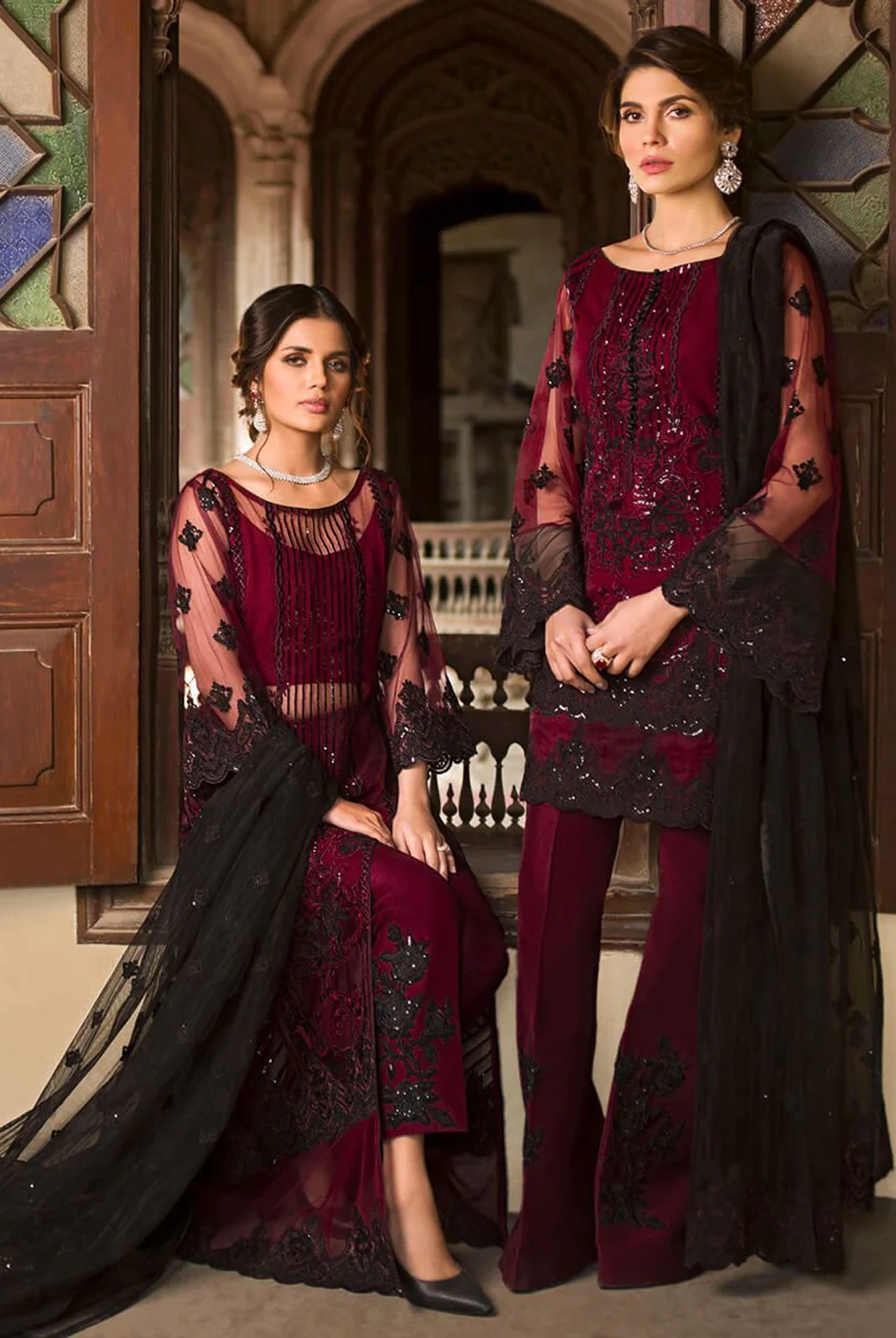

Original price was: ₨17,500.00.₨13,500.00Current price is: ₨13,500.00.
Sale!


Original price was: ₨16,000.00.₨13,000.00Current price is: ₨13,000.00.
Sale!


Original price was: ₨18,500.00.₨14,000.00Current price is: ₨14,000.00.
Sale!

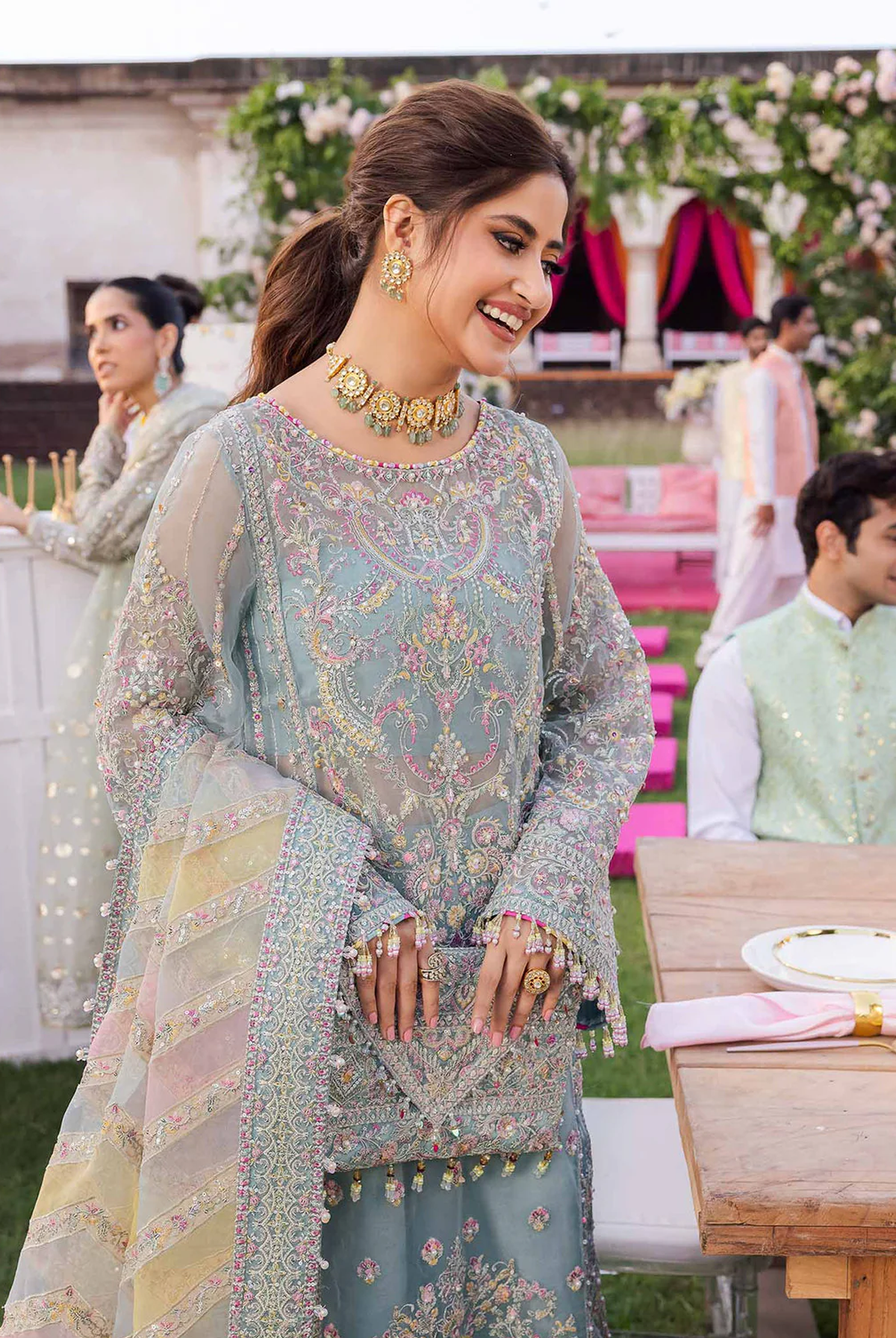
Original price was: ₨14,000.00.₨12,000.00Current price is: ₨12,000.00.
Sale!
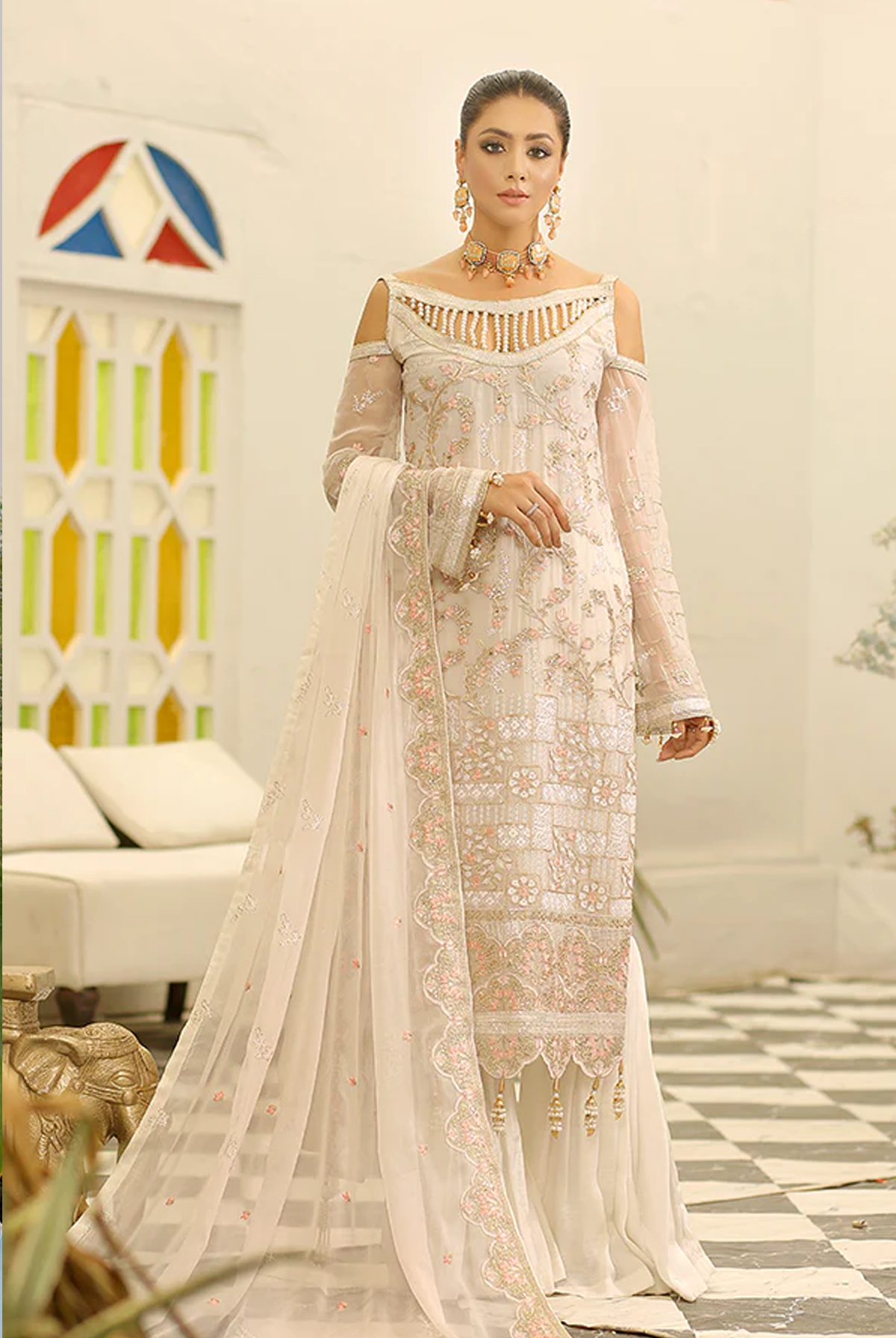

Original price was: ₨15,000.00.₨13,500.00Current price is: ₨13,500.00.
Sale!


Original price was: ₨16,000.00.₨12,500.00Current price is: ₨12,500.00.
Sale!


Original price was: ₨17,500.00.₨15,500.00Current price is: ₨15,500.00.
Sale!
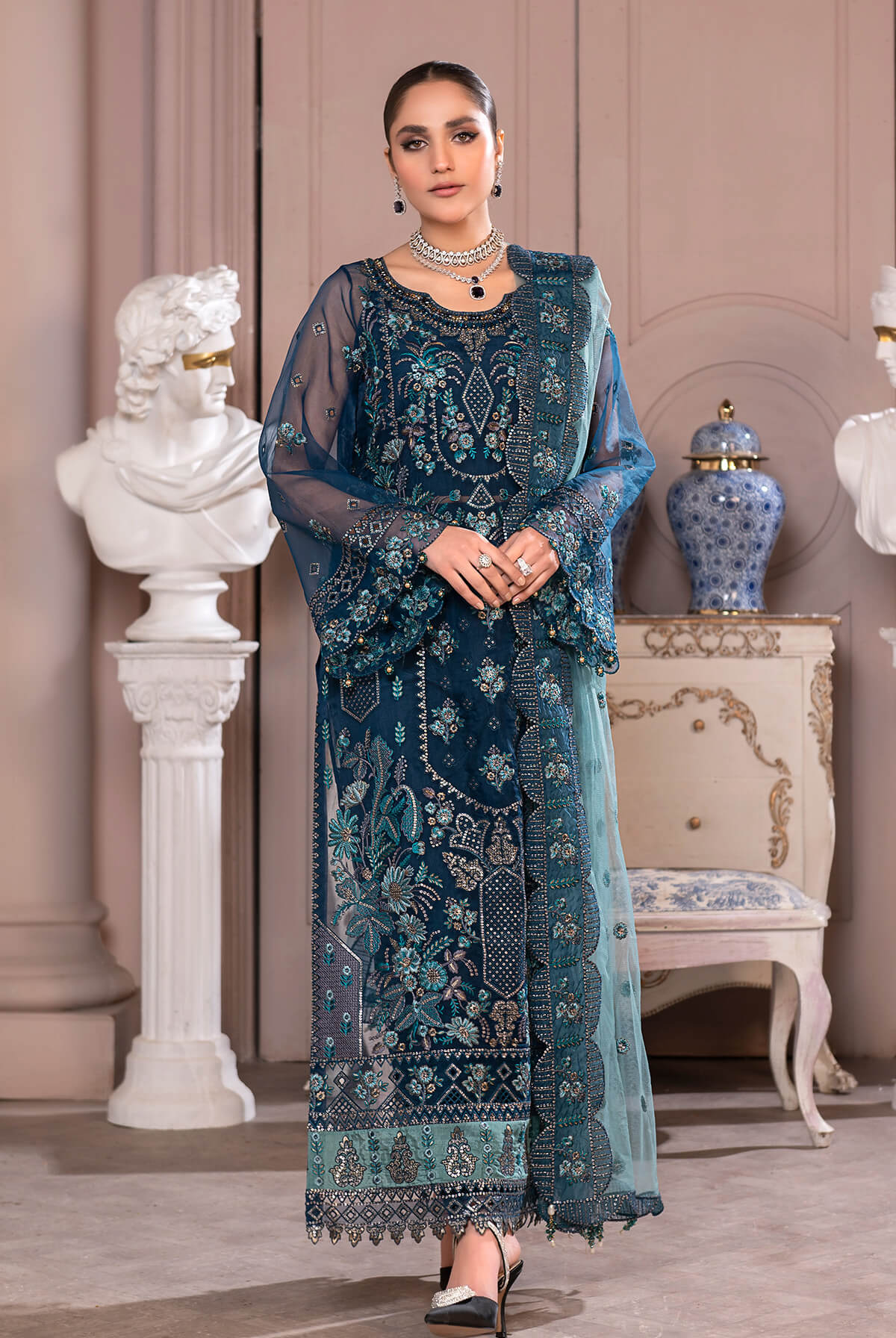

Original price was: ₨14,000.00.₨9,500.00Current price is: ₨9,500.00.
Sale!


Original price was: ₨16,000.00.₨14,000.00Current price is: ₨14,000.00.
Sale!


Original price was: ₨19,000.00.₨14,000.00Current price is: ₨14,000.00.
Sale!


Original price was: ₨16,500.00.₨15,000.00Current price is: ₨15,000.00.
Sale!


Original price was: ₨15,000.00.₨11,500.00Current price is: ₨11,500.00.
Sale!

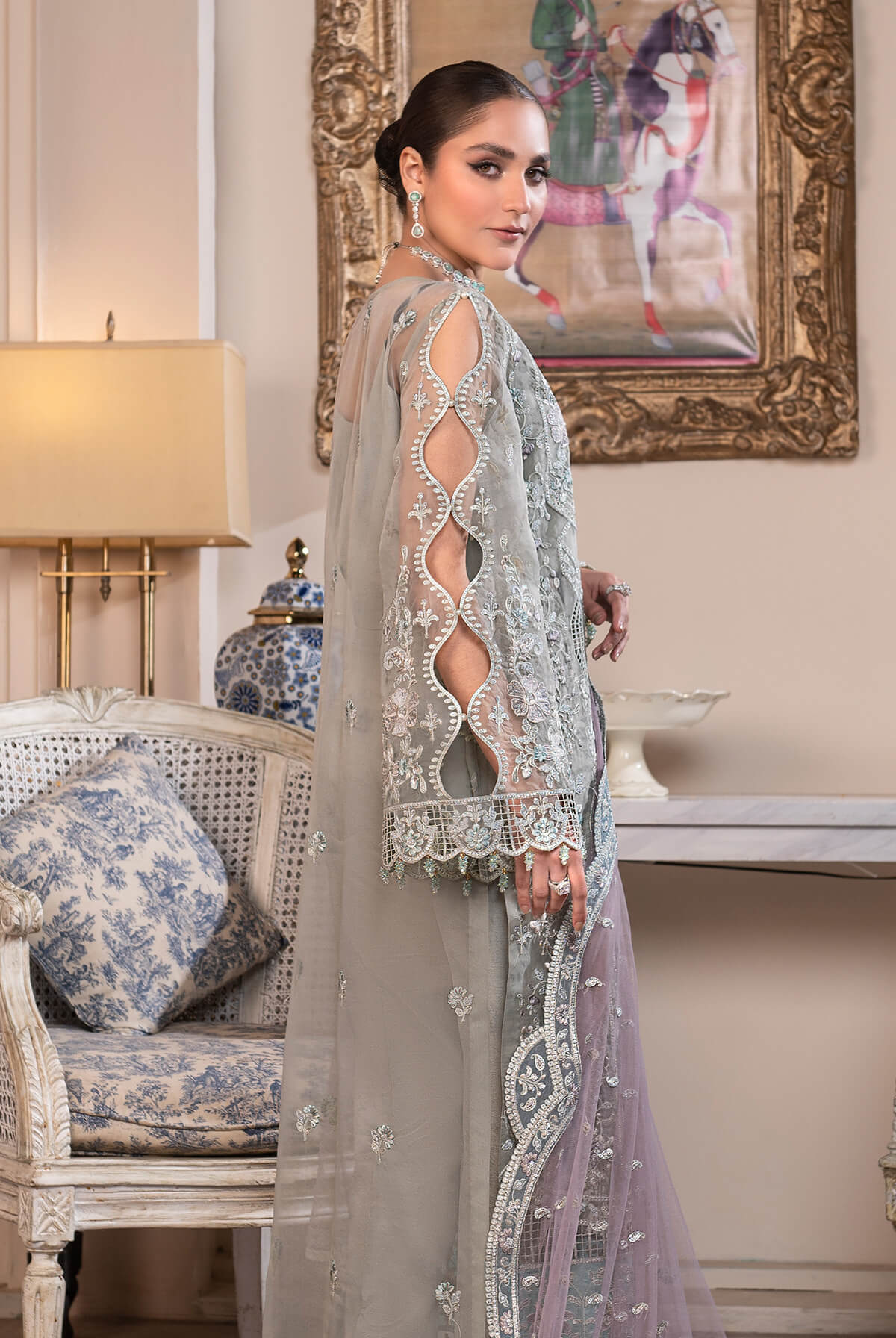
Original price was: ₨14,000.00.₨11,500.00Current price is: ₨11,500.00.
Sale!


Original price was: ₨15,500.00.₨13,500.00Current price is: ₨13,500.00.
Sale!


Original price was: ₨13,500.00.₨12,500.00Current price is: ₨12,500.00.
Pakistani Dress Wholesale Supplier China | Mastorat
The international fashion industry continues to create opportunities for businesses that sell traditional clothing, particularly South Asian fashion. Pakistani dresses are appreciated for their detailed embroidery, elegant silhouettes, versatile fabrics, and designs suitable for everyday wear, celebrations, and formal occasions. As demand expands beyond South Asia, retailers and boutique owners are exploring different sourcing options to build collections that appeal to their customers.
For businesses researching a Pakistani Dress Wholesale Supplier China, understanding the relationship between garment manufacturing, fabric sourcing, product quality, and international distribution is an important starting point. China has a substantial textile and apparel manufacturing sector, while Pakistani fashion brings distinctive cultural styles and design traditions to the global market. These two areas can overlap when manufacturers produce Pakistani-inspired garments or work with buyers who supply their own designs and specifications.
Mastorat provides a starting point for exploring Pakistani clothing wholesale opportunities and related fashion markets. Retailers can learn more about sourcing options through the Pakistani Dress Wholesale page and compare different approaches to building a clothing business.
This guide explains how wholesale sourcing works, which product categories businesses may consider, what to check before placing an order, and how to evaluate suppliers for long-term commercial relationships.
Understanding the Global Market for Pakistani Fashion
Pakistani clothing has developed a strong presence in international fashion markets. Its appeal comes from the variety of available styles, including embroidered three-piece suits, printed lawn outfits, formal chiffon dresses, traditional wedding clothing, and contemporary ready-to-wear collections. These garments serve different customer groups. Some shoppers prefer lightweight clothing for daily use, while others look for elaborate outfits for weddings, Eid celebrations, family gatherings, and formal events. Retailers who understand these differences can develop collections that reflect local preferences rather than purchasing stock based solely on current trends. The international market also includes customers who value traditional South Asian clothing because of family connections, cultural celebrations, or personal fashion preferences. As a result, retailers in the United Kingdom, United States, Canada, Australia, and the Middle East may find opportunities to serve customers looking for Pakistani outfits. However, demand varies by location, season, price range, and customer demographics. A boutique serving a community with strong demand for embroidered formal wear may need a different product range from an online store focused on affordable everyday suits. Businesses can explore different sourcing models through Pakistani Clothes Wholesale Suppliers. Understanding the available product categories and distribution channels can help buyers develop a more practical purchasing strategy.Why China Is Relevant to Garment Wholesale Sourcing
China is an established centre for textile production, garment manufacturing, fabric processing, and international apparel distribution. Its manufacturing ecosystem includes businesses that work with woven fabrics, knitted materials, embroidery, printing, cutting, stitching, finishing, and packaging. These capabilities can be relevant to retailers interested in Pakistani-inspired clothing. Depending on the manufacturer, buyers may be able to source ready-made garments, request adjustments to existing designs, or commission products based on their own technical specifications. Nevertheless, it is important to distinguish between garments manufactured in China and authentic Pakistani clothing manufactured in Pakistan. A dress produced in China may feature South Asian-inspired embroidery or styling without being made by a Pakistani clothing brand. Buyers should communicate their requirements clearly and ensure that product descriptions accurately identify the garment's origin and design. When evaluating a Pakistani Dress Wholesale Supplier China, businesses should focus on the supplier's actual capabilities rather than assuming every manufacturer offers authentic Pakistani collections. Requesting product photographs, fabric specifications, samples, and manufacturing details can help establish whether the available products meet the intended market's expectations. The most suitable supplier is not necessarily the one offering the lowest quotation. Consistent quality, clear communication, reliable production schedules, and transparent commercial terms are equally important.How Mastorat Fits into Pakistani Clothing Wholesale Research
Finding suitable wholesale products often requires more than comparing prices. Retailers need to understand available collections, identify relevant product categories, evaluate sourcing alternatives, and consider how different markets distribute traditional clothing. Mastorat offers website resources that can help businesses explore Pakistani clothing wholesale topics. These resources provide a starting point for researching product categories, regional markets, and different purchasing approaches. For example, the Pakistani Dress Wholesale Market page is relevant to businesses researching wholesale distribution, while Pakistani Dress Wholesale Online relates to online sourcing and product discovery. Buyers should still verify the details of any supplier before committing to a commercial order. Confirm whether the business manufactures garments, operates as a wholesaler, or acts as an intermediary. Ask for current catalogues, order conditions, payment terms, and delivery arrangements. If a supplier claims to offer inspection, verification, or fulfilment services, request details of exactly what those services include. Independent checks are particularly valuable when dealing with a new overseas supplier. By combining market research with practical supplier checks, retailers can make better-informed decisions and avoid relying exclusively on promotional descriptions.Popular Pakistani Dress Categories for Wholesale Buyers
A successful wholesale collection usually contains products suited to several occasions and price points. Instead of ordering a large quantity of one design immediately, retailers can evaluate different categories and gradually identify the styles their customers prefer.Embroidered Lawn Suits
Lawn suits are associated with warm-weather clothing and are particularly familiar to customers who follow Pakistani fashion. These outfits may feature printed fabrics, embroidered necklines, decorative borders, and coordinated dupattas. Retailers should check fabric composition, print quality, colour consistency, stitching, and the completeness of each set. They should also confirm whether the listed price covers the complete outfit or only selected pieces. For businesses planning seasonal collections, lightweight suits can provide variety alongside more formal garments.Chiffon and Formal Dresses
Chiffon outfits are commonly selected for parties, evening gatherings, and formal occasions. Depending on the design, they may include embroidery, embellishments, lining, decorative sleeves, and coordinated trousers or dupattas. When sourcing these garments, buyers should pay attention to finishing and construction. Delicate fabrics can require careful stitching and packaging, particularly during international transportation. Retailers should also examine the garment under suitable lighting to understand its actual colour and transparency before approving a bulk order.Bridal and Wedding Clothing
Wedding clothing represents a specialised category with different expectations for design, presentation, and workmanship. Customers may look for detailed embroidery, embellished fabrics, traditional silhouettes, and coordinated accessories. Wholesale buyers entering this category should establish clear specifications before production begins. Important considerations include sizing, colour matching, embellishment placement, lining, and the agreed level of finishing. Because bridal garments can involve more detailed work, buyers should allow adequate time for samples, revisions, manufacturing, and shipping.Casual Cotton and Everyday Wear
Casual outfits appeal to shoppers seeking comfortable clothing for regular use. Depending on the target market, retailers may stock simple printed suits, cotton outfits, understated embroidered designs, and versatile ready-to-wear pieces. These products can complement more expensive formal collections and provide customers with a broader selection. When comparing suppliers, examine the fabric's feel, breathability, durability, and care instructions instead of evaluating products solely from catalogue photographs.Designer-Inspired and Contemporary Styles
Some buyers prefer contemporary outfits influenced by popular Pakistani fashion trends. These may feature modern cuts, distinctive colour combinations, updated embroidery, or minimalist designs. Retailers should distinguish between original branded products, authorised merchandise, and independently manufactured designs inspired by broader fashion trends. They should not assume that a supplier is authorised to reproduce a designer's protected work. For additional product research, explore Pakistani Designer Dresses and Pakistani Designer Suits.Choosing Fabrics and Evaluating Product Quality
Fabric selection has a direct effect on the appearance, comfort, durability, and selling price of a garment. Two outfits that look similar in photographs can differ considerably in material quality and construction. Common fabric categories in Pakistani-style clothing include lawn cotton, chiffon, silk blends, organza, and other woven materials. Each has different characteristics and may suit a particular occasion or customer preference. Before ordering, ask the supplier to provide the exact fabric composition wherever available. Terms such as premium fabric, silk finish, or cotton feel can be vague, so a written specification is more useful than a general marketing description. Buyers should consider the following quality factors:- Fabric composition: Confirm the actual fibre content and material description.
- Stitching: Inspect seams, hems, sleeve construction, and overall finishing.
- Embroidery: Check whether decorative work is secure and consistently placed.
- Colour accuracy: Compare samples with catalogue images and approved references.
- Sizing: Request a measurement chart and confirm the permitted manufacturing variation.
- Set contents: Establish whether the outfit includes a shirt, trousers, dupatta, lining, or additional accessories.
- Care requirements: Obtain washing and maintenance instructions suitable for the fabric.
Understanding the Wholesale Supply Chain
International clothing sourcing generally involves several stages, from initial product selection to final delivery. Knowing how these stages connect helps businesses identify potential delays and calculate their costs more accurately.Product Selection and Design Specifications
The process begins with selecting suitable garments. Buyers may choose from an existing catalogue or provide their own specifications for colour, measurements, fabric, embroidery, and finishing. At this stage, retailers should establish the intended customer, expected selling price, and required product standard. These details help determine whether a supplier's offer is commercially appropriate.Fabric Procurement and Production
Once a design is approved, the manufacturer obtains the required materials and schedules production. Depending on the order, the process may include cutting, stitching, embroidery, embellishment, pressing, and finishing. Production timelines depend on factors such as order quantity, material availability, design complexity, and the factory's workload. Buyers should request a realistic completion estimate and clarify what happens if production falls behind schedule.Quality Inspection and Packaging
Before dispatch, garments should be checked against the approved specifications. Inspection may include counting pieces, reviewing measurements, examining seams, confirming colour consistency, and identifying visible defects. Packaging requirements should also be agreed in advance. Garments intended for international delivery may need protection against moisture, handling damage, and excessive creasing.Shipping and Import Procedures
The final stages include transportation, export documentation, customs procedures, and delivery to the destination. Air freight may suit smaller or time-sensitive consignments, while sea freight can be appropriate for larger shipments when longer transit times are acceptable. Actual costs depend on shipment dimensions, weight, destination, service type, and other charges. Businesses should confirm who is responsible for export documents, import duties, customs clearance, and final delivery. They should also obtain a written quotation that explains the relevant charges. Comparing regional distribution markets can provide useful context. For example, businesses can research Pakistani Dress Wholesale in Mumbai, Pakistani Dress Wholesale in Dhaka, and Pakistani Clothes Wholesalers Manchester. These markets may have different sourcing arrangements, customer expectations, and import requirements.Online Wholesale Sourcing and Catalogue-Based Purchasing
Digital catalogues have changed how many retailers discover clothing suppliers. Businesses can review designs remotely, compare product specifications, and communicate with overseas manufacturers without travelling to a wholesale district. Online sourcing can be particularly useful for small businesses that need to investigate several suppliers before choosing one. However, digital convenience does not remove the need for careful verification. A professional catalogue should provide clear product photographs, available sizes, fabric details, colour options, pricing conditions, and information about order quantities. If these details are missing, buyers should request them before making a decision. Catalogue photographs also require careful interpretation. Lighting, image editing, screen settings, and styling can make a garment appear different from the physical product. For this reason, a sample remains valuable when appearance and workmanship are important. A practical catalogue-based buying process includes:- Shortlisting designs that suit the target audience.
- Comparing specifications and prices across suppliers.
- Requesting samples for the most promising options.
- Confirming minimum order quantities and production timelines.
- Reviewing the written quotation and payment conditions.
- Approving the final product details before bulk production.
- Arranging inspection and shipment according to the agreed terms.
Comparing China with Other Wholesale Sourcing Markets
China is not the only option available to businesses interested in Pakistani fashion. The best sourcing location depends on the products required, the supplier's manufacturing capabilities, the intended order quantity, and the buyer's logistics arrangements.Sourcing from Pakistan
Pakistan is an important option for buyers seeking garments produced within the country's established textile and fashion industries. Depending on the supplier, businesses may find locally developed designs, traditional embroidery, familiar clothing styles, and access to manufacturers working directly with Pakistani fabrics. Retailers should still compare quality, pricing, minimum order quantities, and export capabilities across individual businesses. The Pakistani Dress Wholesale in Pakistan page provides a relevant starting point for researching this market.Sourcing for the United Kingdom
The UK has established retail channels serving customers interested in South Asian clothing. Some businesses import garments directly, while others purchase from local distributors and wholesalers. Local sourcing can sometimes simplify communication and replenishment, although available stock and prices vary. Retailers researching this market can visit Pakistani Clothes Wholesale Suppliers UK, Pakistani Clothes Wholesalers Bradford, and Pakistani Clothes Wholesalers Manchester.Sourcing for the United States
The US market serves a broad range of customers, including shoppers seeking traditional outfits for weddings, religious celebrations, and cultural events. Retailers must consider shipping costs, import requirements, product labelling obligations, and the time needed to replenish inventory. The Pakistani Dress Wholesale in USA page offers another regional perspective.Sourcing for the Middle East
The Middle East includes diverse customer groups with different preferences for traditional, formal, and contemporary clothing. Retailers should research demand within their specific city or customer segment instead of assuming that one collection will suit every market. Relevant resources include Pakistani Dress Wholesale in Dubai, Pakistani Dress Wholesale Supplier UAE, Pakistani Dress Wholesale Supplier Saudi Arabia, and Pakistani Dress Wholesale Supplier Qatar.Exploring Other International Markets
Turkey and India also participate in regional textile and apparel supply chains. Their relevance depends on the garment category, available manufacturing services, pricing, and the buyer's distribution network. Retailers can compare additional information through Pakistani Dress Wholesale Supplier Turkey and Pakistani Dress Wholesale Supplier India. For businesses operating internationally, the most effective strategy is to compare suppliers on consistent criteria rather than assuming one country will always provide the best price or quality.Calculating the Real Cost of Wholesale Clothing
A low factory price does not necessarily translate into a low final cost. Wholesale buyers need to calculate the total expense of acquiring, importing, storing, and preparing garments for sale. The complete cost may include:- Unit purchase price.
- Sample and product development expenses.
- Packaging and labelling.
- Domestic transport within the exporting country.
- International freight and insurance, where applicable.
- Customs duties, taxes, and clearance charges.
- Currency conversion and payment fees.
- Inspection costs and potential defective stock.
- Storage, fulfilment, and local delivery.