
Sale!


Original price was: ₨15,000.00.₨13,000.00Current price is: ₨13,000.00.
Sale!


Original price was: ₨11,500.00.₨9,500.00Current price is: ₨9,500.00.
Sale!
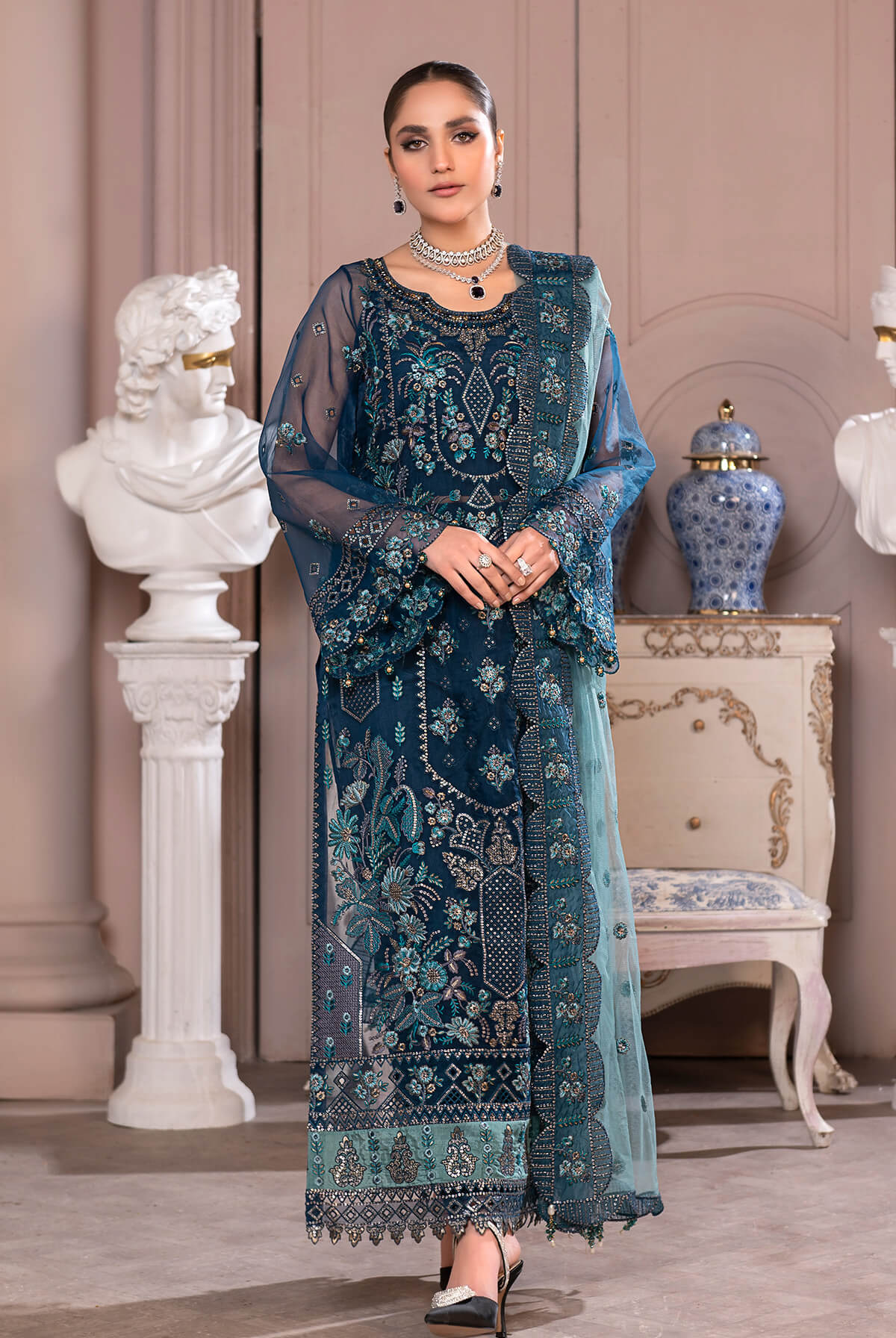

Original price was: ₨14,000.00.₨9,500.00Current price is: ₨9,500.00.
Sale!


Original price was: ₨16,000.00.₨14,000.00Current price is: ₨14,000.00.
Sale!


Original price was: ₨20,000.00.₨14,500.00Current price is: ₨14,500.00.
Sale!


Original price was: ₨19,000.00.₨14,000.00Current price is: ₨14,000.00.
Sale!


Original price was: ₨16,500.00.₨15,000.00Current price is: ₨15,000.00.
Sale!


Original price was: ₨18,500.00.₨15,500.00Current price is: ₨15,500.00.
Sale!


Original price was: ₨15,000.00.₨11,500.00Current price is: ₨11,500.00.
Sale!

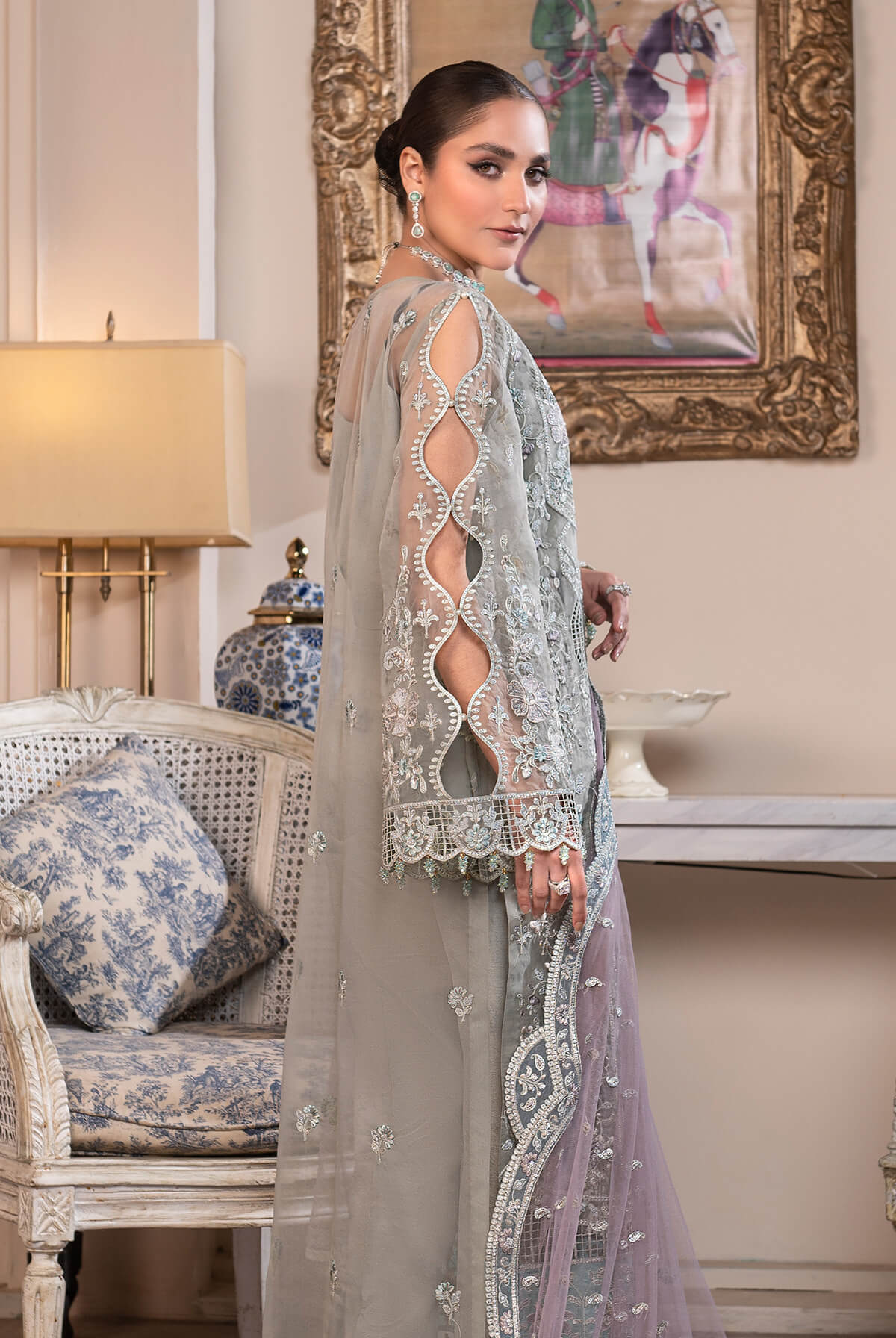
Original price was: ₨14,000.00.₨11,500.00Current price is: ₨11,500.00.
Sale!


Original price was: ₨13,500.00.₨8,700.00Current price is: ₨8,700.00.
Pakistani Dress Wholesale Supplier Estonia | Mastorat
The demand for traditional and contemporary South Asian clothing continues to create opportunities for fashion retailers across international markets. Pakistani fashion has gained recognition for its detailed embroidery, versatile designs, comfortable fabrics, and distinctive combination of traditional craftsmanship and modern styling. For retailers, boutique owners, and online fashion businesses in Estonia, these collections offer an opportunity to introduce something different to customers who appreciate quality clothing and distinctive designs.
Mastorat connects international fashion businesses with a diverse selection of Pakistani clothing, helping retailers explore wholesale collections for different customer preferences and business requirements. From everyday outfits and seasonal lawn suits to embroidered formal dresses and premium designer collections, buyers can explore different clothing categories through one platform.
As a Pakistani Dress Wholesale Supplier Estonia, Mastorat focuses on providing access to varied clothing collections, wholesale purchasing opportunities, and international sourcing solutions. Whether you are establishing a new boutique, expanding an existing clothing store, or developing an online fashion business, choosing suitable products and maintaining consistent quality can help you build a stronger retail operation.
The Estonian fashion market includes customers with different styles, backgrounds, and clothing preferences. Some shoppers prefer simple everyday outfits, while others look for elegant formal wear, festive clothing, and distinctive embroidered designs. A carefully selected Pakistani clothing collection can help retailers serve these different audiences while developing a recognisable product range.
Mastorat aims to make international wholesale sourcing more accessible by bringing together different styles, product categories, and purchasing options for businesses interested in Pakistani fashion.
Why Choose Mastorat for Pakistani Clothing Wholesale?
Selecting a wholesale clothing partner involves more than comparing product prices. Retailers need to consider fabric quality, design variety, product availability, communication, ordering arrangements, and delivery options. A supplier should help businesses understand their purchasing requirements and select collections that suit their customers. Mastorat provides access to Pakistani clothing collections that can support different types of retail businesses. Whether you sell traditional outfits, contemporary ethnic clothing, or occasion-based fashion, exploring a diverse product catalogue makes it easier to plan your inventory. Retailers can begin by exploring the Pakistani Dress Wholesale Supplier Estonia collection to understand the available sourcing options for the Estonian market. Another useful resource is the Pakistani catalogue dress wholesale collection, which allows buyers to explore different styles and product categories before making purchasing decisions. Working with an experienced wholesale platform can also simplify product discovery. Instead of relying on a limited selection, retailers can review different designs, compare product characteristics, and identify clothing suitable for their target audience. Mastorat focuses on helping buyers explore collections that combine traditional Pakistani aesthetics with designs suitable for modern retail environments.Wholesale Solutions for Different Business Models
Every clothing business operates differently. A small boutique may focus on carefully selected outfits, while an established retailer may require a broader inventory covering several price categories. Mastorat supports different purchasing requirements by providing access to varied clothing collections. Retailers can explore products according to their business model, customer expectations, and available inventory budget. For online stores, product presentation and collection consistency are particularly important. Buyers should consider how different outfits will appear in product photographs, how easily customers can understand fabric details, and whether the collection offers enough variety to encourage repeat purchases. Physical retailers may prioritise fabric quality, finishing, colour combinations, and the ability to display different clothing styles together. Understanding these differences helps businesses make more informed wholesale purchasing decisions.Explore a Diverse Range of Pakistani Dresses
One of the most important factors in clothing retail is product variety. Customers rarely have identical preferences, and a store offering only one type of outfit may struggle to appeal to different shopping groups. Pakistani clothing includes several categories, each serving a different purpose. From lightweight casual outfits to elaborate formal ensembles, retailers can develop collections that suit everyday shopping, celebrations, seasonal demand, and special occasions. Through Pakistani dress wholesale, buyers can explore different clothing options and identify products that fit their store's collection strategy.Casual Pakistani Clothing
Casual clothing is an important part of everyday fashion retail. Customers generally look for outfits that combine comfort, attractive designs, and practical styling. Pakistani casual collections include simple printed suits, lightweight cotton outfits, lawn dresses, and minimal embroidered designs. These products can be suitable for shoppers who prefer traditional clothing for everyday activities without choosing heavily decorated garments. Retailers in Estonia can consider introducing casual collections with different sleeve styles, neckline designs, colours, and fabric choices. Offering a selection of simple and moderately detailed outfits can help businesses appeal to customers with different preferences.Formal and Party Wear
Formal clothing offers another opportunity for retailers interested in Pakistani fashion. These outfits often feature more detailed embroidery, decorative finishing, sophisticated colour combinations, and premium-looking fabrics. Pakistani formal wear can be suitable for family gatherings, celebrations, cultural events, and evening occasions. Businesses targeting customers interested in premium clothing can explore Pakistani designer dresses for inspiration and product selection. A balanced formal collection should include different design approaches. Some customers prefer subtle embroidery, while others appreciate elaborate patterns and statement-making details.Designer Suits and Premium Collections
Designer-inspired clothing attracts customers who value distinctive styling and carefully selected details. Pakistani designer suits often combine traditional embroidery with modern cuts, coordinated dupattas, attractive colour palettes, and detailed finishing. Retailers can explore Pakistani designer suits when developing collections for customers interested in sophisticated ethnic clothing. These outfits can help a boutique establish a premium clothing section. However, businesses should consider their customer budgets and local preferences before investing heavily in higher-priced products.Stitched and Unstitched Clothing
Both stitched and unstitched outfits have a place in Pakistani fashion retail. Stitched garments provide convenience because customers can purchase ready-to-wear clothing without arranging additional tailoring. Unstitched collections offer more flexibility for shoppers who prefer selecting their own fitting, measurements, and styling details. Offering both options can help retailers attract a wider customer base. A business may begin with a smaller selection of ready-to-wear products and gradually introduce unstitched collections based on customer feedback.Fabric Quality and Traditional Craftsmanship
Fabric selection has a direct impact on how customers experience clothing. Even an attractive design may not satisfy buyers if the material feels uncomfortable, the stitching is inconsistent, or the garment does not meet their expectations. Pakistani clothing is available in several fabric categories, including lawn, cotton, chiffon, silk, organza, khaddar, and other materials. Each fabric has different characteristics and may be suitable for particular seasons or occasions. For retailers, understanding these differences is useful when building a balanced collection.Choosing the Right Fabric
Lightweight fabrics are often preferred for warm-weather clothing because they offer comfort and breathability. Lawn and cotton collections are commonly associated with casual and seasonal outfits. Chiffon and organza are frequently used in formal clothing because they can create elegant layers and decorative finishes. Silk-based materials are also used in outfits designed for special occasions, depending on the style and construction. Retailers can explore Pakistani dress material wholesale to understand fabric-based sourcing opportunities. Selecting materials according to the intended purpose of a garment can improve customer satisfaction and reduce the chances of purchasing unsuitable inventory.Embroidery and Decorative Details
Embroidery is one of the recognisable features of many Pakistani clothing collections. Different techniques create different visual effects, allowing designers to develop products for casual, semi-formal, and formal markets. Common decorative elements include thread embroidery, sequins, lace, printed patterns, embellishments, and decorative borders. Retailers should pay attention to the placement and finishing of these details. Neatly completed embroidery can improve the overall appearance of an outfit, while poorly finished decorative work may affect its presentation.Consistent Product Finishing
Quality assessment should include more than fabric selection. Buyers should also consider stitching, seams, measurements, colour consistency, embroidery placement, and overall garment construction. Before placing larger orders, retailers can request product information and clarify available quality-check arrangements. Businesses exploring international material sourcing can also review Pakistani dress material wholesale in India as part of their wider research into fabric supply options. A consistent approach to quality assessment helps retailers establish realistic expectations and maintain customer confidence.Wholesale Pricing and Business Profitability
Pricing is one of the main considerations when developing a clothing business. Retailers need to purchase products at prices that allow them to cover operating costs while maintaining reasonable profit margins. Wholesale pricing can vary according to fabric, design complexity, embroidery, stitching, order quantity, and product availability. Therefore, comparing products only by their initial purchase price may not provide an accurate picture of their overall value. Mastorat provides an opportunity for businesses to explore different clothing categories and consider products according to their purchasing budgets.Understanding Wholesale Costs
Before confirming an order, retailers should understand the complete purchasing cost. This may include:- Product purchase prices.
- Packaging expenses.
- International shipping charges.
- Applicable customs duties and import taxes.
- Currency conversion costs.
- Payment processing fees.
- Local handling or delivery expenses.
Comparing International Wholesale Markets
Fashion businesses often research suppliers and pricing across several international markets before choosing their sourcing arrangements. For comparison, retailers can explore Pakistani dress wholesale in Dubai and Pakistani dress wholesale in USA. These resources can provide additional context about international product categories and wholesale market opportunities. However, businesses should compare equivalent products rather than assuming that every market offers identical pricing. Fabric specifications, garment construction, shipping arrangements, and order quantities can all influence the final cost.Planning Retail Profit Margins
A successful clothing business needs a clear pricing strategy. Retailers should calculate the total landed cost of each product and then consider their desired profit margin. They should also account for potential discounts, seasonal promotions, packaging, marketing, and operational expenses. For example, a boutique purchasing formal outfits should evaluate whether its customer base is willing to pay for detailed embroidery and premium materials. Similarly, a business targeting everyday fashion customers may achieve better results by offering affordable designs with practical fabric choices. Careful planning helps businesses maintain competitive retail prices without compromising the quality of their collections.International Shipping and Order Management
International shipping is an important part of wholesale sourcing. Businesses in Estonia need to understand how products will be dispatched, transported, and delivered before confirming an order. Mastorat aims to support international buyers by making its clothing collections accessible to businesses outside Pakistan. Retailers should discuss delivery arrangements, estimated dispatch schedules, shipping charges, tracking availability, and packaging requirements before completing a purchase.Understanding the Shipping Process
International delivery generally involves several stages. First, buyers select products and confirm the order details with the supplier. Once the order is approved, the products are prepared for dispatch according to the agreed arrangements. The shipment is then handed over to the selected logistics provider. Depending on the delivery method, it may pass through international transportation networks and customs processing before reaching Estonia. The final delivery stage involves transporting the shipment to the buyer's specified address.Customs and Import Considerations
Businesses importing clothing into Estonia should understand the relevant European Union and Estonian import requirements. Depending on the shipment, customs declarations, import VAT, duties, and other documentation may apply. Retailers should verify the applicable requirements before purchasing products in bulk. They should also ensure that product descriptions, declared values, and shipping documentation are accurate. Understanding these requirements in advance can help businesses prepare realistic budgets and avoid unnecessary complications.Secure Packaging and Product Handling
Clothing products should be packaged in a way that protects them during transportation. Retailers may want to discuss protective packaging, product grouping, garment labelling, and carton arrangements when placing larger orders. Formal dresses and outfits with delicate decorative elements may require additional care to protect embroidery, fabric surfaces, and embellishments. A clear packaging agreement helps both the buyer and supplier understand the expectations for international delivery. Businesses can also explore sourcing information through Pakistani dress wholesale in Pakistan when researching the domestic wholesale market and its connection to international distribution.Custom Clothing and Private Label Opportunities
Building a recognisable brand can help fashion retailers differentiate themselves from competitors. Instead of selling only general clothing collections, businesses may want to develop products that reflect their own design preferences and brand identity. Customization and private labelling can provide opportunities for businesses interested in developing a more distinctive clothing range. Mastorat provides access to Pakistani clothing collections that retailers can explore when considering their product development requirements.Design Customization
Customization may involve selecting preferred colours, fabric types, embroidery patterns, and other design details, depending on production capabilities and order requirements. For example, a retailer may prefer understated embroidery and neutral colours for one collection while choosing more decorative designs for festive clothing. Businesses should discuss the available customization options, minimum quantities, production timelines, and additional costs before confirming a project.Private Label Development
Private labelling allows eligible businesses to develop products under their own brand identity. This approach may involve branded labels, packaging, product presentation, and other agreed details. Retailers can use Pakistani designer clothes online to explore design inspiration when planning a collection. A private label strategy requires careful planning. Businesses should consider their target customers, product quality, branding, pricing, and marketing before investing in custom production.Creating a Distinctive Collection
A strong collection should have a clear direction. Instead of purchasing unrelated products, retailers can select outfits that work together through similar colours, fabric choices, design details, or intended occasions. For example, a boutique may develop separate categories for casual clothing, office-friendly outfits, formal wear, and festive collections. This approach can improve product organisation and create a more consistent shopping experience.Serving Different International Fashion Markets
Pakistani clothing has an international audience that includes customers interested in traditional South Asian fashion, modest clothing, embroidered outfits, and distinctive occasion wear. Different markets have different purchasing behaviours, so retailers should consider local preferences when selecting products. Mastorat's international sourcing approach gives businesses an opportunity to explore clothing collections for different locations. For example, retailers can review Pakistani clothes wholesale suppliers UK and Pakistani clothes wholesalers Manchester to explore additional market-specific wholesale resources.Understanding Customer Preferences in Estonia
Estonia has a diverse retail environment, and clothing businesses should avoid assuming that every customer has the same fashion preferences. Some customers may be interested in traditional Pakistani outfits because of their cultural background or personal fashion choices. Others may appreciate the embroidery, colours, fabric variety, and distinctive designs associated with South Asian clothing. Retailers should research their intended audience and use actual customer feedback when planning their product selection. Useful factors to consider include:- Preferred clothing styles.
- Seasonal shopping habits.
- Common clothing sizes.
- Demand for stitched and unstitched outfits.
- Preferred fabric types.
- Typical customer spending levels.
- Interest in casual and occasion-based clothing.
Reaching Online Fashion Customers
Online retail gives clothing businesses an opportunity to reach customers beyond their immediate neighbourhood. A well-organised website can present different product categories, provide detailed descriptions, and help customers compare available designs. Retailers can explore Pakistani dress wholesale online when researching online wholesale purchasing options. For a successful online clothing store, product photographs should clearly display garment details. Descriptions should include fabric information, available sizes, colour variations, and care instructions wherever applicable. Clear return policies, delivery information, and customer support details also help create a better shopping experience.Wholesale Opportunities for Physical Boutiques and Retail Stores
Physical clothing stores remain important for customers who prefer to examine fabrics, compare colours, and assess garment finishing before purchasing. A carefully organised boutique can make Pakistani clothing easier to discover by presenting different categories in a structured way. Retailers may organise their inventory according to clothing type, occasion, fabric, price range, or seasonal demand.Organising Your Clothing Inventory
Inventory planning is essential for managing wholesale purchases. A retailer should understand which products sell regularly, which items attract occasional demand, and which designs are more suitable for special events. For example, casual outfits may be suitable for regular inventory replenishment, while elaborate formal dresses may be purchased in smaller quantities depending on customer demand. Retailers interested in understanding different wholesale purchasing environments can explore the Pakistani dress wholesale market resource.Improving Product Presentation
Product presentation can influence purchasing decisions. A boutique should display outfits in a way that makes their colours, fabrics, and decorative features easy to appreciate. Good lighting, organised racks, clear category labels, and attractive product displays can improve the shopping experience. Retailers can also use coordinated accessories and mannequins to demonstrate how different outfits can be styled.Balancing Different Price Categories
A successful store does not necessarily need to focus on only premium or affordable products. A balanced collection may include everyday outfits, mid-range embroidered suits, and selected formal designs. This allows retailers to serve customers with different budgets while maintaining a clear identity.Seasonal Collections and Changing Fashion Trends
Fashion demand can change throughout the year. Weather, cultural celebrations, personal preferences, and special occasions all influence what customers choose to purchase. Retailers in Estonia should consider local seasonal conditions when selecting Pakistani clothing collections.Lightweight Clothing for Warmer Months
During warmer periods, customers may prefer lightweight fabrics and comfortable designs. Lawn, cotton, and other breathable materials can be suitable choices for casual collections. Retailers may consider printed outfits, simple embroidery, and versatile colours when developing a warm-weather clothing section.Layered and Heavier Clothing
Colder periods create different clothing requirements. Customers may look for thicker fabrics, layered outfits, and garments that can be styled with coats, scarves, and other winter accessories. Khaddar and other suitable heavier materials may be considered for seasonal collections. Retailers should assess local customer preferences before purchasing large quantities of seasonal products.Festive and Special Occasion Fashion
Festive collections provide opportunities to introduce more detailed and decorative clothing. Pakistani formal outfits can be suitable for weddings, family gatherings, cultural celebrations, and other special occasions. Retailers may consider embroidered suits, embellished dupattas, and coordinated outfits when planning these categories. For additional market research, businesses can explore collections associated with Pakistani dress wholesale in Mumbai and Pakistani dress wholesale in Dhaka. These resources offer further opportunities to understand the wider international market for Pakistani clothing.Planning Seasonal Stock
Retailers should plan seasonal purchases according to expected demand rather than simply following fashion trends. Useful considerations include previous sales, customer enquiries, product availability, delivery schedules, and the time required to sell existing inventory. Buying suitable quantities can reduce unnecessary stock accumulation and help businesses maintain a more organised product range.Expanding Your Clothing Business Beyond Estonia
Once a retail business establishes a stable customer base, it may consider expanding into additional markets. International expansion can create new opportunities, but it also requires research into customer preferences, delivery arrangements, local regulations, and competitive conditions. Mastorat provides access to clothing-related resources for several international markets, allowing businesses to explore different sourcing opportunities. Retailers interested in other European markets can review: These pages can support broader research into Pakistani clothing wholesale across Europe.Researching New Customer Groups
Before entering another market, retailers should understand whether their products match local customer requirements. Research should include clothing preferences, potential customer demographics, competitor offerings, retail pricing, and shipping costs. A business operating in Estonia may find that its most popular clothing categories are not necessarily the same as those preferred by customers in Germany or France. For this reason, expanding gradually and testing products before making substantial investments can be a sensible approach.Building a Scalable Business Model
A scalable clothing business needs reliable purchasing arrangements, organised inventory management, consistent product presentation, and effective customer service. Retailers should maintain accurate records of product costs, sales, returns, and stock levels. They should also evaluate their suppliers regularly to ensure that purchasing arrangements continue to meet business expectations. International expansion is more manageable when the business has a clear understanding of its existing operations.Wholesale Support for Small Businesses and Established Retailers
Starting a clothing business does not always require a large retail operation. Some entrepreneurs begin with a small online store, a social media clothing page, or a limited boutique collection. Others operate established fashion businesses that require larger and more varied inventories. Both types of businesses need suitable wholesale sourcing arrangements. Mastorat offers a platform through which retailers can explore different Pakistani clothing categories according to their business requirements.Opportunities for New Entrepreneurs
New businesses should begin by identifying a specific customer group. For example, an entrepreneur may focus on everyday Pakistani clothing, modest fashion, designer-inspired outfits, or formal collections. Starting with a clearly defined product category can make purchasing and marketing decisions easier. Retailers can also explore Pakistani dress wholesale supplier Albania and Pakistani dress wholesale supplier Austria to research other international wholesale markets.Supporting Growing Retail Operations
Established businesses may require more structured purchasing arrangements. These can include larger product selections, recurring orders, consistent garment specifications, and coordinated delivery planning. Before increasing order quantities, retailers should assess product performance and confirm that the supplier can meet the required specifications. Maintaining clear communication helps prevent misunderstandings regarding designs, quantities, pricing, and delivery expectations.Managing Business Growth Carefully
Growth should be supported by actual sales performance rather than assumptions. Retailers should track which products generate repeat purchases, which categories attract new customers, and which items remain in stock for longer periods. This information can guide future wholesale orders. A well-managed inventory strategy helps businesses use their purchasing budgets more effectively.Responsible Production and Clothing Quality
Modern fashion customers are increasingly interested in how clothing is produced, where materials come from, and whether businesses communicate honestly about their products. Responsible sourcing can be an important consideration for retailers developing long-term relationships with customers. Businesses should ask suppliers about their manufacturing practices, material sourcing, quality-control procedures, and available product documentation.Understanding Manufacturing Standards
Clothing production involves several stages, including fabric selection, cutting, stitching, embroidery, finishing, and packaging. Quality-control procedures can help identify problems before products are dispatched. Retailers should clarify which checks are performed and what arrangements are available if products do not meet the agreed specifications.Reducing Unnecessary Waste
Inventory planning can contribute to more responsible retail operations. Ordering products according to realistic demand can help reduce unsold stock and unnecessary storage requirements. Retailers can also improve product descriptions and sizing information to help customers make informed purchasing decisions. These practices support better inventory management and can improve the overall shopping experience. For additional international sourcing research, retailers can explore Pakistani dress wholesale supplier Sweden and Pakistani dress wholesale supplier Switzerland. Businesses should independently verify any environmental or ethical certifications before making related claims in their marketing.A Simple and Organised Wholesale Ordering Process
A straightforward ordering process helps retailers save time and understand their purchasing commitments. When sourcing clothing internationally, buyers should have access to clear product information and should confirm the important details before making payment. Mastorat provides access to Pakistani clothing collections that buyers can explore when planning wholesale purchases.Step 1: Explore Available Collections
Begin by reviewing the available product categories. Consider whether your business requires casual clothing, formal outfits, designer collections, unstitched suits, or seasonal garments. The Pakistani dress in wholesale resource can help buyers explore relevant wholesale clothing options.Step 2: Select Suitable Products
Once you identify the required categories, compare the available designs. Pay attention to fabric, colour, measurements, stitching, embroidery, and other product details. Create a list of the products that match your business requirements.Step 3: Confirm Order Details
Before confirming a wholesale purchase, clarify the following:- Product names and specifications.
- Available sizes and colours.
- Quantity per design.
- Wholesale prices.
- Customization requirements.
- Packaging arrangements.
- Payment terms.
- Shipping charges and estimated delivery.
- Applicable return or replacement conditions.
Step 4: Arrange Dispatch and Delivery
After the order details and payment arrangements are confirmed, the supplier can proceed according to the agreed fulfilment process. Buyers should request available shipping information and retain their order documentation for future reference. A structured process helps both parties manage expectations and maintain clear communication.Building Long-Term Relationships with a Wholesale Supplier
A reliable wholesale relationship can contribute to the long-term development of a clothing business. Retailers benefit when they understand product specifications, communicate purchasing requirements clearly, and maintain consistent records of their orders. Mastorat aims to support international buyers who want to explore Pakistani clothing collections for their retail operations.Clear Communication
Good communication is important throughout the sourcing process. Buyers should explain their requirements clearly and ask questions whenever product information is incomplete. Suppliers should provide relevant details about available designs, order arrangements, and delivery expectations. Clear communication can make the purchasing experience more organised.Consistency Across Orders
Retailers often want products with consistent fabric quality, stitching, measurements, and finishing. When placing repeat orders, businesses should retain product specifications and confirm whether the same materials and designs are available. This is particularly useful for boutiques that want to maintain a consistent collection.Reviewing Supplier Performance
Businesses should periodically review their wholesale relationships. Important factors include product quality, order accuracy, communication, delivery performance, and how efficiently concerns are handled. Regular evaluation helps retailers decide whether their sourcing arrangements continue to support their business objectives. For additional European market research, retailers can explore Pakistani dress wholesale supplier Netherlands and Pakistani dress wholesale supplier Norway. These resources provide further context for businesses researching Pakistani clothing distribution in different European locations.How to Market Pakistani Clothing in Estonia
Finding suitable wholesale products is only one part of running a successful fashion business. Retailers also need to present their collections effectively and help potential customers discover their products. A thoughtful marketing strategy can make a boutique or online clothing store easier to recognise.Create Detailed Product Listings
Every product listing should provide useful information. Include the garment's fabric, available sizes, colour, design details, stitching status, and care instructions where relevant. Avoid vague descriptions that leave customers uncertain about what they are purchasing. Accurate information can help reduce unnecessary enquiries and improve customer confidence.Use High-Quality Product Photography
Clothing is a visual product, so photographs are an important part of online presentation. Retailers should use clear images that show the full outfit, fabric texture, embroidery, neckline, sleeves, and other important details. Where possible, include multiple photographs from different angles. The images should represent the actual product accurately. Excessive editing or misleading colour adjustments can create unrealistic expectations.Build an Organised Online Store
An online store should make it easy for visitors to browse clothing categories and find relevant products. Useful categories may include:- Casual Pakistani Suits.
- Formal Pakistani Dresses.
- Embroidered Collections.
- Unstitched Clothing.
- Designer Outfits.
- Seasonal Fashion.
- Festive Collections.