
Sale!


Original price was: ₨16,000.00.₨15,000.00Current price is: ₨15,000.00.
Sale!

Original price was: ₨17,500.00.₨13,500.00Current price is: ₨13,500.00.
Sale!


Original price was: ₨16,000.00.₨13,000.00Current price is: ₨13,000.00.
Sale!


Original price was: ₨18,500.00.₨14,000.00Current price is: ₨14,000.00.
Sale!

Original price was: ₨14,000.00.₨12,000.00Current price is: ₨12,000.00.
Sale!

Original price was: ₨15,000.00.₨13,500.00Current price is: ₨13,500.00.
Sale!


Original price was: ₨16,000.00.₨12,500.00Current price is: ₨12,500.00.
Sale!


Original price was: ₨17,500.00.₨15,500.00Current price is: ₨15,500.00.
Sale!


Original price was: ₨15,000.00.₨13,000.00Current price is: ₨13,000.00.
Sale!


Original price was: ₨11,500.00.₨9,500.00Current price is: ₨9,500.00.
Sale!

Original price was: ₨14,000.00.₨9,500.00Current price is: ₨9,500.00.
Sale!


Original price was: ₨16,000.00.₨14,000.00Current price is: ₨14,000.00.
Sale!


Original price was: ₨20,000.00.₨14,500.00Current price is: ₨14,500.00.
Sale!


Original price was: ₨19,000.00.₨14,000.00Current price is: ₨14,000.00.
Sale!


Original price was: ₨18,500.00.₨14,500.00Current price is: ₨14,500.00.
Sale!


Original price was: ₨17,500.00.₨15,000.00Current price is: ₨15,000.00.
Sale!


Original price was: ₨14,500.00.₨12,500.00Current price is: ₨12,500.00.
Sale!


Original price was: ₨17,500.00.₨16,000.00Current price is: ₨16,000.00.
Sale!

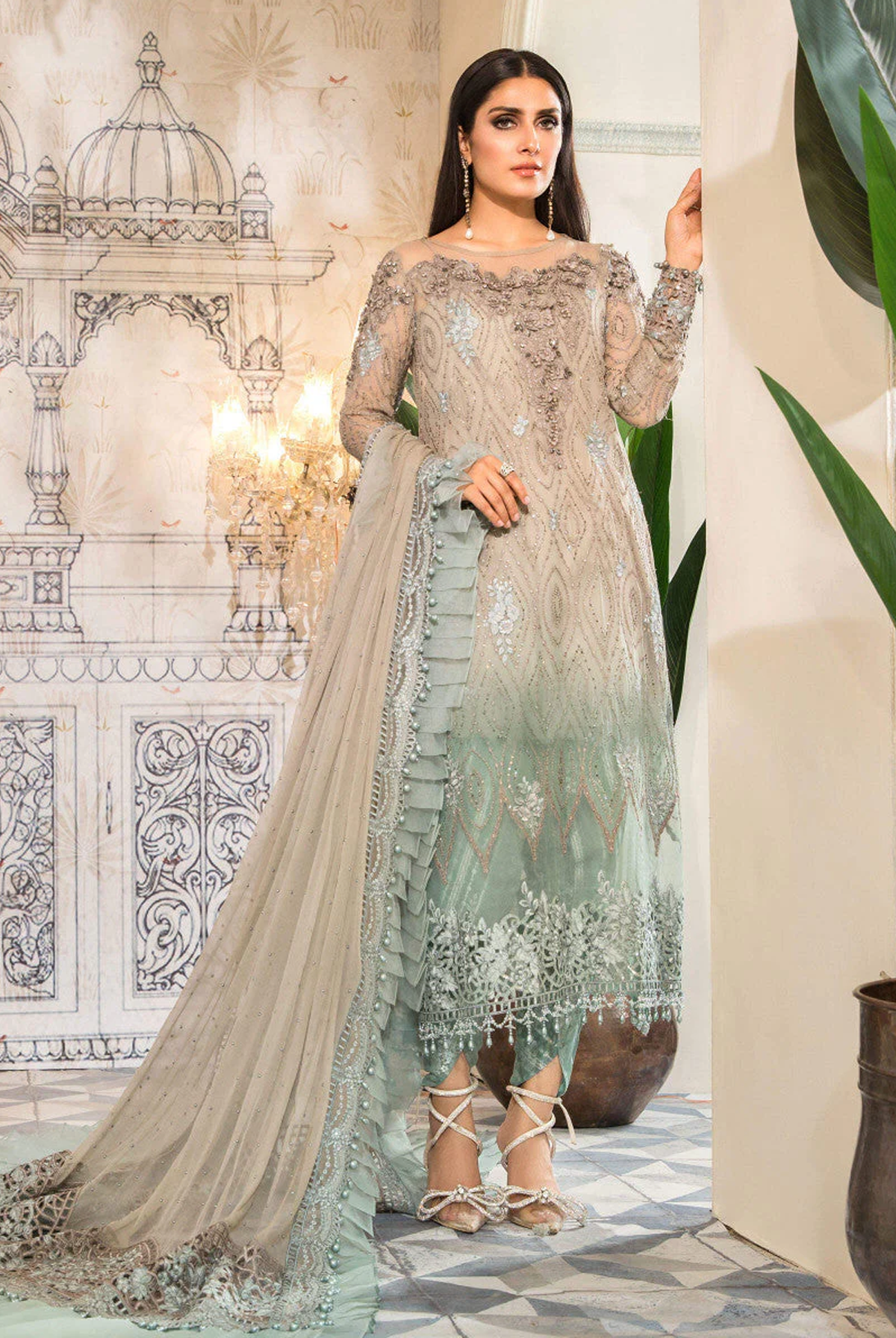
Original price was: ₨16,500.00.₨15,500.00Current price is: ₨15,500.00.
Sale!

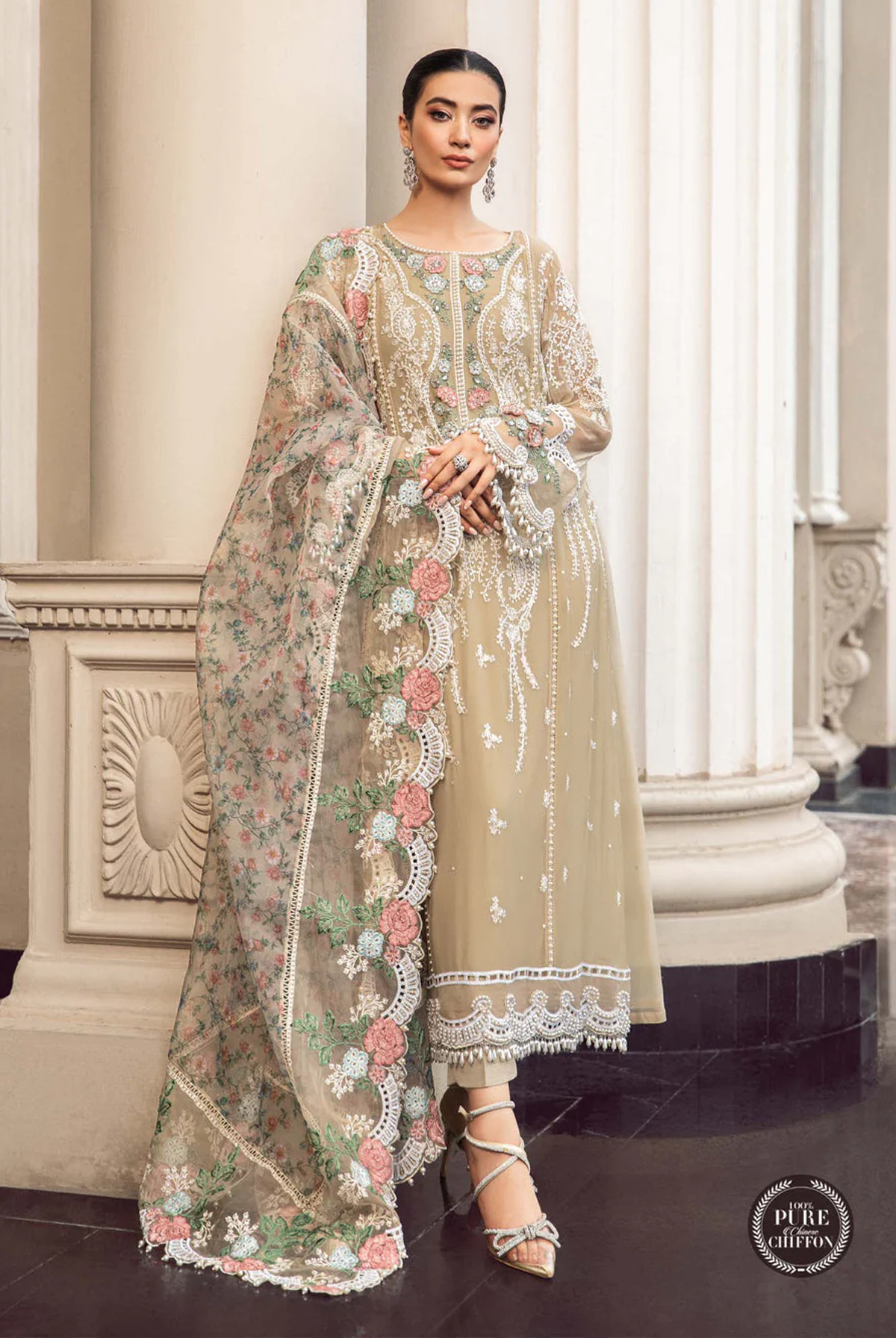
Original price was: ₨15,000.00.₨14,000.00Current price is: ₨14,000.00.
Sale!


Original price was: ₨18,500.00.₨17,000.00Current price is: ₨17,000.00.
Sale!


Original price was: ₨17,500.00.₨16,500.00Current price is: ₨16,500.00.
Sale!


Original price was: ₨16,500.00.₨15,000.00Current price is: ₨15,000.00.
Sale!


Original price was: ₨18,500.00.₨15,500.00Current price is: ₨15,500.00.
Sale!


Original price was: ₨15,000.00.₨11,500.00Current price is: ₨11,500.00.
Sale!

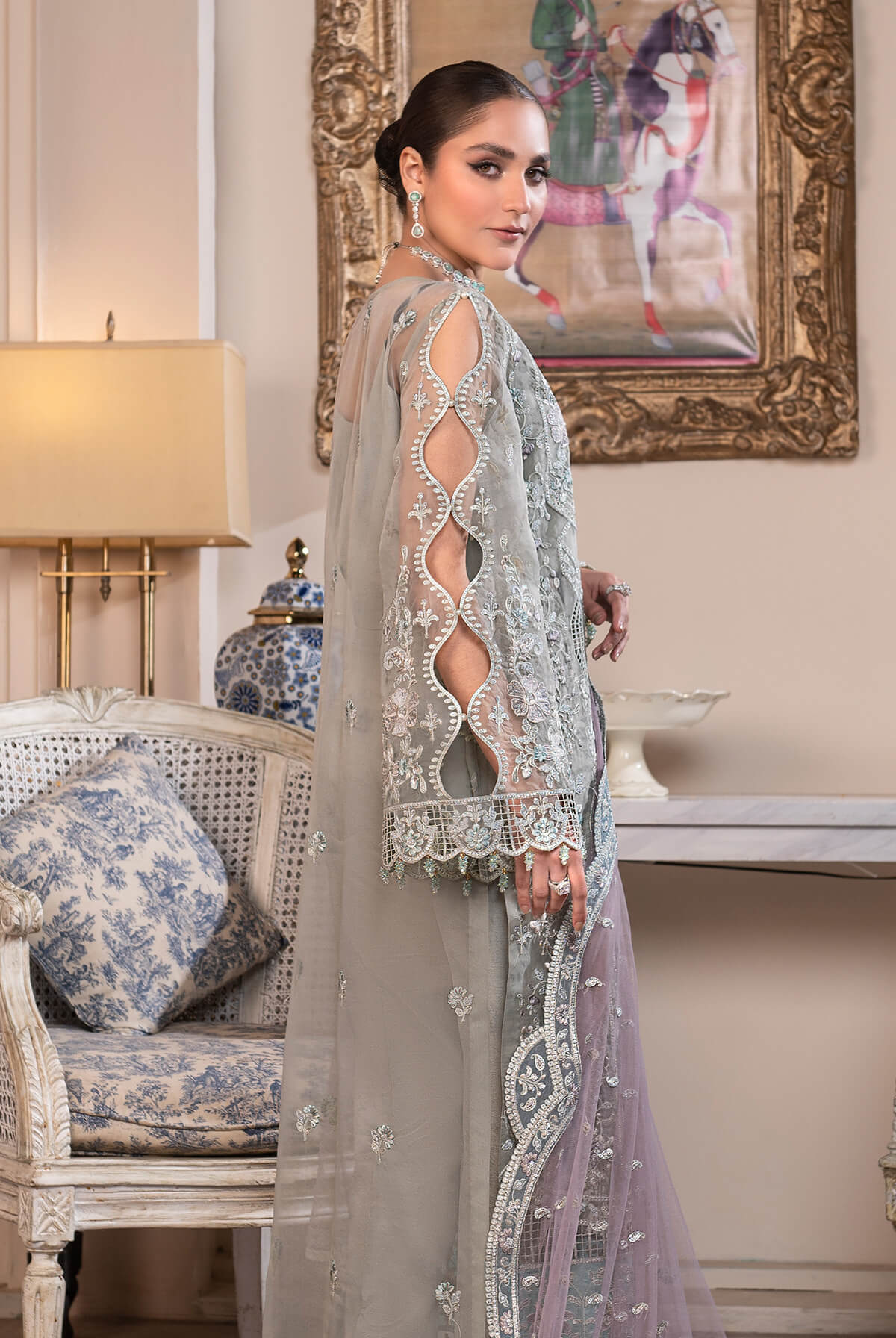
Original price was: ₨14,000.00.₨11,500.00Current price is: ₨11,500.00.
Sale!


Original price was: ₨15,500.00.₨13,500.00Current price is: ₨13,500.00.
Sale!


Original price was: ₨13,500.00.₨12,500.00Current price is: ₨12,500.00.
Sale!


Original price was: ₨17,500.00.₨16,500.00Current price is: ₨16,500.00.
Sale!


Original price was: ₨18,500.00.₨17,500.00Current price is: ₨17,500.00.
Ready Made Pakistani Clothes Wholesale
Looking for ready made Pakistani clothes wholesale for your boutique, clothing shop or online store? Mastorat helps wholesale buyers explore Pakistani clothing collections and enquire about suitable products for their businesses. Whether you are starting a new clothing business or expanding an existing collection, choosing the right garments involves more than finding attractive designs. Fabric, stitching, sizing, customer preferences, order quantities and total sourcing costs all influence your purchasing decisions. Pakistani clothing offers a wide variety of styles, from everyday outfits to embroidered suits and occasion wear. These collections can help retailers serve customers looking for traditional South Asian clothing, contemporary designs and garments suitable for different occasions. At Mastorat, you can explore the available clothing catalogue and contact the team to discuss your wholesale requirements. Browse the products, shortlist the designs that suit your audience and enquire about current prices, sizes, availability and shipping arrangements before placing an order. Looking for a wholesale quotation? Share the products you are interested in, your estimated quantity and your delivery destination so the team can understand your requirements.Explore Our Ready-Made Pakistani Clothing Collection
A useful wholesale clothing catalogue should make it easy for buyers to identify products that match their business needs. Some retailers look for everyday Pakistani suits, while others focus on embroidered outfits, formal dresses or seasonal collections. Start by reviewing the available products and creating a shortlist of designs that fit your target market. Record the product names or references so you can identify each item clearly when requesting a quotation. When assessing a garment, look beyond the main photograph. Review the fabric information, colour, stitching, design details, included pieces and size options wherever these details are available. For embroidered clothing, examine the placement of the embroidery and whether the product images show the important finishing details. If a product listing does not provide enough information, ask for clarification before placing a bulk order. In particular, confirm whether the garment is fully stitched, partially stitched or supplied as an unstitched fabric set. These distinctions affect how you present and sell the product to your customers. Wholesale buyers should also confirm whether their selected designs are available in the required quantities. A garment may suit your audience, but its availability, size range and delivery arrangements must also fit your purchasing plan.Wholesale Pakistani Clothing for Boutiques and Retailers
Buying clothing wholesale allows retailers to source garments for resale through physical shops, boutiques, online stores and social commerce channels. The best purchasing approach depends on your customers, sales model and available budget.Wholesale Clothing for Boutiques
Boutiques often need a coordinated selection rather than a large quantity of unrelated designs. You might choose a collection around everyday wear, modest fashion, embroidered suits or special-occasion clothing. Before ordering, decide what role each garment will play in your range. Some products may suit regular purchases, while others may appeal to customers shopping for celebrations or family events. A carefully selected assortment can make your collection easier to organize and promote. Consider your customers' preferred styles, colours, sizes and spending habits. Reviewing previous sales and customer enquiries can help you decide which products deserve more attention when planning future orders.Wholesale Pakistani Clothes for Online Sellers
Online clothing businesses depend on clear product photography, accurate descriptions and useful sizing information. Before listing wholesale garments on your website or marketplace, make sure you understand exactly what the customer will receive. Check whether the photographs accurately represent the fabric colour, embroidery and overall design. Confirm garment measurements and included pieces. If colours may vary between screens or production batches, avoid promising an exact visual match unless it can be verified. Your product listings should explain the material, fit and care requirements wherever this information is available. Clear descriptions help customers make informed purchasing decisions and reduce avoidable questions about the product.Wholesale Clothing for New Businesses
If you are starting a clothing business, begin by identifying your target customers. Consider the styles they purchase, the occasions they shop for and the prices they expect. You do not need to stock every available category immediately. A smaller, carefully planned collection may be easier to photograph, describe, promote and manage than a broad assortment chosen without a clear customer profile. Before committing to a large order, calculate your purchasing costs and estimate how much stock your business can reasonably finance and store. For more practical planning advice, read our guide to starting a Pakistani clothing business in the UK.Types of Pakistani Clothing to Source Wholesale
Pakistani clothing includes a wide range of garment styles, fabrics and decorative finishes. The most suitable products for your business depend on your customers and the items available in the current catalogue.Casual and Everyday Pakistani Wear
Casual Pakistani clothing can include outfits designed for routine wear, family visits and informal gatherings. Customers may look for comfortable fabrics, wearable colours, practical cuts and designs that are easy to coordinate. When assessing casual collections, consider the intended season, fabric weight and care requirements. A lightweight garment suitable for warmer conditions may not meet the needs of customers shopping for cooler weather. Retailers should also consider how individual products fit into the wider collection. Coordinating colours and complementary designs may help create a cohesive range, provided the products are available in the quantities required.Embroidered and Formal Pakistani Dresses
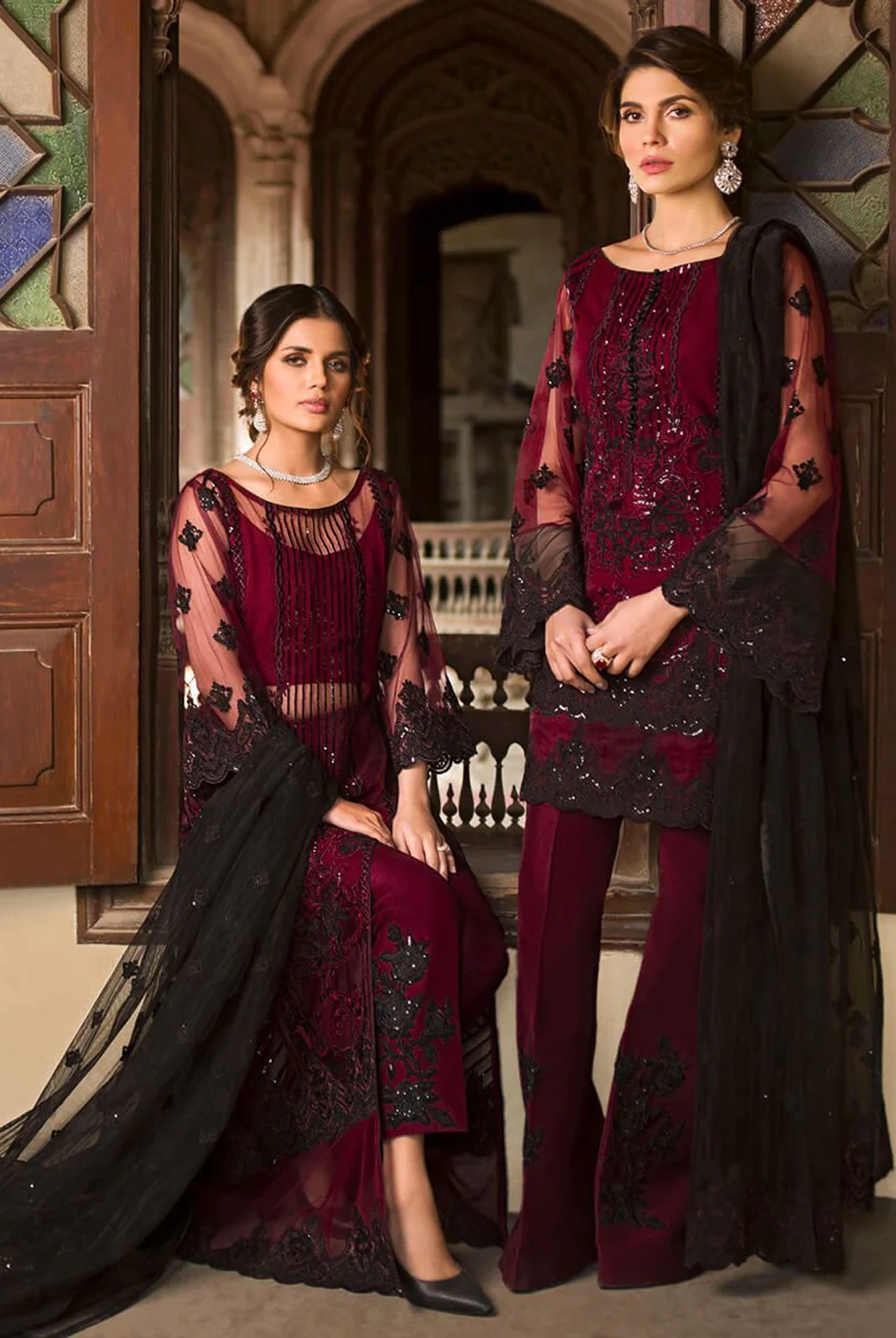
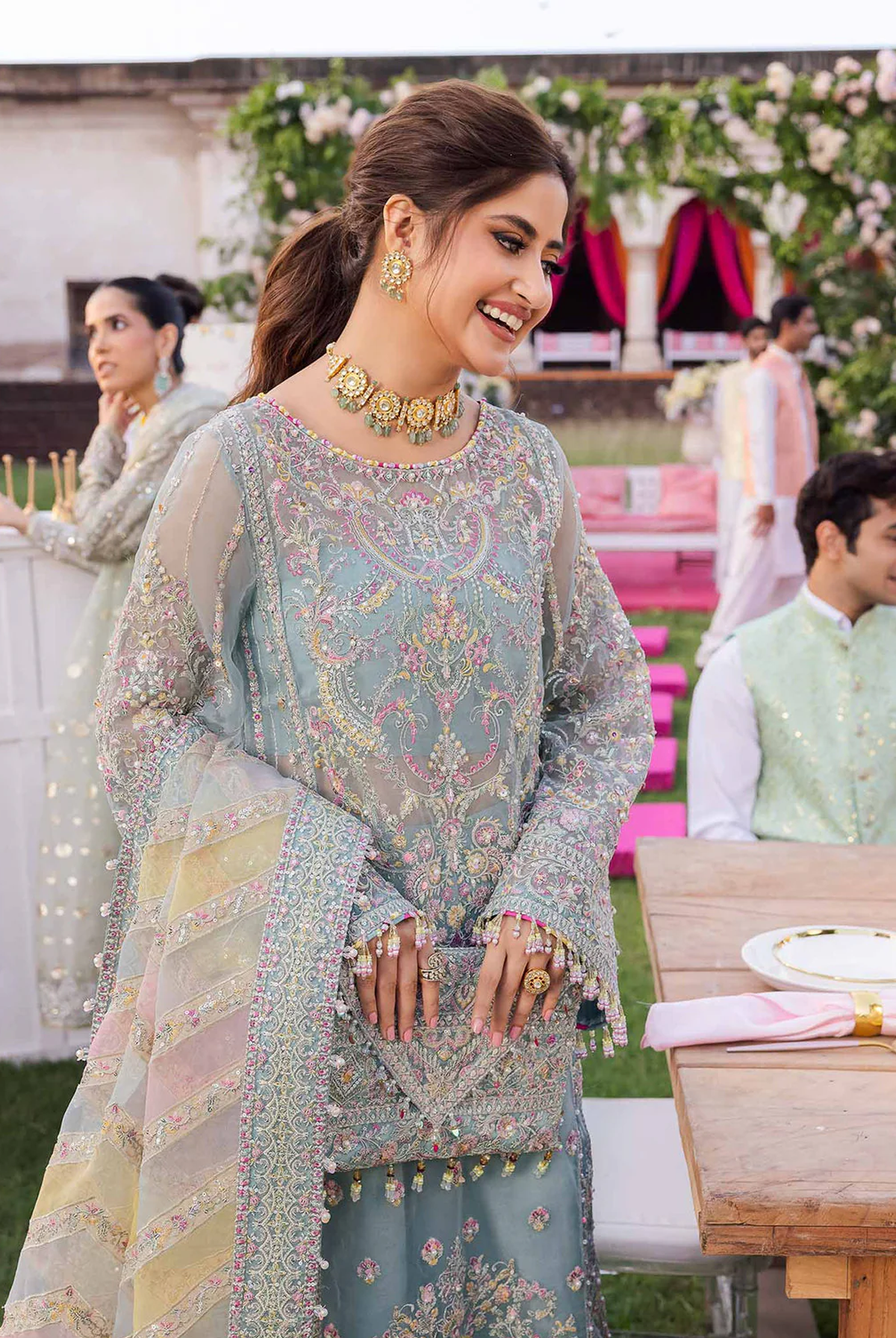
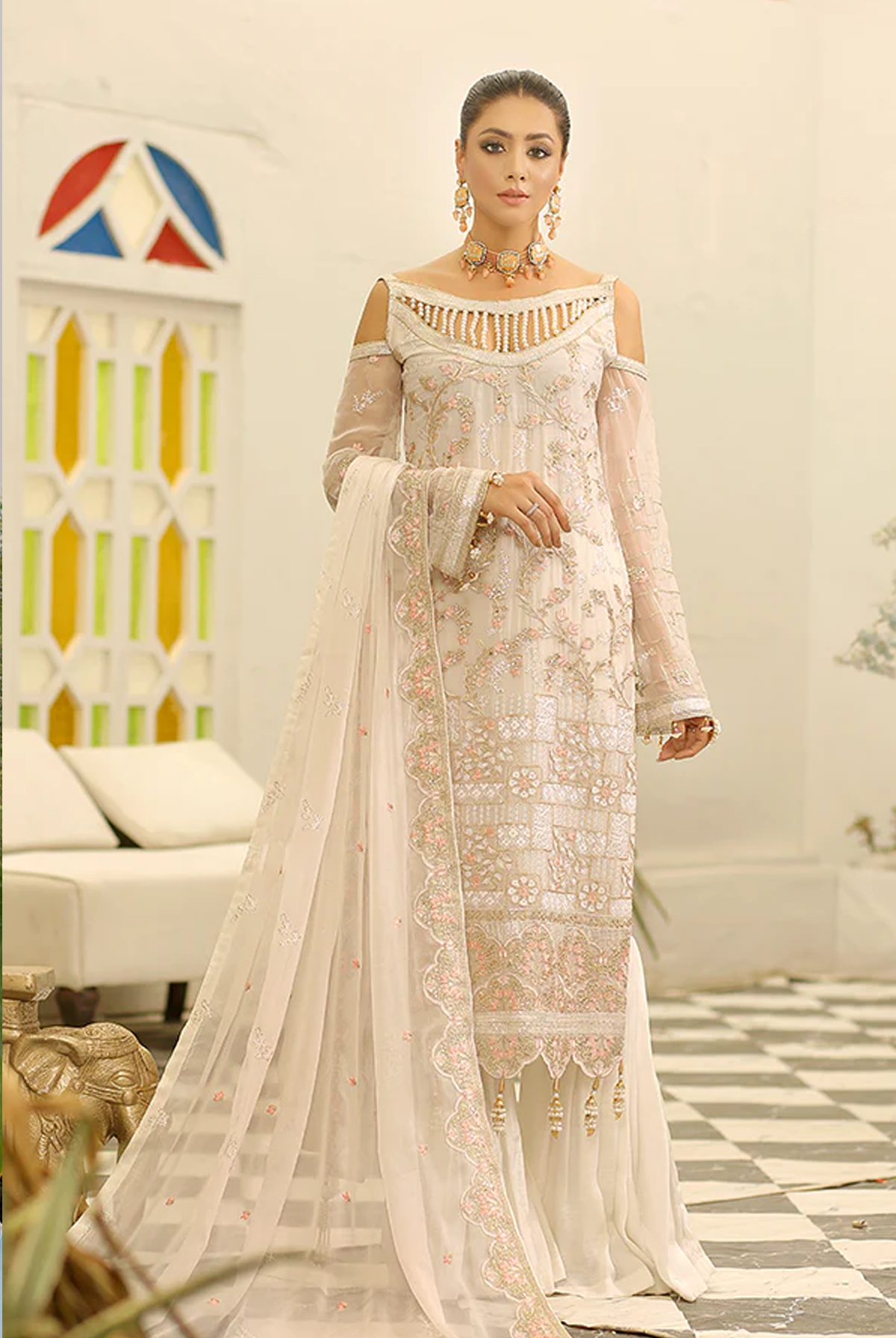
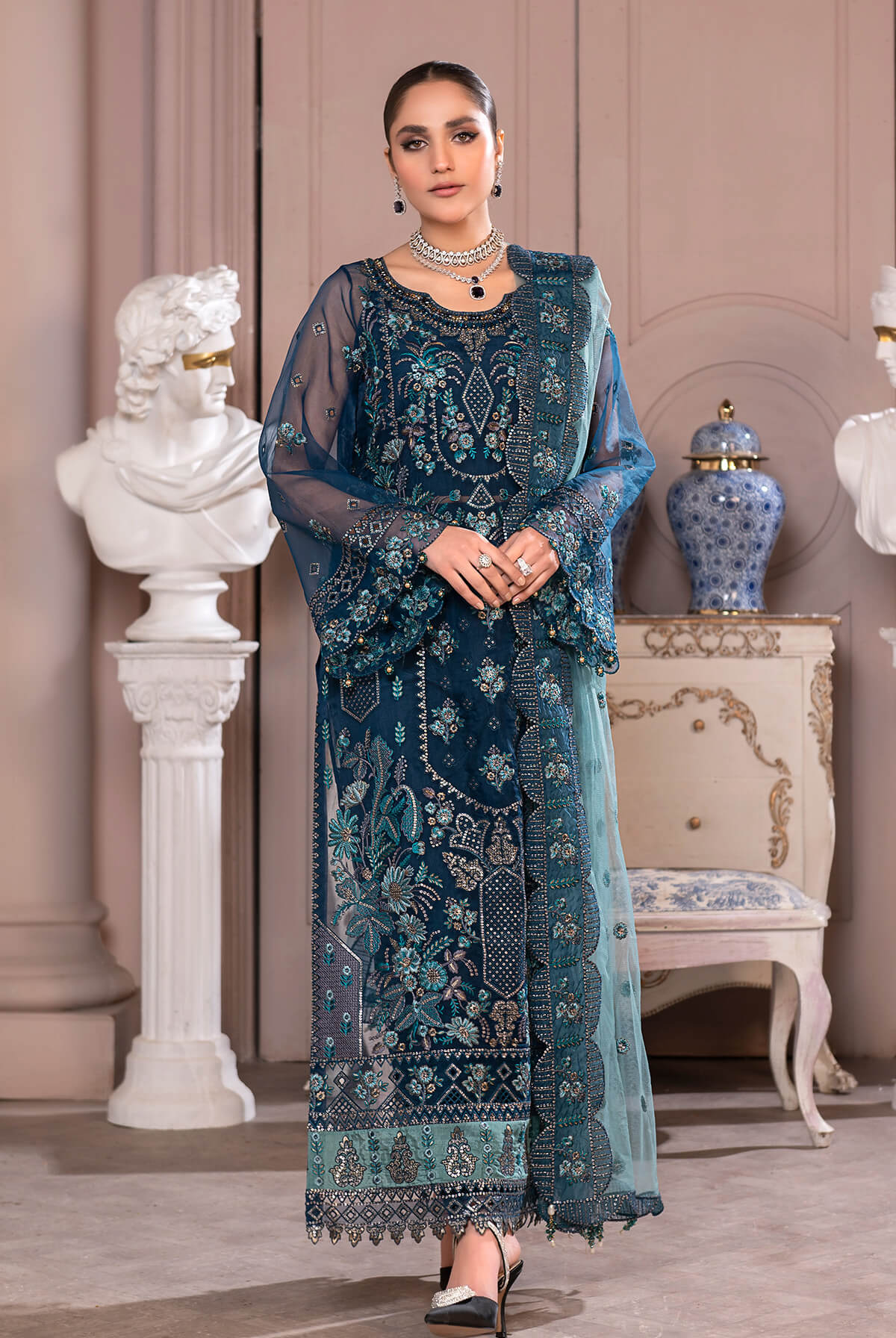
Embroidered Pakistani dresses can appeal to customers shopping for celebrations, formal gatherings and special occasions. Depending on the collection, buyers may look for decorative necklines, embroidered panels, embellished details and more elaborate designs. When comparing formal garments, examine the level and placement of decoration, the fabric used and the finishing around seams and hems. Product photographs should show enough detail for you to assess the design before committing to a larger order. It is also important to check what is included in each outfit. Some clothing sets contain multiple pieces, while others may be sold as a single garment or fabric set. Confirm the exact contents instead of assuming every displayed accessory is included. Retailers focusing on occasion wear can explore our wholesale party dresses collection for a more specific selection of formal clothing.Seasonal Pakistani Clothing
Seasonality can influence which fabrics, colours and garment styles customers prefer. Lightweight fabrics may be suitable for warmer months, while heavier materials and layered outfits may be more appropriate for cooler conditions. Retailers in the UK and Canada should consider the seasons when their customers are most likely to purchase particular styles. Buyers in the USA and Australia should also account for differences in regional climates and seasonal demand. Avoid basing your entire purchasing decision on a general fashion trend. Consider your own sales history, customer enquiries, available budget and the types of garments that fit your existing collection. Before purchasing seasonal stock, confirm product availability and estimated delivery arrangements. Products arriving after the relevant selling period may be harder to sell at the intended price.Ready-Made Suits and Unstitched Collections
Ready-made clothing is generally supplied as a stitched garment or finished outfit, while unstitched collections require tailoring before they can be worn as complete outfits. Ready-made garments can be convenient for retailers who want to sell finished clothing without arranging individual tailoring for every customer. However, sizing, fit and garment measurements still need to be checked. Unstitched clothing may appeal to customers who prefer a personalized fit or want greater control over how an outfit is tailored. These products serve a different purchasing need, so buyers should confirm which type is supplied before ordering. Explore our Pakistani dress wholesale supplier page if you are researching additional Pakistani dress sourcing options.How to Choose the Right Wholesale Clothing for Your Market
Selecting wholesale stock is a commercial decision. Attractive garments are important, but buyers should also consider whether the products suit their customers, selling prices and operating costs.Understand Your Customers and Price Range
Begin by identifying the customers you want to serve. Are they primarily shopping for casual clothing, formal occasions, seasonal collections or a mixture of styles? Next, consider the price range they are comfortable paying. Your potential retail price should account for the wholesale purchase price and the other costs involved in bringing the garment to market. For example, a retailer considering an embroidered outfit should compare its expected selling price against the total cost of purchasing, shipping, importing, storing and marketing it. The wholesale price alone does not determine whether the product is commercially suitable. Avoid assuming that a more expensive garment will always generate better returns or that a lower-priced product will automatically sell faster. Customer demand, product quality, competition and presentation all influence purchasing decisions.Check Fabric, Stitching and Sizing
Fabric and stitching affect how a garment looks, feels and performs after purchase. Before confirming an order, request available fabric information and inspect the product details carefully. Where possible, review close-up photographs or request a sample if the supplier offers one. Examine seam finishing, embroidery attachment, hems, closures and other details relevant to the garment. Sizing also deserves attention. Do not assume that size labels correspond to identical measurements across every supplier or garment style. Request a size chart and compare the measurements against the expectations of your target market. If you plan to sell clothing internationally, make sure your sizing information is understandable to your customers. Providing accurate garment measurements can help buyers choose more confidently than relying on size labels alone.Plan a Balanced Product Assortment
A wholesale order should reflect your sales strategy rather than simply the number of attractive products in a catalogue. One retailer may focus on a limited range of coordinated formal dresses. Another may need a broader selection of everyday garments in several colours and sizes. The appropriate approach depends on the business. Before ordering, prepare a shortlist that records the product name, requested quantity, size requirements, quoted unit price and confirmed availability. This makes it easier to compare options and reduces the risk of overlooking important costs. If you are testing a new product category, avoid committing more stock than your business can reasonably finance and store. Where supplier terms allow it, consider starting with a manageable assortment and reviewing customer response before expanding.Wholesale Clothing Prices and Bulk Orders
Wholesale clothing prices can vary according to garment type, fabric, embroidery, construction, design and order quantity. Shipping and import-related costs may also affect the final amount a buyer pays. For this reason, retailers should compare quotations on a like-for-like basis. Two garments that look similar in photographs may differ in their fabric, included pieces, finishing or sizing. Comparing unit prices without checking these details can lead to an inaccurate assessment. When requesting a quotation from Mastorat, provide as much relevant information as possible:- The product names or catalogue references you are interested in.
- The quantity required for each design.
- Your preferred sizes and colours, where applicable.
- Your delivery country and destination.
- Any questions about fabric, construction or product specifications.
- Whether you need an itemized quotation separating garment costs from shipping and other charges.