
Sale!
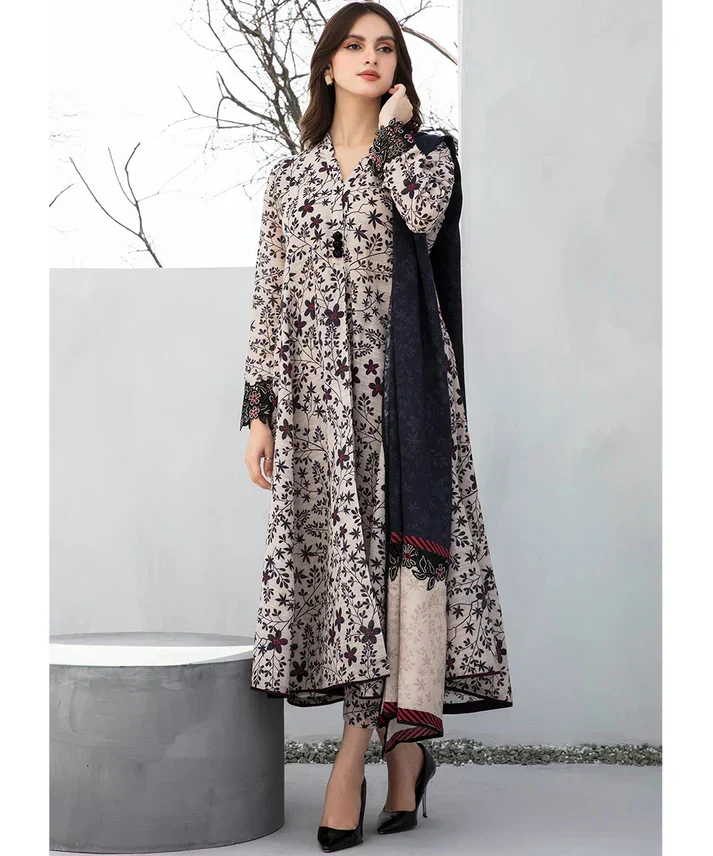
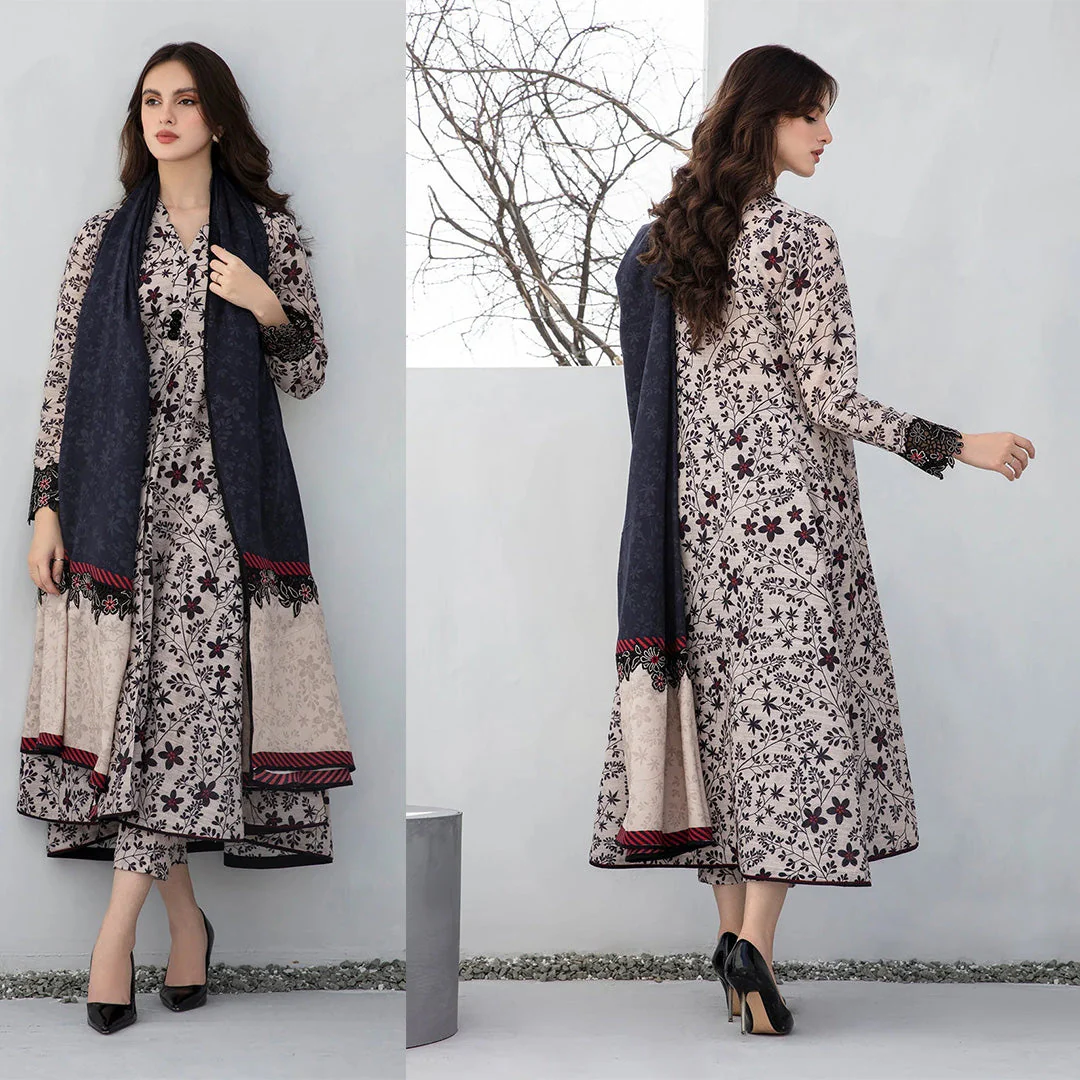
Original price was: ₨15,000.00.₨8,000.00Current price is: ₨8,000.00.
Sale!
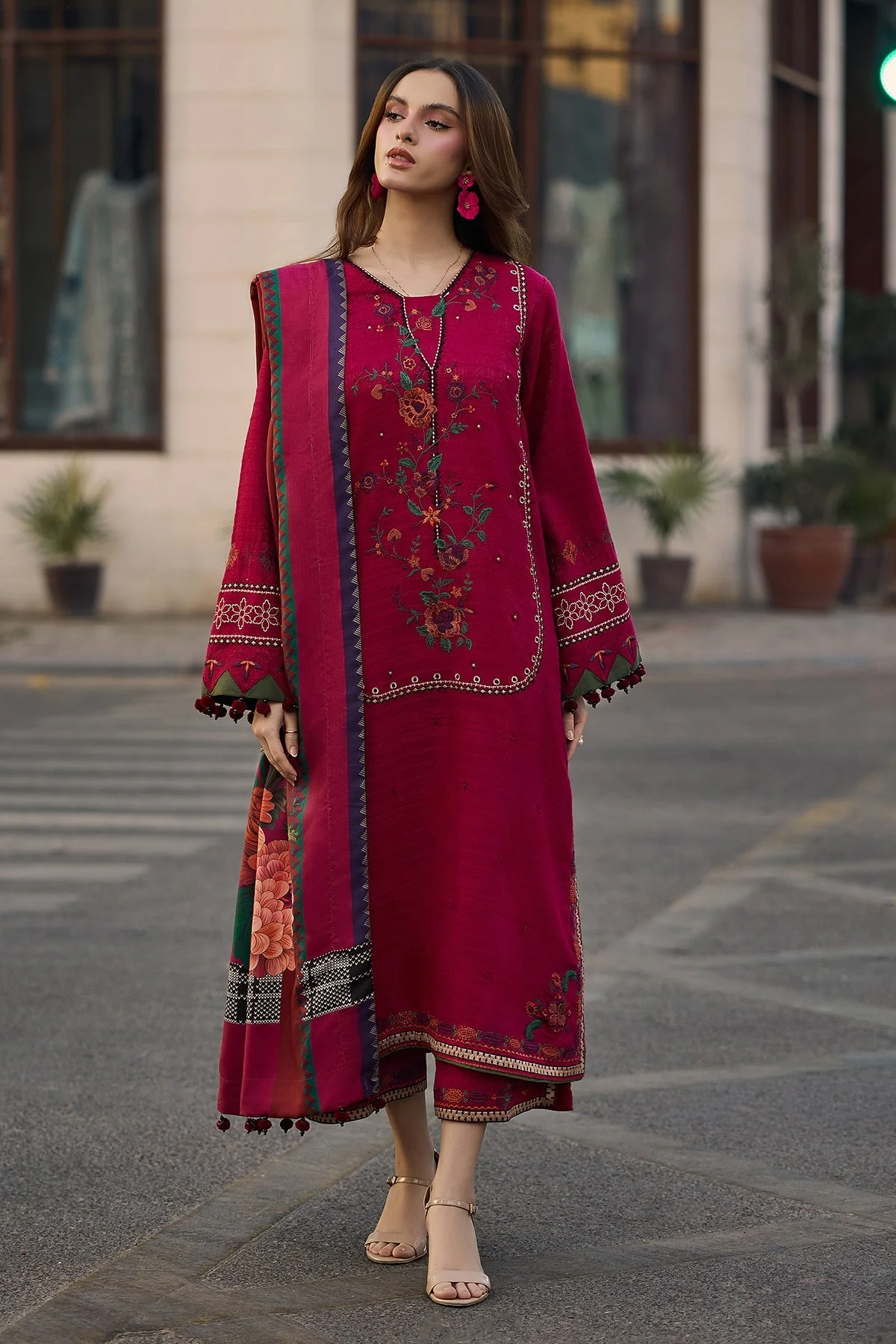
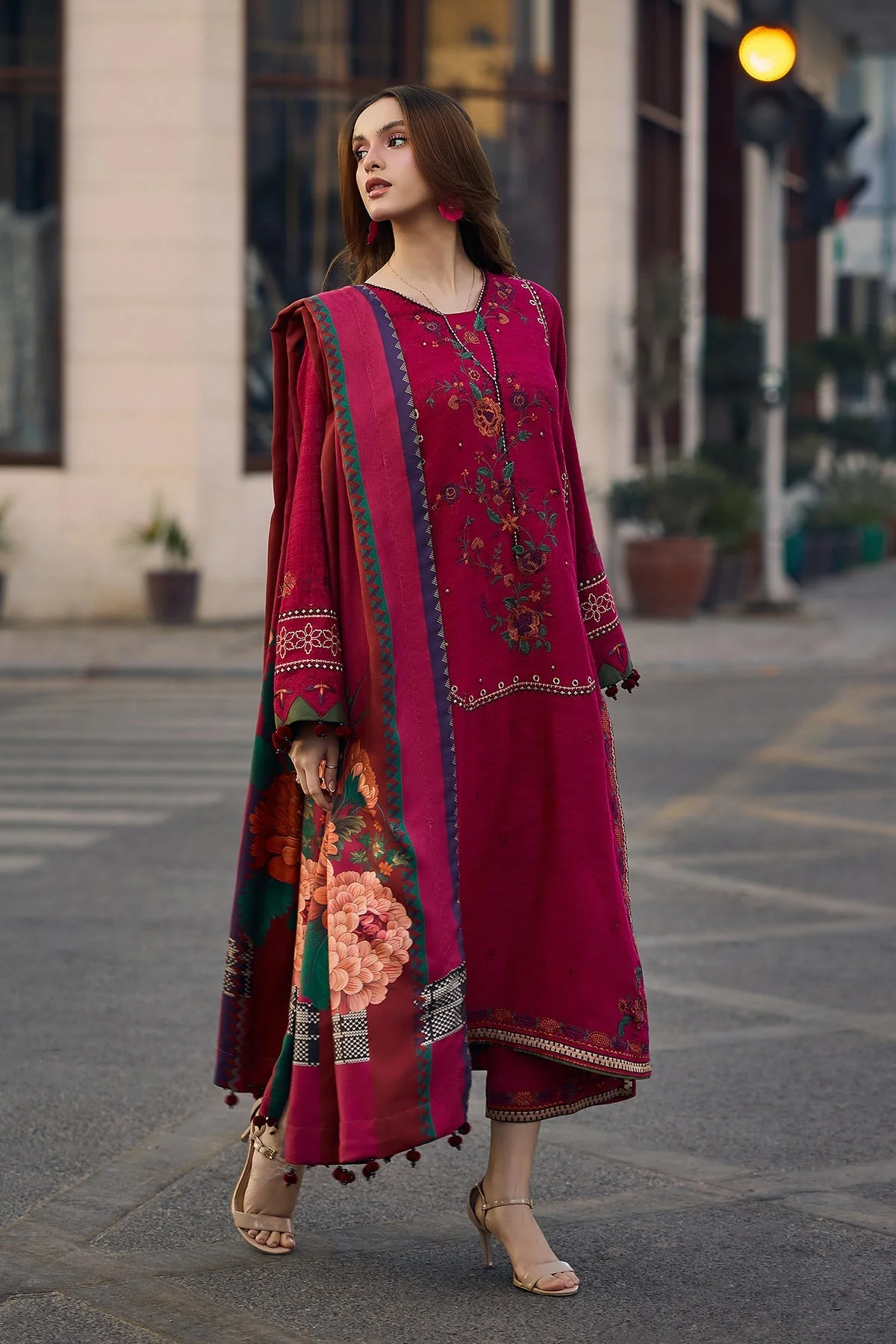
Original price was: ₨15,000.00.₨8,000.00Current price is: ₨8,000.00.
Sale!
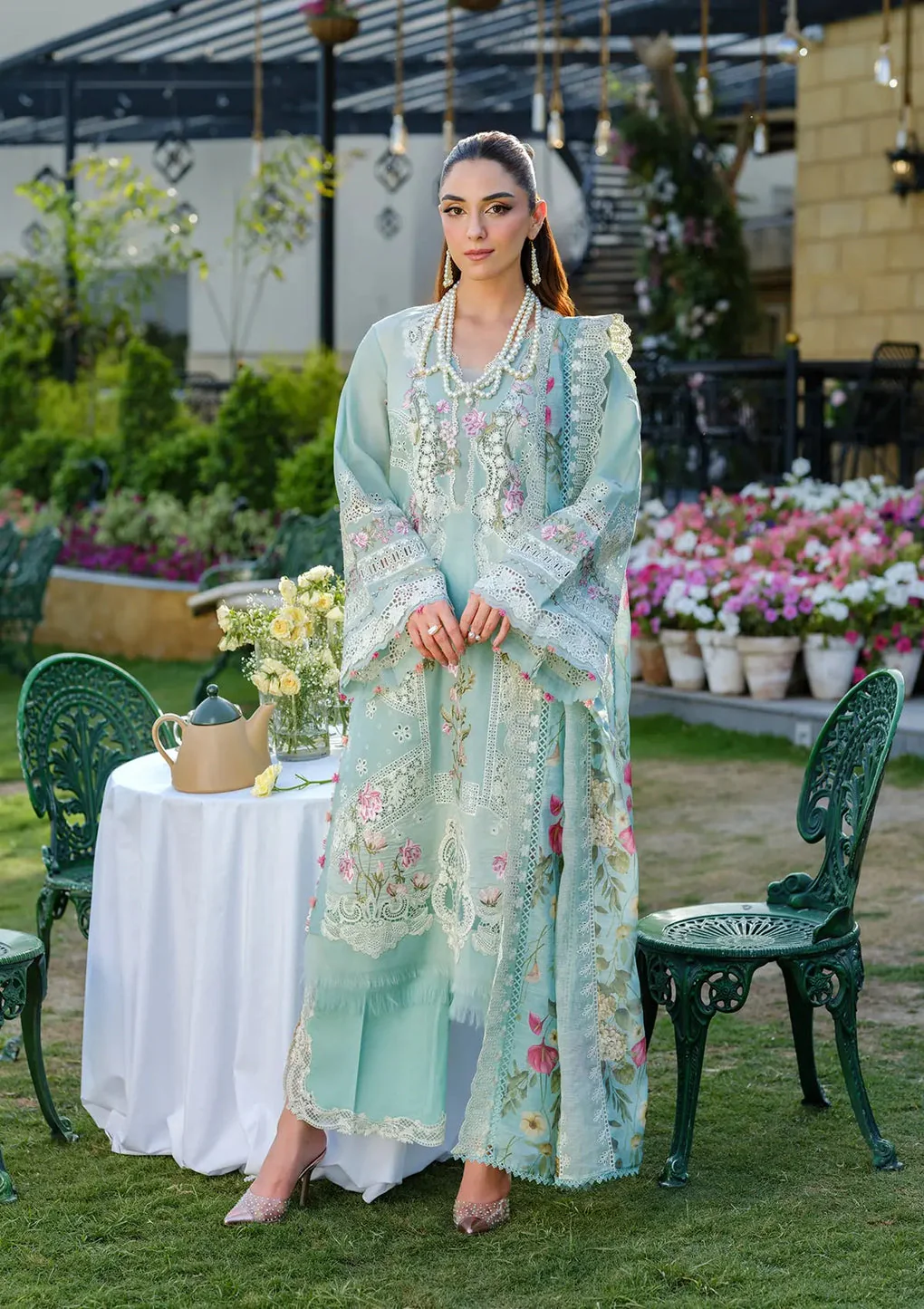
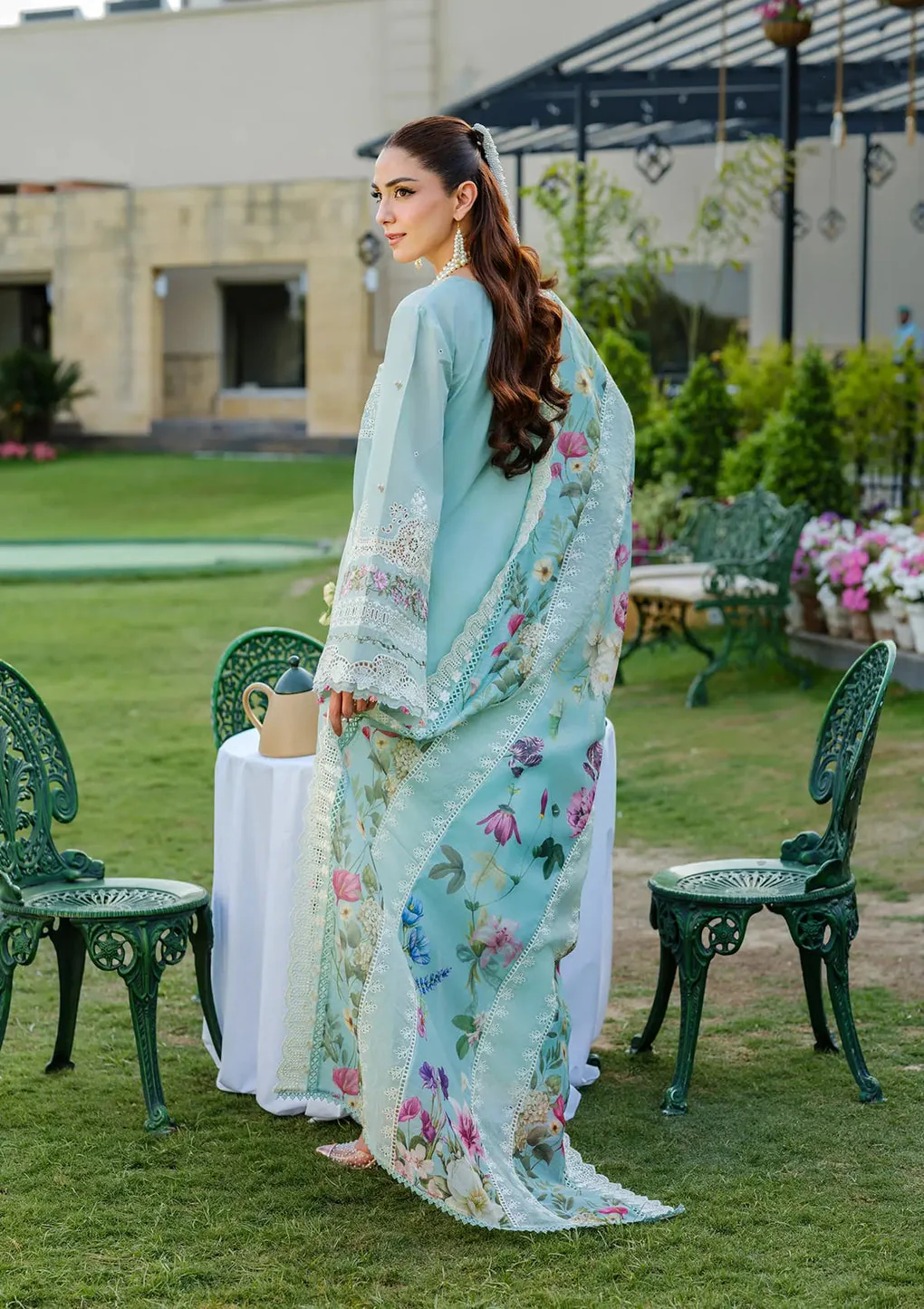
Original price was: ₨15,000.00.₨8,000.00Current price is: ₨8,000.00.
Sale!
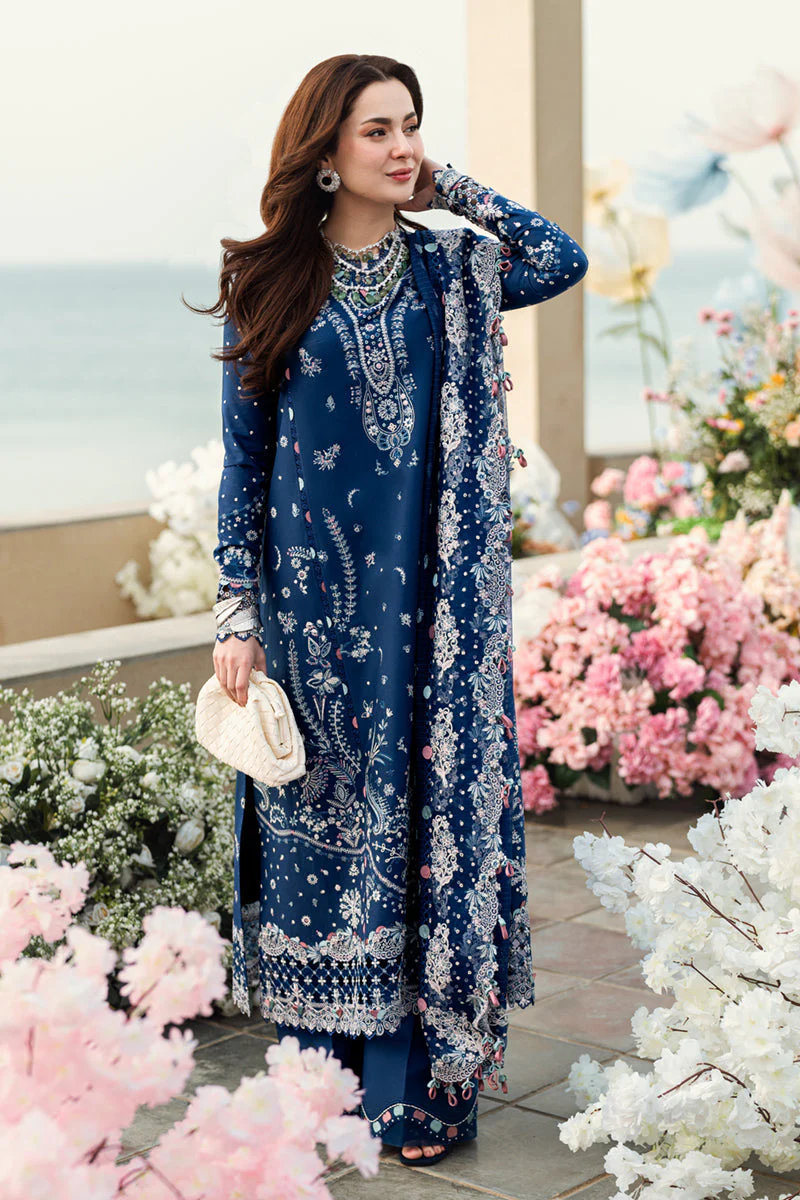
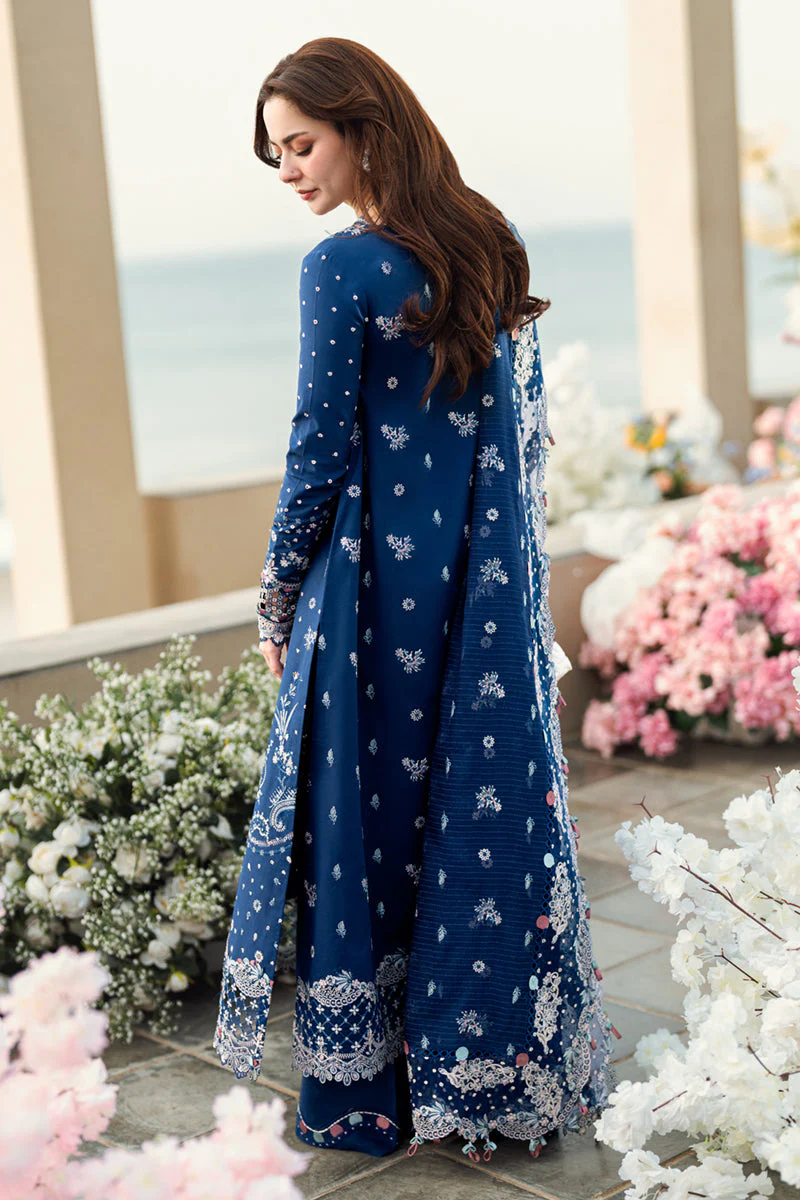
Original price was: ₨15,000.00.₨8,000.00Current price is: ₨8,000.00.
Sale!
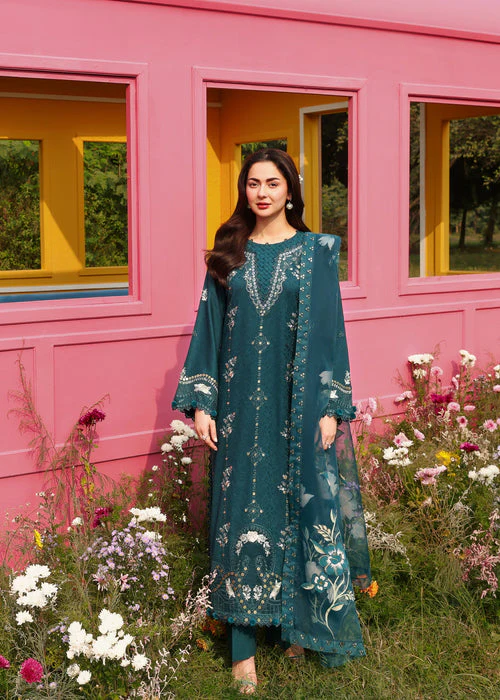
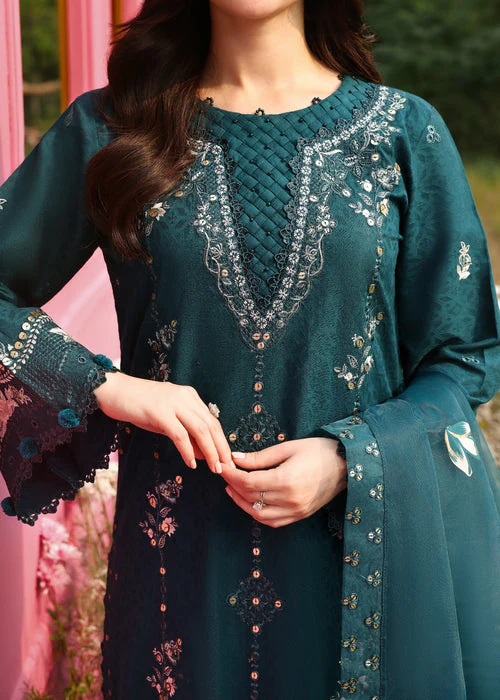
Original price was: ₨15,000.00.₨8,000.00Current price is: ₨8,000.00.
Sale!
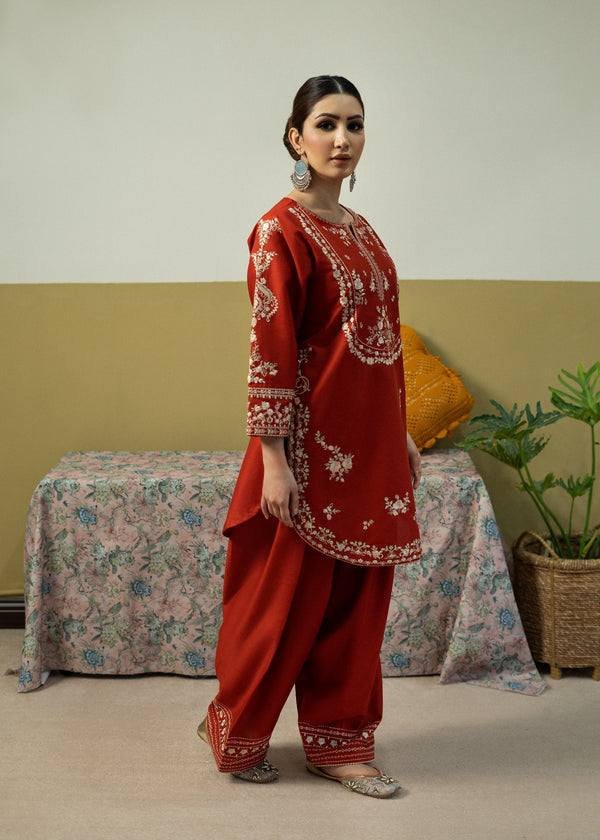
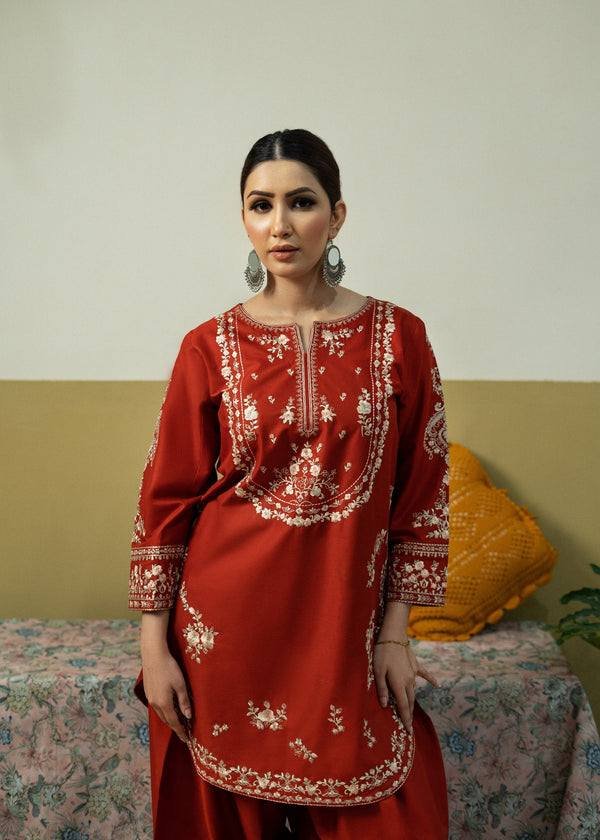
Original price was: ₨15,000.00.₨8,000.00Current price is: ₨8,000.00.
Sale!
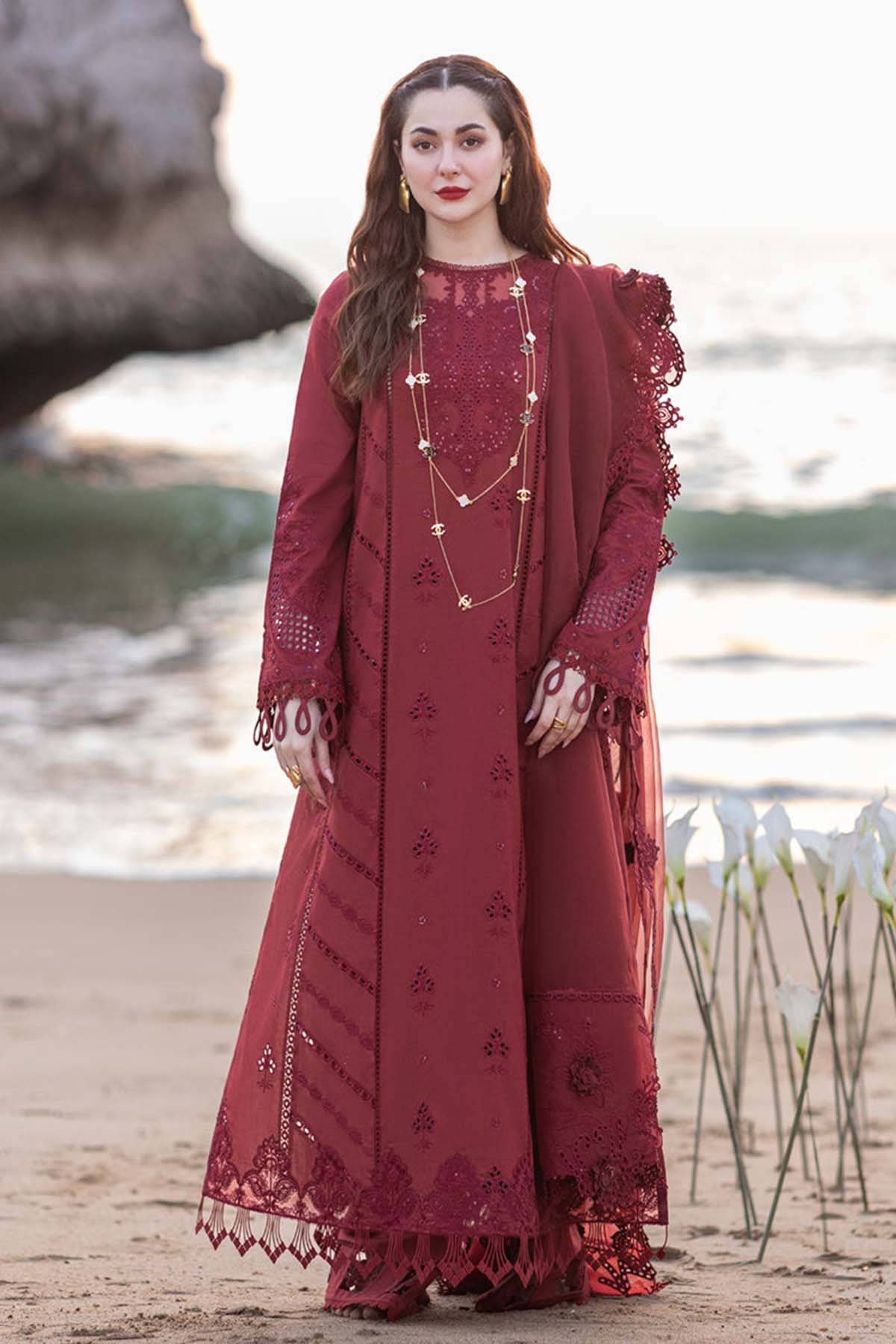
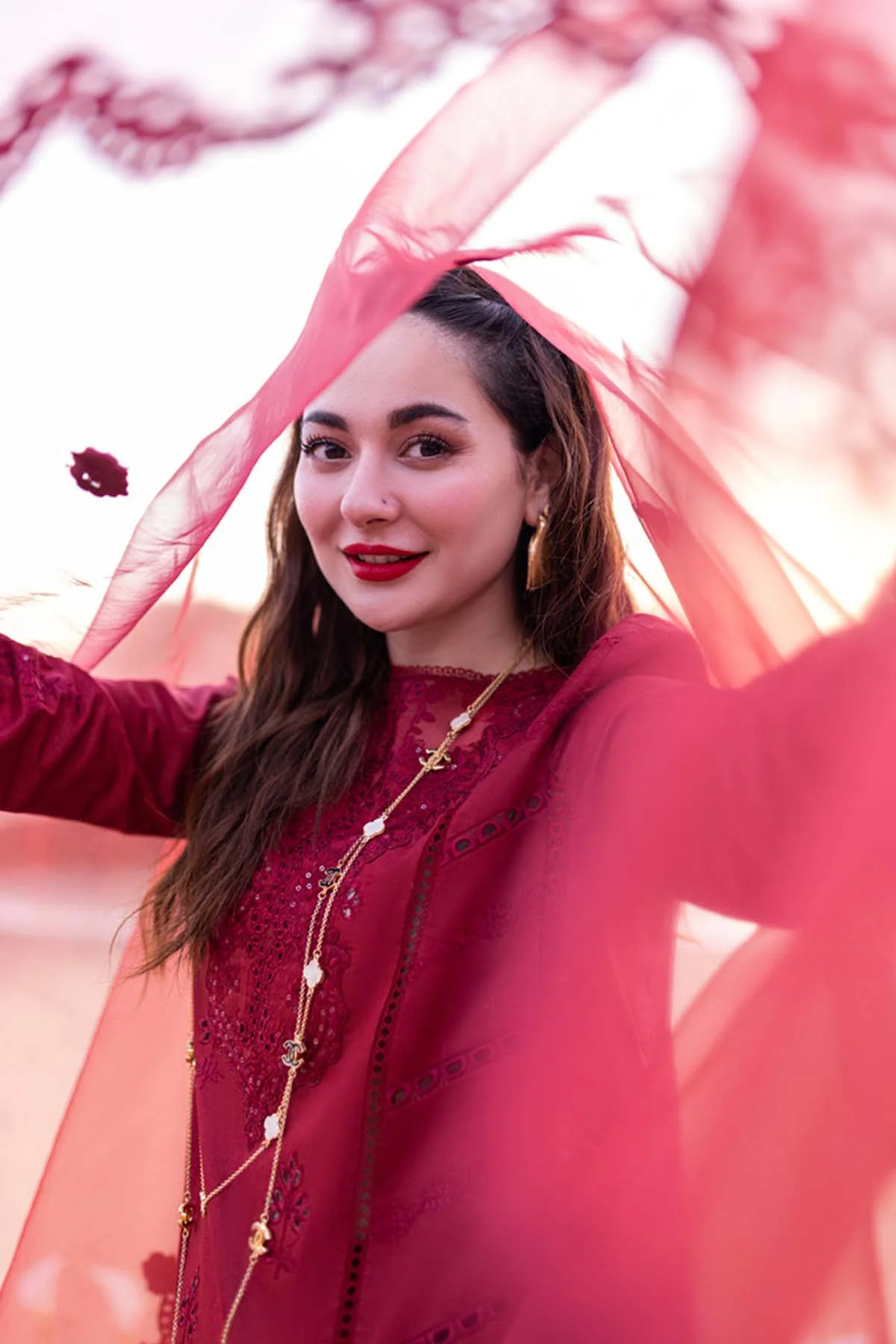
Original price was: ₨15,000.00.₨8,000.00Current price is: ₨8,000.00.
Sale!
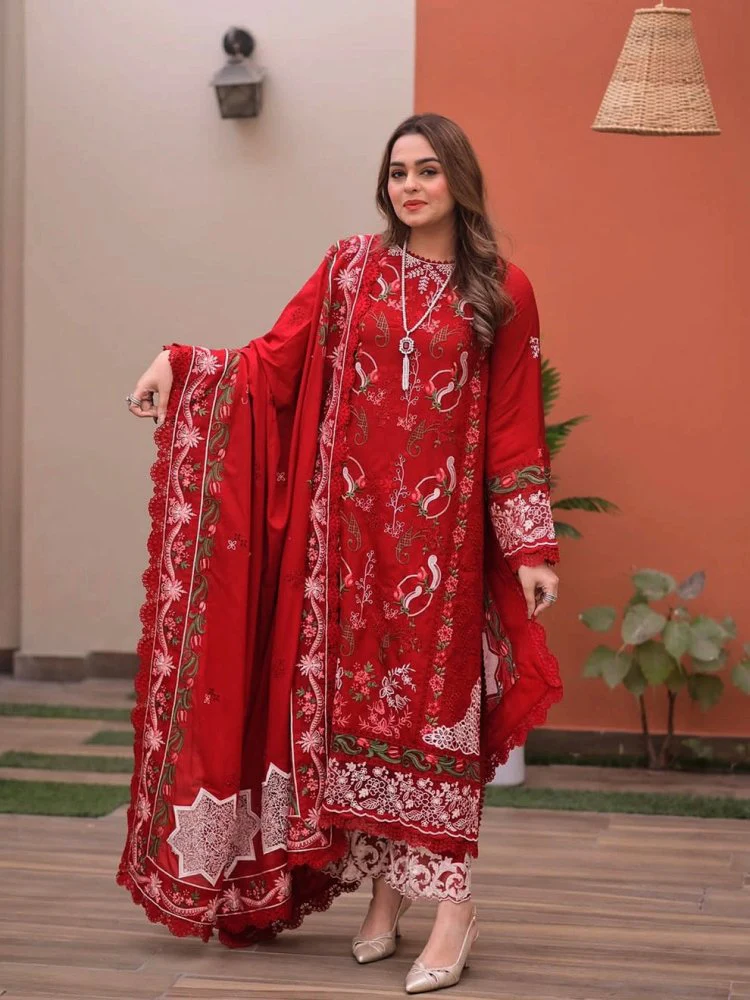
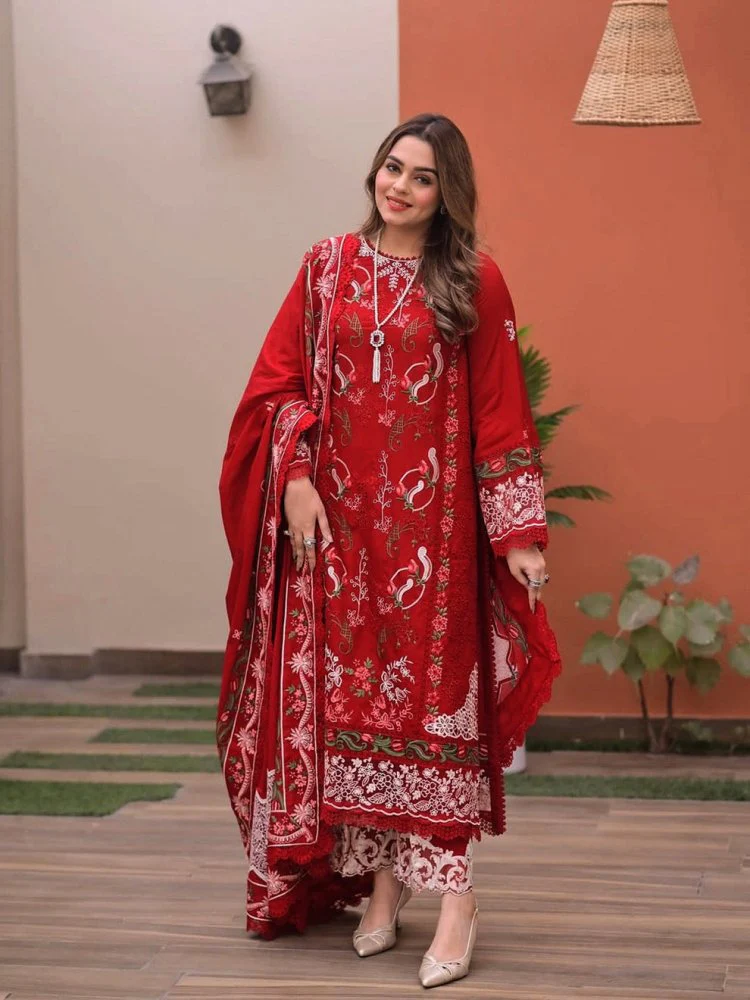
Original price was: ₨15,000.00.₨8,000.00Current price is: ₨8,000.00.
Sale!
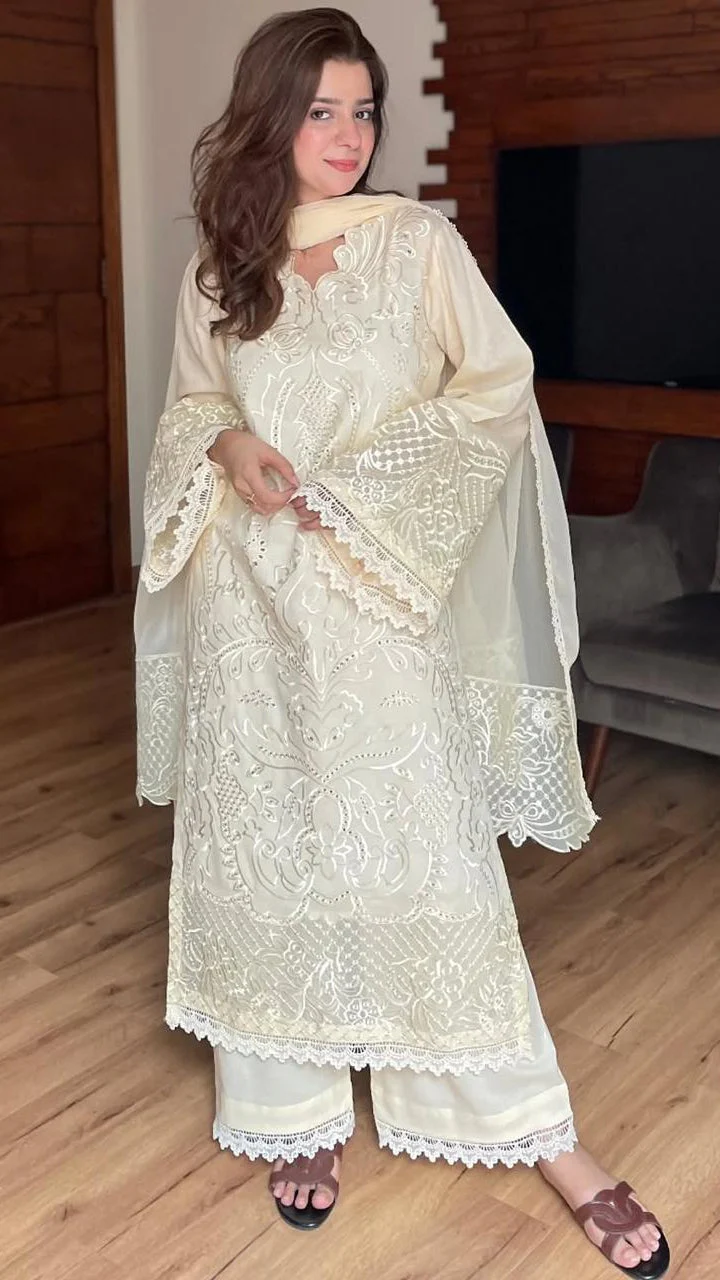
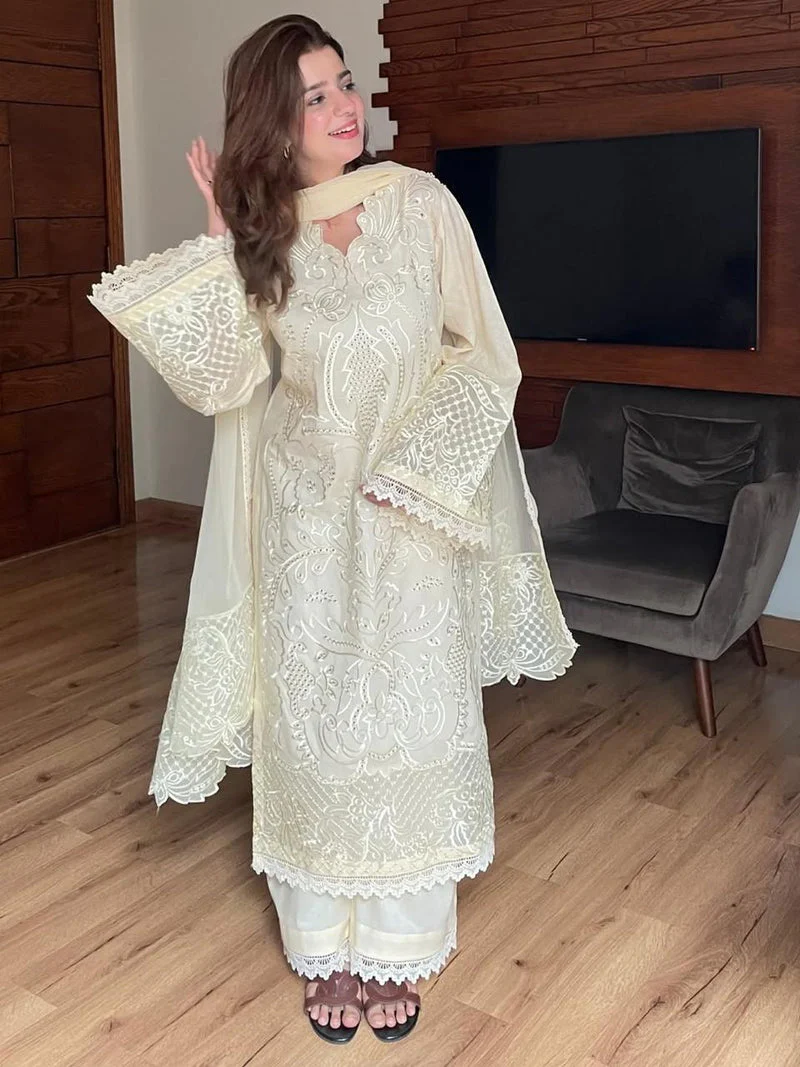
Original price was: ₨15,000.00.₨8,000.00Current price is: ₨8,000.00.
Sale!
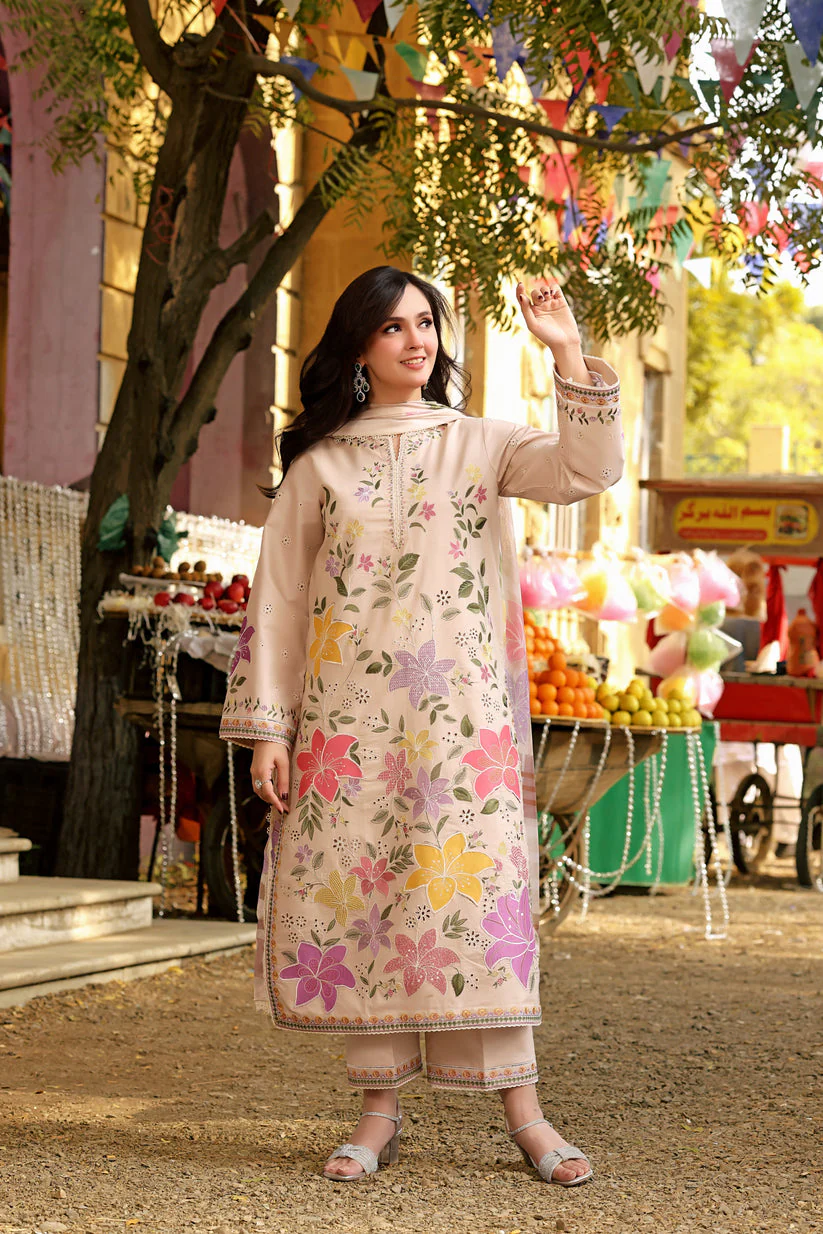
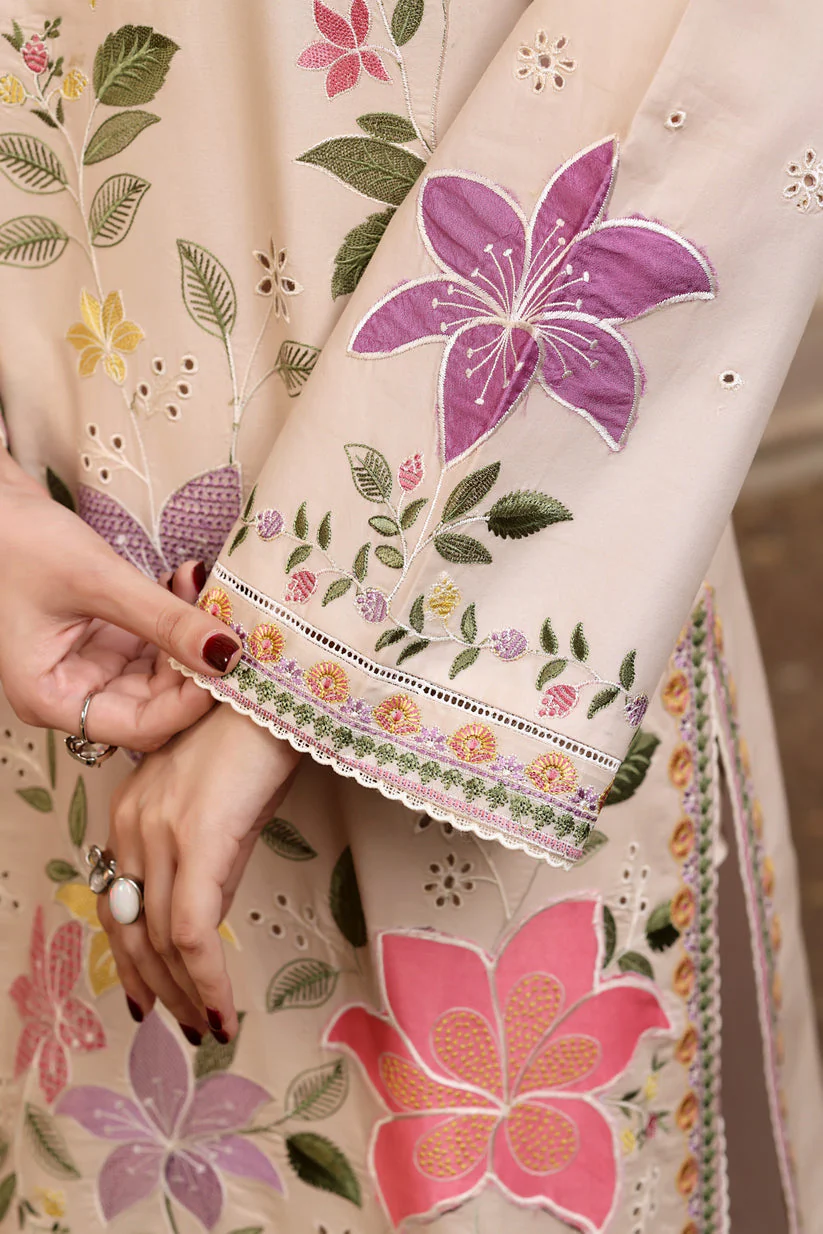
Original price was: ₨15,000.00.₨8,000.00Current price is: ₨8,000.00.
Sale!
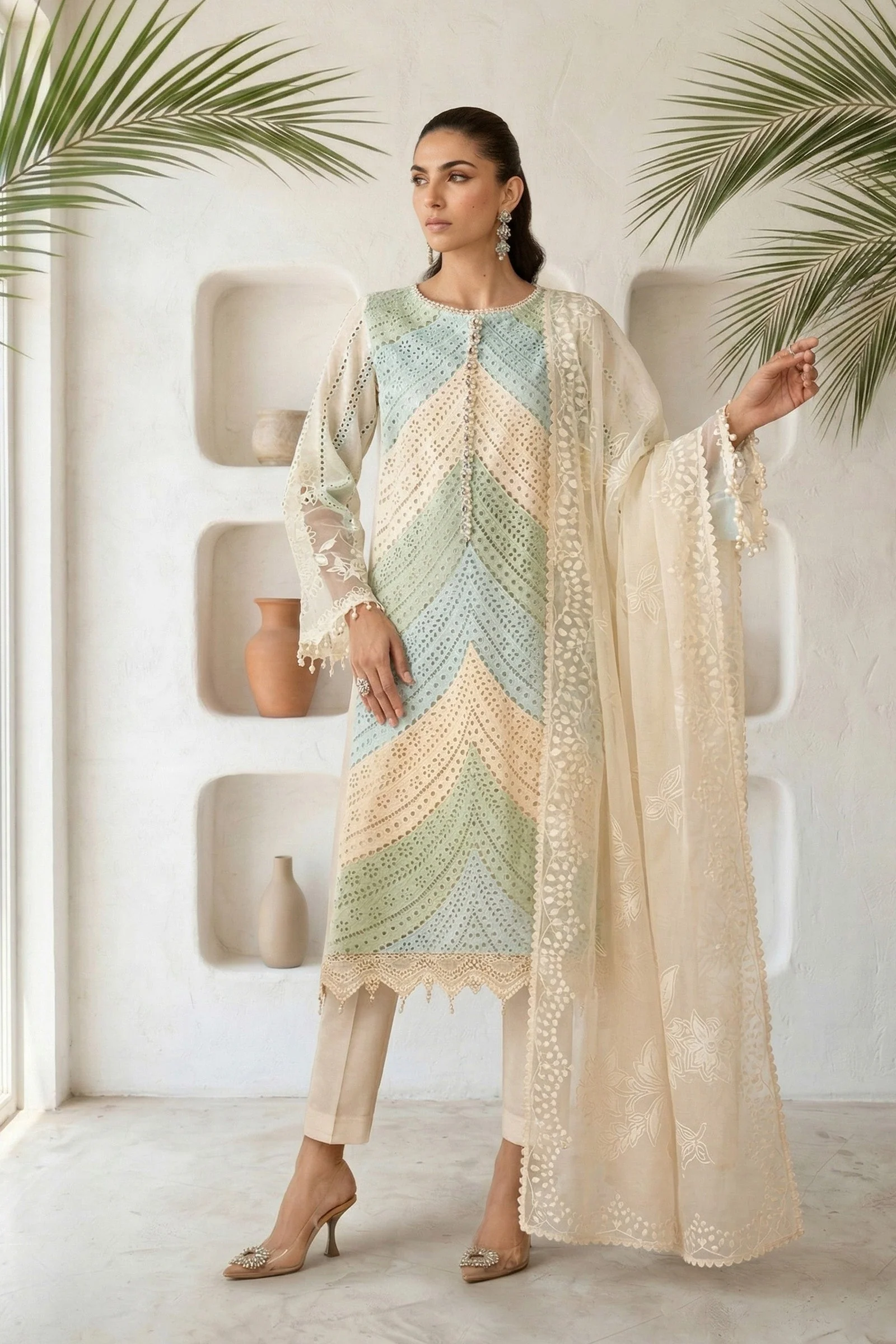
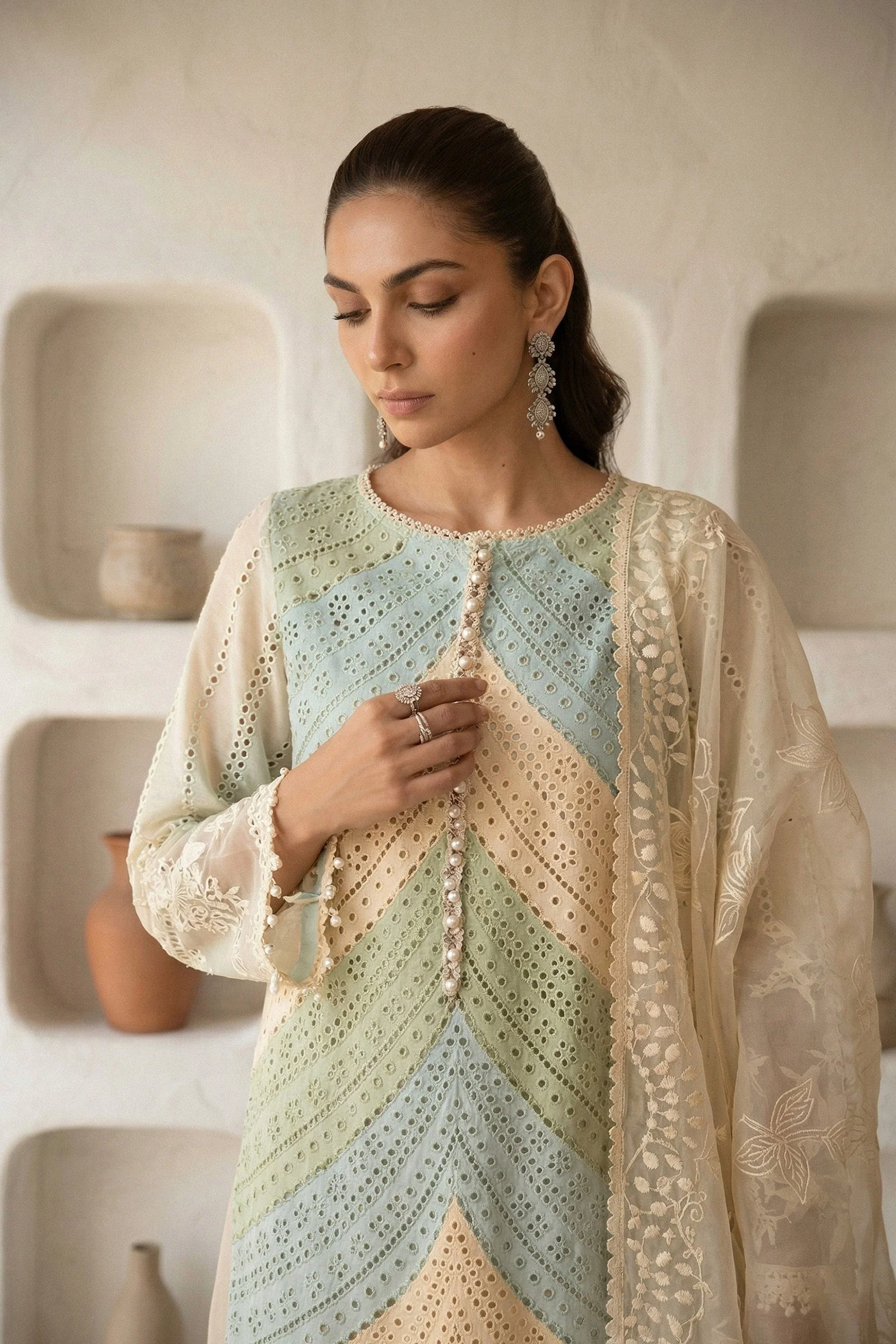
Original price was: ₨15,000.00.₨8,000.00Current price is: ₨8,000.00.
Sale!
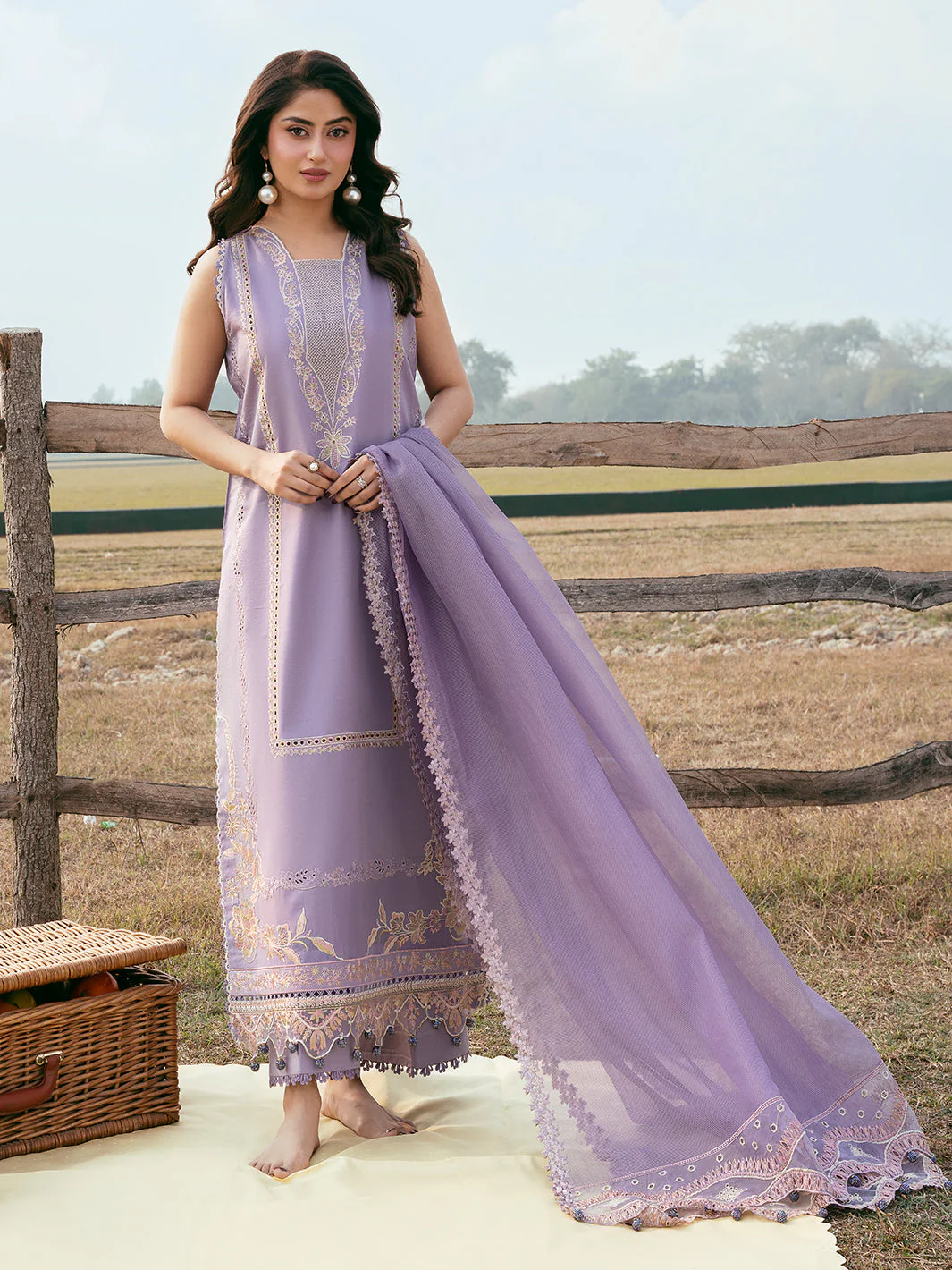
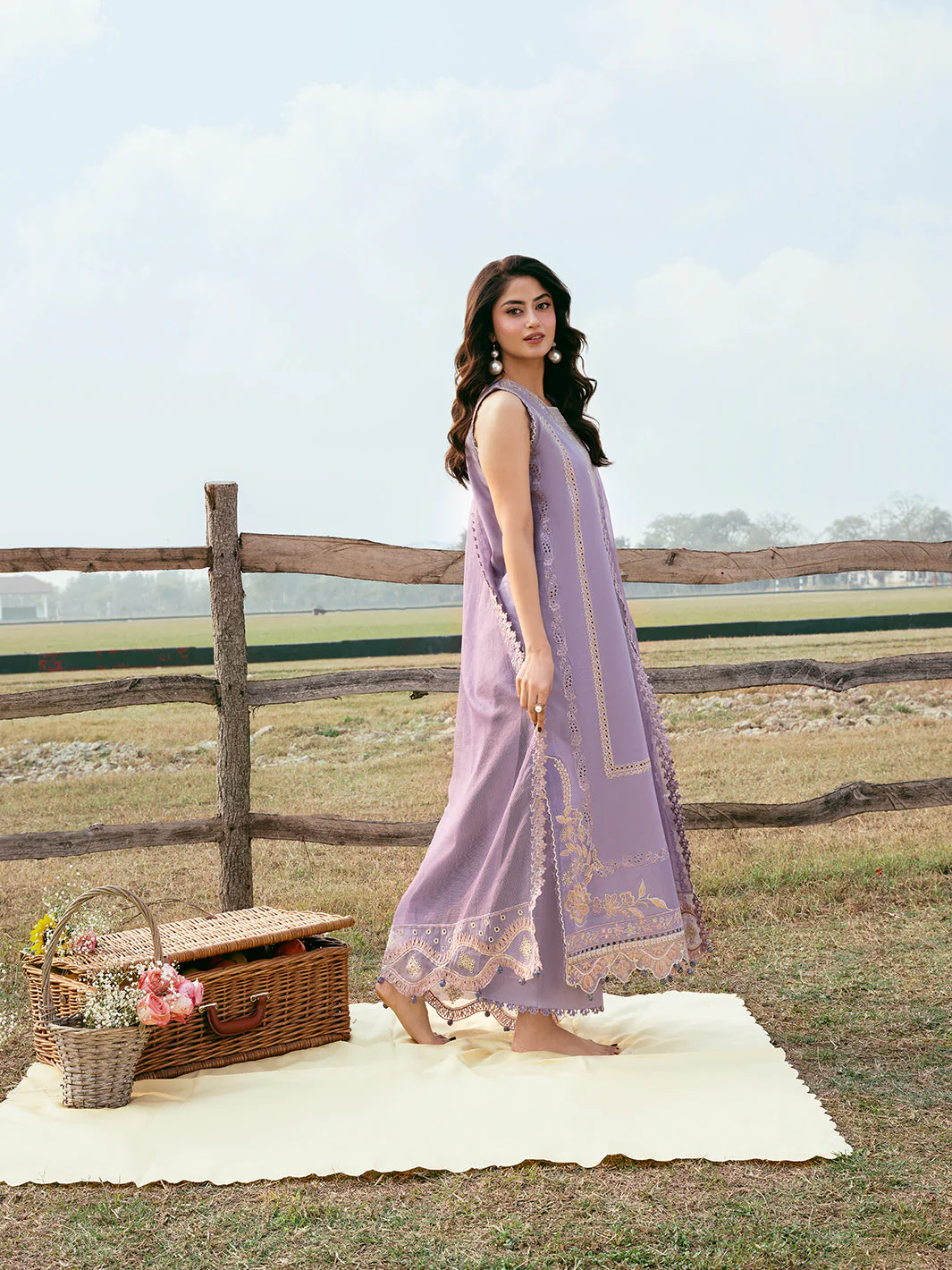
Original price was: ₨15,000.00.₨8,000.00Current price is: ₨8,000.00.
Sale!
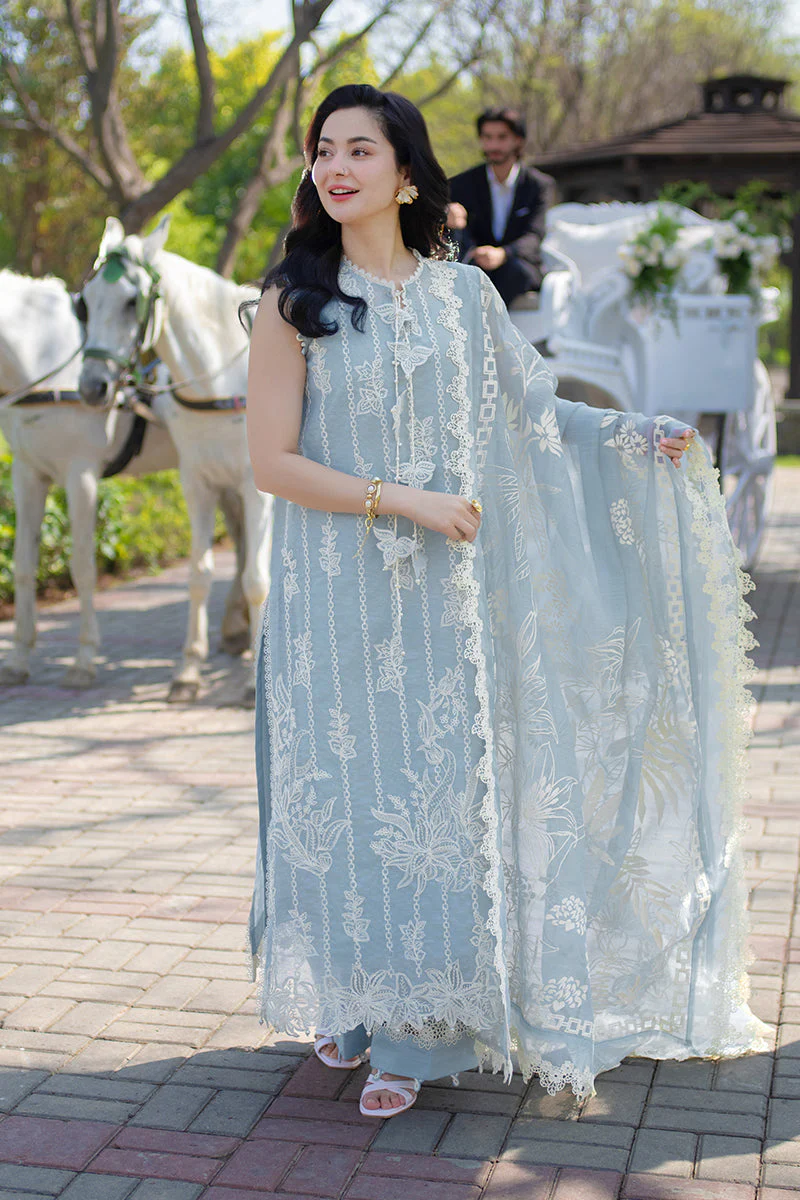
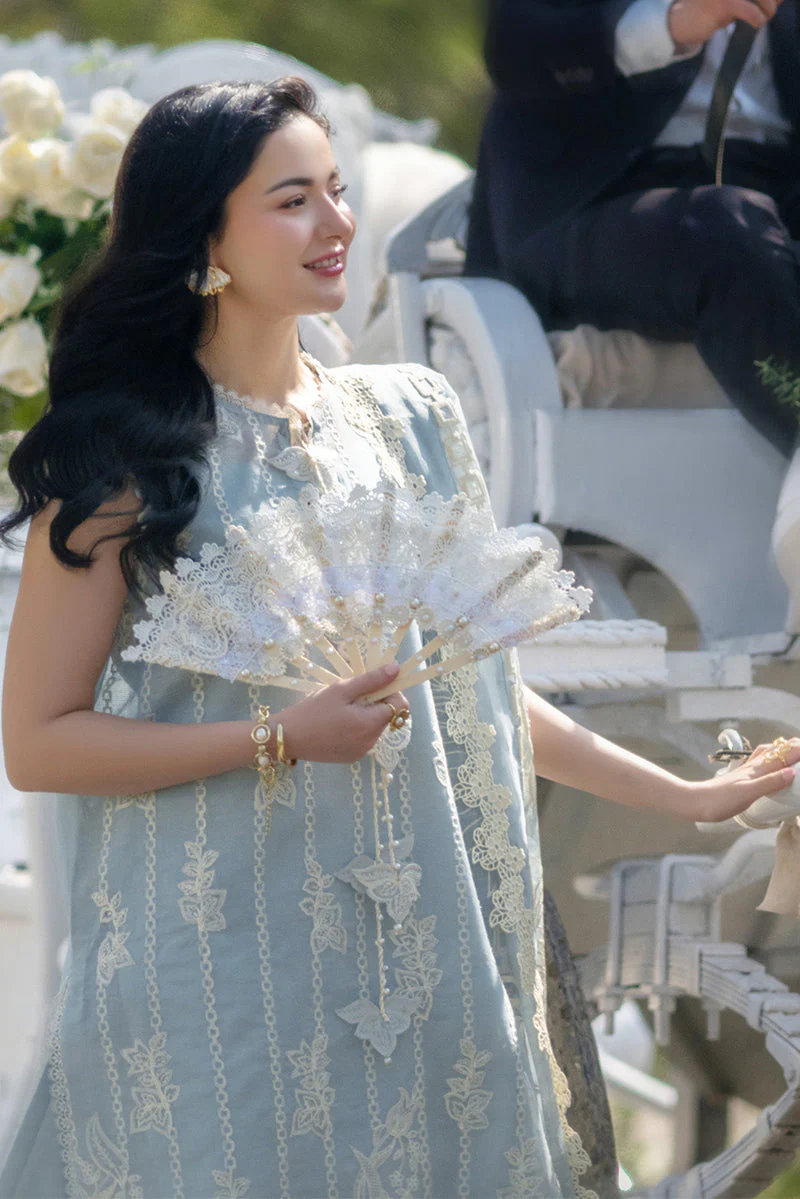
Original price was: ₨15,000.00.₨8,000.00Current price is: ₨8,000.00.
Sale!
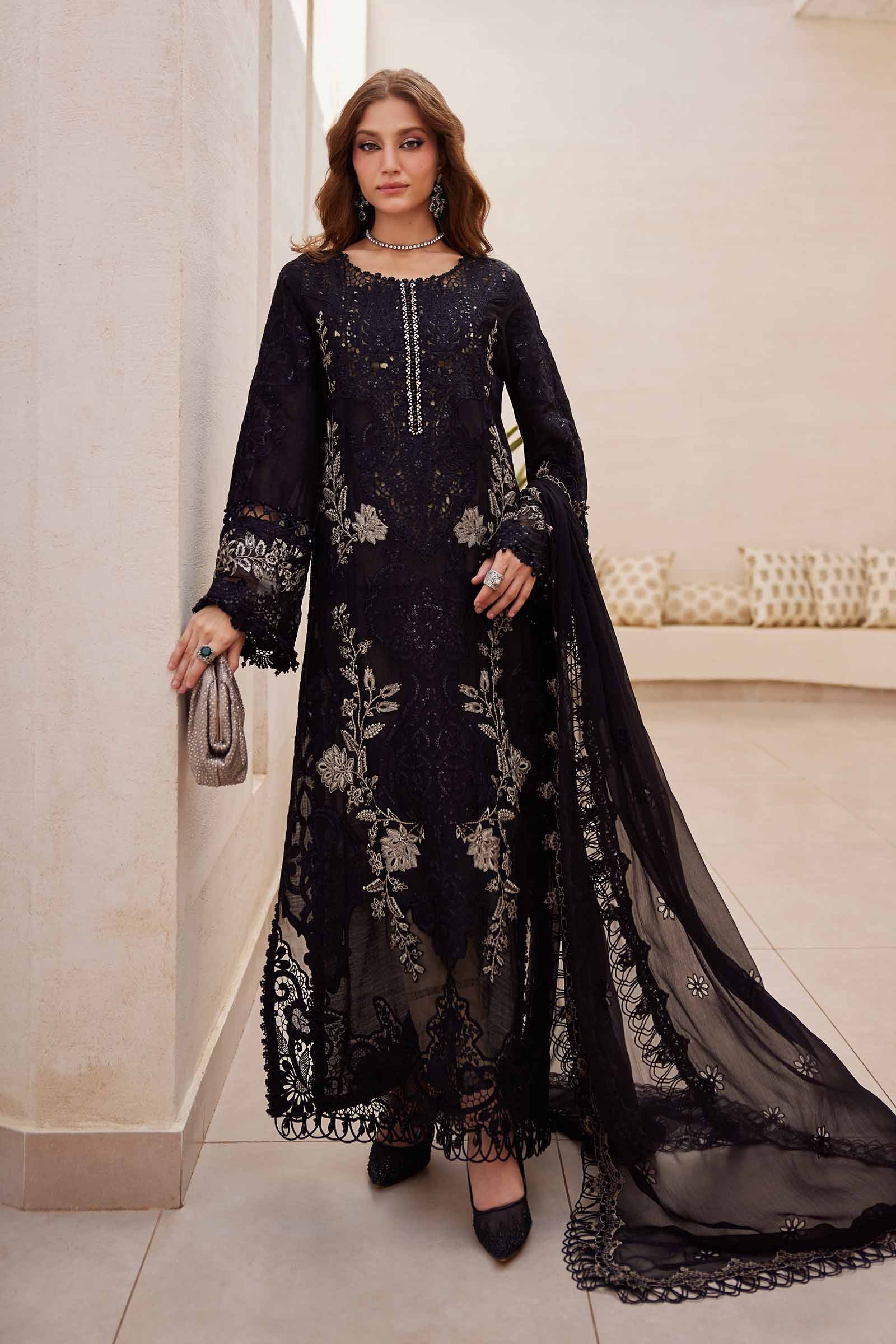
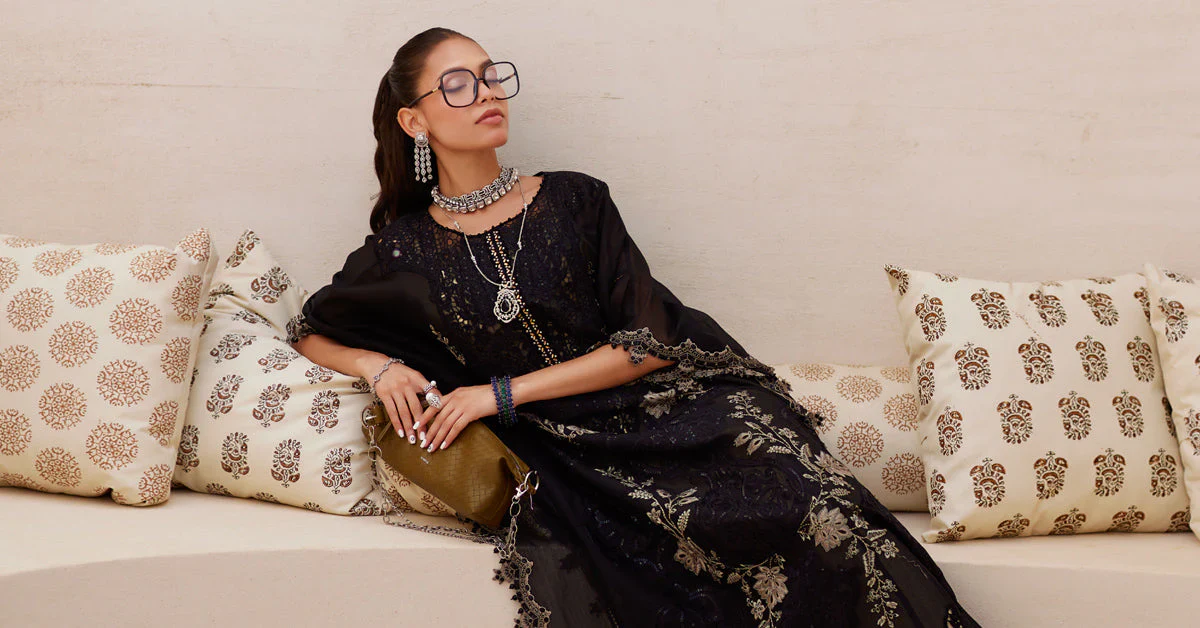
Original price was: ₨15,000.00.₨8,000.00Current price is: ₨8,000.00.
Sale!
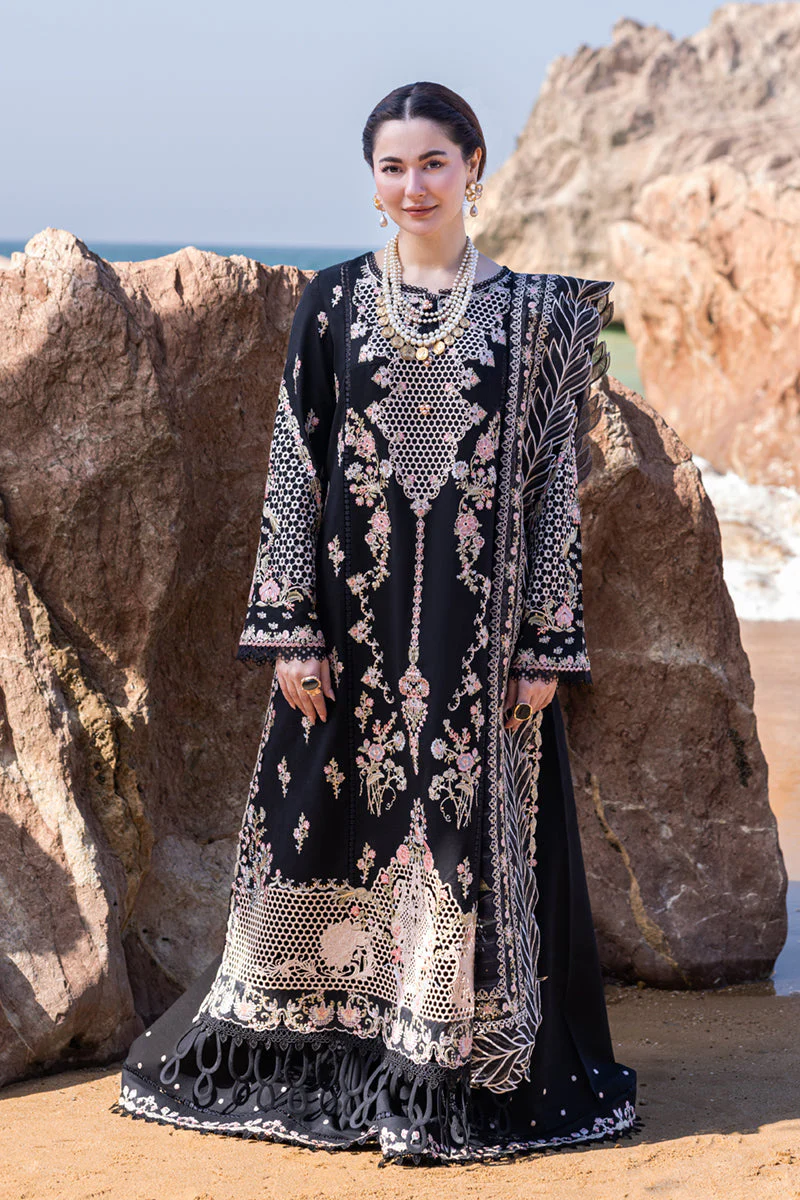
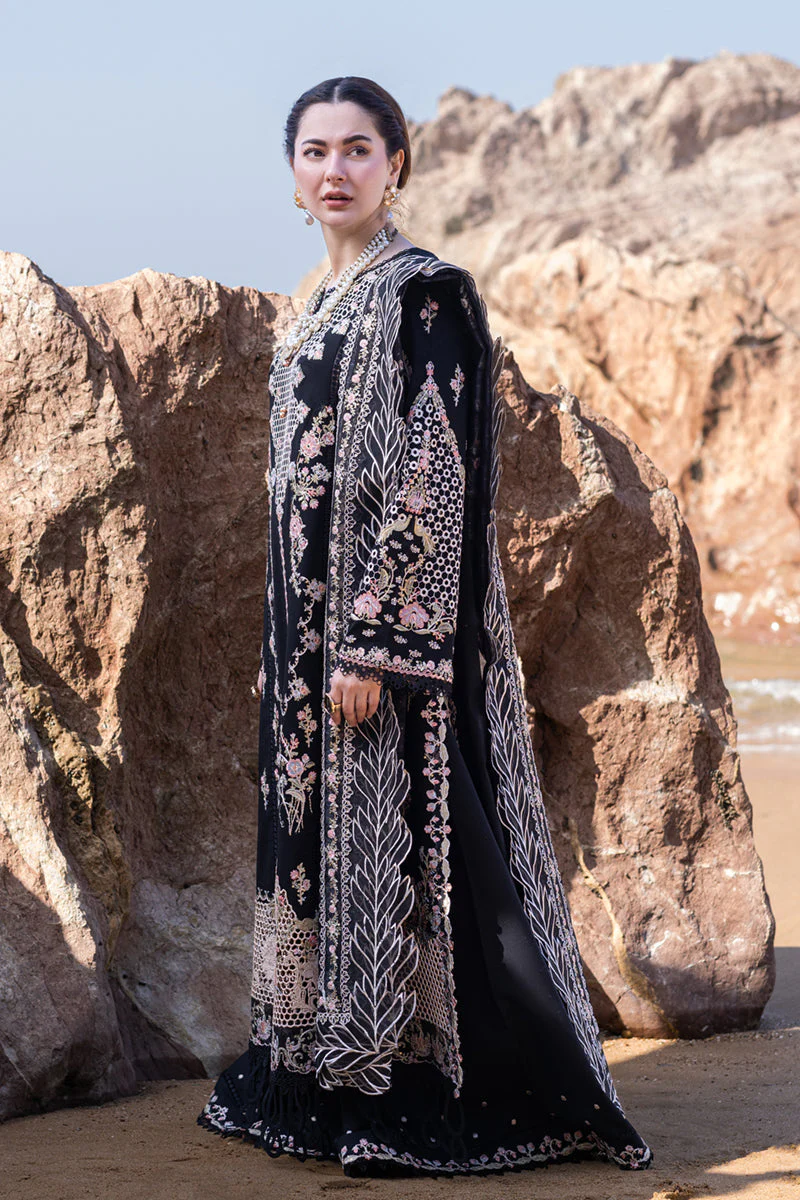
Original price was: ₨15,000.00.₨8,000.00Current price is: ₨8,000.00.
Sale!
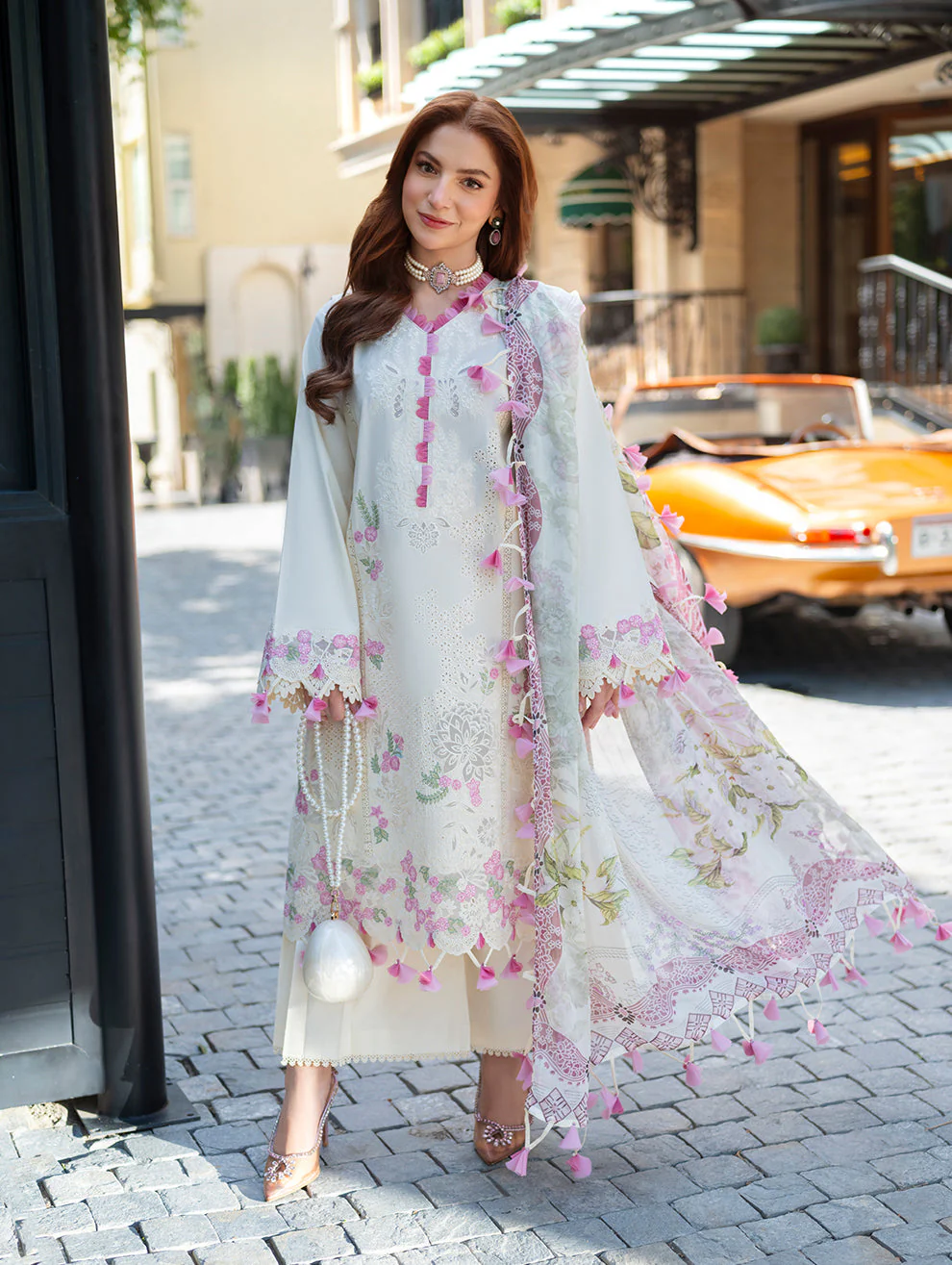
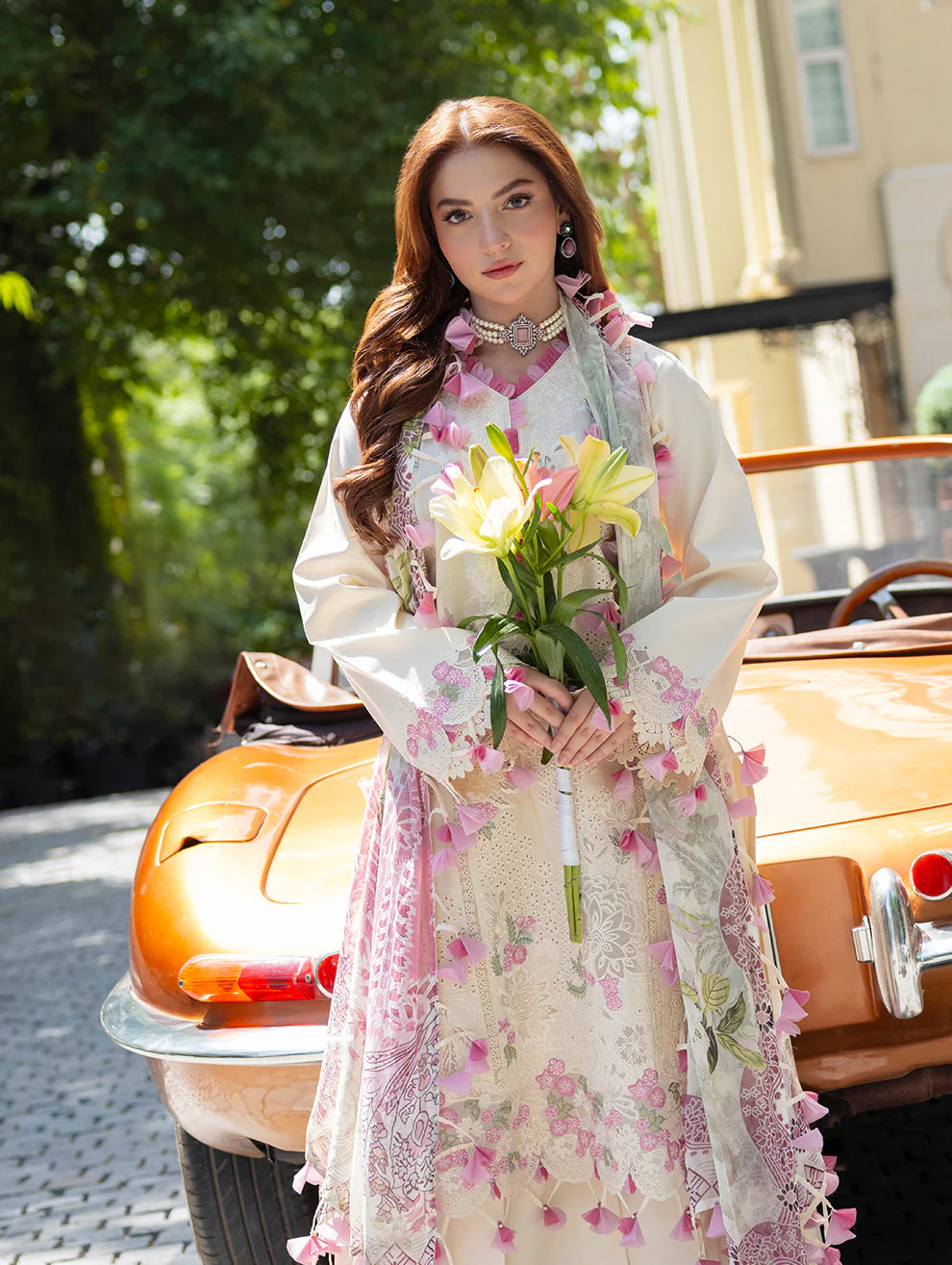
Original price was: ₨15,000.00.₨8,000.00Current price is: ₨8,000.00.
Sale!
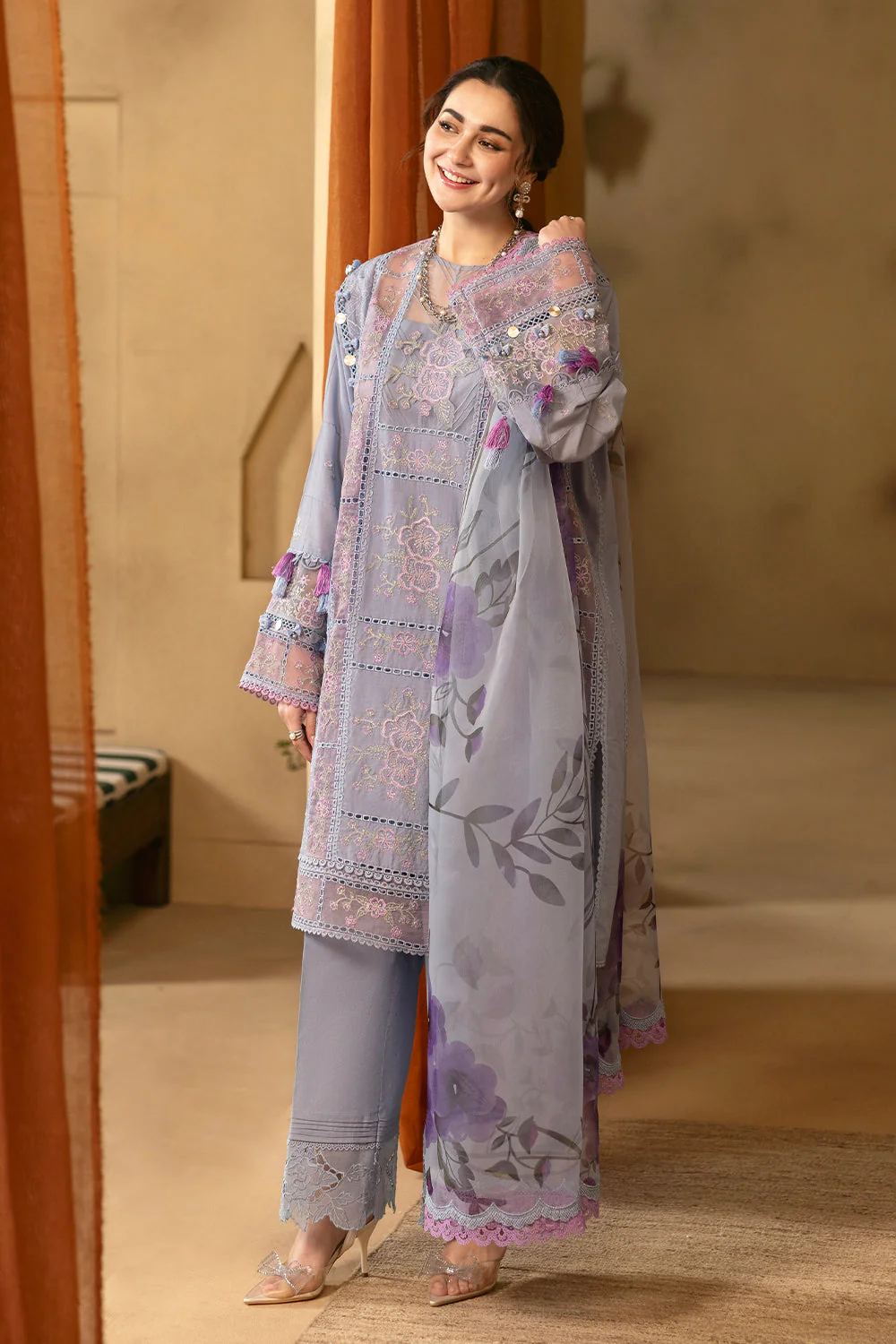
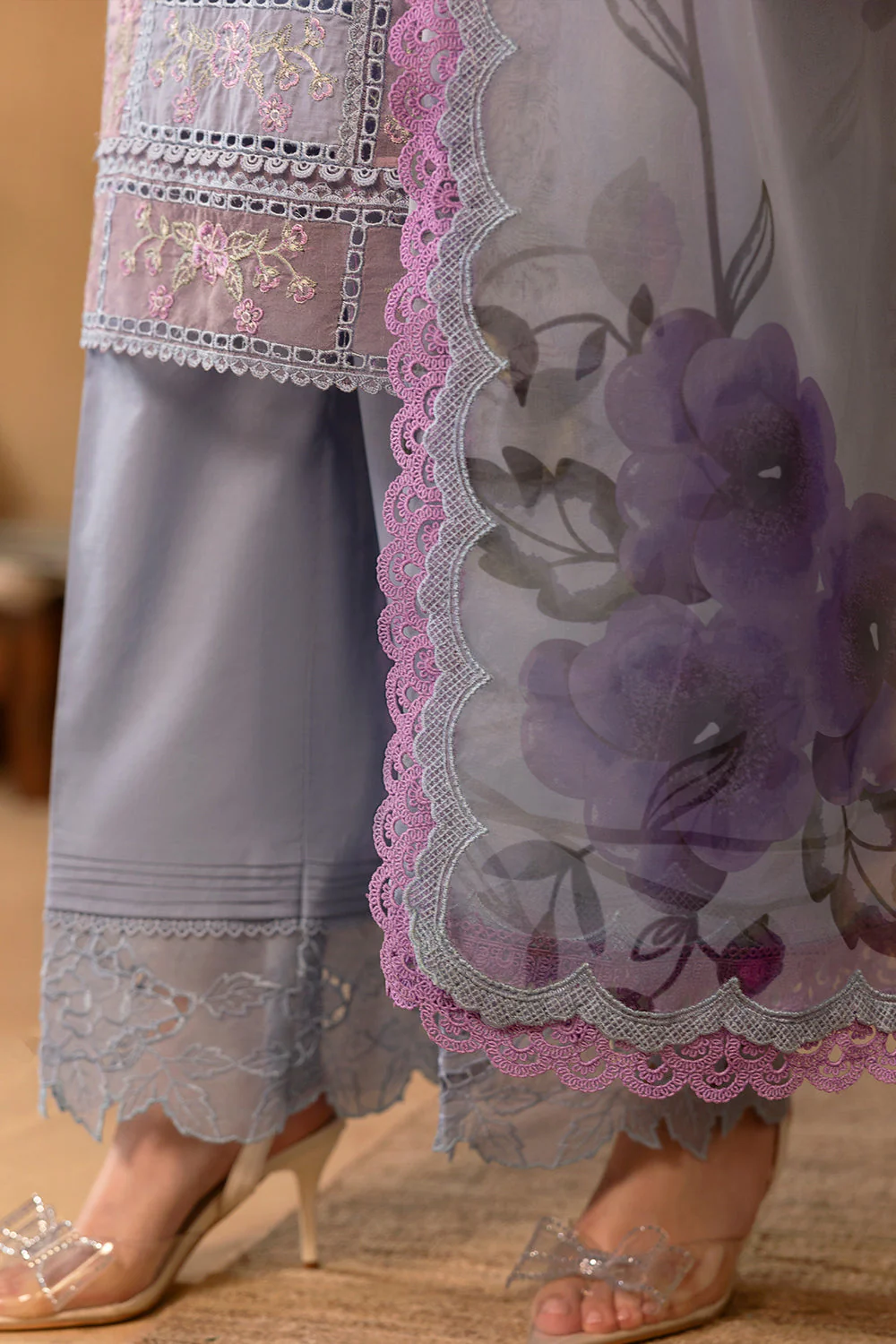
Original price was: ₨15,000.00.₨8,000.00Current price is: ₨8,000.00.
Sale!
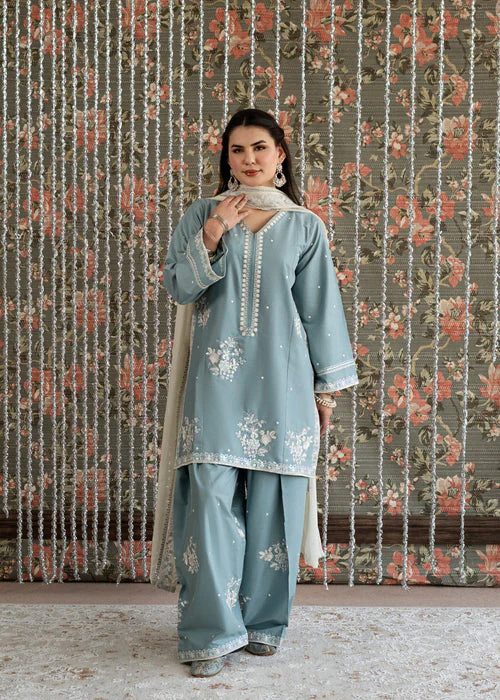
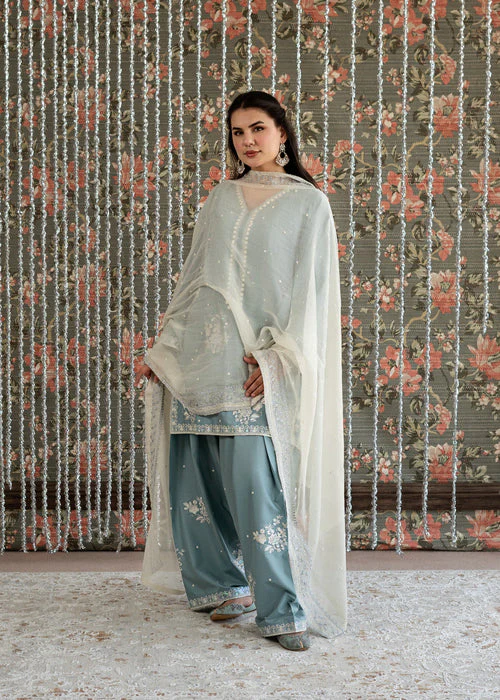
Original price was: ₨15,000.00.₨8,000.00Current price is: ₨8,000.00.
Sale!
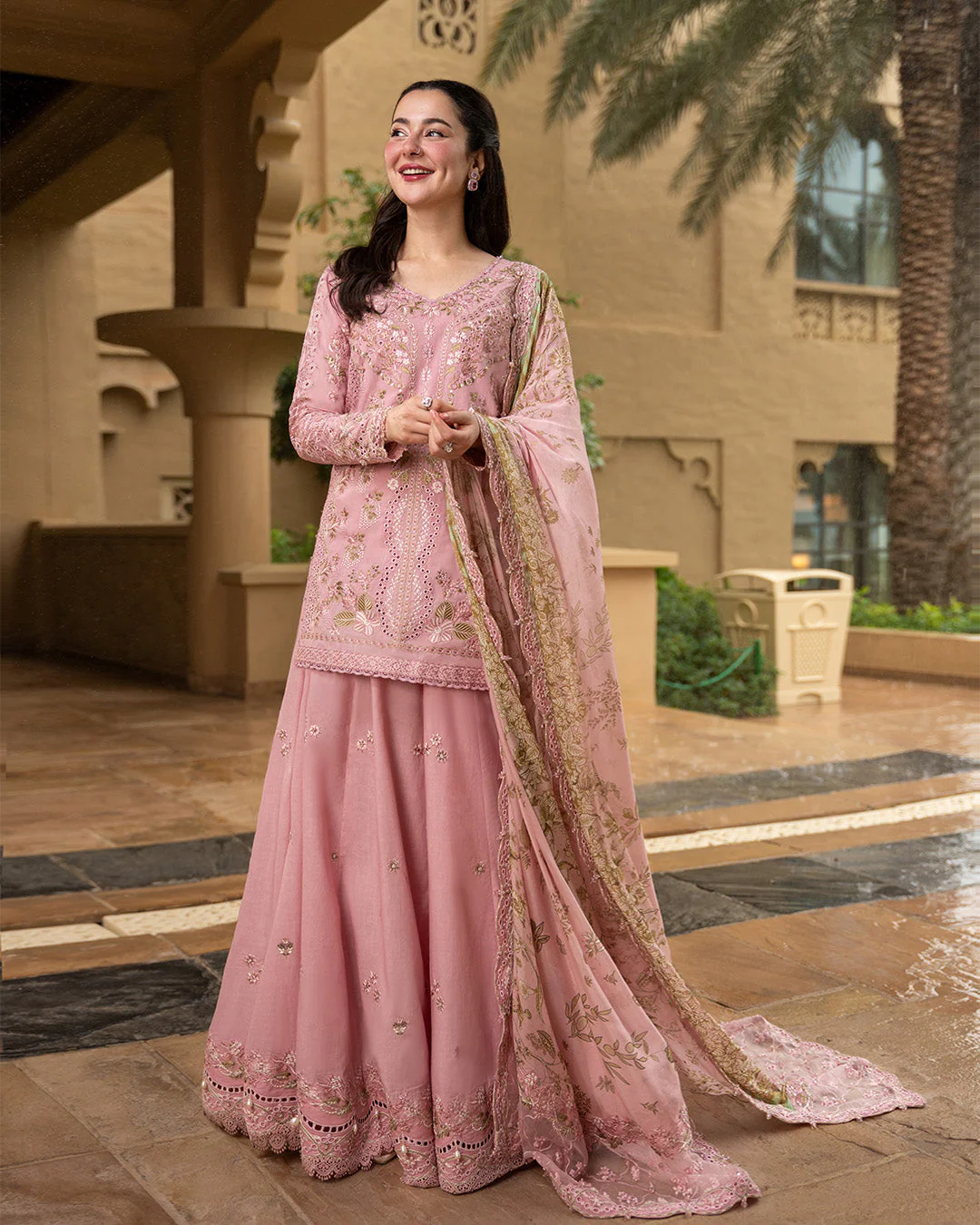
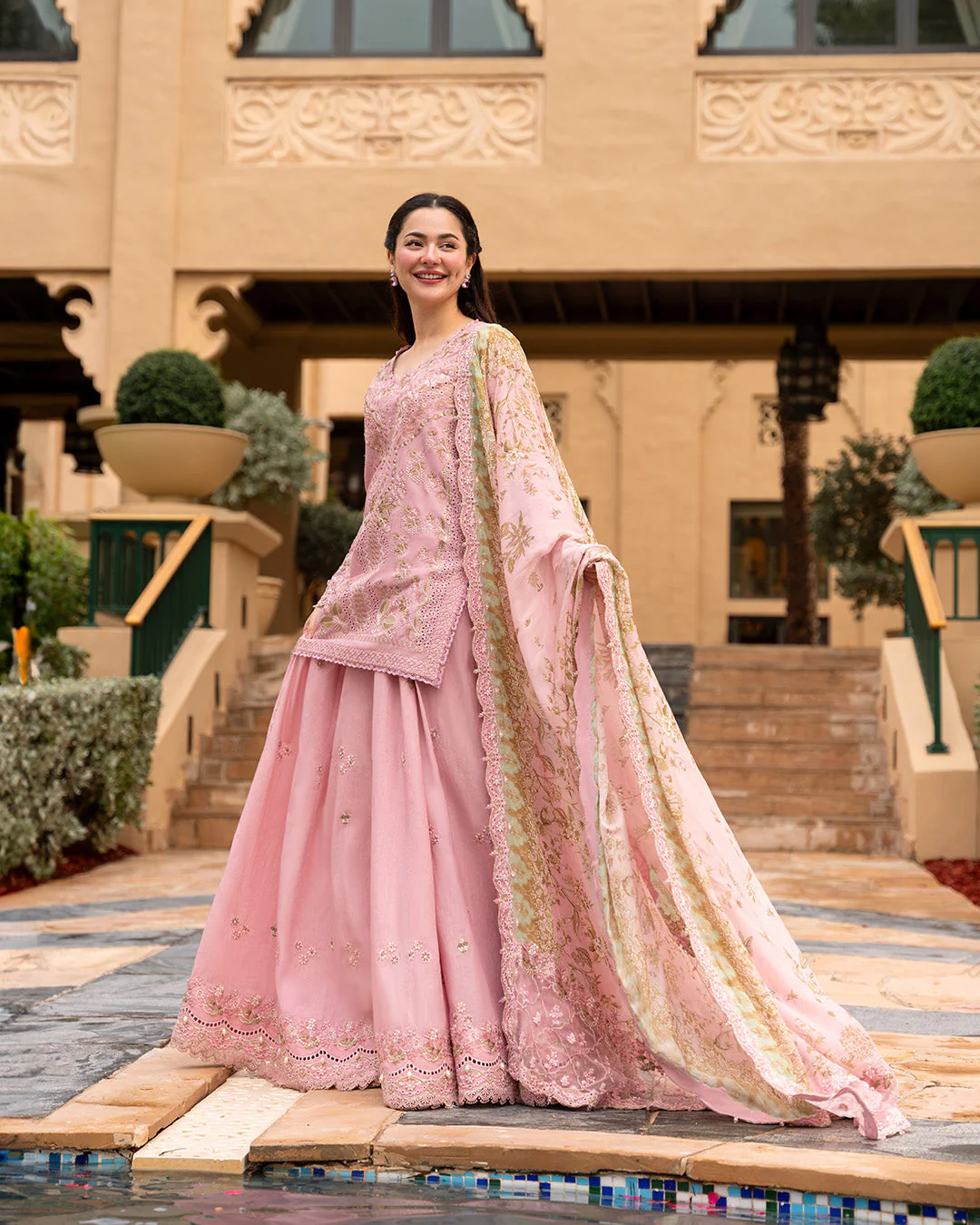
Original price was: ₨15,000.00.₨8,000.00Current price is: ₨8,000.00.
Sale!
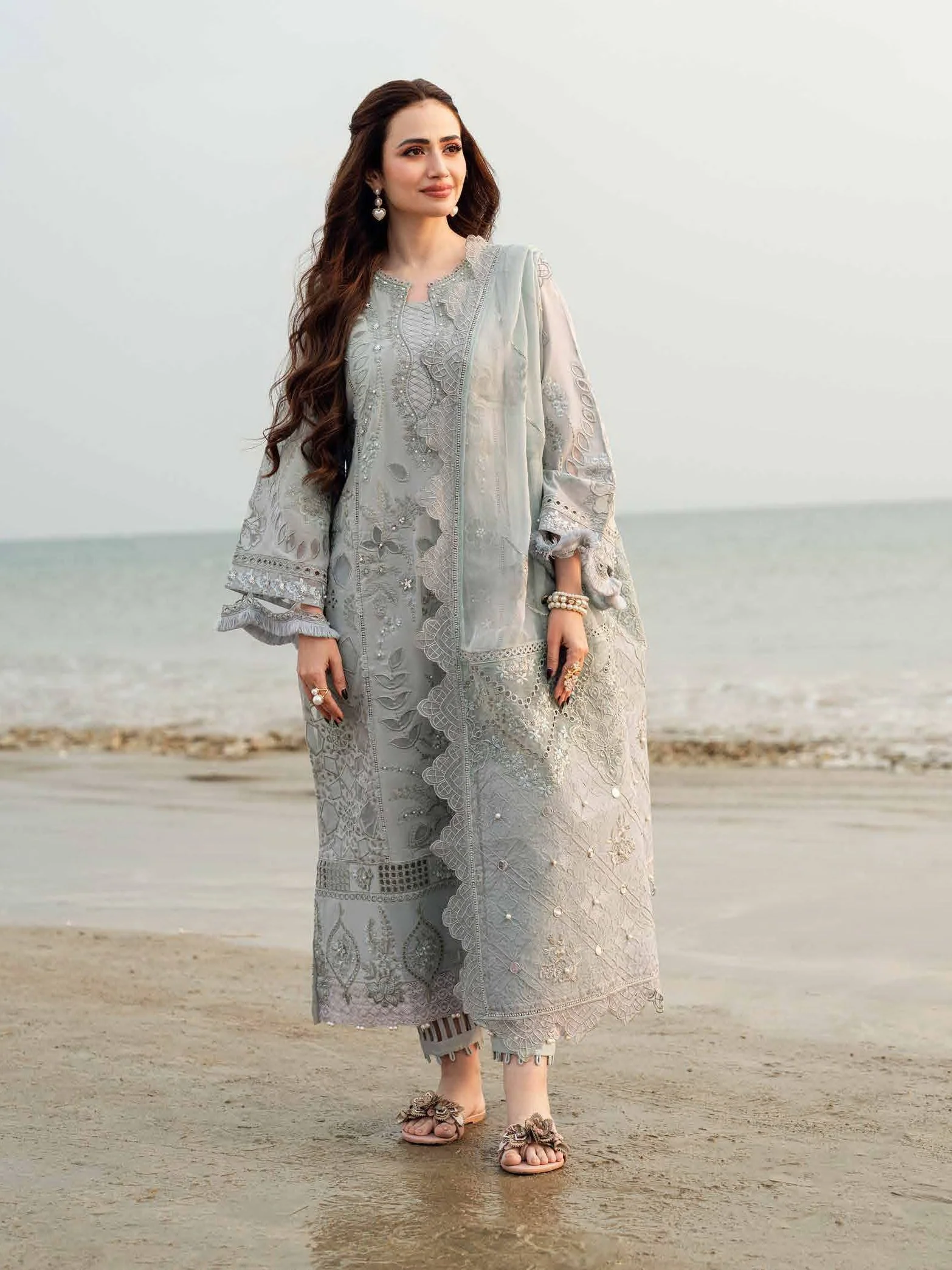
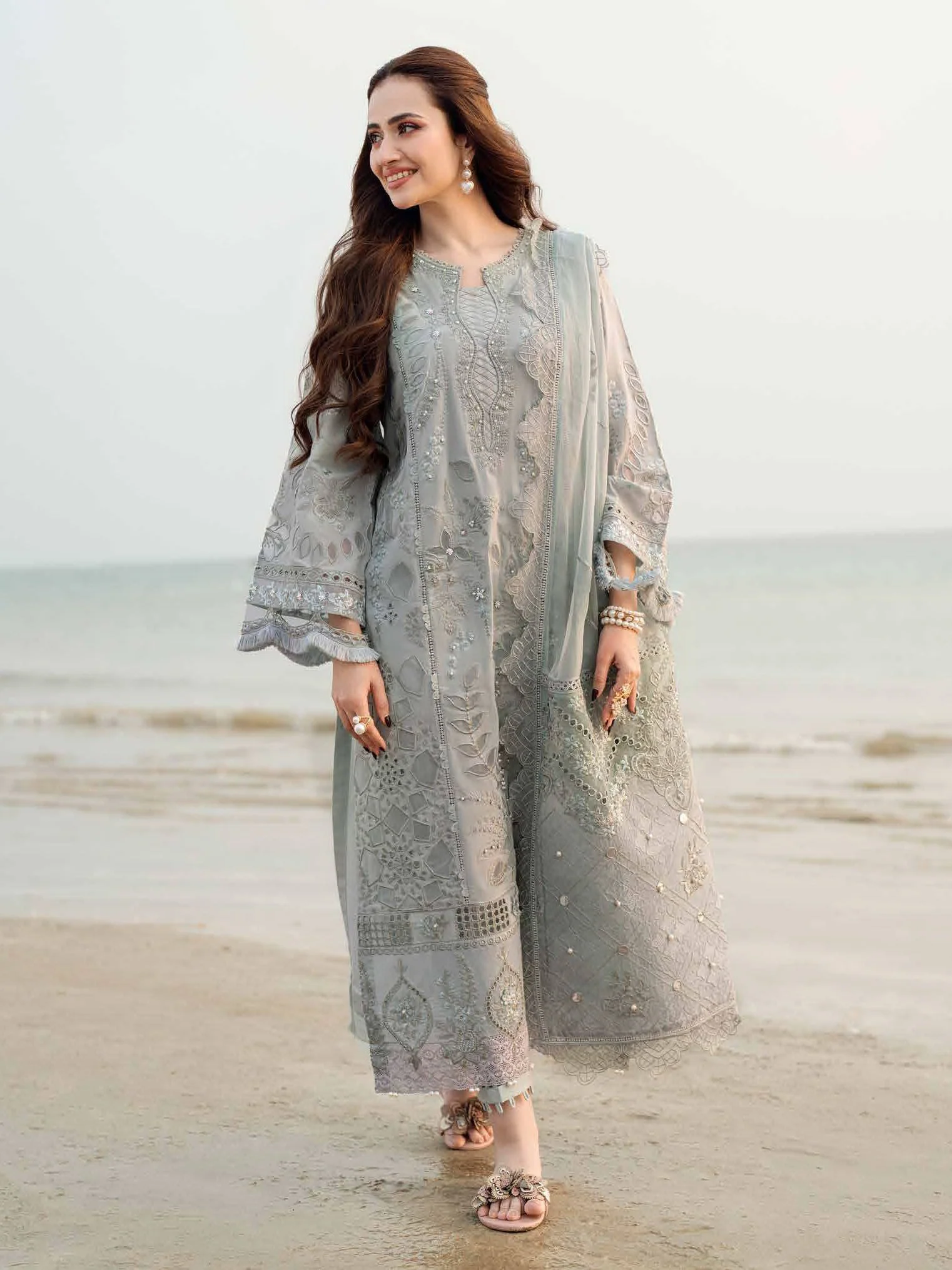
Original price was: ₨15,000.00.₨8,000.00Current price is: ₨8,000.00.
Sale!
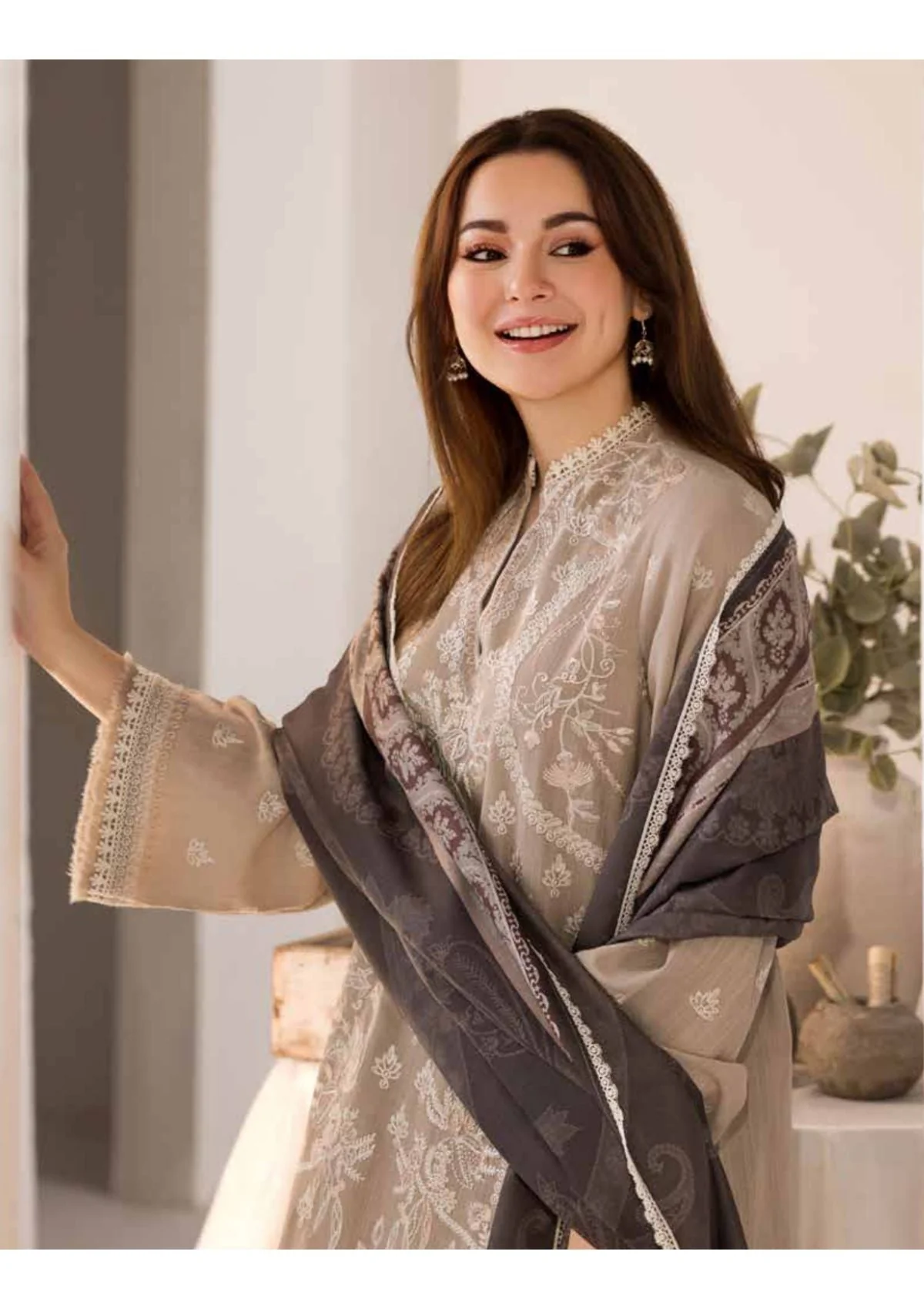
Original price was: ₨15,000.00.₨8,000.00Current price is: ₨8,000.00.
Sale!
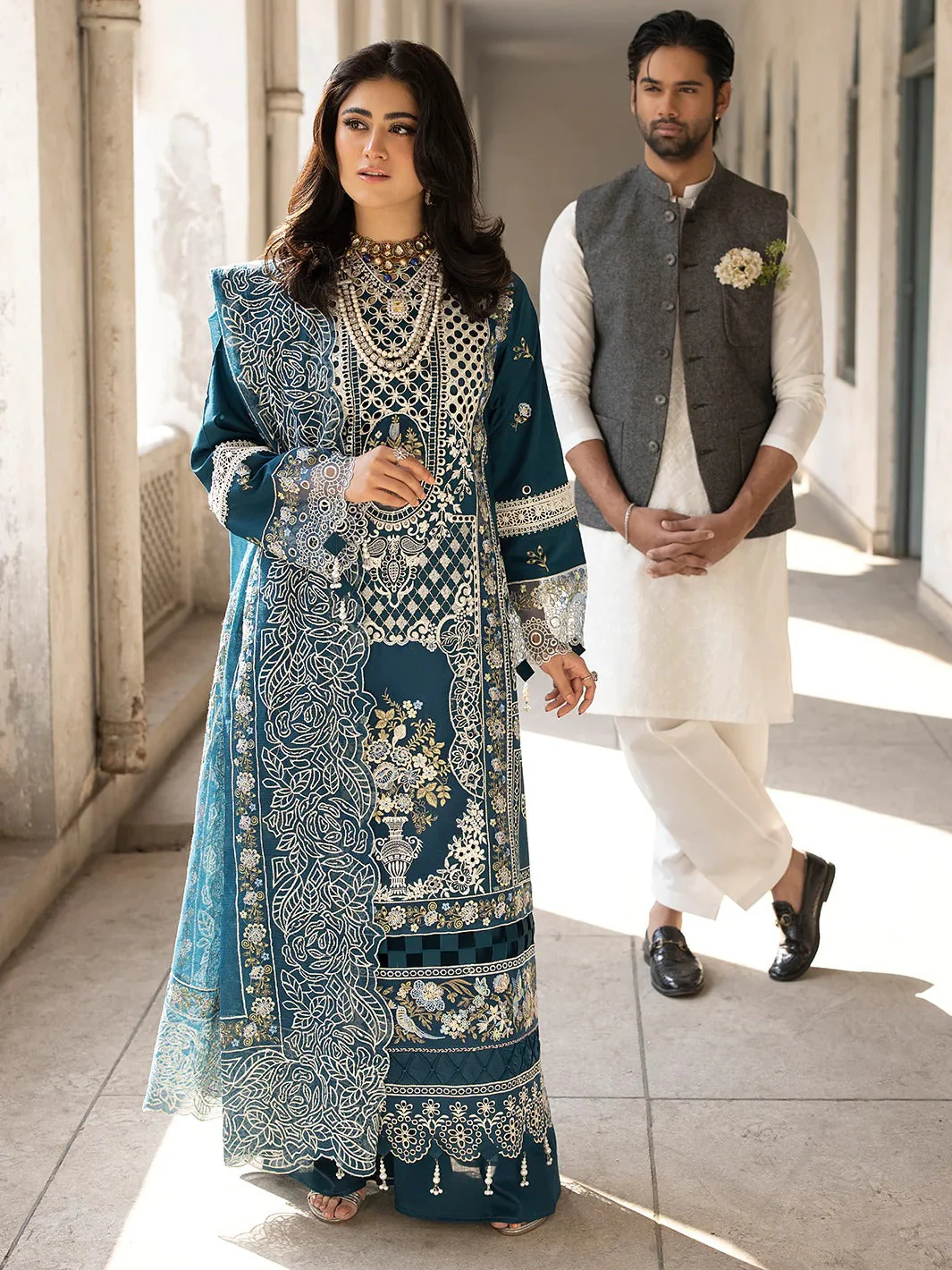
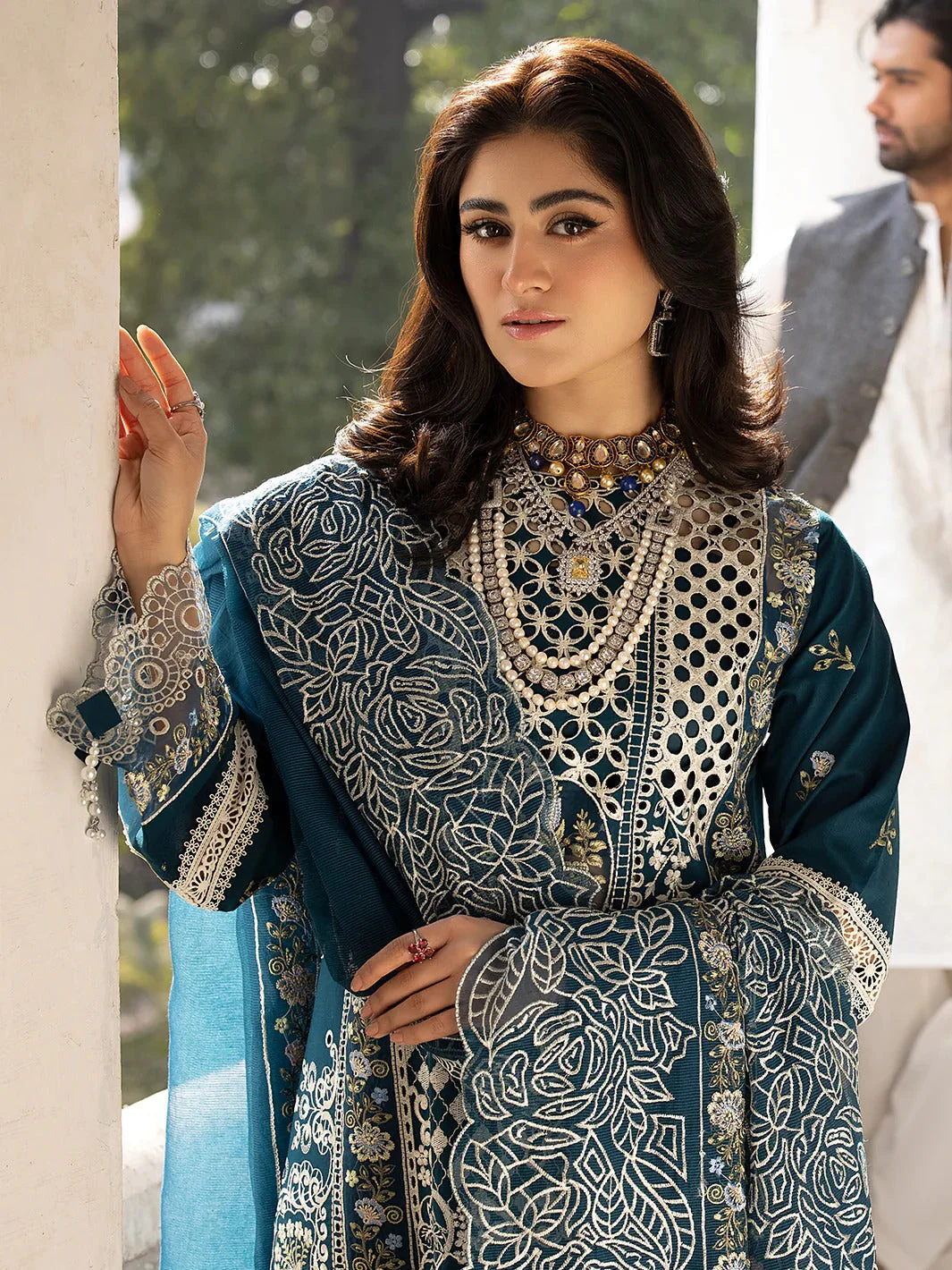
Original price was: ₨15,000.00.₨8,000.00Current price is: ₨8,000.00.
Sale!
Original price was: ₨15,000.00.₨8,000.00Current price is: ₨8,000.00.
Sale!
Original price was: ₨15,000.00.₨8,000.00Current price is: ₨8,000.00.
Sale!
Original price was: ₨15,000.00.₨8,000.00Current price is: ₨8,000.00.
Sale!
Original price was: ₨15,000.00.₨8,000.00Current price is: ₨8,000.00.
Sale!
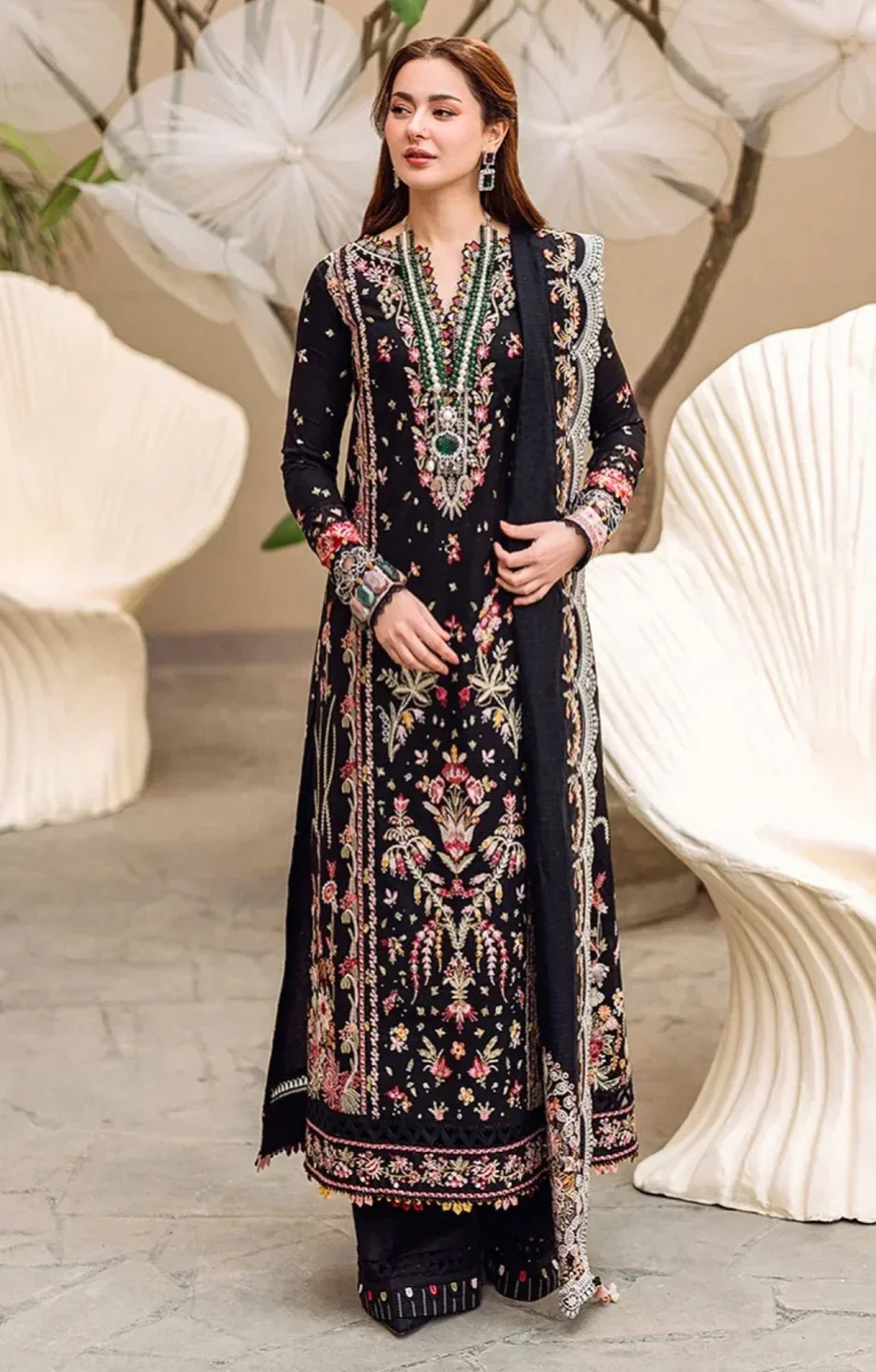
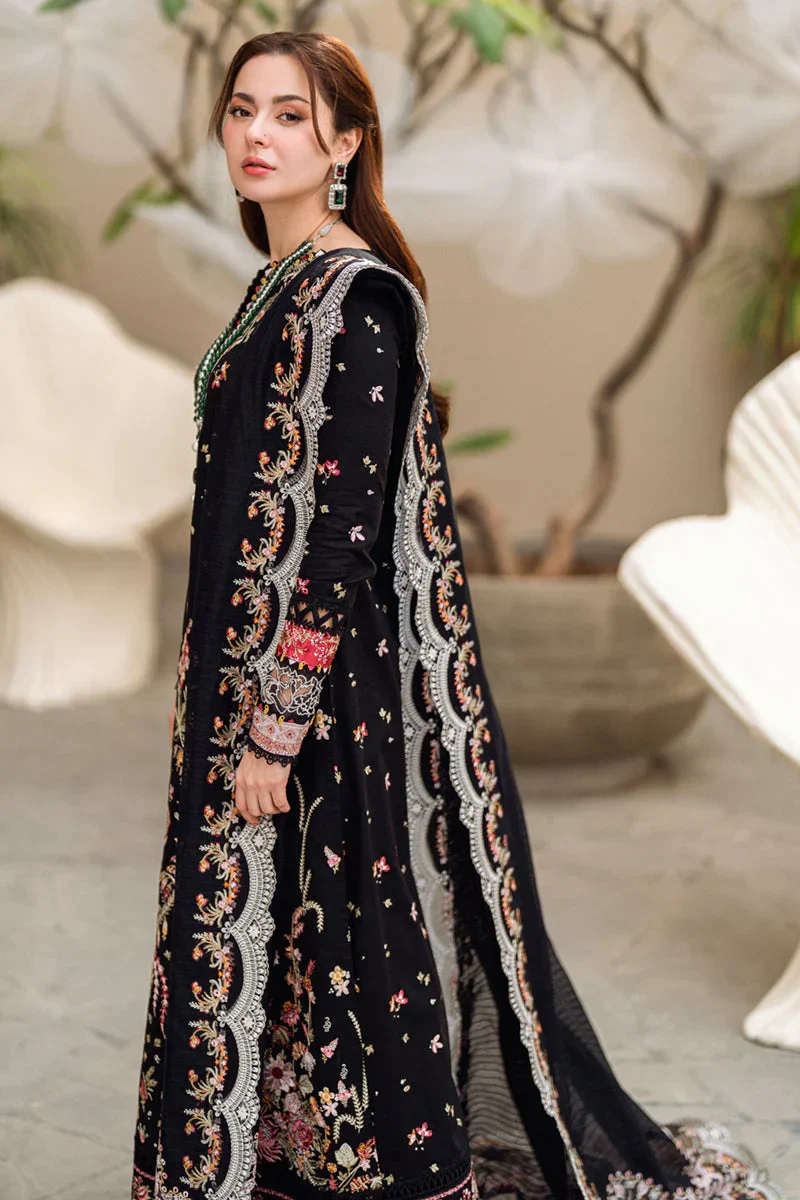
Original price was: ₨15,000.00.₨8,000.00Current price is: ₨8,000.00.
Sale!
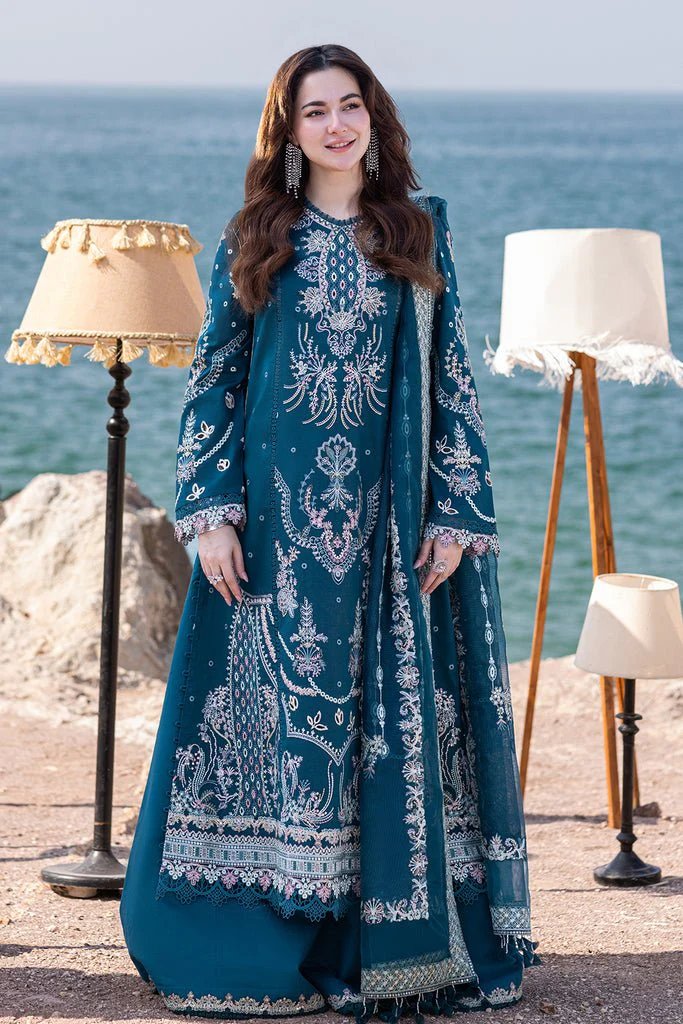
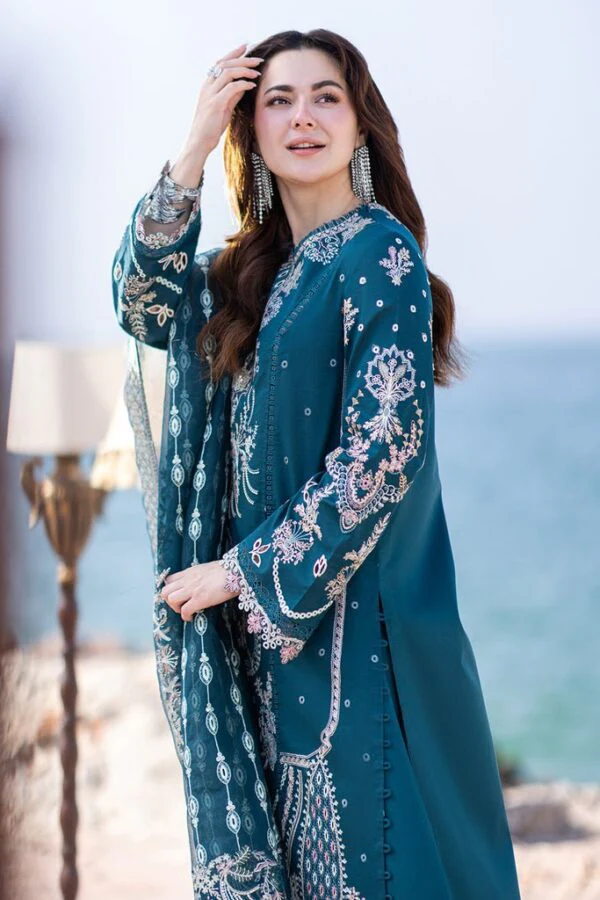
Original price was: ₨15,000.00.₨5,500.00Current price is: ₨5,500.00.
Sale!
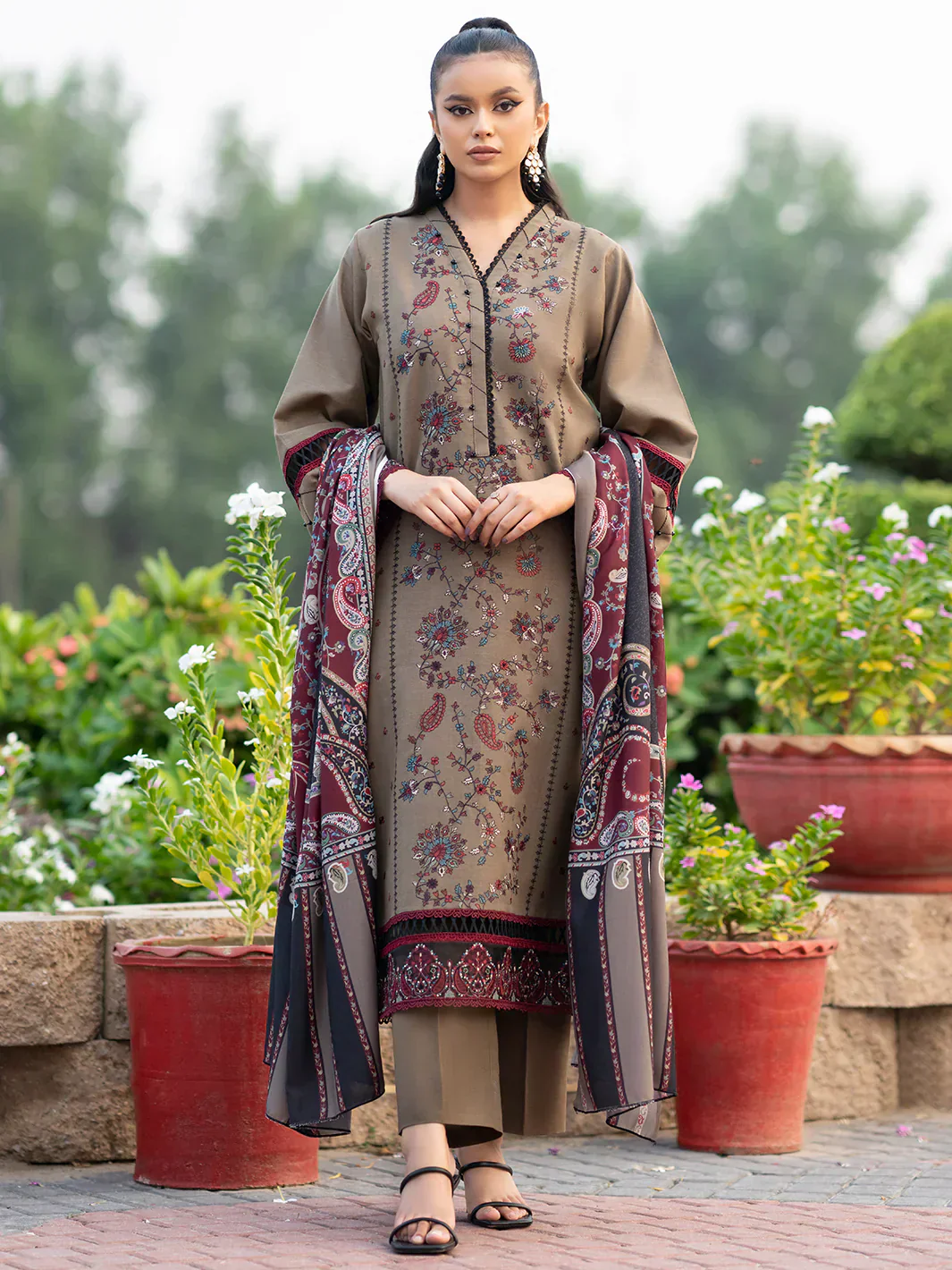
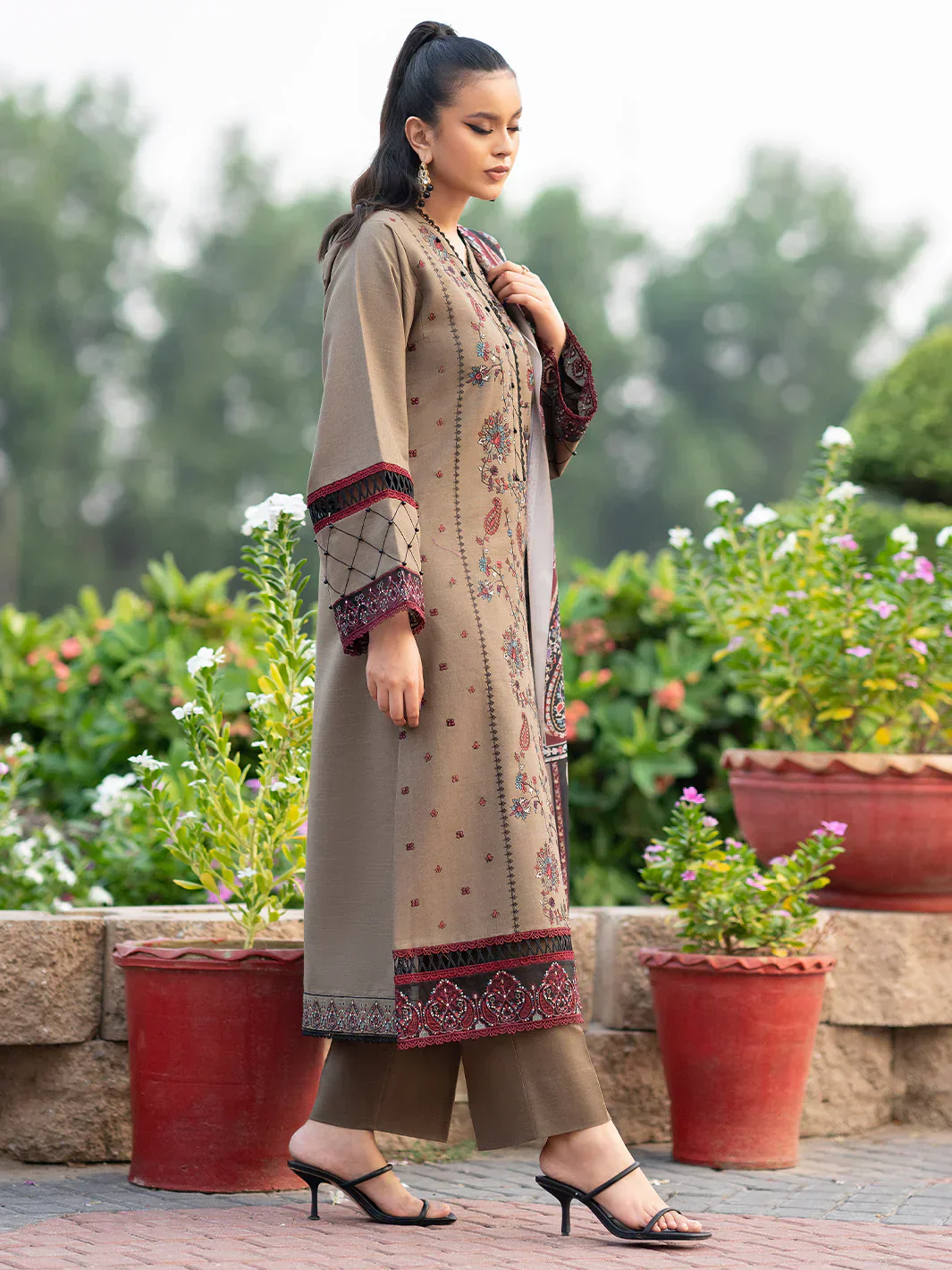
Original price was: ₨15,000.00.₨8,000.00Current price is: ₨8,000.00.
Sale!
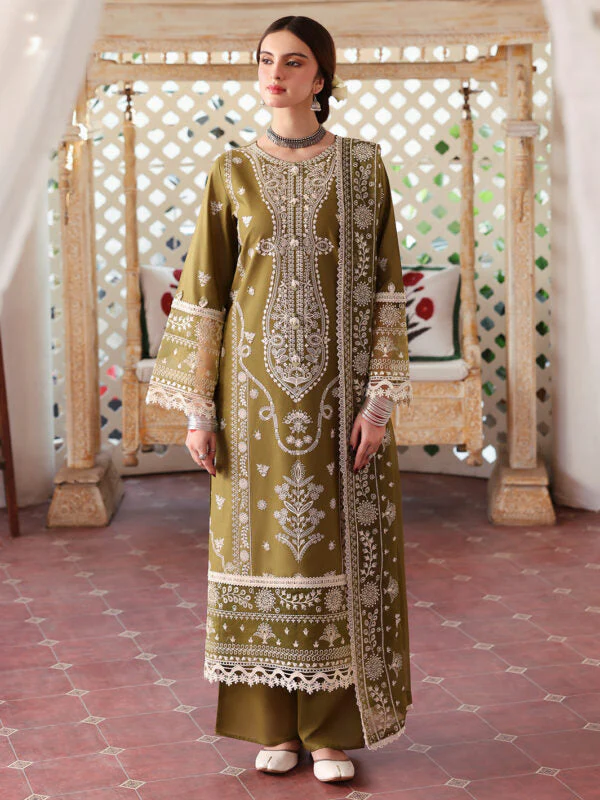
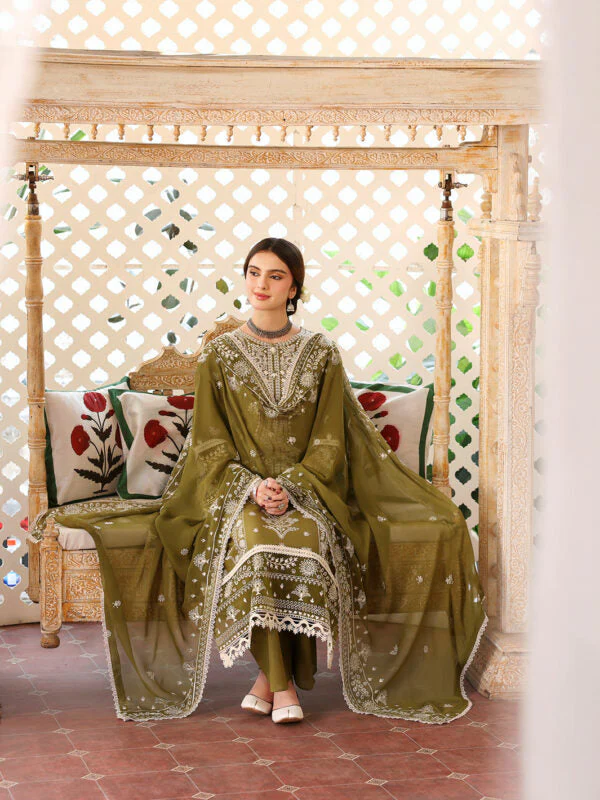
Original price was: ₨15,000.00.₨8,000.00Current price is: ₨8,000.00.
Pakistani Dress Wholesale Supplier in United States | Mastorat
The demand for Pakistani clothing has grown steadily across the United States as more customers look for distinctive outfits that combine traditional craftsmanship with modern fashion. From beautifully embroidered formal suits to lightweight lawn collections and elegant bridal dresses, Pakistani fashion offers a wide range of styles for different occasions and customer preferences.
For boutique owners, fashion retailers, online store operators, and new entrepreneurs, choosing the right clothing source is an important part of building a successful business. A dependable supplier can help retailers maintain product variety, manage inventory, and offer customers clothing that reflects current fashion trends. This is where Pakistani Dress Wholesale Supplier in United States becomes an important consideration for businesses looking to serve the growing South Asian fashion market.
Mastorat provides access to Pakistani clothing collections designed for customers who appreciate quality fabrics, attractive designs, and traditional details. Whether you are planning to open a boutique, expand an existing clothing store, or introduce ethnic wear to an online business, exploring the right collections can help you make informed purchasing decisions.
This guide explains the Pakistani clothing wholesale market, popular product categories, fabric choices, business opportunities, and practical considerations for retailers interested in building a clothing business in the United States.
Understanding the Growing Demand for Pakistani Clothing in the USA
Pakistani fashion has developed a strong presence in the American clothing market. South Asian communities across the country regularly purchase traditional outfits for weddings, religious celebrations, family gatherings, cultural festivals, and other special occasions. However, demand is not limited to customers who wear traditional clothing regularly. Many fashion shoppers appreciate the detailed embroidery, flowing silhouettes, rich colors, and distinctive patterns associated with Pakistani designs. Retailers can benefit from this interest by offering collections that serve different age groups, budgets, and occasions. A well-organized clothing store might stock everyday casual suits alongside premium formal dresses, festive outfits, and bridal collections. The popularity of Pakistani clothing also comes from its versatility. A simple embroidered suit can be suitable for a family gathering, while a heavily decorated outfit may be selected for a wedding celebration. This variety allows retailers to develop product collections for multiple customer needs rather than depending on one clothing category. Businesses that understand their local audience can make better decisions about which fabrics, colors, and designs to purchase. For example, customers shopping for summer clothing may prefer breathable fabrics, while buyers preparing for winter weddings might look for velvet, silk, and heavier embroidered materials. By understanding these preferences, retailers can build an inventory that offers genuine value and reflects the interests of their customers.How Mastorat Supports Pakistani Fashion Retailers
Finding suitable clothing collections is one of the first challenges for anyone entering the ethnic fashion industry. Retailers need access to different designs, dependable product information, and a convenient way to explore available clothing options. Mastorat brings Pakistani fashion collections together for customers and businesses interested in traditional and contemporary clothing. Its range allows buyers to explore different styles without limiting their selection to a single type of outfit. Retailers can browse pakistani dress wholesale collections to discover clothing options that may suit their business requirements. A diverse product selection is particularly useful for boutique owners. Some customers prefer simple stitched outfits for everyday use, while others look for elaborate designs for important celebrations. Keeping different categories available helps a retailer serve a wider audience. Another consideration is the ability to compare collections before purchasing. Retailers should review fabric descriptions, design details, available sizes, and product photographs to understand whether an outfit matches their intended market. Mastorat provides an online shopping experience that makes exploring Pakistani fashion collections more convenient. Buyers can review different categories and identify products that match their store's identity. For new businesses, starting with a focused collection is often more practical than purchasing large quantities of unrelated designs. As the business grows, retailers can expand their selection according to customer feedback and sales performance.Exploring Different Wholesale Clothing Categories
A successful clothing business needs a balanced product range. Offering only formal dresses may limit sales during quieter periods, while focusing entirely on casual clothing can make it difficult to serve customers preparing for special events. Pakistani clothing offers several categories that retailers can consider when developing their inventory.Casual Pakistani Clothing
Casual outfits are suitable for everyday activities, family visits, shopping, and informal gatherings. Customers generally prefer comfortable materials, attractive prints, and designs that are easy to wear. Lawn suits, cotton outfits, and simple embroidered dresses are popular choices for everyday collections. Boutique owners can introduce different color combinations and seasonal prints to keep their casual clothing selection interesting. A mixture of basic designs and slightly embellished outfits can appeal to customers with different budgets.Semi-Formal Dresses
Semi-formal clothing provides a balance between everyday comfort and occasion wear. These outfits are commonly selected for dinners, small celebrations, engagement gatherings, and family functions. Light embroidery, decorative necklines, elegant sleeves, and carefully selected fabrics can make semi-formal collections attractive to customers. Retailers may find this category useful because it serves customers who want something more detailed than everyday clothing without purchasing heavily embellished formal dresses.Luxury Formal Wear
Formal Pakistani dresses are known for their detailed craftsmanship and sophisticated appearance. These outfits may include embroidered shirts, decorative dupattas, embellished trousers, and carefully designed silhouettes. Chiffon, organza, silk, and other premium materials are frequently used in formal collections. Customers often purchase these dresses for weddings, receptions, formal dinners, and major family celebrations.Bridal Collections
Bridal clothing represents a premium segment of the Pakistani fashion industry. Traditional bridal outfits often feature detailed embroidery, decorative embellishments, rich colors, and elaborate finishing. Retailers interested in this category should understand their customers' preferences before investing in expensive inventory. Offering a carefully selected bridal collection can help a boutique develop a premium identity and attract customers searching for outfits for important occasions.Ready-to-Wear Clothing
Ready-to-wear outfits are convenient for customers who prefer clothing that requires little or no additional stitching. These collections are useful for online retailers because shoppers can select complete outfits without arranging separate tailoring services. A combination of ready-to-wear and traditional unstitched suits can provide customers with more purchasing flexibility.Why Fabric Selection Matters When Buying in Bulk
Fabric quality is one of the most important factors influencing customer satisfaction. Even an attractive design may receive negative feedback if the material feels uncomfortable, does not match its description, or fails to meet customer expectations. Retailers should understand the characteristics of different fabrics before choosing their inventory.Lawn Fabric
Lawn is widely appreciated for its lightweight feel and suitability for warm weather. It is commonly used in casual Pakistani suits and printed summer collections. Retailers can consider lawn outfits when developing seasonal clothing ranges for customers who prefer breathable everyday clothing.Chiffon
Chiffon is a popular choice for formal and semi-formal dresses. Its lightweight appearance and flowing texture make it suitable for elegant outfits. It is frequently used in dupattas, shirts, and occasion wear. Embroidery and decorative details can give chiffon dresses a more luxurious appearance.Silk
Silk is associated with a smooth texture and sophisticated finish. Depending on the variety, it can be used for formal dresses, festive clothing, and premium collections. Customers often appreciate silk outfits for weddings and special gatherings.Georgette
Georgette is valued for its flowing appearance and versatility. It can be used in both formal and semi-formal designs, making it a useful option for boutiques offering different clothing styles.Organza
Organza is often selected for dresses that require a structured and elegant appearance. It is commonly used for decorative dupattas, sleeves, overlays, and formal outfits.Cotton
Cotton clothing is a practical choice for everyday wear because of its comfortable feel and versatility. Retailers can include cotton suits in their regular collections, particularly when serving customers who prefer simple and breathable outfits. Businesses interested in exploring fabric options can also review pakistani dress material wholesale collections. For additional market research, retailers may compare regional sourcing options through pakistani dress material wholesale in india. Before purchasing any large quantity, it is sensible to examine product descriptions and confirm important details about fabric composition, finishing, and care requirements.Building a Boutique Collection Around Designer Pakistani Fashion
Designer clothing can help a boutique establish a recognizable identity. Customers shopping for special occasions often look for outfits with distinctive patterns, detailed embroidery, premium fabrics, and carefully finished designs. Retailers can explore pakistani designer dresses when planning collections for customers interested in more sophisticated clothing. A designer clothing section does not necessarily need to contain a large number of products. A smaller selection of carefully chosen outfits may be more practical, especially for businesses that are still learning about their customer base. Retailers should consider the following points when selecting designer collections:- Choose colors that suit the preferences of the intended audience.
- Review embroidery details and overall finishing.
- Consider the occasion for which each outfit is designed.
- Offer a reasonable mixture of traditional and contemporary styles.
- Keep different price ranges available when possible.
- Review product photographs and descriptions before purchasing.
Understanding Wholesale Purchasing and Retail Pricing
Wholesale and retail purchasing serve different purposes. Retail customers generally purchase individual outfits for personal use. Wholesale buyers purchase products for resale, usually with the intention of building an inventory for a boutique, online store, or other clothing business. The main advantage of wholesale purchasing is the opportunity to manage product costs more effectively. However, buying in bulk does not automatically guarantee profitability. Retailers need to calculate the full cost of bringing products to customers. This may include:- Product purchase price.
- International or domestic shipping.
- Customs duties and applicable taxes.
- Packaging materials.
- Payment processing charges.
- Storage expenses.
- Marketing and advertising costs.
- Returns and customer service expenses.
Wholesale Catalogs Make Product Selection Easier
Managing a clothing business becomes easier when products are organized into clear categories. A catalog allows buyers to review different clothing options without searching through unrelated products. It also helps retailers compare styles and identify collections that fit their business requirements. Mastorat provides access to pakistani catalogue dress wholesale collections for buyers interested in exploring Pakistani fashion. When reviewing a catalog, retailers should pay attention to more than the overall appearance of an outfit. Important product details include:- Fabric type and material composition.
- Available sizes and measurements.
- Number of pieces included in the outfit.
- Embroidery and embellishment details.
- Stitching information.
- Color variations.
- Product availability.
- Care and washing instructions.
Starting a Pakistani Clothing Business with a Limited Budget
Opening a clothing business does not always require purchasing a large inventory immediately. New entrepreneurs can begin with a carefully selected collection and expand after understanding customer demand. A smaller starting inventory also makes it easier to identify which products perform well and which categories require improvement.Step 1: Identify Your Target Customers
Before purchasing clothing, decide who you want to serve. Your potential customers may include South Asian families, wedding shoppers, university students, working professionals, or people interested in traditional fashion. Each group may have different preferences regarding price, design, fabric, and occasion wear. Understanding these differences helps you select more relevant products.Step 2: Select Your Main Clothing Categories
Instead of stocking every type of Pakistani outfit, begin with two or three categories. For example, a new boutique might focus on casual lawn suits, semi-formal dresses, and a small selection of luxury outfits. Once customer demand becomes clearer, additional categories can be introduced.Step 3: Research Your Competition
Look at other boutiques and online clothing stores serving your intended audience. Observe their product categories, pricing approaches, customer reviews, and promotional strategies. This research can help you identify opportunities that are not being addressed by competing businesses.Step 4: Calculate Your Budget
Decide how much money you can allocate to product purchases, shipping, marketing, packaging, and other operating expenses. Avoid spending the entire budget on inventory. Keeping some money available for marketing and unexpected expenses can make the business easier to manage.Step 5: Test Your First Collection
Start with a manageable number of products and monitor customer responses. Pay attention to which designs attract attention, which products generate inquiries, and which outfits actually sell. Customer feedback can guide future purchasing decisions.Step 6: Expand According to Sales Performance
Once you understand your best-selling categories, gradually increase the range. This approach allows your business to grow through informed decisions rather than unnecessary stock purchases.Choosing Clothing Collections for Different Seasons
Seasonal planning is an important part of managing a fashion business. Customer preferences can change throughout the year depending on temperature, celebrations, wedding schedules, and cultural events. Retailers who prepare their inventory in advance may find it easier to respond to seasonal demand.Summer Clothing
Summer collections generally focus on lightweight and breathable materials. Lawn, cotton, and lightweight printed suits can be suitable choices for customers who prefer comfortable clothing during warmer months. Bright colors, floral prints, and simple embroidery may also appeal to shoppers looking for everyday outfits.Winter Clothing
Winter clothing collections often include heavier materials and deeper colors. Depending on customer preferences, retailers may consider embroidered suits, velvet outfits, shawls, and other seasonal options.Wedding Season
Wedding periods create opportunities for boutiques to introduce formal and premium clothing. Customers may look for engagement dresses, reception outfits, wedding guest clothing, and traditional festive wear. Retailers should plan these collections according to their audience and available budget.Eid and Cultural Celebrations
Eid is an important shopping period for many Pakistani clothing businesses. Customers often purchase new outfits for family gatherings, prayers, and celebrations. Retailers can prepare a mixture of casual, semi-formal, and premium clothing to serve different budgets. A seasonal inventory plan helps businesses avoid purchasing too much of one category while overlooking other customer needs.Understanding the Difference Between the US Wholesale Market and Other Regions
Although the United States is the primary market for many retailers, international sourcing can provide additional opportunities for comparison. Different countries have different clothing markets, customer preferences, manufacturing networks, and distribution systems. Retailers should understand these differences before making decisions about suppliers. For example, businesses researching luxury clothing distribution may explore pakistani dress wholesale in dubai. Those interested in direct regional sourcing can review pakistani dress wholesale in pakistan. Other international markets can also be useful for understanding regional fashion demand:- pakistani dress wholesale in mumbai provides another regional market to research.
- pakistani dress wholesale in dhaka offers insight into another South Asian clothing market.
Exploring Regional Demand Across the United States
The United States is a large and diverse market. Customer preferences can differ between states, cities, and communities. A boutique serving a large South Asian population may experience different clothing demand from a store operating in an area where traditional fashion is less familiar. For this reason, retailers should research their own customer base instead of assuming that the same collection will perform equally well everywhere. Businesses can explore regional clothing markets through the following pages:California
pakistani dress wholesale supplier california is a useful regional category for retailers researching Pakistani fashion opportunities in California. Businesses should consider the styles, price ranges, and occasions that matter to their intended customers.New York
pakistani dress wholesale supplier new york provides another regional collection to explore. Retailers operating in New York can research demand for traditional formal clothing, modern outfits, and designer collections.Texas
pakistani dress wholesale supplier texas can be relevant for businesses exploring clothing opportunities in Texas. Understanding local shopping habits can help retailers develop a suitable product selection.Alabama
pakistani dress wholesale supplier alabama provides an additional regional category for businesses researching the Pakistani clothing market. The key is to evaluate actual customer interest and purchasing behavior before committing to a large inventory. Regional research should also include competitor analysis, local events, online shopping trends, and customer feedback. A retailer who understands their local audience is in a better position to choose appropriate clothing collections.Expanding Your Business into International Markets
Once a clothing business becomes established, retailers may consider serving customers outside their original market. International expansion can create new opportunities, but it also requires careful planning. Shipping costs, import regulations, product demand, payment methods, and delivery expectations may vary from country to country. Mastorat provides access to different regional clothing categories that businesses can explore while researching international opportunities. For example:- pakistani dress wholesale supplier canada can be explored when researching the Canadian market.
- pakistani dress wholesale supplier india offers another regional category for market research.
- pakistani dress wholesale supplier pakistan is relevant for understanding the Pakistani clothing market.
Why Online Wholesale Shopping Is Important for Modern Retailers
Online shopping has changed the way clothing businesses discover products and manage purchasing decisions. Retailers no longer need to depend entirely on physical visits to explore different collections. Digital catalogs make it possible to review clothing options from a computer or mobile device. Mastorat offers an online platform where buyers can explore pakistani dress wholesale online collections. Online product browsing can be useful in several ways. Convenient product research: Retailers can review different designs and categories without spending time visiting multiple physical stores. Better collection planning: Digital catalogs make it easier to compare clothing styles and identify products that match the store's intended audience. Flexible browsing: Buyers can explore collections at a convenient time and organize their purchasing research around their business schedule. Simplified product discovery: Categorized collections help users find clothing options according to their interests. Easier inventory planning: Retailers can prepare a list of potential products before placing an order. However, online purchasing should still involve careful product research. Always review available photographs, descriptions, fabric information, sizing details, and applicable purchasing conditions. If you are buying internationally, confirm shipping charges, estimated delivery periods, customs responsibilities, and return arrangements before completing your purchase. A convenient online platform is most useful when buyers also have access to clear and reliable product information.How to Select a Suitable Wholesale Clothing Supplier
Choosing a supplier is a business decision that can influence product quality, customer satisfaction, and long-term profitability. Retailers should avoid making purchasing decisions based only on attractive photographs or low advertised prices. Instead, compare suppliers using several practical factors.Product Quality
Review fabric details, stitching, embroidery, and finishing. If sample orders are available, consider examining the products before committing to larger purchases.Collection Variety
A useful supplier should offer clothing options that match your intended market. Having access to casual, formal, festive, and designer collections can make inventory planning easier.Clear Product Information
Product descriptions should provide enough information for buyers to understand what they are purchasing. Check material composition, outfit components, measurements, and available sizes.Pricing Transparency
Understand the full cost of an order. Ask about minimum order quantities, additional charges, payment conditions, and shipping expenses where applicable.Communication
Clear communication helps businesses resolve questions about products, orders, and delivery. Retailers should know how to contact the supplier and obtain assistance when necessary.Shipping Arrangements
For international purchases, shipping is an important part of the overall buying process. Check delivery estimates, tracking availability, customs responsibilities, and the procedure for handling delayed or damaged packages.Consistency
A supplier should be evaluated over time rather than through a single purchase. Retailers should monitor product quality, order accuracy, and communication to determine whether the relationship meets their business needs. Mastorat allows buyers to explore pakistani clothes wholesale suppliers categories while researching suitable clothing collections. Businesses interested in comparing European retail opportunities can also review pakistani clothes wholesale suppliers uk.Marketing Pakistani Clothing to American Customers
Buying suitable inventory is only one part of running a successful clothing business. Retailers also need to make potential customers aware of their products and give them reasons to purchase. A well-planned marketing strategy can help a boutique develop brand recognition and build a loyal customer base.Create a Professional Website
A clothing website should make it easy for visitors to browse products and understand the business. Use clear product photographs, informative descriptions, accurate sizing details, and straightforward navigation. Organize clothing into categories such as casual wear, formal dresses, wedding outfits, and seasonal collections.Use Social Media Marketing
Social platforms can help clothing businesses display new arrivals and connect with potential buyers. Instagram, Facebook, Pinterest, and other relevant platforms can be used to publish product photographs, styling ideas, collection announcements, and customer feedback. Consistency is more important than posting large amounts of repetitive content.Invest in Product Photography
Customers shopping online depend heavily on product images. Photographs should show the clothing clearly, including embroidery, fabric texture, colors, and important design details. Whenever possible, include multiple views so shoppers can understand the outfit before purchasing.Write Useful Product Descriptions
Descriptions should explain the material, design, outfit components, available sizes, and intended occasion. Avoid exaggerated claims that cannot be supported by the actual product. Clear descriptions improve the shopping experience and help customers make informed decisions.Offer Seasonal Promotions
Special offers can encourage customers to explore new collections. Retailers can plan promotions around Eid, wedding seasons, holidays, and other relevant shopping periods. Discounts should be calculated carefully to ensure that the business remains profitable.Build Customer Relationships
Good customer service encourages repeat purchases. Respond to inquiries, provide accurate information, handle complaints professionally, and communicate clearly about order updates. A positive shopping experience can help a business develop long-term customer relationships.The Importance of Inventory Management
Inventory management plays a major role in the success of a clothing business. Buying too much stock can tie up money in products that may take a long time to sell. Purchasing too little can result in missed sales opportunities when customers want popular designs. Retailers should monitor inventory regularly and use actual sales information to guide future purchases. Start by categorizing products according to their type, size, color, and season. Maintain records of:- Products purchased.
- Quantity available.
- Purchase cost.
- Selling price.
- Products sold.
- Returned or damaged items.
- Remaining inventory.
- Customer demand.
Managing Shipping and International Orders
International clothing purchases require more planning than ordinary domestic orders. Businesses should understand the complete delivery process before placing an order, especially when purchasing from a supplier operating in another country. The first step is to confirm where the products will be dispatched from and which shipping services are available. Next, review the estimated delivery period and determine whether it suits your business schedule. Retailers should also clarify customs duties, import taxes, and any additional charges that may apply to shipments entering the United States. Other important considerations include: Order packaging: Clothing should be packaged appropriately to help protect fabrics and decorative details during transportation. Shipment tracking: Tracking information can help retailers monitor their orders and plan inventory availability. Delivery estimates: Businesses should avoid promising customers delivery dates before confirming the supplier's shipping arrangements. Damaged products: Understand the process for reporting products that arrive damaged or do not match the order. Returns and exchanges: Review the applicable policies before purchasing, particularly when ordering in bulk. Retailers should maintain a record of order confirmations, payment receipts, shipping details, and supplier communication. These simple practices can reduce misunderstandings and make international purchasing easier to manage.Common Mistakes New Pakistani Clothing Retailers Should Avoid
Entering the fashion industry can be exciting, but new businesses sometimes make purchasing and marketing decisions without sufficient research. Avoiding common mistakes can help protect your budget and improve the chances of building a sustainable business.Purchasing Too Much Inventory
Large orders may appear attractive because of potential bulk savings. However, excess inventory can create storage expenses and tie up working capital. Start with a manageable collection and increase purchases after identifying products that customers actually want.Ignoring Customer Preferences
A retailer may personally prefer heavily embroidered clothing, but the target audience might be more interested in simple everyday outfits. Product selection should reflect customer demand rather than personal taste alone.Choosing Products Only by Price
A low purchasing price does not necessarily represent good value. Poor fabric quality, weak stitching, inaccurate descriptions, or inconsistent sizing can result in customer complaints. Consider the overall product value before making purchasing decisions.Using Poor Product Images
Unclear photographs can make attractive outfits appear less appealing. Use good lighting and detailed images to show the clothing accurately.Setting Prices Without Calculating Costs
Retailers should include shipping, taxes, packaging, advertising, and operating expenses when calculating selling prices. Ignoring these costs can reduce profit margins.Neglecting Customer Service
Slow replies and unclear communication can discourage potential customers. Establish a professional process for handling product inquiries, complaints, and order updates.Ignoring Online Visibility
A business may offer good clothing but struggle to attract customers if its products are difficult to discover online. Invest in a useful website, relevant product content, and a consistent social media presence.Creating a Long-Term Business Strategy with Mastorat
A sustainable clothing business needs more than a collection of attractive dresses. It requires careful planning, consistent product selection, customer understanding, and responsible financial management. Mastorat provides a starting point for exploring Pakistani clothing categories and discovering products that may suit different retail business models. A new entrepreneur might begin with a small online store focusing on everyday suits and semi-formal dresses. An established boutique may prefer a wider collection that includes premium designer outfits, wedding wear, and seasonal clothing. A reseller may focus on products that are easy to photograph, list, and promote through social media. Each business model has different requirements, so there is no single inventory strategy that works for everyone. The following practices can help retailers develop a stronger foundation:- Research your intended customers before selecting products.
- Choose clothing categories that match your business identity.
- Compare product quality and purchasing costs.
- Maintain accurate inventory records.
- Use clear product photographs and descriptions.
- Review customer feedback regularly.
- Plan seasonal collections in advance.
- Monitor sales before increasing purchasing quantities.
- Maintain professional communication with suppliers.
- Adjust your strategy according to actual business performance.