 Wholesale
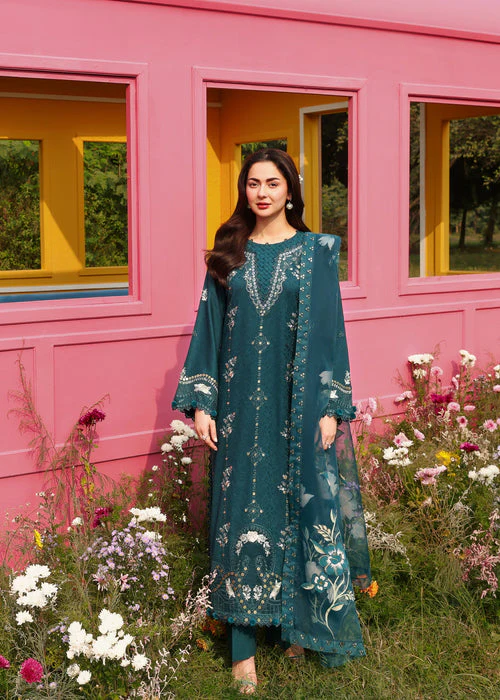
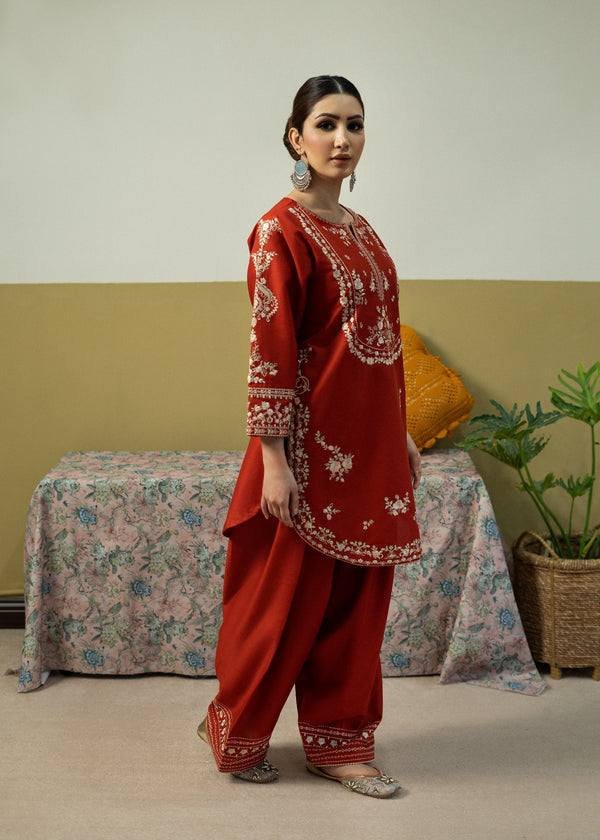
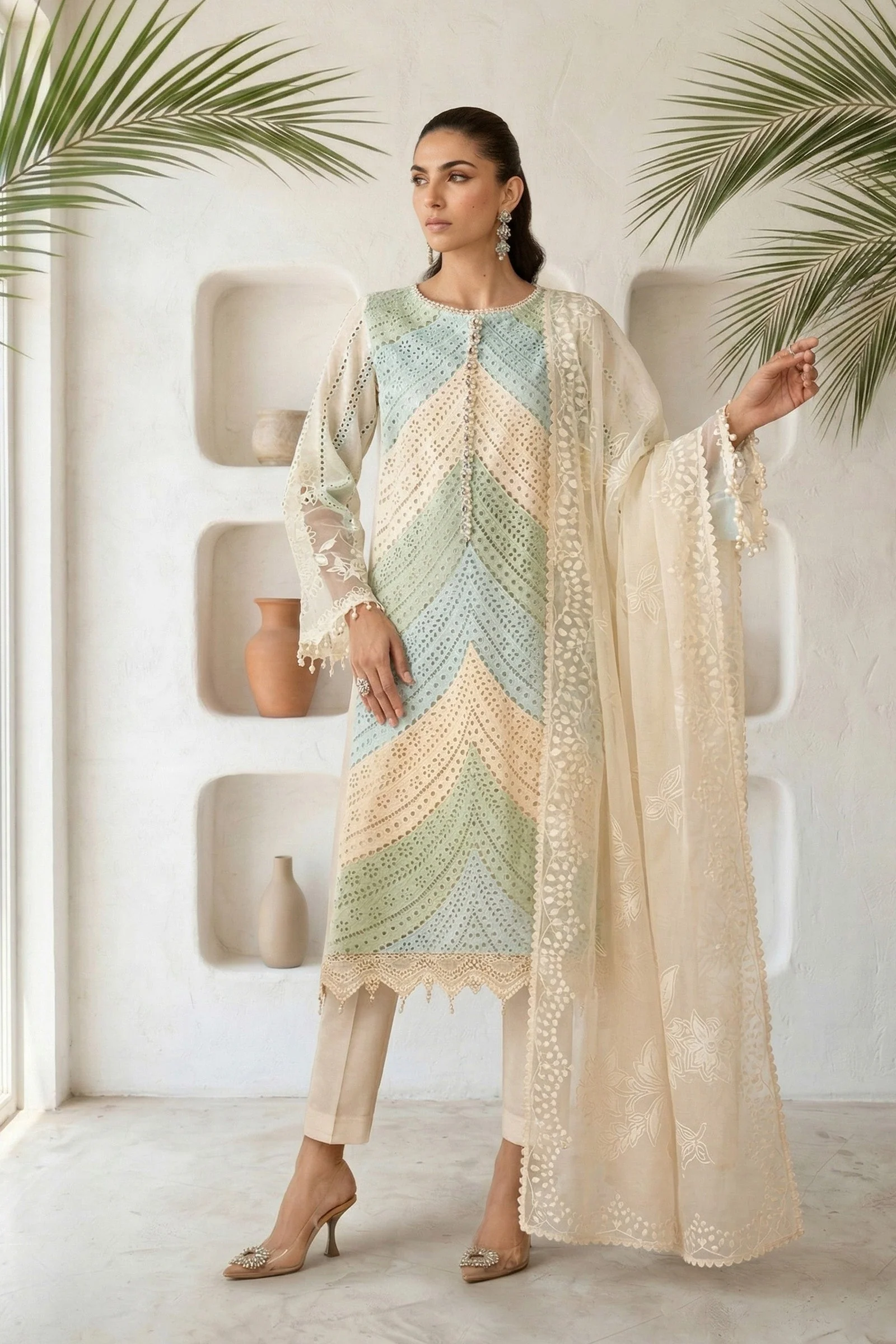
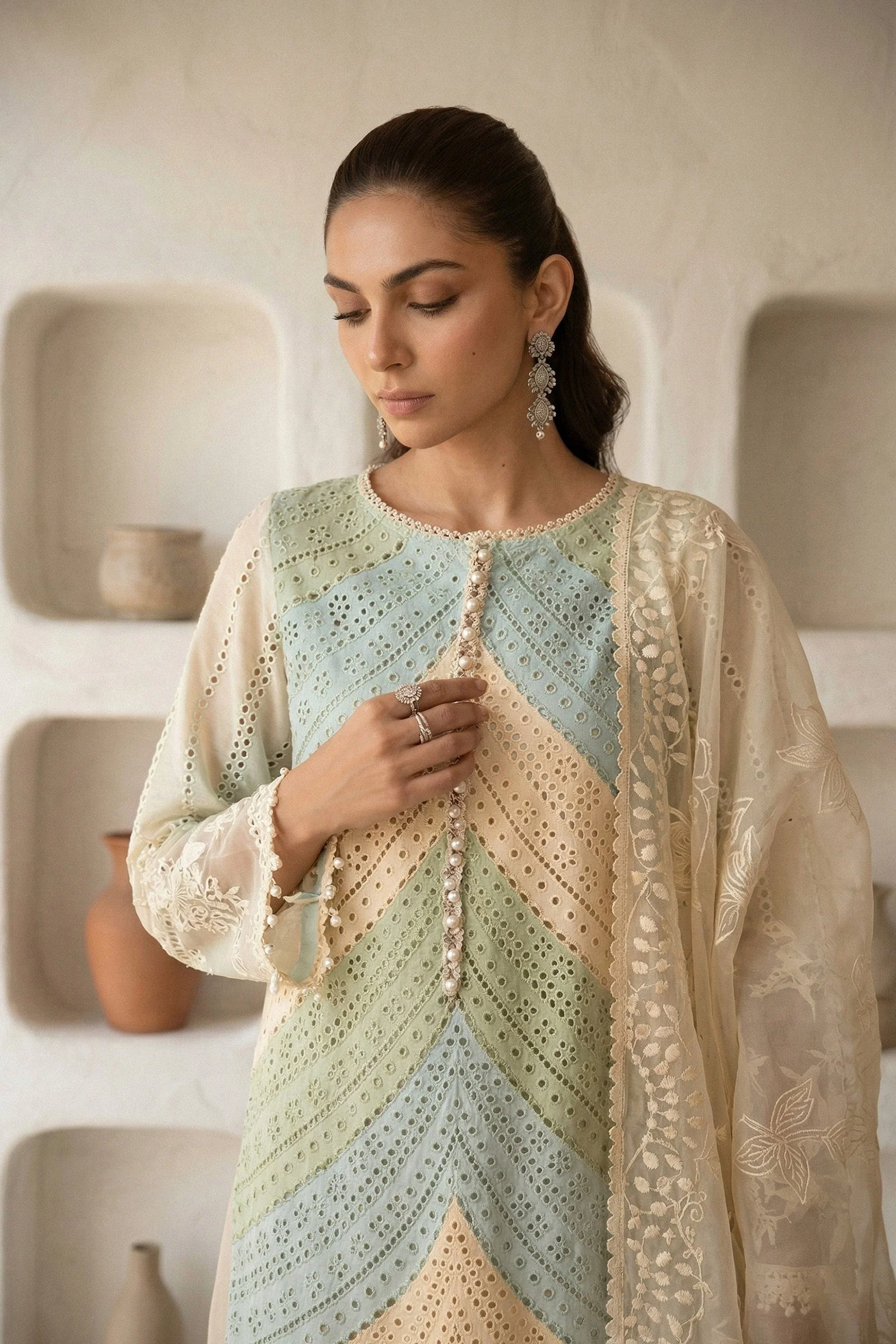
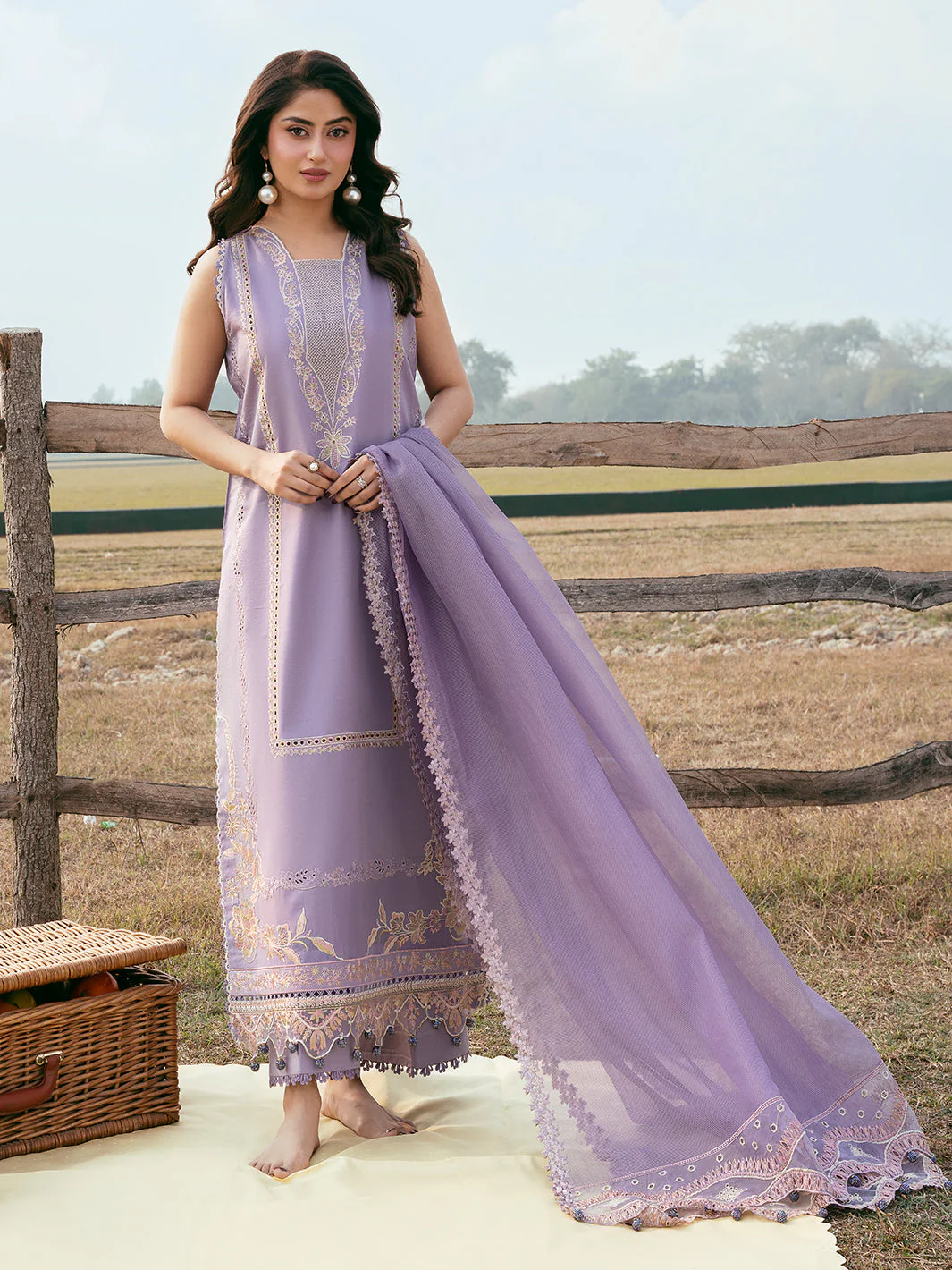
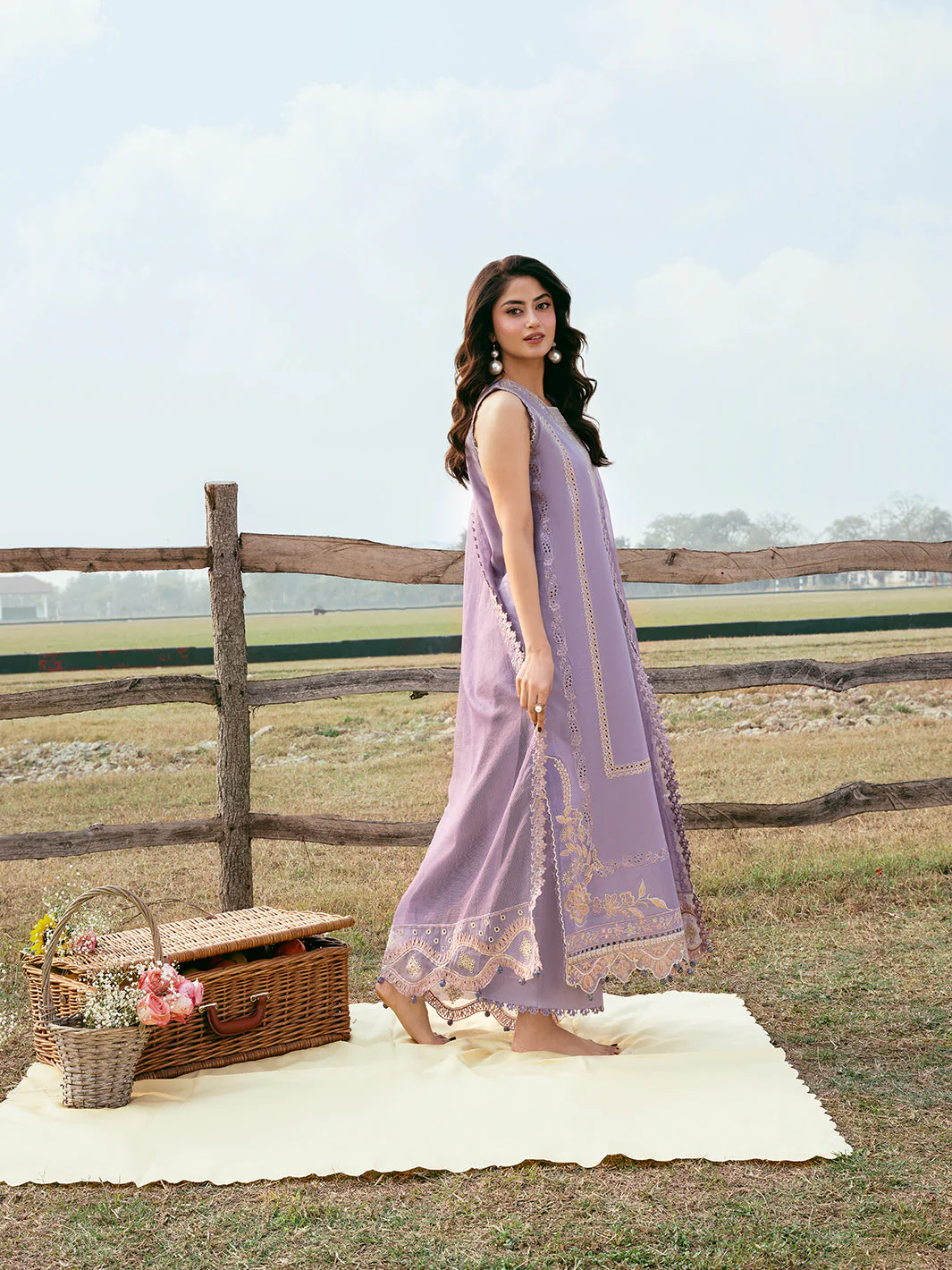
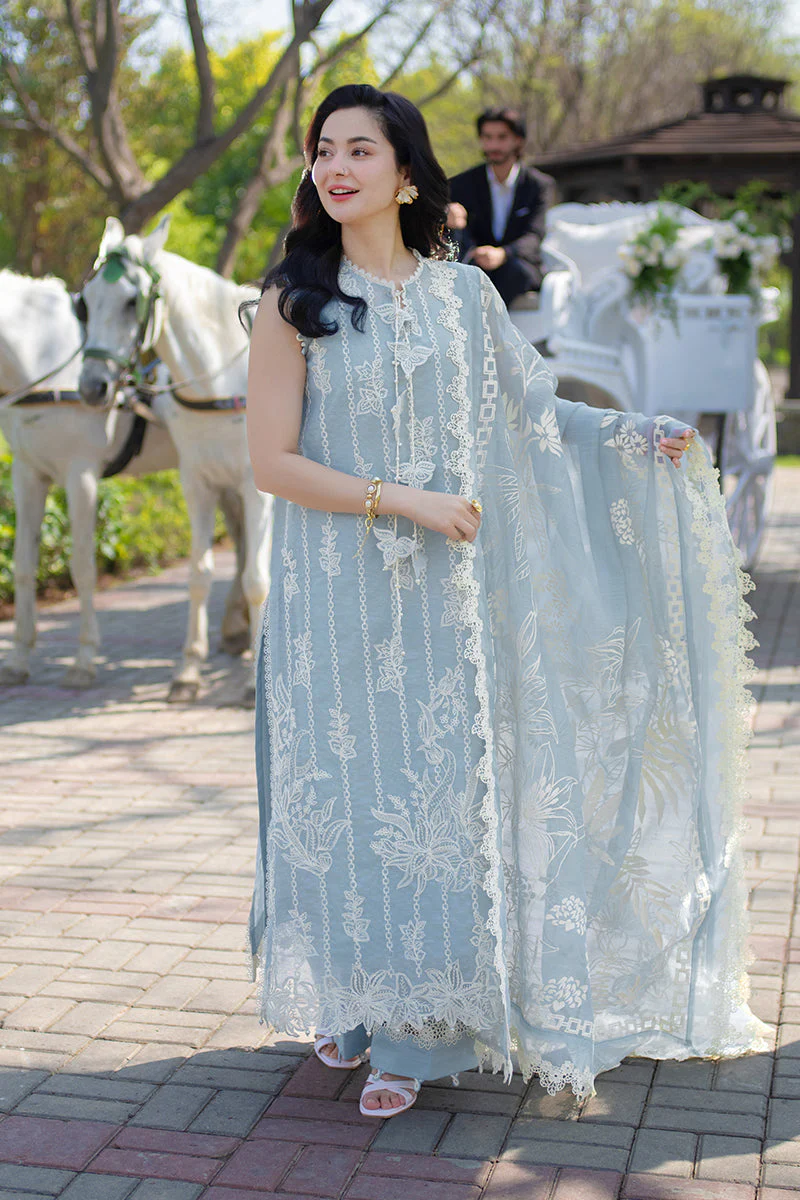
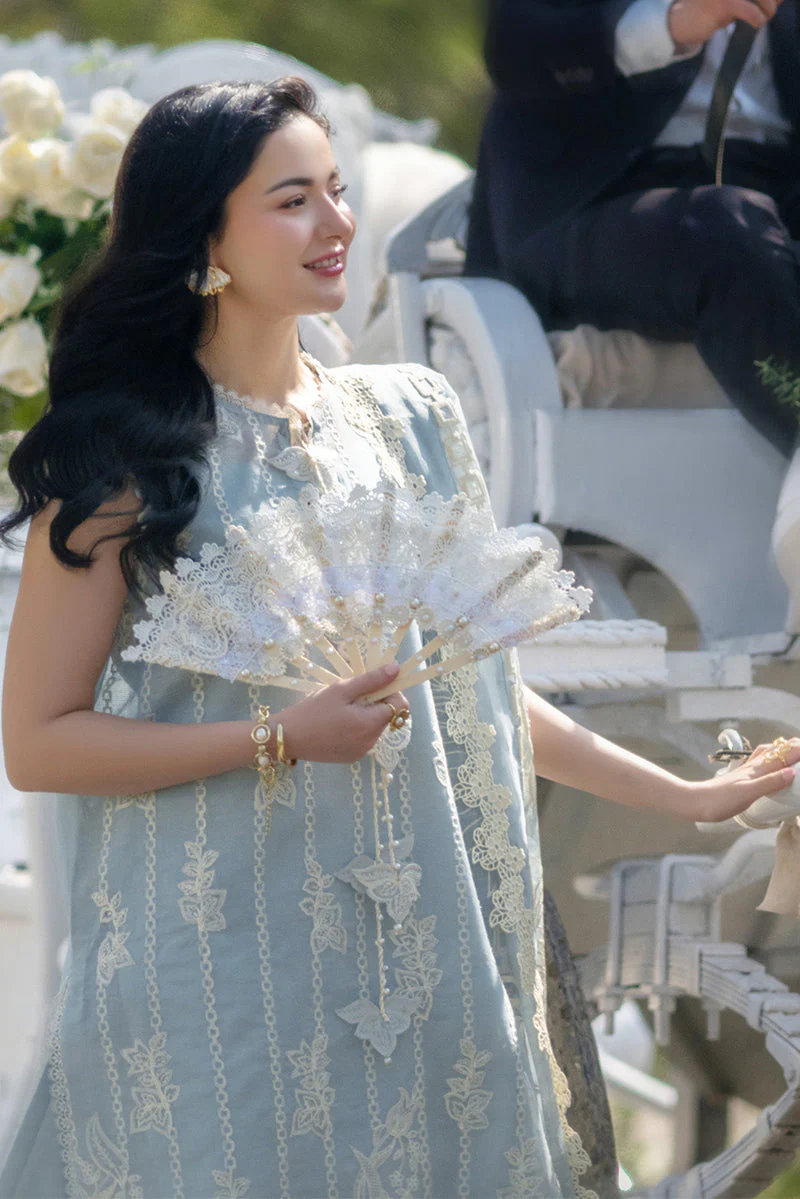
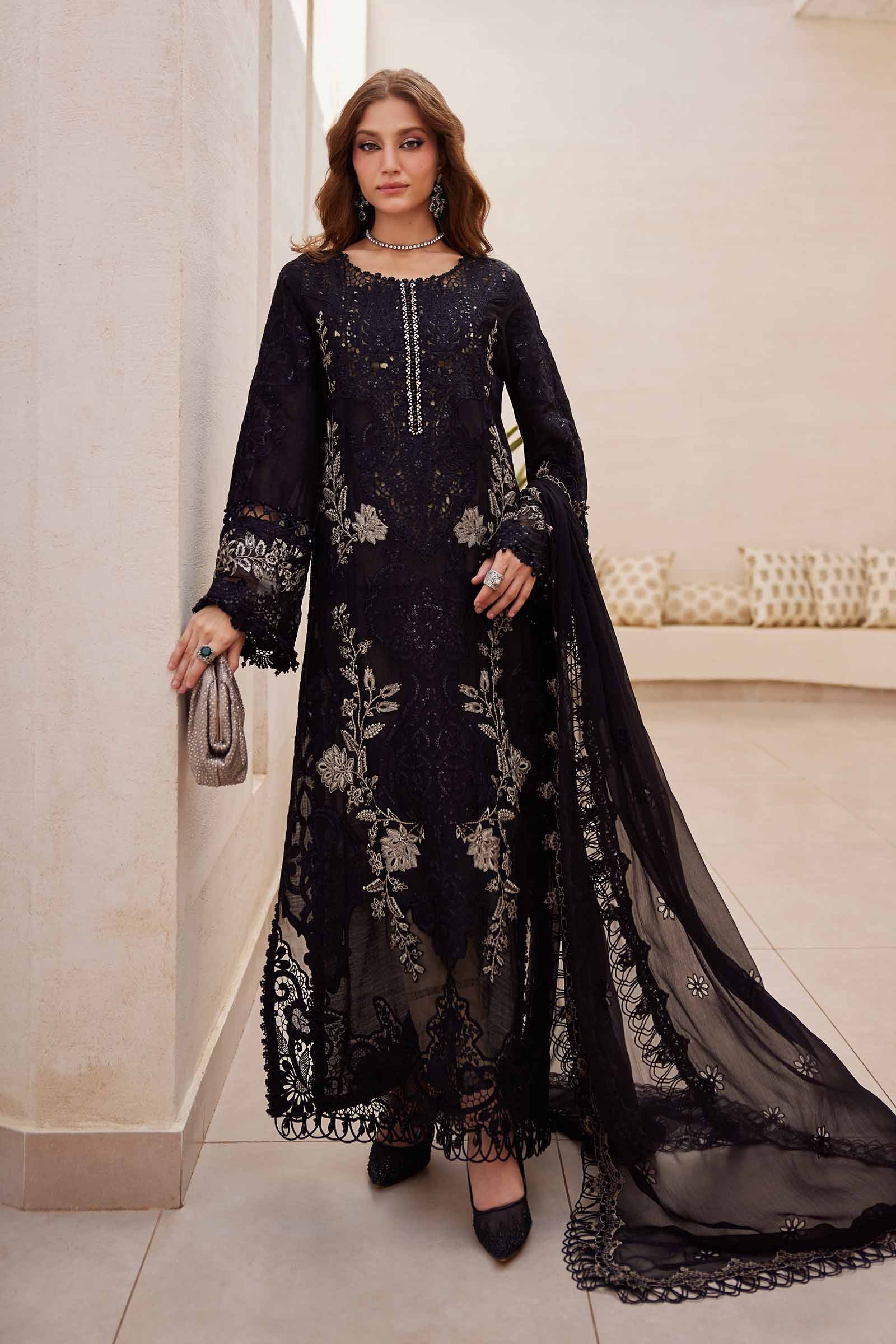
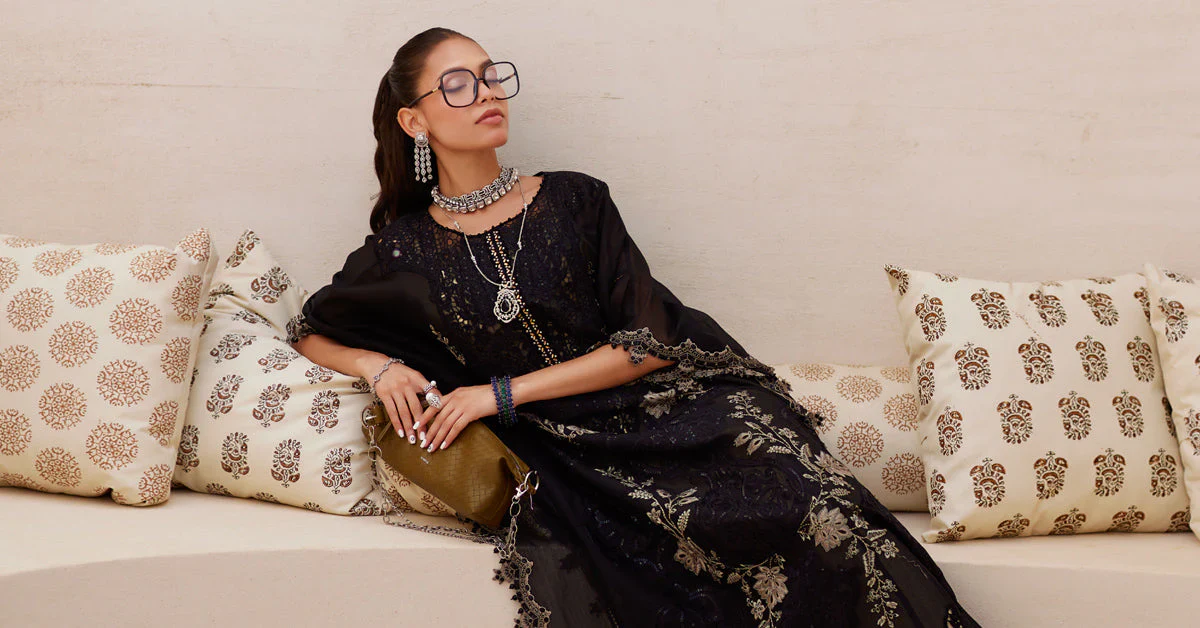
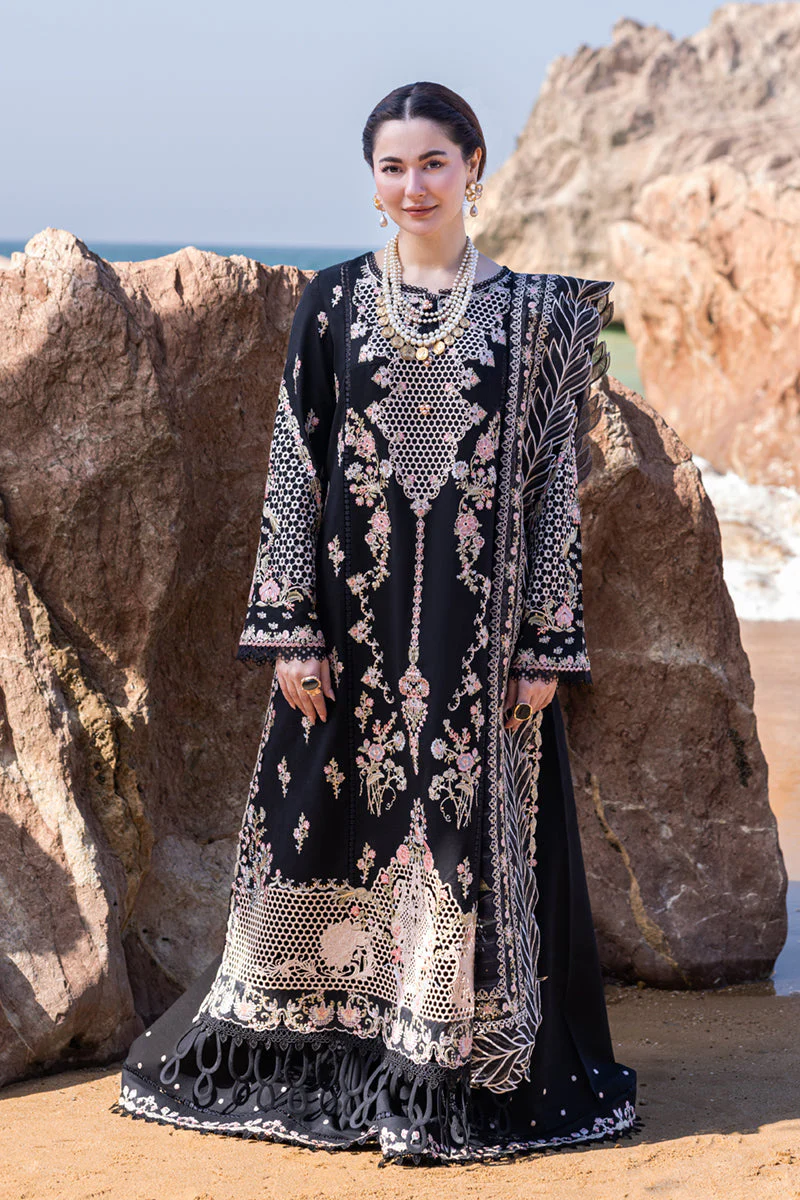
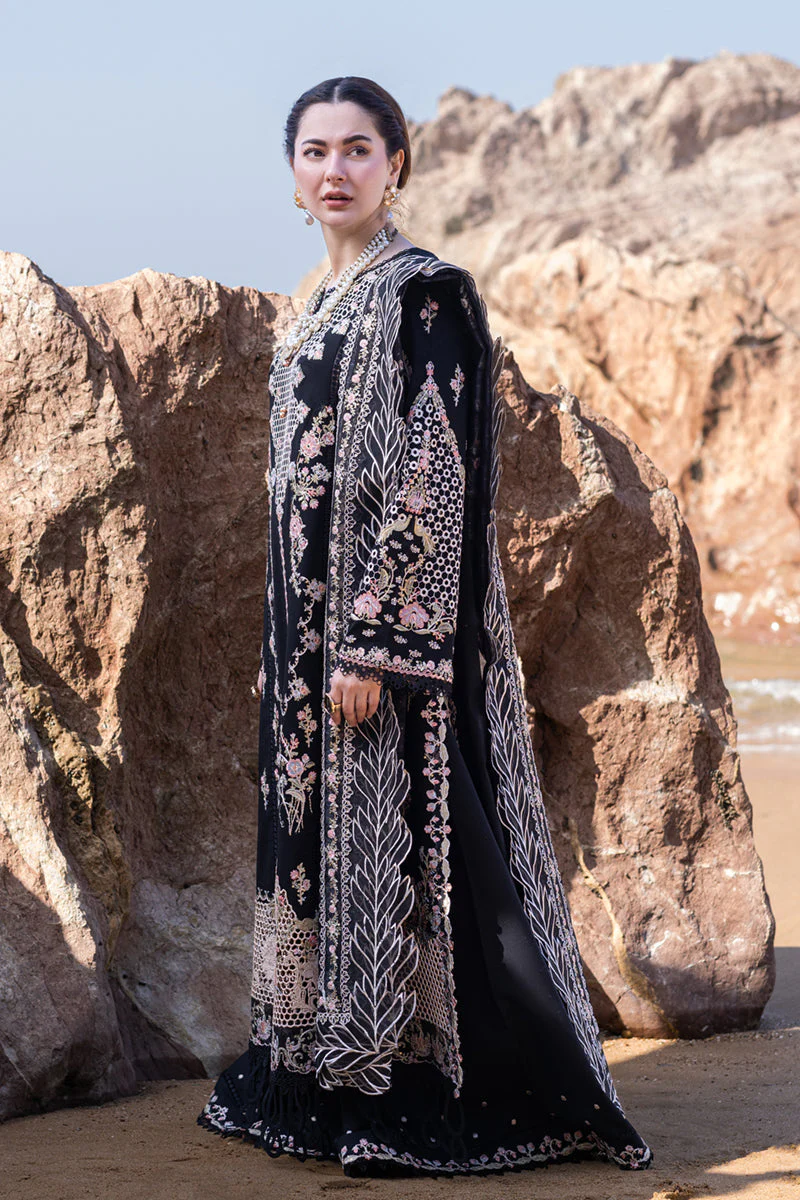
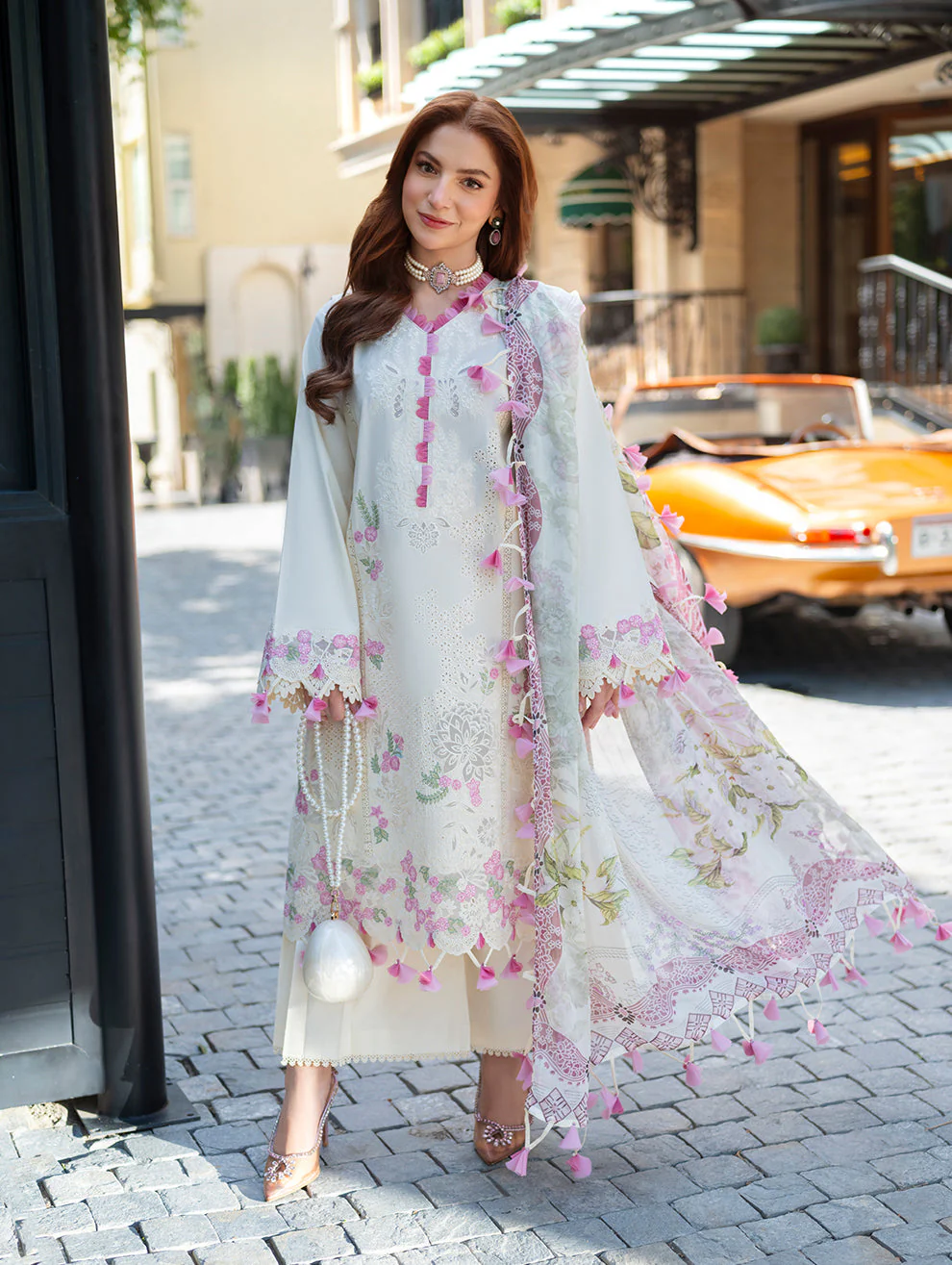
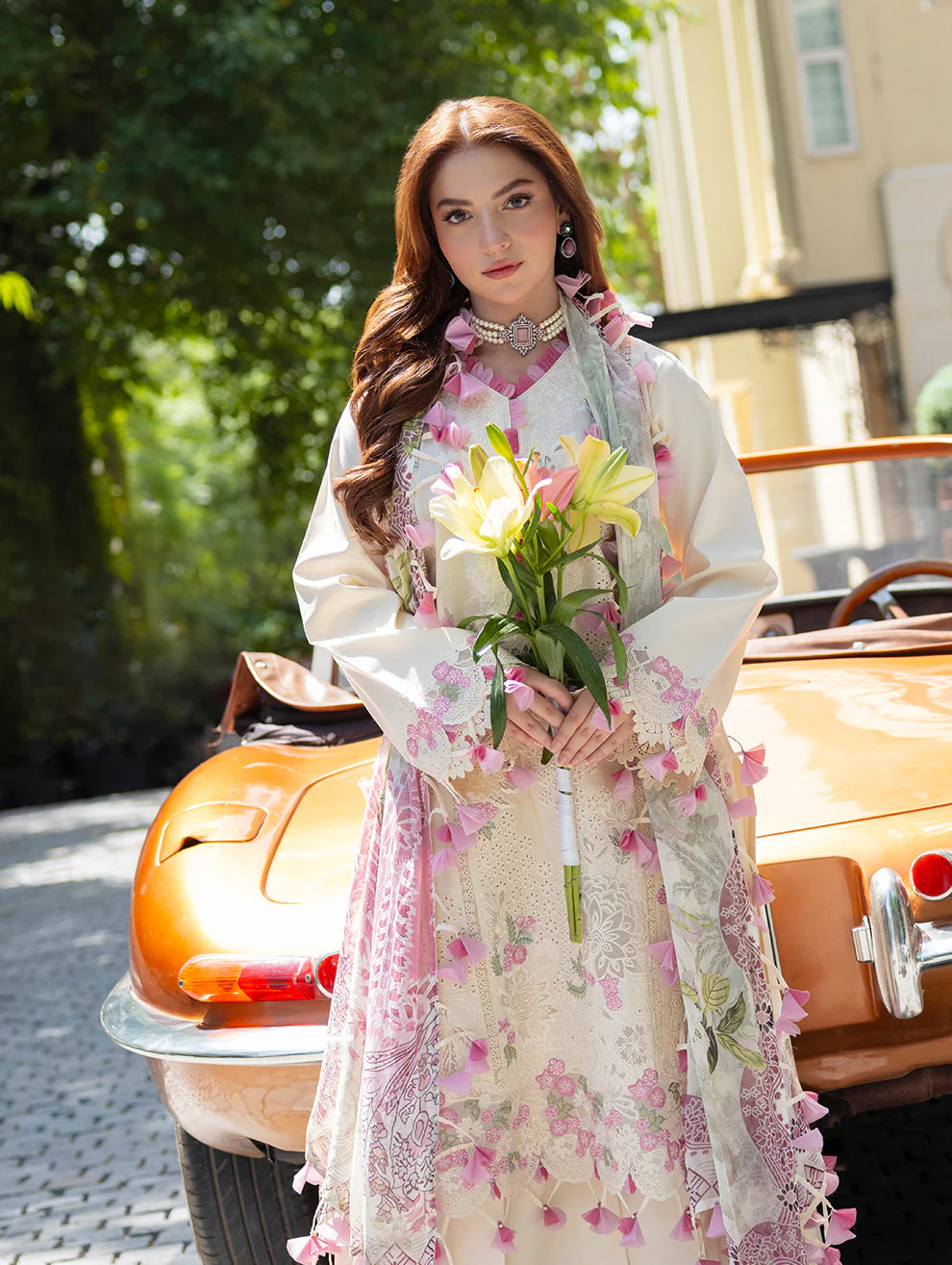
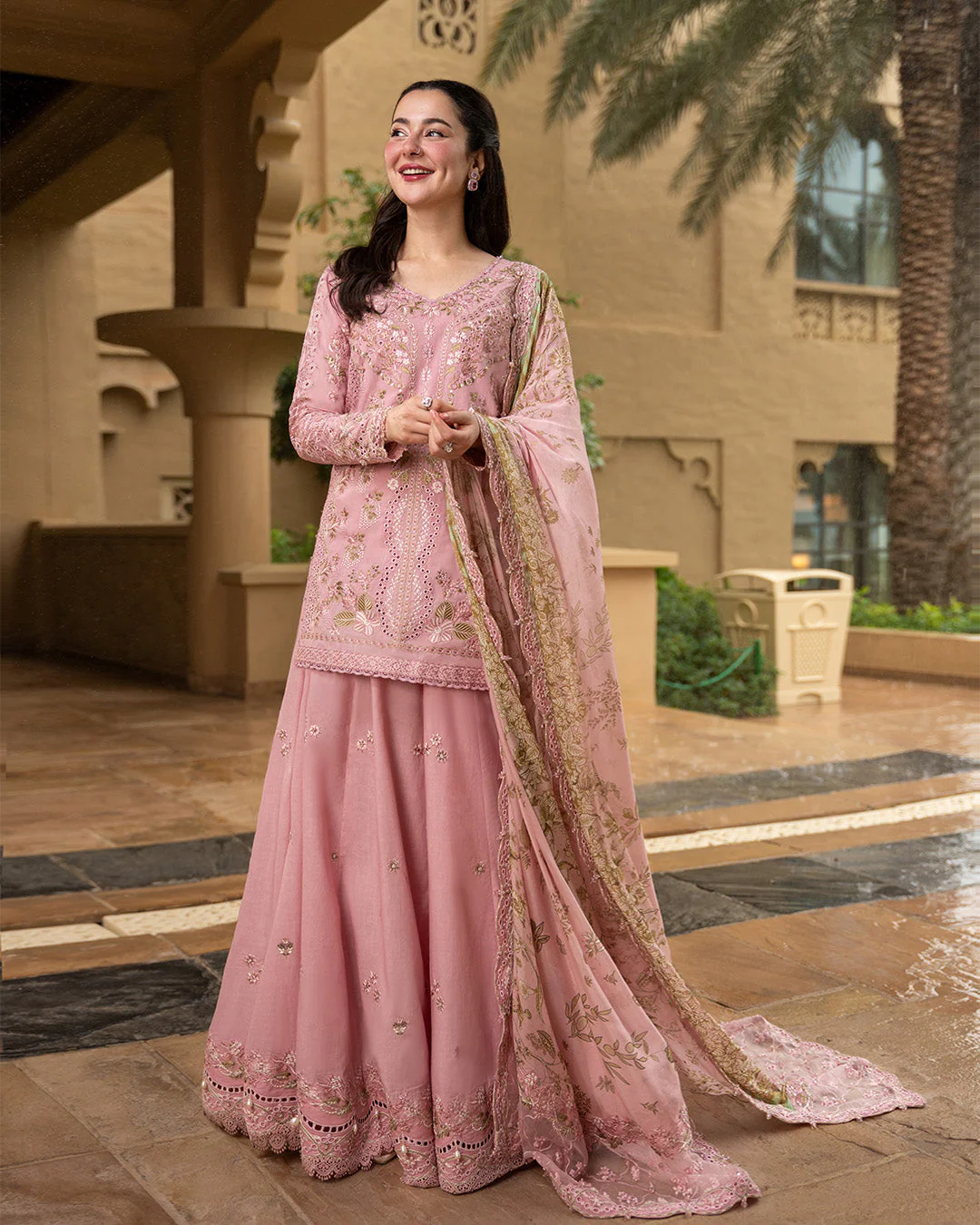
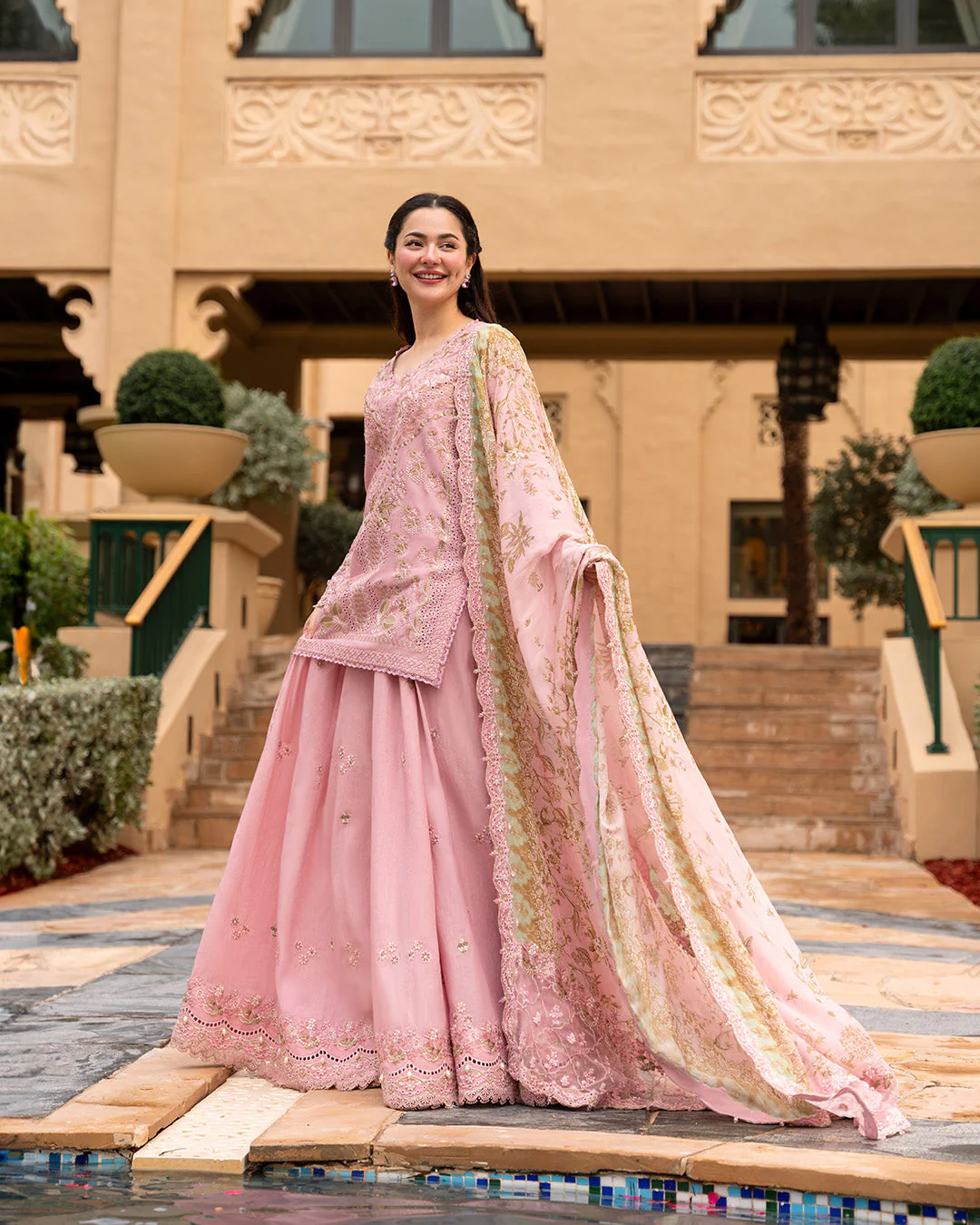
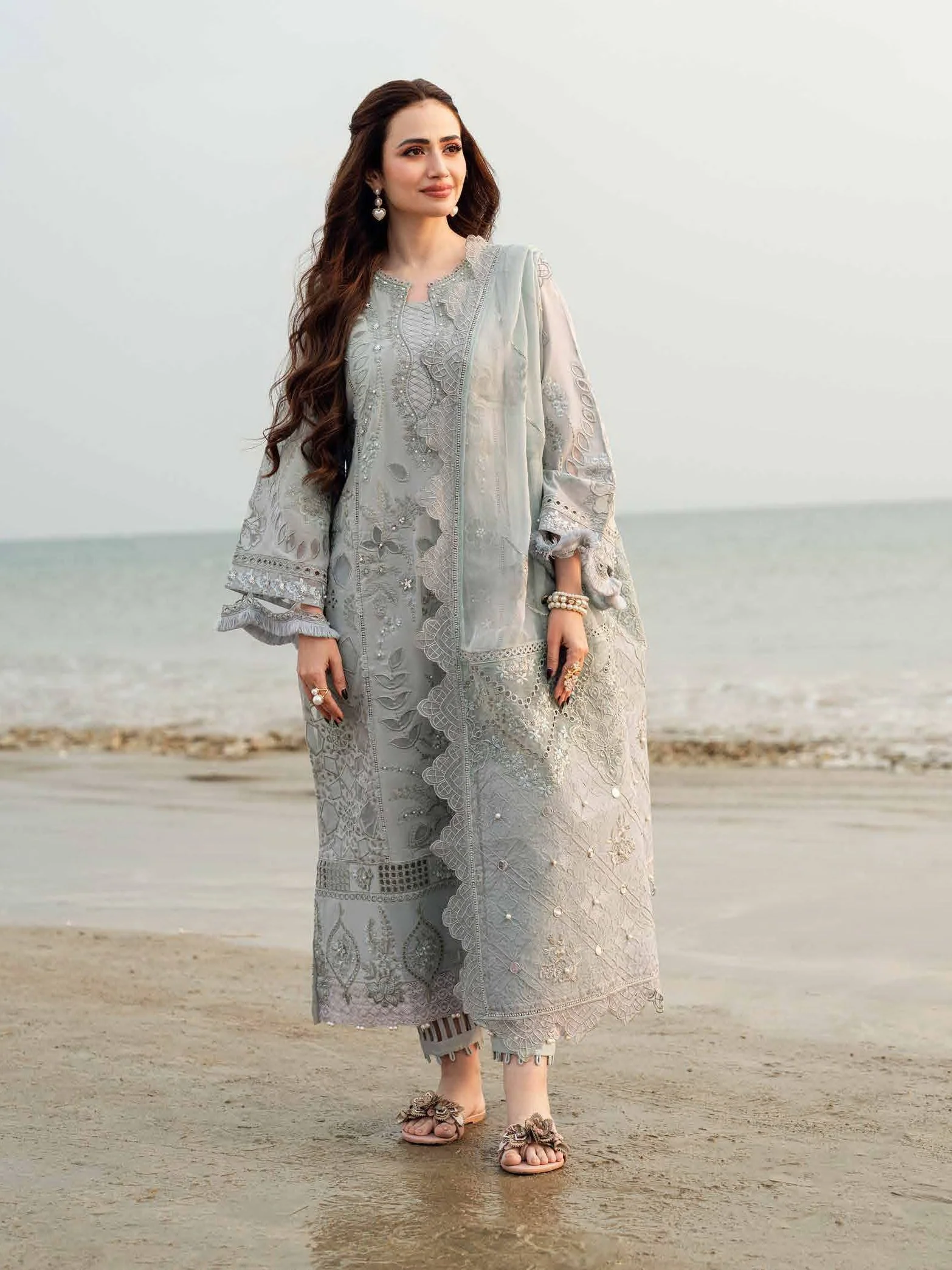
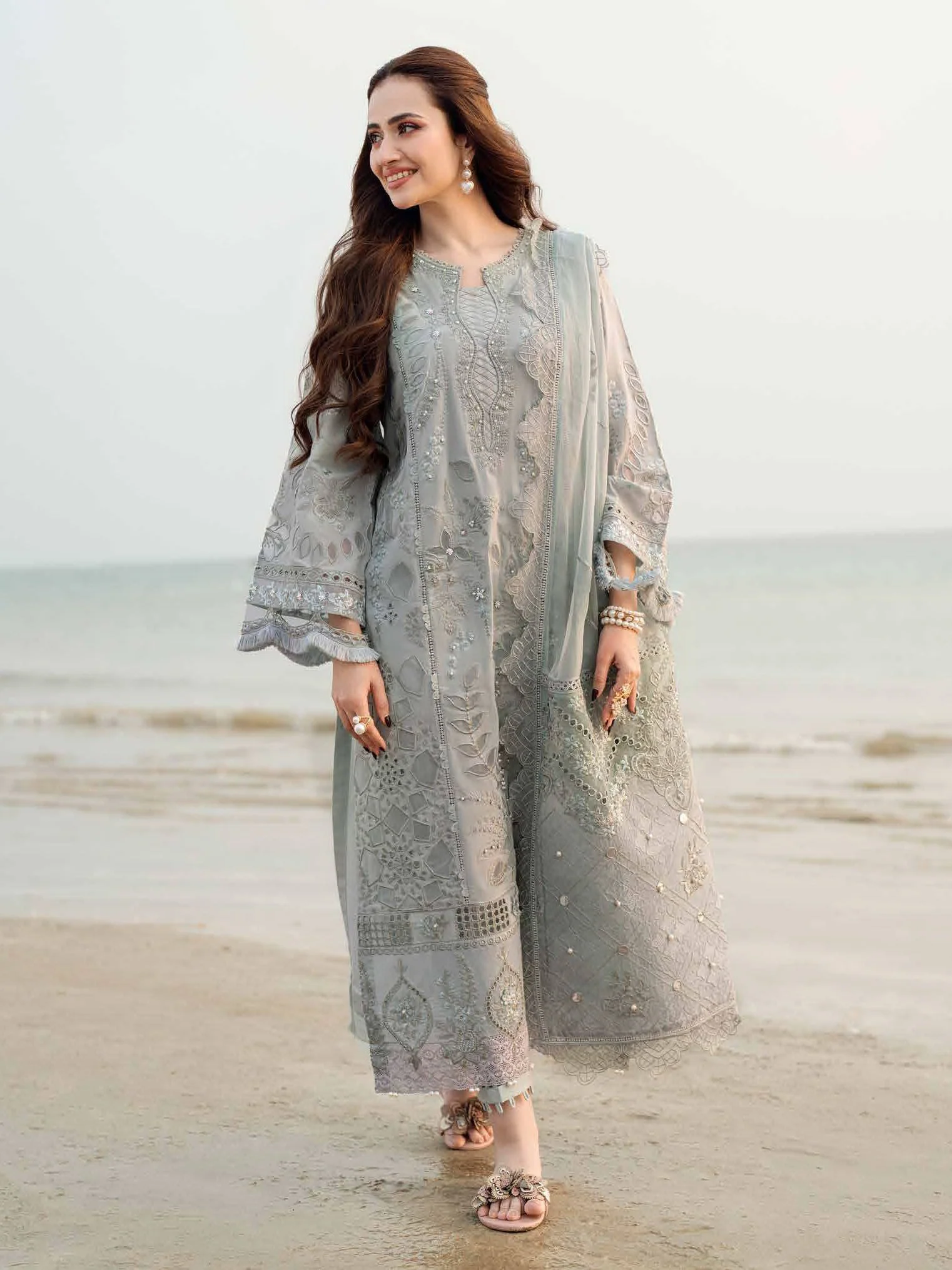
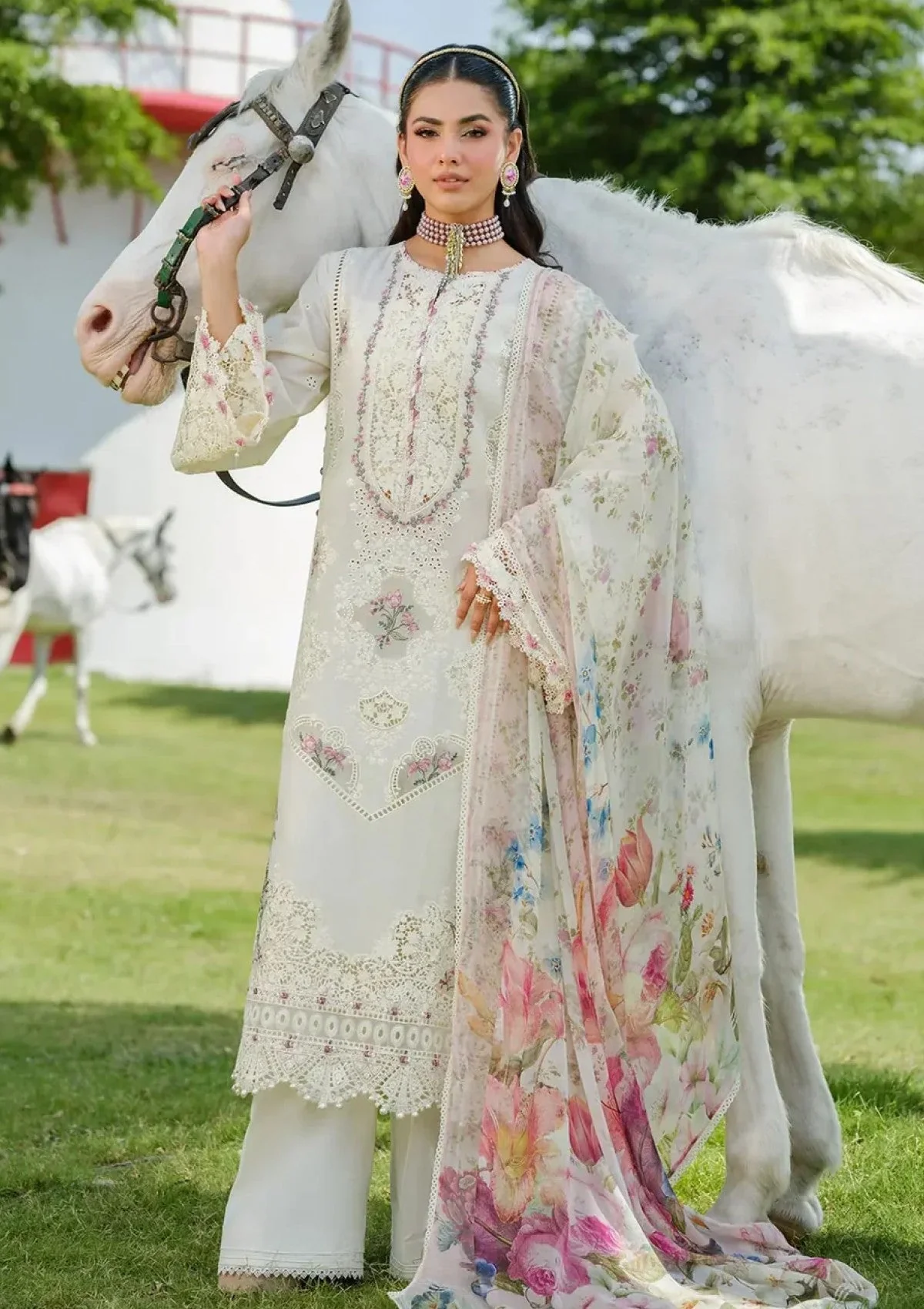
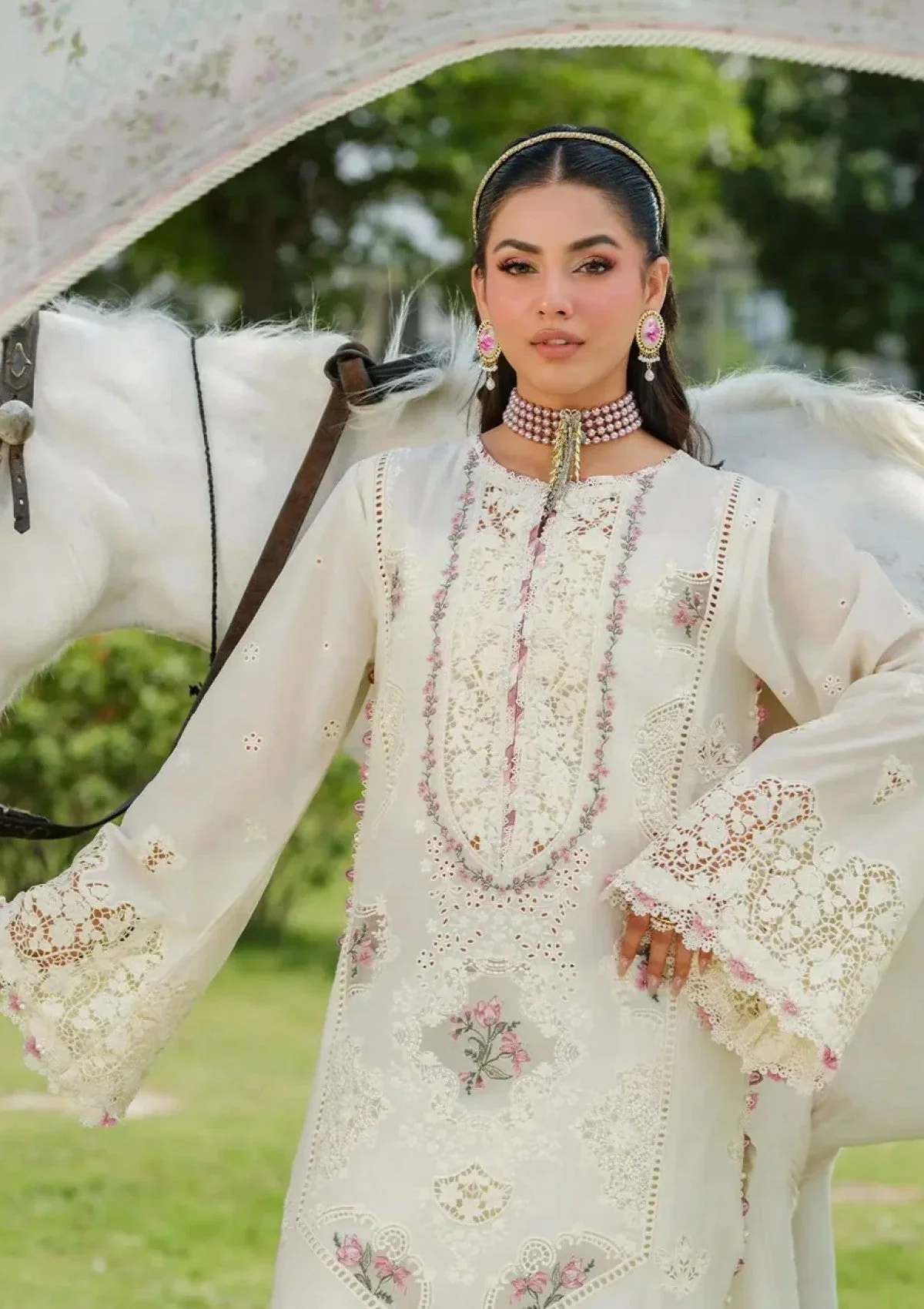
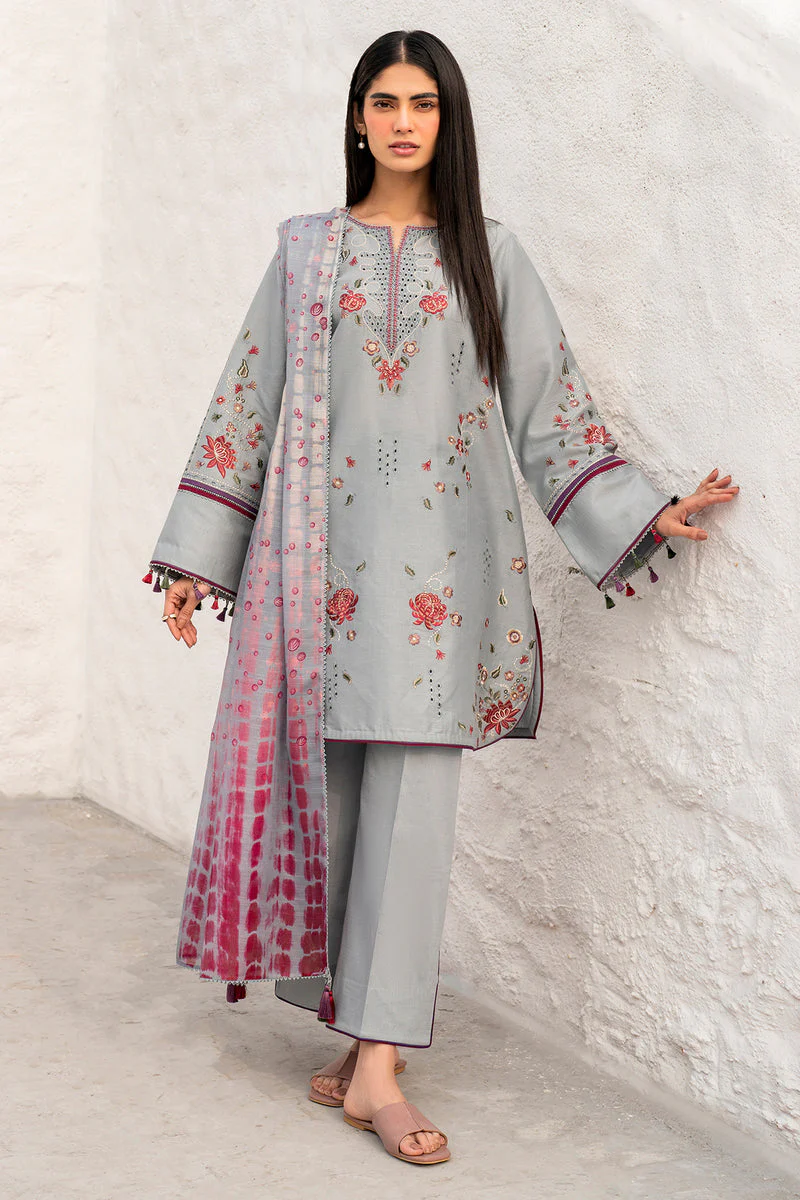
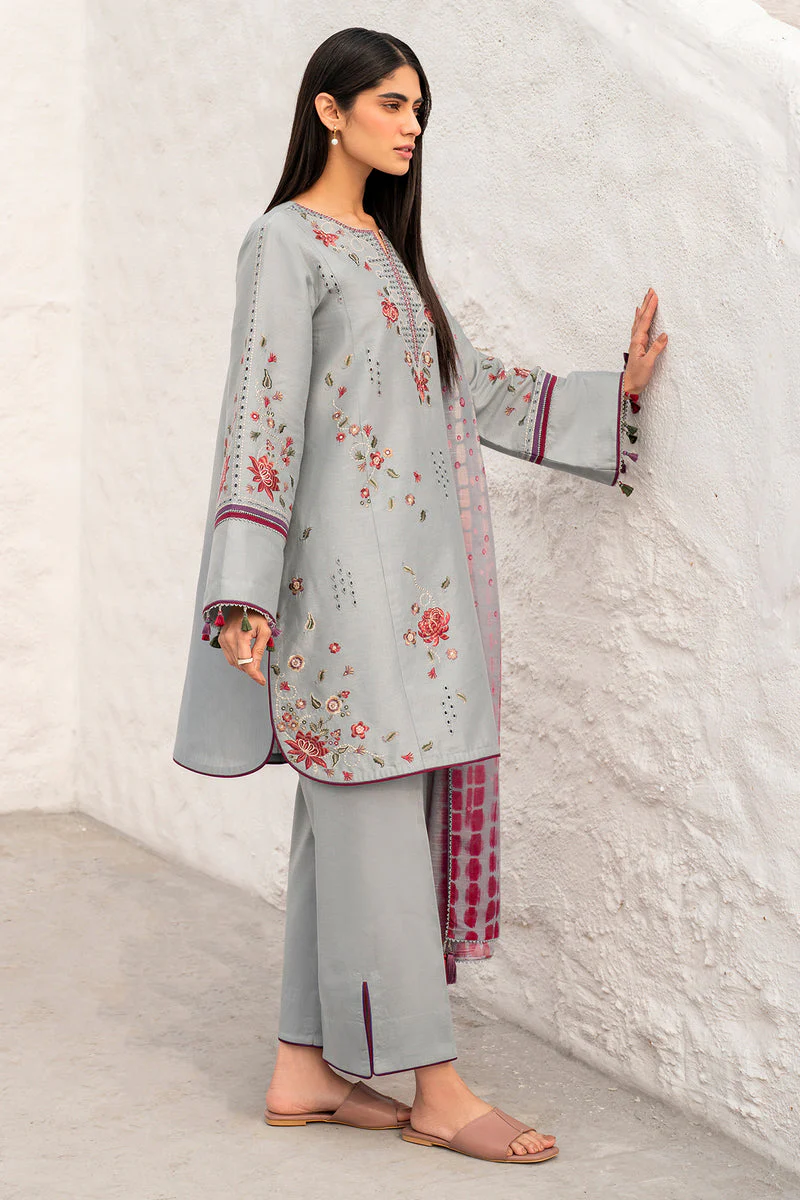
3 Piece Lawn Suit Wholesale Pakistan

120 wholesale designs · low MOQ · new arrivals every week · worldwide delivery. Prices are shared on request so you always get current wholesale rates for your country.
Wholesale
 Wholesale
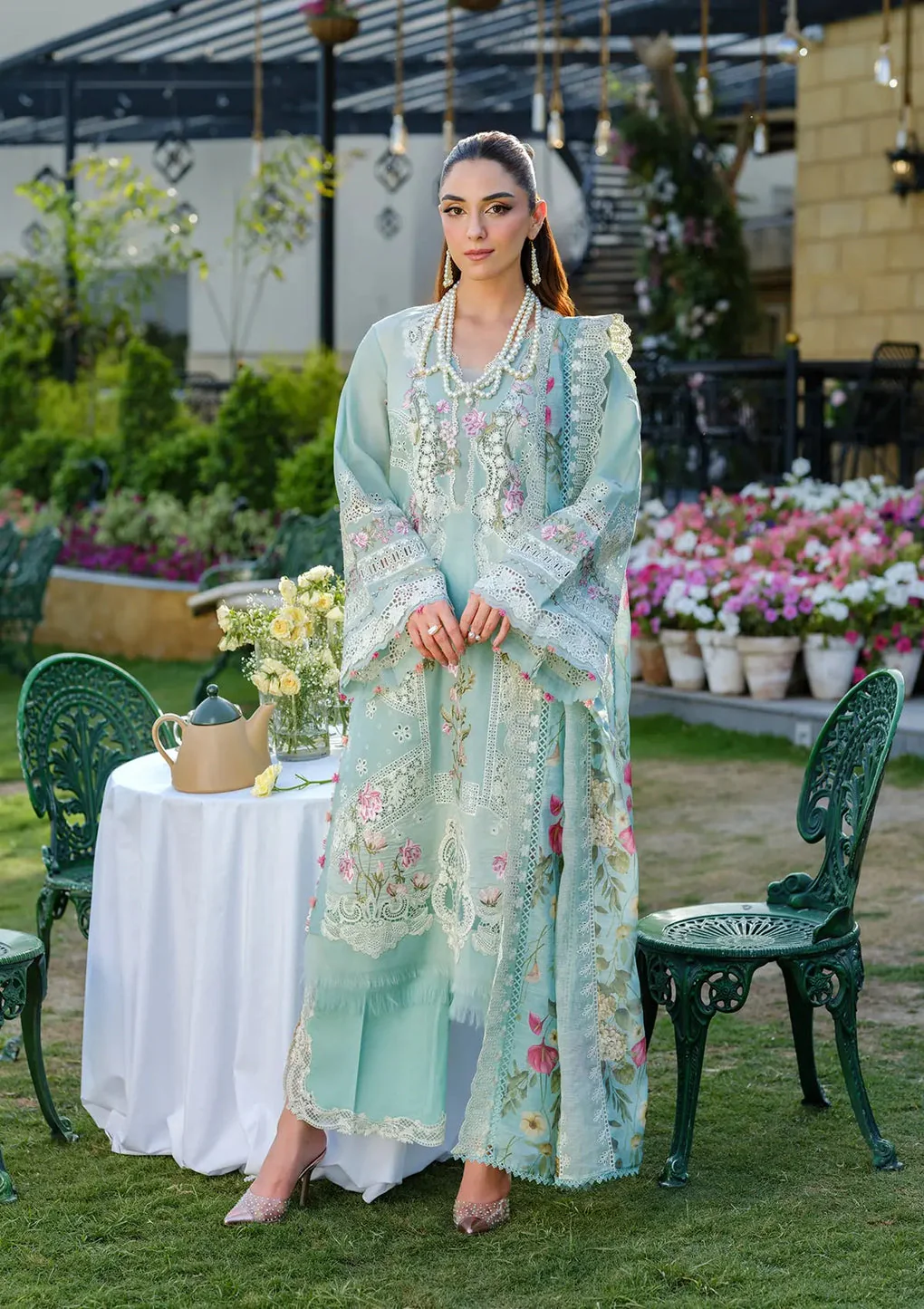
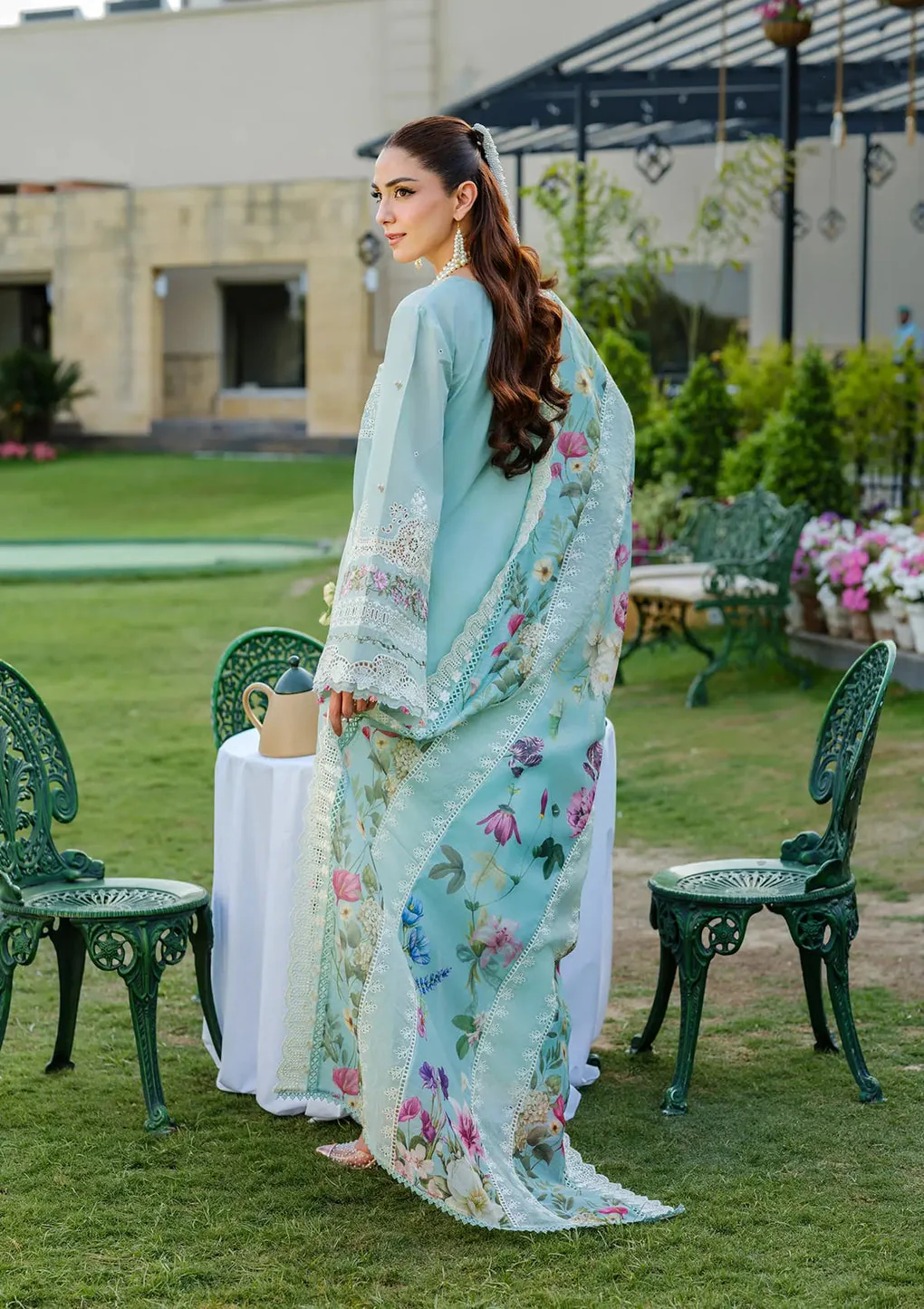 Wholesale
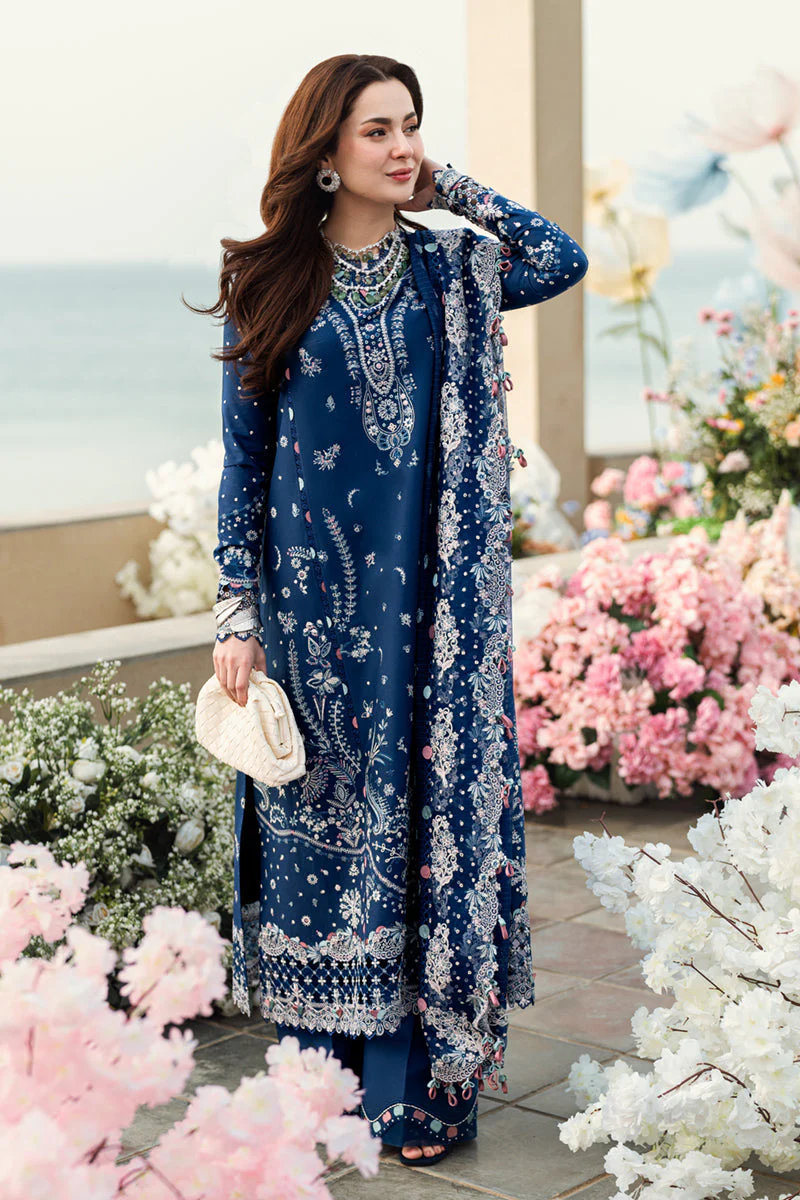
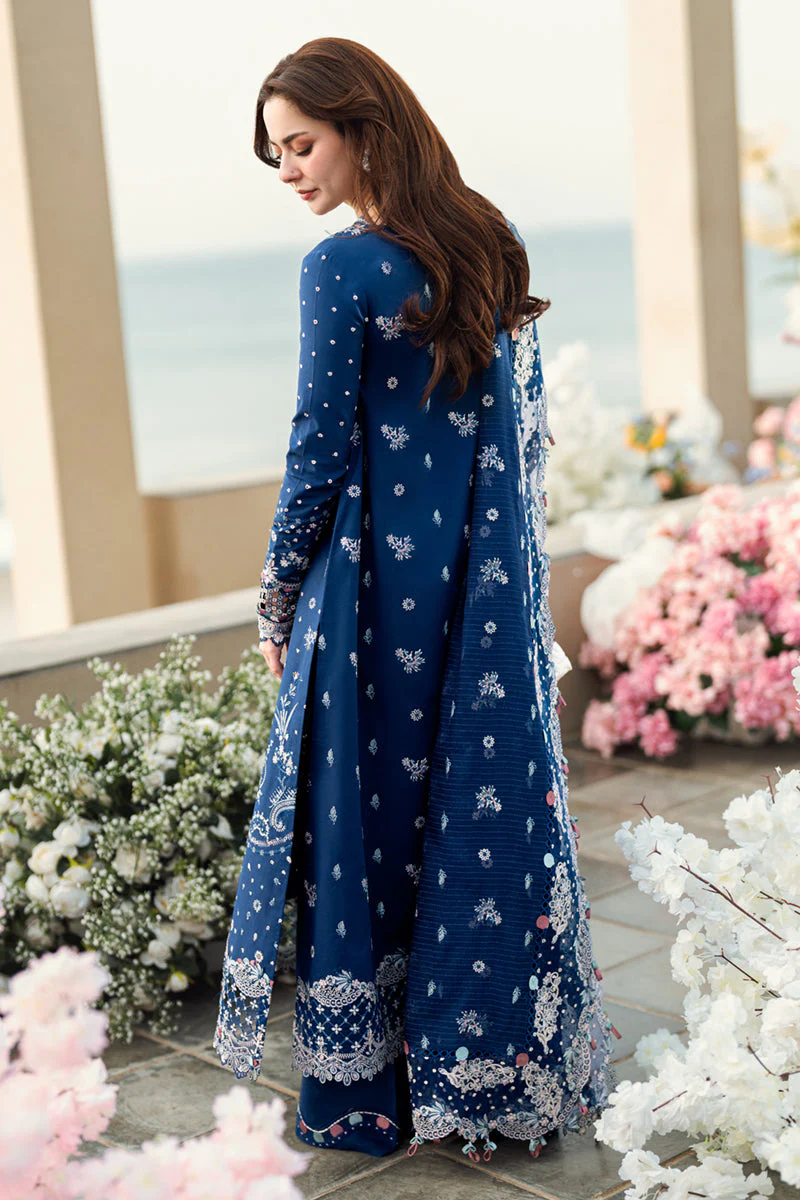 Wholesale
 Wholesale
 Wholesale
 Wholesale
 Wholesale
 Wholesale
 Wholesale
 Wholesale
 Wholesale
 Wholesale
 Wholesale
 Wholesale
 Wholesale
 Wholesale
 Wholesale
 Wholesale
 Wholesale
 Wholesale
 Wholesale
 Wholesale
 Wholesale
 Wholesale
 Wholesale
 Wholesale
 Wholesale
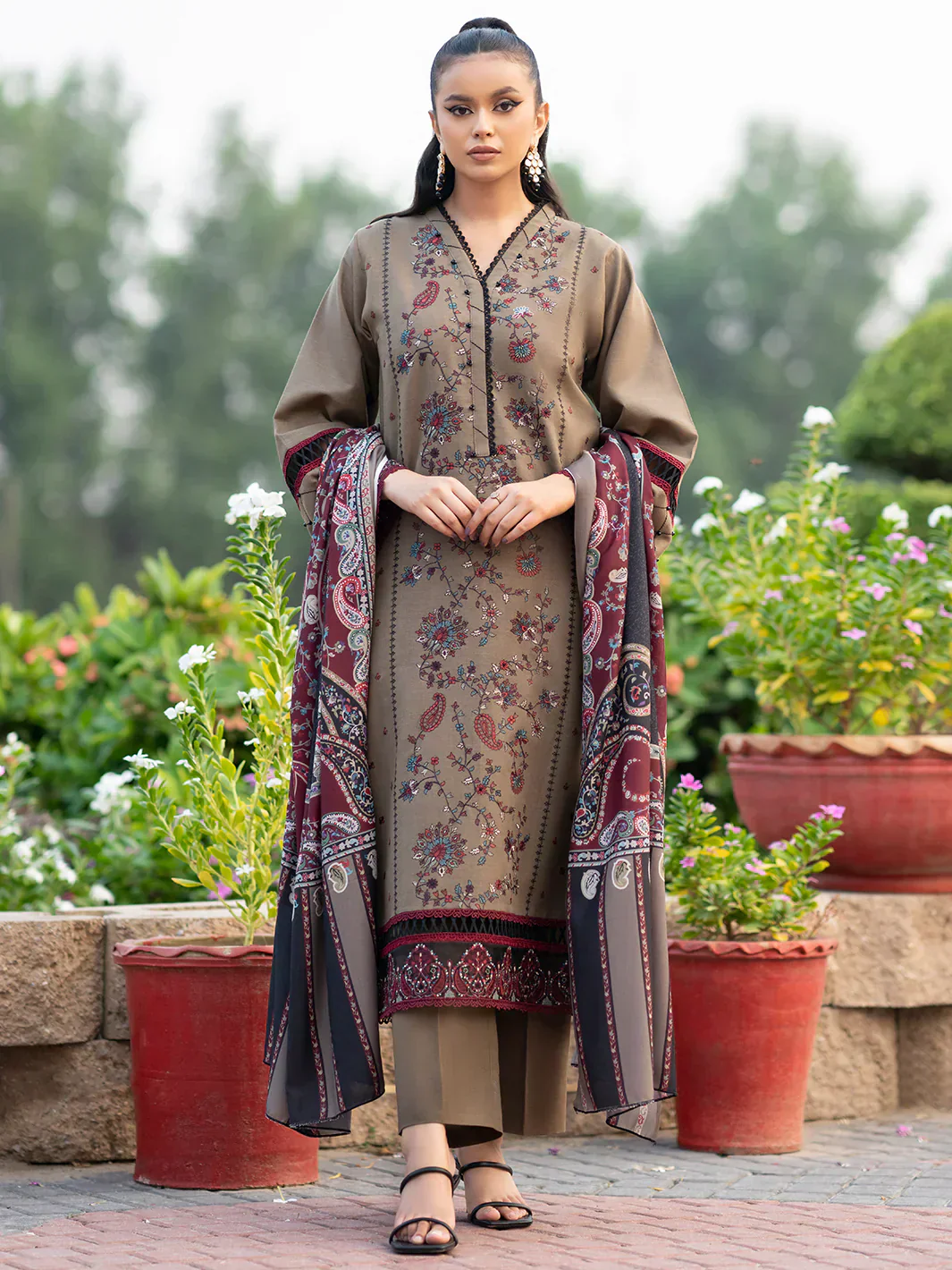
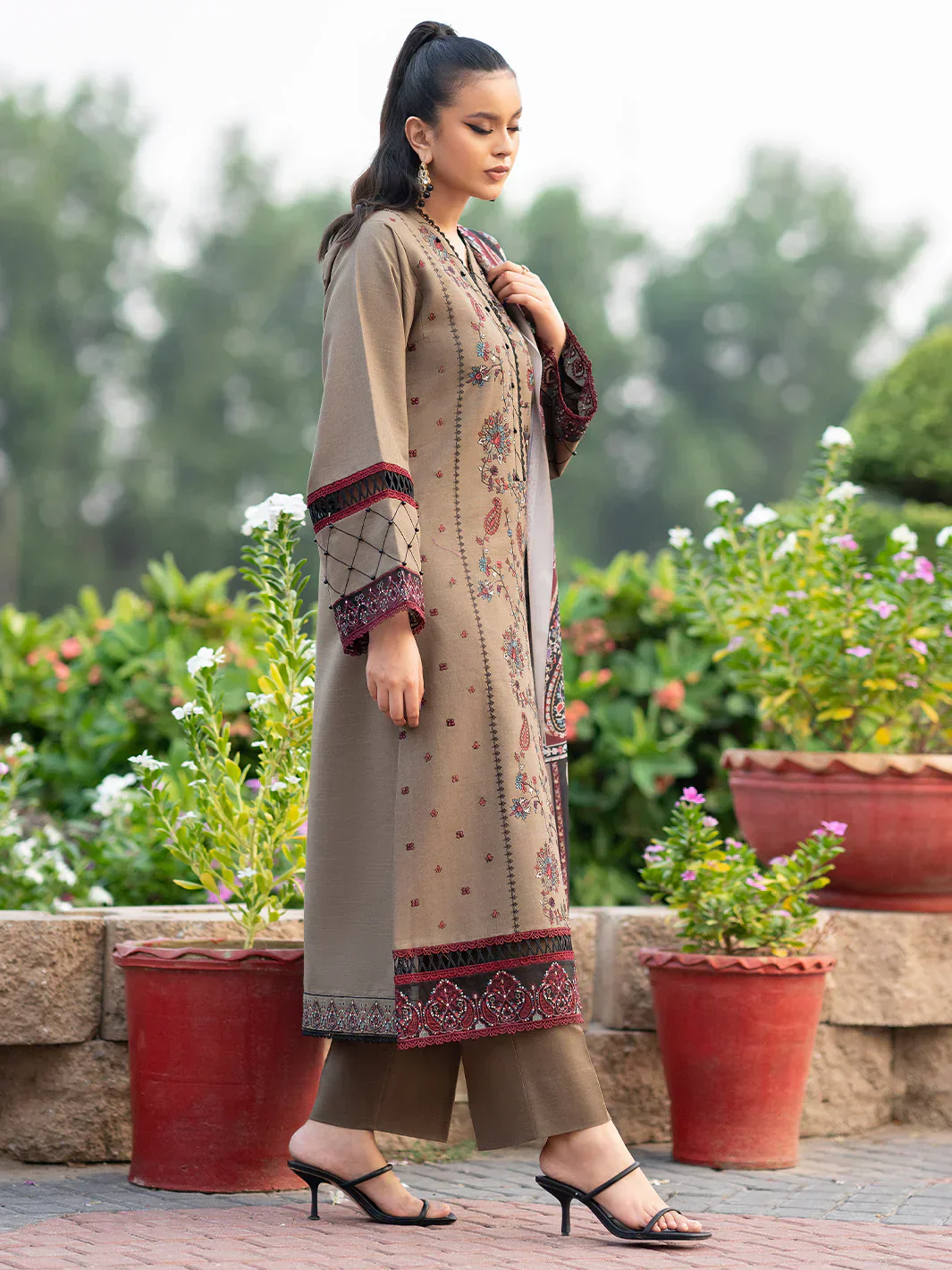 Wholesale
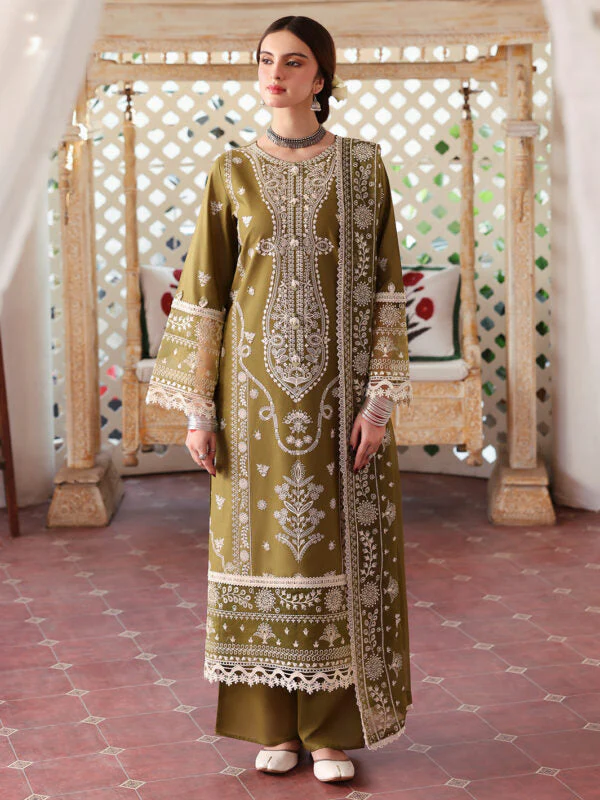
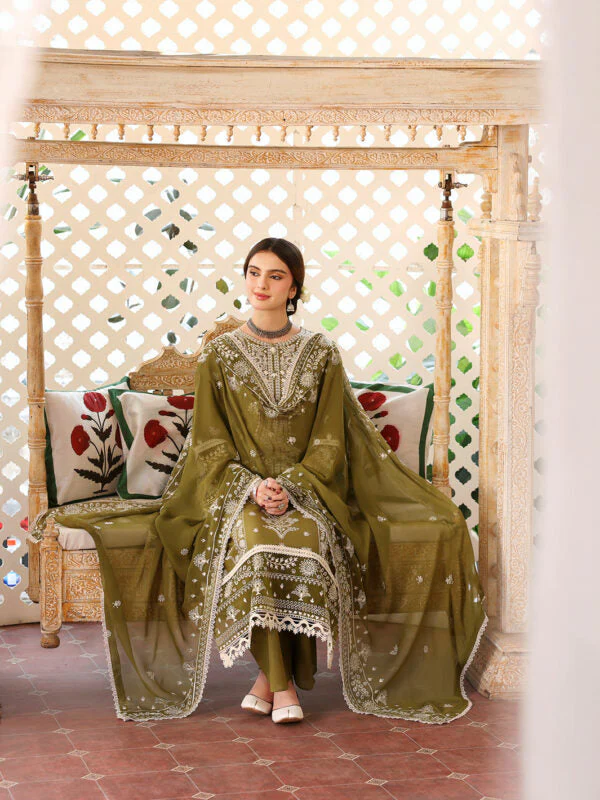 Wholesale
Start small, test your market, reorder what sells.
Fresh arrivals every week to keep your rails new.
Woven labels, tags and branded packaging.
Express courier to the UK, USA, Canada, Australia & UAE.
About this collection
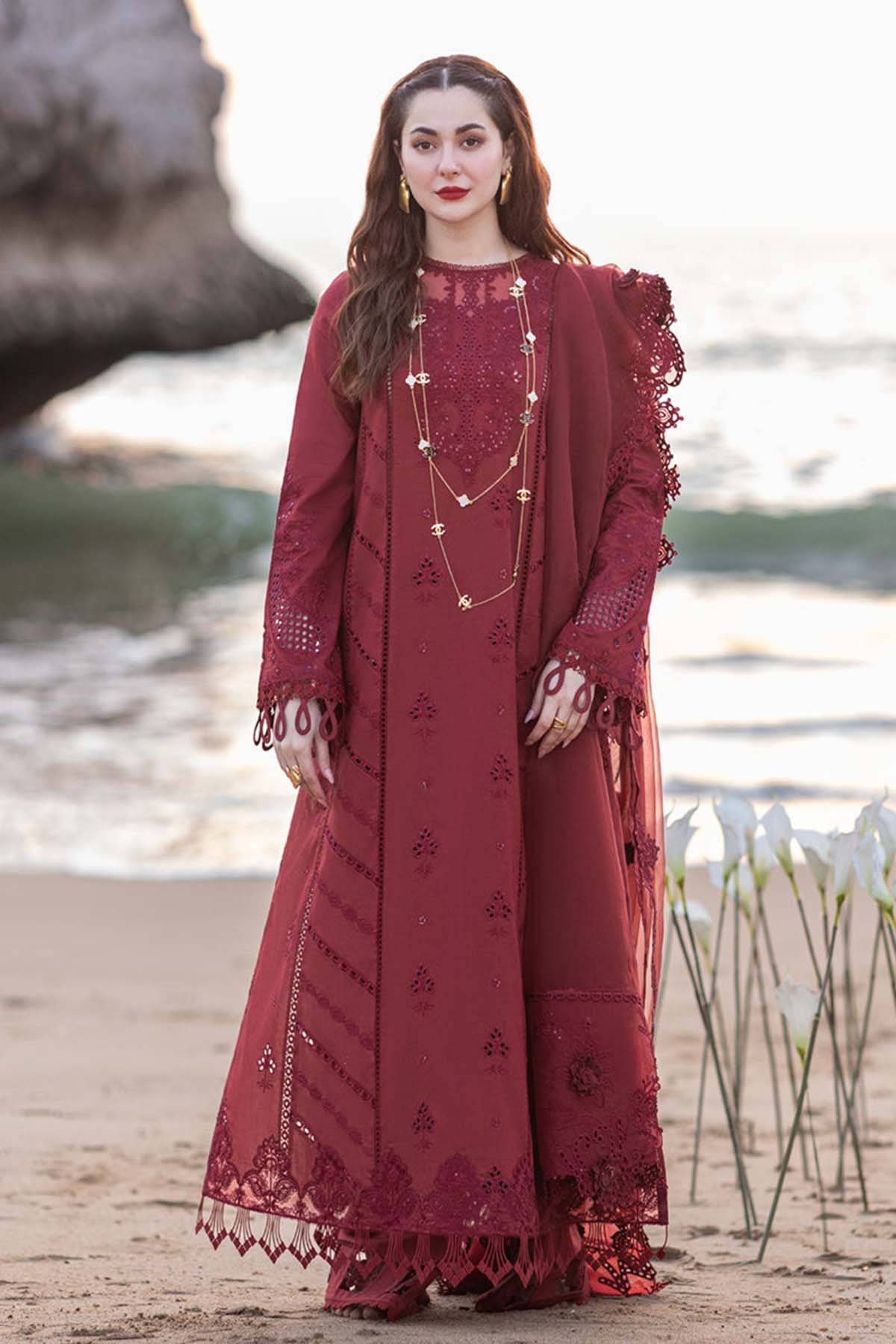
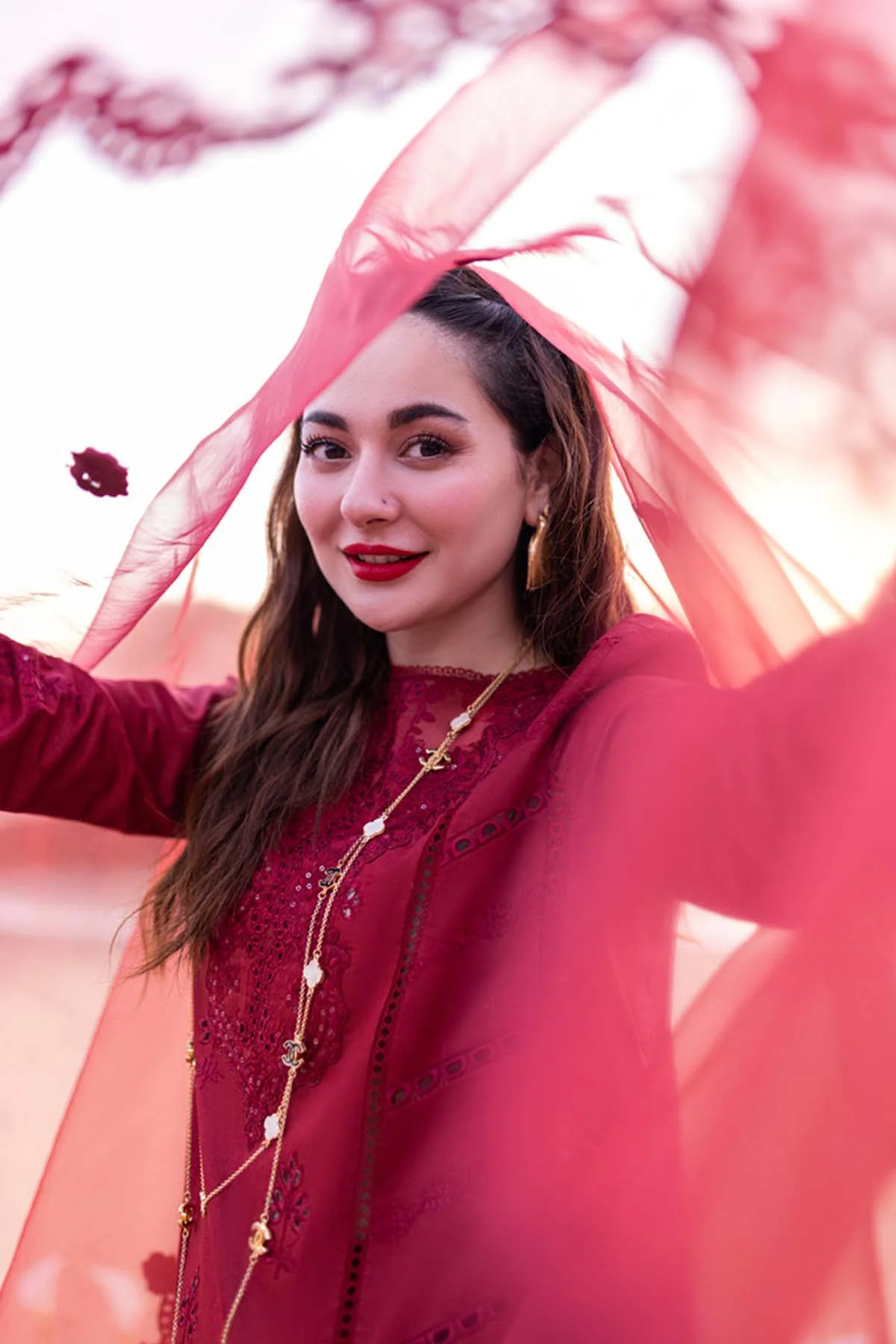
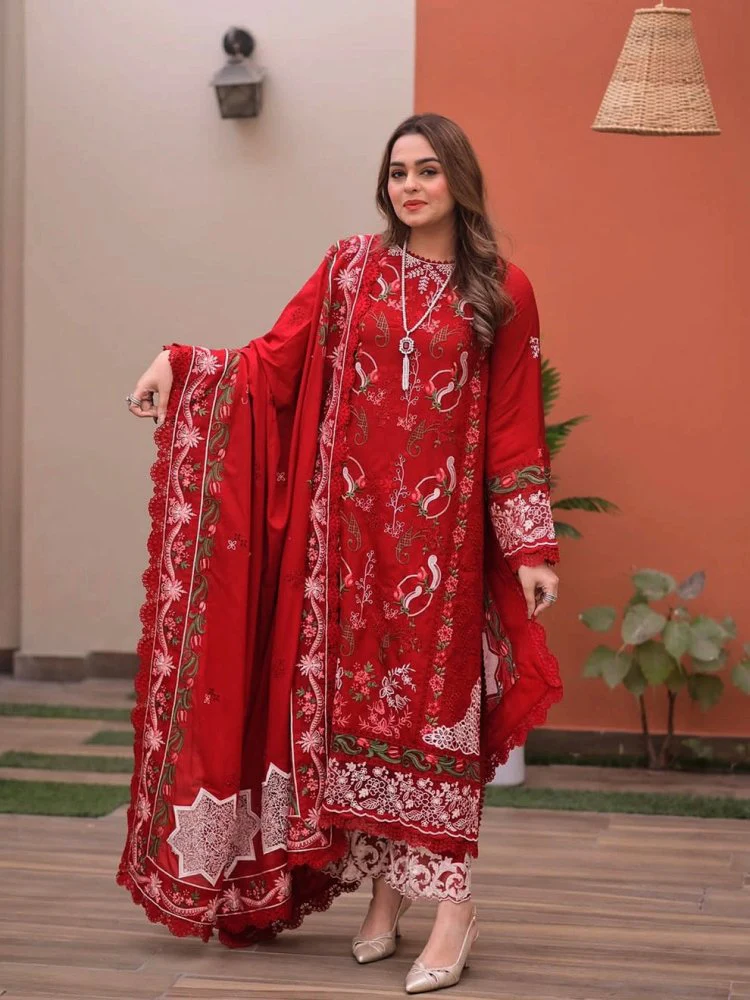
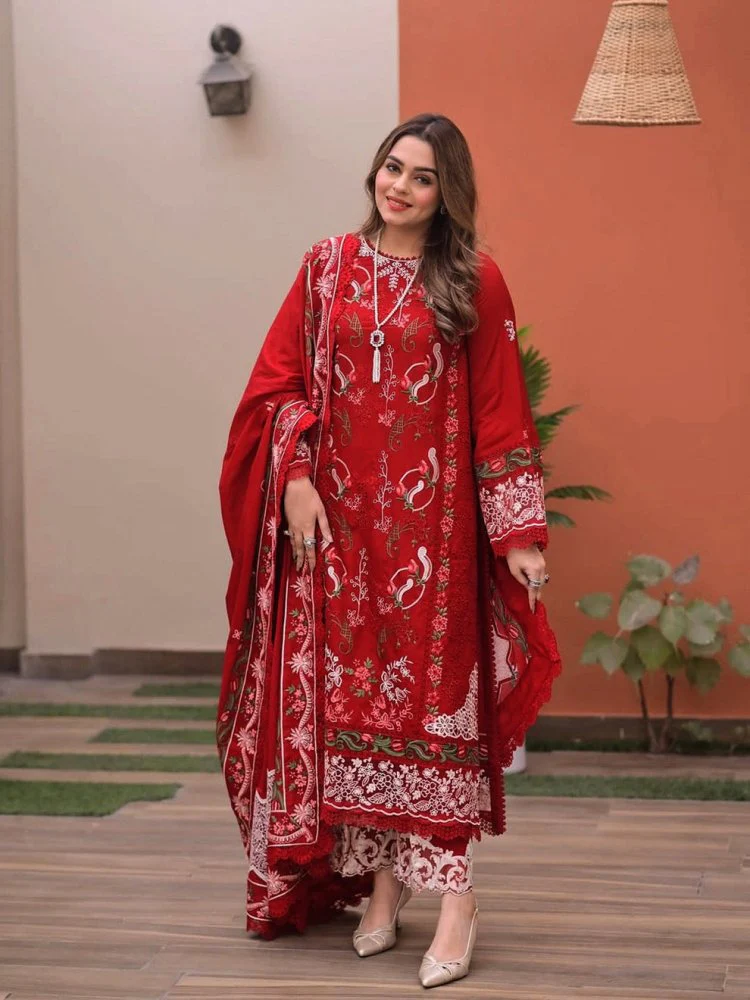
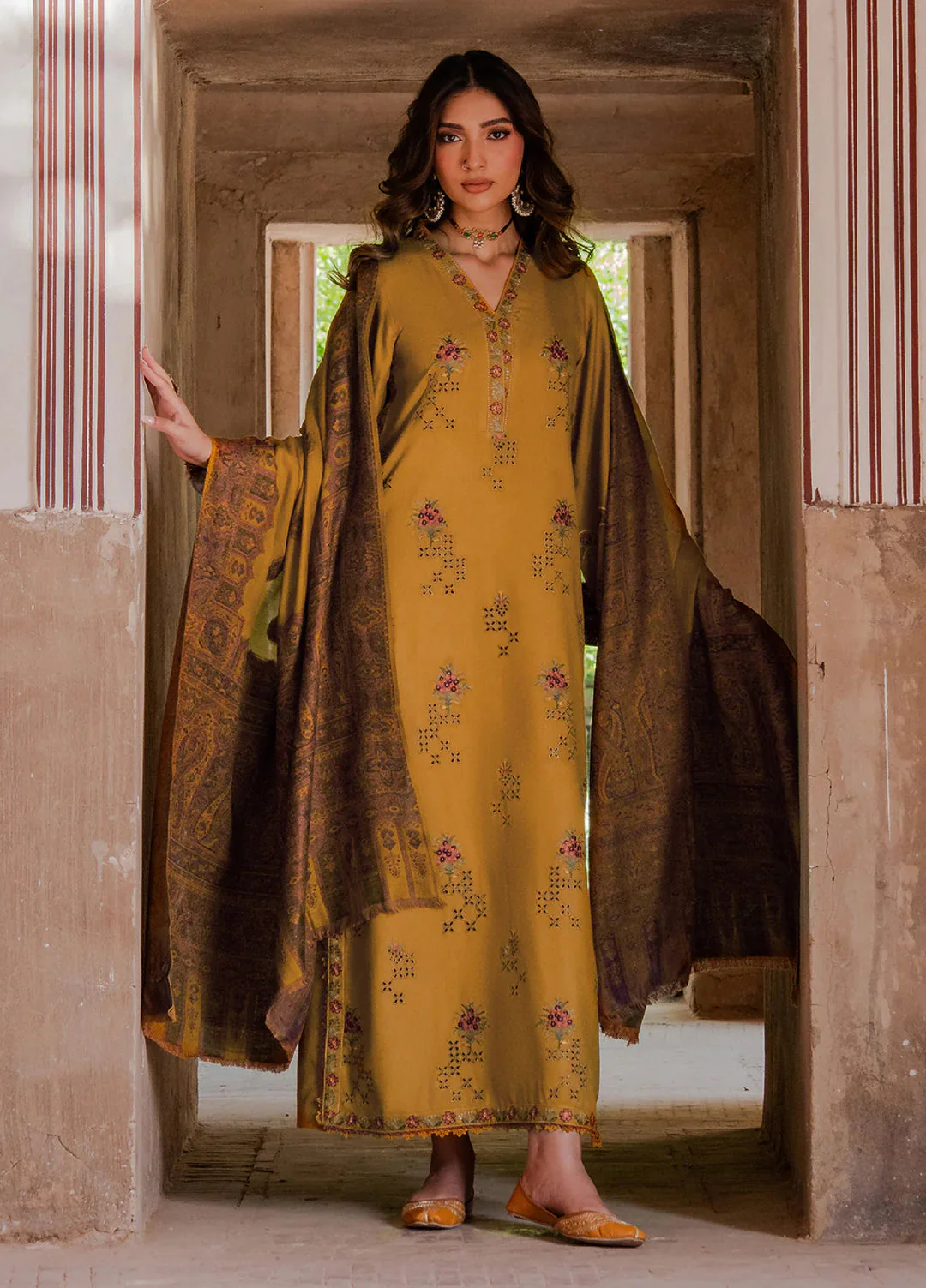
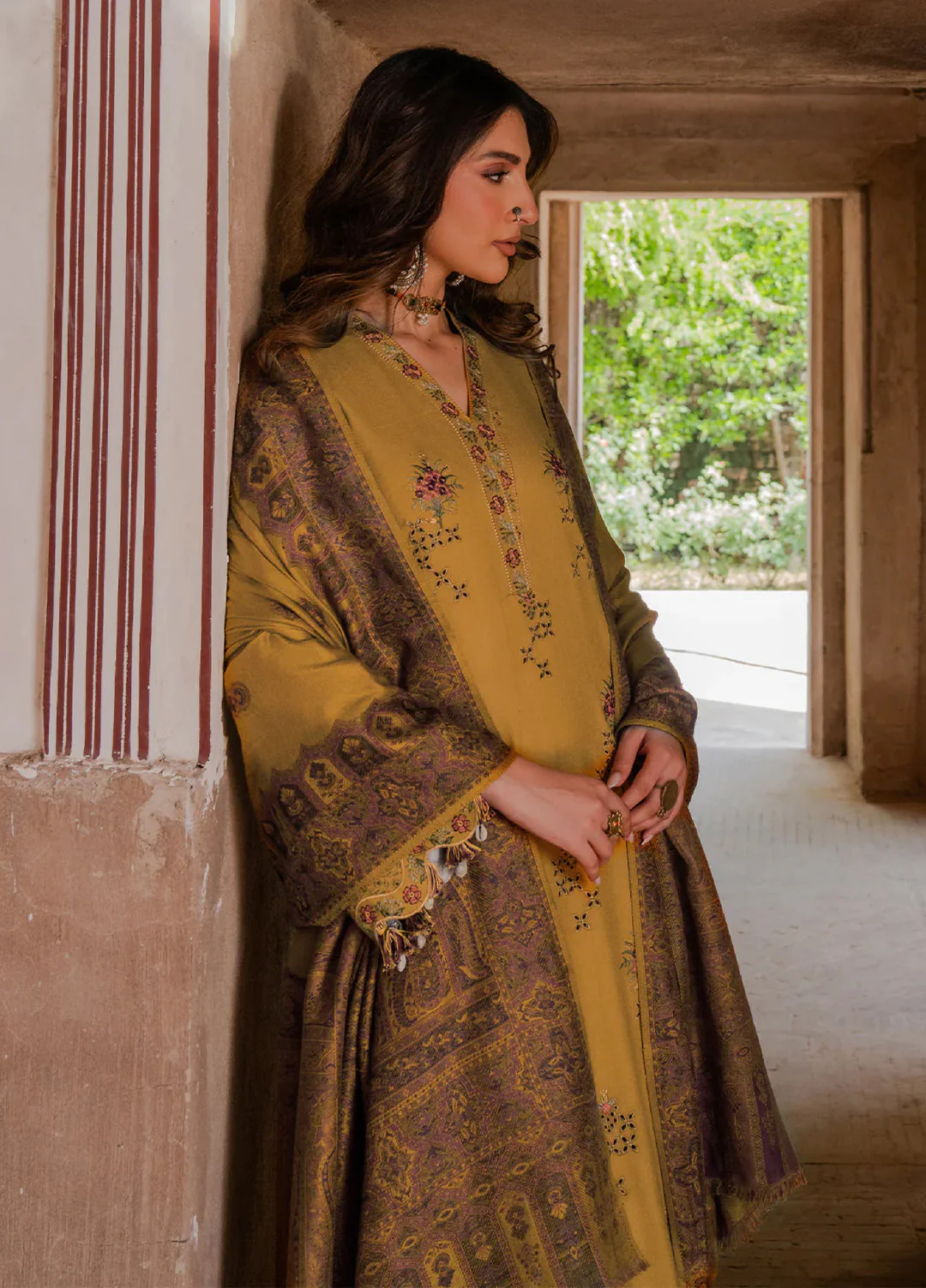
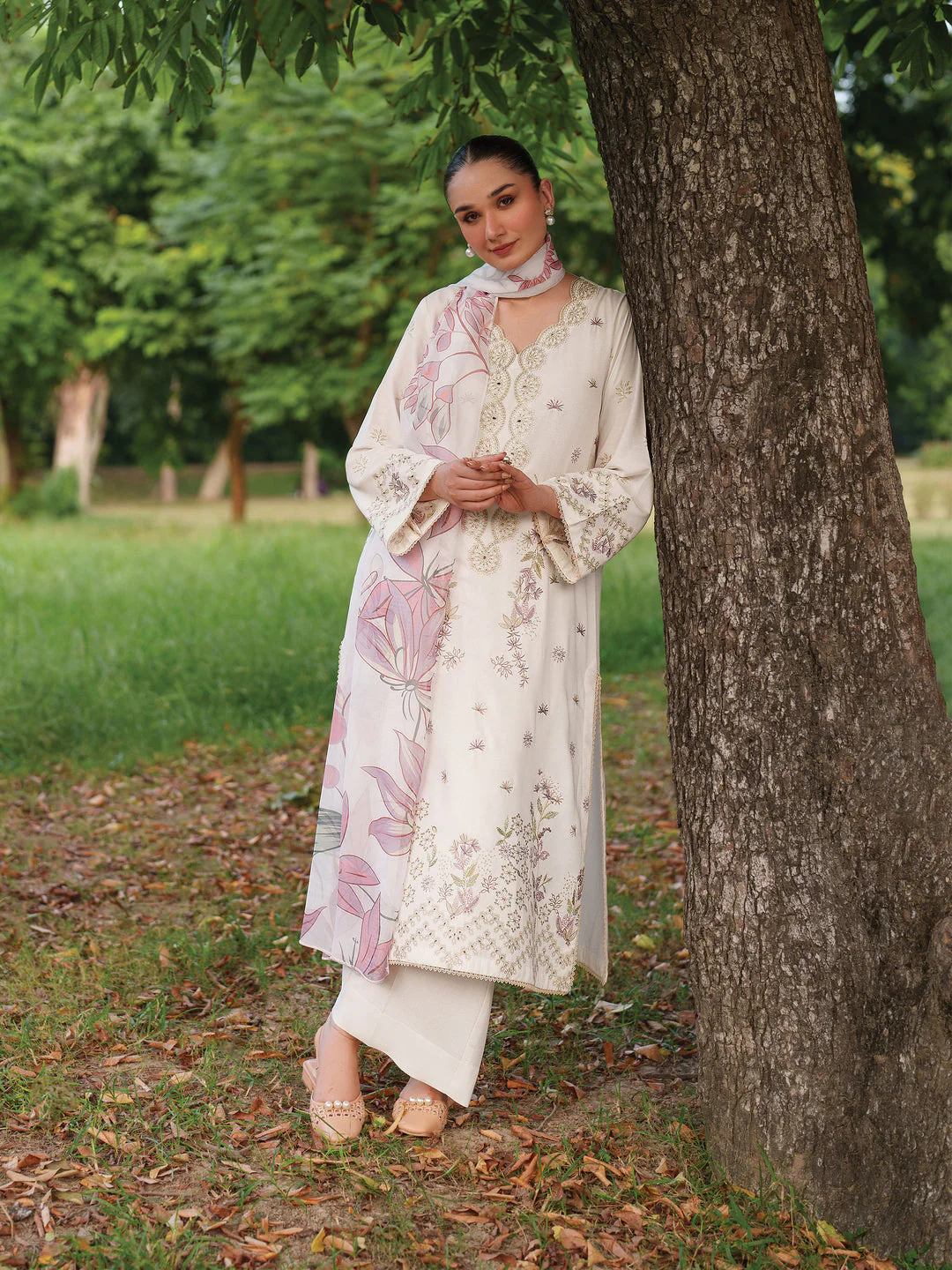
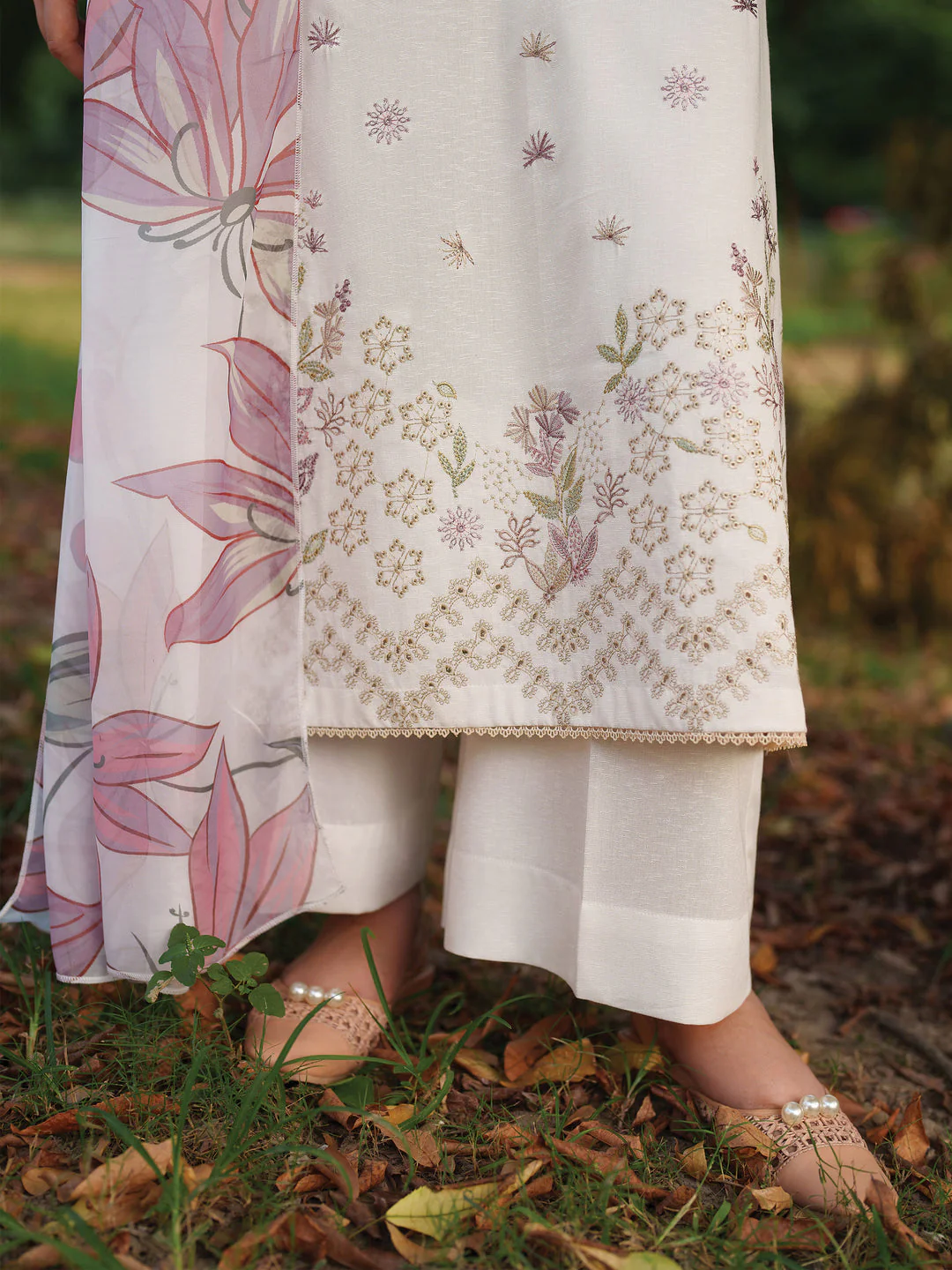
Finding the right clothing supplier is one of the most important decisions when starting or expanding a fashion business. Retailers need products that attract customers, maintain consistent quality, offer good value, and reflect changing fashion preferences. For businesses interested in South Asian clothing, Pakistani fashion offers an extensive range of styles, fabrics, embroidery techniques, and traditional designs that appeal to different customer groups. Mastorat provides access to Pakistani clothing collections for retailers, boutique owners, online fashion stores, and wholesale buyers looking to introduce traditional South Asian outfits into their product ranges. From everyday lawn suits to embroidered formal dresses, the brand focuses on bringing together clothing options that support different retail requirements. As a Pakistani Dress Wholesale Supplier in Sweden, Mastorat aims to help clothing businesses explore Pakistani fashion collections and develop an inventory that suits their customers. Whether you operate a small boutique in Stockholm, manage an online clothing store in Gothenburg, or plan to introduce ethnic fashion in another Swedish city, choosing suitable products and a dependable sourcing partner can make a meaningful difference. This guide explains the opportunities available in the Swedish market, the different clothing categories retailers can consider, how wholesale sourcing works, and how Mastorat can support businesses interested in Pakistani fashion. Fashion preferences continue to evolve as international styles become more accessible. Customers are increasingly interested in clothing that combines cultural identity, distinctive craftsmanship, attractive fabrics, and contemporary designs. Pakistani clothing has a recognisable place in South Asian fashion. Its collections include traditional silhouettes, detailed embroidery, decorative prints, comfortable fabrics, and modern outfit combinations. These features make the clothing suitable for everyday use, family celebrations, weddings, formal gatherings, and cultural occasions. Sweden offers opportunities for retailers who want to serve customers interested in international fashion. Pakistani and other South Asian communities create an audience for traditional outfits, while customers who appreciate embroidered clothing and distinctive textile designs may also explore these collections. However, successful retailing requires more than simply stocking traditional products. Businesses need to understand what their customers prefer, which price categories are suitable, and how different clothing styles perform throughout the year. Retailers can consider several factors when evaluating this market: Understanding these preferences allows retailers to create a balanced inventory rather than investing in products without a clear customer demand. For businesses exploring international sourcing, pakistani dress wholesale provides an additional starting point for understanding wholesale clothing collections and available categories. Pakistani fashion offers considerable variety, making it suitable for retailers who want to serve different customer segments. Instead of concentrating on one particular style, businesses can introduce several clothing categories and develop a more complete shopping experience. The appeal comes from the combination of fabric selection, traditional craftsmanship, decorative details, and changing fashion influences. Pakistani clothing includes traditional outfits that have developed alongside modern fashion trends. Classic shalwar kameez designs remain popular, while contemporary cuts, updated necklines, stylish sleeves, and different trouser combinations provide additional choices. Retailers can select designs that reflect traditional preferences while introducing modern options for younger customers. For example, an embroidered outfit with a contemporary silhouette may appeal to someone looking for cultural clothing with a fashionable appearance. Similarly, a simple printed suit may attract customers who prefer comfortable everyday fashion. Fabric plays an important role in the overall appearance, comfort, and suitability of an outfit. Pakistani clothing collections commonly include: Offering different materials allows retailers to serve customers with varying requirements throughout the year. Embroidery is one of the recognisable features of many Pakistani formal and festive outfits. Depending on the collection, designs may include threadwork, decorative borders, embellishments, printed patterns, and intricate neckline details. These elements give retailers opportunities to introduce products at different price points. Businesses interested in premium collections can explore pakistani designer dresses to understand the range of styles available for customers who prefer more detailed outfits. Choosing a wholesale partner requires careful consideration. Retailers should look beyond product photographs and evaluate whether a supplier can meet their purchasing requirements. Mastorat provides a platform for exploring Pakistani clothing and different fashion categories. Its collections can help businesses identify products that match their store's direction and intended audience. A diverse product selection makes inventory planning easier. Retailers can explore casual, formal, festive, and designer-inspired clothing without limiting their business to one particular category. For example, a boutique may stock lightweight printed suits alongside embroidered outfits. An online clothing store may focus on popular seasonal designs while maintaining a smaller selection of premium clothing. Having different categories available also allows businesses to test customer preferences before expanding their inventory. Product presentation matters in fashion retail because customers often make purchasing decisions based on visual details. Clear product photographs, accurate descriptions, fabric information, and design details help shoppers understand what they are considering. Retailers should review available product information before purchasing and confirm important details such as fabric composition, included accessories, stitching status, and sizing. Wholesale purchasing can help businesses build a coordinated inventory instead of sourcing every product individually. However, order quantities, minimum purchase requirements, pricing, and availability should always be confirmed before placing an order. Small retailers may prefer to begin with a carefully selected assortment, while established businesses may require larger quantities across several clothing categories. Businesses operating in Sweden may need to arrange international sourcing when purchasing clothing manufactured or supplied from Pakistan. Before completing an order, retailers should confirm: These details help avoid misunderstandings and make purchasing decisions more predictable. Retailers can also explore pakistani dress wholesale online to learn more about online sourcing options. A successful clothing business needs products that appeal to different occasions and customer preferences. Pakistani fashion provides several categories that retailers can combine to create a balanced collection. Rather than purchasing only one type of outfit, businesses should consider the requirements of their target audience. Lawn suits are widely recognised for their lightweight fabric and suitability for warm weather. They are commonly available in printed, embroidered, and digitally designed variations. Retailers can consider lawn collections for customers who prefer comfortable outfits with attractive patterns. Popular design elements include: Although Swedish weather differs from the climate in Pakistan, lightweight outfits can still appeal to customers during warmer months, holidays, indoor gatherings, and travel. A balanced selection of colours and designs can help retailers appeal to different age groups. Chiffon is frequently used in formal Pakistani clothing because of its elegant appearance and flowing texture. These outfits may feature embroidered shirts, decorative dupattas, embellished borders, and coordinated trousers. They are suitable for customers shopping for: Retailers should consider keeping several levels of formal clothing so customers can choose according to their preferred design and budget. Designer-inspired clothing can help retailers create a premium section within their stores. These collections often focus on distinctive embroidery, sophisticated colour combinations, decorative finishing, and carefully coordinated outfit components. A premium collection may include long shirts, embroidered trousers, detailed dupattas, and statement designs. Businesses can explore pakistani designer suits when researching options for customers who prefer more elaborate clothing. The key is to maintain a suitable balance between premium pieces and everyday products so that the inventory remains accessible to different customers. Unstitched clothing is another important category within Pakistani fashion. Some customers prefer choosing their own stitching style, measurements, and outfit design. Unstitched suits provide this flexibility because the fabric can be tailored according to individual preferences. Retailers can consider stocking unstitched collections for customers who: For this category, pakistani dress material wholesale offers another relevant sourcing resource. Bridal and festive collections can attract customers who require more decorative outfits for important occasions. These garments may feature elaborate embroidery, luxurious fabrics, embellished details, and coordinated accessories. Retailers interested in this category should consider the purchasing behaviour of their customers. Bridal outfits often involve more research, higher budgets, and specific design preferences than everyday clothing. A dedicated selection of formal and occasionwear can help a boutique develop a stronger identity within the ethnic fashion segment. Stocking a large number of designs does not automatically guarantee successful sales. Retailers need to select clothing according to their audience, purchasing power, and business model. A structured approach to product selection can reduce unnecessary inventory expenses. Start by understanding who is most likely to purchase your products. Your potential audience may include: South Asian families: Customers looking for traditional outfits for cultural celebrations, weddings, family gatherings, and religious occasions. Young fashion enthusiasts: Shoppers interested in contemporary Pakistani designs, modern cuts, and fashionable colour combinations. Working professionals: Customers who prefer comfortable and presentable clothing for everyday activities. Online fashion shoppers: People who discover clothing through social media, online stores, and digital advertisements. Occasionwear customers: Buyers searching for special outfits for weddings, parties, and celebrations. Each group may have different expectations regarding design, pricing, fabric, and availability. Sweden experiences noticeable seasonal changes, so retailers should consider how weather and special occasions influence clothing preferences. Lightweight cotton and lawn collections may be more suitable for warmer periods, while heavier fabrics and layered outfits can be considered for cooler seasons and indoor events. Festive demand may also increase around cultural celebrations and wedding seasons. Planning purchases according to these periods can help retailers introduce relevant products at the right time. Not every customer has the same clothing budget. Some shoppers prefer affordable printed suits, while others are willing to invest in premium embroidered outfits. A useful inventory strategy includes products across several price categories. Retailers should calculate the complete landed cost, including the product price, international shipping, import duties, taxes, packaging, and other expenses. This helps businesses establish realistic retail prices and maintain suitable profit margins. Product selection should be based on more than attractive photographs. Retailers should request available specifications and confirm: For larger purchases, sample evaluation can also help businesses assess product quality before committing to substantial quantities. Introducing Pakistani fashion into a retail business can create opportunities to serve customers looking for distinctive international clothing. However, the benefits depend on understanding the market and selecting products carefully. A store that offers different clothing styles can stand out from businesses concentrating only on mainstream fashion. Pakistani outfits introduce decorative designs, traditional silhouettes, and fabric combinations that provide customers with additional choices. This can help boutiques develop a more recognisable identity. Fashion customers often return when they find products that match their preferences. Retailers can encourage repeat purchases by introducing new collections, seasonal products, and suitable options for upcoming events. For example, a customer who purchases an everyday outfit may later return for a formal dress or a festive collection. Businesses do not need to depend entirely on physical retail stores. Pakistani clothing can be marketed through different sales channels, including: Using multiple channels can help businesses reach customers beyond their immediate geographical area. A business that focuses on a specific clothing category can develop a clear market identity. For example, a retailer might specialise in embroidered Pakistani suits, premium occasionwear, everyday ethnic clothing, or unstitched collections. A focused approach makes it easier to create relevant marketing campaigns and communicate the value of the products. Retail businesses need more than access to clothing. They also require a practical approach to purchasing, inventory selection, and long-term planning. Mastorat gives retailers an opportunity to explore different Pakistani clothing categories and identify collections that align with their business requirements. Fashion preferences change over time. Customers may become interested in different colours, embroidery styles, silhouettes, and fabric combinations. Retailers can review available collections and select designs that complement their existing inventory. A useful strategy is to introduce new designs gradually instead of replacing the entire product range at once. This allows businesses to evaluate customer reactions and identify which styles deserve additional investment. A new boutique and an established clothing retailer will not necessarily have the same purchasing requirements. A small business may want to test a limited selection before expanding. An established retailer may need multiple designs and larger quantities. Businesses should discuss available order arrangements directly with the supplier to determine suitable purchasing options. Retailers can gradually introduce additional product categories as their customer base grows. For example, a store initially focused on casual suits may later add formal outfits, designer collections, and unstitched fabrics. This approach allows businesses to expand without making unnecessary changes to their original retail identity. For a wider understanding of clothing supply options, retailers can also explore pakistani clothes wholesale suppliers. A successful retail business needs a clear identity. Customers should understand what makes the store different and why they should consider purchasing from it. For retailers selling Pakistani fashion, brand development involves product selection, presentation, customer service, and consistent marketing. Start by deciding what type of clothing business you want to operate. Some stores focus on affordable everyday clothing, while others specialise in premium formal outfits. Your positioning should influence the products you purchase, the prices you establish, and the marketing messages you communicate. A clear identity also makes it easier to attract customers who are interested in your particular clothing category. Clothing is a visual product, so photography plays a major role in online sales. Retailers should use clear images that show the outfit from different angles. Useful photographs include: Avoid using images that misrepresent the actual product. Accurate photographs help customers make informed decisions and reduce misunderstandings after delivery. Product descriptions should explain what customers are purchasing. Include details such as fabric, colour, stitching status, included components, available sizes, and care instructions where available. Instead of filling descriptions with repeated search phrases, use clear language that answers customer questions. This improves the shopping experience and makes product pages more useful. Customers appreciate clear communication before and after purchasing. Retailers should establish straightforward policies covering payments, delivery, exchanges, returns, and order tracking. Responding professionally to questions can build confidence and encourage customers to shop again. International sourcing requires careful planning, particularly when clothing is shipped across borders. Retailers should understand the delivery process before confirming their purchases. When sourcing clothing from Pakistan for the Swedish market, the shipment may involve international transportation, customs procedures, import charges, and local delivery arrangements. Before placing an order, ask the supplier about the available shipping options. Important questions include: Delivery estimates should be confirmed for the specific order rather than assuming that all shipments follow the same schedule. Retailers importing clothing into Sweden should review applicable customs and tax requirements. The total purchasing cost may include import VAT, customs duties where applicable, and transportation charges. Businesses should also understand their responsibilities regarding product information, consumer protection, and applicable textile labelling requirements. For commercial imports, consulting the relevant Swedish and European authorities or a qualified customs professional can help prevent compliance problems. The wholesale product price is only one part of the final cost. A retailer should calculate the complete amount involved in getting products ready for sale. A simple calculation includes: Once these costs are understood, retailers can establish appropriate selling prices. When an order arrives, inspect the products before displaying them for sale. Check the number of items, fabric condition, stitching, colours, and any visible defects. If there is a problem, contact the supplier promptly and provide clear photographs and order details. Keeping accurate purchasing records can also make stock management easier. Retailers who source Pakistani clothing may want to understand how different international markets approach traditional fashion. Comparing product categories, customer preferences, and retail strategies can provide useful ideas for building a business in Sweden. For example, businesses can explore pakistani dress wholesale in USA to learn about another major international market. Similarly, pakistani dress wholesale in Dubai offers another useful regional reference for understanding demand for South Asian fashion. Retailers can also review pakistani dress wholesale in Mumbai when researching different clothing preferences and design influences. Other relevant international resources include: These pages provide additional resources for businesses researching international clothing markets. A diverse inventory can help retailers attract customers with different fashion requirements. However, expansion should be planned carefully. Adding too many categories without understanding demand can create unnecessary storage costs and slow-moving inventory. Retailers can use the following approach to develop their collections. Everyday clothing can provide a foundation for a retail collection. Printed suits, simple cotton outfits, and lightweight fabrics are useful options for customers who want comfortable clothing. Start with a manageable selection and monitor which colours, sizes, and designs receive the most interest. Once the casual collection is established, consider introducing more elaborate designs. Embroidered chiffon, organza, and other formal fabrics can help attract customers preparing for special occasions. A smaller, carefully selected formal range may be more practical than purchasing large quantities of unfamiliar designs. Unstitched fabrics can appeal to customers who prefer customised clothing. They also provide an opportunity to offer different designs without relying entirely on ready-made sizes. Retailers should clearly explain the number of fabric pieces and components included in each product. A dedicated premium section can improve the overall shopping experience. This category may include designer-inspired outfits, detailed embroidery, and special occasion clothing. Retailers should ensure that the pricing reflects the actual quality, presentation, and product specifications. Online shopping provides an opportunity for retailers to reach customers across different Swedish cities without relying entirely on physical store visits. However, a successful ecommerce business needs a strong product presentation, useful information, and a convenient purchasing process. An online clothing store should make it easy for customers to discover products. Organise the website into clear categories such as: Use descriptive category names and make important information easy to find. Search engine optimisation can help online stores attract people searching for particular clothing styles. Each product page should include a descriptive title, original product information, useful images, and a relevant meta description. Retailers should use search terms naturally rather than repeating the same phrase throughout every section. For example, a product page about an embroidered chiffon outfit can naturally mention its fabric, design, occasion, and available sizes. This provides useful information to both shoppers and search engines. A Swedish clothing business should consider providing important shopping information in a language its target audience understands. Depending on the audience, product information in Swedish and English may help improve accessibility. Shipping details, payment instructions, returns policies, and customer support information should be particularly clear. Social media can help clothing businesses introduce new collections and connect with potential buyers. Retailers can publish: Consistent posting can help build brand recognition and encourage people to visit the online store. Customer reviews provide useful information for shoppers who have not purchased from the business before. Encourage genuine feedback after completed purchases. Reviews should reflect actual customer experiences and should never be fabricated. Respond professionally to both positive and negative feedback. This demonstrates that the business takes customer satisfaction seriously. Businesses often benefit from researching several sourcing resources before selecting their product range. Mastorat provides different pages that retailers can explore when learning about clothing categories and international supply markets. For a broader overview of the supply industry, visit pakistani dress wholesale market. Businesses interested in different clothing materials can also review pakistani dress material wholesale in India. For additional international sourcing references, the following resources may also be useful: These resources can help retailers understand different product categories and identify areas they may want to explore further. Starting a clothing business requires planning, research, and a clear understanding of your financial resources. You do not necessarily need to begin with a large inventory. A smaller product range can be a practical way to understand customer behaviour before expanding. Identify the type of customers you want to serve. Consider their clothing preferences, purchasing habits, preferred designs, and average spending. You can research local fashion businesses, social media discussions, online marketplaces, and customer feedback to identify potential opportunities. Choose a starting collection that matches your audience. For example, a boutique serving customers interested in traditional outfits may begin with casual suits, embroidered clothing, and a few formal designs. An online store may choose to focus on a narrower product category to establish a clear identity. Before making a large purchase, review the supplier's product information and ordering arrangements. Ask about pricing, minimum order quantities, shipping, available designs, and quality checks. If possible, request samples or begin with a manageable order. Prepare a realistic budget that includes more than the purchase price. Consider shipping, customs, taxes, packaging, website expenses, marketing, and other operating costs. Keep some funds available for unexpected expenses and future restocking. Decide whether you will operate a physical boutique, an online store, or both. An ecommerce website can help you reach customers across Sweden, while a physical shop provides opportunities for customers to examine fabrics and try on clothing. Choose the model that fits your available budget and business goals. Use professional photographs, social media content, search engine optimisation, and relevant marketing campaigns. Highlight product details and communicate what makes your collection useful to customers. Monitor which designs sell, which products receive enquiries, and which categories generate repeat purchases. Use this information to improve future buying decisions. Inventory management has a direct impact on the financial health of a retail business. Purchasing too much stock can tie up capital, while purchasing too little may lead to missed sales opportunities. Retailers should establish a simple system to track incoming and outgoing products. Keep records of the products that sell most frequently. This information can help identify customer preferences and guide future purchases. If embroidered suits consistently attract interest, for example, you may decide to expand that category. Not every design will perform equally well. Review products that remain in stock for long periods and consider whether their pricing, presentation, or target audience needs to change. Avoid repeatedly ordering designs that have not generated sufficient interest. Restocking should be based on sales performance and supplier availability. Keep an eye on seasonal demand and allow enough time for international shipping. A simple inventory spreadsheet can help smaller businesses maintain accurate records without investing in complicated systems. Record product names, fabric types, sizes, colours, purchase prices, and available quantities. Accurate records make it easier to manage orders and answer customer questions. Customers purchasing Pakistani fashion may have different expectations depending on their backgrounds, preferences, and shopping habits. Retailers should avoid assuming that every shopper wants the same styles. Some customers may prioritise traditional designs, while others may prefer modern silhouettes and simpler embroidery. Sizing information should be clear and consistent. For ready-made clothing, provide available measurements and explain the sizing system. For unstitched outfits, describe the fabric components and approximate material details accurately. Customers may not be familiar with every Pakistani fabric. Short explanations can help them understand the differences between lawn, chiffon, silk, cotton, organza, and other materials. Include practical details such as thickness, texture, and suitability for different occasions when this information is available. Retailers can provide suggestions for pairing outfits with suitable footwear, jewellery, scarves, and accessories. This can make shopping more engaging and help customers visualise how an outfit may be worn. Display prices clearly and communicate any additional delivery charges before checkout. Customers should understand the total cost of their purchase. Transparent pricing helps reduce confusion and supports a more professional shopping experience. Quality should remain a priority when selecting clothing for resale. A visually attractive outfit may generate initial interest, but customers are more likely to return when the actual product meets their expectations. Retailers should evaluate both the material and the finishing. Lawn and cotton are popular options for comfortable clothing. When evaluating these fabrics, consider their texture, weight, print quality, and overall construction. These materials are commonly used in flowing and formal designs. Retailers should examine the fabric's condition, finishing, embroidery, and overall appearance. Silk and organza can be used for more elaborate outfits. Their appearance and finishing can make them suitable for special occasions and premium collections. Check whether embroidery is securely finished and whether decorative elements are properly attached. Examine stitching, seams, borders, and embellishments before displaying garments for sale. A consistent inspection process helps maintain product standards and protect your retail reputation. A successful clothing business is built through consistent decisions rather than one large purchase. Retailers should develop a sourcing strategy that supports their growth while controlling unnecessary costs. Start by identifying your strongest product categories and understanding their sales performance. Once you know what customers prefer, you can make more informed purchasing decisions. Businesses can also explore pakistani designer clothes online for ideas when researching premium clothing categories. For retailers comparing supplier resources in different locations, pakistani clothes wholesalers Manchester provides another international market reference. A long-term strategy should focus on: Retailers who follow a structured approach can gradually develop a more stable clothing business. Selecting a suitable sourcing partner is an important part of building a retail business. Mastorat provides access to a range of Pakistani fashion categories that businesses can explore when planning their inventory. Its clothing resources are relevant to retailers who want to research casual wear, formal collections, designer outfits, and traditional fabrics. Here are several factors worth considering when exploring Mastorat's collections. A broad selection makes it easier to plan clothing ranges for customers with different preferences. Retailers can research everyday outfits, formal suits, festive clothing, and premium designs. Whether you operate an online store or a physical boutique, product selection should reflect your business model. A retailer focused on online sales may prioritise attractive photographs and clearly defined product specifications. A physical boutique may place additional importance on fabric samples, fitting, and customer demonstrations. Retailers can use different product categories to gradually expand their collections. Starting with a focused selection and reviewing its performance can help reduce unnecessary purchasing risks. Mastorat's international clothing pages provide additional information for retailers researching Pakistani fashion across different countries. You can also explore pakistani dress wholesale supplier in Switzerland when comparing international sourcing markets. Ultimately, retailers should evaluate product suitability, pricing, shipping arrangements, and quality before making their final purchasing decisions. Choosing a clothing supplier requires evaluating several important factors. Start by reviewing the available collections, fabric specifications, product finishing, and pricing structure. You should also understand the supplier's ordering process, minimum quantities, payment arrangements, and international shipping options. It is equally important to confirm whether the products match your intended customer base. A boutique specialising in traditional formalwear will have different requirements from an online store selling everyday outfits. Ask for clear product information and, where possible, request samples before placing a substantial order. You should also calculate shipping expenses, import charges, and other costs to understand your total purchasing investment. Swedish retailers can consider several categories depending on their customers and business model. Lawn and cotton suits may appeal to customers looking for comfortable everyday outfits. Chiffon and embroidered clothing can attract shoppers preparing for formal events, family celebrations, and weddings. Designer collections offer additional options for customers interested in premium fashion, while unstitched fabrics appeal to people who prefer customised tailoring. A balanced collection should include products at different price levels and suit different occasions. Retailers should research local demand before investing heavily in a particular category. Yes, small boutiques can explore wholesale sourcing opportunities and develop their collections gradually. Starting with a manageable inventory can help new retailers understand customer preferences without committing too much money to products that have not been tested. Before ordering, confirm the supplier's minimum order requirements and whether different designs can be combined in one purchase. It is also helpful to select products that complement each other. For example, a small boutique may begin with casual suits, a few embroidered outfits, and selected unstitched collections. As sales increase, the retailer can expand its inventory according to actual customer demand. Quality evaluation should include the fabric, stitching, embroidery, finishing, and overall construction. Start by reviewing product photographs and asking for detailed specifications. If samples are available, examine the material directly to understand its texture, thickness, and appearance. For embroidered clothing, check the stitching and decorative elements carefully. For printed outfits, review the print quality and colour consistency. Also confirm what components are included in the outfit, such as the shirt fabric, trousers, and dupatta. After delivery, inspect the complete order and report any discrepancies promptly. Maintaining a documented inspection process can help protect your business and customer relationships. Mastorat provides resources for exploring different Pakistani clothing categories, including traditional outfits, designer collections, and clothing materials. Retailers can research options for everyday fashion, formal occasions, festive collections, and unstitched clothing. You can explore pakistani designer dresses for premium fashion ideas and pakistani dress material wholesale for fabric-related sourcing information. Product availability, specifications, and purchasing arrangements should be confirmed directly before placing an order. International shipping involves several factors, including order processing, transportation, customs procedures, and final delivery. Before purchasing, ask about available shipping services, estimated delivery times, shipping charges, and shipment tracking. You should also understand Sweden's import requirements, including applicable VAT, customs duties, and documentation. For commercial orders, it is advisable to check the relevant requirements with Swedish customs authorities and a qualified import professional. Planning these costs in advance will help you calculate the actual cost of your inventory and establish suitable retail prices. Yes. An online clothing business can provide access to customers in different Swedish cities without requiring a physical shop. You can build an ecommerce website, organise products into categories, and showcase collections through professional photography. Each product page should contain accurate information about fabric, sizing, colour, stitching status, and included components. Social media can also support your marketing efforts by helping you introduce new arrivals, publish styling ideas, and communicate with potential buyers. A convenient checkout process, transparent delivery information, and responsive customer service are essential for building confidence in an online store. Begin by researching your target audience and identifying the clothing styles they are most likely to purchase. Consider their preferred fabrics, price ranges, occasions, and fashion preferences. It is useful to begin with a small assortment of products across a few categories. Monitor customer enquiries and sales to understand which designs perform best. You should also consider seasonal demand and avoid purchasing excessive quantities of unfamiliar products. Maintaining inventory records can help you identify successful designs and plan future purchases more accurately. Pakistani fashion is known for its combination of traditional silhouettes, decorative embroidery, fabric variety, and evolving design trends. Collections often include shalwar kameez, embroidered formal suits, printed lawn outfits, unstitched fabrics, and occasionwear. Different fabrics and embellishment techniques allow designers to create clothing for everyday use as well as weddings and celebrations. This variety provides retailers with opportunities to serve customers looking for traditional clothing and contemporary interpretations of South Asian fashion. Building a successful clothing business requires market research, careful sourcing, financial planning, and consistent customer service. Start by defining your target audience and choosing a product category that suits their preferences. Research suppliers, compare product specifications, and calculate your total purchasing costs before placing orders. Create a professional shopping experience with accurate product descriptions, quality photographs, clear pricing, and straightforward delivery policies. Use customer feedback and sales information to improve your product selection over time. A well-managed inventory and a clear brand identity can help your business establish customer trust and develop long-term growth opportunities. Building a successful Pakistani clothing business in Sweden requires the right combination of product selection, supplier research, market understanding, and customer service. Retailers should focus on offering clothing that reflects their audience's preferences while maintaining realistic purchasing budgets and consistent product standards. Mastorat provides an opportunity to explore different Pakistani clothing collections, including casual outfits, formal suits, designer styles, and unstitched fabrics. These options can help retailers plan a product range that suits different occasions and customer requirements. Whether you are launching a new boutique or expanding an established online store, careful sourcing and effective inventory management can support your long-term business goals. Choosing a Pakistani Dress Wholesale Supplier in Sweden should involve more than comparing prices. Consider product quality, available designs, shipping arrangements, and the level of information provided before making purchasing decisions. With thoughtful planning, relevant collections, and a customer-focused retail strategy, your business can introduce Pakistani fashion to a wider audience and build a distinctive presence in Sweden's clothing market. Explore Mastorat's collections and discover clothing options that align with your retail plans.
Understanding the Growing Interest in Pakistani Fashion in Sweden
Why Retailers Choose Pakistani Clothing Collections
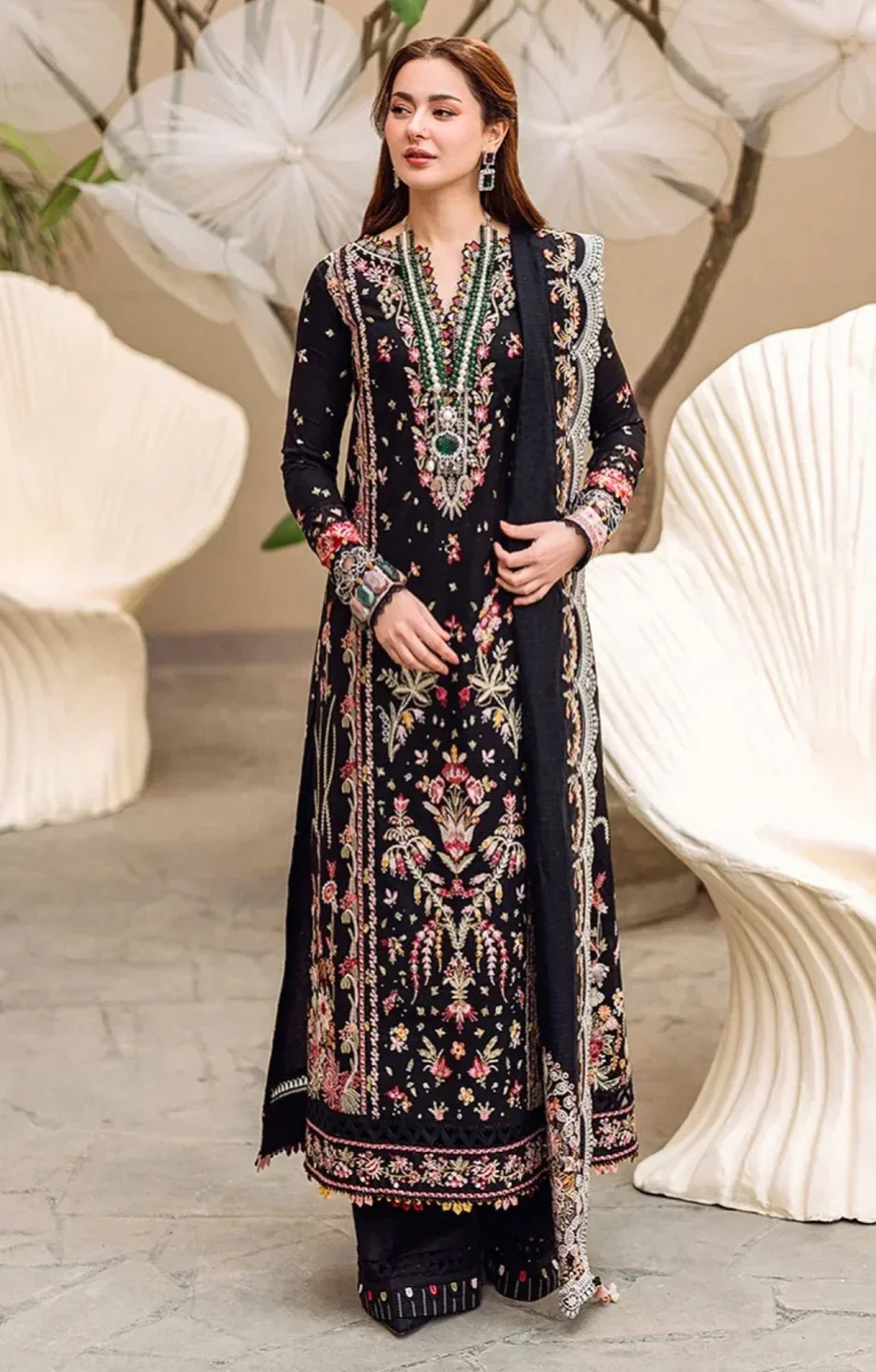
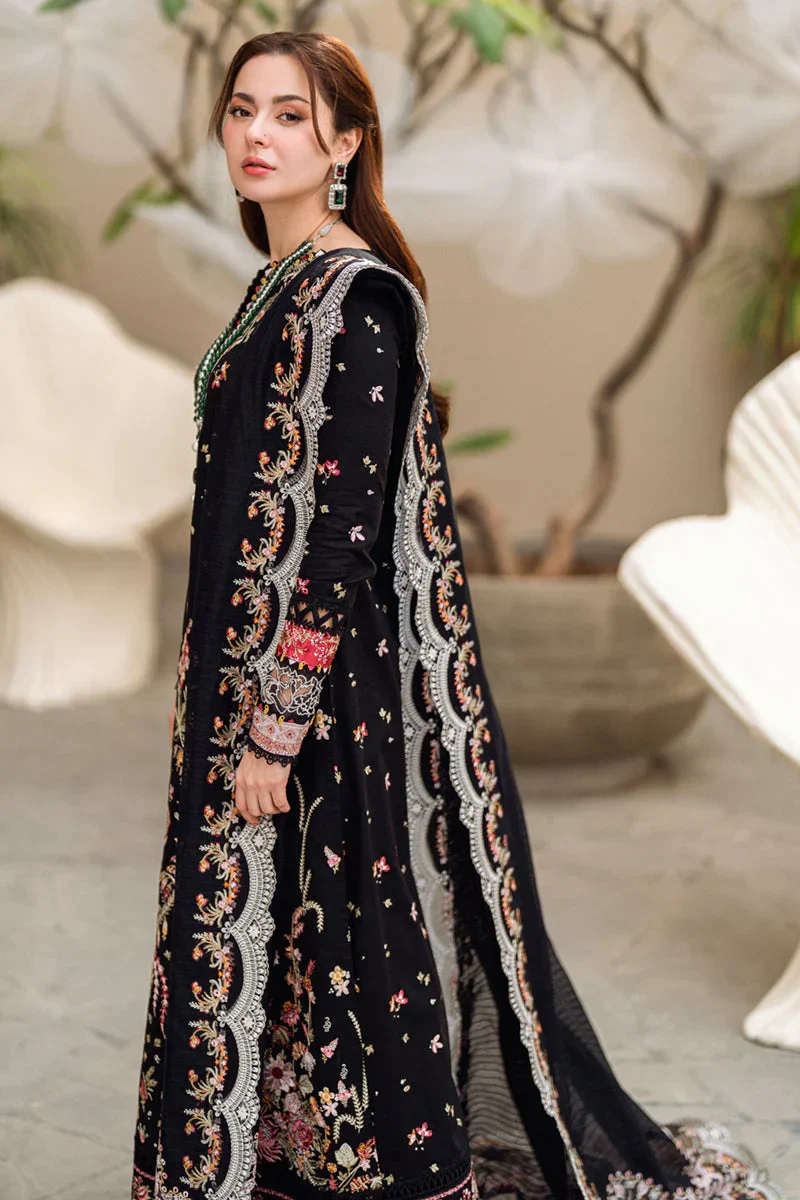
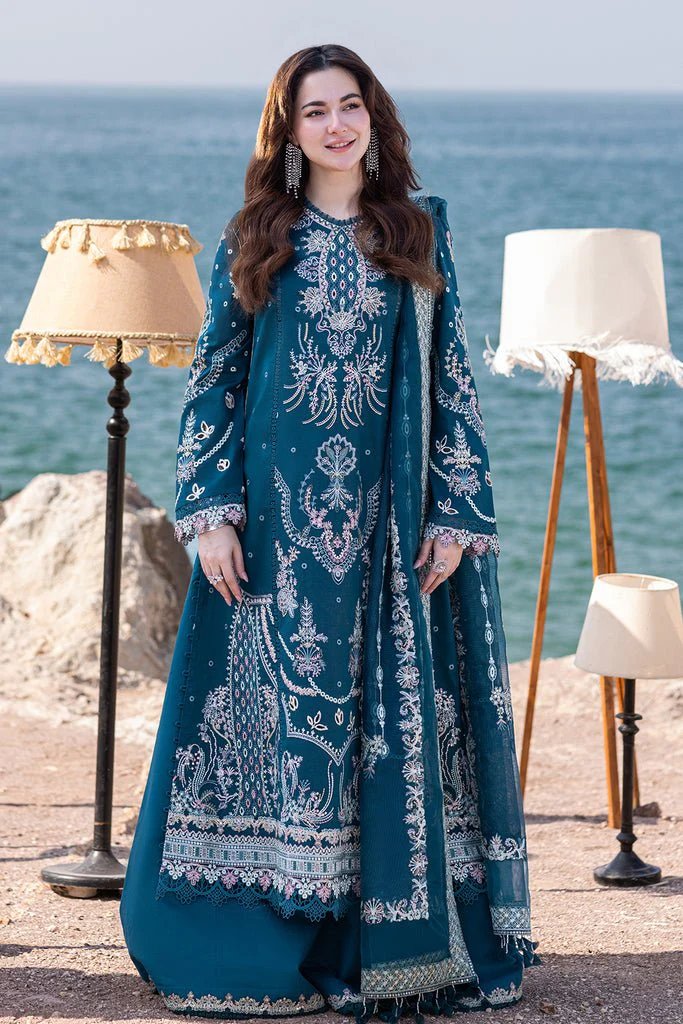
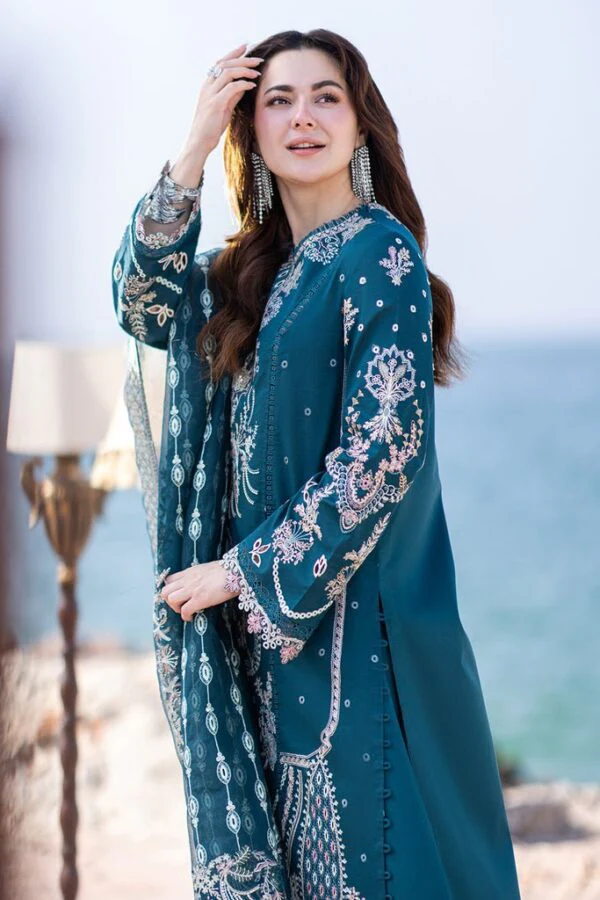
Traditional Designs With Modern Appeal
A Wide Selection of Fabrics
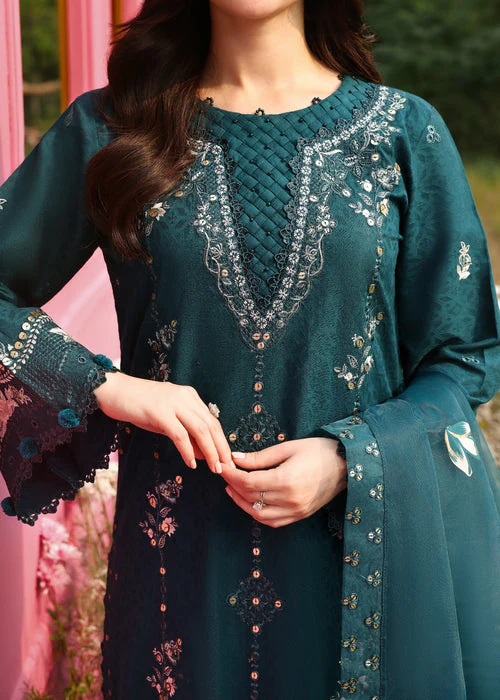
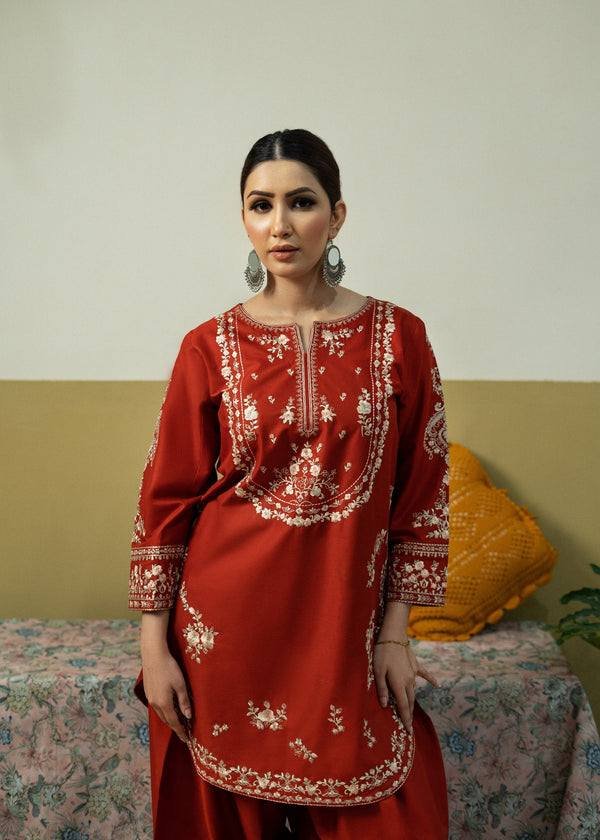
Detailed Embroidery and Finishing
What Makes Mastorat a Useful Sourcing Option?
Access to Different Clothing Categories
Attention to Product Presentation
Wholesale Purchasing Opportunities
International Ordering Support
Different Pakistani Clothing Categories for Swedish Retailers
Lawn Suits for Everyday Wear
Chiffon Outfits for Formal Occasions
Designer Suits for Premium Customers
Unstitched Clothing for Customisation
Bridal and Festive Clothing
How to Select Products for Your Swedish Customer Base
Identify Your Main Customer Groups
Understand Seasonal Purchasing Behaviour
Create a Balanced Price Range
Review Designs Before Ordering
Benefits of Building a Pakistani Fashion Collection in Sweden
A Distinctive Product Range
Opportunities for Repeat Purchases
Multiple Sales Channels
Opportunities to Build a Niche Brand
Mastorat's Approach to Supporting Retail Businesses
Helping Retailers Explore New Designs
Supporting Different Business Sizes
Helping Businesses Expand Their Collections
Building a Recognisable Pakistani Clothing Brand
Develop a Clear Brand Position
Use Professional Product Photography
Write Useful Product Descriptions
Provide Reliable Customer Service
Understanding International Wholesale Shipping to Sweden
Confirm Shipping Arrangements
Understand Swedish Import Requirements
Calculate the Total Cost of Each Order
Check Products After Delivery
Comparing International Pakistani Clothing Markets
Expanding Your Inventory Beyond Everyday Clothing
Introduce Casual Clothing First
Add Formal Outfits Gradually
Introduce Unstitched Collections
Develop a Premium Section
Improving Online Sales for Pakistani Clothing in Sweden
Create an Easy-to-Navigate Website
Optimise Product Pages for Search Engines
Use Localised Content
Use Social Media to Showcase New Arrivals
Build Trust Through Reviews
Exploring the Wider Pakistani Clothing Supply Network
How to Start a Pakistani Clothing Business in Sweden
Step 1: Research Your Target Audience
Step 2: Decide Which Clothing Categories to Sell
Step 3: Research Your Supplier
Step 4: Calculate Your Business Budget
Step 5: Establish Your Sales Channel
Step 6: Promote Your Collection
Step 7: Review Your Sales Performance
Why Reliable Inventory Management Matters
Monitor Popular Designs
Track Slow-Moving Products
Plan Restocking Carefully
Maintain Product Information
Understanding Customer Expectations in the Swedish Market
Focus on Accurate Sizing
Explain Fabric Characteristics
Offer Useful Styling Information
Keep Pricing Transparent
The Importance of Fabric Quality and Product Finishing
Lawn and Cotton
Chiffon and Georgette
Silk and Organza
Embroidery and Decorative Details
Growing Your Business With a Long-Term Sourcing Strategy
Why Choose Mastorat for Your Pakistani Clothing Collection?
Variety for Different Customers
Options for Different Retail Models
Opportunities for Business Development
Access to International Market Resources
Frequently Asked Questions
1. What should I consider when choosing a Pakistani clothing supplier for my business in Sweden?
2. What types of Pakistani outfits are suitable for Swedish clothing stores?
3. Can small boutiques purchase Pakistani dresses for resale?
4. How can I check the quality of Pakistani dresses before purchasing?
5. Does Mastorat offer different Pakistani clothing categories?
6. What should I know about shipping Pakistani clothing to Sweden?
7. Can I sell Pakistani clothing through an online store in Sweden?
8. How can I decide which Pakistani dresses to stock?
9. What makes Pakistani fashion different from other clothing styles?
10. How can I build a successful Pakistani clothing business in Sweden?
Final Thoughts
How wholesale works
Tap “Get price” on any design, or send us your list on WhatsApp.
Wholesale prices, MOQ and shipping for your country, usually within a few hours.
Every piece is inspected, and you get photos of your packed order.
DHL, FedEx, Skynet or cargo. Typically 5–7 working days by courier.
“Today I have received 5 boxes like 276 suits. All the dresses are so beautiful and the quality is 100% good…”
“Mastorat is a game-changer in the world of unstitched suits! The quality of fabric is top-notch…”
“Best place to buy wholesale cloth UK”
Free wholesale quote
Tell us which designs you like and roughly how many pieces. We will reply with wholesale prices, MOQ and delivery options for your country.
Wholesale · Free quote