 Wholesale
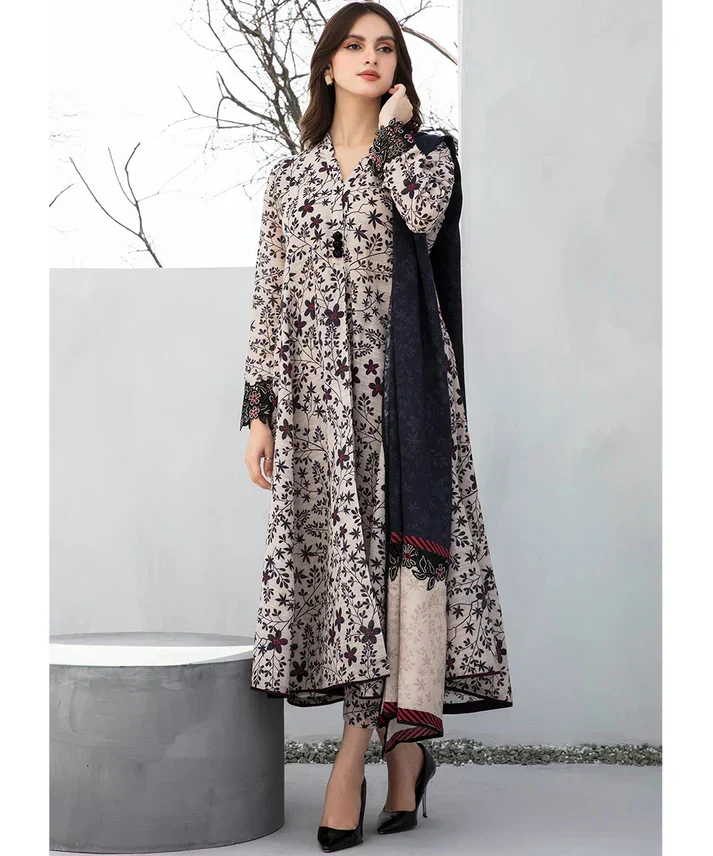
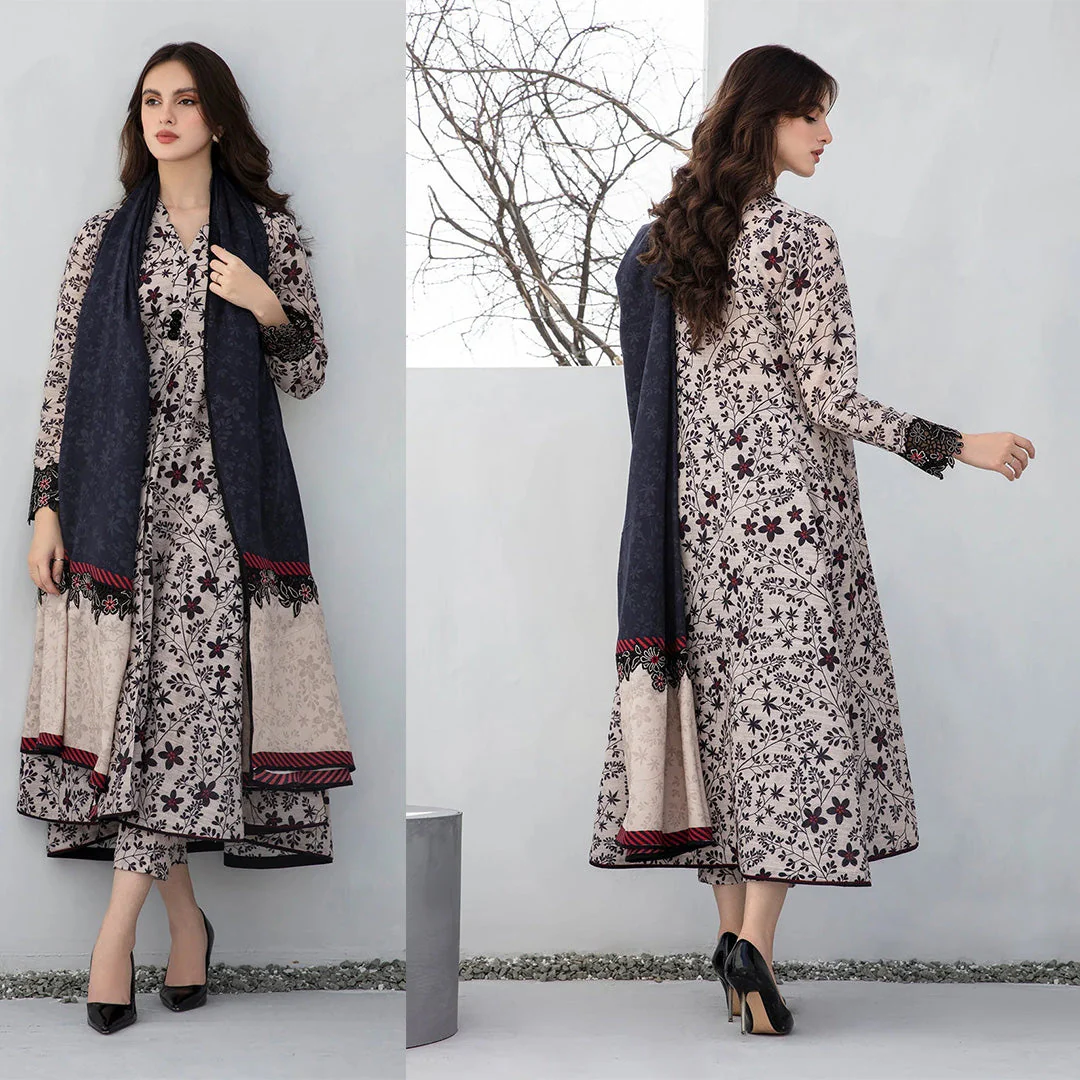
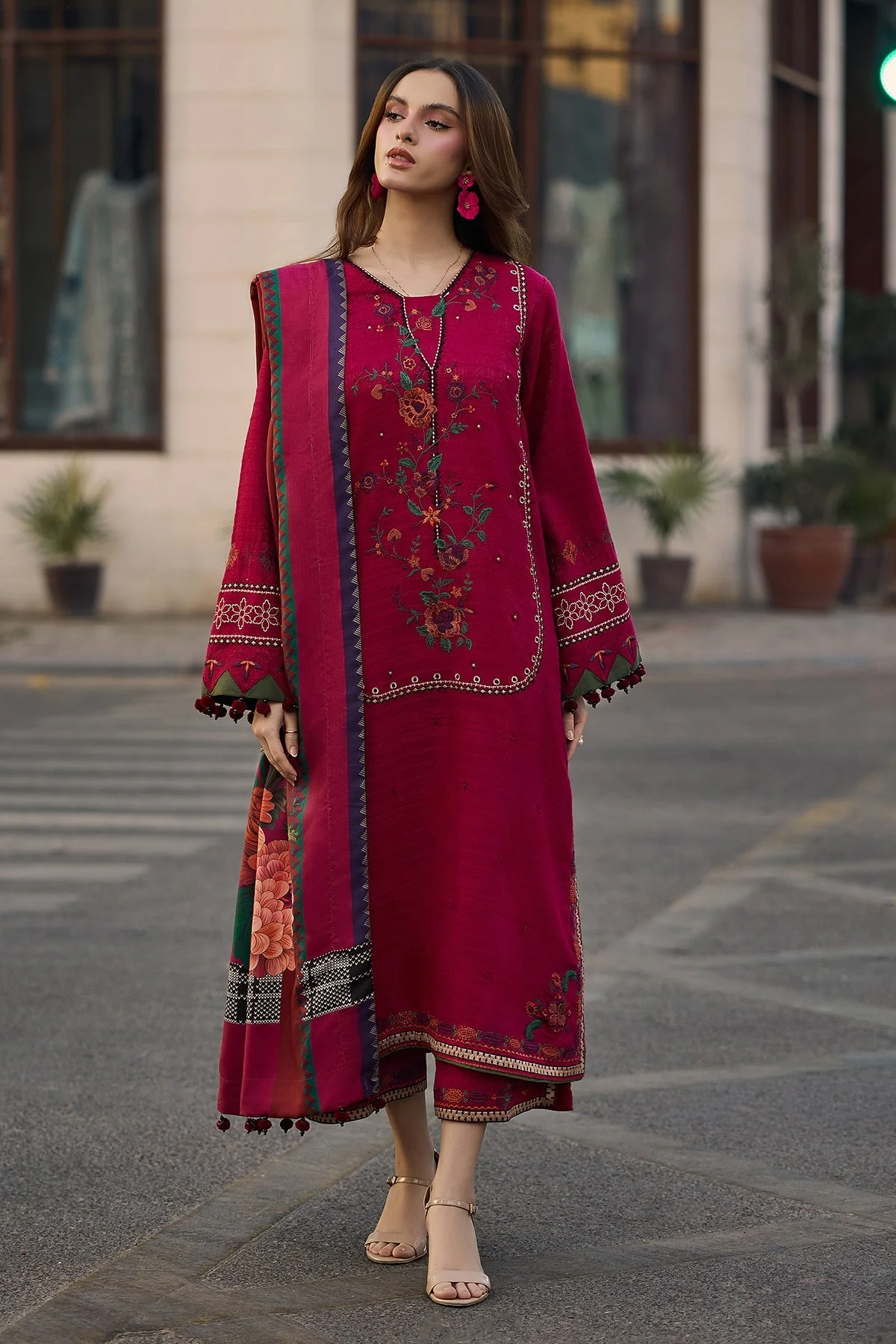
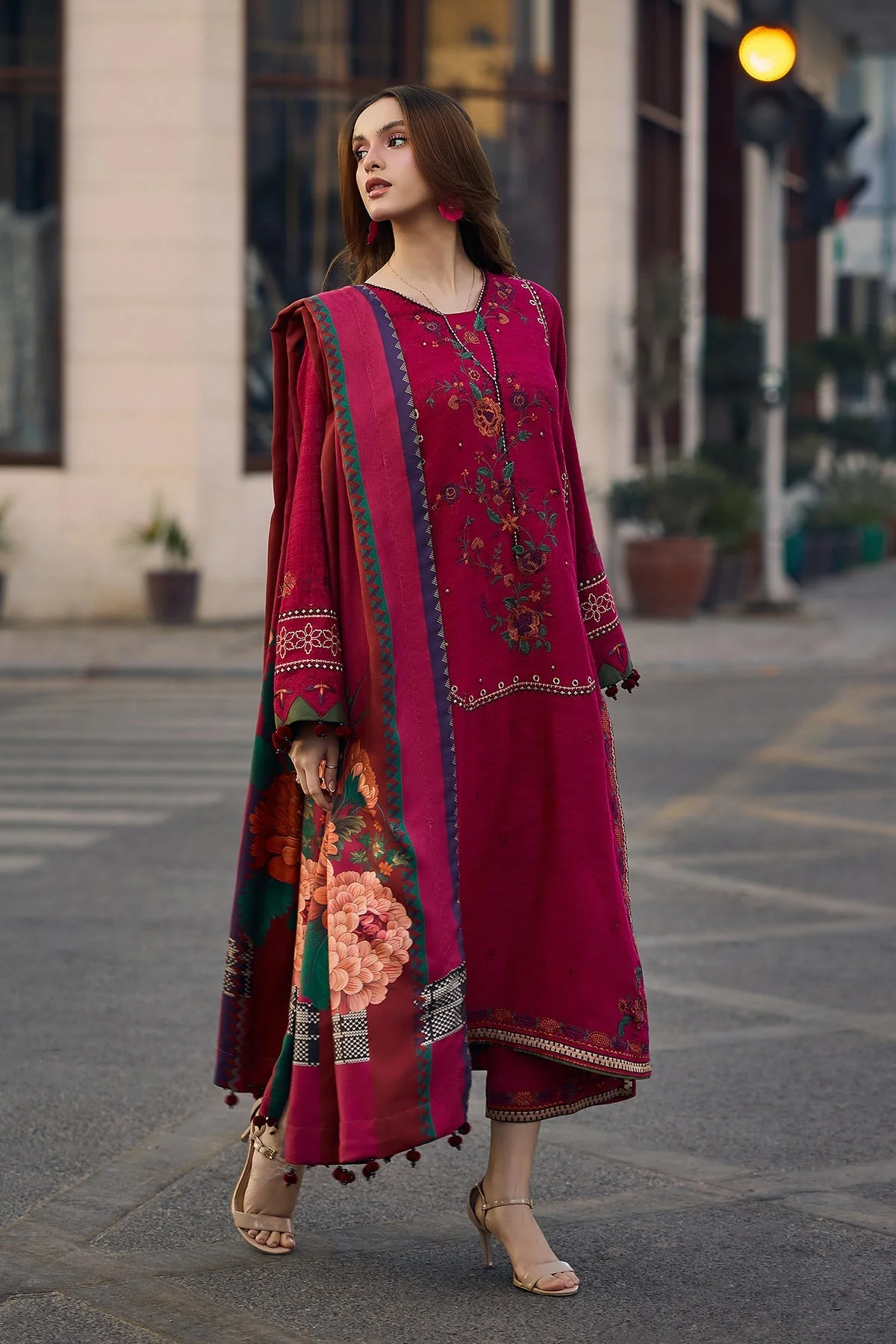
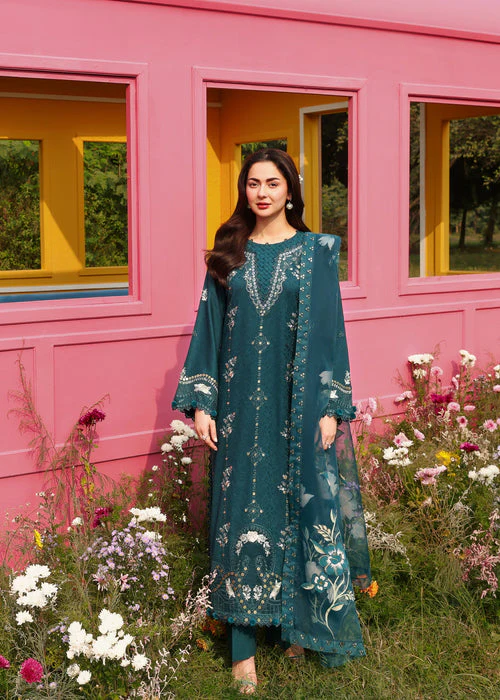
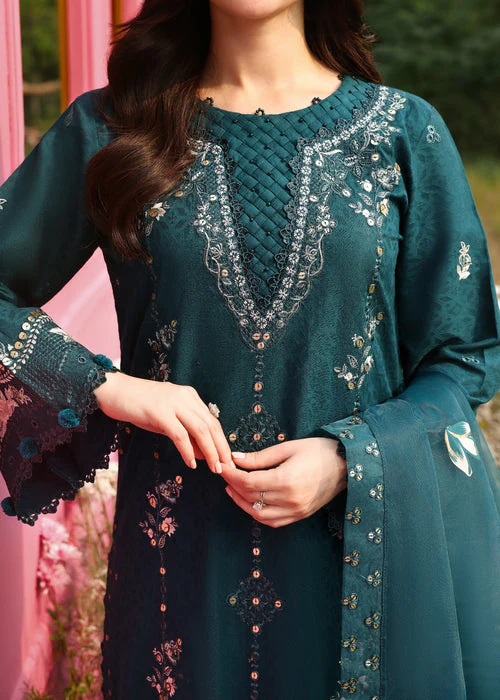
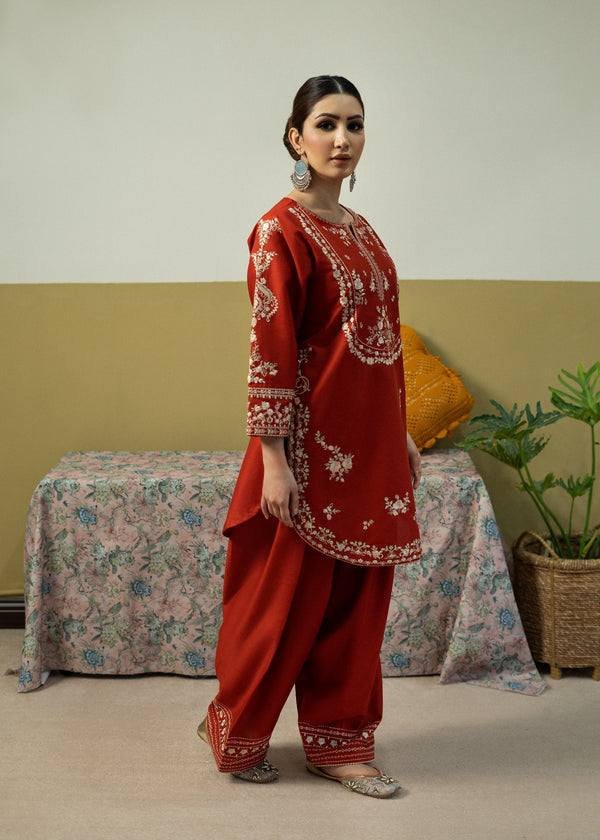
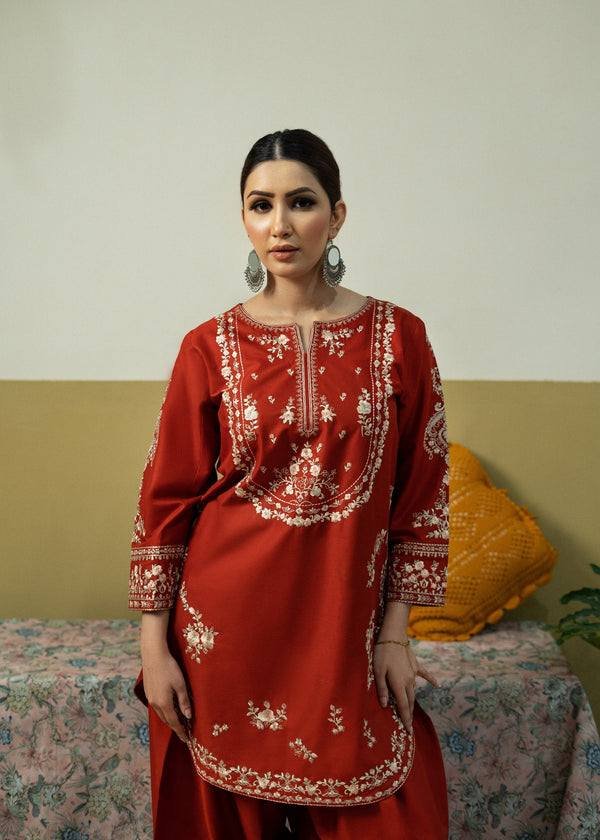
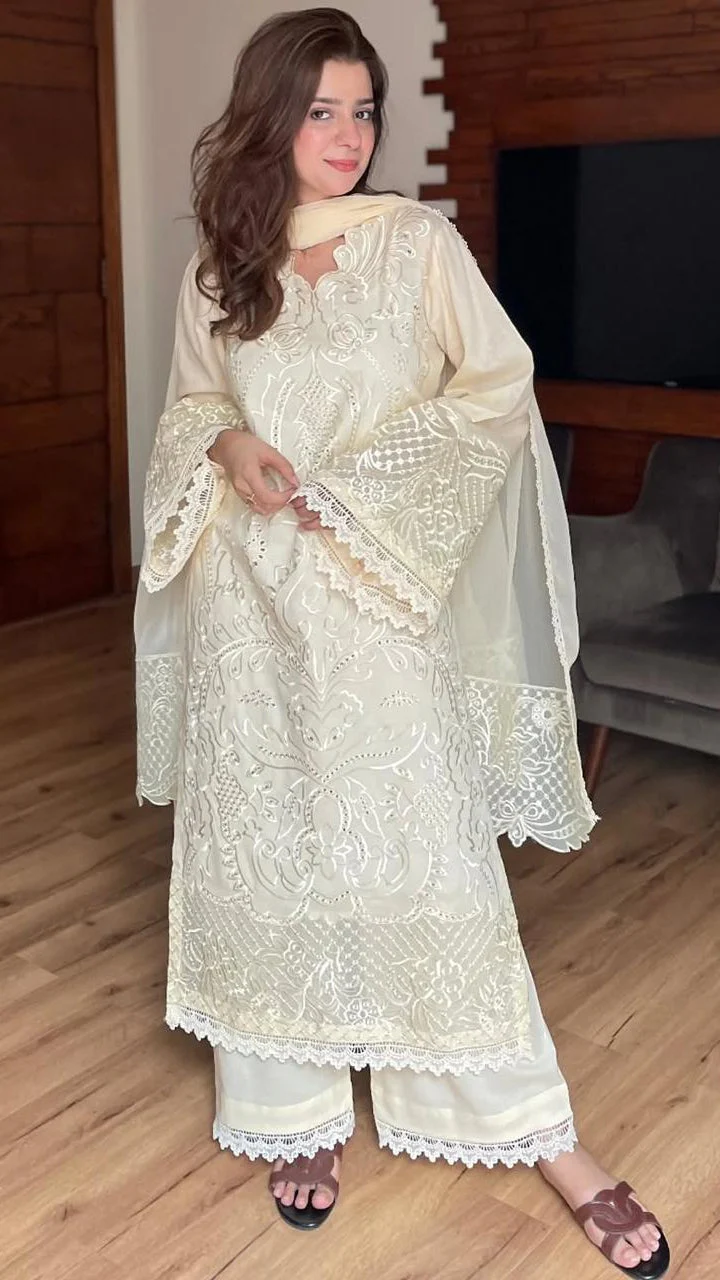
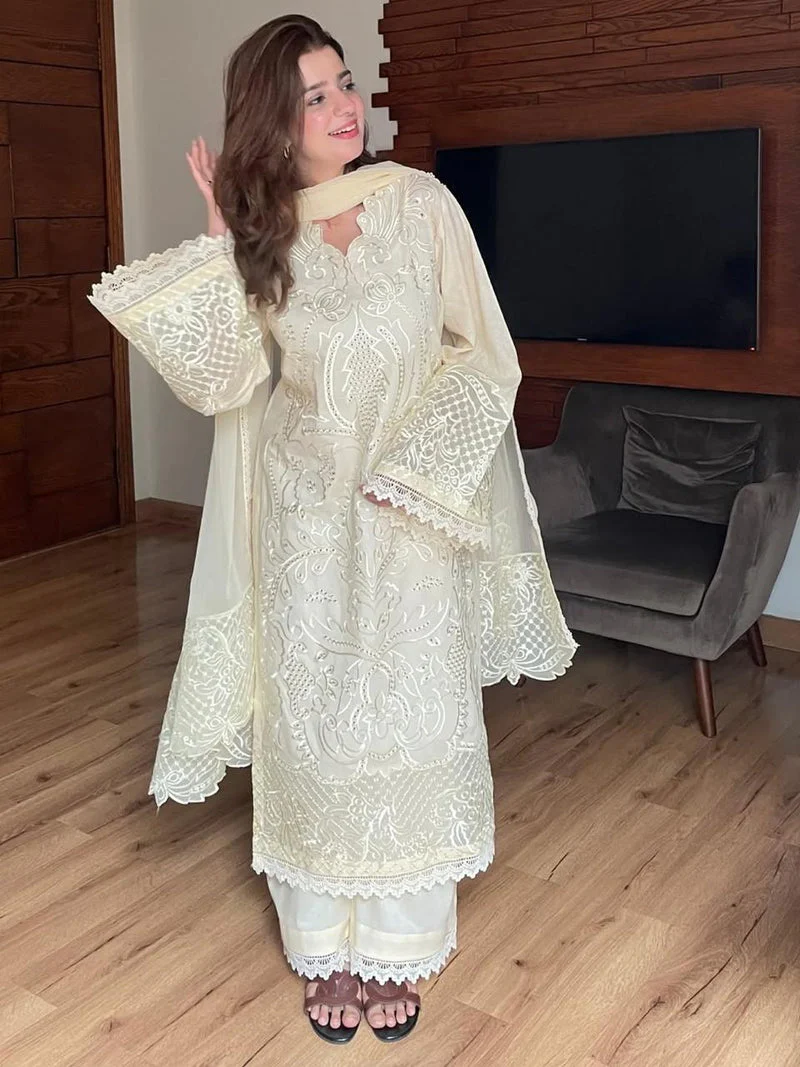
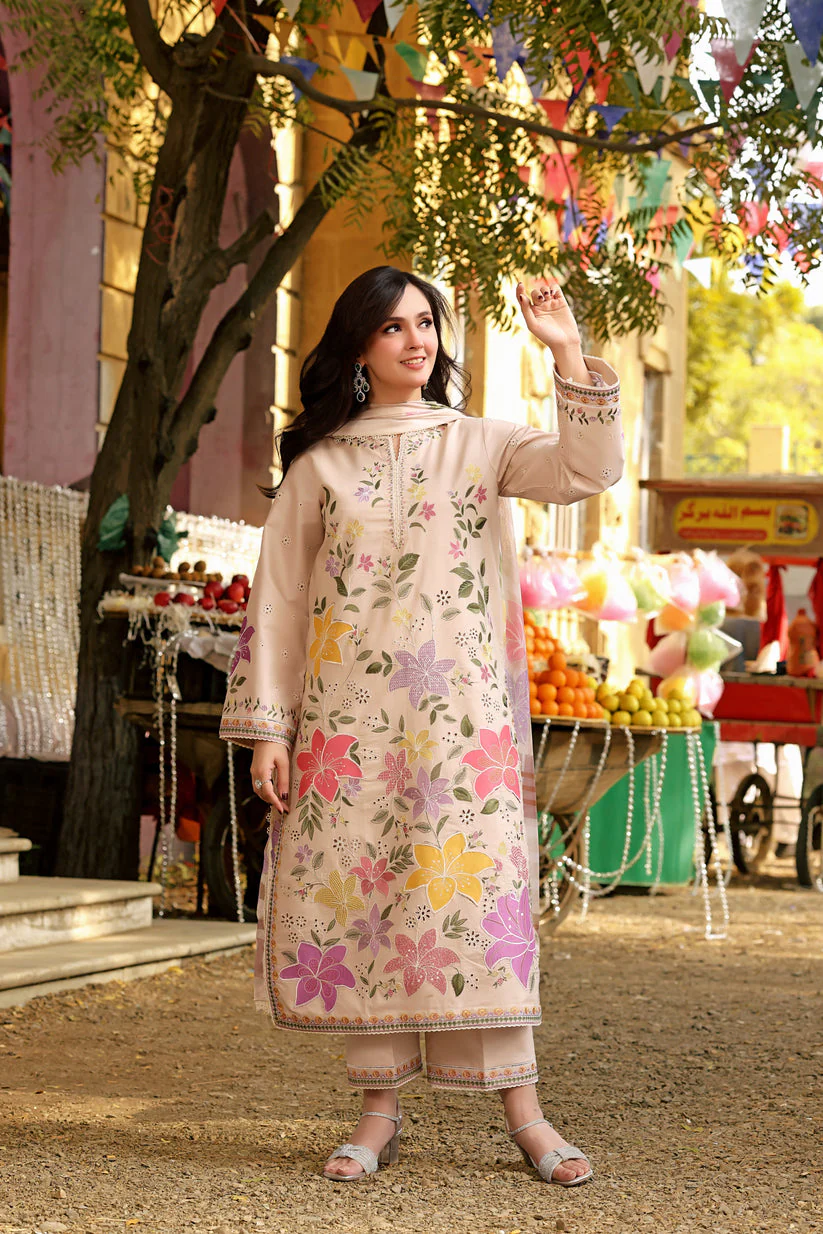
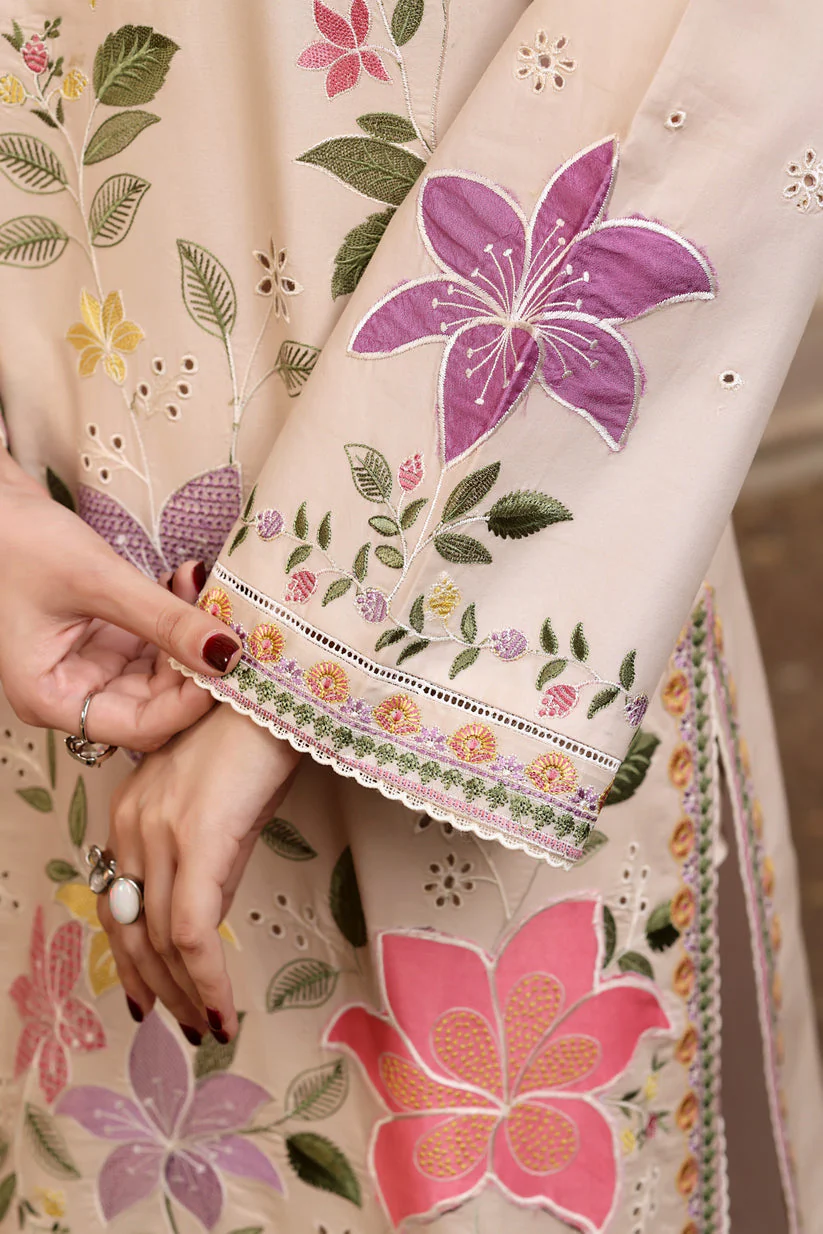
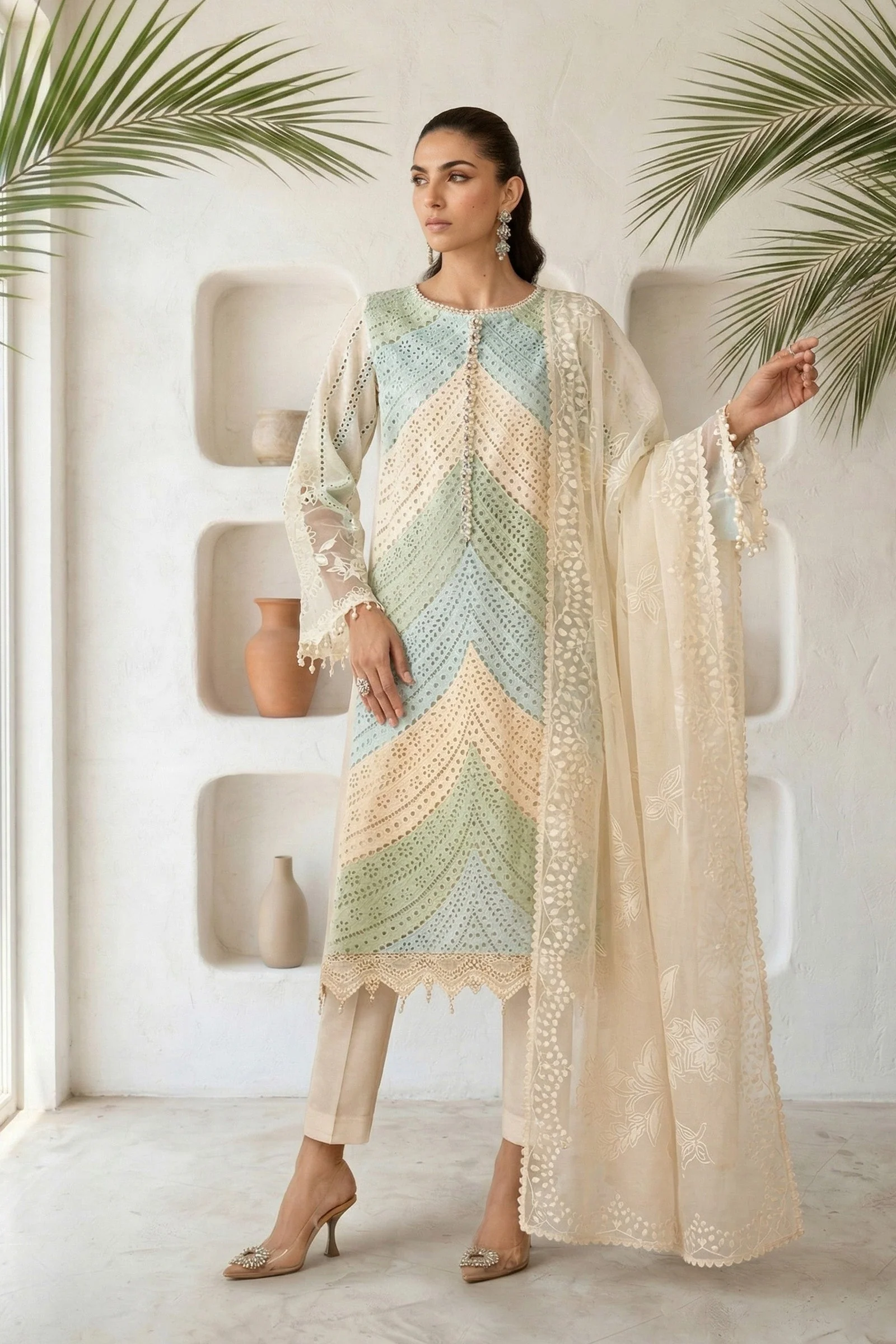
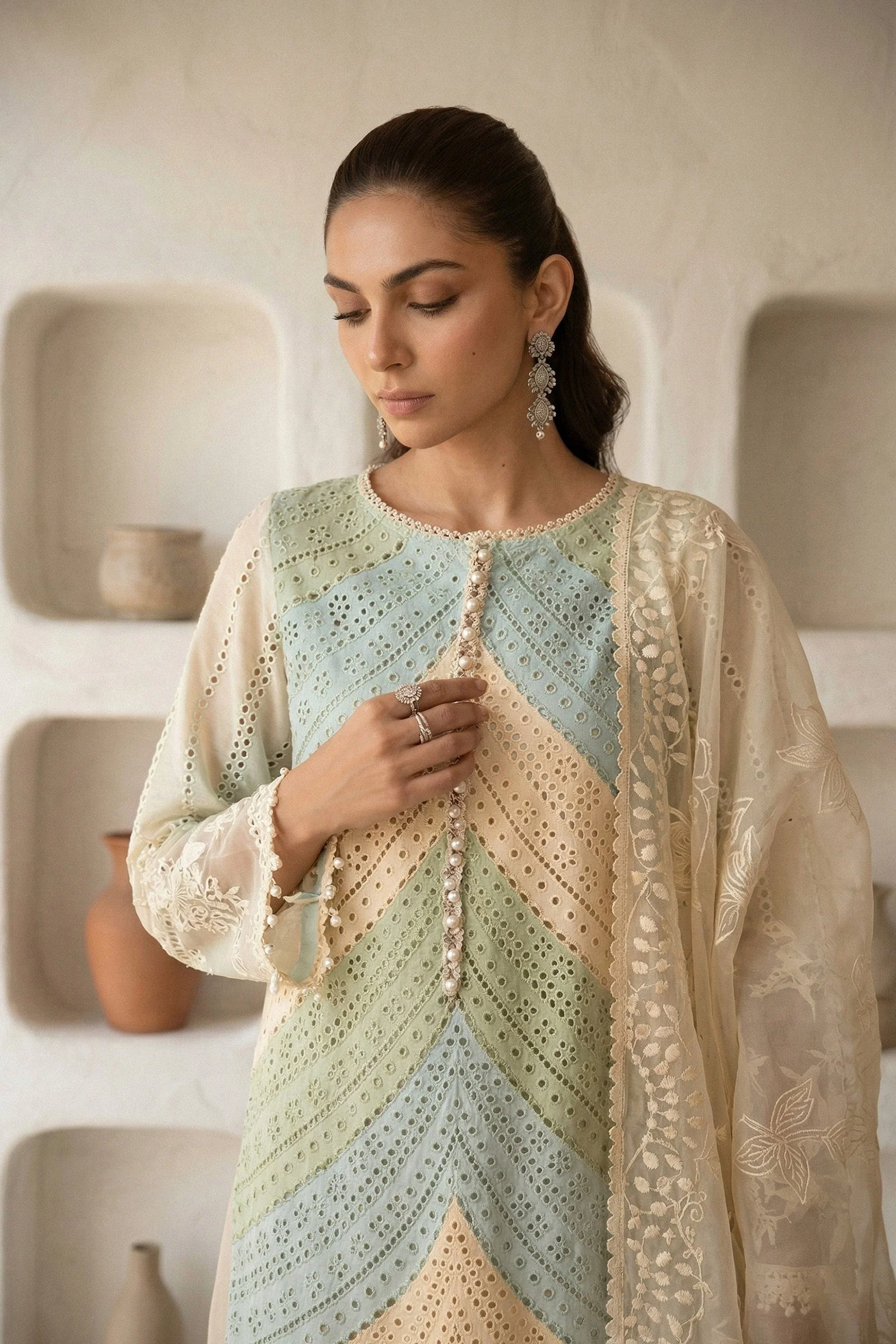
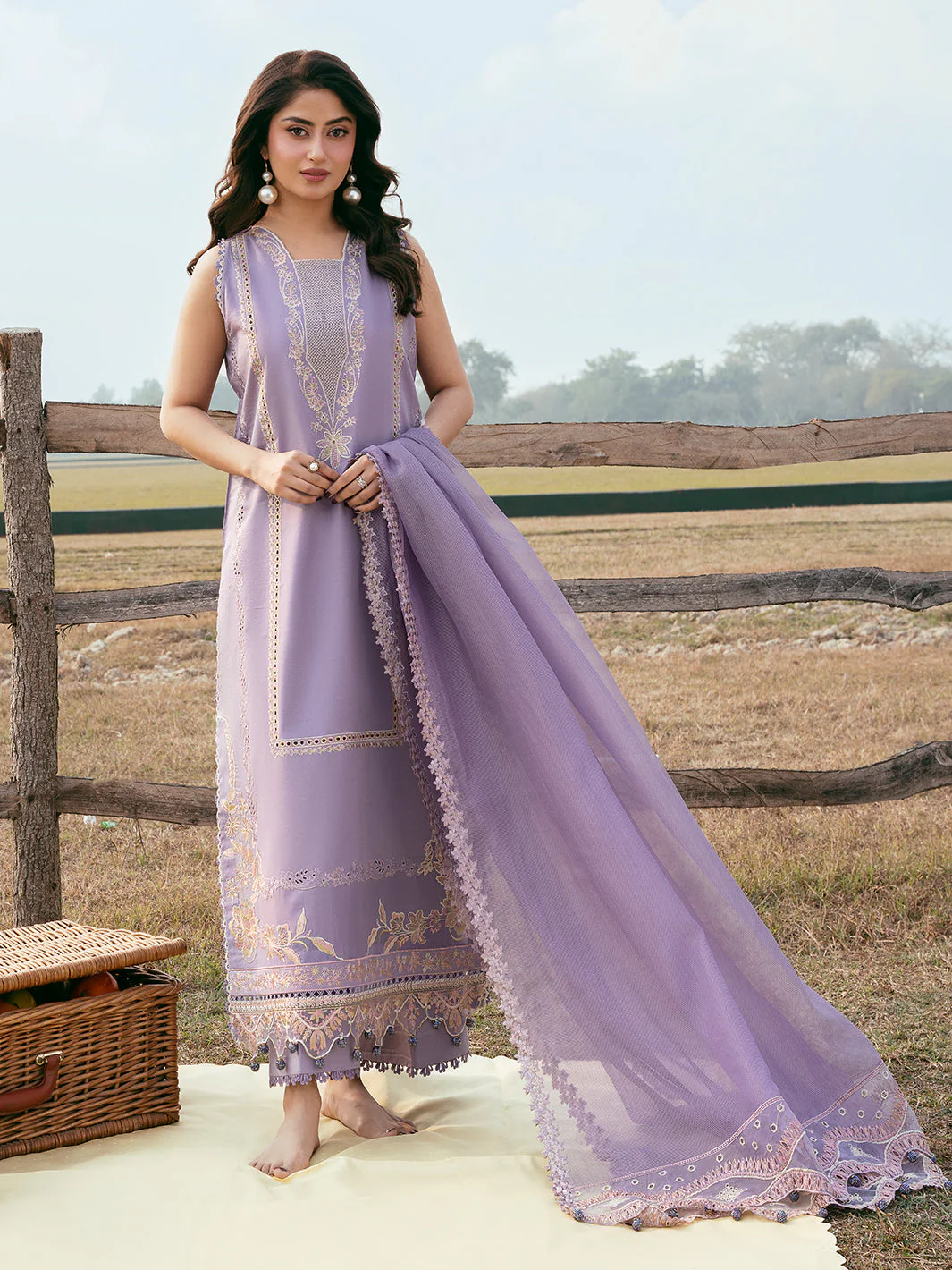
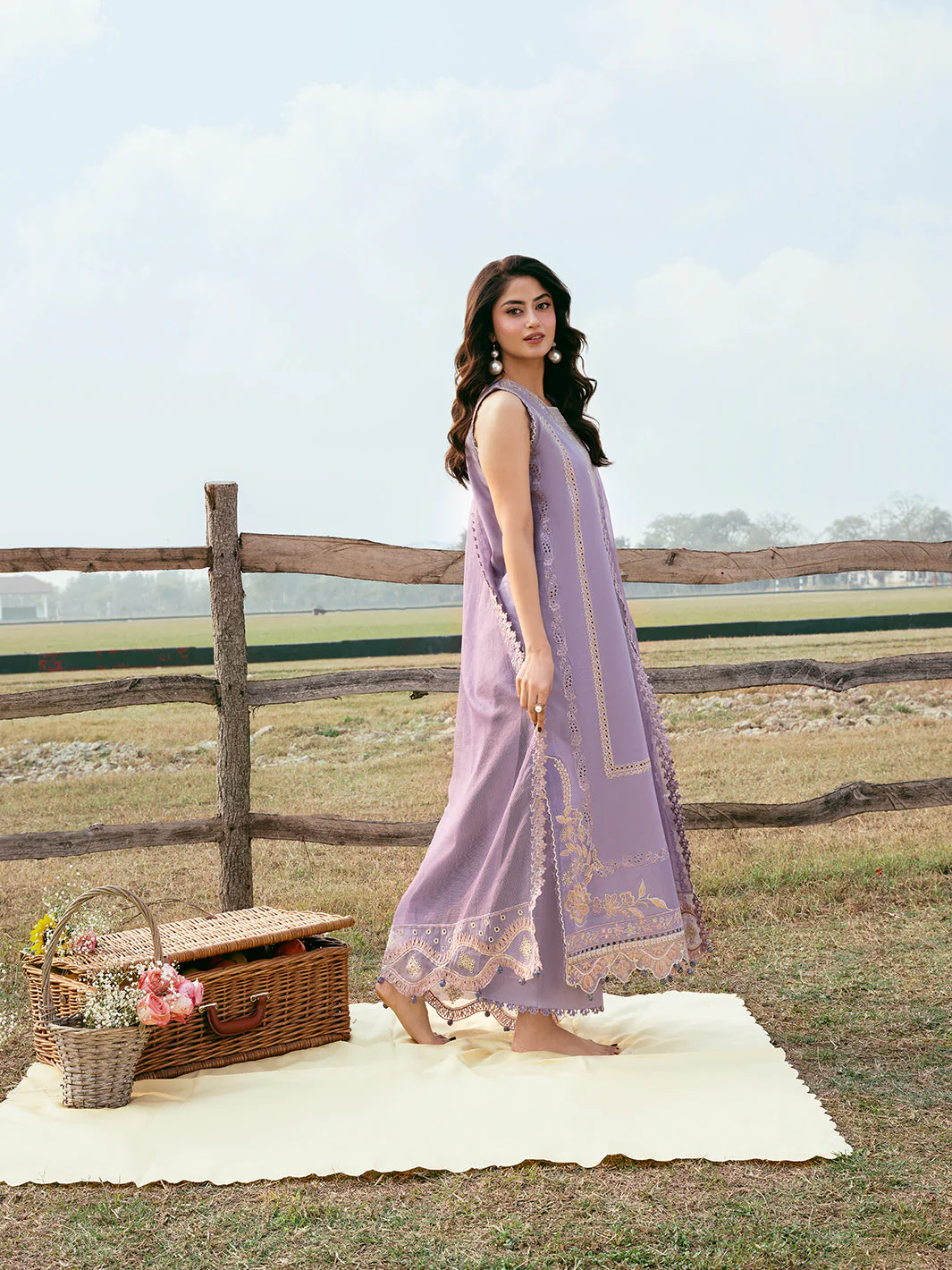
3 Piece Lawn Suit Wholesale Pakistan

59 wholesale designs · low MOQ · new arrivals every week · worldwide delivery. Prices are shared on request so you always get current wholesale rates for your country.
Wholesale
 Wholesale
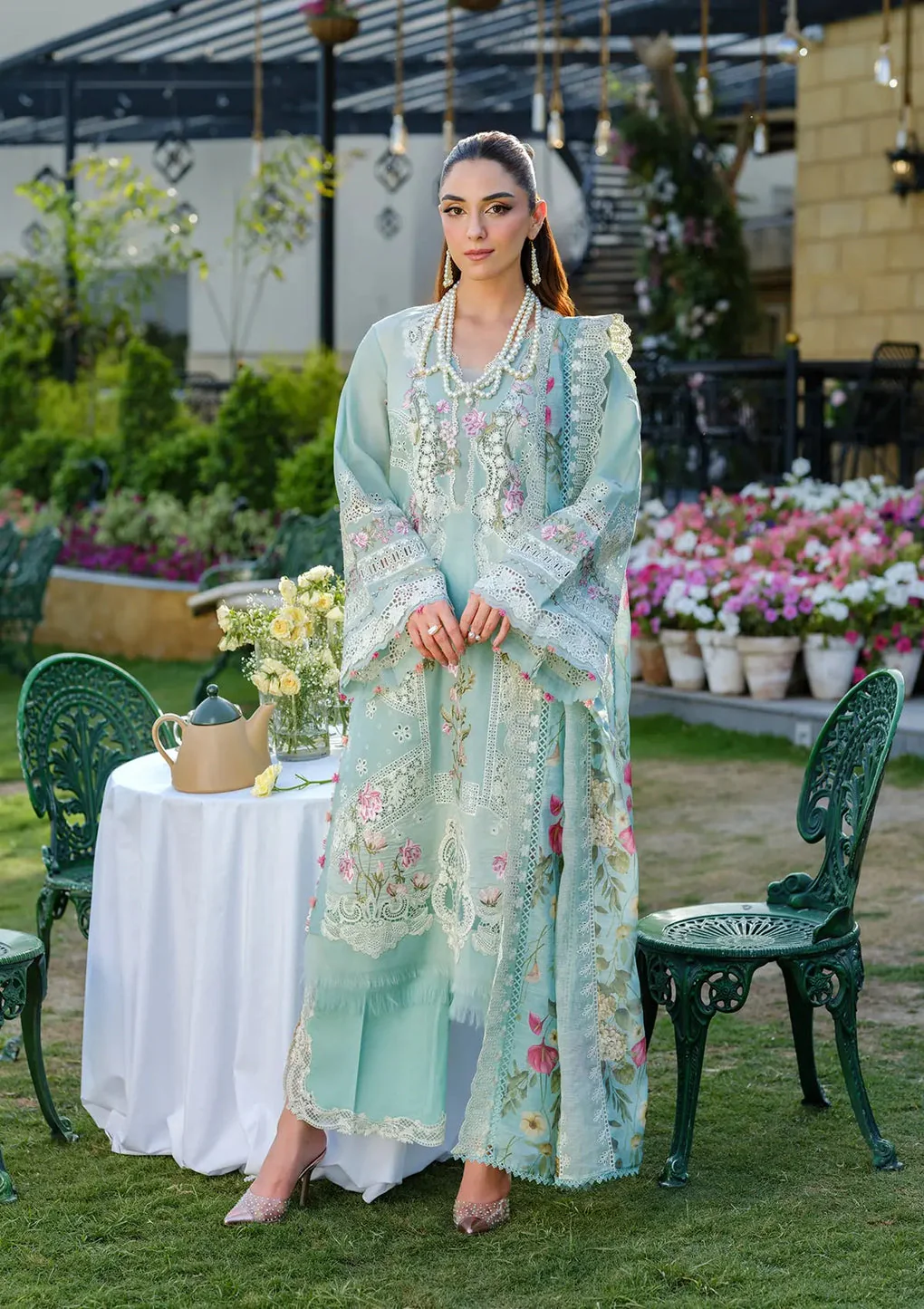
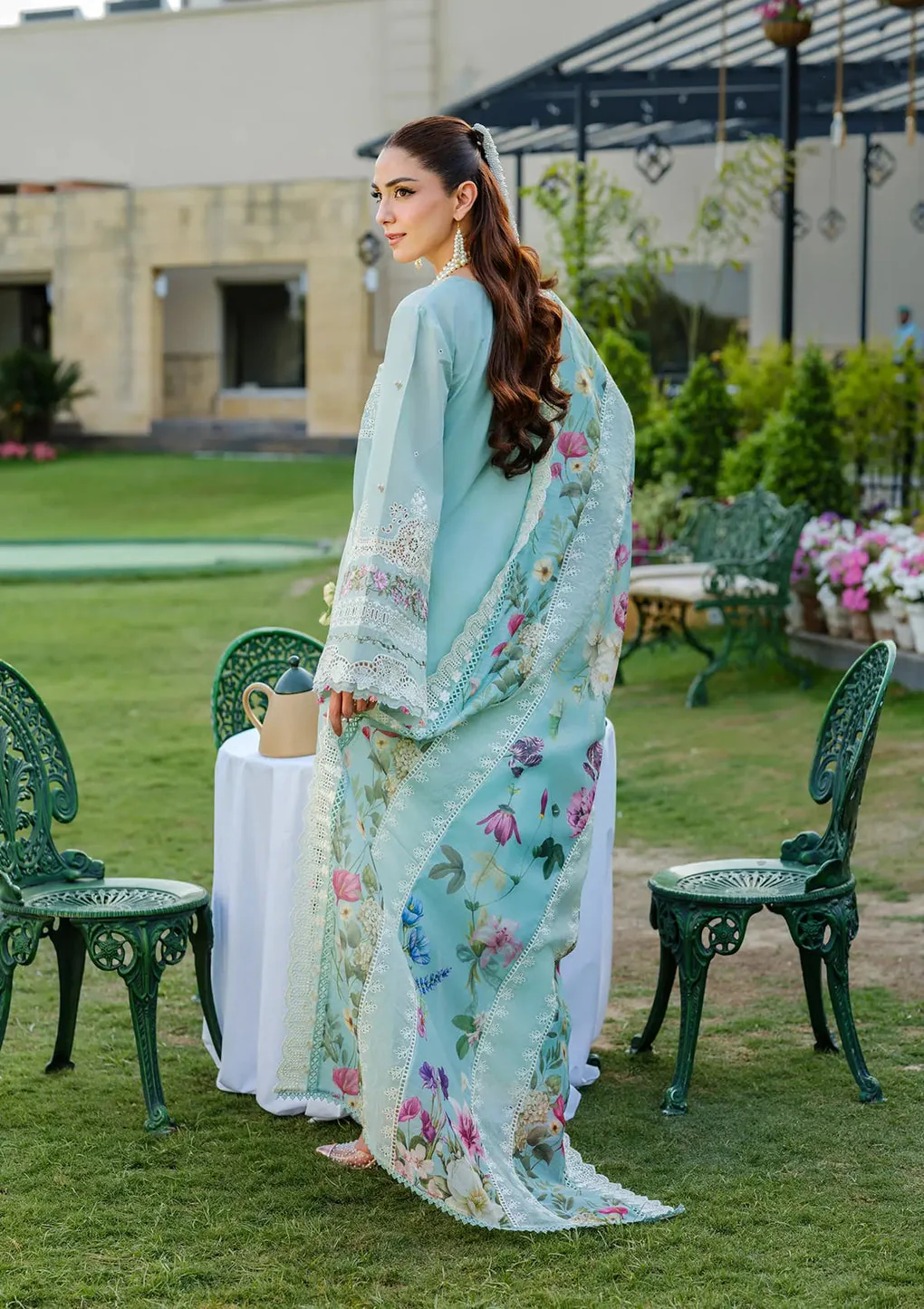 Wholesale
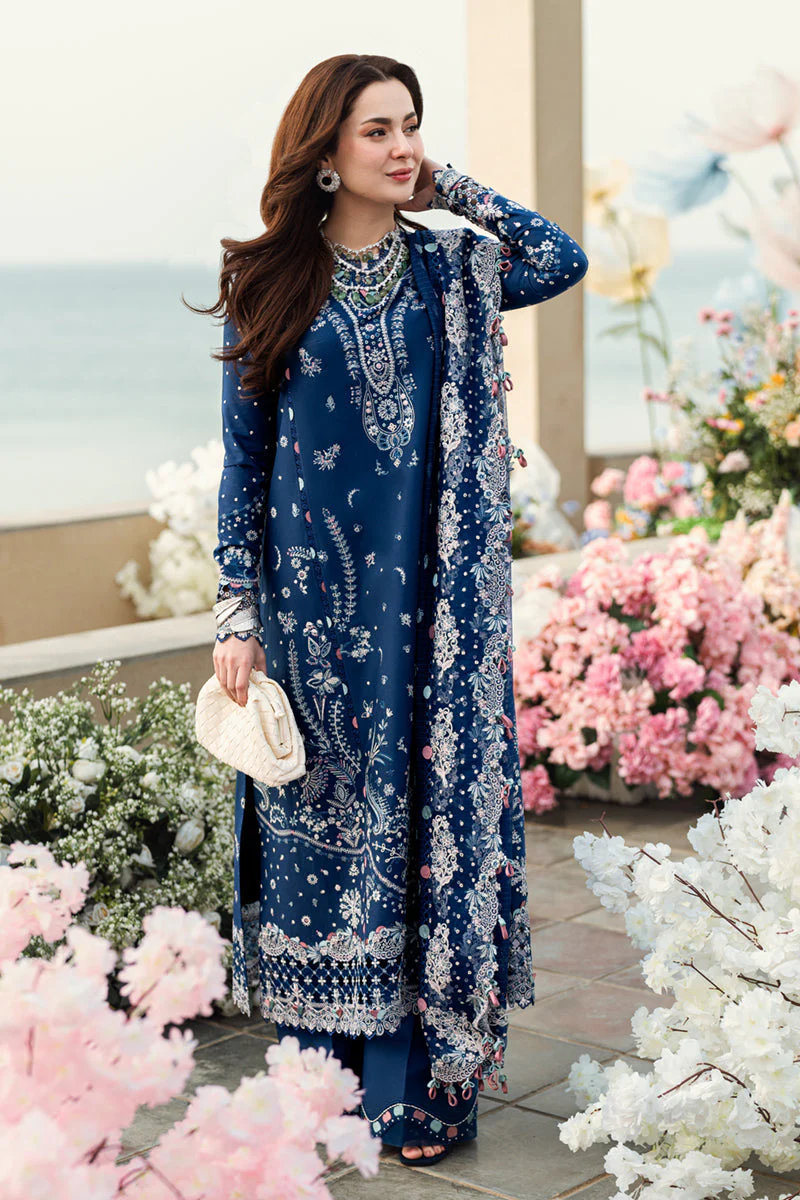
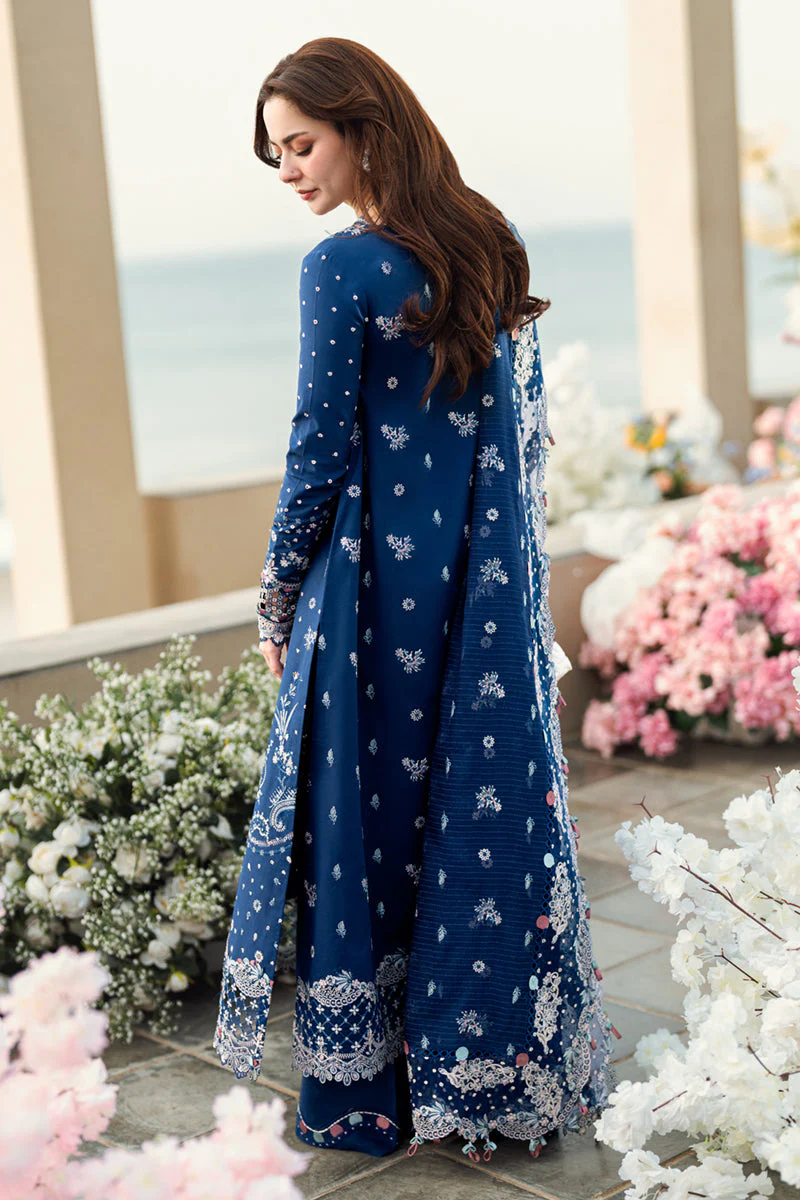 Wholesale
 Wholesale
 Wholesale
 Wholesale
 Wholesale
 Wholesale
 Wholesale
 Wholesale
 Wholesale
 Wholesale
 Wholesale
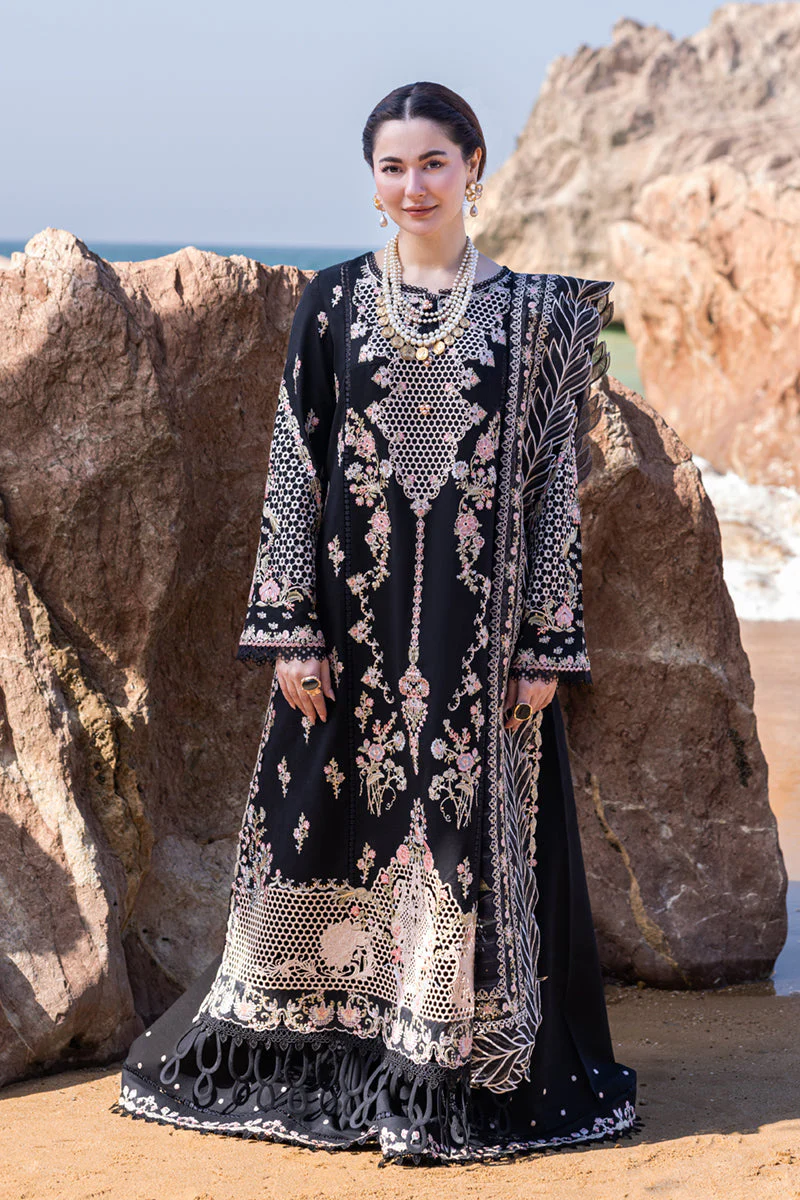
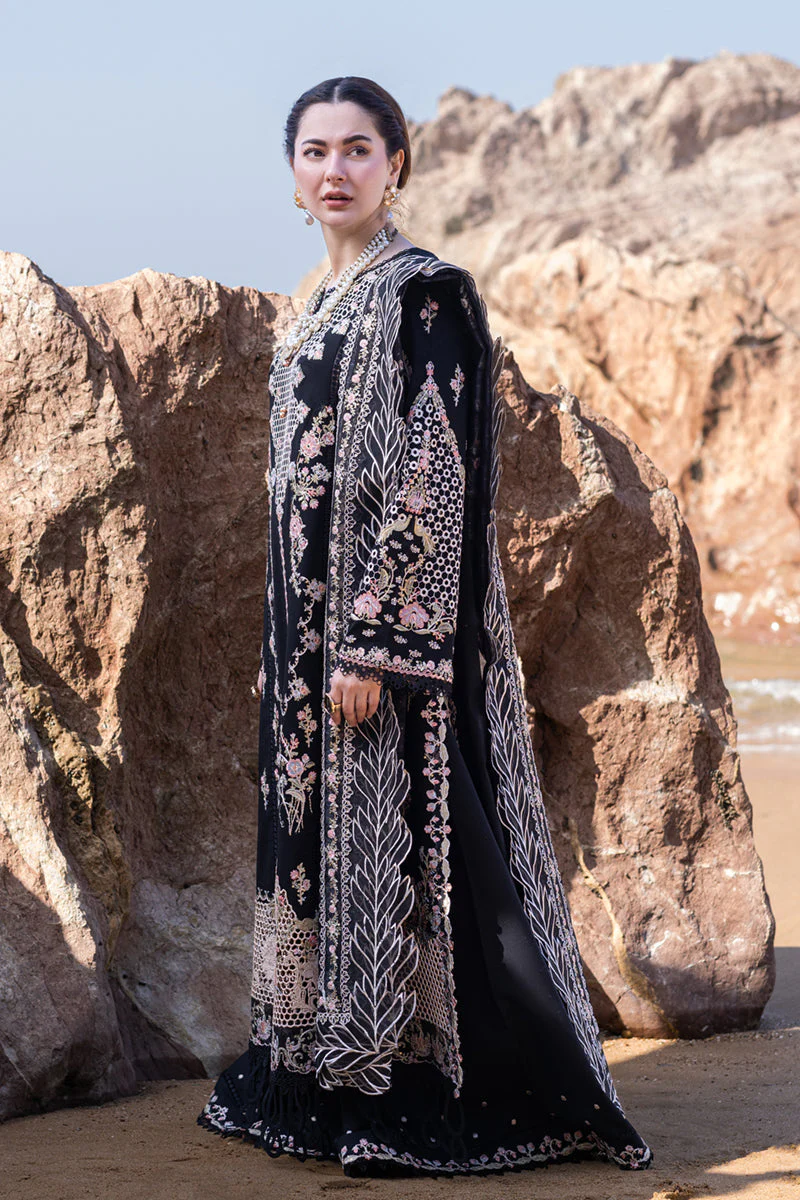 Wholesale
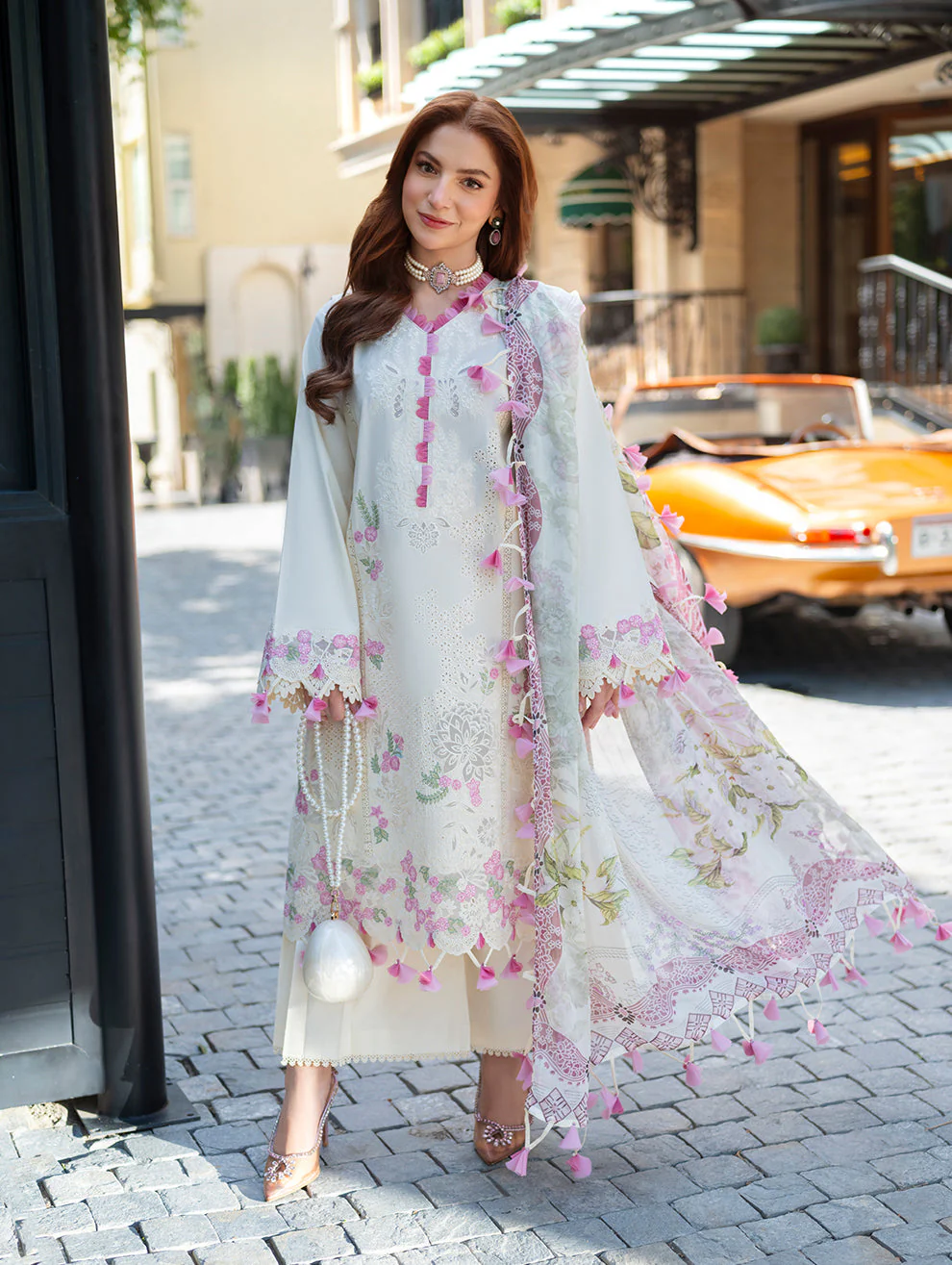
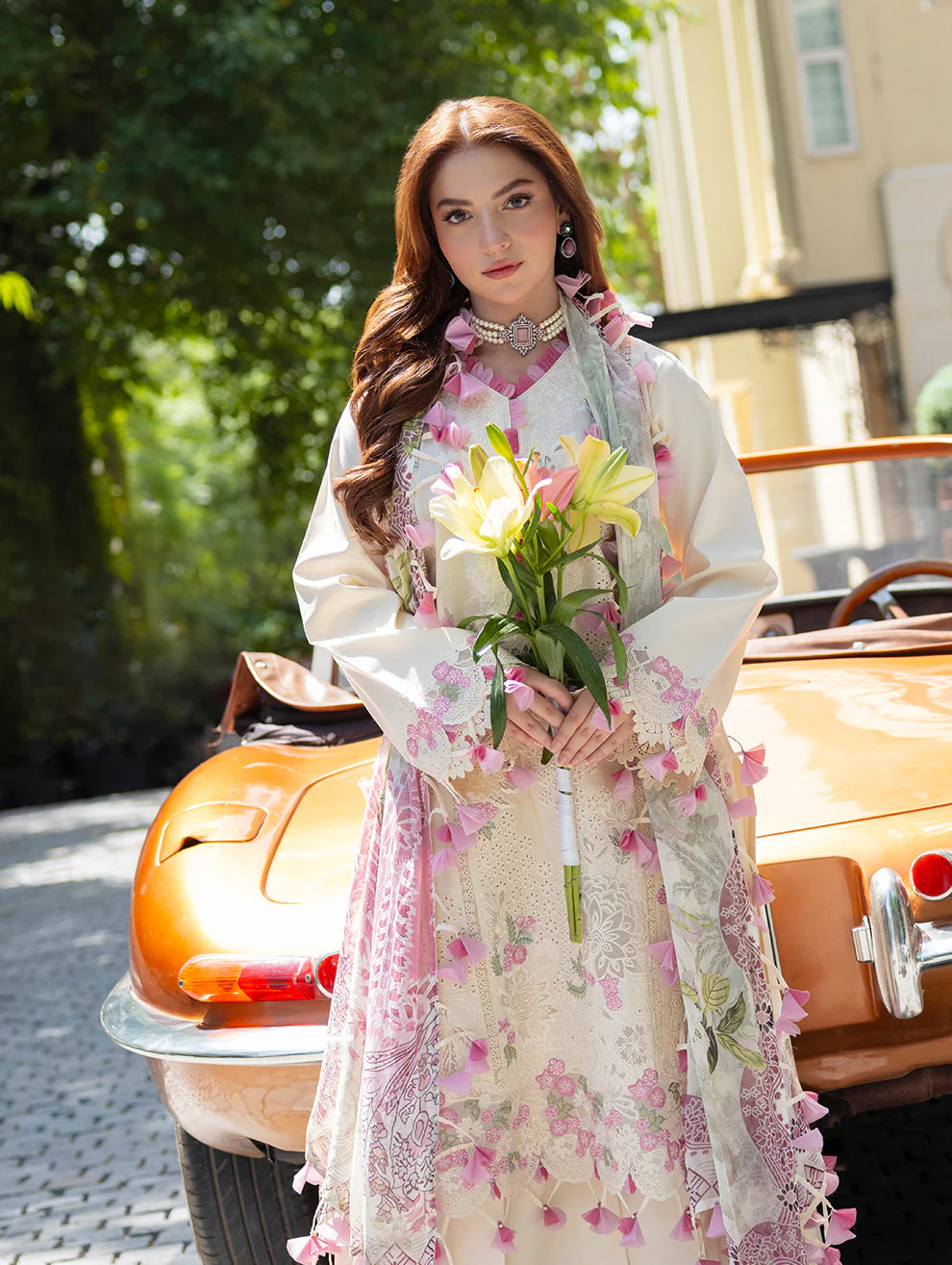 Wholesale
 Wholesale
 Wholesale
 Wholesale
 Wholesale
 Wholesale
 Wholesale
 Wholesale
 Wholesale
 Wholesale
 Wholesale
 Wholesale
 Wholesale
 Wholesale
 Wholesale
Start small, test your market, reorder what sells.
Fresh arrivals every week to keep your rails new.
Woven labels, tags and branded packaging.
Express courier to the UK, USA, Canada, Australia & UAE.
About this collection
Finding the right clothing supplier is one of the most important decisions for anyone running a fashion business. Whether you own a boutique, manage an online clothing store, operate a retail outlet, or plan to enter the fashion industry, the quality of your products and the reliability of your supplier can directly influence your success. Pakistani fashion has become an attractive option for international clothing retailers because of its beautiful embroidery, elegant designs, comfortable fabrics, and variety of styles. From lightweight lawn suits to luxurious chiffon outfits, Pakistani clothing offers collections for different customer preferences, budgets, and occasions. For businesses looking to introduce South Asian fashion into their collections, Pakistani Dress Wholesale Supplier in Kenya is an important starting point when researching sourcing opportunities and building a reliable clothing inventory. Mastorat provides access to a diverse range of Pakistani clothing styles for retailers, boutique owners, and fashion entrepreneurs. Its collections cover casual outfits, designer suits, formal dresses, and dress materials, giving businesses different options when planning their product ranges. Whether you are starting a small clothing business or expanding an established retail operation, choosing suitable designs, understanding customer demand, and managing stock carefully can help you build a sustainable business. This guide explains the benefits of Pakistani clothing, the types of products worth considering, wholesale purchasing factors, international sourcing, and how Mastorat can support your clothing business. Fashion preferences continue to develop as customers discover clothing styles from different countries and cultures. Pakistani fashion has an established identity because it combines traditional craftsmanship with contemporary designs. Many Pakistani outfits feature detailed embroidery, attractive colour combinations, printed fabrics, and comfortable cuts. These characteristics make them suitable for customers who appreciate traditional clothing with modern styling. For Kenyan retailers, introducing Pakistani collections can provide an opportunity to diversify their existing inventory. Instead of depending entirely on one category of clothing, businesses can offer customers additional styles for everyday use, celebrations, family gatherings, and formal occasions. The appeal of Pakistani clothing comes from several qualities: Customer demand can differ between Nairobi, Mombasa, Kisumu, and other Kenyan locations. Retailers should therefore research their own audiences before selecting large quantities of stock. Understanding local preferences will help you decide whether everyday printed suits, modest fashion, formal clothing, or premium designer collections deserve more space in your inventory. Selecting a wholesale supplier involves more than comparing product prices. Retailers need to consider product variety, fabric information, communication, ordering arrangements, packaging, and international delivery. Mastorat offers a collection of Pakistani clothing products for businesses and customers interested in sourcing fashion from Pakistan. Its website provides access to different categories, helping buyers explore available styles and identify products that may suit their business requirements. If you want to understand the different wholesale clothing options, visit the Pakistani dress wholesale collection. You can explore different clothing categories and compare designs before deciding which products to include in your inventory. Working with an organised supplier can make purchasing easier because you have a clearer understanding of available products and the information needed before placing an order. Before purchasing, retailers should confirm important details such as: Having these details confirmed in advance helps avoid misunderstandings and makes international purchasing more manageable. One of the biggest advantages of Pakistani fashion is the variety of products available. A clothing retailer does not need to focus on one specific type of outfit. You can build a collection around casual clothing, formal dresses, seasonal outfits, or premium designer styles. Mastorat provides access to several categories that can help retailers develop a more balanced product range. Lawn suits are among the recognisable categories of Pakistani clothing. They are popular for their lightweight feel, attractive prints, and versatile styling. Retailers can consider printed lawn suits for customers who prefer comfortable everyday clothing. These designs are suitable for casual outings, home wear, shopping, and regular social activities. When selecting lawn collections, consider: Lightweight cotton and lawn fabrics may also appeal to customers looking for comfortable clothing in warmer weather. Linen and cotton outfits provide another option for everyday clothing. Their appearance and fabric characteristics make them suitable for customers who prefer simple and practical designs. Retailers can include plain suits, embroidered cotton outfits, printed fabrics, and coordinated clothing sets. These collections can help attract customers who want stylish clothing without heavy embellishments. When purchasing, check fabric thickness, stitching quality, colour consistency, and washing instructions. These details can influence customer satisfaction and repeat purchases. Chiffon clothing is frequently associated with elegant formal styling. Its lightweight appearance and flowing texture make it suitable for outfits designed for special events. Pakistani chiffon dresses may feature embroidery, decorative borders, embellishments, and detailed dupattas. Retailers can consider these products for customers shopping for: For premium customers, explore the Pakistani designer dresses collection. Offering formal clothing alongside everyday outfits allows retailers to serve customers with different fashion requirements. Silk outfits provide another category for retailers interested in premium fashion. These designs may feature rich colours, decorative embroidery, elegant cuts, and sophisticated finishing. Luxury collections can attract customers who are willing to spend more on clothing for weddings, celebrations, and formal events. Before purchasing, carefully review product images, fabric descriptions, embellishment details, and finishing information. Bridal and occasion wear can become an important category for boutiques targeting customers looking for distinctive outfits. Pakistani bridal fashion often includes intricate embroidery, decorative details, traditional silhouettes, and carefully coordinated fabrics. Retailers can research different styles and determine which designs match their audience and available budget. A smaller selection of carefully chosen formal outfits may be a practical starting point before investing in a larger luxury collection. Designer clothing can help a boutique establish a distinctive identity. Customers interested in premium fashion often look for designs that offer attractive detailing, quality fabrics, and a polished overall appearance. Pakistani designer suits are available in different styles, including embroidered three-piece outfits, printed collections, formal dresses, and luxury ensembles. Mastorat's Pakistani designer suits collection is worth exploring when planning a premium clothing range. Retailers should consider the following factors when selecting designer outfits: Design originality: Choose styles that provide something distinctive compared with ordinary everyday collections. Fabric quality: Understand the fabric composition, texture, and finishing before making a purchase. Embroidery: Check the placement, detailing, and overall appearance of decorative work. Customer preferences: Select colours, cuts, and styles that match the people who shop at your business. Retail pricing: Calculate the complete purchasing cost before setting the final selling price. A carefully selected designer collection can give customers more reasons to visit your boutique and explore different products. Not every customer wants to purchase a ready-made outfit. Some prefer buying unstitched fabric and having it tailored according to their measurements and styling preferences. This creates an opportunity for tailoring businesses and fabric retailers. Pakistani dress materials may include fabric pieces for shirts, trousers, dupattas, and coordinated outfits. Depending on the collection, they may also include embroidery, printed patterns, and decorative components. Explore Pakistani dress material wholesale to discover options for businesses interested in unstitched clothing materials. A dress material category can help retailers serve customers who prefer: For businesses offering stitching services, fabric collections can complement ready-made clothing and create additional sales opportunities. A successful clothing business does not need to stock every available design. The better approach is to understand your audience and select products according to actual purchasing behaviour. Different customers may have different preferences regarding fabric, colour, clothing length, embroidery, and price. For example, a boutique targeting young professionals may focus on contemporary prints and simple embroidered outfits. A store serving customers interested in traditional formal fashion may require more elaborate dresses. Before finalising your wholesale selection, consider the following customer groups. These customers generally prefer practical outfits that can be worn regularly. Printed lawn suits, cotton collections, and simple embroidered designs may be suitable choices. Focus on comfortable fabrics, wearable colours, and designs that offer good value. Modest clothing can appeal to shoppers who prefer elegant outfits with traditional styling. Long shirts, coordinated trousers, full-length dresses, and suitable dupattas can help retailers create a dedicated section for this audience. Formal customers often look for detailed embroidery, sophisticated colours, and attractive fabric combinations. Chiffon, silk, and embellished designer outfits can be considered for this category. Premium buyers may prioritise design details, finishing, fabric quality, and exclusivity. A boutique can create a separate collection for these customers instead of mixing every product category together. Understanding these segments will help you purchase more strategically and reduce the risk of holding unwanted inventory. Pricing is an important consideration when sourcing clothing internationally. The cheapest product is not always the best option, particularly when fabric quality, stitching, and finishing are inconsistent. A good purchasing decision should balance product quality, wholesale price, shipping expenses, and expected retail demand. Mastorat's Pakistani dress wholesale online page provides a starting point for exploring products and available collections. Before placing an order, calculate the complete cost of bringing the products into your business. Your purchasing budget may include: For example, a dress purchased at a competitive wholesale rate may have a higher final cost after shipping and import charges. Calculate the landed cost per item before setting your selling price. This helps you understand the profit margin more accurately. You should also compare products across different categories rather than selecting everything according to price alone. A well-balanced inventory may include affordable everyday outfits, mid-range embroidered suits, and a smaller premium collection. Buying clothing from another country requires careful planning. Shipping arrangements can influence product costs, delivery schedules, and inventory management. Retailers importing Pakistani clothing into Kenya should understand the available transportation methods and the requirements involved in receiving international shipments. Before confirming an order, communicate with the supplier about the delivery arrangements. Important questions include: Import regulations and charges can vary depending on the shipment, product classification, and applicable Kenyan requirements. Buyers should verify current customs procedures and applicable import charges before committing to a large order. Proper preparation can make the receiving process easier. Retailers should provide accurate delivery information, confirm their contact details, and understand the documentation required for customs clearance. Once the shipment arrives, inspect the products before adding them to retail inventory. Check the number of items, sizes, colours, stitching, and visible product condition. If anything is missing or damaged, document the issue and contact the supplier promptly. Keeping purchase records and shipping information organised also makes it easier to manage future orders. Purchasing large quantities without understanding customer demand can create unnecessary financial pressure. A more practical approach is to begin with a balanced selection and expand the range as you learn which products perform well. Consider dividing your inventory into three main categories. Include affordable and comfortable clothing that customers can wear regularly. Printed lawn, cotton outfits, and simple embroidered suits can form the foundation of this category. Add a selection of formal dresses for weddings, celebrations, and family events. Chiffon outfits, embroidered suits, and coordinated designs can help diversify your products. Choose a smaller number of high-value designer outfits for customers who prefer distinctive fashion. This category can help position your boutique as a destination for more than basic everyday clothing. Monitor sales after each purchasing cycle. Products that sell consistently may deserve a larger share of your next order. Avoid restocking designs simply because they look attractive in photographs. Actual customer interest, product quality, and retail performance should guide your purchasing decisions. Online wholesale shopping has made it easier for retailers to discover clothing collections without visiting multiple physical markets. A supplier website can help buyers review available designs, compare product categories, and gather information before making a purchasing decision. Mastorat provides online access to different Pakistani fashion collections. You can begin by exploring the Pakistani catalogue dress wholesale section to review available designs and seasonal options. When browsing an online catalogue, pay attention to: Do not assume that every product shown online is available in every size or quantity. Confirm stock and specifications before completing your order. It is also useful to save product references and organise your shortlisted items into categories. This makes communication easier when discussing a bulk purchase. Product quality has a direct influence on customer satisfaction. Even attractive designs can create problems if the fabric feels uncomfortable, stitching is poor, or colours do not match the product description. Retailers should develop a simple quality-checking process before purchasing from any international supplier. Check whether the material is cotton, lawn, linen, chiffon, silk, or another fabric. The description should provide enough information to understand the product's characteristics. Examine seams, hems, sleeve finishing, neckline construction, and other visible details. Consistent stitching gives an outfit a more professional appearance. For embroidered outfits, review the quality and placement of decorative elements. Check whether the embroidery appears properly finished and securely attached. Colours displayed in photographs may look slightly different because of lighting and screen settings. If exact colour matching is important, request additional product information or photographs. Clothing should be packed appropriately to protect it during international transportation. Ask about packaging arrangements, particularly when ordering delicate formal outfits. Retailers can use these checks to establish consistent purchasing standards and reduce product-related complaints. Online shoppers cannot physically touch fabrics or inspect outfits before purchasing. As a result, product photographs and descriptions play an important role in their buying decisions. If you operate an online store, your product presentation should provide enough information for customers to understand what they are purchasing. Use clear images showing: Descriptions should explain the fabric, number of pieces, design details, and whether the product is stitched or unstitched. Avoid making claims about fabric quality, colour, or product features unless they have been verified. Consistent photography also helps create a professional appearance across your website and social media channels. An online clothing business can help retailers reach customers beyond the area served by a physical boutique. You can sell through your own website, social media platforms, and other suitable online marketplaces. However, building a successful online clothing business requires more than uploading product images. You need a clear product strategy, accurate descriptions, customer communication, and an organised order-management process. Create separate categories for casual clothing, formal dresses, designer suits, and unstitched materials. This makes browsing easier and helps visitors find products according to their requirements. Include accurate information about fabric, sizes, stitching, colours, and included accessories. Clear descriptions help customers understand the products and reduce confusion. Maintain a consistent image style throughout your online store. Professional photography can make your product catalogue easier to browse. Explain delivery arrangements, estimated timeframes, payment methods, and applicable charges. Customers should understand the purchasing process before placing an order. Respond to product questions, provide order updates, and address concerns professionally. Good communication can help build trust and encourage repeat purchases. Starting a clothing business can feel challenging when you are unfamiliar with wholesale purchasing. New entrepreneurs often need to balance their product selection, purchasing budget, marketing expenses, and expected customer demand. Instead of investing in a large collection immediately, consider testing a smaller selection of different styles. For example, you could begin with: This gives you an opportunity to understand which categories attract the most interest. As your business develops, use customer feedback and sales records to improve your purchasing decisions. For additional information about sourcing options, explore the Pakistani clothes wholesale suppliers collection. Before placing an order, confirm the minimum purchasing requirements and available quantities directly with the supplier. Fashion preferences change over time. A design that attracts attention during one season may not perform as well during another. Retailers should review their inventory regularly and introduce new products according to customer interest. Seasonal planning can help you prepare for different purchasing periods. Lightweight lawn, cotton, and printed suits can be considered for warm-weather collections. Focus on wearable colours and designs that customers can use for everyday activities. Linen and other suitable fabrics can provide additional options for cooler periods. Consider fabric weight, comfort, and styling preferences when selecting winter products. Formal dresses and embroidered outfits can be included when customers are preparing for weddings and related celebrations. Eid and other festive periods may create opportunities for retailers to introduce special designs. Plan purchasing schedules according to expected demand and realistic delivery timelines. You can review the Pakistani catalogue dress wholesale collection when researching different styles for your inventory. Choosing a supplier should be based on practical information rather than marketing statements alone. Before establishing a long-term purchasing relationship, compare potential suppliers using consistent criteria. Check whether the supplier offers the clothing categories your customers want. A wider collection can provide flexibility, but product relevance is more important than the number of available designs. Request clear product prices and confirm whether additional charges apply. Understand how discounts are calculated for larger quantities. A reliable supplier should provide clear responses to questions about product details, availability, and orders. Understand the delivery methods, estimated timelines, tracking arrangements, and responsibilities for customs clearance. Review photographs, specifications, samples where available, and previous purchasing experiences. Ask about damaged items, missing products, returns, exchanges, and order changes. Making comparisons using these factors can help you choose a supplier that fits your business requirements. International experience can be useful when choosing a clothing supplier because different markets have different purchasing requirements. Mastorat's website features pages covering several international destinations, providing additional information for retailers researching Pakistani clothing sourcing. Businesses interested in other markets can explore: These pages can help international buyers explore different market-specific collections and sourcing information. Retailers planning to expand into additional countries should research local fashion preferences, import requirements, customer expectations, and delivery arrangements before entering a new market. Pakistani clothing can help boutiques introduce a distinctive range of traditional and contemporary outfits. However, building a successful retail collection requires careful product planning. A boutique should aim to offer products that complement one another rather than stocking random designs without a clear strategy. For example, you can create dedicated sections for: Casual wear: Everyday printed suits, cotton clothing, and simple embroidered outfits. Formal wear: Chiffon dresses, embellished suits, and occasion clothing. Designer fashion: Premium outfits with distinctive detailing and finishing. Unstitched collections: Dress materials for customers who prefer personalised tailoring. Organising your catalogue this way makes it easier for customers to browse and compare different products. You can also use customer feedback to identify missing categories and decide which products deserve more attention. For additional market information, explore the Pakistani dress wholesale market page. Different clothing businesses have different inventory requirements. A small boutique may want a limited number of styles, while an established retailer may need a larger selection across multiple categories. Product selection should therefore be discussed according to your business needs. Depending on available stock and supplier arrangements, retailers may be able to request different designs, colours, sizes, or product categories within their purchasing plans. Before placing an order, confirm whether mixed designs are permitted and whether specific quantities apply to individual products. For tailoring businesses, unstitched materials can also provide more flexibility because customers can choose their preferred measurements and styling details. If you are researching other regional clothing markets, you can also explore: Always confirm product availability and customisation arrangements before making payment. Even a good clothing collection needs an effective marketing strategy. Retailers should explain what makes their products attractive and provide enough information to help customers make purchasing decisions. You can promote your collections through different marketing channels. Platforms such as Instagram and Facebook can help you showcase new arrivals, outfit combinations, and product details. Post clear photographs and provide accurate descriptions. If you operate a clothing website, optimise your product pages and category descriptions around relevant search terms. Use descriptive page titles, useful headings, clear product information, and internal links. Avoid repeating the same keyword unnaturally throughout every page. Encourage genuine customers to share feedback about their shopping experience. Real reviews can help new buyers understand your service and product quality. Plan offers around relevant shopping periods and special occasions. Make sure promotional prices and conditions are clearly explained. Direct communication can help customers ask questions about sizes, fabrics, availability, and delivery. Responding professionally can improve the overall shopping experience. A combination of useful content, consistent product presentation, and customer service can help your clothing business build a recognisable brand. Inventory management is an important part of wholesale clothing retail. Buying too much stock can tie up money in products that may take a long time to sell. Buying too little can also create problems when popular designs become unavailable. The goal is to maintain a balanced inventory based on actual sales patterns. Keep records of: Review these records before placing your next order. You can identify which fabrics, designs, and price ranges perform best and use that information to make better purchasing decisions. It is also useful to maintain a separate budget for restocking, marketing, packaging, and unexpected expenses. This approach can help a new boutique grow without making unnecessary purchasing commitments. A long-term supplier relationship can make wholesale purchasing more organised. Once you identify a supplier that meets your quality, pricing, and communication requirements, maintaining clear business communication becomes important. Keep records of previous orders, product references, agreed prices, and delivery arrangements. Share feedback about product quality and customer preferences. This can help the supplier understand your future requirements. When placing repeat orders, confirm that the same fabric, colour, and product specifications are still available. Do not assume that a previously purchased design will always be identical in a later production batch. A professional relationship should be based on transparent communication, realistic expectations, and clear purchasing arrangements. Once your clothing business becomes established, you may consider selling to customers in additional locations. Expansion can create new opportunities, but it also requires research and preparation. Before entering another market, understand: Mastorat also features destination-specific pages that may be useful when researching different sourcing markets. For example, you can explore: Expanding gradually allows you to understand each market before making larger business commitments. Wholesale purchasing offers opportunities, but poor planning can create avoidable problems. Understanding common mistakes can help you make more informed decisions. Do not select products only because they look attractive in photographs. Research your customers and identify the clothing categories they actually want. Wholesale prices are only one part of the purchasing expense. Include shipping, customs charges, taxes, and other applicable costs when calculating profitability. Large orders may look attractive because of possible discounts, but unsold inventory can create financial pressure. Start with a suitable quantity and increase purchasing gradually as demand becomes clearer. Always review fabric information, sizes, stitching, and the number of pieces included in an outfit. Confirm estimated shipping times and customs responsibilities before making payment. Provide honest information about your products. Misleading claims can damage customer trust and increase complaints. Keep track of which designs sell quickly and which remain in stock. Use these insights when planning future orders. Finding a suitable clothing supplier requires attention to product variety, purchasing arrangements, and long-term business requirements. Mastorat provides a range of Pakistani fashion collections that retailers can explore when planning their inventory. Here are some factors worth considering when exploring its offerings: Different clothing categories: Access to casual outfits, designer suits, formal dresses, and dress materials. Online product browsing: Explore collections and product categories through the website. Options for different businesses: Discover clothing suitable for boutiques, retail stores, online sellers, and tailoring businesses. International market information: Explore destination-specific pages covering different sourcing markets. Multiple fashion styles: Compare everyday clothing, seasonal collections, and premium designs. Product selection flexibility: Review available options and discuss order requirements before purchasing. You can also compare the available information through the Pakistani dress wholesale supplier in Kenya page. For any wholesale purchase, contact the supplier to confirm current prices, stock, minimum order quantities, payment terms, and delivery arrangements. Kenyan retailers can explore different Pakistani clothing categories, including printed lawn suits, cotton outfits, linen collections, chiffon dresses, silk clothing, embroidered suits, and designer collections. The best selection depends on the customers you want to serve. For everyday clothing, lightweight fabrics and simple designs may be suitable. For special occasions, embroidered chiffon and premium designer outfits can provide additional options. You can browse Pakistani designer dresses to explore different formal and fashion styles. Always check product availability, fabric descriptions, and the number of pieces included before ordering. Start by identifying the clothing categories that match your customers' preferences. Next, explore supplier catalogues, compare product details, and shortlist the designs you want to purchase. Before placing an order, request information about wholesale prices, minimum quantities, available sizes, payment terms, and international delivery. It is also useful to calculate the complete landed cost so you can determine your expected retail prices. Starting with a balanced collection can help you understand customer demand before investing in larger quantities. Mastorat offers different clothing categories that businesses can explore when planning their product collections. Small business owners should discuss their purchasing requirements directly with the supplier. Ask about minimum order quantities, mixed-design orders, available stock, and wholesale pricing. A new retailer should begin with a manageable inventory rather than purchasing large quantities without understanding local demand. You can also explore Pakistani clothes wholesale suppliers for additional sourcing information. International delivery arrangements should be confirmed directly with Mastorat before placing an order. Ask about available shipping methods, estimated delivery periods, tracking, packaging, shipping costs, and customs documentation. Also confirm whether import duties and taxes are included in the quoted price or paid separately. Understanding these details beforehand can help you plan your inventory and avoid unexpected expenses. Before purchasing, review the product specifications carefully. Important factors include fabric composition, stitching, embroidery, colour options, available sizes, and the number of pieces included. You should also check the supplier's order policies, payment arrangements, shipping costs, and procedures for damaged or missing products. If possible, request product samples before committing to a large order. These checks help you make purchasing decisions based on quality and suitability rather than photographs alone. Pakistani lawn suits may be a suitable option for customers who prefer lightweight and comfortable clothing. Their printed patterns, colour combinations, and versatile styling make them worth considering for everyday collections. However, customer preferences can vary between different locations and age groups. Retailers should research their target audience and compare different designs before selecting their inventory. Cotton and other lightweight fabrics can also be considered when developing a summer clothing range. Yes, unstitched dress materials are an important category to explore when planning a clothing or fabric business. They allow customers to have outfits tailored according to their preferred measurements and designs. This category can be particularly useful for retailers who also provide stitching or tailoring services. Explore Pakistani dress material wholesale to review the available category and sourcing options. Confirm the fabric specifications, quantities, and included components before purchasing. Start by calculating the complete landed cost of each product. Include the wholesale price, shipping charges, customs duties, taxes, currency conversion, and any other applicable expenses. Divide the total purchasing cost by the number of products received to calculate the average cost per item. Then compare your expected retail selling price with that amount. Remember to account for operating expenses such as storage, packaging, marketing, and payment processing. A realistic pricing strategy should balance profitability with what customers are willing to pay. Your first collection should reflect your target customers and purchasing budget. A balanced starting inventory may include printed lawn suits, cotton outfits, embroidered clothing, and a limited number of formal dresses. You can also consider unstitched materials if your customers prefer customised tailoring. Monitor which products attract attention and generate sales. Use this information to decide which categories deserve more investment in your next purchasing cycle. Focus on product quality, customer service, accurate pricing, and regular inventory updates. Research fashion preferences and introduce designs that match your audience. Use professional product photography and informative descriptions if you sell online. Maintain clear communication with suppliers and keep accurate purchasing records. Most importantly, listen to customer feedback and use it to improve your collections. A clothing business that understands its customers and manages inventory carefully is better positioned for sustainable growth. Building a successful clothing business requires more than finding attractive designs. You need suitable products, reliable sourcing arrangements, careful budget planning, and a clear understanding of your customers. Pakistani fashion provides retailers with a diverse selection of everyday outfits, embroidered suits, formal dresses, and premium designer collections. These categories can help businesses create an appealing clothing range for different customer preferences. Mastorat offers an online platform where retailers can explore Pakistani clothing collections and research different wholesale categories. If you are researching a Pakistani Dress Wholesale Supplier in Kenya, take time to compare available designs, review product specifications, calculate complete purchasing costs, and confirm international delivery arrangements before placing an order. Start with a manageable collection, understand what your customers prefer, and expand your inventory based on actual demand. With thoughtful product selection, professional customer service, and consistent business planning, you can build a stronger clothing brand and develop lasting relationships with your customers.
Understanding the Demand for Pakistani Fashion in Kenya
Mastorat – Your Pakistani Clothing Wholesale Partner
Explore Different Pakistani Clothing Collections
Lawn Suits for Comfortable Everyday Fashion
Linen and Cotton Collections
Chiffon Dresses for Formal Occasions
Silk and Luxury Clothing
Bridal and Occasion Wear
Pakistani Designer Suits for Premium Customers
Pakistani Dress Material for Tailoring Businesses
Choosing Products According to Your Target Customers
Customers Looking for Everyday Clothing
Customers Interested in Modest Fashion
Customers Shopping for Formal Events
Customers Interested in Premium Designer Fashion
Wholesale Pricing and Business Budget Planning
International Shipping and Import Considerations
Preparing for International Deliveries
A Practical Inventory Strategy for Kenyan Retailers
Everyday Collection
Occasion Collection
Premium Collection
Finding Wholesale Products Online
Quality Standards Every Clothing Buyer Should Check
Fabric Composition
Stitching and Finishing
Embroidery and Decorative Work
Colour Consistency
Packaging
Why Product Photography Matters for Online Clothing Stores
Growing an Online Pakistani Clothing Business
Build a Well-Organised Website
Write Useful Product Descriptions
Use Consistent Product Images
Provide Clear Delivery Information
Maintain Customer Communication
Supporting Small Boutiques and New Entrepreneurs
Keeping Your Clothing Catalogue Updated
Summer Collections
Winter Collections
Wedding Collections
Festive Collections
How to Compare Different Wholesale Suppliers
Product Selection
Price Transparency
Communication
Shipping Information
Product Quality
Business Policies
Mastorat's International Wholesale Reach
Opportunities for Boutiques and Fashion Retailers
Customisation and Flexible Product Selection
Marketing Pakistani Fashion to Local Customers
Social Media Marketing
Search Engine Optimisation
Customer Reviews
Seasonal Promotions
WhatsApp and Direct Communication
Managing Stock and Avoiding Unnecessary Expenses
Building Long-Term Relationships With Suppliers
Expanding Your Business Into Other Markets
Common Mistakes to Avoid When Buying Wholesale Clothing
Purchasing Without Research
Ignoring the Complete Cost
Ordering Too Much Initially
Not Checking Product Specifications
Ignoring Delivery Arrangements
Using Inaccurate Product Descriptions
Failing to Monitor Sales
Why Choose Mastorat for Your Clothing Business?
FAQs – Pakistani Clothing Wholesale for Kenyan Businesses
1. What types of Pakistani dresses can Kenyan retailers purchase?
2. How can I purchase Pakistani clothing in bulk for my boutique?
3. Is Mastorat suitable for small clothing businesses?
4. Does Mastorat provide international shipping to Kenya?
5. What should I check before purchasing Pakistani dresses wholesale?
6. Are Pakistani lawn suits suitable for the Kenyan market?
7. Can I purchase unstitched Pakistani dress materials?
8. How can I calculate profit when selling imported Pakistani clothing?
9. Which Pakistani clothing collections should I stock first?
10. How can I keep my Pakistani clothing business competitive?
Final Thoughts
How wholesale works
Tap “Get price” on any design, or send us your list on WhatsApp.
Wholesale prices, MOQ and shipping for your country, usually within a few hours.
Every piece is inspected, and you get photos of your packed order.
DHL, FedEx, Skynet or cargo. Typically 5–7 working days by courier.
“Today I have received 5 boxes like 276 suits. All the dresses are so beautiful and the quality is 100% good…”
“Mastorat is a game-changer in the world of unstitched suits! The quality of fabric is top-notch…”
“Best place to buy wholesale cloth UK”
Free wholesale quote
Tell us which designs you like and roughly how many pieces. We will reply with wholesale prices, MOQ and delivery options for your country.
Wholesale · Free quote