
Sale!
Original price was: ₨15,000.00.₨8,000.00Current price is: ₨8,000.00.
Sale!
Original price was: ₨15,000.00.₨8,000.00Current price is: ₨8,000.00.
Sale!
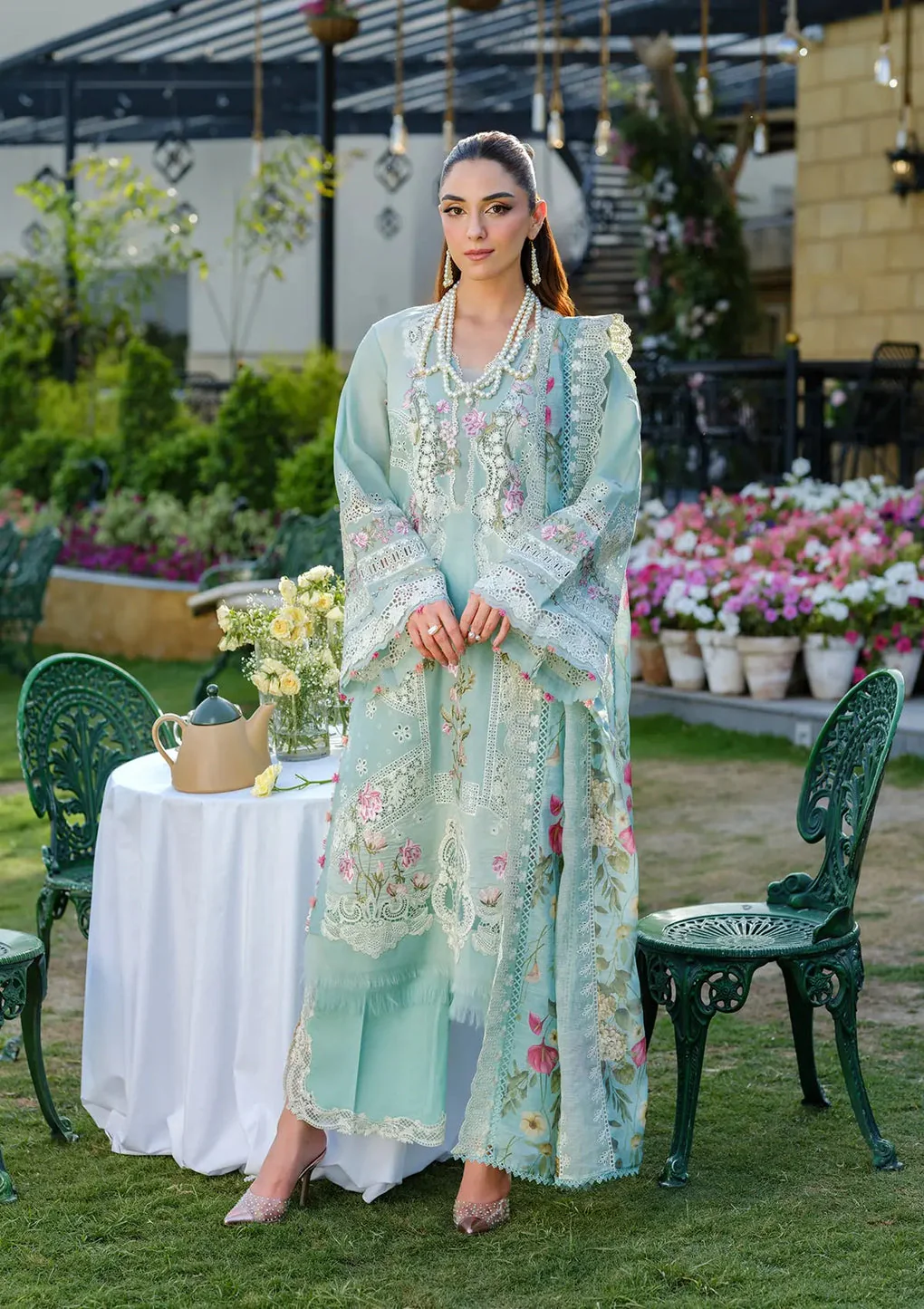
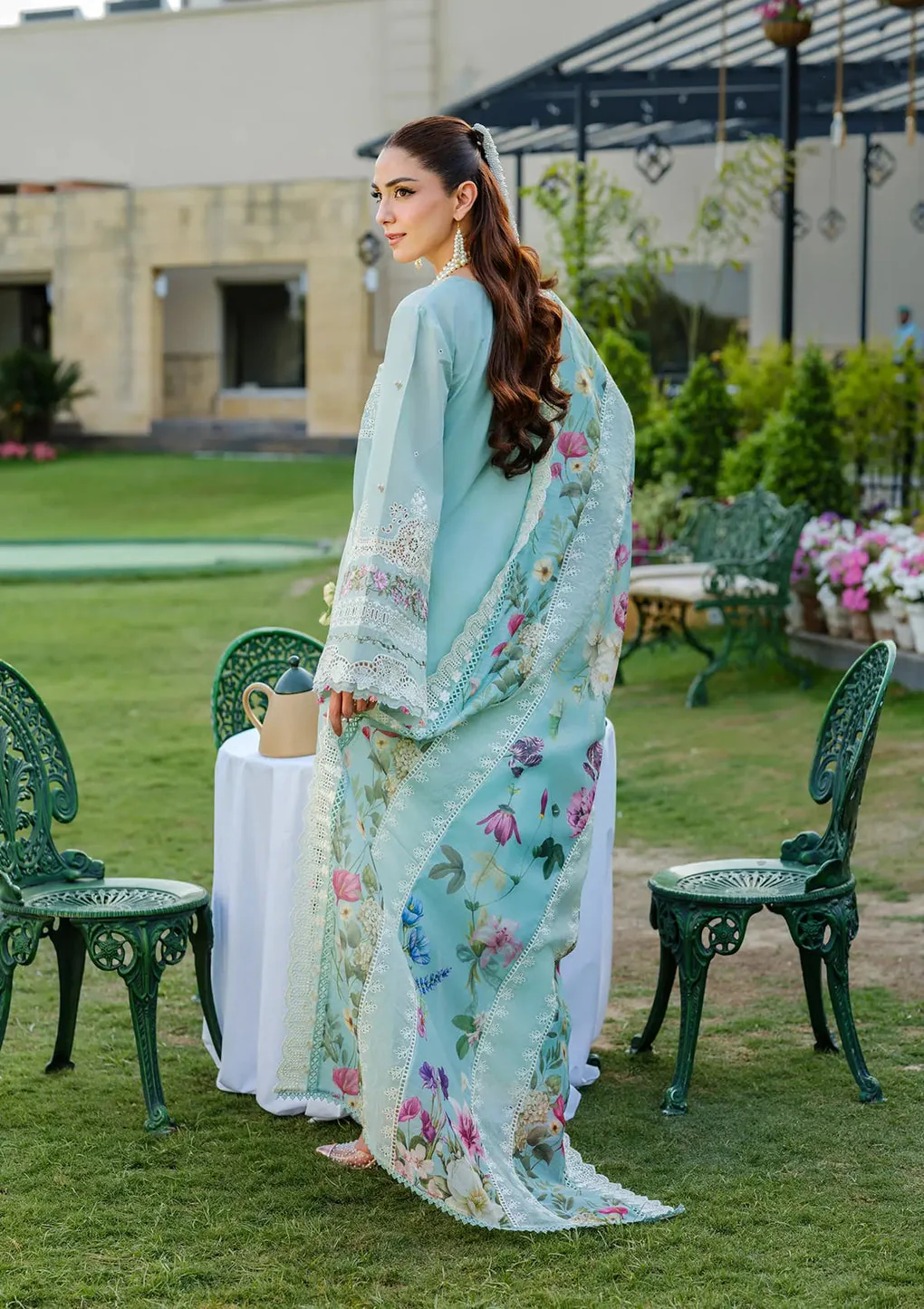
Original price was: ₨15,000.00.₨8,000.00Current price is: ₨8,000.00.
Sale!
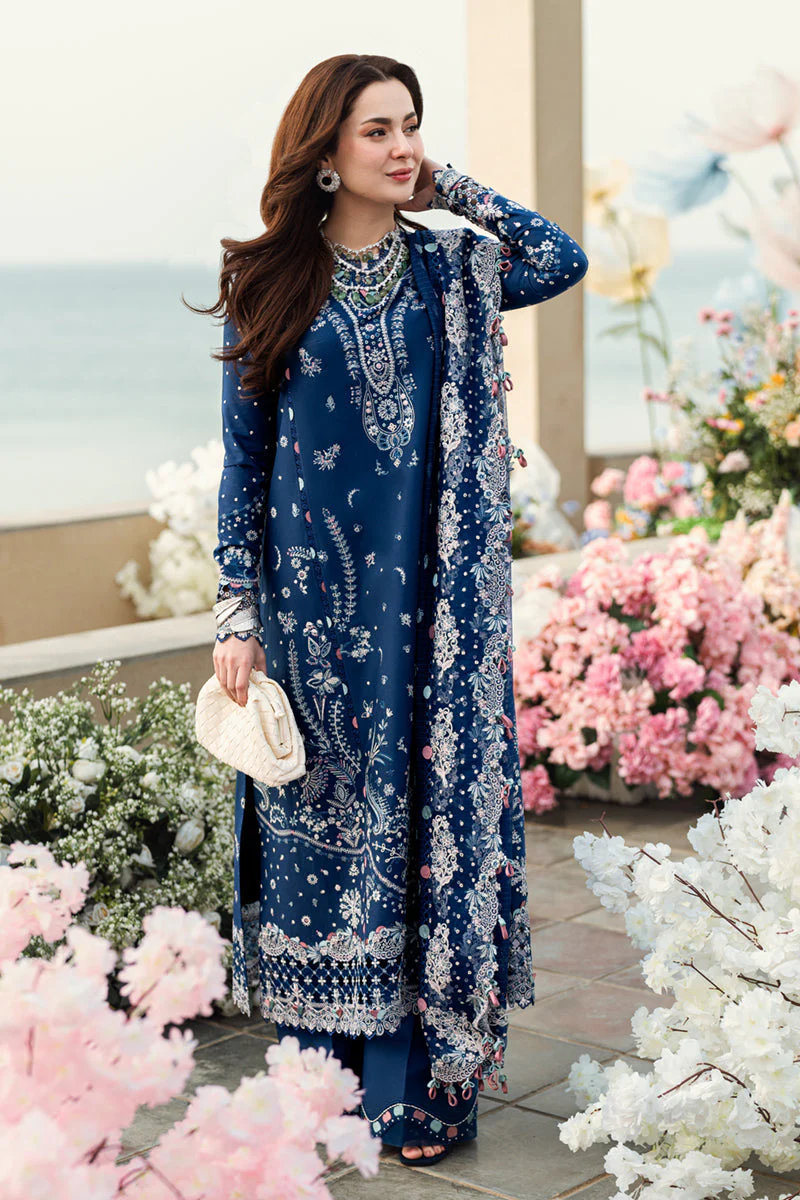
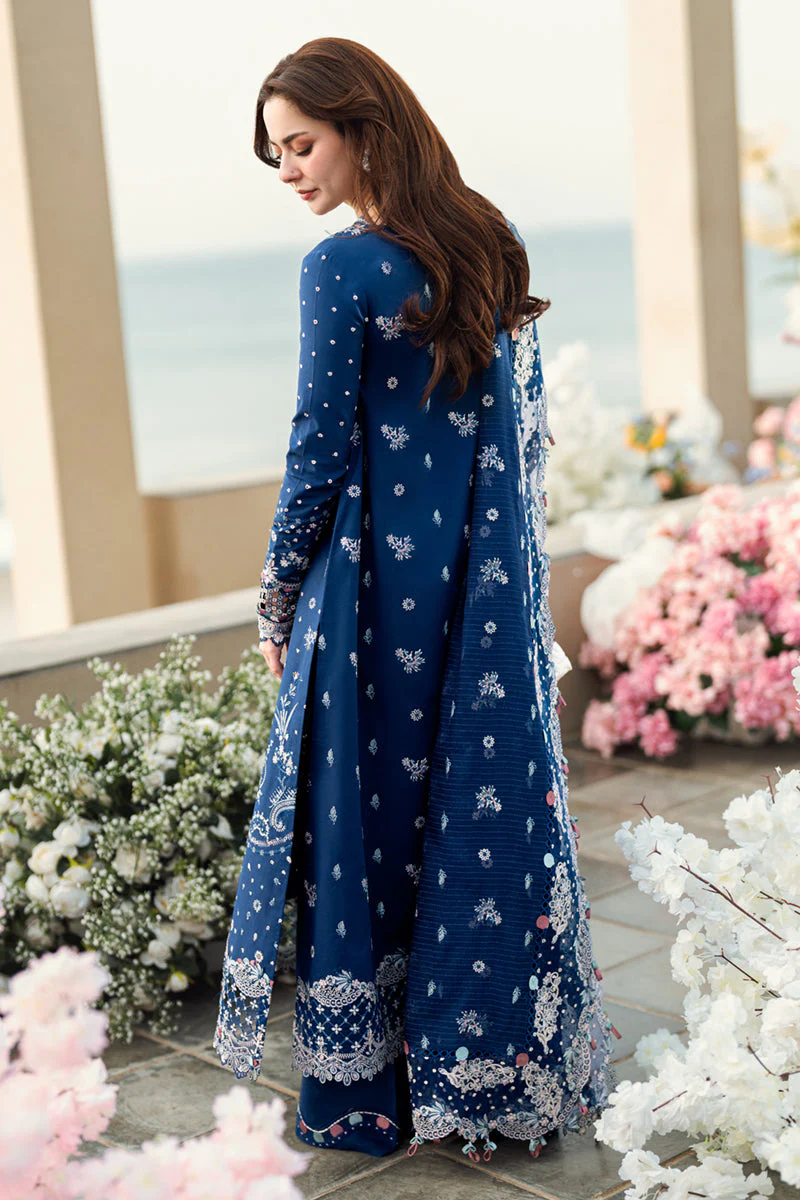
Original price was: ₨15,000.00.₨8,000.00Current price is: ₨8,000.00.
Sale!
Original price was: ₨15,000.00.₨8,000.00Current price is: ₨8,000.00.
Sale!
Original price was: ₨15,000.00.₨8,000.00Current price is: ₨8,000.00.
Sale!
Original price was: ₨15,000.00.₨8,000.00Current price is: ₨8,000.00.
Sale!
Original price was: ₨15,000.00.₨8,000.00Current price is: ₨8,000.00.
Sale!
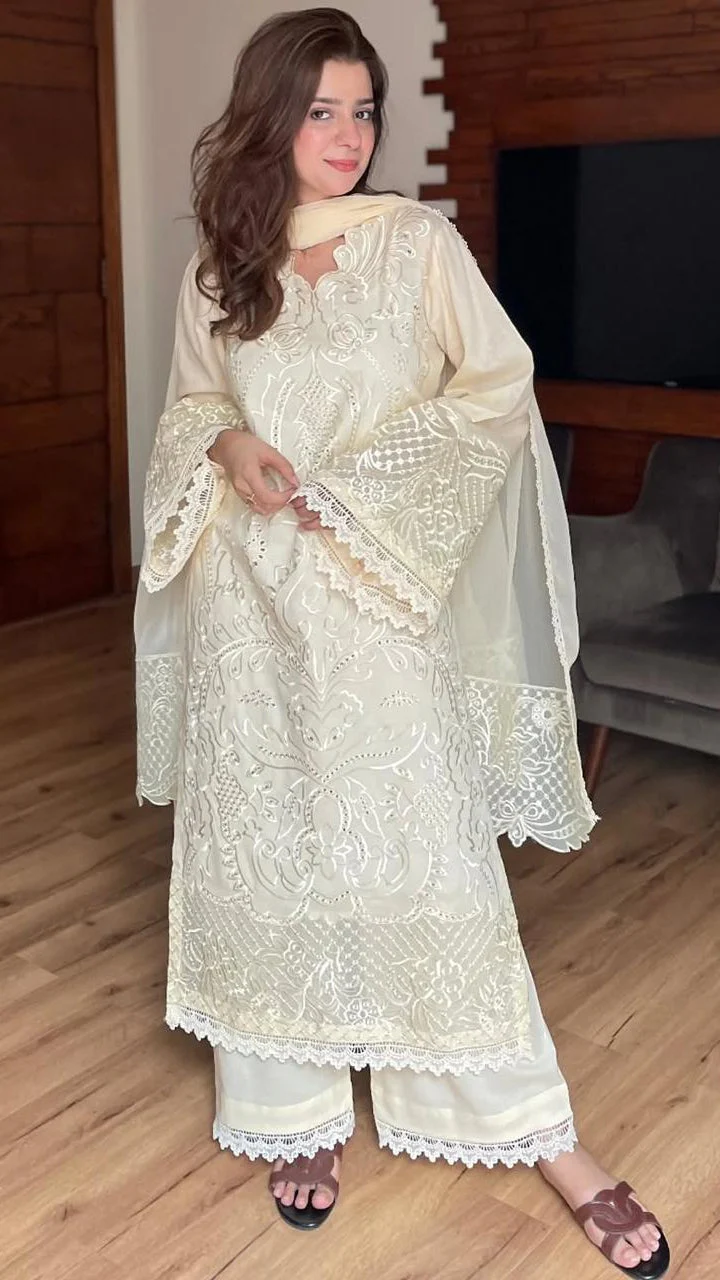
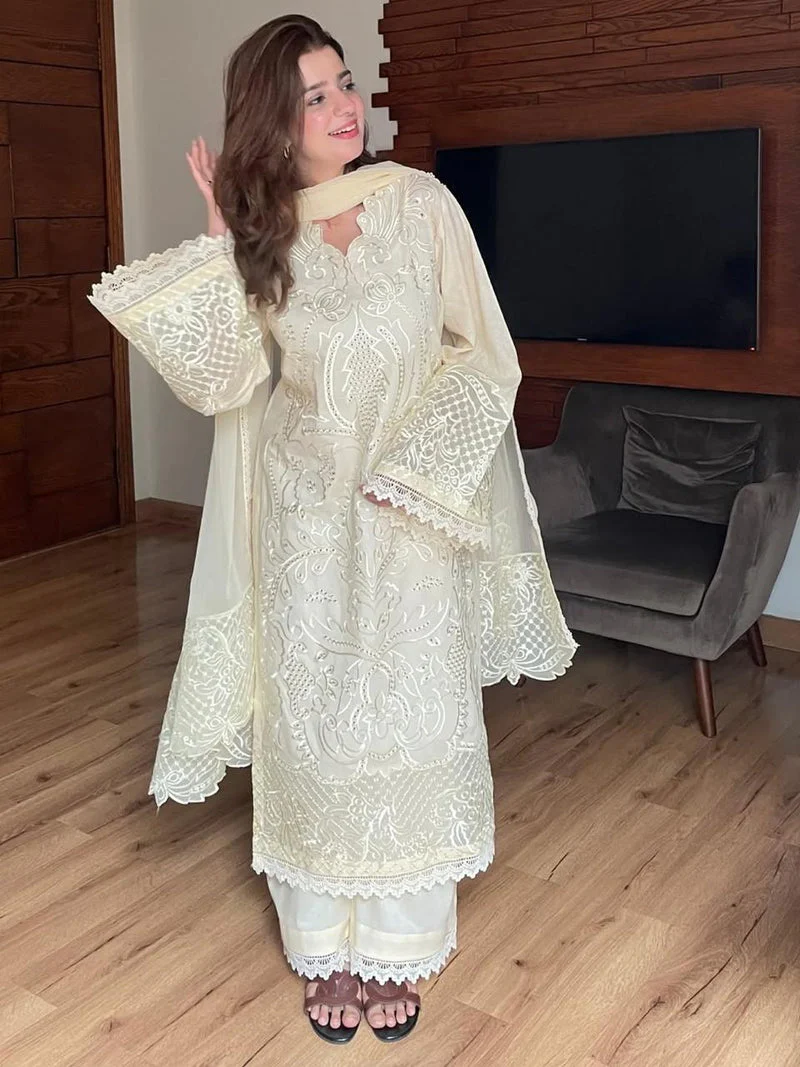
Original price was: ₨15,000.00.₨8,000.00Current price is: ₨8,000.00.
Sale!
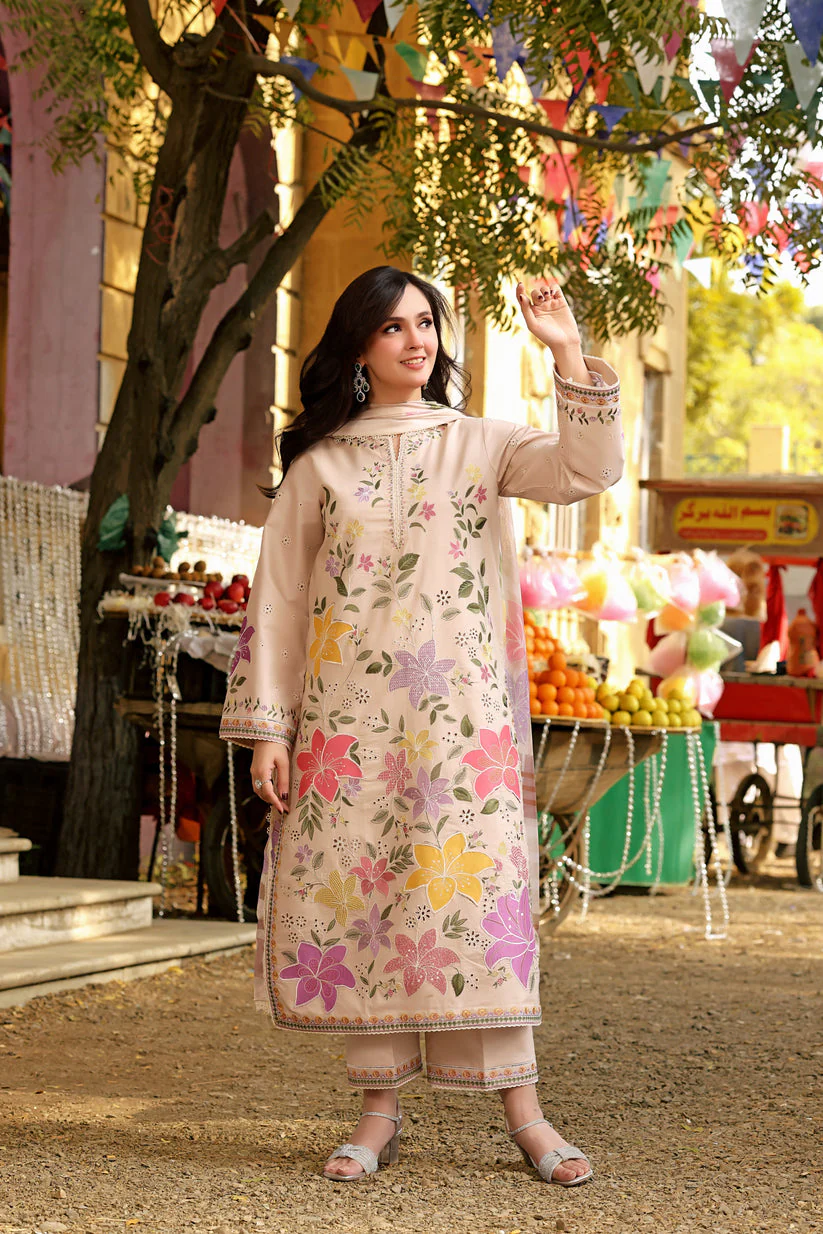
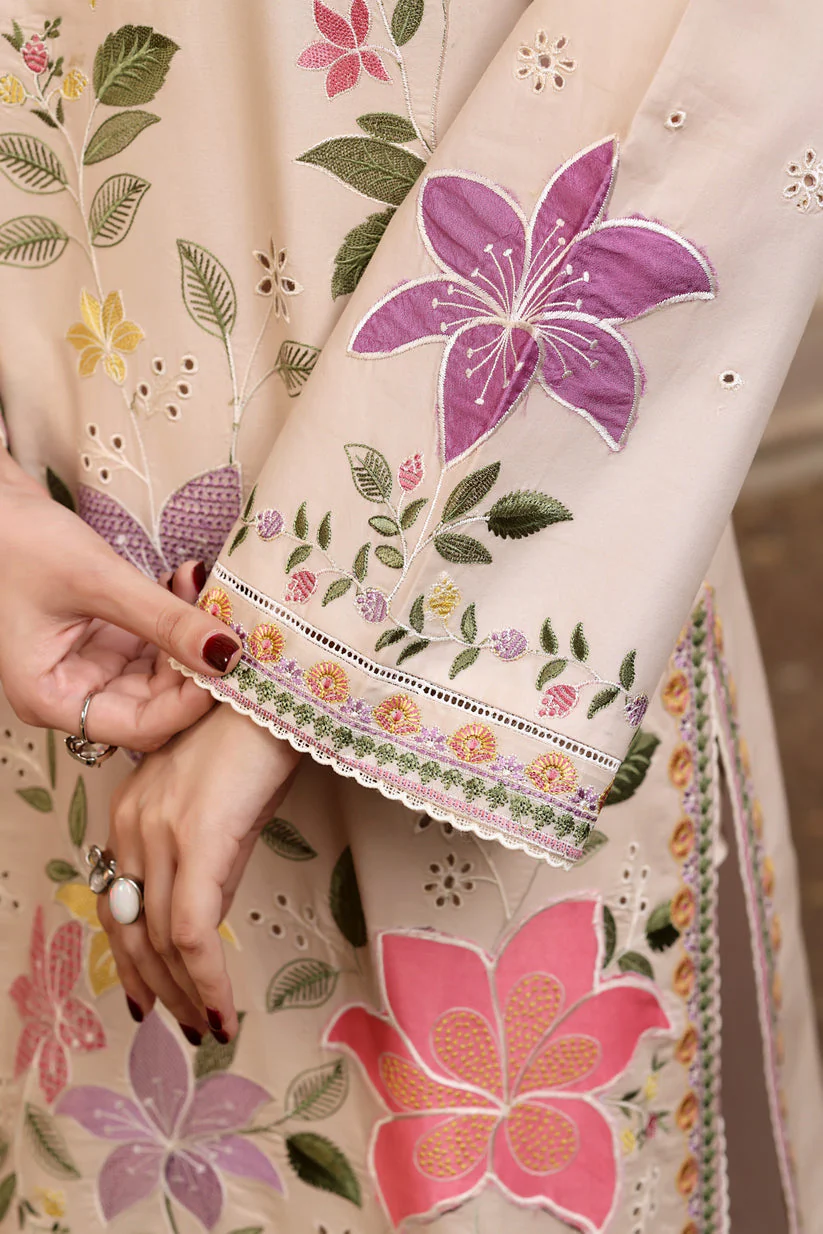
Original price was: ₨15,000.00.₨8,000.00Current price is: ₨8,000.00.
Sale!
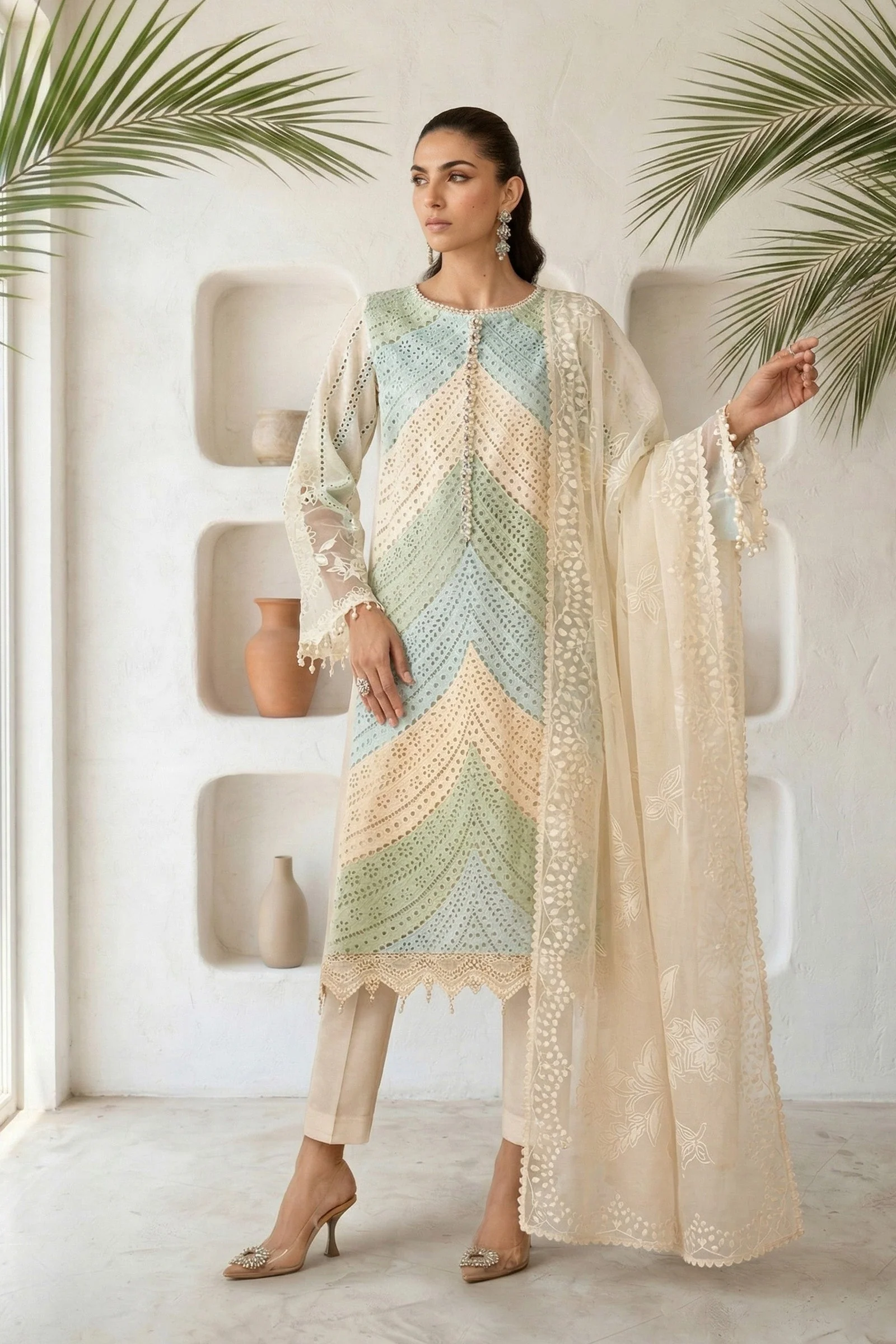
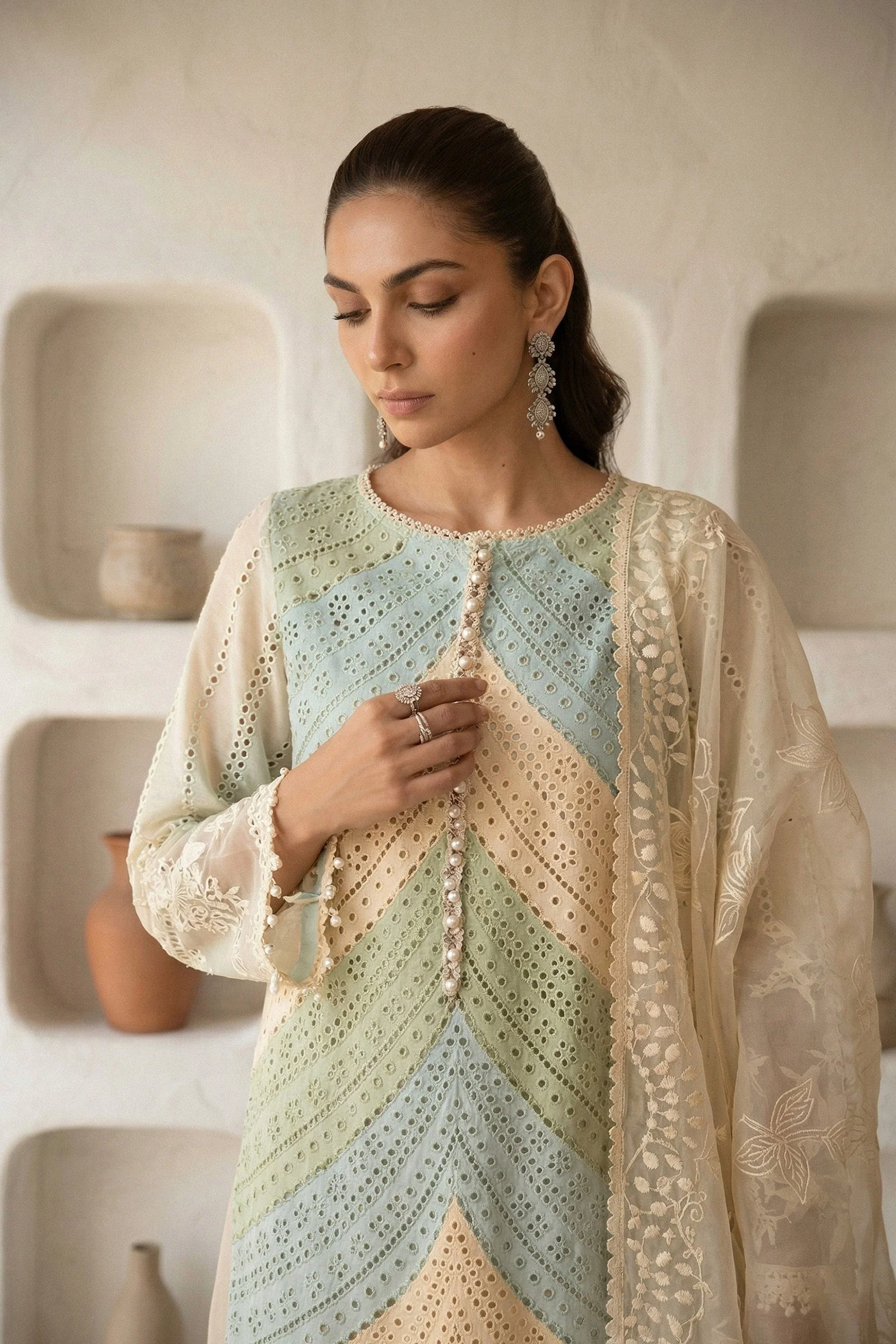
Original price was: ₨15,000.00.₨8,000.00Current price is: ₨8,000.00.
Sale!
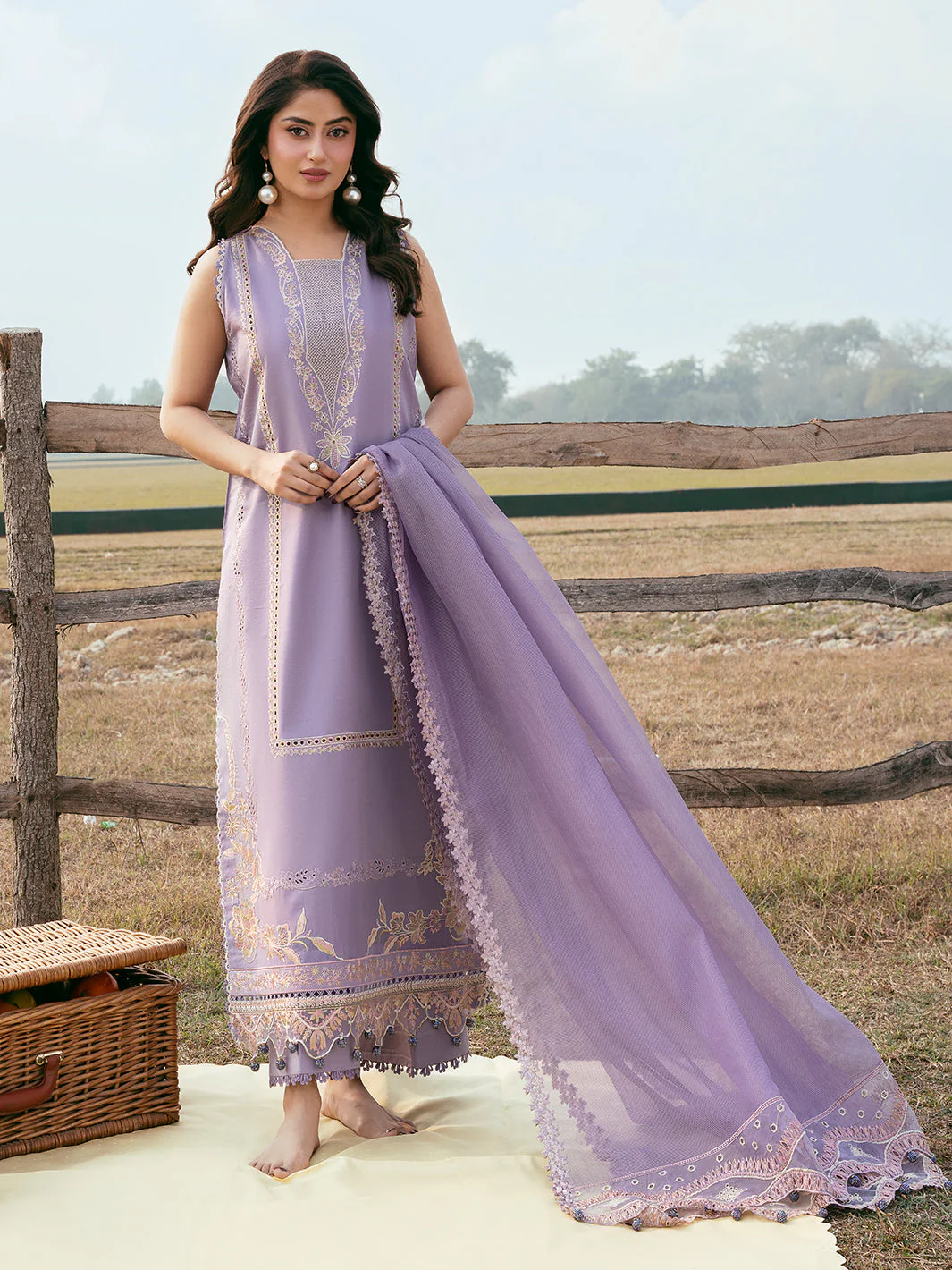
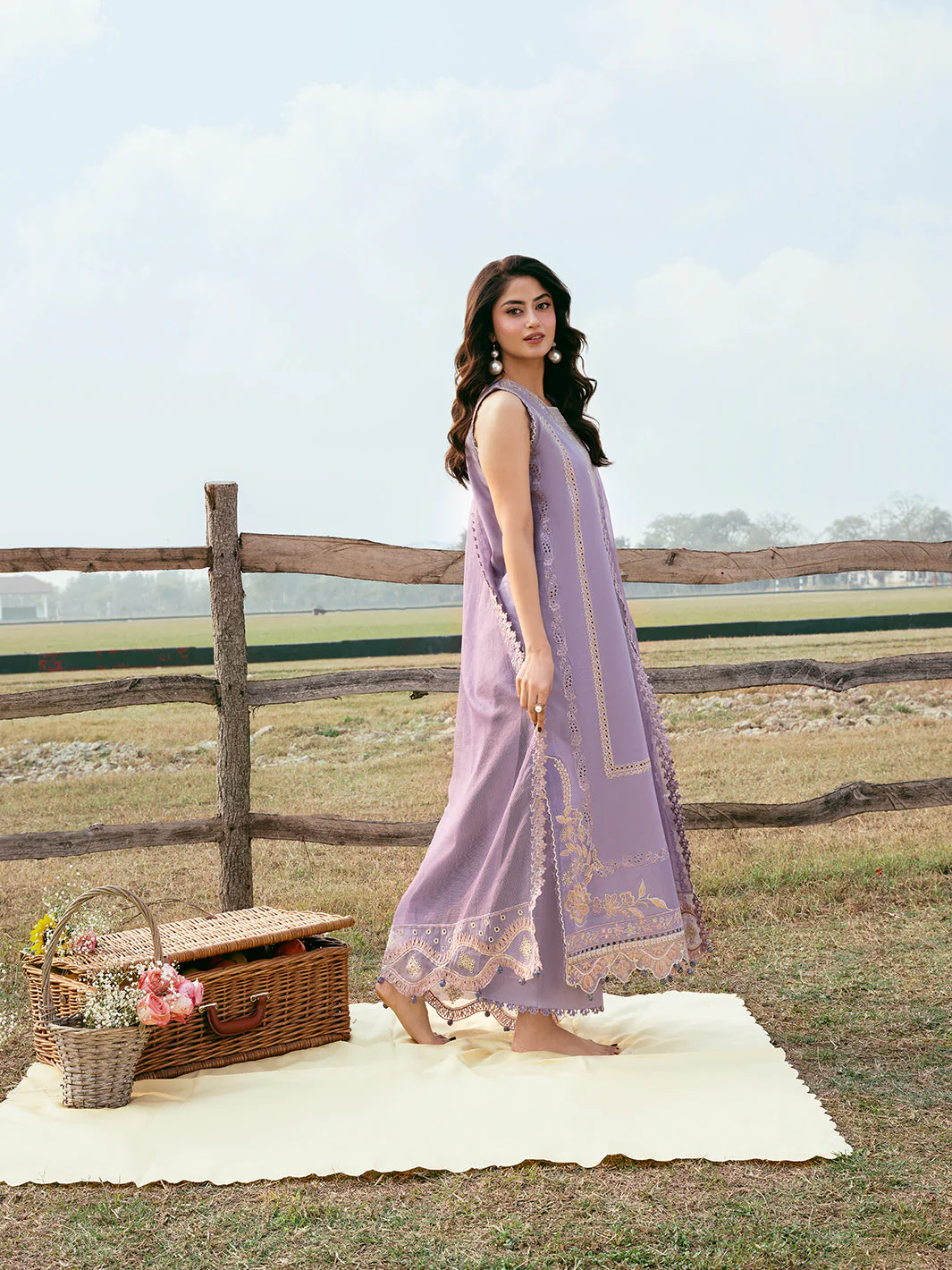
Original price was: ₨15,000.00.₨8,000.00Current price is: ₨8,000.00.
Sale!
Original price was: ₨15,000.00.₨8,000.00Current price is: ₨8,000.00.
Sale!
Original price was: ₨15,000.00.₨8,000.00Current price is: ₨8,000.00.
Sale!
Original price was: ₨15,000.00.₨8,000.00Current price is: ₨8,000.00.
Sale!
Original price was: ₨15,000.00.₨8,000.00Current price is: ₨8,000.00.
Sale!
Original price was: ₨15,000.00.₨8,000.00Current price is: ₨8,000.00.
Sale!
Original price was: ₨15,000.00.₨8,000.00Current price is: ₨8,000.00.
Sale!
Original price was: ₨15,000.00.₨8,000.00Current price is: ₨8,000.00.
Sale!
Original price was: ₨15,000.00.₨8,000.00Current price is: ₨8,000.00.
Sale!
Original price was: ₨15,000.00.₨8,000.00Current price is: ₨8,000.00.
Sale!
Original price was: ₨15,000.00.₨8,000.00Current price is: ₨8,000.00.
Sale!
Original price was: ₨15,000.00.₨8,000.00Current price is: ₨8,000.00.
Sale!
Original price was: ₨15,000.00.₨8,000.00Current price is: ₨8,000.00.
Sale!
Original price was: ₨15,000.00.₨8,000.00Current price is: ₨8,000.00.
Sale!
Original price was: ₨15,000.00.₨8,000.00Current price is: ₨8,000.00.
Sale!
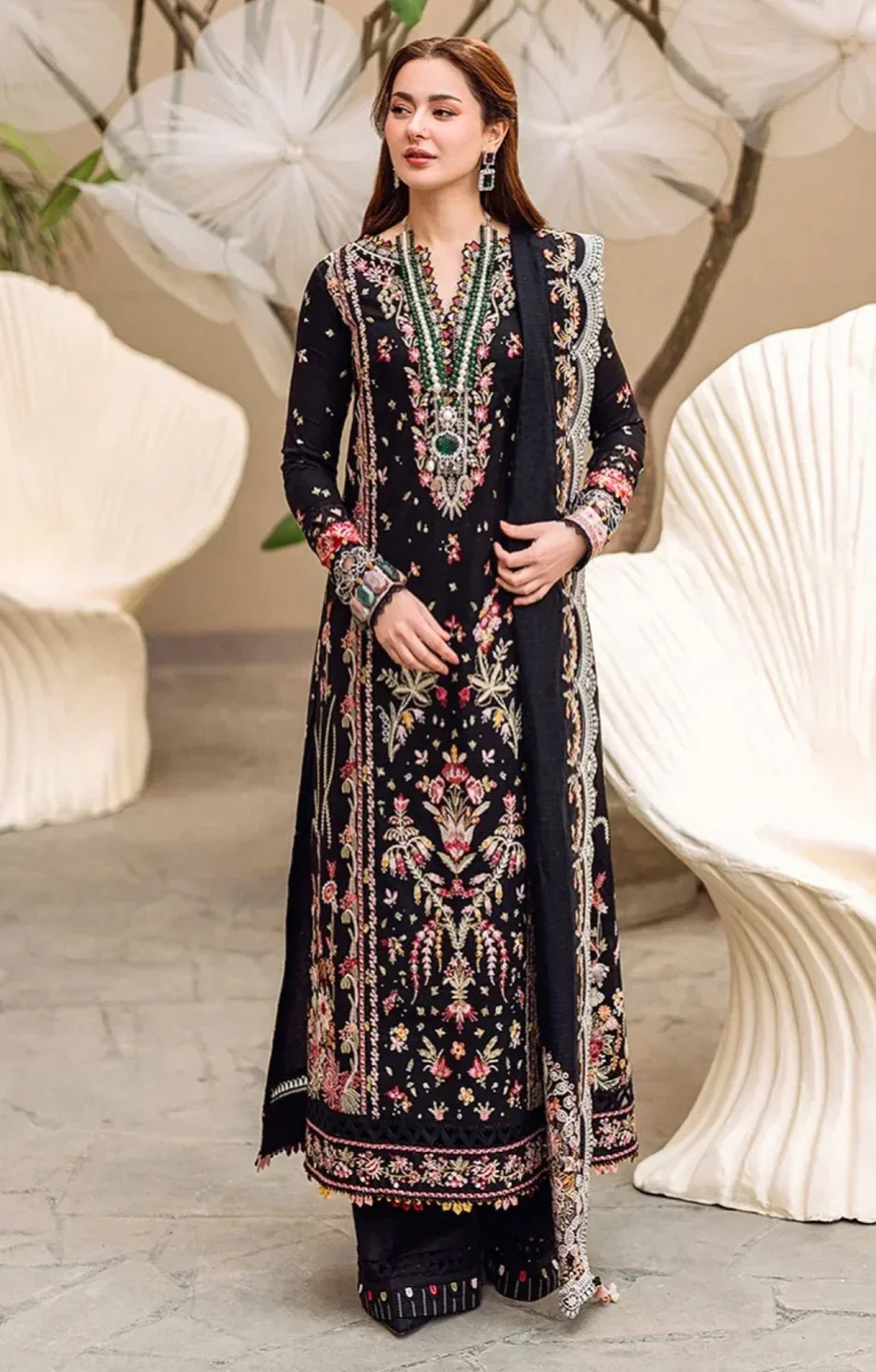
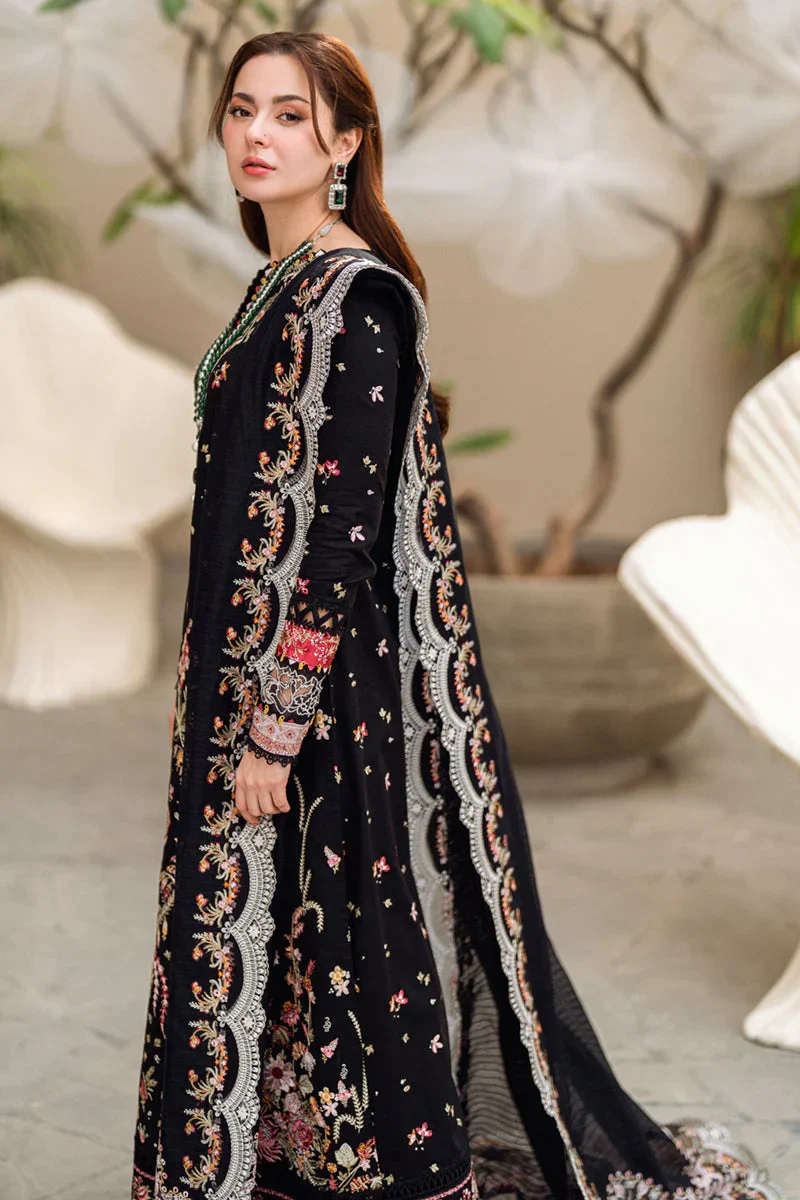
Original price was: ₨15,000.00.₨8,000.00Current price is: ₨8,000.00.
Sale!
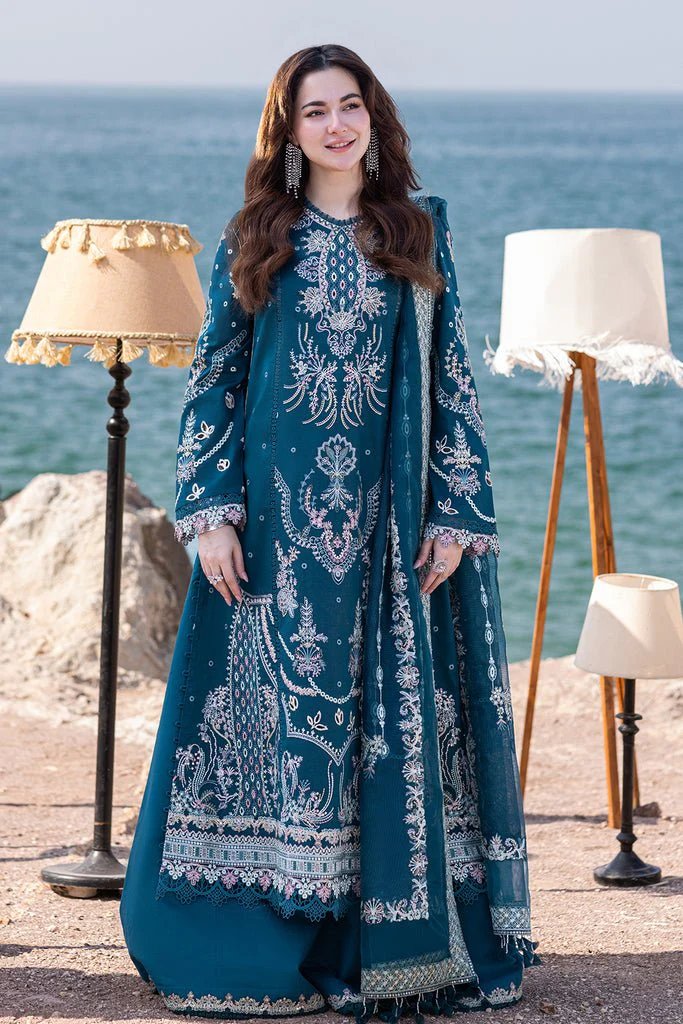
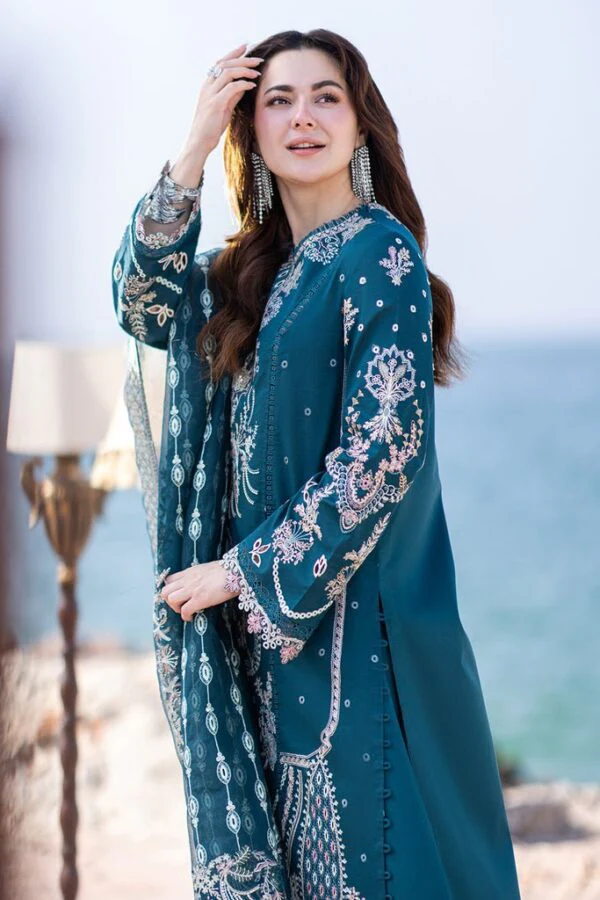
Original price was: ₨15,000.00.₨5,500.00Current price is: ₨5,500.00.
Sale!
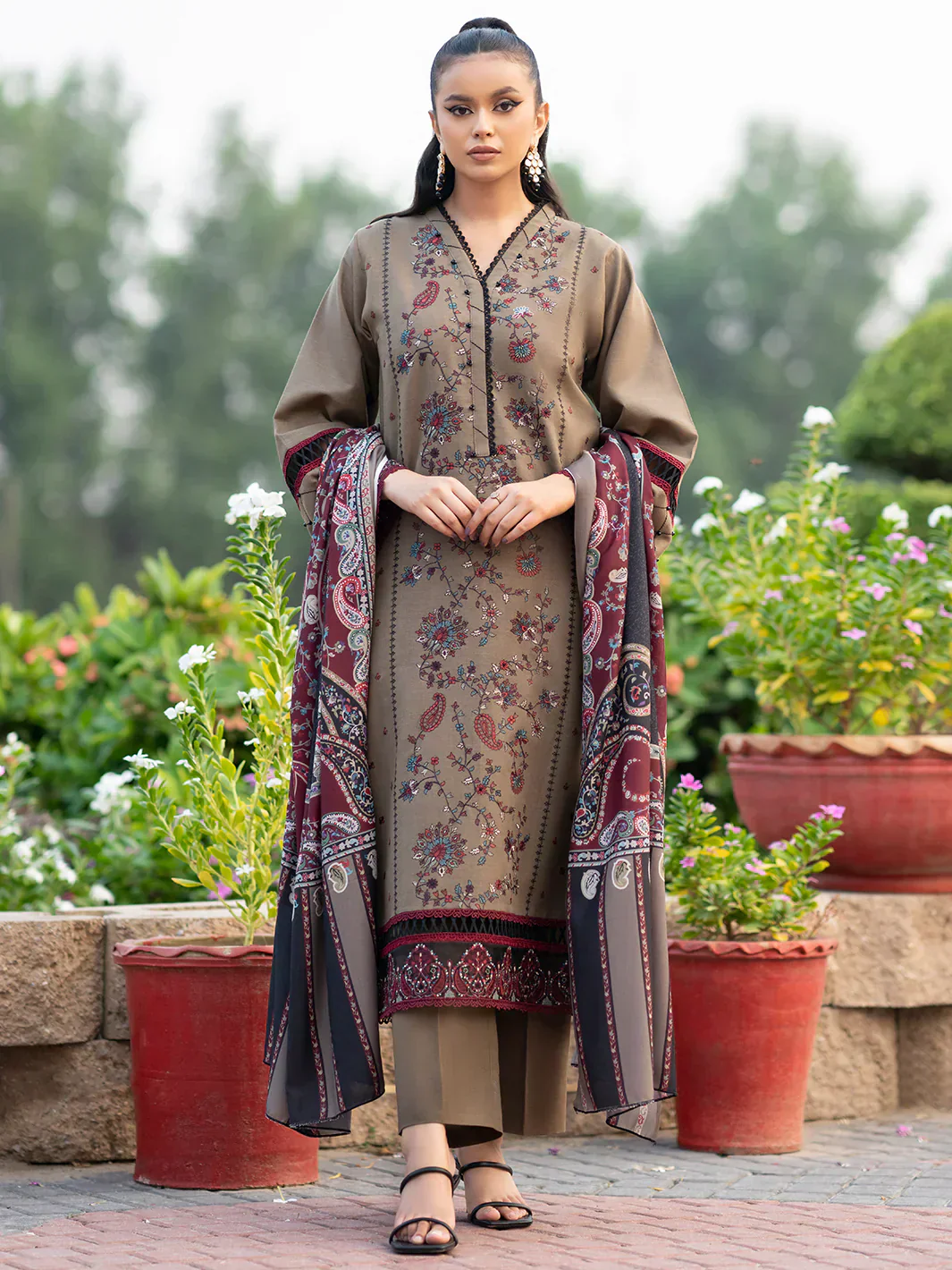
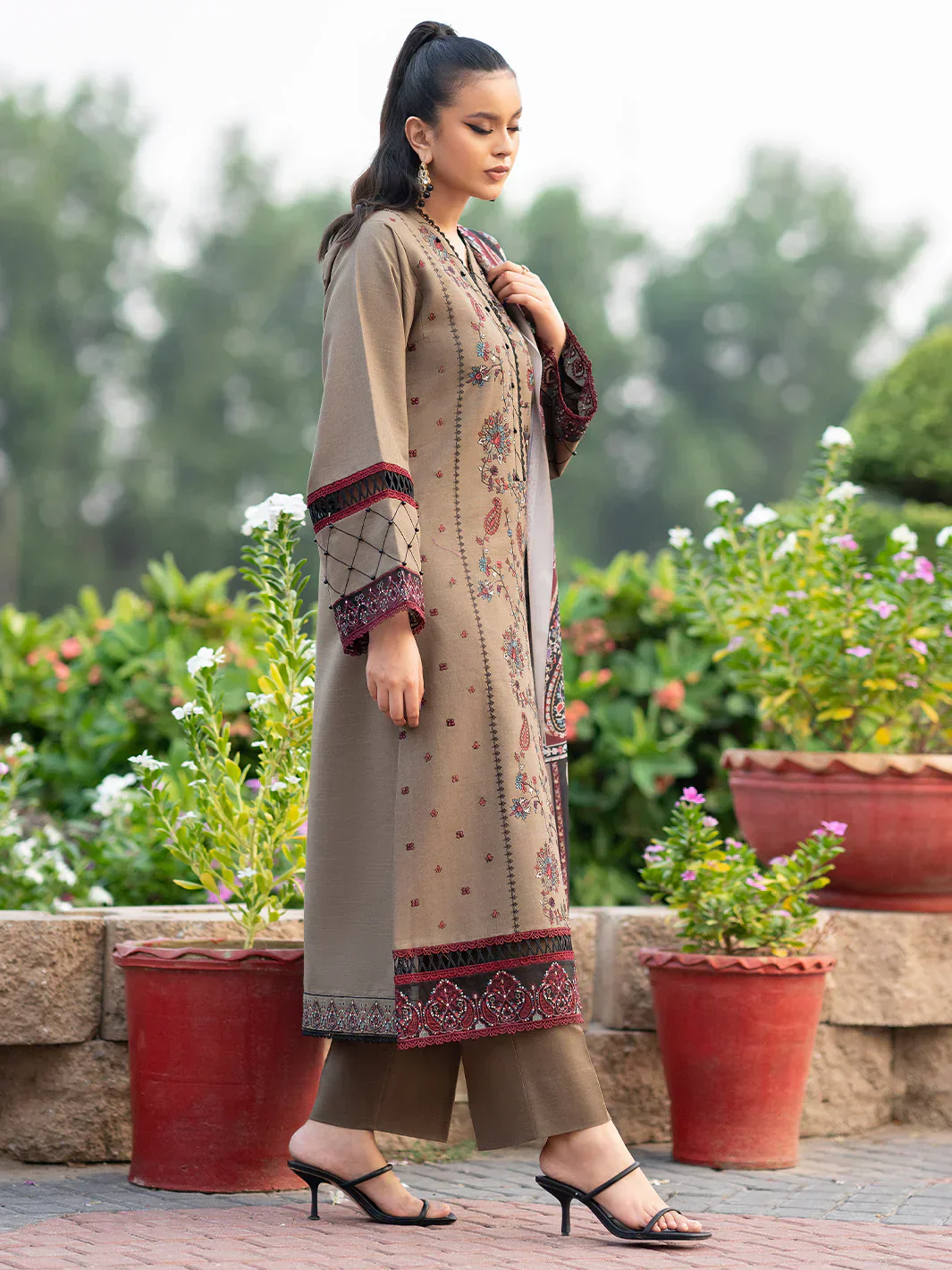
Original price was: ₨15,000.00.₨8,000.00Current price is: ₨8,000.00.
Sale!
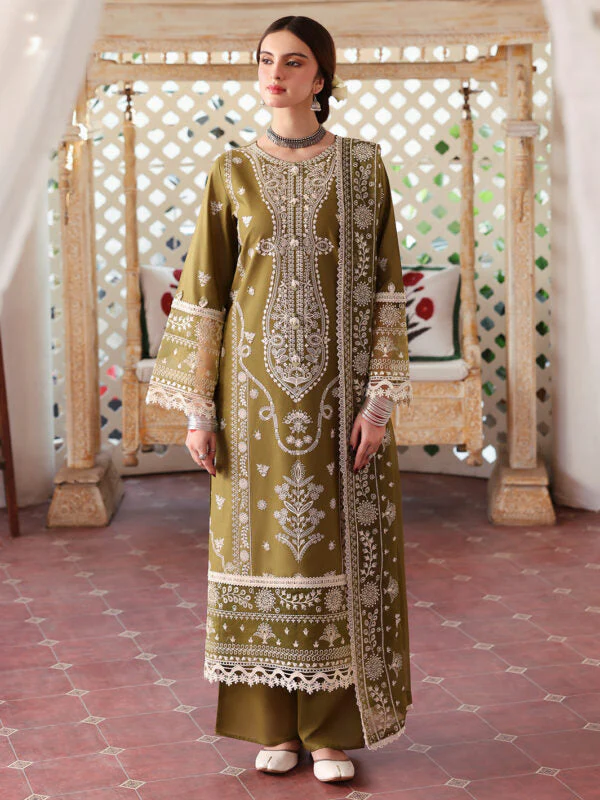
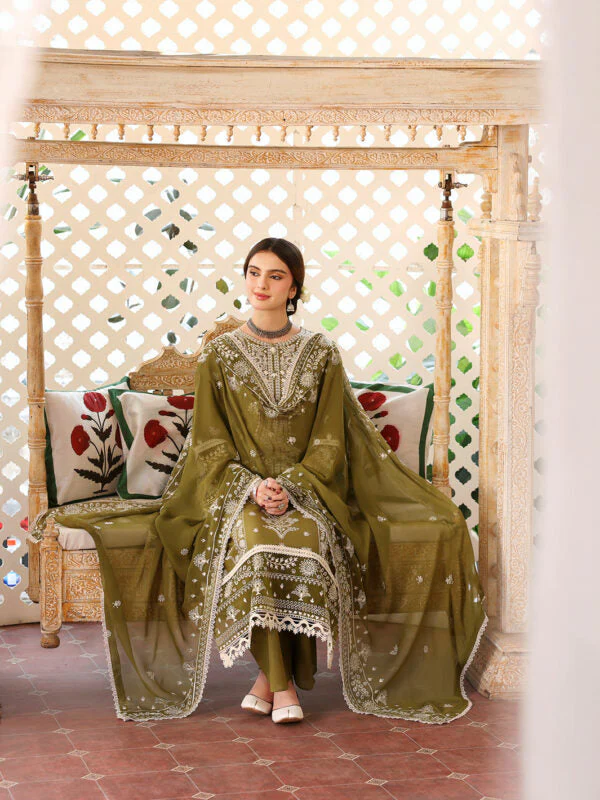
Original price was: ₨15,000.00.₨8,000.00Current price is: ₨8,000.00.
Pakistani Dress Wholesale Supplier Finland | Mastorat
The demand for traditional South Asian clothing continues to create opportunities for fashion retailers, independent boutiques, and online clothing businesses across Europe. Pakistani fashion is particularly attractive because it combines traditional craftsmanship, detailed embroidery, versatile fabrics, and contemporary styling. For Finnish businesses interested in introducing these collections to their customers, choosing the right wholesale partner is an important step towards building a successful clothing business.
Mastorat provides access to a diverse selection of Pakistani clothing, including traditional outfits, designer collections, embroidered suits, and unstitched fabrics. Its product range gives retailers an opportunity to explore different styles and select garments that suit their customers' preferences. Whether you operate a small boutique, manage an established clothing store, or sell fashion products online, having access to a varied wholesale collection can make inventory planning easier.
Sourcing products internationally also requires careful consideration of product quality, pricing, communication, order quantities, and delivery arrangements. A dependable supplier should make these details clear so buyers can make informed purchasing decisions. Mastorat aims to support international fashion businesses by providing access to Pakistani clothing collections and wholesale purchasing options.
This guide explains how Finnish retailers can explore Pakistani fashion, choose suitable products, plan their inventory, and develop a sustainable wholesale sourcing strategy with Mastorat.
Why Choose Mastorat for Wholesale Pakistani Clothing?
Choosing a wholesale supplier involves more than comparing the prices of individual garments. Retailers need a sourcing partner that understands product variety, purchasing requirements, quality expectations, and international business arrangements. A well-organised supply relationship can help businesses manage stock more effectively and provide customers with a better shopping experience. Mastorat offers a selection of Pakistani clothing categories that can support different retail business models. Buyers can explore traditional garments, contemporary designs, occasion wear, and fabric collections according to their target audience. One useful starting point is the Pakistani catalogue dress wholesale collection. Exploring catalogue options allows retailers to compare available styles and identify products that match their store's overall identity.A Diverse Product Selection
Fashion retailers rarely serve customers with identical preferences. Some shoppers look for simple everyday clothing, while others prefer elaborate outfits for weddings, celebrations, and family occasions. A supplier with different product categories makes it easier to create a balanced collection. Retailers can select casual outfits, formal dresses, embroidered suits, and seasonal fabrics instead of depending on a single clothing style. This variety can also help businesses test new product categories without completely changing their existing inventory strategy.International Wholesale Experience
International purchasing requires coordination between buyers and suppliers. Product selection, order confirmation, payment arrangements, packaging, and delivery information should be discussed before an order is finalised. Mastorat has collections intended for international buyers, including customers exploring Pakistani dress wholesale in USA and Pakistani dress wholesale in Dubai. These international market pages provide additional opportunities to explore the company's product categories and wholesale-focused content.Suitable Options for Different Business Sizes
A new clothing entrepreneur may have different purchasing requirements from an established fashion retailer. Smaller businesses generally need to manage their initial investment carefully, while larger stores may prioritise collection variety and stock availability. Before ordering, buyers should discuss minimum quantities, available designs, size combinations, and any collection-specific purchasing conditions. Understanding these details helps businesses select products according to their available budget and expected customer demand.Understanding the Demand for Pakistani Fashion in Finland
Finland has a diverse consumer market, with people from different cultural backgrounds and varying fashion preferences. Pakistani clothing can appeal to customers who appreciate South Asian fashion, traditional garments, modest clothing, and distinctive textile designs. For retailers, the opportunity is not limited to customers looking for traditional outfits. Many fashion buyers are also interested in embroidered fabrics, contemporary cuts, elegant formal clothing, and garments that can be styled for different occasions. However, a successful clothing collection should reflect actual customer interests rather than relying on assumptions about the market.Traditional Clothing for Cultural Occasions
Traditional Pakistani outfits are suitable for family gatherings, cultural celebrations, religious occasions, and other special events. Shalwar kameez remains one of the most recognisable clothing styles in Pakistani fashion. Its different cuts, fabrics, and embroidery styles make it suitable for casual, semi-formal, and formal collections. Retailers can explore Pakistani designer dresses to understand the variety of designs available for customers looking for more distinctive outfits.Contemporary Styles for Modern Customers
Pakistani clothing has developed beyond traditional silhouettes. Modern collections combine classic design elements with updated cuts, colour combinations, and decorative details. These styles can attract customers who appreciate cultural fashion but also want clothing that reflects current trends. The Pakistani designer suits collection provides another category for retailers interested in exploring sophisticated outfits.Clothing for Different Customer Groups
A retail business can serve several customer groups by offering a carefully selected range of products. For example, some customers may prefer lightweight clothing for everyday use, while others may look for premium outfits for weddings or formal gatherings. Unstitched fabrics may also appeal to shoppers who prefer choosing their own tailoring style. Understanding these differences helps retailers create collections that offer practical choices rather than stocking products without a clear purpose.Explore the Different Types of Pakistani Dresses
One of the advantages of sourcing Pakistani clothing is the variety of garments available. Different fabrics, embroidery techniques, silhouettes, and finishing details create collections suitable for multiple customer requirements. Retailers should consider the purpose of each product category before deciding how much inventory to purchase.Traditional Shalwar Kameez
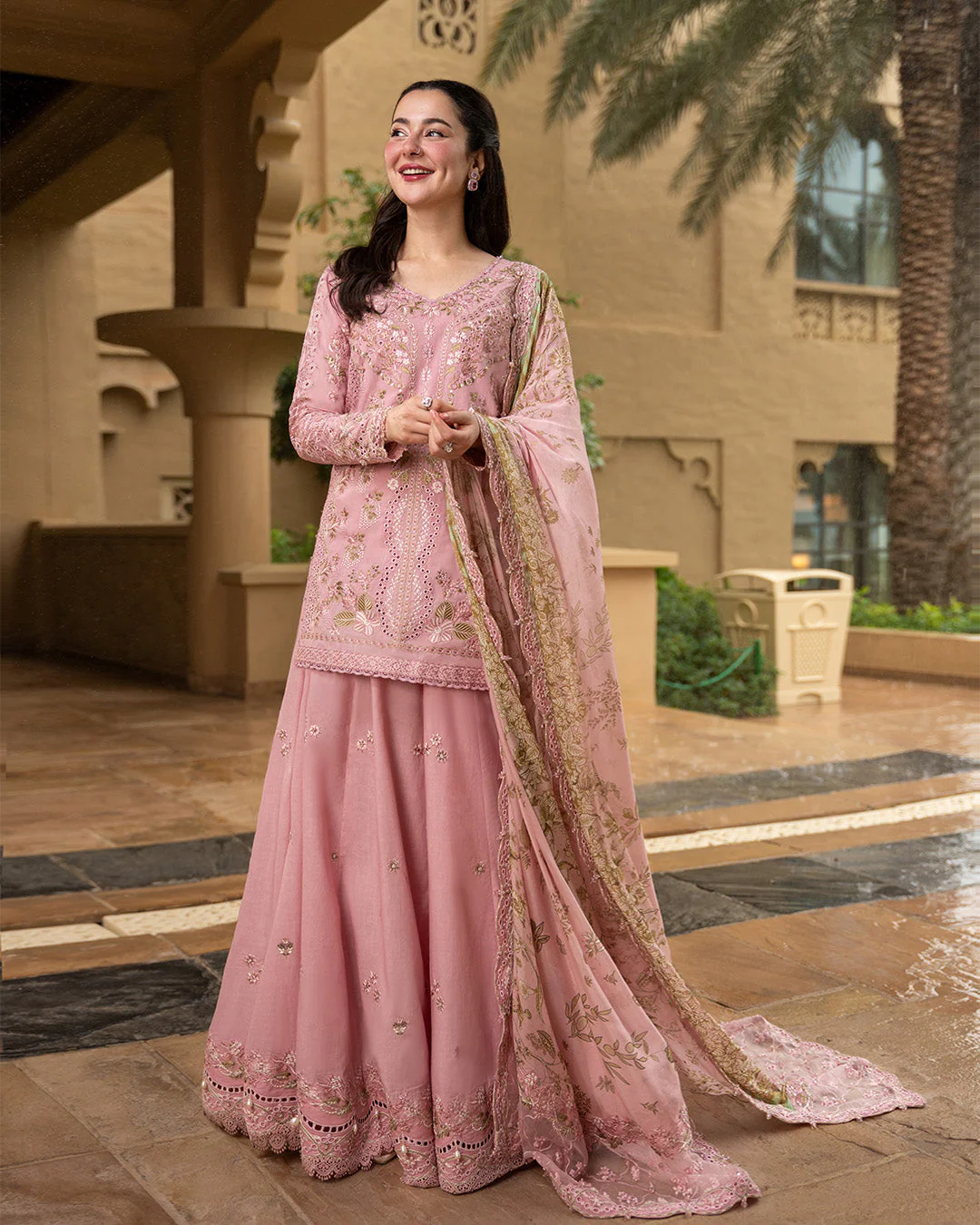
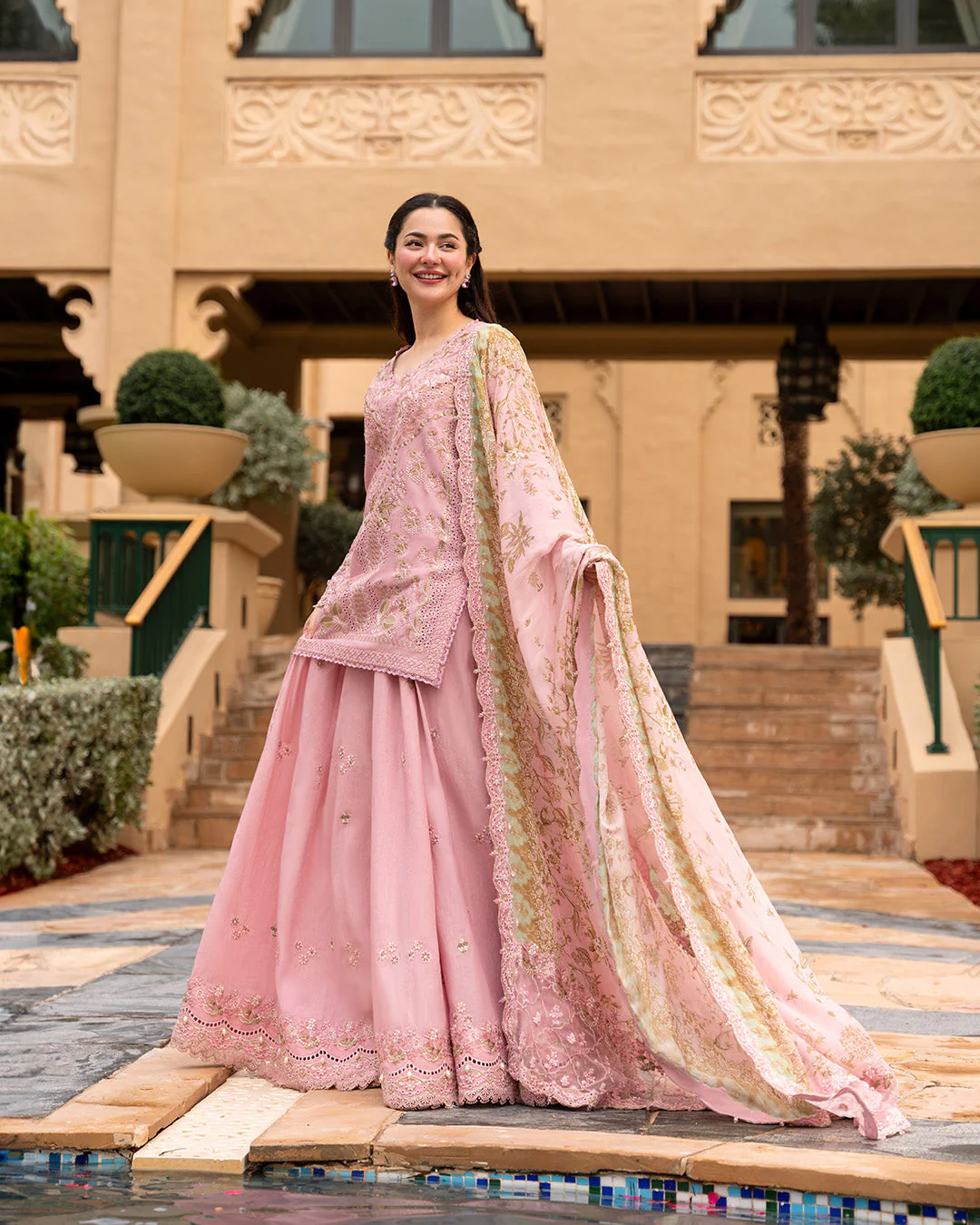
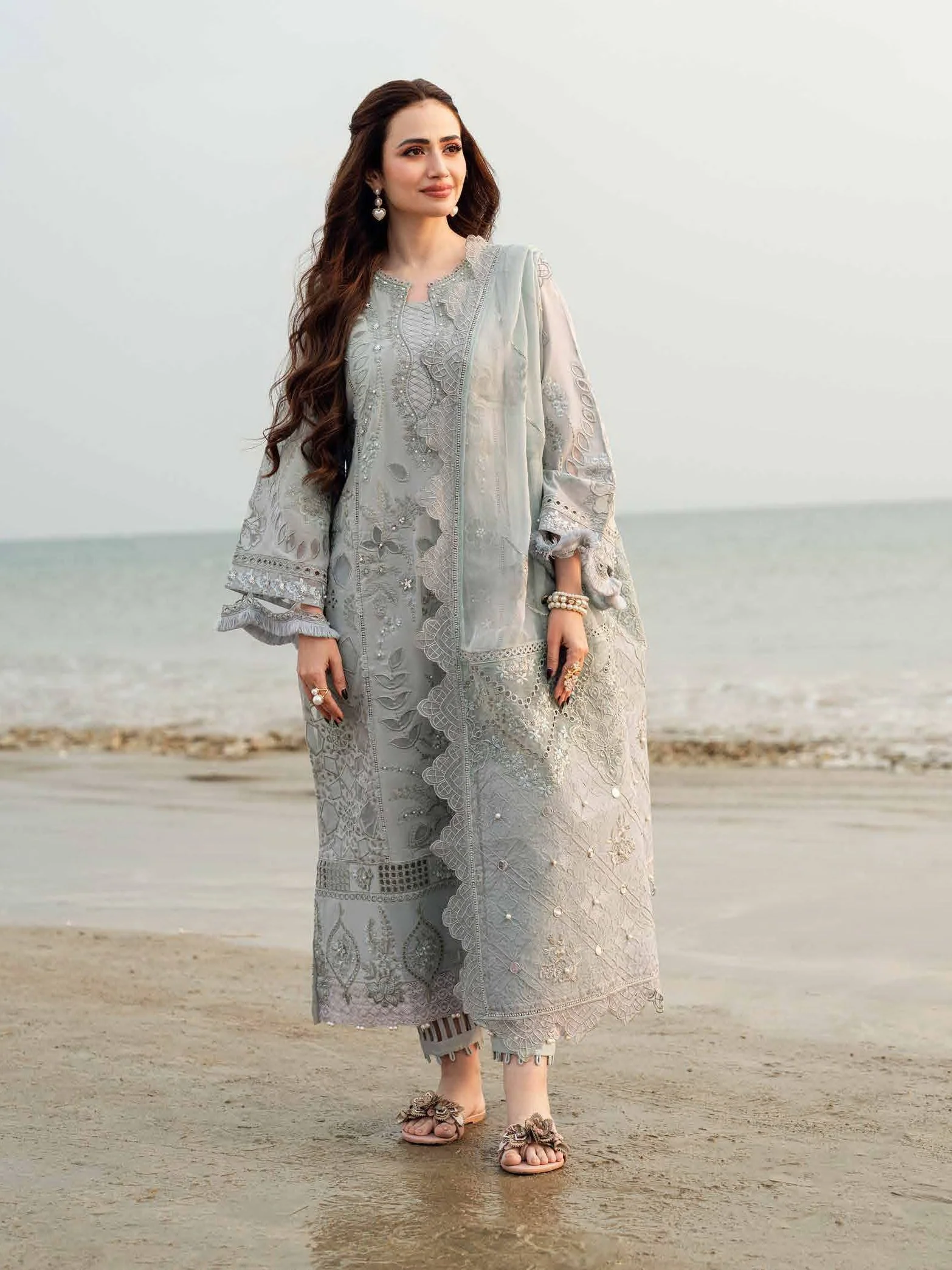
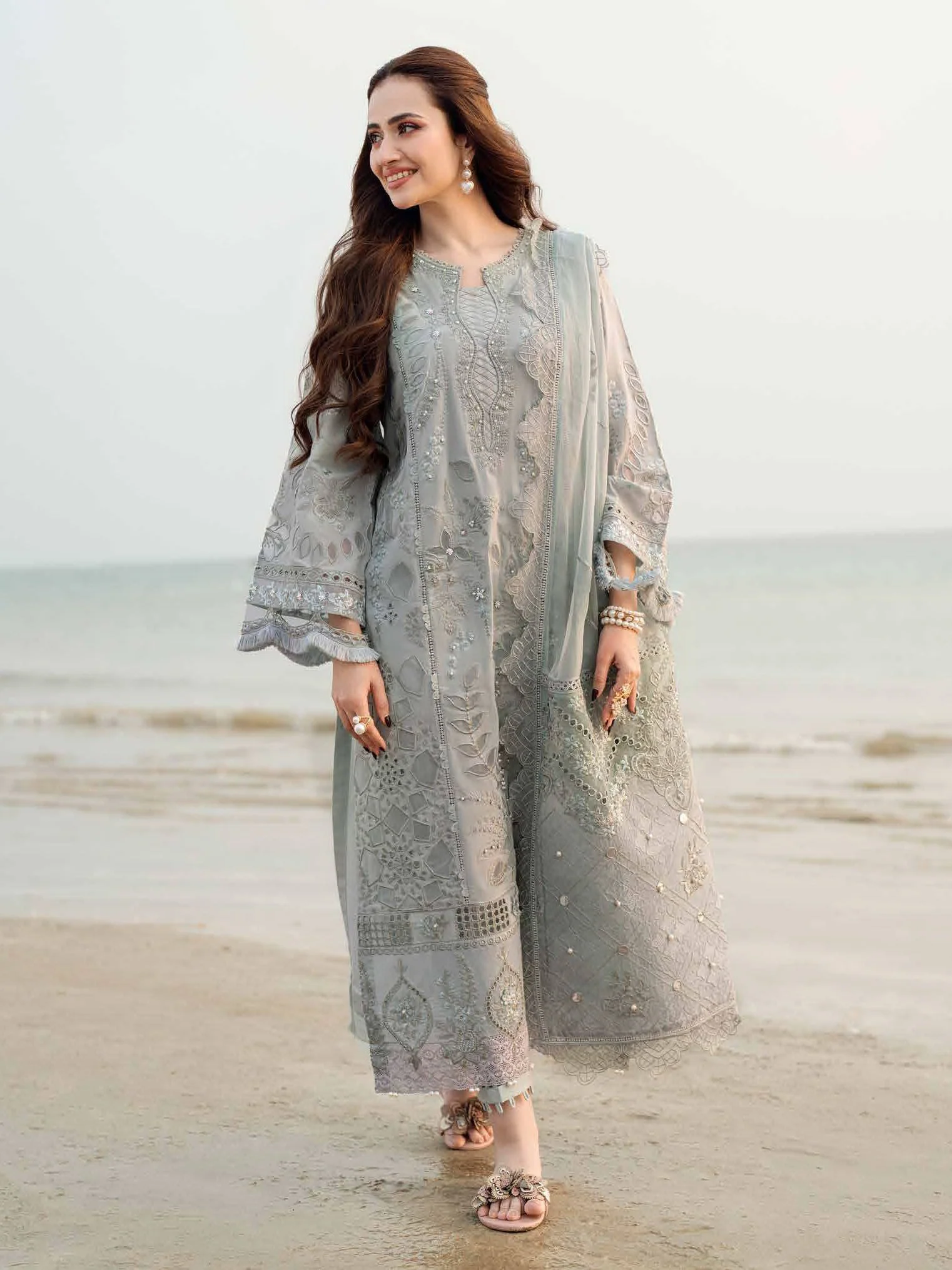
Shalwar kameez is an important part of Pakistani clothing. It is available in numerous styles, including simple everyday designs, embroidered outfits, and more elaborate formal combinations. Retailers can select different fabric types, sleeve designs, neckline patterns, and trouser styles to provide customers with a varied selection. The Pakistani dress wholesale collection can help buyers explore traditional clothing options for their inventory. When choosing these garments, consider the intended customer, fabric requirements, stitching quality, and available size range.Luxury Designer Outfits
Designer clothing is often selected for occasions where customers want distinctive patterns, detailed embroidery, and more sophisticated finishing. These garments may feature decorative necklines, embroidered sleeves, coordinated dupattas, and carefully selected fabric combinations. Retailers interested in premium clothing can explore Pakistani designer clothes online when planning their product selection. A smaller, carefully selected designer collection can complement an everyday clothing range and give customers additional choices.Unstitched Fabric Collections
Unstitched Pakistani suits are another important category for fashion retailers. They allow customers to select a design and have the garment tailored according to their preferred measurements. This option can be useful for shoppers who want a particular fitting, sleeve length, neckline, or trouser style. Businesses interested in fabric-based products can explore Pakistani dress material wholesale to review relevant wholesale categories. Retailers should clearly communicate fabric composition, included components, measurements, and product details when presenting unstitched collections.Lawn and Seasonal Clothing
Lawn suits are widely recognised in Pakistani fashion, particularly for their lightweight feel and colourful designs. Although seasonal demand differs between countries, retailers can introduce selected lawn designs for customers who enjoy lightweight ethnic clothing. When importing seasonal garments into Finland, businesses should consider local weather patterns and customer buying habits. Product selection should be based on the expected use of the clothing rather than simply following trends in the supplier's home market.Chiffon and Formal Collections
Chiffon outfits offer another option for formal and occasion-based retail collections. They may include embroidery, decorative embellishments, and coordinated fabric components. These garments can complement traditional and designer categories, helping retailers create a more complete product range. Before ordering, buyers should review available product images and descriptions to understand the fabric, embroidery, and finishing details.Benefits of Buying Pakistani Clothing in Wholesale Quantities
Wholesale sourcing can help retailers manage purchasing costs and organise their product inventory. Instead of purchasing individual garments through multiple channels, businesses can explore collections from a supplier and plan orders around their retail requirements. For a business considering a Pakistani Dress Wholesale Supplier Finland, the most important benefits include purchasing flexibility, product variety, and the opportunity to develop a consistent clothing range.Better Inventory Planning
Purchasing wholesale quantities allows retailers to plan their inventory around particular collections, seasons, and customer preferences. For example, a boutique may choose to stock everyday suits alongside a smaller selection of formal outfits. This creates variety without requiring the business to invest equally in every product category. Retailers should review previous sales, customer enquiries, and seasonal trends before deciding on order quantities.More Competitive Purchasing Costs
Wholesale purchasing can provide different price opportunities compared with buying garments individually. The final cost per item depends on factors such as fabric, design complexity, order quantity, stitching, and shipping expenses. Retailers should calculate the complete landed cost rather than comparing only the supplier's product price. International shipping, customs duties, import taxes, and other applicable charges may affect the final retail margin. Businesses can also explore the Pakistani dress wholesale market to learn more about the wholesale market and product sourcing options.Greater Product Variety
A varied collection can help a business reach customers with different preferences. Retailers may combine everyday shalwar kameez, embroidered suits, formal dresses, and unstitched materials to create a more balanced catalogue. The Pakistani dress wholesale online category provides another way to explore clothing options when planning a wholesale collection.Opportunities to Develop a Retail Brand
A carefully selected product range can help a boutique establish a recognisable identity. Some retailers may focus on modest clothing, while others may specialise in designer outfits or traditional Pakistani fashion. Consistent product presentation, accurate descriptions, quality checks, and customer service all contribute to building a professional retail brand.How Finnish Retailers Can Select the Right Collection
Choosing the right garments is one of the most important parts of wholesale purchasing. A large collection does not automatically mean that every product will suit your customers. Retailers should consider their audience, business model, price range, and available storage before selecting products.Identify Your Target Audience
Start by understanding the customers your business intends to serve. A boutique focusing on traditional South Asian clothing may need a different product range from an online store targeting customers interested in modest contemporary fashion. Consider the following questions:- Are your customers mainly interested in traditional clothing?
- Do they prefer stitched or unstitched outfits?
- Are they looking for affordable everyday garments or premium designer wear?
- Which colours and fabric types receive the most enquiries?
- What price range is suitable for your market?
Balance Everyday and Occasion Wear
A clothing store should consider offering different product categories. Everyday outfits may attract repeat purchases, while formal clothing can provide options for customers preparing for special occasions. A balanced selection can include simple suits, embroidered garments, seasonal fabrics, and a smaller premium collection. This approach allows retailers to serve different shopping requirements without depending entirely on one type of product.Review Product Details Carefully
Before confirming an order, buyers should examine the available information about each garment. Important details include:- Fabric composition
- Available colours
- Stitching status
- Size availability
- Embroidery and finishing
- Included accessories or fabric pieces
- Product photographs
- Care instructions
Consider Finnish Customer Preferences
Retailers should consider the local climate, lifestyle, and practical needs of their customers. For example, lightweight fabrics may appeal to customers during warmer periods, while heavier materials and layered outfits may be more suitable for colder seasons. This does not mean limiting the collection to weather-based products. Instead, it means selecting garments that customers can comfortably wear for their intended occasions.Understanding the Ordering Process
International wholesale purchasing becomes easier when buyers understand the process before placing an order. Mastorat provides an online platform where customers can explore clothing collections and review available product categories. Buyers should confirm the latest purchasing terms and product availability directly before finalising a wholesale transaction.Step 1: Explore Available Collections
Begin by browsing the product categories and identifying garments that match your store's requirements. Compare designs, fabric options, product descriptions, and available styles. Retailers should prepare a shortlist rather than selecting products randomly. This makes communication with the supplier more organised.Step 2: Confirm Product Availability
After selecting suitable garments, confirm whether the chosen designs and quantities are available. Ask about size combinations, colour options, stitching details, and any collection-specific conditions. It is also helpful to request clarification about products that have limited availability or may be part of seasonal collections.Step 3: Discuss Pricing and Purchasing Terms
Before confirming the order, request information about wholesale pricing, minimum quantities, payment arrangements, and any applicable additional charges. For international orders, make sure the final cost is clear. Retailers should also ask whether product substitutions are possible if a particular design becomes unavailable.Step 4: Arrange Delivery
Once the purchasing details have been agreed upon, confirm the delivery address and shipping arrangements. Ask about the estimated dispatch date, delivery method, tracking availability, and any customs documentation that may be required. Clear communication at this stage helps reduce confusion during international transportation.Step 5: Inspect the Received Products
After receiving the shipment, inspect the garments against the confirmed order details. Check product quantities, sizes, fabric condition, stitching, and any visible defects. Maintaining a simple receiving record can help businesses manage inventory and communicate any order-related concerns to the supplier.Competitive Pricing and Wholesale Budget Planning
Pricing is an important consideration for any fashion retailer. However, the lowest purchase price does not always represent the best business decision. Garment quality, shipping arrangements, product consistency, and customer satisfaction also influence the long-term value of a wholesale relationship. Mastorat provides access to different Pakistani clothing categories, allowing buyers to explore products according to their preferred collections and purchasing requirements.Calculate the Total Product Cost
When purchasing internationally, calculate the complete cost of bringing products into Finland. This may include:- Wholesale garment price
- International shipping charges
- Customs duties, where applicable
- Import VAT and other applicable taxes
- Currency conversion fees
- Packaging or handling charges
- Local transportation expenses
Establish Suitable Retail Prices
Retail pricing should cover the complete product cost while leaving room for business expenses and profit. For example, a premium embroidered suit may require a different pricing strategy from a simple everyday outfit. Retailers should also consider customer expectations and the prices of comparable products in their local market.Compare Different Wholesale Categories
Exploring different collections can help retailers understand the relationship between product features and pricing. The Pakistani dress wholesale in Pakistan page provides another reference for exploring the wider Pakistani wholesale clothing market. Buyers should compare products based on their actual specifications rather than assuming that garments with similar photographs have identical materials or finishing.Customisation and Product Selection Flexibility
Different clothing businesses have different requirements. A boutique may want a carefully selected range of ready-made suits, while another retailer may prefer unstitched fabrics for customers who arrange their own tailoring. Customisation requirements should be discussed before an order is placed. Not every design or collection will necessarily offer the same options.Size and Fitting Requirements
Customers in Finland may have different fitting preferences, so retailers should review available size charts before purchasing ready-made garments. Where custom sizing is available, confirm the measurement process, additional charges, production time, and return conditions. Retailers should avoid advertising sizes or fitting options that have not been confirmed by the supplier.Fabric and Colour Preferences
Colour selection can influence the overall appeal of a clothing collection. Some customers prefer neutral shades and minimal designs, while others look for vibrant colours, contrasting embroidery, and traditional patterns. Review available colour options and ask for confirmation before ordering, particularly when purchasing multiple garments from the same collection.Design and Stitching Requirements
Stitching details can significantly affect how a garment looks and fits. Retailers should confirm whether products are available as stitched, partially stitched, or unstitched garments. If special stitching or design requests are possible, obtain written confirmation of the specifications before making payment. Businesses can also explore regional wholesale pages such as Pakistani clothes wholesalers Manchester and Pakistani clothes wholesalers Bradford for additional clothing sourcing information.International Shipping to Finland
International delivery is an important part of the wholesale purchasing process. Retailers need to understand how products will be dispatched, transported, and delivered before confirming an order. Mastorat serves international customers through its wholesale clothing operations. Finnish buyers should contact the supplier to confirm current delivery arrangements, shipping charges, and estimated arrival times for their particular order.Understand Shipping Arrangements
Shipping times may depend on several factors, including order size, product availability, preparation requirements, customs processing, and the selected transportation method. Rather than relying on a general delivery estimate, ask for an order-specific timeline. The following details are worth confirming:- Shipping method
- Dispatch timeframe
- Estimated transit period
- Tracking information
- Delivery address requirements
- Customs documentation
- Responsibility for import charges
Prepare for Customs and Import Requirements
Businesses importing clothing into Finland should understand the applicable European Union and Finnish import requirements. Depending on the transaction and shipping arrangement, import VAT, customs duties, and documentation may apply. Retailers should check the relevant requirements before placing a large order. Accurate product descriptions, commercial invoices, and appropriate shipping documents can help make the import process more organised.Track Your Wholesale Shipment
Where tracking is provided, use the shipment information to monitor delivery progress. Keep copies of the order confirmation, payment record, invoice, and tracking details. These documents can be useful if a delivery issue occurs. Retailers should also plan their stock replenishment around the expected arrival date rather than waiting until existing inventory is completely sold.Maintaining Product Quality and Customer Satisfaction
Product quality is essential for building a successful clothing business. Customers expect garments to match their descriptions, photographs, and advertised specifications. A retailer's reputation can be affected by fabric quality, stitching, colour accuracy, finishing, and the overall condition of the clothing.Check Fabric Information
Different fabrics have different characteristics, including texture, weight, appearance, and care requirements. Before ordering, review the available fabric descriptions and ask questions about any unclear specifications. This is particularly important when purchasing formal outfits, embroidered suits, and unstitched fabric collections.Inspect Stitching and Finishing
For ready-made garments, inspect seams, hems, sleeves, necklines, and decorative elements. Check whether the stitching is consistent and whether the garment matches the product description. For unstitched suits, review the fabric pieces and included components against the confirmed product details.Review Colour and Design Accuracy
Product images are useful for comparing garments, but display settings and lighting can sometimes affect how colours appear. Where possible, request additional photographs or clarification about the actual product before placing a larger order. This can help reduce misunderstandings between the supplier and the retailer.Create a Consistent Quality-Control Process
Retailers should inspect incoming stock before listing products for sale. A basic quality-control checklist may include:- Confirm the correct product and quantity.
- Check fabric condition and visible defects.
- Verify stitching and measurements.
- Compare the garment with the confirmed order.
- Record any concerns before placing products into inventory.
Building a Strong Online Clothing Business in Finland
Online fashion retail offers opportunities for businesses that want to reach customers beyond a single physical location. However, selling clothing online requires more than uploading product photographs. Retailers need clear product information, organised categories, reliable customer support, and an effective delivery process.Build an Organised Online Catalogue
Group products into categories that make shopping easier. Possible categories include:- Traditional Pakistani suits
- Designer clothing
- Formal embroidered dresses
- Unstitched fabric collections
- Lawn suits
- Seasonal clothing
Use Accurate Product Descriptions
Product descriptions should explain what customers are purchasing. Include details about fabric, colour, stitching, size, included components, and care instructions where available. Avoid making claims about fabric quality, material composition, or product origin unless those details have been verified.Use Clear Product Photography
High-quality photographs help customers understand the garment before purchasing. Where possible, include front and back views, close-ups of embroidery, fabric details, and photographs showing the complete outfit. Consistent image quality can improve the appearance of an online catalogue and help customers compare different products.Develop a Reliable Customer-Service Process
Customers may have questions about measurements, delivery, returns, payment, and product availability. Provide clear answers and make your policies easy to understand. A professional customer-service process can help build trust and encourage repeat purchases.Selecting a Reliable Wholesale Partner for Long-Term Growth
A successful wholesale relationship should support the business beyond its first order. Retailers need to consider whether a supplier can provide suitable collections, clear communication, and purchasing arrangements that meet their ongoing requirements. Mastorat offers a range of Pakistani clothing categories for buyers interested in building or expanding their ethnic fashion inventory.Evaluate Communication
Clear communication is important when purchasing products internationally. A supplier should be able to provide relevant information about product availability, order requirements, payment arrangements, and shipping. Before making a large purchase, ensure that your questions have been answered and the agreed terms are documented.Understand Repeat Ordering
If certain products perform well, retailers may want to reorder similar styles or explore additional collections. Ask about the availability of repeat designs and whether particular products are seasonal or limited. This helps businesses plan future purchases without assuming that every design will remain available.Keep Purchasing Records
Maintain records of wholesale orders, invoices, product quantities, delivery dates, and quality checks. These records help businesses understand which products perform well and identify areas where their purchasing strategy could improve.Build Relationships Through Professional Planning
Long-term business relationships depend on clear expectations and responsible communication. Retailers should provide accurate order information, confirm requirements before payment, and communicate concerns professionally. Suppliers and buyers can work more effectively when both parties understand their responsibilities.Exploring Pakistani Wholesale Clothing Markets Worldwide
International wholesale sourcing gives retailers access to different product categories and market opportunities. Although Finnish businesses may have their own local customer requirements, exploring other international markets can help buyers understand the wider availability of Pakistani fashion. Mastorat's international content provides additional resources for customers researching wholesale clothing options. Some relevant collections and market pages include:- Pakistani dress wholesale supplier Germany
- Pakistani dress wholesale supplier France
- Pakistani dress wholesale supplier Sweden
- Pakistani dress wholesale supplier Canada
- Pakistani dress wholesale supplier USA