
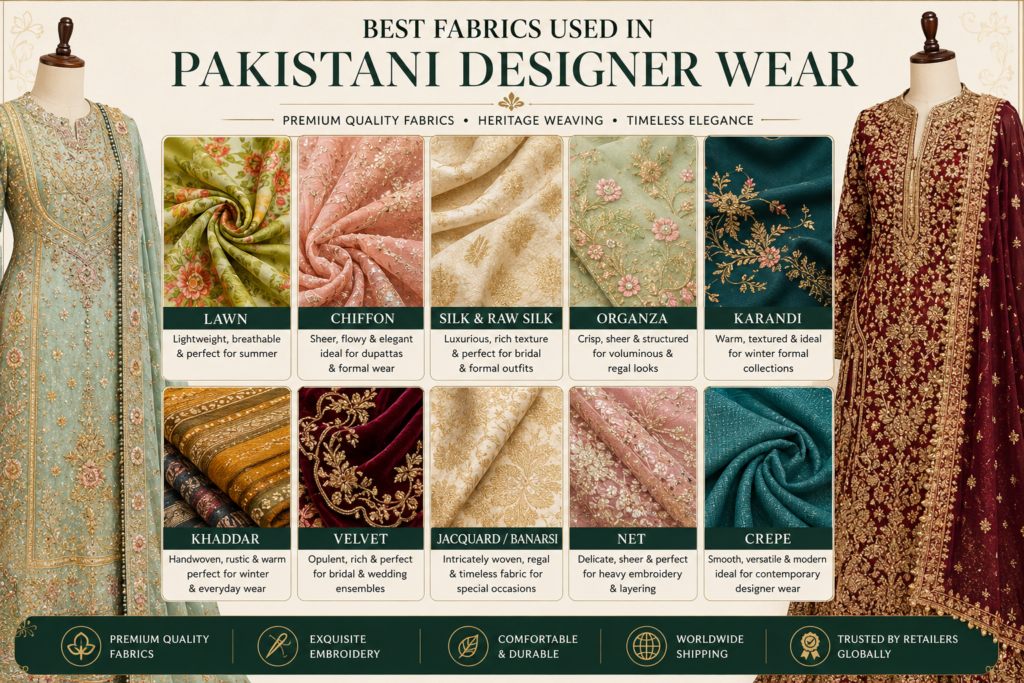
Pakistani designer wear has earned a legendary reputation across the globe — not just for its breathtaking embroidery, intricate cuts, and vibrant colors, but for the extraordinary quality of the fabrics that form the very foundation of each garment. Whether you are a fashion enthusiast, a bride planning her trousseau, a wholesale buyer, or a retailer seeking premium South Asian clothing, understanding the fabrics used in Pakistani designer wear is essential to making confident, informed decisions.
From the gossamer-thin lawns of summer to the regal brocades of bridal season, Pakistani textiles reflect centuries of craftsmanship, cultural heritage, and evolving global fashion sensibilities. This comprehensive guide explores the finest fabrics used in Pakistani designer dresses, how each fabric is used, why it matters, and how it connects to the wider world of Pakistani fashion wholesale and retail.

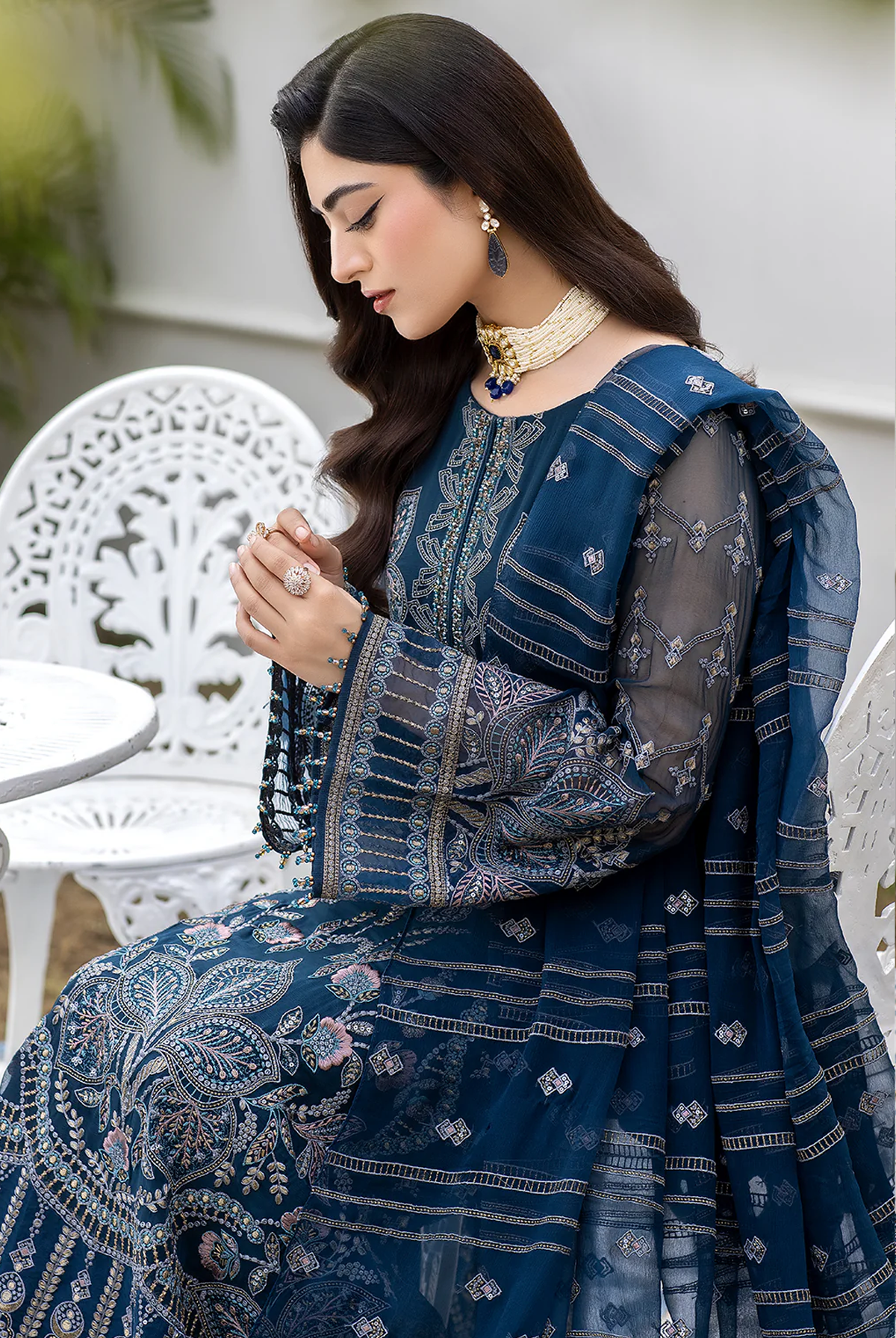

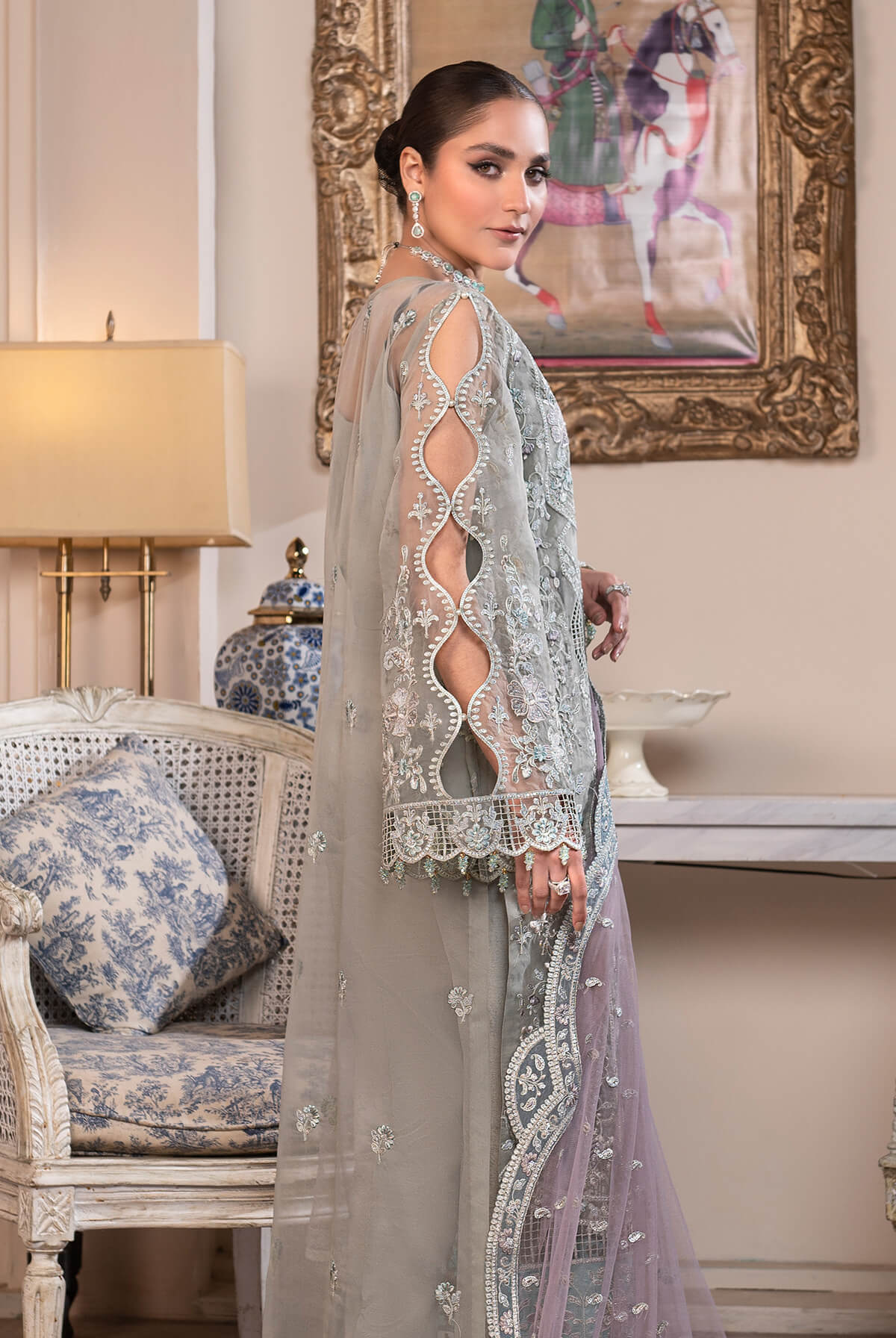
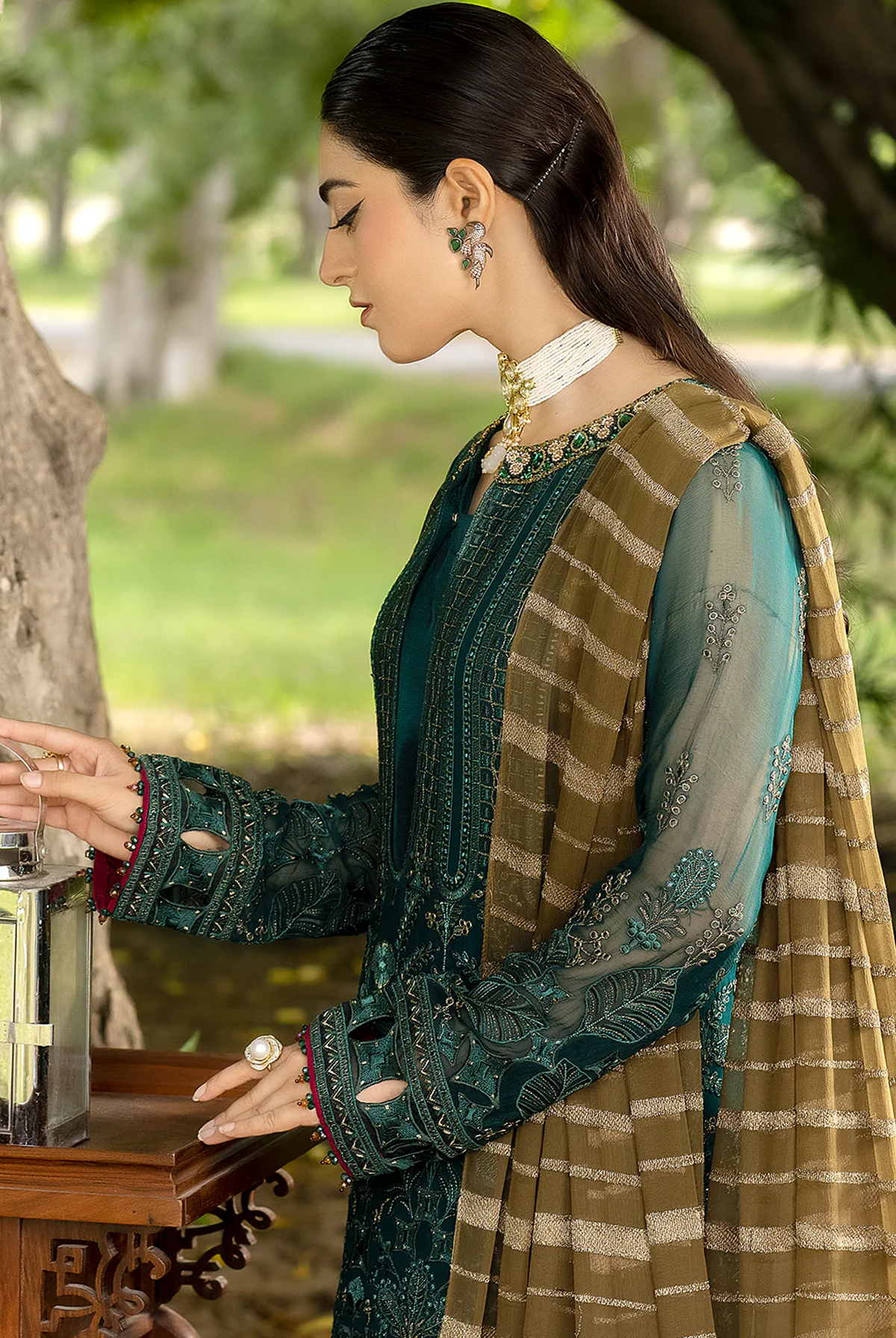

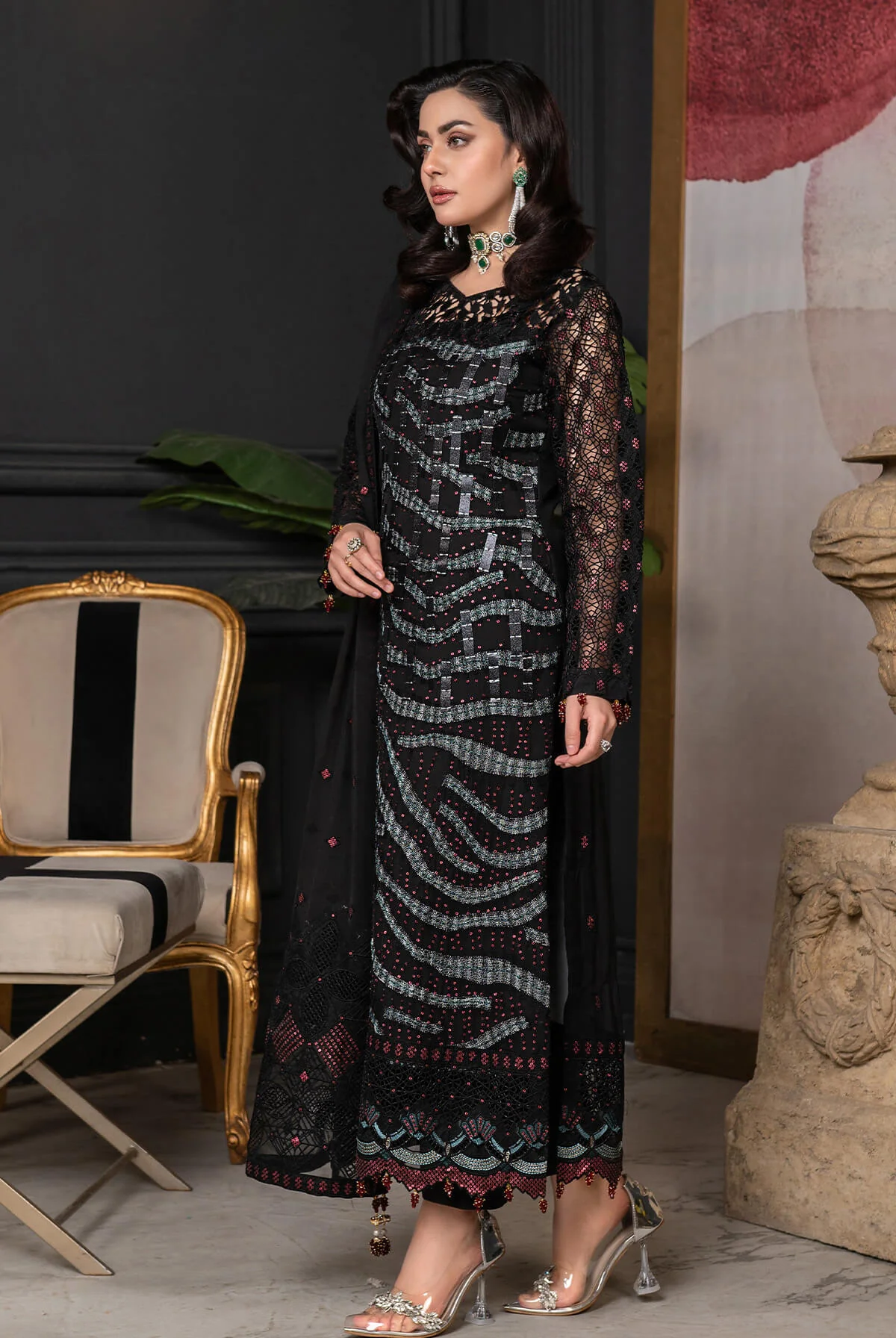



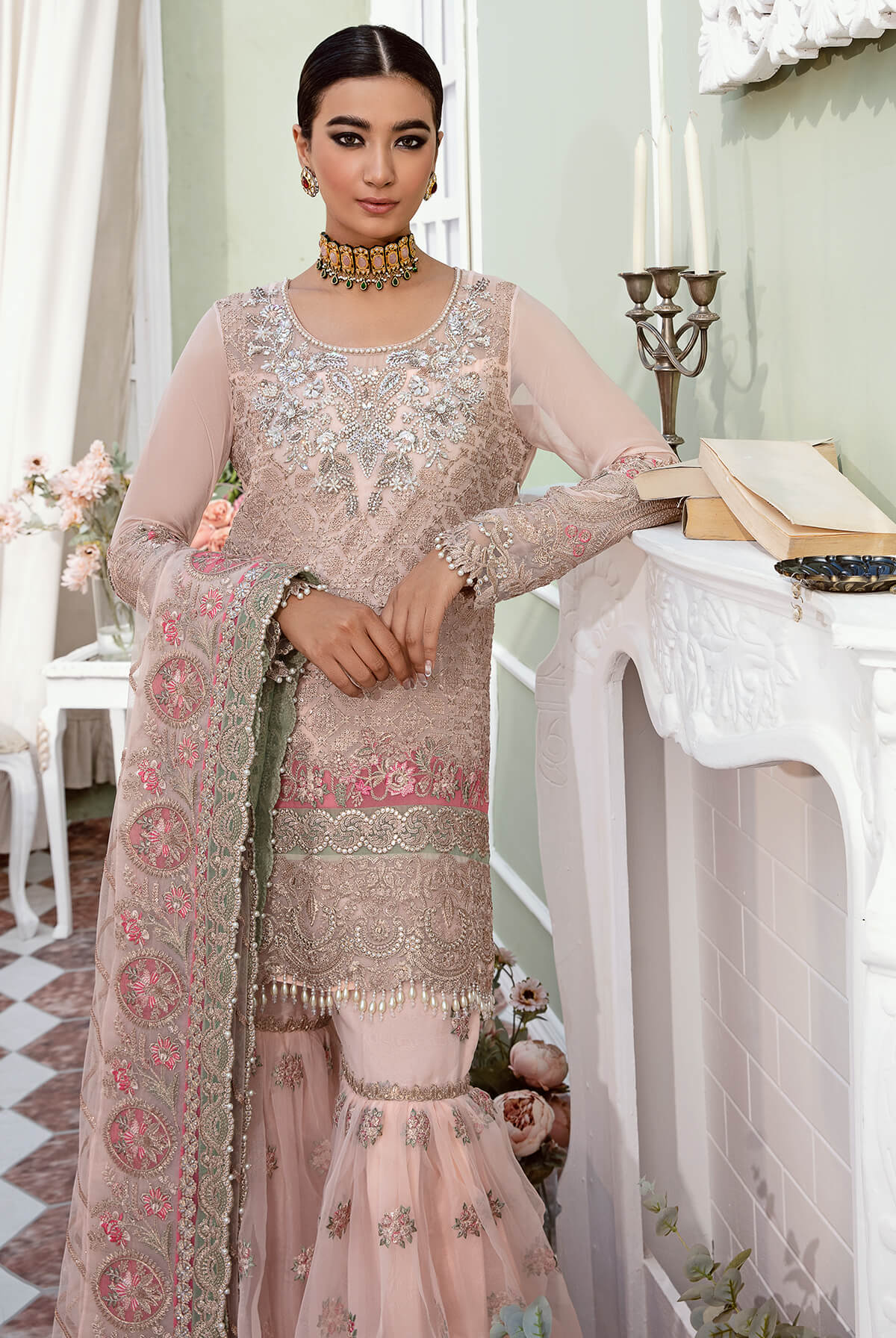
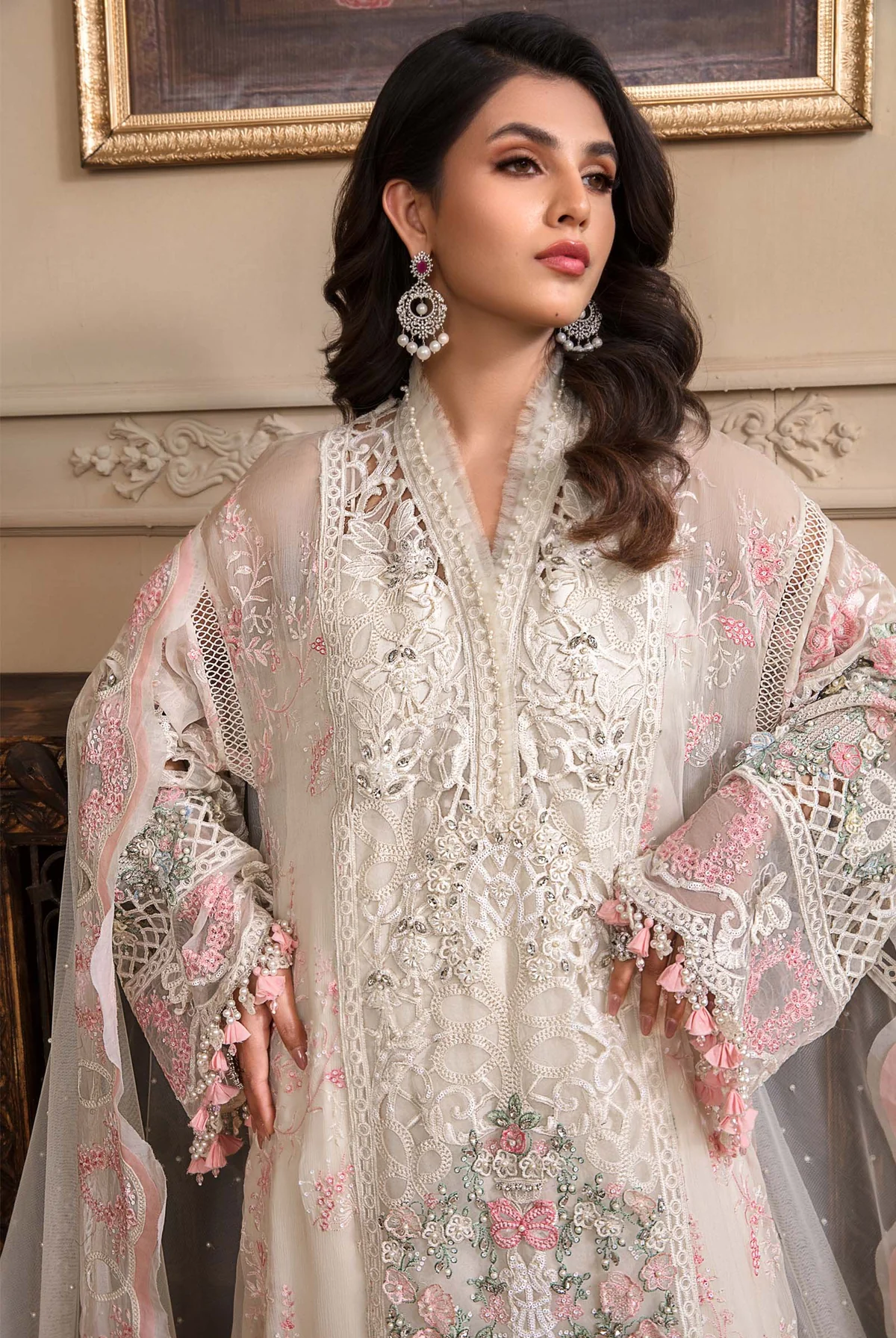
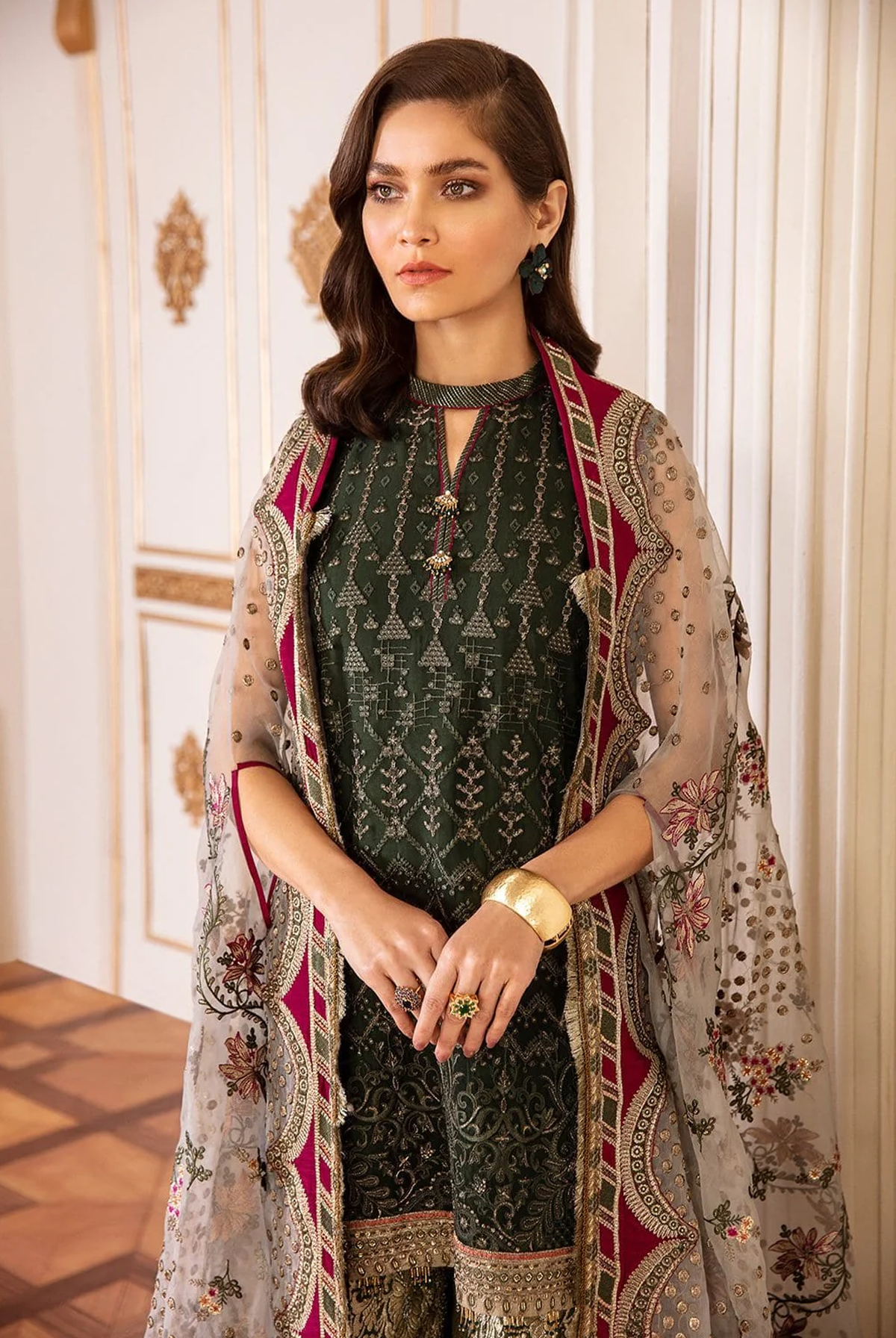
👉 Request Wholesale Pricing
👉 Submit your details to get bulk prices, MOQ information, and worldwide shipping details. We respond within 24 hours.
The Cultural Significance of Fabric in Pakistani Fashion
Before diving into specific fabrics, it is worth appreciating why fabric choice is so central to Pakistani fashion identity. Pakistan is one of the world’s largest producers of cotton, and its textile industry is among the most sophisticated in Asia. Fabric is not merely a material in Pakistani culture — it is a statement of occasion, social identity, regional heritage, and seasonal sensibility.
When you browse Pakistani designer suits or shop for formal wear, the first thing a knowledgeable buyer examines is the fabric. The drape of a pure chiffon dupatta, the crispness of an organza neckline, the warmth of a winter khaddar kameez — these tactile experiences define the entire wearing experience.
This deep connection between fabric and identity is also why Pakistani designer clothes online have found such passionate audiences in the UK, USA, Canada, Australia, the UAE, and beyond. Diaspora communities and fashion-forward international buyers alike recognize that Pakistani fabrics offer something truly distinctive in the global marketplace.
Lawn: The Crown Jewel of Pakistani Summer Fabric
No discussion of Pakistani designer fabric can begin anywhere other than lawn. Lawn is a finely woven, lightweight cotton fabric with an exceptionally smooth finish. Originally derived from the French city of Laon, lawn fabric was adopted into Pakistani textile culture and has since been transformed into an art form.
Pakistani lawn fabric, especially as used by high-end designers, is printed using sophisticated rotary or digital printing techniques that allow for extraordinarily vivid colors, fine detail, and complex patterns. The fabric is breathable, soft against the skin, and perfectly suited to the intense heat of South Asian summers.
Why Lawn Dominates Pakistani Fashion
Lawn’s dominance in Pakistani designer wear is driven by several factors:
It is supremely comfortable in hot, humid climates, making it the fabric of choice for daily wear from March through September. Its smooth surface accepts dye and print beautifully, enabling designers to produce intricate floral, geometric, and abstract designs. It is relatively affordable at the mass-market end, yet can be elevated to luxury status through premium prints, embroidery, and brand packaging.
Top Pakistani design houses — including Sana Safinaz, Gul Ahmed, Khaadi, and Maria B — release their lawn collections as annual fashion events. These collections are eagerly anticipated across Pakistan and internationally, with buyers from as far as Bangladesh, India, and the United States placing orders ahead of each season.
Embroidered Lawn
A significant subset of Pakistani designer lawn includes embroidered variants. Chikan embroidery, threadwork, sequin patches, and screen-printed embroidery panels are all applied to lawn fabric to create garments that transition from casual daywear to semi-formal territory. These pieces are particularly popular in the Pakistani dress wholesale market catering to retail buyers who need versatile inventory.
Chiffon: Elegance in Every Layer
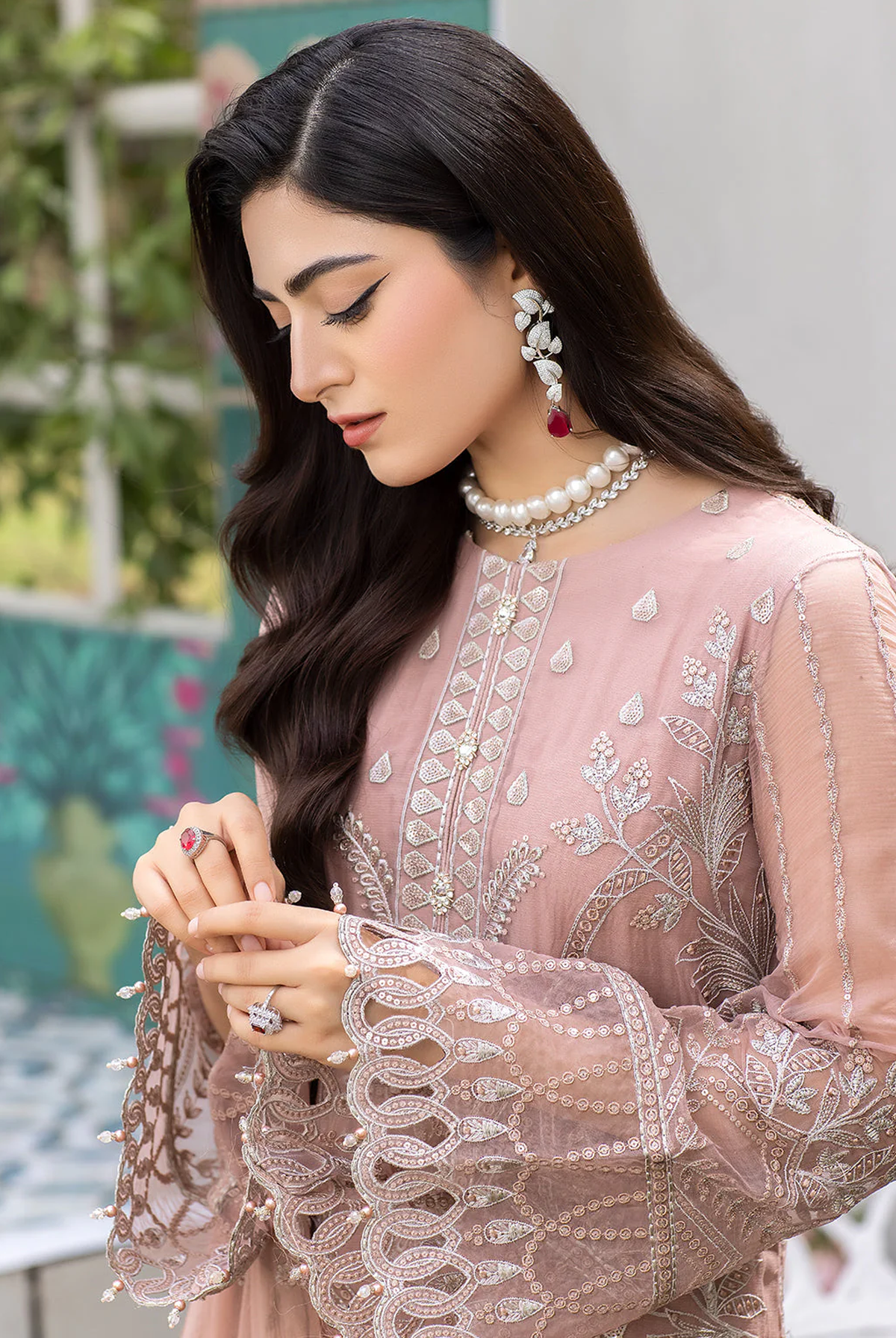
Chiffon is perhaps the most romantically feminine of all Pakistani designer fabrics. A lightweight, sheer, plain-woven fabric typically made from silk, nylon, or polyester, chiffon is used extensively in Pakistani fashion for dupattas (scarves), overlays, and formal garments.
Pure Silk Chiffon vs Synthetic Chiffon
In luxury Pakistani designer wear, pure silk chiffon remains the gold standard. Its natural luster, subtle texture, and graceful drape are unmatched by synthetic alternatives. Silk chiffon is used extensively in bridal wear, formal evening suits, and high-end party collections.
Synthetic chiffon — particularly georgette-weight polyester chiffon — is widely used in the mid-market segment. While it lacks the organic warmth of silk, modern synthetic chiffon has been engineered to a remarkably high standard. It is more durable, easier to wash, and far more affordable, making it ideal for retailers operating in the Pakistani dress wholesale online space.
Heavy Chiffon and Embellished Chiffon
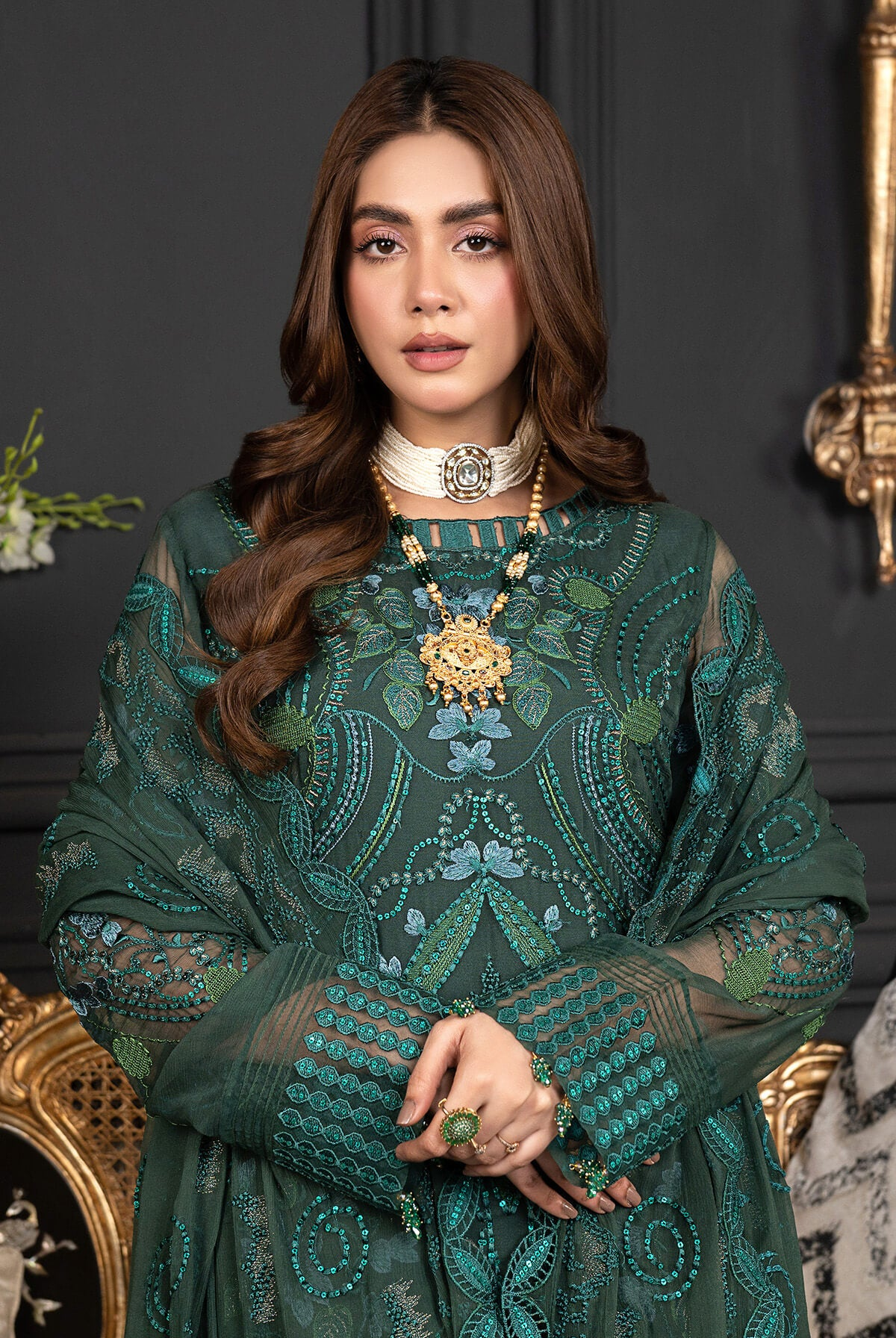
A distinct category popular in Pakistani formal wear is “heavy chiffon” — chiffon fabric that has been weighted with embroidery, sequins, zarri (metallic threadwork), and stone embellishments. These heavily worked chiffon garments are mainstays of Pakistani bridal and formal collections and are in high demand from suppliers serving markets in the UAE, Saudi Arabia, and UK.
Silk and Raw Silk: Heritage Luxury
Silk has been woven into the fabric of Pakistani culture — quite literally — for thousands of years. The Indian subcontinent’s silk weaving traditions are among the oldest in the world, and Pakistani artisans have inherited and extended these traditions with remarkable creativity.
Pure Silk in Designer Collections
Pure silk — whether smooth mulberry silk, textured dupioni, or raw silk (also called katan or resha) — is used in the most premium tier of Pakistani designer wear. Bridal lehengas, wedding sherwanis, formal anarkalis, and couture shalwar kameez are crafted from pure silk to deliver the weight, sheen, and grandeur that these occasions demand.
Retailers sourcing from Pakistani clothes wholesale suppliers who specialize in bridal and formal wear will frequently encounter pure silk garments priced at the higher end of the market — a justified premium given the fabric’s quality and the intensive handwork often applied to it.
Raw Silk and Dupioni
Raw silk — with its characteristic uneven texture created by using the whole silk cocoon including slubs — has a more organic, artisanal appearance than polished silk. It is widely used in Pakistani pret (ready-to-wear) and semi-formal collections.
Dupioni, a specific form of raw silk woven with two silk threads of different colors, creates a characteristic shimmering, iridescent effect that is stunning in both natural and artificial light. It is a popular choice for Pakistani party wear collections.
Organza: Structure Meets Delicacy
Organza is a thin, plain-weave sheer fabric traditionally made from silk, though modern versions are often crafted from polyester or nylon. It has a crisp, structured quality that makes it quite different from the fluid drape of chiffon — and this structural quality makes it tremendously useful in Pakistani designer fashion.
Organza in Pakistani Bridal Wear
Organza is used extensively in Pakistani bridal wear, particularly for lehengas, ghararas (flared trousers), and formal dupattas. Its inherent stiffness allows designers to create voluminous silhouettes, elaborate ruffles, and dramatic layers that hold their shape throughout a long wedding day.
The most spectacular use of organza in Pakistani fashion involves hand embroidery — particularly resham (silk thread) embroidery, zardozi (gold and silver wire embroidery), and mirror work. On an organza base, these embellishments appear to float in mid-air, creating an otherworldly visual effect that defines luxury Pakistani bridal couture.
Buyers sourcing Pakistani catalogue dress wholesale for bridal and formal occasions will find organza garments consistently among the highest-demand items, particularly in markets across Dubai, London, and Canada.
Karandi and Khaddar: Winter Warmth with Cultural Roots
While Pakistan’s summer fabrics — lawn, chiffon, organza — receive the most international attention, the country’s winter fabrics are equally remarkable. Karandi and khaddar are the two dominant winter fabric categories in Pakistani designer wear.
Karandi
Karandi (also spelled karandi or karandi wool blend) is a moderately heavy, slightly textured fabric with excellent drape and warmth. It is typically a wool-polyester or wool-acrylic blend, making it more affordable and easier to care for than pure wool while retaining its comfortable warmth.
Karandi is extremely popular in both casual and formal winter collections. It is frequently embellished with embroidery at the neckline, hemline, or cuffs, and paired with silk or velvet dupattas for a sophisticated winter ensemble. Pakistani winter collections based on karandi are in strong demand in colder climates — from buyers in Germany, Scandinavia, Canada, and the northern United States such as New York and Illinois.
Khaddar
Khaddar is a coarser, handwoven cotton fabric with a distinctly artisanal texture. It is the fabric most closely associated with rural and traditional Pakistani craft traditions — originally the fabric of everyday working-class wear, it has been reinvented by contemporary designers as a statement of cultural pride and sustainable fashion.
Modern khaddar collections blend traditional handwoven texture with contemporary cuts, sophisticated embroidery, and refined color palettes. The resulting garments have a charming rustic elegance that appeals to customers who value craft heritage. Khaddar is widely stocked by retailers serving Pakistani diaspora communities who maintain a strong connection to cultural identity.
Velvet: Opulence for Formal and Bridal Occasions
Velvet is one of the most luxurious fabrics in the Pakistani designer wardrobe. Its soft, dense pile creates an unparalleled depth of color and richness of texture that photographs magnificently and feels extraordinary to wear.
Uses of Velvet in Pakistani Fashion
Velvet is used across several categories in Pakistani designer wear. It appears as the primary fabric in formal and bridal collections — particularly in winter bridal wear, where a velvet lehenga or anarkali creates an effect of regal opulence. It is also used for formal dupattas, shawls, and border accents on otherwise simpler garments.
Pakistani velvet garments are often embellished with zardozi embroidery, which uses gold and silver wire to create intricate floral and geometric patterns. The contrast between the velvet pile and the metallic embroidery thread is visually spectacular.
For retailers sourcing formal and wedding wear — whether through Pakistani dress wholesale in Pakistan or from international Pakistani clothes wholesalers in Bradford — velvet-based garments command premium price points and strong demand during the wedding and winter seasons.
Cotton: The Everyday Workhorse of Pakistani Fashion
Pakistan is one of the world’s top producers of cotton, and this agricultural abundance has shaped the nation’s fashion culture profoundly. While lawn is the most glamorous manifestation of Pakistani cotton, several other cotton-based fabrics play crucial roles in the broader designer wear ecosystem.
Cambric
Cambric is a finely woven, smooth cotton fabric that sits between lawn (which is very fine) and ordinary quilting cotton in weight and texture. It is used for everyday shalwar kameez, unstitched dress materials, and pret collections across all price points.
Cambric is especially popular in the Pakistani dress material wholesale market because it is versatile, durable, and easy to print on. Retailers in India and Bangladesh are among the largest buyers of Pakistani cambric dress material.
Poplin
Poplin is a crisp, medium-weight cotton fabric with a fine ribbed texture. It is frequently used in Pakistani men’s kurta-shalwar sets and in structured women’s garments where a more formal, tailored look is desired. Poplin’s firmness gives it excellent durability — ideal for garments intended for regular wear.
Linen
Though not native to Pakistani textile tradition, linen has found a growing following in premium Pakistani designer collections. Its characteristic texture, breathability, and elegant drape make it ideal for sophisticated casual wear and summer formal collections. High-end Pakistani brands increasingly offer linen collections targeted at professional women who want culturally rooted clothing with a contemporary, minimal aesthetic.
Jacquard and Banarsi Fabrics: Woven Artistry
Jacquard refers not to a specific fiber but to a weaving technique — the Jacquard loom — that allows for complex, multi-colored patterns to be woven directly into the fabric structure. Banarsi fabric is a specific type of jacquard fabric originating from Varanasi (Banaras) in India but produced extensively in Pakistan as well, known for its heavy silk or silk-blend base and intricate gold and silver zari (metallic thread) weaving.
Banarsi in Pakistani Bridal Fashion
Banarsi fabric is one of the most iconic materials in Pakistani bridal and formal fashion. A Banarsi lehenga or sari is considered a heirloom-quality garment — something to be preserved and passed down through generations. The extraordinary complexity of the weaving process, which can take weeks for a single length of fabric, justifies its premium pricing.
Pakistani designers such as Bunto Kazmi, Nomi Ansari, and Faraz Manan have long incorporated Banarsi fabric into their couture collections. The fabric’s inherent pattern eliminates the need for extensive embroidery while still delivering the visual richness associated with luxury Pakistani occasion wear.
Wholesale buyers sourcing premium fabric-based collections — whether for markets in Australia, Malaysia, or South Africa — will find Banarsi-based garments among the most prestigious offerings.
Net and Tissue: Light as Air
Net and tissue fabrics occupy a special place in Pakistani designer wear, particularly for formal and bridal collections.
Tissue Fabric
Tissue is a sheer, very lightweight fabric with a metallic or semi-metallic finish, typically woven from silk or polyester with fine metallic threads. It shimmers magnificently in both natural and artificial light, making it ideal for evening wear and festive collections. Tissue is frequently used for dupattas, overlay layers, and formal kurta lengths.
Net Fabric
Net (tulle or net mesh) is used in Pakistani formal and bridal wear for adding layers, volume, and texture. Heavily embroidered net garments — featuring dense coverage of sequins, beads, threadwork, and mirror embellishments — are among the most distinctive creations in Pakistani luxury fashion. These garments are labor-intensive to produce and command prices that reflect that investment.
Net embroidered garments are particularly sought after in markets served by Pakistani dress wholesale suppliers in the USA, France, and Italy — international markets with strong Pakistani communities and high appreciation for formal occasion wear.
Georgette: The Graceful Middle Ground
Georgette is a crepe-type fabric with a slightly rough, crinkled texture that drapes beautifully and moves with the body. Unlike chiffon, which is smooth and sheer, georgette has a more substantial weight and a matte finish that many find more sophisticated for daywear and semi-formal contexts.
Georgette in Pakistani Formal Wear
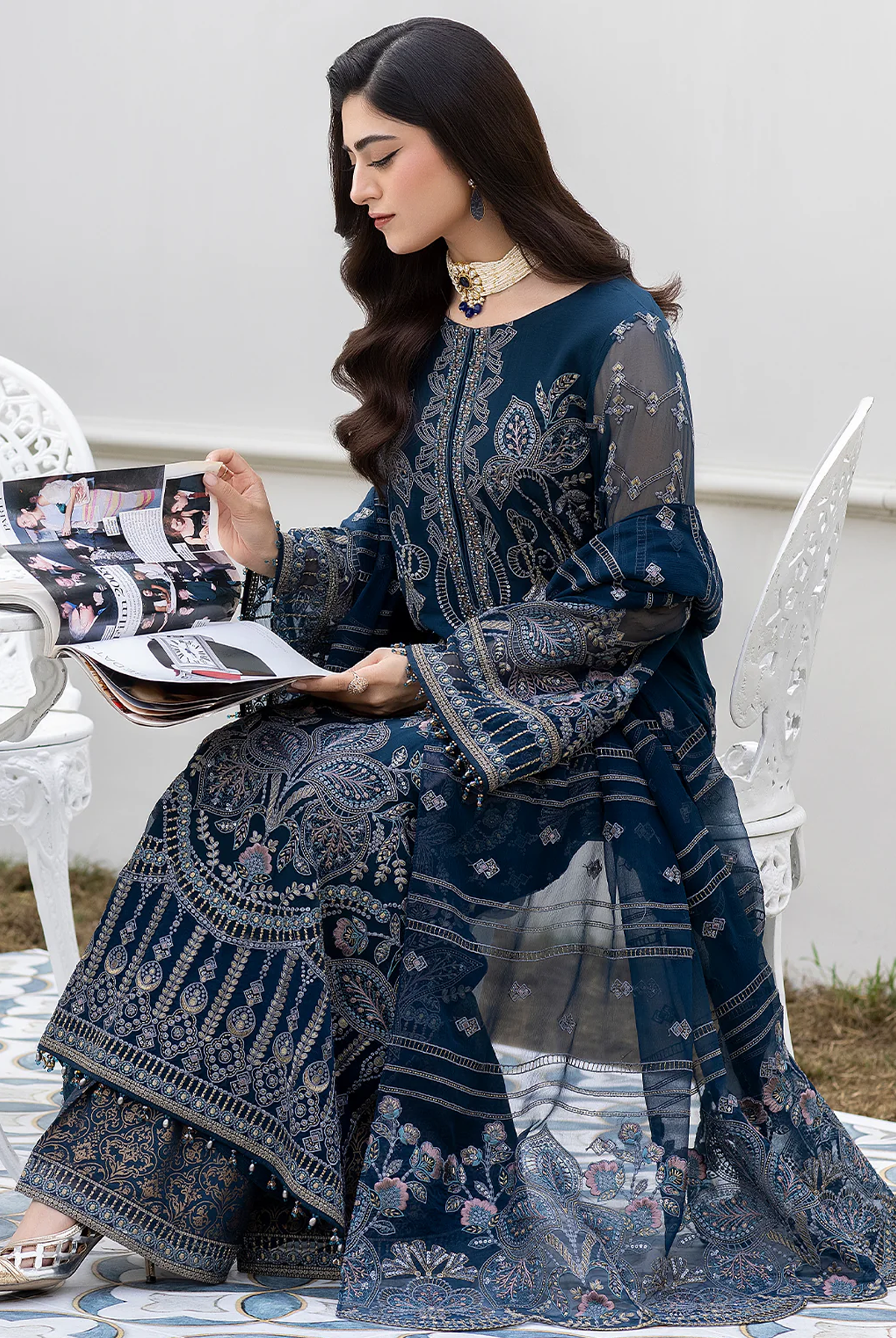
Georgette is used extensively across Pakistani designer collections at all price points. Plain georgette provides an elegant base for embroidery, block printing, and digital printing. Chiffon-georgette blends are widely used for dupattas that need a balance of drape and opacity.
For the Pakistani dress in wholesale market, georgette garments represent one of the most reliable categories — consistent demand across seasons, wide customer appeal, and good margin potential for retailers.
Crepe: Modern and Versatile
Crepe fabric has a distinctly textured surface created through either twisted yarn weaving or chemical treatment. In Pakistani fashion, crepe is valued for its elegant drape, slight stretch, and low-maintenance properties.
Crepe is the fabric of choice for contemporary Pakistani designer collections targeting professional working women. Its wrinkle resistance and easy care make it supremely practical, while its smooth drape and subtle sheen give it a polished, contemporary appearance.
International buyers sourcing through Pakistani dress wholesale online platforms will notice that crepe-based garments are increasingly popular in Western markets, where customers value both cultural aesthetics and practical wearability.
The Embroidery-Fabric Relationship: How Artisanship Elevates Material
It would be incomplete to discuss Pakistani designer fabrics without acknowledging the role of embroidery. In Pakistani fashion culture, the fabric is often just the beginning — the embroidery is what transforms it into something extraordinary.
Zardozi and Zari Work
Zardozi is a form of metal embroidery using gold and silver wire, often combined with silk thread, beads, sequins, and precious stones. Originating in Mughal court fashion, zardozi remains the most prestigious form of embroidery in Pakistani bridal couture. It is most commonly applied to velvet, silk, and heavy chiffon bases.
Gota Work
Gota work uses strips of metallic ribbon woven into the fabric surface. It creates a glittering, densely textured effect that is particularly popular in Pakistani bridal wear from Punjab and Sindh. Gota is typically applied to silk, organza, or heavy chiffon garments.
Resham (Silk Thread) Embroidery
Resham embroidery uses pure silk thread to create detailed floral, paisley, and geometric patterns. Unlike zardozi, it has a soft, colorful quality rather than a metallic shine, making it suitable for both formal and semi-formal garments. Resham embroidery is applied to lawn, cambric, chiffon, and georgette fabrics across a wide range of price points.
Machine Embroidery and Laser Cutting
Contemporary Pakistani fashion has embraced technology enthusiastically. Machine embroidery — using computerized embroidery machines to replicate hand-embroidery patterns at scale — has democratized embellished Pakistani fashion, making designer-aesthetic clothing accessible across budget ranges. Laser-cut details on organza, net, and chiffon create precise geometric and floral patterns that would be impossible by hand.
For retailers and wholesale buyers exploring the Pakistani dress wholesale market at various price tiers, understanding the distinction between hand-embroidered and machine-embroidered garments is essential for accurate pricing and product positioning.
Regional Fabric Traditions: Beyond the Mainstream
Pakistan’s diverse geography has produced distinct regional textile traditions that continue to enrich the broader Pakistani fashion landscape.
Sindhi Ajrak
Ajrak is a block-printed cotton cloth associated with Sindh. Using natural dyes (traditionally indigo and madder red) and intricate geometric patterns, ajrak represents one of Pakistan’s oldest and most distinctive textile traditions. Contemporary Pakistani designers have incorporated ajrak into fashion-forward collections that celebrate this heritage.
Balochi Embroidery Fabrics
Balochistan’s textile tradition centers on densely hand-embroidered cotton and linen fabrics, featuring bold geometric patterns in jewel-tone thread colors. Balochi embroidered garments are increasingly sought internationally as examples of authentic South Asian textile craft.
Kashmiri Pashmina and Shawls
Though Pashmina is technically associated more with Kashmir than with Pakistani mainstream fashion, Pakistani designers frequently incorporate Kashmiri-style shawl weaving and pashmina-blend fabrics into their luxury winter collections. These shawls and dupattas are prized worldwide for their extraordinary softness.
Buyers in markets from Switzerland to Japan have shown growing interest in these authentic regional fabric traditions as part of a broader global appreciation for artisanal South Asian textiles.
How Fabric Quality Determines Price Tiers in Pakistani Designer Wear
One of the most important things to understand for anyone buying or selling Pakistani fashion — whether as an end consumer, retailer, or wholesale buyer — is that fabric quality is the single most significant driver of price differentiation.
Entry-Level: Synthetic Blends and Basic Prints
Entry-level Pakistani fashion uses synthetic fabrics (polyester, nylon, rayon) or basic cotton blends with screen or rotary printing. These garments are affordable, mass-produced, and accessible. They are suitable for everyday casual wear and represent the bulk volume of the Pakistani dress wholesale trade globally.
Mid-Range: Quality Cotton and Georgette
Mid-range Pakistani designer wear uses quality cotton lawn, cambric, georgette, and light chiffon with digital printing and limited embroidery. This tier represents the sweet spot of the market — accessible enough for regular purchase but distinctive enough to feel special. This is the segment most represented in catalogue collections and pret lines from major Pakistani brands.
Premium: Pure Silk, Organza, and Hand Embroidery
Premium Pakistani designer wear uses pure silk, organza, heavy chiffon, and Banarsi fabrics with substantial hand or mixed embroidery. These garments are created in limited quantities and sold through exclusive retail channels. International buyers sourcing for premium retail environments — whether in Manchester, New York, or Singapore — should focus on Pakistani suppliers who specialize in this tier.
Bridal Couture: Everything Premium, Plus Time
Bridal couture represents the absolute apex of Pakistani designer fabric use. Every element — base fabric, embroidery technique, embellishment materials, finishing — is the finest available. Bridal couture garments are made to order and can represent dozens to hundreds of hours of skilled handwork. Buyers in markets such as Qatar, Kuwait, and Bahrain have shown particular appreciation for luxury Pakistani bridal couture.
Sustainability and Fabric Innovation in Pakistani Fashion
The Pakistani fashion industry is not standing still. As global consumers become more conscious of environmental impact, Pakistani designers and fabric producers are increasingly exploring sustainable alternatives.
Organic Cotton
Several Pakistani fabric mills have begun producing certified organic cotton — cotton grown without synthetic pesticides or fertilizers. Organic cotton lawn and cambric are gaining traction in eco-conscious markets in Sweden, Netherlands, and Australia.
Natural Dyes
There is a growing revival of natural dye practices in Pakistani artisan textiles. Block-printed fabrics using plant-based dyes such as indigo, pomegranate, and turmeric are increasingly sought after as luxury eco-fashion items, particularly in boutique retail markets in France and Spain.
Recycled and Upcycled Textiles
Pioneering Pakistani designers are beginning to incorporate recycled fabrics — including upcycled silk and reconstructed vintage textiles — into their collections, appealing to the growing global market for sustainable luxury fashion.
Buying Pakistani Designer Fabrics Globally: What to Look For
Whether you are a retailer in Dhaka, a boutique owner in Mumbai, or a wholesale buyer in London, there are several key considerations when sourcing Pakistani designer fabrics and garments.
Authentication and Brand Verification
The popularity of Pakistani designer wear has unfortunately also given rise to counterfeit products. When sourcing premium garments, always verify supplier credentials and, where possible, work directly with authorized distributors of major Pakistani brands.
Fabric Composition Labeling
Always confirm fabric composition for the products you stock. Customers increasingly expect accurate information about what their garments are made of — particularly in regulated markets in the EU, UK, and North America.
Seasonal Inventory Planning
Pakistani designer collections follow seasonal patterns that differ from Western fashion seasons. Lawn collections launch in late winter/spring for summer use; formal and bridal collections peak in autumn and winter. Planning inventory around these cycles is essential for retailers.
Minimum Order Quantities
Wholesale purchasing from Pakistani suppliers varies widely in terms of minimum order quantities (MOQs). Buyers in smaller markets — from Barbados to Iceland — may need to look for suppliers who offer flexibility on MOQs, while high-volume buyers in large markets can typically negotiate better pricing with fixed MOQs.
The Global Reach of Pakistani Designer Fabrics
Pakistani designer wear is no longer just a South Asian phenomenon. The global Pakistani diaspora — spread across North America, Europe, the Middle East, Southeast Asia, and Oceania — has created genuine demand for Pakistani fashion on every continent.
This global demand has given rise to a sophisticated international Pakistani dress wholesale ecosystem connecting factories in Lahore, Karachi, Faisalabad, and Multan with retailers and consumers in dozens of countries. Whether it is a boutique in Toronto stocking the latest lawn collection, a formal wear specialist in Dubai sourcing bridal embellished chiffon, or a fashion entrepreneur in Nigeria introducing Pakistani modest fashion to a new audience, the common thread connecting them all is the extraordinary quality of Pakistani fabrics.
Pakistani fabric manufacturers and designers have also benefited from technology — particularly e-commerce, digital printing advances, and international logistics improvements — which have made it easier than ever for buyers worldwide to access the best that Pakistani designer wear has to offer.
Frequently Asked Questions About Fabrics in Pakistani Designer Wear
1. What is the most popular fabric used in Pakistani designer wear?
Lawn is undoubtedly the most popular fabric in Pakistani designer wear, particularly for summer and casual collections. Its lightweight, breathable nature makes it ideal for South Asia’s hot climate, and its smooth surface is perfect for the vibrant digital and screen prints that Pakistani fashion is known for. You can explore the latest lawn-based collections through Pakistani designer dresses available online.
2. What fabrics are used in Pakistani bridal wear?
Pakistani bridal wear typically uses the most luxurious fabrics available, including pure silk, organza, heavy chiffon, velvet, net, tissue, and Banarsi brocade. These fabrics are chosen for their weight, sheen, and ability to hold intricate embroidery and embellishments. Retailers and boutique buyers can source premium bridal collections through Pakistani clothes wholesale suppliers who specialize in formal and wedding wear.
3. Is Pakistani chiffon different from regular chiffon?
Pakistani chiffon garments are distinguished not by the base fabric composition (which is a standard plain-weave sheer fabric) but by the quality and intricacy of the embellishments applied to them. Pakistani fashion houses are globally renowned for their heavily embroidered, sequined, and zarri-worked chiffon garments that transform this delicate fabric into extraordinary formal wear. These garments are widely available through Pakistani dress wholesale in Dubai and other international wholesale hubs.
4. What is the difference between karandi and khaddar in Pakistani fashion?
Karandi is a moderately heavy, slightly lustrous wool-blend fabric used primarily for winter formal and semi-formal wear. Khaddar is a coarser, handwoven cotton fabric with an artisanal texture associated with everyday and culturally expressive winter clothing. Both are beloved winter staples in Pakistani fashion. International buyers — including those sourcing from Pakistani dress wholesale suppliers in the USA — find both fabrics in strong demand during autumn and winter seasons.
5. How can I identify high-quality fabric in Pakistani designer garments?
Key indicators of high-quality fabric in Pakistani designer wear include smooth, even weave without irregularities; consistent, vibrant color with no bleeding or fading; appropriate weight for the fabric type; soft hand feel without excessive stiffness or roughness; and accurate fabric labeling. When shopping through Pakistani designer clothes online, look for detailed fabric composition information and reputable brand provenance.
6. What Pakistani fabrics are best for hot climates?
For hot climates, the best Pakistani designer fabrics are cotton lawn (lightweight, breathable, cool), cambric (slightly heavier cotton), and light chiffon or georgette (for formal occasions). These fabrics allow air circulation and manage perspiration well. Buyers in tropical and subtropical markets — including those sourcing through Pakistani dress wholesale suppliers in Bangladesh, Malaysia, or Nigeria — will find summer-weight Pakistani fabrics well-suited to local climate needs.
7. Can I buy Pakistani designer fabrics in unstitched form?
Yes — a significant portion of Pakistani fashion retail involves unstitched dress materials, which are sold as fabric lengths that the buyer then has stitched locally to their measurements. Unstitched collections are a staple of the Pakistani dress material wholesale market and are widely popular in South Asian diaspora communities who prefer custom tailoring. These are also popular for buyers in India who source Pakistani fabric for local tailoring.
8. What embroidery techniques are most associated with Pakistani designer fabrics?
Pakistani designer fabrics feature a wide range of embroidery traditions including zardozi (gold and silver wire work), resham (silk thread embroidery), gota work (metallic ribbon weaving), mirror work, chikankari, and increasingly sophisticated machine embroidery. The choice of embroidery technique varies by price tier and occasion. Premium formal and bridal garments sourced through Pakistani designer suits collections will typically feature hand-done zardozi or resham embroidery.
👉 Request Wholesale Pricing
👉 Submit your details to get bulk prices, MOQ information, and worldwide shipping details. We respond within 24 hours.
Conclusion:
The fabrics used in Pakistani designer wear are not incidental — they are central to everything that makes Pakistani fashion remarkable. From the lightest summer lawn to the most opulent bridal velvet, from heritage Banarsi brocades to contemporary sustainable cotton, the fabric choices made by Pakistani designers and manufacturers reflect a rich tradition of textile mastery combined with dynamic creative innovation.
For consumers, understanding fabric is the key to making satisfying purchases — choosing the right material for the right occasion, climate, and budget. For retailers and wholesale buyers, fabric knowledge enables better sourcing decisions, more accurate pricing, and more compelling product storytelling.
Whether you are exploring Pakistani dress material wholesale for your business, shopping for a special occasion through Pakistani designer clothes online, or building a retail inventory of Pakistani designer suits and dresses, the fabric is where the story begins.
