
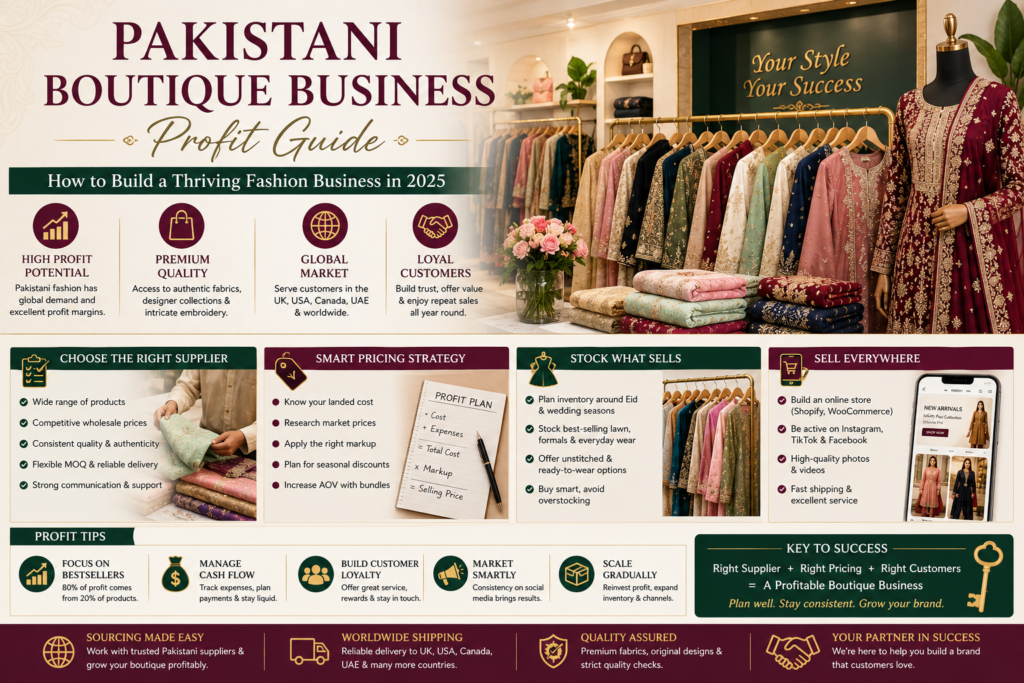
Running a Pakistani boutique is one of the most rewarding ventures in the fashion industry today. With global demand for embroidered lawns, chiffon formals, and intricately worked designer ensembles growing at an extraordinary pace, boutique owners who understand their supply chain, pricing strategy, and customer base are quietly building six-figure businesses. But profit doesn’t come automatically — it comes from smart decisions made at every step, from sourcing to selling.
This complete guide breaks down exactly how Pakistani boutique owners — whether based locally or abroad — can maximize profit, minimize waste, and build a sustainable brand that lasts.


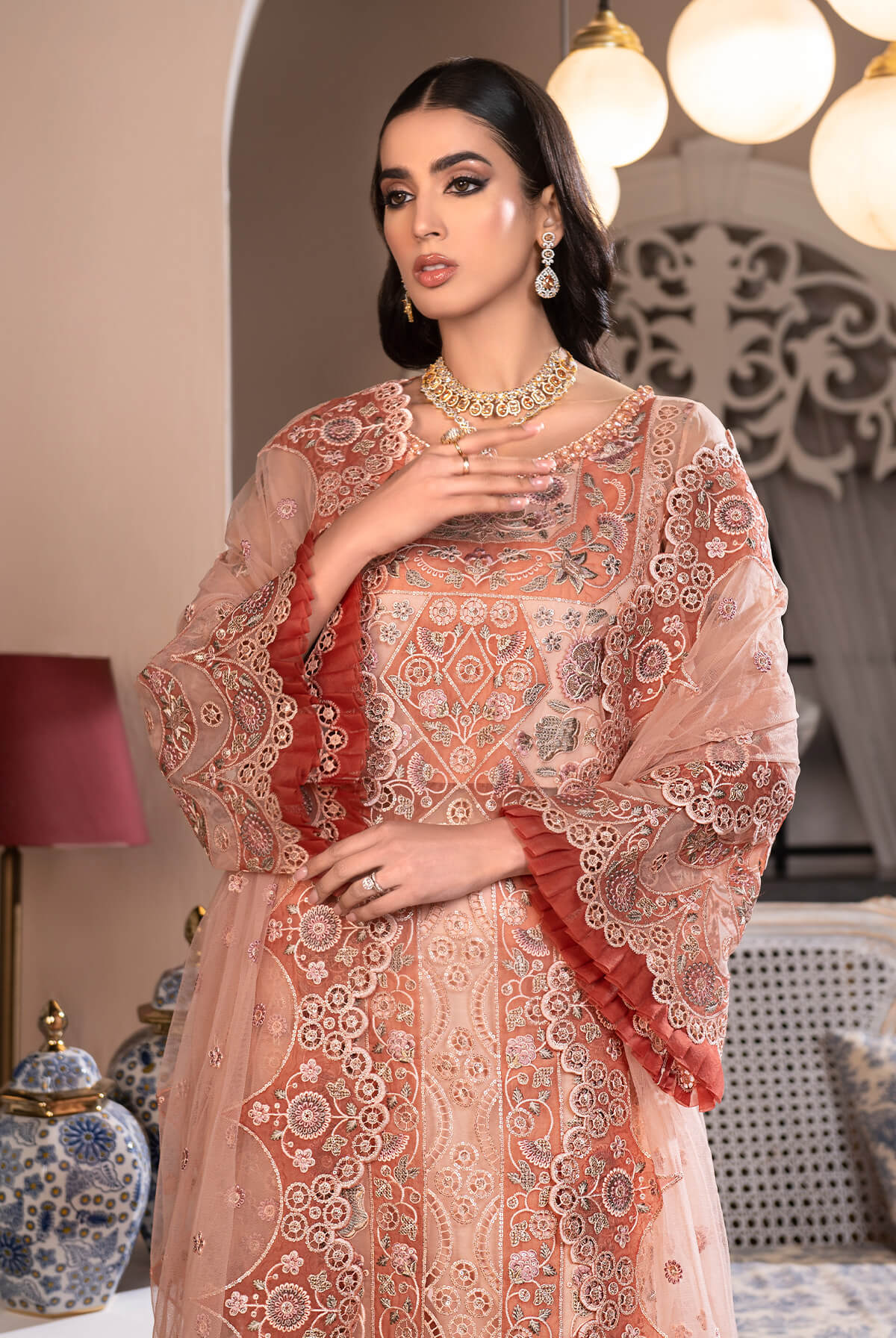


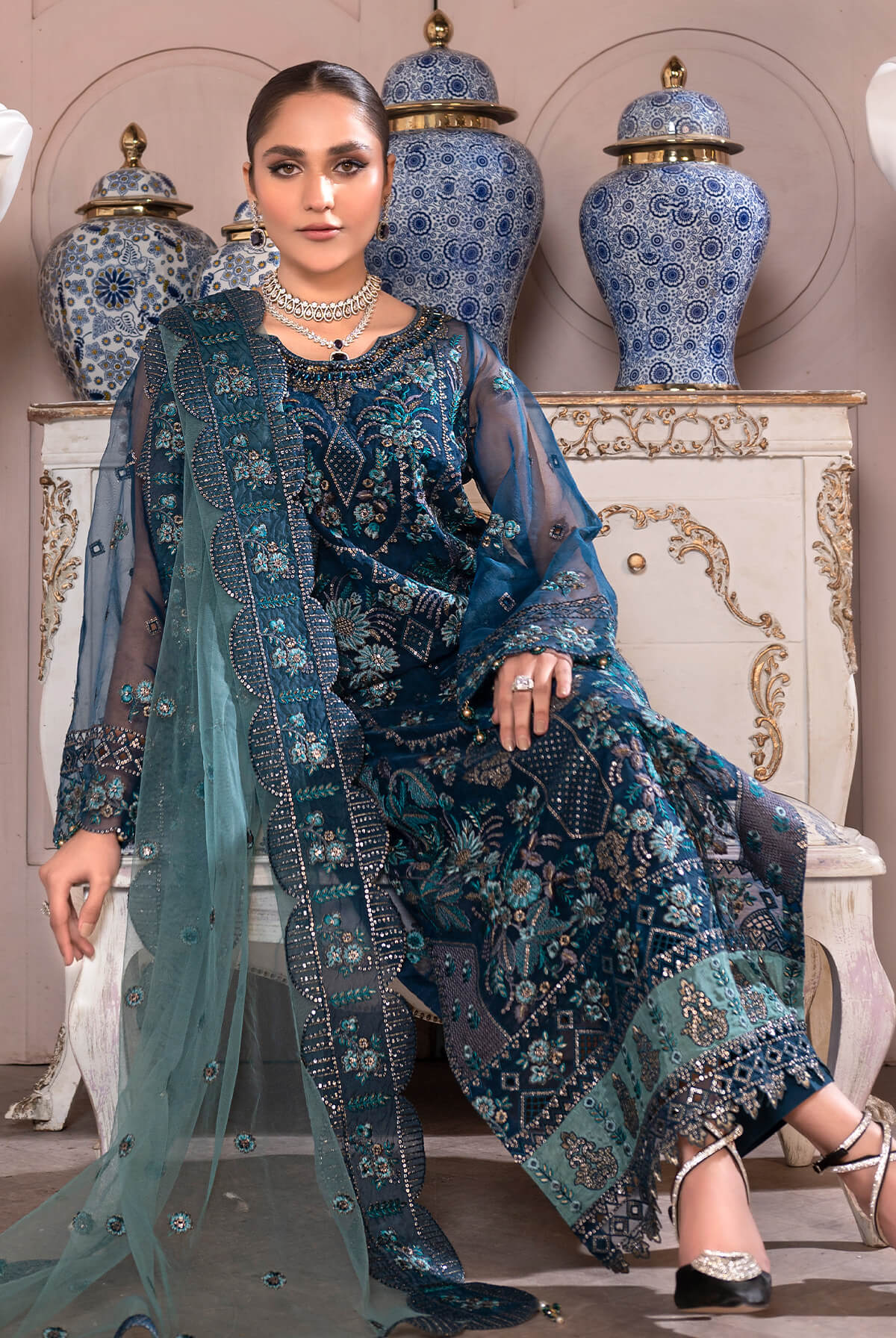

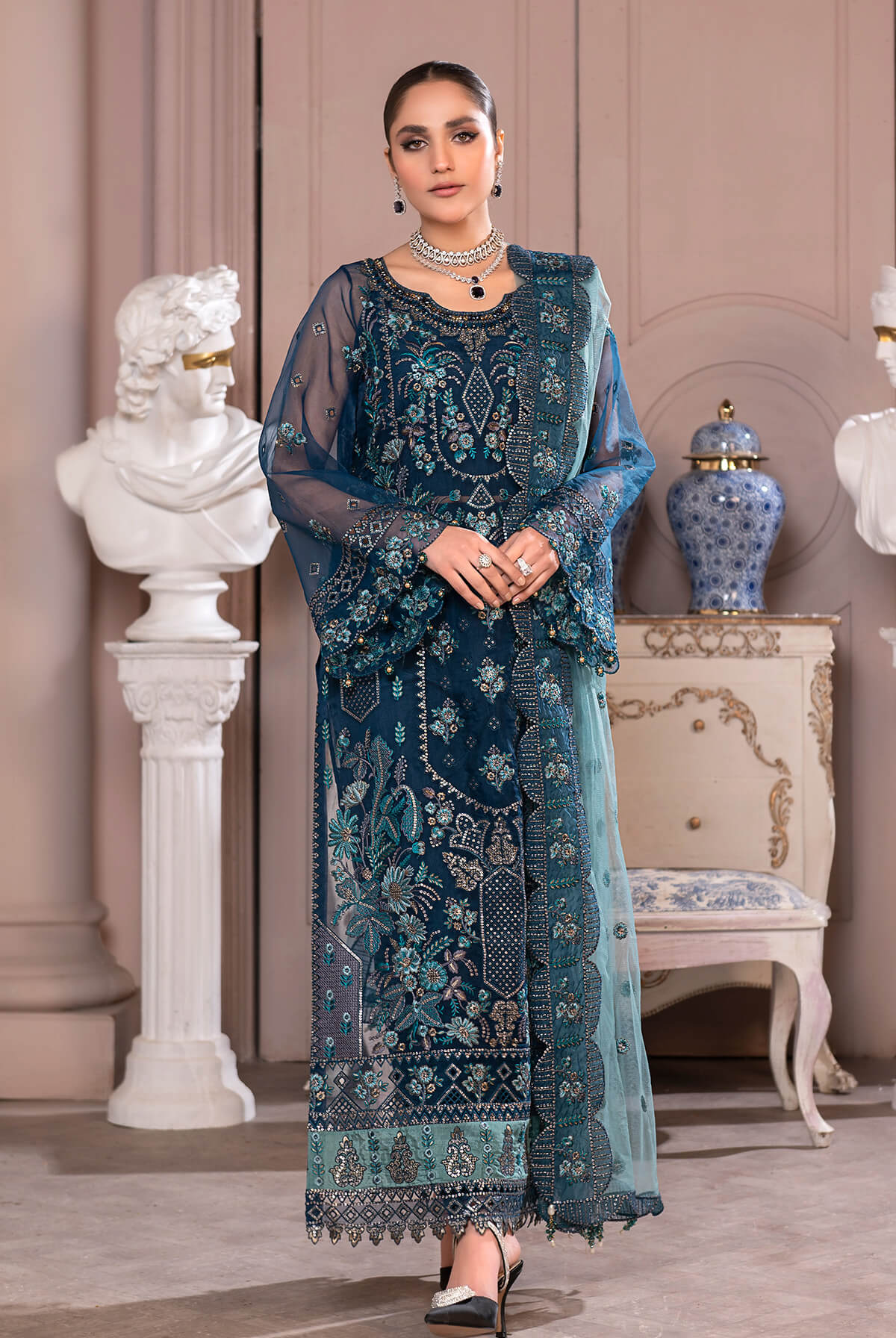

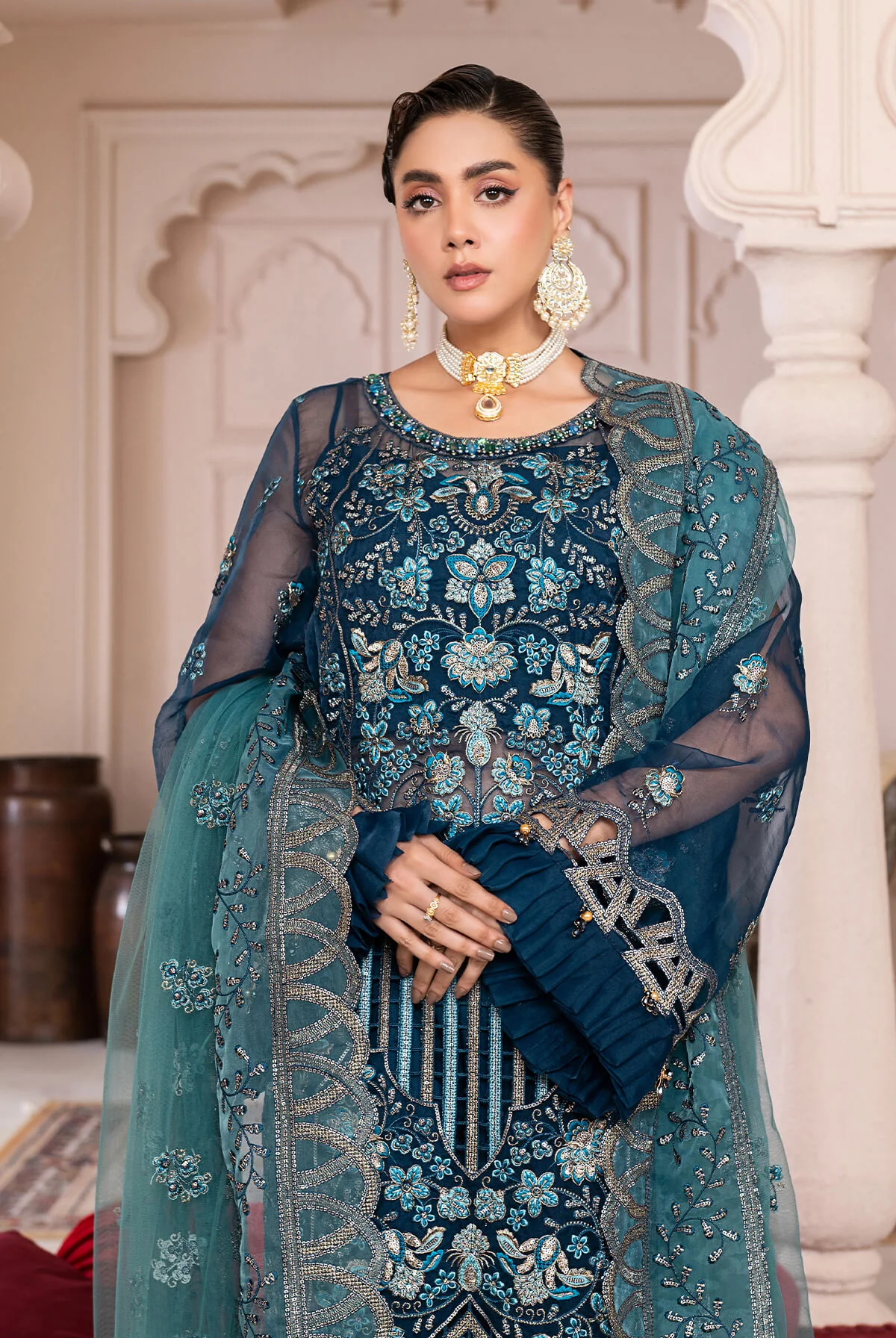
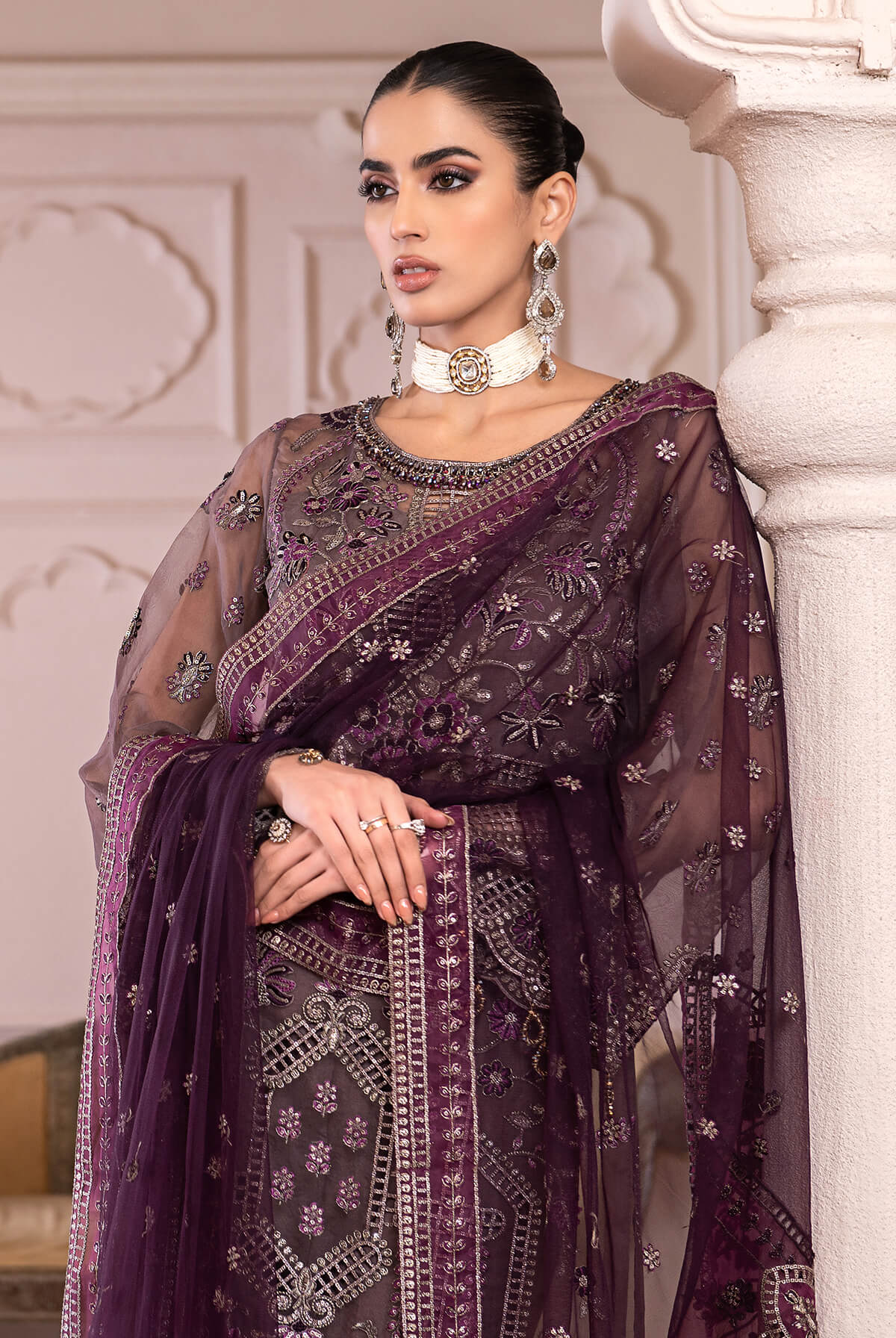
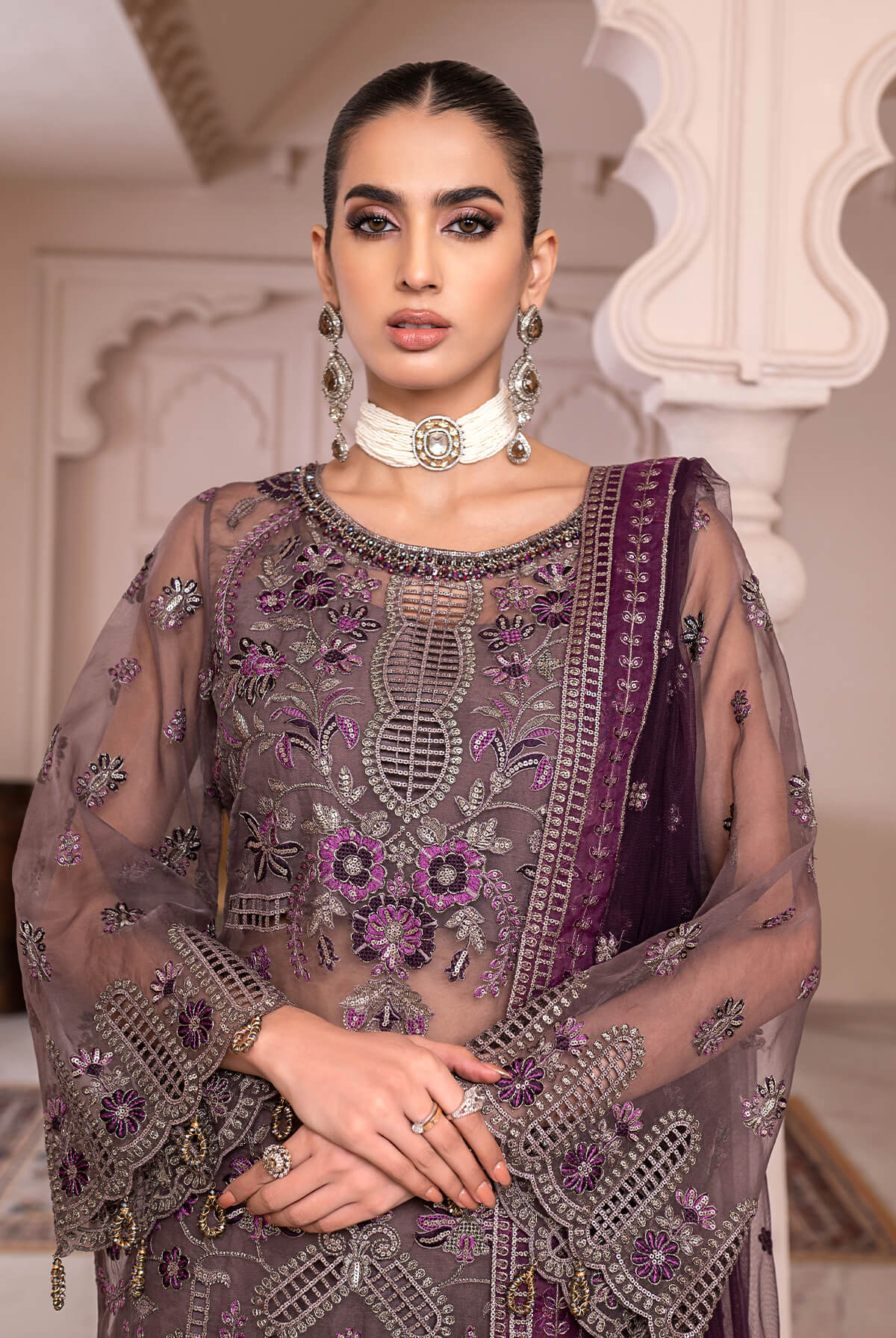


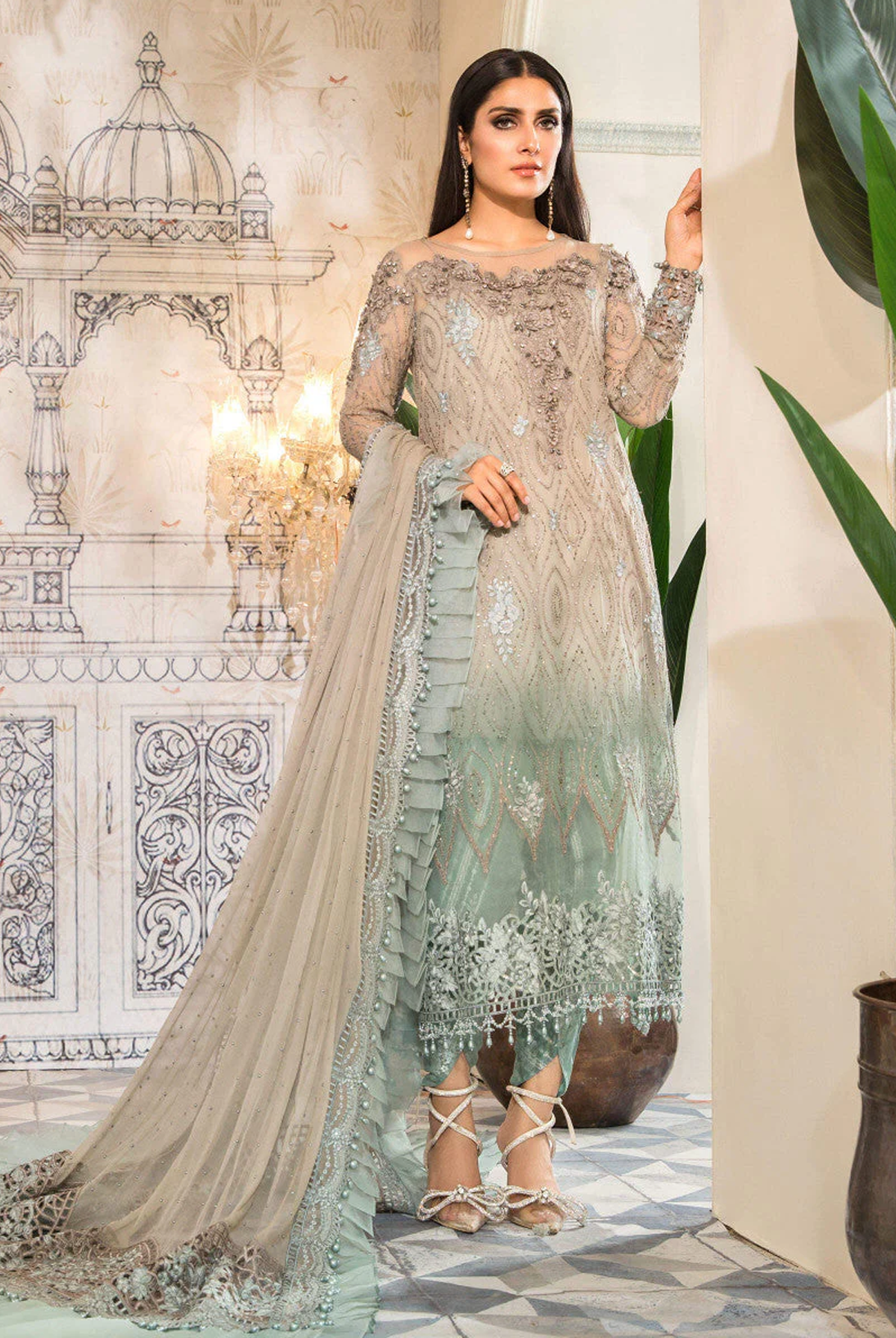
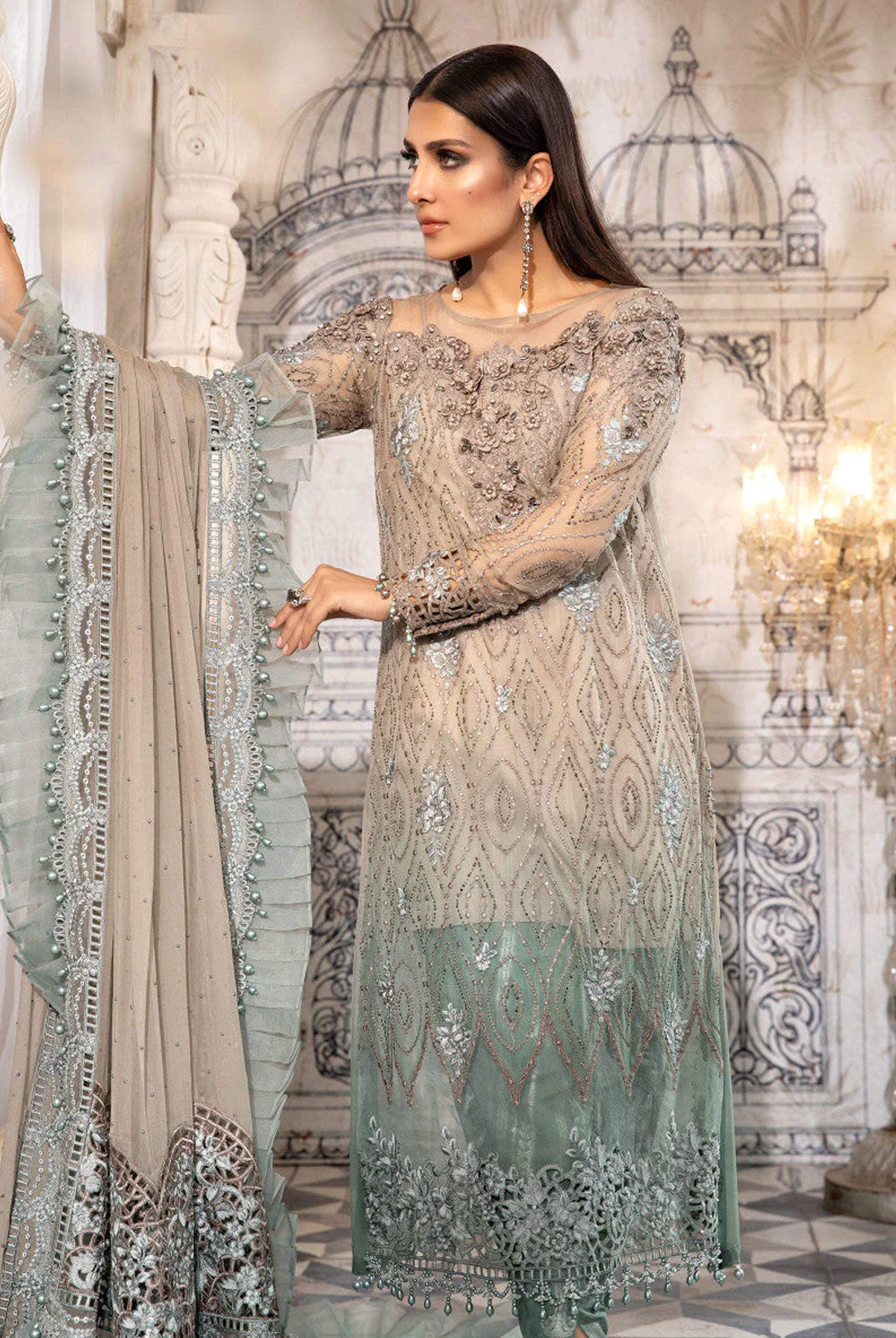


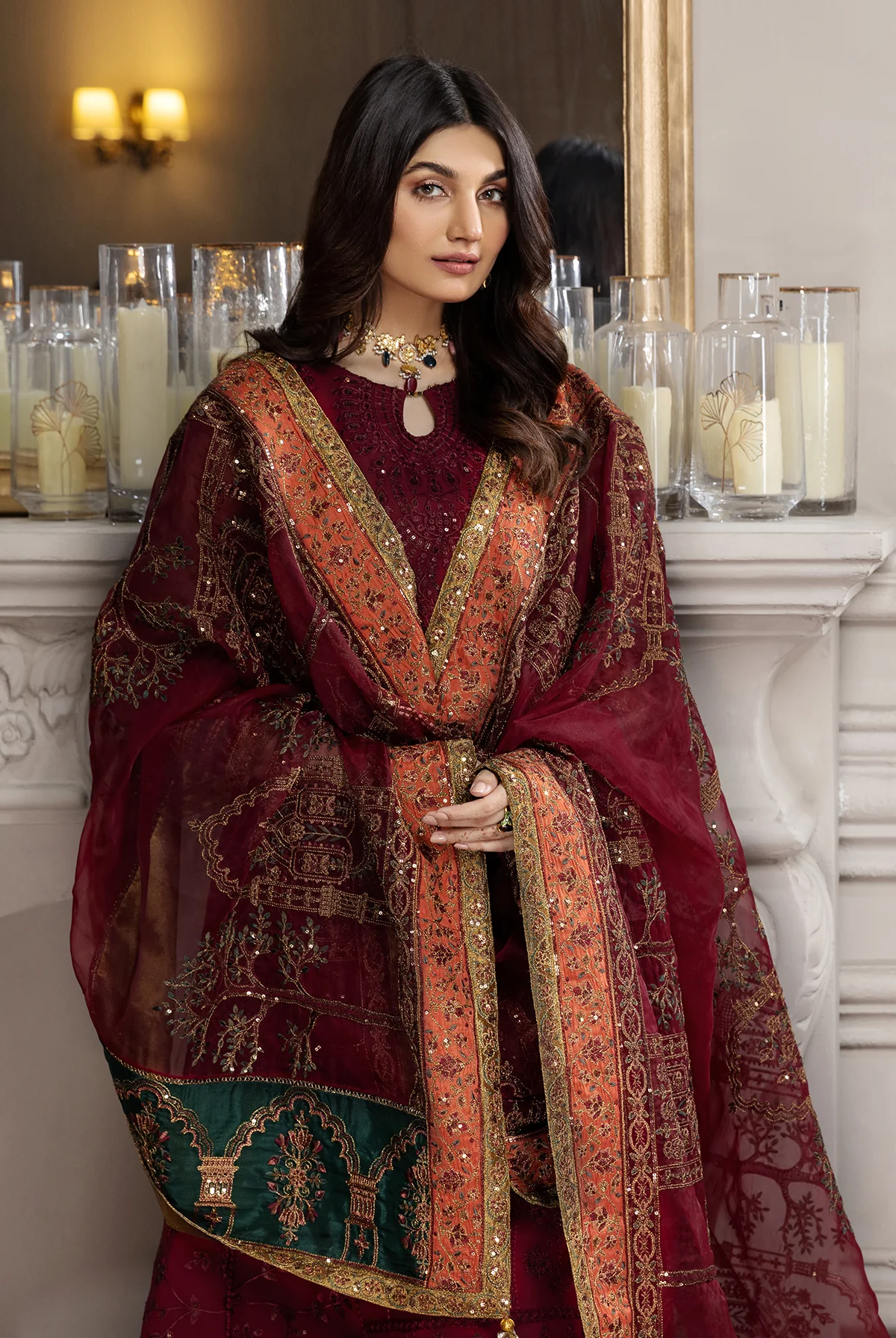
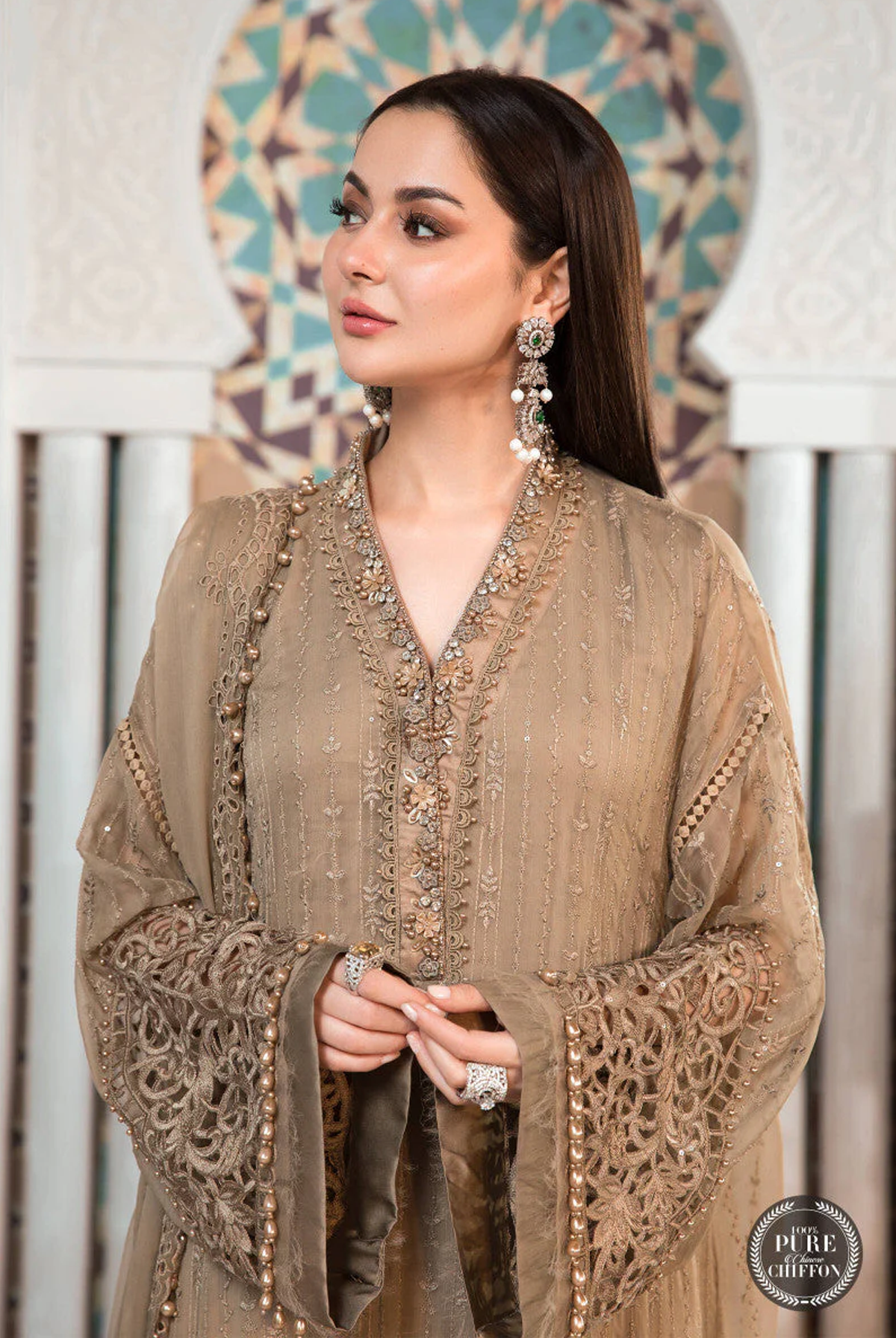


👉 Request Wholesale Pricing
👉 Submit your details to get bulk prices, MOQ information, and worldwide shipping details. We respond within 24 hours.
Understanding the Pakistani Fashion Market and Its Profit Potential
The Pakistani fashion industry is no longer a regional affair. Diaspora communities across the UK, USA, Canada, Australia, and the Middle East have created a multi-billion-dollar demand for authentic Pakistani clothing. Whether it’s a wedding season collection, Eid specials, or everyday shalwar kameez, the appetite is consistent and growing.
What gives boutique owners a competitive edge is access to quality wholesale inventory at the right price point. When you buy Pakistani dress material at wholesale rates, your cost per unit drops dramatically, leaving room for healthy retail margins. Many boutiques operating out of Birmingham, Bradford, and London are sourcing directly from Pakistani suppliers — a model that has proven remarkably effective.
The key insight is this: boutique profit is not just about what you sell. It’s about what you paid for it, how efficiently you move inventory, and how well you present the product to your target customer.
Choosing the Right Wholesale Supplier for Your Boutique
Your supplier is your most important business partner. A reliable Pakistani clothes wholesale supplier gives you consistent quality, competitive pricing, and timely delivery — three pillars that directly impact your reputation with customers.
When evaluating a supplier, consider:
Product range: Does the supplier offer everything from casual daily wear to heavy bridal formals? Boutiques that can serve a customer across occasions retain that customer long-term. Suppliers who carry Pakistani designer dresses alongside ready-to-wear pieces give you flexibility to serve different price segments.
MOQ (Minimum Order Quantity): Beginners often struggle with high MOQs. Look for suppliers who offer flexible ordering, especially when you’re starting out or testing a new category like Pakistani catalogue dress wholesale collections.
Authenticity and embellishments: The Pakistani fashion market is competitive and customers are discerning. Inferior thread work, poor dyeing, or substandard fabric will cost you reviews and repeat business. Only work with verified suppliers who can prove the provenance of their goods.
Communication and reliability: A supplier who responds promptly, shares accurate lead times, and packs orders carefully is worth more than one who offers slightly cheaper prices but is inconsistent. Read reviews, ask for references, and start with smaller test orders.
How to Price Pakistani Boutique Products for Maximum Profit
Pricing is where many boutique owners leave money on the table — or worse, price themselves out of the market. A structured pricing framework helps you stay competitive while protecting your margins.
Step 1 — Know your landed cost. Your cost per piece isn’t just the wholesale price. Add shipping, import duties, packaging, and any alterations or finishing you do in-house. If you order Pakistani dresses wholesale online, factor in shipping time and any customs costs for your country.
Step 2 — Benchmark against the market. Browse local boutiques and online competitors selling similar pieces. What are Pakistani designer suits retailing for in your area? Use that as your ceiling and build your margin from the floor up.
Step 3 — Apply category-specific markup. Not all pieces carry the same margin. Everyday lawn suits might sell at 2–2.5x cost, while heavy formal and bridal wear can command 3–4x markups because customers expect to pay more and compare less aggressively on price.
Step 4 — Account for seasonal discounts. Build post-season markdowns into your pricing from the start. If you know you’ll discount by 20% at end of season, your initial price should absorb that without dropping below your minimum acceptable margin.
Step 5 — Bundle strategically. Offer dupatta-and-suit bundles, accessory add-ons, or “complete look” packages. These increase average order value without requiring new inventory investment.
Building Your Boutique Inventory: What to Stock and When
The Pakistani fashion calendar is driven by two major forces: wedding seasons and Eid. Plan your inventory around these peaks and you’ll almost never be caught with cash tied up in the wrong stock at the wrong time.
Eid inventory should arrive 4–6 weeks before Eid ul-Fitr and Eid ul-Adha. This means placing orders 10–12 weeks in advance when buying internationally. Customers shop early for Eid outfits, and boutiques that are well-stocked in the weeks leading up to Eid capture the highest margins.
Wedding season inventory requires a mix of formal formals, semi-formals, and occasion wear. Bridal parties shop together, so stocking complementary pieces across price ranges helps you make multiple sales per visit.
Year-round basics — everyday cotton and lawn suits — keep cash flowing between peaks. Buying Pakistani dress material wholesale allows you to offer unstitched options, which often carry better margins and suit customers who prefer custom tailoring.
For boutiques outside Pakistan, sourcing from the Pakistani dress wholesale market directly — either through buying agents or established international wholesale platforms — is the most cost-efficient approach.
Running a Boutique in the UK: Sourcing, Margins, and Compliance
The UK has one of the largest Pakistani diaspora communities in the world, and cities like Bradford, Manchester, and London have thriving Pakistani fashion boutique scenes. If you’re operating in the UK, your sourcing strategy needs to account for import regulations, VAT, and the specific tastes of British-Pakistani customers who often blend traditional and contemporary styles.
Pakistani clothes wholesalers in Bradford serve as a hub for boutique owners across the north of England. Many boutiques here buy from local wholesalers rather than importing directly, which reduces lead times and simplifies customs. However, margins tend to be thinner when buying locally versus going direct to Pakistani suppliers.
Pakistani clothes wholesalers in Manchester similarly serve a dense concentration of boutiques catering to South Asian customers. Manchester boutique owners who import directly from Pakistan — using platforms that support Pakistani dress wholesale in the UK — often report significantly better margins than those relying entirely on domestic wholesalers.
Compliance matters too. Ensure your imported goods meet UK product safety and labelling requirements. Fabric content labels, care instructions in English, and correct country-of-origin labelling are all legally required.
Boutique Opportunities in Dubai and the Middle East
The Gulf region represents one of the most lucrative markets for Pakistani fashion boutiques. Pakistani expat communities in Dubai, Abu Dhabi, Doha, Riyadh, and Kuwait are affluent and fashion-conscious, with a strong preference for high-quality Pakistani embroidered clothing for formal occasions.
Pakistani dress wholesale in Dubai has grown substantially as boutique owners recognize the margin opportunity. Dubai’s tax-free environment, combined with high consumer spending power, means boutiques can operate at premium price points while still moving inventory quickly.
If you’re supplying to the Middle East more broadly, consider working with suppliers who have established export operations for the region. Suppliers with experience in Pakistani dress wholesale in Saudi Arabia, Kuwait, Qatar, and the UAE understand local customs regulations and shipping logistics better than generic exporters.
Selling Pakistani Clothes Online: Building a Profitable E-Commerce Boutique
The shift to online retail has created extraordinary opportunities for Pakistani boutique owners. You no longer need a high-street location to reach your customers. A well-optimized online boutique — combined with strong social media presence on Instagram, TikTok, and Facebook — can generate consistent revenue with far lower overhead than a physical store.
Platform choices: Shopify remains the most popular choice for independent boutiques. WooCommerce is a good alternative if you prefer WordPress. Etsy works well for handcrafted and artisan pieces. For the South Asian diaspora market specifically, Facebook Shops and Instagram Shopping are often as important as your main website.
Product photography: In Pakistani fashion e-commerce, photography is everything. High-quality flat lays and model shots that accurately represent fabric texture, embroidery detail, and color are essential. Customers buying Pakistani designer clothes online are making decisions based entirely on visuals.
Shipping strategy: Offer clear, fast, and reasonably priced shipping. Customers expect tracked shipping with realistic delivery windows. For boutiques serving customers in the USA, look into reliable fulfilment options and consider whether dropshipping from a Pakistani dress wholesale supplier in the USA makes more sense than holding inventory yourself.
Returns policy: A clear, fair returns policy builds trust. Given that sizing in Pakistani clothing can vary between brands and stitching styles, offering free or low-cost returns significantly increases conversion rates for new customers.
Sourcing for Boutiques in the USA and Canada
North America is home to millions of people of Pakistani origin, and demand for authentic Pakistani clothing is robust year-round, peaking around Eid, weddings, and cultural festivals. Boutique owners in cities like Houston, New York, Chicago, Toronto, and Vancouver are building highly profitable businesses.
Direct sourcing from Pakistan gives you the best margins. Pakistani dress wholesale suppliers in the USA are increasingly available through platforms that handle import logistics on your behalf, making it simpler than ever to buy direct without needing to navigate Pakistani customs yourself.
For state-specific sourcing, established supplier networks serve boutiques across Texas, California, New York, New Jersey, Illinois, Virginia, and Florida. If you’re in Georgia or Michigan, supplier networks are similarly accessible.
In Canada, boutiques operating in Toronto’s “Little Pakistan” corridors or serving diaspora customers in Vancouver benefit from well-established Pakistani dress wholesale supplier networks in Canada.
Marketing Your Pakistani Boutique Without a Big Budget
You don’t need a large advertising budget to build a profitable boutique. The Pakistani fashion community is tight-knit and word-of-mouth travels fast — both in person and online.
Instagram and TikTok: These are your most valuable free marketing channels. Post consistently — daily reels of new arrivals, styling videos, behind-the-scenes packaging content, and customer testimonials. Authentic content that shows real product detail and real customer reactions outperforms polished advertising by a wide margin.
WhatsApp Business: Many successful boutiques operate almost entirely through WhatsApp for order management, customer inquiries, and loyalty programmes. A well-managed WhatsApp broadcast list to existing customers is one of the highest-ROI marketing tools available.
Collaborations with event planners: Pakistani weddings, mehndi nights, and cultural events are prime opportunities. Connect with local event planners and become their recommended clothing supplier. One well-placed recommendation from a popular wedding planner can generate thousands in sales.
Google Business Profile: If you have a physical location, ensure your Google Business Profile is complete, accurate, and regularly updated with photos. Customers searching for Pakistani boutiques near them will find you through this free listing.
Email marketing: Build your email list from day one. Even a simple monthly newsletter with new arrivals, upcoming sales, and seasonal promotions will drive repeat purchases from your existing customer base.
Managing Cash Flow in a Boutique Business
Cash flow management is the number one challenge for boutique owners, particularly those in seasonal businesses. Pakistani fashion is inherently seasonal — huge demand around Eid and wedding season, slower periods in between — and mismanaging cash during the peaks and troughs will put even a profitable boutique under pressure.
Buy smarter, not more. The temptation when you see a beautiful wholesale collection is to buy everything. Resist this. Calculate your sell-through rate from previous seasons and buy proportionally. Overbuying kills cash flow and forces damaging markdowns.
Use trade credit where available. Some wholesalers, including those offering Pakistani dress wholesale in Pakistan, extend trade credit to established boutique owners. This allows you to stock up for peak season without tying up all your capital upfront.
Separate business and personal finances. This seems obvious but many boutique owners blend their finances, making it impossible to accurately assess profitability. Open a dedicated business account and track every transaction.
Set aside tax and VAT from day one. Boutique owners who fail to account for tax obligations routinely face cash crises when tax bills arrive. Know your obligations and set aside the correct percentage of every sale.
Expanding Your Boutique: When and How to Scale
Once you’ve established consistent profitability, expansion becomes possible. But scaling too fast — without the systems and supply chain to support it — is a common way profitable boutiques become unprofitable ones.
Signs you’re ready to scale:
- You’re consistently selling out of popular lines before the end of a season
- Customers are asking for products you don’t currently carry
- You have reliable supplier relationships that can accommodate larger orders
- Your online presence has organic momentum and a growing customer base
- Your cash flow is positive for at least three consecutive months
Scaling options for boutique owners include opening a second physical location, expanding into wholesale yourself (supplying other boutiques), launching an online store if you’re currently physical-only, or expanding your product range to include accessories, footwear, and jewellery alongside clothing.
For boutiques considering international expansion, there are established supplier networks serving markets from Australia to Germany, France, Italy, and Sweden. The global appetite for Pakistani fashion has never been greater.
Building Customer Loyalty That Drives Long-Term Profit
Acquiring a new customer costs five to seven times more than retaining an existing one. Boutique owners who invest in customer loyalty programmes, personalized service, and consistent quality build businesses that compound in value over time.
Personal styling advice: Customers who receive honest, helpful advice about what suits their body type, skin tone, and occasion trust you and come back. Don’t just sell — advise.
Loyalty rewards: Simple punch cards, WhatsApp VIP groups with early access to new arrivals, or small discounts for repeat purchases all increase retention without significant cost.
After-sales service: Follow up with customers after major purchases. A simple message asking if they were happy with their outfit creates a powerful impression and opens the door to future sales.
Community events: Eid trunk shows, bridal viewing evenings, and informal style sessions bring your best customers together and create a social experience around your boutique that a pure transact-and-leave relationship never achieves.
Understanding International Shipping for Boutique Owners
If you’re selling internationally — whether from Pakistan or from a diaspora country — shipping reliability and cost are central to your profitability and your reputation.
Pakistani dress wholesale in Bangladesh, India, and Dhaka represent significant cross-border trade flows. Boutique owners sourcing from or selling into these markets should understand import duty structures, preferred courier services, and realistic delivery timelines.
For South Asian markets, supplier networks serving Sri Lanka, Nepal, Malaysia, and Singapore are increasingly well-established as Pakistani fashion has spread across the Asian diaspora.
Key principles for international shipping:
- Always use tracked, insured shipping for orders above a certain value
- Clearly communicate customs duties to international buyers so there are no surprises on delivery
- Partner with couriers who have experience with textile shipments from Pakistan — they understand the documentation requirements
- Build shipping costs honestly into your pricing rather than trying to absorb them and damaging your margins
Frequently Asked Questions About Running a Pakistani Boutique Business
How much profit can I expect from a Pakistani boutique in the first year?
First-year profitability varies widely depending on your location, initial investment, and how efficiently you source. Boutiques that buy Pakistani clothes at wholesale prices and sell retail typically operate on gross margins of 40–70%, though net profit after overheads in year one is often modest. Focus on learning the business and building your customer base in year one; profitability accelerates significantly in years two and three.
Where can I find reliable Pakistani dress wholesale suppliers?
Reliable suppliers can be found through established wholesale platforms, trade directories, and networks within the Pakistani fashion community. For international buyers, platforms offering Pakistani dress wholesale online simplify the sourcing process by handling logistics, quality checks, and payment processing. Start with smaller orders to verify quality before committing to larger volumes.
What are the best-selling Pakistani clothing categories for boutiques?
Lawn suits (especially printed lawn) move fastest in volume, while formal and bridal wear generate the highest margins per piece. Pakistani designer suits and heavily embellished formals are particularly popular for wedding season. A well-balanced inventory covers both high-volume basics and high-margin occasionwear.
How do I start a Pakistani boutique with a limited budget?
Start online rather than with a physical store — it eliminates rent, fit-out costs, and staffing requirements. Source from Pakistani clothes wholesale suppliers who allow smaller minimum order quantities. Use Instagram and WhatsApp as your primary sales channels before investing in a website. Reinvest early profits into inventory rather than marketing spend.
Can I run a Pakistani boutique from outside Pakistan?
Absolutely. Many of the most profitable Pakistani fashion boutiques are run by diaspora entrepreneurs in the UK, USA, Canada, Australia, and the Gulf. Pakistani clothes wholesale suppliers in the UK serve boutique owners who prefer to source locally, while direct importers benefit from better margins by sourcing from Pakistan. The key is reliable supplier relationships and a clear understanding of your local market’s preferences.
What is the difference between buying Pakistani dress material wholesale versus ready-made wholesale?
Pakistani dress material wholesale means buying unstitched fabric — either as printed lawn, embroidered fabric, or dress material sets — that customers take to a tailor for stitching. Ready-made wholesale means buying pre-stitched garments. Dress material typically offers better margins and suits markets where customers prefer custom fitting, while ready-made is faster to sell and requires no tailoring infrastructure. Many boutiques stock both.
How do I compete with large Pakistani fashion brands selling online?
Small boutiques compete on personal service, curated selection, and community connection — things large brands can’t replicate. Your advantage is knowing your customers personally, responding quickly, offering alteration services, and stocking pieces they can’t easily find elsewhere. Pakistani designer clothes online from large brands target a wide audience; you target your specific community with depth and care.
Is it better to import directly from Pakistan or buy from local wholesalers?
Importing directly gives you better margins but requires more time investment in supplier relationships, customs knowledge, and logistics management. Buying from Pakistani dress wholesale suppliers in London or other local wholesalers is faster and simpler but at the cost of margin. The right answer depends on your order volume — at low volumes, local wholesale often makes more sense; at higher volumes, direct import becomes clearly superior.
What documentation do I need to import Pakistani dresses for my boutique?
Requirements vary by country, but generally you’ll need a commercial invoice, packing list, certificate of origin, and potentially a textile import permit. For boutiques in the UAE, Australia, Canada, or New Zealand, customs regulations differ. A freight forwarder with textile experience will handle most of this on your behalf and is well worth the fee for boutiques importing regularly.
How do I handle returns and exchanges in a boutique selling Pakistani clothes?
A clear, written returns policy displayed in-store and online prevents disputes. For stitched garments, returns are generally not accepted for sizing issues (since sizing in Pakistani clothing varies by brand and style), so detailed size guides and measurement assistance before purchase are essential. For unstitched material, returns are more straightforward. Build goodwill by handling edge cases generously — a customer whose complaint is resolved happily becomes one of your most loyal advocates.
