







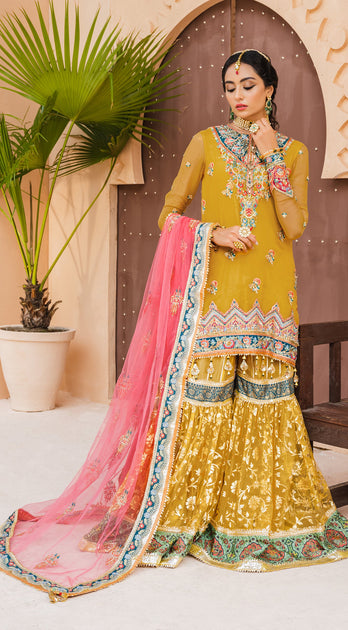
Pakistani Dress Wholesale Supplier in Saudi Arabia – A Complete Guide for Fashion Retailers
The demand for Pakistani clothing has created new opportunities for fashion retailers, boutique owners and online resellers across the Middle East. Saudi Arabia is one of the markets where traditional South Asian fashion continues to attract attention. From beautifully embroidered lawn suits to elegant chiffon outfits, Pakistani clothing offers a combination of craftsmanship, comfortable fabrics and versatile designs that appeal to customers looking for something different.
For retailers planning to enter this market, finding a dependable Pakistani Dress Wholesale Supplier in Saudi Arabia can be an important step towards building a successful clothing business. A suitable wholesale sourcing partner can help buyers explore different collections, compare product options, manage bulk purchases and maintain a selection that matches their customers' preferences.
Mastorat focuses on Pakistani clothing collections for buyers interested in wholesale fashion. Whether you operate a small boutique, manage an online clothing store or supply garments to other retailers, understanding the wholesale market can help you make better purchasing decisions.
Before selecting products, it is useful to explore the available Pakistani catalogue dress wholesale collections. This provides a broader understanding of different clothing styles, seasonal designs and product categories that may suit your retail business.
Understanding the Demand for Pakistani Clothing in Saudi Arabia
Saudi Arabia has a diverse fashion market influenced by traditional preferences, international trends and changing customer expectations. Clothing retailers serve customers with different requirements, including everyday outfits, family gatherings, religious occasions, weddings and formal celebrations. Pakistani fashion offers several options for these different occasions. Its embroidered details, flowing silhouettes, colourful fabrics and traditional designs make it an interesting category for retailers looking to expand their product selection. Another reason retailers consider Pakistani clothing is the variety available throughout the year. Summer collections often feature lightweight fabrics, while winter and special occasion collections introduce richer materials and more detailed embellishments. Fashion businesses in Riyadh, Jeddah, Dammam and other commercial areas may serve different customer groups. Therefore, selecting the right products requires understanding local buying behaviour rather than simply ordering whichever designs are available. Retailers should consider factors such as:- Customer preferences for traditional and contemporary outfits.
- Demand for lightweight clothing during warmer months.
- Interest in embroidered suits for special occasions.
- Available purchasing budgets.
- Preferred colours, fabrics and clothing styles.
- Competition from local and international fashion brands.
- Seasonal changes in customer demand.
Why Pakistani Fashion Appeals to Different Customer Groups
Pakistani clothing is not limited to one age group or occasion. Its wide selection makes it suitable for customers who want simple everyday outfits as well as those looking for detailed formal clothing. This flexibility is particularly useful for retailers. Instead of depending on one product category, a boutique can introduce several collections and appeal to different purchasing preferences.1. Traditional Designs with Modern Details
Many Pakistani outfits combine traditional embroidery with contemporary cuts, colour combinations and styling. This creates clothing that maintains its cultural appearance while offering designs suitable for modern wardrobes. Retailers can choose between simple printed suits, embroidered three-piece outfits, long shirts, traditional trousers and more detailed formal designs.2. Different Fabrics for Different Seasons
Fabric selection is an important part of clothing retail. Pakistani collections include lawn, cotton, chiffon, organza, silk and other materials. Lightweight options may be suitable for warmer weather, while heavier fabrics and layered designs can be considered for evening events and special occasions.3. Clothing for Casual and Formal Occasions
A balanced collection should not focus exclusively on expensive designer outfits. Customers also need affordable everyday clothing. Retailers can maintain separate categories for casual wear, office-friendly clothing, family gatherings, festive occasions and wedding events.4. A Wide Range of Colour Choices
Colour selection can influence purchasing decisions. Some customers prefer neutral shades and simple prints, while others look for bright colours, detailed embroidery and contrasting combinations. Offering different colour options helps retailers serve a broader audience.The Importance of Choosing the Right Wholesale Sourcing Partner
Wholesale sourcing involves more than finding garments at a low price. Retailers need to consider product consistency, fabric descriptions, order requirements, communication, packaging and delivery arrangements. A sourcing partner should provide enough information for buyers to understand what they are purchasing. This is especially important when orders are placed internationally, as customers may not have the opportunity to inspect garments before dispatch. When evaluating a supplier, consider the following areas.Product Information and Accuracy
Product listings should explain the fabric, design, available sizes, colour options and stitching details wherever applicable. Clear information reduces misunderstandings between buyers and sellers. It also makes it easier to compare products from different collections.Consistency Across Orders
Retailers often need to reorder successful designs. However, fabric shades, embroidery patterns and finishing details may vary between production batches. Before placing larger orders, discuss how repeat orders are handled and whether the same designs can be supplied again.Transparent Wholesale Pricing
The price of a garment depends on several factors, including material, embroidery, stitching, design complexity and quantity. Buyers should request a clear quotation that explains the product cost and any additional charges. International orders may also involve packaging, freight, customs duties and local delivery expenses.Communication and Customer Support
Good communication helps resolve questions about availability, product specifications, payment arrangements and shipping. A professional supplier should provide clear responses and explain the ordering process before the buyer makes a purchasing decision. For a broader understanding of international sourcing, explore Pakistani clothes wholesale suppliers. This category can help retailers become familiar with different wholesale clothing options. Businesses comparing international sourcing arrangements may also review Pakistani clothes wholesalers Manchester to understand how Pakistani clothing is positioned in another established retail market.Popular Pakistani Clothing Categories for Saudi Retailers
Choosing the right product mix is one of the most important decisions when building a clothing business. Retailers should consider their target audience, expected selling prices and the occasions for which customers purchase clothing. The following categories offer different opportunities for boutiques and resellers.1. Lawn Suits for Everyday Wear
Lawn suits are an important part of Pakistani clothing collections. Their lightweight construction and variety of prints make them suitable for everyday use. Retailers can consider printed lawn, embroidered lawn and three-piece collections depending on their customers' preferences. Some buyers prefer simple designs for regular wear, while others look for more detailed necklines, sleeves and dupatta patterns. For businesses targeting customers who appreciate seasonal clothing, lawn collections can provide an opportunity to refresh inventory regularly.2. Cotton Suits for Comfortable Clothing
Cotton outfits are another useful category for retailers. They offer a simple styling option for customers who prefer comfortable everyday clothing. Different cotton blends and fabric finishes provide flexibility in terms of appearance, texture and price. Retailers should check the actual material composition before describing products to customers. This helps ensure that product listings accurately represent the garments.3. Chiffon Dresses for Special Occasions
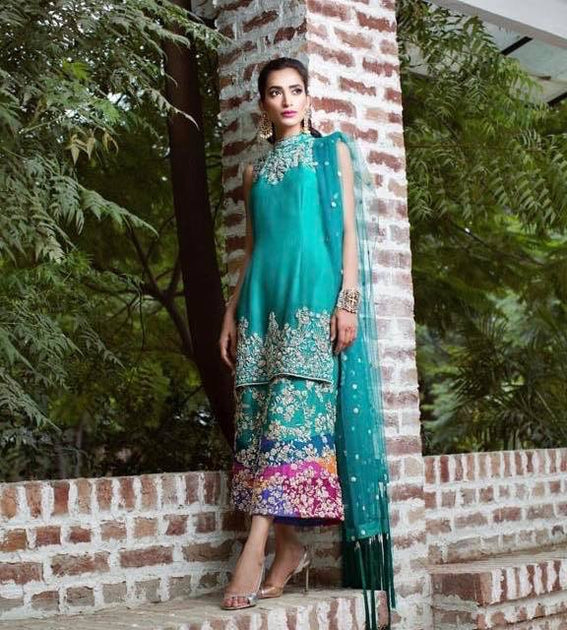
Chiffon outfits are commonly associated with formal and festive clothing. Their flowing appearance makes them suitable for designs featuring embroidery, decorative borders and layered styling. These products may attract customers shopping for family gatherings, evening events and celebrations. However, the quality of chiffon, lining material, embroidery and finishing should be checked carefully before bulk purchasing.4. Embroidered Three-Piece Suits
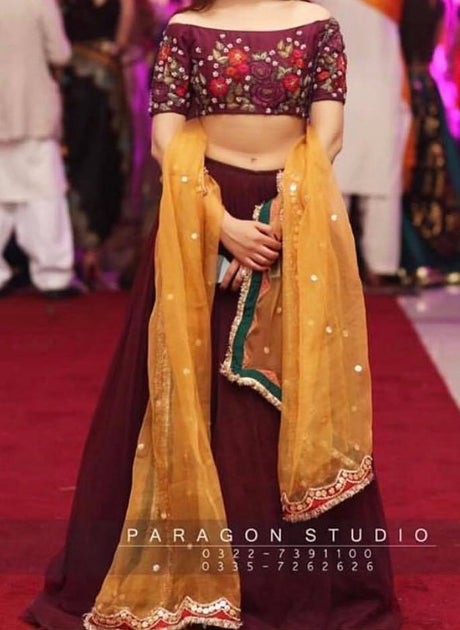
Three-piece outfits are popular because they provide a coordinated clothing set. They generally include a shirt, trousers and dupatta, although exact product specifications can differ. Retailers can select designs with subtle embroidery or more elaborate decorative work. The key is to maintain variety rather than purchasing too many similar designs.5. Designer and Luxury Collections
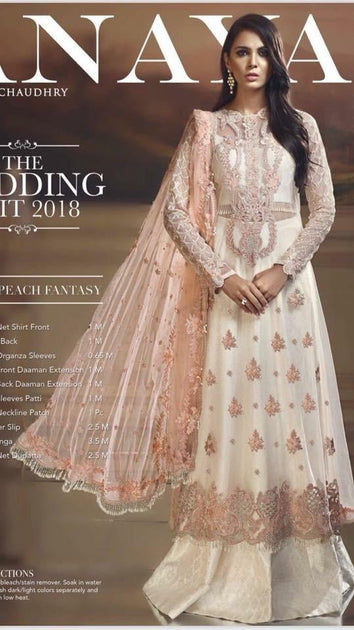
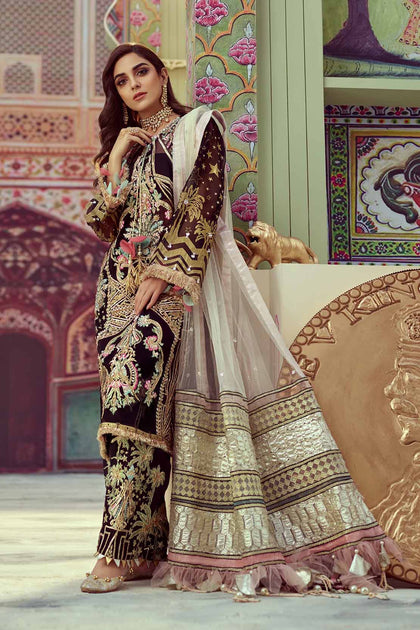
Premium clothing can help boutiques attract customers who are interested in detailed craftsmanship and distinctive designs. These collections may feature intricate embroidery, decorative embellishments, premium fabrics and carefully designed silhouettes. You can explore Pakistani designer dresses to understand the different styles available in this category. For retailers building a premium product section, Pakistani designer suits can also provide inspiration for selecting more detailed outfits.6. Unstitched Clothing
Unstitched suits give customers flexibility in choosing their preferred fitting and tailoring style. These products are useful for retailers serving customers who prefer customised clothing rather than ready-made outfits. When purchasing unstitched collections, check the included fabric pieces, approximate measurements, embroidery components and dupatta specifications.How to Build a Wholesale Clothing Collection for the Saudi Market
A successful retail collection should be planned around customer demand. Ordering products without understanding the audience can result in unsold inventory and unnecessary business expenses. Retailers can use a structured approach to select garments.Step 1: Identify Your Target Customers
Start by deciding who you want to serve. Your customers might include women shopping for everyday outfits, customers preparing for weddings or buyers interested in premium designer clothing. Each group has different expectations regarding design, quality and price. For example, a boutique focusing on affordable clothing may prioritise printed lawn and simple cotton suits. A premium fashion store may prefer embroidered chiffon, organza and luxury collections.Step 2: Research Local Fashion Preferences
Before placing an order, study the clothing styles already available in your target market. Look at competing boutiques, online stores, social media fashion pages and customer feedback. Pay attention to:- Popular colour combinations.
- Preferred outfit lengths and silhouettes.
- Interest in embroidered or printed designs.
- Common fabric choices.
- Customer responses to different price ranges.
- Seasonal shopping patterns.
Step 3: Compare Wholesale Collections
Do not make purchasing decisions based on product photographs alone. Compare fabric information, stitching quality, embroidery, design details and overall finishing. A lower-priced product is not always the most profitable option if customers are dissatisfied with its quality. Retailers can explore the Pakistani dress wholesale market to become familiar with the wider wholesale category and different purchasing considerations.Step 4: Calculate the Complete Cost
The final cost of imported clothing includes more than the supplier's quoted price. Your calculation may include:- Garment purchase price.
- Packaging expenses.
- International shipping.
- Customs duties and applicable taxes.
- Local transportation.
- Payment processing charges.
- Storage and handling.
- Marketing and selling expenses.
Step 5: Begin with a Carefully Selected Order
New businesses should avoid investing their entire budget in one large purchase. A smaller initial order can help test product quality, delivery arrangements and customer responses. Once you identify designs that perform well, you can consider increasing quantities or expanding into additional categories.Online Wholesale Shopping and International Sourcing
Technology has changed how fashion businesses purchase inventory. Retailers can now research collections, compare product information and communicate with suppliers without travelling between physical markets. For businesses in Saudi Arabia, online sourcing can reduce the time required to identify potential products. However, buyers should still follow a careful verification process before making payments or confirming large orders.Benefits of Online Wholesale Research
Online catalogs make it easier to review multiple product categories from one location. Retailers can compare different designs, identify suitable collections and prepare a shortlist based on their budgets. They can also discuss product details with suppliers before placing an order. Explore Pakistani dress wholesale online to learn more about online sourcing options. Another useful category is Pakistani designer clothes online, which can help retailers research premium clothing styles.What to Check Before Ordering Online
Before purchasing, confirm the following:- Whether the displayed product is currently available.
- Whether the photographs represent the actual garment.
- Which fabric and accessories are included.
- Whether the outfit is stitched or unstitched.
- What minimum quantity is required.
- Whether different sizes or colours can be selected.
- What payment methods are accepted.
- Which shipping options are available.
- Whether tracking information is provided.
- What happens if an item arrives damaged or differs from its description.
Understanding Fabrics and Quality Before Bulk Purchasing
Fabric quality directly influences how a garment looks, feels and performs after use. It can also affect customer satisfaction and repeat purchases. Retailers should learn the basic differences between common Pakistani clothing materials.Lawn
Lawn is a lightweight fabric commonly used in summer collections. It is available in different prints, colours and embroidered variations. When evaluating lawn suits, consider fabric texture, print quality, colour consistency and finishing.Cotton
Cotton fabrics are used in everyday clothing and different seasonal collections. Check the material composition and fabric weight because products sold under similar descriptions may have different characteristics.Chiffon
Chiffon is a lightweight fabric with a flowing appearance. It is frequently used in formal outfits and decorative designs. Check transparency, finishing, embroidery placement and lining requirements.Organza
Organza is often used in premium and occasion wear. It can provide a structured appearance and is commonly combined with embroidery or decorative details. Retailers should inspect the fabric and embellishments carefully before selecting larger quantities.Silk and Silk Blends
Silk and silk-blend materials may be used for formal outfits, festive clothing and premium collections. Since different materials can have different care requirements, retailers should obtain accurate fabric information for product descriptions. For buyers interested in fabric-based purchasing, Pakistani dress material wholesale is a useful category to explore.Pricing Strategies for Pakistani Clothing Retailers
Wholesale purchasing becomes more effective when it is connected to a realistic retail pricing strategy. Retailers should not calculate their selling prices using the purchase cost alone. They must consider all expenses involved in bringing products to customers.Understand Your Product Costs
Start by recording the purchase price of each garment. Add the relevant shipping, customs, packaging and other expenses. Divide the total cost by the number of saleable garments to estimate the landed cost per item. This provides a more accurate starting point for setting retail prices.Create Different Price Categories
A clothing business can organise products into different price ranges. For example:- Affordable everyday clothing.
- Mid-range embroidered outfits.
- Premium formal collections.
- Special occasion designer wear.
Avoid Depending Only on Low Prices
Selling at the lowest possible price may attract initial attention, but it does not always create a sustainable business. Retailers should focus on product quality, suitable designs, customer service and reliable stock management. A reasonable profit margin should account for operating expenses and possible discounts.Monitor Sales Performance
Keep records of which designs sell quickly and which remain in stock. This information can help you decide what to reorder and what to avoid in future purchases. You can also compare product categories with the wider Pakistani dress wholesale collection to identify additional opportunities for your business.Common Problems Faced by International Wholesale Buyers
Importing clothing from another country creates opportunities, but it also introduces certain challenges. Understanding these issues before placing an order can help retailers reduce unnecessary risks.1. Differences Between Product Images and Actual Garments
One common concern with online purchasing is that the delivered garment may look different from its displayed photograph. Differences can involve colour, embroidery placement, fabric texture and finishing. To reduce this risk, request clear product photographs and confirm important specifications before ordering.2. Unclear Fabric Information
A product description may use a general fabric name without explaining its composition or quality. Buyers should ask specific questions instead of assuming that all garments described as lawn, cotton or chiffon have identical characteristics.3. Inconsistent Product Availability
Some designs may become unavailable after a collection sells out. This can create problems for retailers who want to reorder popular garments. Ask about stock availability and whether repeat production is possible before building your retail plans around a particular design.4. Unexpected Shipping Expenses
International freight charges may vary according to shipment weight, dimensions, service type and destination. Additional charges can also arise during customs clearance. Request a detailed shipping quotation and clarify which expenses are included.5. Delays During International Delivery
Shipping times depend on the carrier, transportation method, customs procedures and other logistical factors. Retailers should avoid relying on unconfirmed delivery estimates when planning important seasonal stock.6. Unclear Return and Exchange Policies
International returns can be complicated and expensive. Before paying, confirm the supplier's policy for incorrect, damaged or missing items. Having these details in writing can help prevent disagreements later.How Mastorat Supports International Pakistani Clothing Buyers
Mastorat provides an online platform where buyers can explore different Pakistani clothing categories and research available collections. For international retailers, having access to organised product categories makes it easier to understand the range of clothing options and identify products that may suit their business. Rather than selecting products without a clear plan, buyers can explore different collections according to fabric, clothing type and intended customer group. Some useful categories include:- Pakistani dress wholesale
- Pakistani dress material wholesale
- Pakistani dress in wholesale
- Pakistani catalogue dress wholesale
- Pakistani designer dresses
Collections for Different Business Requirements
A retailer running a small online store may need a different product selection from a boutique specialising in premium formal wear. Mastorat's clothing categories allow visitors to explore different styles before deciding which products to consider. For example, a retailer interested in everyday clothing may research lightweight printed collections, while a business serving special occasion customers may focus on embroidered and designer outfits. The best approach is to select products according to actual customer demand rather than purchasing every available category.Expanding Your Clothing Business into Other International Markets
Once a retail business develops a stable customer base, expanding into additional markets may become an opportunity worth exploring. However, international expansion requires more than simply shipping the same products to another country. Retailers need to understand local fashion preferences, import requirements, pricing expectations and customer purchasing habits. Businesses researching other markets can explore the following Mastorat categories:- Pakistani clothes wholesale suppliers UK
- Pakistani dress wholesale supplier USA
- Pakistani dress wholesale supplier Australia
Comparing International Wholesale Markets
Looking at other countries can also help buyers understand how Pakistani clothing is positioned internationally. Different markets may have different levels of demand for traditional clothing, designer collections and unstitched suits. For retailers interested in wider market research, the following categories provide additional information about international sourcing topics.Asian Markets
Asian markets offer different retail environments and customer preferences. Buyers can explore:- India: Pakistani dress material wholesale in India
- China: Pakistani dress wholesale supplier China
- Mumbai: Pakistani dress wholesale in Mumbai
- Dhaka: Pakistani dress wholesale in Dhaka
European Markets
European fashion businesses may serve customers interested in South Asian clothing for everyday wear, family occasions and cultural celebrations. Retailers researching these markets can explore:- Belgium: Pakistani dress wholesale supplier Belgium
- France: Pakistani dress wholesale supplier in France
- Germany: Pakistani dress wholesale supplier in Germany
- Italy: Pakistani dress wholesale supplier in Italy
African Markets
African markets also provide opportunities for fashion businesses interested in international clothing distribution. For additional research, explore Pakistani dress wholesale supplier Kenya. Comparing markets can help retailers understand different customer segments and consider whether expanding their product distribution is practical.Building a Successful Pakistani Clothing Business in Saudi Arabia
A wholesale clothing business requires consistent planning. Purchasing attractive garments is only one part of the process. Retailers must also understand inventory management, marketing, customer service and financial planning. Here are several practical strategies that can help new and established businesses.Start with a Defined Budget
Before purchasing inventory, decide how much money you can allocate to clothing stock. Keep some funds available for shipping, marketing, packaging and unexpected expenses. Avoid using your entire budget on products before understanding the complete cost of importing them.Maintain a Balanced Product Selection
A collection should include products for different occasions and budgets. For example, a boutique might stock casual lawn suits, embroidered three-piece outfits and a smaller selection of formal dresses. This creates variety without requiring the business to invest heavily in every product category.Test Customer Interest
Pay attention to customer questions, social media engagement and actual sales. If customers regularly ask about particular fabrics or designs, consider including those styles in future orders. Customer feedback can provide more useful purchasing information than simply following general fashion trends.Use Professional Product Photography
Clear product images help customers understand clothing details before purchasing. Whenever possible, use accurate photographs showing the front, back, fabric texture, embroidery and included accessories. Avoid editing colours so heavily that the final image gives customers an incorrect impression of the garment.Create Detailed Product Descriptions
Every product listing should provide useful information. Include the fabric, number of pieces, stitching status, size details, colour information and care instructions where available. Accurate descriptions can reduce customer confusion and improve the shopping experience.Build Long-Term Supplier Relationships
A stable relationship with a sourcing partner can make purchasing easier over time. Communicate clearly, maintain order records and discuss any problems professionally. Before increasing order quantities, evaluate the results of previous purchases and confirm that the supplier can meet your requirements.Marketing Pakistani Clothing to Customers in Saudi Arabia
Product selection is important, but customers also need to discover your store. A suitable marketing strategy can help retailers reach interested buyers and build awareness of their collections.Use Social Media to Display New Arrivals
Fashion products are naturally suited to visual marketing. Retailers can use platforms such as Instagram, Facebook and TikTok to display new designs, styling ideas and product details. Short videos can show embroidery, fabric movement, colour combinations and different ways to style an outfit. Make sure the displayed product is actually available before promoting it as a new arrival.Develop a Professional Online Store
An online store gives customers a convenient way to browse collections, review prices and understand purchasing requirements. Organise products into useful categories such as casual wear, formal wear, designer clothing and unstitched suits. Add clear photographs and accurate descriptions to each product listing.Use Local SEO to Reach Relevant Customers
Search engine optimisation can help clothing businesses improve their visibility in relevant searches. Retailers should create useful website content based on their actual products, locations and customer requirements. Important areas include:- Clear category pages.
- Accurate product descriptions.
- Descriptive page titles and meta descriptions.
- High-quality product photographs.
- Mobile-friendly website design.
- Relevant internal links.
- Clear contact and delivery information.
Provide Clear Delivery Information
International and domestic buyers want to understand how their orders will reach them. Display available delivery methods, estimated delivery periods, shipping charges and return policies. For international purchases, explain that customs procedures and destination-specific requirements may affect delivery. Clear communication helps establish realistic customer expectations.A Practical Wholesale Buying Checklist
Before confirming a bulk clothing purchase, retailers should review the important details of their order. Product selection- Confirm the selected designs and product codes.
- Check fabric composition and quality.
- Verify the number of pieces in each outfit.
- Confirm whether products are stitched or unstitched.
- Review available colours and sizes.
- Confirm the minimum order quantity.
- Request a detailed quotation.
- Check payment terms.
- Confirm product availability.
- Keep a written record of the order.
- Select an appropriate shipping method.
- Confirm packaging arrangements.
- Ask about tracking information.
- Understand customs and import expenses.
- Check the estimated delivery period.
- Understand the damage and exchange policy.
- Keep invoices and payment records.
- Document any product discrepancies.
- Discuss the process for resolving problems.