
Sale!

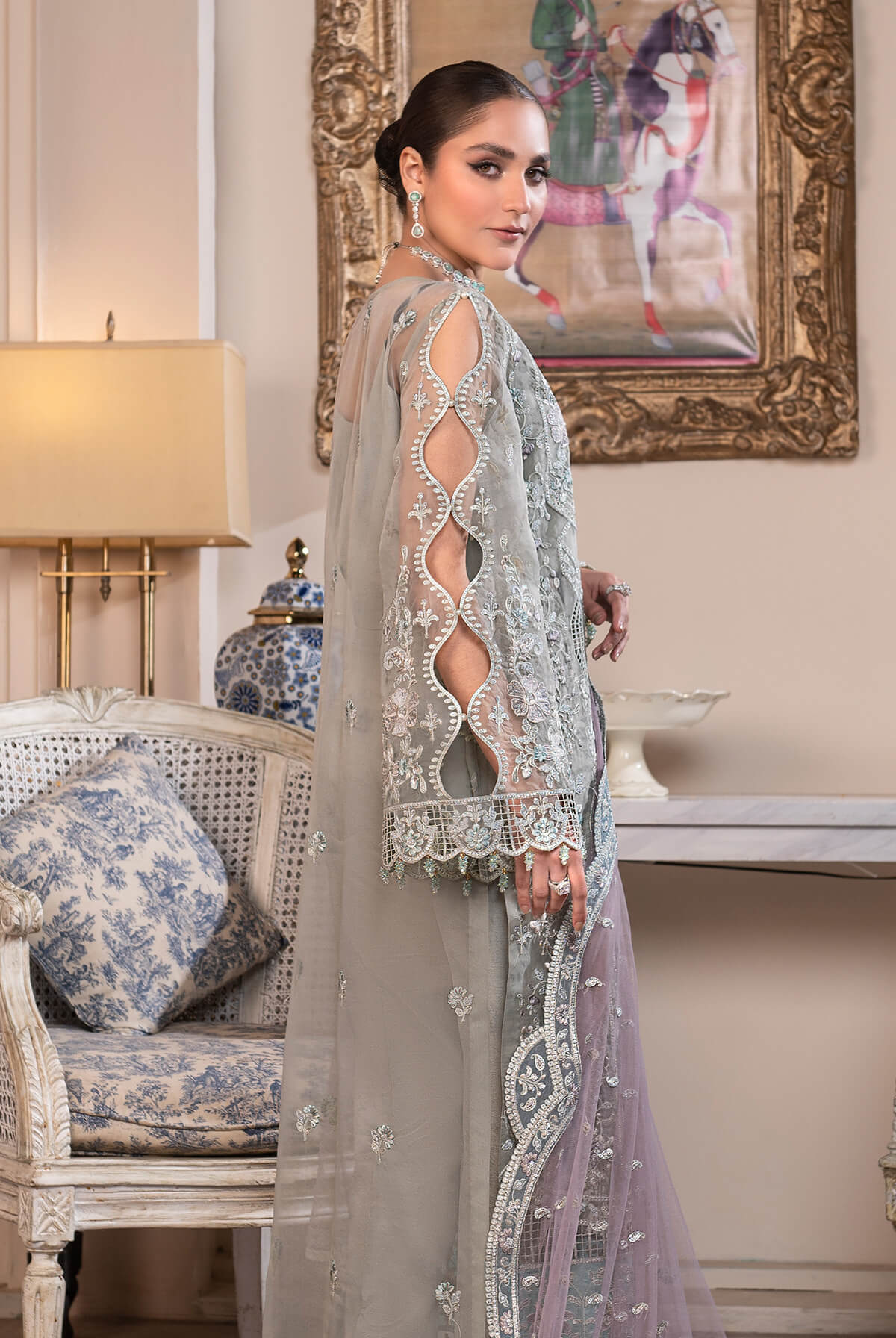
Original price was: ₨14,000.00.₨11,500.00Current price is: ₨11,500.00.
Sale!


Original price was: ₨15,500.00.₨13,500.00Current price is: ₨13,500.00.
Sale!


Original price was: ₨13,500.00.₨12,500.00Current price is: ₨12,500.00.
Sale!


Original price was: ₨17,500.00.₨16,500.00Current price is: ₨16,500.00.
Sale!


Original price was: ₨18,500.00.₨17,500.00Current price is: ₨17,500.00.
Sale!

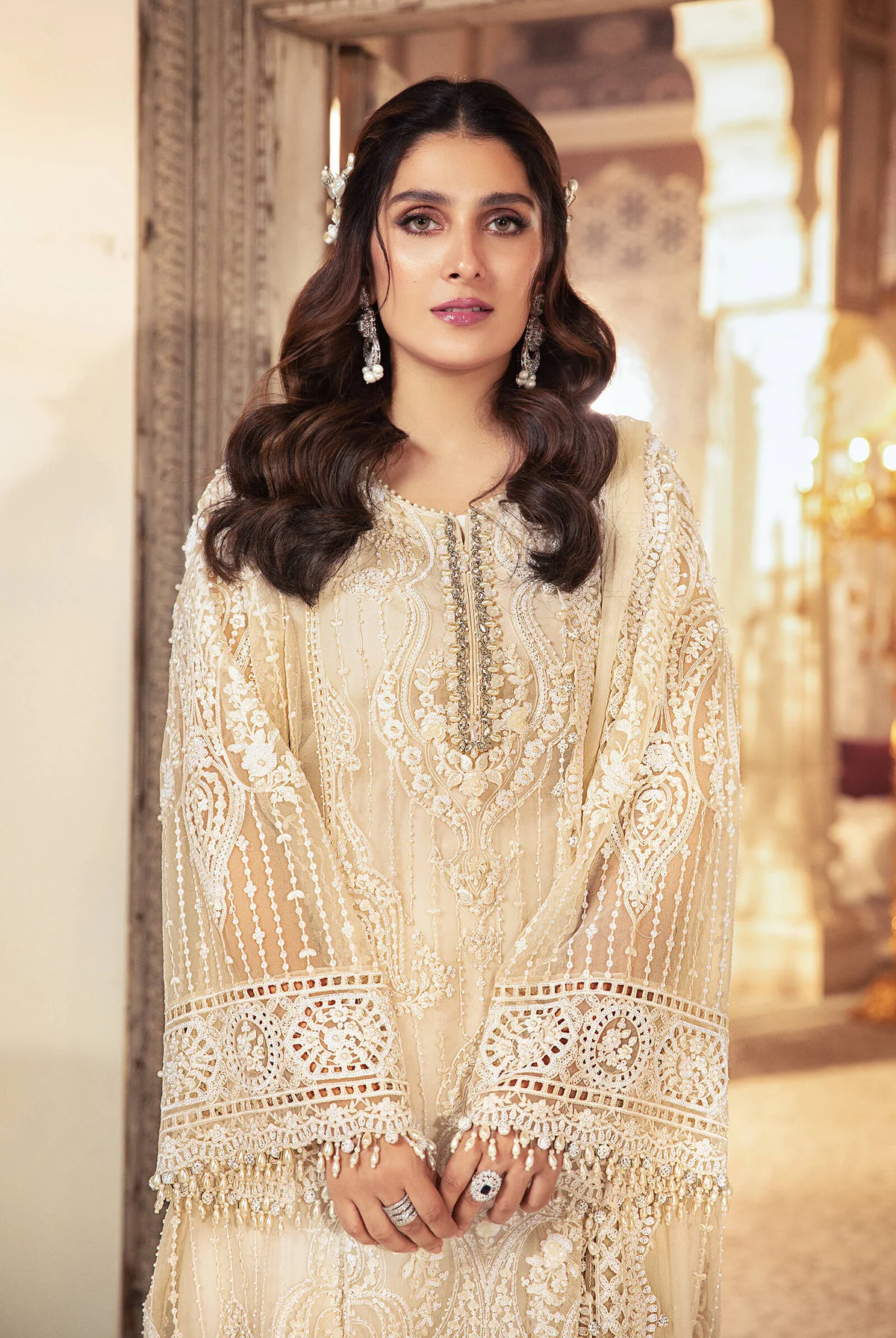
Original price was: ₨15,500.00.₨14,500.00Current price is: ₨14,500.00.
Sale!
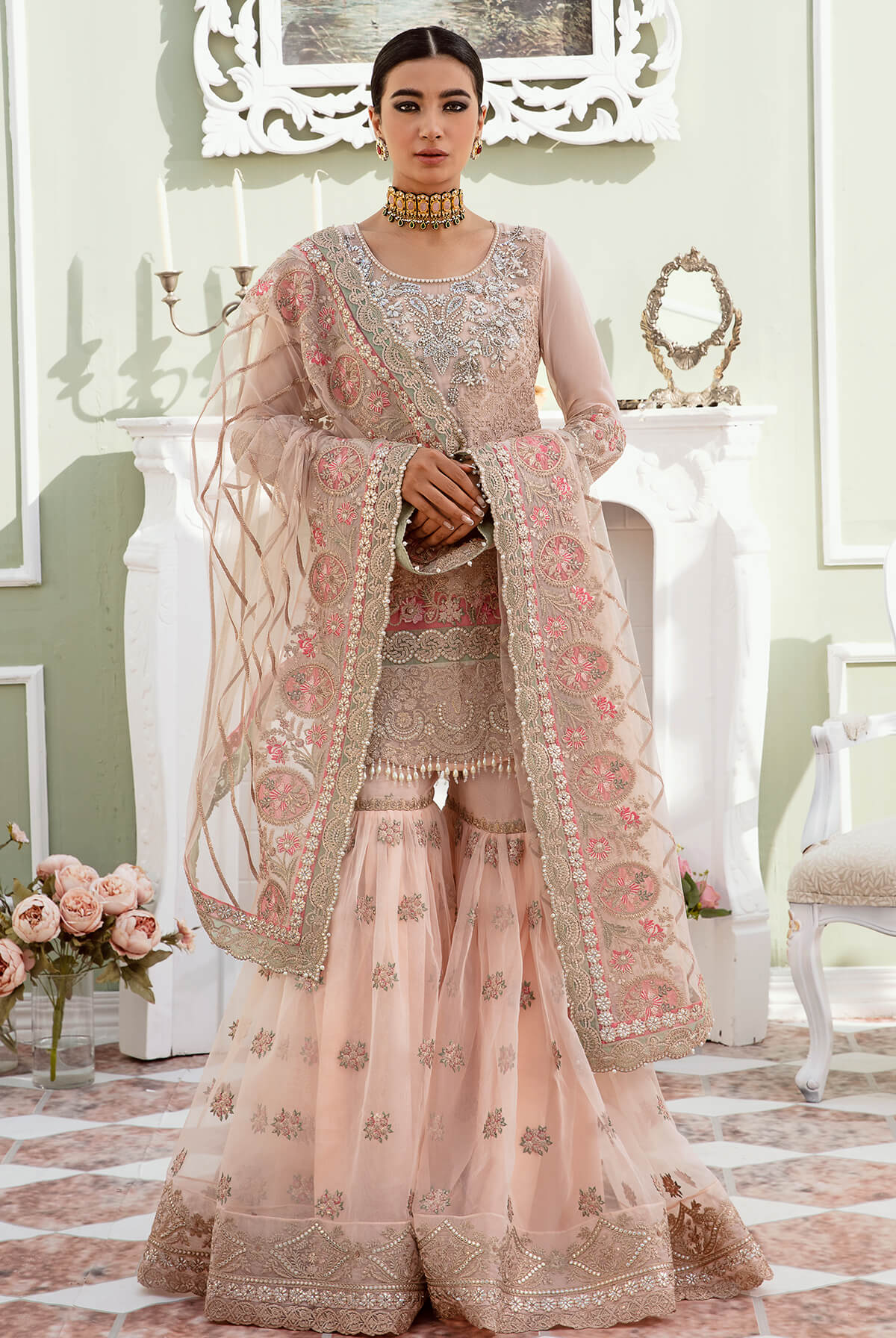
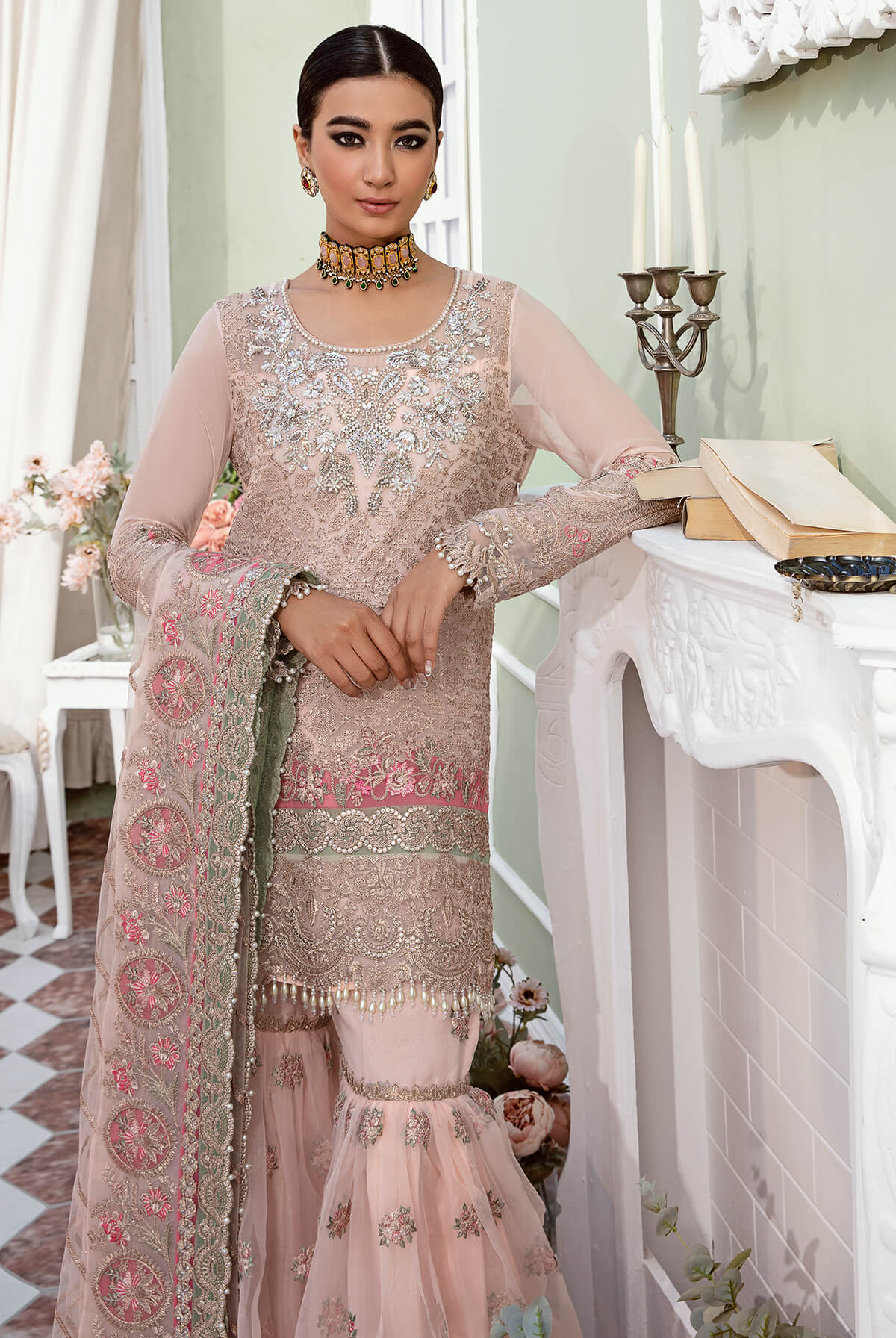
Original price was: ₨18,500.00.₨17,500.00Current price is: ₨17,500.00.
Sale!


Original price was: ₨14,500.00.₨13,500.00Current price is: ₨13,500.00.
Sale!


Original price was: ₨12,500.00.₨9,500.00Current price is: ₨9,500.00.
Sale!


Original price was: ₨15,000.00.₨9,000.00Current price is: ₨9,000.00.
Sale!


Original price was: ₨12,000.00.₨9,400.00Current price is: ₨9,400.00.
Sale!


Original price was: ₨12,500.00.₨9,500.00Current price is: ₨9,500.00.
Sale!


Original price was: ₨12,500.00.₨9,400.00Current price is: ₨9,400.00.
Sale!


Original price was: ₨14,500.00.₨9,600.00Current price is: ₨9,600.00.
Sale!


Original price was: ₨12,500.00.₨9,500.00Current price is: ₨9,500.00.
Sale!


Original price was: ₨14,500.00.₨8,900.00Current price is: ₨8,900.00.
Sale!


Original price was: ₨15,000.00.₨9,800.00Current price is: ₨9,800.00.
Sale!


Original price was: ₨13,500.00.₨8,700.00Current price is: ₨8,700.00.
Sale!


Original price was: ₨14,500.00.₨10,500.00Current price is: ₨10,500.00.
Sale!


Original price was: ₨12,400.00.₨9,200.00Current price is: ₨9,200.00.
Sale!


Original price was: ₨12,800.00.₨9,200.00Current price is: ₨9,200.00.


₨7,000.00


₨7,000.00
Pakistani Dress Wholesale Supplier Gambia | Mastorat
The international fashion industry continues to create opportunities for retailers who want to offer distinctive clothing, attractive designs, and good-quality fabrics. Pakistani fashion has earned recognition in different parts of the world because of its detailed embroidery, traditional patterns, comfortable materials, and variety of styles. From everyday outfits to luxury occasion wear, Pakistani clothing offers a wide selection for customers with different preferences and budgets.
Gambia presents an interesting opportunity for fashion retailers, boutique owners, clothing importers, and online entrepreneurs interested in introducing South Asian fashion to their customers. Traditional clothing remains an important part of many communities, while modern fashion trends are influencing how people choose outfits for daily activities, family gatherings, celebrations, and special events.
For businesses exploring a Pakistani Dress Wholesale Supplier Gambia, Mastorat provides access to a broad range of Pakistani clothing collections and wholesale sourcing opportunities. The platform helps international buyers discover different clothing categories, compare designs, and identify products that suit their business requirements.
Whether you operate a clothing boutique in Banjul, manage a retail store in Serekunda, or sell fashion products through an online shop, choosing suitable wholesale collections can help you develop a more attractive product range.
The purpose of this guide is to explain the Pakistani clothing wholesale market, available product categories, sourcing considerations, international purchasing, and opportunities for retailers in Gambia. It also explores how Mastorat can help businesses discover Pakistani fashion for their customers.
Understanding the Demand for Pakistani Clothing in Gambia
Fashion preferences are influenced by culture, lifestyle, climate, affordability, and personal taste. In Gambia, clothing businesses have opportunities to serve customers looking for modest outfits, comfortable everyday clothing, elegant formal dresses, and distinctive designs for celebrations. Pakistani clothing offers several characteristics that can make it attractive to international customers.Traditional Designs with Modern Appeal
Pakistani fashion combines traditional clothing styles with contemporary design elements. Embroidery, decorative necklines, coordinated trousers, stylish sleeves, and attractive dupattas create outfits that can appeal to customers who appreciate modest and elegant clothing. Retailers can select traditional designs for customers who prefer classic outfits or introduce modern collections for shoppers interested in contemporary styling.Comfortable Fabrics for Different Seasons
Fabric selection plays an important role when purchasing clothing for the Gambian market. The country's warm tropical climate makes breathable and lightweight materials useful for everyday collections. Cotton, lawn, lightweight blends, and selected soft fabrics can be suitable options for customers who prioritise comfort. Retailers can also introduce chiffon and other decorative materials for formal occasions.Clothing for Different Customer Groups
A successful fashion store should not depend on a single clothing category. Different customers have different requirements, and a varied inventory can help retailers reach a wider audience. Potential customer groups include:- Women looking for comfortable everyday outfits.
- Customers interested in modest fashion.
- Young shoppers following modern clothing trends.
- Families purchasing outfits for celebrations.
- Customers searching for premium formal dresses.
- Boutique shoppers looking for distinctive designs.
- Online buyers who prefer convenient clothing collections.
Why Pakistani Clothing Is a Valuable Wholesale Category
Pakistani clothing offers retailers a combination of design variety, fabric choices, and traditional craftsmanship. These characteristics create opportunities for businesses that want to build a recognisable clothing collection.1. Extensive Design Selection
One of the main advantages of Pakistani fashion is the availability of different designs. Retailers can choose simple printed outfits, embroidered suits, decorated formal dresses, and premium occasion wear. This variety makes it easier to develop collections for different customer preferences.2. Traditional Craftsmanship
Pakistani textile production includes different embroidery techniques, decorative details, and traditional patterns. These features give many outfits an individual appearance. Retailers can introduce clothing that offers something different from standard everyday fashion products.3. Competitive Sourcing Opportunities
Pakistan has an established textile and garment manufacturing industry. Businesses purchasing from Pakistani suppliers can explore different price ranges and product categories according to their budgets. Wholesale purchasing may reduce the average product cost when compared with buying individual retail pieces. However, the final cost should always include transportation, customs duties, taxes, and other import-related expenses.4. Collections for Different Occasions
Pakistani outfits are available for everyday activities, professional settings, family gatherings, religious celebrations, and weddings. A retailer can therefore develop multiple collections throughout the year instead of depending on one product type.5. Opportunities for Boutique Businesses
Small fashion businesses can create a specialised identity by selecting particular colours, fabrics, and designs. For example, a boutique may focus on embroidered suits, while another may concentrate on affordable casual wear. This flexibility allows retailers to build collections that reflect their customers' interests.About Mastorat: Your Pakistani Clothing Wholesale Platform
Mastorat is an online platform focused on Pakistani clothing and wholesale fashion collections. It helps international buyers explore clothing categories and discover products suitable for different retail requirements. For businesses in Gambia, having access to online catalogues can make the sourcing process more convenient. Buyers can review available styles, understand product categories, and shortlist designs before discussing an order. The platform offers access to different areas of Pakistani fashion, including:- Ready-to-wear Pakistani suits.
- Traditional embroidered outfits.
- Designer clothing collections.
- Formal and party wear.
- Bridal fashion.
- Seasonal clothing.
- Fabric and unstitched dress collections.
- Wholesale clothing catalogues.
Supporting Different Types of Fashion Businesses
Mastorat's wholesale-focused platform can be useful for several types of buyers. Boutique owners: Retailers can explore distinctive designs and develop collections that suit their store's identity. Clothing importers: Importers can research different product categories before planning larger purchasing requirements. Online fashion sellers: E-commerce businesses can explore collections that may suit their online product range. New entrepreneurs: People entering the clothing industry can research product types and understand the options available before investing in stock. The most suitable purchasing approach depends on business size, available investment, storage capacity, and customer demand.How the Pakistani Clothing Wholesale Supply Process Works
International clothing sourcing involves several stages. Understanding these steps helps buyers prepare their orders and avoid unnecessary complications.Step 1: Research the Local Market
Before purchasing products, retailers should understand what their customers want. Research may include observing popular clothing styles, comparing local retail prices, speaking with potential customers, and reviewing the products offered by competing stores. For example, a retailer serving customers interested in comfortable everyday outfits may prioritise cotton and lawn collections. A boutique targeting wedding and celebration customers may require more decorative formal clothing.Step 2: Explore Available Collections
Once the target audience is clear, buyers can explore different Pakistani clothing collections. The Pakistani Dress Wholesale Online resource provides another starting point for discovering online wholesale sourcing opportunities. Buyers should compare fabric descriptions, available sizes, colours, design details, and product specifications.Step 3: Shortlist Suitable Products
Avoid purchasing every attractive design you find. Instead, create a shortlist based on your customers' preferences. Consider factors such as:- Fabric suitability.
- Design quality.
- Expected selling price.
- Seasonal relevance.
- Size availability.
- Product variety.
- Expected customer demand.
Step 4: Confirm Wholesale Requirements
Before placing an order, discuss the important purchasing details with the supplier. These may include minimum order quantities, product availability, wholesale prices, payment arrangements, packaging, and estimated dispatch times. Buyers should also ask whether the selected designs are available in the required sizes and quantities.Step 5: Arrange International Shipping
After confirming the order, the next step is arranging transportation from Pakistan to Gambia. Shipping arrangements should be discussed before payment is finalised. Buyers should understand the available shipping methods, estimated delivery periods, customs documentation, and responsibility for import-related charges.Step 6: Receive and Inspect the Products
When the shipment arrives, inspect the garments before placing them on sale. Check quantities, fabric condition, stitching, colour consistency, sizes, and overall product presentation. Maintaining proper receiving records can help businesses identify problems and improve future purchasing decisions.Key Benefits of Working with a Suitable Wholesale Supplier
Finding a suitable supplier is an important part of building a sustainable fashion business. The right sourcing relationship can help retailers manage costs, maintain product variety, and plan their inventory more effectively.Affordable Purchasing Options
Wholesale purchasing allows retailers to source several products through one order. Depending on the supplier's pricing structure and minimum order requirements, buying in larger quantities may reduce the cost per garment. However, businesses should compare the complete landed cost rather than considering the wholesale price alone. For international orders, the calculation should include:- Product purchase price.
- International transportation.
- Customs duties and taxes.
- Clearing and handling charges.
- Packaging costs.
- Currency conversion charges.
Access to Different Fashion Trends
Fashion preferences change over time. Retailers need collections that reflect customer interests while remaining appropriate for their target market. Pakistani fashion includes printed designs, embroidery, traditional cuts, contemporary silhouettes, and seasonal collections. Exploring different options helps businesses refresh their inventory and introduce new products when demand changes.Better Inventory Planning
Working with a consistent supplier can make stock planning easier. Retailers can discuss product availability, reorder requirements, and collection updates. This is particularly useful before important shopping periods when customers may be looking for new clothing.More Product Choices
A supplier offering multiple clothing categories gives retailers more flexibility. Instead of sourcing casual clothing, formal wear, and designer outfits from several unrelated sources, businesses can explore different categories through one wholesale platform.Long-Term Business Development
A sustainable clothing business requires more than attractive products. It also needs sensible pricing, customer service, reliable inventory management, and a clear understanding of the local market. A good sourcing relationship can support these activities as the business grows.Popular Pakistani Dress Categories for Gambian Retailers
Selecting the right clothing categories is essential when developing a wholesale inventory. Pakistani fashion offers options for casual use, formal occasions, weddings, and seasonal shopping.1. Casual Lawn Dresses
Lawn clothing is widely recognised for its lightweight construction and comfortable feel. Printed lawn suits are particularly useful for retailers who want to offer everyday outfits. They are available in different colours, patterns, and combinations. Retailers can consider:- Printed lawn suits.
- Two-piece lawn outfits.
- Three-piece lawn collections.
- Lightly embroidered lawn dresses.
- Simple everyday cotton suits.
2. Cotton and Comfortable Daily Wear
Cotton outfits are another useful category for fashion retailers. Customers who prefer simple clothing may appreciate comfortable fabrics and easy-to-style designs. Plain cotton suits, printed outfits, and minimally decorated garments can serve shoppers looking for practical everyday clothing.3. Embroidered Pakistani Suits
Embroidered suits offer a more decorative option for customers who enjoy traditional clothing details. These garments may feature embroidery around the neckline, sleeves, front panels, or trouser hems. Retailers can select different embroidery styles according to their customers' budgets and preferences.4. Chiffon Formal Dresses
Chiffon outfits are commonly associated with formal and occasion wear. They can feature embroidered borders, decorative dupattas, detailed sleeves, and coordinated trousers. These designs may suit customers shopping for family gatherings, celebrations, and special events.5. Designer Pakistani Dresses
Designer clothing offers an opportunity to build a more premium collection. Such outfits may include detailed embellishments, distinctive cuts, coordinated fabrics, and sophisticated colour combinations. Retailers should carefully compare quality and pricing before adding expensive pieces to their inventory. Explore Pakistani Designer Dresses to discover more about this category.6. Pakistani Designer Suits
Designer suits can help boutique owners introduce collections with a more exclusive appearance. These outfits may be suitable for customers looking for coordinated clothing with distinctive patterns and carefully selected decorative elements. You can explore Pakistani Designer Suits for additional collection ideas.7. Bridal and Wedding Collections
Bridal fashion represents a specialised clothing category. Pakistani bridal outfits can feature heavy embroidery, decorative embellishments, luxurious fabrics, and traditional designs. Retailers interested in this category should consider the higher investment, detailed sizing requirements, and comparatively specialised customer base.8. Seasonal Collections
Seasonal purchasing helps retailers maintain relevant inventory. Common Pakistani clothing categories include:- Summer lawn collections.
- Lightweight cotton outfits.
- Winter khaddar suits.
- Embroidered seasonal dresses.
- Eid collections.
- Festive formal wear.
Understanding Fabric Selection for the Gambian Market
Fabric selection is one of the most important factors when importing clothing. A beautiful design may attract attention, but customers also expect comfort, durability, and suitable materials.Lightweight Fabrics
Lightweight cotton, lawn, and selected blended fabrics may be suitable for customers looking for comfortable outfits in warm weather. These materials can be considered for everyday collections and casual retail categories.Decorative Fabrics
Chiffon, silk blends, and embellished materials can be useful for formal and occasion-based clothing. Although these fabrics may not be the first choice for everyday wear, they can help retailers develop a varied collection.Fabric Quality Checks
Before placing a bulk order, buyers should request accurate product descriptions. Important details include:- Fabric composition.
- Material thickness.
- Colour information.
- Embroidery details.
- Stitching quality.
- Washing instructions.
- Whether the outfit is stitched or unstitched.
Expanding Your Clothing Business Beyond Gambia
International fashion sourcing offers opportunities beyond one country. Retailers and importers can learn from different markets and explore how Pakistani clothing serves customers in various regions. Mastorat provides country-focused resources that can help businesses understand different wholesale sourcing destinations.Pakistani Fashion in the United Kingdom
The UK has an established market for South Asian clothing, supported by multicultural communities, fashion boutiques, and online retailers. Businesses interested in this market can explore Pakistani Clothes Wholesale Suppliers UK.Pakistani Clothing in the United States
The United States offers opportunities for clothing businesses serving customers interested in traditional Pakistani fashion. Explore Pakistani Dress Wholesale in USA for additional information.Pakistani Dresses in Dubai
Dubai is an important international shopping and trading destination with a diverse customer base. Retailers can explore Pakistani Dress Wholesale in Dubai to learn more about this market.Opportunities in Bangladesh
Bangladesh has a substantial textile and clothing industry of its own. Businesses researching international fashion markets may also consider how Pakistani clothing fits particular customer segments there. The broader Pakistani Dress Wholesale in Bangladesh market offers another point of comparison for international sourcing research.Popular International Markets for Pakistani Clothing
Pakistani fashion reaches customers across several regions. The following destinations offer useful examples of international markets where retailers can explore ethnic clothing collections.Asian Markets
Asian fashion markets have different cultural preferences, clothing requirements, and retail environments. Businesses researching these destinations can explore:- India: Pakistani Dress Wholesale Supplier India
- Turkey: Pakistani Dress Wholesale Supplier in Turkey
- Malaysia: Pakistani Dress Wholesale Supplier Malaysia
- China: Pakistani Dress Wholesale Supplier China
Middle Eastern Markets
The Middle East offers several opportunities for businesses interested in traditional and modest fashion. Buyers can explore:- Saudi Arabia: Pakistani Dress Wholesale Supplier in Saudi Arabia
- Qatar: Pakistani Dress Wholesale Supplier in Qatar
African Markets for Pakistani Ethnic Wear
Africa represents a diverse collection of fashion markets, each with its own customer preferences, purchasing habits, and business opportunities. For clothing importers, understanding local requirements is more useful than assuming that the same collection will perform equally well in every country. Mastorat provides additional country-focused resources for buyers researching African markets.Kenya
Kenya has a diverse retail environment, with opportunities for clothing businesses serving different customer groups. Explore Pakistani Dress Wholesale Supplier in Kenya for more information.South Africa
South Africa has an established retail sector and a diverse population with different fashion preferences. Businesses can explore Pakistani Dress Wholesale Supplier in South Africa when researching this market.Nigeria
Nigeria offers a large consumer market with a strong interest in different clothing styles. Explore Pakistani Dress Wholesale Supplier Nigeria for another international sourcing destination.Ghana
Ghana is another West African market worth researching when planning clothing distribution. The Pakistani Dress Wholesale Supplier Ghana resource provides an additional country-specific destination.Egypt
Egypt has a varied clothing retail sector, with customers shopping for traditional, modern, and formal outfits. Visit Pakistani Dress Wholesale Supplier Egypt to explore this market.Morocco
Morocco has its own strong traditions of clothing and textile craftsmanship. Retailers researching international ethnic fashion can also explore Pakistani Dress Wholesale Supplier Morocco.Algeria
Businesses researching North African fashion opportunities can visit Pakistani Dress Wholesale Supplier Algeria. These country resources provide opportunities to explore international sourcing requirements and understand the wider reach of Pakistani clothing.European Opportunities for Pakistani Fashion Retailers
European markets include established fashion retailers, independent boutiques, online stores, and communities interested in traditional South Asian clothing. Retailers considering expansion should research local demand, product standards, delivery arrangements, and import requirements. Some relevant destinations include:- France: Pakistani Dress Wholesale Supplier in France
- Germany: Pakistani Dress Wholesale Supplier in Germany
- Italy: Pakistani Dress Wholesale Supplier in Italy
- Spain: Pakistani Dress Wholesale Supplier in Spain
- Sweden: Pakistani Dress Wholesale Supplier in Sweden
- Switzerland: Pakistani Dress Wholesale Supplier in Switzerland
Why Gambia Can Be an Interesting Destination for Clothing Importers
Gambia's fashion retail environment provides opportunities for businesses that understand local customers and select suitable clothing collections. Banjul and Serekunda are important urban areas for businesses researching retail opportunities. However, demand can differ between locations, customer groups, and price segments.Understanding Local Customer Preferences
Retailers should research the styles customers already purchase. Some customers may prefer simple printed outfits, while others may look for embroidered suits or premium formal dresses. A business that understands these differences can create a more relevant collection.Offering Suitable Price Ranges
Price is an important consideration in clothing retail. Instead of selling only premium outfits, businesses can introduce different product levels. For example:- Affordable everyday clothing.
- Mid-range embroidered outfits.
- Premium formal collections.
- Special occasion dresses.
Building a Recognisable Boutique Identity
A successful boutique should offer more than a random selection of garments. Retailers can develop an identity around particular styles, fabrics, colours, or customer groups. For example, a store may specialise in modest fashion, while another may focus on everyday Pakistani suits and formal occasion wear.Developing Online Sales Channels
Online platforms can help clothing businesses reach customers outside their immediate retail location. Retailers can use product photography, detailed descriptions, social media, and an organised online catalogue to showcase their collections. Clear sizing information, accurate product images, and transparent purchasing conditions can improve the shopping experience.How to Choose the Right Wholesale Clothing Collection
Purchasing decisions should be based on business requirements instead of design appearance alone. Before selecting products, retailers should evaluate several important factors.Check the Target Audience
Identify who is most likely to purchase your clothing. Consider age groups, preferred styles, purchasing power, and the occasions for which customers need outfits. This information will help determine which collections deserve priority.Compare Different Product Categories
Do not depend on one clothing category. A balanced collection may include everyday suits, embroidered outfits, and selected formal dresses. However, the exact combination should reflect customer demand and available investment.Review Product Specifications
Always check whether the product is stitched or unstitched. Confirm the fabric, measurements, included accessories, and available sizes. These details are particularly important when purchasing garments for customers who expect specific outfit components.Understand Minimum Order Quantities
Wholesale suppliers may have different minimum purchasing requirements. Some products may be available in individual quantities, while others may require larger orders. New businesses should understand these conditions before committing their budget.Consider Reordering Availability
A product may perform well initially, but retailers also need to consider whether the same design can be purchased again. When discussing a collection with a supplier, ask about availability and possible alternatives if a particular design sells out.International Shipping from Pakistan to Gambia
International transportation is an important part of the wholesale purchasing process. Before confirming an order, buyers should understand how products will be transported and which party is responsible for each stage.Choosing a Suitable Shipping Method
Depending on shipment size, budget, and urgency, businesses may consider air freight or sea freight. Air freight may be useful for smaller or time-sensitive shipments. Sea freight may be worth considering for larger commercial orders where the delivery schedule allows additional transit time. The appropriate method depends on the order and available logistics services.Preparing Shipping Documentation
International clothing shipments may require commercial invoices, packing lists, shipping documents, and other customs-related paperwork. The exact requirements depend on the applicable import regulations and shipment arrangements. Buyers should confirm documentation requirements with their shipping provider and relevant customs authorities.Understanding Import Charges
Retailers should calculate all potential costs before finalising their selling prices. These may include:- International freight.
- Customs duties.
- Applicable taxes.
- Customs clearance.
- Local transportation.
- Handling fees.
Tracking and Delivery Coordination
Buyers should request shipment information and available tracking details after dispatch. It is also useful to confirm the delivery address, receiving arrangements, and the person responsible for accepting the shipment. Good communication between the buyer, supplier, and shipping provider can reduce misunderstandings.Quality Control and Product Inspection
Product quality directly influences customer satisfaction and the reputation of a retail business. A retailer may attract customers through attractive designs, but poor stitching or inconsistent fabric quality can damage customer confidence.Fabric Inspection
Check the material against the product description. Look for visible defects, uneven colour, unexpected fabric differences, or damage.Stitching and Finishing
Inspect seams, sleeves, necklines, trouser hems, and decorative elements. Neat finishing can improve the overall appearance and usability of a garment.Embroidery and Decorative Details
For embroidered outfits, check the placement and finishing of decorative work. Loose threads, missing embellishments, and inconsistent patterns should be identified before the garments reach customers.Size and Measurement Verification
Confirm garment measurements against the supplier's stated size information. This is particularly important when ordering multiple sizes for a retail collection.Maintaining Inspection Records
Businesses should document any quality concerns and keep photographs of damaged or incorrect items. Clear records make it easier to discuss problems with the supplier and improve future purchasing decisions.How to Start a Pakistani Clothing Wholesale Business in Gambia
Starting a clothing business requires planning, product research, and careful financial management. The following steps can help new entrepreneurs organise their approach.Step 1: Identify a Business Opportunity
Decide whether you want to operate a physical boutique, online clothing store, wholesale distribution business, or a combination of these models. Each approach has different investment and operating requirements.Step 2: Research Competitors
Study local clothing stores and online fashion sellers. Compare product types, prices, presentation, customer reviews, and the services they provide. Look for areas where your proposed collection could offer something different.Step 3: Set an Initial Budget
Prepare a budget covering product purchasing, shipping, import charges, storage, marketing, and other operating expenses. Keep some funds available for unexpected costs.Step 4: Select Your Product Range
Start with clothing categories that match your target audience. A small, carefully selected collection may be easier to manage than a large inventory purchased without demand research.Step 5: Find a Suitable Supplier
Explore the Mastorat catalogue and shortlist products that fit your requirements. Before ordering, confirm the supplier's current terms, product availability, payment conditions, and shipping arrangements.Step 6: Plan Your Pricing
Calculate the complete landed cost of every product. Then consider operating expenses, competitor pricing, and the profit margin required to maintain your business. Avoid setting prices based only on the original garment cost.Step 7: Market Your Collection
Use clear product photographs and informative descriptions. Social media, local promotions, online marketplaces, and a dedicated website can help introduce your collection to potential customers.Step 8: Monitor Sales Performance
Record which designs sell quickly and which products remain in stock. Use this information to make better purchasing decisions when placing future orders.Marketing Pakistani Dresses to Customers in Gambia
A good product range needs effective presentation to attract potential customers. Retailers should communicate the features of their clothing clearly and make purchasing information easy to understand.Use High-Quality Product Photography
Photographs should accurately represent the colour, fabric, embroidery, and overall appearance of each outfit. Include different angles when possible so customers can understand the product before purchasing.Write Useful Product Descriptions
A product description should explain:- Clothing category.
- Fabric type.
- Available sizes.
- Colour options.
- Included outfit pieces.
- Embroidery or decorative details.
- Care instructions.
Maintain Consistent Social Media Activity
Fashion businesses can use social platforms to introduce new collections, showcase styling ideas, and communicate with customers. Regular updates can help keep the audience informed about available products.Offer Clear Customer Support
Customers may have questions about measurements, delivery, product availability, and payment methods. Providing accurate answers can help build trust and encourage repeat purchases.Develop Customer Loyalty
Good customer service, consistent product quality, and clear communication can encourage shoppers to return. Retailers can also use customer feedback to identify which designs and categories deserve more attention.Building a Long-Term Wholesale Relationship with Mastorat
Wholesale sourcing should be approached as an ongoing business relationship rather than a single purchasing transaction. Retailers need suppliers who can communicate clearly, explain product details, and provide accurate information about orders. When exploring Mastorat's collections, buyers should consider their long-term requirements. These may include:- Access to different clothing categories.
- Clear product descriptions.
- Transparent wholesale conditions.
- Communication about stock availability.
- Suitable order quantities.
- Shipping information.
- Support with purchasing enquiries.
Global Supply Network and Additional Wholesale Markets
Fashion retailers often research multiple international markets before expanding their businesses. Exploring different country-specific resources can help buyers understand how Pakistani clothing is presented to customers in different regions. For additional international sourcing information, visit:- Canada: Pakistani Dress Wholesale Supplier Canada
- Australia: Pakistani Dress Wholesale Supplier Australia